TV Time: The joy of Jane the Virgin

Jane the Virgin premiered on the CW back in 2014, and ran for five seasons. Back in the day, I faithfully watched season 1, but then only watched about 4 or 5 episodes of season 2 before giving it up.

Why did I quit? I think maybe I just didn’t get it at the time. Or maybe the weekly cadence didn’t quite pull me in enough to be completely hooked.

But now? After finishing my binge of all five seasons, I can say with complete confidence the Jane the Virgin is GLORIOUS.

What makes it so special? I’ll try to explain.

First, the basics: Jane Gloriana Villaneuva is a 23-year-old college student when we first meet her. She works part-time as a waitress at the swanky Marbella hotel in Miami, is studying to become a teacher, and lives with her mother Xiomara and grandmother Alba.

Alba is an undocumented immigrant from Venezuela, a devout Catholic, and the moral center of Jane’s life. Xiomara had Jane at age 16 as a single teen mom, and has told Jane all her life that the father was an army soldier passing through with whom she had a brief fling.

One of Jane’s core beliefs was instilled in her by her abuela from a young age — your virginity is like a flower that you must protect. Once it’s gone you can never get it back!

Jane is also very much in love with her boyfriend Michael, a police detective who’s sweet, kind, funny, and head over heels in love with Jane. And who’d really like to have sex with her, except she’s vowed to wait until marriage, despite their hot and heavy make-out sessions.

All is right with Jane’s world until she goes in for a pap smear, and ends up artificially inseminated instead by a distracted doctor who mixes up her patients. What’s a pregnant virgin to do?

From here, things get crazier and crazier. The sperm used to impregnate Jane belongs to Rafael Solano, the incredibly hot owner of the Marbella who froze his sperm sample prior to undergoing chemotherapy several years earlier. His marriage to scheming Petra is on its last legs, and Petra had planned to set insemininated with his only sperm sample as a way to hold onto the money that comes with her marriage.

And so many more twists and turns! The key thing to know about Jane the Virgin is that it’s about how much the Villanueva women love telenovelas, and the telenovela theme is what gives Jane the Virgin its style and approach.

So yes, there are long-lost twins and evil crime lords, amnesia and kidnappings, blackmail and murder, and so much more. There’s also a telenovela within the telenovela, since Jane’s father turns out to be Rogelio de la Vega, the star of the hit telenovela The Passions of Santos.

As the narrator often reminds us: “I know! Straight out of a telenovela!”

And yes, there’s a narrator, and he’s phenomenal. Funny, sarcastic, dramatic, he adds spice and humor to every scene, as well as the little subtitles and texts and emojis that pop up too. It works, trust me.

I think one of the things that didn’t work for me when I first watched the show was the telenovela aspect. I didn’t care about the crime and conspiracies, the police investigations, the crazy drug lord caper…

But with this binge, I was better able to appreciate the beauty of the whole, and how the crazy plot aspects balance so well against the marvelous depiction of daily life for a loving family.

Because that’s what this show is really about, at its core. The relationships between Jane, Xiomara, and Alba are lovely, so full of heart and devotion and real day-to-day experience. Yes, they fight and get fed up, but at the end of the day, these three women are strong and solid, and we can always count on their porch-swing heart-to-hearts to put things right.

A few more favorite things:

Magical realism: This show makes fabulous use of magical realism, from showing Jane’s heart glowing when she’s in love to the swirling flower petals that fill the air during an important kiss. It’s a lovely nod to Latin American literary traditions, and it adds so much.

Jane’s writing career: Jane is an aspiring writer, and we see her progress from tentatively sharing her dream to pursuing graduate school, then working on her first novel, and finally achieving success. It’s hard for movies and TV to show a writer at work and make it interesting, but Jane the Virgin does an amazing job of showing Jane’s struggles and her process.

High-stakes at the hotel: It just cracks me up how the ownership of the Marbella is such an issue throughout the entire show. Someone is always buying or giving or stealing hotel shares, so while Rafael might be the owner one day, he can be out on his ear the next. It’s super silly, and makes me roll my eyes, and is yet one more ridiculous but fun piece of the whole.

Rogelio: Oh, man. There’s nobody like Rogelio. He is incredibly vain, a total name-dropper, and yet also the sweetest man alive. He never fails to remind us that he’s super handsome and a big star with flawless skin, but he’s also vulnerable and loving and loves his family so, so much. He’s also hilarious.

The love triangle: For what it’s worth, I was Team Rafael from the start, and even when that didn’t work out quite as I’d hoped in season 1, I always held out hope. Through their ups and downs, Jane and Rafael managed to form a friendship that saw them through heartbreak and co-parenting challenges, so when they finally (spoiler alert!) make a go of it, it feels real and truly earned. (Sorry, Team Michael fans! I just never really felt it.)

Representation: It’s amazing to see so many talented Latinx actors center stage. And I love that Alba speaks almost exclusively in Spanish throughout the show, and that’s just who she is. Dialogue flows seamlessly from Spanish to English and back again, and it works so well.

Life: Beneath the silliness of so many plot devices, there are real issues that real people face — so many of which rarely get any attention on TV. We see Jane struggling with breast feeding and the feelings of inadequacy that can come with lactation challenges. We see Xiomara’s breast cancer diagnosis and treatment, presented so incredibly thoughtfully and sensitively — including how a woman’s relationship with her own sexuality might change in the aftermath of chemo and all the changes it brings. We also see Alba’s quest to become a citizen, going from a woman terrified of the police for fear that she’ll be deported, through the process of pursuing a green card and finally becoming a full citizen.

There’s so much more — loss and grief, establishing a family and what it means, Jane and Rafael’s efforts to co-parent in a way that supports their son even when they themselves are at odds, their struggle with son Mateo’s ADHD diagnosis and coming to terms with treatment options — I could go on and on. The beauty of Jane the Virgin is that the melodramatic twists never overshadow the day-to-day realities of people living realistic lives. It’s a hard balance to maintain, but the show does it beautifully.

I know I’ve rambled on, probably more than enough. But really, when a show is this great, I just want to shout about it! Jane the Virgin is a perfect binge for these coronavirus times. It’s full of joy and heart, is never dull, and reminds us that life can be full of magic.

Audiobook Review: Blood of Elves by Andrzej Sapkowski

Title: Blood of Elves
Author: Andrzej Sapkowski
Narrator: Peter Kenny
Publisher: Orbit
Publication date: 2009 (first published 1994)
Print length: 324 pages
Audio length: 10 hours, 55 minutes
Genre: Fantasy
Source: Purchased
Rating:

Rating: 3.5 out of 5.

For more than a hundred years humans, dwarves, gnomes and elves lived together in relative peace. But times have changed, the uneasy peace is over and now the races once again fight each other – and themselves: Dwarves are killing their kinsmen, and elves are murdering humans and elves, at least those elves who are friendly to humans… Into this tumultuous time is born a child for whom the witchers of the world have been waiting.

Ciri, the granddaughter of Queen Calanthe, the Lioness of Cintra, has strange powers and a stranger destiny, for prophecy names her the Flame, one with the power to change the world – for good, or for evil… Geralt, the witcher of Rivia, has taken Ciri to the relative safety of the Witchers’ Settlement, but it soon becomes clear that Ciri isn’t like the other witchers. As the political situation grows ever dimmer and the threat of war hangs almost palpably over the land, Geralt searches for someone to train Ciri’s unique powers.

But someone else has an eye on the young girl, someone who understand exactly what the prophecy means – and exactly what Ciri’s power can do. This time Geralt may have met his match.

Blood of Elves is the 3rd book in the Witcher chronology, although the book spine calls it The Witcher, #1. Which is just confusing. While Blood of Elves is the first novel in the series, it’s preceded by two story collections that form a crucial introduction to the world of the Witcher and the events in Blood of Elves. If you tried to start these books with Blood of Elves, you’d be hopelessly confused. So don’t do it — start with The Last Wish.

Got that?

Blood of Elves is loosely Ciri’s story — Ciri being the young girl who comes under Geralt’s protection after her family and her kingdom are destroyed by the invading Nilfgardians. Geralt of Rivia probably is way down at the bottom of men to choose as father figures, but Ciri and he are destined to belong to one another, and at the end of the previous book, he finally accepts this destiny.

In Blood of Elves, we follow Ciri’s education, first at Kaer Morhen, the stronghold of the Witchers, where she trains in the ways of Witchers, learning to fight with speed and cunning. But Ciri also has nightmares and spells where she seems to be channeling a magical voice, so Geralt calls on magician Triss Merigold to help.

Under Triss’s tutelage, Ciri learns more about herself as a person and as a young woman, and Triss is able to ascertain more about the strange trances that Ciri falls into. Eventually, Geralt brings Ciri to the Temple of Melitele to learn more formally, and finally, the enchantress (and Geralt’s true love) Yennefer arrives to train Ciri in the use of magic.

Meanwhile, Geralt is off on adventures, trying to both keep Ciri hidden from those who seek her for nefarious purposes and to discover who is behind the search for her.

While there are action sequences scattered throughout, Blood of Elves feels strangely static. There are long sequences where various parties just talk and talk and talk — mostly kings and advisors and magicians, deciding whether to go to war and what Ciri’s future might bring, if only they can find her and control her.

I enjoy reading Witcher books, but maybe because this one only follows Geralt about half the time, it didn’t quite feel compelling enough, especially in comparison to the terrific two books that precede it.

On the other hand, the narration of the audiobooks continues to be outstanding. Narrator Peter Kenny does a marvelous voice for Geralt — strong, sarcastic, understated — as well as very good voices for Ciri, Yennefer, Dandelion, and more.

Having listened to the audiobooks, I think it would be hard to switch over to print. There are so many scenes that are driven by dialogue, and these are exceptionally fun to listen to. And while action sequences can get confusing, there’s enough explanation to keep them comprehensible.

Blood of Elves was somehow not as great as I’d hoped it would be, but I still enjoyed it, and I’ll definitely keep going with the series.

Book Review: European Travel for the Monstrous Gentlewoman by Theodora Goss

Title: European Travel for the Monstrous Gentlewoman (The Extraordinary Adventures of the Athena Club, #2)
Author: Theodora Goss
Publisher: Saga Press
Publication date: July 10, 2018
Print length: 736 pages
Genre: Fantasy
Source: Purchased
Rating:

Rating: 4 out of 5.

In the sequel to the critically acclaimed The Strange Case of the Alchemist’s Daughter, Mary Jekyll and the rest of the daughters of literature’s mad scientists embark on a madcap adventure across Europe to rescue another monstrous girl and stop the Alchemical Society’s nefarious plans once and for all.

Mary Jekyll’s life has been peaceful since she helped Sherlock Holmes and Dr. Watson solve the Whitechapel Murders. Beatrice Rappaccini, Catherine Moreau, Justine Frankenstein, and Mary’s sister Diana Hyde have settled into the Jekyll household in London, and although they sometimes quarrel, the members of the Athena Club get along as well as any five young women with very different personalities. At least they can always rely on Mrs. Poole.

But when Mary receives a telegram that Lucinda Van Helsing has been kidnapped, the Athena Club must travel to the Austro-Hungarian Empire to rescue yet another young woman who has been subjected to horrific experimentation. Where is Lucinda, and what has Professor Van Helsing been doing to his daughter? Can Mary, Diana, Beatrice, and Justine reach her in time?

Racing against the clock to save Lucinda from certain doom, the Athena Club embarks on a madcap journey across Europe. From Paris to Vienna to Budapest, Mary and her friends must make new allies, face old enemies, and finally confront the fearsome, secretive Alchemical Society. It’s time for these monstrous gentlewomen to overcome the past and create their own destinies. 

Oh, what fun! One of my most enjoyable reads this past year was The Strange Case of the Alchemist’s Daughter, book one in the Athena Club trilogy. In it, we met the daughters of famous men — men who conducted monstrous experiments in the name of science, and left behind daughters bearing the scars of their work.

In book #2, European Travel for the Monstrous Gentlewoman, this found family of heroic women is at it again. They’ve banded together to form a home and a family, finding happiness and belonging that they’ve never had elsewhere. A plea for help from Mary Jekyll’s former governess, Mina Murray, sets the plot in motion. A young woman named Lucinda Van Helsing is missing, and her father, Dr. Van Helsing, is suspected of being in league with the nefarious Society of Alchemists.

This kicks off the Athena Club’s next adventure, as they head to Vienna and then Budapest to rescue Lucinda and reveal the terrible conspiracies at the heart of the Society of Alchemists.

Along the way, there’s travel aboard the Orient Express, a meeting with Irene Adler (of Sherlock Holmes fame), circus performances, a battle with vampires, and a break-in/break-out from an asylum.

Our heroes show the pluck and bravery that make them so special, whether it’s the careful planning of Mary, or Beatrice’s special brand of poison, or Catherine’s claws, or Justine’s strength and moral fiber, they work well together while pursuing the cause of justice and freedom for the victims and survivors of the mad scientists.

I love how author Theodora Goss turns these famous stories on their heads. Mary Shelley’s Frankenstein may have been published as a novel, but the Athena Club understands that it’s a true story, with Justine Frankenstein as living proof. Count Dracula makes a memorable appearance, but he’s not at all the person you’d expect. Sherlock Holmes is one of Mary’s mentors, but he only appears in the beginning parts of the story — it’s Irene Adler whose wits and abilities get a chance to shine.

My only quibble with European Travels is the length. At 700+ pages, it’s a bit of a daunting reading experience, and since the book itself is divided into two parts, perhaps it would have been better as two separate books. I think I might have enjoyed it more if I’d taken a break in between parts I & II — unfortunately, a little reading fatigue set in, so by the end, I was slightly less engaged, and I think that’s due to the size of the book — because the plot itself is exciting and creative throughout.

That’s really just a minor complaint. This book is definitely worth the time and effort!

I would be remiss if I didn’t mention how funny the characters can be. Young Diana Hyde is a bratty, brave teen with no manners, and she can be counted on to disrupt any serious moment by acting out in some outrageous fashion or another. Plus, the writing is just so much fun. The story we’re reading is meant to be Catherine Moreau’s novelization of the Athena Club’s adventures — and at regular intervals, her narrative is interrupted by the other characters adding their own opinions and criticisms of Catherine’s version of events. It’s clever and silly and just so delightful.

As a whole, I loved this book, and I love the series so far. With dynamic, strong, quirky characters and a plot full of intrigue and action, it’s a truly compelling read.

Can’t wait to dive into the third and final book, The Sinister Mystery of the Mesmerizing Girl!

Shelf Control #224: Journey by James Michener

Shelves final

Welcome to Shelf Control — an original feature created and hosted by Bookshelf Fantasies.

Shelf Control is a weekly celebration of the unread books on our shelves. Pick a book you own but haven’t read, write a post about it (suggestions: include what it’s about, why you want to read it, and when you got it), and link up! For more info on what Shelf Control is all about, check out my introductory post, here.

Want to join in? Shelf Control posts go up every Wednesday. See the guidelines at the bottom of the post, and jump on board!

cropped-flourish-31609_1280-e1421474289435.png

Title: Journey
Author: James A. Michener
Published: 1988
Length: 366 pages

What it’s about (synopsis via Goodreads):

One of the premier novelists of the twentieth century, James A. Michener captures a frenzied time when sane men and women risked their very lives in a forbidding Arctic land to win a dazzling and elusive prize: Yukon gold. In 1897, gold fever sweeps the world. The promise of untold riches lures thousands of dreamers from all walks of life on a perilous trek toward fortune, failure—or death. Journey is an immersive account of the adventures of four English aristocrats and their Irish servant as they haul across cruel Canadian terrain toward the Klondike gold fields. Vivid and sweeping, featuring Michener’s probing insights into the follies and grandeur of the human spirit, thisis the kind of novel only he could write.

How and when I got it:

Here’s my super-battered paperback copy:

I bought it at a used book store ages ago — probably 10 years, at least!

Why I want to read it:

Michener books are essential travel prep for me — I read his Alaska before my first trip to Alaska, and I can’t even express how much richer my experience was because of this.

Journey focuses on the Klondike gold rush, which does come up in Alaska as well, and I’ve always wanted to read more about it. Plus, Michener just knows how to spin a great tale, and thankfully, this book is much shorter than some of the hefty novels of his that I’ve read.!

What do you think? Would you read this book? 

Please share your thoughts!


__________________________________

Want to participate in Shelf Control? Here’s how:

  • Write a blog post about a book that you own that you haven’t read yet.
  • Add your link in the comments or link back from your own post, so I can add you to the participant list.
  • Check out other posts, and…

Have fun!

Top Ten Tuesday: Ten authors I’ve read the most books by

Top Ten Tuesday is a meme hosted by That Artsy Reader Girl, featuring a different top 10 theme each week. This week’s topic is Authors I’ve Read the Most Books By.

It looks like I did this topic back in 2015, but my reading habits have changed since then — so, new and improved for 2020, here are ten authors whose books dominate my shelves.

Note: The numbers as reflected in Goodreads aren’t entirely reliable, since they include novellas and stand-alone stories that I’ve marked as read as well as actual novels and other published materials. So… take the the numbers below with a grain (or ten) of salt.

Seanan McGuire – 38 

Because I adore the October Daye series and the Incryptid series, as well as her various other novels and novellas and, well, basically anything she writes. And this doesn’t even include the 12 works I’ve read by her alter ego Mira Grant.


Jim Butcher – 29

And more coming this year, with two new Dresden Files books releasing this summer and fall! Besides the Dresden books, this number includes Codex Alera, some story collections, and Bigfoot!


Dana Stabenow – 27

The Kate Shugak series is at 22 books (and counting), plus there are 4 Liam Campbell books published so far, and I’ve read a collection of her non-fiction travel writing. (Plus, I have more books of hers on my TBR, but who’s counting?)


Patricia Briggs – 25

I love the Mercy Thompson series, as well Alpha & Omega, plus I’ve read any and all Mercy-verse stories that have appeared in various anthologies.


Diana Gabaldon – 23 

I’m going to keep using this picture, because hey, I met DG once in person and it was awesome!

No, there aren’t 23 books in the Outlander series, but this include the Lord John books, the reference books, and the various novellas and stand-alone stories.


Gail Carriger – 23

According to Goodreads, that’s 4 each for the Finishing School and Custard Protocol series, 4 for the Parasol Protectorate, a whole bunch of novellas, and two works published as G. L. Carriger.


Stephen King – 21

Considering how many books he’s written, this is just scratching the surface! I don’t think I’ll ever run out of backlist King books to read, not to mention keeping up with the never-ending new releases.


Tamora Pierce – 19

I went on a Tamora Pierce reading binge last year, reading basically ALL of her Tortall books, one after another. And loved them all! (Mostly.)


John Scalzi – 19

So there’s the Old Man’s War series, the Interdependency trilogy, the Lock In books, and various others too.


And finally, one that maybe should go into a separate category…

Robert Kirkman – 33

Because I’ve read the entire Walking Dead series in trade paperback editions, and that’s 32 books, plus one more about Negan.


Which authors have you read the most? Do we have any in common?

Please share your links!

Save

Save

Save

Save

The Monday Check-In ~ 7/6/2020

cooltext1850356879 My Monday tradition, including a look back and a look ahead — what I read last week, what new books came my way, and what books are keeping me busy right now. Plus a smattering of other stuff too.

Life.

I hope everyone enjoyed the holiday weekend! No (official) fireworks, but at least the skies here were blue and I was able to enjoy being outdoors in the sun.

What did I read during the last week?

Mexican Gothic by Silvia Moreno-Garcia: SO good. My review is here. And I LOVE that the publisher has paper dolls to go with it! Check out how amazing there are, here.

Here’s a peek at page 1 of the paper dolls:

Okay, what else did I read?

Alice by Christina Henry. I’ll be honest — I just did not enjoy this book. I’ve loved the two other Christina Henry books that I read (The Girl in Red and The Mermaid), but this one just didn’t appeal to me at all. Violent and dark, but no characters to really care about. So far, I’ve yet to encounter an Alice in Wonderland retelling that I’ve actually liked, so maybe I should stop trying! Unfortunately, I bought the sequel to this book at the same time that I picked up this one, and now I have little interest in reading it.

Well Met by Mary Jen DeLuca: Fun, sweet audiobook set at a RenFaire. My review is here.

Hollow Kingdom by Kira Jane Buxton: Why, oh why, did it take me so long to get around to reading this book? It was AMAZING. My review is here.

Pop culture & TV:

I’m STILL watching Jane the Virgin, but should be done this week and ready for something new to binge. Meanwhile, my son and I have been working our way through the Fast & Furious movies, which are ridiculous and yet so much fun. This week’s pick:

Yup, there’s a submarine in the middle of a car chase. It’s wacky.

Puzzle of the week:

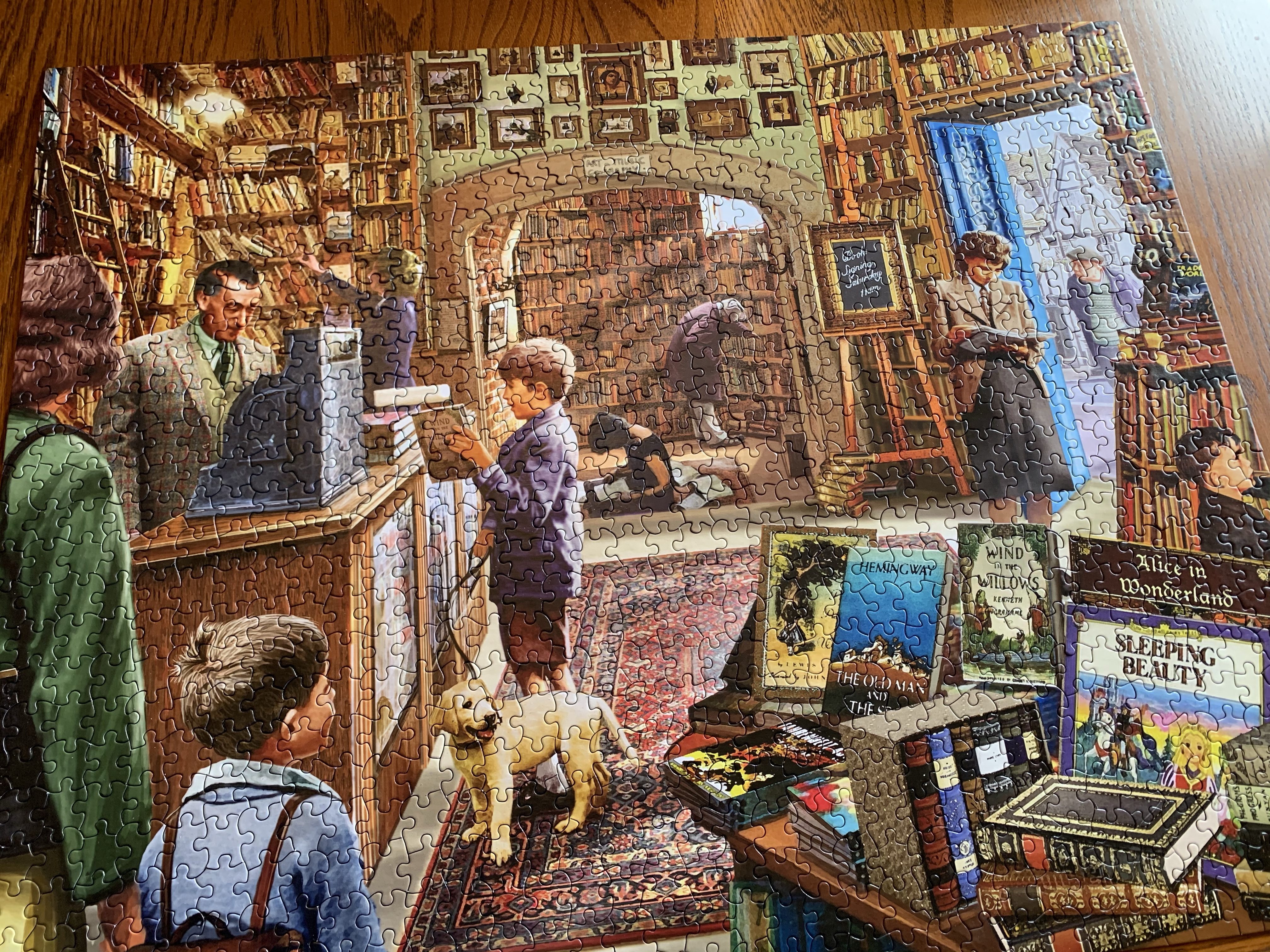
Since I seem to be doing these weekly, I thought I’d make it part of my Monday routine to share my most recent:

Cute, right? This one was a lot of fun. My problem is that I’m a wee bit obsessive when it comes to puzzles, so once I start, I basically don’t do anything else until I finish. So, I’m allowing myself one per week for now. After all, puzzle time takes away from reading time, and we can’t have that.

Fresh Catch:

Why yes, I did get some new books this week!

What will I be reading during the coming week?

Currently in my hands:

European Travel for the Monstrous Gentlewoman by Theodora Goss: I read the first book in this trilogy, The Strange Case of the Alchemist’s Daughter, about a year ago, and thought it was delightful. And now that the 3rd has arrived, it’s time to continue the series. Picking back up with book #2.

Now playing via audiobook:

Blood of Elves by Andrzej Sapkowski: And back to The Witcher I go! These audiobooks are so much fun.

Ongoing reads:

Outlander Book Club’s re-read of Outlander is underway. We’re reading and discussing one chapter per week. This week: Chapter 4, “I Come To the Castle”. Anyone who’s interested is welcome to participate, so just ask me how.

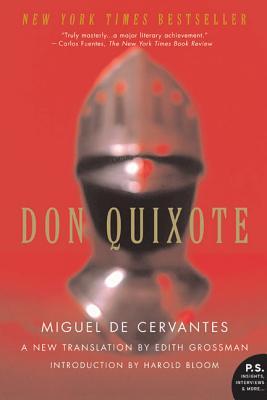
I took Don Quixote off my reading list a few weeks ago, and then regretted it, so I’m diving back in. My book group is reading and discussing two chapters per week, and I was about 10 chapters behind… but after a big sprint of reading this weekend, I managed to catch up to the group!

So many books, so little time…

boy1

Book Review: Hollow Kingdom by Kira Jane Buxton

Title: Hollow Kingdom
Author: Kira Jane Buxton
Publisher: Grand Central Publishing
Publication date: August 6, 2019
Length: 308 pages
Genre: Horror
Source: Review copy courtesy of the publisher via NetGalley
Rating:

Rating: 4.5 out of 5.

One pet crow fights to save humanity from an apocalypse in this uniquely hilarious debut from a genre-bending literary author.

S.T., a domesticated crow, is a bird of simple pleasures: hanging out with his owner Big Jim, trading insults with Seattle’s wild crows (those idiots), and enjoying the finest food humankind has to offer: Cheetos ®.

Then Big Jim’s eyeball falls out of his head, and S.T. starts to feel like something isn’t quite right. His most tried-and-true remedies–from beak-delivered beer to the slobbering affection of Big Jim’s loyal but dim-witted dog, Dennis–fail to cure Big Jim’s debilitating malady. S.T. is left with no choice but to abandon his old life and venture out into a wild and frightening new world with his trusty steed Dennis, where he discovers that the neighbors are devouring each other and the local wildlife is abuzz with rumors of dangerous new predators roaming Seattle. Humanity’s extinction has seemingly arrived, and the only one determined to save it is a foul-mouthed crow whose knowledge of the world around him comes from his TV-watching education.

Hollow Kingdom is a humorous, big-hearted, and boundlessly beautiful romp through the apocalypse and the world that comes after, where even a cowardly crow can become a hero.

If you think a book whose lead character is a crow must be weird, well, you’re right. It’s also amazing and fabulous, and I loved it a bunch!

In Hollow Kingdom, something is very wrong with the humans (referred to as MoFos by our hero, S.T. (whose name stands for Shit Turd, in case you’re wondering). There’s the fact that Big Jim’s eyeball has fallen out. And their heads are all at weird angles. And they run their fingers over surfaces until they’re worn down to bone and beyond. And they’ve become feral. Yeah, the world has definitely changed. And S.T. doesn’t like it one bit.

All S.T. wants is for things to go back to normal, so he can watch TV and eat Cheetos with Big Jim, but sadly, it’s looking less and less likely. Finally, S.T. decides to set out with Big Jim’s dog Dennis to find out what’s going on with the rest of the MoFos outside their Seattle home.

It’s not pretty. The world has fallen apart. As S.T. learns from the murder of crows who hang out at the university, all of humanity has been destroyed by a technology-spread virus. Now, it’s time for nature to reassert a sense of balance in the world. The zoo animals have been released, and giraffes and elephants wander the city. There’s a trio of tigers on the loose as well, and a local stadium has become home to hippos. S.T. and Dennis set out on a mission to free the domestics — finding ways to break into homes and release the pet animals who would otherwise starve to death, locked inside houses where there are no more humans to open the doors or provide food.

It’s a dangerous and awe-inspiring adventure, and S.T. is a magnificent narrator. He considers himself more human than crow, and his journey gives him an opportunity to reconsider where he fits in the natural world and to reconnect with his crow-ness.

The mythology of the animal world is inventive and oddly logical, and the interplay between species works so well. And it’s not just animals — for those who listen, even the trees have wisdom to impart.

S.T. is an opinionated, foul-mouthed anti-hero, who finds himself in the hero business purely by accident, and then rises to the occasion. That doesn’t mean that he loves everyone he meets or revises his condemnation for lesser creatures, including his loathing of penguins — as when he encounters the welcome sign at the zoo:

You can imagine how elated I was to discover that they’d placed cutouts of frolicking penguins all over their sign. Fucking newspaper-colored, ice-balled dick goblins, yeah, that’s who you want as your brand ambassador.

He looks down on lots of birds and animals, to be sure:

It had become clear on this second attempt at going airborne that I now had the aviation skills of an obese chicken. Again, I tried to focus on the positive and not the comparison to a bird who likes to sing while ovulating and has the worst retirement plan of all time (pot pie).

But there are also moment of adulation:

We were utterly surrounded. Plovers, kingfishers, ospreys, sapsuckers, larks, nightjars, shrikes, and buntings. I got starstruck at the sight of a snowy owl, because, I mean, Harry Potter.

S.T. isn’t the only narrator — in brief chapters mixed in throughout the book, we get scenes from the point of view of cats, dogs, trees, and even a polar bear. One of my favorites is Genghis Cat, who has a unique worldview, especially when it comes to taking care of the orangutan who’s come into his life:

Orange needs my protection. He is very, very fat. I summon my feline kin to join me in his protection. Striped ones with laser-pointer moves, jumpers, long-haired assassins, night kings, mousers, shadow stalkers, tree scalers, and one strange naked one that looks like an uncooked chicken. We are killers, warriors, hunters.

I could go on, but you probably get the idea. Hollow Kingdom is strange and wonderful, incredibly fascinating and surprisingly funny and moving. It’s a brave new world, one without MoFos like us, and the animal kingdom is ready to take it on.

Hollow Kingdom is, plain and simple, a great read, unlike anything else I’ve read in the past few years. Don’t miss it.

S.T., is that you?

Audiobook Review: Well Met by Jen DeLuca

Title: Well Met
Author: Jen DeLuca
Narrator: Brittany Pressley
Publisher: Berkley
Publication date: September 3, 2019
Print length: 336 pages
Audio length: 9 hours, 45 minutes
Genre: Contemporary romance
Source: Library
Rating:

Rating: 4 out of 5.

All’s faire in love and war for two sworn enemies who indulge in a harmless flirtation in a laugh-out-loud rom-com from debut author, Jen DeLuca.

Emily knew there would be strings attached when she relocated to the small town of Willow Creek, Maryland, for the summer to help her sister recover from an accident, but who could anticipate getting roped into volunteering for the local Renaissance Faire alongside her teenaged niece? Or that the irritating and inscrutable schoolteacher in charge of the volunteers would be so annoying that she finds it impossible to stop thinking about him?

The faire is Simon’s family legacy and from the start he makes clear he doesn’t have time for Emily’s lighthearted approach to life, her oddball Shakespeare conspiracy theories, or her endless suggestions for new acts to shake things up. Yet on the faire grounds he becomes a different person, flirting freely with Emily when she’s in her revealing wench’s costume. But is this attraction real, or just part of the characters they’re portraying?

This summer was only ever supposed to be a pit stop on the way to somewhere else for Emily, but soon she can’t seem to shake the fantasy of establishing something more with Simon, or a permanent home of her own in Willow Creek. 

Okay, show of hands: Who among us hasn’t ever wanted to lace up a corset, grab a turkey leg, and head to ye olde Renaissance Faire for some old-timey fun? Not just me, right?

In Well Met, Emily Parker is 24, unemployed, and temporarily living in small-town Willow Creek while helping her older sister April recover from a serious car accident. Part of this help is ferrying around her 14-year-old niece, Caitlin, including taking her to sign up as a volunteer cast member for the upcoming summer’s Renaissance Faire. The catch, however, is that minors can’t volunteer unless they have a responsible adult volunteering with them, so Emily reluctantly finds herself roped into volunteering as a tavern wench for the summer.

Emily takes an immediate dislike to the Faire’s organizer Simon, who seems rigid and overly obsessed with filling out forms correctly. He causes further offense by accusing Emily of not taking Faire seriously — which, granted, she’s only half-heartedly doing, at least at first.

But as rehearsals warm up and the big event approaches, Emily is more and more drawn into the excitement, the pretend world of Faire, and the real world of Willow Creek. She’s had a hard few years, but is finally starting to feel like she might have found a place to put down roots and create a life for herself.

It doesn’t hurt that she and Simon seem to be developing some real chemistry — especially when they’re in their Faire personae of tavern wench and swaggering pirate.

Well Met is so much adorable fun! First off, the Faire goings-on are amazing and made me want to be there! Jousting, troubadors, Queen Elizabeth, ladies in waiting, kilted men… there’s just so much to love! And it’s so cute to see how into it everyone is, from giddy high school students to long-time Faire veterans.

I enjoyed Emily’s character,and there are plenty of great supporting characters too — such as April, Caitlyn, Emily’s new-found bestie Stacy, local bookstore owner Chris, and more.

Emily and Simon both have painful baggage, and their histories hold them back from fully exploring what they want and what they need to find happiness. When they do finally get together, it’s not all smooth sailing, as they both put up their defenses, misinterpret each others’ communications, and just generally mess things up quite a bit.

One of my standard romance complaints comes into play, which is that if people would only talk to each other rather than jumping to conclusions, life would be a whole lot easier! Of course, then the story would have less drama, but still. Emily spends a week worrying that she’s being fired from her job and that Simon played a part in it — but a), that’s a ridiculous assumption that’s really not based on anything concrete, and b) she could have asked one simple questions and clearly up her confusion instantly.

Still, what’s a romance novel without stumbling blocks? It would have all wrapped up much too quickly if Emily and Simon got together when they did and then remained blissfully happy until the end. So yes, we get the requisite drama, fight, and break-up, but hey, it’s a romance, so of course there’s going to be an HEA to end the story!

My one lingering complaint about Well Met is that there’s a storyline thread I would have loved to see get tied up. Part of Emily’s backstory is that she dropped out of college about a year short of an English degree in order to support her (awful) ex-boyfriend through law school. While Emily is happily employed and fulfilled by the end of the book, I would have loved for her to decide to go back to school and finish the education that clearly meant so much to her. Well, hopefully we’ll find out that that’s exactly what she did by the time the sequel comes out!

A note on the audiobook: I originally picked up a print version of this book, but I’m so happy I ended up going the audio route instead! I really enjoyed the narration. The dialogue is crisp and funny, and the narrator did a great job showing us the characters putting on their fake accents for the Faire personae and getting into the spirit of it all.

Well Met is the first in a trilogy of novels centered around Faire, each one focusing on a different couple’s love story. Book #2, Well Played, due out this coming September. And yes, I absolutely want to read it!

Well Met is good, romantic fun, and a great choice for a summer read.

Huzzah!

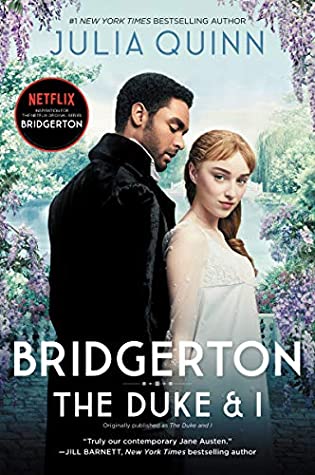
Shelf Control #223: Darcy and Fitzwilliam by Karen V. Wasylowski

Shelves final

Welcome to Shelf Control — an original feature created and hosted by Bookshelf Fantasies.

Shelf Control is a weekly celebration of the unread books on our shelves. Pick a book you own but haven’t read, write a post about it (suggestions: include what it’s about, why you want to read it, and when you got it), and link up! For more info on what Shelf Control is all about, check out my introductory post, here.

Want to join in? Shelf Control posts go up every Wednesday. See the guidelines at the bottom of the post, and jump on board!

cropped-flourish-31609_1280-e1421474289435.png

Title: Darcy and Fitzwilliam
Author: Karen V. Wasylowski
Published: 2011
Length: 481 pages

What it’s about (synopsis via Goodreads):

A gentleman in love cannot survive without his best friend…

Fitzwilliam Darcy and Colonel Fitzwilliam couldn’t be more different, and that goes for the way each one woos and pursues the woman of his dreams. Darcy is quiet and reserved, careful and dutiful, and his qualms and hesitations are going to torpedo his courtship of Elizabeth. His affable and vivacious cousin, Colonel Fitzwilliam is a military hero whose devil-may-care personality hides the torments within, until he finds himself in a passionate, whirlwind affair with a beautiful widow who won’t hear of his honorable intentions.

Cousins, best friends, and sparring partners, Darcy and Fitzwilliam have always been there for each other. So it’s no surprise when the only one who can help Darcy fix his botched marriage proposals is Fitzwilliam, and the only one who can pull Fitzwilliam out of an increasingly dangerous entanglement is Darcy…

How and when I got it:

I bought a copy at a used book store a couple of years ago.

Why I want to read it:

I hadn’t heard of this book before, but it practically jumped off the bookstore shelf straight into my hands. I’m always up for a good Austen retelling, and I think presenting the Pride and Prejudice story with an emphasis on Fitzwilliam’s role and his viewpoint sounds like a really good twist.

What do you think? Would you read this book? 

Please share your thoughts!


__________________________________

Want to participate in Shelf Control? Here’s how:

  • Write a blog post about a book that you own that you haven’t read yet.
  • Add your link in the comments or link back from your own post, so I can add you to the participant list.
  • Check out other posts, and…

Have fun!

Top Ten Tuesday: Most Anticipated Releases for the Second Half of 2020

Top Ten Tuesday is a meme hosted by That Artsy Reader Girl, featuring a different top 10 theme each week. This week’s topic is Most Anticipated Releases of the Second Half of 2020.

I’m so excited for all of these! Since I just did a summer TBR post a couple of weeks ago that included a bunch of new releases for June through August, today I’m focusing on books coming out in fall to early winter. And the scary thing is, most of these are being released in September. How will I possibly have the time to read them all?

  1. A Killing Frost (October Daye, #14) by Seanan McGuire (release date 9/1/2020)
  2. Anxious People by Fredrik Backman (release date 9/8/2020)
  3. The Ghost Tree by Christina Henry (release date 9/8/2020)
  4. The Trials of Koli (The Book of Koli, #2) by M. R. Carey (release date 9/15/2020)
  5. Piranesi by Susanna Clarke (release date 9/15/2020)
  6. Well Played (Well Met, #2) by Jen DeLuca (release date 9/22/2020)
  7. A Deadly Education by Naomi Novik (release date 9/29/2020)
  8. The Hollow Places by T. Kingfisher (release date 10/6/2020)
  9. Over the Woodward Wall by A. Deborah Baker (release date 10/6/2020)
  10. The Once & Future Witches by Alix E. Harrow (release date 10/13/2020)

Are you planning to read any of these? What new releases are you especially excited about for the 2nd half of 2019? Please share your links!

Save

Save

Save

Save