Book Review: Calculated Risks (InCryptid, #10) by Seanan McGuire

Title: Calculated Risks (InCryptid series, book #10)
Author: Seanan McGuire
Publisher: DAW
Publication date: February 23, 2021
Length: 448 pages
Genre: Urban fantasy
Source: Review copy courtesy of the publisher via NetGalley
Rating:

Rating: 4 out of 5.

The tenth book in the fast-paced InCryptid urban fantasy series returns to the mishaps of the Price family, eccentric cryptozoologists who safeguard the world of magical creatures living in secret among humans.

Just when Sarah Zellaby, adopted Price cousin and telepathic ambush predator, thought that things couldn’t get worse, she’s had to go and prove herself wrong. After being kidnapped and manipulated by her birth family, she has undergone a transformation called an instar, reaching back to her Apocritic origins to metamorphize. While externally the same, she is internally much more powerful, and much more difficult to control.

Even by herself. After years of denial, the fact that she will always be a cuckoo has become impossible to deny.

Now stranded in another dimension with a handful of allies who seem to have no idea who she is–including her cousin Annie and her maybe-boyfriend Artie, both of whom have forgotten their relationship–and a bunch of cuckoos with good reason to want her dead, Sarah must figure out not only how to contend with her situation, but with the new realities of her future. What is she now? Who is she now? Is that person someone she can live with?

And when all is said and done, will she be able to get the people she loves, whether or not they’ve forgotten her, safely home?

It’s that wonderful time of the year… when we get another InCryptid book! Calculated Risks is #10 in this ongoing urban fantasy series, and it does not disappoint in the slightest. Really, you could look at Calculated Risks as #9, part II, since the action picks up right where the previous book, Imaginary Numbers, left off.

Books 9 & 10 focus on Sarah Zellaby, a non-human member of the extended Price-Healy family, who are renowned cryptozoologists and deadly enemies of the all-powerful Covenant. There’s a lot to know about the Price family, which is why anyone new to the InCryptid series absolutely must start at the beginning. There’s just no way for these books and the complex relationships between the characters to make sense without the full picture and backstory.

Here in #10, our main character Sarah finds herself in a strange alternate world, along with her cousins Annie and Artie, her kind-of cousin James, and a cuckoo, Mark, who is of the same species as Sarah. Got that? Sarah has inadvertently transported all of them, as well as the college campus they’d been standing on, to another dimension, as a last ditch effort to stop the world from being destroyed as the side effect of Sarah undergoing a mathematically based metamorphosis. It’s complicated.

Now, in this weird world, Sarah’s allies don’t know who she is and treat her with suspicion. The sky is orange. There are huge flying millipedes. And indignity of all indignities, Sarah doesn’t even have a bra! Still, it’s up to Sarah to convince her friends and relatives that they know her, that they don’t want to hurt her, and that she is likely the only person who can get them home again.

The adventure rips along at a super-charged pace, but we also get lots of emotional moments too as Sarah faces distrust and rejection from people she’s loved all her life. The challenge of getting home again relies on Sarah’s ability to carry out a dangerous equation that can rip through worlds, and to do it without killing herself and everyone around her.

As always, Seanan McGuire’s writing is funny, quirky, clever, and highly quotable:

“I have so many knives,” said Annie. “I am the Costco of having knives. You really want to provoke me right now, cuckoo-boy?”

“I am not a good place to store your knives,” he said. “I don’t know how many times I need to tell you this, but sticking knives in living people just because they say something you don’t like is the reason no one likes you or the rest of your fucked-up family.”

“I don’t want to be a monster. I refuse to be a monster. I am a person, and people get to make our own choices about whether or not we bare our claws.”

“Mean girl from the murder family has a point,” said Mark. “Also, now that I have spoken those words aloud, please kill me.”

Do not be afraid.

I hate it when people tell me not to be afraid. They never do that when something awesome is about to happen. No one says “don’t be afraid” and then hands you an ice cream cone, or a kitten, or tickets to Comic-Con.

Calculated Risks is just as much fun as the preceding books in the InCryptid series. I love that the main characters in the series shift between different family members as the books go along, and I can’t wait to see who the star of #11 will be (although — sigh — that’ll be a long year from now). Meanwhile, between familiar Price characters, Aeslin mice (a sapient species of talking mice who worship the Prices as deities), and new friends (like Greg, the humongous leaping spider who becomes Sarah’s protector), there’s plenty here to love and enjoy.

Calculated Risks includes a bonus novella, Singing the Comic-Con Blues, which is a light-weight, upbeat adventure set nine years before the events of the main novel. It’s sweet and entertaining, and is a nice little treat for dessert after some of the more dire events of Calculated Risks.

The InCryptid series continues to be fresh, exciting, and full of surprises. Seriously, if you’ve never read these books, start at the beginning (with Discount Armageddon) — I’ll bet you’ll be hooked before you even finish book #1. As for me, I’m tempted to go back to the beginning, just to have the pleasure of experiencing the bonkers adventures of the Prices all over again.
**Save

Save

Save

Save

Save

Save

Save

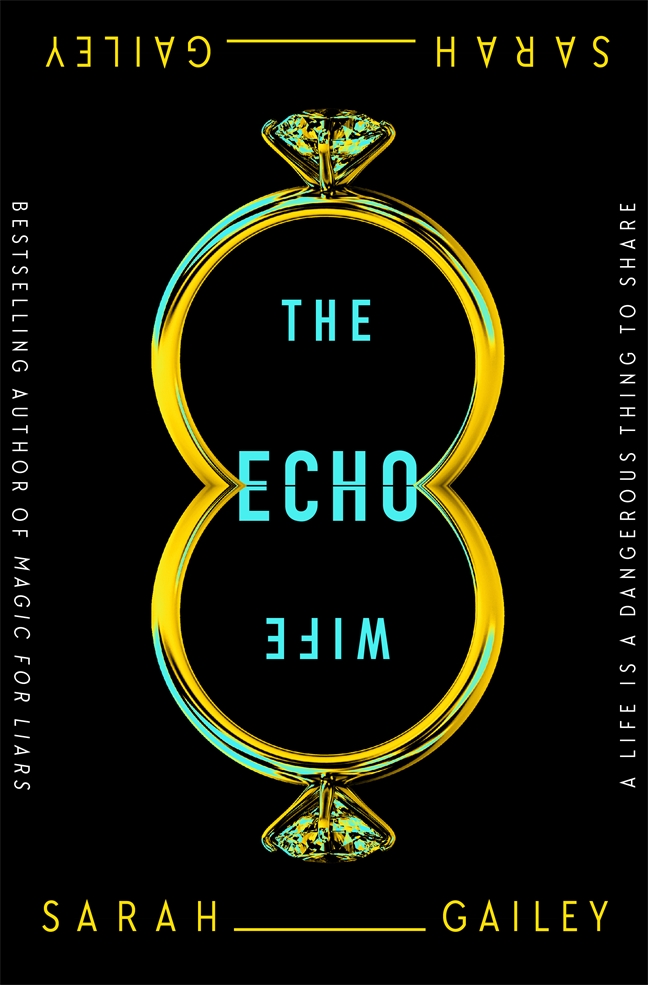
Book Review: The Echo Wife by Sarah Gailey

Title: The Echo Wife
Author: Sarah Gailey
Publisher: Tor Books
Publication date: February 16, 2021
Length: 256 pages
Genre: Science fiction
Source: Review copy courtesy of the publisher via NetGalley
Rating:

Rating: 5 out of 5.

The Echo Wife is a non-stop thrill ride, perfect for readers of Big Little Lies and enthusiasts of “Killing Eve” and “Westworld­”

Martine is a genetically cloned replica made from Evelyn Caldwell’s award-winning research. She’s patient and gentle and obedient. She’s everything Evelyn swore she’d never be. And she’s having an affair with Evelyn’s husband.

Now, the cheating bastard is dead, and the Caldwell wives have a mess to clean up. Good thing Evelyn Caldwell is used to getting her hands dirty.

Wow, do I hate the synopsis for this book! It makes it sound cheap and derivative, and it’s not either of those things!

At under 300 pages, The Echo Wife is a taught, exciting, provocative tale, with not an ounce of wasted space or padding. It’s compelling reading, start to finish… and the synopsis doesn’t even begin to do it justice.

Evelyn Caldwell is a highly esteemed pioneer in the field of cloning, at the pinnacle of her career, but with a personal life that’s fallen apart. Her husband Nathan, not as talented as Evelyn, has apparently resented her brilliance, success, and focus on her career for a long time. And as Evelyn learns, Nathan knows just enough to steal her scientific secrets and replicate her research, producing a cloned duplicate of Evelyn whom he’s programmed to be a perfect wife.

Evelyn’s clone Martine appears identical to Evelyn, but Nathan has programmed Martine to be all the things he wants but couldn’t get from Evelyn — a devoted wife, submissive and obedient, living to please, and eager to bear his children. Of course, what he’s done is a huge ethical breach as well as a theft of Evelyn’s research and an absolute betrayal of their marriage.

Evelyn is a brilliant, focused, unemotional woman who lives to find truth in science. Her work in cloning is revolutionary. She’s very clear on the boundaries of her work: Clones are produced for a purpose — they’re not people, they’re scientific material. If one is faulty, it becomes biowaste. They’re grown in a lab, programmed for specific types of brain patterns to create the desired cognition, and “conditioned” to match the original. Conditioning is a particularly disturbing part of the creation of clones, and a step that causes Evelyn to lose multiple lab assistants. Since clones are produced fresh and new, to become convincing duplicates, their bodies must be conditioned to match the original, meaning scars, missing organs, teeth, and limbs, and other physical defects must be replicated. Yes, this is just as gross as it sounds, but serves as a visceral example of how Evelyn views clones as laboratory materials, not people.

Martine’s very existence throws a wrench into Evelyn’s carefully ordered scientific approach. She can’t convince herself that Martine isn’t a person, not when Martine starts to grown and ask questions and think for herself. The more entangled Evelyn becomes with Martine, the more she’s forced to face certain truths about herself, her work, and what it actually means — and face her own troubled childhood and accept how it’s affected her and programmed her to be who she is.

I didn’t forge the tool. I just wanted to use it effectively. That didn’t make me a monster. It wasn’t wrong of me, wishing she would behave as she’d been designed to.

The Echo Wife also provides a scathing commentary on the odiousness of the sexism that women in science face. Even at the height of her success, at a celebration in honor of her achievements, Evelyn is subjected to mansplaining and interruptions from male colleagues who feel a need to correct her.

Evelyn is not what society as a whole might consider a likeable woman. She’s sanded away all the softness and uncertainty from her public persona. She’s polished, professional, unapologetic, straightforward, no fidgeting, no second-guessing. But when Martine enters her life, Evelyn sees all the pieces her husband found lacking — Martine is pleasing and sweet, and always mindful of what she’s for.

There’s no winning. Either I’m a bitch who needs to control everything, or I’m an easy mark.

Martine wasn’t just a manifestation of my failure to create a foolproof cloning model. She wasn’t just a symbol of my failure to hang on to a man who had been good when I met him. Before he married me.

She was also a consequence of my failure to keep a handle on things.

The plot of The Echo Wife is complex and constantly surprising, with big shocking revelations as well as smaller moments that are just as unsettling and powerful. The intricacies of the moral dilemmas represented by Evelyn’s and Martine’s connections are truly mesmerizing, and their shifting power dynamics can be mind-boggling.

While overall more psychological than bloody, there are some moments that seem to lean more heavily toward horror, and even the matter-of-fact description of the cloning process can be pretty gruesome, especially when presented in such a cut-and-dried fashion.

Sarah Gailey’s writing is always surprising and powerful, and The Echo Wife is no exception. I found it fascinating, and recommend it highly.

Check out this insightful interview with the author on Goodreads for more on The Echo Wife.

And a final note — please ignore the obligatory hype-machine comparisons to Big Little Lies, Westworld, etc. It’s its own thing, and is actually far better than the books and TV shows it’s being compared to!

Book Review: The Future Is Yours by Dan Frey

Title: The Future Is Yours
Author: Dan Frey
Publisher: Del Rey Books
Publication date: February 9, 2021
Length: 400 pages
Genre: Science fiction
Source: Review copy courtesy of the publisher via NetGalley
Rating:

Rating: 4 out of 5.

Two best friends create a computer that can predict the future. But what they can’t predict is how it will tear their friendship—and society—apart.

If you had the chance to look one year into the future, would you?

For Ben Boyce and Adhi Chaudry, the answer is unequivocally yes. And they’re betting everything that you’ll say yes, too. Welcome to The Future: a computer that connects to the internet one year from now, so you can see who you’ll be dating, where you’ll be working, even whether or not you’ll be alive in the year to come. By forming a startup to deliver this revolutionary technology to the world, Ben and Adhi have made their wildest, most impossible dream a reality. Once Silicon Valley outsiders, they’re now its hottest commodity.

The device can predict everything perfectly—from stock market spikes and sports scores to political scandals and corporate takeovers—allowing them to chase down success and fame while staying one step ahead of the competition. But the future their device foretells is not the bright one they imagined.

Ambition. Greed. Jealousy. And, perhaps, an apocalypse. The question is . . . can they stop it?

Told through emails, texts, transcripts, and blog posts, this bleeding-edge tech thriller chronicles the costs of innovation and asks how far you’d go to protect the ones you love—even from themselves.

If I had the technology of this book back in February 2020, then I could have found out a year ago that I would end up reading The Future Is Yours this week — compulsively, start to finish, taking a break just for the bare necessities. (And work. Because work waits for no woman. Or book. But I digress.)

The Future Is Yours is just so freakin’ cool. Two friends, former college roommates now stuck in the workworld grind, invent a technology that can change the world. Ben is charming, charismatic, and dreams of success. Adhi is brilliant, introverted, and not particularly socially adept. Adhi leaves Stanford before finishing his Ph.D. in Computer Science, frustrated that the dissertation advisors can’t see the possibilities of his complex thoughts on quantum entanglement.

But Ben gets it — sure, maybe he doesn’t get the physics, but he gets the potential, and convinces Adhi that they can make his dream a reality. The dream is seeing the future, using quantum entanglement (no, don’t ask me to explain) to create a connection between a computer in the present and itself in the future, so that someone using the device will be able to access the Internet for information that hasn’t happened yet.

Armed with a dream, Ben and Adhi set out to take Silicon Valley by storm. And while they get laughed out of plenty of rooms, they finally find a VC investor who’s willing to bet on them. From nobodies, they’re suddenly at the helm of The Future, a company that’s getting billion-dollar buyout offers from the likes of Google.

One of the basic principles of The Future is that the future it sees, one year forward, can’t be changed. Everything is connected, everything is already determined. This of course opens up all sorts of debates about free will and human nature, and also leads to The Future’s first scandal — a prototype user who takes his own life after reading about his future death. But did The Future simply report on inevitable events, or did it somehow cause what happened?

Told through memos, emails, texts, hearing transcripts, and other written communications, The Future Is Yours takes us on a journey through Adhi and Ben’s friendship and the crazy trajectory of their company. The deeper they get into The Future, the darker their lives become, and their friendship and closest relationships are all on the line… and if certain dire predictions turn out to be true, the future of human life might be at risk too.

This book is one crazy ride. At first, it feels like putting together a puzzle with pieces missing. We jump straight into Congressional hearings, then go back to Ben and Adhi’s college days, moving forward with the story while also seeing how such an incredibly messed-up situation came into being.

Through their texts and emails, we get to know Adhi and Ben’s personalities, their values, and how they view life, and see how very different they are. Adhi won my heart by virtue of a being a closet pop culture geek, making references to everything from Star Trek to Doctor Who to Twilight (yes, really). Quite awesome.

As I said at the start of this review, I just couldn’t put The Future Is Yours down. It’s fast-paced, exciting, weird, and challenging, not to mention funny and just a wee bit scary in a cautionary tale kind of way. I didn’t really know what to expect when I picked it up — and I think that was a big piece of the fun. A great read for when you want to get away from the real world for a while.

Book Review: Game Changer by Neal Shusterman

Title: Game Changer
Author: Neal Shusterman
Publisher: Quill Tree Books
Publication date: February 9, 2021
Length: 400 pages
Genre: Young adult
Source: Review copy
Rating:

Rating: 4 out of 5.

All it takes is one hit on the football field, and suddenly Ash’s life doesn’t look quite the way he remembers it.

Impossible though it seems, he’s been hit into another dimension—and keeps on bouncing through worlds that are almost-but-not-really his own.

The changes start small, but they quickly spiral out of control as Ash slides into universes where he has everything he’s ever wanted, universes where society is stuck in the past…universes where he finds himself looking at life through entirely different eyes.

And if he isn’t careful, the world he’s learning to see more clearly could blink out of existence…

Ash Bowman is a straight, white, 17-year-old male, a lineman on the high school football team, son of working class parents, a good student, and a good friend. He considers himself pretty woke, not particularly a social activist, but sensitive and caring, and certainly not making the world any worse.

As the book starts, in the middle of a high school football game during a particular hard tackle, Ash has a weird sensation, but it’s over in a moment. Probably just the impact from the tackle, nothing to worry about. It’s not until Ash is driving home and nearly gets hit by a truck in an intersection that he realizes something is wrong. The friend in the passenger seat points out that Ash blew through a stop sign. Impossible, Ash thinks, until he gets to the next intersection and sees the familiar shape of a stop sign — but it’s blue. And to everyone but Ash, that’s completely normal. Stop signs have always been blue.

Ash knows something is wrong, but can’t pinpoint what. But at the next football game, during his next hard tackle, there’s another strange moment, and this time, there’s an even bigger shift in reality. When he heads to the parking lot, instead of his beat-up old car, Ash realizes that he drives a BMW. Rather than living in a poorer part of town, his family now lives in a gated community. Rather than leaving behind his football dreams in high school Ash’s dad is a retired NFL star who now owns a successful business chain, and the family lives in luxury. And once again, Ash is the only person who remembers that the world was once different, although those closest to him seem to have some almost-memories that they can’t quite explain.

With each impact at each game, Ash’s world shifts further and further from his own. He finds changes within himself, as well as in the world around him. Ash suddenly finds himself needing to confront racism, homophobia, and sexism in ways that were never quite as immediate in his original life. And as he learns to control the shifts, he faces a dilemma — does he continue to aim for a better world, or to go back to his own flawed world and try to be a voice for change?

The hows and whys of Game Changer have to do with some sci-fi mumbo jumbo that’s fun but not all that important. It’s not meant to be real quantum physics or anything, just a bit of hand-waving to set up the story and what happens. And that’s okay. The mechanics behind Ash’s world-shifting aren’t what matter here — the heart of the story is about Ash standing in different versions of his life and finally understanding other perspectives from the inside.

Some of these realizations are a little simplistic, as he lives out the concept of walking in someone else’s shoes. Still, it’s interesting to see this character, who’s always considered himself one of the good guys, come to grips with what it’s like to be someone else, what it’s like to lose privilege, and finally get what a friend has been telling him over the years — you can’t explain someone else’s experiences to them if you’re not them.

In some ways, Game Changer reminded me of David Levithan’s Every Day, in which the main character wakes up in a different person’s body each day and has to adapt to living as them, whatever their gender, orientation, race, economic status, or body type. In Game Changer, Ash is always Ash, but with the shifts in worlds, he becomes different versions of himself, and must learn to inhabit that self in the world he finds himself in.

Game Changer is a quick, intriguing read, and I think the target YA demographic will really find it though-provoking and a great jumping-off point for some intense discussions. Definitely worth checking out.

Book Review: The Four Winds by Kristin Hannah

Title: The Four Winds
Author: Kristin Hannah
Publisher: St. Martin’s Press
Publication date: February 2, 2021
Length: 464 pages
Genre: Historical fiction
Source: Review copy courtesy of the publisher via Netgalley
Rating:

Rating: 5 out of 5.

From the #1 New York Times bestselling author of The Nightingale and The Great Alone comes an epic novel of love and heroism and hope, set against the backdrop of one of America’s most defining eras—the Great Depression.

Texas, 1934. Millions are out of work and a drought has broken the Great Plains. Farmers are fighting to keep their land and their livelihoods as the crops are failing, the water is drying up, and dust threatens to bury them all. One of the darkest periods of the Great Depression, the Dust Bowl era, has arrived with a vengeance.

In this uncertain and dangerous time, Elsa Martinelli—like so many of her neighbors—must make an agonizing choice: fight for the land she loves or go west, to California, in search of a better life. The Four Winds is an indelible portrait of America and the American Dream, as seen through the eyes of one indomitable woman whose courage and sacrifice will come to define a generation.

The Four Winds is a powerful, dramatic, and heart-breaking book set during the Great Depression, with an incredibly strong and memorable woman as its lead character and emotional core.

Elsa is the oldest daughter of a wealthy Texas family when we first meet her in 1921. At age 25, she’s considered a spinster. For reasons that are impossible to fathom, her parents have treated her as someone unworthy of love all her life. Their scorn and dismissal have led to Elsa’s internalization of their cruelty — she sees her self as unattractive and uninteresting. Despite her love of reading and interest in education, her parents won’t even consider her request to attend college.

Elsa is doomed to a solitary life, until one day, a rebellious moment leads her to venture out in a pretty dress to go to a speakeasy, and she meets a young man, Rafe, whose interest will change her life. When Elsa’s parents realize that she’s pregnant, they force her to pack a suitcase and drive her to Rafe’s parents’ farm, where they drop her on their doorstep and never look back.

Against all odds, it’s here that Elsa truly finds love and purpose in life — not with her unexpected husband, but in his family’s home. Suddenly, Elsa has family and a place, and learns to embrace the farm, the household, the culture, and the people. Her devotion to her new family only grows once she gives birth to her daughter Loreda. She’s determined to raise her children with love and with a connection to the land, their heritage.

Tragically, the happiness on the farm is not to last. The Dust Bowl years descend, with their punishing drought and horrific dust storms, and Elsa and the Martinellis, like all of their neighbors, are helpless and powerless in the face of this disaster. Over the years, they watch their crops fail, their lands dry up, their livestock starve and die. Many pack up and leave, lured by the promise of opportunity and jobs in California. The Martinellis vow never to leave, but this changes once the children’s health is threatened by the lack of food and the damage caused by constantly breathing in dirt and dust.

Ultimately, Elsa has no choice but to take her children and head west in pursuit of a new, healthier life. At first glance, it looks like they’ve found the promised land. As they drive into California, they see field after field of crops growing, green and healthy. But the dream is elusive for migrants. Overwhelmed by the flood of displaced people from the Dust Bowl states, California wants to shut its borders to “Okies”, and treats the newcomers as little more than vermin.

Elsa and her children learn that they’ve left one type of hell for another. There’s no place to live except in squatters’ camps, amid mud and filth, and no work available except toiling in the fields for minimal pay in terrible conditions. There are more workers than work, so they quickly learn to keep quiet and accept whatever comes their way, because the alternative is to starve.

The cruelty of the treatment of migrants is horrible to read about. Hospitals won’t treat them, even in life-threatening emergencies. They’re not wanted in schools, and are told to keep to their own kind. State relief is only available after living in the state for a year, but even then, the big farmers put pressure on the state to cut off relief to anyone who’s able to “pick” — if they can work, they should be in the fields.

When Elsa gets a lucky break and is able to move her family into a cabin on a growers’ land, it’s finally a roof over their heads, but with strings. To keep the cabin, they have to stay put, but there’s no work until the cotton is ready to pick. If they leave to pick elsewhere, they give up their home and have to go back to squatting. To stay, they get credit at the company store for rent, supplies, and food. The only way to pay back the credit is through picking — even when relief payments come through and Elsa has cash in hand, she can’t use it to get out of debt, since the company store doesn’t allow payment in cash.

Over the years, we witness Elsa’s determination to protect her children and provide for them. Midway through the book, as Loreda enters her teens, she also becomes a point-of-view character, and we have the opportunity to see Elsa through her daughter’s eyes. The mother-daughter relationship isn’t easy, but the love between them is always real and palpable.

Reading The Four Winds repeatedly brought me to tears. Through her evocative writing, Kristin Hannah makes us feel the sorrow and hopelessness of the characters, the desperation to provide a better life for their children, the despair each time a new degradation is revealed. The pain of the Martinelli family is visceral, as they face trauma after trauma.

Still, it’s impossible not to admire Elsa’s courage. She doesn’t give up, because she can’t. Her purpose is to keep her children alive and healthy, and to make sure that some day, they’ll have better opportunities. Eventually, her devotion to her children leads her into the world of social activism and the fight for workers’ rights, but it’s her love of family that drives her into acts of defiance and bravery.

The Four Winds is a beautiful and tragic book about a time in American history that’s not as distant as it might seem. Sadly, the attitudes and prejudices toward the migrant families are all too familiar — it’s the haves versus the have-nots, the consolidation of power by denying others, the lack of recognition of basic human dignity, and a complete lack of compassion for those less fortunate.

I highly recommend The Four Winds. This is a book that kept me awake each night, because I couldn’t get the images and situations out of my mind. Ultimately, the characters (especially Elsa) make the biggest impression, but overall, the story is moving, disturbing, memorable, and important. Don’t miss it.

******************

A final note: Two songs kept coming up for me in relation to The Four Winds. The first is Sixteen Tons, which is about coal miners, but some lines really resonate: “You load sixteen tons and what do you get? Another day older and deeper in debt” and “St. Peter don’t you call me, ’cause I can’t go – I owe my soul to the company store.” The song was originally written by Merle Travis, and has been recorded by lots of artists over the years. Here’s a version by LeAnn Rimes:

The other song which was in my head throughout my entire reading of this powerful book is These Troubled Fields by Nancy Griffith. It’s a beautiful song that I’ve loved for years, and it’s only as I was reading The Four Winds that I realized that her song directly references the Dust Bowl era. Check it out.

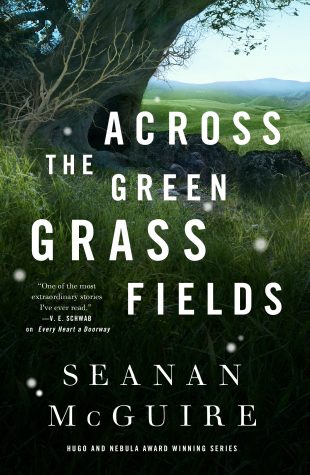
Book Review: Across the Green Grass Fields (Wayward Children, #6) by Seanan McGuire

Title: Across the Green Grass Fields (Wayward Children, #6)
Author: Seanan McGuire
Publisher: Tor
Publication date: January 12, 2021
Length: 176 pages
Genre: Fantasy
Source: ARC via Netgalley; hardcover purchased

Rating: 4.5 out of 5.

A young girl discovers a portal to a land filled with centaurs and unicorns in Seanan McGuire’s Across the Green Grass Fields, a standalone tale in the Hugo and Nebula Award-wining Wayward Children series.

“Welcome to the Hooflands. We’re happy to have you, even if you being here means something’s coming.”

Regan loves, and is loved, though her school-friend situation has become complicated, of late.

When she suddenly finds herself thrust through a doorway that asks her to “Be Sure” before swallowing her whole, Regan must learn to live in a world filled with centaurs, kelpies, and other magical equines―a world that expects its human visitors to step up and be heroes.

But after embracing her time with the herd, Regan discovers that not all forms of heroism are equal, and not all quests are as they seem…

A new Wayward Children book is always cause for celebration, and Across the Green Grass Fields is no exception.

In this book, the 6th in the series, we’re introduced to a young girl named Regan. She has lovely, loving parents, and is crazy about horses and riding lessons. At school, she originally had two best friends, Heather and Laurel, but when Heather dared to express interest in something Laurel deemed un-girl-like, Heather became shunned — and Regan learned her lesson. To retain her place as Laurel’s best friend, conformity is all that matters. She has to embrace Laurel’s strict rules about what girls do and don’t do and do and don’t like, if she wants to not end up like poor Heather.

Laurel was one of the “lucky ones,” according to the girls who flocked around her in their ribbons and flounces, praising her developing breasts like they were something she’d accomplished through hard work and personal virtue, not hormones and time.

But when Regan learns an unexpected truth from her parents, she makes the awful mistake of confiding in Laurel, and then realizes that she’s just blown up her own world. Distraught, Regan runs away into the woods, where she sees an unusual door, with the words “Be Sure”. In that moment, Regan is sure that anything would be better than where she is now, and she steps through into an entirely new world.

In the Hooflands, Regan is the only human in a world peopled by different hooved species — unicorns, centaurs, kelpies, and more. She is taken in by a family of centaurs, who adopt her as one of their own and love her fiercely. With the love of the centaurs, Regan grows and thrives — missing her parents, of course, but feeling more and more that she’s finally found a place to just be herself, a place that feels like a real home. And it’s Chicory, the centaur daughter, who shows Regan what a real friend can be:

In Chicory, she had finally found a friend who liked her for who she was, not for how well she fit an arbitrary list of attributes and ideals.

The only downside is that everyone in the Hooflands believes that humans have a destiny. Humans show up rarely, but when they do, they’re meant to save the world…. and then they disappear. No one really knows the how and why of it all, but all believe that sooner or later, Regan will have to confront the Queen of the Hooflands and do whatever it is that’s needed to save the world.

Destiny wasn’t real. Destiny was for people like Laurel, who could pin everything they had to an idea that the world was supposed to work in a certain way, and refuse to let it change. If these people said her destiny was to see the Queen, she would prove them wrong. She wasn’t their chosen one. She was just Regan, and as Regan, she ran.

Through her years in the Hooflands, Regan learns about listening to people and seeing beyond their surfaces, about true friendship and family, among making choices and remaining true to oneself, and about accepting and appreciating oneself, putting aside the unrealistic notions of “normal” and “destiny”. Regan learns to be Regan, and sees that she can be strong and pursue the people and activities that make her feel whole and good.

Across the Green Grass Fields is the first book in the Wayward Children series that does not include the Home for Wayward Children at all, although I imagine that that’s where Regan will be headed next. None of the characters from previous books pop up here either, so this book really can be read as a stand-alone. Still, it fits into the great world of the Wayward Children series, with its portal worlds and missing children and quests for meaning and one’s true place. Obviously, as a fan of the series, I’d recommend starting from the beginning and reading them all!

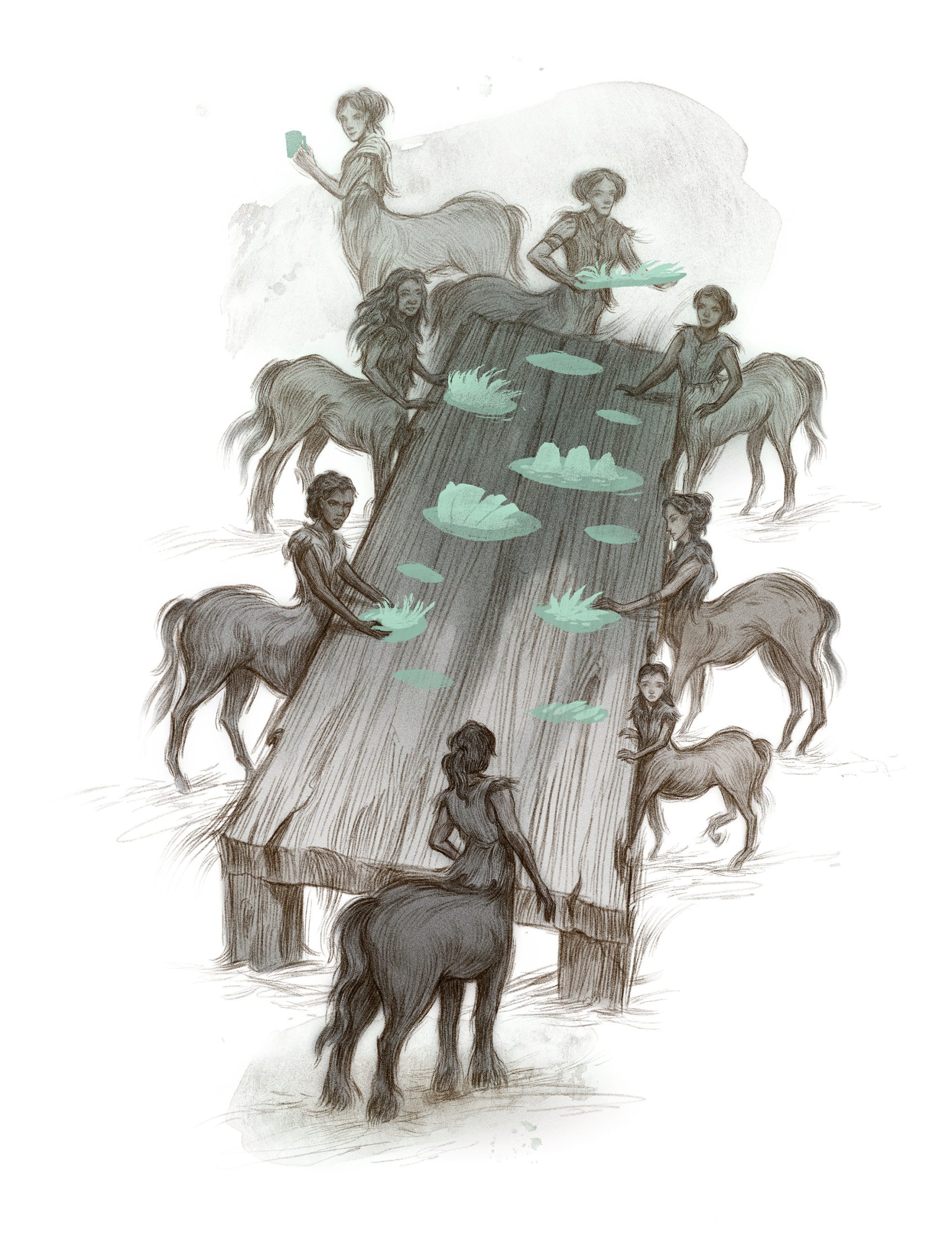
Across the Green Grass Fields includes illustrations by the amazingly talented Rovina Cai, and although I haven’t received my hard copy of the book yet, I’m already enchanted by the images available on Tor’s website, including this one of the centaur family:

Illustration by Rovina Cai; from Tor.com

The Wayward Children series as a whole is a delightful, magical experience, and Across the Green Grass Fields introduces a wonderful new world and heroine. Highly recommended.

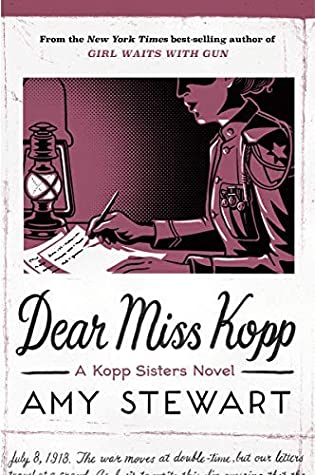
Book Review: Dear Miss Kopp by Amy Stewart

Title: Dear Miss Kopp (Kopp Sisters, #6)
Author: Amy Stewart
Publisher: Houghton Mifflin Harcourt
Publication date: January 12, 2021
Length: 320 pages
Genre: Historical fiction
Source: Review copy courtesy of the publisher and author
Rating:

Rating: 5 out of 5.

The indomitable Kopp sisters are tested at home and abroad in this warm and witty tale of wartime courage and camaraderie.

The U.S. has finally entered World War I and Constance is chasing down suspected German saboteurs and spies for the Bureau of Investigation while Fleurette is traveling across the country entertaining troops with song and dance. Meanwhile, at an undisclosed location in France, Norma is overseeing her thwarted pigeon project for the Army Signal Corps. When Aggie, a nurse at the American field hospital, is accused of stealing essential medical supplies, the intrepid Norma is on the case to find the true culprit.

The far-flung sisters—separated for the first time in their lives—correspond with news of their days. The world has irrevocably changed—will the sisters be content to return to the New Jersey farm when the war is over?

Told through letters, Dear Miss Kopp weaves the stories of real life women into a rich fiction brimming with the historical detail and humor that are hallmarks of the series, proving once again that “any novel that features the Kopp Sisters is going to be a riotous, unforgettable adventure” (Bustle).

The Kopp Sisters are back! In Dear Miss Kopp, we follow the sisters into war, as each of the characters has her own mission to follow, each serving the country in her own way during the years of World War I.

The sixth book in the series, Dear Miss Kopp is the first to be told exclusively through letters, which makes sense: Constance, Norma, and Fleurette find themselves on very separate paths, far from one another geographically, and they must rely on their letters to keep in touch and to continue to support each other as they always have, even from a distance.

Constance has started her work with the Bureau of Investigation (the early FBI), one of the only women serving as an agent. She uses her unique talents to chase down and apprehend saboteurs, and her adventures in this book illustrate the threats faced domestically during the war years.

Norma is in the thick of things in France, where she applies her prickly, stubborn ways to making sure her messenger pigeons are able to serve the US armed forces. Norma being Norma, she manages to rub just about everyone the wrong way, but is ultimately instrumental in solving a spy mystery in the small French village where she’s stationed.

And lovely youngest sister Fleurette is on the go, touring the country with a vaudeville act, entertaining soldiers at army bases all across the US. Fleurette too has her share of challenges, and she always adds a bit of levity to any situation.

As always, a Kopp Sisters book is an utter delight. I love seeing the sisters’ dynamics, and also getting to see them each in action, deploying their varied talents and fighting for the chance to make a difference in a man’s world. At this point in the series, I feel that we readers know the characters so well, and it’s a treat to see them in these new settings, standing up for what they believe in and making unique contributions to the war effort.

Through the sisters’ adventures in Dear Miss Kopp, we also get an inside look as aspects of World War I that don’t necessarily get a lot of attention, including the support efforts abroad, away from the front lines, the devastating war injuries suffered by the soldiers, and the intense work at home to combat sabotage aimed at impeding the war efforts.

As a whole, the Kopp Sisters books are wonderful, and I loved this new installment. Can’t wait for more!

_________________________________

The series so far:
Girl Waits With Gun
Lady Cop Makes Trouble
Miss Kopp’s Midnight Confessions
Miss Kopp Just Won’t Quit
Kopp Sisters on the March

Book Review: Outlawed by Anna North

Title: Outlawed
Author: Anna North
Publisher: Bloomsbury Publishing
Publication date: January 5, 2021
Length: 272 pages
Genre: Western/speculative fiction
Source: Review copy courtesy of the publisher via NetGalley
Rating:

Rating: 3.5 out of 5.

The Crucible meets True Grit in this riveting adventure story of a fugitive girl, a mysterious gang of robbers, and their dangerous mission to transform the Wild West.

In the year of our Lord 1894, I became an outlaw.

The day of her wedding, 17 year old Ada’s life looks good; she loves her husband, and she loves working as an apprentice to her mother, a respected midwife. But after a year of marriage and no pregnancy, in a town where barren women are routinely hanged as witches, her survival depends on leaving behind everything she knows.

She joins up with the notorious Hole in the Wall Gang, a band of outlaws led by a preacher-turned-robber known to all as the Kid. Charismatic, grandiose, and mercurial, the Kid is determined to create a safe haven for outcast women. But to make this dream a reality, the Gang hatches a treacherous plan that may get them all killed. And Ada must decide whether she’s willing to risk her life for the possibility of a new kind of future for them all.

Featuring an irresistibly no-nonsense, courageous, and determined heroine, Outlawed dusts off the myth of the old West and reignites the glimmering promise of the frontier with an entirely new set of feminist stakes. Anna North has crafted a pulse-racing, page-turning saga about the search for hope in the wake of death, and for truth in a climate of small-mindedness and fear. 

Hey, look! I guess feminist westerns are a thing now? After reading Upright Women Wanted earlier this year, I was excited to get my hands on yet another revisionist/feminist western adventure.

In Outlawed, we meet 17-year-old Ada at what should be the start of a happy future. Newly married, she loves her husband and is enjoying a robust married life with him. Except she’s not getting pregnant. As the months go by, the pressure mounts, until finally, after a year of marriage, she’s kicked out by her in-laws.

Being barren is considered the utmost failure for a woman, and failing to conceive is always considered the woman’s fault. Maybe it’s her family background? Maybe it’s punishment for sin? Or worst of all, she could be a witch, and most likely to blame for all the miscarriages and other tragedies in her town.

In the world of Outlawed, a terrible Flu years back wiped out 90% of the world’s population. In the pandemic’s aftermath, a new religion has blossomed, teaching the gospel of the Baby Jesus, who promises healthy futures to people — so long as they go forth and be fruitful, to repopulate the Earth. Barrenness, therefore, is not just a personal misfortune, but a sin against Baby Jesus. Barren women are outcasts, and once facing accusations of wrong-doing, are more likely than not to be hanged or imprisoned.

Ada, the daughter of the town’s only midwife, has been trained all her life by her mother to follow in her footsteps, and she understands that there must be scientific reasons for why some women get pregnant and some don’t. This conviction doesn’t save her when she’s accused of witchcraft, and she’s forced to flee for her life, eventually ending up with the Kid and the Hole in the Wall Gang, a group of outcast women who band together for survival. As Ada is given a place with the gang, she begins her days as an outlaw.

From this point, we follow Ada and the gang as they plot a daring heist that should enable them to provide a haven for other outcast women, but their plans are risky, the group faces divisions about their mission, and the Kid, their leader, suffers through bouts of depression that leave them unable to lead at a critical moment.

I mostly enjoyed Outlawed, but a few elements hold me back from giving this book a rave review. The pacing sags in the middle, once Ada arrives at the Hole in the Wall’s hideout, as she struggles for acceptance and to learn their ways. At this point, the plot slows down and becomes mainly focused on arguments and resentments within the group. Also, Ada’s transformation into a western outlaw seems a little too abrupt, and given her vocation as a healer, she appears to accept the more violent aspects of their lives without too many qualms.

My other complaint, which may just be a “me” thing rather than an issue with the book, is that the gang’s members are introduced all at once. We see them all as Ada first approaches, with physical descriptions of the people she sees around a campfire. Later, we learn their names as Ada does too. And for the life of me, I could not match the names and the people — while a few were distinct, for the most part, I could not really distinguish the characters as individuals or figure out who was who. It was annoying, and I gave up trying after a while.

Still, there’s a lot to love about Outlawed. The Western setting is familiar, but it’s turned upside down in this new version of the Old West, with fertility being the highest measure of a woman’s worth and a belief in witchcraft that seems like it should already be a thing of the distant past. I liked the sense of inclusion among the outcasts — any woman in trouble is welcome, and as we see later, there are plenty of reasons for people to end up ostracized, cast away, and forced to seek sanctuary among the outlaws.

I also loved Ada’s devotion to healing and to learning. The desire to learn what causes barrenness is what drives her, not only for her own sake but for the purpose of helping other women who suffer.

Once I’d picked up Outlawed and read the author bio, I realized that I have an earlier book by this author (America Pacifica) on my shelves. While I wouldn’t say that Outlawed was a complete hit for me, it intrigued me enough that I’ll definitely want to read more by this author.

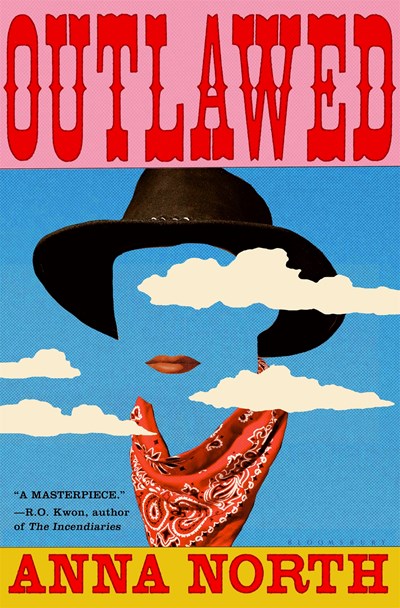
And PS – is that cover amazing or what?

Top Ten Tuesday: Top ten books on my TBR list for winter 2020/2021

snowy10

Top Ten Tuesday is a meme hosted by That Artsy Reader Girl, featuring a different top 10 theme each week. This week’s topic is about our winter reading plans.

There are so many new books on the way that I can’t wait to read! My list this week is focused on upcoming new releases — some stand-alones, and a few new books in ongoing series. Here are the top 10 books I’m most excited for:

1) Across the Green Grass Fields (Wayward Children, #6) by Seanan McGuire: I love this series so much, and I was thrilled to see a recent announcement that there will be at least 10 books in total, if not more!

2) Calculated Risks (InCryptids, #10) by Seanan McGuire: Yes, another by my favorite author, who seems to release new books every time I blink. The InCryptid series is so much fun, and I’m excited for this next adventure.

3) Wild Sign (Alpha & Omega, #6) by Patricia Briggs: A new book in the Charles and Anna saga, which is a spin-off from the awesome Mercy Thomspon series. I love these characters so much! Can’t wait to see what happens next.

4) Dear Miss Kopp (The Kopp Sisters, #6) by Amy Stewart: Hurray for our favorite lady detective (and her sisters)!

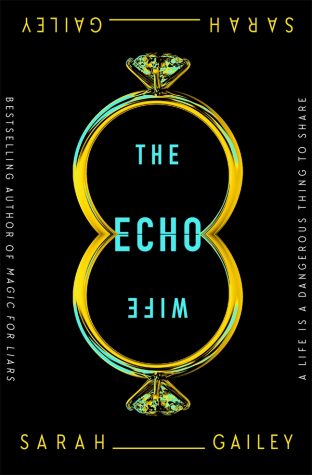
5) The Echo Wife by Sarah Gailey: Sounds creepy and amazing!

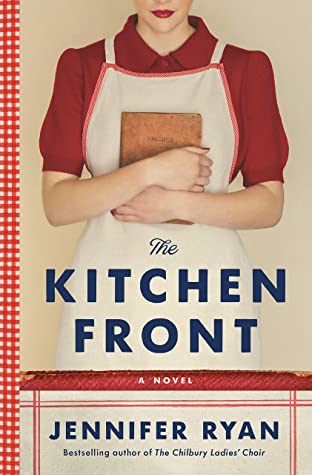
6) The Kitchen Front by Jennifer Ryan: Historical fiction from an author whose previous books I’ve loved!

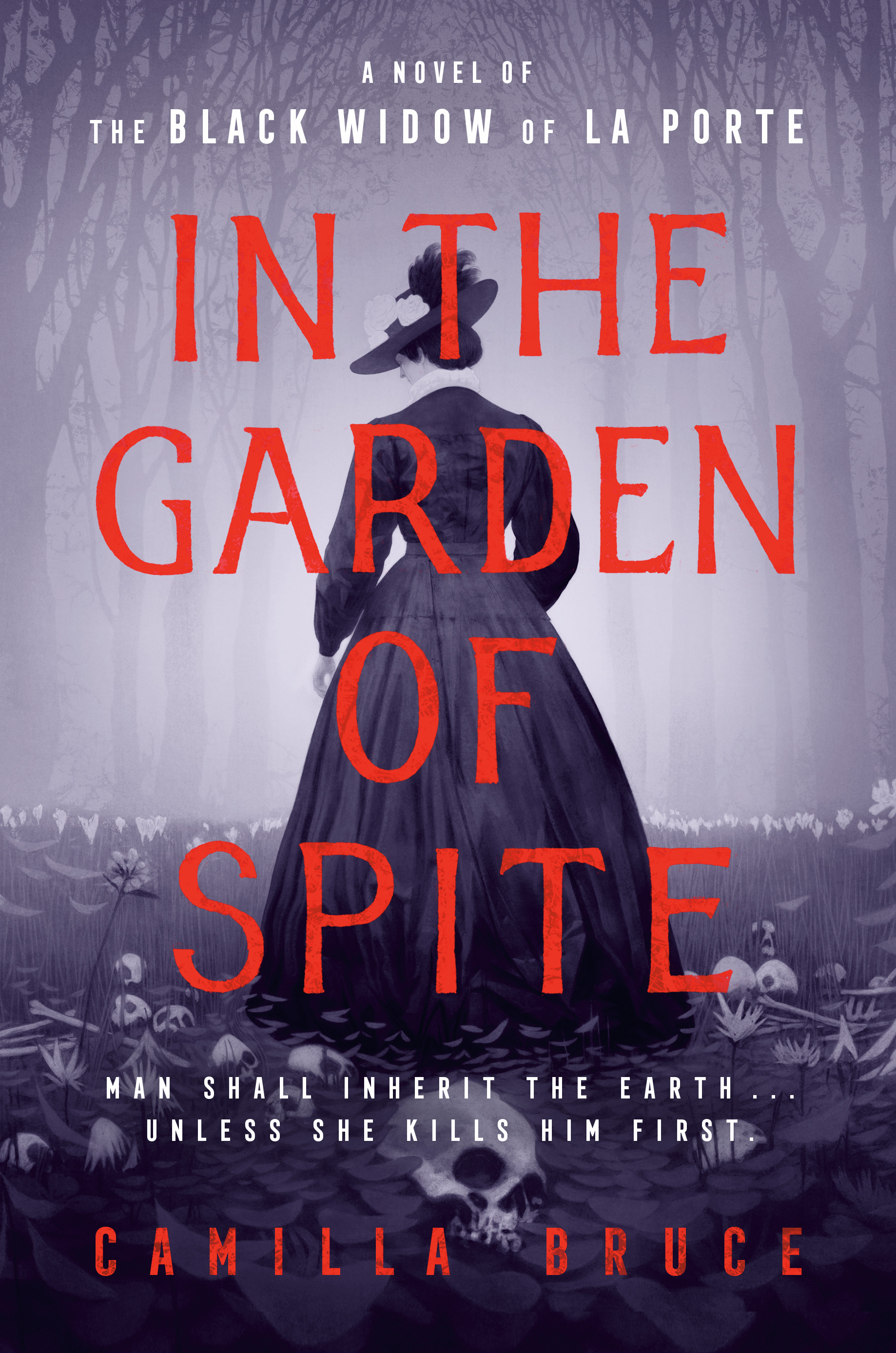
7) In the Garden of Spite by Camilla Bruce: A novel about a real-life serial killer from the early 1900s. Sounds great!

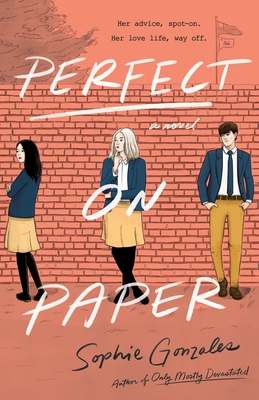
8) Perfect on Paper by Sophie Gonzales: I need something bright and upbeat to offset some of these heavier reads, and this may be the one! It looks adorable.

And a couple that I already own, but haven’t read yet:

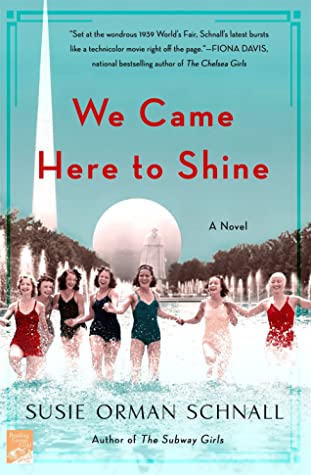
9) We Came Here to Shine by Susie Orman Schnall: This is my book group book for January, and I’ve heard good things already.

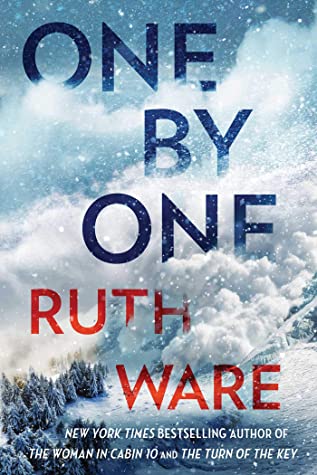
10) One by One by Ruth Ware: Look at that cover! Reading about an avalanche seems like a good winter choice for a year when I won’t be anywhere near a ski slope.

What books will be keeping you warm this winter? Share your links, and I’ll come check out your top 10!

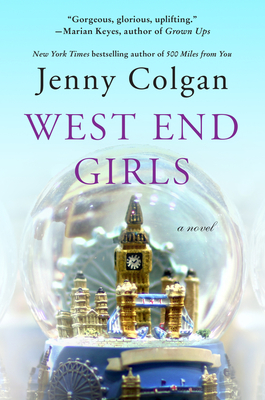
Book Review: West End Girls by Jenny Colgan

Title: West End Girls
Author: Jenny Colgan
Publisher: William Morrow Paperbacks
Publication date: January 5, 2021 (originally published 2006)
Length: 336 pages
Genre: Contemporary fiction
Source: Review copy courtesy of the publisher via NetGalley
Rating:

Rating: 3 out of 5.

They may be twins, but Lizzie and Penny Berry are complete opposites. Penny is the life of the party—loud and outrageous, while quiet and thoughtful Lizzy is often left out of the crowd. The one trait they do share is a longing to do something spectacular with their lives, and as far as these two are concerned, there’s no better place to make their dreams come true than London.

Presented with a once-in-a-lifetime house-sit at their grandmother’s home in a very desirable London neighborhood, it finally seems like Lizzie and Penny are a step closer to the exciting cosmopolitan life they’ve always wanted. But the more time they spend in the big city, they quickly discover it’s nothing like they expected. They may have to dream new dreams…but are they up to the challenge?

Jenny Colgan has become a go-to author for me for when I need something bright and uplifting to cheer me up or lighten my day. West End Girls, to be published in early 2021, is actually a re-release of a book from earlier in her career, and it shows.

Lizzie and Penny are non-identical twins who at age 27 live with their mother in a cramped apartment, work at dead-end jobs, and have no prospects. When their paternal grandmother, with whom they’ve had no contact since their childhood, moves into a care facility, she offers her Chelsea flat to the girls, provided they protect her stuff while she’s away.

Jumping on the opportunity, Lizzie and Penny show up at their swanky new address, only to discover that Gran was basically a hoarder. Still, while the inside of the flat is a mess, they’ve arrived in an exclusive London neighborhood and are determined to launch new lives.

Penny is obsessed with looks and landing a rich man, and sets out to do so by going to clubs, being outrageous, dressing provocatively, and throwing herself into a wealthy crowd. Lizzie, the shy one, just wants a job, and ends up being hired by a cafe owner who’s large, gregarious, and a true talent in the kitchen.

During their time in London, both Penny and Lizzie experience romantic ups and downs, disappointments, career opportunities, and awkward social scenarios. They’re often in opposition to one another, but when push comes to shove, they have each other’s backs.

West End Girls is a fairly predictable rags-to-riches story, with each sister getting what she needs by the end — which isn’t necessarily what she thought she wanted at the start. It’s cute and light, but not problem-free.

Some of the pop culture references are dated (which makes sense, considering this book was first published in 2006), but thankfully, there aren’t enough of these to be seriously distracting. The book is much less body positive than it would be if written today, I suspect. Lizzie is overweight at the start of the story and dresses drably to hide her pounds, having survived on microwaved dinners for two many years. As Georges, the cafe owner, teaches her how to find her way around a kitchen and appreciate quality food, she ends up slimming down and getting healthier, and toward the end, even gets a wardrobe, hair, and makeup makeover. Which, good for Lizzie if she feels better about herself, but I felt like I was hearing about Lizzie’s weight and how much better she looked slimmer a bit too often for my taste.

Jenny Colgan’s more recent books have a depth and richness that I love, with wonderful settings, quirky and funny characters, and some true emotional heft. Here, I got entertainment, but not that much more.

Still, West End Girls was a fun way to spend my weekend reading hours, and I had a good time with it. It just made me look forward to summer 2021, when Jenny Colgan next new book will be released!