Book Review: Valiant (Modern Faerie Tales, #2) by Holly Black

Title: Valiant
Author: Holly Black
Publisher: McElderry Books
Publication date: 2002
Length: 256 pages
Genre: Young adult fantasy
Source: Purchased
Rating:

Rating: 3 out of 5.

Return to New York Times bestselling author Holly Black’s enthralling realm of faerie in the second Modern Faerie Tales novel, where danger and magic come hand-in-hand in the dark underground of New York City.

When seventeen-year-old Valerie runs away to New York, she’s trying to escape a life that has utterly betrayed her. Sporting a new identity, she takes up with a gang of squatters who live in the city’s labyrinthine subway system. But there’s something eerily beguiling about Val’s new friends that sets her on edge.

When Val is talked into tracking down the lair of a mysterious creature, she must strike a bargain to make it out with her life intact. Now drawn into a world she never knew existed, Val finds herself torn between her affection for an honorable monster and her fear of what her new friends are becoming.

While Valiant is the 2nd book in Holly Black’s Modern Faerie Tales trilogy, don’t pick it up expecting to continue where Tithe left off. In Valiant, we meet a completely new cast of characters in a mostly new setting, and it’s only toward the end that there’s some cross-over with the previous book’s characters.

Val is 17 years old when she discovers a major betrayal by the people she trusted the most. Distraught, she takes a train into Manhattan to get away for a few hours — but then can’t bring herself to go back home. She shaves her head and takes to the street, fortunately meeting up with a few other teen runaways who welcome her into their circle. She soon finds herself squatting with them at an abandoned subway platform, where they can be relatively safe, keep warm, and have a regular place to sleep.

Val’s new friends — Lolli, Dave, Luis — have secrets. It turns out that they do odd jobs for the faerie underground in the city, making deliveries of a special potion that helps the Fae stay healthy in a world full of poisonous iron. What Val’s friends have discovered is that when a human uses this potion, especially by injecting it, it gives them all sorts of delicious borrowed power. It’s also highly addictive, and none of them seem able to resist it for long.

Meanwhile, someone is murdering solitary fae, and suspicion falls on Ravus, the bridge toll who creates and distributes the magical potion. Val has grown closer to Ravus, but being in his circle becomes more and more dangerous. There’s adventure and chaos, friendship and betrayal, growing up and going home. There’s a LOT going on this book.
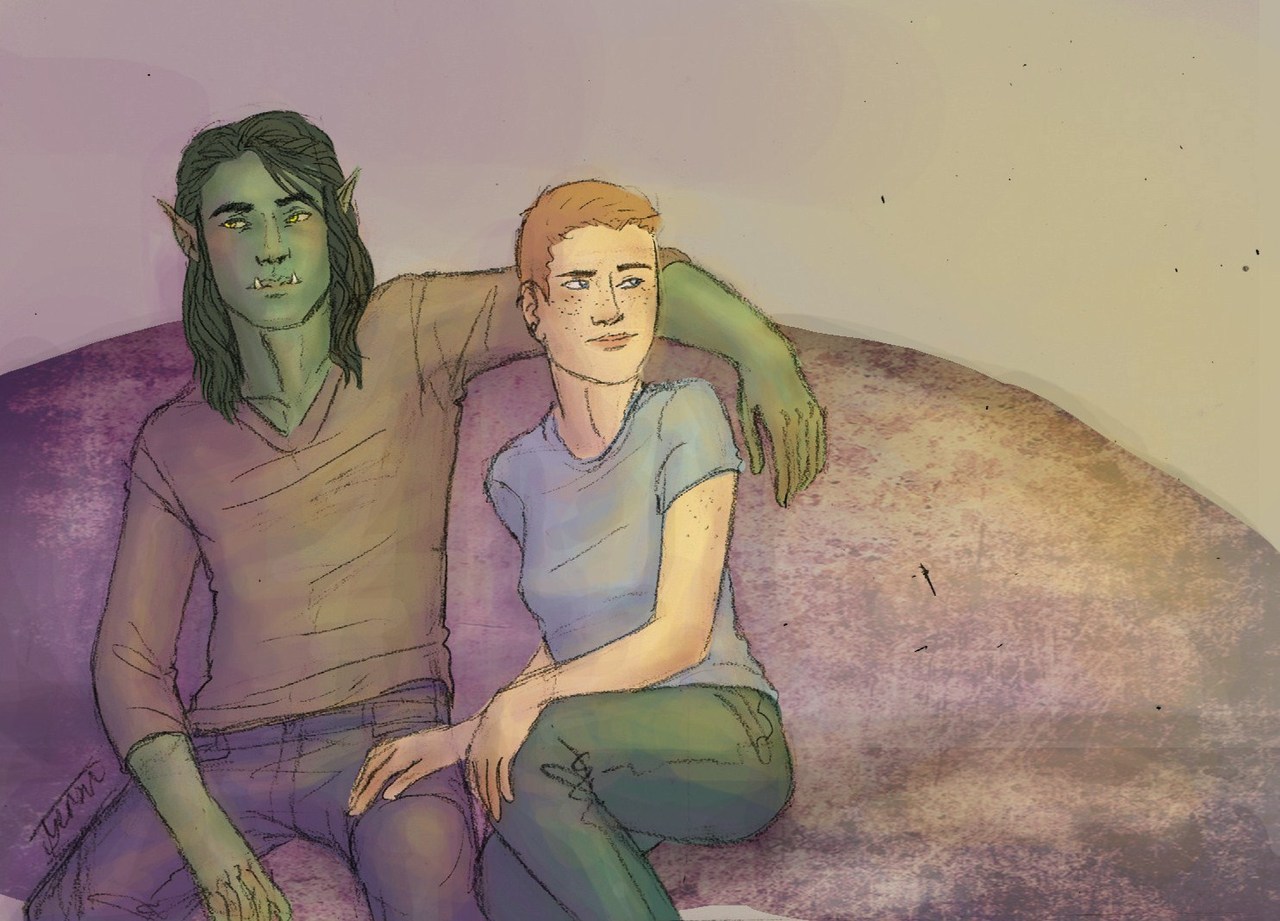
Val & Ravus fan art via https://hollyblack.tumblr.com/

In some ways, Valiant could be seen as a metaphor for the dangers of being a runaway. Remember how people used to talk a lot about how Buffy is really a metaphor for the teen years (high school is hell!)? You could look at Valiant in a similar fashion. There’s a point to be made here: The experiences of Val and her friends are dark and grim and in no way glamorous or magical. The book shows their daily struggle to get enough to eat, find a bathroom to clean up in, sleep where they won’t be robbed or assaulted, and figure out who to trust. Several characters fall quickly into addiction, and the fact that it’s a magical drug doesn’t change the fact that it’s destroying them more and more each day. Through the constant threats and uncertainties, this book makes clear that running away shouldn’t be seen as the answer. Home may be hard, but being on the streets isn’t the “magical” solution either.

At the same time, this is a faerie tale, although a very dark one. It’s bleak and hard, the fae the characters meet are mostly cruel, and the stakes are high — if they survive their lives on the streets, they can still be killed by creatures that want to hurt them just for fun.

This isn’t a pleasant read, but it did keep me interested. I liked Val and Ravus as characters, and I’m interested in seeing how the 3rd book, Ironside, wraps up the plots of Tithe and Valiant. As I mentioned in my review of Tithe, I don’t feel these books are anywhere near the greatness of the Folk of the Air trilogy — but considering that the Modern Faerie Tales books were written about 20 years earlier, it’s nice to be able to compare and see the author’s development of her craft and the worlds she creates.

Onward to #3!

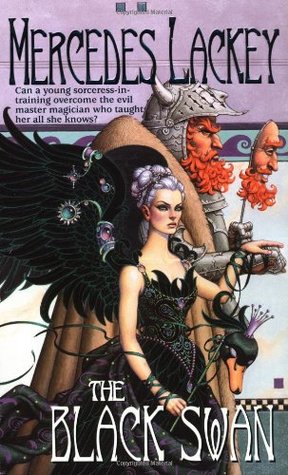
Shelf Control #253: Black Swan by Mercedes Lackey

Shelves final

Welcome to Shelf Control — an original feature created and hosted by Bookshelf Fantasies.

Shelf Control is a weekly celebration of the unread books on our shelves. Pick a book you own but haven’t read, write a post about it (suggestions: include what it’s about, why you want to read it, and when you got it), and link up! For more info on what Shelf Control is all about, check out my introductory post, here.

Want to join in? Shelf Control posts go up every Wednesday. See the guidelines at the bottom of the post, and jump on board!

Title: Black Swan
Author: Mercedes Lackey
Published: 1999
Length: 416 pages

What it’s about (synopsis via Goodreads):

As the only child of a powerful sorcerer, Odile Von Rothbart has studied the magical arts under her father’s stern tutelage all her life. Yet she feels only fear toward him. For considering his wife’s untimely death the ultimate betrayal, Baron Von Rothbart scours the land in the shape of a great bird of prey. His personal mission is to capture woman who arouse his wrath and inspire his rage for vengeance against all womankind. These poor souls he turns into swans—forcing them to spend their lives as beautiful but powerless animals who only regain their human forms briefly each night by the transitory light of the moon.

Yet though Odile is terrified of him, she has learned far more than her father, the baron, intended to teach her—both of the magical arts and of Von Rothbart’s idiosyncratic nature. And both as a woman and the guardian of his swan flock, her heart goes out to each and every young maiden ensorcelled by her vindictive father.

And then the noblest of Von Rothbart’s enchanted flock, the Princess Odette, finds the courage to confront her captor, wresting from him a pact which could lead to freedom for herself and all the swan-maidens. Knowing Von Rothbart will use all of his magical cunning to avoid honoring this pact, will Odile have the strength to face him in a final magical confrontation which, if she fails, will lead to her death and the murder of all in her flock? 

How and when I got it:

Found at a library sale, of course! I’ve had Black Swan on my shelf for at least 3 or 4 years now.

Why I want to read it:

This is my second time featuring a Mercedes Lackey book as a Shelf Control pick — even though I still haven’t gotten around to reading the previous one yet. Her books just sound so good!

I’ve seen this book referred to as a fairy tale retelling, but it’s actually unclear (as far as I can tell) whether there was a specific fairy tale that inspired Swan Lake, or simply that the ballet includes elements that were common in folklore of the time.

In any case, I’ve always loved Swan Lake, and Black Swan is definitely a reinterpretation of the story told in the ballet. I think it sounds amazing, closely following the ballet’s plot, but focusing on Odile and giving her magical gifts and a feminist agenda.

Have you read this book? Does it sound like something you’d want to read? And do you have any other Mercedes Lackey books to recommend?

Please share your thoughts!


__________________________________

Want to participate in Shelf Control? Here’s how:

  • Write a blog post about a book that you own that you haven’t read yet.
  • Add your link in the comments or link back from your own post, so I can add you to the participant list.
  • Check out other posts, and…

Have fun!

Top Ten Tuesday: New-to-Me Authors I Read in 2020

snowy10

Top Ten Tuesday is a meme hosted by That Artsy Reader Girl, featuring a different top 10 theme each week. This week’s topic is New-to-Me Authors I Read in 2020.

There were so many great authors whose works I got to experience for the first time in 2020! Here are 10 favorites (although I think I could come up with a lot more!)

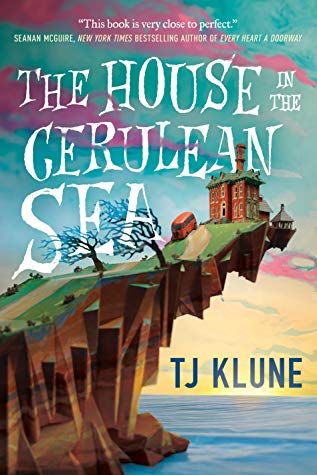
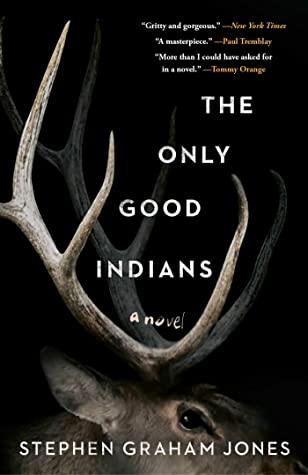
  • Stephen Graham Jones
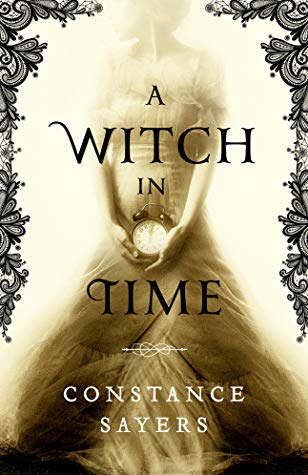
  • Constance Sayers
  • Emily M. Danforth
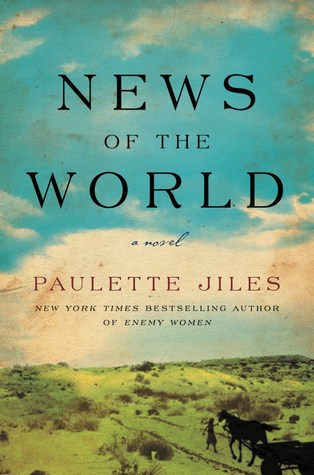
  • Paulette Jiles
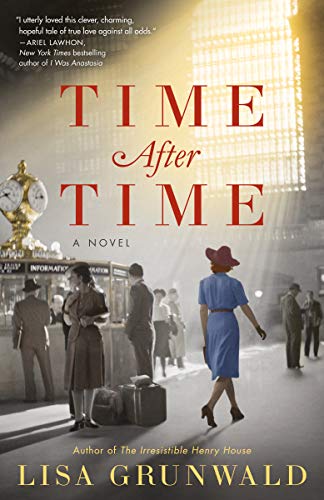
  • Lisa Grunwald
  • Andrzej Sapkowski
  • TJ Klune
  • Veronica Roth
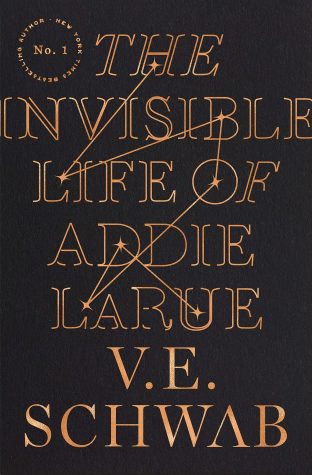
  • V. E. Schwab
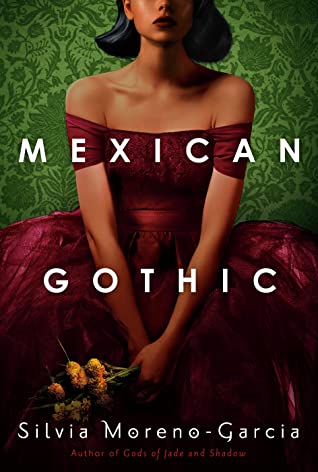
  • Silvia Moreno-Garcia

What new-to-you authors did you discover in 2020? Any particular favorites? Do we have any in common?

Please share your link so I can check out your top 10!

The Monday Check-In ~ 1/25/2021

cooltext1850356879 My Monday tradition, including a look back and a look ahead — what I read last week, what new books came my way, and what books are keeping me busy right now. Plus a smattering of other stuff too.

Life.

I loved everything about the inauguration — Lady Gaga, Jennifer Lopez, the amazing Amanda Gorman, seeing the Obamas and Clintons, even the guy whose job it was to sanitize the podium in between speakers. (Could have done without Garth Brooks, but oh well.) And of course, the main event — seeing our new President and Vice President taking their oaths of office — brought me to tears. It feels like a bright and shining new day, although I think it’s going to take all of us a while to get used to how it feels not having to hear about the latest awful thing the 2x-impeached person said or did on a daily basis. A return to normalcy and decency!

I’m loving all the Bernie memes, although I think this is my favorite graphic related to the inauguration:

In terms of my own life, I’ve spent most of this past week sick with persistent headaches and chills — but I tested negative for COVID, so that’s at least a relief. I was supposedly taking sick days, but ended up working practically every day anyway, because apparently work stops for no woman. Starting to feel a bit better finally, and hey, at least I was able to read!

What did I read during the last week?

Nemesis Games by James S. A. Corey: The fabulous 5th book in the Expanse series. My review is here.

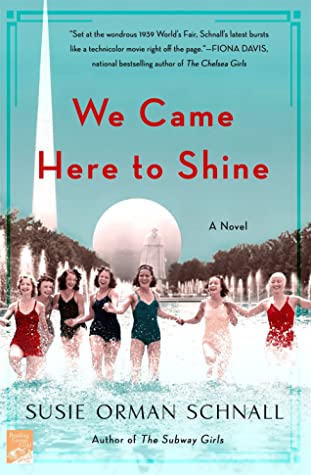
We Came Here to Shine by Susie Orman Schnall: My book group’s pick for January — historical fiction set at the 1939 New York World’s Fair. My review is here.

Tithe by Holly Black: The 1st book in the Modern Faerie Tales trilogy. My review is here.

The Viscount Who Loved Me (Bridgertons, #2) by Julia Quinn: Just couldn’t resist reading more Bridgertons books! My review is here.

Pop culture & TV:

I mean, obviously the highlight was watching the inauguration!

Beyond that, I watched bits and pieces of a few different things:

  • Finished The Great on Hulu. Awesome! Can’t wait for season 2.
  • Started two Masterpiece shows: All Things Great & Small and Miss Scarlet and the Duke. Liking both so far.

I’m trying to decide what binge to start next, and I think it’s down to either Killing Eve or Queen Sugar. Any recommendations?

I’m also feeling pretty annoyed that there doesn’t seem to be a free option, despite how many streaming subscriptions I have, to watch the new season of A Discovery of Witches. Argh.

Puzzle of the week:

I didn’t do any. Between my achy head and my lack of focus, just couldn’t get into it this week.

Fresh Catch:

Two new books:

What will I be reading during the coming week?

Currently in my hands:

Valiant by Holly Black: The 2nd book in the Modern Faerie Tale trilogy. I decided to keep going, and plan to read #3, Ironside, right after this one. 

Now playing via audiobook:

Nothing at the moment, which is really weird for me. Because of how I was feeling this week, I just wasn’t up to listening to anything, and ended up finishing up my most recent audiobook (The Viscount Who Loved Me) by switching to the print version. Hopefully, I’ll get back to my audiobook routine in the next few days.

Ongoing reads:
  • Outlander Book Club is re-reading Outlander! We’re reading and discussing one chapter per week. This week: Chapter 33, “The Watch”. 
  • Our current classic read is part 2 of Don Quixote. My book group is reading and discussing three chapters per week. 
  • I’m slowly reading The Heroine’s Journey by Gail Carriger. I’m reading this in small bites, but didn’t make any progress this week.

So many books, so little time…

boy1

Book Review: The Viscount Who Loved Me (Bridgertons, #2) by Julia Quinn

Title: The Viscount Who Loved Me (Bridgertons, #2)
Author: Julia Quinn
Publisher: Avon
Publication date: 2000
Length: 400 pages
Genre: Historical romance
Source: Purchased
Rating:

Rating: 3.5 out of 5.

1814 promises to be another eventful season, but not, This Author believes, for Anthony Bridgerton, London’s most elusive bachelor, who has shown no indication that he plans to marry. And in all truth, why should he? When it comes to playing the consummate rake, nobody does it better…

–Lady Whistledown’s Society Papers, April 1814

But this time the gossip columnists have it wrong. Anthony Bridgerton hasn’t just decided to marry–he’s even chosen a wife! The only obstacle is his intended’s older sister, Kate Sheffield–the most meddlesome woman ever to grace a London ballroom. The spirited schemer is driving Anthony mad with her determination to stop the betrothal, but when he closes his eyes at night, Kate’s the woman haunting his increasingly erotic dreams…

Contrary to popular belief, Kate is quite sure that reformed rakes do not make the best husbands–and Anthony Bridgerton is the most wicked rogue of them all. Kate’s determined to protect her sister–but she fears her own heart is vulnerable. And when Anthony’s lips touch hers, she’s suddenly afraid she might not be able to resist the reprehensible rake herself…

Reading the Bridgertons series is such a fluffy, escapist treat, despite the fact that I’m not much of a romance reader, and some sections made me roll my eyes so hard that they hurt. But after watching the Netflix series, it’s hard not to want to keep going and read more, more, more.

The setting is Regency-era London. The Bridgertons are a large family, with eight children (named in alphabetical order, which the high society ton find amusing). Lady Bridgerton is a widow, and she’s determined to see all of her children settled into happy marriages. In the first book in the series, The Duke & I, daughter Daphne ends up quite blissfully married (to a Duke, obviously). Now it’s time for the the rest of her children to get paired off as well.

In The Viscount Who Loved Me, the focus shifts to Anthony Bridgerton, the oldest of the Bridgerton children and the head of the family since their father’s death eleven years earlier. Anthony has never truly gotten over losing his father, and through his grief and his devotion to his father, has somehow managed to convince himself that he won’t live longer than his father did. Now at age 29, he’s sure — even while acknowledging to himself that he’s not really being rational — that he’ll be dead within 10 years. Constantly aware of his impending date with death, Anthony has played the rake up to now, but wanting to leave behind his own legacy, has decided that it’s finally time to marry and have children.

One firm rule he’s sworn to keep to is not to marry for love. After all, despite his parents’ love match, love isn’t really a requirement for marriage at that time. He seeks a wife who’s pretty, pleasant, from a good family, and who’ll make a good mother. But love will not be a factor: His deep-seated fear is that if he loves his wife, the knowledge of his premature death will make his life too painful to bear. Again, not rational, but it’s what he believes.

Anthony decides that he’ll marry Edwina Sheffield, considered to be the diamond of the season. Edwina and her older half-sister Kate are both having their first season. They live with Mary, Kate’s stepmother and Edwina’s mother, but have little in the way of financial means since the death of their father. Not being able to afford the expense of two full London seasons, Kate has postponed her own debut until the practically spinster-ish age of 21, when Edwina would also be old enough to be out.

Kate is a wonderful character, devoted to Mary and Edwina, smart, and outspoken. She’s fiercely protective of Edwina, and Edwina has stated that she won’t marry without Kate’s approval of her potential husband. Kate doesn’t play games and doesn’t expect many suitors, especially since her own looks can’t (in her opinion) hold a candle to Edwina’s delicate, classically beautiful appearance. She knows that one of them must come out of the season married, and married well, in order to support the rest of their family, and assumes Edwina has a much better chance.

Because of Anthony’s reputation as a rake, Kate immediately rules him out as a husband for Edwina, especially after hearing him state that it’s okay for a man to maintain a mistress after marriage, so long as he doesn’t love his wife. She thinks badly of him and informs him that she won’t allow him to wed Edwina. The two engage in lots of bickering and heated exchanges, but over the course of their encounters, they both become aware of a spark between them.

I’m sure you can guess where this is headed! Sparks fly, and a potential scandal forces them into marriage, even while neither is wiling to admit their desire and unwanted feelings for one another.

A few random thoughts on things that stuck out to me while reading this book:

  • As in The Duke & I, the male love interest is flawed and carries emotional baggage. Like Simon, Anthony is damaged by the trauma he experienced earlier in his life, and this influences his attitude and emotions regarding love and marriage.
  • We can’t really be mad when the norms of a historical period don’t match our own, but certain things make me bonkers anyway. Like how Anthony at age 18 becomes the Viscount and head of the family, meaning (among other things) that all the Bridgerton properties — their London house and their country estate — belong to him and him alone. I get it, that’s how things worked then, but it makes me mad on Violet’s behalf (the mother of the Bridgertons) that she owns nothing and technically is dependent on Anthony.
  • Also, there’s the tired old sentiment that men who are rakes are daring and dashing and make desirable husbands. Their bad reputations (so long as they have money and social standing) seem to only make them more desirable. Whereas young women must be pure and virginal, and can be ruined by being alone with a man or exchanging a kiss. Stupid double standards.
  • When we first meet Edwina, I expected her to be the standard romance character of the beautiful but shallow girl who everyone falls in love with — so I was happy to discover that there’s a lot more to her. She’s a supportive sister and daughter, she loves to read and study philosophy, and her true desire in a husband is to marry a scholar with whom she can study and learn. How refreshing!
  • I had to laugh at the scene of Anthony and Kate’s scandalous encounter that drives them into marriage. Kate is stung by a bee, and Anthony becomes so frantic about it (an allergic reaction to a bee sting is what killed his father), that he decides to suck the venom from the site of the sting — just above her breast. Okay, I have never heard of someone sucking out a bee’s venom, and it just seemed ridiculous. Of course, the women who stumbled upon them in the midst of this ridiculousness didn’t know what had happened and of course it was highly scandalous behavior… but still, so silly.
  • In the first book, main character Daphne went into marriage with zero knowledge of sex, after a pre-wedding talk with her mother that conveyed absolutely no actual information. Here, Mary does better with “the talk” on the night before Kate’s wedding, but manages to leave Kate with certain impressions that are detrimental to her marriage.

As I mentioned, romance is not a typical genre for me, and so some of the language just makes me laugh. I don’t know how much of this also has to do with the book being written 20 years ago, but I’m guessing that a lot of it is just typical romance language, and the statements made by certain characters are true to the general portrayal of Regency-era gender roles. Some choice bits:

A taste of attitude:

Anthony leaned forward, his chin jutting out in a most menacing manner. “Women should not keep pets if they cannot control them.” “And men should not take women with pets for a walk in the park if they cannot control either,” she shot back.

Bridgerton chuckled. “The only reason to give up one’s mistress is if one happens to love one’s wife. And as I do not intend to choose a wife with whom I might fall in love, I see no reason to deny myself the pleasures of a lovely woman like you.”

“The talk””

“Men and women are very different,” Mary continued, as if that weren’t completely obvious, “and a man—even one who is faithful to his wife, which I’m sure the viscount will be to you—can find his pleasure with almost any woman.”

Which leads directly to Kate’s fears and insecurities:

But she’d been consoling herself with the memory of the desire she had felt—and she thought Anthony had felt—when she was in his arms. Now it seemed that this desire wasn’t even necessarily for her, but rather some primitive urge that every man felt for every woman. And Kate would never know if, when Anthony snuffed the candles and took her to bed, he closed his eyes . . . And pictured another woman’s face.

And then there’s the sexy-times, which I generally find hilarious:

She wouldn’t recognize the first prickles of desire, nor would she understand that slow, swirling heat in the core of her being. And that slow, swirling heat was there. He could see it in her face.

Kate gasped as his hands stole around to her backside and pressed her harshly against his arousal.

“You’ve never seen a naked man before, have you?” he murmured. She shook her head. “Good.” He leaned forward and plucked one of her slippers from her foot. “You’ll never see another.”

His hands slid to the top button of his trousers and unfastened it, but stopped there. She was still fully clothed, and still fully an innocent. She wasn’t yet ready to see the proof of his desire.

Kate’s eyes widened as he left the bed and stripped off the rest of his clothing. His body was perfection, his chest finely muscled, his arms and legs powerful, and his— “Oh, my God,” she gasped. He grinned. “I’ll take that as a compliment.”

I’m not really mocking the book, just noting that romance language never fails to entertain me and make me giggle over scenes that aren’t meant to be funny. I’ve become very fond of the characters in the series (having watched the Netflix series definitely helps), and for sure I’ll be reading more.

That’s two Bridgerton siblings happily married — six more to go!

Book Review: Tithe (Modern Faerie Tales, #1) by Holly Black

Title: Tithe
Author: Holly Black
Publisher: McElderry Books
Publication date: 2002
Length: 272 pages
Genre: Young adult fantasy
Source: Purchased
Rating:

Rating: 3.5 out of 5.

Welcome to the realm of very scary faeries!

Sixteen-year-old Kaye is a modern nomad. Fierce and independent, she travels from city to city with her mother’s rock band until an ominous attack forces Kaye back to her childhood home. There, amid the industrial, blue-collar New Jersey backdrop, Kaye soon finds herself an unwilling pawn in an ancient power struggle between two rival faerie kingdoms – a struggle that could very well mean her death. 

I have been wanting to read the Modern Faerie Tale trilogy ever since reading the author’s more recent Folk of the Air series, which I love to pieces. Tithe, the first book in the trilogy, was first published in 2002, and is Holly Black’s first novel.

Kaye is a 16-year-old girl who lives wherever her mother happens to land, raising herself while her mother focuses on her band. She stopped going to school a couple of years earlier, rather than continuing to go through the process of starting over every time they pick up move somewhere new for the sake of a new gig.

When they need a sudden escape from a dangerous situation, they move back to Kaye’s hometown in New Jersey to live in her grandmother’s house. Kaye is happy to reconnect with her elementary school bestie, Janet, and also hopes to see her imaginary friends again. But are they really imaginary? In her early years, Kaye would tell anyone who would listen about her magical fairy friends, which no one ever believed, earning herself the reputation of being a weird kid.

Some strange things start to recur, and after a bad night out, Kaye runs into a beautiful, otherworldly man in the forest who’s been injured. As she tries to help him, a bond is forged, and she starts to learn more about her own true nature. It turns out that Kaye is a pixie changeling, placed under heavy glamours to appear human and exchanged for the real baby Kaye, who’s been raised in Faerie in Kaye’s place.

Things escalate quickly, and Kaye finds herself pulled into a power struggle between the different Fae courts. She’d like to trust Roiben, but he’s clearly dangerous as well, and Kaye is still learning about her own magic and abilities, as well as worrying about her mortal friends who have inadvertently gotten mixed up with the world of Faerie.

Kaye is a great character, a little jaded and world-weary, but also in awe of the new world that opens before her. She hates the power games and brutality shown by some of the Fae, but she sees beauty in this world as well. The dynamic between Kaye and Roiben is quite fun. (Side note: Kaye and Roiben make brief appearances in the Folk of the Air trilogy, and once I realized that they were the main characters in Tithe, I knew I needed to read it.)

There are some tragic turns and dramatic encounters, and the pacing of the story is quick and engaging. That said, this book was written almost 20 years ago and is a first novel, and both of those elements show. I can’t fault a book for depicting the time in which it was written, but it’s still jarring, here in 2021, to have teens not glued to their cell phones, see them using pay phones, or mention the noise their modem makes while connecting to the internet.

In terms of this being a first novel, it’s well-written and engaging, but having read the Folk of the Air trilogy, Tithe suffers by comparison. Which may just be a round-about way of saying how amazing the Folk of the Air books are — sophisticated plotting and world-building, powerfully depicted characters, intricate relationships… I could go on and on. Reading Tithe after those books, it’s clear that Tithe is much simpler writing, and at the same time, doesn’t do as good a job of explaining the various power dynamics of the Fae courts (which we basically get to know about via one massive information dump).

Holly Black is an incredibly gifted writer, and it’s interesting to see where she started. The world of Tithe is related to the world of the Folk of the Air, and reading Tithe is a great chance to experience Faerie as the author first depicted it.

I will definitely read the other two books in the series (Valiant and Ironside), and then have an unrelated trilogy (Curse Workers) and an unrelated novel (The Coldest Girl in Coldtown) by Holly Black on my TBR shelf.

I do recommend Tithe, especially for fans of the author’s later books.

For more of my reviews of Holly Black books:
The Darkest Part of the Forest
The Good Neighbors (graphic novel trilogy)
The Cruel Prince
The Wicked King/The Queen of Nothing
How the King of Elfhame Learned To Hate Stories

Book Review: We Came Here To Shine by Susie Orman Schnall

Title: We Came Here To Shine
Author: Susie Orman Schnal
Publisher: St. Martin’s Griffin
Publication date: June 16, 2020
Length: 384 pages
Genre: Historical fiction
Source: Purchased
Rating:

Rating: 3 out of 5.

At the iconic 1939 New York World’s Fair, two ambitious young women—a down-on-her-luck actress and an aspiring journalist—form an unlikely friendship as they navigate a world of possibility and find out what they are truly made of during a glorious summer of spectacle and potential…

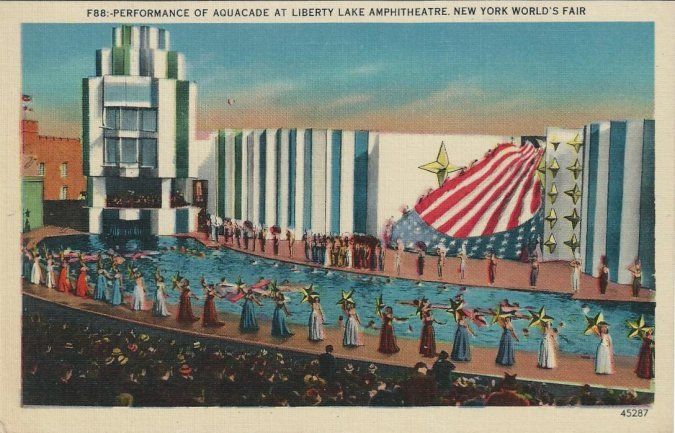
Gorgeous Vivi is about to begin filming her first starring role in a Hollywood picture when the studio head ships her off to New York as a favor to a friend. She’s assigned the leading role in the heralded Aquacade synchronized swimming spectacular at the World’s Fair, a fate she believes will destroy her film career. If she performs well, she’ll have another chance at stardom, but with everything working against her, will her summer lead to opportunity or failure?

Plucky Max dreams of becoming a serious journalist, but when her job at the New York Times doesn’t pan out, she finds herself begrudgingly working for the daily paper of the World’s Fair. As her ideas are continually overlooked by her male counterparts and her career prospects are put in jeopardy, Max must risk everything to change the course of her life.

When Max and Vivi’s worlds collide, they forge an enduring friendship. One that teaches them to go after what matters most during the most meaningful summer of their lives.

We Came Here To Shine takes place at the 1939 New York World’s Fair, bringing the spectacle to life through the experiences of Max and Vivi, two very different women who find themselves drawn together as they each battle sexism and misogyny.

Max is a journalism student at NYU, whose dream is to become a star reporter for the New York Times. As part of the coursework, each member of the class is assigned to a summer internship with a New York publication. Max is crushed when she loses out on her first choice with the Times, and is instead assigned to Today At The Fair, the daily paper produced at the World’s Fair to highlight the days’ events and generate buzz and excitement.

It gets even worse when she and her classmate Charlie show up to work on the first day, only to be told that Charlie will write all the articles, and Max will be responsible for the daily event listings. When she protests, she’s told that women aren’t suited for reporting, and are much better at doing detail work like lists and calendars. Max is furious, especially because she and her classmates are competing for a scholarship that will be awarded based on submission of articles written during the internship. Without the scholarship, Max doesn’t see a way that she can afford the next year’s tuition.

Meanwhile, Vivi is on track as a rising starlet in the Hollywood studio system. After supporting roles in a few films, Vivi is about to start filming a starring role in a new movie — until the studio chief informs her that she’s being replaced, and is instead being loaned out to Billy Rose, the producer of the Aquacade swimming show at the World’s Fair. The Aquacade’s star (in the role of Aquabelle Number One) has been injured, and they need someone to replace her and draw in the crowds. Vivi isn’t a movie star yet, but the producers all agree that the Hollywood cachet will boost ticket sales.

Vivi is dismayed and hurt, but has no choice. She’s under contract to the studio, which means they can do as they want with her. They also dangle a promise that after the summer, they have another starring role all lined up for. Do what they want, and she’ll get that chance. Don’t do it, and the studio will be done with her, ending her Hollywood dreams for good.

There’s a lot to like about We Came Here To Shine, but it fell flat for me in several ways.

First, what I liked:

  • Being introduced to the wonders of the Fair, which at that time would have been mind-boggling. New technologies, glorious buildings and gardens, international pavillions, glamorous restaurants, and the Aquacade — the book does a great job of conveying the awe of experiencing the Fair for the first time.
  • I liked Max and Vivi’s friendship and how they supported one another through their lowpoints, helping each other figure out how to get out of terrible situations and take control of their own paths.
  • The sense of the impact of the Depression, as shown by Max’s family life as well as by some of the negative reactions to the Fair around the ticket prices making it beyond the reach of many families.
  • The photos and historical notes included in the book, which really helped me appreciate different attractions mentioned in the story, as well as explaining which of the issues and people are real and which are created by the author.
  • The inclusion of the National Women’s Party (a real organization) as an inspiration for both Max and Vivi.

The bits that didn’t really work for me:

  • For someone who’s described as being top of her class in journalism, the tastes we get of Max’s writing just aren’t impressive. In fact, the pieces she submits for the scholarship competition are sensational without including sources or diving beyond the surface.
  • It doesn’t actually make sense that Vivi would be chosen to take on the high-profile starring role in the Aquacade. She was on her high school swim team, but has never done choreography or synchronized swimming, and is initially given just four days to rehearse before her first performance.
  • Vivi’s family drama, which drove her to Hollywood in the first place, isn’t explained well enough. We know the basics of what happened, but (see below), the presentation left me feeling that I was reading about stock characters, rather than unique people and dynamics.
  • SPOILER: Vivi, with Max’s help, finds a way to get out of her contract and leave the Aquacade and Hollywood in her past. It’s clear that she’s been mistreated, cheated, and controlled by the various powerful men who run the industry and have absolute power over her career, but I couldn’t quite accept that Vivi’s need to take back her life would include giving up her career and switching aspirations quite so suddenly. It reads as if she never really wanted to become an actress in the first place, but that’s not the impression I had at the start of the book.

The biggest issue I had with the book is the writing. The writing style makes the story feel bland, even when there’s something dramatic happening. In fact, this is probably what bothered me the most: Even as certain events unfolded, I felt like I was being told about what happened, rather than actually seeing them happen. Again and again, I felt like I was reading a summary of the big moments — some key parts felt too short or glossed over, and I never got the sense that I was there.

Still, I did enjoy enough aspects of We Came Here To Shine to make me glad I read it. I’ve now spend some time browsing images and videos to get a sense of what being at the Fair was like. To learn more about the Fair, check out https://www.1939nyworldsfair.com/index.htm. Also, here’s a short video highlighting the Aquacade (silent, but still fun to watch.)

We Came Here To Shine is my book group’s pick for January — yet another book that I likely would not have come across otherwise. Despite the problems mentioned above, it’s worth reading to experience the time and place of such a unique and exciting event.

Book Review: Nemesis Games (The Expanse, #5) by James S. A. Corey

Title: Nemesis Games (The Expanse, #5)
Author: James S. A. Corey
Publisher: Orbit
Publication date: May 10, 2016
Length: 532 pages
Genre: Science fiction
Source: Purchased
Rating:

Rating: 5 out of 5.

A thousand worlds have opened, and the greatest land rush in human history has begun. As wave after wave of colonists leave, the power structures of the old solar system begin to buckle.

Ships are disappearing without a trace. Private armies are being secretly formed. The sole remaining protomolecule sample is stolen. Terrorist attacks previously considered impossible bring the inner planets to their knees. The sins of the past are returning to exact a terrible price.

And as a new human order is struggling to be born in blood and fire, James Holden and the crew of the Rocinante must struggle to survive and get back to the only home they have left.

Let me just say up front that this is going to be a short review — not because I didn’t love the book, but because I tore through it so quickly that I didn’t pause to take notes or mark amazing passages or terrific dialogue. Yes, I loved the book, and it definitely merits 5 stars!

The fifth book in the fabulous Expanse series, Nemesis Games has a lot going on. The key things to know are (1) the crew of the Rocinante spend most of the book apart, each going off on their own private journeys while their ship is undergoing major repairs, and (2) a massive terrorist attack by a dangerous Belter faction changes the power dynamics of the solar system, perhaps permanently.

Each of our four main characters gets a chance to shine, although Naomi’s saga is clearly the most dramatic and emotionally powerful. I don’t want to get into spoiler territory, so I’ll be vague, but the attack by the Free Navy (the aggressive Belter faction) is shocking in its scope and impact.

The plotline of Nemesis Games is the basis of the excellent fifth season of The Expanse (now streaming on Amazon Prime), with a few changes here and there. While I’m usually a stickler for reading books before watching movie or TV adaptations, in this case, I’m glad I had the visuals of this season to help me while reading the book. So much of the technology, military aspects, etc are really complex, and having seen the depictions on TV really made the book passages feel more alive to me.

As I said, I’m keeping this review short, so I’ll just wrap up by saying that Nemesis Games and the entire series are highly recommended. The books are long, but they speed by. So far, there are 8 books in the series, with the 9th and final book set to be published sometime this year. I don’t think I’ll be able to get through all of the available books right away, but I do want to keep going! The books are exciting, pulse-pounding reading, and I just have to know what happens next!

Shelf Control #252: The Stranger’s Child by Alan Hollinghurst

Shelves final

Welcome to Shelf Control — an original feature created and hosted by Bookshelf Fantasies.

Shelf Control is a weekly celebration of the unread books on our shelves. Pick a book you own but haven’t read, write a post about it (suggestions: include what it’s about, why you want to read it, and when you got it), and link up! For more info on what Shelf Control is all about, check out my introductory post, here.

Want to join in? Shelf Control posts go up every Wednesday. See the guidelines at the bottom of the post, and jump on board!

Title: The Stranger’s Child
Author: Alan Hollinghurst
Published: 2012
Length: 564 pages

What it’s about (synopsis via Goodreads):

In the late summer of 1913, George Sawle brings his Cambridge friend Cecil Valance, a charismatic young poet, to visit his family home. Filled with intimacies and confusions, the weekend will link the families for ever, but its deepest impact will be on George’s sixteen-year-old sister Daphne.

As the decades pass, Daphne and those around her endure startling changes in fortune and circumstance, reputations rise and fall, secrets are revealed and hidden and the events of that long-ago summer become part of a legendary story, told and interpreted in different ways by successive generations.

Powerful, absorbing and richly comic, ‘The Stranger’s Child’ is a masterly exploration of English culture, taste and attitudes over a century of change. 

How and when I got it:

I bought a copy on a whim, at least 6 or 7 years ago.

Why I want to read it:

This was a total impulse buy! On a weekend trip with my daughter, we happened to find a really great bookstore, and this book was prominently displayed on their front rack. I loved the look of the cover, and while I didn’t feel like the back copy gave me a whole lot of information, I just needed to buy it!

I think the main reason I haven’t actually read the book yet is its length. It’s a big book! I do still want to get to it eventually, which is why it hasn’t ended up in my library donation piles just yet.

Have you read this book? Does it sound like something you’d want to read?

Please share your thoughts!


__________________________________

Want to participate in Shelf Control? Here’s how:

  • Write a blog post about a book that you own that you haven’t read yet.
  • Add your link in the comments or link back from your own post, so I can add you to the participant list.
  • Check out other posts, and…

Have fun!

Top Ten Tuesday: Books I Meant To Read in 2020 (but didn’t get to)

snowy10

Top Ten Tuesday is a meme hosted by That Artsy Reader Girl, featuring a different top 10 theme each week. This week’s topic is Books I Meant to Read In 2020 but Didn’t Get To.

I recently did a similar post about the books I bought in 2020 but didn’t read. For this week’s prompt, I thought I’d look back at the quarterly TBR list Top Ten Tuesday posts from 2020, and see how well I did at reading the books I said I’d read.

Overall? Not too shabby!! Here are the books that are left, along with a note on whether I still plan to to read them. Starting with:

Winter 2020: Only two left unread:

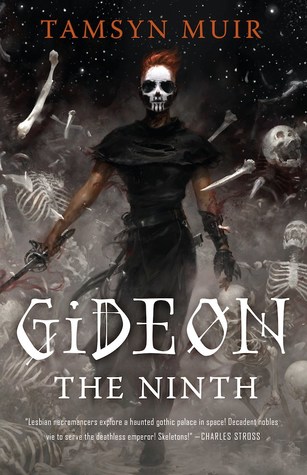
  • Gideon the Ninth by Tamsyn Muir: Still plan to read? YES. High priority for 2021!
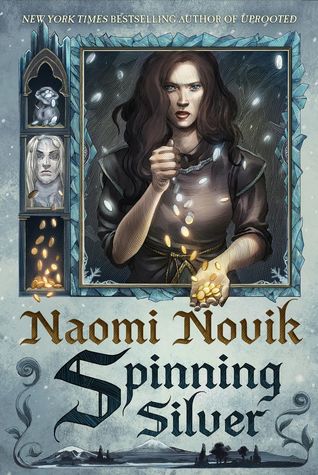
  • Spinning Silver by Naomi Novik: Still plan to read? YES. Also high priority!

Spring 2020:

  • Red Sky Over Hawaii by Sara Ackerman: Still plan to read? YES
  • The Jetsetters by Amanda Eyre Ward: Still plan to read? Probably not — I seem to have lost interest.

Summer 2020 – I read all the books!

Fall 2020:

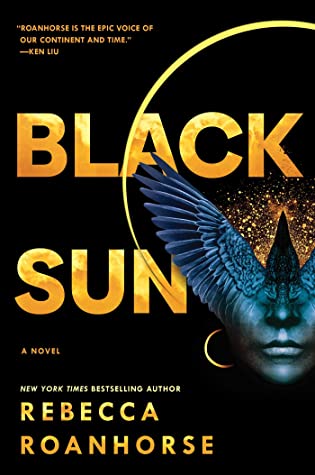
  • Black Sun by Rebecca Roanhorse: Still plan to read? I’m thinking no. Even though I was excited for this initially, after reading a bunch of reviews and synopses, it just doesn’t draw me in.
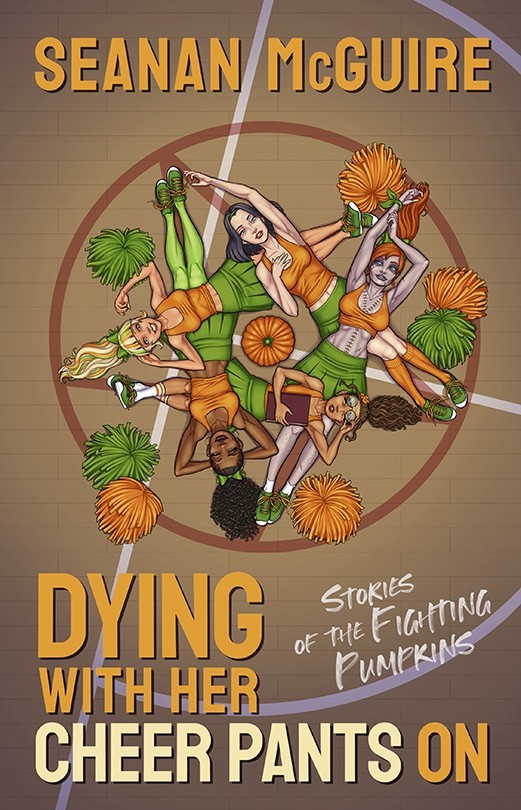
  • Dying with Her Cheer Pants On by Seanan McGuire: Still plan to read? YES. It’s Seanan McGuire, so the answer has to be YES.
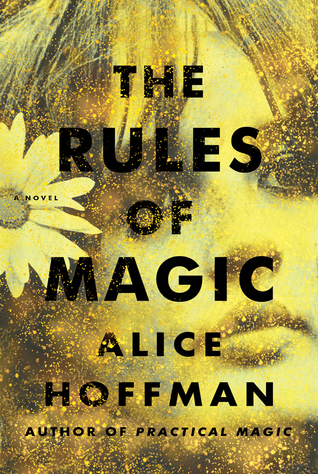
  • The Rules of Magic by Alice Hoffman: Still plan to read? YES for sure, but I just haven’t been feeling any urgency around this one. I do intend to read it eventually.

That’s seven, so I’ll also include unread books from my “most anticipated” posts from 2020:

  • When We Were Magic by Sarah Gailey: Still plan to read? YES. I don’t know why I didn’t get to it when it came out, but I do own a copy and absolutely want to read it.
  • Malorie by Josh Malerman: Still plan to read? Probably. I liked Bird Box, so I’m curious to see what comes next… but it doesn’t feel all that important to read any time soon.
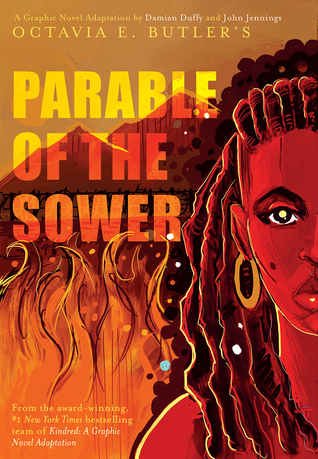
  • Parable of the Sower (graphic novel): Still plan to read? YES. The novel of Parable of the Sower is one of the most powerful books I’ve ever read. I’ve been waiting to read the graphic novel until it suits my mood, but I definitely do plan to get to it.

What books did you mean to get to in 2020, but didn’t? Have you read any of the books on my list? And if so, which do you think should be top priority?

Here’s hoping we all get to our 2020 books, plus all the great books ahead in 2021!