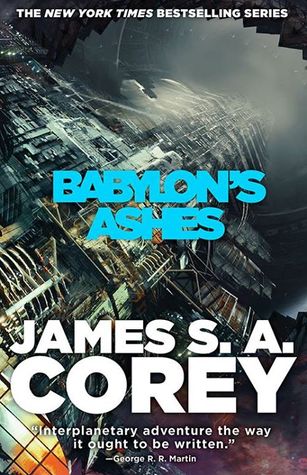
Book Review: Babylon’s Ashes (The Expanse, #6) by James S. A. Corey

Title: Nemesis Games
Series: The Expanse, #6
Author: James S. A. Corey
Publisher: Orbit
Publication date: October 24, 2017
Length: 576 pages
Genre: Science fiction
Source: Purchased
Rating:

Rating: 5 out of 5.

The sixth novel in James S. A. Corey’s New York Times bestselling Expanse series–now a major television series from Syfy!

A revolution brewing for generations has begun in fire. It will end in blood.

The Free Navy – a violent group of Belters in black-market military ships – has crippled the Earth and begun a campaign of piracy and violence among the outer planets. The colony ships heading for the thousand new worlds on the far side of the alien ring gates are easy prey, and no single navy remains strong enough to protect them.

James Holden and his crew know the strengths and weaknesses of this new force better than anyone. Outnumbered and outgunned, the embattled remnants of the old political powers call on the Rocinante for a desperate mission to reach Medina Station at the heart of the gate network.

But the new alliances are as flawed as the old, and the struggle for power has only just begun. As the chaos grows, an alien mystery deepens. Pirate fleets, mutiny, and betrayal may be the least of the Rocinante‘s problems. And in the uncanny spaces past the ring gates, the choices of a few damaged and desperate people may determine the fate of more than just humanity.

I’ve spent the past week in the midst of galactic war, and it may take me a while to recover!

I had to psych myself up to read Babylon’s Ashes, the 6th book in the Expanse series. The series is huge in scope, and the books themselves are pretty huge too — large, chunky books dense with ships and space and rail guns and trajectories and science fiction terminology… and I have to say, I’ve enjoyed the hell out of each and every one.

It’s difficult at this point to separate the experience of reading the books from that of watching the (outstanding) TV series. The overarching storyline of Babylon’s Ashes matches up with the events of the 6th and final season. For the TV version, it does feel like the storyline comes to a reasonable stopping place — although there are clearly plenty more adventures that could be told, since there are three more books in the series. I finally dove into Babylon’s Ashes after finishing the 6th season, and meshing the two different approaches created a terrific reading experience.

In Babylon’s Ashes, all hell has broken loose. The solar system’s political balance has been violently upset by a ferocious attack on Earth (see Nemesis Games, book #5) that’s wiped out huge swathes of the population and left the planet with an unsustainable future. This is just part of the plan for Marco Inaros, leader of the Free Navy, the Belter military arm whose goal is to establish Belter dominance and defeat Earth and Mars once and for all.

And while the Free Navy, as the symbol of an historically oppressed people’s rise to freedom, has some claim to a righteous cause, it soon becomes clear that its main function is to further advance Marco’s enormous narcissism and personal vendettas. As he denies food, air, and water supplies to his own people — who are desperately in need — for the sake of political power plays, his supporters begin to question his methods, and the Free Navy develops fractures just when it’s starting to seem surer of victory.

Meanwhile, people like the crew of the Rocinante — our heroes!! — are out fighting the good fight, not just for Earth or Mars or the Belt, but for the sake of humanity having a shot at a future.

This book is just as detailed as the earlier ones, and it takes a great deal of concentration to follow the huge cast of characters, the planets, the political factions, and the mechanics of it all. That said, it’s worth it! I loved every moment, despite having to rely on various fandom wikis to figure out who some of the more obscure characters were and just where they might have shown up previously.

The action is thrilling and scary. I have to admit that it was helpful for me to have watched the TV series, because I’m not sure how well I could have envisioned the space battles and types of ships and weapons and stations without it. That said, it’s all described in marvelous detail, and my inner sci-fi geek enjoyed the hell out of it.

Another element that’s different (but great) about the books is how they take into account the laws of physics and the vastness of space. In the TV series, when a space battle happens, it’s all super fast and immediate — but as the book makes clear, just because one ship is burning fast to ambush another, they still have to travel to get there, so it may take weeks before a planned assault happens. Somehow, that sense of time and distance being factored into the action makes it feel more realistic (but I understand that it wouldn’t work very well on TV to have to interrupt the action to allow for lengthy travel times).

This is not a series to just jump into in the middle, in case that’s not obvious, so if you’re interested, start at the beginning with Leviathan Wakes. I mean, it MIGHT be possible to pick up the story at this point after watching it on TV, but I still think it would be confusing, and why would you want to miss out on the satisfaction of reading the whole thing?

For those who’ve been watching the TV series, the reading experience will be different from here on out, because after Babylon’s Ashes, there will be no TV seasons to mirror the books in the series. We’re in uncharted territory, people! And while the TV version makes changes to characters, places, and events, it’s been close enough to give a good representation of each book’s major plotlines and action sequences. As I move forward to #7, I’m faced with the reality that from now on, there will be no screen action to accompany my reading… so I’ll have to envision all the dramatic torpedoes and rail guns and space maneuvering in my head. I hope I’m up to the challenge!

Now that I’ve finished Babylon’s Ashes, the only thing holding me back from continuing straight on to the next book is how BIG the books all are, and the fact that I do have other books to read! That said, I’m not going to let too much time go by either — I’m hoping to finish the remaining books in the series by the end of this year (but don’t hold me to it!)

Next up for me in the Expanse series:
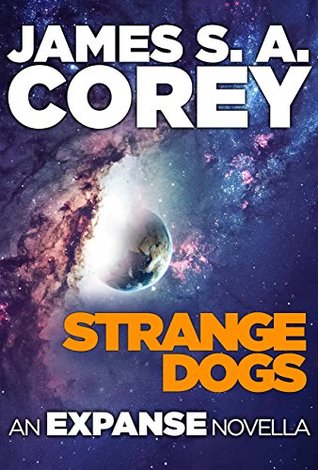
Strange Dogs: A novella that takes place sometime around or after the events of Babylon’s Ashes

Persepolis Rising: Book #7!

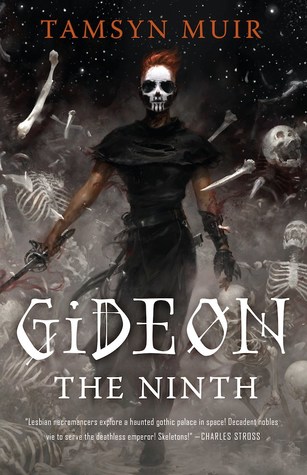
Shelf Control #305: Gideon the Ninth by Tamsyn Muir

Shelves final

Welcome to Shelf Control — an original feature created and hosted by Bookshelf Fantasies.

Shelf Control is a weekly celebration of the unread books on our shelves. Pick a book you own but haven’t read, write a post about it (suggestions: include what it’s about, why you want to read it, and when you got it), and link up! For more info on what Shelf Control is all about, check out my introductory post, here.
Want to join in? Shelf Control posts go up every Wednesday. See the guidelines at the bottom of the post, and jump on board!

Title: Gideon the Ninth
Author: Tamsyn Muir
Published: 2019
Length: 448 pages

What it’s about (synopsis via Goodreads):

The Emperor needs necromancers.

The Ninth Necromancer needs a swordswoman.

Gideon has a sword, some dirty magazines, and no more time for undead bullshit.

Brought up by unfriendly, ossifying nuns, ancient retainers, and countless skeletons, Gideon is ready to abandon a life of servitude and an afterlife as a reanimated corpse. She packs up her sword, her shoes, and her dirty magazines, and prepares to launch her daring escape. But her childhood nemesis won’t set her free without a service.

Harrowhark Nonagesimus, Reverend Daughter of the Ninth House and bone witch extraordinaire, has been summoned into action. The Emperor has invited the heirs to each of his loyal Houses to a deadly trial of wits and skill. If Harrowhark succeeds she will become an immortal, all-powerful servant of the Resurrection, but no necromancer can ascend without their cavalier. Without Gideon’s sword, Harrow will fail, and the Ninth House will die.

Of course, some things are better left dead.

How and when I got it:

I bought a paperback at some point in the last two years (and picked up book #2, Harrow the Ninth, too).

Why I want to read it:

I remember seeing tons of reviews for this book when it came out, most using the tagline lesbian necromancers in space — and yes, that definitely grabbed my attention! I have reader friends who became obsessed with this book (and its sequel), although I’ve definitely seen my share of negative reviews as well.

This does seem like something I’d love, and I’m excited to read it. I think the only reason I haven’t so far is that when I first planned to get started, I got a little intimidated by what seemed like a lot of world-building to absorb up front, and I just wasn’t in the right state of mind to focus at that moment. But now I’m ready!

The third book, Nona the Ninth, comes out later this year, so this seems like a good time to finally dive in.

What do you think? Have you read this book, and if so, do you recommend it? Or if you haven’t read it, does this sound like something you’d want to read?

Please share your thoughts!


__________________________________

Want to participate in Shelf Control? Here’s how:

  • Write a blog post about a book that you own that you haven’t read yet.
  • Add your link in the comments or link back from your own post, so I can add you to the participant list.
  • Check out other posts, and…

Have fun!

Top Ten Tuesday: Books with Character Names in the Titles 

snowy10

Top Ten Tuesday is a meme hosted by That Artsy Reader Girl, featuring a different top 10 theme each week. This week’s topic is Books with Names/Character Names In the Titles. I did something similar for a freebie TTT topic several years ago (here), and although it’s tempting, I’m not going to repeat any for today’s list!

  1. Josh & Hazel’s Guide to Not Dating by Christina Lauren (review)
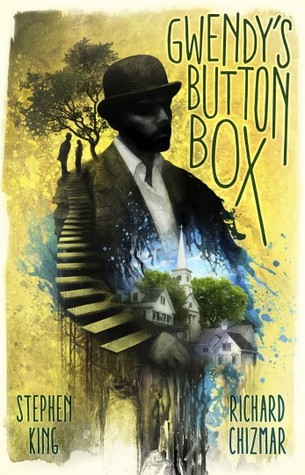
  2. Gwendy’s Button Box by Richard Chizmar and Stephen King (review)
  3. Cousin Kate by Georgette Heyer
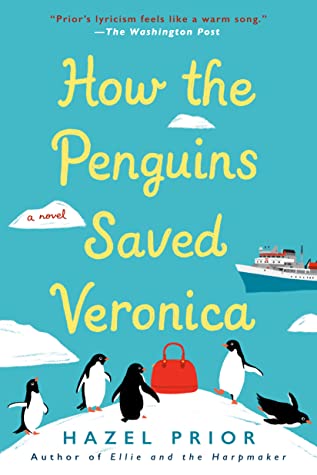
  4. How the Penguins Saved Veronica by Hazel Prior (review)
  5. Princess Floralinda and the Forty-Flight Tower by Tamsyn Muir (review)
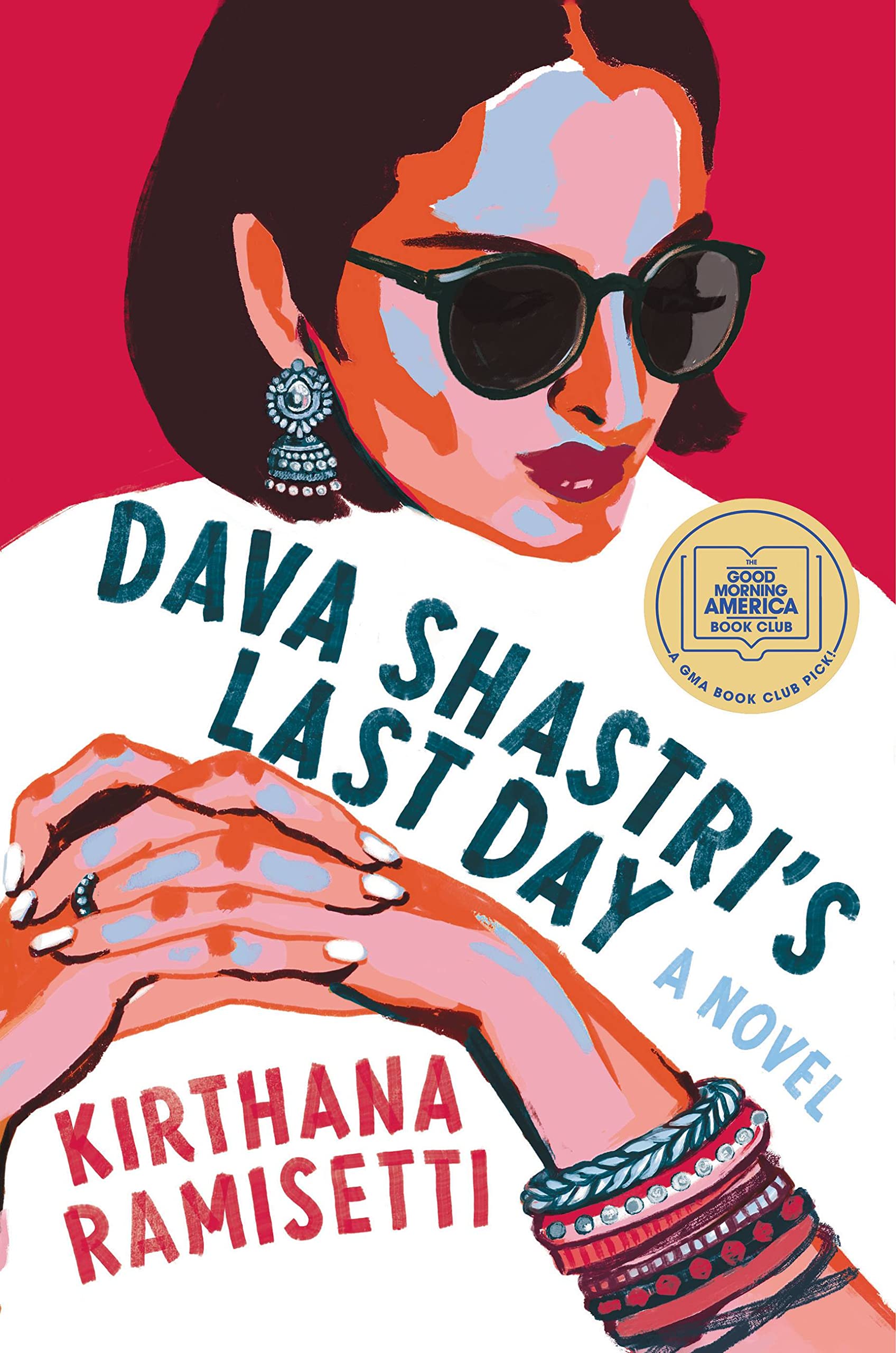
  6. Dava Shastri’s Last Day by Kirthana Ramisetti (review)
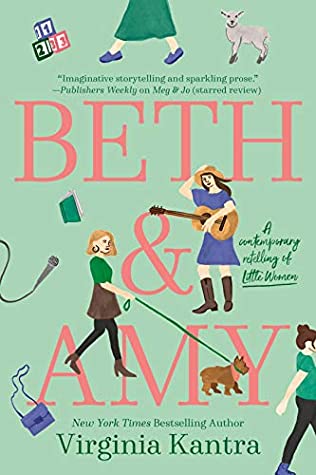
  7. Beth & Amy by Virginia Kantra (review)
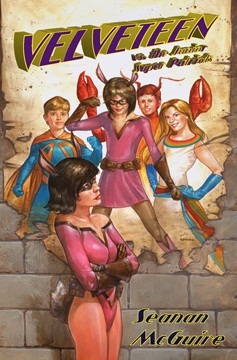
  8. Velveteen vs the Junior Super Patriots by Seanan McGuire
  9. Fat Chance, Charlie Vega by Crystal Maldonado
  10. Naomi & Ely’s No Kiss List by Rachel Cohn & David Levithan

What books made your list this week?

Please share your link so I can check out your top 10!

The Monday Check-In ~ 1/31/2022

cooltext1850356879

My Monday tradition, including a look back and a look ahead — what I read last week, what new books came my way, and what books are keeping me busy right now. Plus a smattering of other stuff too.

Life.

How is it the last day of January already? Time is just whooshing by.

For the first time in a long time, I actually went out not one, but TWO nights this past week! First, we had a family dinner at a really nice restaurant, and then we went out again to see the touring production of The Band’s Visit. (I’d seen the show already on Broadway, but it was nice to go again and enjoy it with family members who hadn’t seen it before).

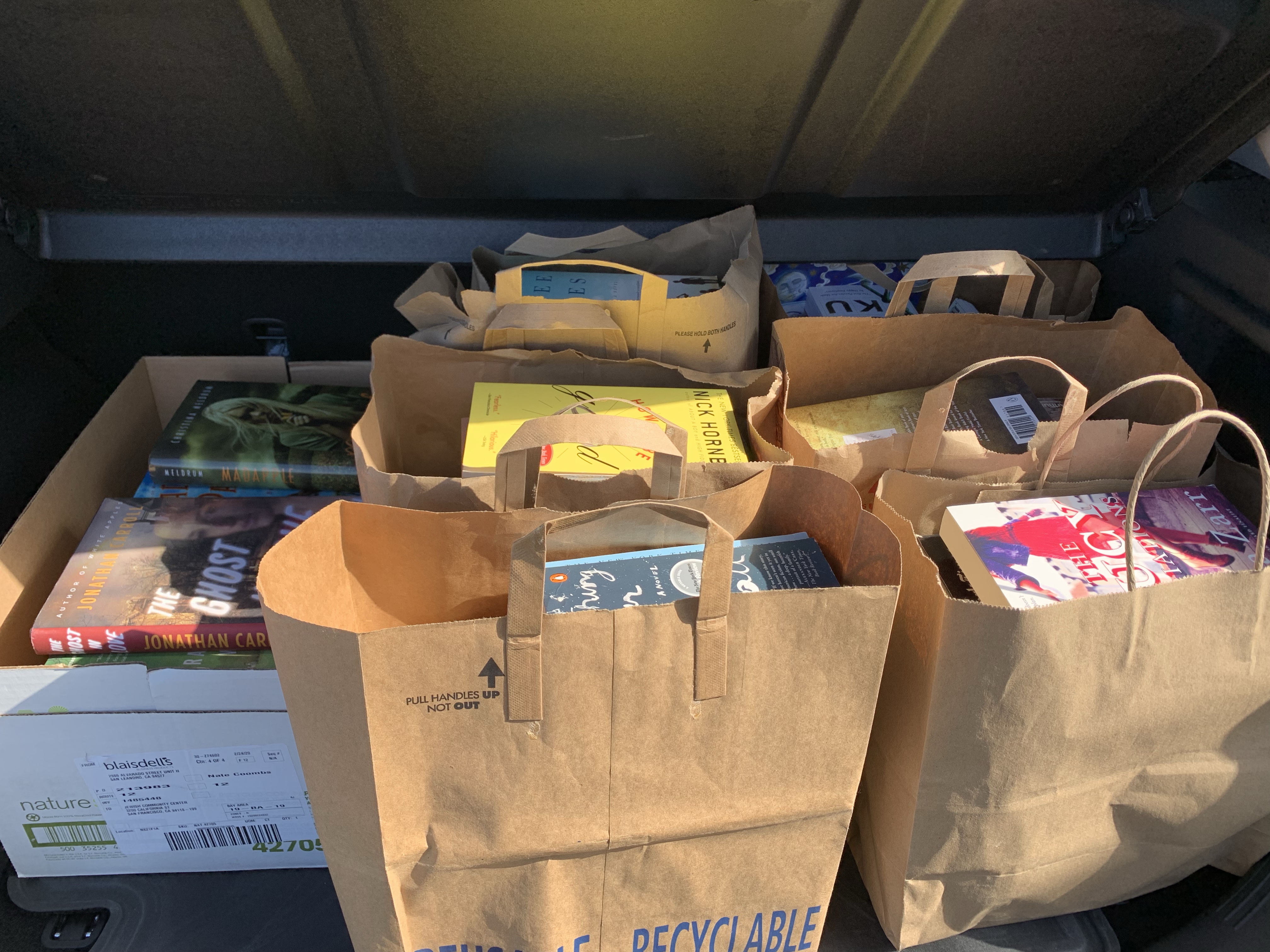
I finally made it to the library donation center this week… it felt good to make some space on my shelves once again! Here’s what I donated:

What did I read during the last week?

So many good books this week!

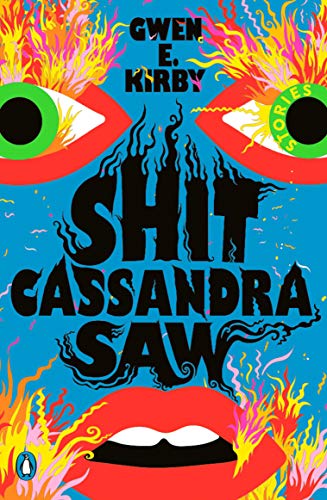
Shit Cassandra Saw by Gwen E. Kirby: A weird and wonderful short story collection. My thoughts are here.

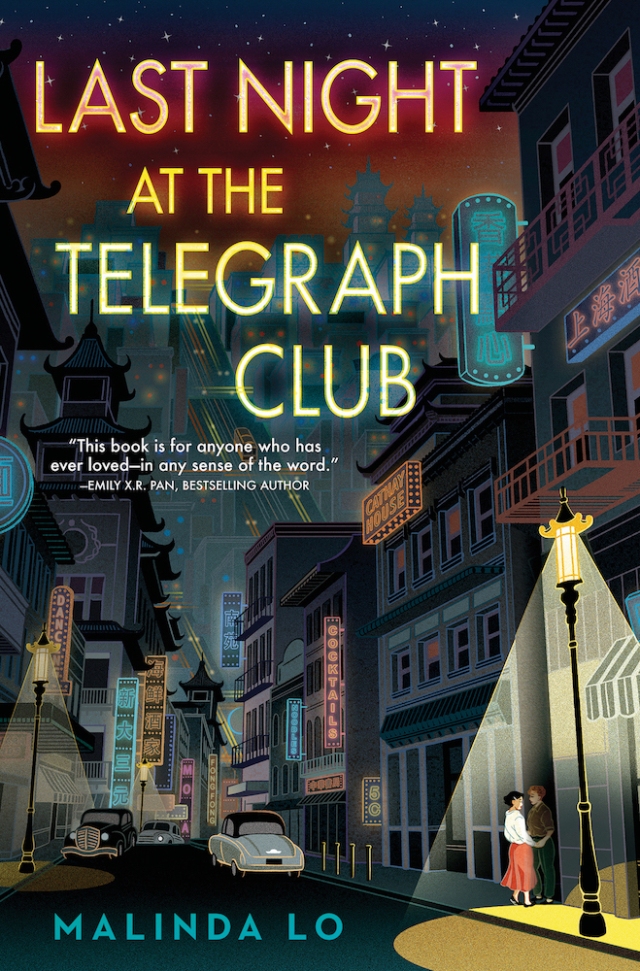
Last Night at the Telegraph Club by Malinda Lo: 5 stars for this beautiful story of two girls in love in 1950s San Francisco! My review is here.

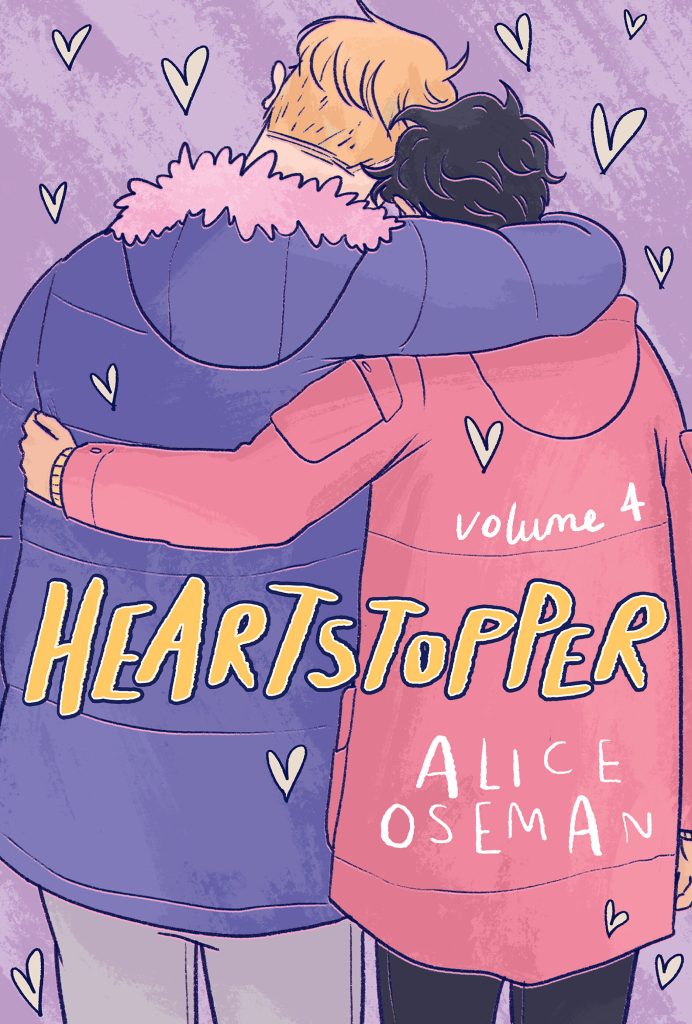
Heartstopper, volume 4 by Alice Oseman: This graphic novel series continues to be excellent. Can’t wait for #5!

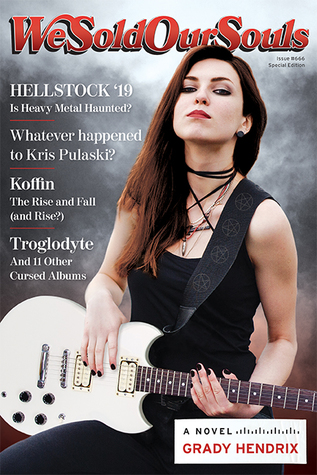
We Sold Our Souls by Grady Hendrix: For whatever strange reason, I just loved listening to the audiobook of this horror novel… and I’m not even a metal fan. My review is here.

Pop culture & TV:

My son and I watched The Last Duel this past week — really well done and fascinating, despite the dark subject matter.

On a lighter note, I finished season two of Ghosts (BBC). It’s adorable! Onward to season 3…

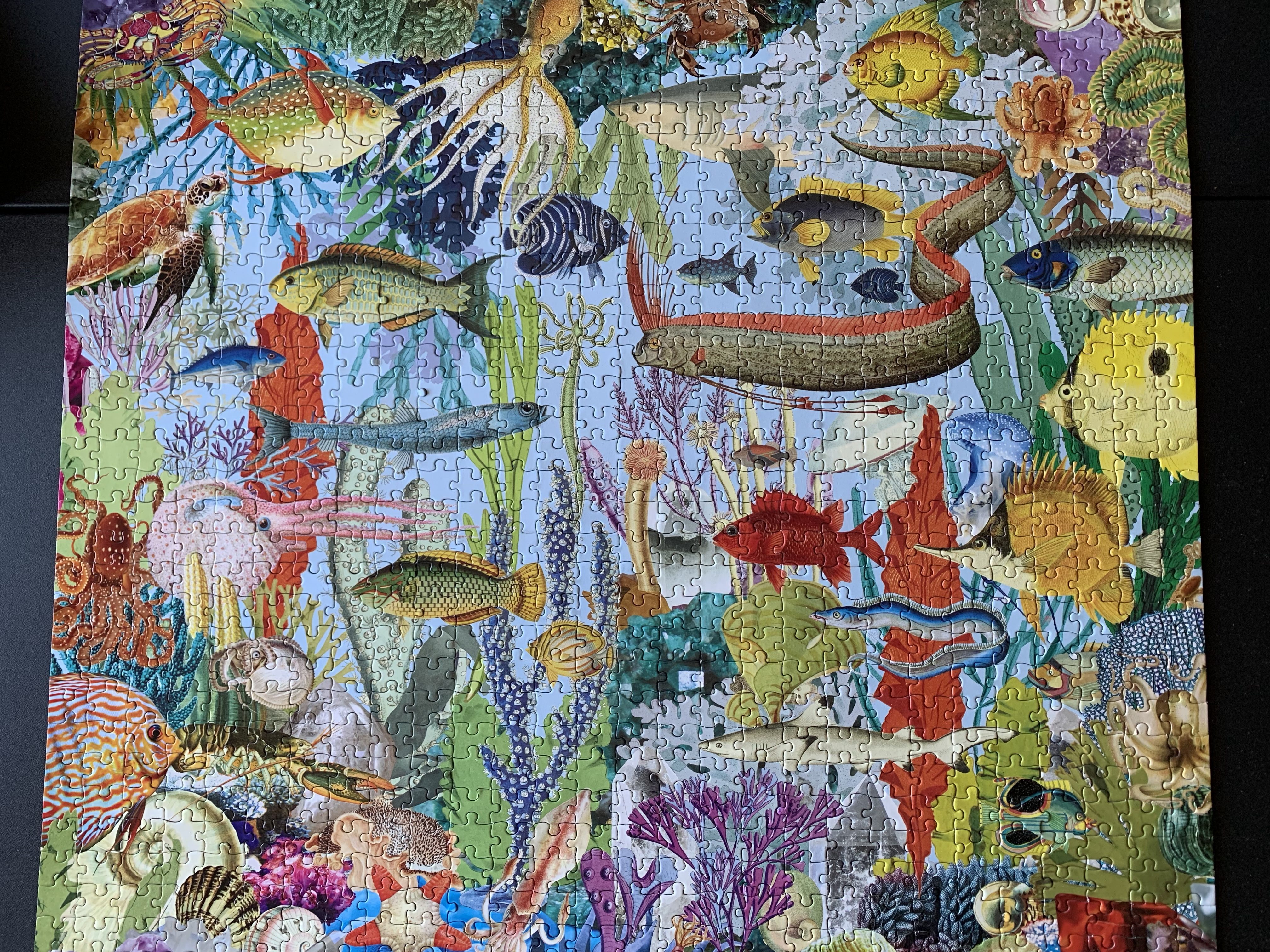
Puzzle of the Week:

Another fun one:

Fresh Catch:

No new books this week!

What will I be reading during the coming week?

Currently in my hands:

Babylon’s Ashes (The Expanse, #6) by James S. A. Corey: I had to really give myself a pep talk before starting this 500+ page book, but now that I’m into it, I’ve really happy to be reading it.

Now playing via audiobook:

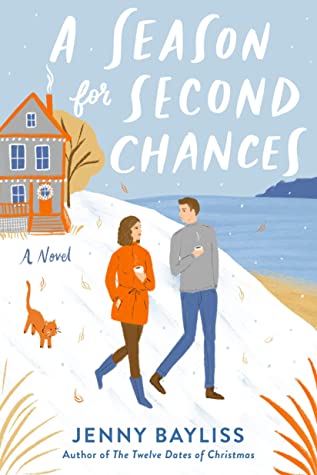
A Season for Second Chances by Jenny Bayliss: I borrowed from the library on a whim, thinking a light romance would make a nice change after my most recent listen (metal horror). I’m not very far, but I like the tone so far.

Ongoing reads:

My slow but steady, spread-out-over-time reading:

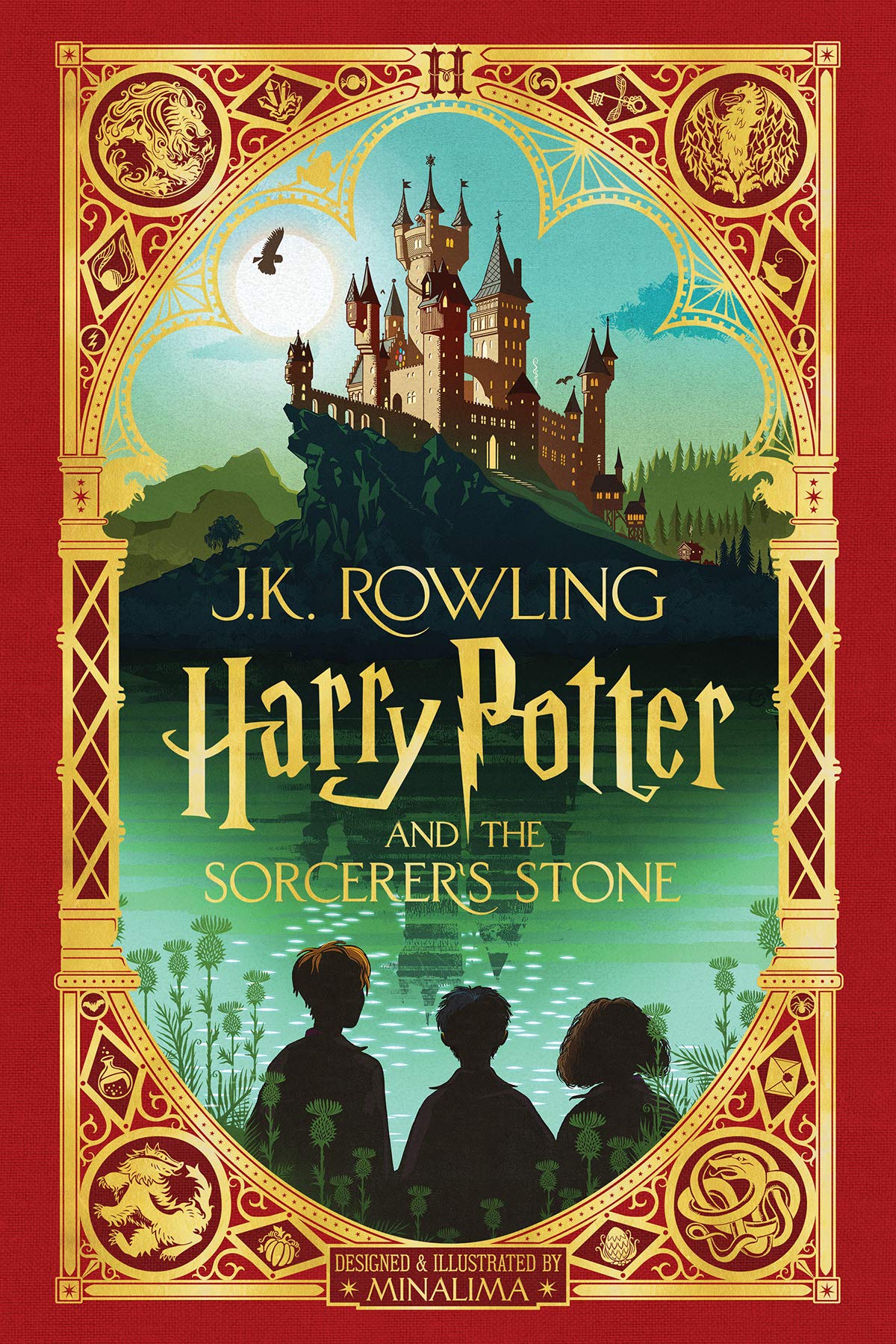
I’m enjoying my chapter-per-day journey through this gorgeous edition of Harry Potter! Rereading HP is never a bad idea, and the artwork of the edition is amazing!

So many books, so little time…

boy1

Audiobook Review: We Sold Our Souls by Grady Hendrix

The hardcover edition

Title: We Sold Our Souls
Author: Grady Hendrix
Narrator: Carol Monda
Publisher: Quirk Books
Publication date: September 18, 2018
Print length: 336 pages
Audio length: 9 hours, 1 minute
Genre: Horror
Source: Purchased
Rating:

Rating: 5 out of 5.

In the 1990s, heavy metal band Dürt Würk was poised for breakout success — but then lead singer Terry Hunt embarked on a solo career and rocketed to stardom as Koffin, leaving his fellow bandmates to rot in rural Pennsylvania.

Two decades later, former guitarist Kris Pulaski works as the night manager of a Best Western – she’s tired, broke, and unhappy. Everything changes when she discovers a shocking secret from her heavy metal past: Turns out that Terry’s meteoric rise to success may have come at the price of Kris’s very soul.

This revelation prompts Kris to hit the road, reunite with the rest of her bandmates, and confront the man who ruined her life. It’s a journey that will take her from the Pennsylvania rust belt to a Satanic rehab center and finally to a Las Vegas music festival that’s darker than any Mordor Tolkien could imagine. A furious power ballad about never giving up, even in the face of overwhelming odds, We Sold Our Souls is an epic journey into the heart of a conspiracy-crazed, paranoid country that seems to have lost its very soul…where only a girl with a guitar can save us all.

As the book’s back cover proclaims:

METAL NEVER RETREATS. METAL NEVER SURRENDERS. METAL NEVER DIES.

We Sold Our Souls is about horror and metal and creativity and determination. It’s a little crazy, pretty freaking dark, and has some really icky moments… and yet, I found myself just loving this audiobook.

And hey, I’m not even a metal fan! But reading this book made me wish there was a soundtrack to go with it.

In We Sold Our Souls, we meet middle-aged Kris Pulaski — broken down, hopeless, leading a dead-end life. Once upon a time, she was a rising star along with her bandmates in Dürt Würk. But that was a long time ago, and she hasn’t even picked up a guitar in six years. But when Kris spots a billboard proclaiming the return of Koffin for one last tour, everything changes. Fired up by rage, Kris sets out to reconnect with her old bandmates and reclaim a piece of her past.

For Kris and the rest of Dürt Würk, success was once within reach. They were opening for Slayer, finally moving from seedy dive bars into the world of arena rock concerts — but then their lead singer Terry Hunt betrayed them all, convincing them all to sign contracts that guaranteed his own mega stardom but left them all in the dust. The problem is, Kris can’t quite remember what happened on “contract night”, and neither can anyone else. What really went on during the hours they all lost that night?

The answer is right there in the book’s title, but how they got there and what happens next makes this book so entertaining and hypnotic.

Dürt Würk’s mythology as Terry Hunt’s failed first band includes the story of their never-released album Troglodyte, rumored to have been a masterpiece yet supposedly destroyed and buried forever. As Kris sets on a quest to stop Terry and the evil fueling his success, it’s the music and lyrics of Troglodyte that give her the strength and courage to keep going, and she’s convinced that Troglodyte holds the key to finally getting back what was stolen from her.

I loved reading about Kris’s musical journey, from teaching herself guitar in her basement as a teenager, playing until her fingers bled, through building a band and launching their career. We really get to feel the rush of finding oneself in music, feeling the emotions and rage and beauty pour out through their songs.

The book is sprinkled throughout with the lyrics to the Troglodyte tracks, and hearing them recited in the audiobook (alas, not sung or with music to go with) made the experience a total treat. It’s dark, dark, dark, but oddly fascinating.

Black Iron Mountain is cold, cold, cold
The language they speak is old, old, old
And their lies are made of gold

Iron rain is falling
On the bodies of the slain
The Blind King keeps calling
Trapped inside a coffin made of pain

There are a few scenes that made me want to squirm right out of my body, being very gross and disturbing (and boy is that weird to listen to), but on the whole, the horror is more often expressed through slow builds and unseen terror than through outright gore (although there’s that too). Needless to say, maybe not a good choice if you’re squeamish.

The narrator’s voice comes across as raspy and a bit damaged, kind of how I’d imagine Kris would sound after all those years of hard living. The plot zips along, cleverly intercutting radio interviews about Koffin and Dürt Würk with scenes following Kris’s journey toward either vengeance or redemption.

I admit to being a tiny bit confused by a few things toward the end, but that’s okay. Overall, this book cast a spell on me and completely sucked me in. And look, I’ll never be a metal fan, but I am very much a fan of Kris Pulaski, guitar goddess extraordinaire!

We Sold Our Souls is a lot of fun — I’ve had a copy on my shelves for a few years now, and I’m glad I finally gave it a chance.

The paperback cover – so awesome that I want this edition too!

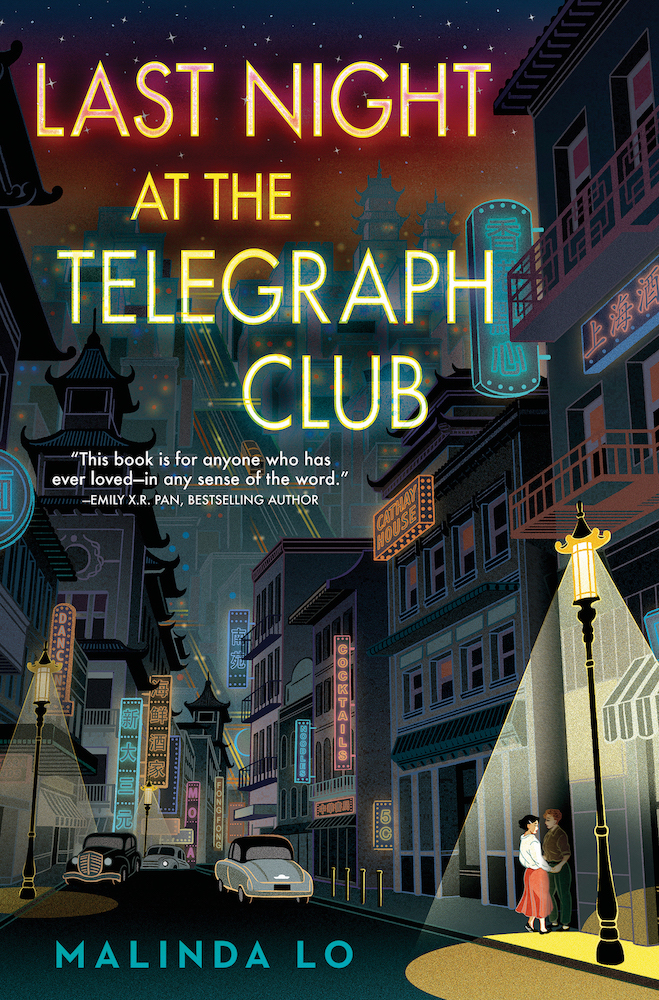
Book Review: Last Night at the Telegraph Club by Malinda Lo

Title: Last Night at the Telegraph Club
Author: Malinda Lo
Publisher: Dutton Books for Young Readers
Publication date: January 19, 2021
Length: 416 pages
Genre: Young adult / historical fiction
Source: Purchased
Rating:

Rating: 5 out of 5.

A story of love and duty set in San Francisco’s Chinatown during the Red Scare.

“That book. It was about two women, and they fell in love with each other.” And then Lily asked the question that had taken root in her, that was even now unfurling its leaves and demanding to be shown the sun: “Have you ever heard of such a thing?”

Seventeen-year-old Lily Hu can’t remember exactly when the question took root, but the answer was in full bloom the moment she and Kathleen Miller walked under the flashing neon sign of a lesbian bar called the Telegraph Club.

America in 1954 is not a safe place for two girls to fall in love, especially not in Chinatown. Red-Scare paranoia threatens everyone, including Chinese Americans like Lily. With deportation looming over her father—despite his hard-won citizenship—Lily and Kath risk everything to let their love see the light of day.

Last Night at the Telegraph Club is a beautiful, sensitively told story of a young woman in 1950s San Francisco, discovering her sexuality, finding first love, and navigating her place in the world of Chinatown and beyond.

Lily Hu is a high school senior who loves math, science, and reading Arthur C. Clarke. She’s fascinated by the idea of rockets and space, and dreams of one day working alongside her aunt at the Jet Propulsion Lab. Lily is the oldest child of a Chinese-American family living in San Francisco’s Chinatown, and her world revolves around the neighborhood and its community. While she attends a nearby high school, her friends and her activities are all based in Chinatown too — until she starts to get to know Kathleen, a girl in her advanced math classes.

Lily and Kathleen — or Kath, as she prefers to be called — begin to form a tentative friendship after Kath accidentally picks up a newspaper ad that Lily had saved, a promo for a male impersonator’s appearance at a nightclub. Kath mentions that she’s been to the Telegraph Club once, and the two girls agree to sneak out late one night and go together.

Meanwhile, Lily is unsure what to make of the feelings stirred in her when she reads about Tommy Andrews, the nightclub performer, or when she spies a pulp novel at the local drugstore that features two scantily clad women on the cover. When she and Kath finally make it to the Telegraph Club, Lily’s eyes are opened, seeing women together in clearly romantic relationships.

As Lily’s story progresses, she and Kath explore their feelings and learn more about the secret underworld of gay life in San Francisco. At the same time, the “red scare” is bringing fear to Chinatown, as even naturalized or American-born Chinese people are threatened with deportation and pressured to inform on others. When Lily’s father’s naturalization papers are confiscated during questioning about communist activity in Chinatown, the danger strikes home, and Lily is confronted by the potential consequences her own actions could have on her family.

Last Night the Telegraph Club is a moving coming of age and coming out story, and also a well-researched and eye-opening look at a particular time and place in 20th century history. The author shares a great deal of information at the end of the book about her research, her intentions, who she interviewed, and even provides a wide-ranging bibliography for those who want to learn more.

As she points out, there isn’t a lot written about Asian lesbians in historical fiction. The topics covered within this book are a unique blend of LGBTQ+, Asian American, and San Francisco history, and they work together spectacularly.

Lily is a fabulous main character. She’s not flashy or outrageous by any means. A studious, smart girl devoted to her family, she’s really never stepped foot out of line prior to this point in her life. She struggles with the conflict between her identity, her emotions and desires, and her family duty. Lily is portrayed as a sensitive girl who might have truly thrived in the modern era, but because of the time and culture in which she’s born, there is no easy answer for her.

As a non-native San Franciscan myself, I’m always interested in learning more about the history of my adopted city, and Last Night at the Telegraph Club delivers. While many of the places and neighborhoods are the same, the city has changed in dramatic ways since then. I loved seeing all the familiar streets and landmarks mentioned as Lily and Kath and others explore the city, and appreciate that they venture beyond the areas often covered in popular media to include lesser known spots too, such as one of my own favorite places:

Judy had fallen in love with Ocean Beach the first time she saw it almost four years ago, right after she first arrived in San Francisco.

Although as Lily herself later reflects, you can’t always count on the weather:

She suspected it would be freezing out by Ocean Beach

On a more serious note, the response of Lily’s family to learning about her orientation is sadly typical of the time, but still incredibly painful to read:

“There are no homosexuals in this family,” she said, the words thick with disgust.

… and …

“There are studies,” her father said. “You’re too young for this. This is a phase.”

My only quibble with this book is that I wished for a little more at the end, between the last full chapter and the book’s epilogue. I can’t say much without entering spoiler territory, but I wish the events of the last chapter had been carried forward longer to show what happened in the ensuing months. The epilogue wraps the story up very well, but it’s almost too abrupt in its resolution. Still, overall, I’m happy with how things were resolved for the various characters, and felt so invested in Lily’s well-being that I wish I could check back in with her to see how her life turned out 10, 20, and 30 years down the road.

Last Night at the Telegraph Club is engrossing, moving, and sensitive, with memorable characters and a fast-moving plot that manages to convey so much, so well. Highly recommended.

Book Review: Shit Cassandra Saw by Gwen E. Kirby

Title: Shit Cassandra Saw
Author: Gwen E. Kirby
Publisher: Penguin
Publication date: January 11, 2022
Length: 288 pages
Genre: Short stories
Source: Purchased
Rating:

Rating: 3.5 out of 5.

Margaret Atwood meets Buffy in these funny, warm, and furious stories of women at their breaking points, from Hellenic times to today.

Cassandra may have seen the future, but it doesn’t mean she’s resigned to telling the Trojans everything she knows. In this ebullient collection, virgins escape from being sacrificed, witches refuse to be burned, whores aren’t ashamed, and every woman gets a chance to be a radioactive cockroach warrior who snaps back at catcallers. Gwen E. Kirby experiments with found structures–a Yelp review, a WikiHow article–which her fierce, irreverent narrators push against, showing how creativity within an enclosed space undermines and deconstructs the constraints themselves. When these women tell the stories of their triumphs as well as their pain, they emerge as funny, angry, loud, horny, lonely, strong protagonists who refuse be secondary characters a moment longer. From “The Best and Only Whore of Cym Hyfryd, 1886” to the “Midwestern Girl [who] is Tired of Appearing in Your Short Stories,” Kirby is playing and laughing with the women who have come before her and they are telling her, we have always been this way. You just had to know where to look.

Please do judge a book by its cover… at least in this case. Shit Cassandra Saw‘s cover is bright, almost eye-searing, and clearly puts the reader on notice that it’s time to shake things up.

This collection of short stories covers times and settings from the ancient world to the contemporary, mixing in fantastical elements with pieces that are all too real. The women in these stories are angry, despondent, and tired of being ignored or mistreated or threatened. Told through a variety of styles and voices, the stories work as a collection by playing with perception and tropes, and letting women’s voices shout out clearly.

All that being said, some of the stories in Shit Cassandra Saw worked better for me than others. In general, I really liked the historical pieces, although a few of the contemporary stories really appealed as well.

My favorites include:

A Few Normal Things That Happen A Lot: My absolute favorite of the bunch, and it’s so weird and wonderful. From the opening lines:

A woman walks down the street and a man tells her to smile. When she smiles, she reveals a mouthful of fangs. She bites off the man’s hand, cracks the bones and spits them out, and accidentally swallows his wedding ring, which gives her indigestion.

… it’s clear that nothing here is normal, although yes, the story is about things that happen a lot. Random men telling women to smile. Creepy dudes on subways exposing themselves. Male joggers following maybe a bit too closely. Unwanted comments about appearance. All those little moments that are really so common that every woman has experienced them in one way or another.

In this story, the author does an amazing job of portraying how fear of these moments pervades women’s lives, turning simple things like a walk from one’s car to the front door into something to plan and consider — and then shows how that might all turn around, given a few sci-fi-flavored twists.

This story is also available to read online via TinHouse.

Shit Cassandra Saw That She Didn’t Tell the Trojans Because At That Point Fuck Them Anyway: A short piece that’s just so well done, about all the things Cassandra could tell Trojans about, but:

She is tired of speaking to listening ears. The listening ears of the men who think her mad drive her to madness.

It ends on an oddly uplifting note, as Cassandra’s thoughts turn to all the things she wishes she could tell the women of Troy about too, things that would make them happy if they only knew.

And briefly:

Scene in a Public Park at Dawn, 1892: About two women duelists, very short, but I really liked it.

There are other stories I liked too, and a few that kind of clunked, but overall, it’s a great collection, and I really enjoyed the variety of topics and styles. Many of the stories were previously published elsewhere; some are available through the original online sites were they appeared, and some are original to this collection.

Fun fact: I might never have stumbled across this book or thought twice about it until I happened to click on a link to a story on LitHub, motivated solely by the fact that the image for the article was a scene from Pride & Prejudice & Zombies, which is a movie that I love an irrational amount. Once I clicked through and read Gwen E. Kirby’s thoughts on the movie and how its “stabbiness” empowers the women in it, I was sold!

This sort of stylized violence, stabbiness if you will, emerges in my writing as a fascination with women from history who fight and with contemporary women who wish they could. Stabbiness makes me wonder how violence in these very specific contexts can feel affirming, even as violence is the thing being defied.

You can read the article here.

As I’ve mentioned countless times on this blog, I really don’t consider myself a short story reader, and I don’t typically have the patience to read an entire book of stories. With Shit Cassandra Saw, I took a slower approach, reading just one or two stories per day, and found the entire experience really enjoyable. I’m glad I took the time to appreciate this book. If you like your stories on the weird side with a strong feminist theme throughout, check out this collection!

Shelf Control #304: The Deadly Hours by Susanna Kearsley, C. S. Harris, Anna Lee Huber, and Christine Trent

Shelves final

Welcome to Shelf Control — an original feature created and hosted by Bookshelf Fantasies.

Shelf Control is a weekly celebration of the unread books on our shelves. Pick a book you own but haven’t read, write a post about it (suggestions: include what it’s about, why you want to read it, and when you got it), and link up! For more info on what Shelf Control is all about, check out my introductory post, here.

Want to join in? Shelf Control posts go up every Wednesday. See the guidelines at the bottom of the post, and jump on board!

Title: The Deadly Hours
Author: Susanna Kearsley, C. S. Harris, Anna Lee Huber, Christine Trent
Published: 2020
Length: 352 pages

What it’s about (synopsis via Goodreads):

A stellar line-up of historical mystery novelists weaves the tale of a priceless and cursed gold watch as it passes through time wreaking havoc from one owner to another. The characters are irrevocably linked by fate, each playing a key role in breaking the curse and destroying the watch once and for all.

From 1733 Italy to Edinburgh in 1831 to a series of chilling murders in 1870 London, and a lethal game of revenge decades later, the watch touches lives with misfortune, until it comes into the reach of one young woman who might be able to stop it for good.

How and when I got it:

I picked up a paperback copy as soon as it was released, back in 2020.

Why I want to read it:

Basically, as soon as I heard that there was a book being released that included Susanna Kearsley as one of the authors, I knew I had to have it.

Susanna Kearsley is one of my go-to favorite authors, and I haven’t regretted reading (or buying) a single one of her books yet! And while I haven’t read anything by the other authors who contributed to this book, I’ve heard good things about all of them.

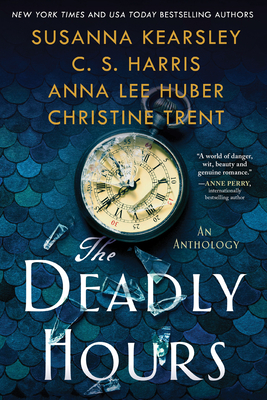
As for the book itself, I like the sound of interconnected stories focusing on a watch that gets handed down through generations, and I’m curious about the curse, what it is, and how it might be broken. Plus, I’d love to see how the four different authors’ pieces work together, and whether it feels like one coherent whole.

What do you think? Would you read this book?

Please share your thoughts!


__________________________________

Want to participate in Shelf Control? Here’s how:

  • Write a blog post about a book that you own that you haven’t read yet.
  • Add your link in the comments or link back from your own post, so I can add you to the participant list.
  • Check out other posts, and…

Have fun!

Top Ten Tuesday: New-to-Me Authors I Discovered in 2021

snowy10

Top Ten Tuesday is a meme hosted by That Artsy Reader Girl, featuring a different top 10 theme each week. This week’s topic is New-to-Me Authors I Discovered in 2021.

There were way more than 10, and it’s so hard to choose favorites… but I’ll go with these ten, whose books I really enjoyed:

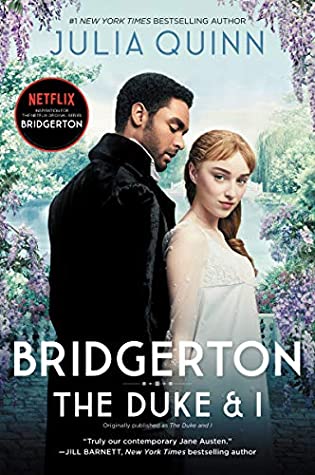
  • Julia Quinn (I read ALL the Bridgerton books!)
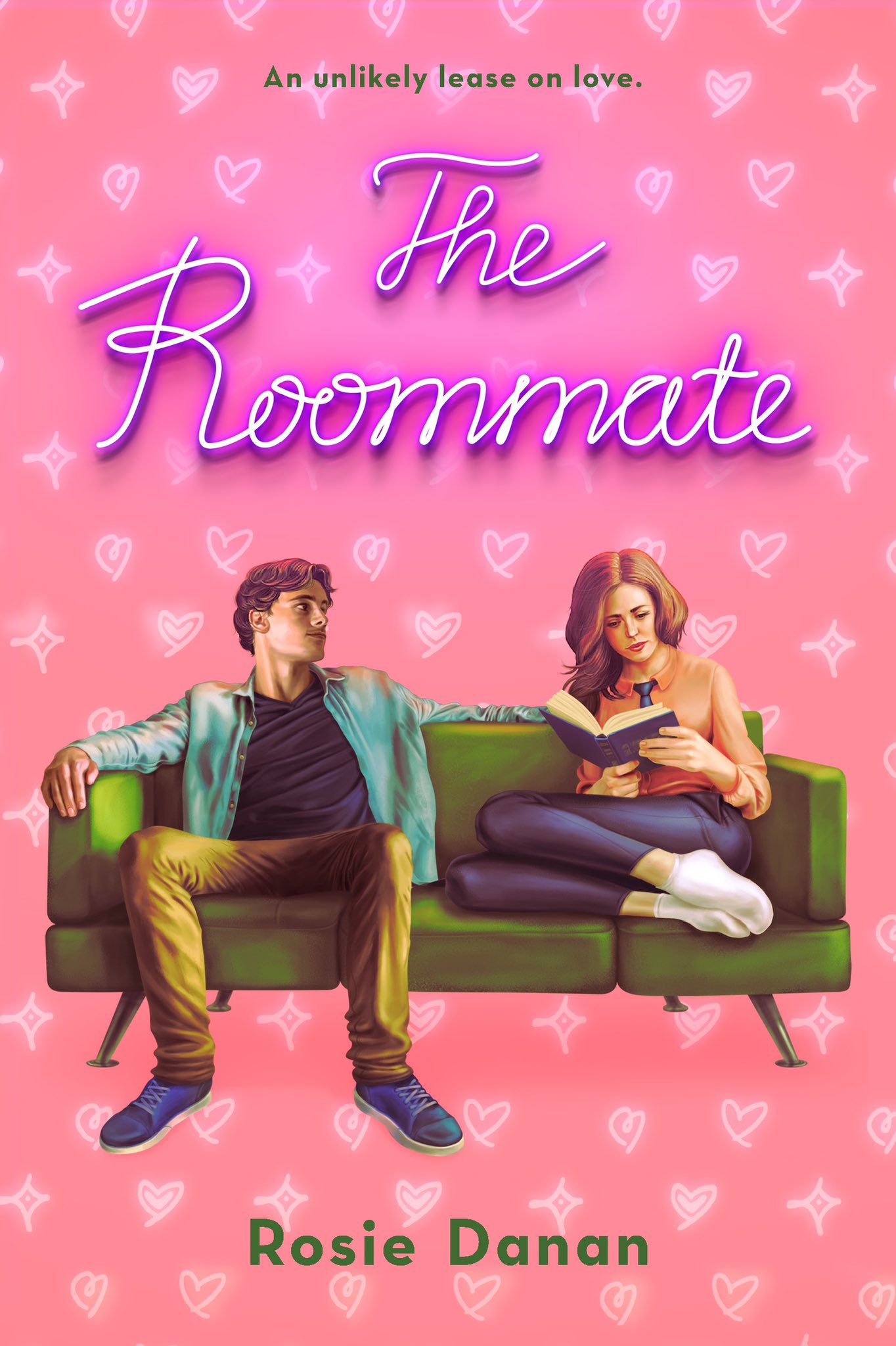
  • Rosie Danan
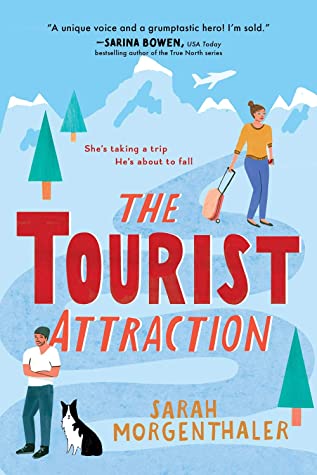
  • Sarah Morgenthaler
  • Crystal Maldonado
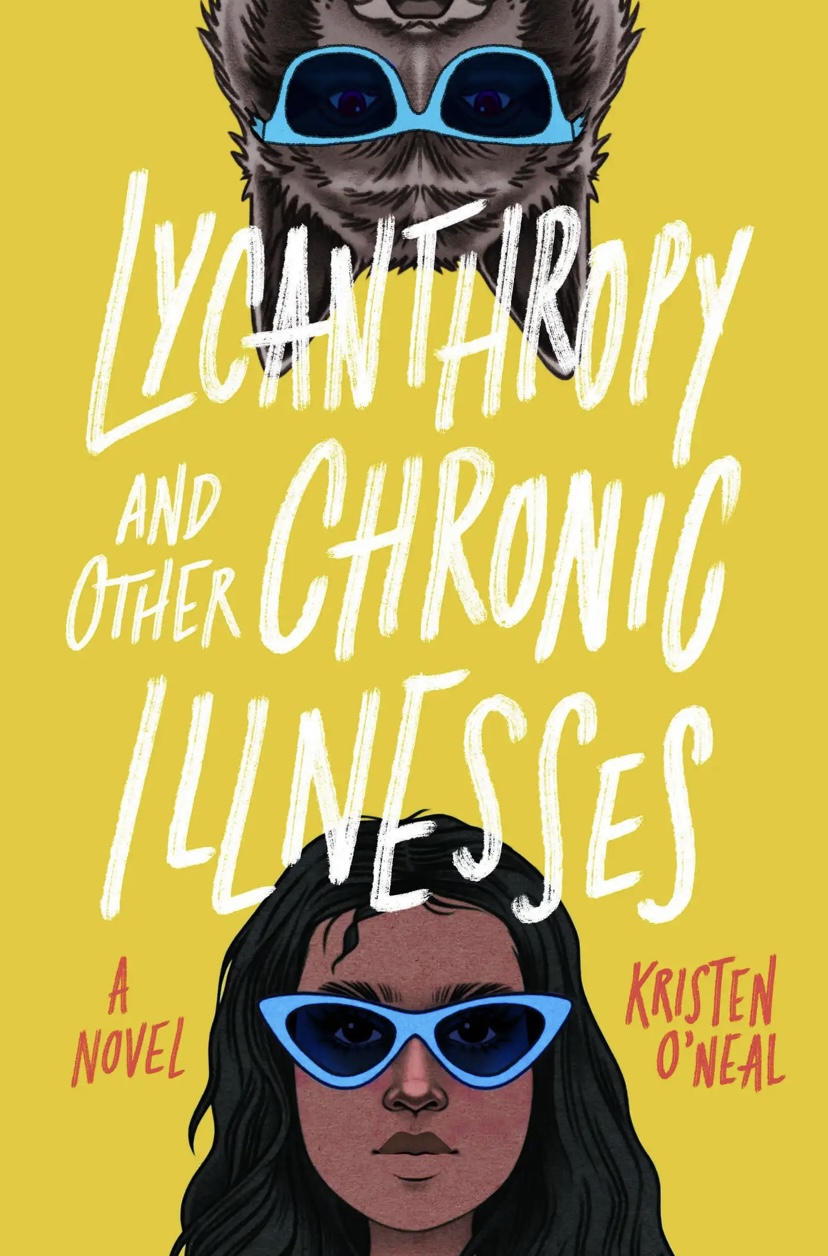
  • Kristen O’Neal
  • C. Robert Cargill
  • Adrian Tchaikovsky
  • William Kent Krueger
  • Everina Maxwell
  • Emiko Jean

What new-to-you authors did you discover in 2021? Any particular favorites? Do we have any in common?

Please share your link so I can check out your top 10!

The Monday Check-In ~ 1/24/2022

cooltext1850356879

My Monday tradition, including a look back and a look ahead — what I read last week, what new books came my way, and what books are keeping me busy right now. Plus a smattering of other stuff too.

Life.

I had another busy week, but I’m taking a day off today to get through a few projects, including taking bags and boxes of books to donate at our library’s donation center (which is by appointment only since COVID started). I did a big purge of books I don’t feel like I need to hold onto, and it feels good to see some space on my shelves again! Although, I have a feeling that extra space won’t last long.

Over the weekend, my book group zoomed with William Kent Krueger, the author of Ordinary Grace (our discussion book for January). He was charming and gracious and insightful — such a lovely experience (and a wonderful book).

What did I read during the last week?

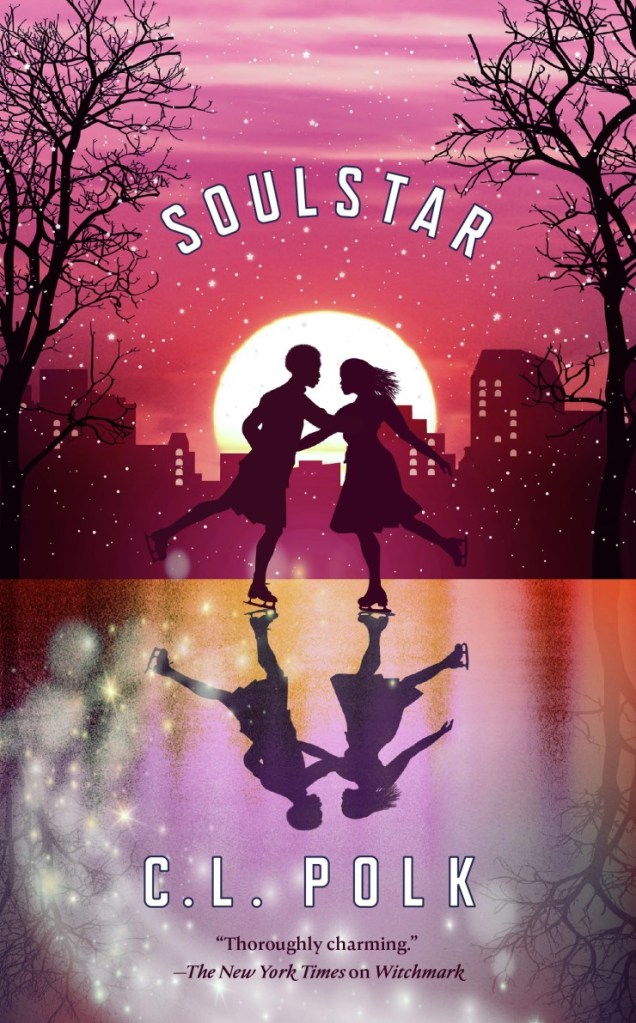
Stormsong and Soulstar by C. L. Polk: Books 2 and 3 in the Kingston Cycle trilogy. I read both mainly because getting through this trilogy was a reading goal of mine — but sadly, I was underwhelmed.

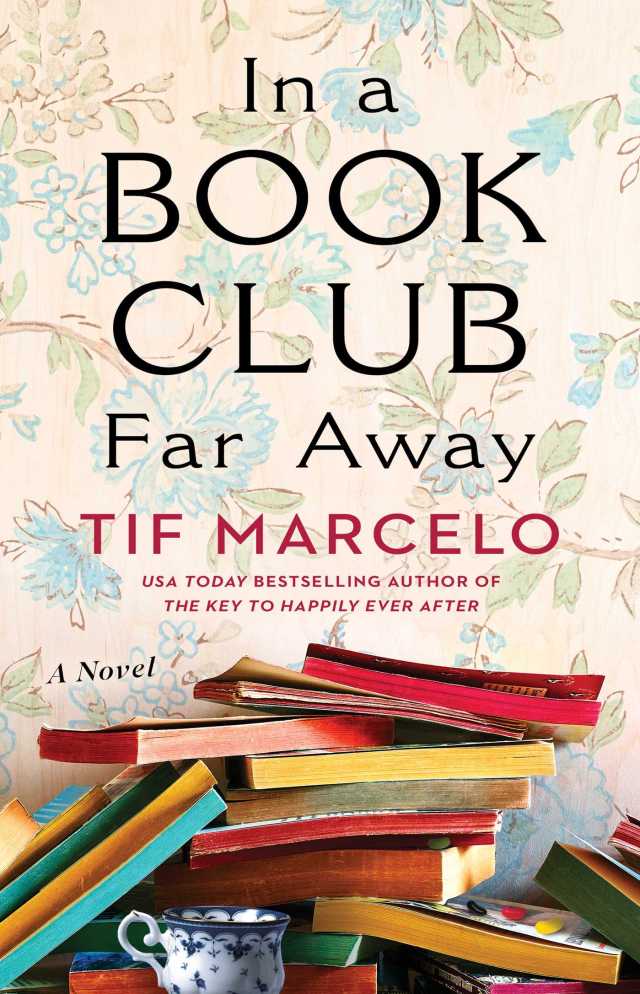
In a Book Club Far Away by Tif Marcelo: I really enjoyed this contemporary novel about women’s friendship over the years. My review is here.

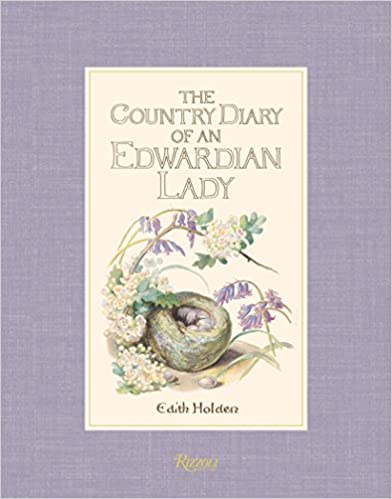
The Country Diary of an Edwardian Lady by Edith Holden: A beautiful book to give or receive as a gift! My write-up is here.

Pop culture & TV:

Well… I ended up watching all six episodes of White Lotus this week… and even though it was hard to look away, by the end I wished I could unsee parts of it. Super cringey. I doubt I’ll watch season 2.

To cleanse my brain a bit, I’ve been watching episodes of Ghosts (BBC), and it’s very charming. I’m only on season 1 so far. It’s sweet!

Puzzle of the Week:

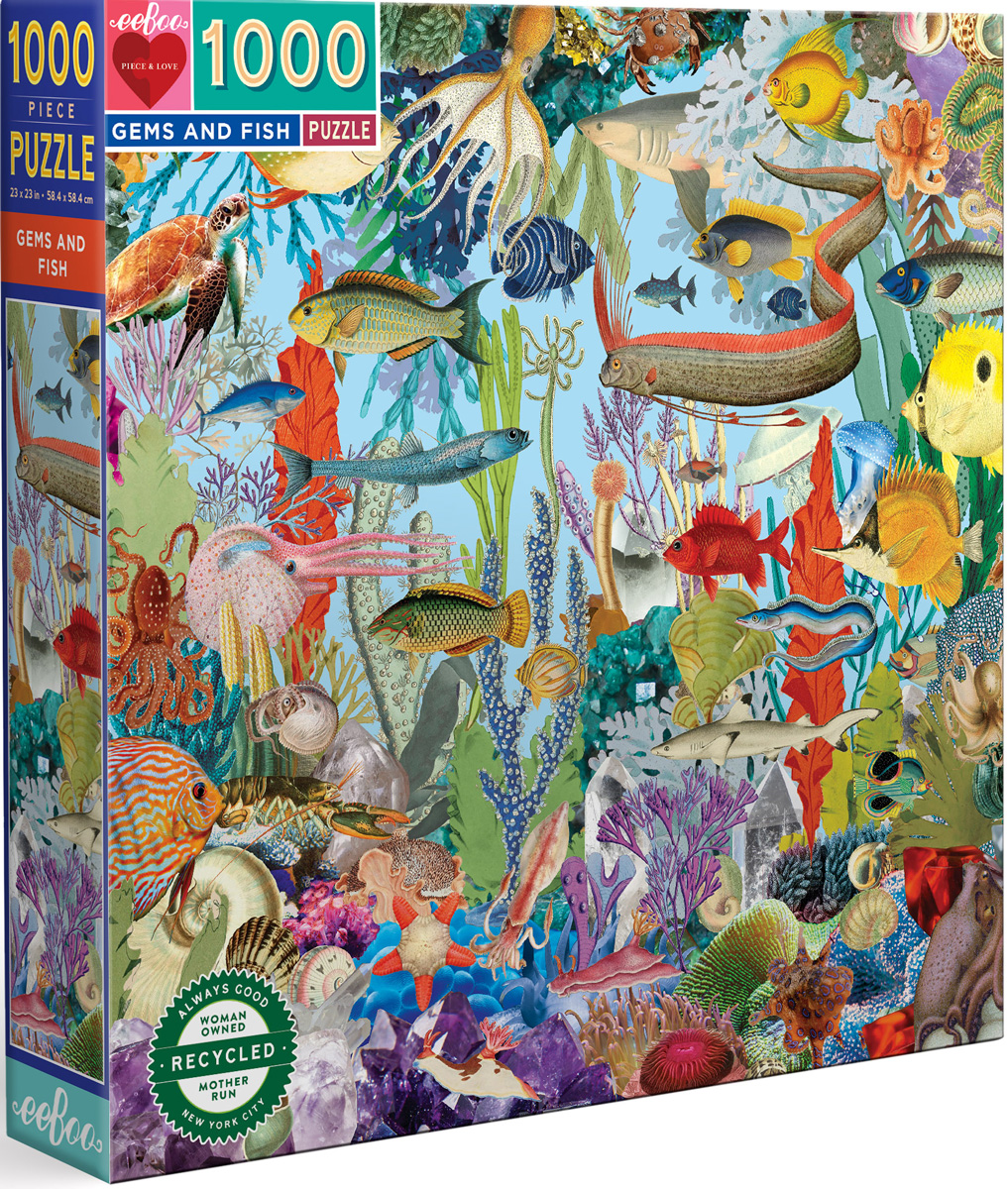
My current puzzle is in progress — another pretty one from Eeboo!

Fresh Catch:

Some beautiful new books this week! Two from Subterranean Press:

Plus, I treated myself to a book that Kim at Traveling in Books mentioned:

What will I be reading during the coming week?

Currently in my hands:

Last Night at the Telegraph Club by Malinda Lo: I’m loving this LGBTQ+ YA novel set in San Francisco in the 1950s.

Now playing via audiobook:

We Sold Our Souls by Grady Hendrix: I’ve been meaning to get to this book ever since it came out — the only one of this author’s books that I haven’t read yet. I’m just getting started, but I’m liking it so far.

Ongoing reads:

My slow but steady, spread-out-over-time reading:

Shit Cassandra Saw by Gwen E. Kirby: I rarely read short stories, but I’m making an exception for this bizarre and totally awesome collection! I’m trying to read one or two stories per day, which seems to be a pace that works for me.

I bought copies of the MinaLima editions of the first two Harry Potter books, but haven’t actually looked through them at all yet… and that needs to change! So, I’ve taken this pretty edition off my shelf, and my plan for now is to read one chapter per day, taking my time to enjoy all the pretty artwork and design elements. And hey, it’s never a bad time for a re-read of HP!

So many books, so little time…

boy1