
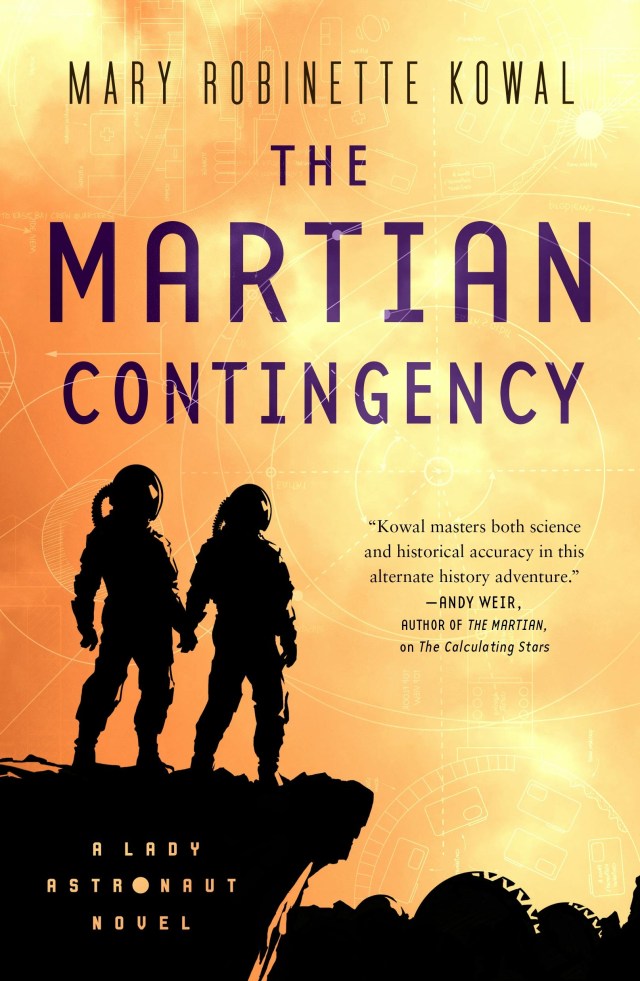
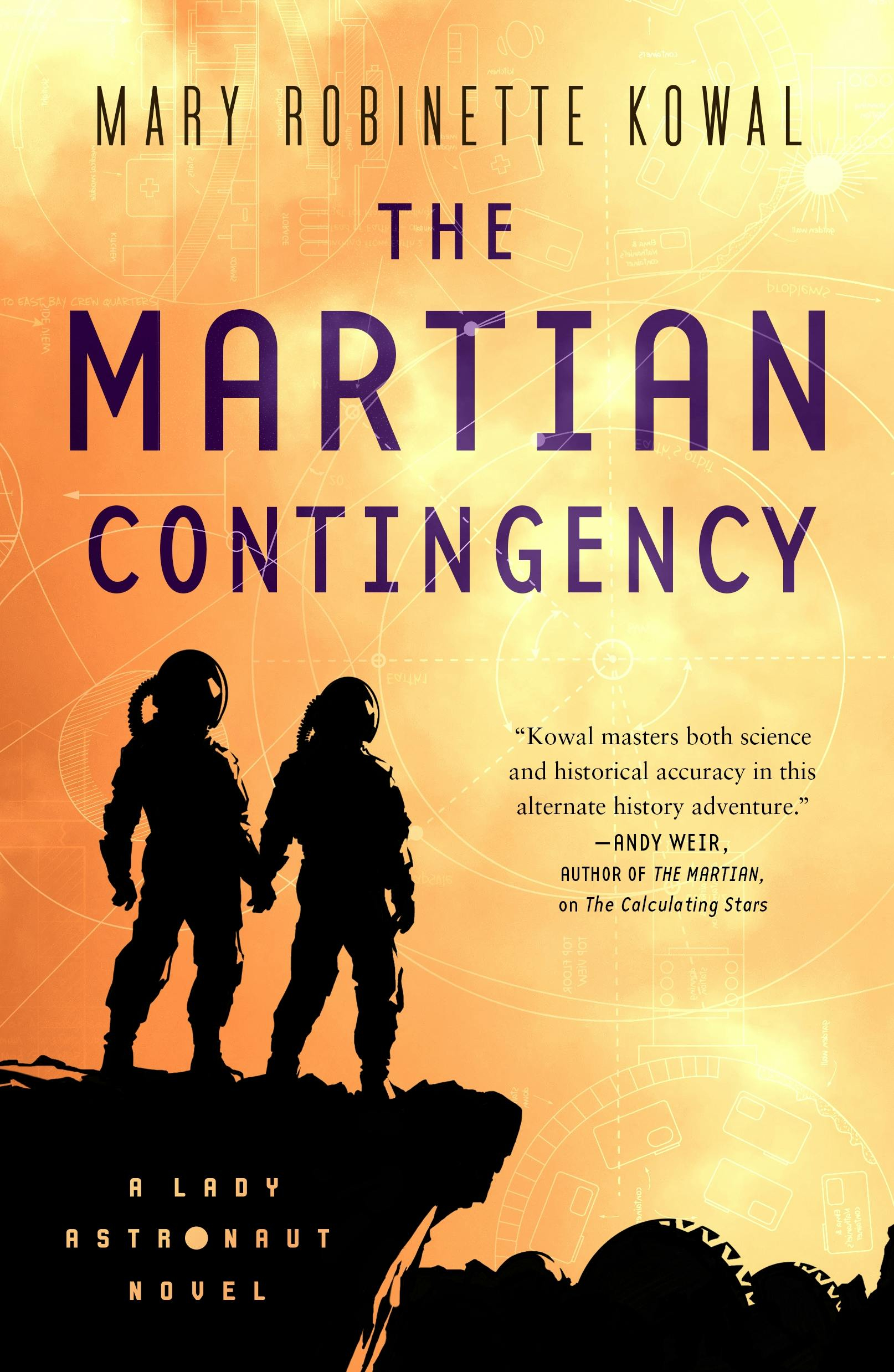
Title: The Martian Contingency
Series: Lady Astronaut, #4
Author: Mary Robinette Kowal
Publisher: Tor Books
Publication date: March 18, 2025
Length: 400 pages
Genre: Science fiction
Source: Review copy courtesy of the publisher via NetGalley
Purchase links: Amazon – Bookshop.org
Rating:
Years after a meteorite strike obliterated Washington, D.C.—triggering an extinction-level global warming event—Earth’s survivors have started an international effort to establish homes on space stations and the Moon.
The next step – Mars.
Elma York, the Lady Astronaut, lands on the Red Planet, optimistic about preparing for the first true wave of inhabitants. The mission objective is more than just building the infrastructure of a habitat – they are trying to preserve the many cultures and nuances of life on Earth without importing the hate.
But from the moment she arrives, something is off.
Disturbing signs hint at a hidden disaster during the First Mars Expedition that never made it into the official transcript. As Elma and her crew try to investigate, they face a wall of silence and obfuscation. Their attempts to build a thriving Martian community grind to a halt.
What you don’t know CAN harm you. And if the truth doesn’t come to light, the ripple effects could leave humanity stranded on a dying Earth…
The Martian Contingency is an outstanding addition to the excellent Lady Astronaut series — and while my understanding was that this was meant to be the 4th and final book in the series, I can’t actually find anything definitive that says that this is the last book.
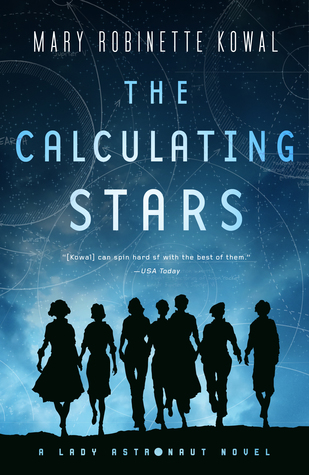
The first Lady Astronaut book, The Calculating Stars (published 2018), is one of my all-time favorites. To set the stage for those new to the series: This alternate history version of the space race starts with a catastrophic meteor strike in 1952, which obliterates much of the eastern seaboard of the US and plunges the world into an escalating sequence of climate disasters that will, eventually, lead to planet-wide extinction.
In response to the disaster, there’s an international focus on space exploration. Humanity’s future on Earth is doomed; to survive, people must look beyond the planet for new homes. In this version of history, as envisioned by author Mary Robinette Kowal, the space race begins about ten years ahead of real-world historical events, fueled by an urgent, desperate need find solutions to Earth’s life-threatening problems.
Our point-of-view character throughout much of the series is Dr. Elma York, a scientist, mathematician, and WWII-era pilot who becomes one of the first women astronauts — used by NASA and the IAC (International Aerospace Coalition) for publicity purposes, and gaining fame as the “Lady Astronaut”. (Which, by the way, is better than how some refer to the women in the space program — would you want to be called an “astronette”?)
Elma and her husband Nathaniel (also Dr. York — he’s a brilliant engineer) are vital to the emerging space program. Read the earlier books in the series to find out more! Here in The Martian Contingency, Elma and Nathaniel have finally made it to Mars, as part of the Second Mars Expedition. Their job is to build out the Mars base, expanding it and making it safe for future expeditions, with the ultimate goal of creating a livable, viable, long-term home for humans.
Elma is a gifted pilot, an amazing human “computer”, and an adept leader. She’s appointed to the role of deputy administrator for the Mars base, and is devoted to her colleagues and to the mission. But as she settles in on Mars, she starts noticing some oddities — a patched wall that hadn’t been reported, a mural that clearly been painted to cover up something else, hatch marks etched into an airlock. Something must have happened during the First Expedition — something that didn’t make it into the official reports — but no one is talking. As Elma tries to dig, she’s told clearly that it was nothing, that everything is fine, and that she should leave it alone. But as her time on Mars progresses, the aftereffects of whatever happened show up in shocking ways, and have ripple effects that could imperil the people Elma cares about and the entire mission.
The world of this series is brilliantly depicted, as always. The author’s attention to details is meticulous. Each chapter opens with a news article from the era (most fictitious, although she includes one or two tidbits of real news from the same time period) — and even more amazing, indicates the date. What’s so amazing about the date? She provides both the Earth date and the Mars date — read the afterward of the book to learn more about her approach (and the “massive spreadsheet” she used to figure it all out). Not only does she have to provide both sets of dates, but she also layers in the many different cultural and religious holidays observed by the multicultural crew on Mars — it’s an impressive feat.
The Martian Contingency opens in 1970. In the world of these books, the global disaster has sped up not just science, but also social reckonings that came later in our own history. Because the IAC is truly an international presence, certain social issues come to the fore in startling ways — such as the acceptance of women into male-dominated roles, expedited racial integration at a time when being a racist was more normalized (South Africa is still an apartheid state at this time, which has repercussions for the mission), and the slow recognition that humanity’s future off-planet will by necessity include people of all ethnic, racial, religious, and national identities.
One example that provides a powerful storyline in The Martian Contingency centers on abortion rights and a woman’s right to choose. In the IAC, the norm is for each astronaut to be bound by their country of origin’s laws — so if a woman seeking an abortion is from a country that bans it, it would not be available to her, and likewise, a doctor from a country that bans abortions would not legally be allowed to perform the procedure, even if it were legal for the patient to receive it. It’s complicated, and the dilemmas and political pressures involved are remarkably well portrayed.
The heart of The Martian Contingency is Elma’s marriage with Nathaniel. Theirs is a beautiful love story. They’ve gone through disasters together, and have journeyed into space together, and their love never flags, despite stress, disagreements, and the separations forced upon them by their missions. There’s heartache and despair, but overall, a wonderful, mature, mutually beneficial connection that’s lovely to see.
There are times when the plot in The Martian Contingency doesn’t quite progress as evenly as I’d like, especially as relates to uncovering what happened on the First Mars Expedition. I would have liked some of those events to have surfaced and been explained more clearly, and earlier in the story. That’s a minor quibble — it does all come together eventually, and the story works.
One other truly small quibble: There’s a scene late in the book in which Elma and Nathaniel add to quotes etched into a wall in various languages. Elma (whose Judaism is an important part of her identity) adds a Hebrew phrase — but the Hebrew in the book is printed backwards! (The words themselves are fine; the sentence order is printed left to right, rather than right to left, as it should be.) I’ll note here that I read an e-ARC of the book; I’ll provide an update once my hard copy arrives and I cross-check against the finished book.
UPDATE: I’m pleased to report that the Hebrew issue is fixed in the finished version of the book! It now reads right to left… which is right!
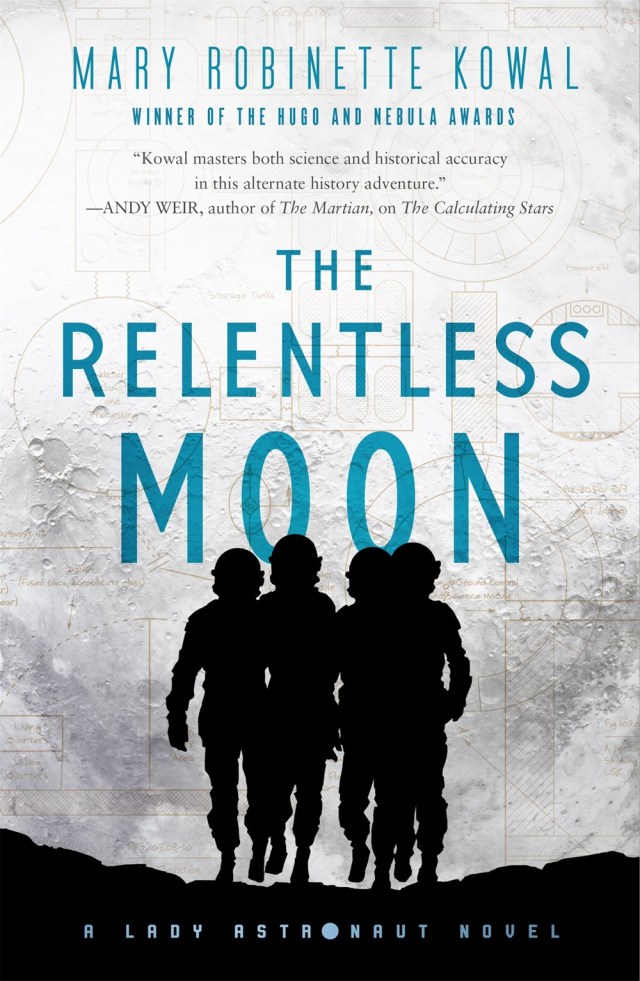
For fans of the series, its been a long wait for The Martian Contingency! The previous book, The Relentless Moon, was published in 2020. As I mentioned, it’s not clear whether The Martian Contingency is the final book in the series — but if it is, it’s not a bad place to stop! The story wraps up with a satisfying ending, and while there could definitely be more stories to tell in the world of the Lady Astronaut, The Martian Contingency provides us with a conclusion to the book itself that resolves the key storylines, makes sense overall, and provides hope for the future.
I highly recommend The Martian Contingency — but do start at the beginning of the series with The Calculating Stars. You won’t want to miss a moment!

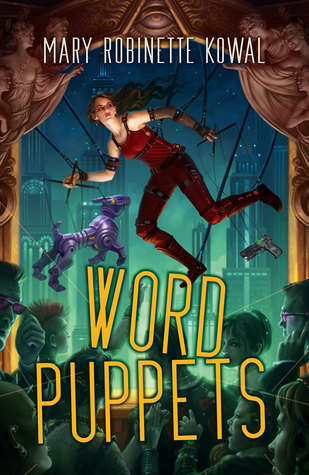
Final note: This fictional world all started with the short story Lady Astronaut of Mars — a wonderful work of fiction originally published in 2012. It’s a terrific story — and basically, the entire series of novels is a prequel to this story, which is set much later, when Elma is in her 60s and facing impossible choices. You can read Lady Astronaut of Mars online via Reactor Magazine, download a PDF version via the author’s website here, or find it as an e-book standalone as well as in the story collection Word Puppets through any book retailer.
Purchase links: Amazon – Bookshop.org
This post contains affiliate links. If you click and buy, we may earn a small commission at no extra cost to you.























 Bookshelf Fantasies