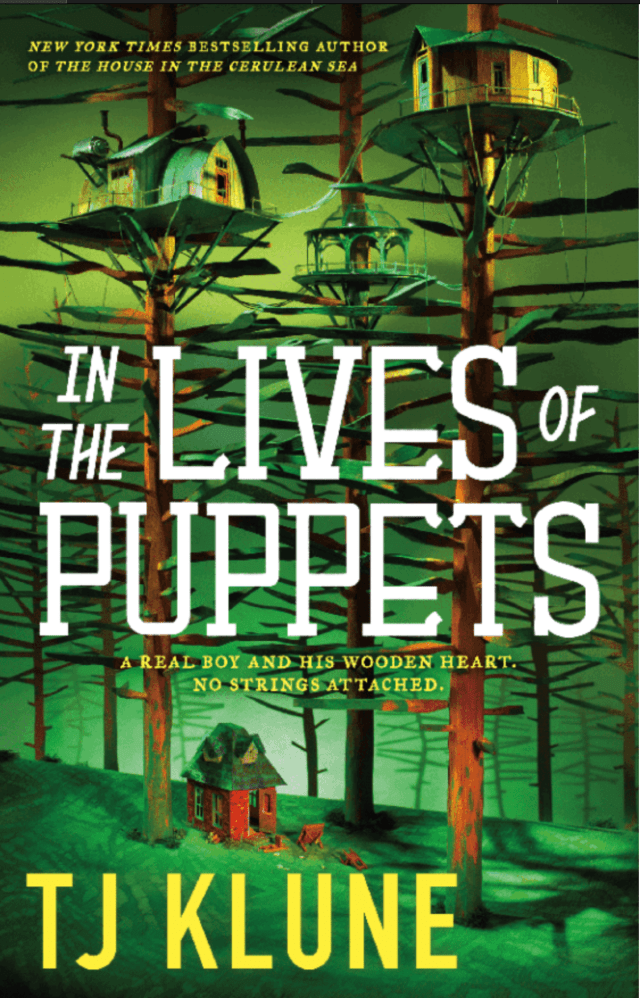
Title: In the Lives of Puppets Author: TJ Klune Publisher: Tor Books Publication date: April 25, 2023 Length: 432 pages Genre: Science fiction Source: Review copy courtesy of the publisher via NetGalley Rating:
⭐⭐⭐
Rating: 3 out of 5.
In a strange little home built into the branches of a grove of trees, live three robots–fatherly inventor android Giovanni Lawson, a pleasantly sadistic nurse machine, and a small vacuum desperate for love and attention. Victor Lawson, a human, lives there too. They’re a family, hidden and safe.
The day Vic salvages and repairs an unfamiliar android labelled “HAP,” he learns of a shared dark past between Hap and Gio-a past spent hunting humans.
When Hap unwittingly alerts robots from Gio’s former life to their whereabouts, the family is no longer hidden and safe. Gio is captured and taken back to his old laboratory in the City of Electric Dreams. So together, the rest of Vic’s assembled family must journey across an unforgiving and otherworldly country to rescue Gio from decommission, or worse, reprogramming.
Along the way to save Gio, amid conflicted feelings of betrayal and affection for Hap, Vic must decide for himself: Can he accept love with strings attached?
Author TJ Klune invites you deep into the heart of a peculiar forest and on the extraordinary journey of a family assembled from spare parts.
It absolutely pains me to give a TJ Klune book anything less than 5 stars… but alas, In the Lives of Puppets just didn’t hit the mark for me. This makes me sad! I’ve loved so many of the author’s books, but this tale of robots and found family — which is also a Pinocchio retelling — left me oddly uninvested.
In the Lives of Puppets is the story of a family of oddball robots and machines, living in an isolated forest grove, raising a human child named Victor. As the story gets underway, Victor is now 21, and spends his days in the company of his two best friends, a Roomba-type vacuum robot named Rambo and a medical care robot named Nurse Ratched, who seems to delight in heartless provision of medical treatments (except when she engages her Empathy Protocols and offers a soothing “there, there” to her potential patient).
The trio also live with Gio (Giovanni), an older android who loves inventing, creating, listening to jazz music, and enjoying peaceful family time. Everything changes when Victor discovers a broken down android in the Scrap Yards that seems to still have a little power left in it. Once Victor repairs Hap, hidden secrets come to life, and soon the family’s entire existence is in peril.
In the Lives of Puppets is part exploration of love, family, and what it means to be a “real” human, and part road trip/adventure/quest. By the midpoint of the book, Victor and friends are off on a journey to the City of Electric Dreams to rescue Gio and, hopefully, restore him to his true self.
The writing can be very funny, especially Rambo and Nurse Ratched’s lines. These are probably my favorite parts of the book.
“Are we lost?” Rambo asked nervously.
“Of course not,” Nurse Ratched said. “I know exactly where we are.”
“Oh. Where are we?”
“In the forest.”
“Whew,” Rambo said. “I was worried for a moment that we were lost. Since we’re not, I will instead focus on the fact that we’re in the middle of the woods at night by ourselves. Do big animals like to eat vacuums?”
“I am sure they do,” Nurse Ratched said.
“Oh no,” Rambo whispered. “But I’m a vacuum.”
As the for story threads about emotions and connection and humanity… I was left largely unmoved, and the quest elements mostly failed to hold my interest.
I have to admit, overall this book was a letdown. As I mentioned, I usually adore this author’s work, and can’t really understand why In the Lives of Puppets just did not click for me. In any case, I’ll still be tuning in for whatever he writes next, and meanwhile will look to read some of his backlist titles too.
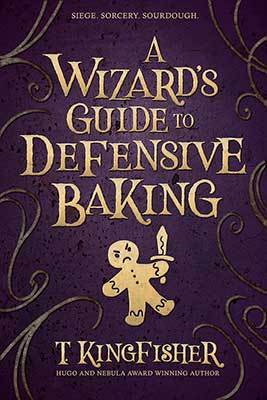
Title: A Wizard’s Guide to Defensive Baking Author: T. Kingfisher Publisher: Argyll Productions Publication date: July 21, 2020 Length: 308 pages Genre: Fantasy Source: Library Rating:
⭐⭐⭐⭐⭐
Rating: 5 out of 5.
Fourteen-year-old Mona isn’t like the wizards charged with defending the city. She can’t control lightning or speak to water. Her familiar is a sourdough starter and her magic only works on bread. She has a comfortable life in her aunt’s bakery making gingerbread men dance.
But Mona’s life is turned upside down when she finds a dead body on the bakery floor. An assassin is stalking the streets of Mona’s city, preying on magic folk, and it appears that Mona is his next target. And in an embattled city suddenly bereft of wizards, the assassin may be the least of Mona’s worries…
What fun!
I’d had my eye on this book for a while now, and finally decided to dive in. This sweet fantasy story delivers an unlikely teen heroine, suspenseful action sequences, unusual magical powers, and some very bad cookies.
Mona works in her aunt’s bakery and is perfectly content with her life, using her magical powers (which she considers pretty minor) to encourage her bread to rise and her pastries to turn out perfectly. Occasionally, she entertains bakery customers by making her gingerbread men perform, but that’s about all she can do. Or so she thinks…
When a dastardly plot to eliminate wizards and usurp the ruling duchess’s throne comes to light, it’s up to Mona and a street urchin named Spindle to save the day. And since Mona’s magic is “just” related to bread, she has to figure out how on earth that ability could possibly be useful. The bad cookies are only the start.
I’ve yet to be disappointed by a T. Kingfisher book, and while A Wizard’s Guide to Defensive Baking is vastly different from the author’s horror books (which I also love), her signature humor and clever dialogue are fully present here.
The plot is so entertaining, and Mona is a terrific lead character. I loved how her minor talent for working with dough ends up being just what a besieged city needs. Not giving anything away here… but it’s amazing!
This book is a total treat, and I loved every bit of it. And now, I’m dying to pick up more of the author’s fantasy stories (probably Minor Mage next). If you’re looking for a fun fantasy adventure (with plenty of baked goods), check out A Wizard’s Guide to Defensive Magic!
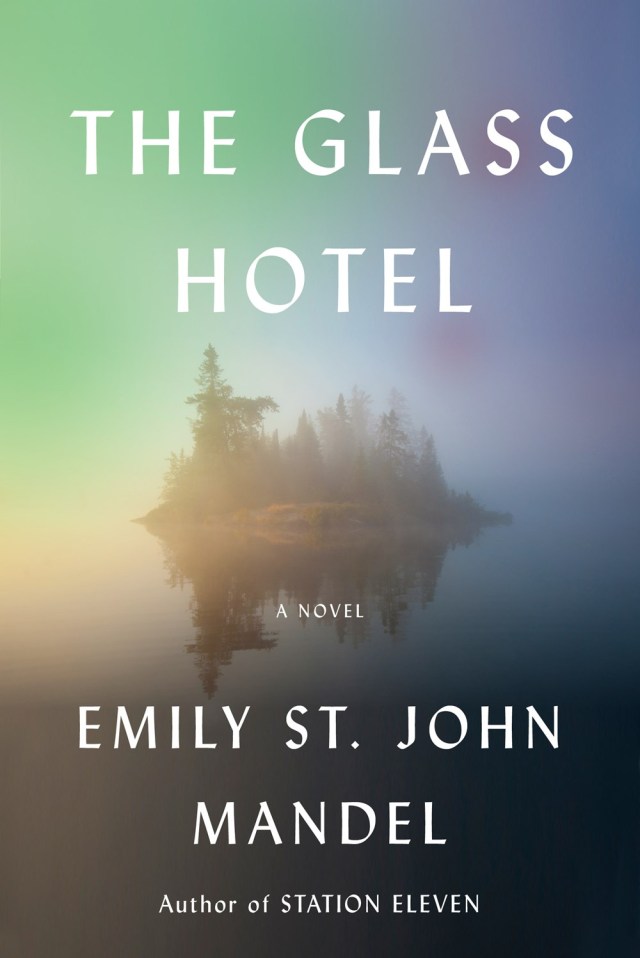
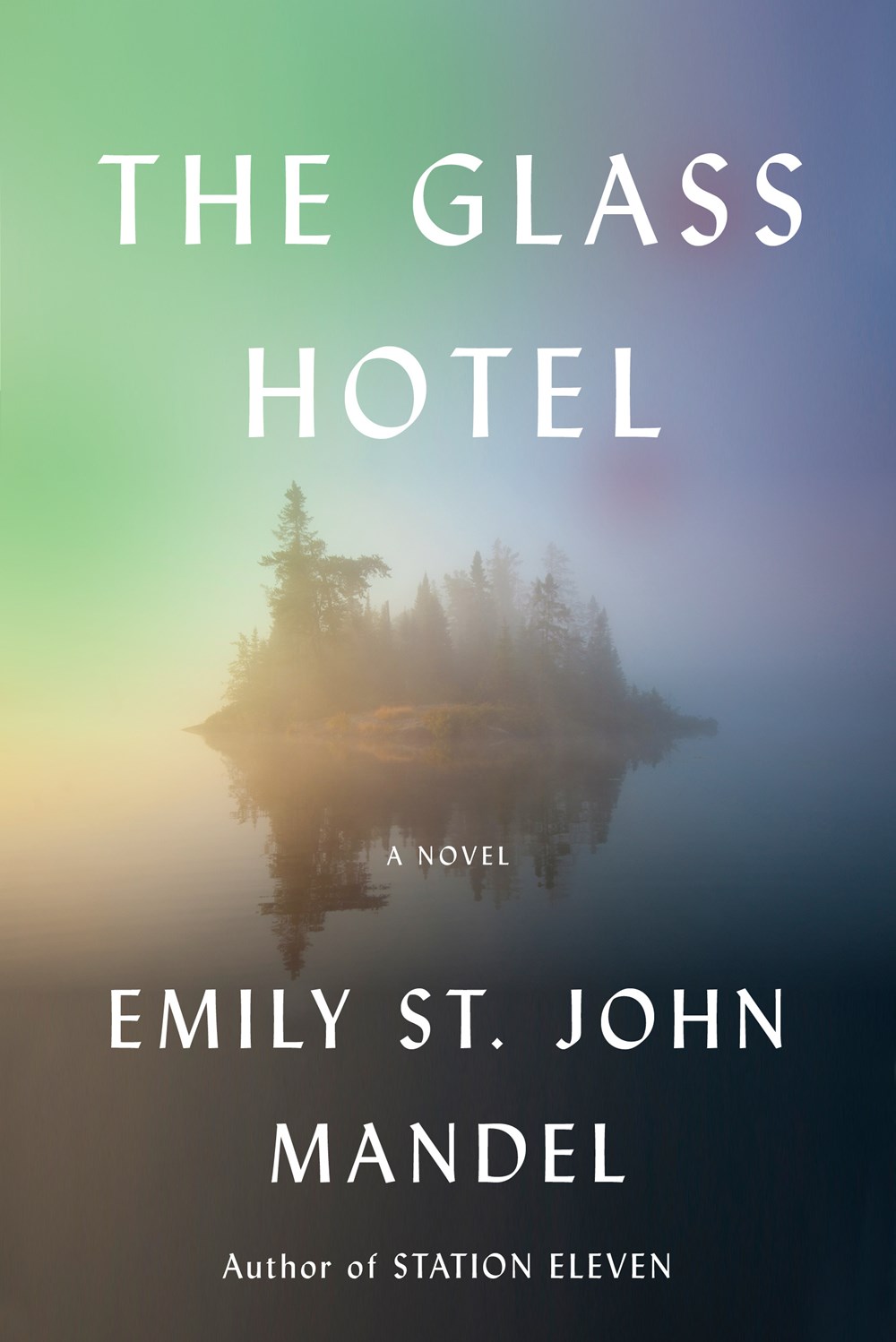
Title: The Glass Hotel Author: Emily St. John Mandel Publisher: Knopf Publication date: March 24, 2020 Length: 302 pages Genre: Contemporary fiction Source: Purchased Rating:
⭐⭐⭐⭐⭐
Rating: 5 out of 5.
From the award-winning author of Station Eleven, an exhilarating novel set at the glittering intersection of two seemingly disparate events–a massive Ponzi scheme collapse and the mysterious disappearance of a woman from a ship at sea.
Vincent is a bartender at the Hotel Caiette, a five-star lodging on the northernmost tip of Vancouver Island. On the night she meets Jonathan Alkaitis, a hooded figure scrawls a message on the lobby’s glass wall: Why don’t you swallow broken glass. High above Manhattan, a greater crime is committed: Alkaitis is running an international Ponzi scheme, moving imaginary sums of money through clients’ accounts. When the financial empire collapses, it obliterates countless fortunes and devastates lives. Vincent, who had been posing as Jonathan’s wife, walks away into the night. Years later, a victim of the fraud is hired to investigate a strange occurrence: a woman has seemingly vanished from the deck of a container ship between ports of call.
In this captivating story of crisis and survival, Emily St. John Mandel takes readers through often hidden landscapes: campgrounds for the near-homeless, underground electronica clubs, the business of international shipping, service in luxury hotels, and life in a federal prison. Rife with unexpected beauty, The Glass Hotel is a captivating portrait of greed and guilt, love and delusion, ghosts and unintended consequences, and the infinite ways we search for meaning in our lives.
Once again, I find myself practically speechless after finishing a book by Emily St. John Mandel. Earlier this year, I was transfixed by the beauty of Sea of Tranquility. That book, however, was published after The Glass Hotel, and as I learned while reading Sea of Tranquility, there is a certain amount of cross-over between the two books. Naturally, I had to see what The Glass Hotel was all about.
As in her other books, the author weaves together seemingly disparate story threads and characters to create an intricate, interconnected whole. As the synopsis explains, the basic framework of the novel involves a vastly wealthy man whose fortune is built on a Ponzi scheme and his relationship with a woman whom he meets at the bar of a remote luxury hotel. As Vincent and Jonathan’s lives come together, we also see snippets of their pasts, as well as scenes involving other people caught up in their orbit. Some connections are clear, such as their various family members, but others are connected by circumstances, coincidences, random encounters, and chance overlaps at particular times and places.
The writing is gorgeous, sharp, and evocative. A recurring theme throughout centers on worlds within worlds. Vincent thinks of her years with Jonathan as her life in the “kingdom of money”. Jonathan, imprisoned for the remainder of his life, imagines what he calls his counterlife, a life that he inhabits in his mind that lets him experience the other ways his life might have gone, had he only gone different places or taken different actions.
At one point, a friend of Vincent’s tells her:
I was trying to figure out why my life felt more or less the same in Singapore as it did in London, and that’s when I realized that money is its own country.”
A man who loses everything due to the Ponzi, now living a nomadic RV life at a time when he and his wife thought they’d be comfortably retired, contemplates that:
… they were citizens of a shadow country that in his previous life he’d only dimly perceived… He’d seen the shadow country, its outskirts and signs, he’d just never thought he’d have anything to do with it.
Another man who goes from hopeless addiction to triumph in a music career shares:
“I stepped through the looking glass into a strange new world where people actually listened to my music.” […] The condition of having landed in an unimaginable life was something he thought she might know something about.
As in Sea of Tranquility, the connections and overlapping lives are what make this book so fascinating, as do the intriguing characters and the sense of inevitability about the events and their outcomes.
I simply can’t say enough good things about The Glass Hotel. Now that I’ve read it, I feel an urgent need to re-read Sea of Tranquility (even though I just read it a few months ago).
I truly loved this book, and simply couldn’t put it down once I started.
Top Ten Tuesday is a meme hosted by That Artsy Reader Girl, featuring a different top 10 theme each week. This week’s topic is Favorite Audiobook Narrators. I do love audiobooks, and definitely have some narrators I especially love to listen to.
Julia Whelan – I’ve listened to so many audiobooks that she’s narrated, but favorites include Thank You For Listening (which she also wrote), The Giver of Stars, and Daisy Jones & The Six.
Moira Quirk: Narrator of the Custard Protocol and Finishing School series by Gail Carriger, and also the excellent The Midnight Bargain by C. L. Polk.
Wil Wheaton: Does a great job with John Scalzi’s books. Most recently, I loved his hilarious presentation of The Kaiju Preservation Society.
Zachary Quinto: Another Scalzi narrator — he’s great in the Dispatcher series of audiobooks.
Mary Robinette Kowal: Besides being an absolutely awesome author, she’s also a wonderful audiobook narrator. In addition to her own books, I’ve loved her narration for Seanan McGuire’s many audiobooks.
Lorelei King: Terrific narration of the Mercy Thompson series by Patricia Briggs.
Davina Porter: Narrates the Outlander series, and that’s not easy! She’s convincing as an 18th century Scottish Highlander as well as a 20th century British nurse.
Jeff Woodman: In another of Diana Gabaldon’s series, Jeff Woodman is the perfect narrator for the Lord John books — his delivery as Lord John is fabulous.
Juliet Stevenson: There’s not another narrator I’d rather listen to for Jane Austen audiobooks.
Christina Moore: I love her narration of Amy Stewart’s Kopp Sisters books. She gives such personality to each of the characters.
Who are your favorite audiobook narrators? Do we have any in common?
My Monday tradition, including a look back and a look ahead — what I read last week, what new books came my way, and what books are keeping me busy right now. Plus a smattering of other stuff too.
Life.
At the risk of sounding like a broken record (and do “kids today” even know what that phrase means??), it’s been another busy, stressful workweek, followed by a weekend where I scrambled to catch up with emails, errands, and random odds and ends around the house.
I feel like I barely had time to read…
Blogging:
I rarely pay attention to blog stats, but I was amused this week to see my stats explode! Why the big burst of views (over 3,000 in one day — and believe me, that NEVER happens, not even close!)?? I think we can thank the Outlander fandom for the surge — I posted a review of actor Sam Heughan’s memoir Waypoints last week, and it’s been getting anywhere from 500 up to thousands of views ever since (although it’s starting to die down a bit now.)
I’ve never seen numbers like this before on my humble little blog. Gotta admit, it gave me quite a chuckle.
What did I read during the last week?
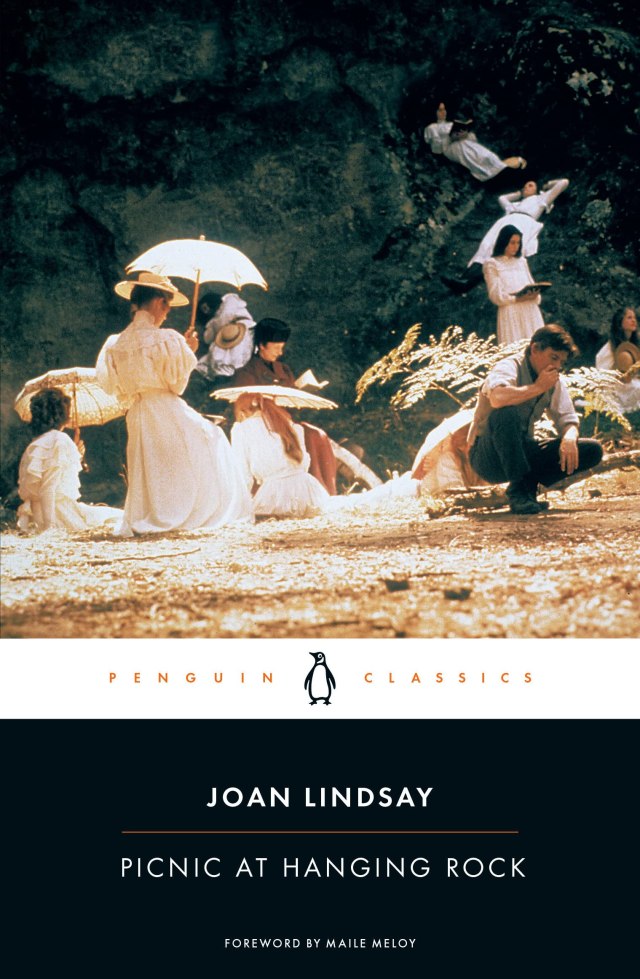
Picnic at Hanging Rock by Joan Lindsay: My Classics Club Spin book! I held off on writing about this book after I finished reading it a week ago, because I wanted to wait and watch the movie and TV versions first. Now I have, and I shared a (probably too long) reaction post about all three! Check it out, here.
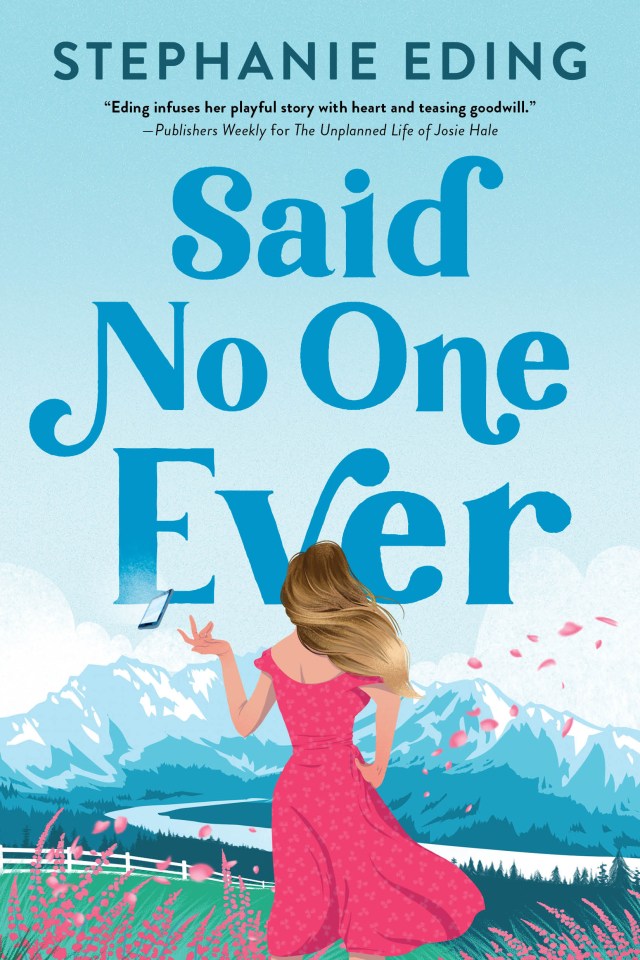
Said No One Ever by Stephanie Eding: A fun, upbeat romance that also has some lovely themes about connection and purpose, as well as a lovable, memorable, feisty 82-year-old woman who keeps everyone on their toes. My review is here.
Black Cake by Charmaine Wilkerson: My book group’s pick for April. I really enjoyed it, found it powerful and moving, but haven’t had the time or focus to write up my thoughts just yet. Perhaps later in the week (although sometimes I find with book group books that once I’ve participated in our group discussion, I feel unmotivated to also write a review post…)
Pop culture & TV:
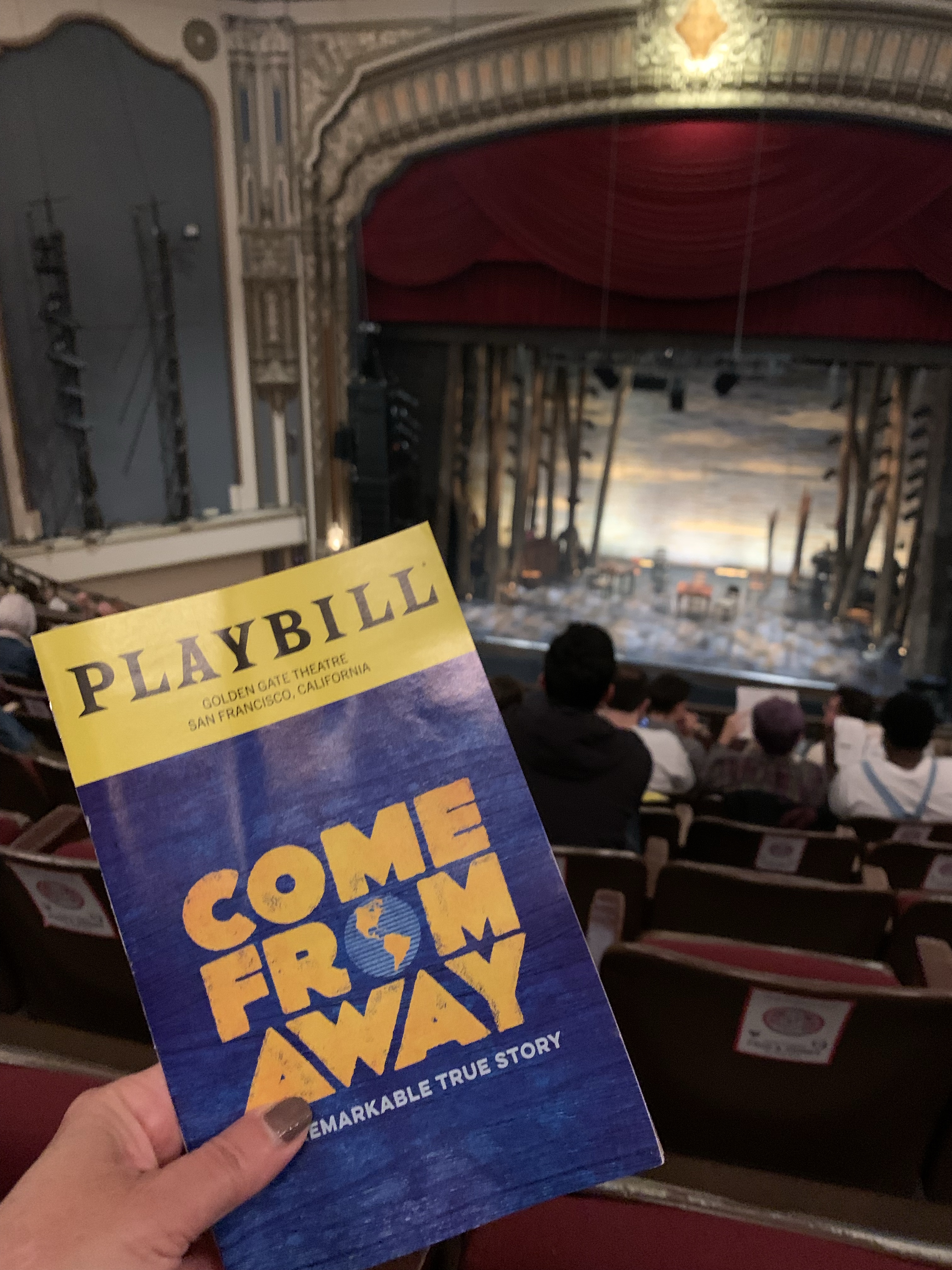
A night out! My husband and I, along with our son and his girlfriend, went to the theater this week to see Come From Away.
It’s a wonderful show — great music, very moving, and so well done! What a treat!
On a different (much sillier note), I was happy to discover that season 3 of Indian Matchmaking just dropped on Netflix. I really and truly do not watch reality TV shows, but something about this one makes it an exception for me! Perhaps it’s just the delight of counting how many times Sima Auntie (the matchmaker) tells her clients not to be so picky… but something about this show makes it a nice little treat.
Check out the trailer for season 3:
Fresh Catch:
No new books this week.
What will I be reading during the coming week?
Currently in my hands:
The Glass Hotel by Emily St. John Mandel: I’ve gone out of order — I recently read Sea of Tranquility, the author’s most recent book, but felt like I’d missed out by not reading this one (which was published two years earlier) first. I’m at about 50% at this point, and I’m loving it (but feel like I should read Sea of Tranquility again once I’m done).
Now playing via audiobook:
A Wizard’s Guide to Defensive Baking by T. Kingfisher: I always love this author’s books, and the whimsical tone of this book really suited my mood this weekend.
Ongoing reads:
My longer-term reading commitments:
Go Tell the Bees That I Am Gone by Diana Gabaldon: Over at Outlander Book Club, we’re doing a group read of BEES, reading and discussing two chapters per week. Coming up this week: Chapters 120 and 121 (of 155).
A Passage to India by E. M. Forster: My book group’s current classic read, also two chapters per week. We’ll be finished by the middle of May.
This was originally going to be a book review post dedicated to my newest Classics Club Spin book… but then I got carried away! Not only did I read the book, but I also watched the movie and TV mini-series versions as well. Read on for my thoughts on all three (or, for the tl;dr version, jump right to the end!)
Let’s start where all such things should start — the book:
Title: Picnic at Hanging Rock Author: Joan Lindsay Publication date: 1967 Length: 204 pages Rating:
⭐⭐⭐⭐⭐
Rating: 4.5 out of 5.
Synopsis (Goodreads):
It was a cloudless summer day in the year 1900. Everyone at Appleyard College for Young Ladies agreed it was just right for a picnic at Hanging Rock. After lunch, a group of three girls climbed into the blaze of the afternoon sun, pressing on through the scrub into the shadows of the secluded volcanic outcropping. Farther, higher, until at last they disappeared. They never returned. . . .
Mysterious and subtly erotic, Picnic at Hanging Rock inspired the iconic 1975 film of the same name by Peter Weir. A beguiling landmark of Australian literature, it stands with Shirley Jackson’s We Have Always Lived in the Castle, Daphne du Maurier’s Rebecca, and Jeffrey Eugenides’ The Virgin Suicides as a masterpiece of intrigue.
Picnic at Hanging Rock is my most recent Classics Club Spin book. This is a book I’ve had my eye on for some time, so I was delighted when its number came up!
This 20th century Australian classic centers around the Appleyard College for Young Ladies, run by headmistress Mrs. Appleyard, a stiff and proper Englishwoman who enjoys the income afforded her by providing a fine finishing school education for the daughters of Australian society’s affluent families.
As the story opens, it’s Valentine’s Day, 1900, and the young women of Appleyard are setting out on a picnic, chaperoned by two teachers. It’s a hot day, and their destination lies hours away by horse-drawn carriage. After the excitement of receiving Valentine’s cards, emotions are running high. The girls are eager for adventure, yet must always remember the expectation that they behave like proper young ladies.
After a picnic at the foot of the towering Hanging Rock, as it’s almost time for the return journey, a few girls beg permission to take a short walk along the stream… and never return. Hours pass; finally, one of the party returns in terror, but with no explanation of what’s actually happened. No sign can be found of the three missing girls, and what’s more, it’s discovered that one of the teachers has also vanished. As night approaches, there’s no choice but to return to the school.
An intense manhunt follows, and while one girl is eventually found — but again, with no memories of what happened to her or the others — there’s no luck in finding the others. Rumors and intrigue spread; the incident becomes known as the College Mystery. Months pass, and the ripples of that fateful day spread and touch more and more people — and the enigmatic Mrs. Appleyard seems to slowly fall apart as well.
The writing in Picnic at Hanging Rock is lush and vivid. The depiction of Hanging Rock is stark, and the author carefully describes not just the rock formations themselves, but all the flora and fauna of the area as well. The contrast between the proper, buttoned-up, virginal girls and the wildness of their environment is vivid — while providing a simulated British boarding school environment, the school cannot help but also expose the girls to the dangerous, venomous, and treacherous landscapes all around them.
This book is quite famous for not actually answering the questions it raises. This isn’t a whodunnit with a big reveal at the end. We don’t know, and never find out, what truly happened to the missing girls. There’s another large question at the end that also doesn’t get answered. People appear in the story, and then fade from it, with the author pointing out at various points that this is where so-and-so’s role ends, and we hear no more from them.
A modern-day reader used to fast-paced thrillers and explosive plot twists might find this book slow, but I actually loved it. The mood builds slowly yet inexorably. There’s intrigue and dread, yet we also gets views of love and passion, disappointments and escapes, jealousies and fears. There’s an insidious sense of doom — from the day of the picnic, everything begins going downhill, even when the connections aren’t obvious.
There’s much debate about what happened to the girls. Were they attacked, murdered, kidnapped? Simply lost, perhaps fallen down a cliff? Were supernatural elements at play? An unpublished final chapter holds the key to the author’s original explanation, but even after reading about it, I think I’m happier with the book not providing answers to the mysteries.
I’m glad to have read Picnic at Hanging Rock. It’s a tautly-written, fairly short novel that contains great writing and creates an eerie, aching mood. Highly recommended.
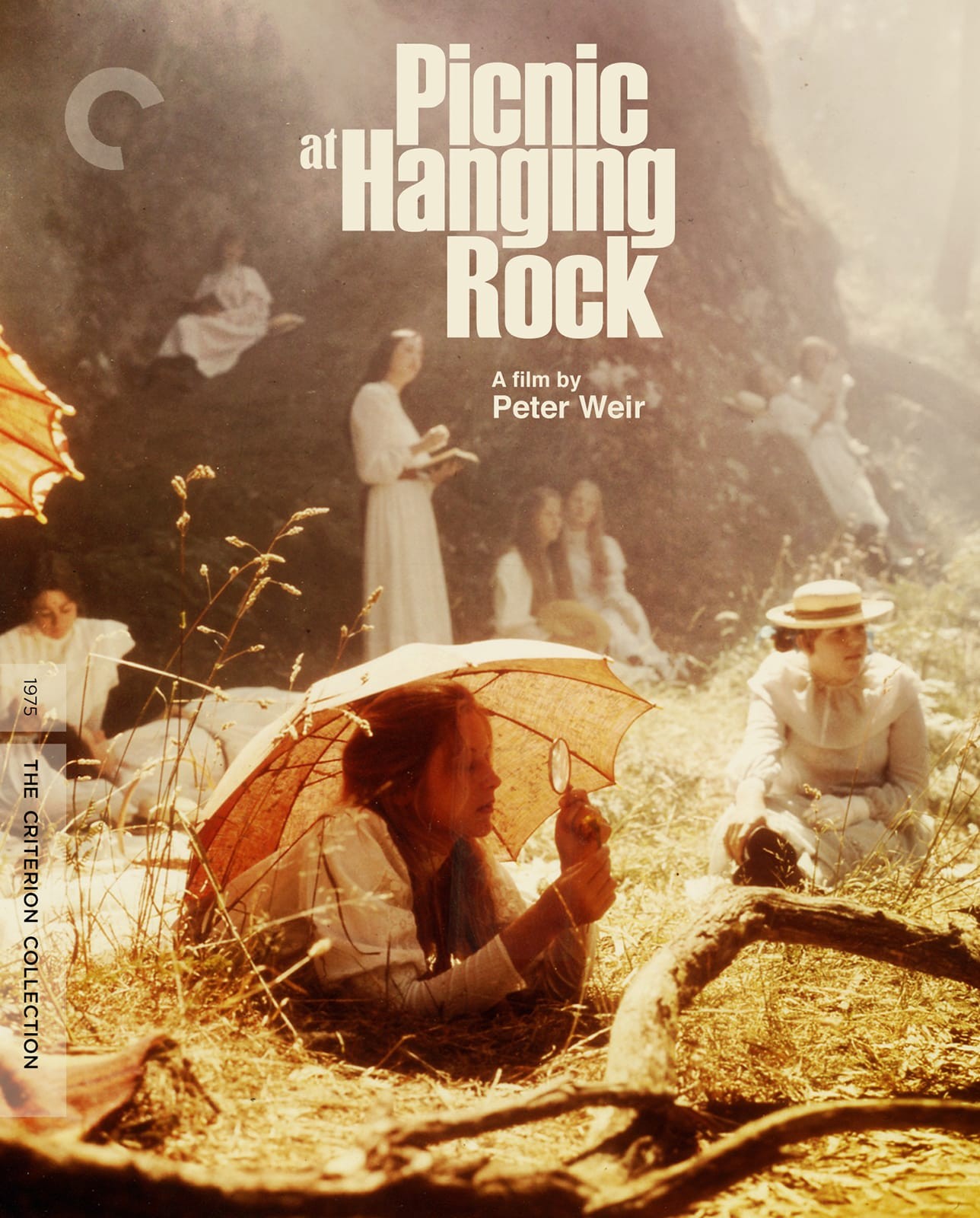
Next up, the first filmed version of Picnic at Hanging Rock:
Right after finishing the book, I watched the 1975 film by director Peter Weir, which is considered a movie masterpiece. At the time of its release, Vincent Canby of the New York Times wrote:
HORROR need not always be a long-fanged gentleman in evening clothes or a dismembered corpse or a doctor who keeps a brain in his gold fish bowl. It may be a warm sunny day. the innocence of girlhood and hints of unexplored sexuality that combine to produce a euphoria so intense it becomes transporting, a state beyond life or death. Such horror is unspeakable not because it is gruesome but because it remains outside the realm of things that can be easily defined or explained in conventional ways.
Read full review, here, and an opinion piece written in 2017, here.
The movie delivers on the mood of the book, from start to finish. It’s cinematic in scope and has a dreamlike quality, often focusing in on the girls’ faces, showing their beauty and their overpowering emotions. Emotion rules everything — the girls’ romantic passion while reading Valentine cards, the devotion of a younger girl to an older, the delight of peeling off gloves and shoes as soon as civilizing forces are left behind, and for the young men encountered at the picnic, the obsessive dreams that follow a mere glimpse of a girl of startling beauty.
We also clearly see the downside of these emotional states, as various group scenes turn hysterical or threatening, when heightened emotions turn the girls (or in another instance, local townsfolk) into menacing mobs.
The film captures the book’s contrasts between the British-style manners and rules of the school and the untamable nature of the Australian bush, with gorgeous shots of the girls in white dresses disappearing between stones or coming in contact with insects and lizards. There were times in the book where I couldn’t quite connect the physical descriptions of the landscape with an image in my mind, so seeing the settings in the movie was very powerful.
The movie is just as ambiguous as the book. There’s no attempt to provide answers or tie things up neatly. The point of the movie is the feelings it evokes.
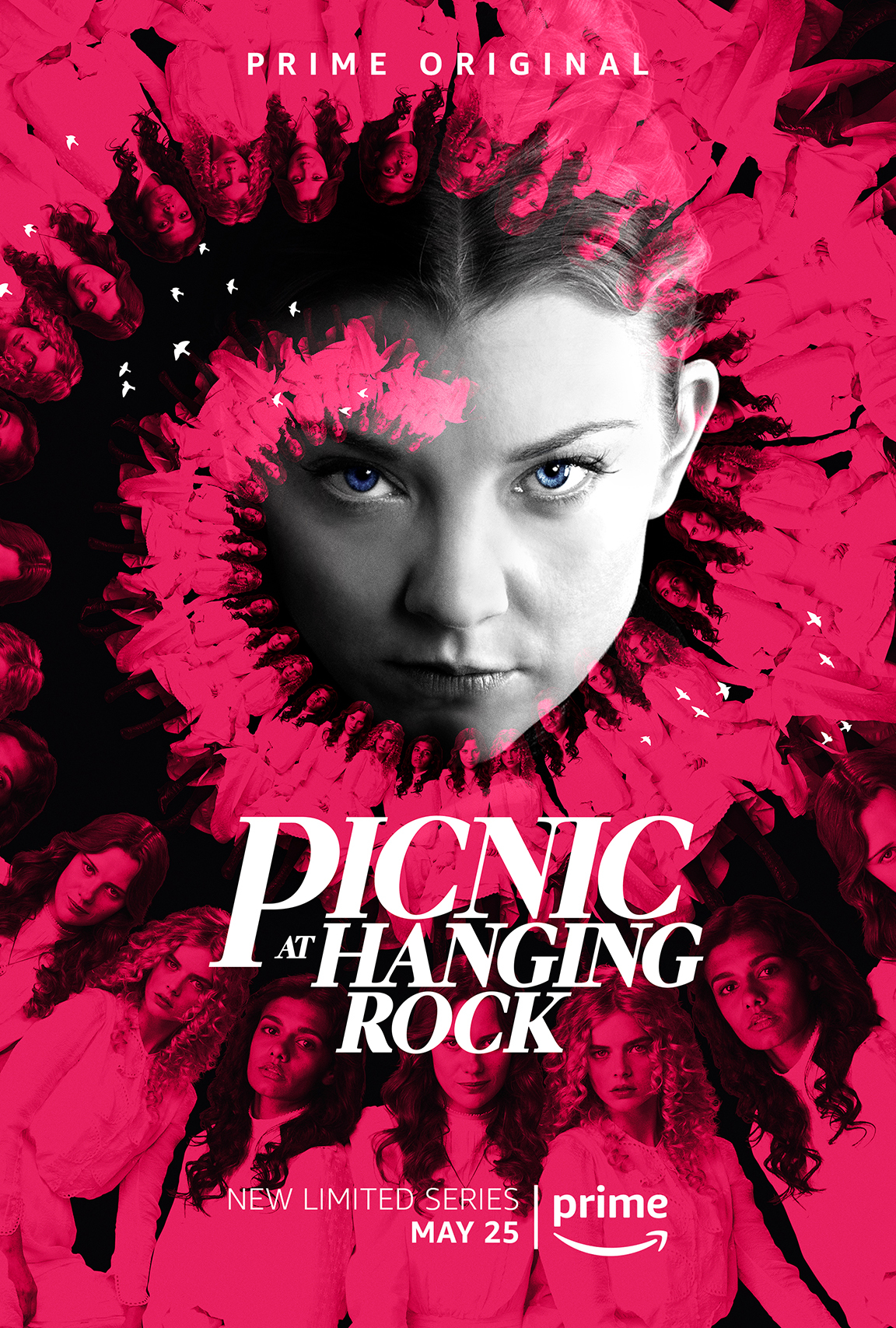
Finally, my 2nd viewing experience — the 2018 mini-series, currently streaming on Prime Video.
This six-episode TV mini-series stars Natalie Dormer as the domineering headmistress Mrs. Appleyard. Based on the key art alone, it’s clear that this version is going for a very different vibe.
According to the Variety review:
Joan Lindsay’s much-acclaimed 1967 Australian novel “Picnic At Hanging Rock” has already resulted in one stunning adaptation — Peter Weir’s 1975 film of the same name — so a second attempt, this time a television series, may already feel unnecessary. But it doesn’t take long for writers Beatrix Christian and Alice Addison to make the case for their own 2018 “Picnic,” a darker, more mysterious, and extended version that manages to feel updated for our time while still keeping the original 1900 setting.
In “Picnic At Hanging Rock,” the central mystery is laid out immediately: Four young women — three students and their teacher — suddenly vanish on Valentine’s Day, 1900, while on a school picnic at, well, Hanging Rock. The base premise is familiar to fans of crime series, but this is no ordinary drama; it’s eerie and haunting. It’s less dreamy (a quality frequently ascribed to the film) and more of a nightmare that you’ll be eager to dive into.
(For an additional critical take on this mini-series, check out the New York Times review, here.)
Over the course of six episodes, the bones of the plot of Picnic at Hanging Rock remain intact, but the mini-series expands just about every element, creating backstories for many characters, envisioning heaps more romantic entanglements, and showing scenes of events at the Rock that are eerie and perhaps even intriguing, but that don’t ultimately add a whole lot to the story.
The key change, of course, is the character of Mrs. Appleyard. It’s evident early on that she is not what she seems. Rather than an older widowed Englishwoman focused on the profitability of turning out refined young women, here, she’s a scheming con artist posing as a wealthy, respectable woman — but we’re treated to her hidden Cockney accent early on, and through flashbacks, learn much more of her character.
The girls in her care are sympathetic, much more diverse than in the 1975 movie, and more explicitly curious about their own sexuality as well as the eroticism of the untamed world beyond the confines of the school. The cruelty and abuse are much more explicit here as well, and certain subplots and side characters are completely extraneous, either there as deliberate sensationalism or as plot padding.
The middle few episodes sag, and I had to restrain myself from fast-forwarding, but by the end, I did want to see the wrap-up and how it all plays out. The mini-series keeps some (but not all) of the ambiguity of the source material, but the heavy focus on Mrs. Appleyard makes many of the other elements fade into the background, and some of the romantic entanglements seem to serve no purpose other than distraction.
I suppose I’m glad to have watched the mini-series — to satisfy my curiosity and for the sake of completion — but I would have been perfectly fine without it too.
But don’t let me talk you out of checking it out! Here’s the trailer — see if it piques your interest:
Back to the Classics Club Spin:
Yes, I ventured far afield, not just reading my chosen book, but watching two different adaptations as well. And to wrap it all up, I’ll simply say:
THE BOOK: Haunting, eerie, ambiguous, beautiful
THE 1975 MOVIE: Dreamlike and artistic, maybe not suited to 21st century moviegoer tastes, but as an older film, it’s lovely to see. Even when the plot gets lost amidst the gorgeous cinematography, the spell of the movie makes it worthwhile.
THE 2018 MINI-SERIES: OK if you like this sort of thing. It’s all a bit of a muddle, dreamy in parts and then crossing over into a campier gothic feel. (Maybe I’m alone in this reaction — has anyone else seen it?)
The biggest takeaway: Picnic at Hanging Rock is definitely worth reading, and I’m so glad I did.
Title: Said No One Ever Author: Stephanie Eding Publisher: Sourcebooks Casablanca Publication date: April 4, 2023 Length: 320 pages Genre: Contemporary romance Source: Review copy courtesy of the publisher via NetGalley Rating:
⭐⭐⭐⭐⭐
Rating: 4.5 out of 5.
A peaceful vacation turns into a roller coaster ride of family drama.
Two handsome men with competing agendas cause mix-ups and betrayal.
Sometimes you have to put your foot down to get what you really want in life.
Ellie Reed’s self-esteem can’t take any more of her family’s constant criticism and attempts to control her life. But when she rents an Airbnb on a gorgeous farm in Montana, she encounters a whole new set of family drama and finds herself the caretaker of a barn full of farm animals, caught between two handsome men competing for control of the farm, and the sudden best friend of a spunky elderly widow whose outrageous ideas just might change her destiny…
Spring has sprung.. and what better time is there to enjoy a fish-out-of-water story about a city girl staying on a Montana farm?
In Said No One Ever, Ellie’s life is a mess. Her job as a freelance medical transcriptionist is being phased out, she’s just broken up with her boyfriend of six years (a nice optometrist who’s perfect for Ellie’s family, if not for Ellie), her apartment lease is about to run out, and she has no idea what to do about any of this.
Her overbearing family constantly compares Ellie to her high-achieving older sister, and they have a plan: Ellie should become her sister Avery’s nanny (for three out-of-control littles) and live rent-free in her late grandmother’s house, where she’ll handle fixing it up while getting it ready to sell. Ellie is SO not on board with any of this, but she’s seriously lacking in options.
Needing a break, Ellie books a tiny-house Airbnb rental on a farm in Montana. She looks forward to wide-open spaces, peace and quiet, and some alone time. She gets exactly none of what she expects.
Her host, Marilyn, is picked up by an ambulance within minutes of Ellie’s arrival, before Ellie even gets a chance to meet her. Ellie is left with Marilyn’s hyperactive bulldog Hilda and a barn full of animals — and clearly, the sheep and donkey need care, but Ellie has zero clue what to do. A visit to Marilyn at the rehab/nursing home results in a list of instructions for animal care, plus a budding friendship with the older woman, who is zesty, free-spirited, and full of schemes and dreams.
The arrival of Marilyn’s grandson Warren threatens to derail Ellie’s vacation. Apparently, the family had no idea about Marilyn’s Airbnb plans and is horrified… not to mention that the tiny house Ellie is living in is actually Warren’s, and he’s supposed to be staying there for the next month.
As Ellie settles in, she becomes close to Marilyn, starts to get to know the locals, and has a very grumpy/argumentative dynamic with Warren… which clearly means there are sparks just waiting to fly!
There are plenty of shenanigans, usually caused by Marilyn and her partner-in-crime roommate Belle (the two of them delight in scandalizing the nursing home staff and flirting with the hunky young man from food service) — although some of the misadventures have to do with wandering farm animals as well. Drama is provided through Marilyn’s daughters, two hard-charging businesswomen who have no patience for the farm or their mother’s wishes, and are determined to sell, make a good profit, and move Marilyn to a nursing home closer to them in Spokane.
Now, you might think that an Airbnb guest who’s in town for just a few weeks should have no part in all this farm and family drama… and while that would undoubtedly be the case in real life, in Said No One Ever, that’s clearly not what’s going to happen! Ellie becomes completely wrapped up in the farm and Marilyn’s life, and soon she’s a pivotal player in finding a way to make sure Marilyn gets what she wants.
Although presented as a romance (which it is!), I think my favorite thing about Said No One Ever is the wonderful relationship that develops between Ellie and Marilyn. Ellie still misses her own grandmother, and in Marilyn, she finds an elderly woman to fill some of the empty spaces in her heart. Marilyn’s sense of adventure and spunk are just what Ellie needs, as she involves Ellie in quests and adventures and just plain fun.
The romance in the book is a slow burn. At first, there’s the suggestion that this will be a love triangle story (and that’s certainly what the blurb describes), but that’s actually not the case. Warren is the obvious love interest, and the other guy — the sexy neighbor with smooth come-ons and heavy-handed flirtation — is ruled out almost immediately, especially when his underhanded manipulative side becomes clear.
I really enjoyed Said No One Ever, with only a few very minor quibbles:
The farm antics are cute, but especially in the first third of the book, a bit too much. I didn’t need quite that much time spent on following Ellie as she learns how to feed the animals, clean their stalls, and collect eggs from the henhouse.
Maybe this is just me, but why would a woman staying alone, on a farm, miles from other people, with no expectation of seeing anyone, still put on makeup every day? (Again, maybe this is just me…). A few times, when there’s an unexpected visitor at the farm, Ellie hopes her mascara isn’t smudged. (If I were alone in a tiny house on a farm, I would not be putting on mascara… and probably wouldn’t even bother with a hairbrush!)
This is more a quibble about the trope than about the book — but only in romance novels would an out-of-towner become that enmeshed in the locals’ lives within a week of arriving. But hey, it’s fiction, and I can suspend my disbelief for the sake of a sweet, engaging read.
For those who like to know these things in advance, the steam level here is sweet. No sex scenes, nothing more intimate than kissing and descriptions of feeling attraction.
The writing is lots of fun, full of laughter and snark and quippy dialogue, not to mention the farm craziness that leaves Ellie at wit’s end:
Since arriving in Montana a single woman, her first sort-of-date involved wrangling a rooster and the second came with a garden hose and a runaway donkey. Of course it did. Her life had fallen into absolute bedlam.
That’s not to say that there aren’t more serious themes embedded in the story. I found certain elements especially moving. While Marilyn is funny and upbeat, the struggle she (along with Warren and Ellie) goes through to maintain her independence and to keep control over her own life can be very difficult to read about. While essentially an upbeat book, Said No One Ever still had me on the edge of my seat at certain parts when Marilyn’s future was on the line — which I think says a lot about how emotionally connected I’d come to feel about the characters.
Also, Ellie’s relationship with her parents and sister, while often played for laughs, is quite sad. They don’t see her for who she is or value her choices at all — so much of their interaction with her is about controlling her life, making decisions for her, and trying to convince Ellie that they, not her, know what’s best for her. Hmmm, sounds like a parallel to Marilyn’s life. I see what the author did there!
As you can tell, I really enjoyed this sweet story of love, friendship, and independence, and the gorgeous Montana setting is an absolute treat! I shouldn’t be surprised that I loved the characters and story — I felt the same way after reading the author’s previous novel, The Unplanned Life of Josie Hale. Looks like Stephanie Eding will be going on my authors-to-watch list!
My Monday tradition, including a look back and a look ahead — what I read last week, what new books came my way, and what books are keeping me busy right now. Plus a smattering of other stuff too.
Life.
Back to normal… After having so many visitors the previous week, it was odd going back to a much quieter house! Although I will say, I appreciated the break from endless rounds of dishwashing and laundry.
Other than than, it’s been a mostly quiet week, the usual craziness at work, and (finally!) a weekend with sunshine and no obligations, so I could get outside and enjoy it all.
What did I read during the last week?
Same Time Next Summer by Annabel Monaghan: A perfect beach read! I read it the week before last, but just got around to posting a review.
Picnic at Hanging Rock by Joan Lindsay: My Classics Club Spin book! I finished it this past week, but I’m waiting to check out the TV mini-series adaptation before writing up a review.
Waypoints by Sam Heughan: I really enjoyed this audiobook! My review is here.
Pop culture & TV:
Not much new or different — still trying to catch up on episodes of The Power!
Fresh Catch:
No new books this week. And I even returned some library books after realizing that I just wasn’t going to get to them any time soon.
What will I be reading during the coming week?
Currently in my hands:
Black Cake by Charmaine Wilkerson: My book group book for April! I haven’t had time to make a ton of progress, but I’m liking what I’ve read so far.
Now playing via audiobook:
Said No One Ever by Stephanie Eding: A fun fish-out-of-water romance about a city girl taking a break on a Montana farm. It’s light, silly entertainment, which is just what I was in the mood for.
Ongoing reads:
My longer-term reading commitments:
Go Tell the Bees That I Am Gone by Diana Gabaldon: Over at Outlander Book Club, we’re doing a group read of BEES, reading and discussing two chapters per week. Coming up this week: Chapters 118 and 119 (of 155).
A Passage to India by E. M. Forster: My book group’s current classic read, also two chapters per week. We’ll be finished by the middle of May.
Title: Waypoints: My Scottish Journey Authors: Sam Heughan Narrator: Sam Heughan Publisher: Voracious Publication date: October 25, 2022 Print length: 270 pages Audio length: 7 hours 47 minutes Genre: Memoir/travel/adventure Source: Purchased Rating:
⭐⭐⭐⭐⭐
Rating: 4.5 out of 5.
Journey deep into the Scottish Highlands in the first memoir by #1 New York Times bestselling author and star of Outlander, Sam Heughan—exploring his life and reflecting on the waypoints that define him
“I had to believe, because frankly, I had come so far there could be no turning back.”
In this intimate journey of self-discovery, Sam sets out along Scotland’s rugged ninety-six-mile West Highland Way to map out the moments that shaped his views on dreams and ambition, family, friendship, love, and life. The result is a love letter to the wild landscape that means so much to him, full of charming, funny, wise, and searching insights into the world through his eyes.
Waypoints is a deeply personal journey that reveals as much about Sam to himself as it does to his readers.
Sam Heughan, star of Outlander and portrayer of the iconic Jamie Fraser (aka, the King of Men), takes us on his journey along the West Highland Way, during which he contemplates both the trek itself and the landscapes of Scotland, as well as the path his life has taken to reach this moment in time.
Despite being a die-hard Outlander fan and having very much enjoyed his travel book Clanlands (co-authored with his costar Graham McTavish), I was a bit skeptical at first. I suspected that the book would be heavy on navel-gazing, and was afraid I’d be disappointed. I’m happy to report back that my fears were unfounded — Waypoints is a delight.
The book is framed around a rare week off for Sam, who finds himself back home in Glasgow with an entire week at his disposal. He makes a spur of the moment decision to walk the famous West Highland Way, a trail of almost 100 miles from Glasgow to Fort William in the Scottish Highlands. After an immediate trip to an outdoors outfitting store, where he buys everything the salesclerk tells him to, he sets out the next day with a plan to finish the journey in five days.
After two days of a pounding pace that is physically grueling, he’s about to pack it all in and call it quits, but has a revelation of sorts: It’s about the journey, not the speed. Not exactly shocking, but as he explains, for someone who’s always pushed himself, it’s a strange and unfamiliar approach. From that point on, he slows his pace, literally lightens his load by shedding most of the gear he carries, and begins to enjoy the sights and small moments along the way.
Interspersed with his narration of the trek are memories of his life, from childhood through school years, the initial introduction to theater and his long pursuit of a career as an actor — something he was on the verge of giving up on before landing the role of a lifetime in Outlander.
I listened to the audiobook, which really is the way to go with Waypoints. Sam is a gifted, entertaining narrator — I really did feel like I was listening to him telling friends his stories, rather than reading words from a page. He includes funny little asides that are not in the print version, and an added bonus is that each day’s section of the book concludes with voice recordings that he made on the journey — these add fun as well as appreciation for how hard the hike was. (He’s often out of breath, and we can hear the pounding rain that he’s described during the first day).
The audiobook (via Audible) comes with a PDF that includes the photos from the print book, as well as some illustrations of Scottish wild mushrooms. (Sam develops an ongoing rapport with the mushrooms he encounters while hiking solo — it’s very silly, but very amusing). I had originally bought myself a copy of the hardcover edition before deciding to listen to the audiobook, and I was glad to have it as a reference while listening. (Plus, the photos really are great — some are from his childhood and early theatrical experiences, and some are from the hike).
Source: Waypoints by Sam Heughan
Waypoints is entertaining and yet feels very personal — Sam shares openly about his repeated disappointments while trying to break into acting, the dashed hopes, the sense that it might never work, barely making ends meet working odd jobs while continuing the arduous process of showing up for audition after audition that never quite works out. He does it all with humor and appreciation, and it’s clear that he’s very grateful for the opportunities that have come his way. He’s even very kind about the masses of Outlander fans, who are usually polite in their enthusiasm but can sometimes get a little extreme.
I know when the book was released, various entertainment sites took small passages from the book and tried to sensationalize them. For example, there’s a scene where a well-known actor fails to recognize Sam when he’s working as a waiter, despite them having known one another through mutual friends. Sam uses this as an example of what his experiences were while trying to make it as an actor, and presents it without bitterness or hard feelings, yet I’ve seen fluff pieces portraying this as a major snub — and that’s not how it’s conveyed at all. Likewise, he’s always respectful and appreciative when discussing his experiences on the Outlander set, but I’ve read pieces that have tried to turn his comments into major complaints — and again, that’s not how it reads in the context of the book.
In any case, I found Waypoints to be terrific entertainment, and Sam Heughan is an engaging, forthright, and often very funny narrator and author. I enjoyed learning more about his background and his earlier career experiences, and absolutely loved the vicarious thrill of going along for his journey on the West Highland Way.
This is a charming, engaging audiobook, well worth checking out!
Title: Same Time Next Summer Author: Annabel Monaghan Publisher: G.P. Putnam’s Sons Publication date: June 6, 2023 Length: 320 pages Genre: Contemporary romance Source: Review copy courtesy of the publisher via NetGalley Rating:
⭐⭐⭐⭐
Rating: 4 out of 5.
The ultimate summer nostalgia read, about an engaged woman who comes face to face with her first love who she hasn’t seen in fourteen years, but who she spent every summer with from age five to seventeen when he broke her heart, calling into question everything she thought she knew about their love story, and herself.
“An unforgettable love story…Bursting with the magic of first love, it’s everything I want in a summer romance.”–Carley Fortune, author of Every Summer After
Beach Rules: Do take long walks on the sand. Do put an umbrella in every cocktail. Do NOT run into your first love.
Sam’s life is on track. She has the perfect doctor fiancé, Jack (his strict routines are a good thing, really), a great job in Manhattan (unless they fire her), and is about to tour a wedding venue near her family’s Long Island beach house. Everything should go to plan, yet the minute she arrives, Sam senses something is off. Wyatt is here. Her Wyatt. But there’s no reason for a thirty-year-old engaged woman to feel panicked around the guy who broke her heart when she was seventeen. Right?
Yet being back at this beach, hearing notes from Wyatt’s guitar float across the night air from next door as if no time has passed–Sam’s memories come flooding back: the feel of Wyatt’s skin on hers, their nights in the treehouse, and the truth behind their split. Sam remembers who she used to be, and as Wyatt reenters her life their connection is as undeniable as it always was. She will have to make a choice.
I usually wait to read ARCs until right before their release dates, but in this case, waiting was not an option! I absolutely loved Annabel Monaghan’s first adult novel, Nora Goes Off Script, so naturally I had to read her upcoming new release, Same Time Next Summer, just as soon as I had it in my hands. And while the new book didn’t delight me quite as much as the previous one, I still found lots to love.
As the blurb describes, Same Time Next Summer is heavy on nostalgia, capturing the wonder and joy of summers on the beach and first love. Adult Samantha has her teen summer memories safely locked away behind her daily life of routine and safely drawn lives. Teen Sam loved to surf and swim in the ocean; adult Sam sticks to swimming laps in an indoor pool, where distances are precise and predictable. Teen Sam, daughter of artists, loved to create, design, draw — adult Sam works as an HR consultant enforcing carefully worded policies and staring at spreadsheets full of data. Life feels well-ordered and complete, with nicely checked boxes, and all that’s left to do is hammer out the details of her upcoming wedding to her perfect fiancé.
Sam once knew the wild, passionate exuberance of teen love, but now as an adult, her definitions and expectations have changed:
There has never been a moment where I felt like he was a part of me; he is just right next to me, a partner. Love like this is so much more manageable, so much less terrifying. […] This kind of side-by-side love feels like a manageable kind of joy. I now understand that this is what grown-up love is.
When Sam’s parents encourage her to consider having the wedding at the local inn near their beach house on Long Island, she and Jack go for a visit just to please them. Upon arrival, Sam discovers that her teen love Wyatt is staying at his family’s house next door, after more than a decade of silence and separation. With Wyatt so close by, the floodgates open, and soon Sam ends up questioning her feelings, her plans, and essentially, who she truly wants to be.
The author does a wonderful job of evoking the sensations of summer — the feel of the sand, the sound of the waves, the sights and sounds and tastes that make up a perfect beach getaway. The joys of summer love come through clearly as well — teen Sam and Wyatt are so obviously mad for one another, but also best of friends and so good for one another. The writing powerfully captures the tremendous pain of heartbreak and how it can change someone so thoroughly:
Putting a person back together isn’t easy, but if you’re smart about it you can reassemble yourself in a totally different, better way. Turn carefree into careful; bandage up your heart and double check the adhesive.
The reasons for their breakup are slowly revealed (I was certain I’d figured out the answer as of the very first chapter — it was surprising and fun to be proven wrong), and meanwhile, we see Sam’s adult life in light of who she used to be. We know long before Sam does that her current life and future plans are not right for her, but it takes quite a lot for her to open her eyes and figure it all out.
There’s some lovely writing in Same Time Next Summer. Sam does quite a lot of soul-searching, and we get Wyatt’s point of view too. Some reveals are a bit obvious, but still, I enjoyed seeing how the pieces came together. By having both Sam and Wyatt as POV characters, we readers are able to see what they missed, or where their perceptions led them away from one another. It’s quite sad… but a happy ending is pretty much guaranteed (I mean, take a look at the cover! OF COURSE there’s a happy ending). The strength of the story is in seeing how these two characters find their way back to one another.
Same Time Next Summer is a quintessential beach read — highly recommended for days in the sun as the waves crash nearby.











 Bookshelf Fantasies