Book Review: Snake-Eater by T. Kingfisher

Title: Snake-Eater
Author: T. Kingfisher
Publisher: 47North
Publication date: November 11, 2025
Length: 267 pages
Genre: Fantasy
Source: Purchased
Rating:

Rating: 4 out of 5.

From New York Times bestselling and Hugo Award–winning author T. Kingfisher comes an enthralling contemporary fantasy seeped in horror about a woman trying to escape her past by moving to the remote US desert—only to find herself beholden to the wrath of a vengeful god.

With only a few dollars to her name and her beloved dog Copper by her side, Selena flees her past in the city to claim her late aunt’s house in the desert town of Quartz Creek. The scorpions and spiders are better than what she left behind.

Because in Quartz Creek, there’s a strange beauty to everything, from the landscape to new friends, and more blue sky than Selena’s ever seen. But something lurks beneath the surface. Like the desert gods and spirits lingering outside Selena’s house at night, keeping watch. Mostly benevolent, says her neighbor Grandma Billy. That doesn’t ease the prickly sense that one of them watches too closely and wants something from Selena she can’t begin to imagine. And when Selena’s search for answers leads her to journal entries that her aunt left behind, she discovers a sinister truth about her new home: It’s the haunting grounds of an ancient god known simply as “Snake-Eater,” who her late aunt made a promise to that remains unfulfilled.

Snake-Eater has taken a liking to Selena, an obsession of sorts that turns sinister. And now that Selena is the new owner of his home, he’s hell-bent on collecting everything he’s owed.

With Snake-Eater, author T. Kingfisher journeys into the realm of folk horror and fantasy, presenting one woman’s struggle to reclaim her life in a desert setting full of spirits and gods… and a bunch of terrific human (and canine) characters too.

Selena arrives in the remote desert town of Quartz Creek with just a few dollars to her name, accompanied by her very good dog Copper. She’s come in search of her aunt Amelia, but discovers upon arrival that Amelia has died the year before. The local postmaster/mayor/police officer Jenny encourages Selena to at least spend the night before deciding to leave — and since Selena can’t afford the return train ticket, and Amelia’s house is sitting empty, she agrees.

But the longer Selena stays in this odd little town in the middle of nowhere, the more settled she becomes. She insists she hasn’t decided to stay — but meanwhile, she becomes close with her nearest neighbor, Grandma Billy, learns to tend Amelia’s garden, attends the community potlucks at Father Aguirre’s church, and figures out how to earn a few bucks here and there, enough to buy Copper’s dog food. And meanwhile, the locals are warm and welcoming, and seem to want Selena to stay,

Selena leaves behind a relationship with a man who gaslit her into believing herself incapable of social interactions. Through insidious comments and continual undermining, Walter had Selena convinced that she was bad with people and could only interact by using carefully memorized scripts. As she settles into life in Quartz Creek, she comes to realize how deeply the gaslighting affected her, and painfully starts to unlearn what she’d come to believe about herself.

Quartz Creek has its own set of oddities and mysteries, especially the locals’ seemingly casual acceptance of the existence of gods and spirits. Even the Catholic priest acknowledges that places can have powerful non-human “people” who affect the lives of those who live there, for good or bad. Selena is startled by the strange figure she sees in her garden, and even more alarmed to hear Grandma Billy casually inform him that it’s a god of the squash plants. Selena is inclined to think that this must be a sign of Grandma Billy declining with age — but no; all the other folks of Quartz Creek back up Grandma Billy’s version. Gods live among them, just as humans and dogs and a stray peacock do.

Selena’s life is complicated by Snake-Eater, a god of roadrunners who appears to have transferred his obsession with Amelia to her niece Selena. And when Selena objects to the god’s attention, he gets very nasty indeed. She and her closest allies, Grandma Billy and Father Aguirre, must venture into the desert to free her from Snake-Eater if she’s to have any hope of living a good life in her newfound community.

What a great story! I adored the desert vibe. The author evokes the heat, the dirt, the plant and animal life, and makes all of this feel real and gritty. It’s easy to see why Selena would want to stay in this harsh but beautiful environment. The community itself is delightful. The people of Quartz Creek are an odd bunch, but they’re committed to their town and one another, and have figured out how to make it work. What’s more, there’s a beautiful sense of love and acceptance. Many of these people have unusual histories, but it doesn’t matter: The community comes together, again and again, and their connection makes them strong.

Selena’s story is so sad to start with. She’s a smart, likable woman whose partner undermined her to such a degree that when we first meet her, we’re tempted to believe the lie that she’s socially awkward and inept as well. Why does she practice scripts in her head? Why can’t she just talk to people? But as we see, Walter’s emotional abuse takes the form of seemingly supportive “help”, shredding Selena’s confidence through comments meant to keep her dependent on him. As Selena spends time in Quartz Creek, she’s able to slowly overcome the doubts that had been trained into her, and learn to trust herself and her new relationships. It’s a joy to see.

As always, T. Kingfisher spins a compelling story full of memorable characters, entertaining set-pieces, and fabulous writing. Snake-Eater is yet another terrific read from an author who never disappoints. Highly recommended.

Purchase linksAmazon – AudibleBookshop.org
Disclaimer: When you make a purchase through one of these affiliate links, I may earn a small commission, at no additional cost to you.
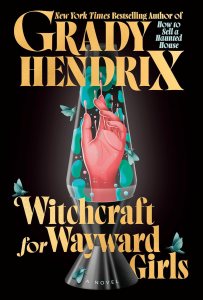

Book Review: Witchcraft for Wayward Girls by Grady Hendrix

Title: Witchcraft for Wayward Girls
Author: Grady Hendrix
Publisher: Berkley
Publication date: January 14, 2025
Length: 482 pages
Genre: Horror
Source: Purchased
Rating:

Rating: 5 out of 5.

There’s power in a book…

They call them wayward girls. Loose girls. Girls who grew up too fast. And they’re sent to the Wellwood Home in St. Augustine, Florida, where unwed mothers are hidden by their families to have their babies in secret, give them up for adoption, and most important of all, to forget any of it ever happened.

Fifteen-year-old Fern arrives at the home in the sweltering summer of 1970, pregnant, terrified and alone. Under the watchful eye of the stern Miss Wellwood, she meets a dozen other girls in the same predicament. There’s Rose, a hippie who insists she’s going to find a way to keep her baby and escape to a commune. And Zinnia, a budding musician who knows she’s going to go home and marry her baby’s father. And Holly, a wisp of a girl, barely fourteen, mute and pregnant by no-one-knows-who.

Everything the girls eat, every moment of their waking day, and everything they’re allowed to talk about is strictly controlled by adults who claim they know what’s best for them. Then Fern meets a librarian who gives her an occult book about witchcraft, and power is in the hands of the girls for the first time in their lives. But power can destroy as easily as it creates, and it’s never given freely. There’s always a price to be paid…and it’s usually paid in blood.

Grady Hendrix writes marvelously inventive horror novels, with psychological and physical terrors around every corner. Here in Witchcraft for Wayward Girls, the greatest horror is not in the supernatural elements, but in the treatment of the pregnant teens sent in disgrace to the Wellwood Home.

“You are here because you acted like a barnyard animal,” Miss Wellwood said. “You took the glory of your womanhood and threw it in the mud.”

The girls at the home are young, and at the complete mercy of their families, the staff of the home, and the doctors. They are never allowed to forget just how awful they are, how little they matter, and how little control they have over anything that happens to their bodies. They are all utterly ignorant as well — they know what they did to get pregnant, but have no idea what childbirth actually entails.

“You all don’t need to worry yourselves about what’s going to happen when you go to the hospital,” he said. “Because it’s none of your business. You just do what the doctors say and you’ll be fine.”

Fern is distraught when her father angrily bustles her off the home and leaves her there without even a good-bye. “Fern” isn’t even her name — all girls are given new names upon arrival, to preserve anonymity and to make the entire experience as separate from their real lives as possible. All Fern wants is to go home, to forget this ever happened, and to get back to her school, her friends, and the senior play.

But the harsh realities of pregnancy are impossible to ignore, especially once Fern witnesses another girl go into early labor in the bathroom and has to face the awful truth of what lies ahead for her. When the biweekly book mobile shows up, Fern asks the librarian for a book on what really happens during childbirth — which would be considered contraband at the home, where pleasant middle grade books seem to be the only allowed reading material.

The book the librarian passes along is anything but benign children’s fiction. Instead, she hands Fern is a hidden copy of a book titled How to Be a Groovy Witch (how awesome is that?!?!). The book’s contents are mostly incomprehensible, but Fern, Rose, Zinnia, and Holly are able to figure out a spell to cure Zinnia’s unrelenting morning sickness… by transferring it to someone else, with shockingly effective results.

The girls are drawn in by the lure of witchcraft and the power it promises, not seeing until it’s too late that nothing is given for free.

In this world there is one truth: everything has a price, and every price must be paid. Perhaps you will not pay it today, maybe you can put it off until tomorrow, but one day there will be a knock at your door in the middle of the night, a voice in the darkness beside your bed, a letter laid upon the table when you believe yourself to be alone, and it will contain a bill that must be paid, and you will pay it in blood.

Witchcraft for Wayward Girls is an absolutely compelling read. It’s a little on the longer side, but it flies by. The girls’ terror and helplessness feel palpable, and the book is a stark reminder of how far we’ve come in so many ways… and how awful it would be to move backward.

There are several gross-out scenes resulting from the girls’ spells, as well as scenes of supernatural power and strange, other-worldly phenomena. Some parts can be truly scary. And yet, the most horrifying scene is a hospital delivery. Nothing goes wrong medically, but it’s a detailed, horrible depiction of what labor and delivery in the 1970s entailed for so many women. That, to me, is the truly disturbing part of this book. Well, that, plus the girls’ utter lack of agency, the casual cruelty of the adults controlling them, and the soul-crushing sense of shame forced on them from every direction.

They said she could go back to her old life. They said it wouldn’t hurt. They said she’d never have to think about it again. They lied.

I loved the girls’ character development, and how each of them struggles to find strength to face their own particular hell. The girls’ power truly lies in their connection and support of one another, even more so than in the gifts they discover through the book and the librarian’s coven. Despite their individual suffering, they still find joy and friendship, as they band together to take back control and figure out how to survive.

Witchcraft for Wayward Girls is a moving, powerful, absorbing read. The depiction of the historical time and place feels spot-on. 1970s slang and attitudes provide some needed moments of fun and entertainment, despite the overall seriousness of the subject matter. (It’s shocking to see the pregnant girls constantly smoking cigarettes… but hey, it’s 1970!)

Grady Hendrix writes terrific horror, always with unique, clever twists and set-ups. I believe I have one more of his books yet to read (and I’m looking forward to it!); meanwhile, I’m thrilled that I finally got my hands on Witchcraft for Wayward Girls. Highly recommended.

For more by this author:
Horrorstör
My Best Friend’s Exorcism
Paperbacks from Hell: The Twisted History of ’70s and ’80s Horror Fiction
We Sold Our Souls
The Final Girl Support Group
The Southern Book Club’s Guide to Slaying Vampires

Purchase linksAmazon – Audible audiobook – Bookshop.org – Libro.fm
Disclaimer: When you make a purchase through one of these affiliate links, I may earn a small commission, at no additional cost to you.
Top Ten Tuesday: Halloween freebie — Ten horror books on my TBR list (2025 edition)

halloweentop10

Happy Halloween!

Top Ten Tuesday is a meme hosted by That Artsy Reader Girl, featuring a different top 10 theme each week. This week’s topic is a Halloween freebie! For my Halloween post, I’m going to focus on horror novels on my to-read list. (I’ve done this topic a few times in the past several years, and given the state of my TBR list, it’s time to do it again.)

About half of these are holdovers from last year’s Halloween TBR… giving you some idea of how behind I am when I comes to keeping up with my reading plans! Of the books on my list, most have been around a while, and a couple are upcoming new releases:

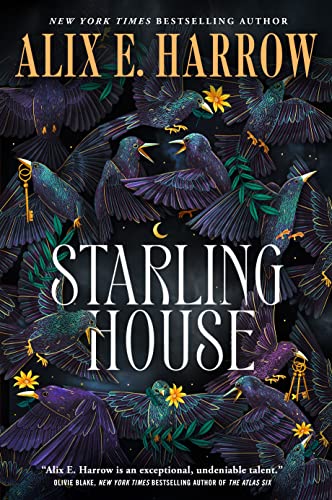
  1. Starling House by Alix E. Harrow
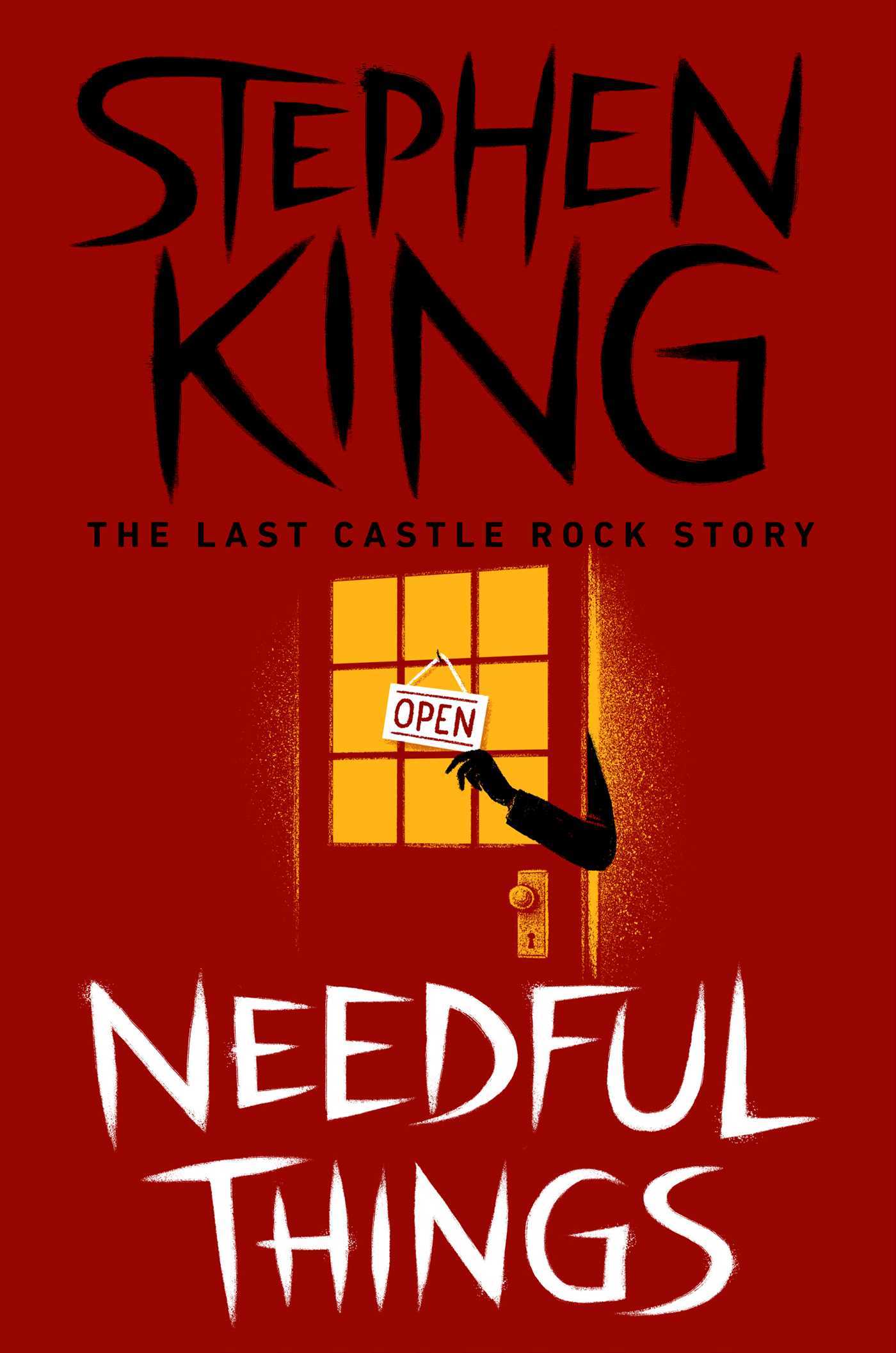
  2. Needful Things by Stephen King
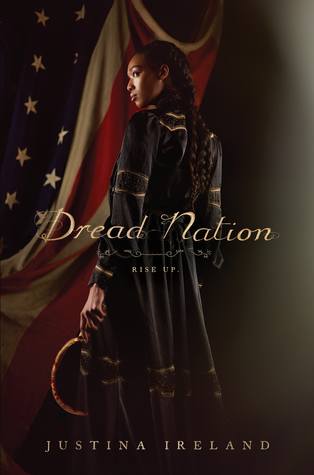
  3. Dread Nation by Justine Ireland
  4. Hemlock Island by Kelley Armstrong
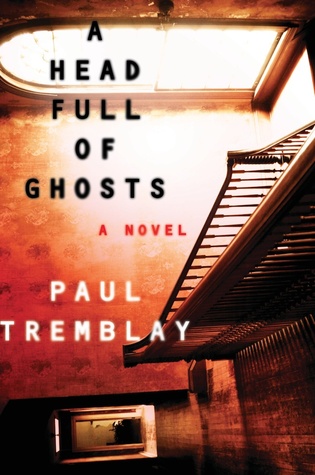
  5. A Head Full of Ghosts by Paul Tremblay
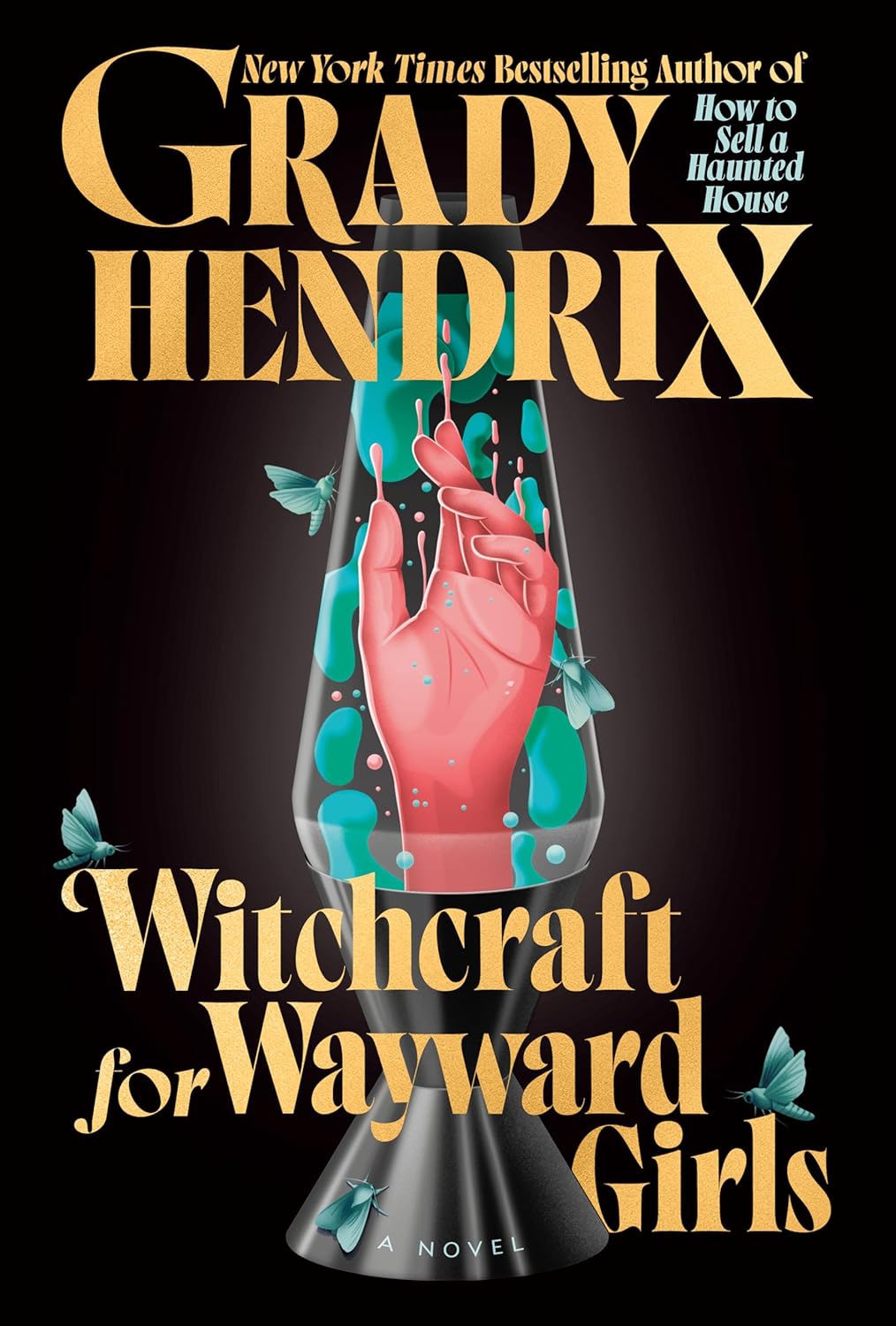
  6. Witchcraft for Wayward Girls by Grady Hendrix
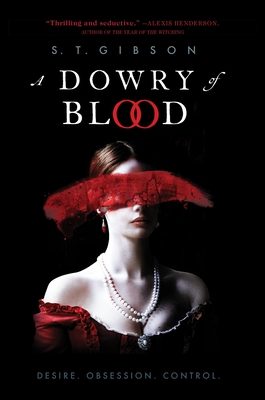
  7. A Dowry of Blood by S. T. Gibson
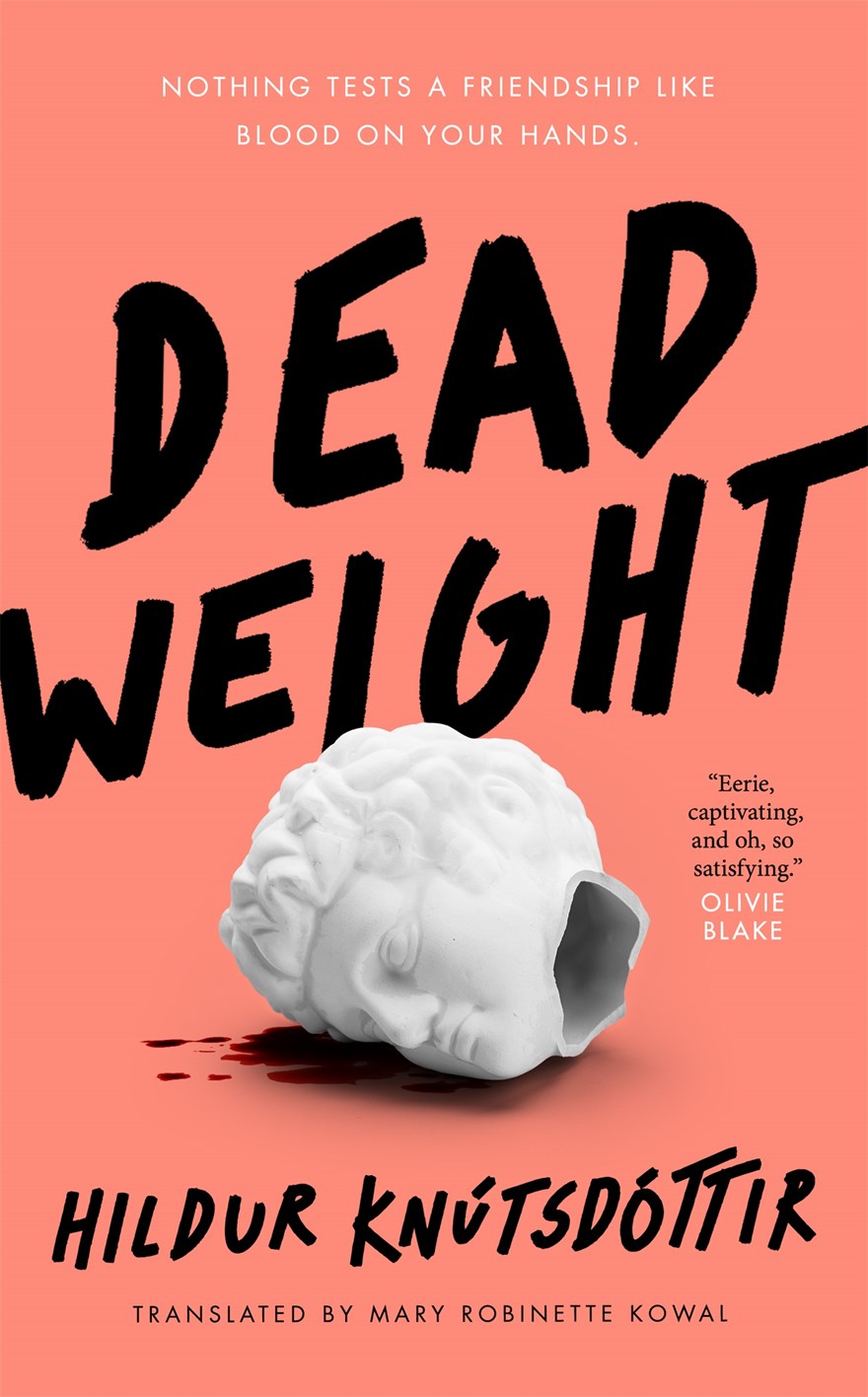
  8. Dead Weight by Hildur Knutsdottir
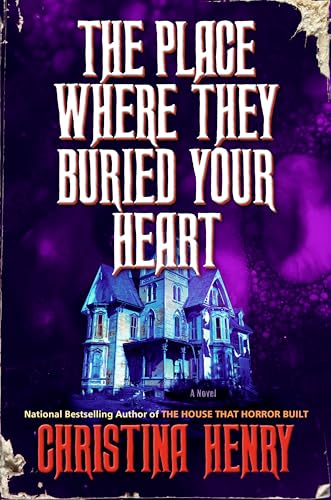
  9. The Place Where They Buried Your Heart by Christina Henry
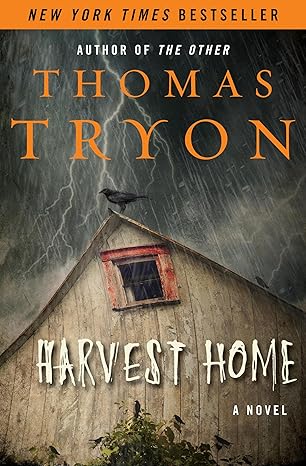
  10. Harvest Home by Thomas Tryon

Have you read any of these (or for the upcoming new releases, do you plan to read them)? Which ones look best to you?

What’s on your Halloween TTT this week? Share your link, please, and I’ll come check out your top 10!

Save

Save

Save

Save

Save

Save

Save

Save

Save

Save

Save

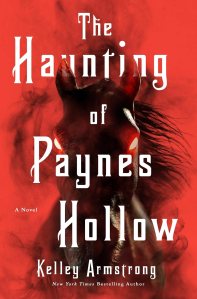
Book Review: The Haunting of Paynes Hollow by Kelley Armstrong

Title: The Haunting of Paynes Hollow
Author: Kelley Armstrong
Publisher: St. Martin’s Press
Publication date: October 14, 2025
Length: 288 pages
Genre: Horror
Source: Review copy courtesy of the publisher via NetGalley
Rating:

Rating: 4.5 out of 5.

From New York Times bestselling author Kelley Armstrong comes a nail-biting supernatural horror about a haunted lakeside property and twisted family secrets.

When Samantha Payne’s grandfather dies, she figures she won’t even get a mention in the will. After all, she hasn’t seen him in fourteen years, not since her father took his own life after being accused of murdering a child at their lakefront cottage. Her grandfather always insisted her father was innocent, despite Sam having caught him burying the child’s body, his clothing streaked with blood.

But when she does attend the reading of the will at the behest of her aunt, she discovers that her grandfather left her the very valuable lakefront property where the family cottage sits. There’s one catch: Sam needs to stay in the cottage for a month. To finally face the fact she was wrong and her father was innocent, in her grandfather’s words.

Traveling to Paynes Hollow, Sam is faced with the realities of her childhood and the secrets kept hidden in the shadows of her memories. When her aunt goes missing a couple days into their stay, Sam begins to question everything again. Plagued by nightmares and paranoia, she begins hearing sounds in the forest and seeing shapes crawling from the water as the rippling waves of the lake promise something unspeakably dark lurking just below their surface.

The Haunting of Paynes Hollow — a stand-alone horror novel by the talented Kelley Armstrong — presents a fresh spin on the tale of the headless horseman, with a very conflicted main character trying to sort out the facts from her family’s trail of lies.

Sam (Samantha) has given up everything in her life except working to keep her mother, suffering from early-onset dementia, in a high quality care facility. Sam is deeply in debt, and has been informed that if she can’t pay up what she owes, she’ll have to find someplace else for her mother. Sam’s mother is all she has left: After her father murdered a child and then committed suicide when Sam was only twelve years old, they’ve been cast out from the Payne family and cut off from their wealth, struggling to make it on their own.

But now that her grandfather has died, Sam finally has an opportunity to provide for her mother for the rest of her life. Forced to attend her grandfather’s funeral and the reading of his will, she’s shocked to learn that he’s left her the family property in Paynes Hollow — 300 acres of prime lakefront land, which a developer is ready to offer millions to buy.

There’s a catch: To inherit the land, Sam must live there for a month — and there are rules to make sure she fulfills her obligations. She’ll be monitored, and is only allowed to leave the property for one hour each day. At the end of the month, the property will be hers, but if she fails, she get nothing. Hating everything about this, Sam agrees to do it anyway. Her mother’s care depends on her.

Accompanied by her aunt Gail, Sam heads to the family summer cottage, preserved exactly as it was the last time she was there, the summer when everything fell apart. From the start, Sam is confronted by sharp memories of her experiences as a child — good times with her father, but also, the fear caused by a boy who obsessively pursued her, and her fascination with the hoofbeats she’d hear at night. Her grandfather used to claim that Washington Irving spent time in Paynes Hollow and got his inspiration for The Legend of Sleepy Hollow there… but that’s just family folklore — isn’t it?

With each passing day she spends at the Payne cottage, the sense of danger increases. Sam hears hoofbeats again at night and sees strange lights out at the lake… or is she sleepwalking? Someone leaves mutilated animals on her doorstep… but why is her own hatchet bloody? When Gail disappears, the sense of uneasiness turns to terror, and even with the property’s caretaker and local law enforcement offering help, Sam feels helpless. Is this a set-up by one of her greedy relatives, trying to spook her into leaving and giving up her inheritance? Or is something ancient and dire stalking Paynes Hollow, leaving death in its wake?

Be ready for chills and thrills if you pick up The Haunting of Paynes Hollow! This tightly told story features plenty of disturbing scenes, and the terror ratchets up with each passing day that Sam spends at the cottage. For much of the story, there’s room for doubt. We witness events through Sam’s eyes, and she can’t be certain about anything. What if she really did do terrible things in her sleep? What if the creatures she sees in the lake are hoaxes created to scare her away? On the other hand… what if there really is a deadly family secret, and she’s inextricably tied to it?

While the cover and title make it clear that yes, there are supernatural elements involved here, the revelations about Sam’s family are the truly breathtaking surprises in this book. Twists and turns galore steer the reader in all sorts of possible directions before the various hints and events come together to reveal shocking truths. The ending is harsh but fitting, and Sam’s final actions are brutally appropriate.

The Haunting of Paynes Hollow is a perfect book for October’s spooky season. The mix of scary horror and complex family entanglements makes this a deeply engaging read. Highly recommended!

The Haunting of Paynes Hollow is Kelley Armstrong’s third stand-alone horror novel. Her previous two are:

  • Hemlock Island (2023) — on my TBR!
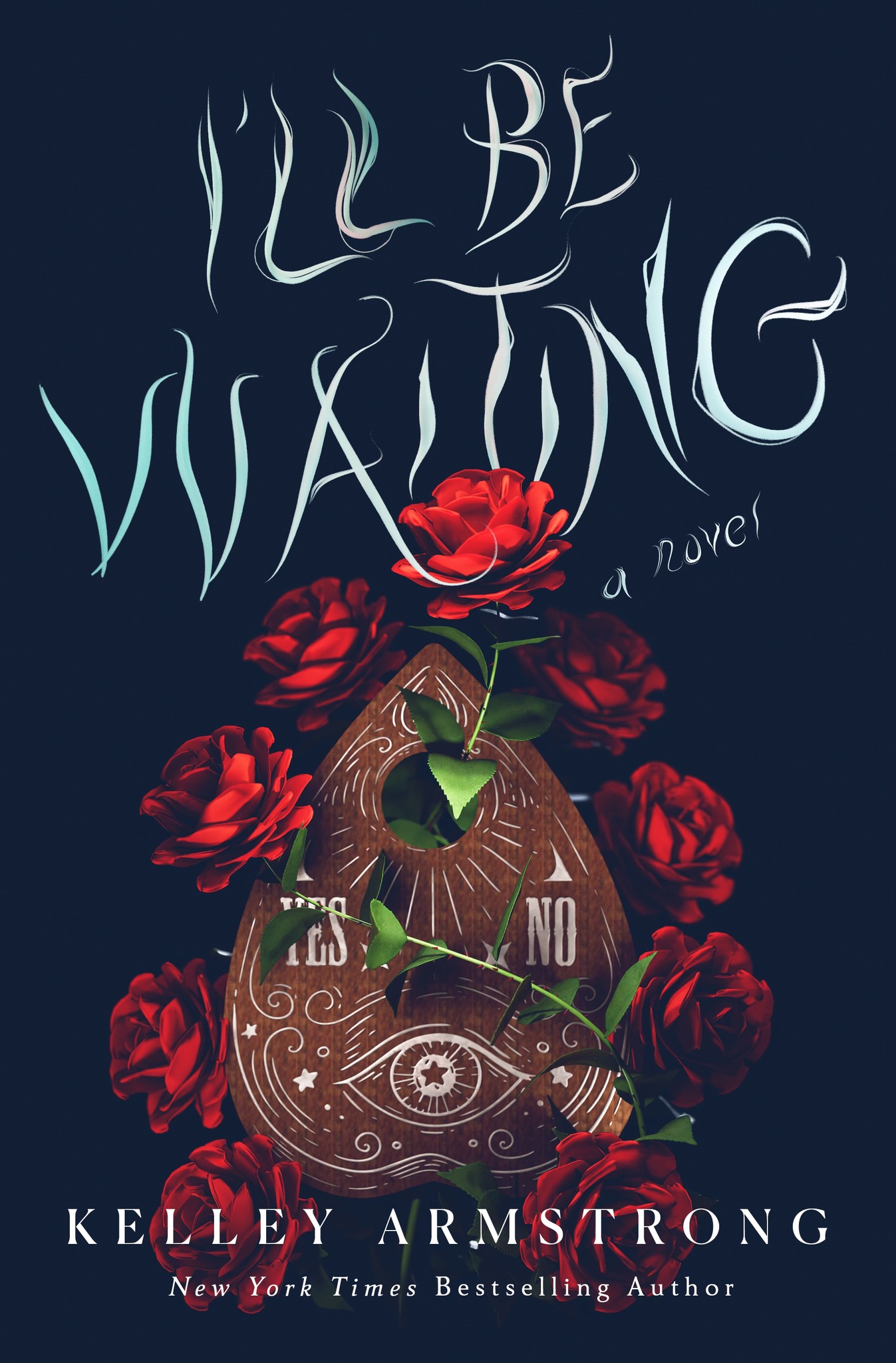
  • I’ll Be Waiting (2024) — I gave this book 5 stars! Check out my review.

Purchase linksAmazon – Audible audiobook – Bookshop.org – Libro.fm
Disclaimer: When you make a purchase through one of these affiliate links, I may earn a small commission, at no additional cost to you.
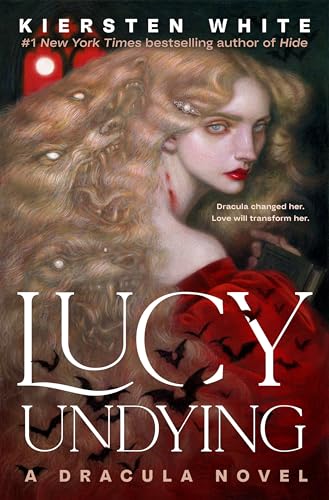
Book Review: Lucy Undying by Kiersten White

Title: Lucy Undying
Author: Kiersten White
Publisher: Del Rey
Publication date: September 10, 2024
Length: 464 pages
Genre: Horror
Source: Purchased
Rating:

Rating: 4 out of 5.

In this epic and seductive gothic fantasy, a vampire escapes the thrall of Dracula and embarks on her own search for self-discovery and true love.

Her name was written in the pages of someone else’s story: Lucy Westenra was one of Dracula’s first victims.

But her death was only the beginning. Lucy rose from the grave a vampire, and has spent her immortal life trying to escape from Dracula’s clutches–and trying to discover who she really is and what she truly wants.

Her undead life takes an unexpected turn when, in twenty-first-century London, she meets another woman who is also yearning to break free from her past. Iris’s family has built a health empire based on a sinister secret, and they’ll do anything to stay in power.

Lucy has long believed she would never love again. But she finds herself compelled by the charming Iris, while Iris is mesmerized by the confident and glamorous Lucy. But their intense connection and blossoming love is threatened by forces from without. Iris’s mother won’t let go of her without a fight, and Lucy’s past still has fangs: Dracula is on the prowl again.

Lucy Westenra has been a tragically murdered teen, a lonesome adventurer, and a fearsome hunter, but happiness always eluded her. Can she find the strength to destroy Dracula once and for all, or will her heart once again be her undoing?

Dracula stories never seem to go out of style, and it’s a pleasure to discover a new Dracula tale that remains faithful to the original in most details while also spinning the story out into new directions, with new interpretations of familiar events and characters.

“Lying about the existence of monsters never saved anyone from falling victim to them.”

Lucy Undying is set mainly in the present day, with flashbacks told through journal entries and other recorded documents. Surprisingly, the first character we meet in the modern era is not Lucy, but Iris, daughter of a recently deceased, utterly ruthless businesswoman. Iris is in London to take possession of a family property that she’s inherited, but it’s obvious from the start that there are an infinite number of strings attached. With her mother’s death, Iris is the sole heir to her family’s billion dollar business — but all she wants is out.

Crossing a busy street, American-raised Iris looks the wrong way and is saved from being flattened by a passing taxi by a beautiful stranger. She’s young, lovely, and kind, offers helpful tips on dealing with London traffic, and then disappears into a crowd. But their paths cross again: Iris discovers that the London property is in terrible shape, and she’s determined to sell whatever antiques or valuables she can find there, then attempt to disappear for good. When Iris calls a museum to ask for a referral to an appraiser, it’s that same stranger who shows up at Iris’s door — just as beautiful as Iris remembers, and more than willing to help Iris with her project.

Meanwhile, other narrative threads provide different storylines. The journals of Lucy Westenra take us back to Dracula’s time, as Lucy provides a first-person account of her life with a sickly, controlling mother, her secret love for her former governess Mina Murray, and the unwanted courtships of three men who seem to circle Lucy — John Seward, Quincey Morris, and Arthur Holmwood. And in still another thread, we have transcripts of Lucy’s sessions with a therapist… showing that Lucy is very much alive (or at least undead) in the present day, despite the version of events we may have learned from Bram Stoker.

As the various threads weave together, what emerges is a fascinating what-if: What if Lucy Westenra rose from her grave after being turned by Dracula — not to be staked and vanquished, as we’ve been told, but to roam the earth for over a century since then? Parallel to this is Iris’s journey, as she attempts to unravel the secrets of her family’s cult-like, multi-level marketing conglomerate, which has its own weird ties to Lucy’s world.

Without giving too much away, all I can say is that author Kiersten White has created a complicated, fascinating story that pulls together the essentials of Stoker’s novel and blends these with a chilling, modern day horror tale. The corporate entanglements of Iris’s family seem bizarre at first, but as the connections become clear, it all makes a hideous sort of sense.

I loved how faithfully the author depicts the core beats of the original Dracula story, then spins them into a version whose interpretations — while certainly different — never actually contradict the source material. I would highly recommend a basic familiarity with Dracula before reading Lucy Undying — yes, it could still be enjoyable without, but I think it would lose quite a bit of its “oomph” otherwise.

I did find it curious that in the world of Lucy Undying, the cultural/literary phenomenon of Dracula seems to be an unknown. This is a modern world where the Bram Stoker novel never existed? The name Dracula does not seem to have larger cultural connotations beyond the events unfolding in Iris’s world; he’s a figure from Lucy’s past whose influence is felt across the years, but that’s it. I kept waiting for Iris to say, “Dracula?? For real? Oh, you’re THAT Lucy??” — but it never happened.

There comes a point in the story where Lucy’s past (and connection to the origin story) has been fully explored, and the narrative focus shifts primarily to the modern-day storyline. That’s the point in the book where I started feeling a little less invested. It’s still a good story, but unravelling the sinister corporate secrets behind Iris’s family fortune is slightly less compelling than learning how Lucy evolved over the many years since her transformation.

Lucy Undying is a long book, but my attention never wavered. At times, the story becomes almost too complicated… but fear not! With a bit of focus and patience, it all makes sense by the end, and answers that were hidden or withheld for much of the book are finally provided.

The writing is engaging, sometimes dwelling on the horror — lots of body parts and gore — but often with funny, sly twists or clever phrasing to offer a bit of light-hearted relief.

Then I sat and thought of Mina and had a nice, self-indulgent cry. Sometimes a girl finds herself alone at the feet of an unknown land, covered in grime, having just decapitated a stranger, and it’s all too much.

I truly enjoyed Lucy Undying, and while I strongly recommend reading Dracula first, I’m sure Lucy Undying could be enjoyed on its own as well. This is a fast-paced, deeply detailed story that skillfully weaves different timelines and narrative approaches into one cohesive, compelling whole. Fans of horror and vampire fiction should not miss this one!

Purchase linksAmazon – Audible – Bookshop.orgLibro.fm
Disclaimer: When you make a purchase through one of these affiliate links, I may earn a small commission, at no additional cost to you.
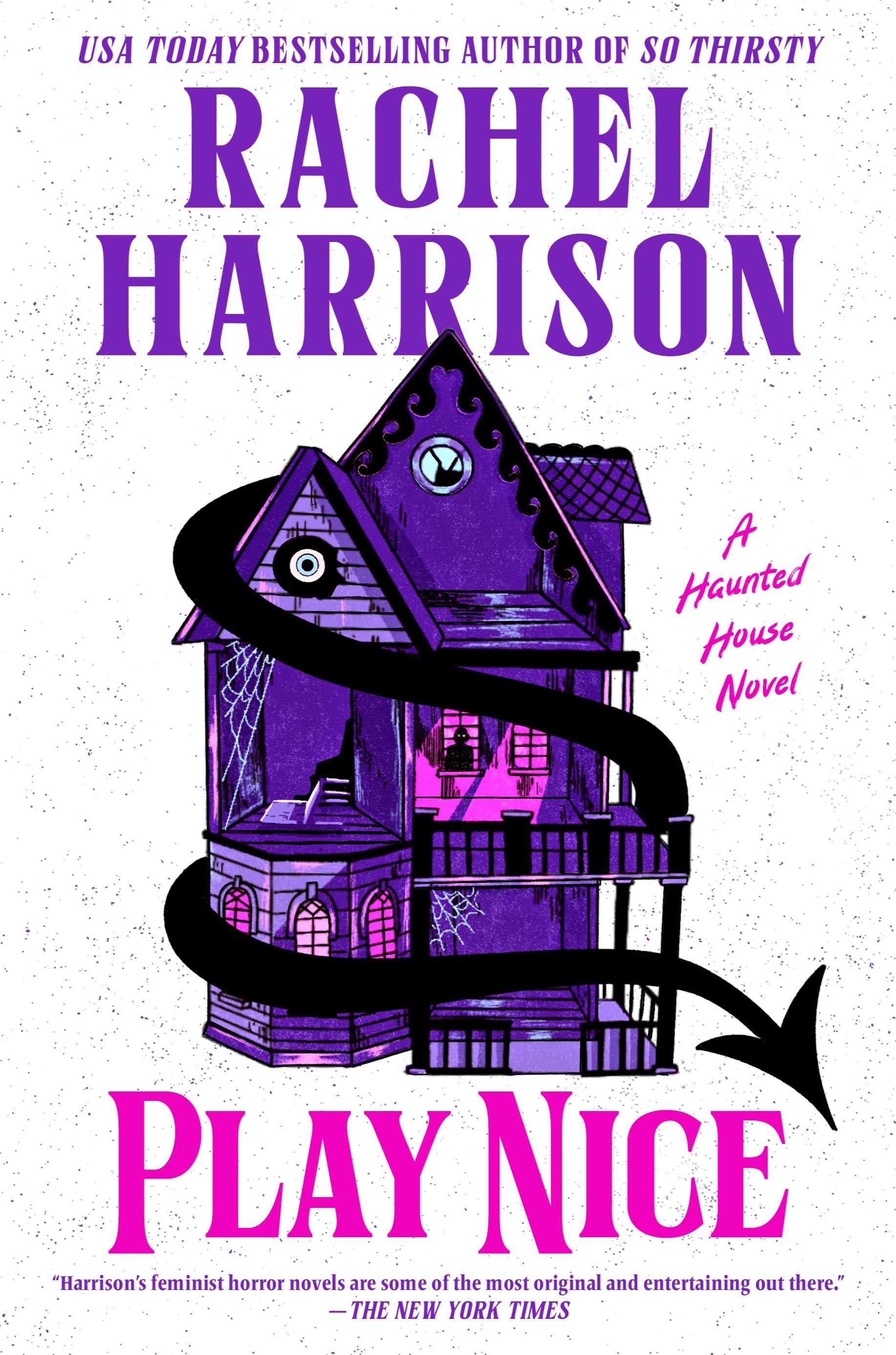
Book Review: Play Nice by Rachel Harrison

Title: Play Nice
Author: Rachel Harrison
Publisher: Berkley
Publication date: September 9, 2025
Length: 336 pages
Genre: Horror
Source: Review copy courtesy of the publisher via NetGalley
Rating:

Rating: 4 out of 5.

A woman must confront the demons of her past when she attempts to fix up her childhood home in this devilishly clever take on the haunted house novel from the USA Today bestselling author.

Clio Louise Barnes leads a picture-perfect life as a stylist and influencer, but beneath the glossy veneer she harbors a not-so glamorous secret: she grew up in a haunted house. Well, not haunted. Possessed. After Clio’s parent’s messy divorce, her mother, Alex, moved Clio and her sisters into a house occupied by a demon. Or so Alex claimed. That’s not what Clio’s sisters remember or what the courts determined when they stripped Alex of custody after she went off the deep end. But Alex was insistent; she even wrote a book about her experience in the house.

After Alex’s sudden death, the supposedly possessed house passes to Clio and her sisters. Where her sisters see childhood trauma, Clio sees an opportunity for house flipping content. Only, as the home makeover process begins, Clio discovers there might be some truth to her mother’s claims. As memories resurface and Clio finally reads her mother’s book, the presence in the house becomes more real, and more sinister, revealing ugly truths that threaten to shake Clio’s beautiful life to its very foundation.

Play Nice is a story of women confronting their demons… literally and figuratively. And just to be clear, while the synopsis and many blurbs refer to this as a haunted house story, this is not actually about a haunted house. No ghosts! However, the house is possessed, and the demon inside it isn’t going anywhere.

Yes, the house scares me. But nothing scares me as much as the idea that I might become one of those tragic, boring would-never people.

Main character Clio is a lot. She’s in her mid-twenties, a highly successful stylist and influencer who revels in her good looks, appeal, and life-of-the-party vibe. She’s highly curated, always down for a good time. Clio’s party lifestyle comes to a screeching halt when her two older sisters call to tell her that Alexandra has died… Alexandra being the mother who was cut out of their lives when Clio was a young child, the abusive, addicted woman who wrote a scandalous book about demons and lost custody completely after endangering the girls one too many times.

Clio’s sisters Leda and Daphne don’t seem particularly affected by news of Alex’s death, but Clio decides that she’s going to the funeral, a woo-woo affair hosted by an occult society in Connecticut. There, she meets with Alex’s sister and is informed that Alex has left the girls their childhood home, which they didn’t even realize she still owned.

The house is a physical disaster, and what’s more, it was the main focus of Alex’s book, which the girls all promised their father they’d never read. Once again, Leda and Daphne want nothing to do with it, but Clio sees the potential for exposure. Home reno and demo reels are huge! She can do a whole series on before and after as she flips the house and makes it gorgeous enough to suit her standards.

Things go sideways almost from the start. The house is, well, kind of gross and dirty. There are mice. And unexplained sounds. But Clio is sure that her plan is worth it. Then she finds a battered old copy of her mother’s book, with handwritten annotations from Alex to Clio. Soon, unwanted memories creep in, presenting very different versions of the events Clio thought she understood. She’s forced to question the main narratives of her life and to wonder: Was Alex really as crazy and abusive as she’s been told all her life? Or could there possibly be a shred of truth in her rantings about demons and possession?

Play Nice goes from creepy to violent to gross-out horror throughout the course of the book, escalating to an incredibly disturbing climax. Meanwhile, the family itself is rocked to its core as old secrets are revealed and certain betrayals and lies come to light.

Clio is hard to like, and is not exactly a reliable narrator. She’s plagued by questionable or repressed memories, and prefers the image of herself that she’s created to any harder looks in the mirror.

I sound bratty and resentful, which is weird, because i swear I’m only one of those things.

She’s used to getting her way, assumes her role as the family favorite is deserved, and causes some of her own problems through her refusal to listen to anyone else.

The sky is blue and cloudless, the sun high and yellow, and the entire world is incapable of telling me no. It makes me feel like a god. Powerful, bored, dangerous.

An underlying theme of Play Nice is the need — craving — for attention. This is clearly what drives Clio’s career and social life. But, as we learn, it’s also vital to the demon.

“… But the demon is real, Clio. You now that now. And it’s dangerous. Its attachment to you is profound.”

Part of me is flattered, because I love attention. We have that in common, the demon and me. I like being the favorite. This part of me feels an allegiance to it. A kinship.

This book has some truly crazy elements, and reading it can be vertigo-inducing, as we slingshot from Clio’s narration to passages from Alex’s book, to scenes of confrontations with her father and sisters that make Clio (and we readers) wonder which version of reality contains the actual truth — if any do.

Play Nice is a disturbing, scary read, leavened by Rachel Harrison’s excellent writing and healthy doses of humor and smart-ass commentary. I’m a big fan of this author’s books, and enjoyed this one, but not as much as some of her others (Such Sharp Teeth, Cackle, Black Sheep) which I consider true favorites.

If you’re open to creepy, icky moments and skin-crawling scary bits, and enjoy reading about highly caustic and dysfunctional families, then Play Nice might be the book for you! Really, I don’t believe you can go wrong with any Rachel Harrison book. I’m already looking forward to whatever she writes next.

Purchase linksAmazon – Bookshop.orgLibro.fm
Disclaimer: When you make a purchase through one of these affiliate links, I may earn a small commission, at no additional cost to you.
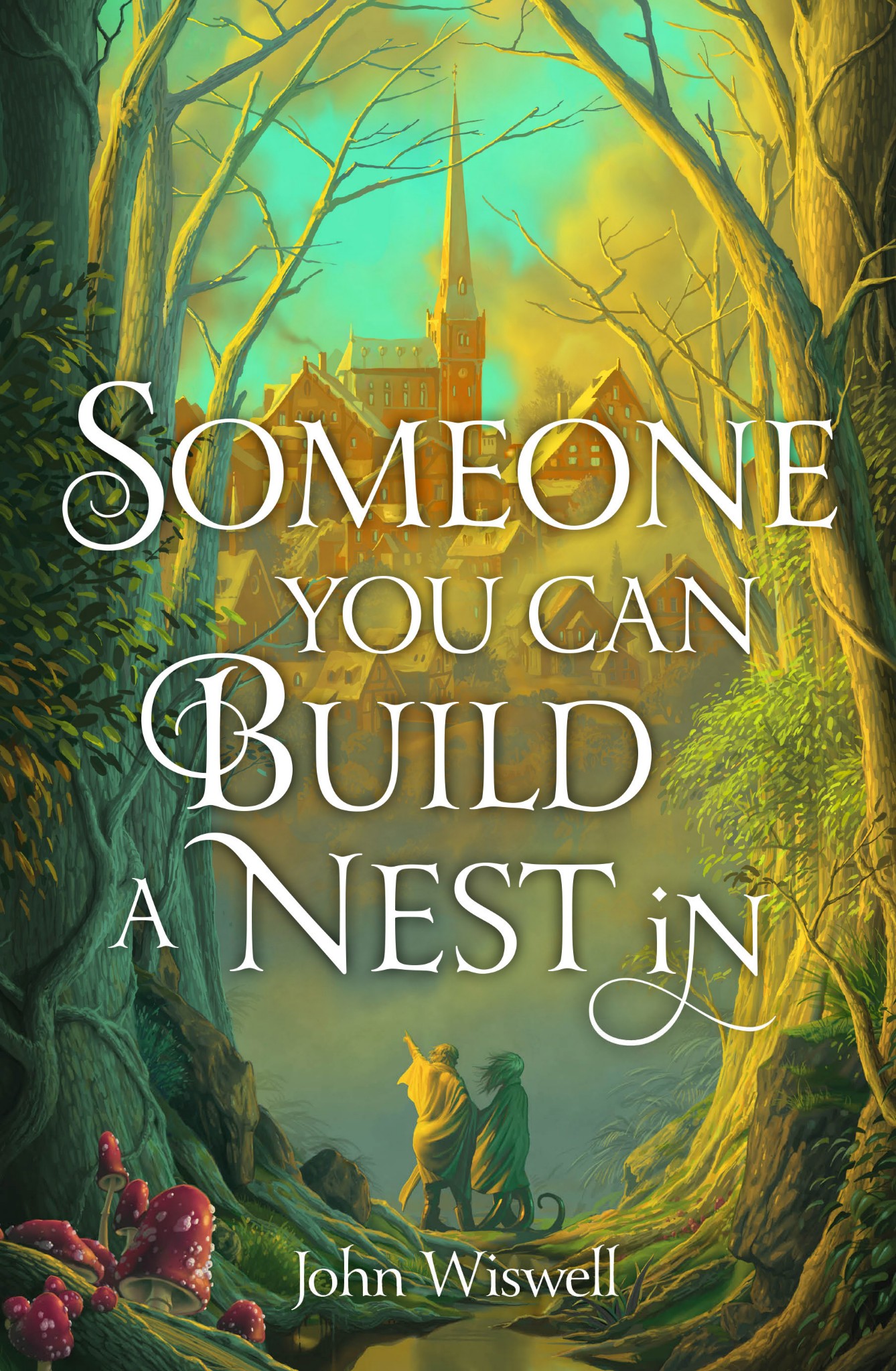
Book Review: Someone You Can Build a Nest In by John Wiswell

Title: Someone You Can Build a Nest In
Author: John Wiswell
Publisher: DAW
Publication date: April 2, 2024
Length: 310 pages
Genre: Horror/fantasy
Source: Purchased
Rating:

Rating: 2.5 out of 5.

Discover this creepy, charming monster-slaying fantasy romance—from the perspective of the monster—by Nebula Award-winning debut author John Wiswell

Shesheshen has made a mistake fatal to all monsters: she’s fallen in love.

Shesheshen is a shapeshifter, who happily resides as an amorphous lump at the bottom of a ruined manor. When her rest is interrupted by hunters intent on murdering her, she constructs a body from the remains of past meals: a metal chain for a backbone, borrowed bones for limbs, and a bear trap as an extra mouth.

However, the hunters chase Shesheshen out of her home and off a cliff. Badly hurt, she’s found and nursed back to health by Homily, a warm-hearted human, who has mistaken Shesheshen as a fellow human. Homily is kind and nurturing and would make an excellent co-parent: an ideal place to lay Shesheshen’s eggs so their young could devour Homily from the inside out. But as they grow close, she realizes humans don’t think about love that way.

Shesheshen hates keeping her identity secret from Homily, but just as she’s about to confess, Homily reveals why she’s in the area: she’s hunting a shapeshifting monster that supposedly cursed her family. Has Shesheshen seen it anywhere?

Eating her girlfriend isn’t an option. Shesheshen didn’t curse anyone, but to give herself and Homily a chance at happiness, she has to figure out why Homily’s twisted family thinks she did. As the hunt for the monster becomes increasingly deadly, Shesheshen must unearth the truth quickly, or soon both of their lives will be at risk.

And the bigger challenge remains: surviving her toxic in-laws long enough to learn to build a life with, rather than in, the love of her life.

This icky, squicky, plain old weird fantasy/horror novel has won a ton of awards, is gushed over by many authors who I admire, and yet… it left me cold and basically speeding through the 2nd half just for the sake of being done.

Someone You Can Build a Nest In starts off strong, with a fascinating narrative voice that randomly throws in something gross to cap off a paragraph or passage in an unexpected way.

Her father’s ribs, rich in marrow, cracking delicately in their mouths, and providing the first feast of their lives. His fat deposits were generous, and his entrails sheltered them from the cruel winter elements.

Shesheshen (what a name!) is some ill-defined creature, mostly slime that can form itself into different shapes, and can build itself a body by absorbing raw materials (iron chains, sticks, animal bones) into itself and forming itself a skeletal structure. Shesheshen has early memories of how delicious it was to consume the father in whose body she developed from an egg, loving how much nutrition he provided, and later eating the siblings growing alongside her as well.

When Shesheshen’s hibernation is rudely interrupted by a trio of monster hunters seeking the infamous Wyrm of Underlook, she fights back, fends them off, and realizes she’d better construct herself a body to defend herself with and figure out what’s behind this newest human attack. As she learns, the hunters were sent by the Baroness of Underlook, a brutal woman whose children have been raised with the sole purpose of slaying the wyrm and ending its curse on their family. (Shesheshen is confused — sure, you could call her a wyrm if that works for you, but there’s no such thing as curses, and she certainly hasn’t cursed anyone).

The one exception to the Baroness’s cruel pack of offspring is her daughter Homily, who seems torn between carrying out her mother’s orders and following her inner sense of compassion. When Homily stumbles across a severely injured Shesheshen (in human disguise), she tends her wounds, comforts her, and stirs up something unusual for Shesheshen: feelings, possibly even affection.

Of course, Shesheshen has a hard time understanding her attraction at the start:

She had a husky, stuffy-sounding voice, like her sinuses were packed. Yet her tone was accustomed and comfortable with itself, so this clearly wasn’t allergic irritation. It gave the woman’s words a bawdy rasp, which enticed Shesheshen. People who sounded like that had the most delicious-tasting heads.

But over time, it’s clear that there’s much more between these two:

True love was a woman sinking up to her elbows in her viscera, delicately removing hooks from her rigid tissues.

I chuckled — a lot — during the introductory chapters, enjoying the odd wordplay and sheer absurdity of the human-eating main character.

On a rack beside the door was a set of wigs she’d made from the scalps that people hadn’t been using anymore.

And yet… as the plot revolves around Shesheshen posing as human, trying to evade the Baroness’s mad pursuit, and scene after scene of battles and confrontations… I was bored. Once the narrative language stopped being new and surprising, there just wasn’t a good enough story for me to invest in.

The relationship between Shesheshen and Homily is awkward, the endless battles and threats become tedious, and honestly, after a while I just didn’t care. As I mentioned at the start, by the time I got even close to the halfway mark, I couldn’t wait to be done, and forced myself to plow through until I reached the end. (If I hadn’t purchased a paperback edition earlier in the year, I would likely have DNFd this one, but I just couldn’t bring myself to DNF a book I actually own!)

An interesting premise and clever language couldn’t save this odd book for me. Reading it felt like a chore. If you’re at all interested in this book, I’d recommend taking a look at the Goodreads reviews — it has an overall rating of 3.92 and lots of glowing comments from readers and well-regarded authors. Clearly, I’m in the minority on this one!

Purchase linksAmazon – Bookshop.org – Libro.fm
Disclaimer: When you make a purchase through one of these affiliate links, I may earn a small commission, at no additional cost to you.

Final note: I just stumbled across the UK version of this book, and I can’t get over how different the vibe is:

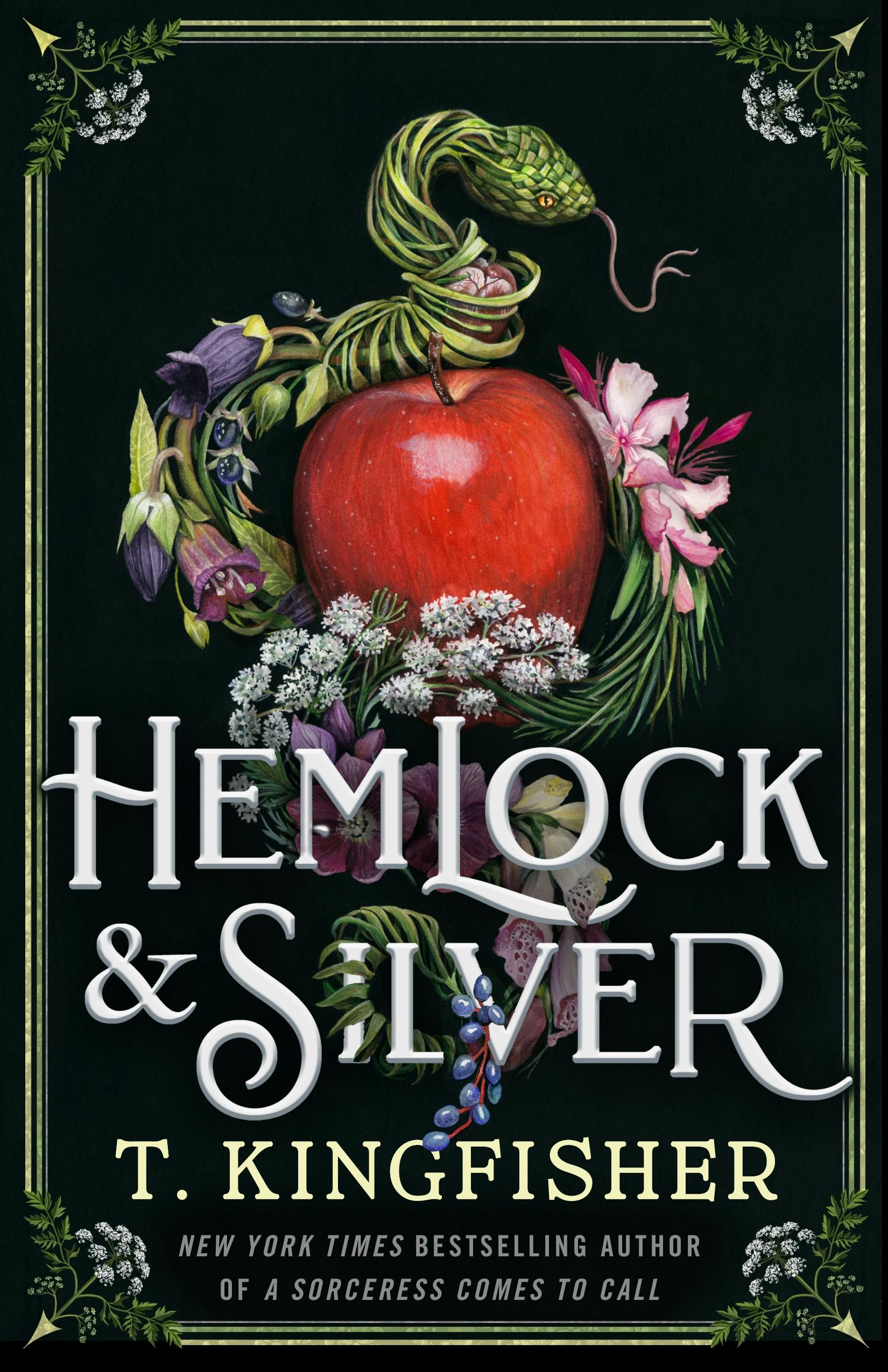
Book Review: Hemlock & Silver by T. Kingfisher

Title: Hemlock & Silver
Author: T. Kingfisher
Publisher: Tor
Publication date: August 19, 2025
Length: 368 pages
Genre: Fantasy
Source: Review copy courtesy of the publisher via NetGalley
Rating:

Rating: 4.5 out of 5.

From New York Times bestselling and Hugo Award-winning author T. Kingfisher comes Hemlock & Silver, a dark reimagining of “Snow White” steeped in poison, intrigue, and treason of the most magical kind.

Healer Anja regularly drinks poison.

Not to die, but to save— seeking cures for those everyone else has given up on.

But a summons from the King interrupts her quiet, herb-obsessed life. His daughter, Snow, is dying, and he hopes Anja’s unorthodox methods can save her.

Aided by a taciturn guard, a narcissistic cat, and a passion for the scientific method, Anja rushes to treat Snow, but nothing seems to work. That is, until she finds a secret world, hidden inside a magic mirror. This dark realm may hold the key to what is making Snow sick.

Or it might be the thing that kills them all.

T. Kingfisher’s fairy tale retellings have become favorites of mine, and Hemlock & Silver is a great addition to this growing collection.

In this slightly off-kilter reinterpretation of the Snow White story, our main character is Anja — a large, plain-spoken woman in her mid-thirties who’s devoted her life to learning everything there is to know about poisons and how to cure them. She’s not a traditional healer: Don’t expect her to mend your broken bones! But if a snake-bite or opium overdose is the problem, she’s the one person most likely (but not guaranteed) to be able to offer even a glimmer of hope.

Anja’s relatively quiet life in a small desert town is upended when the king himself unexpectedly shows up in her workroom one day. He needs Anja’s help: His 12-year-old daughter Snow is fading away, and he suspects poison. Her mother and sister are already dead, and he can’t lose Snow as well — but with the possibility that someone in his court is secretly a poisoner, he needs an outsider’s help. Anja has no choice but to agree to accompany the king and his retinue to the villa where Snow suffers. If it truly is a poisoning case, then perhaps Anja really can make a difference — although she fears what it could mean for her family if she were to fail.

Snow’s case is puzzling and Anja makes little progress until she discovers Snow secretly eating some odd-looking apples. Anja takes a piece to test, and after trying it herself, accidentally finds herself falling against — and through — one of the vast mirrors that seem to be everywhere within the villa. There, Anja discovers a mirror world full of danger and horrific creatures, and learns that the threats against Snow are even more dire than anyone could have imagined.

Anja is a wonderful main character, her lack of tact balanced by her professionalism, honesty, and practicality.

The problem with being plump, middle-aged, and a woman was that people expected you to be motherly, as if that was your default state. I am not. I am actually terrible with children. On the other hand, I have saved the lives of multiple toddlers who licked flypaper, which I feel should count for something

Anja is joined in her desperate quest by her gruff guard Javier — who is steady and supportive, despite communicating mainly in grunts — and an especially delightful and supercilious cat named Grayling, who is able to speak with Anja and has attitude for miles.

“Are you sure I haven’t gone mad?” I asked.

“Your questions are remarkably unoriginal ‘Am I mad, is this a dream, oh no, what’s going on, why is this happening?'” He gazed off into the distance as if I were no longer worth considering

Strange as it sounds, this stung a bit. It’s one thing to know that a cat holds you in mild contempt, quite another to have it actually insult you in language you can understand.

The otherworldly adventure in the mirror world is eerie and unsettling, and there are moments that move this fantasy story toward a horror vibe as Anja discovers something that will give her (and all readers, I suspect) some lasting nightmares:

… the hands reached out and went creeping over the floor, dragging sections of arm behind them. The faces lay tumbled across each other, in a pile that blinked and twitched and moved, the corners of mouths working madly as if in pain.

Shudder.

But even this creature has some unexpected twists in store — the author seem to delight in setting up scenarios that have a hint of familiarity from other stories, then turning them upside down and having them come out completely different in feel and meaning.

Hemlock & Silver provides a fairy tale foundation, then builds upon it to include fascinating characters and a new, distinct story arc, with high stakes and imaginative dangers. I did find the back and forth between the real world and the mirror world occasionally hard to follow… but then again, I was slightly under the weather when I read this book, so this could be a case of “it’s not you, it’s me”.

Overall, I thoroughly enjoyed Hemlock & Silver. It’s not every book that can make you laugh out loud on one page, leave you entirely creeped out on the next, and provide a baffling array of twists and turns to confuse readers before tying the plot up with a convincing conclusion.

Highly recommended!

Purchase linksAmazon – Bookshop.orgLibro.fm
Disclaimer: When you make a purchase through one of these affiliate links, I may earn a small commission, at no additional cost to you.
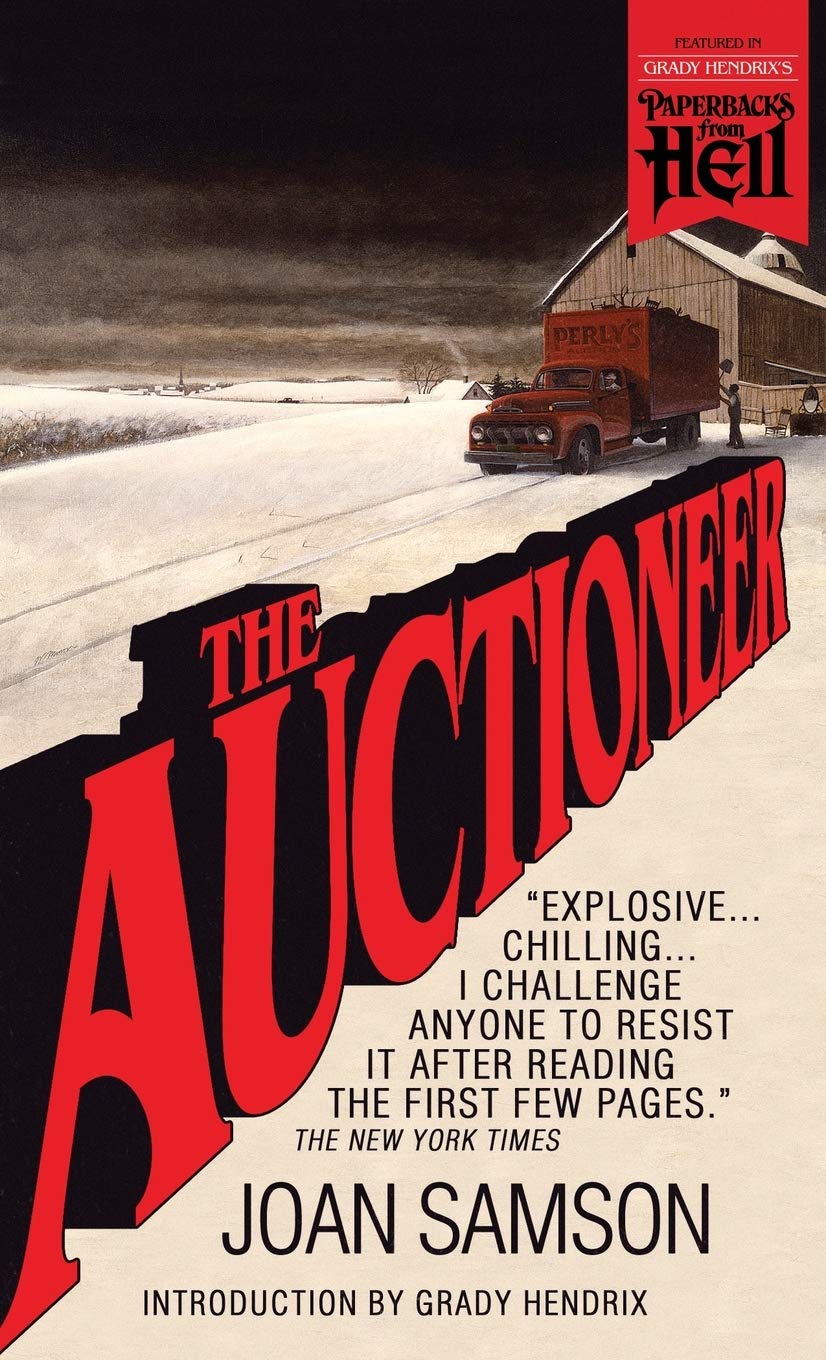
Book Review: The Auctioneer by Joan Samson

Title: The Auctioneer
Author: Joan Samson
Publisher: Valancourt Books
Publication date: 1976
Length: 235 pages
Genre: Thriller/horror
Source: Purchased
Rating:

Rating: 4.5 out of 5.

One of the finest and best-selling horror novels of the 1970s returns at last to chill a new generation of readers.

In the isolated farming community of Harlowe, New Hampshire, where life has changed little over the past several decades, John Moore and his wife Mim work the land that has been in his family for generations. But from the moment the charismatic Perly Dunsmore arrives in town and starts soliciting donations for his auctions, things begin slowly and insidiously to change in Harlowe. As the auctioneer carries out his terrible, inscrutable plan, the Moores and their neighbors will find themselves gradually but inexorably stripped of their possessions, their freedom, and perhaps even their lives…

A chilling masterpiece of terror whose sense of creeping menace and dread increases page by page, Joan Samson’s The Auctioneer (1975) is a rediscovered classic of 20th-century fiction. With echoes of Shirley Jackson’s ‘The Lottery’ and Stephen King’s Needful Things, Samson’s novel returns to print at last in this long-awaited new edition, which features an introduction by Grady Hendrix (Horrorstör, Paperbacks from Hell).

The Auctioneer is a 1970s horror classic — perhaps forgotten by most, but seemingly gaining yet another round of readers thanks to its inclusion in Grady Hendrix’s excellent non-fiction book Paperbacks from Hell. I seem to remember seeing a copy of The Auctioneer in my parents’ house as a child, and though I’d never read it, that sinister cover image has always stayed with me.

Finally, at least partially motivated by my 20th Century Decades Challenge, I decided to pick up The Auctioneer and see why it’s remained a horror touchstone for so many years. And I’m so glad I did.

The Auctioneer is set in the rural New Hampshire town of Harlowe, populated by old-time farming families who collectively exemplify small-town life. Sure, you could go 30 miles or so down the road to find a big-box outlet for your essentials, but why do that when you can visit the local general store, a messy jumble of odds and ends where you can buy what you need and catch up on the local gossip?

Perhaps more tourists from Boston and other cities have shown up in recent years for summer getaways in the country, but life more or less goes on as it always has, until Perly Dunsmore shows up in Harlowe. He’s a charismatic man in his 40s, full of charm and friendliness, who suggests holding a country auction to raise money for the sheriff’s department, a one-man operation that has almost nothing to do most of the time. The town is eager to show support, and Perly and the sheriff make their way from house to house, farm to farm, collecting donations for items to be auctioned.

The auction is a success, with city folk coming from miles away to bid on country collectibles and antiques. With the proceeds of the auction, the town is able to add a deputy. But it doesn’t stop there: Each Thursday, Perly or one of his representatives — a growing number, as Harlowe hires more and more deputies — makes the rounds to collect more items to donate.

Our point-of-view characters are the members of the Moore household, John, Mim, their young daughter Hildie, and Jim’s mother, called Ma by the family. The Moores have farmed their lovely piece of land for generations. At first, it’s easy to part with an unneeded chair or spare wagon wheels collecting dust in the barn. But the collections and auctions keep going, and John and Mim quickly come to dread the Thursday visits. Soon, they’re giving up cookware, furniture, tools — even the water pump eventually goes — and the family is left living in a way reminiscent of earlier days, with no heat, electricity, telephones, or running water.

Why don’t the families refuse? Those who do are threatened. The deputies who show up are armed, and rumors begin to fly about families who’ve left town in the dead of night, or suffered serious injuries, or ended up accidentally shot in a hunting incident. The violence is not explicit: No one physically attacks John or Mim — instead, there’s an insidious undertone of what terrible things could happen to those who oppose the auctions.

Meanwhile, in an almost allegorical thread throughout the book, we see the city dwellers flocking to Harlowe for a taste of country living, yearning to capture something they’ve never had, dreaming of old-time values and quality of life that they imagine a town like Harlowe might provide. These interlopers show up week after week, spending money to buy pieces of this dream, but never stopping to wonder where these wonderful finds are coming from.

The sinister nature of Perly’s auctions creeps up on the reader.

“Just remember this,” he said in a deep voice that cut neatly through the confusion. “Whatever I’ve done, you’ve let me do.”

This isn’t out-and-out horror with blood on the page. Instead, it’s a slowly building dread, fueled by fear and distrust and complacency. John and Mim talk of fleeing, yet never quite bring themselves to do it, even when they have nothing left to lose but the lives of their family members. In a community turned against itself, where neighbors are complicit in the darkness dismantling their town, individuals can’t quite bring themselves to separate from the crowd and take action.

It’s hard to describe why The Auctioneer works as well as it does. Readers may stop and question why the town goes along with Perly so willingly; why no one objects for far too long; why people give up what matters to them rather than fighting back. A sense of isolation and helplessness pervades the story — there’s no place to turn for help, so the entire town becomes easy prey for one man with the power of persuasion.

The Auctioneer is a disturbing read, one that will keep readers awake at night pondering how it all could happen — but the story is built so carefully that we can see it all unfold and believe that it’s all possible. This is a gem from the past that should certainly be read by horror fans today — it’s a fascinating look at an earlier age of the genre, as well as an outstanding story in its own right.

Interested in learning more?

For a fascinating look at how the novel was received back when it was first published, check out this review from the New York Times archive.

About the author:

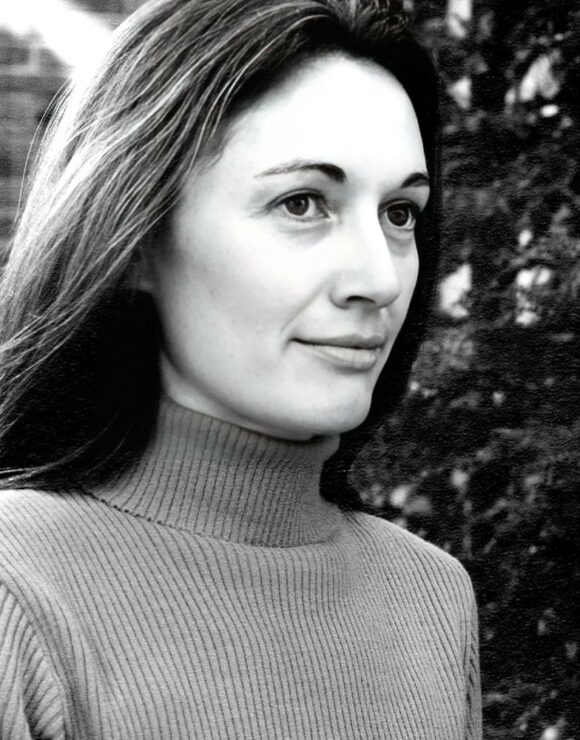
Joan Samson

Joan Samson (1938-1976) is the author of the bestselling novel, The Auctioneer. It is Samson’s first and only novel, published just before her death in 1976 at the age of 38. 

Purchase linksAmazon – Bookshop.org 
Disclaimer: When you make a purchase through one of these affiliate links, I may earn a small commission, at no additional cost to you.
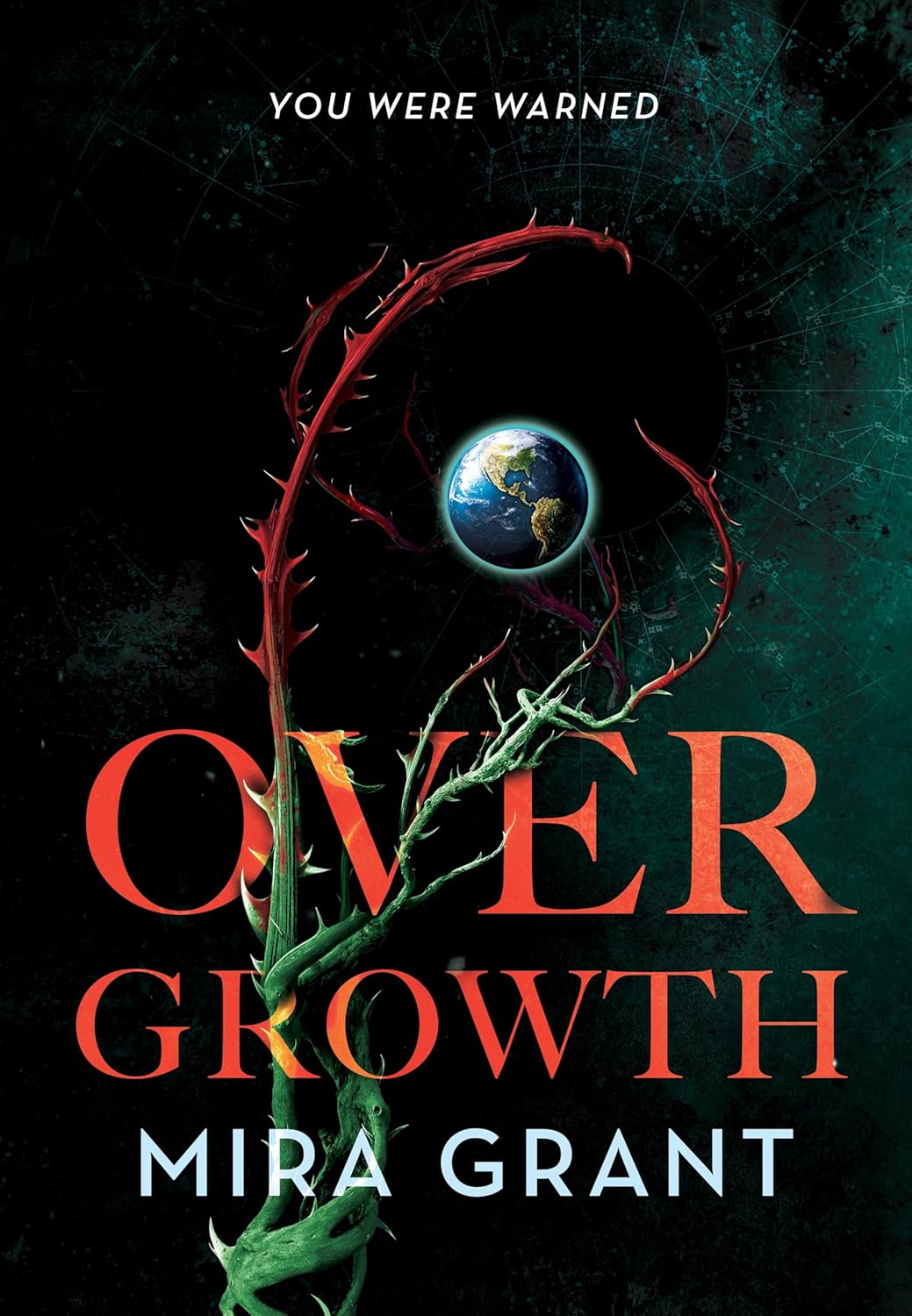
Book Review: Overgrowth by Mira Grant

Title: Overgrowth
Author: Mira Grant
Publisher: Tor Nightfire
Publication date: May 6, 2025
Length: 480 pages
Genre: Science fiction / horror
Source: Review copy courtesy of the publisher via NetGalley
Rating:

Rating: 4.5 out of 5.

Annihilation meets Day of the Triffids in this full-on body horror/alien invasion apocalypse.

This is just a story. It can’t hurt you anymore.

Since she was three years old, Anastasia Miller has been telling anyone who would listen that she’s an alien disguised as a human being, and that the armada that left her on Earth is coming for her. Since she was three years old, no one has been willing to listen.

Now, with an alien signal from the stars being broadcast around the world, humanity is finally starting to realize that it’s already been warned, and it may be too late. The invasion is coming, Stasia’s biological family is on the way to bring her home, and very few family reunions are willing to cross the gulf of space for just one misplaced child.

What happens when you know what’s coming, and just refuse to listen?

Mira Grant is the horror pen name for prolific author Seanan McGuire… and basically, I’ll read pretty much whatever she writes, under whichever name. With Mira Grant books, you can count on a certain ickiness (I mean, one of her series has to do with tapeworms!), but always with a strong foundation in character development and relationships.

Here, in Overgrowth, the aliens are coming… although many of their children are already here. Set about five years from now, we follow unfolding events through the eyes of main character Stasia (Anastasia) Miller, a customer service rep and self-described misanthrope who has fewer than a handful of friends, a boyfriend she loves very much, and a cat named Seymour.

Also, since the age of three, Stasia has been telling anyone who’s asked (and even those who haven’t) that she’s an alien, and that her people will be coming to bring her home. You can imagine the flurry of notes from teachers, progressing over time from praise for her precocious imagination to concern about how her insistence on these bizarre fantasies is leading to ostracism by her classmates.

Despite years of therapy as a child, and several managers telling me the joke has gotten old and I’d have an easier time getting promoted if I’d knock it off, I’ve never been able to swallow the urge to tell everyone I spend any extended period of time with that hey, by the way, I’m here because the invasion is coning, and people should probably know. It’s like a nervous tic. Hi, nice to meet you, my name’s Anastasia, I’m secretly an intelligent alien plant and one day everything you love will be devoured.

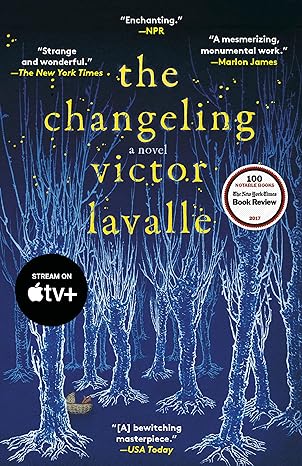
But as we readers know from the start, it’s not fantasy or imagination. At the age of three, little Anastasia wandered into the woods behind her home, and never came back. Instead, she was consumed and then replaced by an alien plant. The child who came out of the woods was not the child who went into them. But no one has ever actually believed her when she’s insisted on what she is.

We were the changelings of the science fiction age, and that made us both terrifying and untrue.

As the story unfolds, an astronomer releases a recording of a signal that’s definitely alien, causing a massive uproar and worldwide panic. Stasia and her boyfriend Graham decide to go investigate, because there’s something in that signal that seems to be triggering a change in Stasia. Events are set in motion that connect Stasia to others like her. As the invasion gets closer, the alien-humans start to physically change, and they’re targeted by secretive government agents for research and imprisonment. Meanwhile, Stasia has started being able to communicate with her people through a quasi-dream state, and realizes that hard choices are coming. Who does she side with? To whom does her loyalty belong? Can she be blamed for something that she had no control over? And if her friends stick with her, does that make them traitors to their own species?

Overgrowth is complex and multi-faceted, and there’s so much more going on than I can possibly describe. It’s a long book, and requires focus — but it’s absolutely worth the effort. I could not put it down, and could barely come up for air.

There are elements that puzzled me throughout, but the author sticks the landing and ties all the hints and loose plot point together by the end in a way that answers all of my nagging questions. The action is consistently well thought out, the characters are fascinating, and the story arc builds in ways that are unexpected, even as we know that the invasion is inevitable.

The author makes some interesting points about identity and acceptance. Stasia’s boyfriend is a trans man. Even having met him before he transitioned, Stasia immediately accepted his identity.

This could be the moment when I lost him. Because I had always believed him when he told me he was a man, and we had always pretended his belief in me was the same thing, but it wasn’t, was it? It wasn’t the same thing at all. Gender was a social construct and a part of the soul, and humans had always been capable of getting it wrong. I, though…

I was something alien and new, and while we had built a relationship on believing each other, our secrets weren’t the same at all.

Only Graham was still looking at me the way he always had, with love and sincere concern, like he believed I was a human being and deserved to be treasured like one. Or… maybe he’d never believed I was a human being. Maybe I’d been lucky enough to fall in love with one of the only people in the world who understood what it was to tell the truth about your identity, over and over again, until you found the few people who could believe in you.

Stasia’s transformation from weird human who says she’s an alien into a person who realizes that her truth has been more true than she ever knew is startling and evocative and powerful. As she becomes more and more “other”, she has to deal with a changing biology as well as complicated thoughts and feelings about family and survival.

This book is hard to slot neatly into a specific genre. The blurb refers to it as “body horror”, which doesn’t feel entirely accurate to me. I think of body horror as being much more extreme — mutilation, grotesque changes, lots of gore. Here, yes, Stasia’s body changes, but it’s more interesting than gross. There are violent moments with bloody/gory results, but overall, I’d categorize this book as much more heavily science fiction than horror.

However you might describe or shelve it, Overgrowth is fascinating. Stasia is an amazing main character, and I loved seeing her journey. The alien invasion is strange and different and scary, and the plotlines are tightly built and well described. This is a terrific read, and I recommend it highly for anyone who doesn’t mind the idea of creepy plants taking over the world.

Invasion of the Body Snatchers + Little Shop of Horrors. What could go wrong?

Purchase linksAmazon – Bookshop.orgLibro.fm
Disclaimer: When you make a purchase through one of these affiliate links, I may earn a small commission, at no additional cost to you.
For more by this author, check out these outstanding books:

  • Newsflesh series (review) — zombies!
  • Rolling in the Deep (review) — killer mermaids!
  • Into the Drowning Deep (review) — even more killer mermaids!
  • Parasite (review) — those tapeworms I mentioned! (ewwwww….)