Audiobook Review: Kilmeny of the Orchard by L. M. Montgomery

Title: Kilmeny of the Orchard
Author: L. M. Montgomery
Narrator: Grace Conlin
Publisher: n/a – many editions available
Publication date: 1910
Print length: 144 pages
Audio length: 4 hours, 5 minutes
Genre: Classic fiction
Source: Purchased
Rating:

Rating: 3 out of 5.

A sweet and moving romance from the author of the beloved Anne of Green Gables series!

Eric Marshall, recent college graduate, has the world at his feet. He’s handsome, popular, wealthy, and surprisingly, single. Living the bachelor lifestyle with his widowed father, he’s never given much thought to romance. When an old school friend asks Eric to substitute teach for him on Prince Edward Island while he recuperates from an illness, Eric thinks, why not? He’s got some time to kill before diving into the family business with his father, and the rustic island may be a good diversion for him.

Eric falls into the easy routine of island life, and his status as eligible bachelor endears him to the locals. Eric is still not thinking of romance, but he’s about to find it in a most unexpected place…

Kilmeny Gordon is sweet and smart and beautiful, perfect in every way but one: she can’t speak. She’s been sheltered all her life due to her disability and the scandal surrounding her birth. She wiles away her hours helping her aunt and uncle on the farm and playing her violin in her favorite secluded spot. When Eric stumbles into her hidden orchard, he brings a whole new world with him, and a friendship that both frightens her and thrills her. As the summer days grow longer and their friendship blossoms, sweet, silent Kilmeny, with her sunny enthusiasm and haunting music, manages to do what neither the co-eds of Queenslea College nor the village lasses of Lindsay have been able to do—capture Eric’s heart.

But Kilmeny knows he’ll soon have to go back to his life on the mainland, a world of business meetings and parties and prejudicial people—a world in which she’ll hold him back and never fit in. None of that matters to Eric, but how can he get her to accept that she’s the only woman he’ll ever love, when she is convinced that the only way to love him is to let him go?

And a shorter synopsis from Audible:

Twenty-four-year-old Eric Marshall arrives on Prince Edward Island to become a substitute schoolmaster, even though he has a bright future in his wealthy family’s business. Eric has taken the two-month teaching post only as a favor to a friend – but fate throws in his path a beautiful, mysterious girl named Kilmeny Gordon. With jet black hair and sea blue eyes, Kilmeny immediately captures Eric’s heart. But Kilmeny cannot speak, and Eric is concerned for and bewitched by this shy, sensitive mute girl. For the first time in his life, he must work hard for something he wants badly. And there is nothing he wants more than for Kilmeny to return his love.

After coming to the Anne of Green Gables series only several years ago, I’ve been on a (somewhat haphazard) mission to read L. M. Montgomery’s novels. Looking back at my reading history, after reading the Anne series and Emily trilogy, I see that I’ve read one of her stand-alones in each of the past few years… and that brings me to Kilmeny of the Orchard.

Kilmeny of the Orchard wasn’t on my radar, but I stumbled across it thanks to a Kindle deals promo, and decided to give it a try. Kilmeny is the 3rd novel published by L. M. Montgomery, released after the first two Anne books — which would make it her first novel published about adult characters. Kilmeny has the lovely descriptions and clever character depictions so prevalent in the author’s works, but the story itself feels somewhat underbaked and clichéd, definitely not on the level of her “greatest hits”.

Kilmeny of the Orchard‘s main character is not Kilmeny herself, but rather, Eric Marshall, a recent college graduate and son of a wealthy businessman, who has the world at his feet. Before joining his father’s company and starting his career, he receives a letter from a friend who’s ill, asking Eric to take over his teaching job in the small village of Lindsay as a favor to him, just until the end of his contract. Eric has no other immediate plans, and decides to do it.

He finds Lindsay welcoming, with an assortment of oddball characters (including his talkative landlord, who seems more devoted to his cat than to his wife), and the area is beautiful, if not particularly exciting. As Eric uses his free time to wander and explore, he stumbles across a ramshackle old orchard, and within it, a beautiful young woman playing the violin. As he approaches her, she runs away. Eric is immediately intrigued and sets out to learn more about her.

The young woman is Kilmeny, the niece of the Gordons, a brother and sister who’ve raised her since her mother’s death. The Gordons keep strictly to themselves, and Kilmeny has never ventured beyond their home except for her isolated violin playing in the orchard. Kilmeny is mute, and the Gordons feel it is in her best interest to protect her and shield her from the outside world.

But Eric is irresistibly drawn to Kilmeny, and seeks her out in the orchard. She’s able to communicate by writing on a slate, and soon, they develop a friendship through which Eric introduces her to books, poetry, and ideas that are new to the sheltered young woman. Wanting to know more, he finally gets the full story from his landlords, and learns more about Kilmeny and her mother’s tragic past.

Kilmeny of the Orchard is a short book and a quick audiobook listen, and much of the language is beautiful, especially the descriptions of the landscapes and the orchard itself. Still, there are many elements that are off-putting for a modern reader/listener. Yes, reading older books requires us to keep in mind the attitudes and beliefs of the era in which they were written, but that doesn’t mean that certain concepts won’t be unpleasant to encounter.

Chief among these is the depiction of Kilmeny’s “defect”, as Eric and others refer to it. Kilmeny is described as “dumb”, which I know was an acceptable word for being mute, but still feels pretty awful to hear over and over and over again. They’re quick to assert that despite being dumb, her other faculties are fine, but there’s a base-level assumption that her muteness is something that damages her as a whole and reduces her value. In fact, her muteness is the one and only reason why Kilmeny refuses Eric’s proposal of marriage, despite being in love with him: She’s sure that her “defect” would make her a detriment to him as a wife.

The Gordons never take Kilmeny to a doctor at any point in her life, first because her mother won’t allow it, and after her death, because they firmly believe there’s nothing to be done. Why? Because… it’s clearly the sins of the mother being visited on the child, that’s why. Kilmeny’s muteness is a punishment, and so obviously, doctors can’t possibly fix it.

The Gordons have also raised a young man named Neal, whom they took in after a passing peddler’s wife gave birth on their farm. The couple abandoned the baby and the Gordons raised him, giving him their last name, but never their love. He’s Italian, you see, and no one will ever overlook his birth and consider him part of the family or the community. Despite being raised there since birth, Neal is treated as an outsider and looked upon with suspicion. His Italian heritage is pretty much always mentioned when he’s referred to, and he’s always described with negative terms, such as sullen, wild, shrill — we’re clearly meant to distrust him from the start. It’s awful stereotyping (“the untamed fury of the Italian peasant thwarted in his heart’s desire”), and plays out in completely expected ways.

Finally, the sexist slant of the story drove me batty. The fact that the title character of the book is not in fact the main character, but rather the main character’s object of desire kind of says it all. This book is certainly told through the male gaze! Kilmeny is described as exquisite, but childlike. It’s only Eric’s interest and his introducing her to concepts of love — through the stories and poems he reads her — that turn her into a woman. Perhaps intended as romantic, but certainly otherwise in the modern context, there’s a kiss described as “involuntary”… which, enough said. Kilmeny is Eric’s mission — he’s there to save her and change her. Clearly, he knows best, and he’s the driving force behind any developments in Kilmeny’s limited world. Save me from male saviors!

Kilmeny of the Orchard is a much simpler story than many of L. M. Montgomery’s later books, and it’s interesting to see this early work in contrast to the many wonderful novels that I’ve loved so much. I wouldn’t necessarily recommend it for its own sake, but for completists who want to read all of LMM’s works and track the development of her writing and storytelling style, it’s worth checking out.

Meanwhile, I have a few more books by this author yet to explore! Next up for me — probably later this year — will be two more books on my shelves, Pat of Silver Bush and Mistress Pat. These were both published in the 1930s, and I’m eager to see how they compare to the L. M. Montgomery books that I’ve loved.

Book Review: Hula by Jasmin ‘Iolani Hakes

Title: Hula
Author: Jasmin ‘Iolani Hakes
Publisher: HarperVia
Publication date: May 2, 2023
Length: 400 pages
Genre: Historical/contemporary fiction
Source: Library
Rating:

Rating: 4 out of 5.

Set in Hilo, Hawai’i, a sweeping saga of tradition, culture, family, history, and connection that unfolds through the lives of three generations of women–a brilliant blend of There, There and Sharks in the Time of Saviors that is a tale of mothers and daughters, dance and destiny, told in part in the collective voice of a community fighting for its survival

“There’s no running away on an island. Soon enough, you end up where you started.”

Hi’i is the youngest of the legendary Naupaka dynasty, only daughter of Laka, once the pride of Hilo; granddaughter of Hulali, Hula matriarch on the Big Island. But the Naupka legacy is in jeopardy, buckling under the weight of loaded silences and unexplained absences, most notably the sudden disappearance of Laka when Hi’i was a child. Hi’i dreams of healing the rifts within her family by becoming the next Miss Aloha Hula–and prove herself worthy of carrying on the family dynasty. She demonstrates her devotion to her culture through hula–the beating heart of her people expressed through the movement of her hips and feet.

Yet she has always felt separate from her community, and the harder she tries to prove she belongs–dancing in the halau until her bones ache–the wider the distance seems to grow. Soon, fault lines begin to form, and secrets threaten to erupt. Everyone wants to know, Hi’i most of all: what really happened when her mother disappeared, and why haven’t she and her grandmother spoken since? When a devastating revelation involving Hi’i surfaces, the entire community is faced with a momentous decision that will affect everyone–and determine the course of Hi’i’s future.

Part incantation, part rallying cry, Hula is a love letter to a stolen paradise and its people. Told in part by the tribal We, it connects Hawaii’s tortured history to its fractured present through the story of the Naupaka family. The evolution of the Hawaiian Sovereignty movement is reflected in the journeys of these defiant women and their community, in whose struggle we sense the long-term repercussions of blood quantum laws and colonization, the relationship between tribe and belonging, and the universal question: what makes a family?

Hula is a complex, multi-layered story about family, history, and heritage. I read this for a book discussion (coming in a couple of weeks), after having it on my to-read list since it was released last year. I’m glad to have read it, and even more glad to be able to look forward to sharing thoughts and responses with the book group.

Hilo’s no place for soft feet. Gotta build calluses. Then a girl can run on lava.

In Hula, the narrative is often presented through the community’s eyes, using the “we” voice to explain the dynamics within the Naupauka family and the changing world of the community itself. The history of Hawaii’s colonization and the dismantling of the monarchy is crucial to the story, and through the community’s narration, we’re presented with important people and events from the past which directly impact the unfolding events in the lives of the characters.

The novel itself revolves around Hi’i, first as a child, then as a grown woman. Hi’i is described as being different from the start. Her mother Laka disappeared as a teen, then came back with baby Hi’i with no explanation. Hi’i doesn’t look Hawaiian, with her red hair and green eyes and her susceptibility to sunburn, and yet, she’s soon absorbed by the rhythms of life in Hilo. Still, when Hi’i insists on learning hula, something sacred within her people’s lives and of central importance within the Naupauka family, Laka fears what may come of it.

Secrets abound, especially in terms of Laka’s past and Hi’i’s origins. Eventually, we learn more, but it takes the entire book for these secrets to be shared fully between Hulali (Laka’s mother), Laka, and Hi’i herself.

Mother and daughter had picked up where they’d left off, a fight that had been going on since the time the first navigators were in their canoes charting the stars to find the islands.

The writing is beautiful and often visceral. The dialogue and descriptions have a flow to them, although the heavy usage of Hawaiian words and phrases can present a challenge to a reader. (I kept Google Translate open while reading, and it helped a lot, despite some failures around idiom or intent.)

One by one the dancers shifted into the shape of the wind rattling the branches, the rain pattering upon the grasses, the dew dripping from the leaves. Stethoscopes pressed to Hawai`i’s heart. Through them Hi`i could hear it beating.

Given the book’s title, I’d expected more about hula as a dance form to feature within the story. It’s important, but not as central or dominant as I’d expected. Instead, the family dynamics and the politics around sovereignty, Hawaiian Homelands, and various government actions are what drive the story.

Nothing is spoon-fed to the reader, so for me, it was both eye-opening and occasionally frustrating to have to figure out what was going on and what the political elements actually meant. It also made me realize that I should make an effort to read more non-fiction about Hawaii’s history and the ongoing current struggles among the Native Hawaiian population to reclaim land and autonomy.

They had stolen a finger, then a hand. Then an arm, a shoulder, a hip, a leg, and soon the entire body. Now they wanted our breath, our soul.

The story of the generations of women — their complicated relationships, the concepts of belonging and responsibility, the traditions and expectations — was the most compelling element of Hula for me. I found the sections about Laka’s past and Hi’i’s adult life the most emotionally engaging, although adult Laka is hard to know and didn’t feel entirely consistent to me as a character.

Some loose ends remain at the end of the book, but overall, I appreciated how the author weaves together so many characters and plot points to create a cohesive, meaningful whole.

Hula is not an easy book to read, and requires a lot of concentration to get through, but it’s worth the effort. It left me wanting to know more, and that’s always a good sign about a book’s impact. Hula makes a reader think as well as feel, and leaves a lasting impression.

Top Ten Tuesday: Bookish Wishes

Top Ten Tuesday is a meme hosted by That Artsy Reader Girl, featuring a different top 10 theme each week. This week’s topic is Bookish Wishes.

The prompt is: Bookish Wishes (List the top 10 books you’d love to own and include a link to your wishlist so that people can grant your wishes. Make sure you link your wishlist to your mailing address or include the email address associated with your e-reader in the list description so people know how to get the book to you. After you post, jump around the Linky and grant a wish or two if you’d like. Please don’t feel obligated to send anything to anyone!)

I’m not comfortable linking to a wishlist — I’m not asking anyone to send me anything! At most, if someone owns a copy of a book on my list and wants to do a book swap, I’m open to it — but actually buying me something? No, but thanks anyway!

All that being said… consider this an FYI post about books I hope to read! Here are the ten books most recently added to my Amazon wishlist**:

**which I maintain mainly as a reminder to myself to keep an eye out for price drops!

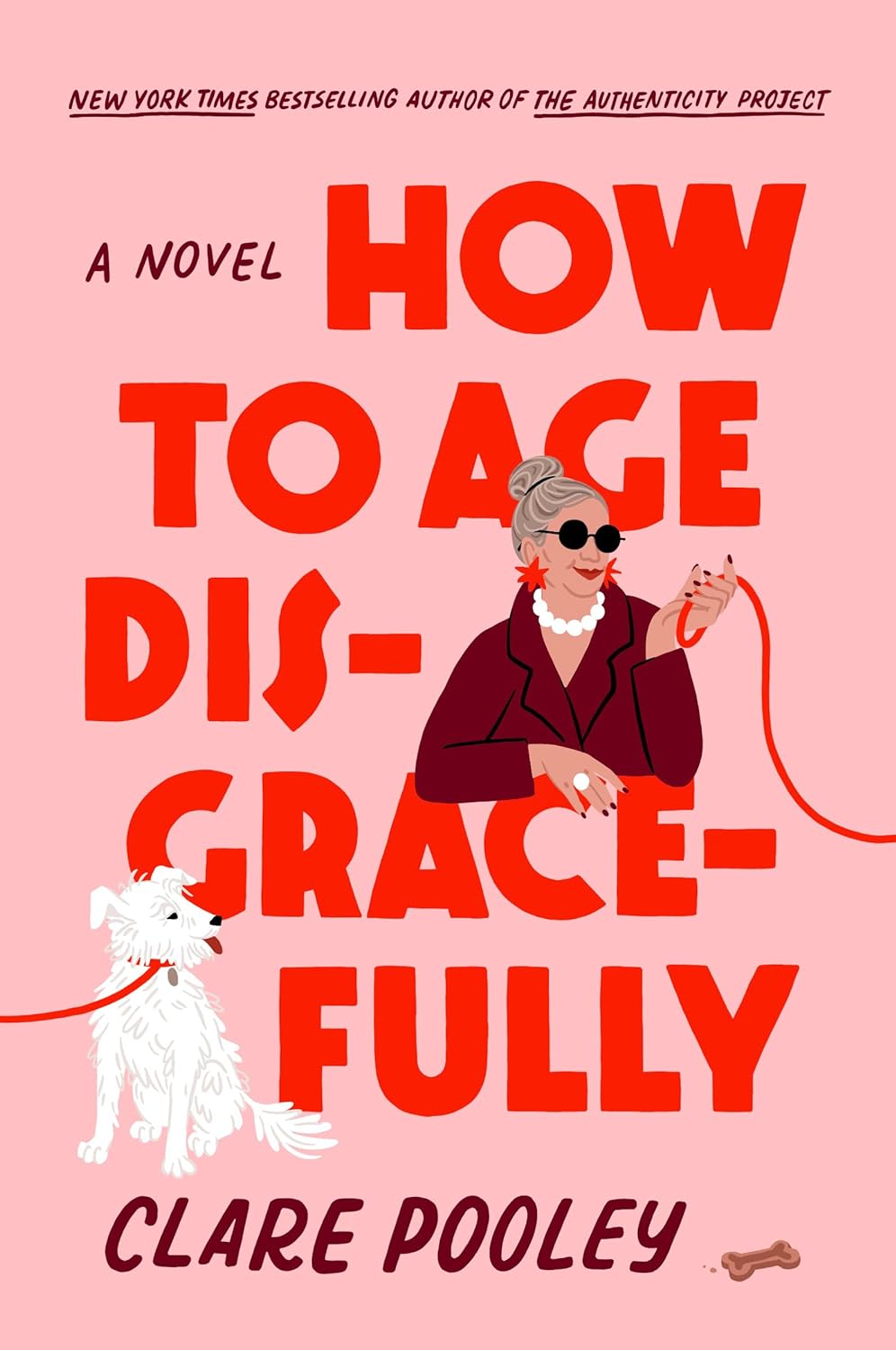
  1. How to Age Disgracefully by Clare Pooley
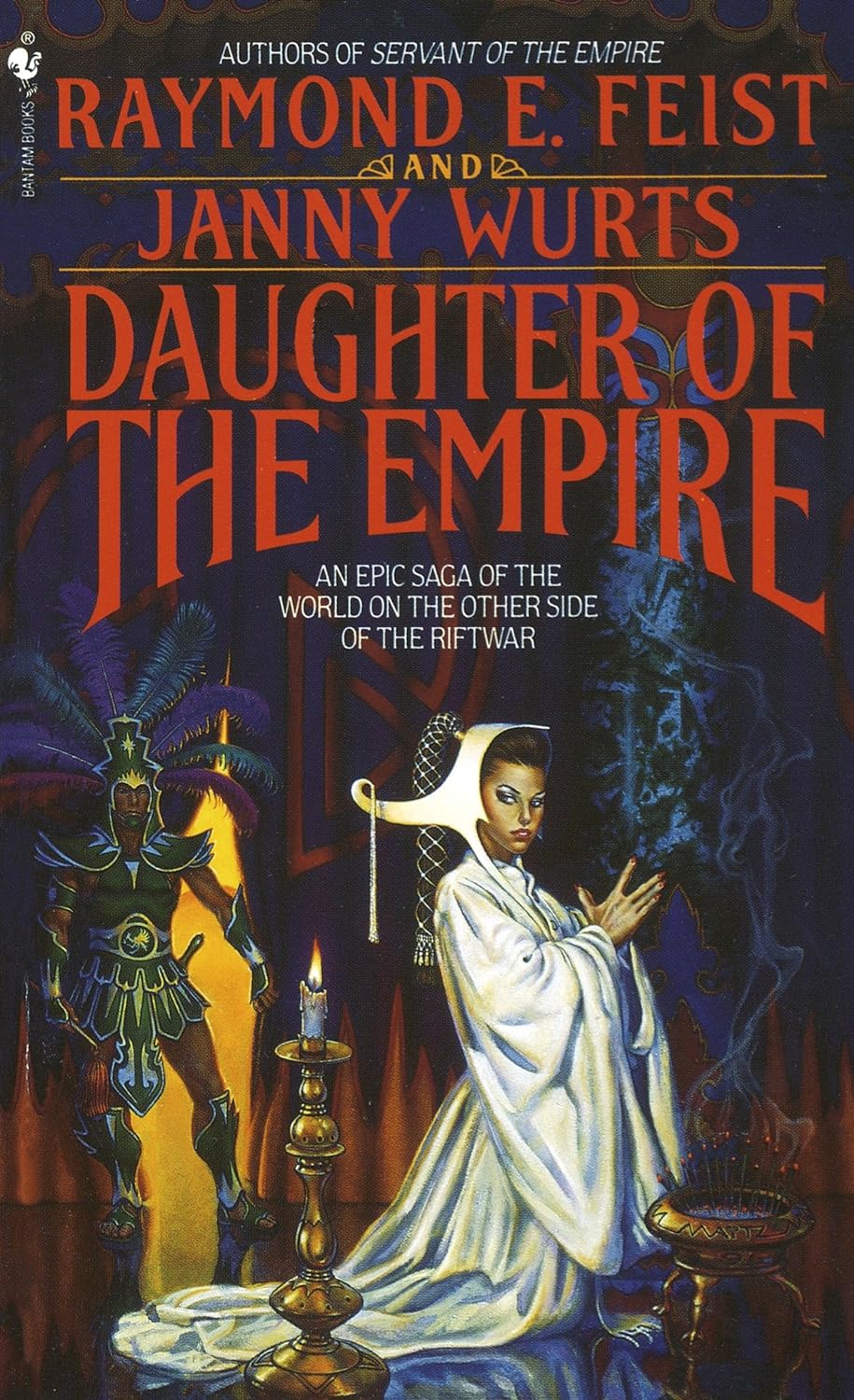
  2. Daughter of the Empire by Raymond E. Feist and Janny Wurts
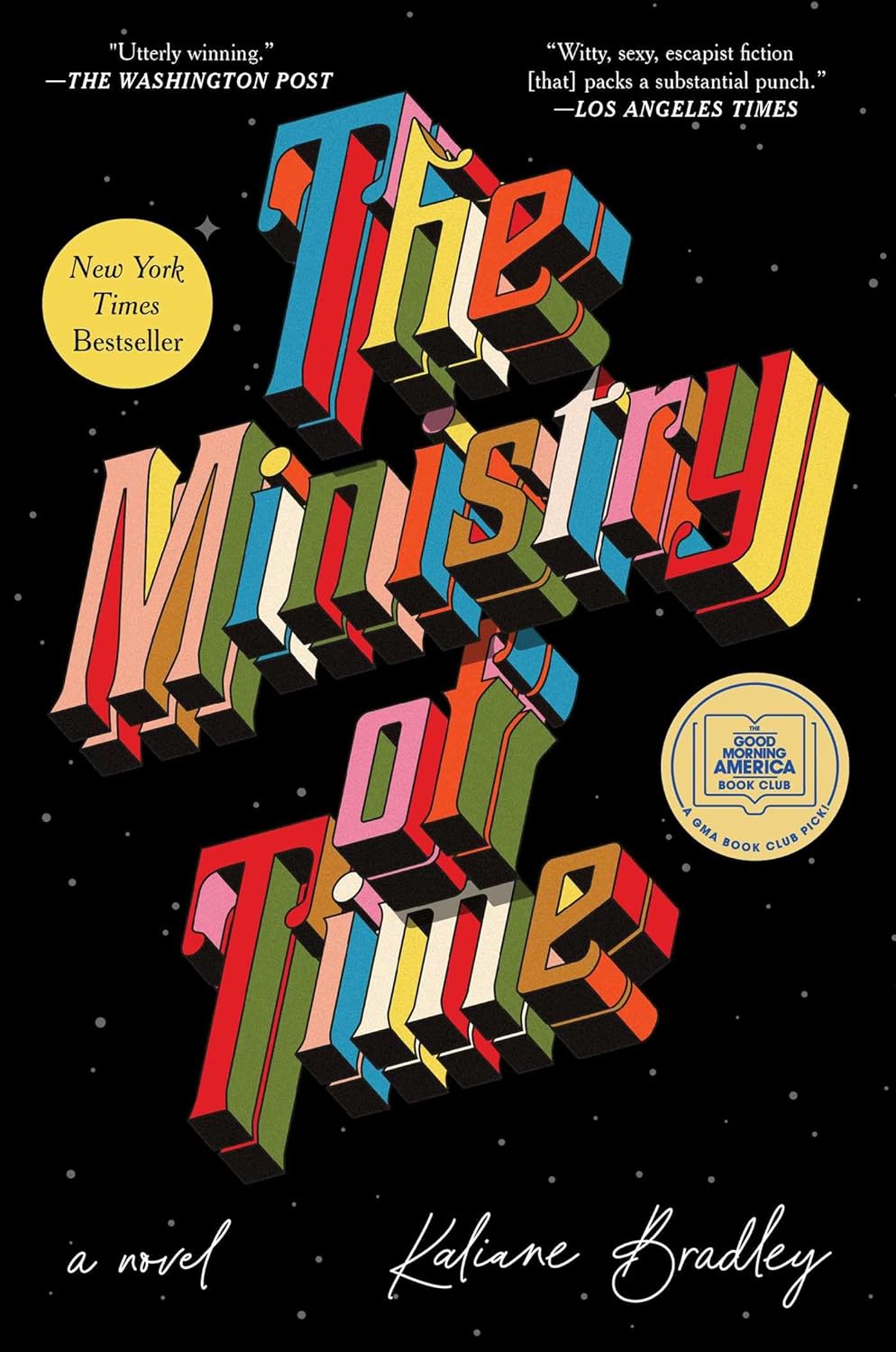
  3. The Ministry of Time by Kaliane Bradley
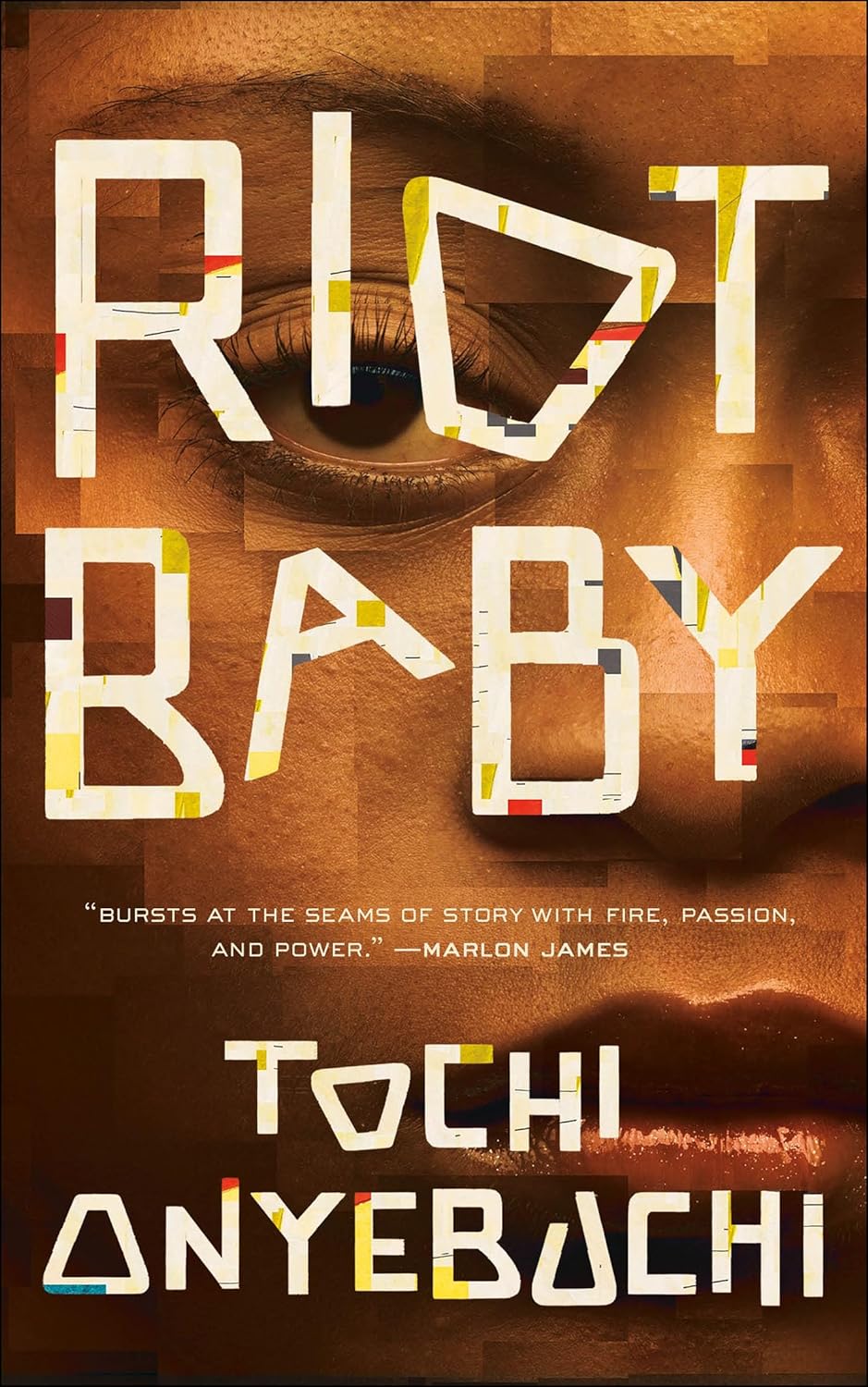
  4. Riot Baby by Tochi Onyebuchi
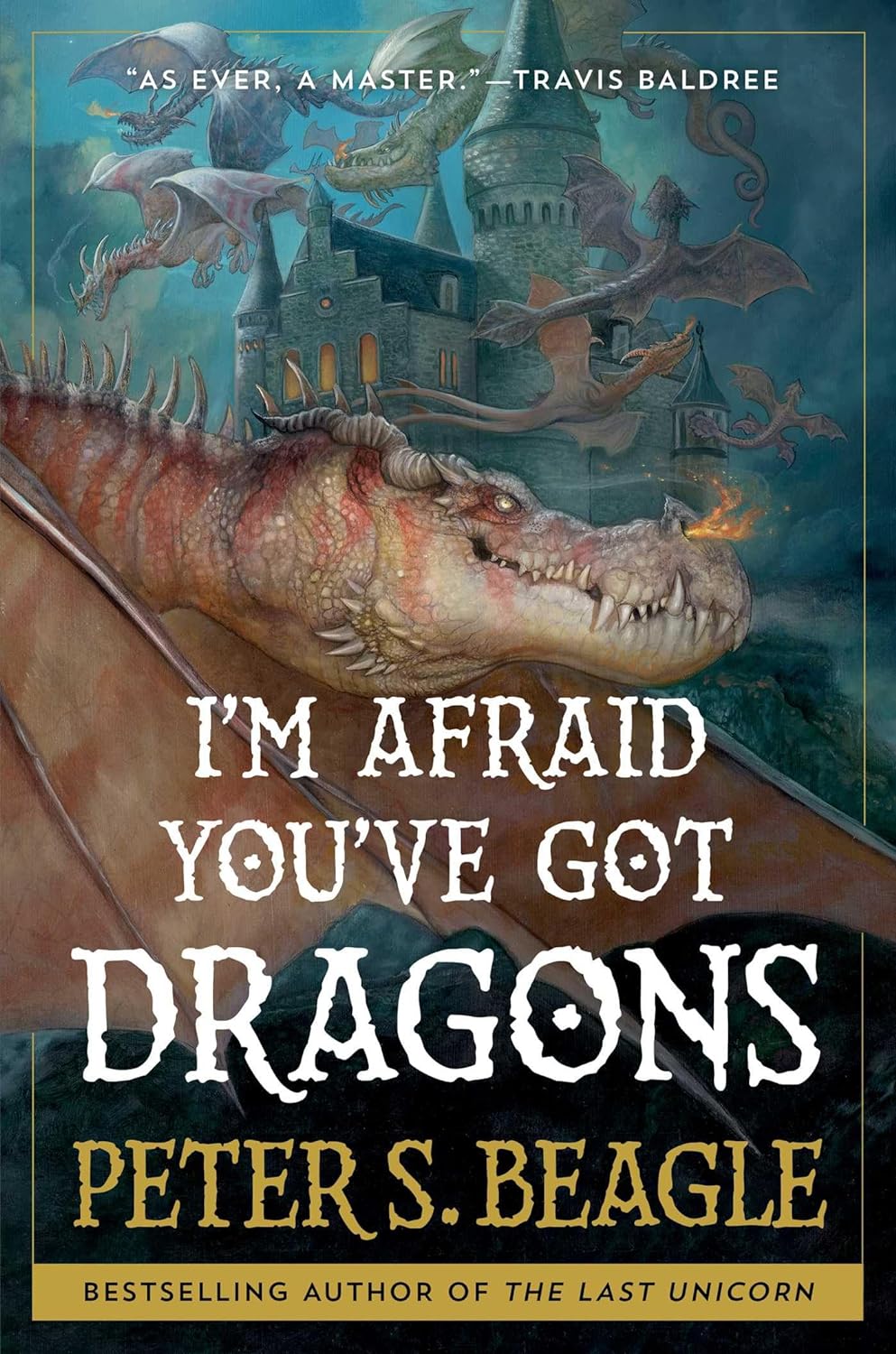
  5. I’m Afraid You’ve Got Dragons by Peter S. Beagle
  6. My Salty Mary by Cynthia Hand, Brodi Ashton, Jodi Meadows
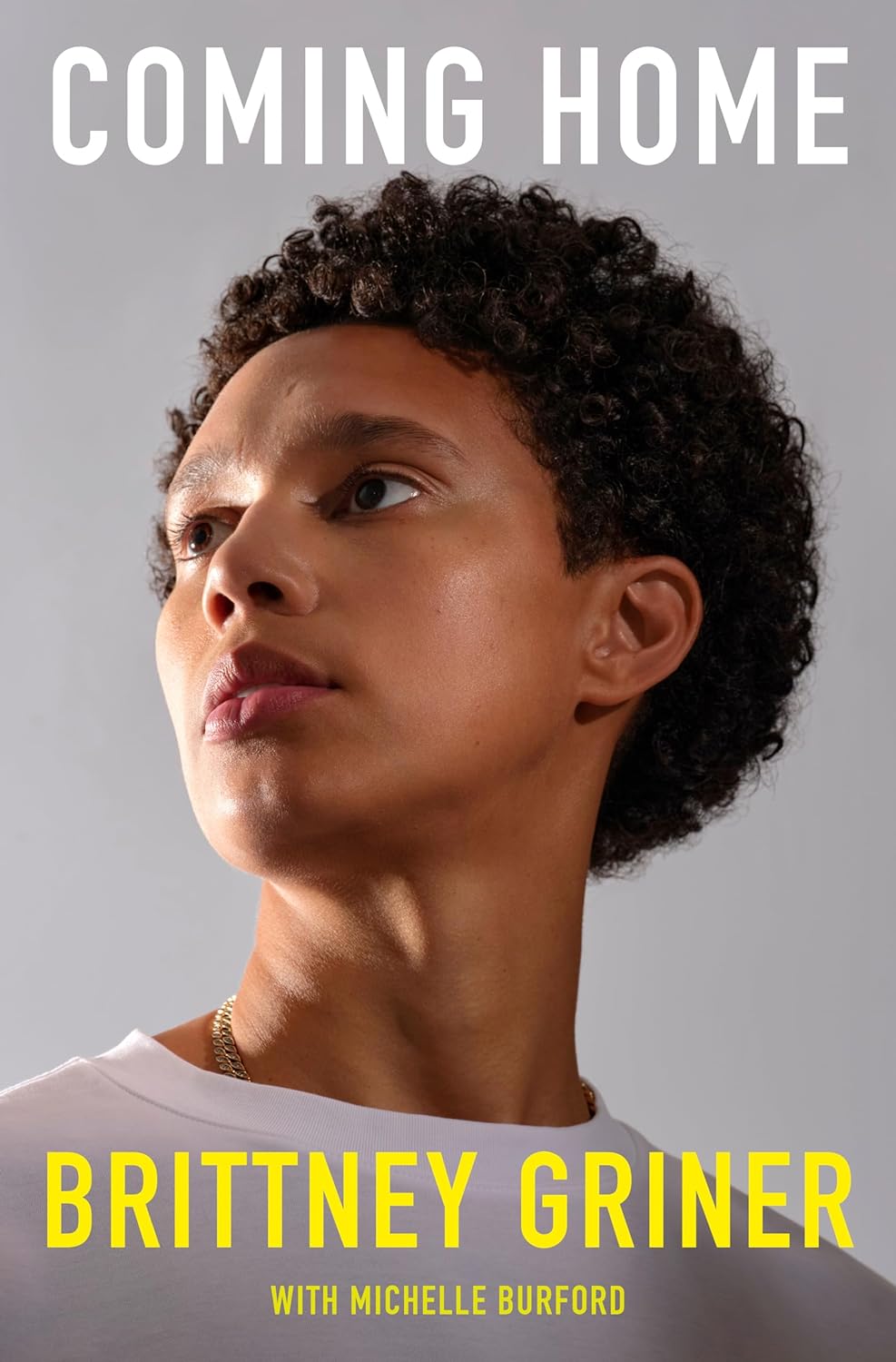
  7. Coming Home by Brittney Griner
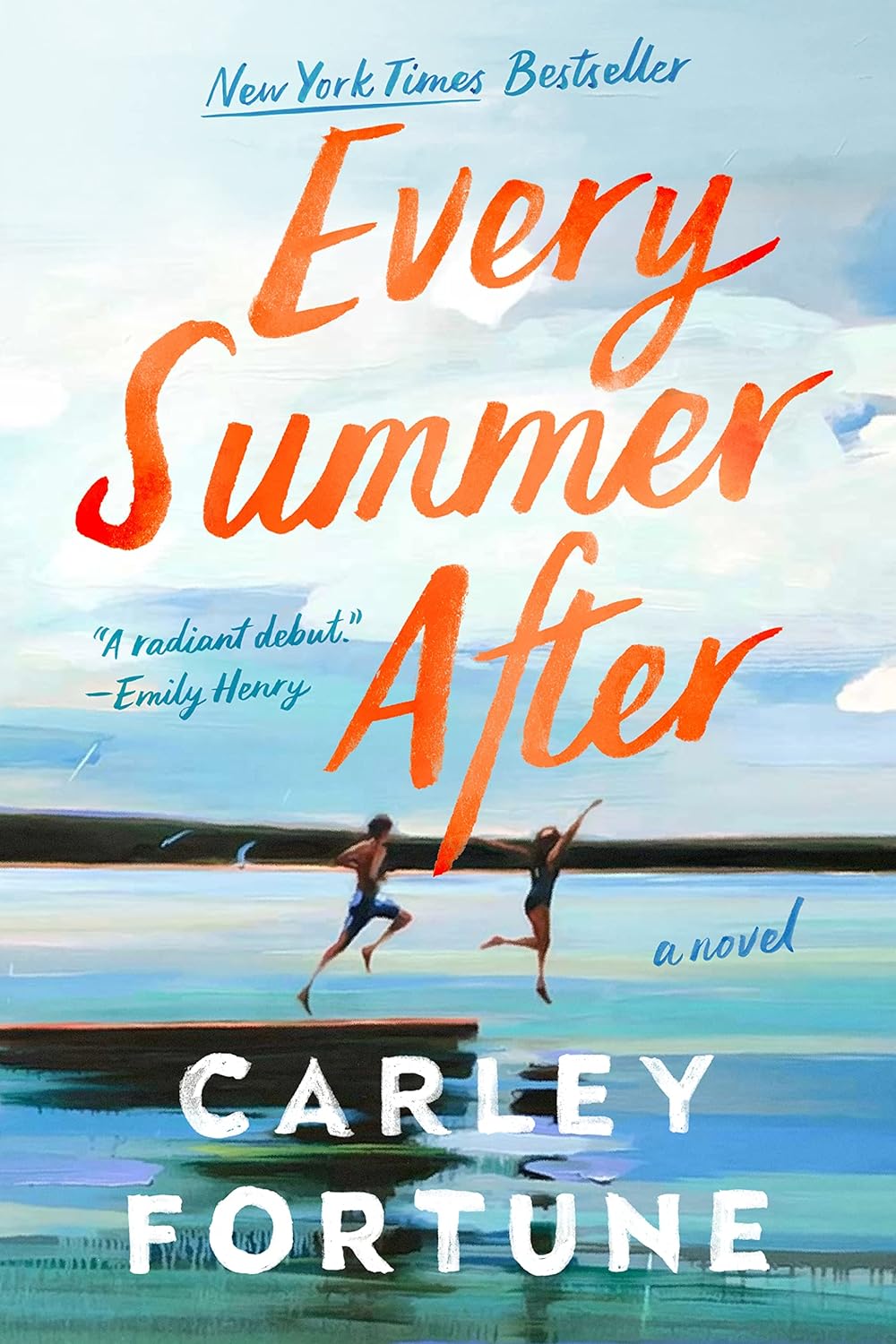
  8. Every Summer After by Carley Fortune
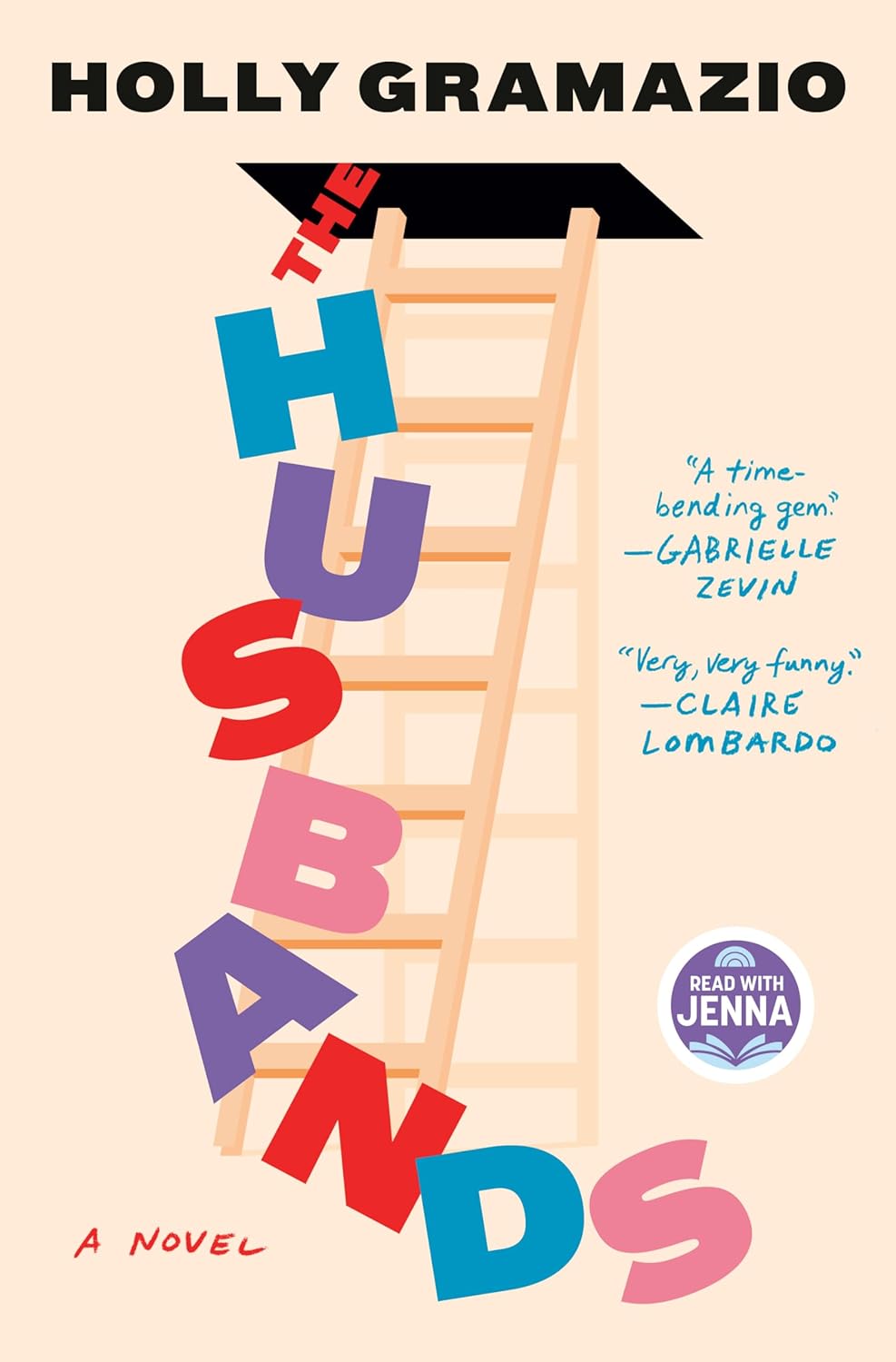
  9. The Husbands by Holly Gramazio
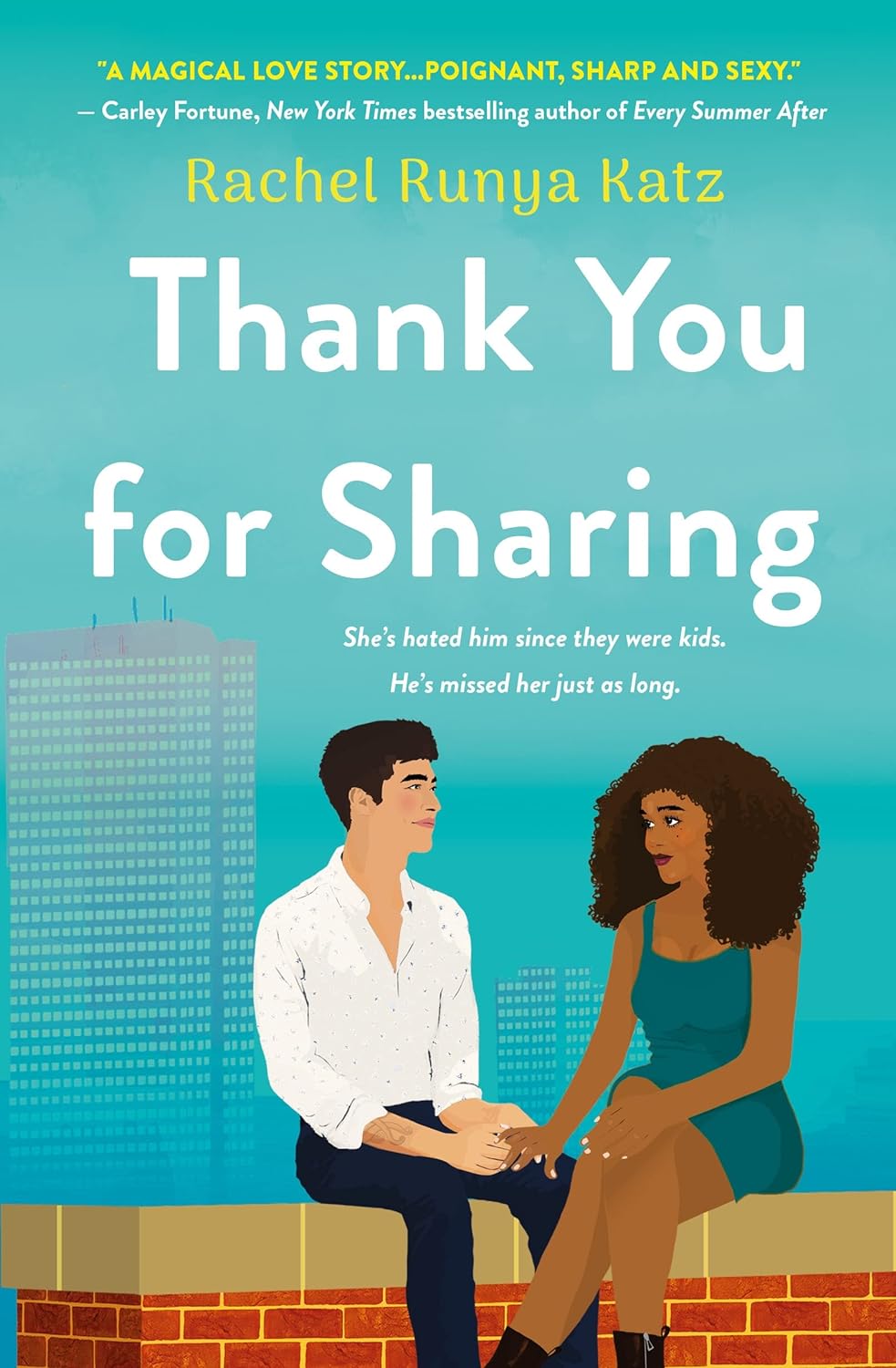
  10. Thank You for Sharing by Rachel Runya Katz

What are your most wished-for books?

If you wrote a TTT post this week, please share your link!

The Monday Check-In ~ 06/10/2024

cooltext1850356879

My Monday tradition, including a look back and a look ahead — what I read last week, what new books came my way, and what books are keeping me busy right now. Plus a smattering of other stuff too.

Life.

The week zipped by. Nothing too eventful, but I did manage to finally get some travel plans made for later in the summer. Vacation time is still way off, but at least it’s on the calendar!

Reading & blogging.

I’ve reached a point where I’m super frustrated — mostly with myself — because I’m overextended with ARC commitments and find myself without the ability to read on a whim… or at least, to read on a whim without guilt. The ARCs I have pending are all books I’ve been excited to read, and still, they’re taking up too much of my reading time.

Reading by obligation or to meet a schedule has never particularly worked for me. (This is why I tend not to participate in reading challenges). From this point forward, I’m going to try to be much more selective about requesting ARCs — my intention will be to request only the ones I’d read no matter what. As for the ARCs I might be tempted to request because they happen to catch my eye, my goal will be to make note of upcoming releases that look good and add them to my library “for later” list, but not put in any further spur-of-the-moment ARC requests this year.

I need more reading freedom! It makes me cranky to have to plan my books according to the calendar.

What did I read during the last week?

Jackpot Summer by Elyssa Friedland: For all of us who dream about winning the lottery! My review is here.

Hula by Jasmin ‘Iolani Hakes: A powerful, beautiful novel about family, belonging, responsibility, and tradition. I read this for a book group; our discussion is coming up in another week. Review to follow.

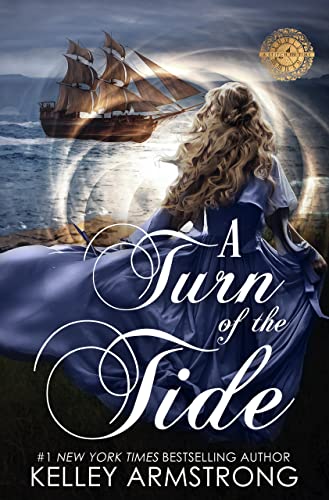
A Turn of the Tide (A Stitch in Time, #3) by Kelley Armstrong: This installment (in an excellent series) is a swashbuckling adventure — pirates included! I also read the companion/follow-up novella, Ghosts & Garlands, which is a sweet holiday-themed treat. My review of A Turn of the Tide is here.

Pop culture & TV:

I’m so glad I decided to go back to Lord of the Rings: The Rings of Power! When it originally aired, I watched one episode… and for whatever reason, kind of wandered away and never continued. With the 2nd season about to drop, I thought it was time to give it another try, and finished season 1 on Sunday night. I loved it! Can’t wait for season 2.

Meanwhile, after a lackluster start, season 2 of Interview with the Vampire has really picked up over the last couple of episodes, and I’m hooked.

Of course, what I’m most excited for is the 2nd half of the Bridgerton season… starting in just a few days!

Fresh Catch:

No new books this week.

What will I be reading during the coming week?

Currently in my hands:

I finished a big book (Hula) late Sunday, and haven’t quite decided what to start next. Most likely, once of these:

All three are ARCs for June new releases — two romances, and one other with a pretty dramatic vibe, so I’ll just have to see which suits my mood later today!

Now playing via audiobook:

Kilmeny of the Orchard by L. M. Montgomery: I’m slowly trying to read the various stand-alones by LMM on my TBR list. This is a relatively short audiobook, and so far, the opening chapters have been enough to catch my attention.

Ongoing reads:

My longer-term reading commitments:

  • Daniel Deronda by George Eliot: My book group’s current classic read. We’re reading and discussing two chapters per week. Progress: 98%. Our final week! We’ll finish the last chapter on Wednesday this week.
  • Damn Rebel Bitches: The Women of the ’45 by Maggie Craig: Over at Outlander Book Club, we’re doing a group read of this non-fiction book, discussing one chapter each Friday. Progress: 22%. Coming up this week: Chapter 6, “The Monstrous Regiment of Women”

What will you be reading this week?

So many books, so little time…

boy1

Book Review: A Turn of the Tide (A Stitch in Time, #3) by Kelley Armstrong

Title: A Turn of the Tide
Series: A Stitch in Time, #3
Author: Kelley Armstrong
Publisher: Kla Fricke Inc
Publication date: October 4, 2022
Length: 270 pages
Genre: Time slip/ghost story
Source: Purchased
Rating:

Rating: 4 out of 5.

In Thorne Manor there is one locked door. Behind it lies a portal to the twenty-first century, and nothing is going to stop Miranda Hastings from stepping through. After all, she is a Victorian writer of risqué pirate adventures—traveling to the future would be the greatest adventure of them all.

When Miranda goes through, though, she lands in Georgian England…and in the path of Nicolas Dupuis, a privateer accused of piracy. Sheltered by locals, Nico is repaying their kindness by being their “pirate Robin Hood,” stealing from a corrupt lord and fencing smuggled goods on the village’s behalf.

Miranda embraces Nico’s cause, only to discover there’s more to it than he realizes. Miranda has the second sight, and there are ghosts at play here. The recently deceased former lord is desperate to stop his son from destroying his beloved village. Then there’s the ghost of Nico’s cabin boy, who he thought safe in a neighboring city. Miranda and Nico must solve the mystery of the boy’s death while keeping one step ahead of the hangman.

It may not be the escapade Miranda imagined, but it is about to be the adventure of a lifetime.

A Turn of the Tide is the 3rd book in the A Stitch in Time series, which centers on a “time stitch” located in Thorne Manor on the Yorkshire moors. In each of the previous two books, a woman accidentally travels through the stitch and finds herself in a new world; in the first, Bronwyn travels from the 21st century to the 18th, and in the second, Rosalind does the opposite — a Victorian woman suddenly finding herself trapped in the modern era and unable to get home.

In A Turn of the Tide, Rosalind’s youngest sister Miranda takes center stage. A free-spirited nonconformist who secretly writes pirate adventures under a pen name, Miranda never met a mystery she didn’t want to unravel. When she overhears enough to understand there’s a time passage to be explored in Thorne Manor, she’s eager to try it for herself, dying to learn what life is like 200 years in the future.

Much to Miranda’s surprise, she instead ends up 50 years in the past. She’s traveled to 1790, and immediately encounters a pirate — but he’s not a stranger to her. Miranda has “the sight” and often sees and communicates with ghosts. Over the past few years, Miranda has often seen a sort of echo of this particular pirate, witnessing over and over again his death by ambush on a country road.

Miranda is convinced that this man is not a villain at all, but rather the legendary Robin Hood of the Bay, a pirate known for stealing from the wealthy in order to help the poor and hungry townspeople of York. And once she realizes that this is who she’s encountered, still very much alive, she believes it’s her mission to save him from the death she’s had visions of… whether he wants her interference or not.

A rollicking, swashbuckling adventure ensues, and naturally (or, as the French-speaking Nico would say, naturellement) a romance unfolds as well. Miranda and Nico evade the ambush, but find themselves on the run, pursued by myriad bad guys, and dealing with challenges such as a damaged ship, treasure caves, smuggling tunnels, and even a masquerade ball hosted by their enemy. It’s all quite breathless and dramatic… just as a good pirate story should be!

A Turn of the Tide isn’t quite as emotional as the previous two books — the characters are engaging and have well-drawn personalities, but Miranda’s tale is much less inwardly focused than Bronwyn’s or Rosalind’s.

Beyond the love story, there’s a mystery to solve, as the ghost of the cabin boy haunts Nico’s former ship and clearly died by nefarious means. Miranda and Nico’s goal is to stop the corruption that threatens the locals’ livelihoods, clear Nico’s name and remove the price on his head, and solve the cabin boy’s murder so his soul can move on. It’s all quite fast-paced, full of chases and near-misses and life-or-death scenarios… but given what a spirited romp the story is, it’s clear that all will end well, long before it actually does.

A Turn of the Tide is a very fun read, and as an audiobook, it’s a really enjoyable piece of entertainment. The narrator’s French accent as Nico is pretty awful at times, but after the first few chapters, I got used to it and stopped feeling annoyed.

I’m loving the series as a whole. After each of the three first books, a Christmas-themed companion novella was released — each of which follow up with that books’ main couple while also introducing teeny hints of what’s to come in the next novel.

A Turn of the Tide‘s follow-up novella is Ghosts & Garlands, in which Miranda and Nico spend their first Christmas together in 21st century London. The focus is mainly on their love story and their enjoyment of their ability to slip through time and experience new worlds together… but there’s also a ghost story to solve. It’s warm-hearted and lovely.

Now I have just one book left in the series (unless Kelley Armstrong decides to keep it going!), and I’m looking forward to starting it within the next few weeks.

The A Stitch in Time series is just so good! Highly recommended.

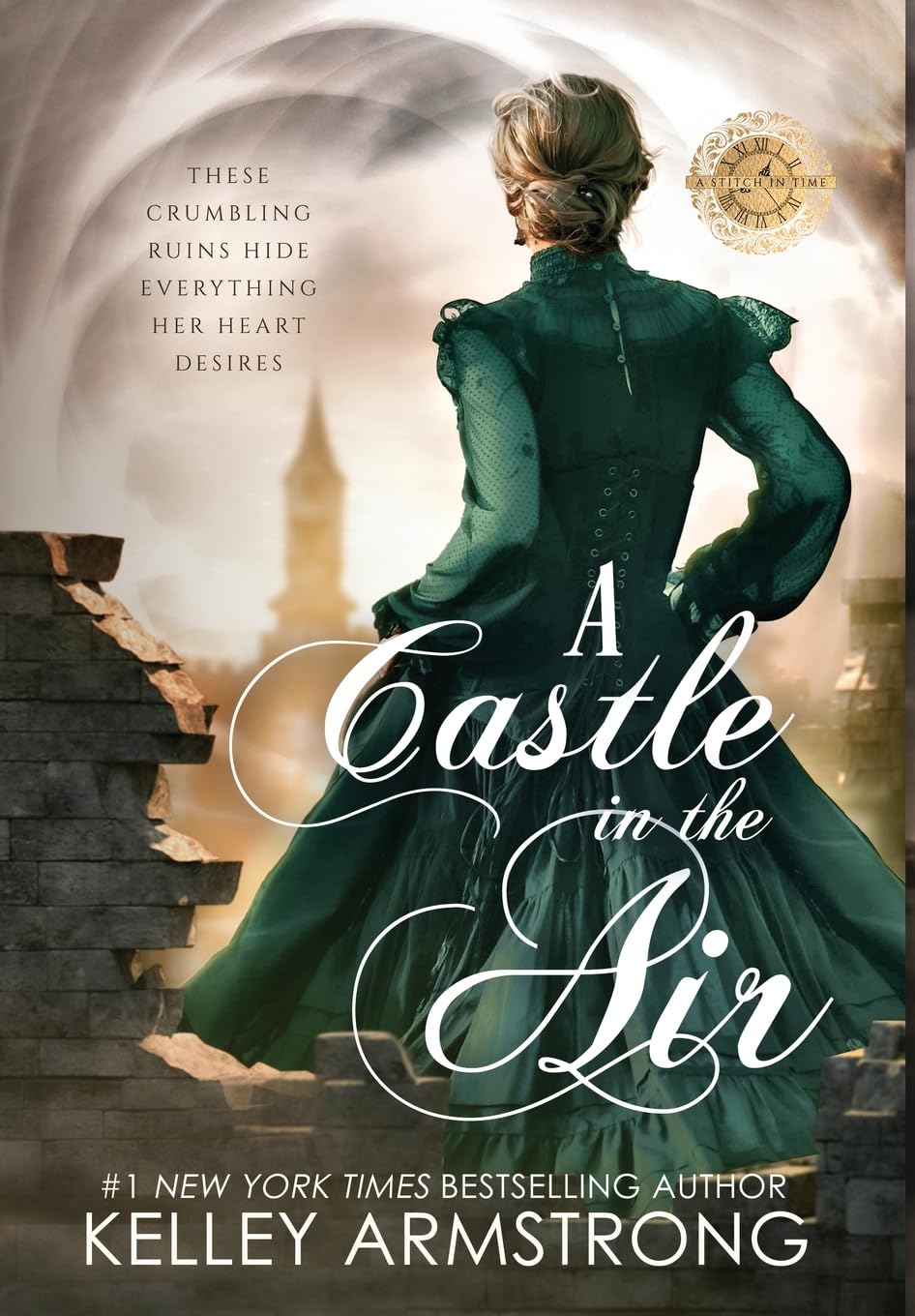
Next in the series:

Book Review: Jackpot Summer by Elyssa Friedland

Title: Jackpot Summer
Author: Elyssa Friedland
Publisher: Berkley
Publication date: June 11, 2024
Length: 384 pages
Genre: Contemporary fiction
Source: Review copy courtesy of the publisher via NetGalley
Rating:

Rating: 3.5 out of 5.

After the Jacobson siblings win a life-changing fortune in the lottery, they assume their messy lives will transform into sleek, storybook perfection—but they couldn’t be more wrong in the new laugh-out-loud novel from beloved author Elyssa Friedland.

The four Jacobson children were raised to respect the value of a dollar. Their mother reused tea bags and refused to pay retail; their father taught them to budget before he taught them to ride a bike. And yet, as adults, their financial lives—as well as their personal lives—are in complete disarray.

The siblings reunite when their newly widowed father puts their Jersey Shore home on the market. Packing up their childhood isn’t easy, especially when they’ve all got drama brewing back home. Matthew is miserable at his corporate law job and wishes he had more time with his son; Laura’s marriage is imploding in spectacular fashion; Sophie’s art career is stalled while her boyfriend’s is on the rise; and Noah’s total failure to launch has him doing tech repair for pennies.

So when Noah sees an ad for a Powerball drawing, he and his sisters go in on a ticket. Matthew passes but the ticket is a winner and all hell breaks loose as the infusion of cash causes sibling rivalries and family secrets to resurface. Without their mother, and with their father busy playing pickleball in a Florida retirement village, the once close-knit siblings search for comfort in shiny new toys instead of each other.

It’s not long before the Jacobson’s start to realize that they’ll never feel rich unless they can pull their family back together.

Jackpot Summer is a story about siblings and life choices, with a “careful-what-you-wish-for” message that isn’t exactly subtle. After all, even before chapter 1, we read excerpts from several different newspaper articles about lottery winners, including one that explains how one man went from rolling in money to complete bankruptcy in only a few years. This can’t bode well for the Jacobsons, can it?

As the story opens, the “fantastic foursome” (as their late mother used to call them) have gathered for her unveiling. It’s been a year since her death from cancer, and as they talk together, their father Leo drops a bombshell: He’s selling the family’s beach house on the Jersey shore and moving to a retirement village in Florida, where he can play pickleball to his heart’s content. Instead of gathering at the beach house for the family’s traditional 4th of July celebration, they’ll be gathering to pack up the house and sort through a lifetime’s worth of odds and ends.

Each of the siblings is shaken, while also dealing with the stressors in their own lives. The oldest, Matthew, works alongside his ultra-ambitious wife in a prestigious corporate law office, while delegating the raising of their son to a stream of au pairs and tutors. Laura faces being an empty-nester when her younger daughter leaves for college, forcing her to acknowledge that her marriage seems to have dried up without her actually noticing it. Sophie’s day job as a public school teacher has her cleaning up glitter every day before working on her paintings in a grimy shared art space, getting nowhere while her sculptor boyfriend’s career seems to be taking off. And the youngest, Noah, lives in the beach house, does tech support house calls for the locals, and has no idea what to do with himself, but knows he doesn’t want to have to deal with actually changing anything.

On a whim, the Jacobson siblings — minus Matthew, whose wife expresses that the lottery is “a tax on stupid people” — go in on Powerball tickets… and win. This, of course, uproots all of their lives. First, the dilemma — do the three of them cut Matthew in on the winnings, even though he opted not to go in with them on the tickets? Much family drama stems from this point.

Once the money is in the family’s hands, more problems crop up. Everyone immediately dives into spending their new riches. Laura and husband Doug buy a mansion in a snobby new town, then head off on ultra-luxury vacations (which include couples massages with gold-infused lotions) — none of which does anything to actually improve their marriage. Sophie quits her teaching job, invests in a shiny, beautiful studio to work in, then finds herself utterly blocked when it comes to creativity. And poor Noah mopes about eating junk food and giving away money to anyone who asks — yes, the guy needing money to escape a “diktatership” is probably a scam… but what if it’s not?

Meanwhile, father Leo watches from afar and seems to be waiting for his kids to get their acts together, which it takes them quite a long time to do.

Jackpot Summer has a lot going for it, so let’s focus on the positives first. It’s funny and fast-paced, and while I initially feared that I wouldn’t be able to keep track of the individual characters (note: I hate books that introduce an entire family in one scene!), the fantastic foursome are actually all quite distinct. Chapters focus on one at a time, which gives readers a chance to get to know each one, understand their inner lives, and identify with the problems they face.

The Jacobsons are a Jewish American family, and it was enjoyable to see their rituals, their family traditions, and learn more about their heritage and how it affects their present attitudes. They’re not a particularly religious family, but their Jewishness is seen through pieces of their lives that include the local JCC, temple fundraisers, sitting shiva, and learning to bake their mother’s babka. It’s sweet, and the family scenes convey so much about how the kids were raised and how they ended up growing into the adults we now see.

The dynamics between the siblings is lots of fun too, especially once the rift with Matthew and his wife is resolved. They’re all adults, but their inner goofiness comes out when they’re together, and their group text chat is especially adorable.

A few negatives, though. The book sets us up from the beginning to expect the Jacobsons to squander their winnings, and they mostly do. None end up bankrupt, but they all make questionable choices before — finally, after some obviously very wrong turns — reassessing where true happiness lies and starting to course-correct. Not that we’d expect them all to be perfect, but there’s some clear bone-headedness that goes on longer than I felt necessary.

Matthew and his wife Beth are awful parents, forcing their 13-year-old Austin into one high-pressured activity after another, with no time to be a kid. We’re meant to like Matthew and Beth and eventually their more personable sides come out… but the depiction of the hard-charging corporate lawyers substituting hiring the best help for actually parenting their kid feels clichéd. It’s nothing we haven’t seen before, and as with other conflicts in this book, takes longer than necessary to resolve.

My final quibble: While the chapters focus on different siblings and so ostensibly are told through the characters’ points of view, there’s some nastiness about describing certain people that reeks of ageism to me:

On stage, a cluster of post-menopausal women dressed in black leotards, fishnets and tap shoes were performing a coordinated song and dance routine. […] His appearance brough the arthritic rendition of “Don’t Tell Mama” to a standstill.

Sorry, but I think it’s awesome that these adult women are tap dancing! What does post-menopausal have to do with it? Why are they, apparently by default, supposed to be arthritic? Ugh, this attitude bothers me so much.

Okay, all that aside, Jackpot Summer is overall a very fast and mostly enjoyable read. The ending feels rushed and the siblings’ various problems and dilemmas get tied up neatly and a bit too easily. Still, I liked it enough to read it in a day and a half. As light summer entertainment, this one deserves a place in the beach bag!

Top Ten Tuesday: Books I Had VERY Strong Emotions About

Top Ten Tuesday is a meme hosted by That Artsy Reader Girl, featuring a different top 10 theme each week. This week’s topic is Books I Had VERY Strong Emotions About.

Some of my favorite books are the ones that make me FEEL… good, bad, happy, sad, but never indifferent! (Okay, a certain book that made me mad isn’t actually a favorite — but it absolutely gave me some very strong feelings… of anger.)

Here are my top ten:

  1. Anne of Green Gables by L. M. Montgomery: Joy, delight, feelings of being totally charmed.
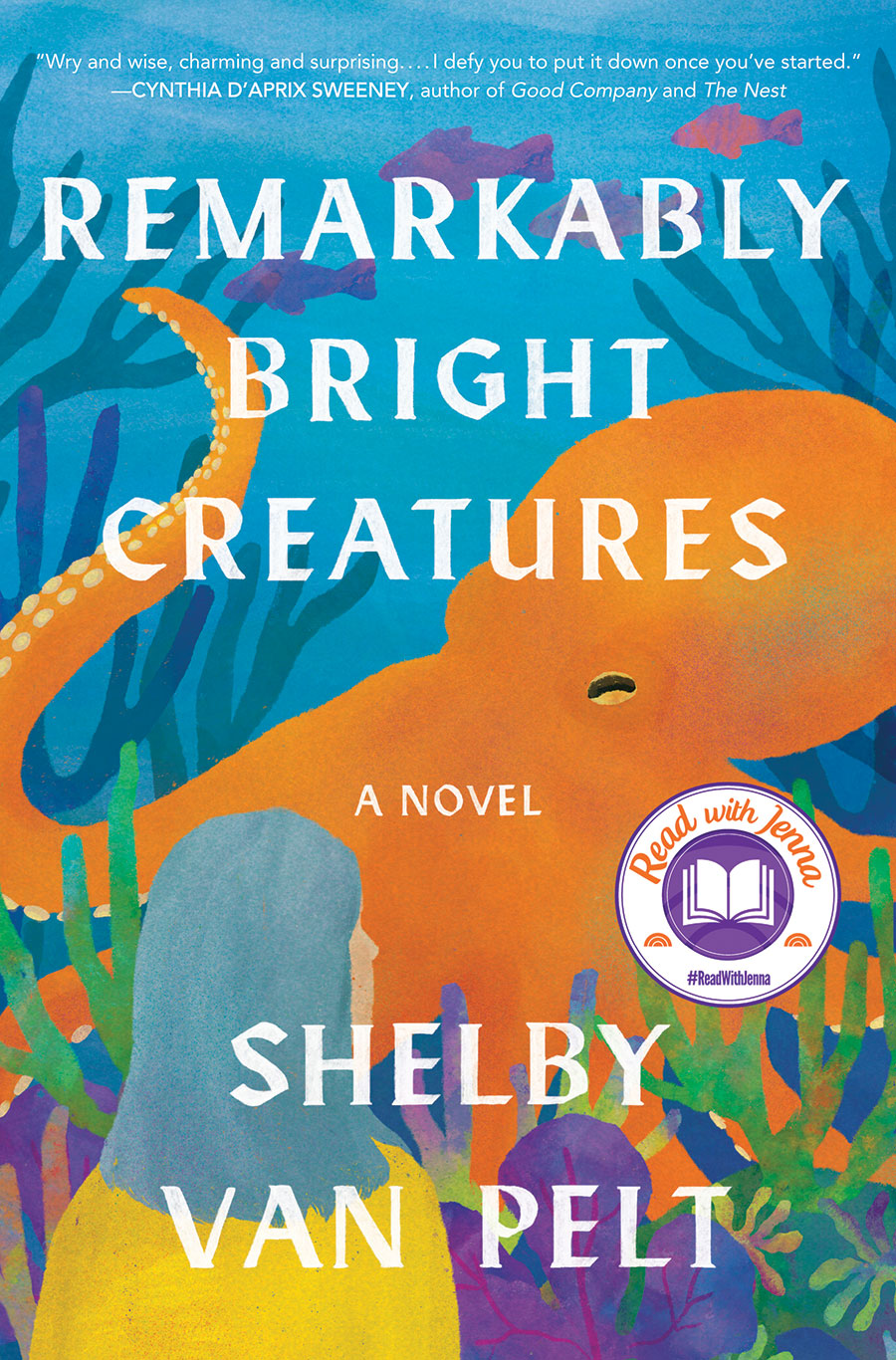
  2. Remarkably Bright Creatures by Shelby Van Pelt: A sense of wonder and connection.
  3. Harry Potter and the Half-Blood Prince by J. K. Rowling: Sorrow… you know why.
  4. Anxious People by Fredrik Backman: Such a mix of emotions! Entertainment, but really getting to experience all the ups and downs of all the various characters.
  5. The Guncle by Steven Rowley: Heart-warming happiness, but with threads of sympathetic sadness too.
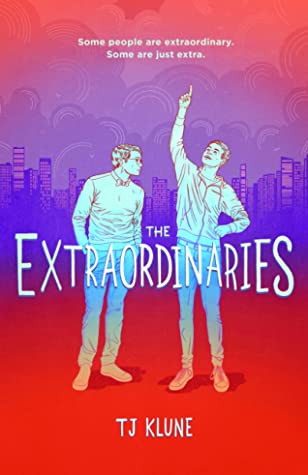
  6. The Extraordinaries by T. J. Klune: Hilarity… but also intense embarassment over the characters’ most cringe behavior (which is still intensely funny)
  7. Hunter’s Moon by Dana Stabenow: Grief, no other way to put it.
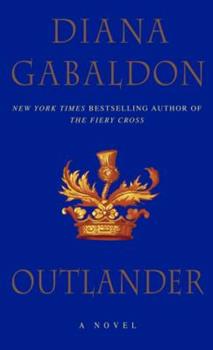
  8. Outlander by Diana Gabaldon: Is “swoon” an emotion? Okay, love and sadness and fear and delight, over and over and over.
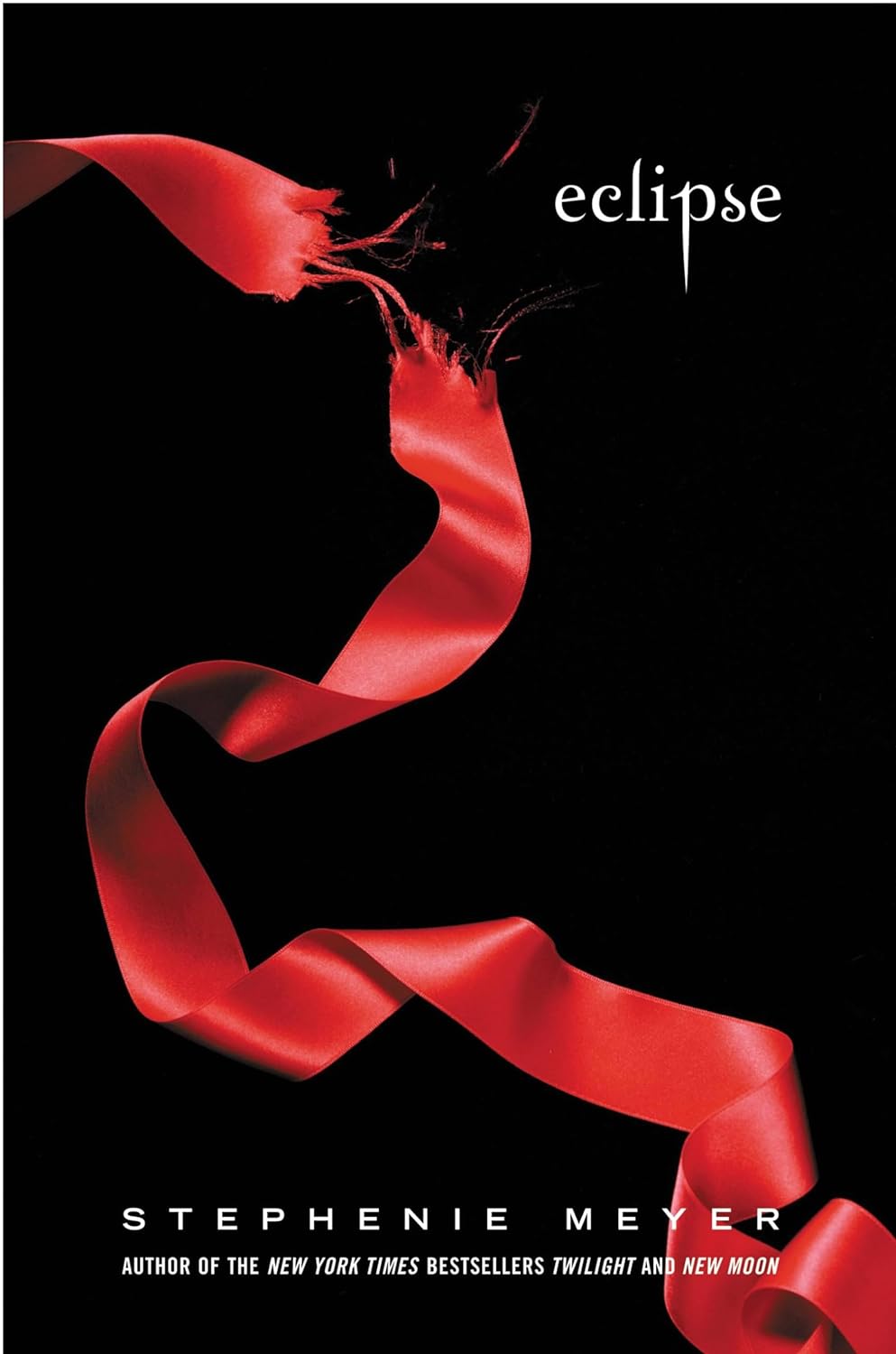
  9. Eclipse by Stephenie Meyer: This is the book that made me so angry that I wanted to throw it across the room. There’s a certain point where I was just NOPE.
  10. A Monster Calls by Patrick Ness: Grief and sympathy.
Who knew there were so many emotion scale memes out there???

What books made you feel all the feelings?

If you wrote a TTT post this week, please share your link!

The Monday Check-In ~ 06/03/2024

cooltext1850356879

My Monday tradition, including a look back and a look ahead — what I read last week, what new books came my way, and what books are keeping me busy right now. Plus a smattering of other stuff too.

Life.

It may not officially be summer until later this month, but as far as I’m concerned, June 1st is close enough! We had enough sunshine over the weekend for me to get outside both days, despite super blustery winds each afternoon.

In any case, it’s been an uneventful week — work, home, reading, etc etc etc — and that’s okay. Sometimes routine and quiet can be a good vibe.

What did I read during the last week?

The Rom-Commers by Katherine Center: So much fun! My review is here.

The Guncle Abroad by Steven Rowley: Delightful, funny, and the audiobook is a joy to listen to. My review is here.

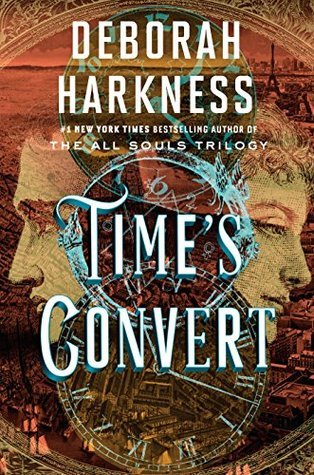
Time’s Convert (All Souls, #4) by Deborah Harkness: I’m so glad I finally took the time to return to this outstanding series, especially with a new book coming this summer. My review is here.

Pop culture & TV:

I just wasn’t in much of a TV mood this week, but I ended up deciding to give Lord of the Rings: The Rings of Power another try. When season 1 first aired, I watched the first episode, and I don’t even remember why I never ended up continuing. So, back to the beginning I went, and now that I’ve watched the first episode (again) and also the second, I have to say that I’m into it! I’m looking forward to watching the rest of season 1 over the course of the coming week.

Also on Prime Video, I ended up watching the movie American Fiction this weekend. Great performances and so many interesting moments… but the ending kind of threw me, and I have mixed feelings about it as a whole.

Fresh Catch:

I treated myself to one new hardcover this week — this book is a novella set in the world of the Rip Through Time series, which I love.

What will I be reading during the coming week?

Currently in my hands:

Jackpot Summer by Elyssa Friedland: Just getting started, but this seems like a light, fun summer read.

Now playing via audiobook:

A Turn of the Tide (A Stitch in Time, #3) by Kelley Armstrong: Continuing onward with this terrific series.

Ongoing reads:

My longer-term reading commitments:

  • Daniel Deronda by George Eliot: My book group’s current classic read. We’re reading and discussing two chapters per week. Progress: 96%. Two weeks left!
  • Damn Rebel Bitches: The Women of the ’45 by Maggie Craig: Over at Outlander Book Club, we’ve started a group read of this non-fiction book, discussing one chapter each Friday. Progress: 17%. Coming up this week: Chapter 5, “Will the Real Jenny Cameron Please Stand Up?”

What will you be reading this week?

So many books, so little time…

boy1

Book Review: Time’s Convert (All Souls, #4) by Deborah Harkness

Title: Time’s Convert
Series: All Souls
Author: Deborah Harkness
Publisher: Viking
Publication date: September 18, 2018
Length: 436 pages
Genre: Supernatural/contemporary/historical fiction
Source: Purchased
Rating:

Rating: 4 out of 5.

From the #1 New York Times bestselling author of A Discovery of Witches, a novel about what it takes to become a vampire.

Set in contemporary Paris and London, and the American colonies during the upheaval and unrest that exploded into the Revolutionary War, a sweeping story that braids together the past and present.

On the battlefields of the American Revolution, Matthew de Clermont meets Marcus MacNeil, a young surgeon from Massachusetts, during a moment of political awakening when it seems that the world is on the brink of a brighter future. When Matthew offers him a chance at immortality and a new life, free from the restraints of his puritanical upbringing, Marcus seizes the opportunity to become a vampire. But his transformation is not an easy one and the ancient traditions and responsibilities of the de Clermont family clash with Marcus’s deeply-held beliefs in liberty, equality, and brotherhood.

A passionate love story and a fascinating exploration of the power of tradition and the possibilities for change, Time’s Convert will delight fans of the All Souls trilogy and all readers of magic, the supernatural, and romance.

I adored the world of Deborah Harkness’s All Souls books back when I first read them, and gobbled up each book in the original trilogy as soon as they were released. At the time of the 3rd book’s publication, it seemed like the story had reached its conclusion. But then, in 2018, the author released a fourth book, Time’s Convert, to continue the story and expand the world of All Souls even further. Naturally, I couldn’t resist, and bought a copy right away… and there it sat on my bookshelf for six years!

With the announcement of a new book in the series coming this summer, I realized it was finally time to dive back in. Fortunately, having recently watched the TV adaptation of A Discovery of Witches, I wasn’t going in cold, which ended up being a very good thing. This is a big, sprawling, complicated fictional world, and without the reminders provided by watching the series, I probably would have been lost.

The framing of Time’s Convert is a human-to-vampire transformation. Phoebe Taylor, the human beloved by Matthew’s son Marcus Whitmore, is ready to be reborn as a vampire in order to truly unite with Marcus and spend eternity with him. Making a vampire is serious business, with many terrible ways it can go wrong, and the de Clermont clan is taking no chances. Under the supervision of elder family members Miriam and Freyja, Phoebe’s rebirth will be carefully controlled and monitored each step of the way.

Unfortunately for Marcus, part of the process means that he cannot see Phoebe again until she is 90 days old as a vampire — infant vampires are too unpredictable and impulsive to make good choices, and Phoebe must actually choose to be with Marcus before they are officially mated. This leaves Marcus with a summer of anxious waiting, and he passes the time with Matthew and Diana, who hope to support him and ease his obsessive revisiting of the old memories that plague him.

Meanwhile, Matthew and Diana are dealing with potential crises of their own. Their toddler twins, Becca and Philip, are something unheard of in their world — a melding of vampire and witch genetics. Both display unusual traits, and raise alarms for others in the family, who worry that their powers, if not placed under tight control, could spell disaster for them all.

The book shifts focus between the three main plotlines: Phoebe’s transformation, Marcus’s history, and Matthew, Diana, and the twins.

Phoebe’s story is fascinating. We’ve never spent this kind of time in the series on the day to day ritual and challenges of vampire infancy and development. Through Phoebe, we learn all sorts of interesting bits and pieces about vampire appetites, food sources, sensitivity to light and sound, and more.

Marcus’s story is truly the heart of Time’s Convert, taking up more space than the other two plotlines. We go back to colonial New England, where we see Marcus’s life as the son of a cruel, domineering father, and what he must do to break free. Eventually, Marcus leaves home to join the revolution, and is present at the battle of Bunker Hill as well as with Washington’s forces in Pennsylvania and elsewhere. He learns about healing and becomes a surgeon, although without the means to get a formal education in medicine. Dying of one of the rampant fevers in a military camp, Marcus is offered the chance for new life by Matthew, and the next phase of his life begins.

We spend the next large chunk of time with Marcus in Paris, where he becomes embroiled with Marat, Danton, and other leaders of the French revolution. Only through the intervention of the de Clermont patriarch is Marcus finally forced to leave Paris before the Terror of the revolution ensnares him. From there, Marcus’s life continues in Edinburgh, New Orleans, and elsewhere, and finally leads him to where we know him in the present day.

As for Diana and Matthew, it’s quite interesting to see them grapple with understanding their children’s powers. They must struggle with raising their children as they wish while also addressing the concerns and even demands of the family’s leader, who wants them controlled no matter what. Also, there’s a very cute griffin!

Time’s Convert is under 500 pages, but it feels much longer. It’s jam-packed with people, places, historical events, and the internal mythology of the series. Many chapters and interludes move quickly, but there’s an overall heaviness to the reading experience — there’s just so much to take in.

The Marcus sections seem to move the slowest, especially before his vampire transformation. Until that point, it’s straight-up historical fiction set during the American revolution, which is fine, but not really what I come to the All Souls books to experience. Once Matthew gets involved, things pick up quite a bit, and the sections set in Paris and New Orleans are much more engaging as well.

Overall, I’m very happy to have returned to the world of All Souls! Part of me wishes I’d taken the time to reread the first three books before reading Time’s Convert — but honestly, who has the time? If I’d waited to do a reread, chances are I never would have gotten to Time’s Convert.

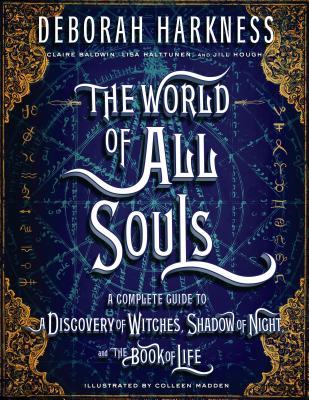
Being familiar with the details of the earlier books in the series is crucial for appreciating Time’s Convert and making sense of the complicated interconnectedness of the details and plot points. As I mentioned, the TV adaptation of the trilogy is a great shortcut — it’s not perfectly faithful to the books, but it’s close enough to provide an immersion back into that world. Another wonderful resource is The World of All Souls, a reference book (also released in 2018) that includes detailed synopses, character information, maps, and more. I kept it handy throughout this past week while reading Time’s Convert.

The next book in the series, The Black Bird Oracle, will be released in July 2024. I’ve already preordered my copy, and can’t wait to get started!

Synopsis (Goodreads):

Diana Bishop journeys to the darkest places within herself—and her family history—in the highly anticipated fifth novel of the beloved #1 New York Times bestselling All Souls series.

Deborah Harkness first introduced the world to Diana Bishop, Oxford scholar and witch, and vampire geneticist Matthew de Clairmont in A Discovery of Witches. Drawn to each other despite long-standing taboos, these two otherworldly beings found themselves at the center of a battle for a lost, enchanted manuscript known as Ashmole 782. Since then, they have fallen in love, traveled to Elizabethan England, dissolved the Covenant between the three species, and awoken the dark powers within Diana’s family line.

Now, Diana and Matthew receive a formal demand from the Congregation: They must test the magic of their seven-year-old twins, Pip and Rebecca. Concerned with their safety and desperate to avoid the same fate that led her parents to spellbind her, Diana decides to forge a different path for her family’s future and answers a message from a great-aunt she never knew existed, Gwyneth Proctor, whose invitation simply reads: It’s time you came home, Diana.

On the hallowed ground of Ravenswood, the Proctor family home, and under the tutelage of Gwyneth, a talented witch grounded in higher magic, a new era begins for Diana: a confrontation with her family’s dark past, and a reckoning for her own desire for even greater power—if she can let go, finally, of her fear of wielding it.

Book Review: The Guncle Abroad by Steven Rowley

Title: The Guncle Abroad
Author: Steven Rowley
Publisher: G.P. Putnam’s Sons
Publication date: May 21, 2024
Length: 320 pages
Genre: Contemporary fiction
Source: Review copy via NetGalley (audiobook purchased via Audible)
Rating:

Rating: 4.5 out of 5.

Patrick O’Hara is called back to his guncle duties . . . This time for a big family wedding in Italy.

Patrick O’Hara is back. It’s been five years since his summer as his niece Maisie and nephew Grant’s caretaker after their mother’s passing. The kids are back in Connecticut with their dad, and Patrick has relocated to New York to remain close by and relaunch his dormant acting career. After the run of his second successful sit-com comes to a close, Patrick feels on top of the world . . . professionally. But some things have had to take a back seat. Looking down both barrels at fifty, Patrick is single again after breaking things off with Emory. But at least he has a family to lean on. Until that family needs to again lean on him.

When Patrick’s brother, Greg, announces he’s getting remarried in Italy, Maisie and Grant are not thrilled. Patrick feels drawn to take the two back under his wing. As they travel through Europe on their way to the wedding, Patrick tries his best to help them understand love, much as he once helped them comprehend grief. But when they arrive in Italy, Patrick is overextended managing a groom with cold feet; his sister, Clara, flirting with guests left and right; a growing rivalry with the kids’ charming soon-to-be-launt (lesbian aunt), and two moody young teens trying to adjust to a new normal, all culminating in a disastrous rehearsal dinner.

Can Patrick save the day? Will teaching the kids about love help him repair his own love life? Can the change of scenery help Patrick come to terms with finally growing up?

Gracing the work with his signature blend of humor and heart, Steven Rowley charms with a beloved story about the complicated bonds of family, love, and what it takes to rediscover yourself, even at the ripe age of fifty.

Here’s how I started my review of The Guncle, the book that first introduced us to Patrick O’Hara and his niblings, Maisie and Grant:

After absolutely loving this author’s most recent novel, The Celebrants, I was eager to explore more. The Guncle, released in 2021, charmed me as soon as I saw the cover (I’m easily swayed by great covers!). I’m happy to report that The Guncle delivers in so many ways, and won my heart completely.

One advantage of reading a book a few years after its release is that you barely have to wait at all for a sequel! The Guncle was published in 2021, but I read it earlier this year… and yet — voila! — between that book and The Guncle Abroad, five years have passed! For the characters, in any case.

In The Guncle Abroad, Patrick is a far happier man in many ways, especially in comparison to how we first me him in The Guncle. He’s experienced a career revival, has moved to New York and remained actively involved in his brother’s family’s lives, and (until their recent breakup) had a loving long-term relationship with the wonderful Emory. (And yes, I felt my heart break just a teeny bit upon learning that they’d broken up.)

But as the book opens, Patrick finds himself with a mission. Greg, widowed five years earlier, is getting married to the woman he’s fallen in love with… who happens to be from an insanely wealthy, titled Italian family. (Who knew they still had nobility and titles in Italy? I sure didn’t!) The wedding will be a no-expense-spared affair at Lake Como, and all is delightful — except the kids aren’t happy. Clearly, Greg needs Patrick’s help.

As Greg prepares to meet his fiancée Livia in Italy for wedding prep, Patrick agrees to take the kids for summer. They meet him in London (where he’s wrapping filming on a new movie co-starring Jude Law!), and then accompany Patrick on a European vacation. His goal? Teach them all about love and love languages, so they can maybe find it in their hearts to accept Livia and their dad’s upcoming marriage.

Patrick, Maisie, and Grant are as amazing together as ever… although it is a bit disconcerting to encounter them at ages 14 and 11. Kids grow up so fast! Maisie is hovering between childhood and full-on teen mode, and Grant has outgrown his lisp but not his cuteness. As the trio traverse Paris, Salzburg, and Venice, Patrick does his best to teach them about cherishing people who care about them, accepting gifts with gratitude, and opening their hearts to new people and experiences. It’s an uphill climb for sure. Maisie and Grant still carry their grief for their mother, as does Patrick, and can’t fathom allowing Livia into their lives.

Can grief and gratitude coexist? Could he miss the kids’ mother and also be grateful for his time with Maisie and Grant? Or did the gratitude just make him miss Sara more and wish she was the one on this train with him instead of her sleeping kids? And in helping them these past few years with their grief, had he once again neglected his own?

The Guncle Abroad is as riotously funny as the previous book. Patrick is so incredibly over the top, and honestly, I love him to bits. But silly quips and jokes are not the only things going for this book. There are deeper veins of love, loss, healing, honoring memories, finding hope, and facing hard truths. The European adventure is eye-opening not just for Maisie and Grant, but also for Patrick.

Okay, but we do actually need to pay tribute to just a few of the passages and conversations that cracked me up:

Grant’s game console made a sound like something swirling a drain and he groaned. “Why can’t Dad marry Palmina?”

Speaking of nemeses, a cold child ran down Patrick’s spine. “Palmina’s a lesbian, you know that.”

Grant didn’t seem to view that as disqualifying. “Yeah, but gay marriage is legal now.”

“Children,” Livia said, part greeting, part statement of fact.

“I ask what’s going on, I do, but they don’t give me straight answers.”

“Do they give you gay ones?”

Patrick really is utter perfection — outwardly vain, always needing the spotlight, and with a bon mot for all occasions — but inwardly sensitive and oh-so-amazing as an uncle (guncle) to the pair of children he loves so much.

I listened to the audiobook version of The Guncle Abroad, and as with the previous book, the author is also the narrator. And while some authors are cringe-level awful at narration, the opposite is totally true here. Steven Rowley absolutely nails his characters voices, and his delivery as Patrick is *chef’s kiss* amazing.

My only teensy quibbles with The Guncle Abroad have to do with Livia and her sister Palmina. Livia is something of a blank. We see her in various scenes, but I didn’t feel that I got to know anything about her personality or a deeper sense of how she feels about Greg and the children. Meanwhile, Palmina (referred to by the kids as their new “launt”) immediately sets off Patrick’s alarms as competition for the kids’ affection and admiration — she’s just so effortlessly cool — but the shtick gets old pretty quickly, and I could have done without quite so much Palmina focus.

Still, these factors did not in the slightest keep me from loving this book. The Guncle Abroad is sweet, funny, honest, and constantly entertaining, and Patrick is the best. (Have I said that already? It’s true. He is). The Guncle Abroad has a super satisfying ending… but I still felt sad, because it seems pretty definitively to have wrapped up all storylines, and I’d love to think that there’s another Patrick/Maisie/Grant adventure in our future. Maybe when they’re another five years older?

Having read Steve Rowley’s three most recent books, I can safely say that I’ll read whatever he writes from this point forward. I love his characters, his humor, his pacing, and his way with snappy dialogue. I encourage everyone to check out The Guncle Abroad (read The Guncle first, obviously)… and if you really want a treat, give the audiobook a try.