Book Review: Miss Lattimore’s Letter by Suzanne Allain

Title: Miss Lattimore’s Letter
Author: Suzanne Allain
Publisher: Berkley
Publication date: August 10, 2021
Length: 256 pages
Genre: Historical fiction
Source: Library
Rating:

Rating: 4 out of 5.

The woman who never made a match of her own is making matches for everyone else in this hilarious comedy of manners from the author of Mr. Malcolm’s List.

Sophronia Lattimore had her romantic dreams destroyed years ago and is resigned to her role as chaperone for her cousin. Still, she cannot sit idly by when she becomes aware that a gentleman is about to propose to the wrong woman. She sends him an anonymous letter that is soon the talk of the town, particularly when her advice proves to be correct. Her identity is discovered and Sophie, formerly a wallflower, becomes sought after for her “expert” matchmaking skills.

One person who seeks her out is the eligible and attractive Sir Edmund Winslow. As Sophie assists Sir Edmund in his pursuit of a wife, she wishes she could recommend herself as his bride. However, she vows to remain professional and uninvolved while aiding him in his search (especially since the gentleman surely does not return her affections).

Three unexpected arrivals soon show up at Sophie’s door—the man who once broke her heart, a newlywed who is dissatisfied with the match Sophie made for her, and the man madly in love with Sophie’s cousin—all wanting her attention. But when her onetime beau and Sir Edmund both appear to be interested in her, Sophie can’t figure out if she’s headed for another broken heart­­ or for the altar. How can she be expected to help other people sort out their romantic lives when her own is such a disaster?
After thoroughly enjoying The Ladies Rewrite the Rules, released earlier in 2024, I was eager to read more by author Suzanne Allain. I was glad to find Miss Lattimore’s Letter at the library — this 2021 novel is yet another gem of a Regency romance, with an empowered woman steering her own course rather than sitting back and letting life pass her by.

When we meet Sophie — Sophronia — she’s a 28-year-old spinster chaperoning her younger cousin Cecilia through the social season. Sophie once had a chance at marriage, but that fell through — and now she’s fated to sit with the older ladies, wear dull dresses, and watch the pretty young women enjoy their shining moments.

All this changes when Sophie accidentally overhears a private conversation, from which she learns that two impending engagements are between couples who each secretly wish to be with someone else. Sophie thinks that someone should set these people straight before it’s too late… and then decides that that “someone” might as well be her. She writes an anonymous letter, and it works: The couples realign, and the people involved end up with the ones they truly love.

Sophie’s anonymity doesn’t last long, and she’s soon being hailed as a genius matchmaker… even though she didn’t actually do anything but write a letter. Still, she finds herself once again a person generating interest in society, being asked to dance, and suddenly thought of as more than an over-the-hill spinster. When she catches the eye of a kind and witty gentleman, she’s more than a little interested, but the reappearance of the man who broke her heart so many years earlier brings unexpected complications.

Miss Lattimore’s Letter is an utterly engaging read. Yes, making matches and pursuing romances are quite central, but much of the fun is in seeing the friendships and alliances formed between Sophie and the various people in her orbit. It’s delightful to see Sophie take control of her own life, offer advice to women who feel pressured to choose money and titles over true connection, and remain true to herself even while finding a way to allow love back into her life.

The writing is clever and warm-hearted, and there are nods both to Jane Austen and to the joys of being a bookworm, which absolutely appealed to my book-loving little soul.

By the end of the morning, a morning spent in traversing the room back and forth in earnest conversation, the two young ladies were quite pleased at having made the acquaintance of someone who seemed destined to become a friend. They even had that most important characteristic of all in common: they counted the same books among their favorites.

While romance is always at the forefront of the story, I loved that the friendships between the women are treated as relationships that matter, and it’s lovely to see the trust that developments once the women open up to one another and speak honestly.

Sophie’s love triangle is perhaps a bit annoying — clearly, we know who she’s meant to be with, and which of the two men is basically a cad. Still, it’s fun watching it all play out… and we know Sophie is smart enough to make the right choice.

Sophie found it quite astonishing that she had gone eight-and-twenty years without being kissed by even one gentleman and had now been kissed by two different ones in the span of as many days. 

Miss Lattimore’s Letter is a joyful book with a memorable lead character and very clever storytelling. It made me laugh and kept me interested enough to read it straight through in one day. For Regency romance fans, this book is a treat. Don’t miss it!

Book Review: Slow Dance by Rainbow Rowell

Title: Slow Dance
Author: Rainbow Rowell
Publisher: William Morrow
Publication date: July 30, 2024
Length: 400 pages
Genre: Contemporary fiction / romance
Source: Review copy courtesy of the publisher via NetGalley + purchased hardcover
Rating:

Rating: 4 out of 5.

Back in high school, everybody thought Shiloh and Cary would end up together . . . everybody but Shiloh and Cary.

They were just friends. Best friends. Allies. They spent entire summers sitting on Shiloh’s porch steps, dreaming about the future. They were both going to get out of north Omaha—Shiloh would go to college and become an actress, and Cary would join the Navy. They promised each other that their friendship would never change.

Well, Shiloh did go to college, and Cary did join the Navy. And yet, somehow, everything changed.

Now Shiloh’s thirty-three, and it’s been fourteen years since she talked to Cary. She’s been married and divorced. She has two kids. And she’s back living in the same house she grew up in. Her life is nothing like she planned.

When she’s invited to an old friend’s wedding, all Shiloh can think about is whether Cary will be there—and whether she hopes he will be. Would Cary even want to talk to her? After everything?

The answer is yes. And yes. And yes.

Slow Dance is the story of two kids who fell in love before they knew enough about love to recognize it. Two friends who lost everything. Two adults who just feel lost.

It’s the story of Shiloh and Cary, who everyone thought would end up together, trying to find their way back to the start.

Slow Dance is a sweet, unusual story of best friends who’ve always loved each other, but who’ve taken years and years to realize it.

“What do you want?” he whispered.

She shook her head. “A time machine.”

“I can’t give you the past,” Cary said. He squeezed her hands. “But we could have a future.”

Shiloh and Cary were inseparable in high school, along with their other best friend Mikey. But Shiloh and Cary’s connection was different. They shared every interest (except Cary’s ROTC commitment, which Shiloh hated), spent every free moment together, and even lived in the same run-down North Omaha neighborhood with less than ideal home lives. Nothing should have been able to tear them apart — but as we learn, they’ve spent most of their adult lives not talking to each other, and eventually, we discover why.

When they meet again at Mikey’s wedding, their lives have changed. Cary is a naval officer, with a career that’s taken him around the world. Shiloh lives in the same house she grew up in, with her two kids and her mother (but not her ex-husband). Their initial meeting is tense for both of them… but when Shiloh finally agrees to a dance with Cary, all the old connections between them bubble back to the surface.

Shiloh felt like she was combing his face and body for changes, like her eyes were hands. Or maybe she wasn’t looking for changes — maybe she was trying to find all the ways that he was the same. All the ways she recognized him. The ways he was still Cary.

Slow Dance is a tale of miscommunication and love and second chances, as well as the blunt reality of becoming an adult and having to deal with the messiness of life. Cary and Shiloh seem to have spent their entire relationship making assumptions and not being honest with themselves or each other about their feelings or wants or expectations. As adults, they finally recognize the barriers they’ve allowed to get in their way — but is it too late to try again?

It’s always a pleasure to read a Rainbow Rowell book. Slow Dance is no exception: The writing is sweet, funny, and page-turningly delightful. Cary and Shiloh are good people with hang-ups and issues and complicated lives. We spend the whole book rooting for them, and it can be frustrating to see the missed opportunities from the past, even while we clearly see all the various ways in which things went wrong.

Shiloh had wanted Cary before she’d even known how to recognize want. Before she had words for it. Before she had some sense of these things and their dimensions.

I had a bit of an issue with Shiloh as a character. I’m not sure that I fully understood her — she’s clever and opinionated, socially adept in some ways yet clearly an introvert when it comes to parties and groups of people. She has a hard time with closeness and intimacy, and seems to never fully have allowed herself to experience adult relationships or romance. I couldn’t quite pin down the explanation for some of her behaviors, both in high school and as an adult. Cary is much steadier — not to say that he’s not interesting, but his conflicts and dilemmas seem clearer and more straightforward.

Slow Dance may be a book that’s better the second time around. I tore through it in one huge reading binge, and at the midpoint, realized I might have been better off slowing down (I mean, the title should have made me realize that this is a journey to be savored, not gulped in one sitting). By the halfway mark, I felt that I finally got what these characters’ arcs were really about, and was able to connect the dots between their pasts and present.

I think I’ll be back for a reread. Now that I know where the story ends up going, I think I’ll better able to appreciate how it starts.

Slow Dance is a lovely, quirky book, and I highly recommend it.

Book Review: A Sorceress Comes to Call by T. Kingfisher

Title: A Sorceress Comes to Call
Author: T. Kingfisher
Publisher: Tor Books
Publication date: August 6, 2024
Print length: 336 pages
Genre: Fantasy
Source: Review copy courtesy of the publisher via NetGalley

Rating: 4.5 out of 5.

A dark retelling of the Brothers Grimm’s Goose Girl, rife with secrets, murder, and forbidden magic

Cordelia knows her mother is unusual. Their house doesn’t have any doors between rooms, and her mother doesn’t allow Cordelia to have a single friend—unless you count Falada, her mother’s beautiful white horse. The only time Cordelia feels truly free is on her daily rides with him. But more than simple eccentricity sets her mother apart. Other mothers don’t force their daughters to be silent and motionless for hours, sometimes days, on end. Other mothers aren’t sorcerers.

After a suspicious death in their small town, Cordelia’s mother insists they leave in the middle of the night, riding away on Falada’s sturdy back, leaving behind all Cordelia has ever known. They arrive at the remote country manor of a wealthy older man, the Squire, and his unwed sister, Hester. Cordelia’s mother intends to lure the Squire into marriage, and Cordelia knows this can only be bad news for the bumbling gentleman and his kind, intelligent sister.

Hester sees the way Cordelia shrinks away from her mother, how the young girl sits eerily still at dinner every night. Hester knows that to save her brother from bewitchment and to rescue the terrified Cordelia, she will have to face down a wicked witch of the worst kind.

New T. Kingfisher books are always a reason to celebrate, and A Sorceress Comes to Call is no exception.

In this fairy tale (with a tinge of horror), Cordelia is the 14-year-old daughter of a cruel sorceress named Evangeline. To the outside world, Evangeline is a pretty, respectable woman, who presents herself as a genteel widow with a marriageable daughter. (Among other despicable acts, she claims Cordelia is 17 and ready to find a husband). But Cordelia lives in constant fear and torment: Evangeline’s powers enable her to make Cordelia “obedient” — she can control Cordelia’s body and force her to behave as she wishes, leaving Cordelia’s mind alert, aware, and helpless to overcome Evangeline’s control.

When Evangeline sets her sights on a wealthy man, intending to marry him, gain control, and then use her new riches and power to get an even more highly stationed husband for Cordelia — all with the intent of adding to her own wealth and power — Cordelia has no choice but to go along.

The Squire, Samuel, lives with his sister Hester on his comfortable estate. Both in their 50s and never married, they’re content with their lives and their circle of friends. Evangeline’s arrival disrupts their peaceful lives, and while Hester’s intuition immediately labels Evangeline as “Doom”, she’s unexpectedly sympathetic toward Cordelia. Cordelia, Hester senses, is innocent — in many ways. She has no choice about complying with her mother’s schemes, but as Hester befriends her, Cordelia starts to realize that she has to find a way to protect these kind people from the evil that awaits.

The story is full of wonderful fairy-tale-esque moments and devices, but the characters themselves are what make this book especially delightful. Hester in particular is a hoot, but so are her other close friends — all women on the more mature side, perhaps disregarded by society and viewed as silly or unimportant older women, but with sharp wit, keen intelligence, and nerves of steel.

Evangeline and her horse/familiar Falada are evil, but they’re sly and devious, and not easily defeated. The story builds to a scary, dramatic confrontation, and some elements of the action toward the end have more of a horror feel to them — but it’s all quite exciting and delicious to read, and I loved seeing how the good guys have each other’s backs.

A Sorceress Comes to Call is such a satisfying, engaging read! The characters are superb, and made me care deeply about all the magic-laden ups and downs of the story.

T. Kingfisher’s fantasy/fairy tale stories are among my favorites, and A Sorceress Comes to Call is a terrific addition. Highly recommended.

Book vs TV: Two face-offs… which will win?

I thoroughly enjoyed two recent TV adaptations of beloved novels… but in the ultimate battle for dominance, do books or TV series come out on top?

Let’s find out.

Note: There will be spoilers!

Face-off #1:

I loved the novel My Lady Jane… so much that I recently decided to reread via audiobook. And the timing was perfect, because I finished right before the TV adaptation dropped on Prime Video. But which one is better — book or TV?

My Lady Jane
Book by Cynthia Hand, Brodi Ashton, Jodi Meadows, published 2016
Prime Video series, released June 2024

Thoughts: The book is such a funny, quirky read that any adaptation would face a steep climb to match it in tone and content. And yet, the Prime Video version comes pretty close! The production itself is rather awesome — the humor and silliness are abundant, and although I’m tempted to say that some of the acting is over the top (looking at you, Mary!), I’m not sure that there is such a thing as over-the-top when it comes to this story.

The misses for me in terms of the adaptation relate to the basics of the story. Ethians (shapeshifters) are more prevalent in the book, and while there are those who want to see them all destroyed, they’re still a recognized part of society. The adaptation changes up the roles of certain characters — Dudley’s family gets a redemption arc and isn’t as terrible as in the book, and Jane’s mother is pretty fabulous in her awfulness. Jane’s fate edges closer to the real Jane Grey’s, which was interesting to see. Overall, the adaptation is hugely entertaining, but as someone who read the book, I questioned why certain key characters didn’t learn of their Ethian natures as well, which really changes the tone of some scenes and plot elements.

Verdict: The book for the win… but definitely check out the show for its cheekiness, excellent cast, and sheer lunacy.

Face-off #2:

I read Romancing Mister Bridgerton a few years ago already — after watching season 1 of the Netflix series, I ended up bingeing all eight Bridgerton books, one after another. And now that season 3 has aired and I’ve done a book reread via audio, it’s time to compare!

Bridgerton, season 3
Romancing Mister Bridgerton by Julia Quinn, published 2002
Netflix series, new season released May/June 2024

Thoughts: Season 3 was excellent in many ways, and Nicola Coughlan is sheer perfection as Penelope. I love that the Netflix series expands the focus to include other storylines and characters. And yet, certain aspects of the Penelope and Colin romance irked me — and my audiobook reread reminded me that these problem points are handled differently in the book. In the TV series, Colin discovers Penelope’s secret identify only after they’ve become engaged and slept together. He’s furious, their wedding is tense, and he sleeps on the couch on what should be their wedding night. As for Penelope, she comes across as tearful and ashamed when confronted with her alter ego, and seems inconsistent about whether she’s proud of her work. Too often, she seems like she’s practically abasing herself in front of Colin to earn his forgiveness.

I was happy to be reminded that in the book, the truth is already out before Colin and Penelope become intimate. Yes, he’s upset with her — but that’s out of worry. The burning anger is missing, and Colin’s concern is mainly about Penelope being ruined and cast out of society. They are together, in love, and happy when they marry, and while Whistledown remains a source of tension, we learn that this is due to Colin’s jealousy: He admires Penelope’s talent and accomplishments, and is frustrated that he doesn’t have a purpose of his own.

Likewise, I appreciate the passing of time in the book. In Romancing Mister Bridgerton, Penelope is 28 years old, and has been Whistledown for over a decade. She’s mostly embraced her spinster status, and is happy enough spending time with best friend Eloise and the youngest Bridgerton, Hyacinth, now out in society and very, very sassy. Book Penelope is confident in her choices and proud of the success she’s had in her career, even if she can’t tell anyone about it. It’s nice seeing her as more mature and less tentative.

I do like the conclusion on the Netflix series a bit better. Penelope keeps writing the Society Papers, but under her own name. I’d thought the book wrapped with Penelope permanently giving up writing, but the reread reminded me that we leave Penelope working on a novel. (I don’t recall whether we learn that she’s become a published author in later books… but I’m guessing the answer is yes!)

Verdict: The book for the win! But watch the TV series for the production values, the side plots, the great chemistry, and the overall vibe. (Not to mention the costumes and wigs!)

The Monday Check-In ~ 07/29/2024

cooltext1850356879

My Monday tradition, including a look back and a look ahead — what I read last week, what new books came my way, and what books are keeping me busy right now. Plus a smattering of other stuff too.

Life.

It was my first week post-vacation, and I’m sure you can guess how I felt about that! That vacation mellowness goes away really quickly when you log back in to your work email and see 360 unread messages lying in wait…

But otherwise, it’s been a decent week. I played with my son’s cute kitty, so life is good.

What did I read during the last week?

I caught up on my review backlog for the books I read while away and shortly after returning:

Here are my review links:

  • The Lost Story by Meg Shaffer – review
  • Until Next Summer by Ali Brady – review
  • The Museum of Failures by Thrity Umrigar – review
  • The Black Bird Oracle (All Souls, #5) by Deborah Harkness – review

I also finished two more books this week:

  • Against the Darkness (In Every Generation, #3) by Kendare Blake: The final volume in a terrific Buffyverse trilogy. My review is here.
  • Romancing Mister Bridgerton (Bridgertons, #4) by Julia Quinn: An audiobook reread! But which is better — the book or the TV series? Tune in later this week, when I’ll share some thoughts…

Pop culture & TV:

I’m sure everyone has seen this adorable safety video from British Airways by now… but just in case you’ve missed it:

In other pop culture moments…

My husband and I out got out to the theater over weekend! It was a small-scale production of Evita in a truly teeny space — but it was still really fun. Way back in my college days, one of my roommates played the Evita soundtrack non-stop (and loudly), so watching the show was both a great experience in and of itself, and also a heavy dose of nostalgia.

Other than that, I’m still making my way through season 4 of The Boys, which is just as gross and over-the-top as expected (and yet, I just can’t look away). I have three episodes left… and then I’ll need to find something nice and pleasant and gore-free to watch as a way of cleansing my brain.

Oh, and too good not to share — check out this new trailer for season three of Interview with the Vampire. Rock star Lestat — Can. Not. Wait.

Fresh Catch:

I had an Amazon gift card burning a hole in my pocket, and treated myself to a bunch of books!

What will I be reading during the coming week?

Currently in my hands:

A Sorceress Comes to Call by T. Kingfisher: I’m excited to be starting the newest from T. Kingfisher!

Now playing via audiobook:

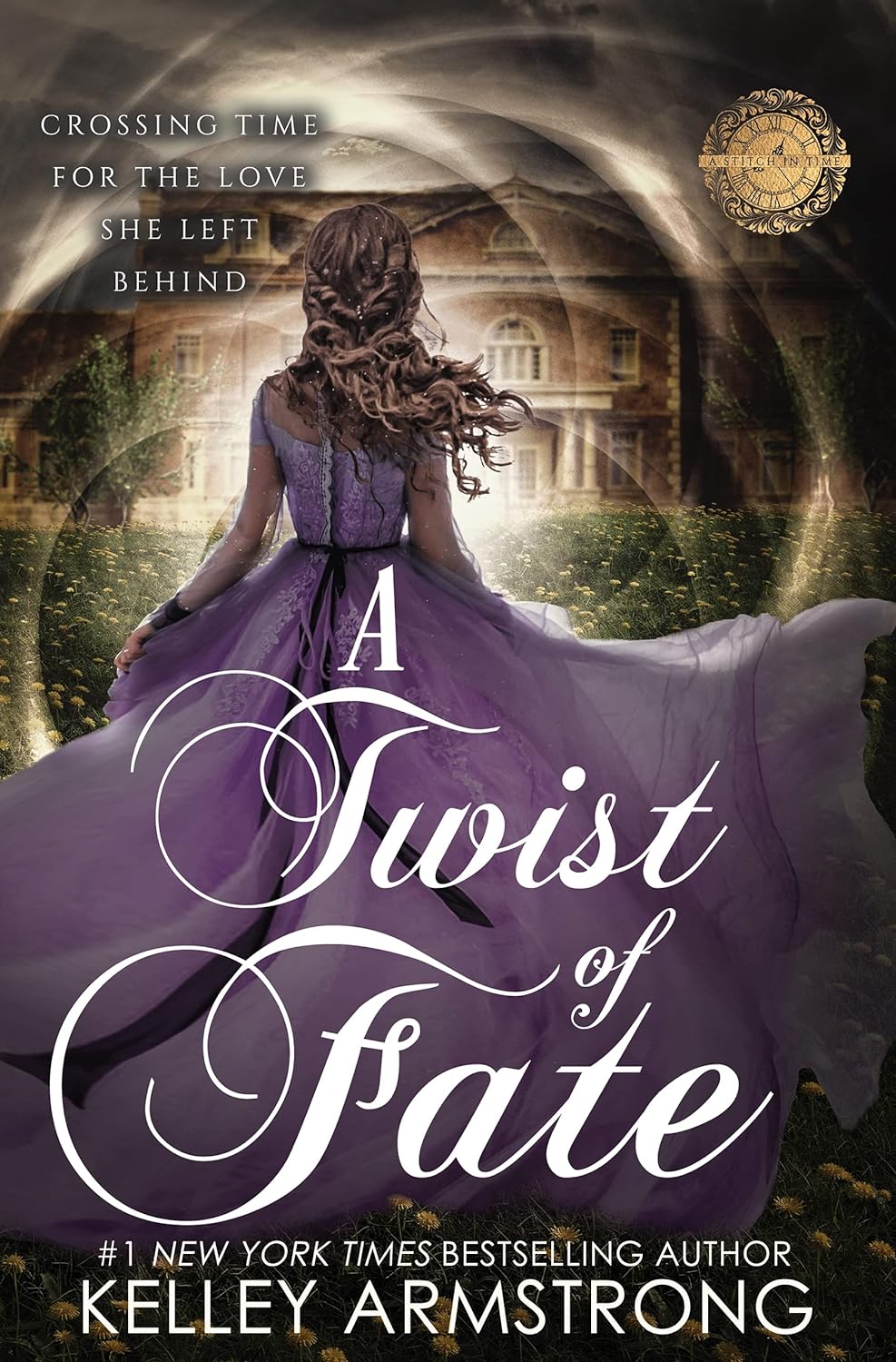
A Castle in the Air (A Stitch in Time, #4) by Kelley Armstrong: The 4th and final (I think?) book in the terrific A Stitch in Time series! I’ve only listened to the first couple of chapters, but I’m hooked already.

Ongoing reads:

My longer-term reading commitments:

  • Damn Rebel Bitches: The Women of the ’45 by Maggie Craig: Over at Outlander Book Club, we’re doing a group read of this non-fiction book, discussing one chapter each Friday. Progress: 44%. Coming up this week: Chapter 13, “Till Death Us Do Part”
  • The Winter’s Tale by William Shakespeare: My book group is reading and discussing two scenes per week. Progress: 39%. Coming up this week: Act IV, scenes 1 and 2.
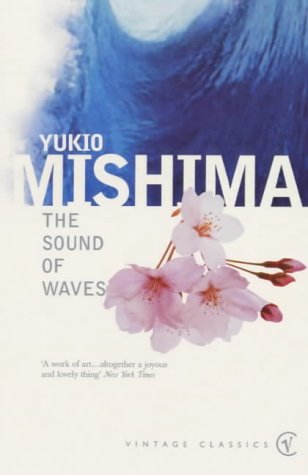
  • It’s the Classics Club spin book! The newest spin landed on #17, and on my list, that’s The Sound of Waves by Yukio Mishima. This is a reread for me, and I just got a copy from the library. I’m still not sure exactly when I’ll start, but there’s plenty of time before the spin deadline of 9/22.

What will you be reading this week?

So many books, so little time…

boy1

Book Review: Against the Darkness (In Every Generation, #3) by Kendare Blake

Title: Against the Darkness
Series: In Every Generation, #3
Author: Kendare Blake
Publisher: Disney Hyperion
Publication date: April 9, 2024
Length: 384 pages
Genre: Young adult fiction
Source: Purchased
Rating:

Rating: 4 out of 5.

This epic finale to the The Next Generation trilogy by New York Times bestselling author Kendare Blake ( Three Dark Crowns ) features the next generation of Scoobies and Slayers who must defeat a powerful new evil.

For generations, the Slayer was supposed to be the chosen, the one girl in all the world with the power to stand against the vampires, demons, and forces of darkness. When Willow used the scythe to call up all the potential slayers at once, it changed everything. For years, the slayers have been working and fighting together as a team.

Then the Darkness came, killing many slayers and trapping the rest in an alternate dimension. And Frankie Rosenberg, the world’s first Slayer-Witch, found herself fighting evil alone. Sort of.

Sure, she has her new Scooby Gang, plus the help of her mom, Willow; Watcher, Spike; and even the brooding-but-hot Hunter of Thrace. But even though they have a master plan (obviously), the gang is more fragmented than ever.

So maybe it really is up to Frankie—and Frankie alone—to stand against the darkness. With Jake’s wild werewolf brother back in town, Dark Willow threatening to return, and the Darkness preparing for the final stage of their attack, now is not a great time to wallow in teen angst. After all, she’s the Slayer. It’s time to slay.

The In Every Generation trilogy feels like a gift for Buffy fans… and it’s been one that I’ve been very happy to unwrap. But now we reach the end: Book #3, Against the Darkness, wraps up the escalating danger with an action-packed finale, while keeping the spotlight shining on the new and old Buffyverse characters (and all their quippiness).

Frankie pointed through the windshield to the park below as Sam ran past the base of the green, sloping hill, screaming as he was tailed by three vampires. Jake wasn’t far behind, and as he passed, he turned to the car and shouted.

“Frankie! Get your slayer butt down here!”

“Well.” Frankie opened her door. “I guess that’s the signal.”

“It was so subtle; are you sure?” Sigmund asked, deadpan.

Over the course of the trilogy, Frankie Rosenberg has been developing her slayer powers. The world’s first slayer-witch, Frankie is a second generation Scoobie, just trying to get through high school, hang out with her mom Willow, keep an eye on best friend/werewolf Jake, and (oh yeah) try not to get killed by the Big Bad of the month.

With Spike as her Watcher, Willow and Oz as the wise elders, and a new batch of Scoobies to train and patrol with, Frankie slowly starts building her confidence, even while desperately missing her aunt Buffy, who is currently trapped in a prison dimension along with rest of the slayers. Well, except for those slayers who’ve joined the Darkness, whose purpose is not obvious to the good guys until it’s almost too late.

This trilogy is oodles of fun. Yes, the focus is on the newer generation, but Willow, Oz, and Spike get plenty of time to shine too, and there are other visits from old favorites that are a delight. (There’s even a shout-out to Miss Kitty Fantastico, which is just… awesome.) Meanwhile, author Kendare Blake wholeheartedly embraces the vibe, capturing both nostalgic references and the overall Buffy way of speaking in a way that’s pure joy to read.

Lots of fun details and craziness ensues. Gotta love the lacrosse werewolves! (It’s a thing — read the book to find out more.)

“Are you all right, Frankie?”

“Sure, why? Did I stop smiling? I didn’t think I stopped smiling.” She tried to smile again, but it wouldn’t stick.

Willow peered around the gymnasium. “Seems like a shame to destroy another high school,” she said to Oz. “This one is so nice.”

“Buffy, look out!” Willow pointed as a bat-winged demon swooped overhead. Buffy and Frankie ducked, and Willow used her magic to zap it out of the sky.

“Thanks, Will.” Buffy looked at her. “Home for not even two seconds, and already it’s work, work, work.”

If you’re a Buffy fan, please do yourself a favor and read this adorable trilogy. It’s such a treat to be back in the world of slayers, demons, witches, and hellmouths. I didn’t expect to love the new characters as much as I did, but Frankie is amazing, and so is the rest of her crew… and needless to say, spending time with the original gang is a total blast.

I’m sad to see the trilogy come to an end, but I’ve enjoyed every moment with these books. I think I hear a Buffy rewatch calling my name…

Book Review: The Black Bird Oracle (All Souls, #5) by Deborah Harkness

Title: The Black Bird Oracle
Series: All Souls
Author: Deborah Harkness
Publisher: Viking
Publication date: July 16, 2024
Length: 464 pages
Genre: Contemporary fiction / fantasy
Source: Purchased
Rating:

Rating: 3 out of 5.

Diana Bishop journeys to the darkest places within herself—and her family history—in the highly anticipated fifth novel of the beloved #1 New York Times bestselling All Souls series.

Deborah Harkness first introduced the world to Diana Bishop, Oxford scholar and witch, and vampire geneticist Matthew de Clairmont in A Discovery of Witches. Drawn to each other despite long-standing taboos, these two otherworldly beings found themselves at the center of a battle for a lost, enchanted manuscript known as Ashmole 782. Since then, they have fallen in love, traveled to Elizabethan England, dissolved the Covenant between the three species, and awoken the dark powers within Diana’s family line.

Now, Diana and Matthew receive a formal demand from the Congregation: They must test the magic of their seven-year-old twins, Pip and Rebecca. Concerned with their safety and desperate to avoid the same fate that led her parents to spellbind her, Diana decides to forge a different path for her family’s future and answers a message from a great-aunt she never knew existed, Gwyneth Proctor, whose invitation simply reads: It’s time you came home, Diana.

On the hallowed ground of Ravenswood, the Proctor family home, and under the tutelage of Gwyneth, a talented witch grounded in higher magic, a new era begins for Diana: a confrontation with her family’s dark past, and a reckoning for her own desire for even greater power—if she can let go, finally, of her fear of wielding it.

I’ve been a fan of Deborah Harkness’s All Souls books ever since the very first book — A Discovery of Witches — was published in 2011. After the original trilogy’s conclusion, fans were surprised and delighted to learn that more books were planned! In 2018, a 4th book — Time’s Convert — was released (note: I only got around to reading it a couple of months ago — my review is here)… and here we are, six years later, with another book in the series. Book #5, The Black Bird Oracle, was released July 16, 2024, and picks up the story several years after the events of Time’s Convert.

In The Black Bird Oracle, the far-flung vampires of the de Clermont clan are largely offstage (except for Matthew, of course, and a few others popping in later in the book). Instead, this sprawling book focuses squarely on the witchy inhabitants of the series. The action is set during the summer of 2017, when Diana and Matthew’s children Pip and Becca are about to turn seven. Just as the family is preparing for summer vacation, a visitation by a flock (unkindness?) of ravens and a summons from an unknown relative provide portents of grave significance, and the family relocates to Ipswich, Massachusetts to learn the secrets of the Proctor family — Diana’s patriarchal line.

Once settled at the Proctor farm and sanctuary, Diana learns about this side of the family’s contribution to her magical talents. She is under pressure to explore the nuances of Light, Shadow, and Darkness as they relate to magic. The Congregation has its eye on her and the children, and she must develop this aspect of her abilities and learn the Proctor family secrets, if she’s to defend her children from powers who may try to control them.

Does that sound like gobbledygook to you? If you haven’t read the earlier books in the series, I’m sure it does. The Black Bird Oracle is absolutely not a starting place. While I love the world of All Souls, the only possible entry point is A Discovery of Witches. Nothing about these books will make sense otherwise.

There are some interesting elements here, especially in regard to the Proctor family history, how they’re intertwined with the tragic events of Salem, and the ways in which the Proctors and de Clermonts have crossed paths over the centuries.

And yet… the book felt strangely flat to me. For all that I adore Diana, I never felt drawn into the story on more than a surface level. Perhaps that’s because the central conflicts of the book have to do with levels of magic, which beyond a certain point get overly symbolic and esoteric. I missed the more personal connections, and although several of the newly introduced Proctor family members are quirky and interesting, the main relationships are oddly stagnant — except when they’re downright puzzling, as in Matthew and Diana’s dynamics. After all they’ve been through in order to be together and create a family of their own, their connection seems fuzzy and off-kilter in this book. I missed the sense of a strong, powerful team working together that we’ve seen previously.

On the positive side, Becca and Pip are great fun — although I’d like to know more about their abilities and their vampiric sides. The focus in The Black Bird Oracle is on their witching talents, and their vampire-influenced traits (and dietary needs) get only the briefest of mentions.

Part of what puzzled me about The Black Bird Oracle is the point of the plot itself. The central conflict never felt fully defined. Toward the end, there’s some excitement involving the Congregation and the reappearance of an old foe of Diana’s, but this is largely unresolved. This new danger is left hanging — I presume we’ll need another book to see what unfolds from here.

Sadly, The Black Bird Oracle was somewhat of a letdown for me. While I’m always happy to reenter the world of All Souls, the emotional hook was missing from this reading experience. I’ll be back for whatever books comes next (fingers crossed we won’t be waiting another six years!), but I can’t say that I feel particularly satisfied after reading this installment in the series.

It pains me to give a Deborah Harkness book a less-than-stellar review. Her writing is always intriguing, and her attention to detail superb. I know many fans are over the moon about this book, and I’m happy for them! I’m still devoted to the author and series, and hope that the next book will return me to five-star joy.

Book Review: The Museum of Failures by Thrity Umrigar

Title: The Museum of Failures
Author: Thrity Umrigar
Publisher: Algonquin Books
Publication date: September 26, 2023
Length: 358 pages
Genre: Contemporary fiction
Source: Purchased
Rating:

Rating: 4.5 out of 5.

An immersive story about family secrets and the power of forgiveness from the bestselling author of Reese’s Book Club pick, Honor

When Remy Wadia left India for the United States, he carried his resentment of his cold and inscrutable mother with him and has kept his distance from her. Years later, he returns to Bombay, planning to adopt a baby from a young pregnant girl—and to see his elderly mother again before it is too late. She is in the hospital, has stopped talking, and seems to have given up on life.

Struck with guilt for not realizing just how ill she had become, Remy devotes himself to helping her recover and return home. But one day in her apartment he comes upon an old photograph that demands explanation. As shocking family secrets surface, Remy finds himself reevaluating his entire childhood and his relationship to his parents, just as he is on the cusp of becoming a parent himself. Can Remy learn to forgive others for their human frailties, or is he too wedded to his sorrow and anger over his parents’ long-ago decisions?

Surprising, devastating, and ultimately a story of redemption and healing still possible between a mother and son,  The Museum of Failures is a tour de force from one of our most elegant storytellers about the mixed bag of love and regret. It is also, above all, a much-needed reminder that forgiveness comes from empathy for others.

The Museum of Failures is an emotional story of family secrets and redemption, with a painful mother-son relationship as its driving force.

Remy was raised in affluence in Bombay by a loving father and cold, unpredictable, cruel mother. After attending college in the US, he stayed, married a lovely woman, and built a life for himself. As the story opens, Remy returns to India for the first time since his father’s death three years earlier. His closest friends have arranged for him and his wife to adopt their unwed niece’s baby. Despite his mixed feelings and negative associations with Bombay, he and Kathy are eager to finally start a family of their own after years of fertility struggles.

Remy is initially repelled by the noise and crowds and intensity of Bombay. His trip appears to be headed for failure when the adoption seems doubtful. To make things worse, Remy’s obligatory visit to see his mother leads to a shocking discovery: She’s been neglected by the caretakers he hired, her living conditions are in disrepair, and she’s in the hospital in serious condition, no longer eating or speaking. Although he’s tried for years to keep as much distance as possible between himself and his mother, his sense of filial duty requires him to care for her during this health crisis and try to help her get better.

As Remy spends time with his mother, she seems to slowly find a new will to live. He discovers cracks in his memories — occasionally snippets of happy moments with a woman he remembers as consistently harsh and unloving. Ultimately, Remy stumbles upon a secret that upends his belief about his upbringing and parents — he discovers that what he remembers and what was actually true are two quite different stories. The family secret is explosive, and changes everything Remy once believed.

The Museum of Failures is a moving story of the damage done within families, the sacrifices parents make, and the lifelong impact of secrets. It’s also a portrait of Remy’s community within Indian society. For a reader previously unfamiliar with the Parsi community, it was a fascinating look at the culture and traditions of this small, tightly-knit segment of the Indian population. Additionally, The Museum of Failures presents a visceral portrait of life in Bombay, from the luxurious dwellings of the wealthy to the neglected and disreputable areas inhabited by the poor and lower castes.

The Museum of Failures is a much more personal story than the author’s previous book, Honor, which takes on oppressive societal structures and cultural differences and the horrible conditions of women’s lives in patriarchal villages. The focus here is on Remy and his family, who in many ways live a very privileged, comfortable life — and yet it’s clear that the pressures of the greater society in which they live have a strong influence on the trauma that pervades their experience.

Ultimately, The Museum of Failures conveys grace and forgiveness through Remy’s journey. The unraveling of secrets allows him to come to terms with his childhood and forge new connections as an adult. The reconciliation with his mother is only possible once the secrets between them are exposed and processed. It’s quite beautiful to see the emotional journey of mother and son, and while many parts of their story are painful, we end on a note of hope.

The Museum of Failures is an emotionally rich story that centers family dynamics within a great societal context. The storytelling feels personal, yet includes beautifully evocative descriptions of the sights, sounds, smells, and flavors of its setting. With well-drawn characters and a skillfully developed plot, this book conveys an intimate story that’s also a page-turner. Highly recommended.

Book Review: Until Next Summer by Ali Brady

Title: Until Next Summer
Author: Ali Brady
Publisher: Berkley
Publication date: July 9, 2024
Length: 447 pages
Genre: Contemporary fiction / romance
Source: Review copy courtesy of the publisher via NetGalley
Rating:

Rating: 4 out of 5.

Two former best friends each find love at an adults-only summer camp in this romantic and nostalgic novel that proves “once a camp person, always a camp person.”

Growing up, Jessie and Hillary lived for summer, when they’d be reunited at Camp Chickawah. The best friends vowed to become counselors together someday, but they drifted apart after Hillary broke her promise and only Jessie stuck to their plan, working her way up to become the camp director. 

When Jessie learns that the camp will be sold, she decides to plan one last hurrah, inviting past campers—including Hillary—to a nostalgic “adult summer camp” before closing for good. Jessie and Hillary rebuild their friendship as they relive the best time of their lives—only now there are adult beverages, skinny dipping, and romantic entanglements. Straitlaced Hillary agrees to a “no strings attached” summer fling with the camp chef, while outgoing Jessie is drawn to a moody, reclusive writer who’s rented a cabin to work on his novel.

The friends soon realize this doesn’t have to be the last summer. They’ll team up and work together, just like the old days. But if they can’t save their beloved camp, will they be able to take the happiness of this summer away with them?

There are two kinds of people in the world: Camp people… and everyone else.

Guess which kind I am? Hint: I still know how to weave lanyards, make sand candles, and play capture the flag, and think singing around a bonfire while eating toasted marshmallows is just about heaven on earth.

So… if you enjoy stories about childhood friends reuniting, taking on a mission, finding love, and engaging in all sorts of silliness, Until Next Summer might be a great read for you — and if you think sleeping in bunkbeds in old wooden cabins, going to free swim in a lake, and doing three-legged races are key components of perfect summers, then reading Until Next Summer is a must!

In this sweet novel, Jessie and Hillary are former BFFCs (Best Friends From Camp — and yes, I just made that up). Year after year, from eight-years-old onward, they spent two glorious month together each summer at their beloved Camp Chickawah, and planned to keep coming back as counselors too. But after Hillary abruptly backed out of their counselor summer to pursue an internship instead, the friendship was over. Ten years later, the hurt feelings remain.

Jessie has never left Camp Chickawah behind. In fact, she loved camp so much that she stayed, joining the year-round staff and eventually working her way up to Camp Director following the camp owners’ retirement. Jessie gets a terrible shock when the children of the former owners inform her that next summer will be the end: After their parents’ death, they have no interest in continuing to run the camp, and instead have decided to sell off the property to developers.

Jessie is devastated, and comes up with a plan for one final summer: In an attempt to show the owners’ heirs how much the camp means to its community and hopefully persuade them to keep it going, Jessie invites camp alumni of all ages to come enjoy a summer dedicated to adult camp. And — perhaps surprisingly — the response is huge: Every session of the summer fills up, and the adult campers cannot wait to come.

Joining the staff for the final summer is Jessie’s old friend Hillary. On the verge of accepting yet another high-octane corporate job, and possibly marrying her attorney boyfriend (who comes complete with her dad’s stamp of approval), Hillary decides instead that a return to her true happy spot might be just what she needs… and maybe she and Jessie can even make amends, after all these year.

Until Next Summer is a joyful celebration of friendship and, especially, of the unique, special, lifelong friendships that are the essence of the summer camp experience. Reading about adults returning to relive their happiest moments and recreate the camp vibe is a total hoot — nostalgic and silly and totally entertaining.

… [B]ut that’s how time works at camp: a day feels like a week, a week feels like a month.

Seeing camp through Jessie and Hillary’s eyes, it’s easy to remember how a summer at camp becomes the center of everything: Summer seems like it expands to fill your entire life, and the rest of the year is just filler until you can get back to the real thing.

I loved how perfectly the authors capture Jessie and Hillary’s connection. Sure, the end of their friendship seems way too harsh and sudden (if they’d had a single conversation, things might have gone differently) — but once they do reconnect, we readers really feel how deep the camp bond goes.

“People always talk about soulmates as being romantic,” I say, leaning my head against her shoulder. “But is it weird that you’re the closest thing I’ve ever experienced to that?”

“Not weird at all,” she says, and rests her head on mine.

Speaking of romance… I was less captivated by the romantic elements of the novel. Jessie and Hillary both get love stories, and they’re fine. I was less convinced by Jessie’s romance — her love interest transformed from grumpy to sunshine in the blink of an eye, and I didn’t truly feel their chemistry. Hillary’s love story was a bit more fun, and the I got a huge kick out of the pair sneaking off into the woods for make-out sessions. Now that’s summer camp!

The fundraising and save-the-camp campaign are perhaps too good to be true — I don’t think events would have gone so well in a real-life situation. Still, in the context of the novel, it’s a fun bit of wish fulfillment, and we’re really never left in any doubt that the good guys will come out on top.

Overall, Until Next Summer is an upbeat, sweet, engaging read. I loved the focus on friendship and the lasting impact of summer camp; the romances made less of an impression, but still provide some great moments.

Even if you’re not actually a camp person, Until Next Summer may make you feel like you could have been. This book is a terrific choice for summer reading… preferably on a beach blanket on the shores of a gorgeous lake.

About the authors: Ali Brady is the pen name of writing BFFs Alison Hammer and Bradeigh Godfrey. This is their third book together, and I’m looking forward to exploring their other two!

Book Review: The Lost Story by Meg Shaffer

Title: The Lost Story
Author: Meg Shaffer
Publisher: Ballantine Books
Publication date: July 16, 2024
Print length: 352 pages
Genre: Fantasy
Source: Review copy courtesy of the publisher via NetGalley

Rating: 5 out of 5.

Inspired by C. S. Lewis’s The Chronicles of Narnia, this wild and wondrous novel is a fairy tale for grown-ups who still knock on the back of wardrobes—just in case—from the author of The Wishing Game.

As boys, best friends Jeremy Cox and Rafe Howell went missing in a vast West Virginia state forest, only to mysteriously reappear six months later with no explanation for where they’d gone or how they’d survived.

Fifteen years after their miraculous homecoming, Rafe is a reclusive artist who still bears scars inside and out but has no memory of what happened during those months. Meanwhile, Jeremy has become a famed missing persons’ investigator. With his uncanny abilities, he is the one person who can help vet tech Emilie Wendell find her sister, who vanished in the very same forest as Rafe and Jeremy.

Jeremy alone knows the fantastical truth about the disappearances, for while the rest of the world was searching for them, the two missing boys were in a magical realm filled with impossible beauty and terrible danger. He believes it is there that they will find Emilie’s sister. However, Jeremy has kept Rafe in the dark since their return for his own inscrutable reasons. But the time for burying secrets comes to an end as the quest for Emilie’s sister begins. The former lost boys must confront their shared past, no matter how traumatic the memories.

Alongside the headstrong Emilie, Rafe and Jeremy must return to the enchanted world they called home for six months—for only then can they get back everything and everyone they’ve lost.

Let’s cut right to the chase: The Lost Story is a break-out 5-star read for me!

I went into this reading adventure without expectations. I hadn’t read the author’s previous novel, and didn’t know a whole lot about The Lost Story, other than blurbs about this being a Narnia for grown-ups.

And yes, that’s kind of true… and it’s also its own wonderful experience entirely.

In The Lost Story, the central mystery focuses on two lost-then-found boys. As teens, Rafe and Jeremy disappeared on a school outing to Red Crow State Forest in West Virginia, only to reappear — suddenly, and without explanation — six months later. For Rafe, the missing months are simply gone from his memory. Jeremy sticks to an undetailed story: they were lost, managed to survive, and then were rescued.

Fifteen or so years later, the boys are men in their mid-thirties. Jeremy has achieved fame as a missing person finder, carrying out seemingly impossible rescues in hopeless situations. Rafe, on the other hand, lives alone in a cabin in the woods, preferring to cut himself off from the world. Jeremy and Rafe have had no contact since their return, despite formerly being best of friends.

They’re brought back into one another’s lives when Emilie contacts Jeremy, asking for help in locating her long-lost sister Shannon — a person Emilie only recently learned even existed. Shannon was lost in the same woods as Jeremy and Rafe, but years earlier, and was long ago presumed dead. But Emilie feels a desperate need to know more. and Jeremy agrees to help her — only if Rafe joins in as well.

As the trio journeys from Red Crow into a magical realm beyond their own, their story hits traditional quest beats while also offering an original take on the magical portal genre. One fascinating element is the fact that the characters are adults. We’ve learned from Narnia and other fantasy classics that children are best suited to these portal journeys — a sense of innocence is essential to crossing over and being being open to the reality of alternate worlds. Seeing adult characters embrace the magic, even while acknowledging the unlikelihood of it all, adds a unique flavor to the tale.

Where to even begin to explain just how wonderful this book is? I don’t want to reveal much up front, but as the synopsis makes clear, there are other worlds involved, and the answers to the mysteries of these disappearances involve magic and otherworldly forces.

When you begin to question your sanity, remind yourself that the fact that something impossible happened doesn’t mean it didn’t happen.

There’s joy and sorrow, love and friendship, adventure and danger — all this and more awaits Jeremy, Rafe, and Emilie as they set out on their quest. The quest itself is filled with wonder and beauty, but even more special is the relationships discovered and revealed as the characters move fully into a world beyond their own.

Reading The Lost Story is a beautiful, funny, emotional, transporting experience. I never expected to fall for this book the way I did. I just wish I could live in Jeremy, Rafe, and Emilie’s world a bit longer. Highly recommended.

Now that I’ve read The Lost Story, I’m eager to read the author’s debut novel, The Wishing Game… just as soon as I can fit it into my reading schedule.

Fun side note: After finishing The Lost Story, I read the author bio and discovered that Meg Shaffer is married to author Andrew Shaffer, who has written some supremely silly parodies and novels (including the Obama/Biden mystery books). I can only imagine how entertaining their dinner table conversations must be!