Book Review: Cannery Row by John Steinbeck (Classics Club Spin #30)

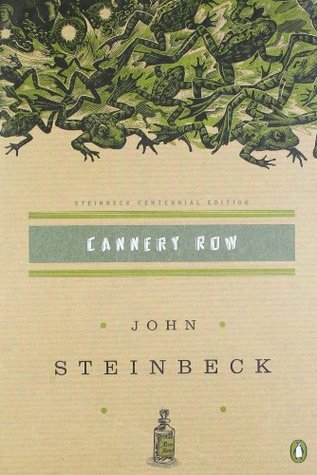
Title: Cannery Row
Author: John Steinbeck
Publisher: Penguin Books
Publication date: 1945
Length: 181 pages
Genre: Fiction
Source: Purchased
Rating:

Rating: 4.5 out of 5.

Cannery Row is a book without much of a plot. Rather, it is an attempt to capture the feeling and people of a place, the cannery district of Monterey, California, which is populated by a mix of those down on their luck and those who choose for other reasons not to live “up the hill” in the more respectable area of town. The flow of the main plot is frequently interrupted by short vignettes that introduce us to various denizens of the Row, most of whom are not directly connected with the central story. These vignettes are often characterized by direct or indirect reference to extreme violence: suicides, corpses, and the cruelty of the natural world.

The “story” of Cannery Row follows the adventures of Mack and the boys, a group of unemployed yet resourceful men who inhabit a converted fish-meal shack on the edge of a vacant lot down on the Row.

Cannery Row is my summer 2022 Classics Club Spin book, and I’ll admit that I felt a bit ambivalent when my spin landed on this book. I’ve had a copy of Cannery Row on my shelf for a few years now and have been wanting to read more Steinbeck, but meanwhile, my book group read Tortilla Flat last year, and that seemed like enough for the time being!

Still, once I got started, I couldn’t help but be charmed by Steinbeck’s descriptions and unique way with words.

In Cannery Row, as the synopsis above states, there really isn’t much of a plot. Instead, it’s a series of vignettes and moments that capture the spirit of a time and place. As the author explains in the very first passage of the books:

Cannery Row in Monterey in California is a poem, a stink, a grating noise, a quality of light, a tone, a habit, a nostalgia, a dream.

I read that first line, and I was hooked!

It continues:

Cannery Row is the gathered and scattered, tin and iron and rust and splintered wood, chipped pavement and weedy lots and junk heaps, sardine canneries of corrugated iron, honky tonks, restaurants and whore houses, and little crowded groceries, and laboratories, and flophouses. Its inhabitants are, as the man once said, “whores, pimps, gamblers, and sons of bitches,” by which he meant Everybody. Had the man looked through another peephole he might have said, “Saints and angels and martyrs and holy men,” and he would have meant the same thing.

If there is a main character in Cannery Row, I suppose it might be Mack:

Mack was the elder, leader, mentor, and to a small extent the exploiter of a little group of men who had in common no families, no money, and no ambitions beyond food, drink, and contentment.

A less generous writer might describe Mack and his group as bums, but Steinbeck instead presents them as well-intentioned pranksters whose endeavors usually go sideways, but who never mean anyone any harm. They drink and go on adventures, and are admirers of Doc, who runs Western Biological, the laboratory and business where he collects, studies, and sells the specimens he finds along the shores and in the tidepools of Monterey Bay and beyond.

Others in the neighborhood include the Bear Flag Restaurant, which is actually a popular brothel run by the kind madam Dora, and Lee Chong’s store, where pretty much anything can be found at any time of year. Then there’s the couple who turned an abandoned cannery boiler in a vacant lot into a makeshift house, and then became landlords by renting out the random pipes on the lot as sleeping shelters for the various men needing a roof over their heads.

The characters interact through business deals and random conversations and unbalanced bargains. An ongoing thread in the book is Mack’s desire to throw a party for Doc to show him how much he and the boys appreciate him. Let’s just say that it does not go as planned — before the night is out, much of Doc’s home and lab is destroyed, and there are frogs everywhere! The gang’s search for frogs is another very funny saga, and even results in a brand-new Cannery Row economy based on the value of frog futures.

Of course, some pieces of Steinbeck’s writing don’t age well. He uses racial terms that would be unacceptable today (“Wops and Chinamen and Polaks”), although to be fair, I think he’s attempting to describe the variety of the people of Monterey — he isn’t being derogatory (although I was uncomfortable with how he writes Lee Chong’s dialogue; perhaps not considered out-of-bounds in the 1940s, but certainly not okay today).

I do love Steinbeck’s writing. He can be beautifully descriptive, and also terribly funny just by virtue of the words he uses:

He can kill anything for need but he could not even hurt a feeling for pleasure.

Describing a changing moment in a tidepool:

A wave breaks over the barrier, and churns the glassy water for a moment and mixes bubbles into the pool, and then it clears and is tranquil and lovely and murderous again.

Small moments made me laugh:

“Henri loves boats but he’s afraid of the ocean.”

“What’s he want a boat for then?” Hazel demanded.

“He likes boats,” said Doc. “But suppose he finishes his boat. Once it’s finished people will say, ‘Why don’t you put it in the water?’ Then if he puts it in the water, he’ll have to go out in it, and he hates the water. So you see, he never finishes the boat — so he doesn’t ever have to launch it.”

And then there’s the time when Mack and the boys manage to restore an old truck just enough to get it running, but with small problems, like the fact that it can only make it up a hill if they go in reverse.

I am truly glad that I read Cannery Row, and I so appreciate the Classics Club Spin challenge that got me to finally take the book off the shelf and give it a try.

I would like to read more by John Steinbeck in the future. So far, besides Cannery Row, I’ve read East of Eden and Of Mice and Men (both very, very long ago) and Tortilla Flat, and I know I should read The Grapes of Wrath at some point too.

Do you have any favorite Steinbeck books? Please let me know if you have recommendations!
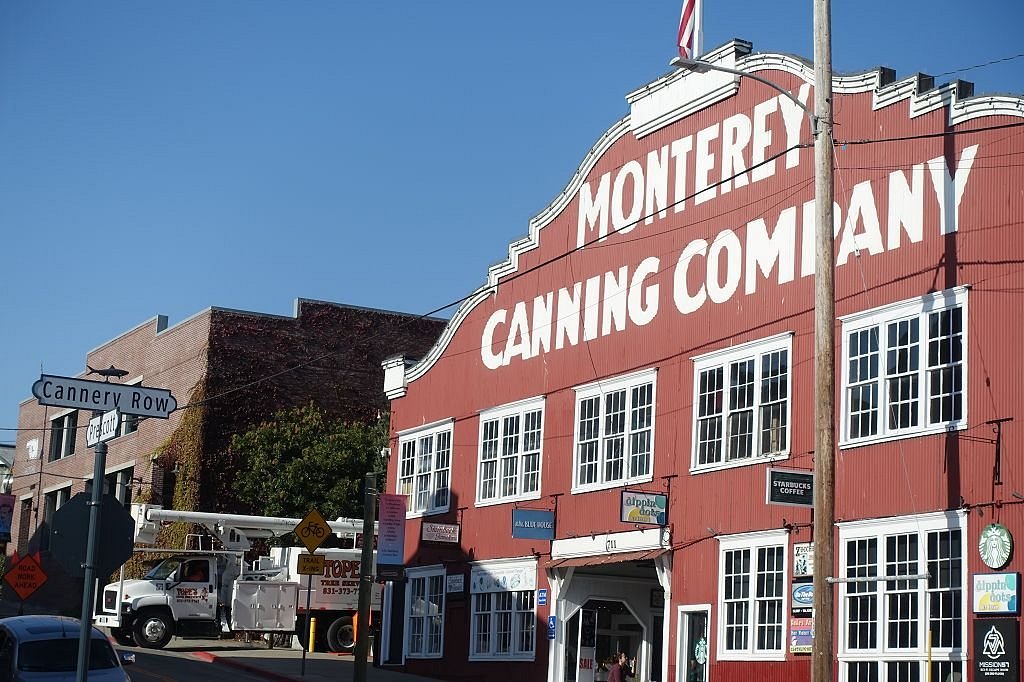
Today’s Cannery Row in Monterey

Who knew? There was a movie of Cannery Row released in the 1980s!

TV Time: Virgin River season 4. So pretty. So slooooow.

Virgin River Credit: Netflix

As I said when I wrote up my post about season 3 of Virgin River

The more things change, the more they stay the same.

Back we go to the fictional town of Virgin River, California, a gorgeous place somewhere in Humboldt County, with beautiful rivers, mountains, and forests, quirky townspeople, amazing baked goods, and a teensy little problem with drug runners.

But romance! Especially romance!

Four seasons in, I can’t deny that I’m invested and care about these characters’ lives… and at the same time, absolutely nothing happens on this show!! Or so it seems most of the time.

Season four has 12 episodes, each about 45 minutes, so that’s plenty of opportunity to move the plot forward in a meaningful way, right?

Well, let’s take a look at the timespan of the show, shall we? Season 1 (which initially aired in 2019) included the announcement of an unplanned pregnancy at the end of the season. So here in season 4, the babies should be in preschool, right?

Nope. The pregnant character from season 1 is STILL pregnant, and according to a comment in the final episode of season 4, she’s 5 months pregnant at this point. FIVE MONTHS.

In terms of season 4 itself, as far as I could tell, it all takes place within no more than 4 weeks. So, those babies from season 1 will be born… I don’t know, season 7 or 8, maybe?

The bummer about this timespan weirdness is that all of season 4 takes place over no more than a month (possibly two), and guess what? It’s apparently not sweater season! (For context, one of my absolutely ridiculous obsessions with earlier seasons is drooling over main character Mel’s amazingly big and cozy sweaters… but this time around, they were sadly missing.)

Onward to talking about season 4. SPOILER ALERT!! I’m going to be discussing plot points from the season, so if you haven’t watched, you may want to look away!!

Season 4 continues shortly after the end of season 3, in terms of story chronology. Season 3 ended with Jack trying to propose to Mel, who interrupts so she can inform him that she’s pregnant, and he might not be the father. This would have been much more shocking if we viewers didn’t already know that she’d gone to a fertility clinic in LA while she and Jack were on a brief break and had her and her late husband’s embryos transferred. (Don’t get me started — the process is so ridiculous and unrealistic, but that’s a season 3 issue).

Jack, of course, is supportive, loves Mel no matter what, and insists that this baby will be their baby, no matter who the biological father actually is. But, he doesn’t want to do a paternity test — he’s afraid that a definitive answer might affect how he feels about the baby, so he’d rather not know.

In case you’re keeping score, that makes Jack the expectant father of three babies!

Meanwhile, he continues to struggle with PTSD from his Marine days, and seems be in denial about a drinking problem too. Also lingering is the question of who shot him (at the end of season 2) — his former Marine buddy is in prison for attempted murder, but Brady has been shown to have a heart of gold (thanks to his relationship with Jack’s sister), so we know it wasn’t him!!

What else? Other plot points this season include:

  • A kidnapped child
  • Ongoing drug business
  • Recovery from a traumatic brain injury
  • A surprise grandchild showing up in town
  • A new doctor at the clinic
  • Mel’s sister getting married to a guy she’s known for one month
  • A local teen leaving his girlfriend behind to join the Marines
  • Aikido lessons for Preacher (and a new love interest)
  • There’s a Renaissance Faire!!

And on and on. There are dramatic reveals set up as cliffhangers at the end of various episodes (OMG, the pilot of the small plane is having a heart attack mid-flight!) which get resolved neatly and easily as soon as the next episode starts (the pilot is fine, Jack landed the plane, everybody is good!).

There are weird developments –a young couple eating at Jack’s bar mention how excited they are about a glamping getaway in an Airstream, and within minutes, Jack has decided that his new side business will be… buying Airstreams to set up a glamping business! Way to jump in with zero research, Jack.

There’s a hugely over-the-top baby shower (for Charmaine, mother of Jack’s unborn twins — due sometime in 2026, perhaps?) that looks like the most painful and boring event of all times. Maybe it’s supposed to look like how rich people would throw a baby shower, but to me, it looked like a super awkward business event that’s trying to be fun. Give me baby Pictionary and silly games with balls of yarn in someone’s living room any day!

Shows with small town settings like this seem to be required to include (a) nosy residents who love to gossip (b) a sewing or knitting circle and (c) a festival or fair of some kind. Check, check, and check! The Renaissance Faire is very fun to watch while also being totally goofy. Of course, everyone has amazing costumes! They even get the new town doc to dance around the maypole, and naturally, Jack gets to play a knight in a mock sword fight. It’s awesome.

To be fair, a few plot points do get somewhat straightened out by the end of the season. Again, SPOILER ALERT, because this gives away some big reveals:

  • The kidnapped child is saved!
  • The kidnapper is also Jack’s shooter, and it looks like he’s finally been caught!
  • And….
  • … the biggest reveal…
  • Jack is NOT actually the father of Charmaine’s babies! Dun dun dun….

My biggest complaint about the show overall is that I absolutely hate the drug smuggling plotline, but it doesn’t appear to be going away any time soon. And now there’s a new crime boss in town with a surprising connection to one of the local families. You know this can’t be good. I really, really, really can’t stand any aspect of this storyline, which seems completely unnecessary to an otherwise nice show about people in a small town — but I understand that this plot is from the books, so I guess we’re stuck with the awful drug running stuff for a while longer.

Why do I keep watching this show, when clearly I have issues with it?

Because it still has enough good stuff, like…

  • You guessed it, the amazing scenery! I want to LIVE in this town, wander through the woods, and sit and gaze at the rivers.
  • We get to watch Tim Matheson! He remains a delight as Doc Mullins, and I love every moment he’s on screen.
  • Mel… well, I’m on the fence. I’ve loved her up to now, and I do love seeing her in action as a highly skilled, highly compassionate medical professional. Unfortunately, she spends a lot of this season moping and being sad — often with good reason, but it’s just not very much fun.
  • Bree, introduced last season, gets more screen time, and I enjoy her a lot too. Yay for another strong woman in town!

So, for now, I’m sticking with it! But if those babies don’t start getting born in season 5, I may finally reach my breaking point.

What about you? Who’s still watching Virgin River? What do you think of season 4?

And still the lingering question — should I give the books a try?

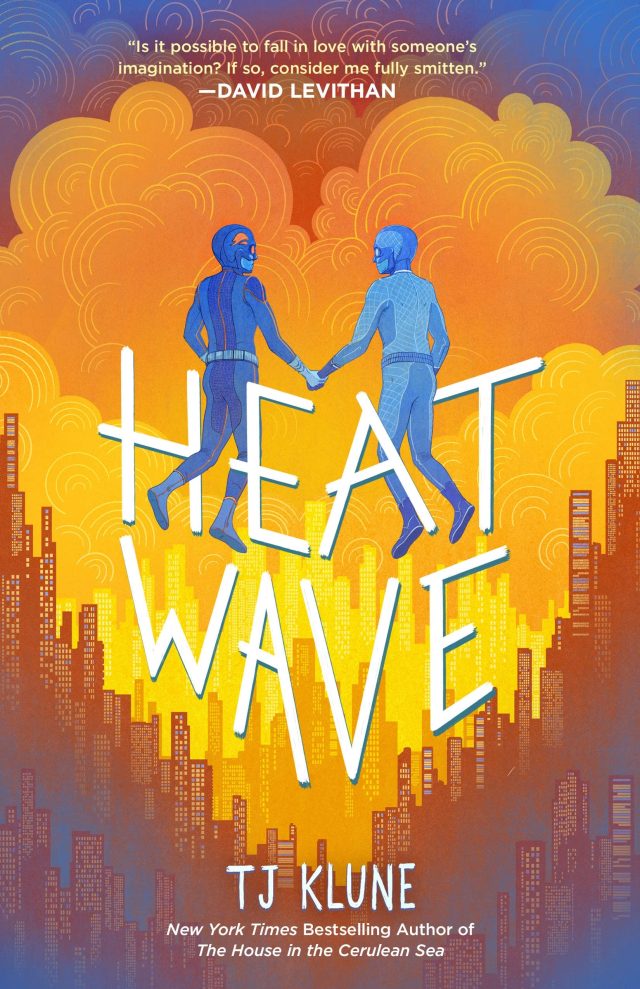
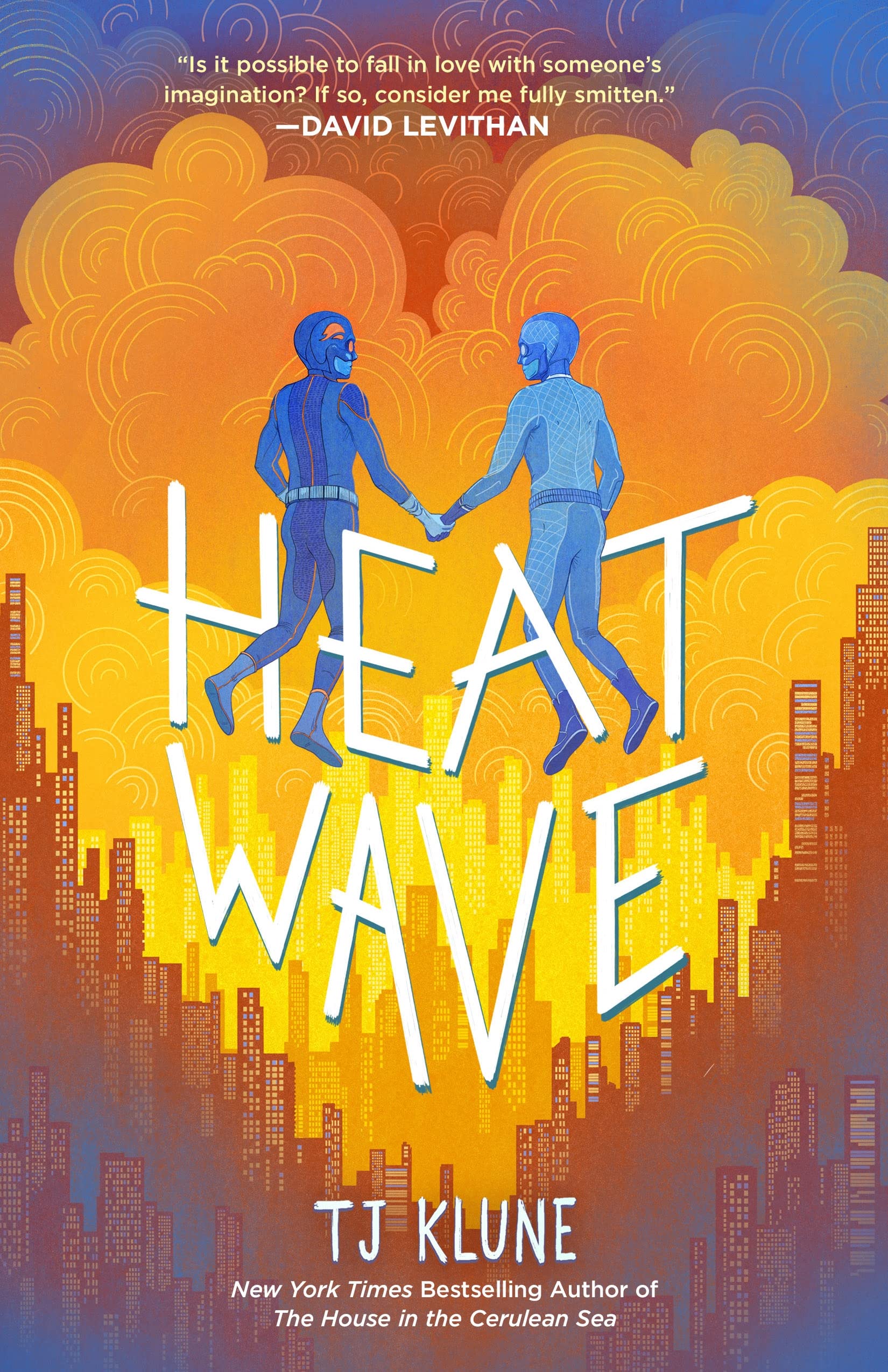
Book Review: Heat Wave (The Extraordinaries, #3) by TJ Klune

Title: Heat Wave (The Extraordinaries, #3)
Author: TJ Klune
Publisher: Tor Teen
Publication date: July 19, 2022
Length: 384 pages
Genre: Young adult fantasy
Source: Review copy courtesy of the publisher via NetGalley
Rating:

Rating: 5 out of 5.

Heat Wave is the explosive finale to the thrilling Extraordinaries trilogy by New York Times and USA Today bestselling author TJ Klune!

Nick, Seth, Gibby, and Jazz are back in action bringing justice, protection, and disaster energy to the people of Nova City.

An unexpected hero returns to Nova City and crash lands into Nick’s home, upturning his life, his family, and his understanding of what it means to be a hero in the explosive finale of the thrilling and hilarious Extraordinaries trilogy by New York Times bestselling author TJ Klune.

This series! This book! These characters! At this point, I love the characters so much that I just want to tuck them all away somewhere safe and shower them with love and ice cream. THEY ARE SO ADORABLE AND AMAZING.

Heat Wave, the 3rd and final book in the Extraordinaries trilogy, opens as a hot summer rolls through Nova City. The main characters are on summer break, hanging out, fighting crime… you know, like kids do! But it doesn’t take very long before something starts to seem just a little bit off. I won’t say what, but at first it was just a nagging little “huh?’ voice in my head, which soon escalate to full-on shouts of WTF?

Never fear, it all makes sense eventually. Our gang – the incredibly lovely and awesome and over the top Nicky, his true love Seth, and their best friends (who are also deeply in love) Gibby and Jazz — continue their Extraordinary activities as, respectively, superheroes Guardian and PyroStorm, with Gibby and Jazz as their tech support and secret lair gurus, aka Lighthouse. Also involved are the various parental units of our four teens, and the parents are equal measures supportive, loving, and totally embarrassing. (Oh, the Dad jokes! These people are just so much).

I really don’t want to say too much about the plot. There’s action, adventure, danger, and telekinetic and fire-power heroics! There are also bad guys who are very, very bad and very, very powerful. Plus, a mayoral election that’s truly a battle for the heart and soul of Nova City, and a police reckoning that’s very much a reflection of today’s real-world society.

I need to stop and mention that Nick and his dad Aaron have THE BEST father-son dynamic I’ve ever witnessed. Aaron is excruciatingly in Nick’s face in the most cringe-y ways, and it’s so clearly coming from a place of unconditional support and love that you want to stand up and shout “YES!” whenever they have a scene together. This book does also include the most cringe-worthy Nick and Aaron scene of the entire series. Suffice it to say that Aaron loves his gay son and wants him to be fully informed, prepared, and safe when it comes to moving things forward with Seth. I kind of wanted to die of embarrassment reading this scene, and at the same, I couldn’t help thinking how absolutely affirming it might be for gay teens who need that kind of open information and communication in their own lives.

Likewise, Seth and Nicky’s physical relationship moves forward, and the author does not shy away from the details… but it’s not at all gratuitous. Again, all I could think was that there are probably teen readers who really need to see a healthy, loving, consensual relationship depicted in such a positive way, and I hope this book finds its way to those who need it.

But anyway… even putting aside how amazing all of the above is, this is just a GOOD STORY. The action zips along, there are some astonishing surprises and big reveals, and a major blam-pow-kabam superhero battle to finish it all off. (Also, there’s the introduction of a new character named Burrito Jerry, and he’s pretty amazing, so there’s that too.)

The book’s epilogue ties up the story and gives us a flash forward into the characters’ lives several years down the road, and while it’s a little disconcerting to see them all as adults, it’s also wonderful. And yes, the conclusion is quite definitely a conclusion… but I’d pay oodles to get to spend more time with Nicky, Seth, Gibby and Jazz! I’m sure they’re all going to go on to lead fabulous, fascinating lives, and I just wish we could see it!

As always, the writing in Heat Wave is smart and funny, and I’ll wrap up this big gushy love letter to The Extraordinaries trilogy by sharing some favorite bits and pieces:

“We’re queer. We walk fast because of our survival instinct.”

He snorted. “Okay, that was funny in a really sad way. I feel bad for the heteros. They wanted us to run from them, and so we did, and now we evolved to be much quicker than they are. They really don’t get anything aside from having all the rights they could ever ask for.”

If he’d known how much worse it was about to get, Nick would’ve probably fled the house, moved to Canada, and spent the rest of his days living in a cabin while making maple syrup, or whatever it was Canadians did aside from being pleasant and supportive, most likely because they enjoyed the benefits of universal healthcare.

Owen had been Nick’s first… well. Almost first everything. First kiss. First sort-of boyfriend. First breakup. First (and so far only) former flame who’d turned into a villain and had tried to kill them.

You never forgot your first.

“I’m supposed to be in a romantic comedy, not a horror movie!” Nick cried as the blade wiggled from side to side as if it was stuck…

But before Nick could be dragged away he leaned forward, knowing he’d never get the chance again to have this many people listening to him. “Queer rights!” he shouted. “Down with the patriarchy! Defund the police! Support fanfic writers!”

“We’re going to hug you, but then we’re going to yell at you. It’s going to be very loud, but you will sit there and take it.”

I’m tearing up just thinking about these characters and their lives and how amazing they are. I can’t believe the story is over!

The 3rd book, and the trilogy as a whole, get five glittery stars!

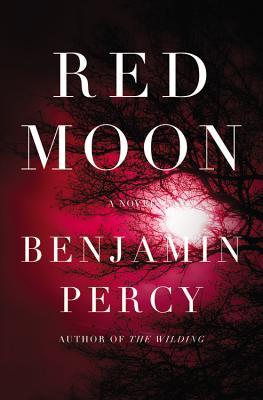
Shelf Control #328: Red Moon by Benjamin Percy

Shelves final

Welcome to Shelf Control — an original feature created and hosted by Bookshelf Fantasies.

Shelf Control is a weekly celebration of the unread books on our shelves. Pick a book you own but haven’t read, write a post about it (suggestions: include what it’s about, why you want to read it, and when you got it), and link up! For more info on what Shelf Control is all about, check out my introductory post, here.

Want to join in? Shelf Control posts go up every Wednesday. See the guidelines at the bottom of the post, and jump on board!

Title: Red Moon
Author: Benjamin Percy
Published: 2013
Length: 544 pages

What it’s about (synopsis via Goodreads):

They live among us.

They are our neighbors, our mothers, our lovers.

They change.

When government agents kick down Claire Forrester’s front door and murder her parents, Claire realizes just how different she is. Patrick Gamble was nothing special until the day he got on a plane and hours later stepped off it, the only passenger left alive, a hero. Chase Williams has sworn to protect the people of the United States from the menace in their midst, but he is becoming the very thing he has promised to destroy. So far, the threat has been controlled by laws and violence and drugs. But the night of the red moon is coming, when an unrecognizable world will emerge…and the battle for humanity will begin.

How and when I got it:

I picked up a paperback edition several years ago, most likely through a local used book store.

Why I want to read it:

In case it’s not entirely clear from the synopsis, this is a werewolf book! I remember hearing about Red Moon when it was first released — especially, that this is not the story of a werewolf as an urban fantasy love interest, but a gory, violent, disturbing tale with (if I remember correctly) plenty of political allegory as well. (I could be wrong on that point).

I’ve read all sorts of werewolf stories, from before and after this one was published, and I enjoy a variety of approaches, but the only other truly super dark one I’ve read is The Last Werewolf by Glen Duncan, which is very, very dark indeed (but also excellent).

I’ve held onto Red Moon for years, and since then, have read several other of Benjamin Percy’s books. He’s a gifted, inventive writer with a flair for telling unexpected stories. I think my favorite of his so far is The Dead Lands (published 2015), which is soooo icky at times but also mesmerizing and unlike anything else I’ve read.

I do think I still want to read Red Moon, but given how long it is and how much time has passed since I added it to my TBR pile, I’m going to really have to talk myself into giving it a try.

In case you want to know more, here are a couple of reviews that I bookmarked for future reference:
New York Times
NPR

What do you think? Would you read this book?

Please share your thoughts!


__________________________________

Want to participate in Shelf Control? Here’s how:

  • Write a blog post about a book that you own that you haven’t read yet.
  • Add your link in the comments or link back from your own post, so I can add you to the participant list.
  • Check out other posts, and…

Have fun!

Top Ten Tuesday: Books From My Past Seasonal TBR Posts I STILL Haven’t Read

Top Ten Tuesday is a meme hosted by That Artsy Reader Girl, featuring a different top 10 theme each week. This week’s topic is Books From My Past Seasonal TBR Posts I STILL Haven’t Read.

My initial thought was — um… yes, I have those! Don’t we all?

BUT — as I went back through my seaosnal TBR posts, I had to go all the way back to winter 2019/2020 (and doesn’t that feel like another lifetime?) in order to come up with 10 that I (a) haven’t read yet and (b) still do really want to read!

Moving backwards chronologically, my 10 are:

Spring 2022:

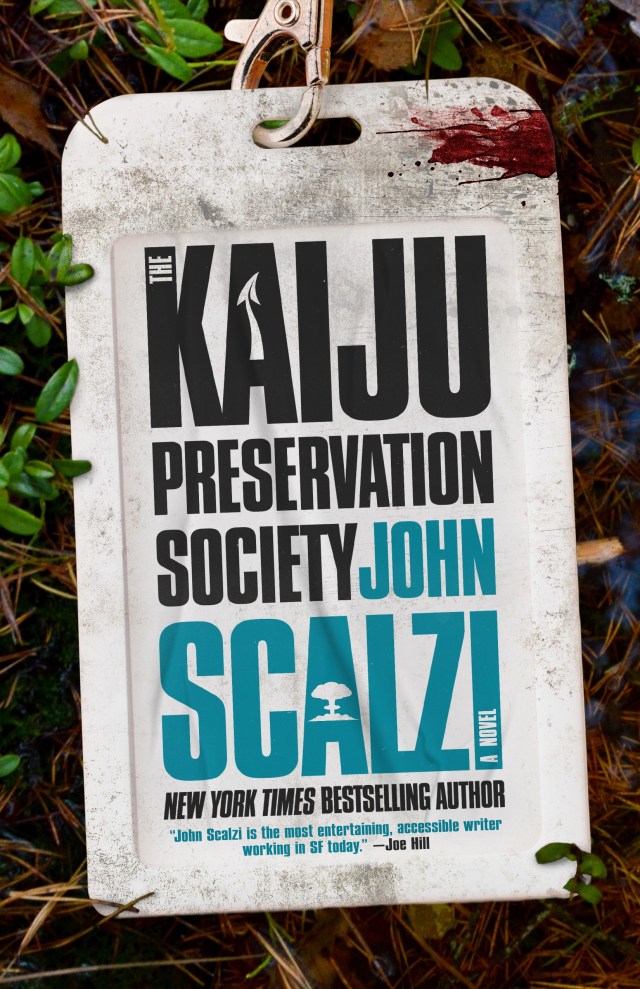
The Kaiju Preservation Society by John Scalzi

(High priority — I hope to read or listen to this one by the end of August!)

Winter 2021/2022:

Dial A for Aunties by Jesse Q Sutanto

Spring 2021:

Ambush or Adore by Gail Carriger


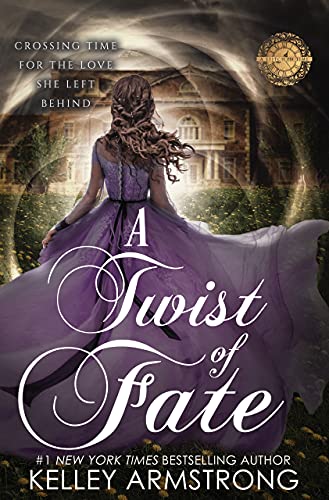
A Twist of Fate by Kelley Armstrong


Gilded by Marissa Meyer

Winter 2020/2021:

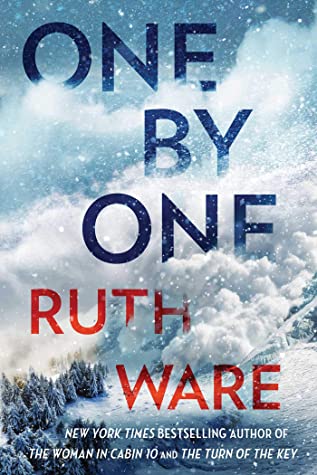
One By One by Ruth Ware

Fall 2020:

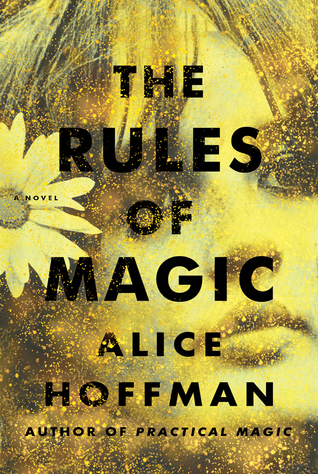
The Rules of Magic by Alice Hoffman


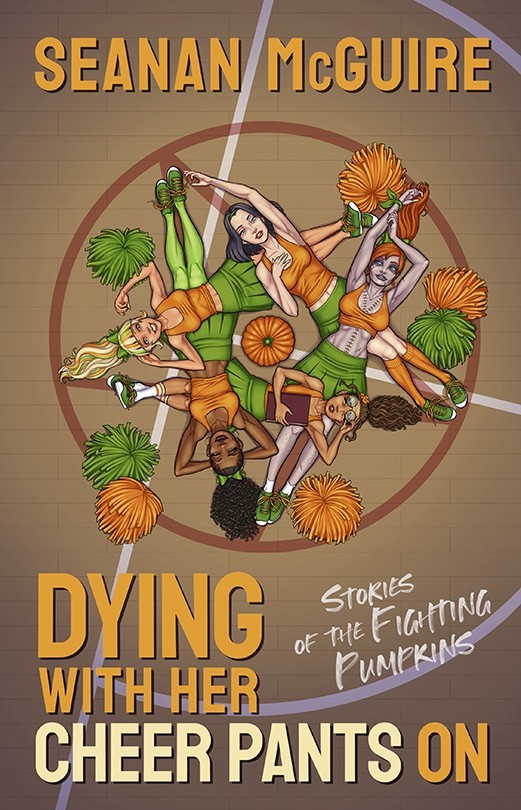
Dying With Her Cheer Pants On by Seanan McGuire

Spring 2020:

Red Sky Over Hawaii by Sara Ackerman


The Jetsetters by Amanda Eyre Ward

Winter 2019/2020:

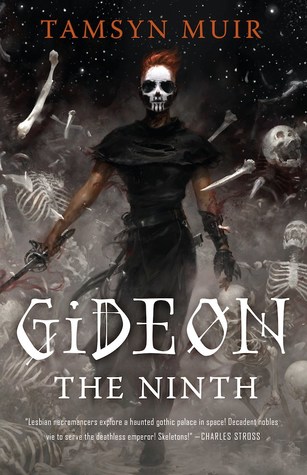
Gideon the Ninth by Tamsyn Muir


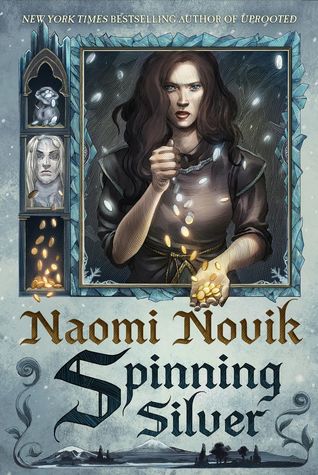
Spinning Silver by Naomi Novik


Yes, that’s actually 11 — I couldn’t leave out one from a TBR list that still had two left!

I have to say… I’m a little proud of myself, because having to go back three years to come up with 10 books means that I’ve been pretty good at sticking to my reading plans!! Either that, or I’ve gotten much better at picking books for my TBR that I know I’ll want to read.

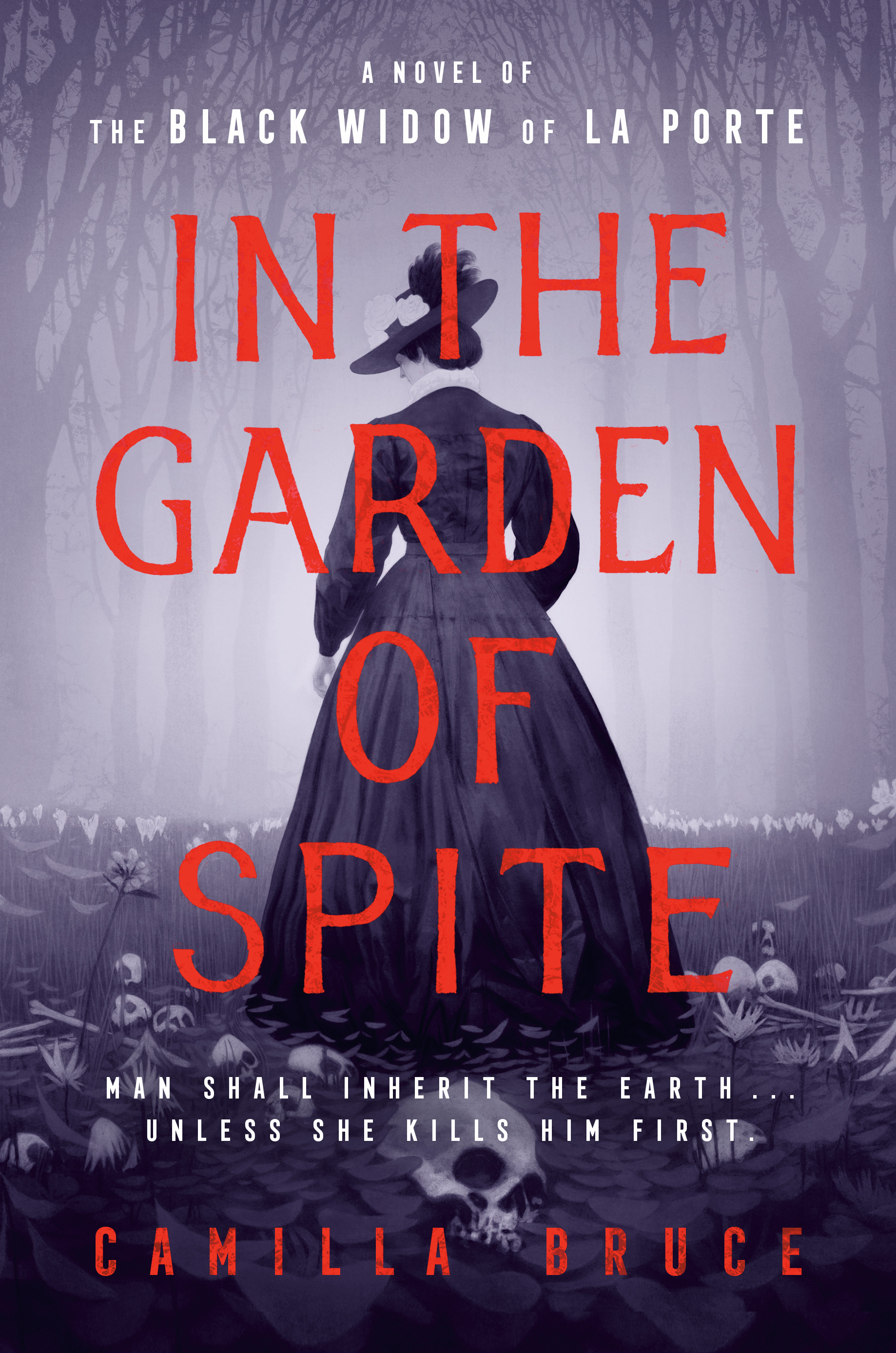
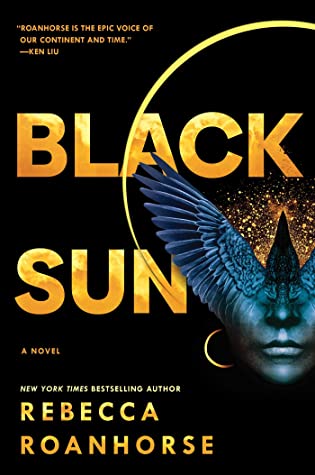
For the sake of being complete, I thought I’d also include a look at the books from the same timeframe’s TBR lists that I ended up DNFing. For the books below, I thought I’d want to read them, but for all sorts of reasons, they either didn’t end up holding my interest or didn’t appeal to me enough to see all the way through:

Are there any of my remaining TBR picks (in my top 11) that you’d especially recommend?

If you wrote a TTT post this week, please let me know your freebie topic and share your link!

Save

Save

Save

Save

The Monday Check-In ~ 7/25/2022

cooltext1850356879

My Monday tradition, including a look back and a look ahead — what I read last week, what new books came my way, and what books are keeping me busy right now. Plus a smattering of other stuff too.

Life.

A nice relaxing weekend after an intense workweek!

This will probably sound silly, but one of the little things I started doing for myself recently is getting my nails all prettified! I hadn’t had a manicure in over 10 years, but last month indulged prior to going to a wedding, and I realized that I really liked it… so I went again yesterday and ended up pink and sparkly.

Kind of fun doing something just for the sake of feeling upbeat — and the process itself felt relaxing and pampering, so a big win all the way around!

What did I read during the last week?

The Book of Lost Friends by Lisa Wingate: The real history behind the story is interesting, but the novel itself feels muddled and unengaging. If this hadn’t been for my book group, I’m not sure I would have finished. My review is here.

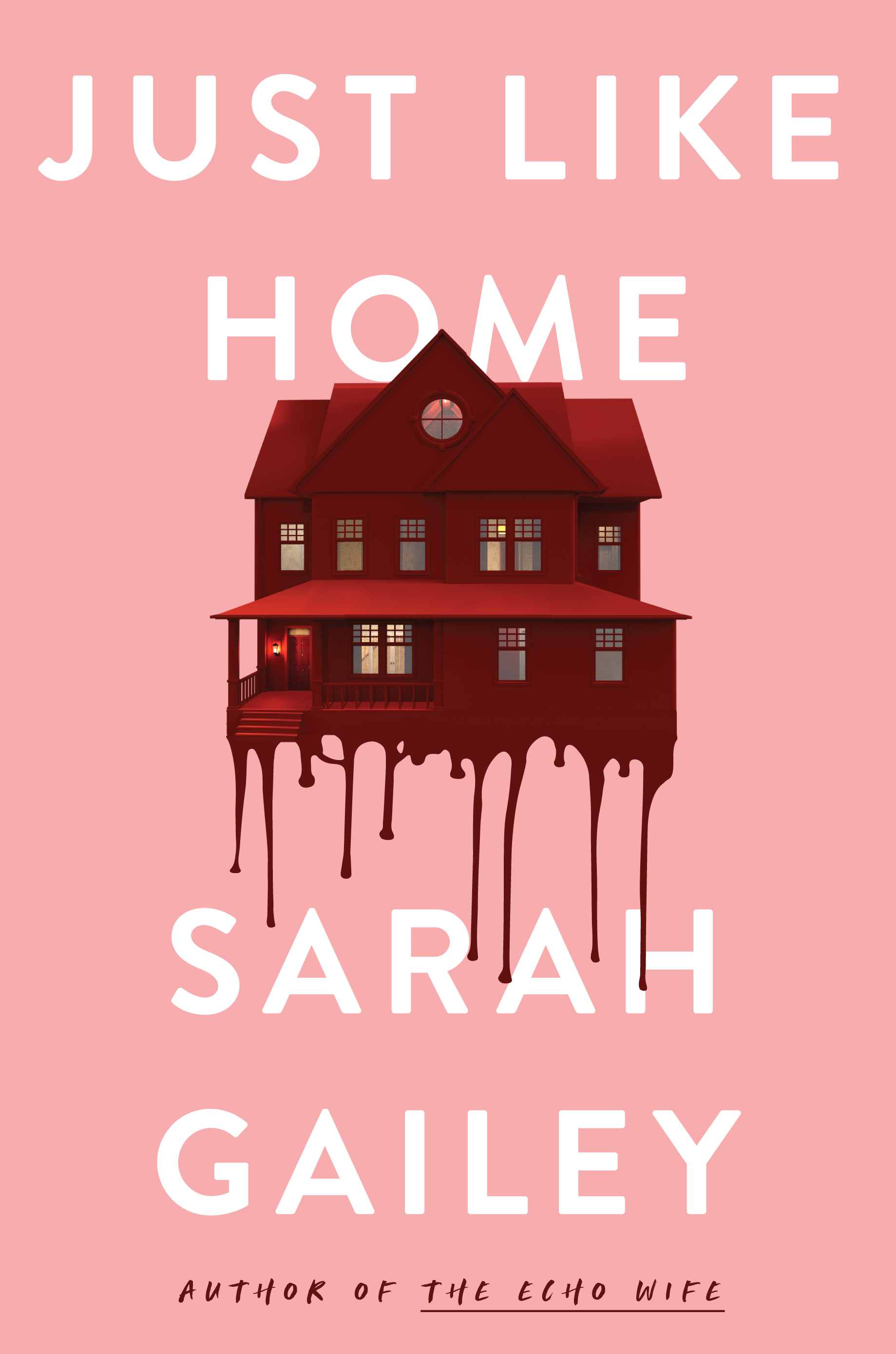
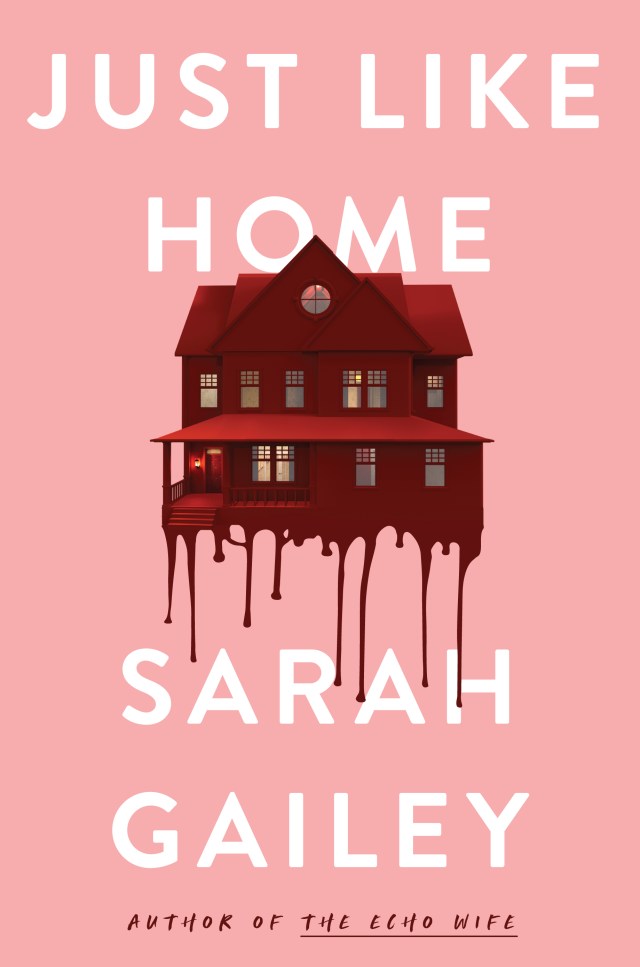
Just Like Home by Sarah Gailey: Creepy and surprising. My review is here.

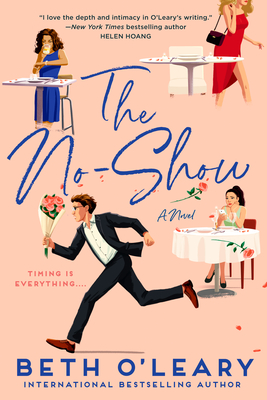
The No-Show by Beth O’Leary: Excellent! So much more depth and emotion than you might guess from looking at the cover. My review is here.

Pop culture & TV:

I finished watching Stranger Things! Season 4 was a bit oddly constructed, with super long episodes (that season finale was almost 2.5 hours!!) — but overall, I thought it was SO good, and loved how it ties together so much going all the way back to season 1.

I started my Stranger Things binge with season 3, since I’d already seen 1 & 2 when they first dropped… but now I’m thinking I should go back and re-watch season 1 at the very least.

Meanwhile, the new season of Virgin River dropped on Netflix this week. I’ve only had time to watch about half of the episodes. It’s comfort watching — nothing you wouldn’t expect, same gorgeous scenery, same small town quirkiness… all taking place within the same year as seasons 1, 2, and 3! Man, this show moves slowly.

Fresh Catch:

Ooh, some awesome new books arrived this week!

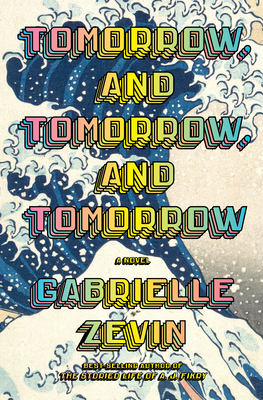
(Yes, I’ve already read Tomorrow, and Tomorrow, and Tomorrow — I just loved it so much that I needed to own a hardcover edition of my own!)

What will I be reading during the coming week?

Currently in my hands:

Heat Wave by TJ Klune: It’s the 3rd and final book in the Extraordinaries trilogy! I love these characters SO much. I have a feeling I’m going to want to listen to the audiobook as soon as I finish the print version — I did audio re-reads of books 1 & 2 recently, and the narrator is amazing.

And sometime in the coming week, I need to start:

Cannery Row by John Steinbeck: This is my Classics Club Spin book, and the due date is fast approaching! I haven’t felt really in the mood to pick this up so far, but I think I’m going to need to push myself a bit and just make it happen.

Now playing via audiobook:

The Comeback by Lily Chu (narrated by Phillipa Soo): I really liked my last audiobook by this author and narrator (The Stand-In), and this one is off to a great start!

Ongoing reads:

These books will be on my plate for months to come:

  • Go Tell the Bees That I Am Gone by Diana Gabaldon: Over at Outlander Book Club, we’ve started our group read of BEES, reading and discussing two chapters per week. If anyone wants to join us, just ask me how! All are welcome.
  • Hamlet by William Shakespeare: My book group’s current classic read. We’re reading one scene per week — almost done with Act IV.
  • Tales From Shakespeare by Charles and Mary Lamb: No progress… but since I’m still planning to get to it, in little bits and pieces, I’m leaving it here a bit longer.

So many books, so little time…

boy1

Audiobook Review: The No-Show by Beth O’Leary

Title: The No-Show
Author: Beth O’Leary
Narrators:  Evanna Lynch , Heather Long , Kathryn Drysdale , Luke Thompson
Publisher: Berkley
Publication date: April 12, 2022
Print length: 352 pages
Audio length: 10 hours, 47 minutes
Genre: Contemporary romance
Source: Purchased
Rating:

Rating: 5 out of 5.

Siobhan is a quick-tempered life coach with way too much on her plate. Miranda is a tree surgeon used to being treated as just one of the guys on the job. Jane is a soft-spoken volunteer for the local charity shop with zero sense of self-worth.

These three women are strangers who have only one thing in common: They’ve all been stood up on the same day, the very worst day to be stood up–Valentine’s Day. And, unbeknownst to them, they’ve all been stood up by the same man.

Once they’ve each forgiven him for standing them up, they let him back into their lives and are in serious danger of falling in love with a man who seems to have not just one or two but three women on the go….

Is there more to him than meets the eye? And will they each untangle the truth before they all get their hearts broken?

Three women who seemingly have nothing in common find that they’re involved with the same man in this smart new rom-com by Beth O’Leary, bestselling author of The Flatshare.

It’s going to be hard to talk about The No-Show without giving away too much — but let me offer this caution up front: This book is delicious, and really and truly, you should avoid reading reviews that go into details. Trust me — not knowing is what’s in store is key to appreciating how great this story is.

As the book opens, we meet three women who have all been stood up by Joseph Carter: Siobhan waited for him for a breakfast date; Miranda sat at a restaurant way longer than she should have waiting for him to show up for lunch; and Jane ended up abandoned at an engagement party he’d promised to be her “friend date” for.

And all I could think through these initial chapters was: What a jerk! Who is this guy who (a) is dating three woman simultaneously and (b) is so rude and inconsiderate that he no-shows on all three of them?

There’s more to the story, of course. As the plot moves forward, told through chapters that alternate between Siobhan, Miranda, and Jane, we learn more about Joseph’s involvement with each woman — how they met, how their relationships developed, what their big challenges are. At the same time, we get to know each of these three women, and get to see how fabulous they are.

All quite different, Siobhan, Miranda, and Jane have distinct personalities and very different lives. Jane is perhaps the hardest to get a handle on — she’s scared and shy and completely lacking in self-esteem when we meet her, and it’s hard for us (and Joseph) to get past her protective shell to see the person she is inside.

Connections between the different characters’ worlds become apparent as the story unfolds. And just when I thought I had it all figured out (feeling rather self-satisfied, to be honest), it turns out that I didn’t. Beth O’Leary pulled the rug out from under me in an amazing way — and I love when fiction surprises me like that, giving me something that I didn’t see coming, but that completely fits and makes sense.

So… I absolutely refuse to give anything away about the plot, but let me just say that Joseph is not the jerk I initially suspected him of being, and that everything will eventually make sense!

I love the writing, the character development, and the fresh take on strong women who feel deeply and have interesting lives. The characters are all terrific, and for the audiobook, different narrators take the different characters’ chapters. The voices and delivery really suit each of the characters, and the whole story flows quickly and really works.

I was completely engaged, and as often happens with good audiobooks, I found myself dying for my next car ride or walk so I’d have an excuse to listen more! The audiobook even brought me to tears (but fortunately, I was alone in my car at the time, so managed to avoid public embarrassment over the waterworks).

Based on its cover, The No-Show seems like it should be a light, silly story, but really, it’s so much more than that. This book has light, romantic moments, but also deeply felt emotions, sorrow, and struggles, and really well told character arcs as well.

Definitely one of my favorite books of summer 2022!

Book Review: Just Like Home by Sarah Gailey

Title: Just Like Home
Author: Sarah Gailey
Publisher: Tor Books
Publication date: July 19, 2022
Print length: 352 pages
Genre: Horror
Source: Review copy courtesy of the publisher via NetGalley
Rating:

Rating: 4 out of 5.

“Come home.” Vera’s mother called and Vera obeyed. In spite of their long estrangement, in spite of the memories — she’s come back to the home of a serial killer. Back to face the love she had for her father and the bodies he buried there.

Coming home is hard enough for Vera, and to make things worse, she and her mother aren’t alone. A parasitic artist has moved into the guest house out back, and is slowly stripping Vera’s childhood for spare parts. He insists that he isn’t the one leaving notes around the house in her father’s handwriting… but who else could it possibly be?

There are secrets yet undiscovered in the foundations of the notorious Crowder House. Vera must face them, and find out for herself just how deep the rot goes.

Sarah Gailey’s books are always a little bit out-there, full of surprises and strange situations and characters who take some time to truly “get.” Just Like Home, though, is the first book I’ve ready by them that I’d describe as flat-out creepy… and occasionally pretty gross. Still a great read though!

In Just Like Home, Vera returns to her family home after many years away, summoned by her dying mother Daphne to clean out the house in preparation for her death.

It was the house her father built, and she needed to treat it right.

Daphne is in terrible condition, unable to eat and living on lemonade alone, bedridden, oozing and menacing and strange. Vera and Daphne haven’t seen each other in over a decade, and there’s years-worth of animosity to unpack and tiptoe around.

“I think you have to know someone in order to truly love them, and you have to love someone in order to really hate them. There’s the thin hate we have for strangers. […] And then there’s the thick, true, smothering hate we have for those we know best. And that, Vera-baby, that’s what I had for you. That’s what bubbled up in me and stuck.

The house itself is disturbing, full of dark spaces that connect one to another. And why is the basement door, right next to Vera’s old bedroom door, always locked?

As the book reveals, Vera’s beloved father is the renowned serial killer Francis Crowder, who died in prison several years after his arrest and incarceration. The basement was his murder lair, where he’d chain up his victims and drain them of the “grease” that had built up inside them, turning them corrupt and evil from the inside out. Crowder House is an infamous location, popular with murder tourists and a string of artists who pay Daphne for access, trying to feed their artistic muses on the misery left behind in the house.

But when Vera returns, many of her memories center around Francis. He may have been a serial killer, but to Vera, he was her sole source of love, connection, and nurturing during her childhood. One of the more shocking aspects of Just Like Home is the carefully built portrayal of a daughter who loves everything about her father, even his most terrible deeds.

“I watched you eat up his love like a crab eating a seafloor corpse, one pinch at a time.”

The wording choices throughout the book emphasize the creepy, scary nature of Crowder House as well as how much Vera is not okay.

Vera could feel the question of who would speak next filling up the room like mustard gas in a trench.

At the beginning, she seems like a survivor, someone who’s lived through a horrific childhood but is more or less “normal”. As the book progresses, it becomes clear that Vera is not at all well-adjusted, that her worldview is absolutely dependent on the lessons she learned from her parents, and that her driving motivations and needs are not about moving forward or leaving the past behind her.

There was so much, she was sure, that he’d meant to teach her. Surely he’d seen something of himself in her, something that deserved to be loved and nurtured.

The horror elements become more explicit toward the end of the book, including a supernatural element that I was initially taken aback by, but ultimately found pretty darned cool, actually. The ending is twisted, and I’m not sure I totally get exactly what happened… but it was fascinating and disturbing to read, and I just couldn’t look away.

Just Like Home tells a story of twisted love and the power of home. It’s odd and scary and horrible in so many ways, yet utterly compelling too. If you enjoy chilling reads, check this one out.

Book Review: The Book of Lost Friends by Lisa Wingate

Title: The Book of Lost Friends
Author: Lisa Wingate
Publisher: Ballantine
Publication date: April 7, 2020
Print length: 388 pages
Genre: Historical fiction
Source: Review copy courtesy of the publisher via NetGalley
Rating:

Rating: 3 out of 5.

A new novel inspired by historical events: a story of three young women on a journey in search of family amidst the destruction of the post-Civil War South, and of a modern-day teacher who rediscovers their story and its connection to her own students’ lives.

Lisa Wingate brings to life stories from actual “Lost Friends” advertisements that appeared in Southern newspapers after the Civil War, as freed slaves desperately searched for loved ones who had been sold off.

Louisiana, 1875 In the tumultuous aftermath of Reconstruction, three young women set off as unwilling companions on a perilous quest: Lavinia, the pampered heir to a now-destitute plantation; Juneau Jane, her illegitimate free-born Creole half-sister; and Hannie, Lavinia’s former slave. Each carries private wounds and powerful secrets as they head for Texas, following dangerous roads rife with ruthless vigilantes and soldiers still fighting a war lost a decade before. For Lavinia and Juneau Jane, the journey is one of inheritance and financial desperation, but for Hannie, torn from her mother and eight siblings before slavery’s end, the pilgrimage westward reignites an agonizing question: Could her long-lost family still be out there? Beyond the swamps lie the seemingly limitless frontiers of Texas and, improbably, hope.

Louisiana, 1987 For first-year teacher Benedetta Silva, a subsidized job at a poor rural school seems like the ticket to canceling her hefty student debt–until she lands in a tiny, out-of-step Mississippi River town. Augustine, Louisiana, seems suspicious of new ideas and new people, and Benny can scarcely comprehend the lives of her poverty-stricken students. But amid the gnarled oaks and run-down plantation homes lies the century-old history of three young women, a long-ago journey, and a hidden book that could change everything.

After reading and enjoying this author’s previous novel (Before We Were Yours), I was excited to get an ARC of The Book of Lost Friends… and yet I left it unread until now, somehow never quite feeling in the mood to get started. So, I was glad when my book group chose The Book of Lost Friends as our July 2022 Book of the Month — finally, a commitment to get me motivated!

Unfortunately, while I finished the book, I can’t say that I loved it. In fact, I’ve been wavering between rating this one 2.5 or 3 stars.

The narrative alternates between a historical timeline set in 1875 and a more modern timeline set in 1987. Both stories are situated in Augustine, Louisiana, and in both timelines, the Gossett family is at the center of the community.

In 1875, the Gossett plantation has been transformed post-war into sharecropper properties, still dominated by the plantation’s former mistress, who seems determined to undermine and cheat the formerly enslaved people now working to secure their own land. Her husband has disappeared to Texas in search of his wayward son, and the future of the land and its people is very much up in the air. The main character, Hannie, ends up accompanying the former master’s two daughters (one white and legitimate, the other biracial and illegitimate) on a dangerous journey to find their father and find the missing documents needed to secure their inheritance. Hannie’s own goal is more personal: To find the missing members of her family, all of whom were sold off while enslaved and stolen by an unscrupulous relative of the plantation owners.

In 1987, the main character is Benny (Benedetta) Silva, a young teacher who accepts a rural posting in exchange for student loan forgiveness. Benny is ill-prepared to teach in a school where there are inadequate resources, apathetic staff, and students who lack the most rudimentary skills or interest needed to pursue an education. Benny is determined to find a way to connect with her students, and begins a research project that puts her at odds with powerful town leaders.

I don’t want to go too far down the road of discussing the dual plots, so I’ll stick to some key concerns and takeaways.

In both timelines, the plot is often confusing and muddled. We alternate chapters between the two timelines, and yet as we pick up a storyline after a chapter away from it, there’s often a gap in the action from where we left off. Intervening events do get explained, but the initial impression is always that something has been missed or that the pieces don’t quite connect.

The family chronologies and connections are not well explained, and neither is the make-up of the town itself or its history. There’s a lot of detail thrown around in the book, but often through exposition rather than incorporation into the plot. The details often felt muddy to me, leading to my feelings of disengagement.

Benny’s role, in my opinion, is problematic. Her character really smacks of white saviorism. She arrives in town as an outsider, and immediate becomes the catalyst for changing the lives of the poor children and disempowered community members of Augustine. Why did it take Benny’s arrival to make this happen? Why was it Benny and the (white) descendants of the Gossett slaveowners who enable the discovery of the town’s history and the revelations that ensue?

I did appreciate learning about the Lost Friends advertisements, which were a real historical phenomenon used by formerly enslaved people to try to track down and reunite with family members. The inclusion of real Lost Friends ads is touching and powerful.

However, overall, the plot didn’t build in a way that connected the dots, and the action sequences and outcomes felt disjointed. I did not feel emotionally involved with the characters, and while certain moments elicit sympathy or sorrow or horror, these responses related more to the general circumstances described rather than being connected to actual care or concern for the specific characters.

I was also turned off by a weirdness to the ending, in which a big revelation about a character’s backstory is shared literally on the last two pages of the book. Why?? It felt awkward and unnecessary — perhaps it was intended to provide an “aha!” moment about the character, but really, it just felt tacked-on and beside the point.

Overall, this was not a great reading experience, and if not for my book group commitment, I probably would not have finished. The “Lost Friends” element is interesting from a historical perspective, but the fictional storylines built up around this element just never made me feel connected or invested.

Final note: I will add that many of my book group friends enjoyed this book more than I did, and one person who is herself an educator commented that she found Benny’s work with the students and the challenges she faced very relatable and well done. In other words… while I didn’t particularly enjoy this book, your mileage may vary!

Shelf Control #327: The Red Magician by Lisa Goldstein

Shelves final

Welcome to Shelf Control — an original feature created and hosted by Bookshelf Fantasies.

Shelf Control is a weekly celebration of the unread books on our shelves. Pick a book you own but haven’t read, write a post about it (suggestions: include what it’s about, why you want to read it, and when you got it), and link up! For more info on what Shelf Control is all about, check out my introductory post, here.

Want to join in? Shelf Control posts go up every Wednesday. See the guidelines at the bottom of the post, and jump on board!

Title: The Red Magician
Author: Lisa Goldstein
Published: 1982
Length: 192 pages

What it’s about (synopsis via Goodreads):

Winner of the 1983 American Book Award, The Red Magician was an immediate classic.

On the eve of World War II, a wandering magician comes to a small Hungarian village prophesying death and destruction. Eleven-year-old Kicsi believes Vörös, and attempts to aid him in protecting the village.

But the local rabbi, who possesses magical powers, insists that the village is safe, and frustrates Vörös’s attempts to transport them all to safety. Then the Nazis come and the world changes.

Miraculously, Kicsi survives the horrors of the concentration camp and returns to her village to witness the final climactic battle between the rabbi and the Red Magician, the Old World and the New.

The Red Magician is a notable work of Holocaust literature and a distinguished work of fiction, as well as a marvelously entertaining fantasy that is, in the end, wise and transcendent.

How and when I got it:

I’ve had a paperback edition on my shelves for years and years, and I honestly don’t remember when or where I got it… but there’s a good chance I picked it up at a library sale at some point.

Why I want to read it:

I really wonder if I knew that this was Holocaust-related fiction when I picked up a copy, or if I just expected magic-based fantasy. In any case, the synopsis is really intriguing.

I’m always cautious when it comes to fiction set during the Holocaust, because if not done well, it can feel manipulative or even exploitative. I’m very curious to see how this fantasy story plays out, and I’m also pretty surprised that a book with this combination of real world horror and fantastical elements ended up winning the National Book Award!

I’ve read one book by this author (Ivory Apples), and have one other on my shelves that was among my very first handful of Shelf Control books (The Uncertain Places). I’d definitely like to read at least the two books I own, and I’d certainly be open to exploring more of her work.

What do you think? Would you read this book?

Please share your thoughts!


__________________________________

Want to participate in Shelf Control? Here’s how:

  • Write a blog post about a book that you own that you haven’t read yet.
  • Add your link in the comments or link back from your own post, so I can add you to the participant list.
  • Check out other posts, and…

Have fun!