Picnic at Hanging Rock by Joan Lindsay: Book, movie, and TV (Classics Club Spin #33)

This was originally going to be a book review post dedicated to my newest Classics Club Spin book… but then I got carried away! Not only did I read the book, but I also watched the movie and TV mini-series versions as well. Read on for my thoughts on all three (or, for the tl;dr version, jump right to the end!)

Let’s start where all such things should start — the book:
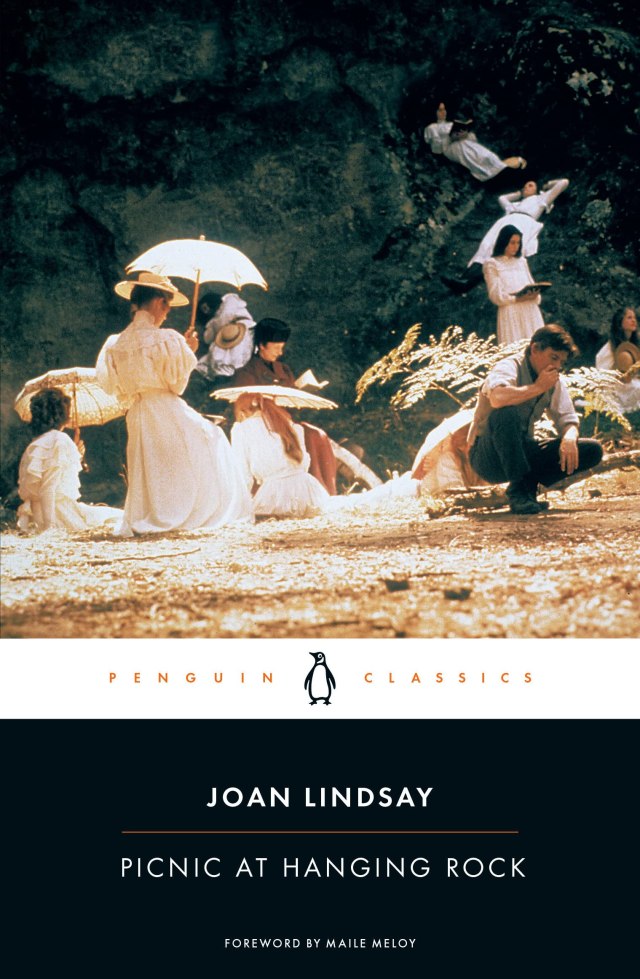
Title: Picnic at Hanging Rock
Author: Joan Lindsay
Publication date: 1967
Length: 204 pages
Rating:

Rating: 4.5 out of 5.

Synopsis (Goodreads):

It was a cloudless summer day in the year 1900. Everyone at Appleyard College for Young Ladies agreed it was just right for a picnic at Hanging Rock. After lunch, a group of three girls climbed into the blaze of the afternoon sun, pressing on through the scrub into the shadows of the secluded volcanic outcropping. Farther, higher, until at last they disappeared. They never returned. . . .

Mysterious and subtly erotic, Picnic at Hanging Rock inspired the iconic 1975 film of the same name by Peter Weir. A beguiling landmark of Australian literature, it stands with Shirley Jackson’s We Have Always Lived in the Castle, Daphne du Maurier’s Rebecca, and Jeffrey Eugenides’ The Virgin Suicides as a masterpiece of intrigue.

Picnic at Hanging Rock is my most recent Classics Club Spin book. This is a book I’ve had my eye on for some time, so I was delighted when its number came up!

This 20th century Australian classic centers around the Appleyard College for Young Ladies, run by headmistress Mrs. Appleyard, a stiff and proper Englishwoman who enjoys the income afforded her by providing a fine finishing school education for the daughters of Australian society’s affluent families.

As the story opens, it’s Valentine’s Day, 1900, and the young women of Appleyard are setting out on a picnic, chaperoned by two teachers. It’s a hot day, and their destination lies hours away by horse-drawn carriage. After the excitement of receiving Valentine’s cards, emotions are running high. The girls are eager for adventure, yet must always remember the expectation that they behave like proper young ladies.

After a picnic at the foot of the towering Hanging Rock, as it’s almost time for the return journey, a few girls beg permission to take a short walk along the stream… and never return. Hours pass; finally, one of the party returns in terror, but with no explanation of what’s actually happened. No sign can be found of the three missing girls, and what’s more, it’s discovered that one of the teachers has also vanished. As night approaches, there’s no choice but to return to the school.

An intense manhunt follows, and while one girl is eventually found — but again, with no memories of what happened to her or the others — there’s no luck in finding the others. Rumors and intrigue spread; the incident becomes known as the College Mystery. Months pass, and the ripples of that fateful day spread and touch more and more people — and the enigmatic Mrs. Appleyard seems to slowly fall apart as well.

The writing in Picnic at Hanging Rock is lush and vivid. The depiction of Hanging Rock is stark, and the author carefully describes not just the rock formations themselves, but all the flora and fauna of the area as well. The contrast between the proper, buttoned-up, virginal girls and the wildness of their environment is vivid — while providing a simulated British boarding school environment, the school cannot help but also expose the girls to the dangerous, venomous, and treacherous landscapes all around them.

This book is quite famous for not actually answering the questions it raises. This isn’t a whodunnit with a big reveal at the end. We don’t know, and never find out, what truly happened to the missing girls. There’s another large question at the end that also doesn’t get answered. People appear in the story, and then fade from it, with the author pointing out at various points that this is where so-and-so’s role ends, and we hear no more from them.

A modern-day reader used to fast-paced thrillers and explosive plot twists might find this book slow, but I actually loved it. The mood builds slowly yet inexorably. There’s intrigue and dread, yet we also gets views of love and passion, disappointments and escapes, jealousies and fears. There’s an insidious sense of doom — from the day of the picnic, everything begins going downhill, even when the connections aren’t obvious.

There’s much debate about what happened to the girls. Were they attacked, murdered, kidnapped? Simply lost, perhaps fallen down a cliff? Were supernatural elements at play? An unpublished final chapter holds the key to the author’s original explanation, but even after reading about it, I think I’m happier with the book not providing answers to the mysteries.

I’m glad to have read Picnic at Hanging Rock. It’s a tautly-written, fairly short novel that contains great writing and creates an eerie, aching mood. Highly recommended.

Next up, the first filmed version of Picnic at Hanging Rock:
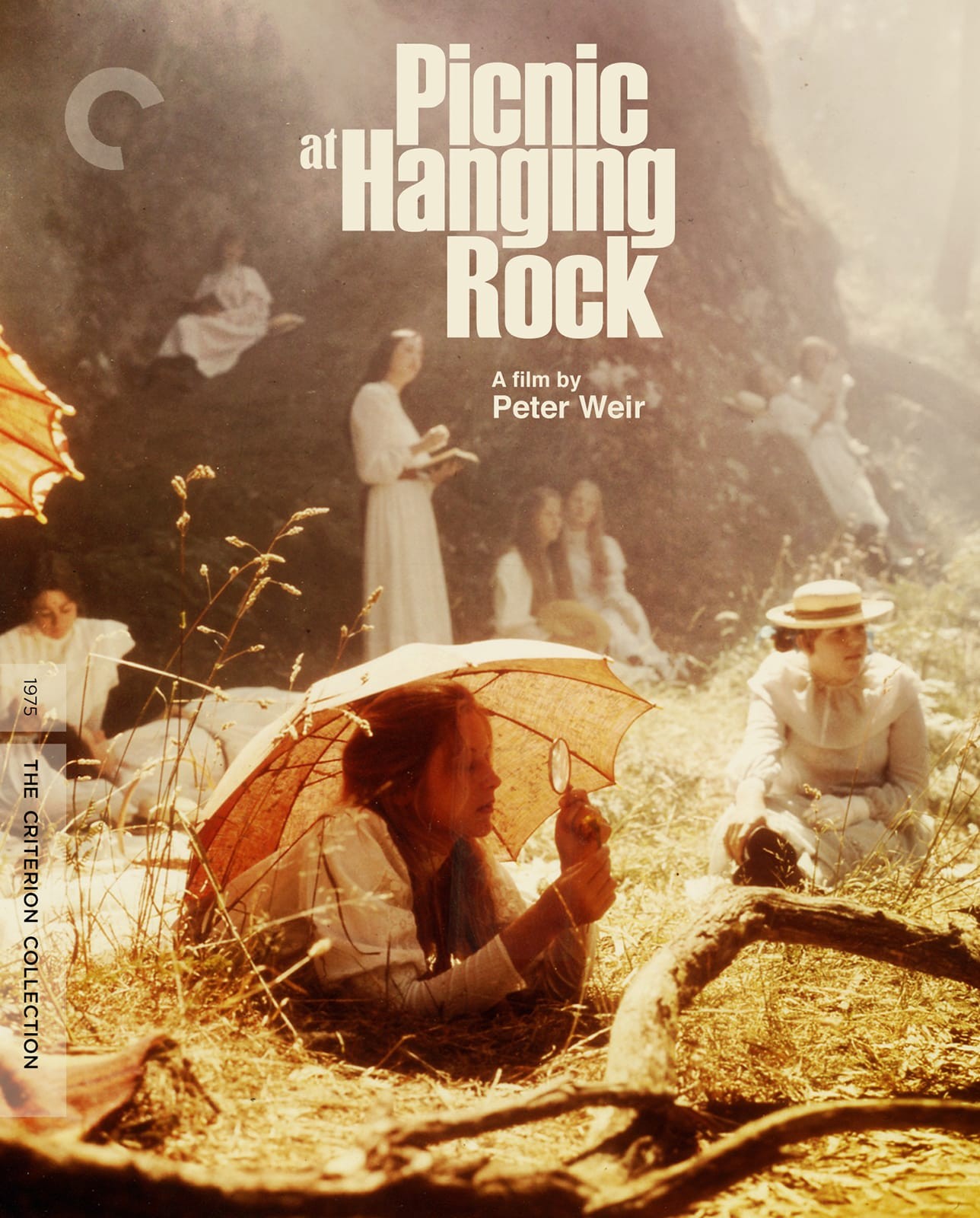
Right after finishing the book, I watched the 1975 film by director Peter Weir, which is considered a movie masterpiece. At the time of its release, Vincent Canby of the New York Times wrote:

HORROR need not always be a long-fanged gentleman in evening clothes or a dismembered corpse or a doctor who keeps a brain in his gold fish bowl. It may be a warm sunny day. the innocence of girlhood and hints of unexplored sexuality that combine to produce a euphoria so intense it becomes transporting, a state beyond life or death. Such horror is unspeakable not because it is gruesome but because it remains outside the realm of things that can be easily defined or explained in conventional ways.

Read full review, here, and an opinion piece written in 2017, here.

The movie delivers on the mood of the book, from start to finish. It’s cinematic in scope and has a dreamlike quality, often focusing in on the girls’ faces, showing their beauty and their overpowering emotions. Emotion rules everything — the girls’ romantic passion while reading Valentine cards, the devotion of a younger girl to an older, the delight of peeling off gloves and shoes as soon as civilizing forces are left behind, and for the young men encountered at the picnic, the obsessive dreams that follow a mere glimpse of a girl of startling beauty.

We also clearly see the downside of these emotional states, as various group scenes turn hysterical or threatening, when heightened emotions turn the girls (or in another instance, local townsfolk) into menacing mobs.

The film captures the book’s contrasts between the British-style manners and rules of the school and the untamable nature of the Australian bush, with gorgeous shots of the girls in white dresses disappearing between stones or coming in contact with insects and lizards. There were times in the book where I couldn’t quite connect the physical descriptions of the landscape with an image in my mind, so seeing the settings in the movie was very powerful.

The movie is just as ambiguous as the book. There’s no attempt to provide answers or tie things up neatly. The point of the movie is the feelings it evokes.

For further reading, here’s an interview piece on the themes of the movie (but proceed with caution — there are plot spoilers): http://www.filmcritic.com.au/reviews/p/picnic_hanging.html

Finally, my 2nd viewing experience — the 2018 mini-series, currently streaming on Prime Video.
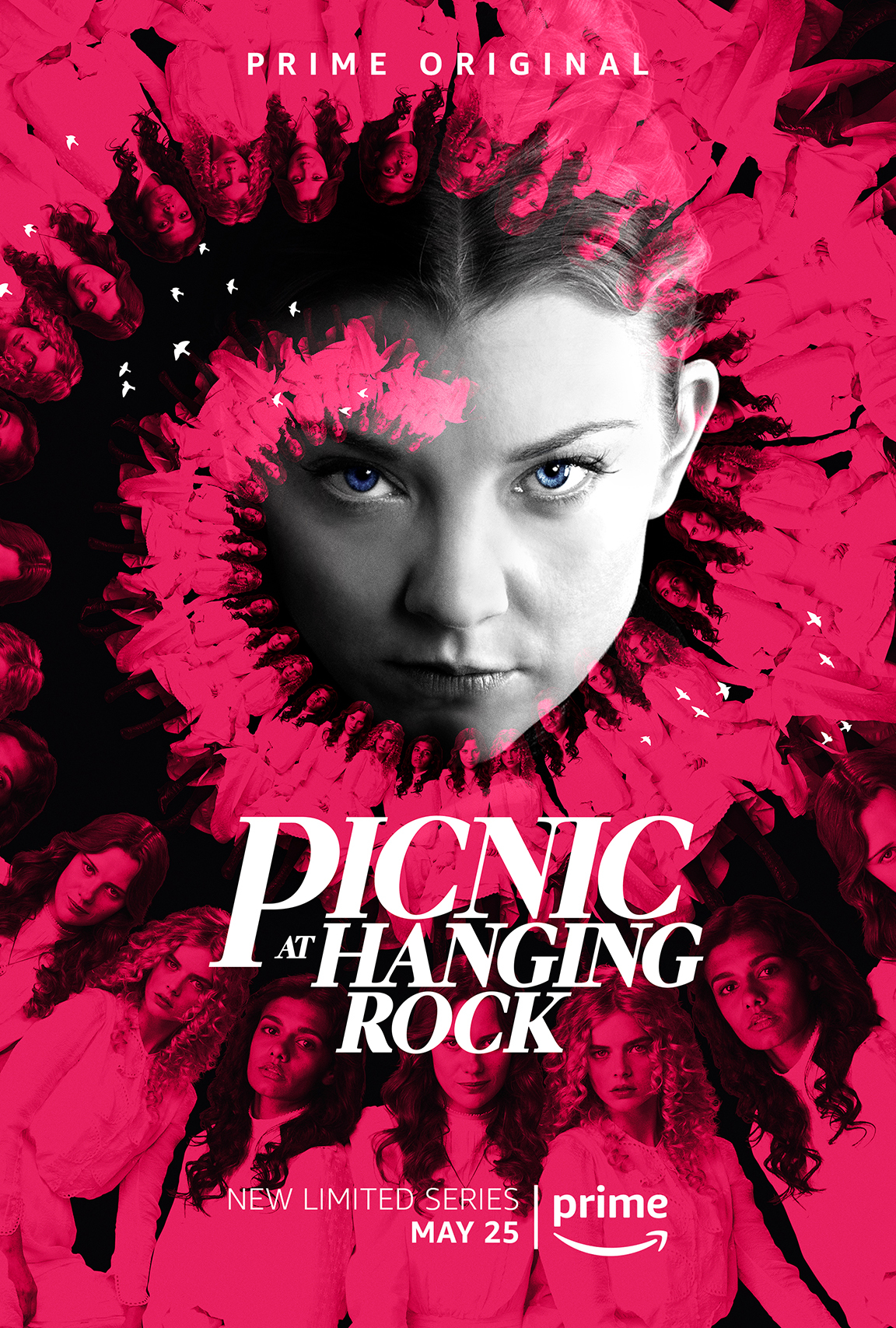
This six-episode TV mini-series stars Natalie Dormer as the domineering headmistress Mrs. Appleyard. Based on the key art alone, it’s clear that this version is going for a very different vibe.

According to the Variety review:

Joan Lindsay’s much-acclaimed 1967 Australian novel “Picnic At Hanging Rock” has already resulted in one stunning adaptation — Peter Weir’s 1975 film of the same name — so a second attempt, this time a television series, may already feel unnecessary. But it doesn’t take long for writers Beatrix Christian and Alice Addison to make the case for their own 2018 “Picnic,” a darker, more mysterious, and extended version that manages to feel updated for our time while still keeping the original 1900 setting.

In “Picnic At Hanging Rock,” the central mystery is laid out immediately: Four young women — three students and their teacher — suddenly vanish on Valentine’s Day, 1900, while on a school picnic at, well, Hanging Rock. The base premise is familiar to fans of crime series, but this is no ordinary drama; it’s eerie and haunting. It’s less dreamy (a quality frequently ascribed to the film) and more of a nightmare that you’ll be eager to dive into.

(For an additional critical take on this mini-series, check out the New York Times review, here.)

Over the course of six episodes, the bones of the plot of Picnic at Hanging Rock remain intact, but the mini-series expands just about every element, creating backstories for many characters, envisioning heaps more romantic entanglements, and showing scenes of events at the Rock that are eerie and perhaps even intriguing, but that don’t ultimately add a whole lot to the story.

The key change, of course, is the character of Mrs. Appleyard. It’s evident early on that she is not what she seems. Rather than an older widowed Englishwoman focused on the profitability of turning out refined young women, here, she’s a scheming con artist posing as a wealthy, respectable woman — but we’re treated to her hidden Cockney accent early on, and through flashbacks, learn much more of her character.

The girls in her care are sympathetic, much more diverse than in the 1975 movie, and more explicitly curious about their own sexuality as well as the eroticism of the untamed world beyond the confines of the school. The cruelty and abuse are much more explicit here as well, and certain subplots and side characters are completely extraneous, either there as deliberate sensationalism or as plot padding.

The middle few episodes sag, and I had to restrain myself from fast-forwarding, but by the end, I did want to see the wrap-up and how it all plays out. The mini-series keeps some (but not all) of the ambiguity of the source material, but the heavy focus on Mrs. Appleyard makes many of the other elements fade into the background, and some of the romantic entanglements seem to serve no purpose other than distraction.

I suppose I’m glad to have watched the mini-series — to satisfy my curiosity and for the sake of completion — but I would have been perfectly fine without it too.

But don’t let me talk you out of checking it out! Here’s the trailer — see if it piques your interest:

Back to the Classics Club Spin:

Yes, I ventured far afield, not just reading my chosen book, but watching two different adaptations as well. And to wrap it all up, I’ll simply say:

THE BOOK: Haunting, eerie, ambiguous, beautiful

THE 1975 MOVIE: Dreamlike and artistic, maybe not suited to 21st century moviegoer tastes, but as an older film, it’s lovely to see. Even when the plot gets lost amidst the gorgeous cinematography, the spell of the movie makes it worthwhile.

THE 2018 MINI-SERIES: OK if you like this sort of thing. It’s all a bit of a muddle, dreamy in parts and then crossing over into a campier gothic feel. (Maybe I’m alone in this reaction — has anyone else seen it?)

The biggest takeaway: Picnic at Hanging Rock is definitely worth reading, and I’m so glad I did.

Can’t wait for the next CCSpin!

Getting ready for the Spring 2023 Classics Club Spin!

It’s time for another Classics Club Spin!

Hosted by The Classics Club blog, the Classics Club Spin is a reading adventure where participants come up with a list of classics they’d like to read, number them 1 to 20, and then read the book that corresponds to the “spin” number that comes up. This will be my 5th time participating — although for the Classics Club, it’s spin #33!

Here are the dates and guidelines from the host blog:

On Sunday 19th, March, we’ll post a number from 1 through 20. The challenge is to read whatever book falls under that number on your Spin List by the 30th April, 2023.

We’ll check in here on Sunday the 30th April to see who made it the whole way and finished their spin book!

What’s Next?

  • Go to your blog.
  • Pick twenty books that you’ve got left to read from your Classics Club List.
  • Post that list, numbered 1-20, on your blog before Sunday, 19th March.
  • We’ll announce a number from 1-20. 
  • Read that book by 30th April.

These Classics Club Spins are so much fun, and such great motivation for breaking out of my normal reading routines — so of course I’m going to do it again! I’m mostly preserving my list from last time, swapping out the book I just read and one other that I’m a bit less interested in right now. As for the rest of the books on my list, I’d be happy to read any of them!

And now for the good stuff…

Here’s my list of 20 classics for the next Classics Club Spin:

  1. Frenchman’s Creek by Daphne DuMaurier
  2. Cranford by Elizabeth Gaskell
  3. An Old-Fashioned Girl by Louisa May Alcott
  4. Dracula by Bram Stoker
  5. Peony by Pearl Buck
  6. The Tenant of Wildfell Hall by Anne Bronte
  7. Pygmalion by George Bernard Shaw
  8. Howards End by E. M. Forster
  9. The Mysterious Affair at Styles by Agatha Christie
  10. I Capture the Castle by Dodie Smith
  11. Foundation by Isaac Asimov
  12. In Cold Blood by Truman Capote
  13. Herland by Charlotte Perkins Gilman
  14. The Painted Veil by W. Somerset Maugham
  15. Passing by Nella Larsen
  16. The Awakening by Kate Chopin
  17. The Sound of Waves by Yukio Mishima
  18. Picnic at Hanging Rock by Joan Lindsay
  19. The Left Hand of Darkness by Ursula K. Le Guin
  20. A Night to Remember by Walter Lord

Wish me luck! I’ll post again on Sunday once the spin results are announced!

My previous Classics Club spins:

Spring 2022 (CCSpin29): The Black Moth by Georgette Heyer
Summer 2022 (CCSpin30): Cannery Row by John Steinbeck
Fall 2022 (CCSpin31): A Connecticut Yankee in King Arthur’s Court by Mark Twain
Winter 2022/2023 (CCSpin32): O Pioneers! by Willa Cather

Getting ready for the Winter 2022/2023 Classics Club Spin!

It’s time for another Classics Club Spin!

Hosted by The Classics Club blog, the Classics Club Spin is a reading adventure where participants come up with a list of classics they’d like to read, number them 1 to 20, and then read the book that correponds to the “spin” number that comes up. This will be my 4th time participating — although for The Classics Club, it’s spin #32!

Here are the dates and guidelines from the host blog:

On Sunday 11th, December, we’ll post a number from 1 through 20. The challenge is to read whatever book falls under that number on your Spin List by the 29th January, 2023.

We’ll check in here on Sunday the 29th January, 2023 to see who made it the whole way and finished their spin book!

What’s Next?

  • Go to your blog.
  • Pick twenty books that you’ve got left to read from your Classics Club List.
  • Post that list, numbered 1-20, on your blog before Sunday, 11th December.
  • We’ll announce a number from 1-20. 
  • Read that book by 29th January, 2023.

I’ve had so much fun with my previous CCSpin experiences, so of course I’m going to do it again! I’m going back to my list from last time, and other than replacing the book I just read, I’m going to leave the rest of my list as is. I’d be happy to read any of these!

And now for the good stuff…

Here’s my list of 20 classics for my 4th Classics Club Spin:

  1. Frenchman’s Creek by Daphne DuMaurier
  2. Cranford by Elizabeth Gaskell
  3. An Old-Fashioned Girl by Louisa May Alcott
  4. Dracula by Bram Stoker
  5. Peony by Pearl Buck
  6. O Pioneers! by Willa Cather
  7. Pygmalion by George Bernard Shaw
  8. Howards End by E. M. Forster
  9. The Mysterious Affair at Styles by Agatha Christie
  10. I Capture the Castle by Dodie Smith
  11. Foundation by Isaac Asimov
  12. In Cold Blood by Truman Capote
  13. Herland by Charlotte Perkins Gilman
  14. The Painted Veil by W. Somerset Maugham
  15. Passing by Nella Larsen
  16. The Awakening by Kate Chopin
  17. The Sound of Waves by Yukio Mishima
  18. Picnic at Hanging Rock by Joan Lindsay
  19. The Left Hand of Darkness by Ursula K. Le Guin
  20. Pale Horse, Pale Rider by Katherine Porter

Wish me luck! I’ll post again on Sunday once the spin results are announced!

My previous Classics Club spins:

Spring 2022 (CCSpin29): The Black Moth by Georgette Heyer
Summer 2022 (CCSpin30): Cannery Row by John Steinbeck
Fall 2022 (CCSpin31): A Connecticut Yankee in King Arthur’s Court by Mark Twain

Getting ready for the Fall 2022 Classics Club Spin!

It’s time for another Classics Club Spin, and I can’t wait!

Hosted by The Classics Club blog, the Classics Club Spin is a reading adventure where participants come up with a list of classics they’d like to read, number them 1 to 20, and then read the book that correponds to the “spin” number that comes up. This will be my 3rd time participating — although for The Classics Club, it’s spin #31!

Here are the dates and guidelines from the host blog:

On Sunday 18th, September, we’ll post a number from 1 through 20. The challenge is to read whatever book falls under that number on your Spin List by the 30th October, 2022.

We’ll check in here on Sunday the 30th October, 2022 to see who made it the whole way and finished their spin book!

What’s Next?

  • Go to your blog.
  • Pick twenty books that you’ve got left to read from your Classics Club List.
  • Post that list, numbered 1-20, on your blog before Sunday, 18th September.
  • We’ll announce a number from 1-20. 
  • Read that book by 30th October, 2022.

I’ve had so much fun with my previous CCSpin experiences, so of course I’m going to do it again! I’m going back to my list from last time, and other than replacing the book I just read, I’m going to leave the rest of my list as is. I’d be happy to read any of these!

And now for the good stuff…

Here’s my list of 20 classics for my 3rd Classics Club Spin:

  1. Frenchman’s Creek by Daphne DuMaurier
  2. A Connecticut Yankee in King Arthur’s Court by Mark Twain
  3. An Old-Fashioned Girl by Louisa May Alcott
  4. Dracula by Bram Stoker
  5. Peony by Pearl Buck
  6. O Pioneers! by Willa Cather
  7. Pygmalion by George Bernard Shaw
  8. Howards End by E. M. Forster
  9. The Mysterious Affair at Styles by Agatha Christie
  10. I Capture the Castle by Dodie Smith
  11. Foundation by Isaac Asimov
  12. In Cold Blood by Truman Capote
  13. Herland by Charlotte Perkins Gilman
  14. The Painted Veil by W. Somerset Maugham
  15. Passing by Nella Larsen
  16. The Awakening by Kate Chopin
  17. The Sound of Waves by Yukio Mishima
  18. Picnic at Hanging Rock by Joan Lindsay
  19. The Left Hand of Darkness by Ursula K. Le Guin
  20. Pale Horse, Pale Rider by Katherine Porter

Wish me luck! I’ll post again on Sunday once the spin results are announced!

My previous Classics Club spins:

Spring 2022 (CCSpin29): The Black Moth by Georgette Heyer
Summer 2022 (CCSpin30): Cannery Row by John Steinbeck

My Classics Club Spin book for summer 2022 will be…

Earlier this week, I shared a post with my list of books for the Classics Club Spin challenge (see it here), and today, this spin’s number was announced. (For those keeping track, it’s CC Spin #30, and for me personally, #2!)

Hosted by The Classics Club blog, the Classics Club Spin is a reading adventure where participants come up with a list of classics they’d like to read, number them 1 to 20, and then read the book that correponds to the “spin” number that comes up.

For CCSpin #30, the lucky number is:

And that means I’ll be reading:

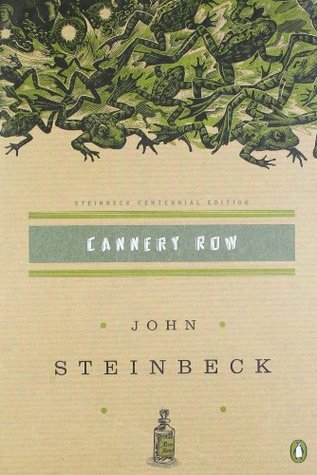
Cannery Row by John Steinbeck, published in 1945, 181 pages.

Synopsis for the edition above:

Cannery Row is a book without much of a plot. Rather, it is an attempt to capture the feeling and people of a place, the cannery district of Monterey, California, which is populated by a mix of those down on their luck and those who choose for other reasons not to live “up the hill” in the more respectable area of town. The flow of the main plot is frequently interrupted by short vignettes that introduce us to various denizens of the Row, most of whom are not directly connected with the central story. These vignettes are often characterized by direct or indirect reference to extreme violence: suicides, corpses, and the cruelty of the natural world.

The “story” of Cannery Row follows the adventures of Mack and the boys, a group of unemployed yet resourceful men who inhabit a converted fish-meal shack on the edge of a vacant lot down on the Row.

And a synopsis for a different edition:

Unburdened by the material necessities of the more fortunate, the denizens of Cannery Row discover rewards unknown in more traditional society. Henry the painter sorts through junk lots for pieces of wood to incorporate into the boat he is building, while the girls from Dora Flood’s bordello venture out now and then to enjoy a bit of sunshine. Lee Chong stocks his grocery with almost anything a man could want, and Doc, a young marine biologist who ministers to sick puppies and unhappy souls, unexpectedly finds true love. Cannery Row is just a few blocks long, but the story it harbors is suffused with warmth, understanding, and a great fund of human values.

First published in 1945, Cannery Row focuses on the acceptance of life as it is—both the exuberance of community and the loneliness of the individual. John Steinbeck draws on his memories of the real inhabitants of Monterey, California, and interweaves their stories in this world where only the fittest survive—creating what is at once one of his most humorous and poignant works. In Cannery Row, John Steinbeck returns to the setting of Tortilla Flat to create another evocative portrait of life as it is lived by those who unabashedly put the highest value on the intangibles—human warmth, camaraderie, and love.

I have to say, I’m not especially excited that this is the book that came up this time around — I have been intending to read Cannery Row for years, but there are other books on my list that were more strongly calling to me.

Cannery Row was published ten years after Tortilla Flat, which I read with my book group a couple of years ago. Having spent lots of time in Monterey, I’m familiar with the area as it exists now, and I do think it’ll be interesting to finally read this Steinbeck classic.

And fortunately for me, I actually own a copy! I have the edition pictured above, and since it’s under 200 pages, I don’t think I’ll have any problem finishing before the August 7th deadline.

I’m a little bummed that I’m feeling so hesitant about this book… but I’m sure once it’ll all work out. Wish me luck!

Here’s my list of 20 titles for Classics Club Spin #30:

  1. Frenchman’s Creek by Daphne DuMaurier
  2. A Connecticut Yankee in King Arthur’s Court by Mark Twain
  3. An Old-Fashioned Girl by Louisa May Alcott
  4. Dracula by Bram Stoker
  5. Cannery Row by John Steinbeck
  6. O Pioneers! by Willa Cather
  7. Pygmalion by George Bernard Shaw
  8. Howards End by E. M. Forster
  9. The Mysterious Affair at Styles by Agatha Christie
  10. I Capture the Castle by Dodie Smith
  11. Foundation by Isaac Asimov
  12. In Cold Blood by Truman Capote
  13. Herland by Charlotte Perkins Gilman
  14. The Painted Veil by W. Somerset Maugham
  15. Passing by Nella Larsen
  16. The Awakening by Kate Chopin
  17. The Sound of Waves by Yukio Mishima
  18. Picnic at Hanging Rock by Joan Lindsay
  19. The Left Hand of Darkness by Ursula K. Le Guin
  20. Pale Horse, Pale Rider by Katherine Porter

My previous Classics Club Spin book:

The Black Moth (read 4/2022)

Are you participating in this Classics Club Spin? If so, what book will you be reading?

Getting ready for another Classics Club Spin!

It’s time for another Classics Club Spin, and I can’t wait!

Hosted by The Classics Club blog, the Classics Club Spin is a reading adventure where participants come up with a list of classics they’d like to read, number them 1 to 20, and then read the book that correponds to the “spin” number that comes up. This will be my 2nd time participating — although for The Classics Club, it’s spin #30!

Here are the dates and guidelines from the host blog:

On Sunday 12th, June, we’ll post a number from 1 through 20. The challenge is to read whatever book falls under that number on your Spin List by the 7th August, 2022.

We’ll check in here on Sunday the 7th August, 2022 to see who made it the whole way and finished their spin book!

What’s Next?

Go to your blog.

Pick twenty books that you’ve got left to read from your Classics Club List.

Post that list, numbered 1-20, on your blog before Sunday, 12th June.

We’ll announce a number from 1-20. 

Read that book by 7th August, 2022.

I had so much fun with my first CCSpin — my book was The Black Moth by Georgette Heyer — that I can’t wait to do it again! I’m going back to my list from last time, and besides replacing the book I already read, I’m swapping out a few of my previous picks to replace them with books that have a bit more appeal for me right now.

And now for the good stuff…

Here’s my list of 20 classics for my 2nd Classics Club Spin:

  1. Frenchman’s Creek by Daphne DuMaurier
  2. A Connecticut Yankee in King Arthur’s Court by Mark Twain
  3. An Old-Fashioned Girl by Louisa May Alcott
  4. Dracula by Bram Stoker
  5. Cannery Row by John Steinbeck
  6. O Pioneers! by Willa Cather
  7. Pygmalion by George Bernard Shaw
  8. Howards End by E. M. Forster
  9. The Mysterious Affair at Styles by Agatha Christie
  10. I Capture the Castle by Dodie Smith
  11. Foundation by Isaac Asimov
  12. In Cold Blood by Truman Capote
  13. Herland by Charlotte Perkins Gilman
  14. The Painted Veil by W. Somerset Maugham
  15. Passing by Nella Larsen
  16. The Awakening by Kate Chopin
  17. The Sound of Waves by Yukio Mishima
  18. Picnic at Hanging Rock by Joan Lindsay
  19. The Left Hand of Darkness by Ursula K. Le Guin
  20. Pale Horse, Pale Rider by Katherine Porter

I think I’d be happy to read any of these! I’m mostly going for shorter books, trying not to be too ambitious given how many other books I already have lined up for this summer.

Wish me luck! I’ll post again on Sunday once the spin results are announced!

Top Ten Tuesday: 21st Century Books I Think Will Become Classics

Top Ten Tuesday is a meme hosted by That Artsy Reader Girl, featuring a different top 10 theme each week. This week’s topic is 21st Century Books I Think Will Become Classics.

This is a hard one! And what do we mean by classics anyway? I’m going with ten books that I think will be read and discussed for many years to come — or at least, for some of these, books that I think SHOULD be read and discussed, even if they’re a bit under the radar right now.

My list skews mostly toward science fiction and fantasy, with a couple of others mixed in as well.

Here are my top 10:

  1. The Book Thief by Marcus Zusak: I know this one is already being taught in high schools. So beautiful and powerful.
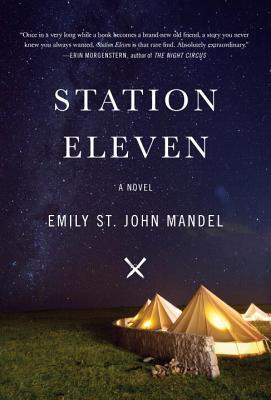
  2. Station Eleven by Emily St. John Mandel: This book probably got a fresh wave of readers thanks to the TV adaptation.
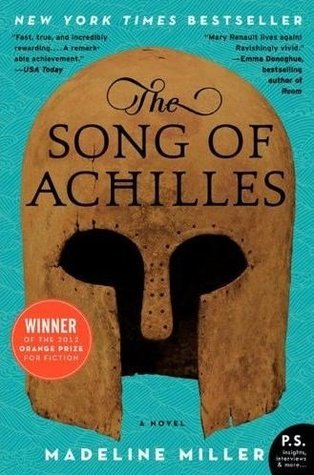
  3. The Song of Achilles by Madeleine Miller: It was hard to choose between this book and Circe! Both are wonderful. It’s so impressive to see classic stories made so fresh and compelling.
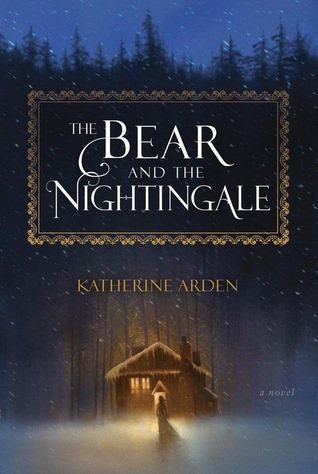
  4. The Bear and the Nightingale by Katherine Arden: Gorgeous storytelling build on Russian fairy tale elements.
  5. The Goblin Emperor by Katherine Addison: Simply my favorite piece of fantasy world-building! Deserves to be much more widely read.
  6. Binti by Nnedi Okorafor: This novella, combinating Afro-futurism and science fiction storytelling, provides a fresh voice in the sci-fi/fantasy world.
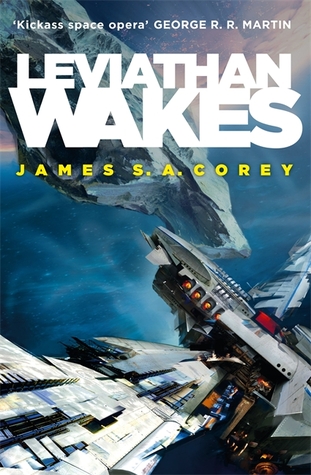
  7. Leviathan Wakes by James S. A. Corey: The entire Expanse series is super impressive — a great achievement in the world of science fiction.
  8. Code Name Verity by Elizabeth Wein: Heart-breaking every time I read it, as well as an innovative approach to storytelling.
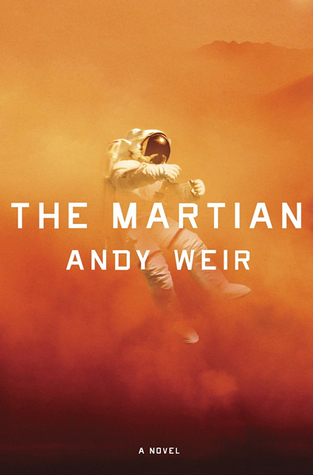
  9. The Martian by Andy Weir: Geek fiction for the win! This deserves to be a sci-fi classic.
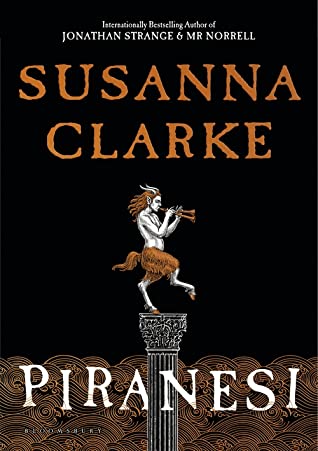
  10. Piranesi by Susanna Clarke: So strange and beautiful. I think this book needs to be read more than once to fully absorb it.

What books made your list this week? Do we have any in common?

Share your links, and I’ll come check out your top 10!

My Classics Club Spin book will be…

Yesterday, I shared a post with my list of books for the Classics Club Spin challenge (see it here), and today, this spin’s number was announced.

Hosted by The Classics Club blog, the Classics Club Spin is a reading adventure where participants come up with a list of classics they’d like to read, number them 1 to 20, and then read the book that correponds to the “spin” number that comes up.

For CCSpin # 29, the lucky number is:

And that means I’ll be reading:

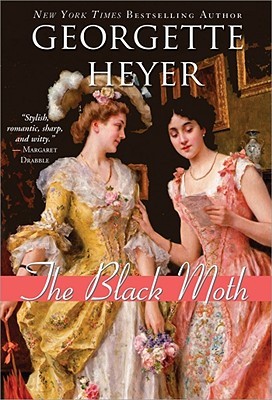
The Black Moth by Georgette Heyer, published in 1921, 355 pages.

Synopsis:

A disgraced lord, a notorious highwayman

Jack Carstares, the disgraced Earl of Wyndam, left England seven long years ago, sacrificing his honor for that of his brother when he was accused of cheating at cards. Now Jack is back, roaming his beloved South Country in the disguise of a highwayman.

And the beauty who would steal his heart

Not long after Jack’s return, he encounters his old adversary, the libertine Duke of Andover, attempting the abduction of the beautiful Diana Beauleigh. At the point of Jack’s sword, the duke is vanquished, but foiled once, the “Black Moth” has no intention of failing again?

This is Georgette Heyer’s first novel – a favorite of readers and a stirring tale to be enjoyed again and again.

I’ve read several of Georgette Heyer’s books already, but not this one, and since it’s her first published novel, I’m really eager to give it a try.

I’m also really happy that this spin landed me with a book that’s available through Serial Reader. The Black Moth is on Serial Reader in 33 installments, so if I start this week, I’ll definitely finish before the April 30th target date.

Wish me luck! I’m excited to get started. And who knows? If this works out for me, I’ll be back for future spins!

Here’s my list of 20 titles for Classics Club Spin #29:

  1. Frenchman’s Creek by Daphne DuMaurier
  2. A Little Princess by Frances Hodgson Burnett
  3. An Old-Fashioned Girl by Louisa May Alcott
  4. Dracula by Bram Stoker
  5. Cannery Row by John Steinbeck
  6. O Pioneers! by Willa Cather
  7. Queen Lucia by E. F. Benson
  8. Howards End by E. M. Forster
  9. The Mysterious Affair at Styles by Agatha Christie
  10. I Capture the Castle by Dodie Smith
  11. The Black Moth by Georgette Heyer
  12. Foundation by Isaac Asimov
  13. In Cold Blood by Truman Capote
  14. Herland by Charlotte Perkins Gilman
  15. The Painted Veil by W. Somerset Maugham
  16. Passing by Nella Larsen
  17. The Awakening by Kate Chopin
  18. The Sound of Waves by Yukio Mishima
  19. The Hobbit by J. R. R. Tolkien
  20. Picnic at Hanging Rock by Joan Lindsay

Did you participate in this Classics Club Spin? If so, what book will you be reading?

My very first Classics Club Spin!

I’ve been seeing other bloggers participate in the Classics Club Spin over the last few years, and I suddenly got inspired this week to join in the fun!

Hosted by The Classics Club blog, the Classics Club Spin is a reading adventure where participants come up with a list of classics they’d like to read, number them 1 to 20, and then read the book that correponds to the “spin” number that comes up.

Here are the dates and guidelines from the host blog:

On Sunday 20th, March, we’ll post a number from 1 through 20. The challenge is to read whatever book falls under that number on your Spin List by the 30th April, 2022. That’s a six week reading window for this spin. You may like to stack your list with books that you know are do-able for you within that time frame.

We’ll check in here on Sunday the 30th April, 2022 to see who made it the whole way and finished their spin book!

What’s Next?

Go to your blog.

Pick twenty books that you’ve got left to read from your Classics Club List.

Post that list, numbered 1-20, on your blog before Sunday, 20th March.

We’ll announce a number from 1-20. 

Read that book by 30th April, 2022.

This is probably the worst possible time for me to do this, since I’m completely backlogged when it comes to my reading plans and have way too many ARCs lined up for April and May.

Still, I’m intrigued by the concept, and I really like Hopewell’s Library of Life‘s idea to refer to Serial Reader for books that can be read in few enough installments to finish by the deadline. (And, by the way, Serial Reader is fabulous, and if you want to know more, see my post here for more info!)

Enough introduction!

Here’s my list of 20 classics for my first ever attempt at the Classics Club Spin:

  1. Frenchman’s Creek by Daphne DuMaurier
  2. A Little Princess by Frances Hodgson Burnett
  3. An Old-Fashioned Girl by Louisa May Alcott
  4. Dracula by Bram Stoker
  5. Cannery Row by John Steinbeck
  6. O Pioneers! by Willa Cather
  7. Queen Lucia by E. F. Benson
  8. Howards End by E. M. Forster
  9. The Mysterious Affair at Styles by Agatha Christie
  10. I Capture the Castle by Dodie Smith
  11. The Black Moth by Georgette Heyer
  12. Foundation by Isaac Asimov
  13. In Cold Blood by Truman Capote
  14. Herland by Charlotte Perkins Gilman
  15. The Painted Veil by W. Somerset Maugham
  16. Passing by Nella Larsen
  17. The Awakening by Kate Chopin
  18. The Sound of Waves by Yukio Mishima
  19. The Hobbit by J. R. R. Tolkien
  20. Picnic at Hanging Rock by Joan Lindsay

A few of these would be re-reads for me, but given how many years have passed since I first/last read them, I’d be happy to read them again!

I’m just dipping my toes in cautiously, trying to pick books that are both doable in the time frame and that I would feel excited to read. No huge books, no huge obstacles…

Wish me luck! We’ll find out tomorrow what the spin number is!

Shelf Control #311: Bless Me, Ultima by Rudolfo Anaya

Shelves final

Welcome to Shelf Control — an original feature created and hosted by Bookshelf Fantasies.

Shelf Control is a weekly celebration of the unread books on our shelves. Pick a book you own but haven’t read, write a post about it (suggestions: include what it’s about, why you want to read it, and when you got it), and link up! For more info on what Shelf Control is all about, check out my introductory post, here.

Want to join in? Shelf Control posts go up every Wednesday. See the guidelines at the bottom of the post, and jump on board!

Title: Bless Me, Ultima
Author: Rudolfo Anaya
Published: 1972
Length: 297 pages

What it’s about (synopsis via Goodreads):

Stories filled with wonder and the haunting beauty of his culture have helped make Rudolfo Anaya the father of Chicano literature in English, and his tales fairly shimmer with the lyric richness of his prose. Acclaimed in both Spanish and English, Anaya is perhaps best loved for his classic bestseller …

Antonio Marez is six years old when Ultima enters his life. She is a curandera, one who heals with herbs and magic. ‘We cannot let her live her last days in loneliness,’ says Antonio’s mother. ‘It is not the way of our people,’ agrees his father. And so Ultima comes to live with Antonio’s family in New Mexico. Soon Tony will journey to the threshold of manhood. Always, Ultima watches over him. She graces him with the courage to face childhood bigotry, diabolical possession, the moral collapse of his brother, and too many violent deaths. Under her wise guidance, Tony will probe the family ties that bind him, and he will find in himself the magical secrets of the pagan past—a mythic legacy equally as palpable as the Catholicism of Latin America in which he has been schooled. At each turn in his life there is Ultima who will nurture the birth of his soul. 

How and when I got it:

I bought a used paperback edition a few years ago.

Why I want to read it:

I was aware of this book for many years — yet another modern classic that somehow passed me by back in my high school and college years. Bless Me, Ultima came back to my attention in 2018 when PBS presented its The Great American Read program.

Bless Me, Ultima came in at #91 on the Great American Read list of top 100 books. (You can see the rest of the list here.) After the list came out, I set myself a very loose challenge to read more of the books on the list, with five titles as my short-term goal. Bless Me, Ultima was one of my five, but sadly, I still haven’t gotten to it.

While I wasn’t particularly familiar with the plot, I knew that this book has won awards, been targeted for censorship, and is often considered a must-read when it comes to diverse coming of age stories. For all these reasons, I’m interested in learning more about it and would like to read it… and just need to break away from my focus on new and recently published books to make time for it.

Have you read Bless Me, Ultima? If so, do you recommend it?

Please share your thoughts!


__________________________________

Want to participate in Shelf Control? Here’s how:

  • Write a blog post about a book that you own that you haven’t read yet.
  • Add your link in the comments or link back from your own post, so I can add you to the participant list.
  • Check out other posts, and…

Have fun!