Top 5 Tuesday: Top 5 “old” authors of 2024

Top 5 Tuesday is a weekly meme hosted by Meeghan Reads — check out the next batch of upcoming topics here.

This week’s topic is Top 5 old authors of 2024, and the prompt is: This was a newbie wrap up topic last year, but you guys loved it!! Tell us about your fave authors you read books from this year who you’ve previously read books by.

Fun idea! Sorry to the authors I’m calling “old”!! You know what I mean… Here are five not-new-to-me authors whose books I read this year:

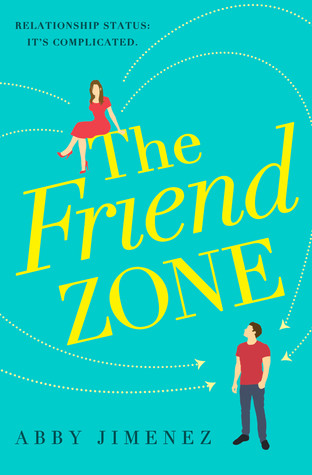
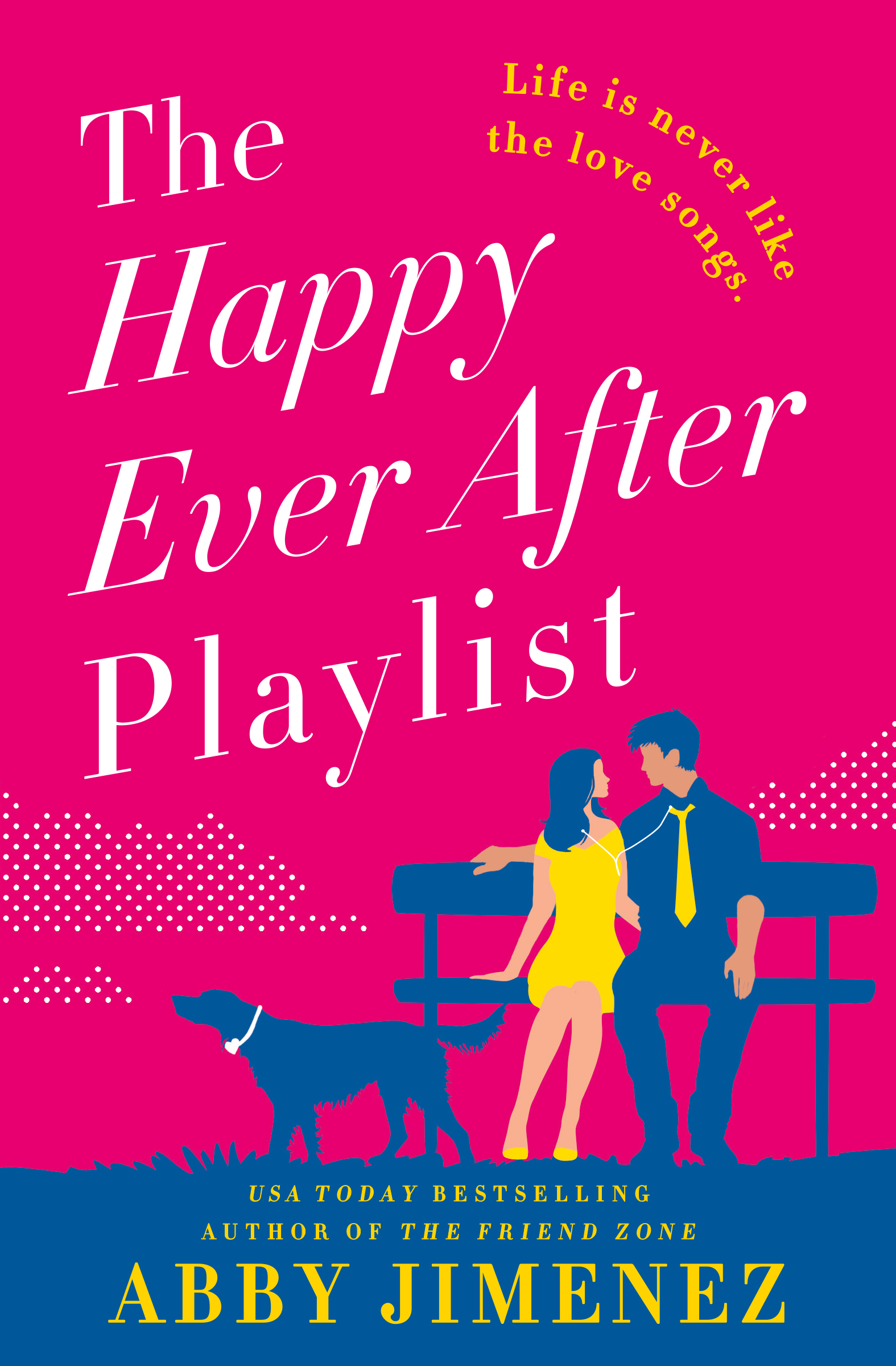
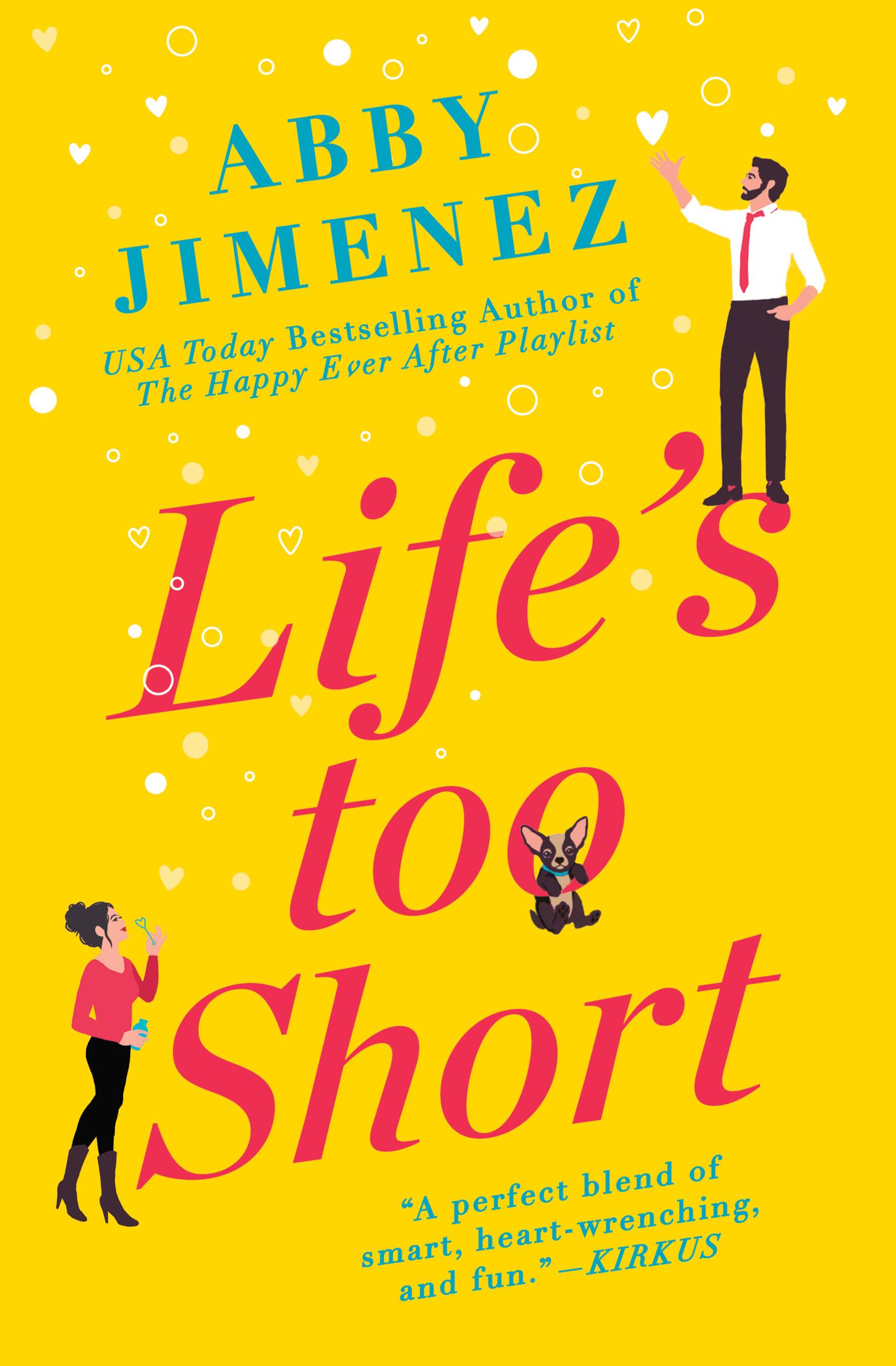
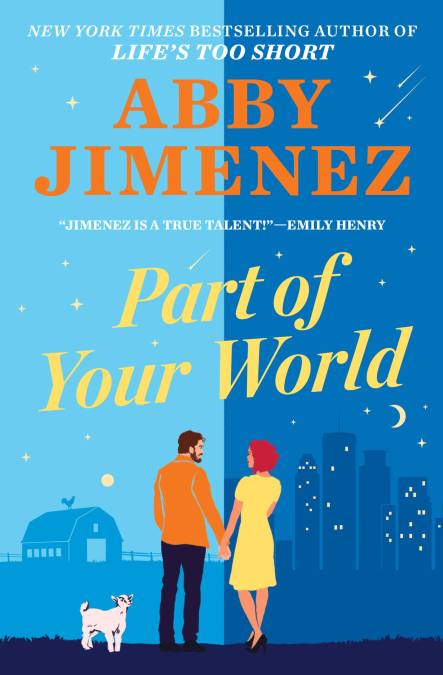
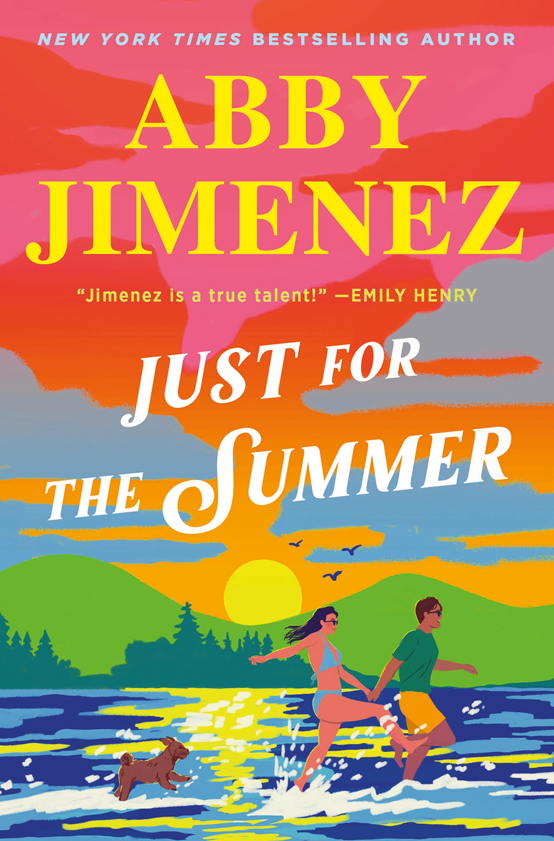
1: Abby Jimenez

Read in 2024:

  • The Friend Zone
  • The Happy Ever After Playlist
  • Life’s Too Short

Previously read:

  • Part of Your World
  • Yours Truly
  • Just for the Summer

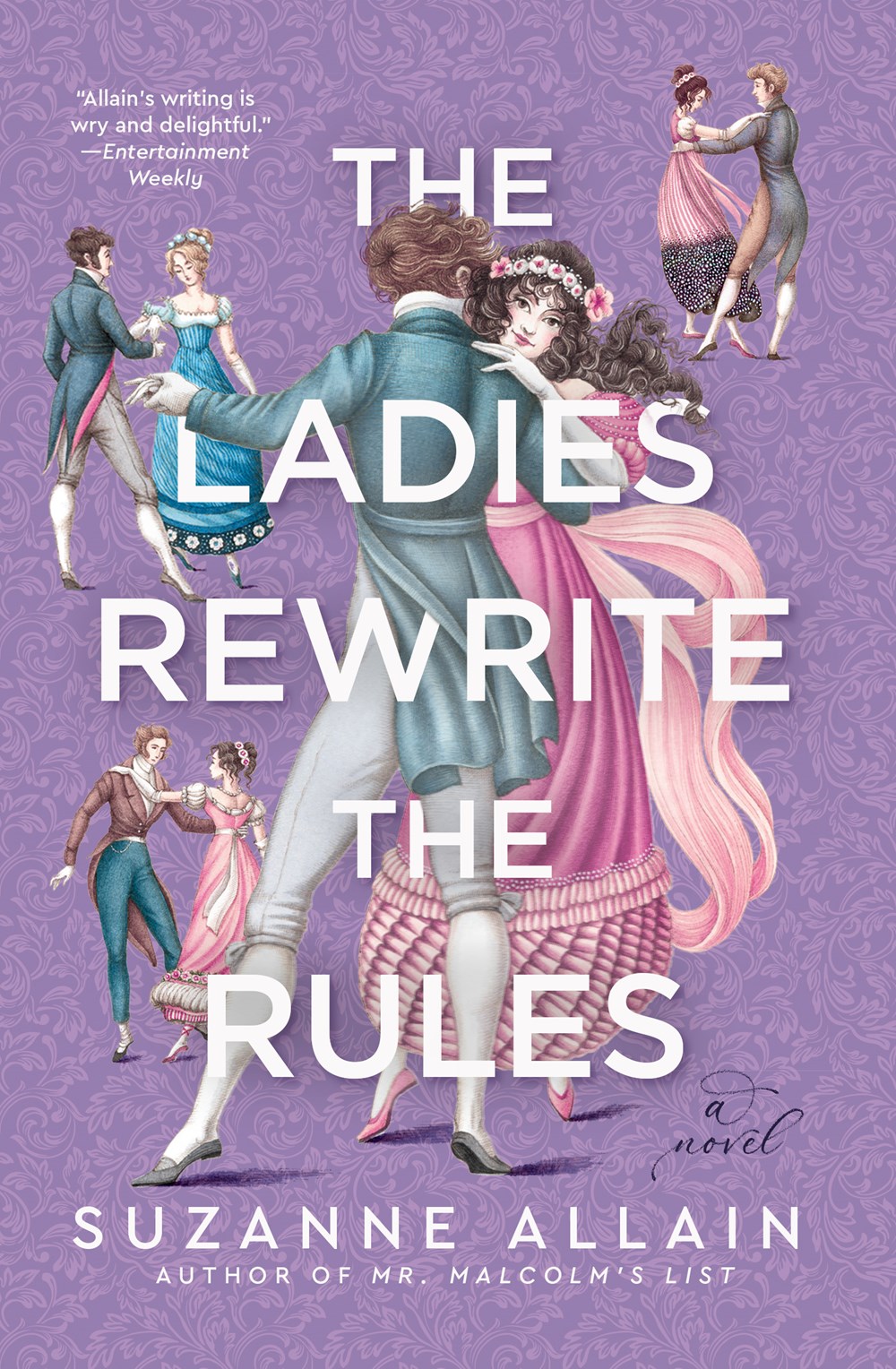
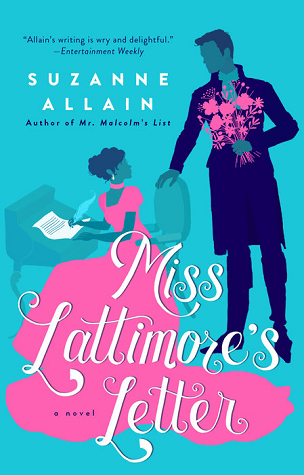
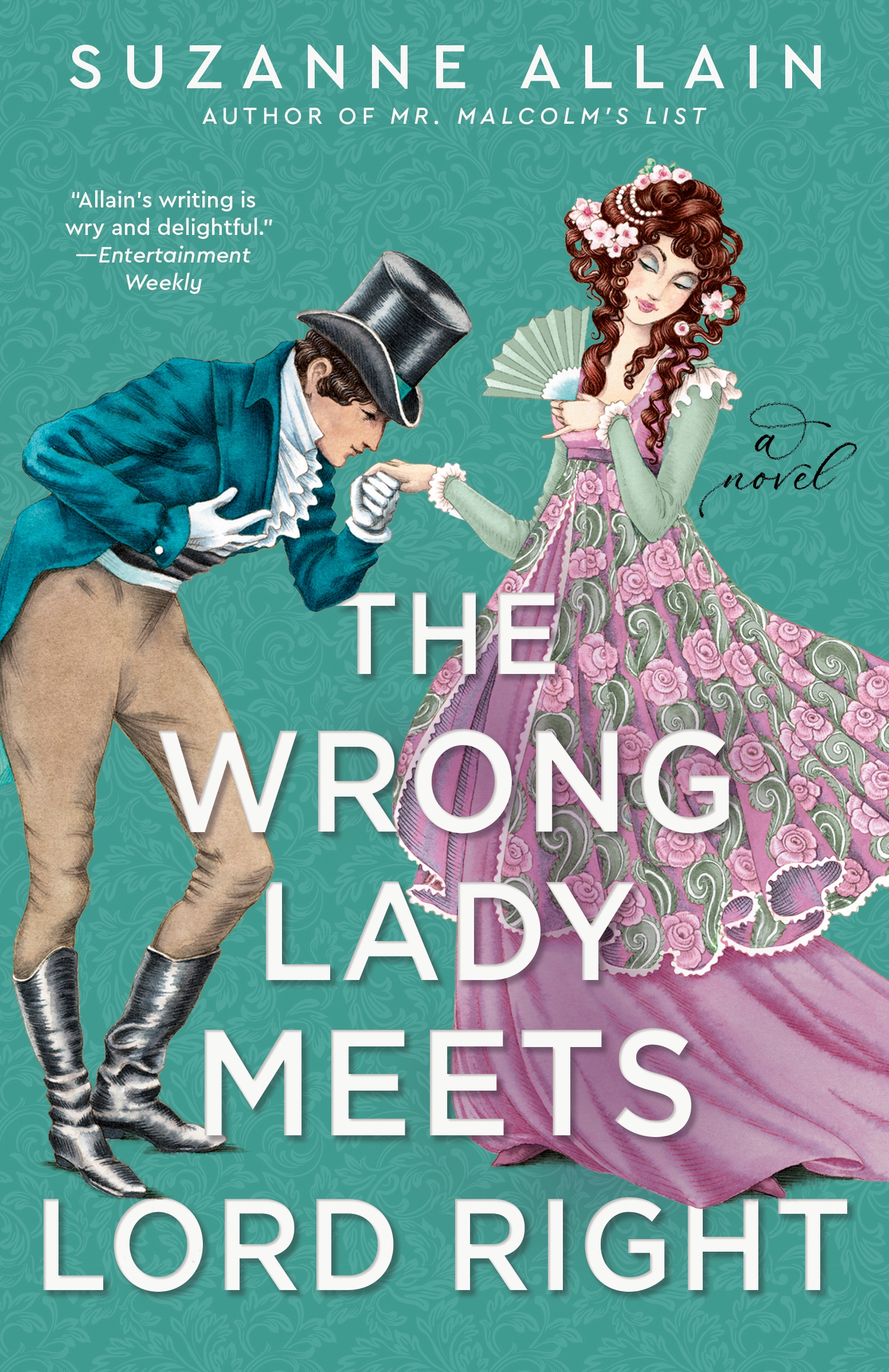
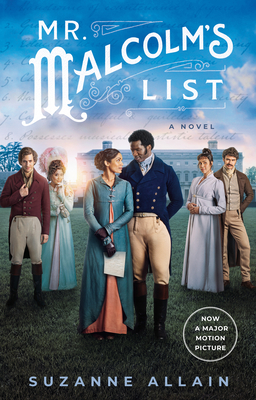
2: Suzanne Allain

Read in 2024:

  • The Ladies Rewrite the Rules
  • Miss Lattimore’s Letter
  • The Wrong Lady Meets Lord Right

Previously read:

  • Mr. Malcolm’s List

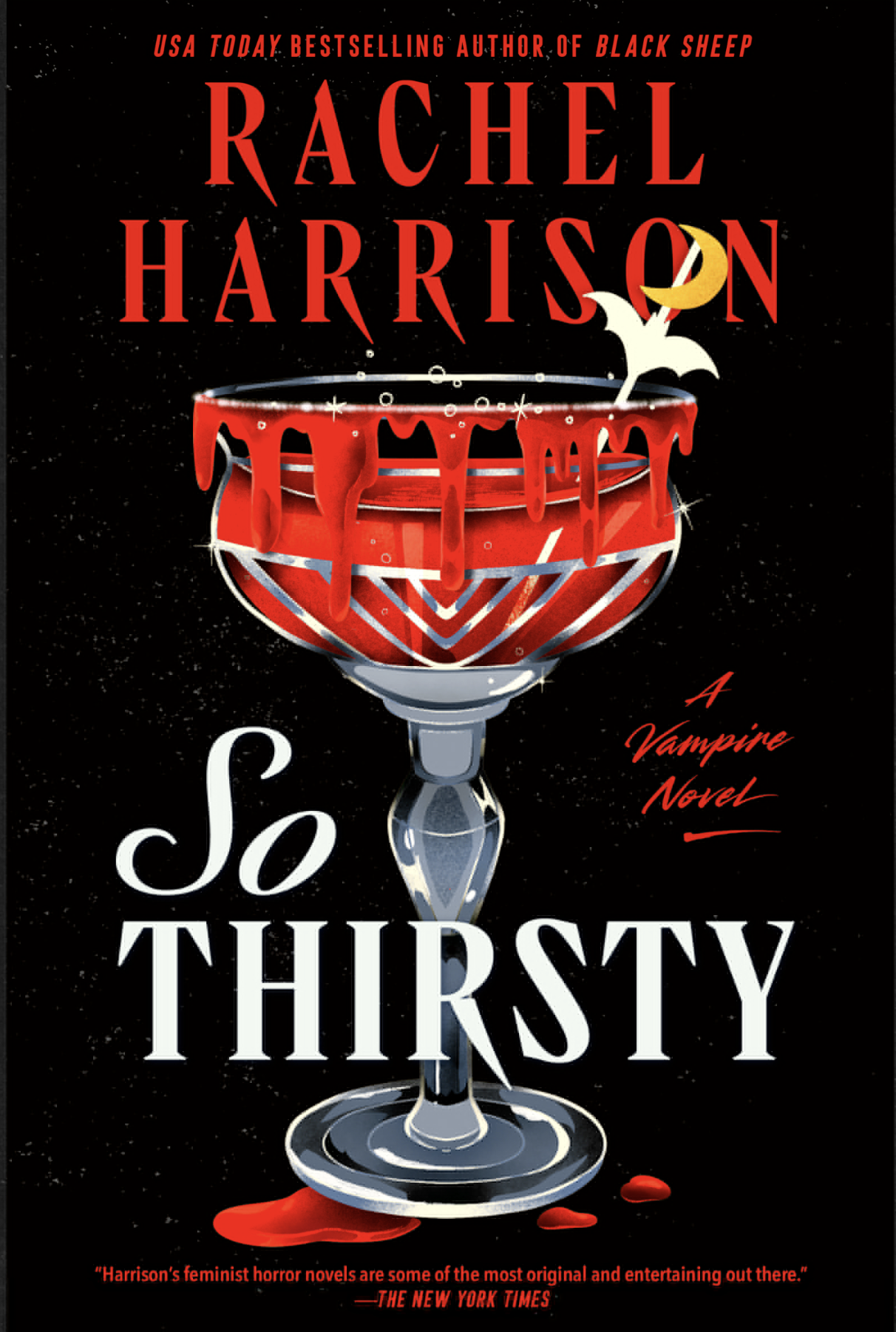
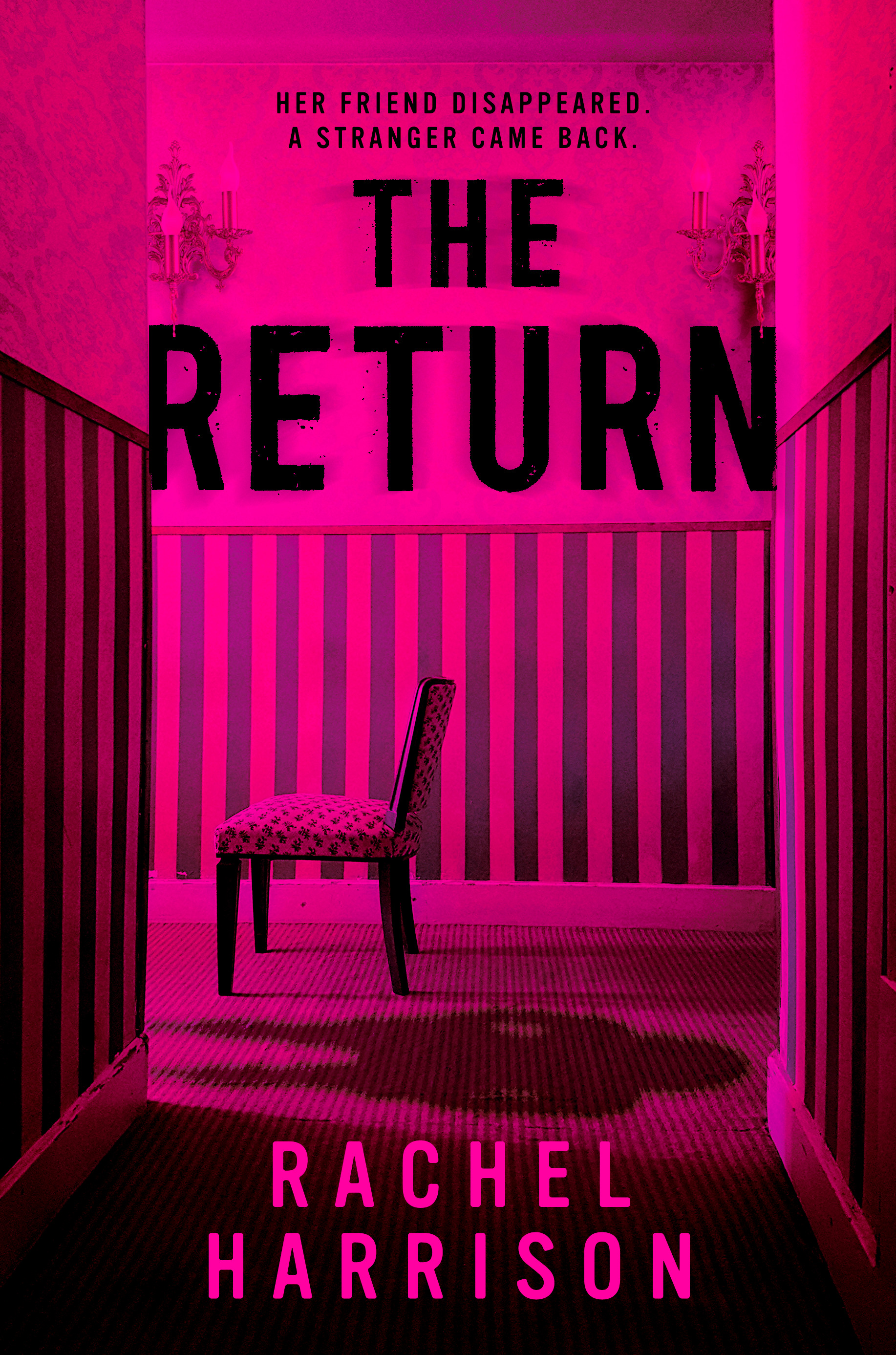
3: Rachel Harrison

Read in 2024:

  • The Veil
  • So Thirsty
  • The Return

Previously read:

  • Cackle
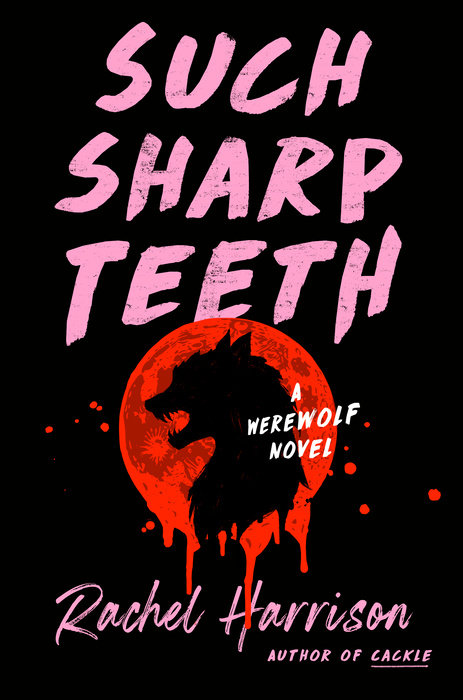
  • Such Sharp Teeth
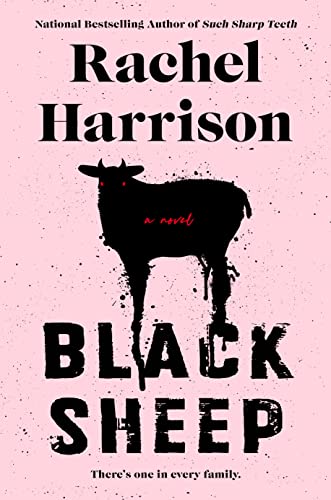
  • Black Sheep

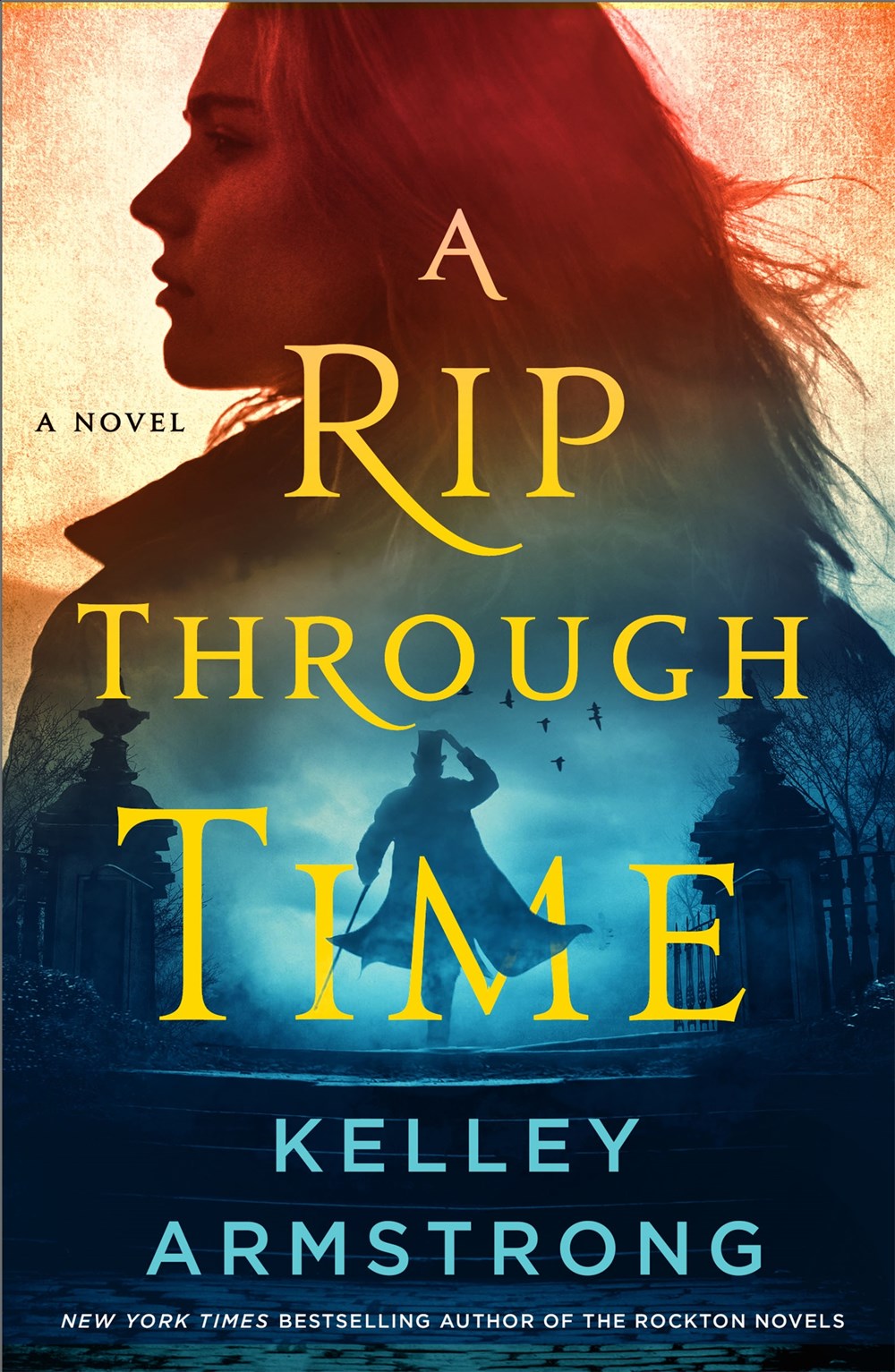
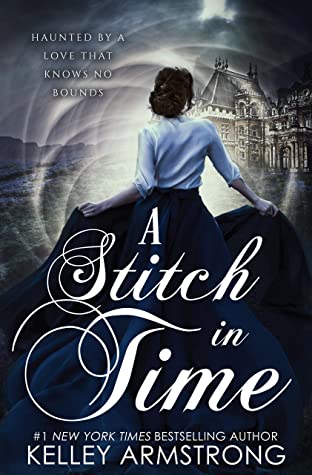
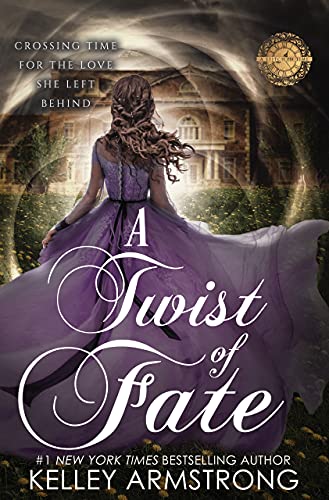
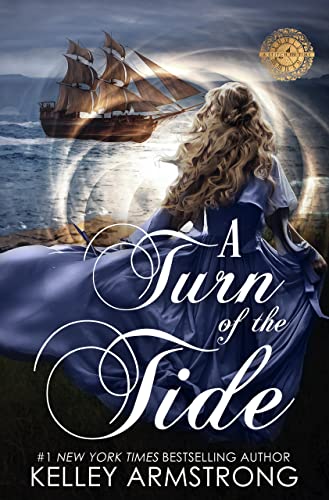
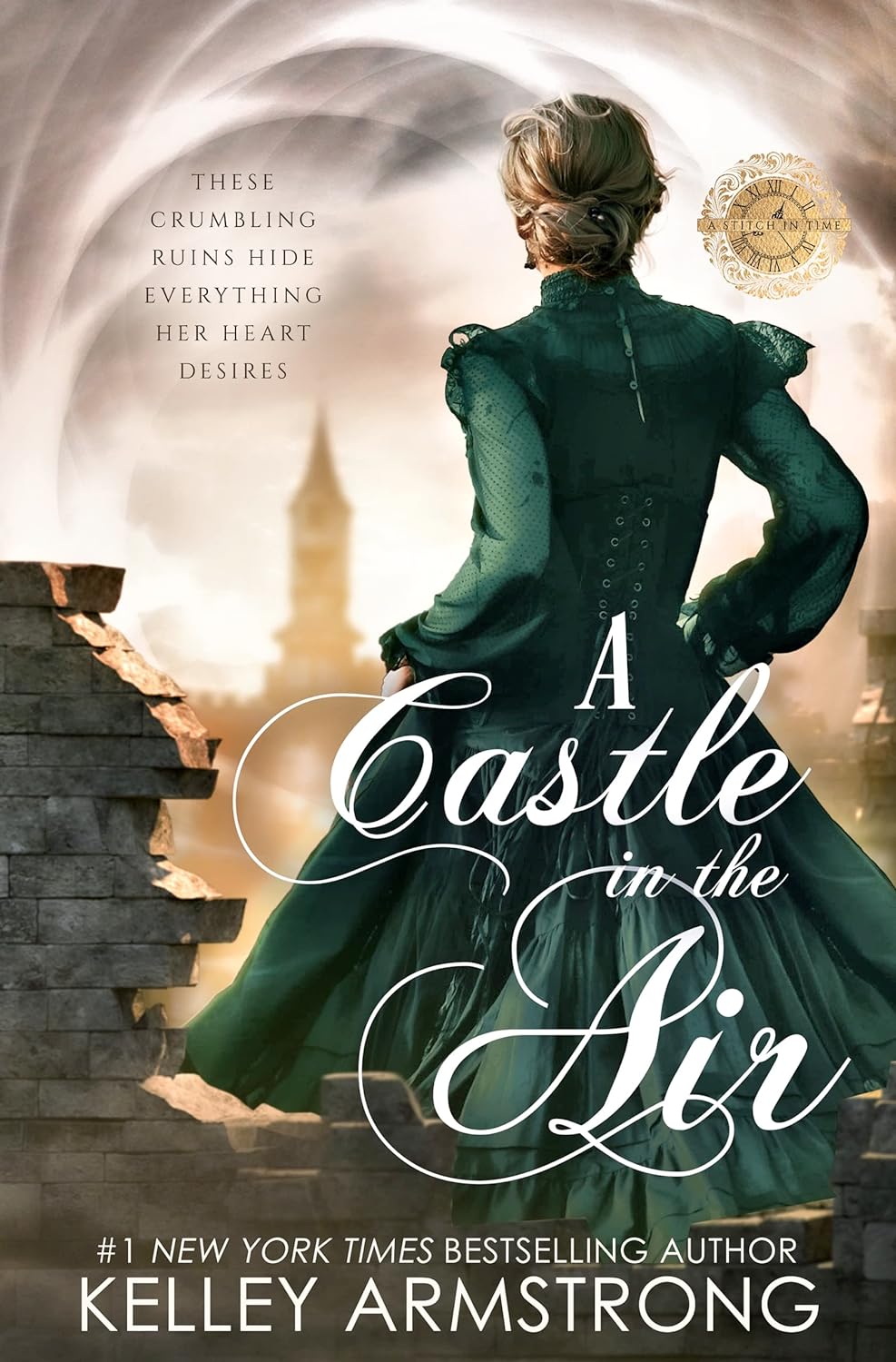
4: Kelly Armstrong

Read in 2024:

  • Finding Mr. Write
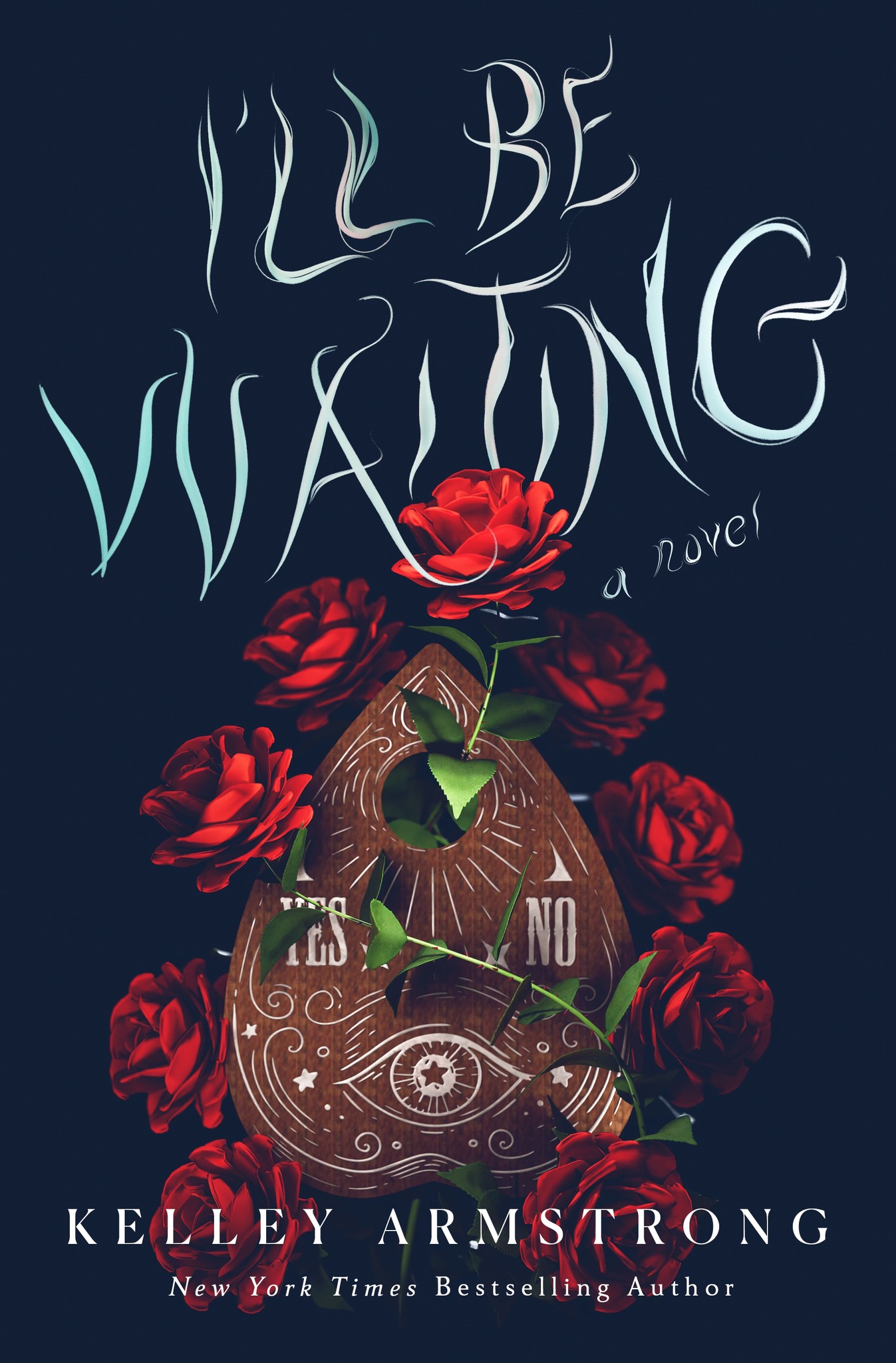
  • I’ll Be Waiting
  • Disturbing the Dead
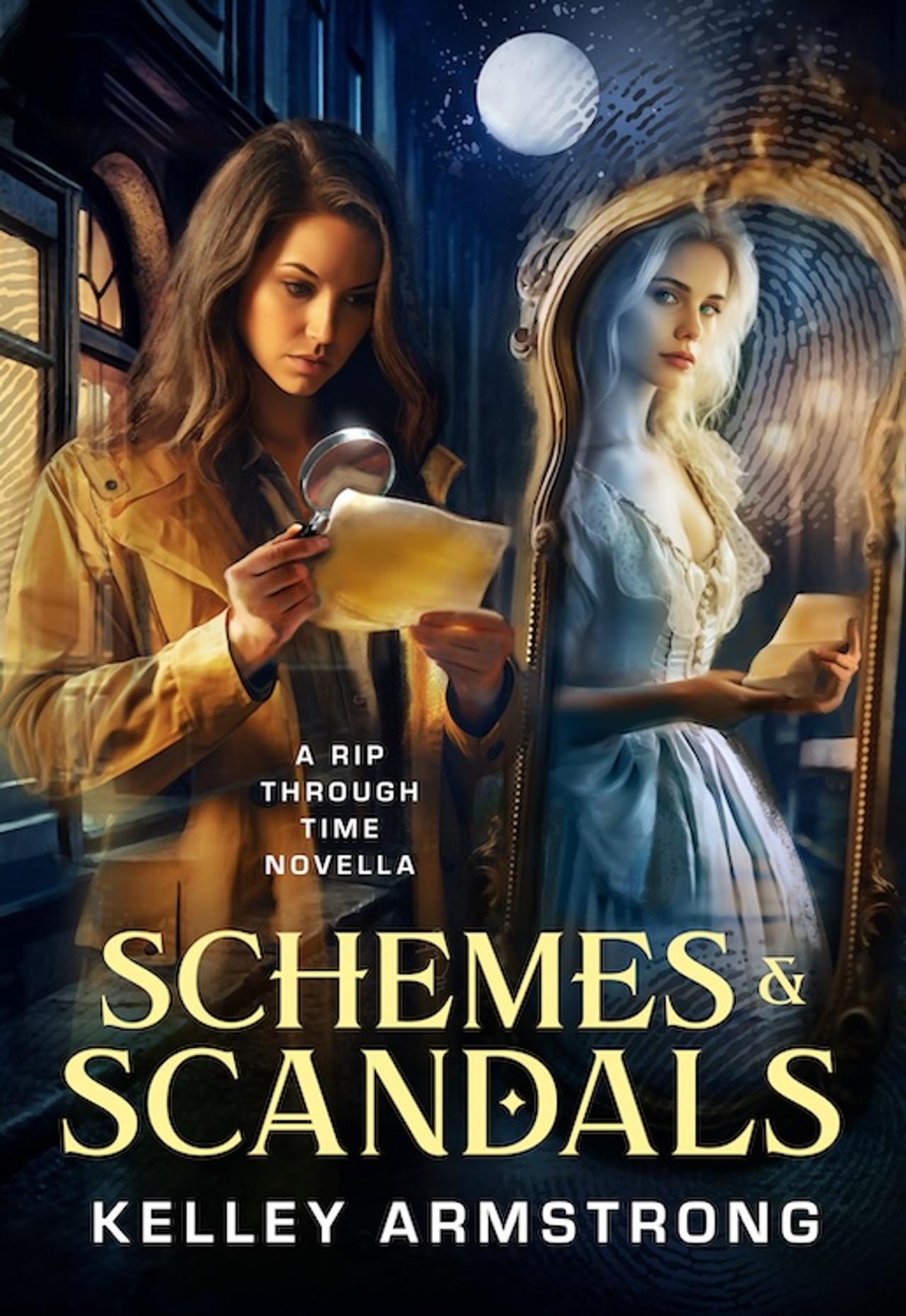
  • Schemes & Scandals

Previously read:

  • A Stitch in Time series (four books plus novellas)
  • A Rip Through Time series (books 1 and 2)

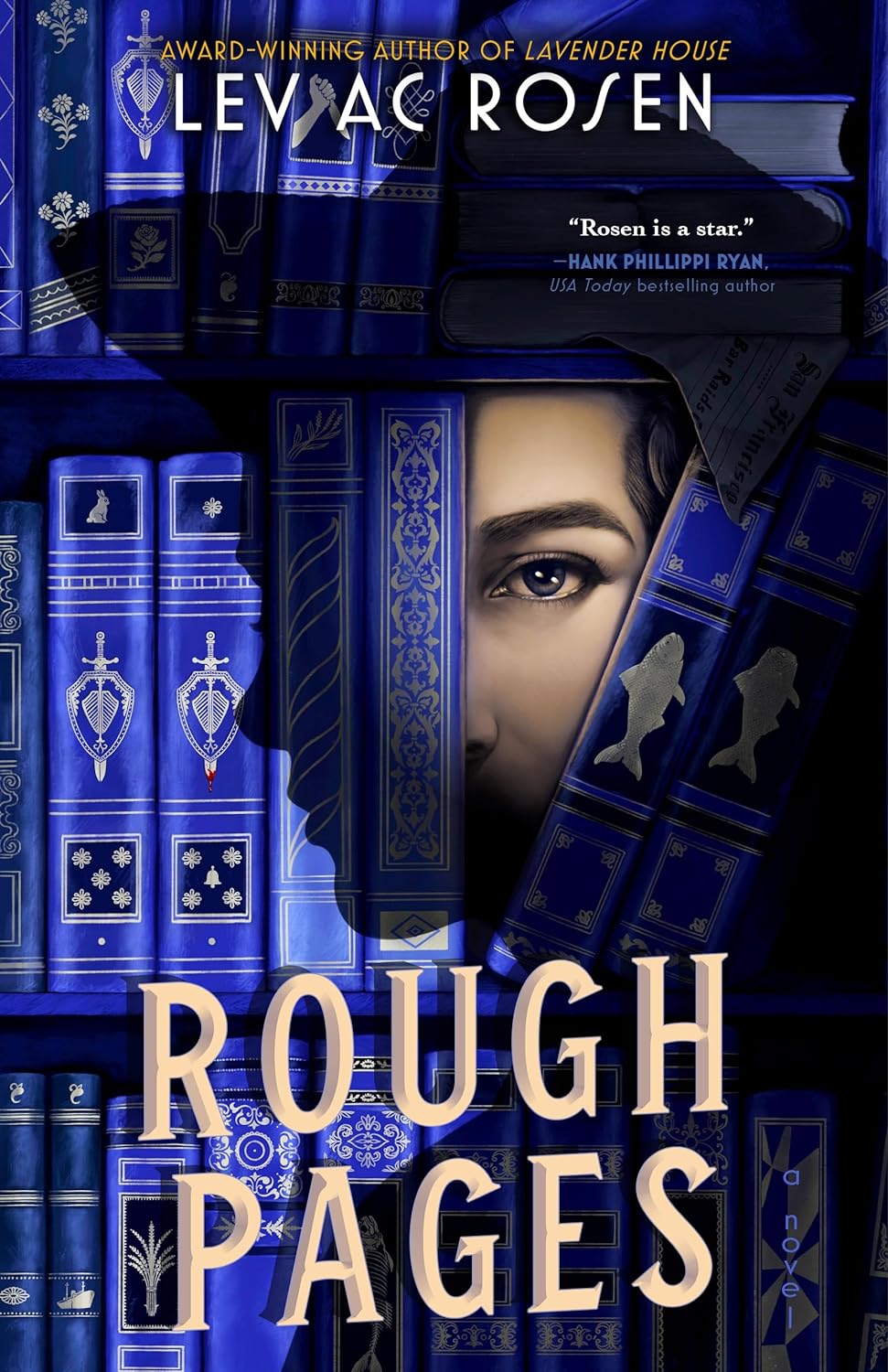
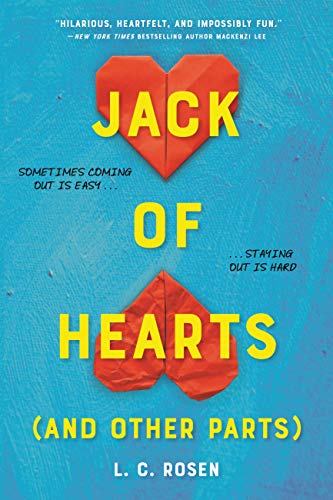
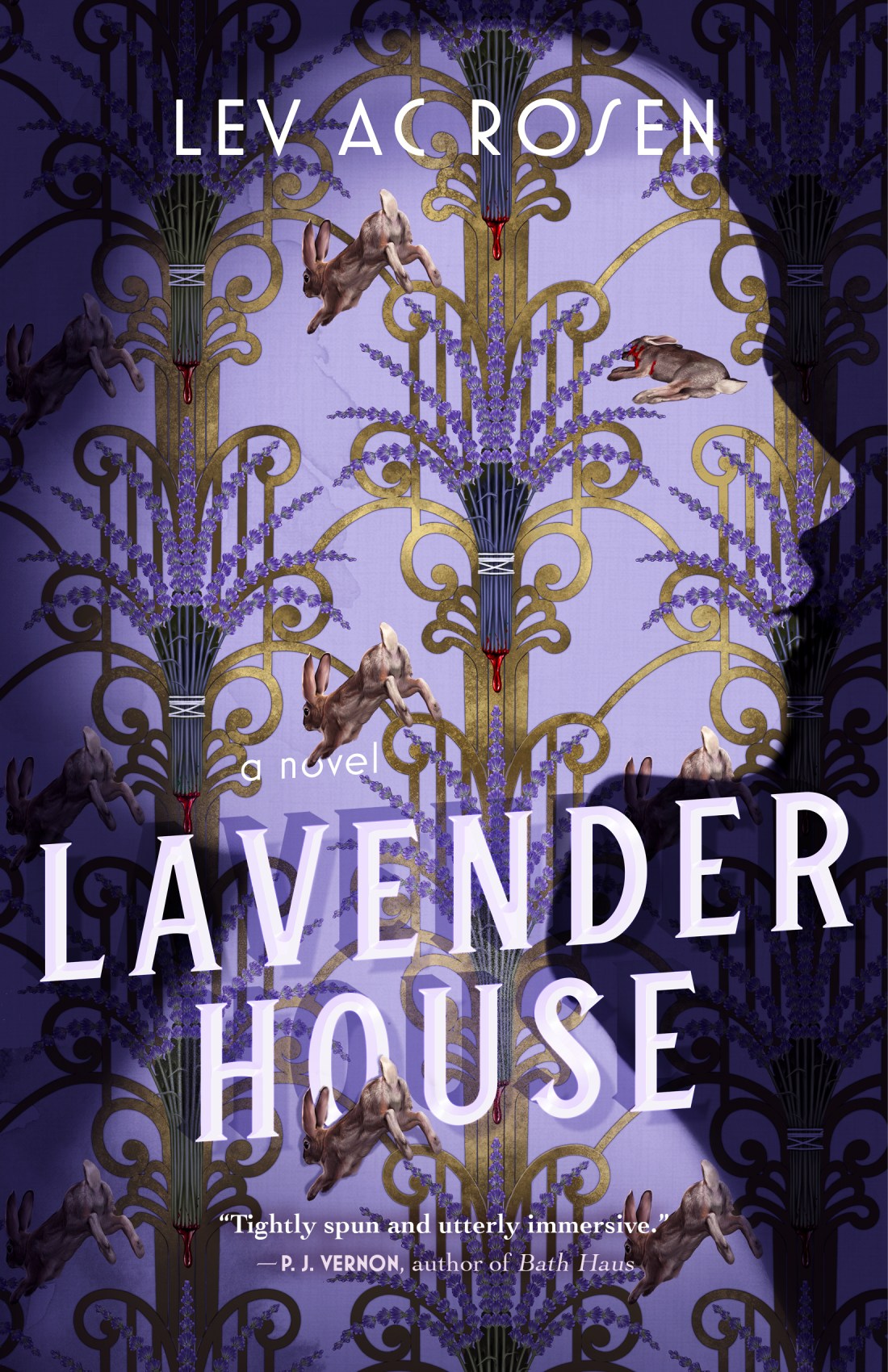
5: Lev AC Rosen

Read in 2024:

  • Rough Pages
  • Camp
  • Jack of Hearts (and Other Parts)

Previously read:

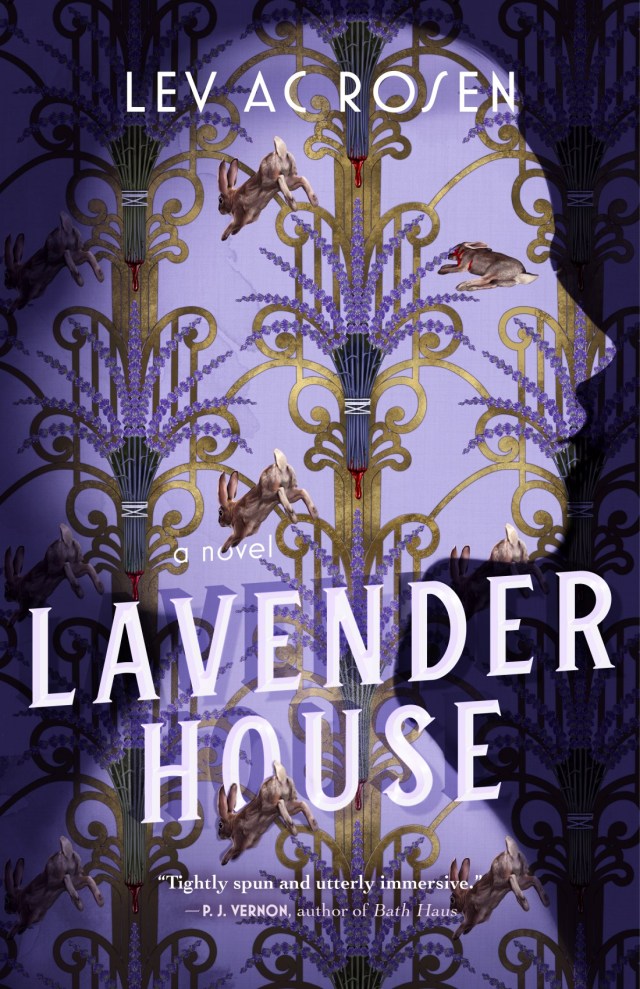
  • Lavender House series (books 1 and 2)
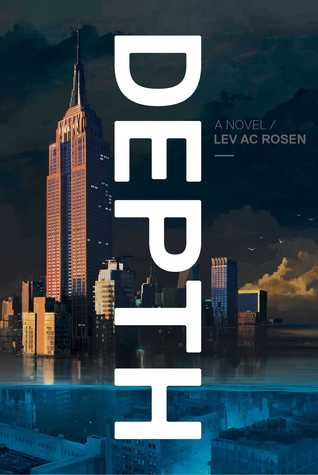
  • Depth
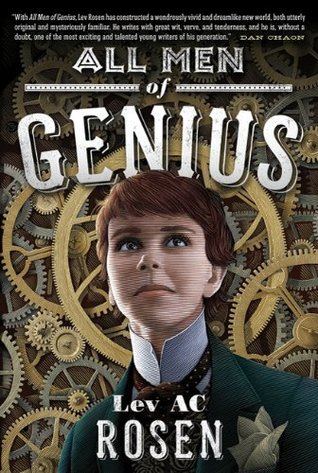
  • All Men of Genius
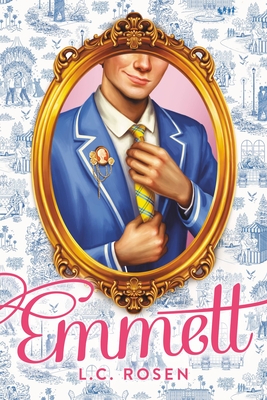
  • Emmett

I could go on — looking at my 2024 reading list, I see so many authors who’ve been on my reading lists in previous years! But I’ll stop at five. These are all authors I can count on for great reading!

Which “old” authors did you enjoy in 2024?

Book Review: Rough Pages (Evander Mills, #3) by Lev AC Rosen

Title: Rough Pages
Series: Evander Mills, #3
Author: Lev AC Rosen
Publisher: Forge Books
Publication date: October 1, 2024
Length: 272 pages
Genre: Historical fiction/mystery
Source: Review copy courtesy of the publisher via NetGalley
Rating:

Rating: 4.5 out of 5.

Private Detective Evander “Andy” Mills has been drawn back to the Lavender House estate for a missing person case. Pat, the family butler, has been volunteering for a book service, one that specializes in mailing queer books to a carefully guarded list of subscribers. With bookseller Howard Salzberger gone suspiciously missing along with his address book, everyone on that list, including some of Andy’s closest friends, is now in danger.

A search of Howard’s bookstore reveals that someone wanted to stop him and his co-owner, Dorothea Lamb, from sending out their next book. The evidence points not just to the Feds, but to the Mafia, who would be happy to use the subscriber list for blackmail.

Andy has to maneuver through both the government and the criminal world, all while dealing with a nosy reporter who remembers him from his days as a police detective and wants to know why he’s no longer a cop. With his own secrets closing in on him, can Andy find the list before all the lives on it are at risk?

Set in atmospheric 1950s San Francisco, Rough Pages asks who is allowed to tell their own stories, and how far would you go to seek out the truth.

Author Lev AC Rosen takes us back once again to the world of San Francisco in the 1950s — a time and place where being gay could get someone threatened, beaten, fired, or even killed, for no greater offense than simply being themselves.

This is true for main character Andy (Evander) Mills, an ex-cop brutally expelled from the police force after being caught in a raid on a gay club. He was lucky to escape with a severe beating and broken ribs; he’s been warned that if his story ever goes public, his life in on the line.

As the 3rd book in this outstanding series opens, Andy is invited back to Lavender House, the setting (and title) of the first book. At Lavender House, a chosen family of gay couples lives a secluded life and have recently adopted a child (under the pretense of being a straight family). Their happy home is at risk — one member of the household is a subscriber to a queer book delivery service, and the man who runs the service is missing, along with his mailing list. If that list gets into the wrong hands, every single person on it could be in danger, including the family at Lavender House, who face the very real threat of losing their child.

As Andy looks into the missing bookseller, he discovers connections to the local mob. Would they have had a reason to kill Howard? What would they do with the list? Or is it possible that Howard has been arrested for crimes related to his use of the postal service for mailing queer books? And if so, who will they come after next?

The more Andy digs, the more risks he discovers, including risks to himself. A reporter has latched onto his investigation, and seems poised to expose his past with the police force. The police chief has made it clear to Andy that if the story of a gay cop ever gets out, he’ll see to it personally that Andy’s life will be destroyed, along with the lives of everyone he cares about. And yet, there’s a truth to be found about Howard’s disappearance — and if Andy doesn’t find out what really happened, the people he loves will never be safe.

Lev AC Rosen is a stellar writer who has a gift for writing in a multitude of genres. I’ve loved his YA books, especially Emmett and Camp, his steampunk debut novel All Men of Genius, and of course, I’m loving this queer noir detective series.

In the Evander Mills series, tightly woven, intriguing mysteries drive the plot, but the evocation of 1950s San Francisco is what truly elevates the books and makes them unique. The characters are well-defined and cover a range of personalities, expressions, identities, and statuses, yet come together to give a vibrant picture of gay life in that era.

In Rough Pages, the mystery itself is expertly laid out, with plenty of misleading clues, shady suspects, and what-ifs. An added treat for book lovers is how central the bookstore is, not only to the mystery plot but also to the depiction of a community. As Howard and other characters illustrate, it matters who gets to tell their stories. For readers, these shared stories may be the key to understanding themselves and realizing for the very first time that they’re not alone. While some of Howard’s approaches may strike us as risky or foolish, perhaps naively trusting to a false sense of safety, what he tries to do with his book subscription service is a beautiful thing. The stacks of letters from subscribers demonstrates the impact of books, and their power to change lives.

Rough Pages is a terrific read on so many levels. I recommend the series as a whole, and suggest starting at the beginning with Lavender House in order to get the full picture of the characters and the setting. I look forward to the next installment in the series!

Top Ten Tuesday: Books on My Fall 2024 TBR List

Top Ten Tuesday is a meme hosted by That Artsy Reader Girl, featuring a different top 10 theme each week. This week’s topic is Books on My Fall 2024 to-Read List.

Is it fall already? Where did the summer go? I did pretty well with my summer 2024 TBR list, with just one book still to read, and I’m including it in my fall reading plans. Other than that, my list this week includes an upcoming new release, books from my shelves, and one old favorite that’s become an annual reading tradition.

In the interest of not repeating myself, I’m not including any of the books already featured in my list of anticipated new releases for the 2nd half of 2024… but yes, I still intend to read all of those too!

My top 10 for fall are:

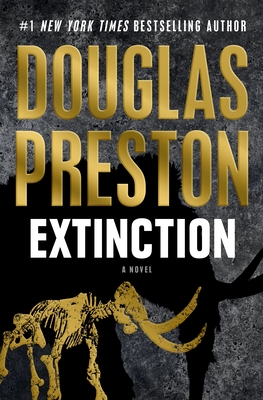
  1. Extinction by Douglas Preston: I haven’t read this type of science thriller in a while, and I think I’m up for it.
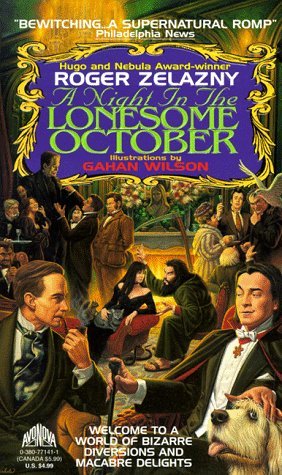
  2. A Night in the Lonesome October by Roger Zelazny: My annual October reading tradition. Always a blast!
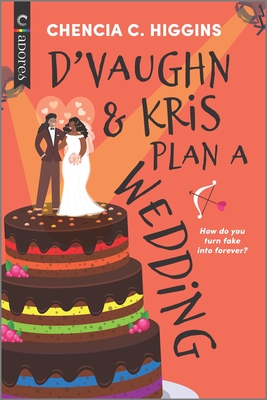
  3. D’Vaughn and Kris Plan a Wedding by Chencia C. Higgins: I needed an LGBTQ+ romance for a reading challenge, and this one came highly recommended.
  4. On Her Own by Lihi Lapid: A recent new release that sounded promising based on the reviews I’ve seen.
  5. A Novel Love Story by Ashley Poston: My summer holdover — which I’ve been looking forward to, but just haven’t gotten around to reading yet.
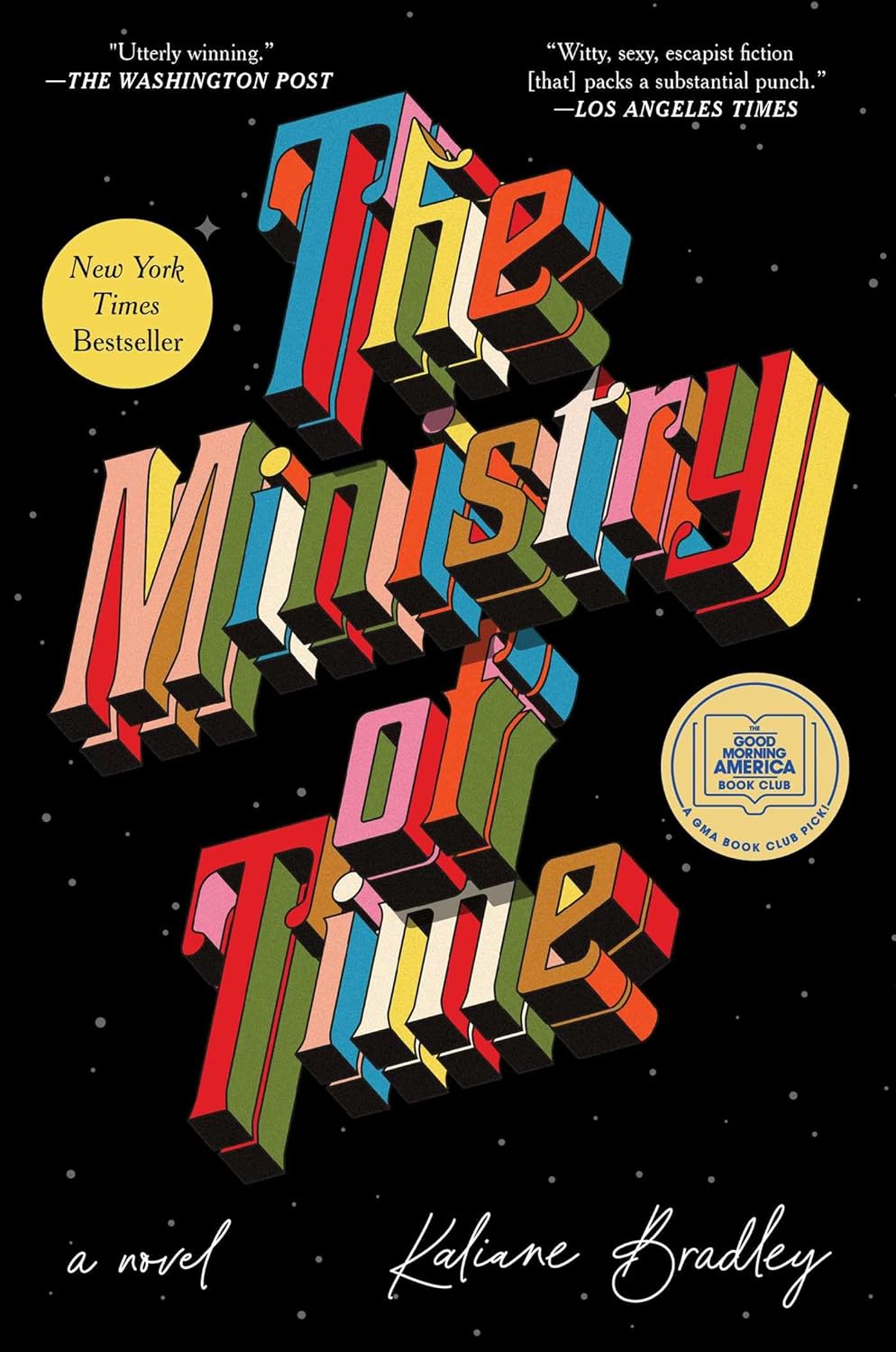
  6. The Ministry of Time by Kaliane Bradley: I love the sound of this book!
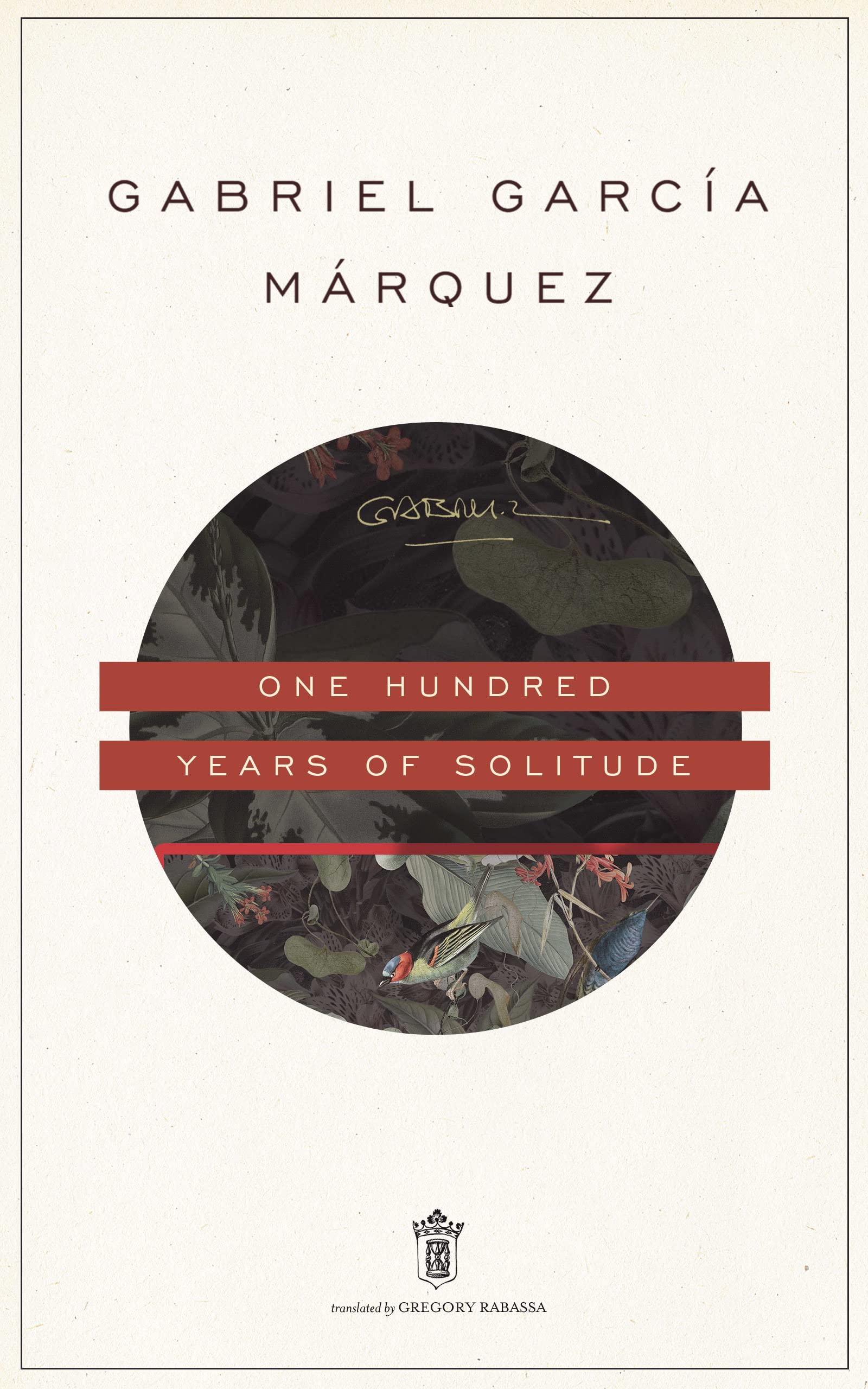
  7. One Hundred Years of Solitude by Gabriel Garcia Marquez: I think I have a reading block when it comes to this book… but I’m determined to finally get through it!
  8. The Wrong Lady Meets Lord Right by Suzanne Alain: The only upcoming new release on this list. This author’s books are always such fun!
  9. Before the Coffee Gets Cold by Toshikazu Kawaguchi: I feel like I’m the last person left who hasn’t read this book, and it’s about time to fix that.
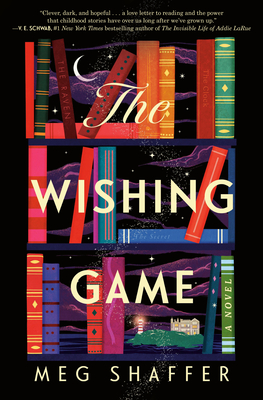
  10. The Wishing Game by Meg Shaffer: I love this author’s newest novel, The Lost Story, so I’m eager to read this one too.

What books are you most excited to read this fall? Do we have any in common?

If you wrote a TTT post, please share your link!

Save
Save

Save
Save
Top Ten Tuesday: Most Anticipated Books Releasing During the Second Half of 2024
Top Ten Tuesday is a meme hosted by That Artsy Reader Girl, featuring a different top 10 theme each week. This week’s topic is Most Anticipated Books Releasing During the Second Half of 2024.

But oops – last week’s topic was Books on My Summer 2024 to-Read List, and since I didn’t look at upcoming topics, I focused my list only on new releases for summer 2024… which means for this week, I have to come up with 10 more!

Fortunately, I never lack for books to look forward to (although the books already on my shelves are giving me some serious side-eye as I write this)… but I couldn’t quite come up with ten more must-read new releases, so…

Here are NINE new releases — coming July through December 2024 — that I can’t wait to read:

Listed in order of release date:

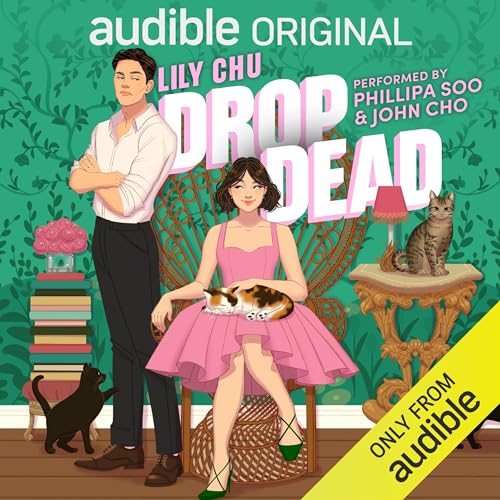
  • Drop Dead by Lily Chu (8/1/2024)
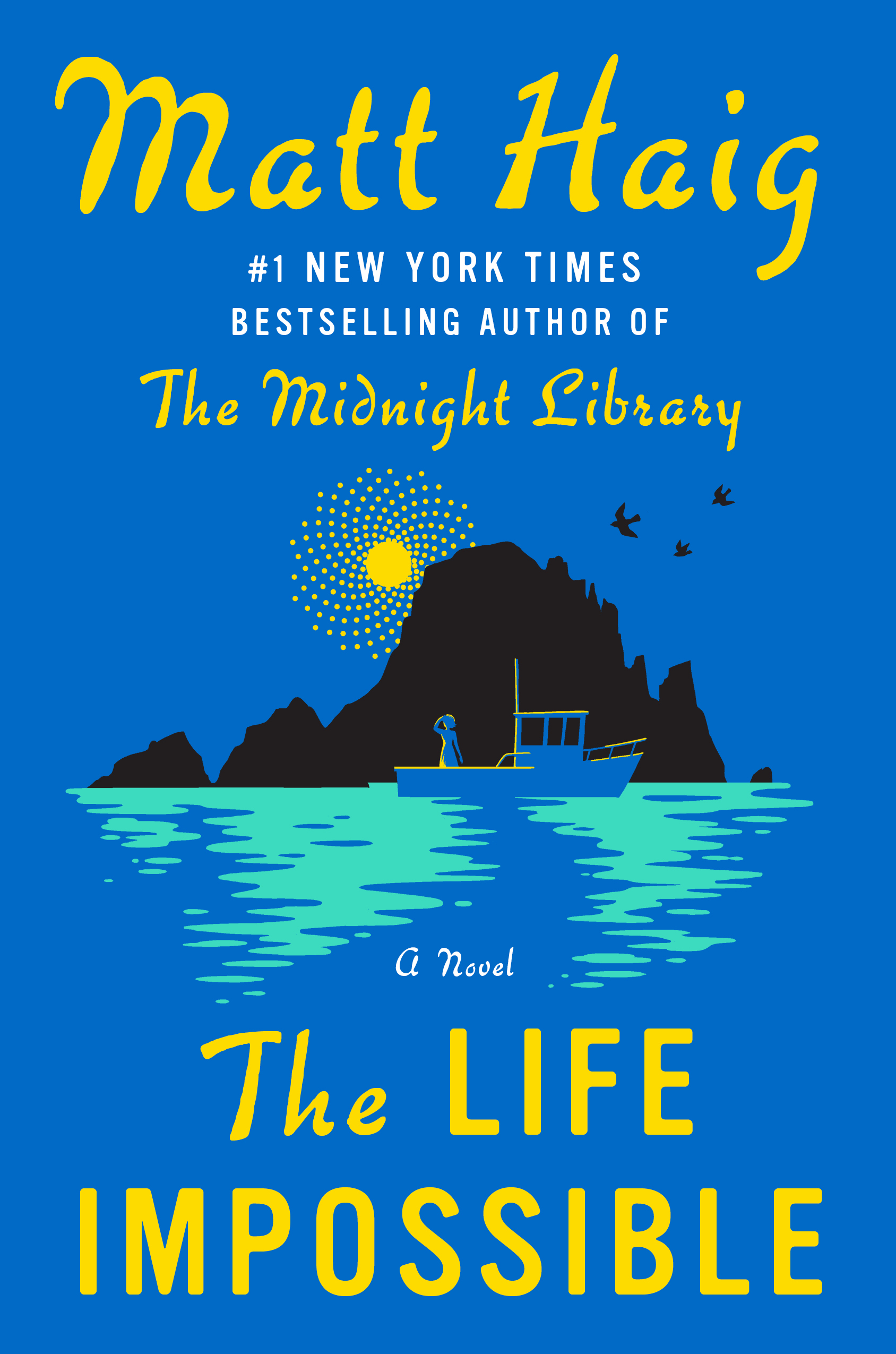
  • The Life Impossible by Matt Haig (9/3/2024)
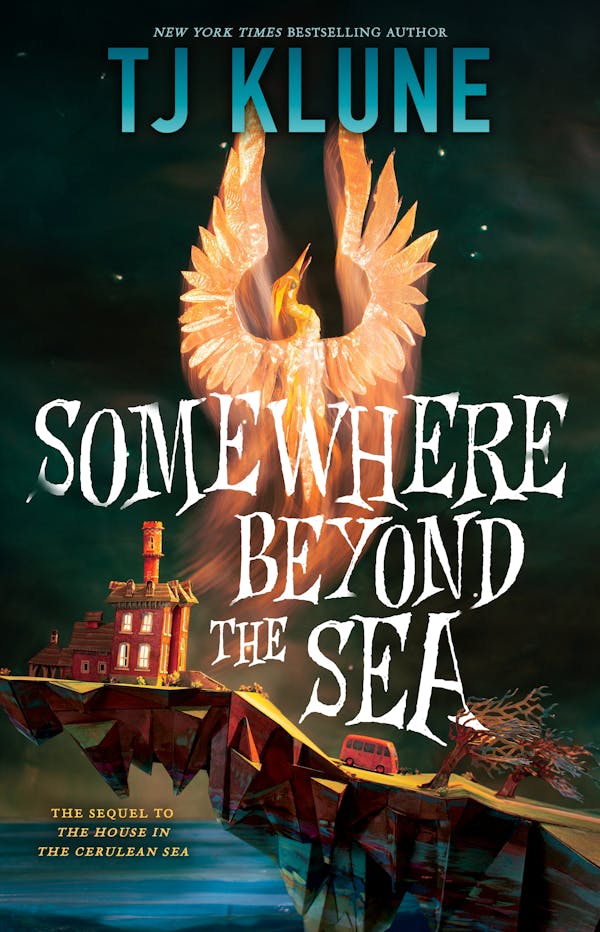
  • Somewhere Beyond the Sea by TJ Klune (9/10/2024)
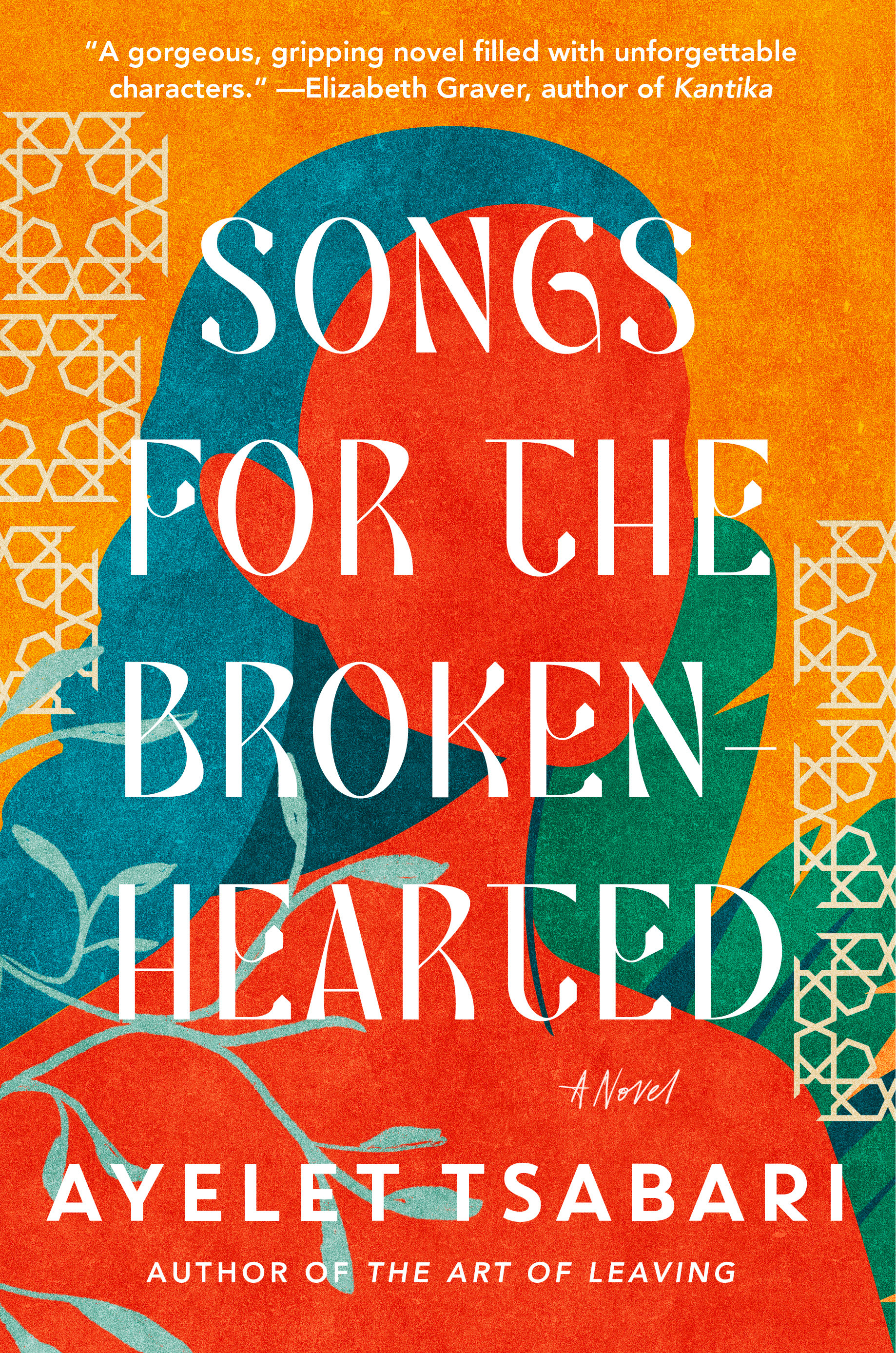
  • Songs for the Brokenhearted by Ayelet Tsabari (9/10/2024)
  • So Thirsty by Rachel Harrison (9/10/2024)
  • I’ll Be Waiting by Kelley Armstrong (10/1/2024)
  • Rough Pages (Evander Mills, #3) by Lev AC Rosen (10/1/2024)
  • The Love Elixir of Augusta Stern by Lynda Cohen Loigman (10/8/2024)
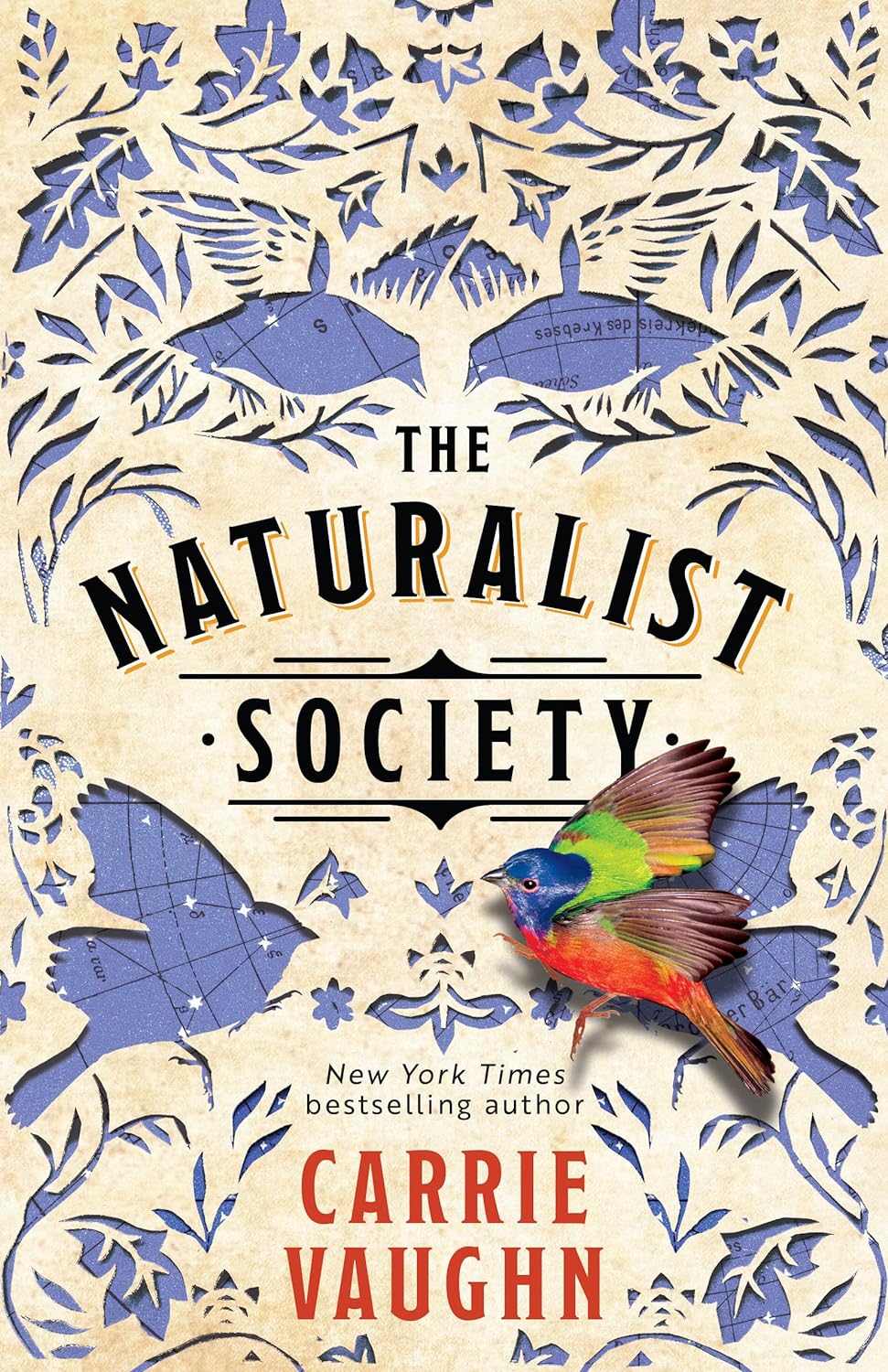
  • The Naturalist Society by Carrie Vaughn (11/1/2024)

What are your most anticipated new releases for the 2nd half of 2024? Please share your links!

Save

Save

Save

Save

Book Review: Emmett by L. C. Rosen

Title: Emmett
Author: L. C. Rosen
Publisher: Little, Brown Books for Young Readers
Publication date: November 7, 2023
Length: 272 pages
Genre: Young adult fiction
Source: Library
Rating:

Rating: 5 out of 5.

A modern-day gay YA Emma, with the spikey social critique of Austen plus the lush over-the-top romance of Bridgerton.

Emmett Woodhouse, handsome, clever and rich, with a comfortable home and happy disposition seemed to unite some of the best blessings of existence and had lived nearly eighteen years in the world with very little to distress or vex him.

Emmett knows he’s blessed. And because of that, he tries to give back: from charity work to letting the often irritating Georgia sit at his table at lunch, he knows it’s important to be nice. And recently, he’s found a new way of giving: matchmaking. He set up his best friend Taylor with her new boyfriend and it’s gone perfectly. So when his occasional friend-with-benefits Harrison starts saying he wants a boyfriend (something Emmett definitely does NOT want to be), he decides to try and find Harrison the perfect man at Highbury Academy, the candy-colored private school they attend just outside Los Angeles. 

Emmett’s childhood friend, Miles, thinks finding a boyfriend for a guy you sleep with is a bad idea. But Miles is straight, and Emmett says this is gay life – your friends, your lovers, your boyfriends – they all come from the same very small pool. That’s why Emmett doesn’t date – to keep things clean. He knows the human brain isn’t done developing until twenty-five, so any relationship he enters into before then would inevitably end in a breakup, in loss. And he’s seen what loss can do. His mother died four years ago and his dad hasn’t been the same since. 

But the lines Emmett tries to draw are more porous than he thinks, and as he tries to find Harrison the perfect match, he learns that gifted as he may be, maybe he has no idea what he’s doing when it comes to love. 

Modern and very gay, with a charmingly conceited lead who is convinced he knows it all, and the occasional reference to the classic movie CluelessEmmett brings you lush romance all while exploring the complexities of queer culture—where your lovers and friends are sometimes the same person, but the person you fall in love with might be a total surprise.

Emmett by L. C. Rosen is the Emma retelling I never knew I needed!

In this contemporary, young adult, gender-flipped, and (as the synopsis states) “very gay” version of Jane Austen’s classic, our main character is Emmett Woodhouse — an attractive high school senior attending a fancy, expensive private school, living a life of comfort and privilege, but also dedicated to giving back, getting involved, and — above all — being nice.

Ever since losing his mother to cancer four years earlier, Emmett has lived alone with his over-protective father, whose hypochondriac tendencies and endless worry about Emmett’s health have gotten worse and worse over time. After seeing the effects of loss and heartbreak up close, Emmett has decided that romance is not for him. His mother once told him that people’s brains don’t fully develop until age 25, so his policy is to avoid relationships until then. That doesn’t mean he can’t have sex, though — physical pleasure is importance for one’s well-being, making it easier to keep up with the niceness.

Emmett is opinionated and a busybody, but has convinced himself of the rightness of his actions. Sure, he enjoys fooling around with Harrison, but since Harrison wants a boyfriend — and Emmett is clearly not going to be it — the nicest thing he can do is find Harrison someone worthy. Not that Robert guy, who Emmett is sure is beneath Harrison. Maybe the hot cheerleader with thousands of social media followers?

Ah, Emmett is a total delight, start to finish. I won’t delve too deeply into the details — there’s so much joy in just following the story and seeing where it goes. I love a good Austen retelling that’s not afraid to bend the story just enough to make sense in a contemporary setting. Emmett succeeds wonderfully at keeping the bones of the Emma story, but fitting it into a modern teen setting and giving the characters motivations and feelings that feel right.

The author gives Emmett deeper layers than I usually attribute to Austen’s Emma. Here, we see clearly how strongly affected Emmett is by his mother’s death; it’s the behind-the-scenes reason for so much of what he does and how he thinks, and it ties the story together in some really beautiful ways.

Author L. C. Rosen (who also writes adult fiction as Lev AC Rosen) proves yet again what a gifted writer he is. Emmett’s story is terrific, the infusion of Austen themes is subtle enough to be recognizable yet not feel like we’re being hit over the head with it, and even knowing the major beats of an Emma story, Emmett still delivers surprises, twists, and plenty of delight.

Emma is one of my favorite Jane Austen novels — I’ve read the original several times, and have watched at least 3 or 4 adaptations. In fact, my only difficulty with reading Emmett is how ingrained the character of Emma is in my mind, so that I often had to stop and remind myself that I was reading about a teen boy, not Emma herself.

Overall, I loved every bit of Emmett. The characters are terrific, the storytelling is a great piece of entertainment, and the writing hooked me from the very first page. I’d say Emmett is a must-read!

Book Review: The Bell in the Fog by Lev AC Rosen

Title: The Bell in the Fog
Author: Lev AC Rosen
Publisher: Forge Books
Publication date: October 10, 2023
Length: 261 pages
Genre: Historical fiction/mystery
Source: Review copy courtesy of the publisher via NetGalley
Rating:

Rating: 4 out of 5.

The Bell in the Fog , a dazzling historical mystery by Lev AC Rosen, asks―once you have finally found a family, how far would you go to prove yourself to them?

San Francisco, 1952. Detective Evander “Andy” Mills has started a new life for himself as a private detective―but his business hasn’t exactly taken off. It turns out that word spreads fast when you have a bad reputation, and no one in the queer community trusts him enough to ask an ex-cop for help.

When James, an old flame from the war who had mysteriously disappeared, arrives in his offices above the Ruby, Andy wants to kick him out. But the job seems to be a simple case of blackmail, and Andy’s debts are piling up. He agrees to investigate, despite everything it stirs up.

The case will take him back to the shadowy, closeted world of the Navy, and then out into the gay bars of the city, where the past rises up to meet him, like the swell of the ocean under a warship. Missing people, violent strangers, and scandalous photos that could destroy lives are a whirlpool around him, and Andy better make sense of it all before someone pulls him under for good.

Last year’s Lavender House was an unexpected delight — a taught, page-turning mystery set in the bad old days of 1950s San Francisco, a time especially dangerous for a closeted gay cop whose life is almost destroyed after he’s brutally outed.

In The Bell in the Fog, we continue the story of Andy Mills, now an ex-cop working as a private investigator from his office and apartment located above Ruby’s, a gay nightclub whose owner decides to give Andy a home and a chance at a fresh start. Andy is trying to pay his way and establish himself as a detective, but it’s hard to earn the trust of the wary gay community, which has every reason to mistrust and fear the police.

When Andy’s ex-lover from his Navy days shows up in his office, his life gets even more complicated, as unwelcome memories and feelings bubble up from his past. James is now a naval officer up for promotion, but he’s being blackmailed by a casual lover and has everything to lose. Reluctantly, Andy accepts the case, and is soon immersed in the search for a missing person, the blackmail photos, and the person pulling the strings.

Author Lev AC Rosen once again expertly manages to tell a compelling, intricate mystery story while also painting a picture of a particular time and place in history. Through Andy’s experiences, we see the sharply dangerous life of the underground gay community as well as the joys and love of found family. The mystery itself is well-constructed, with danger, plenty of red herrings, and plot twists galore.

The range of people that Andy interacts with presents yet another view into the time period, as we get to know drag performers, closeted lovers, wannabe stars, and various allies and enemies. Andy himself is a wonderful character, carrying the weight of past persecution and guilt, looking to rebuild a life, and figuring out where he fits in in his new chosen community. I loved seeing the through-lines and connections to Lavender House, and enjoyed Andy’s ongoing soul-searching and journey toward strength and self-acceptance.

Overall, The Bell in the Fog is a terrific mystery as well as a moving portrait of gay life in the 1950s. It’s a page-turner with heart — highly recommended! I hope there will be much more to come in this series.

.

Top Ten Tuesday: Books on My Fall 2023 TBR List

Top Ten Tuesday is a meme hosted by That Artsy Reader Girl, featuring a different top 10 theme each week. I wasn’t particularly into this week’s topic (Secondary/Minor Characters Who Deserve Their Own Book), but since I missed TTT last week, I decided to go ahead and do that topic instead!

My list this week is is Books on My Fall 2023 To-read List. My list includes combination of upcoming new releases, books I already own but haven’t read yet, and one on my library hold list.

My top 10 for fall are:

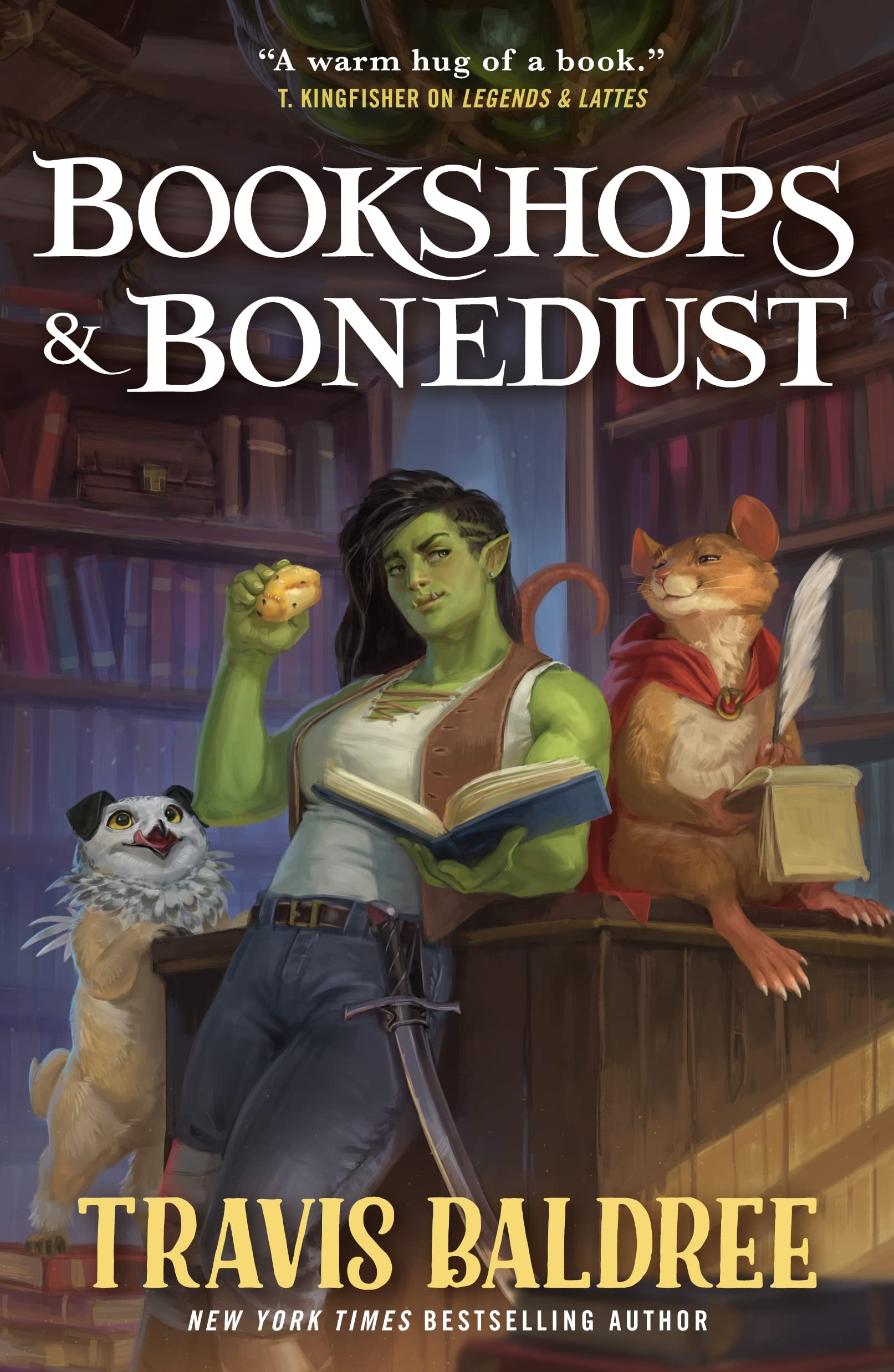
  1. Bookshops & Bonedust by Travis Baldree
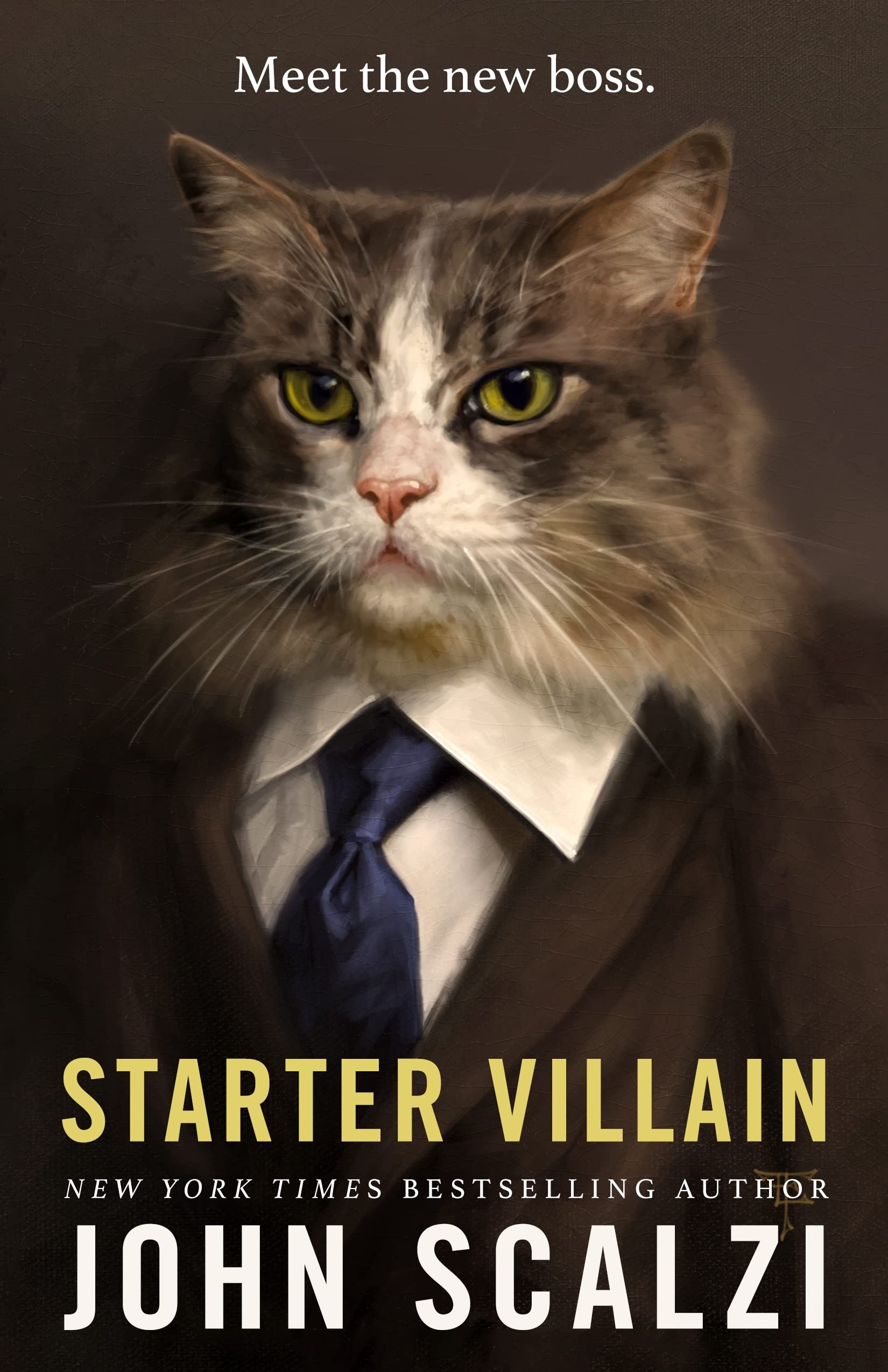
  2. Starter Villain by John Scalzi
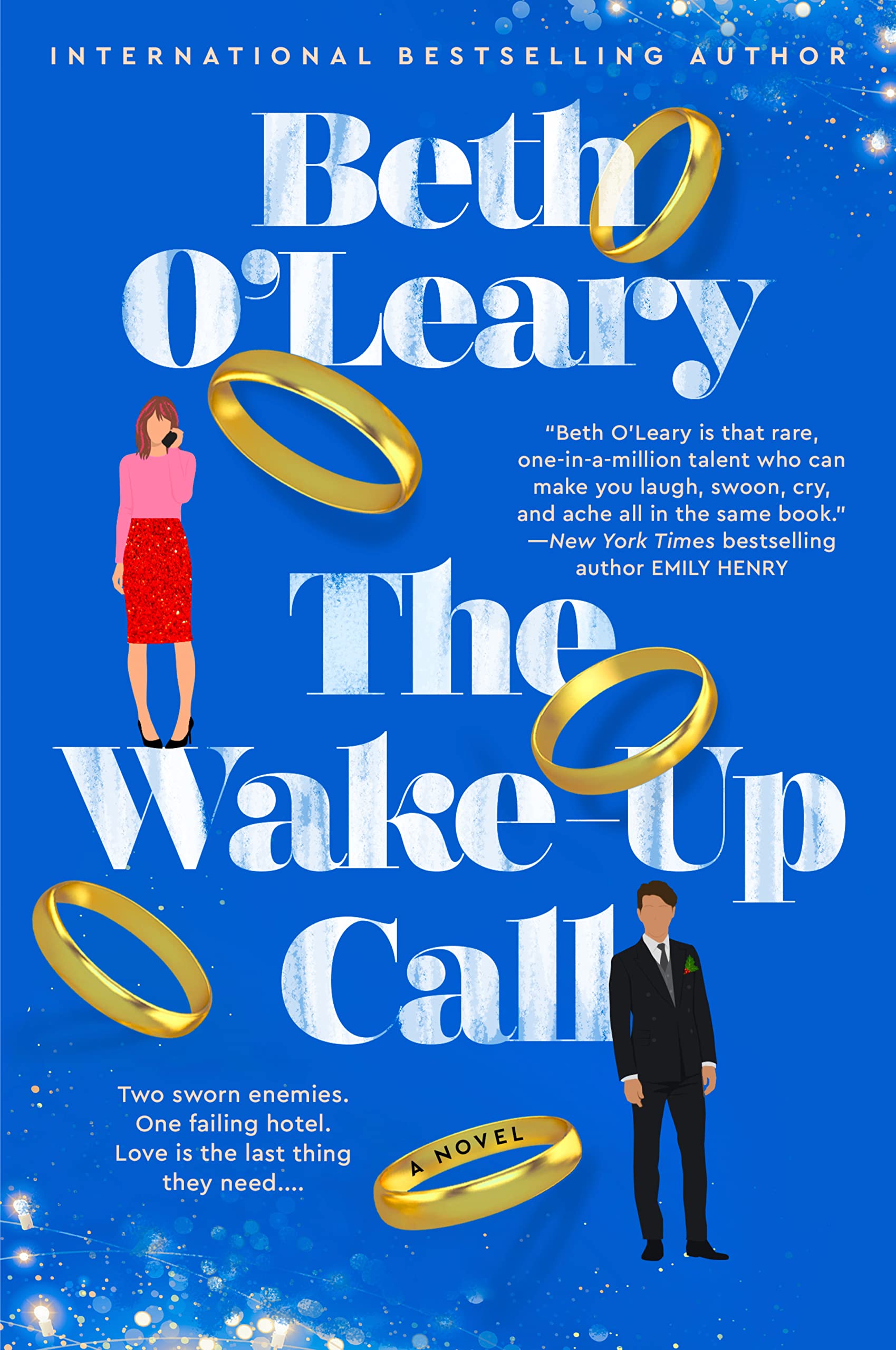
  3. The Wake-Up Call by Beth O’Leary
  4. The Bell in the Fog by Lev AC Rosen
  5. Fourth Wing by Rebecca Yarros
  6. Black Sheep by Rachel Harrison
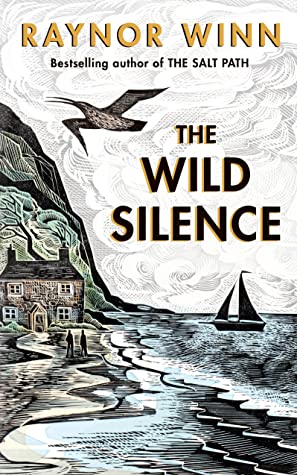
  7. The Wild Silence by Raynor Winn
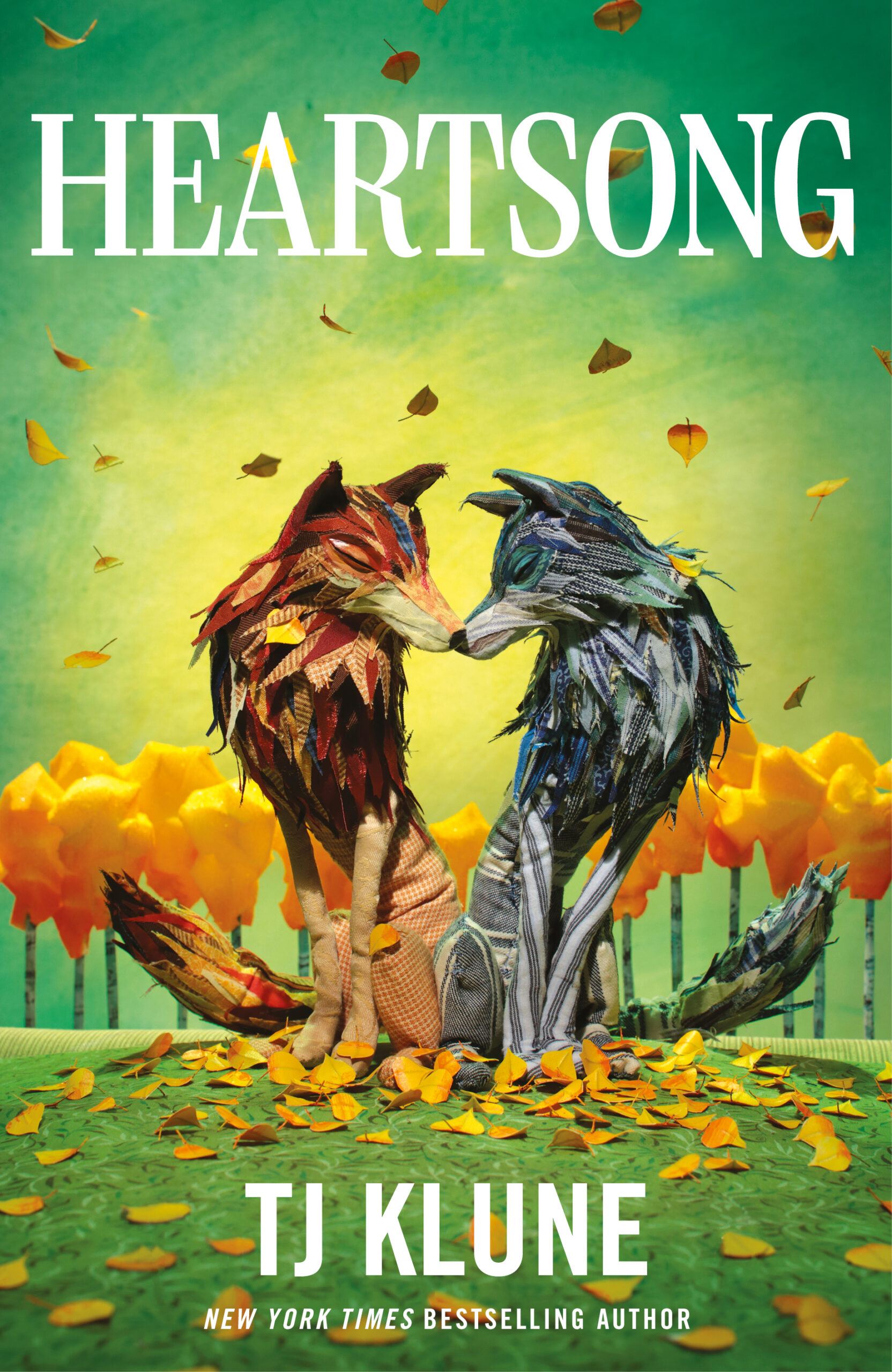
  8. Heartsong by TJ Klune
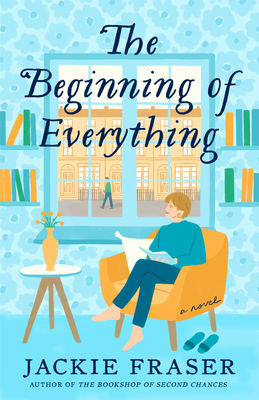
  9. The Beginning of Everything by Jackie Fraser
  10. The Scandalous Confessions of Lydia Bennet, Witch by Melinda Taub

What books are you most excited for this fall? Do we have any in common?

If you wrote a TTT post, please share your link!

Save

Save

Save

Save

Book Review: Lavender House by Lev AC Rosen

Title: Lavender House
Author: Lev AC Rosen
Publisher: Forge Books
Publication date: October 18, 2022
Length: 288 pages
Genre: Historical fiction/mystery
Source: Review copy courtesy of the publisher via NetGalley
Rating:

Rating: 5 out of 5.

A delicious story from a new voice in suspense, Lev AC Rosen’s Lavender House is Knives Out with a queer historical twist.

Lavender House, 1952: the family seat of recently deceased matriarch Irene Lamontaine, head of the famous Lamontaine soap empire. Irene’s recipes for her signature scents are a well guarded secret—but it’s not the only one behind these gates. This estate offers a unique freedom, where none of the residents or staff hide who they are. But to keep their secret, they’ve needed to keep others out. And now they’re worried they’re keeping a murderer in.

Irene’s widow hires Evander Mills to uncover the truth behind her mysterious death. Andy, recently fired from the San Francisco police after being caught in a raid on a gay bar, is happy to accept—his calendar is wide open. And his secret is the kind of secret the Lamontaines understand.

Andy had never imagined a world like Lavender House. He’s seduced by the safety and freedom found behind its gates, where a queer family lives honestly and openly. But that honesty doesn’t extend to everything, and he quickly finds himself a pawn in a family game of old money, subterfuge, and jealousy—and Irene’s death is only the beginning.

When your existence is a crime, everything you do is criminal, and the gates of Lavender House can’t lock out the real world forever. Running a soap empire can be a dirty business.

Lavender House opens with a desperate man in a bar having one last drink while contemplating suicide — before a broad in bright colors walks in.

She has a deep, sharp voice, and it cuts through the fog of drunkenness in my mind. She’s right out of a movie — she could ask me to kill her husband any second now.

In this noir-tinged murder mystery set in 1950s San Francisco, there’s no place to hide if you’re queer, and that’s especially true if you’re a cop. Our main character, Andy Mills, has just been fired from the SFPD after being caught in the act during a police sweep of gay bars. Broken, beaten, and with no hope, he’s having one last drink while considering throwing himself into the Bay, when Pearl walks into the bar.

Pearl is a classy older woman with an aura of money, and as Andy listens to her pitch, he learns something truly shocking: Pearl refers to her long-time companion Irene as her “wife”. How can two women possibly live a domestic, committed life together without persecution? Soon, Andy learns much more: Irene is the head of the Lamontaine family, who own a fabulously successful soap company known for its lush floral scents and secret formulations. With the Lamontaine money, Irene and Pearl are able to live a rich, free life within their secluded, gated estate in Marin, along with their son Henry, Henry’s partner Cliff (who poses publicly as Henry’s secretary), Henry’s wife Margo (again, a public-facing role), and Margo’s lover Elsie, who runs one of the most successful queer clubs in San Francisco, sheltered by generous payoffs to the police.

Henry turns and kisses him on the forehead. And everyone acts like it’s the most natural thing in the world. No one even seems to notice it happen. I’ve seen affection like that in the clubs before, sure. But here, in morning light, at a breakfast table, it’s like they’re so bright it makes my eyes hurt.

The Lamontaine’s idyllic life is devastated, however, by the event that’s brought Pearl to Andy: Irene is dead, and Pearl suspects murder. While the rest of the household believe the death was an unfortunate accident, Pearl thinks there’s something more sinister at play, and she invites Andy back to the mansion to investigate. As he takes up residence in a guest room and gets to know the family, Andy uncovers many secrets, but also sees both the freedoms and limitations of the family’s isolated lives, and considers whether he might ever find a way to live a freer, truer life himself.

There’s so much to love about Lavender House! First, the murder mystery itself is well developed, with an intriguing set-up, plenty of clues and red herrings, and a cast of characters who all seem like good people, until we’re forced to see other sides of them and wonder what lies beneath the friendly surfaces. This is a manor house mystery — an isolated, grand house, with each resident a suspect, and a detective in their midst, who may end up in grave danger himself. It’s quite deliciously built, as we get to know and like the various characters — but like Andy, we need to also look beyond the smiles and sympathetic conversations and to hold ourselves at a bit of a distance while we assess which of these people is a murderer.

Beyond the mystery itself, there’s also the historical setting and the depiction of gay life in the 1950s. The era shines through via the author’s descriptions of the bars and alleys and criminal life, as well as the music, clothing, and cars. But it’s the narration of Andy’s inner turmoil, the constant threat of discovery and the very real danger of beatings and abuse that give this book such a gritty, sad, realistic feel.

Even amidst the seemingly open life of the Lamontaine house, Andy is constantly aware of the redwood trees that line the drives, looking like prison bars, and the heavy gates that must be kept locked to keep the world out — and by extension, to keep the family locked within their private haven, unable to leave without putting on masks to shield them from the world.

As long as the world out there stays the same, a paradise like this keeps you in as much as it keeps you safe.

There’s so much sorrow in Andy’s experiences of living a secret life, his attempts to keep himself safe and his shame at not having done more to help others like him, his knowledge that the camaraderie he once experienced on the police force was erased in an instant the moment his true self was exposed, and the physical danger he faces simply by being spotted by someone who might recognize him. Through Andy’s investigation, we also learn more about the backgrounds of the various other inhabitants of Lavender House, and it’s a sad litany of secrets, shame, family disgrace, and abuse.

The murder is, of course, tied up neatly by the end of the book, and I thought the resolution was quite clever and not at all obvious. Andy’s life seems on the verge of a new beginning, and it’s wonderful to be able to leave him with a sense of hope. Life in the 1950s hasn’t magically changed, but he at least has options and a vision for how his life might be better. It felt as though the ending might be leaving the door open for additional mysteries starring Andy, and that would be amazing! Here’s hoping this is just the first in a continuing series.

I’m not at all surprised that I ended up loving this book. The author, Lev AC Rosen, has written some fabulous books already, including two gems that I think deserved much more attention than they got (All Men of Genius and Depth — go look them up and check them out!!). I haven’t read his YA novels yet, but they’re on my TBR list. In any case, Lavender House seems to be generating lots of buzz and is getting a big, splashy release, so I hope this is the book that will finally provide this talented author with a much bigger audience.

Lavender House is a fast-paced, intriguing mystery with a deep inner core of emotional impact and sensitivity, and I loved the sharp way the characters’ experiences enhanced the murder genre aspects of the story. This is a terrific new release for October — don’t miss it!

Top Ten Tuesday: Books on My Fall 2022 TBR List

Top Ten Tuesday is a meme hosted by That Artsy Reader Girl, featuring a different top 10 theme each week. This week’s topic is Books on My Fall 2022 To-read List. My list this time is a combination of upcoming new releases and books I already own but haven’t read yet.

My top 10 for fall are:

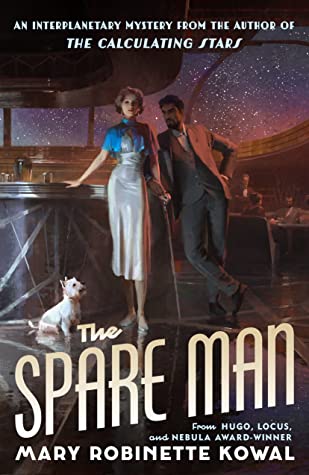
  1. The Spare Man by Mary Robinette Kowal
  2. Well Traveled by Jen DeLuca
  3. The Sentence by Louise Erdrich
  4. Even Though I Knew the End by C. L. Polk
  5. Lavender House by Lev AC Rosen
  6. Ocean’s Echo by Everina Maxwell
  7. Troy by Stephen Fry
  8. The Long Way to a Small, Angry Planet by Becky Chambers
  9. The Grief of Stones by Katherine Addison
  10. Heading Over the Hill by Judy Leigh

What books are on your TTT list this week? Please share your links!

Save

Save

Save

Save

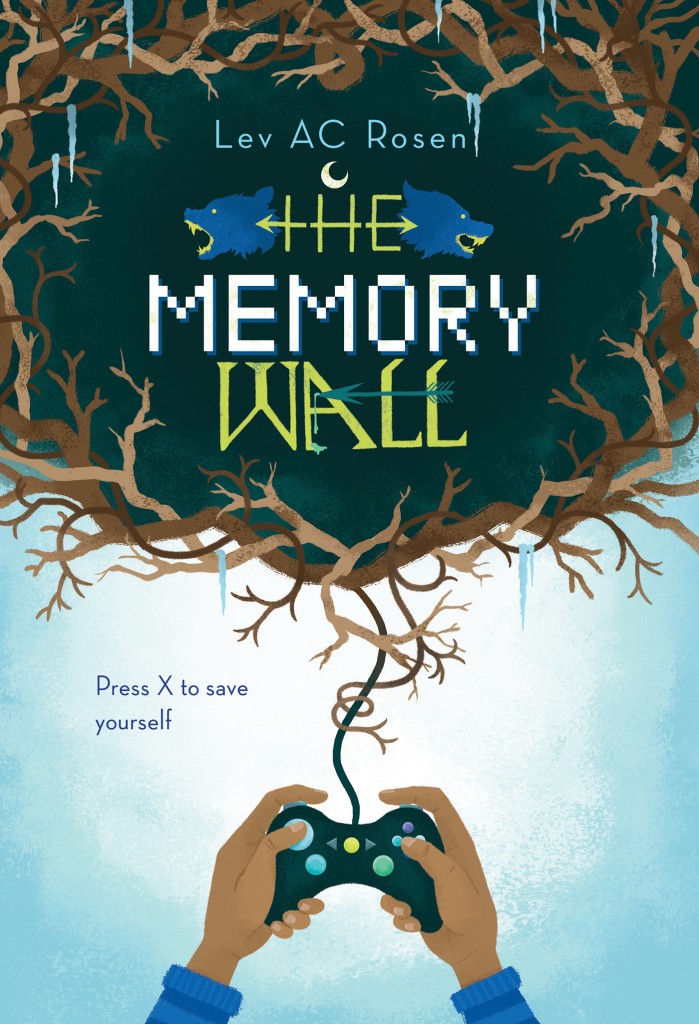
The Memory Wall: New release celebration and author Q&A!

the-memory-wall-699x1024

There’s a fine line between real life and video games in this engrossing novel that’s part Kathryn Erskine’s Mockingbird, part Patrick Ness’s A Monster Calls.

Severkin is an elf who slinks through the shadows of Wellhall’s spiraling stone towers, plundering ancient ruins and slaying mystical monstrosities with ease.

He’s also a character in a video game—a character that twelve-year-old Nick Reeves plays when he needs a break from the real world. And lately, Nick has really needed a break. His mother had an “incident” at school last year, and her health has taken a turn for the worse.

Nick is convinced his mother’s illness has been misdiagnosed, but no one believes him. His only escape is the online world of Wellhall, where, as the elf character Severkin, he can face any problem. But when Nick finds himself fighting alongside another elf who reminds him of someone he knows in real life, his worlds begin to collide. . . .

I’m so excited to share this sneak peak at The Memory Wall, the upcoming new release by Lev AC Rosen! The Memory Wall will be released September 13, 2016… and I encourage you all to stop right now, open up a new tab in your browser, hit up Amazon or your favorite online bookseller, and hit the preorder button. You can thank me later. (And now come back and finish reading my post!)

The Memory Wall is an unusual, surprising read — aimed at younger teens, but definitely appealing to grown-ups as well. Don’t be deceived by the cover. While the game and fantasy elements of this book are quite important, it’s the real-life Nick and his disintegrating family that are the heart and soul of the story.

For me personally, Nick’s family, school situation, and inner struggles are the most engrossing elements of The Memory Wall, but the in-game portions are equally well-written and have a propulsive energy all their own. As you’ll see from the Q&A below, it amazes me how well certain elements work together — elements that I never in a million years would have expected to fit into one book — but they really do come together in unexpected but really cool ways.

I’m really thrilled to be able to share this Q&A, but let me just add more note: Lev AC Rosen is an amazing writer who deserves much wider acclaim! Not only does he write great kids’ books (see my review of Woundabout here), but he’s also written two of my absolute favorite books for adults, All Men of Genius (which I read before I was a blogger, so no review… but maybe I’ll revisit in a future blog post) and Depth, which is just awesome (review here).

As a side note, I ended up asking Lev a bunch of questions that relate to the fact that I have a 14-year-old son who’s obsessed with video games. Just FYI.

Without further ado, I’m proud to present:

A Q&A with author Lev AC Rosen, author of The Memory Wall

Note: Mild (very mild) spoilers ahead…

Q:  I never would have guessed that Alzheimer’s, gaming, and the Berlin Wall could fit into a single book. Did you set out to write about all three of these elements from the start?

A: I’m a big believer in the idea that every book writes itself differently. Sometimes the whole idea comes to me fully formed, like a seed, and planting it lets that idea grow. Sometimes it’s more like assembling a puzzle from the pieces that are just floating around your mind.  For The Memory Wall, it was the latter – I knew I wanted to do a book about someone playing a video game, and use that as a story-with-a-story format, where the two stories could actually be pulled apart and still stand on their own. But the age group, the characters, the world, the Berlin Wall, Alzheimer’s – those all sort of snapped on, one by one, because they were already floating around in my head as things I wanted to write about.  Maybe puzzle pieces isn’t the right metaphor – maybe it’s more like trying on clothes. I had this body – video game, story-within-story – and I assembled an outfit on it from the clothes in the wardrobe of my brain – and that included Alzheimer’s and the Berlin Wall. The outfit just looked good. And I didn’t start writing until the outfit was assembled, because the outfit is the idea. Before that, it was just disconnected ideas. Once all the pieces were together, I had an idea, and then I started writing. So Alzheimer’s and the Berlin Wall were there from the moment I was typing. But the core was the video game, I guess.

Q: What was your inspiration for The Memory Wall?

A: Well, I just sort of answered the inspiration for the book part – I could talk more about my personal experiences with Alzheimer’s, or this great German film teacher I had in college, but I’m going to talk about those elsewhere and when I first read this question, I thought you were asking about the literal wall in the book, and I really want to answer that version of the question, because it’s not something I’ve been asked: This book is so much about history, and finding ways to preserve history – whether personal, or societal. Nick’s dad writes about Black history. His mom never talks about her own history in East Berlin. His mom is also losing her own history, and that means Nick feels he’s losing his history with her. So I was thinking about history, and the way we map it, and try to remember it – books, photos, dates, family trees. The ways we quantify history. And I wanted Nick, at some point, to (light spoilers) destroy that in some way. I wanted him to tear down the history he felt had been thrust upon him and realize that history – whether personal or societal – is something that changes all the time, depending on who you talk to, how you look at it. Sure, we can write down dates, map our great-great-grandmothers, but history lives in us. In stories, in memories. It’s not carved in stone. So the memory wall, in the book itself, is this sort of literally carved-in-stone family tree. And I’m trying to go spoiler-light here, so I’ll just say that it’s a history that is put upon Severkin, Nick’s in-game avatar. And when he realizes how his history – and everyone’s history, especially his mom’s – is more than names and dates, that it’s something more fluid than that, he gets to literally shatter the stone. That was satisfying. Plus, of course, calling it the memory wall ties into the Alzheimer’s and the Berlin Wall. But the original inspiration was that I wanted a family tree that could be destroyed in some way. Not to say that his history isn’t that, but to say it’s more than that.

Q: Race and identity are important elements for Nick and Nat, and this is also reflected in their in-game characters. What would you hope that kids reading the book would learn from this?

A: I don’t know if I’d say I want kids to learn anything, exactly. There was this article going around a while back, about a study saying that those who read fiction tend to have more empathy. Reading literally puts you in someone else’s head, so you learn how to do that with real people, too. I think of that whenever I’m writing, because that’s important. That books can change the world – and I don’t have many skills, so this is the thing I can do.  But to really expand that empathy, I need to have it, too. As an author, I can’t just write about people like me – I can’t just write about queer Jewish men from NYC. Besides being wildly limiting, it’s also boring, and isn’t what the world looks like. Authors have the responsibility to put themselves into the minds of different people from different backgrounds – and to do so respectfully. Because when we do that, our readers experience it as well. And that’s the important stuff. So, when I knew Nick had to have a background with strong historical elements, one mapped, one hidden, and I knew so much of the book was about duality – secret/exposed histories, game/real world – I decided Nick’s two sides of the family could be two races, as well. Luckily, I have multi-racial friends, and they were willing to talk to me, and give me books and essays to read so that I could explore that perspective as much as someone without it can. What I hope is that kids enjoy the book, and if they’re multi-racial, they see themselves in it, even if Nick isn’t really like them. And if they’re not multi-racial, hopefully they come out of it with a bit more understanding of the perspective of those who are. Which isn’t to say Nick represents all multi-racial people, but just that he is a fully fleshed out person who the kids can get behind.

Q: Were you at all tempted to have Nick’s mother not have Alzheimer’s, proving Nick right?

A: SPOILERS! This is a fantastic question, and yes. So much yes. I actually tried really hard to go in undecided. To be like “this could go either way.” But the more I realized how much Nick’s parents were keeping from him, the more I knew she had to have it. I did lots of research on Alzheimer’s, talked to doctors, and there are lots of things that look like Alzheimer’s – lots of things Nick could hold on to and say “it’s this, and this is so easily curable!” But the doctors can test for most of those. But I needed hope to be vibrant through the entire book. I needed to hope with Nick.

It’s interesting – people who have read it who have had personal experiences with Alzheimer’s – who have lost someone to it – never believe that Sophie has been misdiagnosed. They tell me they experienced so much of what Nick did, but as readers, they never doubt the diagnosis. Those readers who don’t have a personal experience with Alzheimer’s, though, think it’s possible Sophie has been misdiagnosed. So I feel like that’s a good balance to strike.

Q: As far as I know, most kids don’t play video games with their mothers. (Mine doesn’t!) I love this element of Nick’s relationship with his mom, and how their game connection was a part of their real-life connection. (Sorry, this isn’t really a question so far.)

A: I may be dating myself here, but my mom and I played Legend of Zelda on the original NES. I don’t know if she enjoyed it, or if she was just humoring her six year old, but I like to think she had fun. That being said, as I got older, and games got more complex, she didn’t play with me as much. But we both really liked Zelda. I think.

But Sophie, I think, besides wanting to humor her kid, took a real interest in this particular series because it’s supposed to have this background in myth and culture. And as an anthropologist, she could see those roots and point them out to her son, which I think, for her, gave the game more value. Plus, games are fun. I think she had fun, too – it’s just that her fun was colored by her academic background.

Q: I think most adults/parents these days automatically see video games as a waste of time or not healthy for their kids. The Memory Wall shows a lot of positives related to gaming. Do you think there’s a healthy balance? What are the positives you see in gaming for kids?

A: Well, everything in moderation. Sure, too much video gaming is bad. So is too much anything, really.  But do I think gaming is generally a good thing, or at least has the potential to be? Absolutely. When the printing press first made literature easily available, people freaked out about young people reading. It would make them imagine too much. They stopped doing what they were supposed to, like dueling and needlepoint and socializing, and instead had their noses in books all the time. THE  HORROR! Video games are another form of storytelling. Yes, it’s more interactive – button pressing, in game decision making, etc. Those choose your own adventure books had decisions, too, though. And, like with books, there are bad games out there. But generally speaking, games are great. There are stories told in games that can’t be told other ways, and some of those stories are truly beautiful. Can they be violent? Yes. So are movies. So are books. The thing I’d worry most about in video games is the treatment of women and sex. That can sometimes get a bit weird, I think. Women are sexualized (like in movies, TV), but when it becomes about pressing buttons to seduce a woman, that… is a little weird for me, especially if the player is a young man. Women don’t have buttons. Some games do it well. Some don’t. I think as long as you’re raising your kids to have a healthy respect for women and realize that like the violence in games, this “seduction” aspect is pure fantasy and sometimes dehumanizing, then it’s ok. And of course, watch for those game ratings.

But overall, I think games have the potential to have a really positive aspect on kids, by letting them explore worlds much larger than their own. Or just to solve puzzles or get good at button pressing – which isn’t a bad skill to have. For Nick, the game lets him essentially live out his fantasies and then deal with his reality. He gets to go on one last adventure with his mother – he gets to try to save her, and learn about her, and contextualize her in his fantasy world. And then (big spoilers), when it turns out he was living in a fantasy, he gets to punish someone for it. Because, I’d imagine Nick has a lot of anger at his mother by the end of the book. She lied to him. She kept her condition from him. She gave him hope when there wasn’t any. And Nick should feel angry about that, he should want to punish her in some way, but instead he gets to take it out on Reunne, who wasn’t trying to protect him, but was this malicious manipulator, feeding off his hope. And I think kids can do that with games. They can see symbols, see their own life, and in some way, express who they want to be. Sure, the chances of a kid today growing up to be a space marine are slim, but that kid gets to experience what that version of herself is. And hopefully, there are things she likes about that version of herself and can then work on bringing into her real self. Games can be empowering for kids in that way. And that goes for everything – space marines, or fashion designers on iPhone games.

Q: Do you feel the positives/negatives change based on the kind of game (i.e., role-playing fantasy vs first-person shooter games)?

A: It’s funny you use those two genres as examples because there’s such overlap between them now. I think genre does influence the scope of the game, and games with bigger scopes are often more interesting (though not always). Fighting games, for instance, give you one way of interacting in the world – you fight.  You push buttons, your avatar kicks, punches, etc. But the choice is always fight. A larger open world RPG, like the one Nick plays, or like Skyrim or Fallout, gives you more ways to interact – talk someone out of violence instead of fighting them, collecting items for someone so they won’t die, etc. So I think those games tend to have more positives because they offer a larger scope. Each genre has it’s own plusses and minuses, though. Japanese style RPGs, for example, which aren’t open world, and more streamlined, tend to play more like a movie with tactical fighting interludes – not many choices in those, either. And plenty of shooting games these days have massive online battle zones. That’s more like a big game of laser tag, to me. Other games are like really complex games of chess. But I do think that games with more choice and more things you can do within the world tend to have more value just because choice means more figuring out what you’d choose. And figuring out what you’d choose – being able to experiment with it and see the consequence, being able to do something really awful, just to experience it – that’s the good stuff in gaming, I think.

Q: Are you a gamer? Were you a gamer during your school years? And if so, any favorites? Anything that you particularly took from your gaming experiences as a kid?

A: Yes, and yes. When I was a kid, my favorite game was Final Fantasy 3 (6, really, but they called it 3 when they released it in the US).  I LOVED that game. It’s an amazing, epic story. My friend Liz and I wrote fan fiction about that game. Man I loved it. Still do. Great game. It was also one of my first experiences with Steampunk, so it was a big influence for All Men of Genius.

I think my modern favorite would be Bioshock, though. That is a brilliant story, too, beautifully done, so smart. It’s a shooter with RPG elements – and they’re remastering it for the PS4. Out soon, I think. If your son hasn’t played it, that would be a great one to get and be like “okay, I get to watch you play this because I hear it’s amazing.” That’s something parents are allowed to do, right? It’s just so smart, and has ties to US history and philosophy, like the game in The Memory Wall has ties to East Berlin. It was a game that really showed me how history can work in games, how games can relate to the real world and interact with them.

And Portal! While we’re on recommendations to watch your kid play, or even, in the case of Portal 2, play with them, I highly recommend Portal, which is a puzzle game that looks like a shooter. It’s really smart and funny. There are a lot of great games out these days. Lots of bad ones, too – that’s what happens when there’s more of anything, you get more bad, too, but lots of good ones. Plenty for tablets and phone, too. I loved Transistor. Beautiful piece of art. There’s so much good stuff out there. I could go on for ages.

Q: You’ve written books for adults and for kids. Do you prefer one or the other? What do you enjoy about each? Is your process different for adult vs kid books?

A: I don’t know. I don’t really think of them that way. I mean, I know the age of the kid I’m writing for, but I’m pretty much always writing for me.  Maybe 8 year old Lev, like for Woundabout, or 11 year old Lev, like Memory Wall, or 22 year old Lev, like All Men of Genius, or present-day Lev, like Depth, but I’m always writing for myself, somewhere on the spectrum. Like I said, I’m a big believer in the idea that every book writes itself differently, so it’s not so much about “writing for children” or “writing for adults” – it’s writing this book. That’s how I think about it. And the process, and what I enjoy varies depending on the sort of book it is.  For The Memory Wall I think I really enjoyed crafting the world of the game by using various influences based in East Berlin and Germanic myth. That was a fun. And I really liked being able to express Nick through Severkin. Using his avatar as a way to say things about him that maybe he couldn’t acknowledge about himself.

Q: Can you share a little about your next project or projects? Any chance we might still see a sequel to All Men of Genius or Depth? (I can’t get the images of a drowned New York out of my mind – please tell me there’s more coming set in this world!)

A: I’m a bit of a busy bee, flitting from flower to flower. I don’t stay in my lane long enough to do sequels much. All Men of Genius I had never intended one for, and then folks wanted one, and I tried my hand at it, but it didn’t feel right. Depth I’m more open to exploring sequels for because I had more of “mystery series” mindset going in. But sales aren’t really justifying it, plus my amazing editor left that imprint and I don’t know anyone else there. But I have been thinking of maybe writing a sequel and self-publishing it, just to see what that experience is like. But those are on the back burner. I have other projects right now – a too-long-to-be-a-short-story that’s sort of Greek Myth Noir. I’m trying to find a place for that, but it’s like “novelette” length, which is weird, and anything not a novel is outside my comfort zone, too. But I like it, and I need to do research on people who publish that length.  Or maybe that could be the self-publishing experiment. Then I have two finished drafts of books. Both YA. One is a fairy tale retelling, and a lot of fun, and the other is a contemporary sci-fi spy story about motherhood. We’re still putting together lists of editors to send those to. We’ll see what happens, but fingers crossed. And I’ve just started a period 1940s noir. That’s for adults. It’s… stranger than it sounds. Maybe? I’m sort of all over the place, like I said. Which I love about myself, even if it hurts my overall career. But sometimes I can get people to read something outside their usual zone, and that’s pretty awesome. That’s a good feeling.

Q: Are you sure I’m not a bad mother if I let my 14-year-old play Grand Theft Auto and Call of Duty?

A: Well, with no other evidence, it’s hard to say. But if you’re worrying about it, and talking to him about it, probably not.

But seriously, if he has a PS4, go get the Bioshock Collection remaster that’s coming out the same day as my book. Sit him down and be like “I’ve heard this is amazing, but I’m awful at video games. Want to help me experience it?” and see what happens. The first one in the collection is really fantastic. The other two are good, too, but that first one. Yeah. Play Bioshock with your kid. That’ll definitely make up for any bad parenting.  😉

I can’t thank Lev enough for taking the time to answer my loooong list of questions!! Thank you, Lev — it’s a pleasure to have you here as a guest at Bookshelf Fantasies. Wishing you the best of luck with the release of The Memory Wall.

The Memory Wall will be released September 13th. Go get yourself a copy!

Available at:

Amazon
Barnes & Noble

To learn more about author Lev AC Rosen, visit his website at www.levacrosen.com

_________________________________________

The details:

Title: The Memory Wall
Author: Lev AC Rosen
Publisher: Knopf Books for Young Readers
Publication date: September 13, 2016
Length: 368 pages
Genre: Middle grade/young adult
Source: Review copy courtesy of the author

Save