Book Review: Black Woods Blue Sky by Eowyn Ivey

Title: Black Woods Blue Sky
Author: Eowyn Ivey
Publisher: Random House
Publication date: February 4, 2025
Length: 320 pages
Genre: Contemporary fiction
Source: Review copy courtesy of the publisher via NetGalley
Rating:

Rating: 4 out of 5.

Pulitzer Prize finalist and New York Times bestselling author of The Snow Child Eowyn Ivey returns to the mythical landscapes of Alaska with an unforgettable dark fairy tale that asks the question: Can love save us from ourselves?

Birdie’s keeping it together; of course she is. So she’s a little hungover, sometimes, and she has to bring her daughter, Emaleen, to her job waiting tables at an Alaskan roadside lodge, but she’s getting by as a single mother in a tough town. Still, Birdie can remember happier times from her youth, when she was free in the wilds of nature.

Arthur Neilsen, a soft-spoken and scarred recluse who appears in town only at the change of seasons, brings Emaleen back to safety when she gets lost in the woods. Most people avoid him, but to Birdie, he represents everything she’s ever longed for. She finds herself falling for Arthur and the land he knows so well.

Against the warnings of those who care about them, Birdie and Emaleen move to his isolated cabin in the mountains, on the far side of the Wolverine River.

It’s just the three of them in the vast black woods, far from roads, telephones, electricity, and outside contact, but Birdie believes she has come prepared. At first, it’s idyllic and she can picture a happily ever after: Together they catch salmon, pick berries, and climb mountains so tall it’s as if they could touch the bright blue sky. But soon Birdie discovers that Arthur is something much more mysterious and dangerous than she could have ever imagined, and that like the Alaska wilderness, a fairy tale can be as dark as it is beautiful.

Black Woods, Blue Sky is a novel with life-and-death stakes, about the love between a mother and daughter, and the allure of a wild life—about what we gain and what it might cost us.

Black Woods, Blue Sky is a creative take on motherhood and the longing for freedom, set in the remote mountains of Alaska, with a fairy tale feel that lends the story a dark, otherworldly undertone.

Birdie is a young single mother working at the bar of a roadside Alaska lodge, often drinking too much, hooking up with random men, and mostly just getting by. She’s devoted to six-year-old Emaleen, even though she sometimes leaves Emaleen sleeping alone in their cabin while she works. She’s doing the best she can, but life is hard and full of frustration. Birdie aches for something more — and daydreams about the mountain peaks she sees from the picnic table out back of the lodge.

When quiet, scarred Arthur retrieves a lost Emaleen from the woods, his gentleness and strangeness appeal to Birdie. Their talks turn into more, and eventually, Birdie and Emaleen go off to live with Arthur in his remote cabin.

It was strange, no one knowing where they were in that immense wilderness. Like free-falling.

At first, it’s perfect. The cabin is in rough shape, and Birdie delights in turning it into a home, cleaning it and making it cozy and safe for the three of them. Sure, Arthur disappears at nights and won’t talk about where he goes, but when he’s home, he’s attentive and kind, and he introduces Birdie and Emaleen to the wonders of the land, the animals, and the wildflowers that surround them.

Birdie wanted to be at ease in her own skin. She wanted to be content. All those afternoons, she’d sat on that picnic table behind the lodge and daydreamed about taking Emaleen away, across the Wolverine River, up into the mountains. Now they were here, and she should be entirely happy. But the hours were circling and meandering and bleeding into each other, and it was like the wilderness had the pull of a dangerous eddy.

Their wilderness idyll takes a dark turn eventually, and the final third of the book follows Emaleen as a college graduate, returning to Alaska for the first time in over a decade, confronting her past and coming to terms with her memories and the truth of what happened up on their mountain.

Black Woods Blue Sky is a hard book to describe. It starts slowly, but a particular revelation about a third of the way into the book takes this book in an unexpected, startling direction. Without saying more about that, all I can share is that the grit and hard work of wilderness living is interspersed with a fairy tale-like element that makes the entire story feel every-so-slightly off-kilter: We’re in our own world, but not quite.

I loved the natural setting and the author’s evocative descriptions. The writing is stellar, and made me yearn for my own little cabin in the wilderness (but perhaps with fewer deadly animals and life-threatening hazards around every turn).

It was the golden hour, the low sun casting a glow that turned the colors to richer shades — the brilliant magenta of the fireweed blossoms, the leafy green across the hayfields and the dark green of the forest with it spruce and cottonwood and birch. In the distance, the evening light brought the mountains into heightened relief so that the rock faces and ravines and jagged, snowy peaks stood out vividly. The air was warm and gentle, and everything was quiet, except for the echoing, lovely trill of the hermit thrush songbirds.

The side characters who interact with Birdie and Emaleen are a mixed bag — they’re supposed to be important to the main characters, but I didn’t always have a very good sense of who they were as individuals. Birdie is a bit of an enigma; her ache for meaning in her life and her passion for living freely are clearly shown, but it’s hard to approve of the choices she makes when they so clearly put Emaleen at risk over and over again.

Black Woods Blue Sky is fascinating and tricky and moving. It’s a book that begs to be discussed — it would make a fantastic pick for a book group book. Readers who loved The Snow Child will love this book too. Its blend of nature and fantasy, plus its focus on parents and children, is affecting and thought-provoking, and it’s a reading experience that stays with you even after reading the final pages and closing the covers.

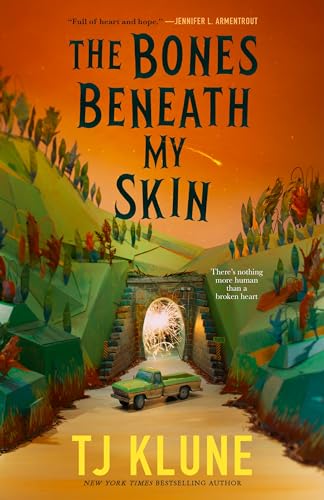
Book Review: The Bones Beneath My Skin by TJ Klune

Title: The Bones Beneath My Skin
Author: TJ Klune
Publisher: Tor
Publication date: Originally published 2018; reissued February 4, 2025
Length: 416 pages
Genre: Fantasy
Source: Purchased (Kindle); ARC (reissued edition)
Rating:

Rating: 5 out of 5.

A spine-tingling thriller by New York Times bestselling author TJ Klune, about a 10-year-old girl with an impossible power, her father, and an unlikely stranger, who come together to confront the dangerous forces that want her at all costs. A strange story of family, love, comets, and bacon. Perfect for fans of Stranger Things.

In the spring of 1995, Nate Cartwright has lost everything: his parents are dead, his older brother wants nothing to do with him, and he’s been fired from his job as a journalist in Washington DC. With nothing left to lose, he returns to his family’s summer cabin outside the small mountain town of Roseland, Oregon to try and find some sense of direction. The cabin should be empty. It’s not. Inside is a man named Alex. And with him is an extraordinary little girl who calls herself Artemis Darth Vader. Artemis, who isn’t exactly as she appears.

Soon it becomes clear that Nate must make a choice: let himself drown in the memories of his past, or fight for a future he never thought possible. Because the girl is special. And forces are descending upon them who want nothing more than to control her.

The Bones Beneath My Skin, originally published in 2018, is getting a gorgeous new hardcover edition this year for its re-release by Tor Publishing. Not only is it beautiful to look at, but it’s a terrific book, and I’m only sorry I didn’t read it earlier.

As the book opens, Nate Cartwright has been fired from his DC journalism job due to a pretty major indiscretion. Long estranged from his parents, he learns that they’ve left him their remote cabin by a lake in Oregon. With nowhere else to go and no one in his life, he heads to the cabin to recover, spend time in isolation, and figure out what options he has left.

To Nate’s surprise, the cabin is already occupied by a gruff ex-Marine and a 10-year-old girl who introduces herself with the unlikely name of Artemis Darth Vader. Alex is injured, quick to point a gun at Nate, and highly suspicious and protective. Artemis (Art), on the other hand, is full of sunshine and questions and precocity, and seems to be obsessed with the large collection of Western paperbacks lining the walls of the cabin.

“Besides, Nate will be sad if we leave. He likes us.”

“I don’t like either of you at all,” Nate said.

“You made us bacon.”

“That doesn’t mean I like you.”

“It certainly seemed that way,” she said. “If you give someone something that good, it has to mean something. You can’t just give a gift without having feelings behind it.”

“It was just breakfast.”

Nate is tempted to flee — but doesn’t. As he spends time with Alex and Art, he recognizes that something mysterious and beyond his understanding is going on, but also starts to feel a strange connection to these intruders. Even when dangerous outside forces arrive and force them to make a desperate attempt at escape, Nate finds himself firmly on Alex and Art’s side. As the three hit the road, danger follows — and yet, as they spend time together, the loveliest of found families is formed.

I’m being deliberately vague. There’s isn’t much to say outright about the details of this book that won’t be major plot spoilers. I have a feeling many reviews will reveal exactly what’s going on with Alex and Art — but I enjoyed seeing the pieces come together, and want to leave that sense of discovery for others to enjoy as well.

The plot includes action sequences, but also lovely scenes of personal connection, humor, sharing, and meditations on the intricacies of life and emotions. Nate, Alex, and Art are all terrific characters — I dare anyone to read this book and not fall completely under the spell of Artemis Darth Vader.

There are intense moments that seems pointed toward tragedy and heartbreak, and also moments of calm and quiet beauty. The ending is very satisfying, and made my heart happy.

It’s interesting to read the author’s notes from the Kindle edition (from the original publication in 2018), and then see the author’s notes from the reissue. They’re different, but both explain how he decided to self-publish this book, which was a thematic departure for him from his previous, traditionally published books, and how the self-publishing process worked out.

With the re-release coming in February, The Bones Beneath My Skin should reach a much wider audience, and that’s a very good thing indeed. I loved this book, and already know I’ll want to do a re-read.

Fans of the Green Creek series will love this book too. And hey, the town of Green Creek even gets a mention! If you love quirky, emotional stories about found family, with clever, quippy dialogue and unforgettable characters, don’t miss The Bones Beneath My Skin.

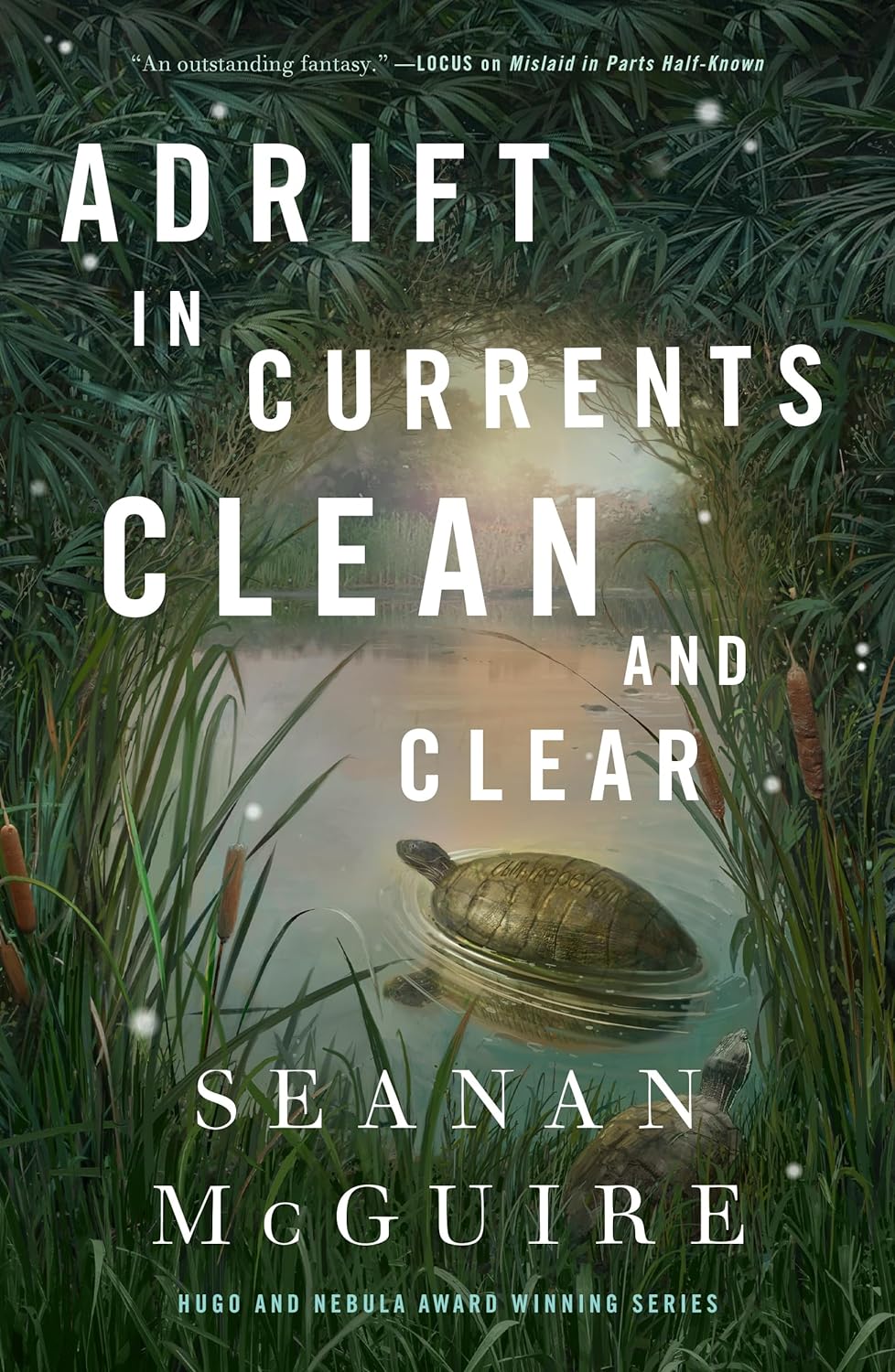
Book Review: Adrift in Currents Clean and Clear (Wayward Children, #10) by Seanan McGuire

Title: Adrift in Currents Clean and Clear
Series: Wayward Children, #10
Author: Seanan McGuire
Publisher: Tor
Publication date: January 7, 2025
Length: 160 pages
Genre: Fantasy
Source: Review copy courtesy of the publisher via NetGalley

Rating: 4.5 out of 5.

Giant turtles, impossible ships, and tidal rivers ridden by a Drowned girl in search of a family in the latest in the bestselling Hugo and Nebula Award-Winning Wayward Children series from Seanan McGuire.

Nadya had three mothers: the one who bore her, the country that poisoned her, and the one who adopted her.

Nadya never considered herself less than whole, not until her adoptive parents fitted her with a prosthetic arm against her will, seeking to replace the one she’d been missing from birth.

It was cumbersome; it was uncomfortable; it was wrong.

It wasn’t her.

Frustrated and unable to express why, Nadya began to wander, until the day she fell through a door into Belyrreka, the Land Beneath the Lake–and found herself in a world of water, filled with child-eating amphibians, majestic giant turtles, and impossible ships that sailed as happily beneath the surface as on top. In Belyrreka, she found herself understood for who she was: a Drowned Girl, who had made her way to her real home, accepted by the river and its people.

But even in Belyrreka, there are dangers, and trials, and Nadya would soon find herself fighting to keep hold of everything she had come to treasure.

Adrift in Currents Clear and Clean is the 10th book in Seanan McGuire’s Wayward Children series, and I’m pleased to say that the series is going strong. In fact, Adrift stands out as one of the best in the series, as far as I’m concerned.

In this 10th book, the story never actually ventures into Eleanor West’s Home for Wayward Children, the setting that anchors the series and creates a connection between all of the books and their characters. Instead, Adrift tells the story of one particular Wayward Child, Nadya, and what happens to her in the world of Belyrreka.

Nadya is not a new character — although, if you’re like me, it might take more than a slight hint to put the pieces together. Readers of the series were introduced to Nadya in the 3rd book, Beneath the Sugar Sky. In that book, Nadya was a student at Eleanor West’s home, having gone through a portal to another world and then been returned to our own. Nadya, like the other characters in the series, was left to yearn for the world that feels like her true home and wait for the day when that world might call her back.

Adrift in Currents Clear and Clean takes us back to Nadya’s origin story. Abandoned at birth, Nadya is raised in a Russian orphanage — a bright child who thrives on caring for the other children and helping them find forever homes.

She was young and sweet and innocent and hard, in the way of children raised in job lots rather than individually; she was doing her best to be a good person, and to figure out what that meant in the context of the world she knew and had and understood.

Born without a right arm below the elbow, Nadya has never felt that she was disabled or missing anything at all; this is who she is, and she manages perfectly well. But at age nine, Nadya is finally adopted herself, by an American missionary couple who see taking in an imperfect child as a good deed. They don’t love her for herself; they love having her as proof of their own goodness.

Nadya’s new life in American is filled with things and luxuries that she wouldn’t have had in the land of her birth, and she knows that she must be compliant and grateful at all times — until the day that her adoptive parents take her to the doctor to receive a prosthetic arm. Nadya doesn’t want it — she’s fine as she is — but her objections don’t matter. She’s forced into wearing the prosthetic, which is clunky and hurts her skin. Now, for the first time, children at school see her as other; she’s not Nadya their playmate any longer, but the girl with the strange fake arm.

Miserable, Nadya goes for a walk to her favorite place, the turtle pond near her home. When she sees a strange shadow on the water that looks almost like a door, she leans in for a closer look, and falls in. Instead of drowning, Nadya wakes on the shores of a strange river in a strange world — and finds a wonderful place where she belongs, finds purpose and connection and true family, and knows that she’s finally home.

Nadya’s life in Belyrreka is wondrous. It’s a world of water — people live beneath the river and the lake, in cities where water has different weights. Some water is for breathing, some for swimming. Heavier water is deeper, and people ride boats and turtles through the lighter water to the dry world above, where they fish and farm and bring back sustenance to the cities. I can understand why Nadya would never want to leave Belyrreka — I would willingly have read much, much more about it.

Of course, if you’ve read Beneath the Sugar Sky, you’ll know that in that book, Nadya is introduced as a girl who returned from a watery world — so Adrift in Currents Clean and Clear is a prequel, of sorts, to that book. We read Adrift knowing that Nadya will inevitably be wrenched away from Belyrreka. Seeing her happiness in this world is a special kind of sadness for the reader; we know that her time is limited, even if she does not.

Beneath the Sugar Sky also provides a coda to Nadya’s story in Adrift. When I finished Adrift — with a lump in my throat — I went back to Beneath the Sugar Sky and read the conclusion of Nadya’s part of that story. Without saying too much, I’ll just note that the payoff made my tears go away!

Many readers note having uneven experiences with the Wayward Children series. For me, it’s been generally wonderful all the way through, although yes, some books in the series are more memorable or powerful or affecting than others. We all have our favorites — and now that I’ve read Adrift in Currents Clean and Clear, I can say with certainty that it’s one of the best.

As I’ve said with my review of each books in the series, I highly recommend starting at the beginning and continuing from there. Adrift in Currents Clean and Clear is a self-contained story that can be read on its own; there are no other characters or plotlines in it that require knowledge of earlier events in the series. Still, I recommend reading it as part of the whole, in order to get the full impact.

Nadya’s story is incredibly moving, and the world of Belyrreka is a delight. Adrift in Currents Clean and Clear is a terrific addition to an inventive, always-changing series. Don’t miss it.

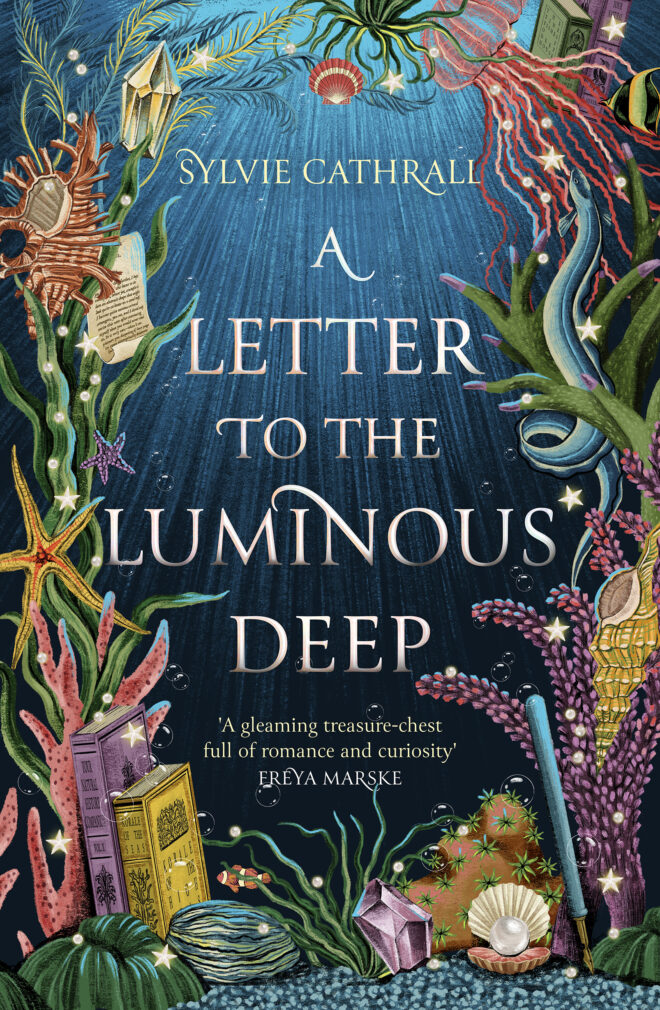
Book Review: A Letter to the Luminous Deep by Sylvie Cathrall

Title: A Letter to the Luminous Deep
Author: Sylvie Cathrall
Publisher: Orbit
Publication date: April 25, 2024
Length: 432 pages
Genre: Fantasy
Source: Purchased
Rating:

Rating: 3 out of 5.

A charming fantasy set in an underwater world with magical academia and a heartwarming penpal romance, perfect for fans of A Marvellous Light and Emily Wilde’s Encylopaedia of Faeries.

A beautiful discovery outside the window of her underwater home prompts the reclusive E. to begin a correspondence with renowned scholar Henerey Clel. The letters they share are filled with passion, at first for their mutual interests, and then, inevitably, for each other.

Together, they uncover a mystery from the unknown depths, destined to transform the underwater world they both equally fear and love. But by no mere coincidence, a seaquake destroys E.’s home, and she and Henerey vanish.

A year later, E.’s sister Sophy, and Henerey’s brother Vyerin, are left to solve the mystery, piecing together the letters, sketches and field notes left behind—and learn what their siblings’ disappearance might mean for life as they know it.

Inspired, immersive, and full of heart, this charming epistolary tale is an adventure into the depths of a magical sea and the limits of the imagination from a marvelous debut voice.

In the world of A Letter to the Luminous Deep, human life is lived on ships and floating anchorages, on a planet with only one small land mass. Legend has it that one thousand years earlier, a cataclysmic event known as the Dive occurred: Before the Dive, people lived in the sky (on spaceships? orbiting stations?), but the entire civilization suddenly plummeted into the seas below. Relics of the pre-Dive world are still occasionally found, but humanity now lives on the water’s surface — or occasionally, below it.

As the book opens, we’re introduced to E. Cidnosin, a young woman who resides alone in Deep House, the underwater compound built by her late mother. E. prefers the solitude, as it keeps her brain calm and allows her a peaceful life. When she spots an unusual sea creature outside her window, she writes to a renowned scholar, Henerey Clel, to ask for help in identifying it. From that initial contact, the two develop an ongoing correspondence, through which they reveal more and more of themselves and grow to truly connect and care for one another.

Sadly, what we learn early on is that E. and Henerey were presumed dead after an explosion at Deep House. Now, a year later, E.’s sister and Henerey’s brother are trying to piece together what happened by sharing their siblings’ notes, letters, and journals. As they correspond, they form a friendship of their own, and become deeply involved in solving the mystery of E. and Henerey’s fate — and trying to determine if another mystery with worldwide implications might be at play.

I wanted to love A Letter to the Luminous Deep, but realized almost immediately that it wouldn’t work out that way. Epistolary novels are tricky: There are plenty I’ve enjoyed, but they only work if the letters are informative enough to give readers a bigger view of the letter writers’ worlds. That was not the case here. Perhaps the author’s intention was to keep an air of mystery throughout the book, but for me, the result was a lack of information that kept me from engaging with the story.

We get a sense of the world through the letters, but details are dripped out so sparingly that I felt frustrated rather than intrigued. Meanwhile, the characters themselves are hard to connect to. I couldn’t imagine much about E. or Henerey beyond their words on the page, and the lack of definition of elements of their world makes it hard to get a fuller picture of their daily lives and experiences.

With the epistolary format, all content is provided through letters and documents, and the writing style of the characters is highly stylized. Without any other narrative to provide more straightforward language or descriptions, that writing style gets tiresome very quickly.

I will say that the story picks up in the final third, and by the end, there’s a payoff for sticking with it. Still, too much of the book feels like a slog, and at over 400 pages, that makes for a less than satisfying read.

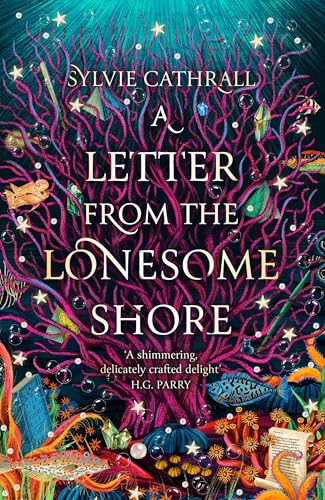
A Letter to the Luminous Deep is apparently the first book in a duology, with book #2, A Letter from the Lonesome Shore, due out in spring 2025. As of now, I can’t seem myself continuing with the story.

Book Review: The Teller of Small Fortunes by Julie Leong

Title: The Teller of Small Fortunes
Author: Julie Leong
Publisher: Ace
Publication date: November 5, 2024
Length: 336 pages
Genre: Fantasy
Source: Review copy courtesy of the publisher via NetGalley

Rating: 4 out of 5.

A wandering fortune teller finds an unexpected family in this warm and wonderful debut fantasy, perfect for readers of Travis Baldree and Sangu Mandanna.

Tao is an immigrant fortune teller, traveling between villages with just her trusty mule for company. She only tells “small” fortunes: whether it will hail next week; which boy the barmaid will kiss; when the cow will calve. She knows from bitter experience that big fortunes come with big consequences…

Even if it’s a lonely life, it’s better than the one she left behind. But a small fortune unexpectedly becomes something more when a (semi) reformed thief and an ex-mercenary recruit her into their desperate search for a lost child. Soon, they’re joined by a baker with a knead for adventure, and—of course—a slightly magical cat.

Tao sets down a new path with companions as big-hearted as her fortunes are small. But as she lowers her walls, the shadows of her past are closing in—and she’ll have to decide whether to risk everything to preserve the family she never thought she could have.

Cozy fantasy is having a moment — and I’m here for it! What’s not to love about tales of friendship and magic, usually with baked goods, cats, and other comfort symbols in the mix?

The Teller of Small Fortunes fits wonderfully into this cozy trend, with its emphasis on being true to those you love, being kind, and looking for good outcomes for as many people as possible.

As the book opens, Tao is a traveling fortune-teller — but as she makes clear, she only tells small fortunes. She provides simple, plain truths to the people who seek her advice; nothing life or death, just small visions of a person’s next steps, something to help them along their way.

We also learn that Tao is on the run. A Shinn (an ethnicity standing in for Chinese-born) in the land of Eshtera (essentially, a Caucasian-dominant kingdom), Tao stands out wherever she goes, and is often eyed with suspicion. When Tao was a child, her mother married an Eshteran nobleman and left Shinara behind. Tao has grown up with wealth and comfort, but never love or acceptance, and as her magical powers became apparent, was about to be forced into servitude in the Guild of mages. She fled before that could happen, and spends her time alone, on the road, always moving from village to village, fearful of the Guild catching up to her.

Tao’s life changes when she meets two travelers she initially takes for highwaymen. Instead, she learns that Mash and Silt are, respectively, a mercenary and a (mostly) reformed thief, searching for Mash’s young daughter who’s been missing for six months. When Tao reads Mash’s fortune, she sees a vision of father and daughter together, which gives Mash a much-needed infusion of hope. The trio decide to journey on together for a little while, and soon, a baker named Kina joins the traveling band.

… [H]er voice rose through the great room like the scent of fresh-baked pie, explaining the various intricacies of Lindisian baking, as the four of them finished a hearty and thoroughly warming supper, awash in the glow of a good day and the hopes of what tomorrow might bring.

Much of the story is about the group’s adventures on the road, as they search for Mash’s daughter, encounter kind and not-so-kind people during their travels, and ultimately, return to the kingdom’s capital where Tao must confront her fate.

The Teller of Small Fortunes is a quick, light read. There are some moments of danger, but the overall vibe is so warm and gentle that we never truly have to fear a bad outcome. The characters are given room to shine and to grow as individuals. Their companionship allows them to understand themselves, reflect, and to find ways to do and be better.

Plenty of small details stand out and add fun and warmth. Kina’s baking is absolutely delicious… but for whatever reason, anything she bakes looks terrible. The ongoing descriptions of her misshapen scones are really funny, but also, hearing about the smells of cinnamon and sugar made me ready to eat anything that comes out of her oven (regardless of how it looks).

Tao’s approach to fortune-telling is also lovely — her approach is gentle and honest, without hocus-pocus or showmanship. She has a gift, uses it to support herself, and helps people whenever she can.

The emphasis on found family and true friendship lends the book a deeper message beyond the fantasy story — while the fantasy elements are nicely established as well. Even the elements that are set up at the start as terrible or fear-inducing or threatening end up being not quite so bad, all in all.

“A troll,” repeated Mash grimly, hefting his mace out of its belt loop. “Did it attack you? Threaten violence; seize your goods?”

“Eh? No, of course not. It’s worse than that,” said the farmer. “It went and philosophized at us!”

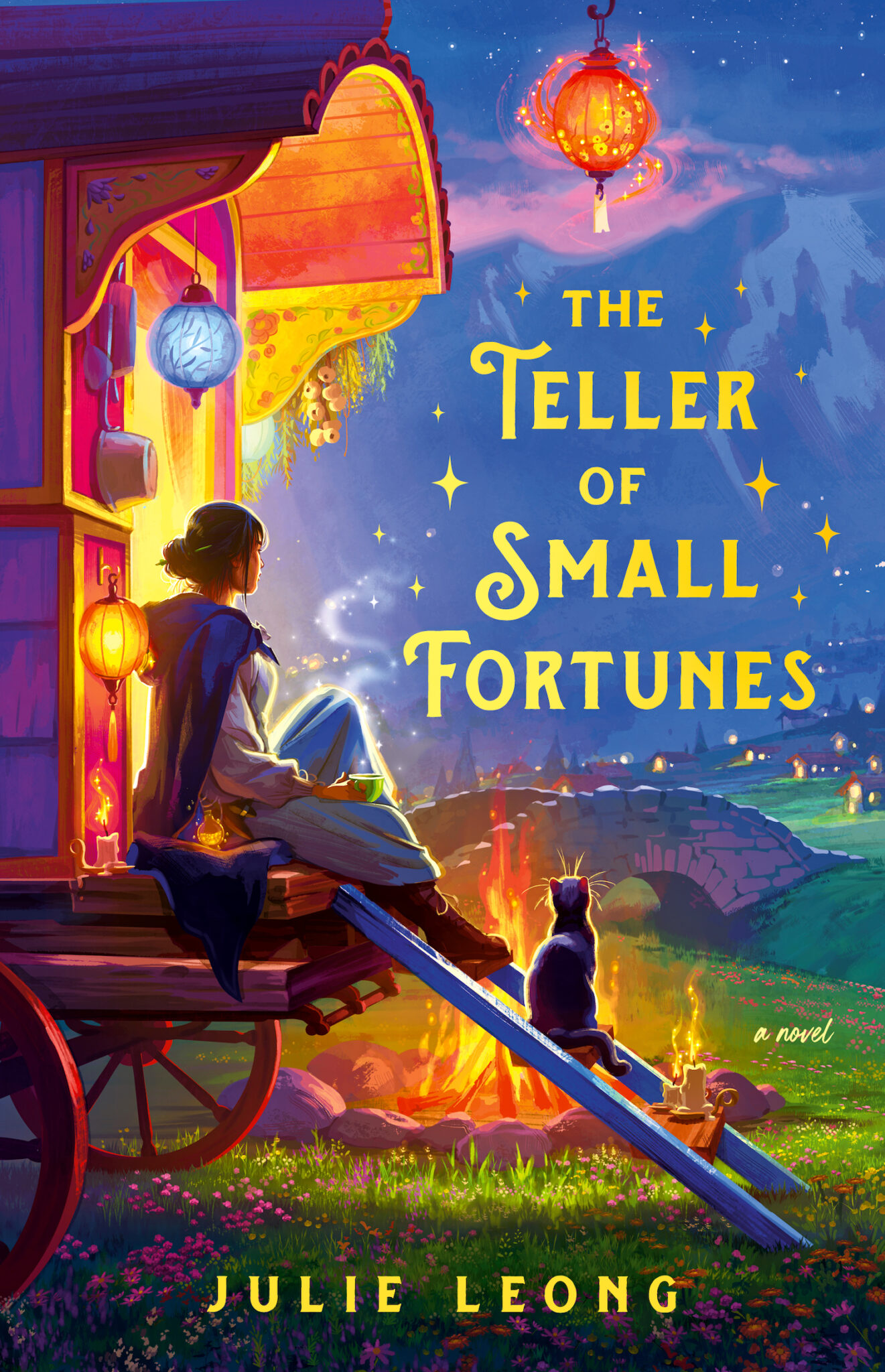
The Teller of Small Fortunes has relatively low stakes, but a very big heart. It’s cozy and gentle, through and through, and makes for a sweet read. I was drawn to this book because of its beautiful, colorful cover, but stayed for the warmth of the story itself. If you’re looking for a bookish antidote to stress and gloom, The Teller of Small Fortunes is a great choice.

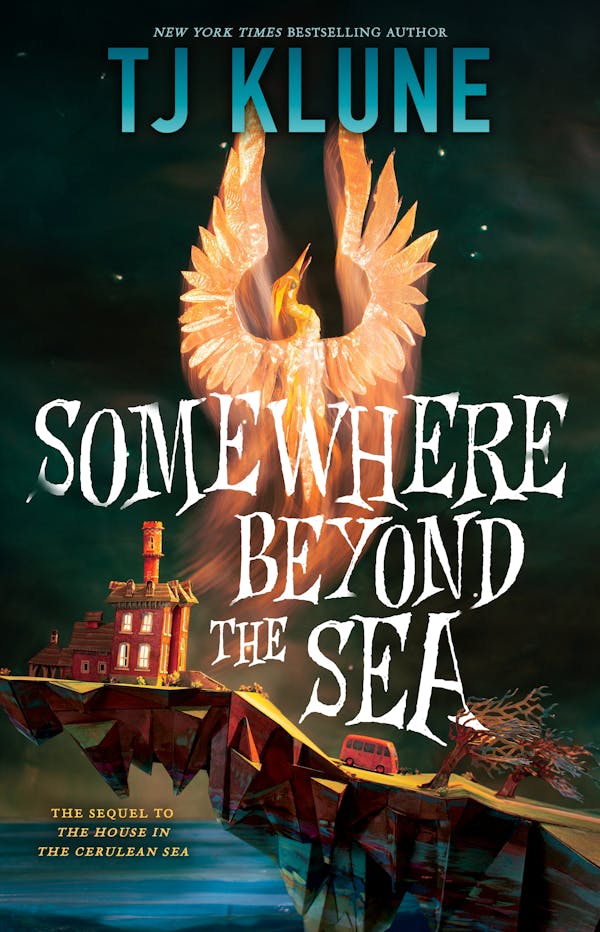
Book Review: Somewhere Beyond the Sea by TJ Klune

Title: Somewhere Beyond the Sea
Series: Cerulean Chronicles, #2
Author: TJ Klune
Publisher: Tor Books
Publication date: September 10, 2024
Length: 416 pages
Genre: Fantasy
Source: Purchased
Rating:

Rating: 5 out of 5.

Somewhere Beyond the Sea is the hugely anticipated sequel to TJ Klune’s The House in the Cerulean Sea, one of the best-loved and best-selling fantasy novels of the past decade.

A magical house. A secret past. A summons that could change everything.

Arthur Parnassus lives a good life built on the ashes of a bad one.

He’s the master of a strange orphanage on a distant and peculiar island, and he hopes to soon be the adoptive father to the six dangerous and magical children who live there.

Arthur works hard and loves with his whole heart so none of the children ever feel the neglect and pain that he once felt as an orphan on that very same island so long ago. He is not alone: joining him is the love of his life, Linus Baker, a former caseworker in the Department In Charge of Magical Youth. And there’s the island’s sprite, Zoe Chapelwhite, and her girlfriend, Mayor Helen Webb. Together, they will do anything to protect the children.

But when Arthur is summoned to make a public statement about his dark past, he finds himself at the helm of a fight for the future that his family, and all magical people, deserve.

And when a new magical child hopes to join them on their island home—one who finds power in calling himself monster, a name that Arthur worked so hard to protect his children from—Arthur knows they’re at a breaking point: their family will either grow stronger than ever or fall apart.

Welcome back to Marsyas Island. This is Arthur’s story.

I absolutely loved The House in the Cerulean Sea, and I’m happy to report that the newly released follow-up book, Somewhere Beyond the Sea, is just as lovely and wonderful as the first book.

In The House in the Cerulean Sea, Linus Baker is the main character — a caseworker with the Department in Charge of Magical Youth (DICOMY) who is sent to evaluate the Marsyas Island orphanage, run by the kindly Arthur Parnassus.

Somewhere Beyond the Sea is Arthur’s story, showing his past as well as his continuing story after the events of the first book. As we pick up from where we left off, Arthur and Linus are in love, and are happily providing a warm, safe home for the magical children in their care. But outside forces are aligned against them and seem poised to rip apart everything they’ve built.

Once again, we get to spend time with the wonderful children of Marsyas, who are joined by a new addition, a yeti named David. David is funny, dramatic, and enjoys scaring people (just for fun — he doesn’t have a mean bone in his body) — yet he’s also sensitive, and cries ice cubes when he’s upset.

The child at the center of much of the action, and whose mere existence sends DICOMY into a tizzy, is Lucy… short for Lucifer. Lucy is the Antichrist… but he’s also a seven-year-old child who loves old-timey music and needs comforting when his nightmares strike.

Lucy also gets some of the funniest lines in the book:

“Are we going to sleep in the forest?” Lucy asked, tugging on his pant leg. “I’ve always wanted to see if there were night monsters. I bet they’re big with fangs and claws and filled with rage that only subsides when sucking out the marrow from the bones of unsuspecting—”

“There will be no marrow sucking,” Linus said sternly.

Lucy hung his head, shoulders slumped. “Yet another thing we can’t do with bones. What’s the point of even having bones if we don’t get to play with them?”

“Anarchy!” Lucy shrieked, eyes burning red. “Chaos! Buffets with a never-ending supply of macaroni and cheese! Hellfire!”

The evil representative of DICOMY who arrives at Marsyas to inspect the home and the children is absolutely awful, and is startlingly reminiscent of Dolores Umbridge, which I can only assume is entirely deliberate on the part of the author. (Read his afterward to understand his thoughts on J. K. Rowling).

The lesson proceeded with minimal interruption, usually from Miss Marblemaw coughing pointedly or clearing her throat when Linus or the children said something that she obviously did not approve of. Linus attempted to ignore her, but the longer the lesson went on—going from the wide and mysterious world of mathematics to history—the more Miss Marblemaw made a nuisance of herself, muttering under her breath as she scribbled on her clipboard.

TJ Klune’s writing is, once again, imaginative and funny and heartwarmingly sweet. The characters shine with warmth and humor, and the relationship between Linus and Arthur is romantic and loving and oh-so-perfect.

The ultimate showdown between the forces who want to shut down Marsyas and control the children and all magic, versus Arthur, Linus, and the people of Marsyas village, is a wonder. It’s pure delight to see the townspeople rally around the magical children and declare them a part of their community. Somewhere Beyond the Sea shows found family at its best.

Somewhere Beyond the Sea is a lovely, cozy read, with both surface-level entertainment and deeper emotional impact. If you loved The House in the Cerulean Sea (didn’t we all?), Somewhere Beyond the Sea is a must-read.

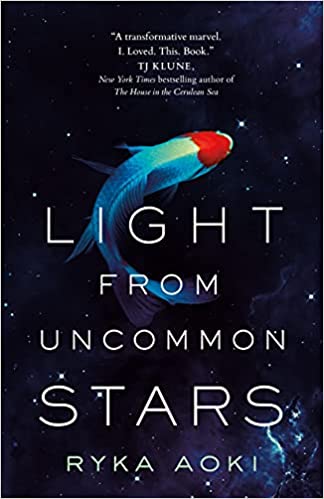
Book Review: Light from Uncommon Stars by Ryka Aoka

Title: Light from Uncommon Stars
Author: Ryka Aoki
Publisher: Tor
Publication date: September 28, 2021
Length: 384 pages
Genre: Science fiction / fantasy
Source: Purchased
Rating:

Rating: 3 out of 5.

A defiantly joyful adventure set in California’s San Gabriel Valley, with cursed violins, Faustian bargains, and queer alien courtship over fresh-made donuts.

Shizuka Satomi made a deal with the devil: to escape damnation, she must entice seven other violin prodigies to trade their souls for success. She has already delivered six. When Katrina Nguyen, a young transgender runaway, catches Shizuka’s ear with her wild talent, Shizuka can almost feel the curse lifting. She’s found her final candidate. But in a donut shop off a bustling highway in the San Gabriel Valley, Shizuka meets Lan Tran, retired starship captain, interstellar refugee, and mother of four. Shizuka doesn’t have time for crushes or coffee dates, what with her very soul on the line, but Lan’s kind smile and eyes like stars might just redefine a soul’s worth. And maybe something as small as a warm donut is powerful enough to break a curse as vast as the California coastline.

As the lives of these three women become entangled by chance and fate, a story of magic, identity, curses, and hope begins, and a family worth crossing the universe for is found.

Light from Uncommon Stars has been on my to-read shelf for a few years now, and even though I picked up a Kindle edition a while back, it’s taken me until now to finally read it. And while I sped through it and enjoyed the reading experience, my overall reaction is… mixed.

There is a lot going on in Light from Uncommon Stars. The three main characters are a transgender teen runaway, a violin teacher who made a deal with the devil many years earlier, and an alien starship captain hiding from intergalactic war in a donut shop. The characters come together in strange, quirky, and even touching circumstances, while also having individual challenges to overcome.

Katrina, the young runaway, is the most affecting of the characters. Escaping a cruel, abusive family and a world that judges and mistreats her, she has only her battered violin for comfort.

Yet, this student, this human being, had been forsaken not for ambition, nor revenge, nor even love, but for merely existing?

Who needs the Devil when people can create a hell like this themselves?

When Shizuka meets her in a park, she recognizes that Katrina may be the final protégé needed to fulfill her bargain — she needs to deliver one more soul to Hell in order to redeem her own soul. But as Shizuka starts to teach Katrina and provide her with a home, the protectiveness she feels for her student may prevent her from living up to the deal she’s made.

Meanwhile, Shizuka also meets Lan, the space-captain-turned-donut-shop-owner, and feels an unexpected connection — but Lan has her own family to protect and worry about as well, and can’t quite get why music is all that important to Shizuka.

There’s also a woman carrying out her family’s legacy of repairing violins, a nasty toad-like demon, Shizuka’s lovely housekeeper/confidante, and many, many more characters.

Light from Uncommon Stars has some important messages about belonging, kindness, fitting in, and treasuring one another. It recognizes that cruelty abounds in the world, yet beauty can still be found by those who are open to it.

The characters, especially Katrina, are quite special, and each of them is interesting in their own right, as well as in connection to one another. Again, Katrina’s journey is especially compelling, as she finally recognizes her own beauty in a world that tells her she doesn’t deserve it.

Her tonality had been honed by a lifetime of being concerned with her voice. Her fingerings were liquid, born of years of not wanting her hands to make ugly motions. And her ability to play to a crowd, project emotion, follow physical cues? Katrina had trained in that most of all.

The focus on music is where the book loses me along the way — there’s just so much about the composition and structure of violins, how they work, different pieces of music, composers, what the music means… honestly, it just doesn’t interest me that much, which meant that for big chunks of the book, I felt like an outsider looking in.

As I mentioned, there’s a LOT going on in this book… and for me, it was too much. Deals with the devil and extraterrestrials, cursed bows and spaceships? Plus, violin lessons and competitions and secrets of the violin-building trade? It’s all a bit messy, and doesn’t ever quite fully click into one coherent whole.

I do need to mention that the descriptions of the wide variety of food — Vietnamese, Mexican, Chinese — junk food and donuts and breads, and much, much more — is all mouth-watering and adds a richness to the characters’ experience that brings the Southern California setting to vivid life.

I expected to love this book — it’s gotten so much hype, and is blurbed by a bunch of authors I love, including T. J. Klune and John Scalzi, among others. I read the book quickly and felt absorbed enough to want to see how it would all work out… but taken as a whole, Light from Uncommon Stars was not the glorious reading experience I expected. Perhaps this just wasn’t the book for me. In any case, I’m glad to have read it, but couldn’t help feeling a bit let down.

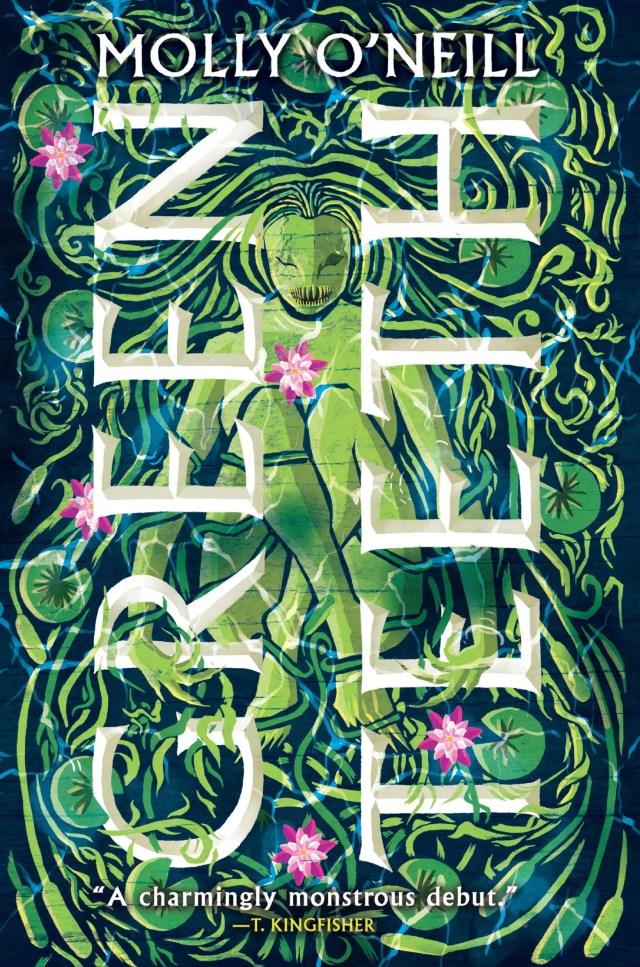
Book Review: A Sorceress Comes to Call by T. Kingfisher

Title: A Sorceress Comes to Call
Author: T. Kingfisher
Publisher: Tor Books
Publication date: August 6, 2024
Print length: 336 pages
Genre: Fantasy
Source: Review copy courtesy of the publisher via NetGalley

Rating: 4.5 out of 5.

A dark retelling of the Brothers Grimm’s Goose Girl, rife with secrets, murder, and forbidden magic

Cordelia knows her mother is unusual. Their house doesn’t have any doors between rooms, and her mother doesn’t allow Cordelia to have a single friend—unless you count Falada, her mother’s beautiful white horse. The only time Cordelia feels truly free is on her daily rides with him. But more than simple eccentricity sets her mother apart. Other mothers don’t force their daughters to be silent and motionless for hours, sometimes days, on end. Other mothers aren’t sorcerers.

After a suspicious death in their small town, Cordelia’s mother insists they leave in the middle of the night, riding away on Falada’s sturdy back, leaving behind all Cordelia has ever known. They arrive at the remote country manor of a wealthy older man, the Squire, and his unwed sister, Hester. Cordelia’s mother intends to lure the Squire into marriage, and Cordelia knows this can only be bad news for the bumbling gentleman and his kind, intelligent sister.

Hester sees the way Cordelia shrinks away from her mother, how the young girl sits eerily still at dinner every night. Hester knows that to save her brother from bewitchment and to rescue the terrified Cordelia, she will have to face down a wicked witch of the worst kind.

New T. Kingfisher books are always a reason to celebrate, and A Sorceress Comes to Call is no exception.

In this fairy tale (with a tinge of horror), Cordelia is the 14-year-old daughter of a cruel sorceress named Evangeline. To the outside world, Evangeline is a pretty, respectable woman, who presents herself as a genteel widow with a marriageable daughter. (Among other despicable acts, she claims Cordelia is 17 and ready to find a husband). But Cordelia lives in constant fear and torment: Evangeline’s powers enable her to make Cordelia “obedient” — she can control Cordelia’s body and force her to behave as she wishes, leaving Cordelia’s mind alert, aware, and helpless to overcome Evangeline’s control.

When Evangeline sets her sights on a wealthy man, intending to marry him, gain control, and then use her new riches and power to get an even more highly stationed husband for Cordelia — all with the intent of adding to her own wealth and power — Cordelia has no choice but to go along.

The Squire, Samuel, lives with his sister Hester on his comfortable estate. Both in their 50s and never married, they’re content with their lives and their circle of friends. Evangeline’s arrival disrupts their peaceful lives, and while Hester’s intuition immediately labels Evangeline as “Doom”, she’s unexpectedly sympathetic toward Cordelia. Cordelia, Hester senses, is innocent — in many ways. She has no choice about complying with her mother’s schemes, but as Hester befriends her, Cordelia starts to realize that she has to find a way to protect these kind people from the evil that awaits.

The story is full of wonderful fairy-tale-esque moments and devices, but the characters themselves are what make this book especially delightful. Hester in particular is a hoot, but so are her other close friends — all women on the more mature side, perhaps disregarded by society and viewed as silly or unimportant older women, but with sharp wit, keen intelligence, and nerves of steel.

Evangeline and her horse/familiar Falada are evil, but they’re sly and devious, and not easily defeated. The story builds to a scary, dramatic confrontation, and some elements of the action toward the end have more of a horror feel to them — but it’s all quite exciting and delicious to read, and I loved seeing how the good guys have each other’s backs.

A Sorceress Comes to Call is such a satisfying, engaging read! The characters are superb, and made me care deeply about all the magic-laden ups and downs of the story.

T. Kingfisher’s fantasy/fairy tale stories are among my favorites, and A Sorceress Comes to Call is a terrific addition. Highly recommended.

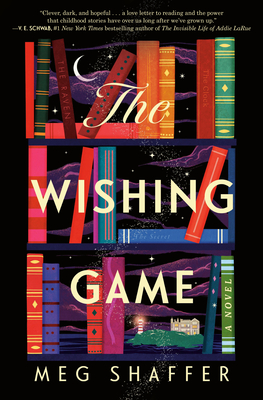
Book Review: The Lost Story by Meg Shaffer

Title: The Lost Story
Author: Meg Shaffer
Publisher: Ballantine Books
Publication date: July 16, 2024
Print length: 352 pages
Genre: Fantasy
Source: Review copy courtesy of the publisher via NetGalley

Rating: 5 out of 5.

Inspired by C. S. Lewis’s The Chronicles of Narnia, this wild and wondrous novel is a fairy tale for grown-ups who still knock on the back of wardrobes—just in case—from the author of The Wishing Game.

As boys, best friends Jeremy Cox and Rafe Howell went missing in a vast West Virginia state forest, only to mysteriously reappear six months later with no explanation for where they’d gone or how they’d survived.

Fifteen years after their miraculous homecoming, Rafe is a reclusive artist who still bears scars inside and out but has no memory of what happened during those months. Meanwhile, Jeremy has become a famed missing persons’ investigator. With his uncanny abilities, he is the one person who can help vet tech Emilie Wendell find her sister, who vanished in the very same forest as Rafe and Jeremy.

Jeremy alone knows the fantastical truth about the disappearances, for while the rest of the world was searching for them, the two missing boys were in a magical realm filled with impossible beauty and terrible danger. He believes it is there that they will find Emilie’s sister. However, Jeremy has kept Rafe in the dark since their return for his own inscrutable reasons. But the time for burying secrets comes to an end as the quest for Emilie’s sister begins. The former lost boys must confront their shared past, no matter how traumatic the memories.

Alongside the headstrong Emilie, Rafe and Jeremy must return to the enchanted world they called home for six months—for only then can they get back everything and everyone they’ve lost.

Let’s cut right to the chase: The Lost Story is a break-out 5-star read for me!

I went into this reading adventure without expectations. I hadn’t read the author’s previous novel, and didn’t know a whole lot about The Lost Story, other than blurbs about this being a Narnia for grown-ups.

And yes, that’s kind of true… and it’s also its own wonderful experience entirely.

In The Lost Story, the central mystery focuses on two lost-then-found boys. As teens, Rafe and Jeremy disappeared on a school outing to Red Crow State Forest in West Virginia, only to reappear — suddenly, and without explanation — six months later. For Rafe, the missing months are simply gone from his memory. Jeremy sticks to an undetailed story: they were lost, managed to survive, and then were rescued.

Fifteen or so years later, the boys are men in their mid-thirties. Jeremy has achieved fame as a missing person finder, carrying out seemingly impossible rescues in hopeless situations. Rafe, on the other hand, lives alone in a cabin in the woods, preferring to cut himself off from the world. Jeremy and Rafe have had no contact since their return, despite formerly being best of friends.

They’re brought back into one another’s lives when Emilie contacts Jeremy, asking for help in locating her long-lost sister Shannon — a person Emilie only recently learned even existed. Shannon was lost in the same woods as Jeremy and Rafe, but years earlier, and was long ago presumed dead. But Emilie feels a desperate need to know more. and Jeremy agrees to help her — only if Rafe joins in as well.

As the trio journeys from Red Crow into a magical realm beyond their own, their story hits traditional quest beats while also offering an original take on the magical portal genre. One fascinating element is the fact that the characters are adults. We’ve learned from Narnia and other fantasy classics that children are best suited to these portal journeys — a sense of innocence is essential to crossing over and being being open to the reality of alternate worlds. Seeing adult characters embrace the magic, even while acknowledging the unlikelihood of it all, adds a unique flavor to the tale.

Where to even begin to explain just how wonderful this book is? I don’t want to reveal much up front, but as the synopsis makes clear, there are other worlds involved, and the answers to the mysteries of these disappearances involve magic and otherworldly forces.

When you begin to question your sanity, remind yourself that the fact that something impossible happened doesn’t mean it didn’t happen.

There’s joy and sorrow, love and friendship, adventure and danger — all this and more awaits Jeremy, Rafe, and Emilie as they set out on their quest. The quest itself is filled with wonder and beauty, but even more special is the relationships discovered and revealed as the characters move fully into a world beyond their own.

Reading The Lost Story is a beautiful, funny, emotional, transporting experience. I never expected to fall for this book the way I did. I just wish I could live in Jeremy, Rafe, and Emilie’s world a bit longer. Highly recommended.

Now that I’ve read The Lost Story, I’m eager to read the author’s debut novel, The Wishing Game… just as soon as I can fit it into my reading schedule.

Fun side note: After finishing The Lost Story, I read the author bio and discovered that Meg Shaffer is married to author Andrew Shaffer, who has written some supremely silly parodies and novels (including the Obama/Biden mystery books). I can only imagine how entertaining their dinner table conversations must be!

Book Review: The Hob’s Bargain by Patricia Briggs

Title: The Hob’s Bargain
Author: Patricia Briggs
Publisher: Ace Fantasy
Publication date: 2001
Length: 288 pages
Genre: Fantasy
Source: Purchased
Rating:

Rating: 3 out of 5.

Beauty and The Beast

Hated and feared, magic was banished from the land. But now, freed from the spells of the wicked bloodmages, magic—both good and evil—returns. And Aren of Fallbrook feels her own power of sight strengthen and grow…

Overcome by visions of mayhem and murder, Aren vows to save her village from the ruthless raiders who have descended upon it—and killed her family. With the return of wildlings to the hills and forests, she strikes a bargain with the Hob, a magical, human-like creature imbued with the power of the mountains. But the Hob is the last of his kind. And he will exact a heavy price to defend the village—a price Aren herself must pay…

I adore the Mercy Thompson and Alpha & Omega series by Patricia Briggs — intricately plotted urban fantasy with stand-out characters, relationships, and group dynamics, high stakes, and even plenty of humor. Each new release is an event to celebrate!

I’ve always been curious about the author’s earlier works. Prior to Mercy, she’d published a few different fantasy books — a couple of duologies and a four-book series — and one stand-alone, The Hob’s Bargain. And while I’ve had The Hob’s Bargain on my shelf for years now, this week was the week when I finally decided to read it.

The book starts with a bang: Aren wakes up the morning after her wedding night feeling happy and hopeful, only to be struck by a vision. Aren has the sight, something she’s kept hidden all her life, since mages are hunted down and forced to either join the evil Bloodmages who support the land’s rulers through death magic or be executed. Aren’s vision is too late to prevent what she sees: A horde of raiders descends upon her peaceful village, and kills everyone who opposes them. Within a few short hours, Aren loses her parents, her pregnant sister, and her husband.

From here, conditions in Fallbrook get even worse. A binding that has kept the land’s natural magic under tight control is removed, and the resulting earthquake causes mountains to fall, shutting off all passages in and out of the village. The wildlings — magical creatures of the earth, forests, rivers, and mountains — begin to stir, and they’re not happy with the humans. Fallbrook is threatened by both the wildlings and the continued presence of the raiders. Once Aren reveals her sight and her access to magical gifts, she finds herself despised by many of the villagers — but also in a position where she may be the only one who can save them.

The Hob’s Bargain is an entertaining read, although the plot and characters feel a tad underbaked and rushed. At various points, I found myself confused by new developments or statements, not entirely clear how we got from point A to point B.

Still, it’s quite fun to read this early book and see seeds of themes and patterns that feature in the Mercy-verse — different types of magic and magical beings, the way humans and non-humans interact, and the dynamics between humans with powers and those without.

Overall, I’m glad to have read The Hob’s Bargain — but for those looking to experience the joys of a Patricia Briggs book, I strongly urge you to jump straight to Moon Called, the very first Mercy book. I can pretty much guarantee that once you read one, you won’t want to stop.

For a complete reference guide to all Patricia Briggs book, see here.

And enjoy these other covers for The Hob’s Bargain: