My Monday tradition, including a look back and a look ahead — what I read last week, what new books came my way, and what books are keeping me busy right now. Plus a smattering of other stuff too.
Life.
Wow, December really zipped by, didn’t it? Work has been pretty crazed lately, but there’s a light at the end of the tunnel — I have a week off next week! Now, to figure out if we feel safe enough to travel, or if staying in our little bubble at home makes the most sense.
What did I read during the last week?
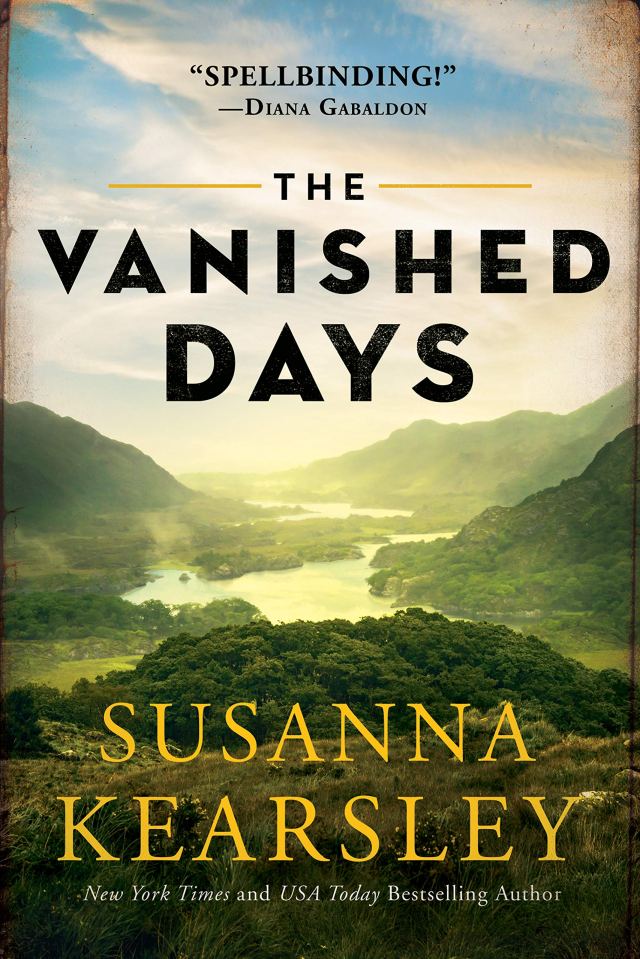
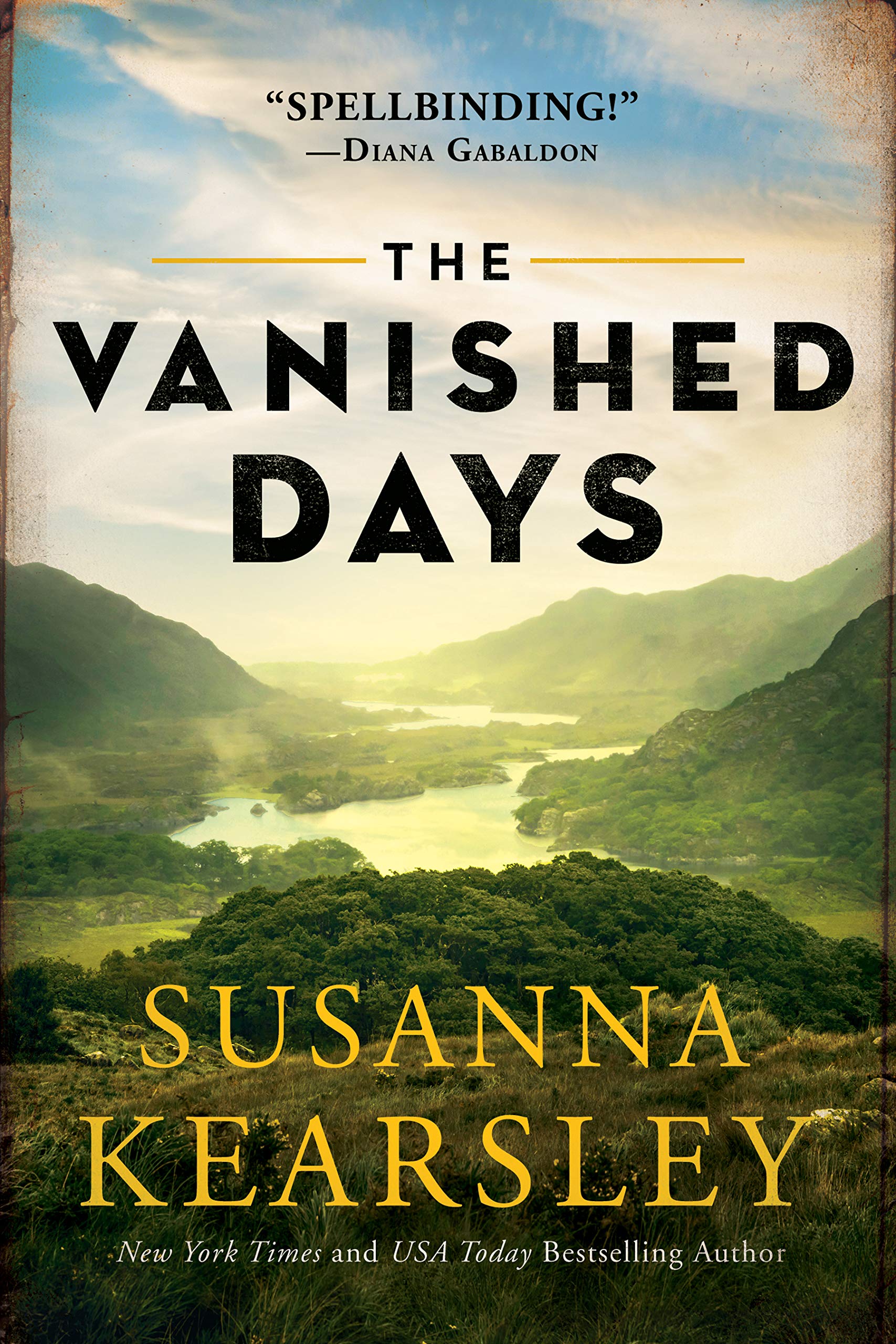
The Vanished Days by Susanna Kearsley: A new historical novel from a favorite author. My review is here.
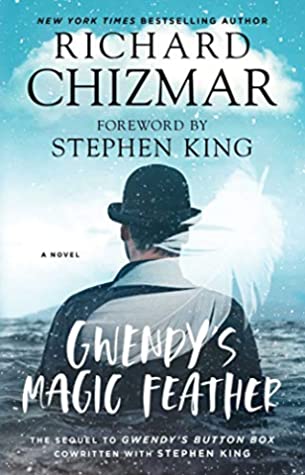
Gwendy’s Magic Feather by Richard Chizmar: A novella follow-up to Gwendy’s Button Box (which was co-written by Chizmar and Stephen King). The 3rd and final novella in the trilogy is due out this coming spring — can’t wait!
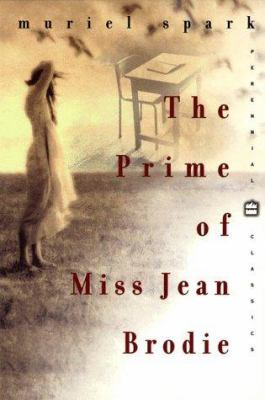
The Prime of Miss Jean Brodie by Muriel Spark: This 1961 novel is considered a modern classic. It’s my book club’s pick for December — I’m looking forward to the discussion this week.
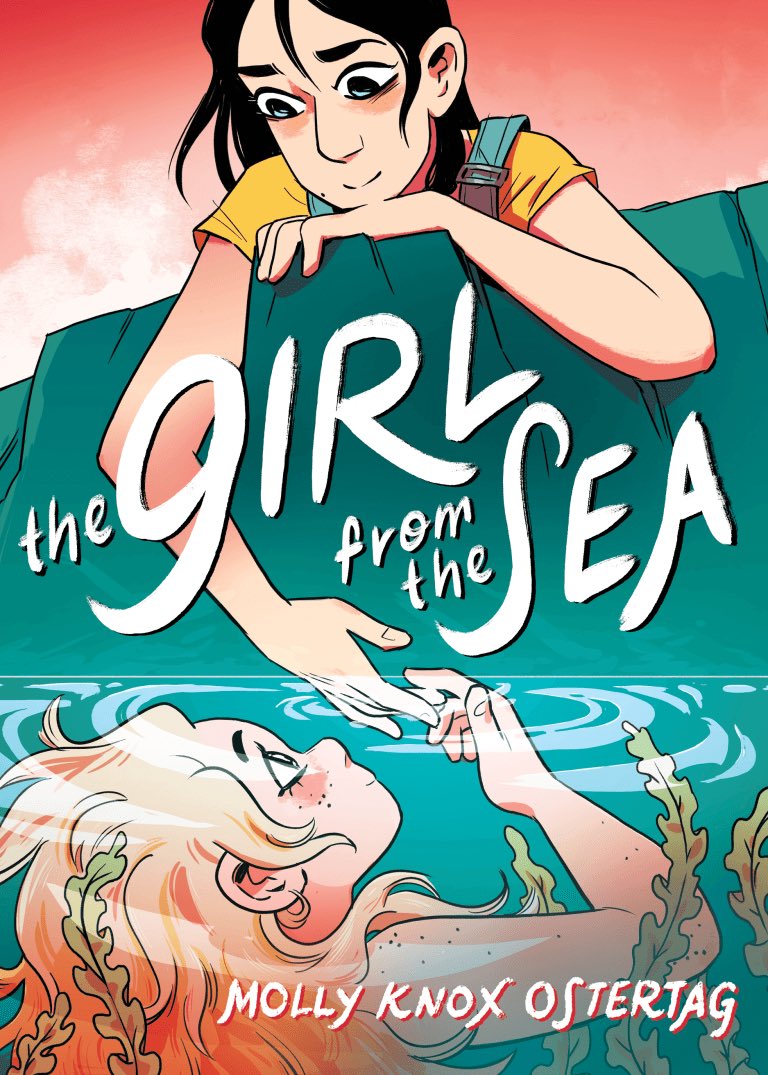
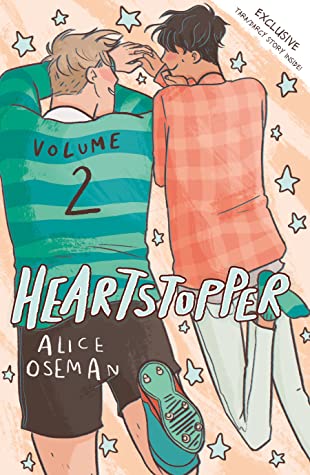
I also ended up picking up a pile of LGBTQ+ – themed graphic novels from the library, and have been tearing my way through them! All are wonderful.
Pop culture & TV:
I went to a movie in a theater! That feels like a big moment — this is maybe the 3rd time I’ve done that in the past year. I saw West Side Story, and loved it. My thoughts are here.
On TV, there’s basically too much to even attempt to keep up with! I’m watching season 6 of The Expanse (always excellent), season 2 of The Great, the current (first) season of Yellowjackets, and season 4 of Yellowstone. Plus, the new (and final) season of Claws is just starting, and I’m so excited to see the ladies again!
I still need to get to the new season of The Witcher, and I’m going to start the Yellowstone prequel, 1883, as well.
Fresh Catch:
No new books for me this week! After some serious book-buying-binges, I think I have enough to last me a while.
What will I be reading during the coming week?
Currently in my hands:
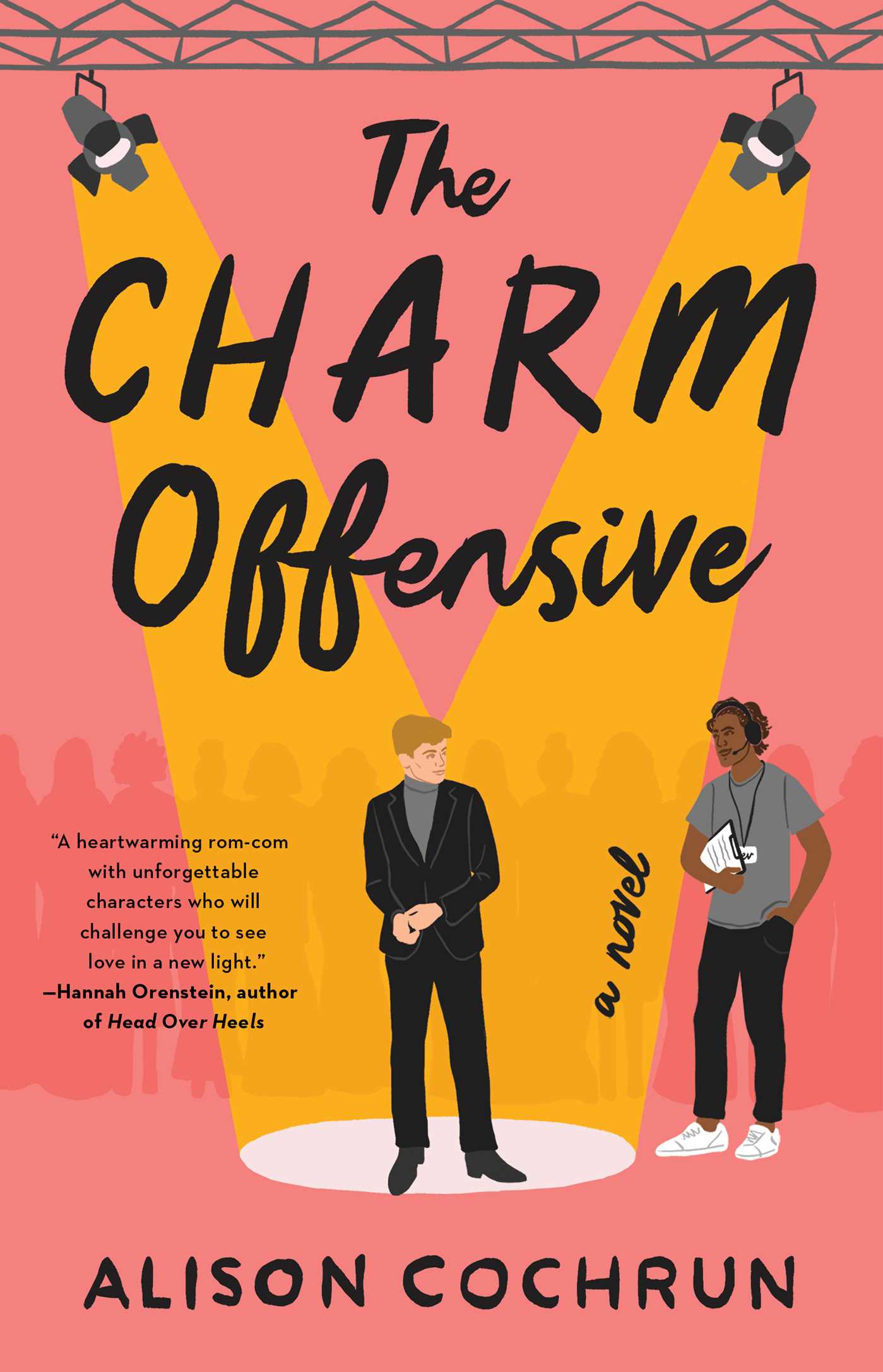
The Charm Offensive by Alison Cochrun: My library hold just came in. I’m just starting, but I’ve heard good things!
Now playing via audiobook:
The Matzah Ball by Jean Meltzer: Another library hold that just arrived! I’ve been looking forward to this one — will probably get started today.
Ongoing reads:
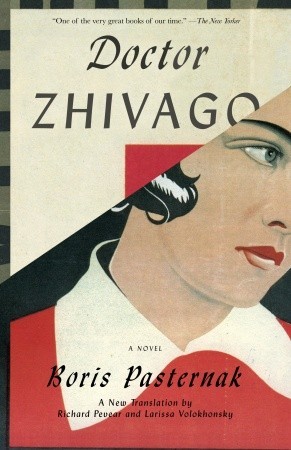
This is it — I may be saying good-bye to Doctor Zhivago. My book group has been reading it in small chunks for a few months now. I’ve fallen behind, and so far, I haven’t been able to find the motivation to get caught up. I’m giving myself one more week to decide…
I ventured out to an actual movie theater to see West Side Story last night, and despite some discomfort about how many people were there, I’m so happy I went.
This is probably needless to say, but — spoilers ahead! I’m going to assume most people are familiar with the story (not to mention Romeo and Juliet) but if you’re not, don’t read on!
I grew up listening to the soundtrack of West Side Story, and the play and the movie have been around for so long that even if you’ve seen neither, the music should be pretty much instantly recognizable. So how does a new movie present something that everyone knows in a way that feels relevant?
The 2021 remake of West Side Story accomplishes this, and then some. First, it’s visually beautiful. The setting, the cinematography, and the costuming are all wonderfully done. The costumes, especially, are vibrant and deliver a message about the people and the emotions and the time, all on their own.
Second, there are some key differences between the original movie and this version, including adding more context and backstory that help bring the conflicts to life. In this version of WSS, the West Side is going through tremendous upheaval. From the opening shots, we see that the neighborhood is being demolished, part of the city’s project to clear the slums to make way for the new Lincoln Center, to be built on the same site. The Jets and the Sharks are fighting over rubble, basically. They each may want to claim the territory, but in the end, they’re all being pushed out to make way for something shinier and prettier.
The movie gives us a look into the motivations behind each group’s behaviors as well. The Jets are white and see themselves as “real” Americans, but they’re all descended from immigrants too — and in their case, the reason they’re running the streets as a trouble-making gang itching for a fight has to do with all their pent-up anger and frustration over their go-nowhere lives. They’re orphans or abandoned, the children of people who never made it. They literally have nothing to lose but their pride and their control over their own little corner of the world, where they can perhaps feel bigger than they are.
The Sharks appear to be more upwardly mobile in many respects. The Sharks have jobs and plans. They’re all recent immigrants, and they’re pursuing the American dream of a better life, but they’re having to fight for it along the way. Bernardo, the leader of the Sharks, is working toward a career as a boxer. Chino is kept out of the dirtier aspects of the Sharks — he’s studying to be an accountant, and is seen as the one with the best chance of actually getting away from street life.
Tony here is given a backstory as well, and it’s an interesting choice. Tony, along with best friend Riff, founded the Jets. In the original, he’s no longer involved, but we don’t exactly know why, other than that he’s trying to find a better life. In this new version, Tony is on parole after serving a year in prison for almost killing someone in a fight. He’s determined to do better and to be better, whatever that may mean for him, although we have to question his odds right from the start, since he’s still living in the same neighborhood where he came from, where the Jets are calling for his return day and night.
One of the things I found interesting in this movie is how clearly the timeline is spelled out. From Tony and Maria’s meeting at the dance in the gym, it’s only one day until the rumble. Yet in that day, Tony and Maria declare their love and pledge themselves to one another for ever and always. Maybe my reaction has to do with my own age, but watching the original West Side Story as a child, Tony and Maria seemed so grown-up to me. Watching the 2021 version, it’s clear that Tony and Maria are young adults — she’s 18, his age isn’t stated, but he can’t be more than a few years older. (Ansel Elgort may be even be a bit too old for the role — I think I would have liked seeing a Tony closer in age to Maria.)
Their ages are relevant – they’re instantly smitten and make vows of eternal love, but are we meant to see them as destined lovers, or as two teens who confuse infatuation with true love? If they’d had more time, would their relationship have worked? They’re full of wild emotion and passion, but in reality, they had a day together — that’s it. It works here, as yet another way of showing us the tragedy of their lives. We don’t know what might have been, but there was potential, at least, that’s cut short.
I actually find Anita and Bernardo’s love story much more deep and compelling. They’ve been together five years, they live as if married, are passionately in love with one another, but they see and understand the realities of their lives and the obstacles they face. And Anita, despite her commitment to Bernardo, doesn’t even get the dignity of being allowed to mourn him. She’s treated disrespectfully by the police investigating his death, and who can blame her for her part in dooming Tony after the treatment she receives from the Jets?
Also, I have to say that Anita has a powerful point to make in the song “A Boy Like That”. Tony shows up in Maria’s window fresh from the fight where he killed her brother. And yes, it was unintentional and he’s devastated, but still — he killed her brother. Who but a love-smitten teen-aged girl would still allow him into her bed and into her heart in that moment? It’s another way that the movie shows us their youth and impetuousness, and how at that age, emotion is everything.
Rita Moreno is in the movie as a new character, Valentina, the widow of the drugstore owner Doc who features in the original movie. She’s powerful and a moral center amidst the chaos, and I loved that she’s the one who gets to sing “Somewhere”, making it a mournful song about how unlikely it is for people from different sides to actually have hope and make a life together.
The cast of West Side Story is phenomenal — Rachel Zegler as Maria, Mike Faist as Riff, and Ariana DeBose as Anita are all stand-outs. The choreography (by Justin Peck) is fantastic, modernized and updated, but with callbacks to the feel of the original choreography by Jerome Robbins.
This is a beautifully made movie. And despite having been familiar with the story for basically my entire life, I still found myself moved to tears by the end, hoping for an outcome different than the one I knew was coming.
I’ll definitely want to watch this again once it’s available to stream. Highly recommended.
Title: The Vanished Days Author: Susanna Kearsley Publisher: Sourcebooks Landmark Publication date: October 5, 2021 Length: 464 pages Genre: Historical fiction Source: Review copy courtesy of the publisher via NetGalley; hardcover purchased Rating:
⭐⭐⭐
Rating: 3 out of 5.
In the autumn of 1707, old enemies from the Highlands to the Borders are finding common ground as they join to protest the new Union with England. At the same time, the French are preparing to launch an invasion to bring the young exiled Jacobite king back to Scotland to reclaim his throne, and in Edinburgh the streets are filled with discontent and danger.
Queen Anne’s commissioners, seeking to calm the situation, have begun paying out money sent up from London to settle the losses and wages owed to those Scots who took part in the disastrous Darien expedition eight years earlier–an ill-fated venture that left Scotland all but bankrupt.
When the young widow of a Darien sailor comes forward to collect her husband’s wages, her claim is challenged. One of the men assigned to investigate has only days to decide if she’s honest, or if his own feelings are blinding him to the truth.
The Vanished Days is a prequel and companion novel to The Winter Sea, with action that overlaps some of the action in that book. The Vanished Days goes back in time to the 1680s and introduces the reader to the Moray and Graeme families.
I’ve loved every one of Susanna’s books! She has bedrock research and a butterfly’s delicate touch with characters–sure recipe for historical fiction that sucks you in and won’t let go!–DIANA GABALDON, #1 New York Times bestselling author of Outlander
From international bestselling author Susanna Kearsley comes a historical tale of intrigue and revolution in Scotland, where the exile of King James brought plots, machinations, suspicion and untold bravery to light. An investigation of a young widow’s secrets by a man who’s far from objective, leads to a multi-layered tale of adventure, endurance, romance…and the courage to hope.
Susanna Kearsley is a go-to author for me, but sadly The Vanished Days did not quite live up to my expectations.
The Vanished Days loosely connects to the wonderful book The Winter Sea — the timelines of the two books overlap, and some key players from The Winter Sea either appear in The Vanished Days or get a substantial mention. There’s even a quick appearance by the descendant of characters from another of the author’s books, Mariana (which I also loved).
The Vanished Days is narrated by Adam Williamson, a young sergeant temporarily staying at the home of his former captain. The action is centered in Edinburgh in 1707, when Adam is asked to stand in for his friend in carrying out an official inquiry into a woman claiming to be the widow of a man lost during the ill-fated Scottish colonization attempt at Darien (in Central America).
The woman’s name is Lily, and she claims to have been secretly married to a man named Jamie Graeme, descendent of a prestigious, well-known family with suspected Jacobite ties. Lily produces a marriage certificate, but the witnesses to the document are deceased and there are no friends or family members who would have known about the marriage. As Adam begins to investigate, we learn more about Lily’s history through scenes going back to the 1680s, as Lily shares the sad story of her childhood and beyond.
Woven throughout the story as well are political machinations and highly dangerous scheming related to the Jacobite cause, which all contribute to Lily’s current situation — the unraveling of which proves to be much more complicated and potentially dangerous than seemed likely when the investigation first began.
While there are many episodes and elements that I enjoyed about the story, an overall sense of disconnect and overabundance of details made this a confusing read. I had a hard time keeping the historical elements straight, not to mention the lengthy and intricate descriptions of Edinburgh’s neighborhoods and streets and landmarks.
Clearly, the author has done a tremendous amount of research for this book, and her mastery of the time and place is clear. Unfortunately, the piling on of detail doesn’t necessarily make for engaging reading. I never felt that I had a terrific grasp of the characters’ inner lives, and this became especially problematic toward the end of the book, when certain revelations that should have had bigger impacts just left me shrugging. If I’d been more invested or felt like I had a better sense of these characters’ motivations and connections, I suspect I might have been blown away.
Still, there are set-pieces and elements of the story that are more successful than others. A big section of Lily’s younger years has a Dickensian feel to it, as she falls in with a found family composed of a petty criminal and the orphans he adopts to further his criminal pursuits. I liked a lot about this, but still struggled to feel that the overall book represented a cohesive whole.
I do love Susanna Kearsley’s books — I wonder if part of my disconnect with this one has to do with the timeline of the setting. In pretty much every other book of hers that I’ve read, there’s been a dual timeline, with a contemporary story interwoven with a historical one. In The Vanished Days, there are once again two timelines, but both are historical and within a relatively short span from one another. Perhaps because of this, I didn’t feel as strong a connection to the material, maybe because I lacked a more accessible entry point.
I don’t regret reading The Vanished Days by any means — but by comparison, I’ve re-read many of the author’s earlier books, and I can’t see myself returning to this one.
Welcome to Shelf Control — an original feature created and hosted by Bookshelf Fantasies.
Shelf Control is a weekly celebration of the unread books on our shelves. Pick a book you own but haven’t read, write a post about it (suggestions: include what it’s about, why you want to read it, and when you got it), and link up! For more info on what Shelf Control is all about, check out my introductory post, here.
Want to join in? Shelf Control posts go up every Wednesday. See the guidelines at the bottom of the post, and jump on board!
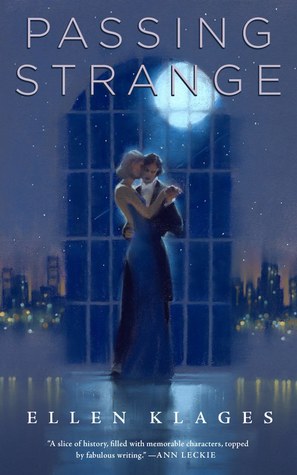
San Francisco in 1940 is a haven for the unconventional. Tourists flock to the cities within the city: the Magic City of the World’s Fair on an island created of artifice and illusion; the forbidden city of Chinatown, a separate, alien world of exotic food and nightclubs that offer “authentic” experiences, straight from the pages of the pulps; and the twilight world of forbidden love, where outcasts from conventional society can meet.
Six women find their lives as tangled with each other’s as they are with the city they call home. They discover love and danger on the borders where mystery, science, and art intersect.
How and when I got it:
I bought the Kindle edition in 2018.
Why I want to read it:
I’d almost forgotten about this one! Luckily, I happened to be skimming through the books in my Kindle library and saw it there.
This is a novella published by Tor — and I tend to really like their selection of novellas. Always something new and different to enjoy!
I can’t quite get a grasp on what this story will turn out to be based on the synopsis — but appealing aspects include a) San Francisco b) 1940s setting and c) some sort of fantasy/magic element. I’m ready to be surprised, and look forward to reading it!
Top Ten Tuesday is a meme hosted by That Artsy Reader Girl, featuring a different top 10 theme each week. This week’s topic is about our winter reading plans. I love putting together these quarterly TBR posts!
This time around, my list is split between upcoming new releases and book on my shelves that I’m dying to finally get to. My top 10 priorities to read this winter will be:
New releases:
1) Where the Drowned Girls Go (Wayward Children, #7) by Seanan McGuire: Starting the year off with a new novella in this series is becoming an annual tradition! This one releases January 4, 2022.
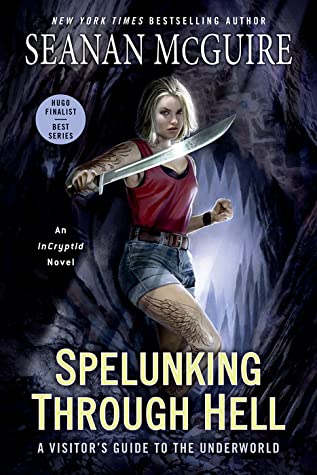
2) Spelunking Through Hell (InCryptids, #11) by Seanan McGuire: Also an annual tradition from the same author, the next new installment in the ongoing InCryptids series, releasing in March 2022.
3) The Unfamiliar Garden (The Comet Cycle, #2) by Benjamin Percy: The first book in this series (The Ninth Metal) was so weird and so good — can’t wait for more! Releases in January.
4) When You Get the Chance by Emma Lord: Another January release — looks like a lot of fun.
And books I already own:
5) Dial A for Aunties by Jesse Q. Sutanto: I hear it’s great!
6) Ordinary Grace by William Kent Krueger: My book group’s pick for January (and we’ll be Zooming with the author!)
7) Last Night at the Telegraph Club by Malinda Lo: An LGBTQ love story set in San Francisco in the 1950s. Sounds amazing!
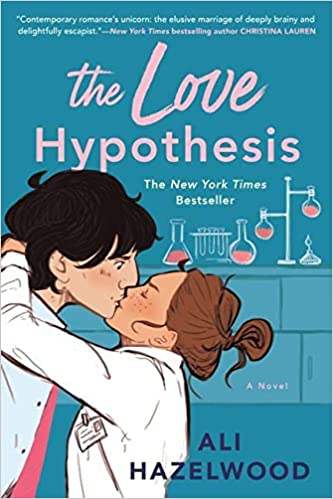
8) The Love Hypothesis by Ali Hazelwood: I see to be gravitating toward light romances a lot lately, and I love that this one features a woman in science.
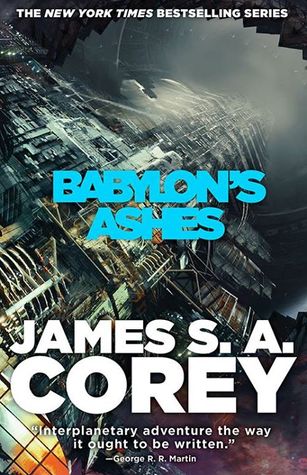
9) Babylon’s Ashes (The Expanse, #6) by James S. A. Corey: The last season of the TV series is airing now, but there are still plenty of books left to read!
10) The Blue Castle by L. M. Montgomery: This specific book is a maybe, but I do want to read more L. M. Montgomery, and this is one of four options for me.
What books will be keeping you warm this winter? Share your links, and I’ll come check out your top 10!
My Monday tradition, including a look back and a look ahead — what I read last week, what new books came my way, and what books are keeping me busy right now. Plus a smattering of other stuff too.
Life.
It was a pretty calm week chez moi. Work, family time… really and truly, nothing out of the ordinary. And yet, somehow it felt jam-packed and like I barely had time to relax.
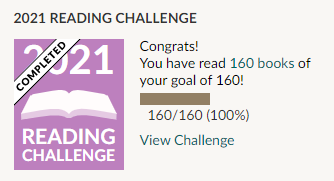
Still, I must have squeezed in some reading time, since this happened at the end of the week:
What did I read during the last week?
A History of Wild Places by Shea Ernshaw: This story of an idealistic, isolated community is full of twists and chills — a terrific read! My review is here.
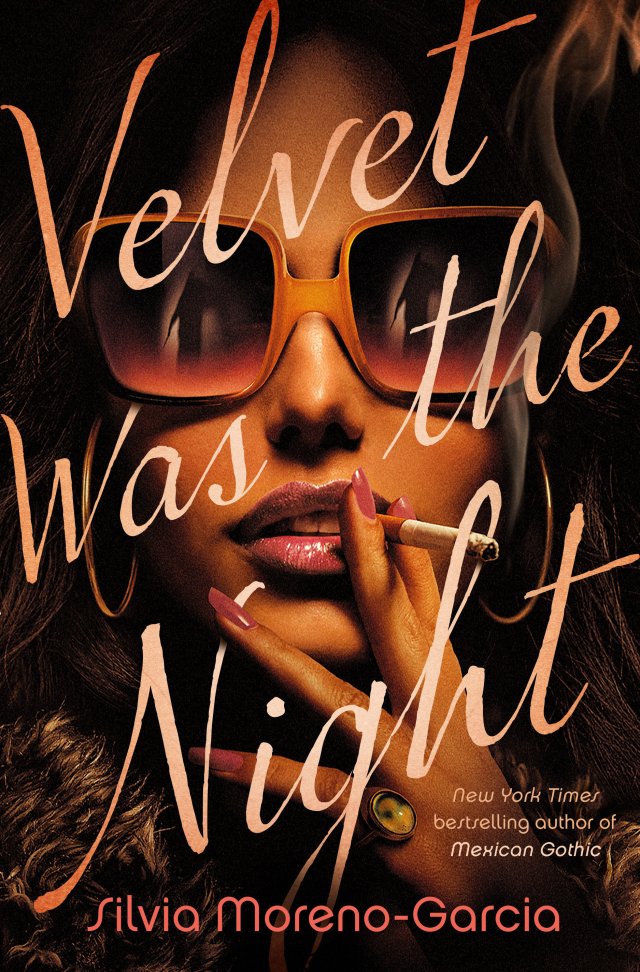
Velvet Was the Night by Silvia Moreno-Garcia: This book had been sitting in my unread pile for far too long, and I finally got to it! Listening to the audio version made it even more enjoyable. My review is here.
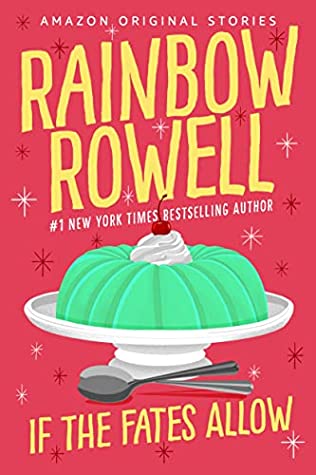
If the Fates Allow by Rainbow Rowell: A sweet, Christmas-y treat! This short story will please fans of Fangirl, who might have wondered what ever happened to Reagan in the years since college.
Wish You Were Here by Jodi Picoult: For me, it feels too soon to have COVID as a fiction subject, as you can tell by my review, here.
Pop culture & TV:
Man, do I love Yellowstone! Yes, it’s got its flaws, but I just can’t look away from this tale of power and family loyalty in Montana. I finished my binge and now I’m all caught up… which means waiting for new episodes to air each week. Sigh. (I posted about my Yellowstone binge here.)
In other TV news, my son and I are enjoying Hawkeye, and I’m thrilled that the new (and final) season of The Expanse is airing!
Fresh Catch:
Even more new books this week, although somehow I managed to keep my purchases to a respectable minimum:
What will I be reading during the coming week?
Currently in my hands:
The Vanished Days by Susanna Kearsley: I bought this book right when it was released in October (I even sprang for a signed copy!), but haven’t settled down to read it until now. I’m excited! I’ve loved everything I’ve read by this author, and I have no doubt that this will be another great read.
Now playing via audiobook:
Gwendy’s Magic Feather by Richard Chizmar: This is the 2nd Gwendy book (the first was co-authored by Chizmar and Stephen King), and since the 3rd is being released in 2022, I thought I should catch up! Gwendy’s Magic Feather is narrated by Sons of Anarchy star Maggie Siff, and she’s wonderful. (My review of the first book, Gwendy’s Button Box, is here.)
Ongoing reads:
Doctor Zhivago is our group classic read, two chapters per week. I am several weeks behind, but since our reading schedule has a two-week break built in for the end of December, I’m trying hard to find time (and motivation) to catch up.
Title: Wish You Were Here Author: Jodi Picoult Publisher: Ballantine Books Publication date: November 30, 2021 Length: 336 pages Genre: Contemporary fiction Source: Review copy courtesy of the publisher via NetGalley Rating:
⭐⭐⭐⭐
Rating: 3.5 out of 5.
From the #1 New York Times bestselling author comes a deeply moving novel about the resilience of the human spirit in a moment of crisis.
Diana O’Toole is perfectly on track. She will be married by thirty, done having kids by thirty-five, and move out to the New York City suburbs, all while climbing the professional ladder in the cutthroat art auction world. She’s not engaged just yet, but she knows her boyfriend, Finn, a surgical resident, is about to propose on their romantic getaway to the Galápagos—days before her thirtieth birthday. Right on time.
But then a virus that felt worlds away has appeared in the city, and on the eve of their departure, Finn breaks the news: It’s all hands on deck at the hospital. He has to stay behind. You should still go, he assures her, since it would be a shame for all of their nonrefundable trip to go to waste. And so, reluctantly, she goes.
Almost immediately, Diana’s dream vacation goes awry. The whole island is now under quarantine, and she is stranded until the borders reopen. Completely isolated, she must venture beyond her comfort zone. Slowly, she carves out a connection with a local family when a teenager with a secret opens up to Diana, despite her father’s suspicion of outsiders.
Diana finds herself examining her relationships, her choices, and herself—and wondering if when she goes home, she too will have evolved into someone completely different.
How you feel about Wish You Were Here will be almost completely dependent on whether you feel ready for a deep-dive into living through the early months of the COVID pandemic via fiction. For me, my overriding response was — it’s too soon. And I suspect many readers will feel this way as well.
In Wish You Were Here, Diana has a career on the cusp of a huge success, a wonderful boyfriend, and a life carefully planned out. Then COVID happens. Diana and her boyfriend Finn had a dream vacation to the Galapagos planned for March 2020, when the book opens. But Finn, a resident at a New York hospital, has his time off cancelled as the virus begins to escalate and New York moves into crisis mode. Since the vacation was already paid for, Finn insists that Diana go anyway, and she agrees.
As Diana arrives at her destination, she’s moving against the flow. Tourists are scrambling to get the last ferry back as the island Diana is heading toward closes down. Still, she’s there already, with a prepaid hotel reservation. Might as well keep going! When she arrives, though, even the hotel has closed, the town seems to be shut down, and Diana — without her luggage, with minimal cash, and no knowledge of Spanish — is stranded.
But as time passes, with only spotty cell reception and inconsistent access to Wi-fi, Diana finds refuge with a local woman and her family, a troubled teen girl and the girl’s father Gabriel, a former tour guide. As this family takes Diana under their wing, she finds connection with them, and grows to love her time on the island, even as she becomes increasingly disturbed by her inability to contact Finn, only occasionally getting email downloads that include his frantic, troubled descriptions of working day and night in the heart of a crisis.
This book is… a lot. Finn’s emails are just too real — I had family members working in New York hospitals in the thick of things last year, and re-experiencing the description of the crisis via fiction is difficult and unpleasant. Not to say that Jodi Picoult is any less than the terrific storyteller she always is — just that there’s way too much realism in this book to make it work as an escape of any sort.
I enjoyed the descriptions of life in the Galapagos, although I marveled at Diana’s incredibly poor decision-making, especially deciding to go forward with staying on the island while every other tourist with sense was leaving. She was fortunate to find people willing to help her, and I couldn’t help but doubt that in real life, things would have gone as smoothly as they did.
There is a twist, and it’s a BIG one, at about 60%… and I don’t know why I was so surprised. I mean, I HAVE read Jodi Picoult books before. I should have remembered that there’s always a twist. I didn’t see this one coming, and it’s a doozy… and I won’t say anything further about it or talk about the rest of the book, because I think it’s worth reading this book in as unspoiled a state as possible. (That said, I imagine that many reviews will spoil the twist up front, so I recommend avoiding those or proceeding with caution.)
Wish You Were Here is in many ways a rumination on finding joy in life, in being present, and about learning and reconnecting with what truly matters. In the heart of a pandemic, in a time with fear running rampant and isolation a key factor of life, it’s connections and purpose and love that matter, not the next meeting or work project or purchase. All this is encapsulated in Diana’s experiences, and while none of her revelations are earth-shatteringly new, they’re still presented in a way that feels affirming and hopeful.
As I said, for me, Wish You Were Here was too current to make for an enjoyable reading experience. The details on experiencing COVID, from the perspectives of health care workers and survivors and families of people who lost their lives, feel ripped from the headlines — and that, I think, is where I struggled with this book. I’ve spent the past year and half reading the newspapers and watching coverage and being inundated with COVID discussions; reading fiction with the same subject is not at all relaxing.
Maybe if this book were to be handed to me in five years, I might feel differently. As of now, despite the book being highly readable and the fact that I was interested in the characters and how their lives would turn out, I can’t say that I’m glad to have read it. Mostly, it felt like a return to a recent bad dream, and I struggled at times to stick with it — not because it’s not well-written (it most assuredly is), but because I’m just not ready to receive COVID stories as entertainment, no matter how seriously it’s presented or how good the intentions.
As I wrote at the start, I think for each reader, it’ll come down to a question of whether it’s too soon to read a COVID novel. For me, it was. Your mileage may vary.
I know I’m late to the party, but my newest TV obsession is Yellowstone. The show is currently airing its 4th season, and over the last couple of weeks, I’ve binged it all from the beginning. Now I’m completely caught up, and ready for new episodes — four left this season!
(Note: Some spoilers ahead, but I’ll try to keep them to a minimum and not reveal any of the big shockers.)
In brief, Yellowstone is the story of the Dutton family and their ranch. Founded over a hundred years earlier, the Yellowstone Dutton ranch is the largest ranch in Montana, and patriarch John Dutton (Kevin Costner) is the largest private land owner in the state. As such, there’s a constant state of low- to high-level war going on, as greedy corporate interlopers as well as the neighboring Native American reservation are constantly seeking ways to take land from the Duttons.
The Dutton family includes John’s adult children, all of whom have been groomed to take on key roles in protecting and preserving the land. John’s father’s dying instructions to his son consisted of one specific order: Never give up the land. Not one inch.
John Dutton is a hard man who wields tremendous power in the state, although that power may be waning as outside interests work against him. John has a hand in state and local government, intimidates anyone who opposed him, hand-picks his choice for roles like state Attorney General, and dictates his wishes to the local sheriff’s office.
In season 1, John’s opponents were chiefly two: Dan Jenkins, a California transplant with dreams of creating a vacation paradise adjacent to the ranch, and Chief Rainwater, the new chief of the reservation, whose mission is to take back the land stolen from his people a century earlier.
As the series progresses, the battles and the opponents shift constantly, as uneasy alliances are formed when new threats pop up.
The really and truly engrossing thing about this show is the family itself. The adult Dutton children are all, to one extent or another, a mess. Their mother died about 20 years earlier, leaving a huge hole in their lives as well as a whole host of psychological damage. John, for one, never got over losing the love of his life, and has been emotionally unavailable to his children for most of their lives, while maintaining huge expectations for them in terms of family loyalty and expectations.
Son Jamie is the family lawyer, dressed in suits while the rest of the family wears jeans, cowboy hats, and boots. Rather than working the ranch, he represents the family business and political interests, and will destroy anyone in the courtroom who opposed the Duttons. Jamie is also an emotional mess, desperately needing his father’s love and approval but never quite getting it.
The youngest of the family is Kayce, a former Navy SEAL who fled the ranch to make his own way, but is brought back (reluctantly) into the family after events in the pilot episode. Kayce is a trained killer with a strong moral compass. When we first meet him, he’s living in a trailer on the reservation with his Native American wife Monica and their son Tate, happily scraping by training horses, but he and his family are soon drawn back into the Dutton world, where he starts to take up the mantle of Dutton heir.
My favorite is Beth, the only daughter of the family. Age-wise, she’s between Jamie and Kayce. When first introduced, I had a major attack of eye-rolling. Look, here’s another caricature of a tough business woman, hard-edged and hard-drinking with a foul mouth, someone who chews up and spits out business men for breakfast. In early episodes, we see Beth bathe naked in a horse trough on the ranch and run at a pack of wolves, howling. Ummm, why?
Well, my skepticism about Beth has turned to absolute love. As the show progresses, we learn more about the events from her youth that made her who she is, and finally (in season 3) get an explanation for her seemingly out-of-proportion hatred for her brother Jamie. Beth also is key to the most moving and touching love story of the show, and my love for this couple knows no bounds.
Meanwhile, Kevin Costner as John Dutton is absolutely magnetic. He’s taciturn and hard, but loves his family and still mourns his late wife. He’s also a tough, unyielding rancher, loves being out on his horses, can get down and dirty whenever needed, and is a man who is mostly universally feared. I especially love his relationships with Beth and with his grandson, where we see a more vulnerable and kinder side, but truly, any time he’s on screen is special.
Now, there are some elements to this show that confuse me by being contradictory or not well explained. We hear all along that John’s wife’s death changed him and practically destroyed the family — but we never actually see much to back that up. There are a few flashbacks, but none really demonstrate that the family was warm and loving beforehand — in fact, a key moment with Beth shows Evelyn as cruel and demanding in her interaction with her daughter.
The first episode thrusts viewers straight into the action, with the interloping developer and the reservation both battling the Duttons on different fronts. I could have used a bit more context and backstory — there are elements I didn’t piece together until several more episodes went by. The biggest head-scratcher early on is that (major spoiler) eldest son Lee (whom I didn’t mention earlier, and here’s why) is killed by the end of the episode. Lee was the presumptive heir to the ranch, and his death leaves the ranch succession in turmoil… except kind of not? After his death and funeral, almost no one even mentions Lee again. We barely got to know him, and for most episodes, it’s easy to forget that he even existed.
The show can’t seem to decide if John is a criminal mastermind (like a western Godfather) or an anti-hero, or just a straight up hero trying to preserve a purer way of life in the face of corporate greed and ruthlessness. We know John is ruthless and dangerous, but he’s often just so damned lovable in so many scenes, and as I said, Kevin Costner turns this character into someone iconic, even when his actions are morally questionable.
Beyond the Duttons, we also spend time in the bunkhouse with the wranglers, the rowdy cowboys who work the ranch. They’ve a mixed bunch — some veterans, some new to the ranch, and one who’s so green that he’s never even been on a horse before. The group is entertaining, but also provide yet another road to understanding ranch life in general, and more specifically, what it takes to be a true member of the Dutton world. (Hint: it’s not pretty.)
I’ve described this show to a friend as a western Sons of Anarchy, which is a little off-the-mark, but not by much. It’s less murdery than Sons, and the business of the Dutton ranch isn’t a criminal enterprise — but there’s still plenty of murder, and lots of crime as a side-effect of what it takes to keep the ranch and the family in power. The show, via the Duttons, embraces old-school Western justice, which isn’t kosher from a law enforcement perpsective, but as the show continually points out, Montana isn’t like any place else.
Side note: In terms of a Sons of Anarchy connection (besides substituting horses for motorcycles), creator and writer Taylor Sheridan was an actor on SOA, playing Sheriff David Hale for several seasons. Here in Yellowstone, he occasionally shows up as superstar horse trainer Travis, always entertaining.
Where the show sits now, past the halfway point of season 4, the Duttons face continuing threats from outside forces, as well as the continuation of their internal battles and struggles. I continue to adore certain characters and despise others, and no matter how crazy the events of any given episode, I can’t bring myself to look away.
And the absolutely gorgeous scenery doesn’t hurt in the slightest!
So, anyone else watching Yellowstone? If so, who’s your favorite character, and what are your predictions for the rest of season 4?
There’s a ton of Yellowstone-related material over on YouTube, but here’s a final clip for this post — on turning the show’s actors into cowboys…
Title: Velvet Was the Night Author: Silvia Moreno-Garcia Publisher: Del Rey Publication date: August 17, 2021 Length: 289 pages Genre: Noir/historical fiction Source: Review copy courtesy of the publisher via NetGalley Rating:
⭐⭐⭐⭐
Rating: 3.5 out of 5.
From the New York Times bestselling author of Mexican Gothic comes a “delicious, twisted treat for lovers of noir” about a daydreaming secretary, a lonesome enforcer, and the mystery of a missing woman they’re both desperate to find.
1970s, Mexico City. Maite is a secretary who lives for one thing: the latest issue of Secret Romance. While student protests and political unrest consume the city, Maite escapes into stories of passion and danger.
Her next-door neighbor, Leonora, a beautiful art student, seems to live a life of intrigue and romance that Maite envies. When Leonora disappears under suspicious circumstances, Maite finds herself searching for the missing woman—and journeying deeper into Leonora’s secret life of student radicals and dissidents.
Meanwhile, someone else is also looking for Leonora at the behest of his boss, a shadowy figure who commands goon squads dedicated to squashing political activists. Elvis is an eccentric criminal who longs to escape his own life: He loathes violence and loves old movies and rock ’n’ roll. But as Elvis searches for the missing woman, he comes to observe Maite from a distance—and grows more and more obsessed with this woman who shares his love of music and the unspoken loneliness of his heart.
Now as Maite and Elvis come closer to discovering the truth behind Leonora’s disappearance, they can no longer escape the danger that threatens to consume their lives, with hitmen, government agents, and Russian spies all aiming to protect Leonora’s secrets—at gunpoint.
Velvet Was the Night is an edgy, simmering historical novel for lovers of smoky noirs and anti-heroes.
I’ll keep this brief: Velvet Was the Night is an atmospheric noir dive into Mexico City of the early 1970s, a time of student uprisings, police and secret forces and foreign agents, class divisions and criminal underworlds and anarchic collectives. Into this setting, author Silvia Moreno-Garcia inserts a tale of a missing person, a lonely young woman who gets in over her head, and the young thug who dreams of a more glamorous life, set to the tune of great American crooners like Elvis Presley and Bobby Darin.
Maite is 30 years old, an unmarried secretary looked down upon by her family, who finds delight in old records and romantic serial comics, and who secretly steals small tokens from her neighbors in order to find a source of vicarious excitement in her otherwise lonely and uneventful life.
When her neighbor Leonora asks Maite to look after her cat for a few days, she has no idea that soon she’ll be questioned by thugs, government agents, and Leonora’s ex-lover, all searching for film that Leonora might have left behind — photos of police brutality at a student protest. Out of annoyance at Leonora’s disappearance — leaving her behind with an unwanted cat and without her promised payments — Maite begins to try to track down Leonora, but soon finds herself caught up in a tightening web of criminals and spies, somehow envisioning herself living within a romantic adventure story without truly realizing the danger she’s in.
Meanwhile, Elvis is an enforcer with the Hawks, secretive cells of young goons who infiltrate protests and student collectives on behalf of the government, to squash political activism and threaten those who step out of line, using brutality and any means necessary to achieve their goals. Elvis has nothing else in his life, but he dreams of rising out of this seedy life to a position where he can be respected and can enjoy fine music and beautiful things.
Maite and Elvis’s paths eventually cross, as the tension builds, and each discovers hidden links about Leonora and her connections.
The storytelling embraces the grittiness of a noir setting, while bringing to life the feel of 1970s Mexico City. Through the characters, we get a good feel of the economics and politics of the time, as well as the casual way an otherwise uninvolved person can stumble into intrigue and mortal danger.
I did find the political elements and names of the various secrets forces somewhat confusing, not being particularly familiar with the history of that place and time. I was able to follow along well enough, but occasionally felt like I was missing something.
Velvet Was the Night is action-oriented, yet also conveys a well-defined character study of two very different people, Elvis and Maite, showing their inner lives, their thwarted dreams, and their overwhelming loneliness.
I enjoyed the book, especially because I listened to the audio version, with great narration by Gisela Chipe. At times, I felt the constant car chases and fistfights and scenes of intimidation were too much, and it was much too obvious where the hidden photos were, but overall, this is an entertaining read/listen — a book with a setting that’s very different from most of the other reading I did in 2021.
Title: A History of Wild Places Author: Shea Ernshaw Publisher: Atria Books Publication date: December 7, 2021 Length: 368 pages Genre: Thriller Source: Review copy courtesy of the publisher via NetGalley Rating:
⭐⭐⭐⭐⭐
Rating: 4.5 out of 5.
Travis Wren has an unusual talent for locating missing people. Hired by families as a last resort, he requires only a single object to find the person who has vanished. When he takes on the case of Maggie St. James—a well-known author of dark, macabre children’s books—he’s led to a place many believed to be only a legend.
Called Pastoral, this reclusive community was founded in the 1970s by like-minded people searching for a simpler way of life. By all accounts, the commune shouldn’t exist anymore and soon after Travis stumbles upon it… he disappears. Just like Maggie St. James.
Years later, Theo, a lifelong member of Pastoral, discovers Travis’s abandoned truck beyond the border of the community. No one is allowed in or out, not when there’s a risk of bringing a disease—rot—into Pastoral. Unraveling the mystery of what happened reveals secrets that Theo, his wife, Calla, and her sister, Bee, keep from one another. Secrets that prove their perfect, isolated world isn’t as safe as they believed—and that darkness takes many forms.
Hauntingly beautiful, hypnotic, and bewitching, A History of Wild Places is a story about fairy tales, our fear of the dark, and losing yourself within the wilderness of your mind.
Author Shea Ernshaw has two previously published YA novels (including Winterwood, reviewed here). In A History of Wild Places, her adult debut, her powerful writing once again provides for a compelling read.
We open with Travis Wren, a man whose gift enables him to see visions of people’s pasts through touching items they’ve left behind. At the end of his rope after a series of personal misfortunes, he takes one last missing persons job, to search for bestselling children’s author Maggie St. James, who disappeared without a trace five years earlier. As Travis follows a trail of clues into the remote woods of Northern California, he finds evidence of an isolated community, then disappears himself.
As the story continues, the plot focuses on Pastoral, the isolated community that Travis had stumbled across some years earlier. Within the world of Pastoral, the community lives in harmony, led by their leader Levi, enjoying back-to-nature living, the beauty of their surroundings, self-sufficiency, and a simpler way of life. The drawback, however, is that no one enters or leaves Pastoral, not since an infection in the forest surrounding the community threatens to kill or infect anyone who steps across the boundary.
For Theo, his wife Calla, and her sister Bee, it’s a quiet but joy-filled life, with simple pleasures and routines, marred only by the fear of the pox lurking in the woods and even in a rainfall. They’re content in their lives together, even knowing that there are external threats and limits.
Our clothes are in endless need of mending, of stitching, an ongoing effort to make everything last for one more season.
Whatever we have is all there will ever be.
There’s an ominous sense hanging over Pastoral. The residents love one another and admire their leader, but the fear of contamination pervades everything they do, and they are essentially trapped within their own borders. Those who’ve tried to leave have been found dead or dying, bearing distinct signs of the pox. It’s quite clear that leaving equates to death, and that the people of Pastoral must accept their fate, to live permanently where they are, with what they have.
Events take a more dire turn when a baby is born prematurely. The infant will not survive with medical help, but there’s none to be had. Venturing to the nearest town to bring back help might save the baby, but would doom the entire community by introducing outside infection. The community’s split reaction to getting help precipitates a more dangerous turn of events, and this leads to Theo, Calla, and Bee each questioning what they know and what they think they know.
The cobwebs of tiny mistruths, little papercut deceptions, rooted in our joints and slung between rib bones.
How does this relate back to Maggie and Travis? I won’t tell, but trust me, the explanations and answers are fascinating.
I loved the moodiness of the entire novel. The author does a masterful job of portraying both the natural peace and beauty of Pastoral and its paranoia and fear. There’s a sense of impending danger in even the most ordinary of scenes.
No matter where you go, there are cracks in the plaster, nails coming loose, you just have to decide where you want to piece yourself back together. Where the ground feels sturdiest beneath your feet.
Likewise, I really appreciated the unfolding character arcs throughout the novel, as the characters learn more about themselves and their own secrets, as well as the bigger mysteries and secrets surrounding Pastoral as a whole.
The resolution is well-earned, with surprising twists that are justified by the build-up. Pretty much the only piece of this book that didn’t quite ring true for me has to do with Maggie’s novels, which are described as a bestselling children’s series — but based on the excerpts included in the book, I couldn’t get the appeal or why they’d be so influential. Maybe we just don’t see enough of them to get the full picture.
I’d definitely recommend A History of Wild Places. The writing is beautiful and evocative, and the plot is full of intricate characters and sharp twists. A can’t-put-it-down reading experience!
**********
Through affiliate programs, I may earn commissions from purchases made when you click through these links, at no cost to you.
















 Bookshelf Fantasies