Book Review: Last Night at the Telegraph Club by Malinda Lo

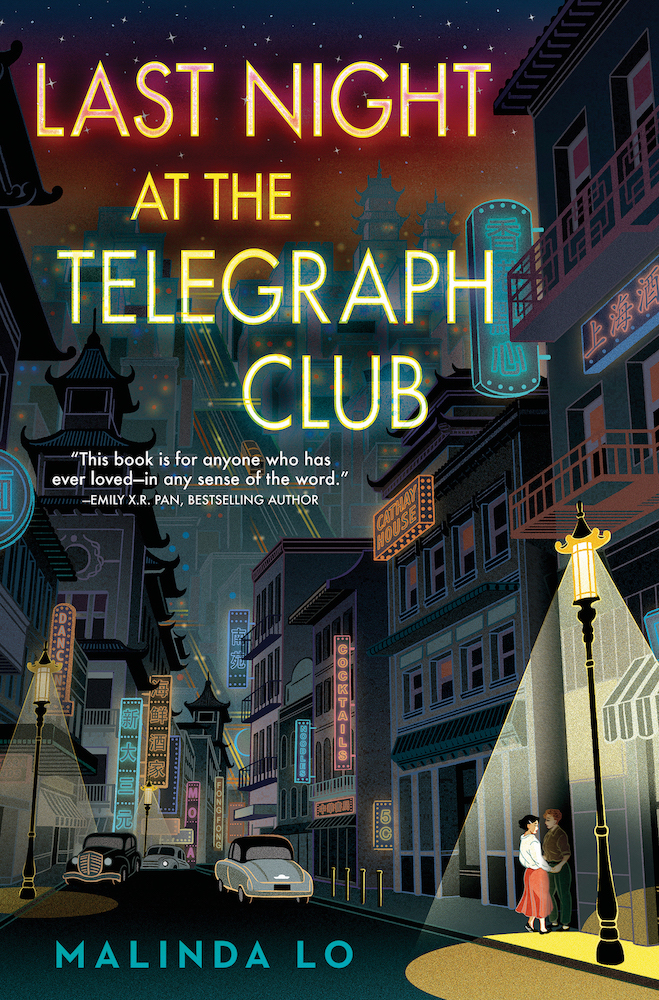
Title: Last Night at the Telegraph Club
Author: Malinda Lo
Publisher: Dutton Books for Young Readers
Publication date: January 19, 2021
Length: 416 pages
Genre: Young adult / historical fiction
Source: Purchased
Rating:

Rating: 5 out of 5.

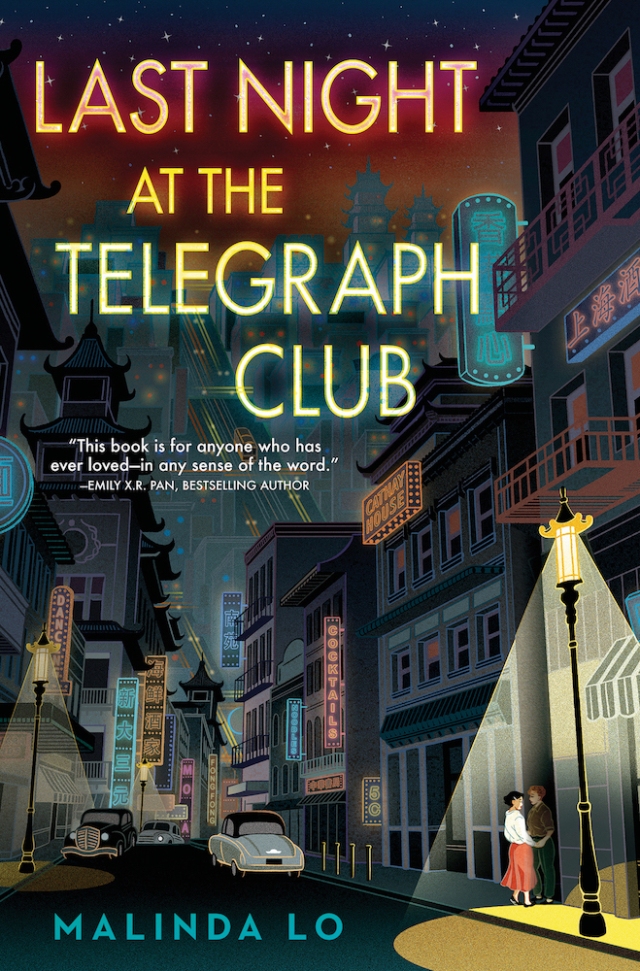
A story of love and duty set in San Francisco’s Chinatown during the Red Scare.

“That book. It was about two women, and they fell in love with each other.” And then Lily asked the question that had taken root in her, that was even now unfurling its leaves and demanding to be shown the sun: “Have you ever heard of such a thing?”

Seventeen-year-old Lily Hu can’t remember exactly when the question took root, but the answer was in full bloom the moment she and Kathleen Miller walked under the flashing neon sign of a lesbian bar called the Telegraph Club.

America in 1954 is not a safe place for two girls to fall in love, especially not in Chinatown. Red-Scare paranoia threatens everyone, including Chinese Americans like Lily. With deportation looming over her father—despite his hard-won citizenship—Lily and Kath risk everything to let their love see the light of day.

Last Night at the Telegraph Club is a beautiful, sensitively told story of a young woman in 1950s San Francisco, discovering her sexuality, finding first love, and navigating her place in the world of Chinatown and beyond.

Lily Hu is a high school senior who loves math, science, and reading Arthur C. Clarke. She’s fascinated by the idea of rockets and space, and dreams of one day working alongside her aunt at the Jet Propulsion Lab. Lily is the oldest child of a Chinese-American family living in San Francisco’s Chinatown, and her world revolves around the neighborhood and its community. While she attends a nearby high school, her friends and her activities are all based in Chinatown too — until she starts to get to know Kathleen, a girl in her advanced math classes.

Lily and Kathleen — or Kath, as she prefers to be called — begin to form a tentative friendship after Kath accidentally picks up a newspaper ad that Lily had saved, a promo for a male impersonator’s appearance at a nightclub. Kath mentions that she’s been to the Telegraph Club once, and the two girls agree to sneak out late one night and go together.

Meanwhile, Lily is unsure what to make of the feelings stirred in her when she reads about Tommy Andrews, the nightclub performer, or when she spies a pulp novel at the local drugstore that features two scantily clad women on the cover. When she and Kath finally make it to the Telegraph Club, Lily’s eyes are opened, seeing women together in clearly romantic relationships.

As Lily’s story progresses, she and Kath explore their feelings and learn more about the secret underworld of gay life in San Francisco. At the same time, the “red scare” is bringing fear to Chinatown, as even naturalized or American-born Chinese people are threatened with deportation and pressured to inform on others. When Lily’s father’s naturalization papers are confiscated during questioning about communist activity in Chinatown, the danger strikes home, and Lily is confronted by the potential consequences her own actions could have on her family.

Last Night the Telegraph Club is a moving coming of age and coming out story, and also a well-researched and eye-opening look at a particular time and place in 20th century history. The author shares a great deal of information at the end of the book about her research, her intentions, who she interviewed, and even provides a wide-ranging bibliography for those who want to learn more.

As she points out, there isn’t a lot written about Asian lesbians in historical fiction. The topics covered within this book are a unique blend of LGBTQ+, Asian American, and San Francisco history, and they work together spectacularly.

Lily is a fabulous main character. She’s not flashy or outrageous by any means. A studious, smart girl devoted to her family, she’s really never stepped foot out of line prior to this point in her life. She struggles with the conflict between her identity, her emotions and desires, and her family duty. Lily is portrayed as a sensitive girl who might have truly thrived in the modern era, but because of the time and culture in which she’s born, there is no easy answer for her.

As a non-native San Franciscan myself, I’m always interested in learning more about the history of my adopted city, and Last Night at the Telegraph Club delivers. While many of the places and neighborhoods are the same, the city has changed in dramatic ways since then. I loved seeing all the familiar streets and landmarks mentioned as Lily and Kath and others explore the city, and appreciate that they venture beyond the areas often covered in popular media to include lesser known spots too, such as one of my own favorite places:

Judy had fallen in love with Ocean Beach the first time she saw it almost four years ago, right after she first arrived in San Francisco.

Although as Lily herself later reflects, you can’t always count on the weather:

She suspected it would be freezing out by Ocean Beach

On a more serious note, the response of Lily’s family to learning about her orientation is sadly typical of the time, but still incredibly painful to read:

“There are no homosexuals in this family,” she said, the words thick with disgust.

… and …

“There are studies,” her father said. “You’re too young for this. This is a phase.”

My only quibble with this book is that I wished for a little more at the end, between the last full chapter and the book’s epilogue. I can’t say much without entering spoiler territory, but I wish the events of the last chapter had been carried forward longer to show what happened in the ensuing months. The epilogue wraps the story up very well, but it’s almost too abrupt in its resolution. Still, overall, I’m happy with how things were resolved for the various characters, and felt so invested in Lily’s well-being that I wish I could check back in with her to see how her life turned out 10, 20, and 30 years down the road.

Last Night at the Telegraph Club is engrossing, moving, and sensitive, with memorable characters and a fast-moving plot that manages to convey so much, so well. Highly recommended.
Book Review: Shit Cassandra Saw by Gwen E. Kirby

Title: Shit Cassandra Saw
Author: Gwen E. Kirby
Publisher: Penguin
Publication date: January 11, 2022
Length: 288 pages
Genre: Short stories
Source: Purchased
Rating:

Rating: 3.5 out of 5.

Margaret Atwood meets Buffy in these funny, warm, and furious stories of women at their breaking points, from Hellenic times to today.

Cassandra may have seen the future, but it doesn’t mean she’s resigned to telling the Trojans everything she knows. In this ebullient collection, virgins escape from being sacrificed, witches refuse to be burned, whores aren’t ashamed, and every woman gets a chance to be a radioactive cockroach warrior who snaps back at catcallers. Gwen E. Kirby experiments with found structures–a Yelp review, a WikiHow article–which her fierce, irreverent narrators push against, showing how creativity within an enclosed space undermines and deconstructs the constraints themselves. When these women tell the stories of their triumphs as well as their pain, they emerge as funny, angry, loud, horny, lonely, strong protagonists who refuse be secondary characters a moment longer. From “The Best and Only Whore of Cym Hyfryd, 1886” to the “Midwestern Girl [who] is Tired of Appearing in Your Short Stories,” Kirby is playing and laughing with the women who have come before her and they are telling her, we have always been this way. You just had to know where to look.

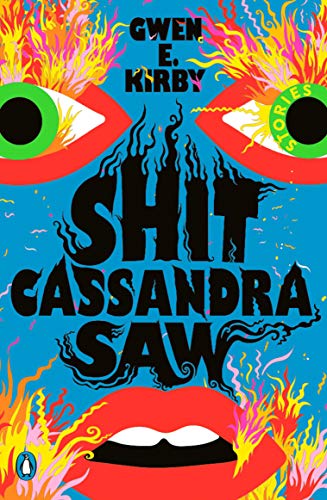
Please do judge a book by its cover… at least in this case. Shit Cassandra Saw‘s cover is bright, almost eye-searing, and clearly puts the reader on notice that it’s time to shake things up.

This collection of short stories covers times and settings from the ancient world to the contemporary, mixing in fantastical elements with pieces that are all too real. The women in these stories are angry, despondent, and tired of being ignored or mistreated or threatened. Told through a variety of styles and voices, the stories work as a collection by playing with perception and tropes, and letting women’s voices shout out clearly.

All that being said, some of the stories in Shit Cassandra Saw worked better for me than others. In general, I really liked the historical pieces, although a few of the contemporary stories really appealed as well.

My favorites include:

A Few Normal Things That Happen A Lot: My absolute favorite of the bunch, and it’s so weird and wonderful. From the opening lines:

A woman walks down the street and a man tells her to smile. When she smiles, she reveals a mouthful of fangs. She bites off the man’s hand, cracks the bones and spits them out, and accidentally swallows his wedding ring, which gives her indigestion.

… it’s clear that nothing here is normal, although yes, the story is about things that happen a lot. Random men telling women to smile. Creepy dudes on subways exposing themselves. Male joggers following maybe a bit too closely. Unwanted comments about appearance. All those little moments that are really so common that every woman has experienced them in one way or another.

In this story, the author does an amazing job of portraying how fear of these moments pervades women’s lives, turning simple things like a walk from one’s car to the front door into something to plan and consider — and then shows how that might all turn around, given a few sci-fi-flavored twists.

This story is also available to read online via TinHouse.

Shit Cassandra Saw That She Didn’t Tell the Trojans Because At That Point Fuck Them Anyway: A short piece that’s just so well done, about all the things Cassandra could tell Trojans about, but:

She is tired of speaking to listening ears. The listening ears of the men who think her mad drive her to madness.

It ends on an oddly uplifting note, as Cassandra’s thoughts turn to all the things she wishes she could tell the women of Troy about too, things that would make them happy if they only knew.

And briefly:

Scene in a Public Park at Dawn, 1892: About two women duelists, very short, but I really liked it.

There are other stories I liked too, and a few that kind of clunked, but overall, it’s a great collection, and I really enjoyed the variety of topics and styles. Many of the stories were previously published elsewhere; some are available through the original online sites were they appeared, and some are original to this collection.

Fun fact: I might never have stumbled across this book or thought twice about it until I happened to click on a link to a story on LitHub, motivated solely by the fact that the image for the article was a scene from Pride & Prejudice & Zombies, which is a movie that I love an irrational amount. Once I clicked through and read Gwen E. Kirby’s thoughts on the movie and how its “stabbiness” empowers the women in it, I was sold!

This sort of stylized violence, stabbiness if you will, emerges in my writing as a fascination with women from history who fight and with contemporary women who wish they could. Stabbiness makes me wonder how violence in these very specific contexts can feel affirming, even as violence is the thing being defied.

You can read the article here.

As I’ve mentioned countless times on this blog, I really don’t consider myself a short story reader, and I don’t typically have the patience to read an entire book of stories. With Shit Cassandra Saw, I took a slower approach, reading just one or two stories per day, and found the entire experience really enjoyable. I’m glad I took the time to appreciate this book. If you like your stories on the weird side with a strong feminist theme throughout, check out this collection!

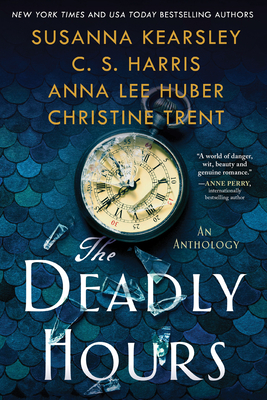
Shelf Control #304: The Deadly Hours by Susanna Kearsley, C. S. Harris, Anna Lee Huber, and Christine Trent

Shelves final

Welcome to Shelf Control — an original feature created and hosted by Bookshelf Fantasies.

Shelf Control is a weekly celebration of the unread books on our shelves. Pick a book you own but haven’t read, write a post about it (suggestions: include what it’s about, why you want to read it, and when you got it), and link up! For more info on what Shelf Control is all about, check out my introductory post, here.

Want to join in? Shelf Control posts go up every Wednesday. See the guidelines at the bottom of the post, and jump on board!

Title: The Deadly Hours
Author: Susanna Kearsley, C. S. Harris, Anna Lee Huber, Christine Trent
Published: 2020
Length: 352 pages

What it’s about (synopsis via Goodreads):

A stellar line-up of historical mystery novelists weaves the tale of a priceless and cursed gold watch as it passes through time wreaking havoc from one owner to another. The characters are irrevocably linked by fate, each playing a key role in breaking the curse and destroying the watch once and for all.

From 1733 Italy to Edinburgh in 1831 to a series of chilling murders in 1870 London, and a lethal game of revenge decades later, the watch touches lives with misfortune, until it comes into the reach of one young woman who might be able to stop it for good.

How and when I got it:

I picked up a paperback copy as soon as it was released, back in 2020.

Why I want to read it:

Basically, as soon as I heard that there was a book being released that included Susanna Kearsley as one of the authors, I knew I had to have it.

Susanna Kearsley is one of my go-to favorite authors, and I haven’t regretted reading (or buying) a single one of her books yet! And while I haven’t read anything by the other authors who contributed to this book, I’ve heard good things about all of them.

As for the book itself, I like the sound of interconnected stories focusing on a watch that gets handed down through generations, and I’m curious about the curse, what it is, and how it might be broken. Plus, I’d love to see how the four different authors’ pieces work together, and whether it feels like one coherent whole.

What do you think? Would you read this book?

Please share your thoughts!


__________________________________

Want to participate in Shelf Control? Here’s how:

  • Write a blog post about a book that you own that you haven’t read yet.
  • Add your link in the comments or link back from your own post, so I can add you to the participant list.
  • Check out other posts, and…

Have fun!

Top Ten Tuesday: New-to-Me Authors I Discovered in 2021

snowy10

Top Ten Tuesday is a meme hosted by That Artsy Reader Girl, featuring a different top 10 theme each week. This week’s topic is New-to-Me Authors I Discovered in 2021.

There were way more than 10, and it’s so hard to choose favorites… but I’ll go with these ten, whose books I really enjoyed:

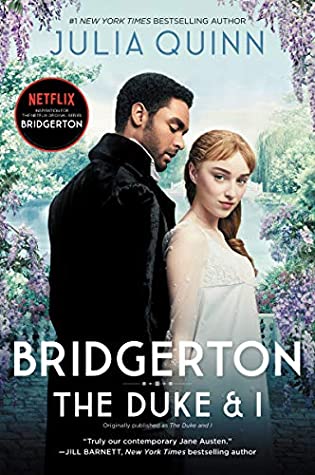
  • Julia Quinn (I read ALL the Bridgerton books!)
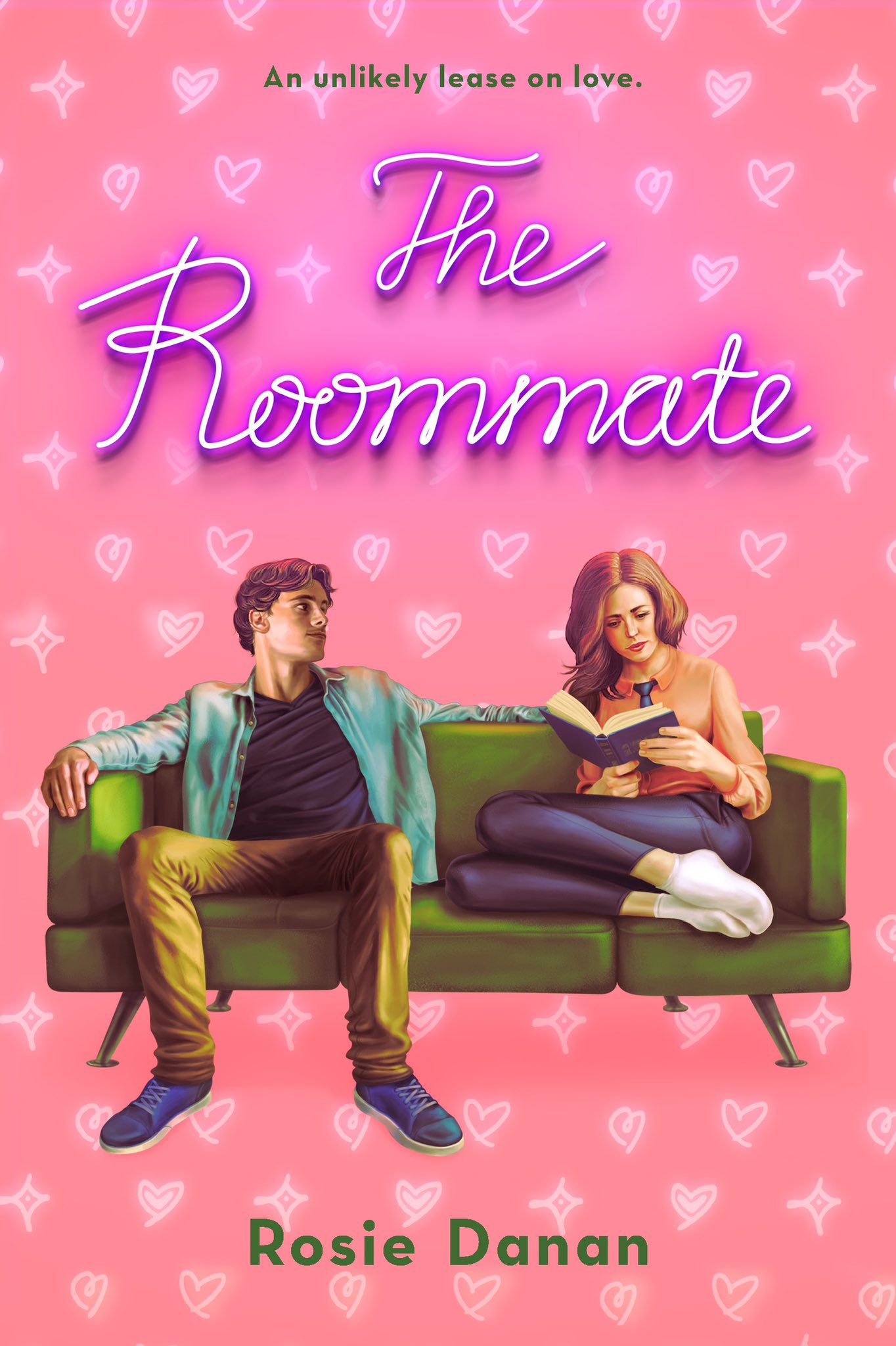
  • Rosie Danan
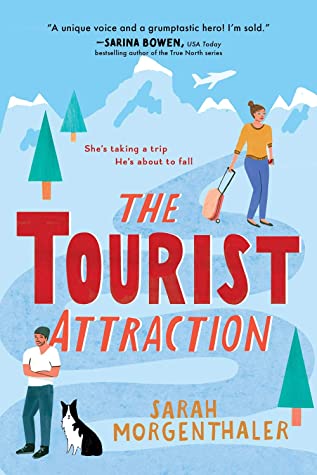
  • Sarah Morgenthaler
  • Crystal Maldonado
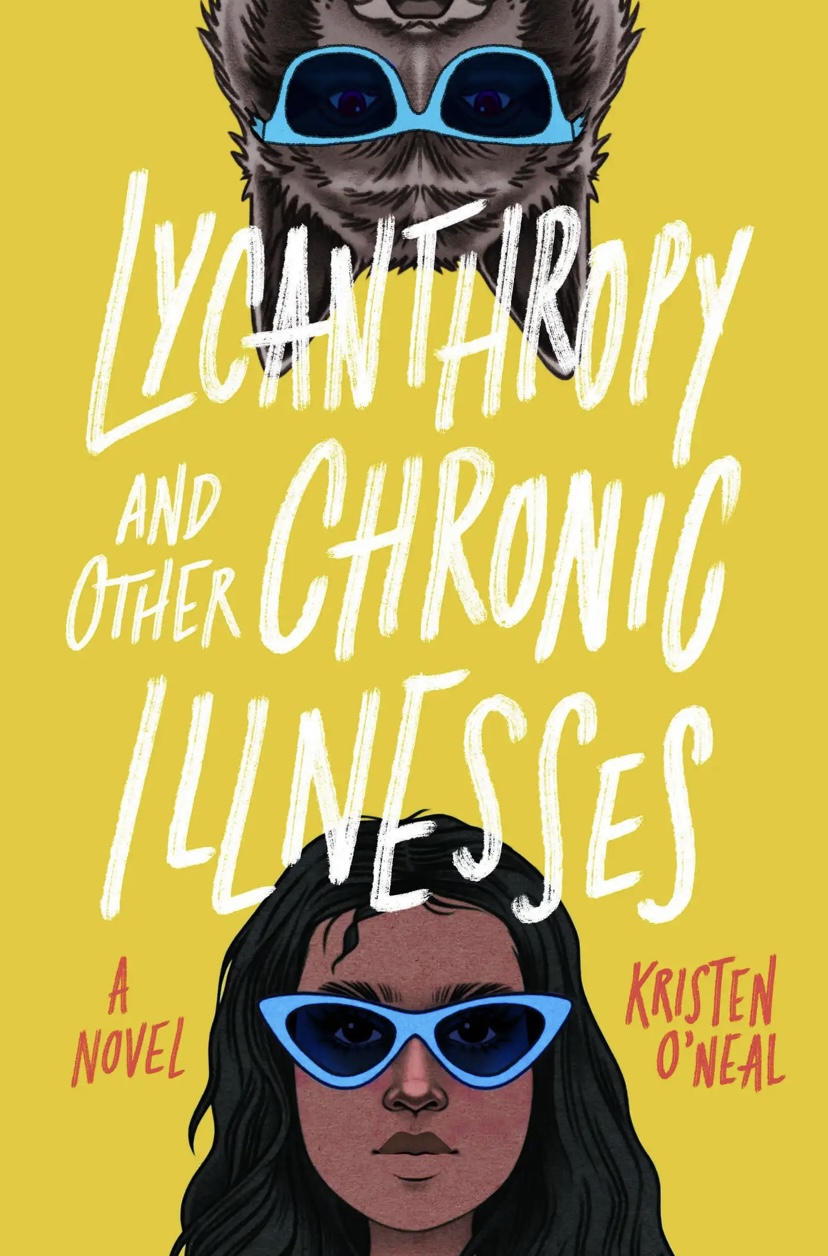
  • Kristen O’Neal
  • C. Robert Cargill
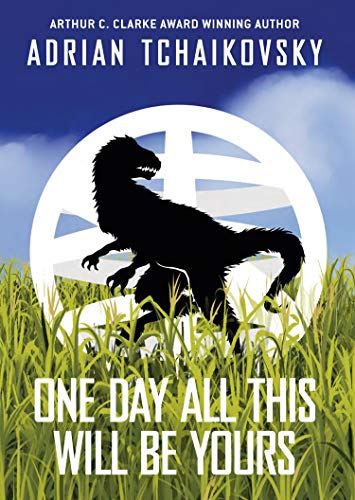
  • Adrian Tchaikovsky
  • William Kent Krueger
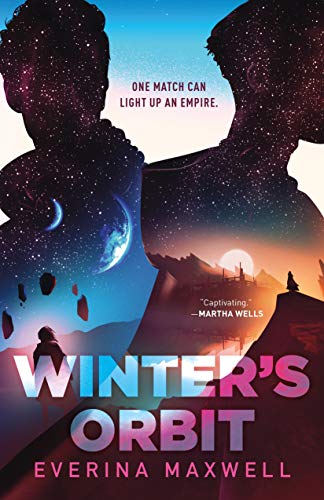
  • Everina Maxwell
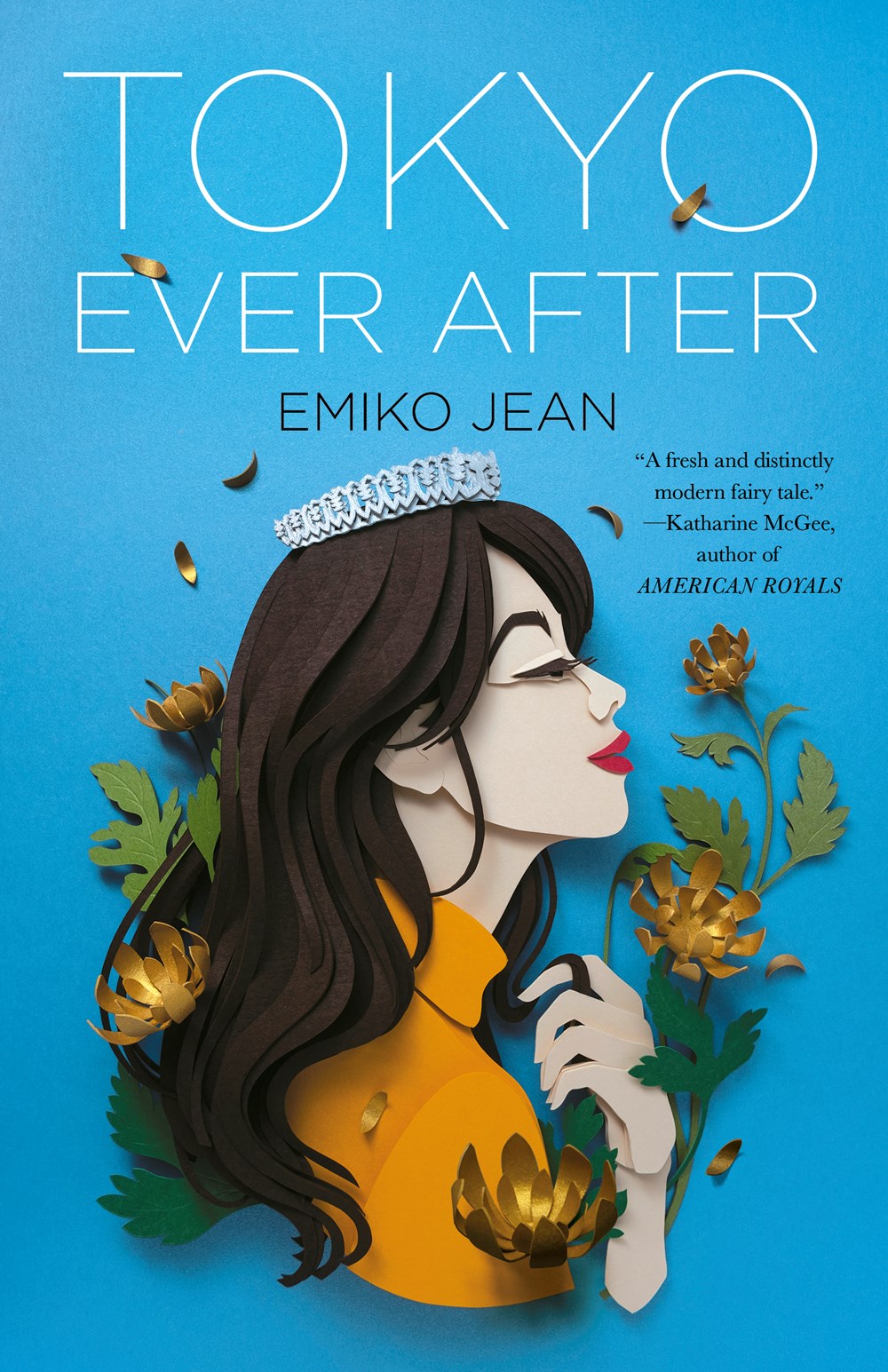
  • Emiko Jean

What new-to-you authors did you discover in 2021? Any particular favorites? Do we have any in common?

Please share your link so I can check out your top 10!

The Monday Check-In ~ 1/24/2022

cooltext1850356879

My Monday tradition, including a look back and a look ahead — what I read last week, what new books came my way, and what books are keeping me busy right now. Plus a smattering of other stuff too.

Life.

I had another busy week, but I’m taking a day off today to get through a few projects, including taking bags and boxes of books to donate at our library’s donation center (which is by appointment only since COVID started). I did a big purge of books I don’t feel like I need to hold onto, and it feels good to see some space on my shelves again! Although, I have a feeling that extra space won’t last long.

Over the weekend, my book group zoomed with William Kent Krueger, the author of Ordinary Grace (our discussion book for January). He was charming and gracious and insightful — such a lovely experience (and a wonderful book).

What did I read during the last week?

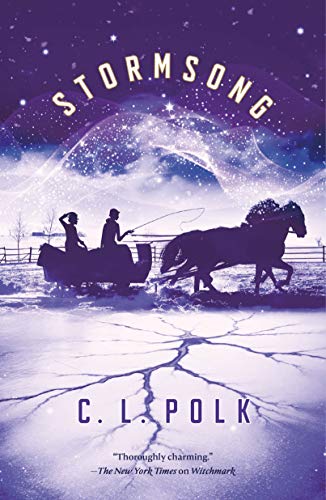
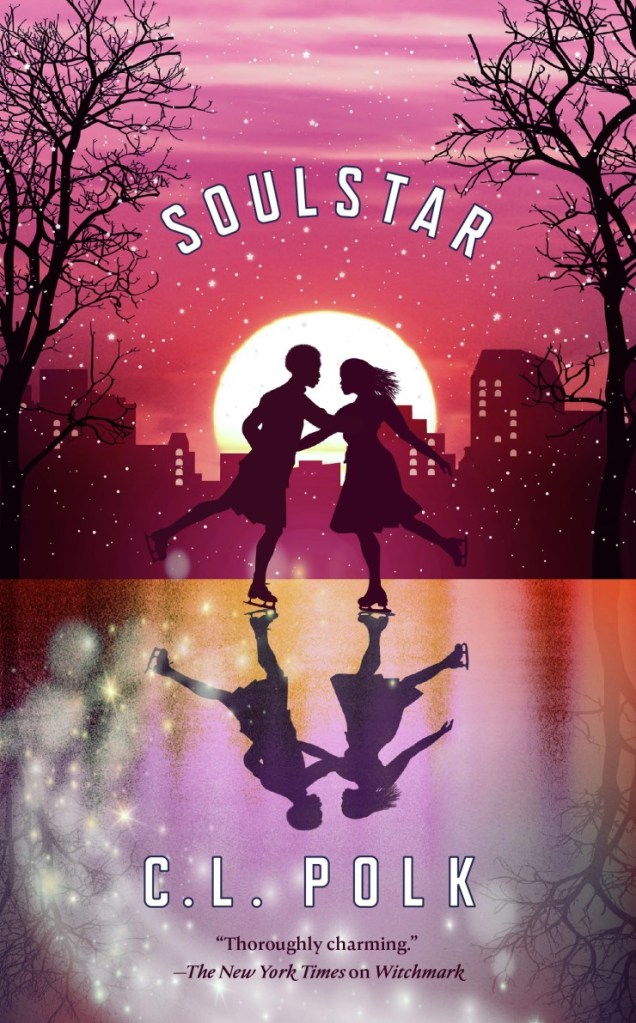
Stormsong and Soulstar by C. L. Polk: Books 2 and 3 in the Kingston Cycle trilogy. I read both mainly because getting through this trilogy was a reading goal of mine — but sadly, I was underwhelmed.

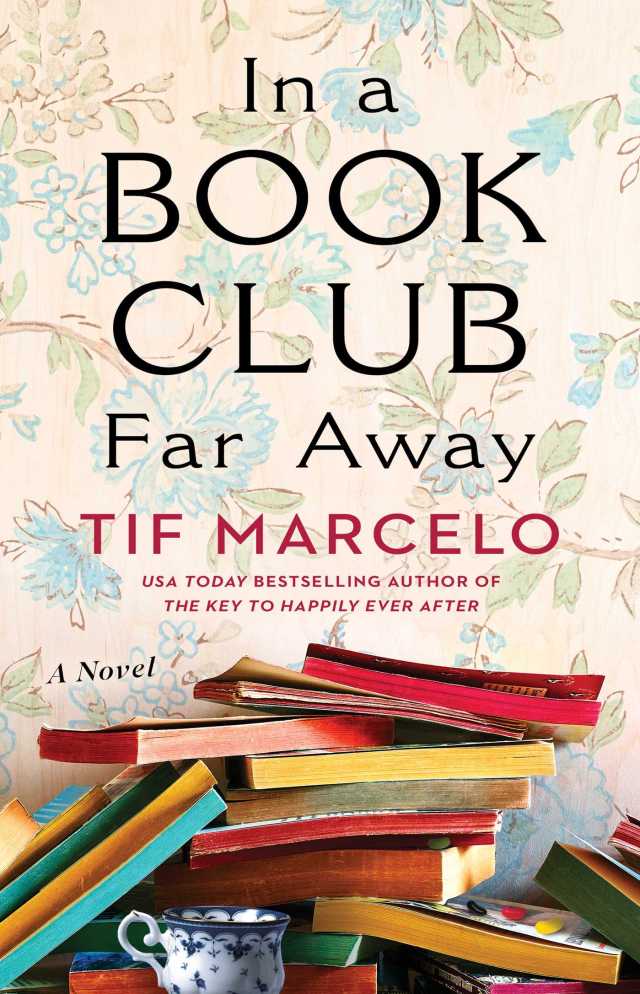
In a Book Club Far Away by Tif Marcelo: I really enjoyed this contemporary novel about women’s friendship over the years. My review is here.

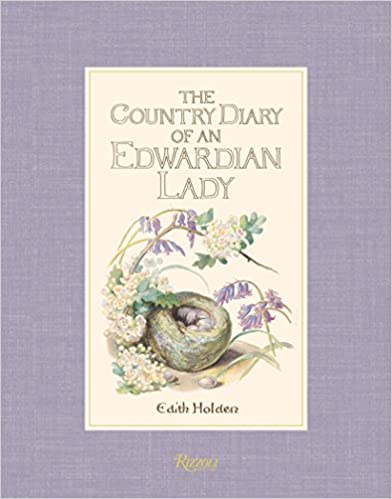
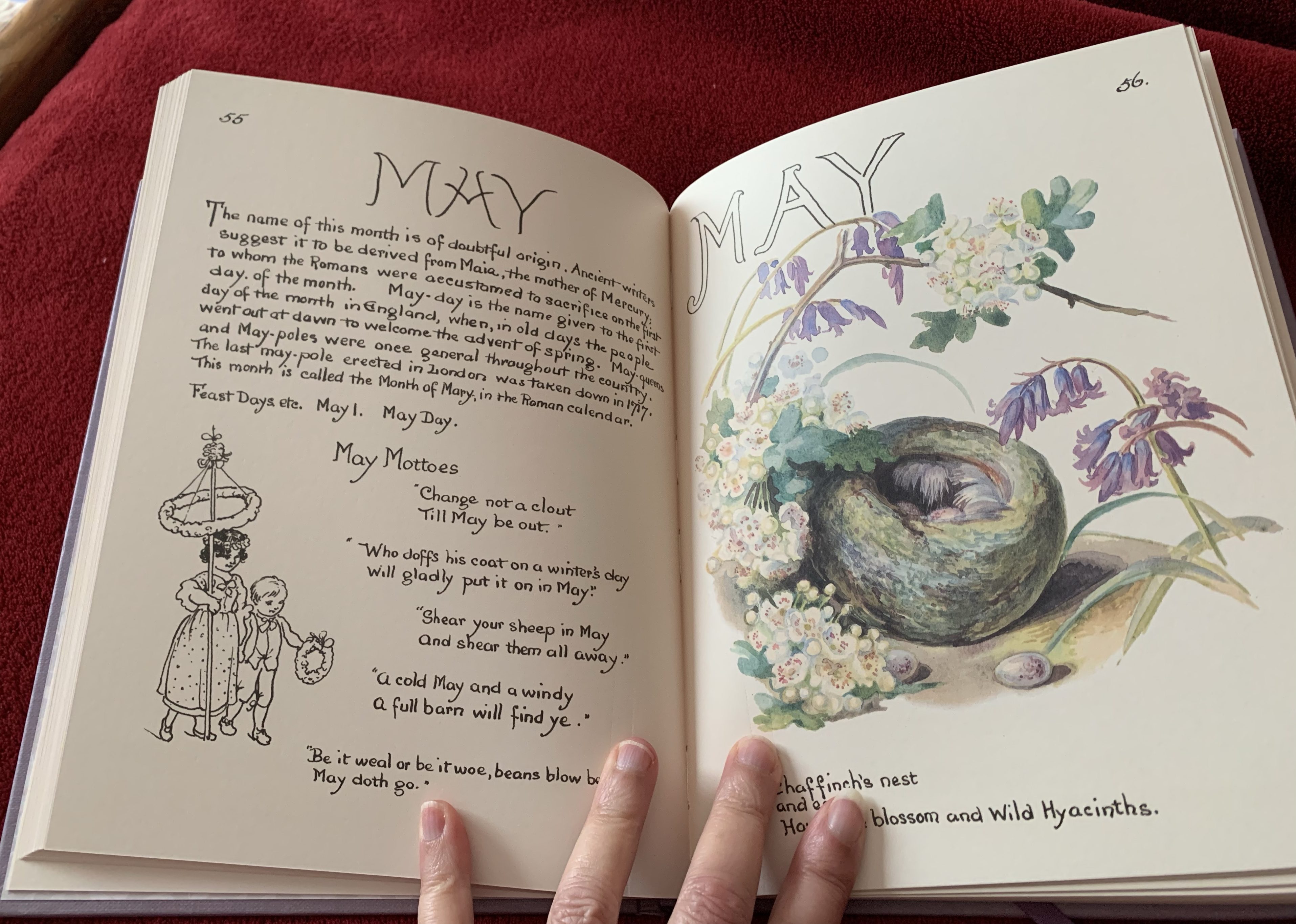
The Country Diary of an Edwardian Lady by Edith Holden: A beautiful book to give or receive as a gift! My write-up is here.

Pop culture & TV:

Well… I ended up watching all six episodes of White Lotus this week… and even though it was hard to look away, by the end I wished I could unsee parts of it. Super cringey. I doubt I’ll watch season 2.

To cleanse my brain a bit, I’ve been watching episodes of Ghosts (BBC), and it’s very charming. I’m only on season 1 so far. It’s sweet!

Puzzle of the Week:

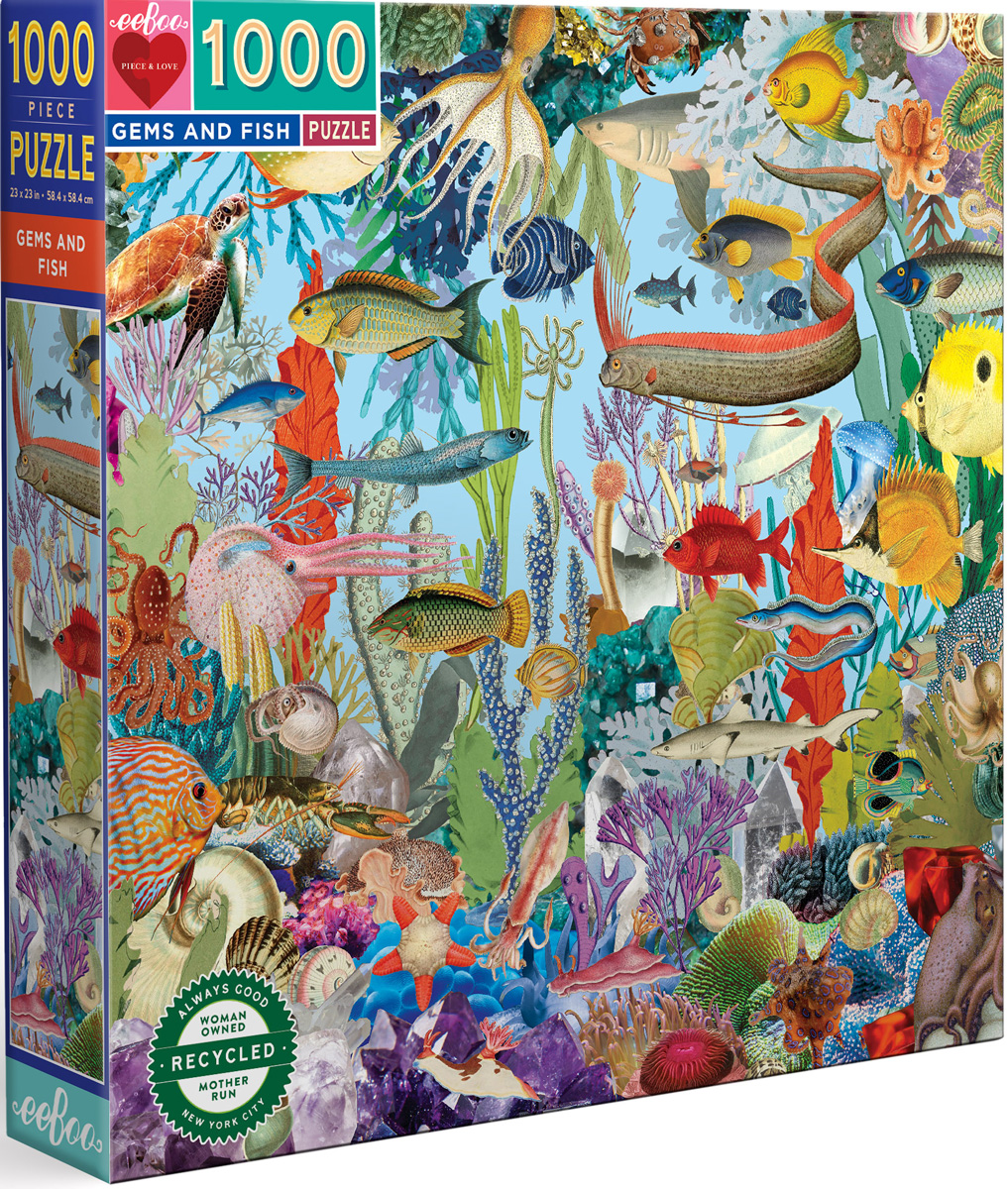
My current puzzle is in progress — another pretty one from Eeboo!

Fresh Catch:

Some beautiful new books this week! Two from Subterranean Press:

Plus, I treated myself to a book that Kim at Traveling in Books mentioned:

What will I be reading during the coming week?

Currently in my hands:

Last Night at the Telegraph Club by Malinda Lo: I’m loving this LGBTQ+ YA novel set in San Francisco in the 1950s.

Now playing via audiobook:

We Sold Our Souls by Grady Hendrix: I’ve been meaning to get to this book ever since it came out — the only one of this author’s books that I haven’t read yet. I’m just getting started, but I’m liking it so far.

Ongoing reads:

My slow but steady, spread-out-over-time reading:

Shit Cassandra Saw by Gwen E. Kirby: I rarely read short stories, but I’m making an exception for this bizarre and totally awesome collection! I’m trying to read one or two stories per day, which seems to be a pace that works for me.

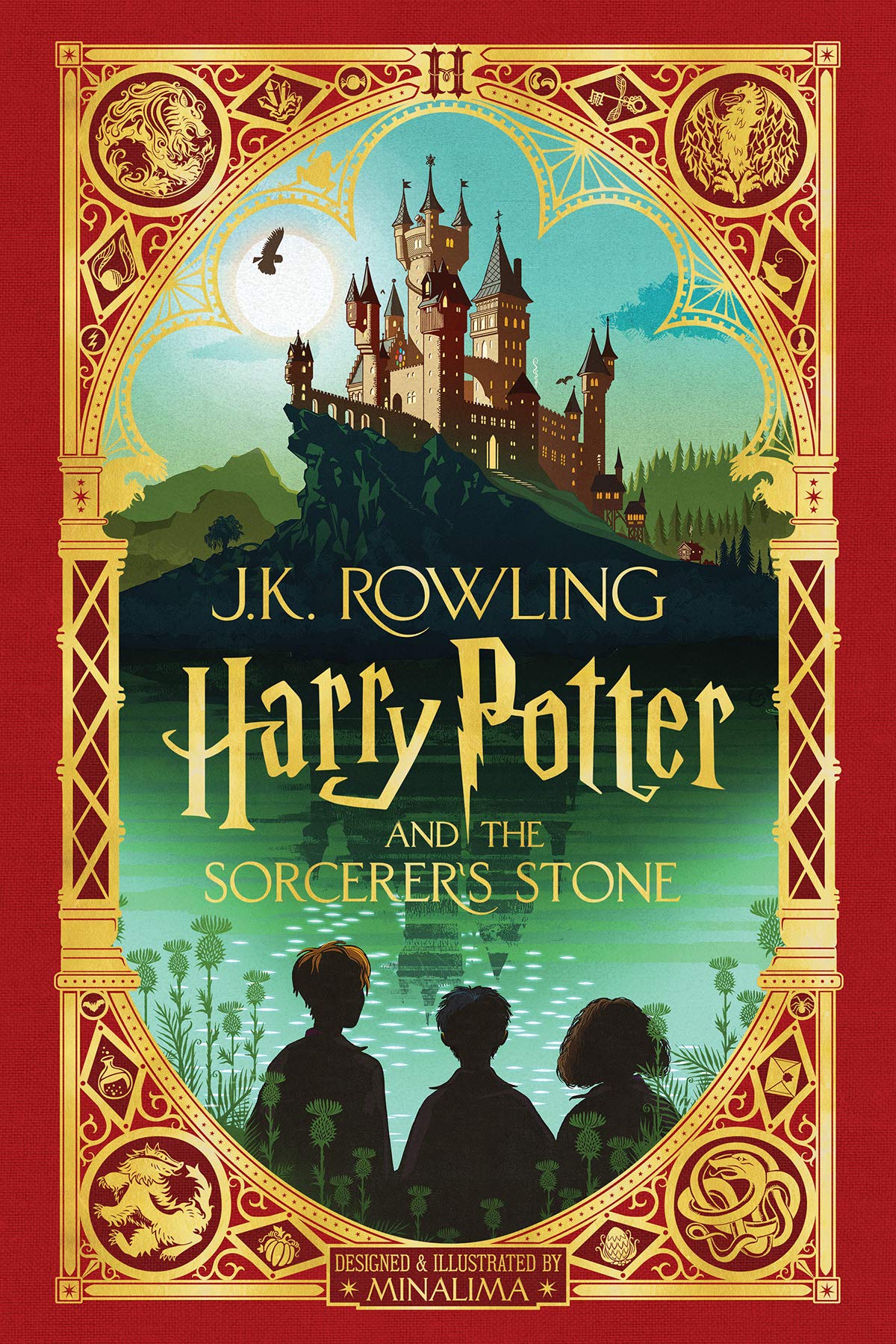
I bought copies of the MinaLima editions of the first two Harry Potter books, but haven’t actually looked through them at all yet… and that needs to change! So, I’ve taken this pretty edition off my shelf, and my plan for now is to read one chapter per day, taking my time to enjoy all the pretty artwork and design elements. And hey, it’s never a bad time for a re-read of HP!

So many books, so little time…

boy1

Book Review: In a Book Club Far Away by Tif Marcelo

Title: In a Book Club Far Away
Author: Tif Marcelo
Publisher: Gallery Books
Publication date: April 6, 2021
Length: 381 pages
Genre: Contemporary fiction
Source: Review copy via NetGalley
Rating:

Rating: 4.5 out of 5.

From the author of Once Upon a Sunset and The Key to Happily Ever After comes a heartwarming and moving novel following three Army wives—estranged friends—who must overcome their differences when one of them is desperate for help.

Regina Castro, Adelaide Wilson-Chang, and Sophie Walden used to be best friends. As Army wives at Fort East, they bonded during their book club and soon became inseparable. But when an unimaginable betrayal happened amongst the group, the friendship abruptly ended, and they haven’t spoken since.

That’s why, eight years later, Regina and Sophie are shocked when they get a call for help from Adelaide. Adelaide’s husband is stationed abroad, and without any friends or family near her new home of Alexandria, Virginia, she has no one to help take care of her young daughter when she has to undergo emergency surgery. For the sake of an innocent child, Regina and Sophie reluctantly put their differences aside to help an old friend.

As the three women reunite, they must overcome past hurts and see if there’s any future for their friendship. Featuring Tif Marcelo’s signature “enchanting prose” (Amy E. Reichert, author of The Coincidence of Coconut Cake) and the books that brought them together in the first place, In a Book Club Far Away honors the immense power of female friendship and how love can defy time, distance, and all old wounds.

In a Book Club Far Away is a story about the lasting value and importance of women’s friendship. Set amidst a group of Army wives, with chapters taking place both in the present day and 10 years earlier, it tells the story of close connections, long grudges, and the possibility of reconciliation and renewal.

In the present, Regina and Sophie both receive “SOS” messages from their old friend Adelaide. [Note: The synopsis above is inaccurate — Regina and Sophie have remained closed with Adelaide across the years, but are estranged from one another.] Regina is a former officer herself, a divorced mom, and the owner of a struggling catering company in Georgia. Sophie is a nurse, whose life partner is retired military, raising their soon-to-be-college-students twin daughters in Florida. When Adelaide calls for help, they both drop everything else to be there for her… although discovering that Adelaide failed to disclose the other’s presence to Regina and Sophie almost sends them out the door again.

But Adelaide is in dire need of help, and the old code amongst Army wives, to always be there for each other, especially when their husbands are deployed, can’t be ignored. The affection Regina and Sophie each have for Adelaide is enough to get them to agree — unwillingly — to spend time in each other’s presence for the week.

Meanwhile, there are chapters that take us back ten years, to when the three women first met and bonded at an Army base in upstate New York. As their men, members of the same military unit, head out on a nine-month deployment, they turn to one another for companionship. Adelaide decides to organize a military spouse book club, to help bring people together during the long months of loneliness. From this book club, Sophie, Regina, and Adelaide soon form an unbreakable bond.

It’s clear early on that something terrible happened back in those days to break up the trio and destroy their trust and affection, but we don’t completely find out the details until late in the book. Meanwhile, as Regina and Sophie care for Adelaide and her toddler, their close proximity forces them to reconsider past events, examine their own lives, and start to form a shaky new relationship.

I might not have been drawn to this book if I’d bumped into it in a bookstore, but because I had an ARC, I decided to finally read it — and I’m glad I did. The cover and the title don’t particularly convey the main themes of the story. This is, first and foremost, a story about how meaningful women’s friendships can be. Yes, they all have relationships and partners and families, but they turn to each other for understanding and support that they can find nowhere else.

I thought the book did an excellent job of showing the lives of military spouses — the pain of separation, the worry, the loneliness, the seemingly unwinnable challenge of having to start all over again every few years, even the challenge of having the military member return from deployment and finding a way to reintegrate them into the life they’ve been away from for so many months.

I really enjoyed the interplay between the past and the present, and of course, a big plus for me is the importance of the book club. The book is broken into sections corresponding to the books the group is reading, and it makes sense thematically (as well as just being entertaining). And how could we not love a book that shows how important books are in our lives?

I did the think the big reveal about what caused the friendship to break up ten years earlier was a little less dramatic than I expected. It sounded as though there were some miscommunications and misplaced blame that caused the big fight. It was sad to think about all the wasted years, but this made me appreciate how the women came back together even more.

Overall, I really enjoyed this book. The women’s lives were all interesting, their relationships with the significant others in their lives were varied and well portrayed, and most essentially, their bond of friendship was just lovely to read about.

This isn’t a particularly heavy read, although there are sad moments and challenging issues from the women’s lives that are honestly shown. Still, the overarching theme of the women’s connection and their importance in each other’s lives is beautiful and makes this a fulfilling read.

Book Review: Soulstar (The Kingston Cycle, #3) by C. L. Polk

Title: Soulstar
Series: The Kingston Cycle, #3
Author: C. L. Polk
Publisher: Tor
Publication date: February 16, 2021
Length: 304 pages
Genre: Fantasy
Source: Purchased
Rating:

Rating: 3 out of 5.

With Soulstar, C. L. Polk concludes her riveting Kingston Cycle, a whirlwind of magic, politics, romance, and intrigue that began with the World Fantasy Award-winning Witchmark. Assassinations, deadly storms, and long-lost love haunt the pages of this thrilling final volume.

For years, Robin Thorpe has kept her head down, staying among her people in the Riverside neighborhood and hiding the magic that would have her imprisoned by the state. But when Grace Hensley comes knocking on Clan Thorpe’s door, Robin’s days of hiding are at an end. As freed witches flood the streets of Kingston, scrambling to reintegrate with a kingdom that destroyed their lives, Robin begins to plot a course that will ensure a freer, juster Aeland. At the same time, she has to face her long-bottled feelings for the childhood love that vanished into an asylum twenty years ago.

Can Robin find happiness among the rising tides of revolution? Can Kingston survive the blizzards that threaten, the desperate monarchy, and the birth throes of democracy? Find out as the Kingston Cycle comes to an end.

In the third and final book in the Kingston Cycle trilogy, we pick up within weeks of the end of book #2 (Stormsong), this time with the character Robin Thorpe serving as our narrator.

Robin was introduced in the previous books, but here takes center stage. She’s a nurse at the veteran’s hospital, but also comes from a witch clan and has strong ties to the activist movement within Kingston. As the book opens, Robin is very involved in the mission to free imprisoned witches from the horrific asylums where they were kept for the past twenty years and bring them home to their families. Among the freed witches is Zelind, Robin’s spouse, whom she hasn’t seen in all these years.

Society within Kingston is in turmoil, as the aether powering the city has been cut off, the lower classes are suffering, and demands for social justice are on the rise. Meanwhile, the new King has promised change, but seems especially focused on slow, incremental change that doesn’t challenge the status quo in a significant way. Robin’s people want dramatic action, and she becomes in political activism that threatens to overturn the entire government structure of Aeland.

The book very much focuses on activism, political change, and reparations — but the thematic elements don’t seem to mesh well with the fantasy elements. The witches are present as an oppressed class demanding justice, but the politics take precedence. As in the previous books, I was frustrated by the lack of clarity over some basic questions around the fantasy world, such as the presence of ghosts and who can see them, the significance of soulstars, and even the question of who knows what about magic and witches. Additionally, the various political and social and community-based factions introduced all become one big blur over the course of the novels. At times when there was a big reveal, rather than feeling the impact, I first had to go back and check to see who these people were and what role they played.

Wrapping up the trilogy:

I’ve had my eye on these books ever since Witchmark (book 1) was released, and picked up paperback editions over the years. With all three books on my shelf, I was determined to make 2022 the year I finally read them.

Sad to say, I was for the most part underwhelmed. While I liked key characters, I was disappointed to see the main characters from the first two books shunted aside in the narrative from book to book, relegated to supporting roles and with no further exploration of their inner lives.

For a fantasy world, I expected much more in terms of the fantastical elements and the world-building. Instead, I’d describe these books as a story of political change and social justice that happens to be set in a fantasy world.

I had hoped to love these books. I didn’t. I was interested enough in the characters to see the trilogy through to the end, but I can’t say that this trilogy will ever make a list of my favorites.

A gorgeous book to give: The Country Diary of an Edwardian Lady by Edith Holden

Title: The Country Diary of an Edwardian Lady
Author: Edith Holden
Publisher: Rizzoli
Publication date: 2018
Length: 192 pages
Genre: Nature
Source: Purchased
Rating:

Rating: 5 out of 5.

A charming addition to Rizzoli’s carefully curated program of bringing classic books back into print.

This beautifully packaged facsimile of Edith Holden’s original diary is filled with a naturalist’s masterful paintings and delightful observations chronicling the English countryside throughout 1906. As one of the few true records of the time in print, the handwritten thoughts and paintings contained in The Country Diary of an Edwardian Lady transport readers to a more refined, romantic, and simpler time.

Capitalizing on the current Downton Abbey-inspired appetite for Edwardian-era ephemera, fashions, and society, this reproduction brings readers back to a time in which propriety, civility, and an appreciation for the natural world reigned. This souvenir of a bygone era serves not only as a calming touchstone, but a reminder that as long as we choose to see it, we are still surrounded by beauty and grace. Presented to retain the charm and beauty of the original volume filled with Holden’s hand-drawn illustrations of the English countryside’s flora and fauna through the changing seasons of the year, as well as handwritten notes, observations, and quotations, The Country Diary of an Edwardian Lady makes a lovely addition to any home’s library or side table.

Looking for a gorgeous gift book for a nature lover? Have I got a book for you!

Edith Holden was a British artist and teacher who lived from 1871 – 1920. In 1906, she spent a year documenting the beauty of the world around her through her journals, which were first published in 1977.

Rizzoli reissued this beautiful replication of Edith Holden’s work in 2018, and I’m so glad I stumbled across it. This high-quality hardcover features thick, sturdy pages, filled with the words and illustrations that the author originally recorded.

Organized by month, Edith Holden includes background information on the calendar, some mottos and rhymes about each month, a day-by-day recording of the plants, animals, and weather she encounters, and beautiful illustrations of the natural world she observes. Mixed in with these are also a rich array of poems that she’s selected, all of which complement her writing and drawings.

For me, the true highlight is the illustrations. They’re just beautiful. Not being a huge poetry fan, I ended up skimming a lot of these (ugh, I’m so unsophisticated and lack a decent appreciation for poems), but they’re still nice to have.

I read through the entire book, and I think this is one I’ll keep handy for a quick peek whenever I need a pick-me-up. This would be an amazing gift for the gardener or nature lover or poetry fan in your life!

To see more examples of Edith Holden’s artwork, visit this site, which handles licensing for all related merchandise (and has a nice gallery of images to browse through).

There’s also a coloring book:

And who knew? There was even a TV series about Edith Holden!

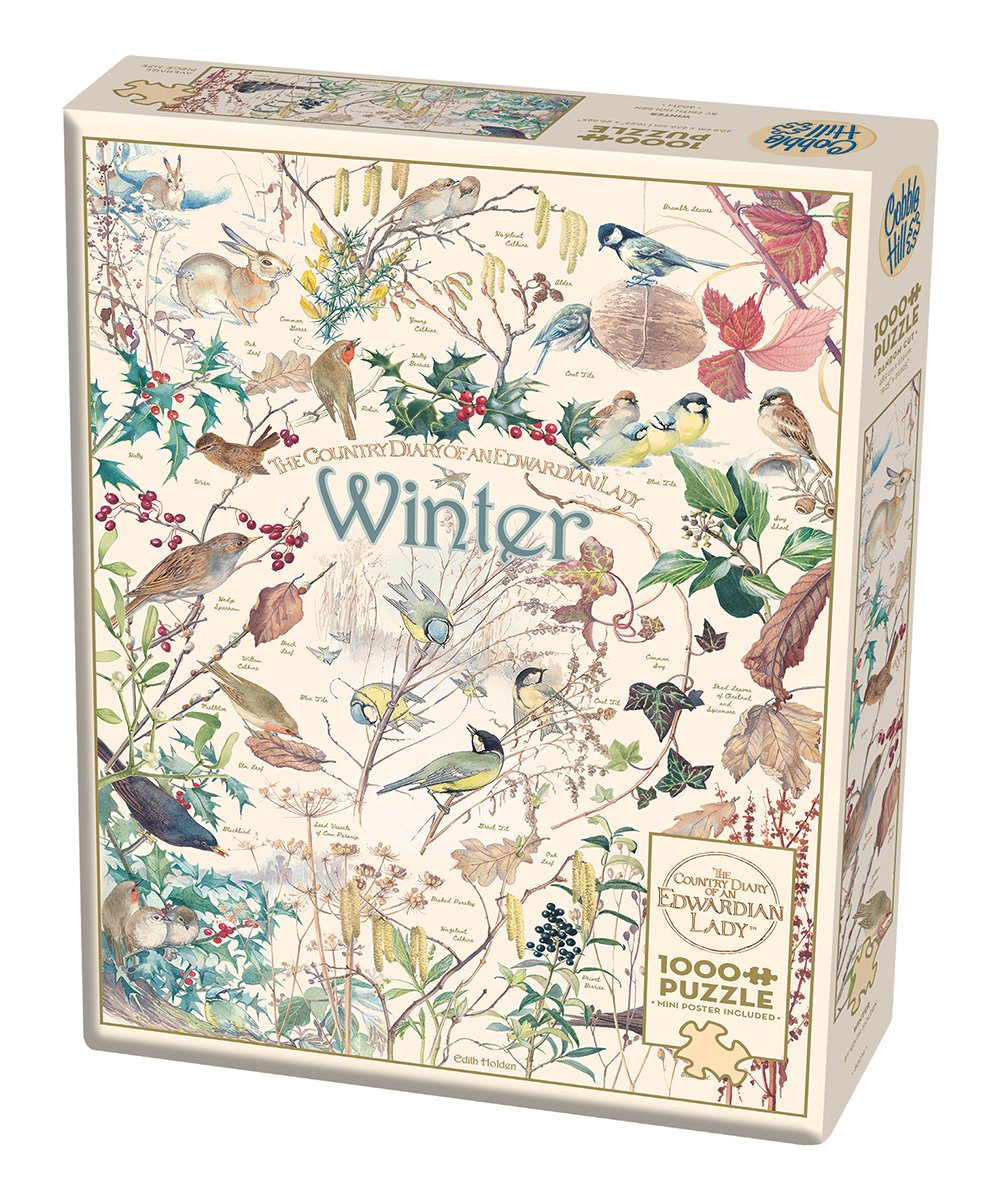
As for how I first became interested, I have to be honest and say it’s all about the jigsaw puzzles! I had never even heard of this book until I stumbled across a set of seasonal jigsaw puzzles inspired by Edith Holden… and even after I’d completed all four, I had no idea there was a book until a kind friend mentioned it to me.

This book would make a terrific gift for someone who loves beautiful books, nature, gardens, even historical diaries! Or maybe even a nice little treat for yourself.

Book Review: Stormsong (The Kingston Cycle, #2) by C. L. Polk

Title: Stormsong
Series: The Kingston Cycle, #2
Author: C. L. Polk
Publisher: Tor
Publication date: February 11, 2020
Length: 346 pages
Genre: Fantasy
Source: Purchased
Rating:

Rating: 3.5 out of 5.

After spinning an enthralling world in Witchmark, praised as a “can’t-miss debut” by Booklist, and as “thoroughly charming and deftly paced” by the New York Times, C. L. Polk continues the story in Stormsong. Magical cabals, otherworldly avengers, and impossible love affairs conspire to create a book that refuses to be put down.

Dame Grace Hensley helped her brother Miles undo the atrocity that stained her nation, but now she has to deal with the consequences. With the power out in the dead of winter and an uncontrollable sequence of winter storms on the horizon, Aeland faces disaster. Grace has the vision to guide her people to safety, but a hostile queen and a ring of rogue mages stand in the way of her plans. There’s revolution in the air, and any spark could light the powder. What’s worse, upstart photojournalist Avia Jessup draws ever closer to secrets that could topple the nation, and closer to Grace’s heart.

Can Aeland be saved without bloodshed? Or will Kingston die in flames, and Grace along with it?

Book two of the Kingston Cycle by C. L. Polk continues and builds upon the story begun in Witchmark. In Witchmark, we’re introduced to the world of Aeland, an early industrial-age country coming out of a brutal war with neighboring Laneer. Our point of view character is Dr. Miles Singer, a traumatized war veteran who himself treats suffering war veterans, all the while keeping his true identity — son of one of the most powerful families in Aeland — a tightly held secret.

In Aeland, the ruling families control the climate through magical rituals, maintaining the even, pleasant seasons year-round and enabling good harvests and a strong economy. By the end of Witchmark, certain truths have come to light, among them the fact that the aether powering Aeland (basically, electricity) is generated via a truly heinous conspiracy. Through the intervention of Miles, his lover, and his sister, the conspiracy is broken apart, but that’s resulted in the shutdown of aether power.

As we pick up in Stormsong, the country is facing a harsh winter without heat or power, and the food supply is threatened as well. Aeland is a country of haves and have-nots, and outside of the royalty and the inner circle of ruling families, almost eveyone is in the latter category.

In Stormsong, Miles’s sister Grace takes over as the point of view character. Dame Grace Hensley is a powerful mage and political leader, but she faces a growing circle of enemies and obstacles. The conspirators behind the aether atrocities are all imprisoned, but their influence is still widely felt. The remaining power players are jockeying for key positions, and Grace’s leadership may come apart at any moment if she can’t solidify her political alliances.

Stormsong is very much about enacting social change. Grace knows that certain horrible laws need to be overturned, but at the outset, she thinks the country needs to ease into it. Yes, the persecution of witches (as revealed in Witchmark) is a travesty, but she fears that the outrage that will erupt when this becomes widely known will have a devastating effect on the country. Slow and steady seems to be her initial approach — maybe stop the badness, but still keep it a secret?

Over time, though, a courageous journalist and other activists push the agenda forward and force Grace’s hand. It’s a complex set of considerations and actions — social justice issues, political power, and the stability of the reigning monarchy are all at play.

The author finds a way to blend the personal and the political here in Stormsong, showing us the stakes for the society as a whole as well as the personal risks to Grace and those she cares about. Grace as an individual is fascinating — a young professional woman who seeks to stay in power because she knows she can do good, but who’s also very much aware that her family’s privilege, built over many years of corruption, are what gave her access to power in the first place.

I would have liked to have seen Miles more in this book (I became very attached to him in book #1), but he does participate with Grace in key scenes, and it’s nice to see that he’s doing well and that his love life is thriving!

One of my complaints about Witchmark was about insufficiently clear world-building. I felt that there were too many concepts that were introduced but not well explained. Some aspects are clearer to me now after reading Stormsong, but I’d still like certain things spelled out even more — especially the Amaranthines, a race (?) or species (?) of people (?) who are feared by all, seem to have unfathomable magical powers, and who intervene in the conflicts between people when they seem fit. I’ve seen other bloggers and commenters interpret them as being this world’s equivalent of the Fae, which helps me make better sense of them, although I think they’re maybe also supposed to be some sort of celestial (?) beings, and their world is called Solace (?) but also has something to do with where souls of the dead go, so maybe some sort of heaven (?).

As you can see, I’m still somewhat confused!

I like the overarching story and the characters enough that I want to know what happens next, so I’ll be continuing onward to book #3, Soulstar. Here’s hoping it all comes together and that everything is crystal clear by the time I finish the trilogy!

Shelf Control #303: The Touch by Colleen McCullough

Shelves final

Welcome to Shelf Control — an original feature created and hosted by Bookshelf Fantasies.

Shelf Control is a weekly celebration of the unread books on our shelves. Pick a book you own but haven’t read, write a post about it (suggestions: include what it’s about, why you want to read it, and when you got it), and link up! For more info on what Shelf Control is all about, check out my introductory post, here.

Want to join in? Shelf Control posts go up every Wednesday. See the guidelines at the bottom of the post, and jump on board!

Title: The Touch
Author: Colleen McCullough
Published: 2003
Length: 624 pages

What it’s about (synopsis via Goodreads):

Not since “The Thorn Birds” has Colleen McCullough written a novel of such broad appeal about a family and the Australian experience as “The Touch.”At its center is Alexander Kinross, remembered as a young man in his native Scotland only as a shiftless boilermaker’s apprentice and a godless rebel. But when, years later, he writes from Australia to summon his bride, his Scottish relatives quickly realize that he has made a fortune in the gold fields and is now a man to be reckoned with.

Arriving in Sydney after a difficult voyage, the sixteen-year-old Elizabeth Drummond meets her husband-to-be and discovers to her dismay that he frightens and repels her. Offered no choice, she marries him and is whisked at once across a wild, uninhabited countryside to Alexander’s own town, named Kinross after himself. In the crags above it lies the world’s richest gold mine.

Isolated in Alexander’s great house, with no company save Chinese servants, Elizabeth finds that the intimacies of marriage do not prompt her husband to enlighten her about his past life — or even his present one. She has no idea that he still has a mistress, the sensual, tough, outspoken Ruby Costevan, whom Alexander has established in his town, nor that he has also made Ruby a partner in his company, rapidly expanding its interests far beyond gold. Ruby has a son, Lee, whose father is the head of the beleaguered Chinese community; the boy becomes dear to Alexander, who fosters his education as a gentleman.

Captured by the very different natures of Elizabeth and Ruby, Alexander resolves to have both of them. Why should he not? He has the fabled “Midas Touch” — a combination of curiosity, boldness and intelligence that he applies to every situation, and which fails him only when it comes to these two women.

Although Ruby loves Alexander desperately, Elizabeth does not. Elizabeth bears him two daughters: the brilliant Nell, so much like her father; and the beautiful, haunting Anna, who is to present her father with a torment out of which for once he cannot buy his way. Thwarted in his desire for a son, Alexander turns to Ruby’s boy as a possible heir to his empire, unaware that by keeping Lee with him, he is courting disaster.

The stories of the lives of Alexander, Elizabeth and Ruby are intermingled with those of a rich cast of characters, and, after many twists and turns, come to a stunning and shocking climax. Like “The Thorn Birds,” Colleen McCullough’s new novel is at once a love story and a family saga, replete with tragedy, pathos, history and passion. As few other novelists can, she conveys a sense of place: the desperate need of her characters, men and women, rootless in a strange land, to create new beginnings.

How and when I got it:

I’ve had a battered paperback on my shelf for years — I don’t remember specifically buying this book, but I’m guessing it came from a library sale at some point in the last 10 years.

Why I want to read it:

I’m sure I picked this book up solely based on the fact that it’s by Colleen McCullough. I will never forget the experience of reading The Thorn Birds for the first time! Since then, I’ve only read one other book by her, but once again, I was impressed by her ability to bring Australia to life on the page and to create such dynamic characters and epic plots.

In terms of The Touch, it sounds grand and sweeping and tragic — just how I like my historical fiction! I’m glad I just stumbled across my copy while reorganizing my shelves. It was a good reminder that (a) I own this book and (b) I do intend to read it!

The only other book I’ve read by Colleen McCullough is Morgan’s Run (published in 2000), but I’d welcome other recommendations!

And as for The Touch

What do you think? Would you read this book?

Please share your thoughts!


__________________________________

Want to participate in Shelf Control? Here’s how:

  • Write a blog post about a book that you own that you haven’t read yet.
  • Add your link in the comments or link back from your own post, so I can add you to the participant list.
  • Check out other posts, and…

Have fun!