Welcome to Shelf Control — an original feature created and hosted by Bookshelf Fantasies.
Shelf Control is a weekly celebration of the unread books on our shelves. Pick a book you own but haven’t read, write a post about it (suggestions: include what it’s about, why you want to read it, and when you got it), and link up! For more info on what Shelf Control is all about, check out my introductory post, here.
Want to join in? Shelf Control posts go up every Wednesday. See the guidelines at the bottom of the post, and jump on board!
Title: We Ride Upon Sticks Author: Quan Barry Published: 2020 Length: 360 pages
What it’s about (synopsis via Goodreads):
In the town of Danvers, Massachusetts, home of the original 1692 witch trials, the 1989 Danvers Falcons will do anything to make it to the state finals–even if it means tapping into some devilishly dark powers. Against a background of irresistible 1980s iconography, Quan Barry expertly weaves together the individual and collective progress of this enchanted team as they storm their way through an unforgettable season.
Helmed by good-girl captain Abby Putnam (a descendant of the infamous Salem accuser Ann Putnam) and her co-captain Jen Fiorenza (whose bleached blond “Claw” sees and knows all), the Falcons prove to be wily, original, and bold, flaunting society’s stale notions of femininity. Through the crucible of team sport and, more importantly, friendship, this comic tour de female force chronicles Barry’s glorious cast of characters as they charge past every obstacle on the path to finding their glorious true selves.
How and when I got it:
I picked up a used paperback at a thrift shop about a year ago.
Why I want to read it:
I had almost forgotten that I own this book, until I was rearranging some books and found this one tucked behind a couple of others on the shelf. What great timing! This just seems perfect for the witchy month of October.
I’m always up for a good witch story, and I like the sound of the Salem descendants invoking ancient powers to win their championship. Between the 1980s timeframe and the emphasis on friendship, this sounds like it could be a really engaging read… and I’m glad I unearthed it this week, right in time for Halloween.
Top Ten Tuesday is a meme hosted by That Artsy Reader Girl, featuring a different top 10 theme each week. This week’s topic is Books I Read On Vacation. Picking books to take with me when I travel is one of my most important tasks! I think I spend more time planning my vacation reading than what clothes to pack.
In any case…
I always read when I travel, and usually, I associate the books I’ve read with the places I read them. So, here’s a look at ten favorites:
1) Outlander by Diana Gabaldon: What’s a top 10 list without an Outlander mention? I first read Outlander about12 years ago or so, on a family trip to Yosemite. I distinctly remember sitting on a big rock out behind our cabin, looking out at the gorgeous morning, while drinking coffee and opening my paperback to chapter one.
2) The Shining by Stephen King: The cover above is the edition (very old, falling apart paperback) I had with me on a trip to Alaska about 10 years ago. (Sadly, the entire book had come loose from the binding by the time I was done, and it was not salvageable — but I did make it through the entire book before it fell to pieces). And as an added note… I’ve brought Stephen King books with me on so many vacations! There’s something really delicious about reading a terrifying book while sitting in bright sunshine on a beach chair.
3) Dial A For Aunties by Jesse Q. Sutanto: So silly, such a perfect choice for a vacation read! I just read it last month while visiting my daughter in Colorado.
4) My Mother She Killed Me, My Father He Ate Me edited by Kate Bernheimer: I read this collection of retold fairy tales while on a beach vacation — I needed a paperback I could get sandy and damp, since otherwise I’d only brought my Kindle with me.
5) Anne of Green Gables by L. M. Montgomery: Such a delight! I read this book while visiting family to attend a funeral, so not exactly a vacation, but it was a great choice for quieter moments when I needed a little joy and lightness to break up the mood.
6) Sourdough by Robin Sloan: Such a weird book, but it was a great travel read! I bought this on a whim at an airport bookshop (and as a rule, I never buy books at the airport). I read it on the plane and finished it within my first day in New York.
7) The Agony and the Ecstasy by Irving Stone: This was actually a pre-vacation read, but I associate it so strongly with travel that I’m including it anyway! Back in college during my junior year abroad, I took a trip to Italy with a group of friends during our spring break. We all decided to read this biographical novel about Michelangelo in preparation for our trip, and it added so much to our experiences!
8 & 9) Retellings! These are just two examples from the past couple of years, but there’s nothing like a good retelling of a favorite classic (in these cases, Pride and Prejudice and Romeo and Juliet) for a great diversion on vacation.
10) Book Lovers by Emily Henry: I’ve brought Emily Henry books with me on several vacations, and this is the most recent! I had Book Lovers with me for a road trip this year — like in all her books, there’s a sweetness balanced by emotion and humor that make for great vacation reading.
My Monday tradition, including a look back and a look ahead — what I read last week, what new books came my way, and what books are keeping me busy right now. Plus a smattering of other stuff too.
Life.
This past week I was pretty busy trying to catch up at work after a week off, which mostly went okay. But it’s always the case that the peace and serenity of a vacation are quickly erased by the stress of catching up afterward… there’s got to be a better way!
I got my newest booster and flu shots on Thursday, and as usual, spent a day feeling woozy and beat up afterward — but, the symptoms did pass after about 48 hours, and in the end it’s worth it!
What did I read during the last week?
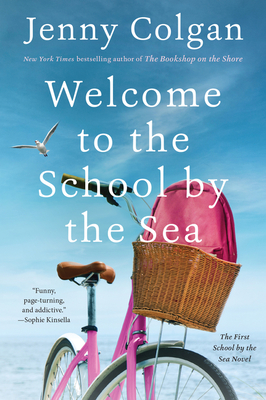
Welcome to the School by the Sea by Jenny Colgan: All the joy and sweetness I’ve come to expect from Jenny Colgan books! My review is here.
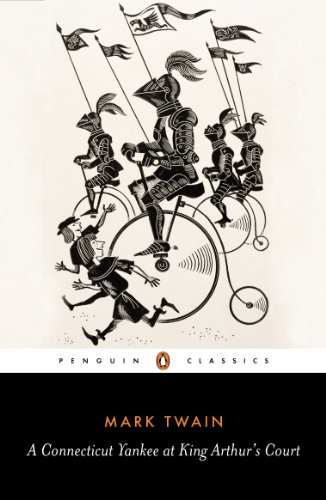
A Connecticut Yankee in King Arthur’s Court by Mark Twain: I finished my Classics Club Spin book ahead of schedule (and really enjoyed it). My review is here.
I Will Judge You By Your Bookshelf by Grant Snider: I borrowed this graphic novel from the library, and liked it… but I’m also glad I didn’t decide to buy it. 3 stars. Some of the pages about readers and their books were really clever and fun, but there was a lot of content that I didn’t connect with.
Saga, volume 10 by Brian K. Vaughan and Fiona Staples: After a 3-year hiatus, Saga is back! Volume 9 ended on a heart-breaking note, but beyond that ending, I was nervous that I wouldn’t remember enough of the story so far. Fortunately, I found this great resource to recap it all, and was able to dive right in! Volume 10 is fast, surprising, and still made me sad, and now that I’ve read it, I’m dying for more!
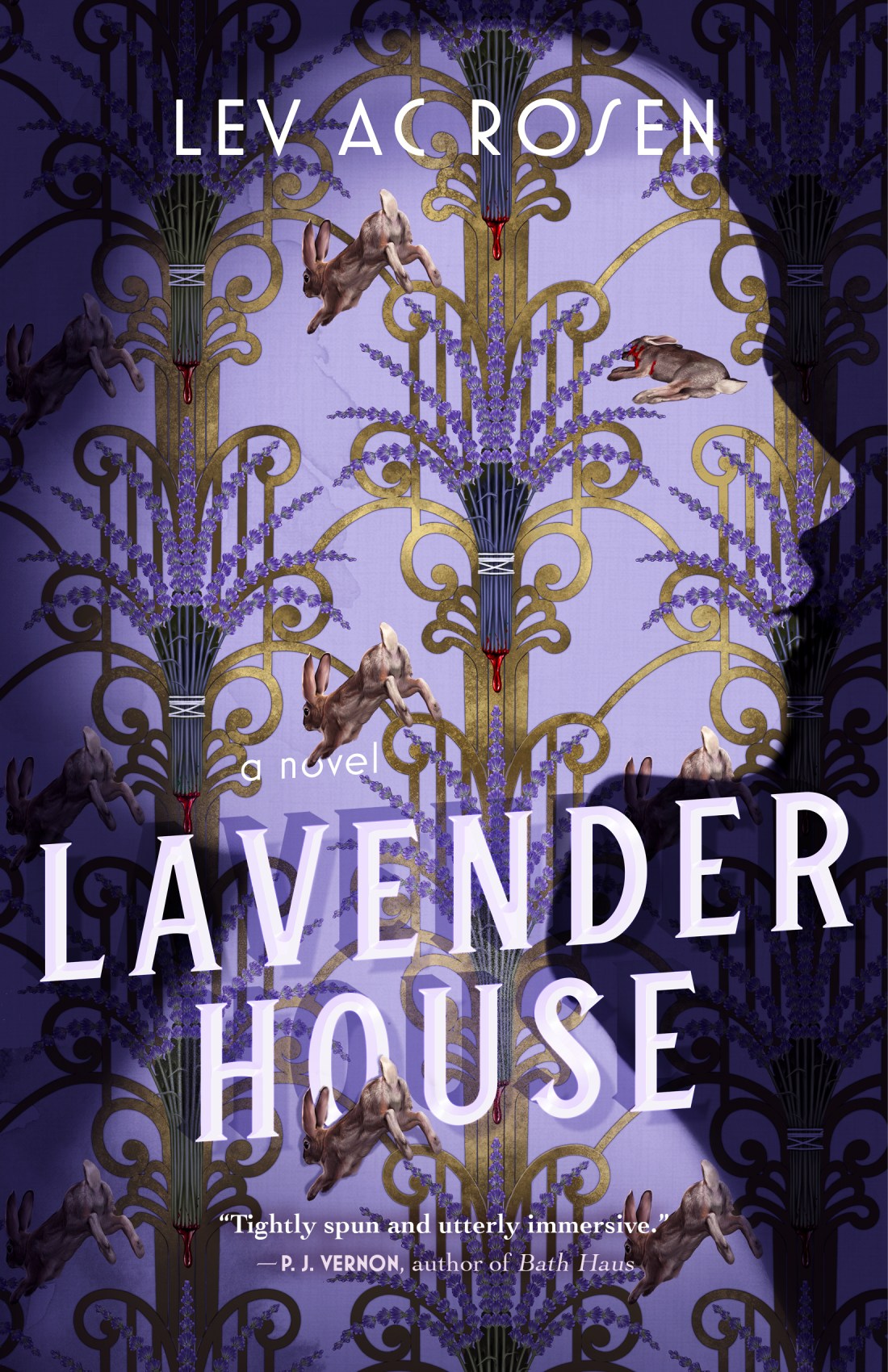
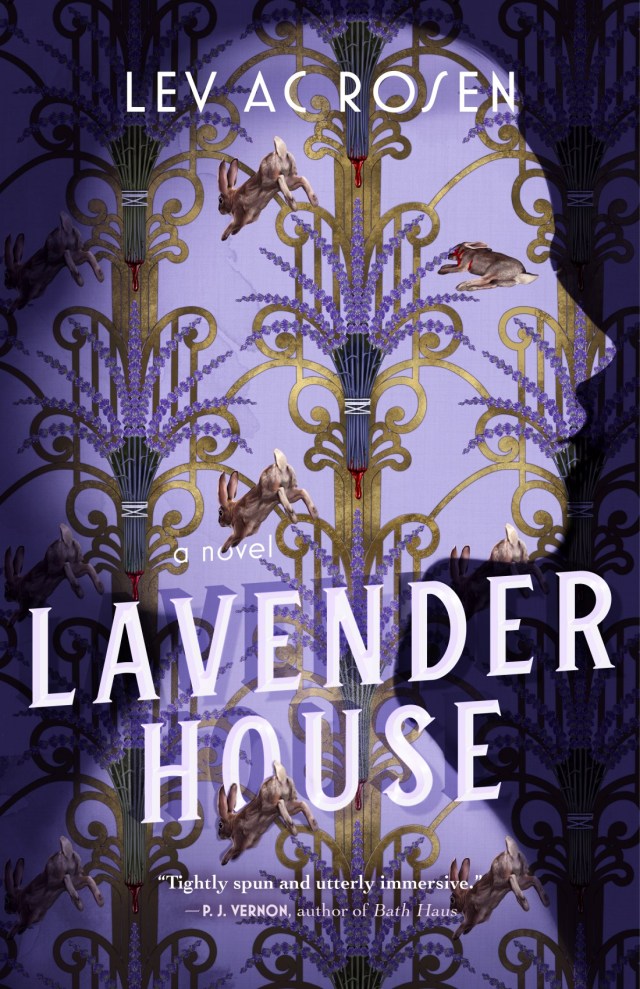
Lavender House by Lev AC Rosen: Loved it! A fast-paced 5-star read. My review is here.
Unfortunately, I ended up with a DNF this week:
Station Eternity by Mur Lafferty: I’m so disappointed! I’ve read and really enjoyed three other books by this author, but I finally quit Station Eternity at 42%, after forcing myself to stick with it that far. The plotlines are muddled, combining the story of a young woman who’s a murder-magnet (think Jessica Fletcher in Murder, She Wrote) with a First Contact story. It just did not work for me, despite all the elements that should have been right in my wheelhouse.
Pop culture & TV:
This has been a big catch-up week for my ongoing TV viewing, plus I tried a couple of new shows too. Reboot on Hulu is fun so far, and basically, I’m always up for watching Rachel Bloom.
I also watched the first episode of Interview with the Vampire (or as it’s officially called, Anne Rice’s Interview with the Vampire). Wow. I’m not sure whether I think it’s gorgeous or over-the-top cheesy or some combination of the two, but in any case, I’m interested enough to keep watching. The book was an absolute fave back in the day, so I have to at least give the show a fair try! (And maybe think about rereading the book to see if it holds up after all this time.)
Fresh Catch:
New books this week!
I received two ARCs from Orbit — so excited for both!! — plus I picked up a copy of a used book that I’ve been meaning to read for some time now. And of course, this one arrive too, two days after release date, and I’ve already devoured it:
What will I be reading during the coming week?
Currently in my hands:
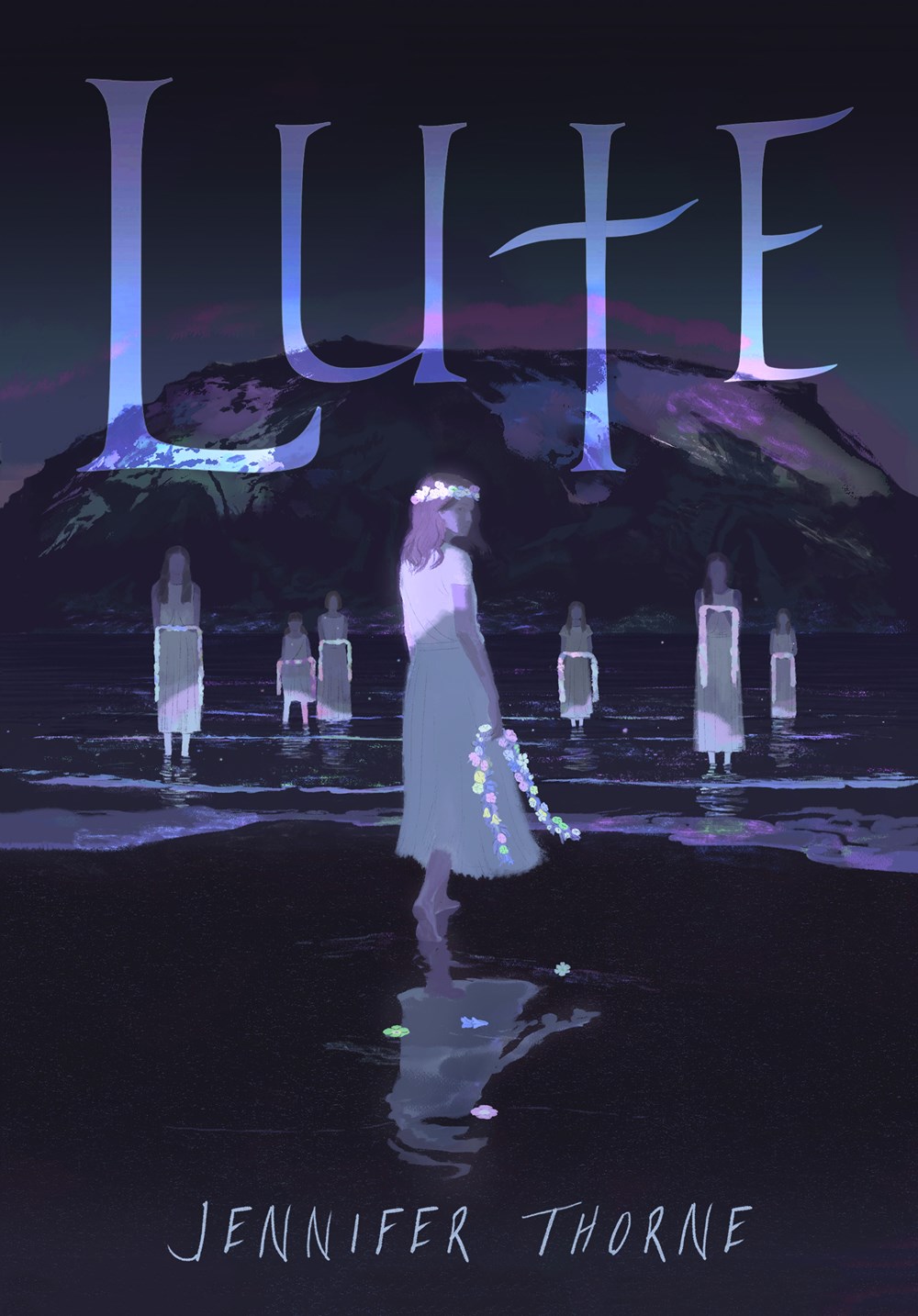
Lute by Jennifer Thorne: Isn’t that a great cover? I’m just getting started, and I’m excited to see what it’s all about.
Now playing via audiobook:
I’m Glad My Mom Died by Jennette McCurdy: We spent a LOT of time watching iCarly in my household when my kids were younger, and Jennette McCurdy’s character Sam was a favorite… so I just knew I had to check out her newly published memoir. What a title! I’m only about 30% in so far, and it’s a very good (but disturbing) listen — and I love that the author narrates the audiobook.
Ongoing reads:
My longer-term reading commitments:
My on-going reads are feeling like a LOT right now. As of this week, I have all of these in the works… plus whatever my current book and audiobook happen to be.
Go Tell the Bees That I Am Gone by Diana Gabaldon: Over at Outlander Book Club, we’re doing a group read of BEES, reading and discussing two chapters per week. We’ve made it about halfway so far!
Geektastic: Stories from the Nerd Herd edited by Holly Black and Cecil Castellucci: I got back to this book during the past week and made it through a couple more stories, including a new favorite called “The Wrath of Dawn”. (Hint: A must-read for Buffy fans!) There are a few stories I can’t particularly relate to, but overall, it’s a fun collection.
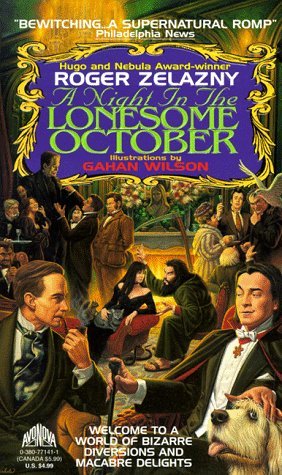
A Night in the Lonesome October by Roger Zelazny: I read this last year for the first time, and I’m joining the many fans who make reading this book an annual tradition each October. I bought my daughter a copy for this October, and I need to check in to see if she’s sticking with it.
Persuasion by Jane Austen: My book group’s current classic read. I’ve read this several times already, but I’m always up for another go! We’re reading and discussing two chapters per week, so this will be on my ongoing reading pile for the next few months.
Title: Lavender House Author: Lev AC Rosen Publisher: Forge Books Publication date: October 18, 2022 Length: 288 pages Genre: Historical fiction/mystery Source: Review copy courtesy of the publisher via NetGalley Rating:
⭐⭐⭐⭐⭐
Rating: 5 out of 5.
A delicious story from a new voice in suspense, Lev AC Rosen’s Lavender House is Knives Out with a queer historical twist.
Lavender House, 1952: the family seat of recently deceased matriarch Irene Lamontaine, head of the famous Lamontaine soap empire. Irene’s recipes for her signature scents are a well guarded secret—but it’s not the only one behind these gates. This estate offers a unique freedom, where none of the residents or staff hide who they are. But to keep their secret, they’ve needed to keep others out. And now they’re worried they’re keeping a murderer in.
Irene’s widow hires Evander Mills to uncover the truth behind her mysterious death. Andy, recently fired from the San Francisco police after being caught in a raid on a gay bar, is happy to accept—his calendar is wide open. And his secret is the kind of secret the Lamontaines understand.
Andy had never imagined a world like Lavender House. He’s seduced by the safety and freedom found behind its gates, where a queer family lives honestly and openly. But that honesty doesn’t extend to everything, and he quickly finds himself a pawn in a family game of old money, subterfuge, and jealousy—and Irene’s death is only the beginning.
When your existence is a crime, everything you do is criminal, and the gates of Lavender House can’t lock out the real world forever. Running a soap empire can be a dirty business.
Lavender House opens with a desperate man in a bar having one last drink while contemplating suicide — before a broad in bright colors walks in.
She has a deep, sharp voice, and it cuts through the fog of drunkenness in my mind. She’s right out of a movie — she could ask me to kill her husband any second now.
In this noir-tinged murder mystery set in 1950s San Francisco, there’s no place to hide if you’re queer, and that’s especially true if you’re a cop. Our main character, Andy Mills, has just been fired from the SFPD after being caught in the act during a police sweep of gay bars. Broken, beaten, and with no hope, he’s having one last drink while considering throwing himself into the Bay, when Pearl walks into the bar.
Pearl is a classy older woman with an aura of money, and as Andy listens to her pitch, he learns something truly shocking: Pearl refers to her long-time companion Irene as her “wife”. How can two women possibly live a domestic, committed life together without persecution? Soon, Andy learns much more: Irene is the head of the Lamontaine family, who own a fabulously successful soap company known for its lush floral scents and secret formulations. With the Lamontaine money, Irene and Pearl are able to live a rich, free life within their secluded, gated estate in Marin, along with their son Henry, Henry’s partner Cliff (who poses publicly as Henry’s secretary), Henry’s wife Margo (again, a public-facing role), and Margo’s lover Elsie, who runs one of the most successful queer clubs in San Francisco, sheltered by generous payoffs to the police.
Henry turns and kisses him on the forehead. And everyone acts like it’s the most natural thing in the world. No one even seems to notice it happen. I’ve seen affection like that in the clubs before, sure. But here, in morning light, at a breakfast table, it’s like they’re so bright it makes my eyes hurt.
The Lamontaine’s idyllic life is devastated, however, by the event that’s brought Pearl to Andy: Irene is dead, and Pearl suspects murder. While the rest of the household believe the death was an unfortunate accident, Pearl thinks there’s something more sinister at play, and she invites Andy back to the mansion to investigate. As he takes up residence in a guest room and gets to know the family, Andy uncovers many secrets, but also sees both the freedoms and limitations of the family’s isolated lives, and considers whether he might ever find a way to live a freer, truer life himself.
There’s so much to love about Lavender House! First, the murder mystery itself is well developed, with an intriguing set-up, plenty of clues and red herrings, and a cast of characters who all seem like good people, until we’re forced to see other sides of them and wonder what lies beneath the friendly surfaces. This is a manor house mystery — an isolated, grand house, with each resident a suspect, and a detective in their midst, who may end up in grave danger himself. It’s quite deliciously built, as we get to know and like the various characters — but like Andy, we need to also look beyond the smiles and sympathetic conversations and to hold ourselves at a bit of a distance while we assess which of these people is a murderer.
Beyond the mystery itself, there’s also the historical setting and the depiction of gay life in the 1950s. The era shines through via the author’s descriptions of the bars and alleys and criminal life, as well as the music, clothing, and cars. But it’s the narration of Andy’s inner turmoil, the constant threat of discovery and the very real danger of beatings and abuse that give this book such a gritty, sad, realistic feel.
Even amidst the seemingly open life of the Lamontaine house, Andy is constantly aware of the redwood trees that line the drives, looking like prison bars, and the heavy gates that must be kept locked to keep the world out — and by extension, to keep the family locked within their private haven, unable to leave without putting on masks to shield them from the world.
As long as the world out there stays the same, a paradise like this keeps you in as much as it keeps you safe.
There’s so much sorrow in Andy’s experiences of living a secret life, his attempts to keep himself safe and his shame at not having done more to help others like him, his knowledge that the camaraderie he once experienced on the police force was erased in an instant the moment his true self was exposed, and the physical danger he faces simply by being spotted by someone who might recognize him. Through Andy’s investigation, we also learn more about the backgrounds of the various other inhabitants of Lavender House, and it’s a sad litany of secrets, shame, family disgrace, and abuse.
The murder is, of course, tied up neatly by the end of the book, and I thought the resolution was quite clever and not at all obvious. Andy’s life seems on the verge of a new beginning, and it’s wonderful to be able to leave him with a sense of hope. Life in the 1950s hasn’t magically changed, but he at least has options and a vision for how his life might be better. It felt as though the ending might be leaving the door open for additional mysteries starring Andy, and that would be amazing! Here’s hoping this is just the first in a continuing series.
I’m not at all surprised that I ended up loving this book. The author, Lev AC Rosen, has written some fabulous books already, including two gems that I think deserved much more attention than they got (All Men of Genius and Depth — go look them up and check them out!!). I haven’t read his YA novels yet, but they’re on my TBR list. In any case, Lavender House seems to be generating lots of buzz and is getting a big, splashy release, so I hope this is the book that will finally provide this talented author with a much bigger audience.
Lavender House is a fast-paced, intriguing mystery with a deep inner core of emotional impact and sensitivity, and I loved the sharp way the characters’ experiences enhanced the murder genre aspects of the story. This is a terrific new release for October — don’t miss it!
Title: Welcome to the School by the Sea Series: Maggie Adair / Little School by the Sea Author: Jenny Colgan Narrator: Jilly Bond Publisher: Avon Publication date: January 1, 2008 (reissued March 29, 2022) Print length: 304 pages Audio length: 7 hours, 54 minutes Genre: Contemporary fiction Source: Library (audiobook) Rating:
⭐⭐⭐⭐
Rating: 4 out of 5.
The first book of Jenny Colgan’s delightful new four-part series, set at a charming English boarding school on the sea.
Maggie went to the window and opened it wide, inhaling the lovely salt air off the sea. Why had she never lived by the sea before? Why had she always looked out on housing estates and not the little white hulls of trawlers bobbing off in the distance?
It’s gloriously sunny in Cornwall as the school year starts at the little boarding school by the sea. Maggie, the newest teacher at Downey House, is determined to make her mark. She’s delighted by her new teaching job, but will it come at the expense of her relationship with her safe, dependable boyfriend Stan?
Simone is excited and nervous: she’s won a scholarship to the prestigious boarding school and wants to make her parents proud. Forced to share a room with the glossy, posh girls of Downey House, she needs to find a friend, fast.
Flissis furious. She’s never wanted to go to boarding school and hates being sent away from her home. As Simone tries desperately to fit in, Fliss tries desperately to get out.
Over the course of one year, friendships will bloom and lives will be changed forever. Life at the Little School by the Sea is never dull…
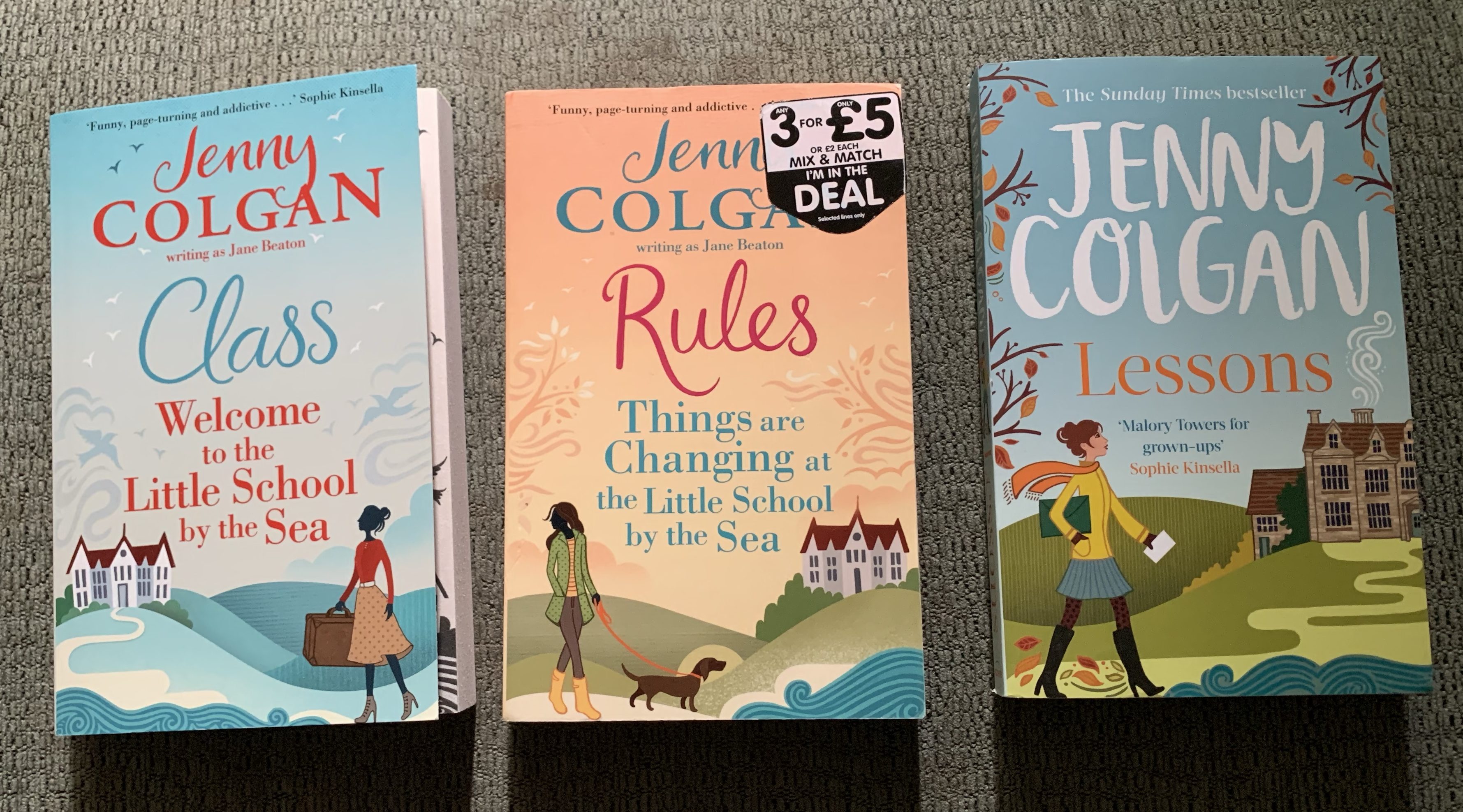
Jenny Colgan books are always a treat, and this one was an especially nice surprise! Originally published under the pseudonym Jane Beaton starting in 2008, the three books in this series were hard to find in the US, and I finally landed copies of the UK editions (titled Class, Rules, and Lessons) by ordering via EBay.
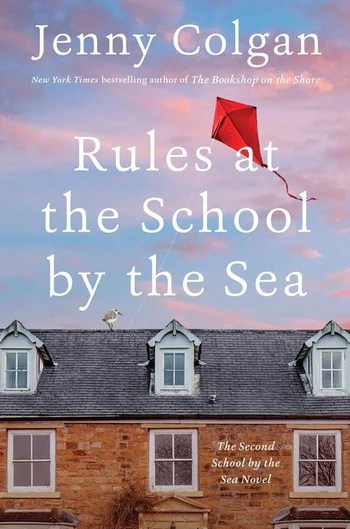
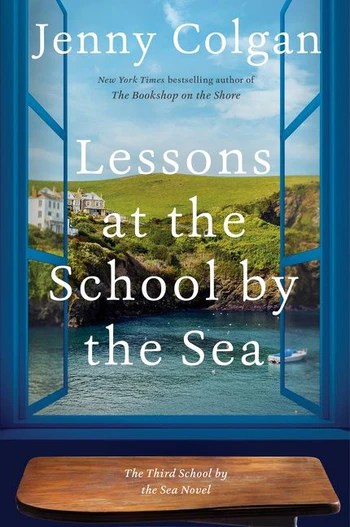
The series is now being reissued by Avon, with books 1 and 2 available, and #3 coming in early 2023. Although I’ve had my paperbacks for several years, seeing the new editions made me realize that it was finally time to give this series a try!
The books are set at an English boarding school, Downey House, located in a beautiful old manor house on the shores of Cornwall. While there are several point-of-view characters, our lead character is Maggie Adair, a young teacher from Glasgow who applies to Downey House on a whim. Maggie cares deeply about education and providing opportunities for youth, but she’s frustrated by her early years of teaching in an underfunded school where the headmaster doesn’t even bother learning new teachers’ names, since he’s sure they won’t last. Maggie spends her days on discipline and making sure her students are safe and have food, rather than being able to actually teach her beloved literature.
The job offer at Downey is a surprise to Maggie, as well as to her long-term boyfriend Stan, a good-natured guy who just wants life to continue as it’s been, with pub quizzes and a non-changing status quo. But Maggie sees Downey as an opportunity to truly stretch herself and grow as a teacher, and hopes to one day bring what she’s learned there back to Glasgow and its lackluster schools.
Downey House is run by the stern but impressive headmistress Veronica Deveral, who has secrets of her own. It’s an all-girls school, with a partner boys’ school just down the road. Students enter at age 13 and continue on for six years. Most are from hyper-privileged families, with money (oodles of it), fancy homes and vacations, and the clear impression that the world is theirs. Not all, though — there are the occasional scholarship students, and one of these is Simone (originally with the last name Kardashian, but changed for the new editions to Pribetich).
Simone is from a working-class Armenian-British family, a brilliant girl who’s shy and insecure after years of bullying in her local school. Downey is a chance for her to shine, but even there, she’s ostracized by her classmates from day one because of her looks, her background, and her embarassing family.
Then there’s Fliss, the younger daughter of a very popular older student (she’s a prefect!), who absolutely doesn’t want to leave her friends back home and go to a stupid posh school. Fliss is determined to get kicked out, so she breaks rules, has a nasty attitude, and teams up with one of the worst girls there to cause trouble and act up.
Maggie has a hard time fitting in at first, and the girls are obnoxious as hell about her Scottish accent. Still, she’s clearly a gifted teacher, if a bit headstrong, and begins to make a difference, and she finds a friend in the glamorous French teacher (who smokes contraband cigarettes out the window) and the dashing English teacher from the boys’ school.
Jenny Colgan writes in her author’s note that she grew up loving boarding school books, but not being able to find any for grown-ups, she decided to write some! Reading this book, it occurs to me that everything I know about English boarding schools basically comes from Harry Potter! I mean, prior to HP, I’d never heard of school houses or prefects or any of the other terms and concepts of this type of school — but reading Welcome to the School by the Sea, I had fun seeing how pieces I assumed were Hogwarts-specific are actually just elements of a boarding school (sans magic).
At Downey, the girls are divided into four houses (Wessex, Plantagenet, York, and Tudor), and live in house dorms with their classmates. There are school uniforms, mandatory sports sessions, classes and exams, and annoying teachers to gossip about. There are also pranks, holidays, performances, and competitions, as you’d expect in this kind of story.
I really enjoyed the interplay between the characters, and appreciated that the characters we spend the most time with (Maggie, Veronica, Fliss, and Simone) are each given well-developed backstories and their own sets of challenges and adventures.
Maggie’s romantic life quickly develops into a love triangle. Stan is not supportive of her new position and gives her a very hard time about it for most of the book. He’s a lovable doofus, and Maggie has been with him since they were teens — but clearly, he’s not the right guy for her. Underneath his mocking and lack of support, he does truly care for Maggie, but even though they stay together, we know this won’t last. Meanwhile, David from the boys’ school is surprising, fun, and very much in tune with Maggie in terms of dedication to education, and they seem to work. The triangle is left hanging by the end of the book, but it seems pretty obvious that the Maggie/David pairing is end-game for this series.
A few bits seem dated, or perhaps don’t quite fit with current sensitivities. For me, the most annoying was the emphasis on Simone’s weight. When she arrives at Downey, she’s quite heavy. It’s clear that she’s been overindulged with sweets by her doting mother, and due to the bullying she grew up with, has found refuge in food and has always tried to avoid further ridicule by shying away from physical activity. That’s all fine, as far as backstory goes, but she continues to be referred to as chubby or fat throughout the book, and after a while, it starts to feel like too much. The fact is, at Downey, she discovers that she’s a gifted field hockey goalie and starts to eat a healthier diet away from her mother’s influence, so whether or not she’s still plus-sized, she’s definitely getting healthy, and that should be applauded.
Other than that, there’s some mean girl business that’s a bit too obvious, but I was happy to see unexpected friendships formed by the end of the first year, and assume we’ll see these characters and their relationships continue to grow in the next books.
The audiobook is quite fun to listen to (although the audiobook uses Simone’s original last name, so it’s a little inconsistent when compared to print editions). At the start, I found the audiobook hard to follow, as we’re introduced to so many characters right away, each with their own POV sections. After a while, it becomes clearer, and I appreciated the narrator’s ability to give the various characters their own distinct voices.
Overall, this is a fun, engaging listen, and I can’t wait for more! Book #2 (Rules at the School by the Sea) is now available, so I’m already in the queue for it at the library, and I hope to listen to the 3rd as soon as it’s released. As for additional books, the synopsis (above) refers to this as a four-book series, although in the author’s notes, she mentions intending to write six books… but as of this moment, I don’t see anything specific online about books beyond the current three.
If you’ve visited my blog over the past few years, you may have noticed that I’m a Jenny Colgan fan. It’s true!! Her books are sweet, good-humored, and full of engaging, funny characters, and she excels at building a fictional community around key lovable, memorable characters. I can’t get enough, and I’m always excited for her new releases. Bring on Rules… and keep ’em coming!
Title: A Connecticut Yankee in King Arthur’s Court Author: Mark Twain Publication date: 1889 Rating:
⭐⭐⭐⭐⭐
Rating: 4.5 out of 5.
Synopsis (Goodreads):
One of the greatest satires in American literature, Mark Twain’s ‘A Connecticut Yankee in King Arthur’s Court’ begins when Hank Morgan, a skilled mechanic in a nineteenth-century New England arms factory, is struck on the head during a quarrel and awakens to find himself among the knights and magicians of King Arthur’s Camelot. The ‘Yankee’ vows brashly to “boss the whole country inside of three weeks” and embarks on an ambitious plan to modernize Camelot with 19th c. industrial inventions like electricity and gunfire. It isn’t long before all hell breaks loose!
Written in 1889, ‘A Connecticut Yankee in King Arthur’s Court’ is one of literature’s first genre mash-ups and one of the first works to feature time travel. It is one of the best known Twain stories, and also one of his most unique. Twain uses the work to launch a social commentary on contemporary society, a thinly veiled critique of the contemporary times despite the Old World setting.
While the dark pessimism that would fully blossom in Twain’s later works can be discerned in ‘A Connecticut Yankee in King Arthur’s Court, ‘ the novel will nevertheless be remembered primarily for its wild leaps of imagination, brilliant wit, and entertaining storytelling.
And from Wikipedia:
A Connecticut Yankee in King Arthur’s Court is an 1889 novel by American humorist and writer Mark Twain. The book was originally titled A Yankee in King Arthur’s Court. Some early editions are titled A Yankee at the Court of King Arthur.
In the book, a Yankee engineer from Connecticut named Hank Morgan receives a severe blow to the head and is somehow transported in time and space to England during the reign of King Arthur. After some initial confusion and his capture by one of Arthur’s knights, Hank realizes that he is actually in the past, and he uses his knowledge to make people believe that he is a powerful magician. He attempts to modernize the past in order to make people’s lives better, but in the end he is unable to prevent the death of Arthur and an interdict against him by the Catholic Church of the time, which grows fearful of his power.
Twain wrote the book as a burlesque of Romantic notions of chivalry after being inspired by a dream in which he was a knight himself, severely inconvenienced by the weight and cumbersome nature of his armor. It is a satire of feudalism and monarchy that also celebrates homespun ingenuity and democratic values while questioning the ideals of capitalism and outcomes of the Industrial Revolution. It is among several works by Twain and his contemporaries that mark the transition from the Gilded Age to the Progressive Era of socioeconomic discourse. It is often cited as a formative example of the time travel genre.
A Connecticut Yankee in King Arthur’s Court is my fall 2022 Classics Club Spin book, and once again, I’m delighted that the CCSpin has given me reason to finally read a classic that I might never have considered otherwise.
Way back in my middle school days, Tom Sawyer and Huck Finn were both required reading, and that was about it in terms of my experience with Mark Twain. Still, I’d been more or less familiar with the general plot of this book as well as The Prince and the Pauper, which have both been adapted and retold in countless formats over the years.
1889 frontispiece by Daniel Carter Beard, restored
In Connecticut Yankee, a “modern” man of the 1880s finds himself transported back in time to the world of King Arthur. Being a proud Yankee, our narrator isn’t content to just find a way to fit in and survive, but instead decides to bring 19th century civilization to life a full thirteen centuries early.
First, seeing the power that Merlin holds over King Arthur and his court, the narrator proclaims himself to be an even greater magician, and uses his 19th century scientific knowledge to create supposed miracles — for example, using dynamite and fireworks — to astound and frighten everyone there. Quickly, he is given the title of “the Boss”, second only to Arthur himself in power and authority.
From there, the Boss begins a plan to introduce modern technology to the kingdom, instituting factories, newspapers, electricity, schools, currency, and more. Determined to improve health and sanitation, he introduces soap, then has the knights roam the countryside carrying advertising shingles to promote it! Of course, obstacles arise, and the Boss finds himself challenged and inconvenienced many times throughout his adventures, but his knowledge of unknown mechanics, science, and communication techniques help him triumph, again and again.
The writing in Connecticut Yankee is sly, sardonic, and often outright funny. From the earliest chapters, I was charmed and entertained, as in this encounter with a young boy as the narrator enters the court at Camelot:
He arrived, looked me over with a smiling and impudent curiosity; said he had come for me, and informed me that he was a page.
“Go ‘long,” I said, “you ain’t more than a paragraph.”
Mark Twain satirizes and skewers concepts of class throughout the book, as the main character — while appreciative of Arthur himself — is determined to do away with nobility, chivalry, and all the inherent injustices of a societal order that holds some people to be better than others.
Intellectual ‘work’ is misnamed; it is a pleasure, a dissipation, and is its own highest reward. The poorest paid architect, engineer, general, author, sculptor, painter, lecturer, advocate, legislator, actor, preacher, singer, is constructively in heaven when he is at work; and as for the magician with the fiddle-bow in his hand, who sits in the midst of a great orchestra with the ebbing and flowing tides of divine sound washing over him – why, certainly he is at work, if you wish to call it that, but lord, it’s a sarcasm just the same. The law of work does seem utterly unfair – but there it is, and nothing can change it: the higher the pay in enjoyment the worker gets out of it, the higher shall be his pay in cash also.
The application of justice, as portrayed in this book, is particularly brutal, and there’s one especially heartbreaking scene of a young desperate mother’s punishment that’s truly haunting.
Still, even during scenes of great violence or inhumanity, Twain’s humor shines through. Even the more serious situations are lightened by his skill with words, and I couldn’t help laughing at so many of the small little lines and comments that are thrown in throughout the story.
His head was an hour-glass; it could stow an idea, but it had to do it a grain at a time, not the whole idea at once.
A Connecticut Yankee in King Arthur’s Court is an early example of a time-travel novel, and while the genre has certainly changed over the years, it’s a fun look at the concept. Mark Twain does it well, showing both the influence of the 19th century on Arthurian times and offering a solid set of circumstances to explain why history continue on as expected.
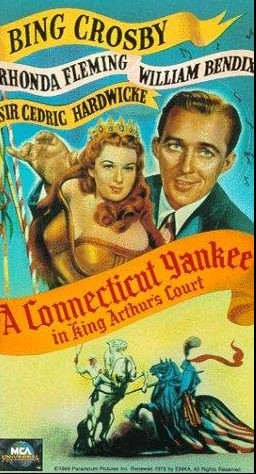
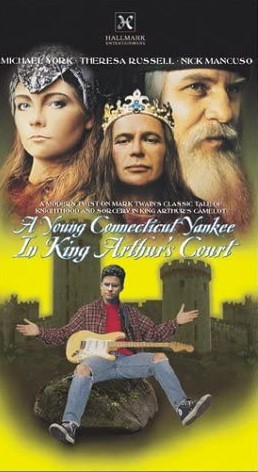
There have been many, many movie and TV adaptations of this story over the years, including a musical version from 1949 starring Bing Crosby, a 1989 TV movie starring Keshia Knight-Pulliam, and a really strange-looking 1995 movie called A Young Connecticut Yankee in King Arthur’s Court, starring Michael York as Merlin and featuring a guitar-playing teen in the lead role.
I’d decided to read Connecticut Yankee via the Serial Reader app — which I did — but instead of sticking to just one 10-minute installment per day, I got caught up in the story and finished well ahead of the October 30th deadline. I expected to be interested in the story, but I didn’t realize just how entertaining it would turn out to be.
I’m really glad to have read A Connecticut Yankee in King Arthur’s Court. I’m not sure that I’d pick up more Mark Twain immediately, but I think at some point, I’ll want to read more of his works, perhaps venturing into some of his non-fiction writing.
Are you a Mark Twain fan? Which of his books would you recommend?
Once again, I’m so happy that I decided to participate in the Classics Club Spin! Looking forward to the next one!
Welcome to Shelf Control — an original feature created and hosted by Bookshelf Fantasies.
Shelf Control is a weekly celebration of the unread books on our shelves. Pick a book you own but haven’t read, write a post about it (suggestions: include what it’s about, why you want to read it, and when you got it), and link up! For more info on what Shelf Control is all about, check out my introductory post, here.
Want to join in? Shelf Control posts go up every Wednesday. See the guidelines at the bottom of the post, and jump on board!
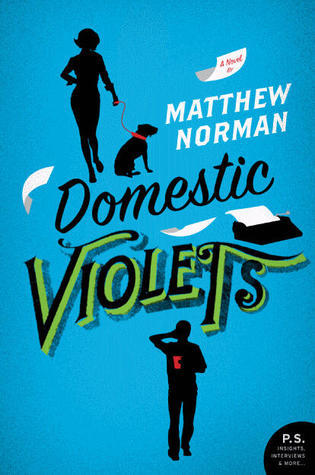
Title: Domestic Violets Author: Matthew Norman Published: 2011 Length: 329 pages
What it’s about (synopsis via Goodreads):
Tom Violet always thought that by the time he turned thirty-five, he’d have everything going for him. Fame. Fortune. A beautiful wife. A satisfying career as a successful novelist. A happy dog to greet him at the end of the day.
The reality, though, is far different. He’s got a wife, but their problems are bigger than he can even imagine. And he’s written a novel, but the manuscript he’s slaved over for years is currently hidden in his desk drawer while his father, an actual famous writer, just won the Pulitzer Prize for Fiction. His career, such that it is, involves mind-numbing corporate buzzwords, his pretentious archnemesis Gregory, and a hopeless, completely inappropriate crush on his favorite coworker. Oh . . . and his dog, according to the vet, is suffering from acute anxiety.
Tom’s life is crushing his soul, but he’s decided to do something about it. (Really.) Domestic Violets is the brilliant and beguiling story of a man finally taking control of his own happiness—even if it means making a complete idiot of himself along the way.
How and when I got it:
I received this book as a gift, as part of a book group book swap several years ago.
Why I want to read it:
My book group used to do book exchanges once or twice a year, where we’d draw random names and then send that person a few gently used books that we hoped they’d enjoy. I received a copy of Domestic Violets as part of package that included a few other paperbacks — honestly, I don’t remember which other books came with this one, but I do know that I’ve yet to crack this one open!
I don’t know that I would have chosen Domestic Violets on my own — I’m not as drawn to stories about adults taking a shot at adulting as I am to other genres and story tropes.
This book has an average rating of 3.86 on Goodreads, and I see some very positive reviews from people whose tastes are usually in line with mine, so that’s a good sign. Plus, my book group friends all are avid readers with wide-ranging interests, and I know that if one of them thought this book was good enough to recommend, then it’s probably worth the time to read.
I’m feeling pretty on the fence, though — I’ve had this books for years now, and haven’t yet felt the urge to pick it up and get started. I’d love to hear other readers’ opinions!
What do you think? Would you read this book?And if you’ve read it, do you recommend it?
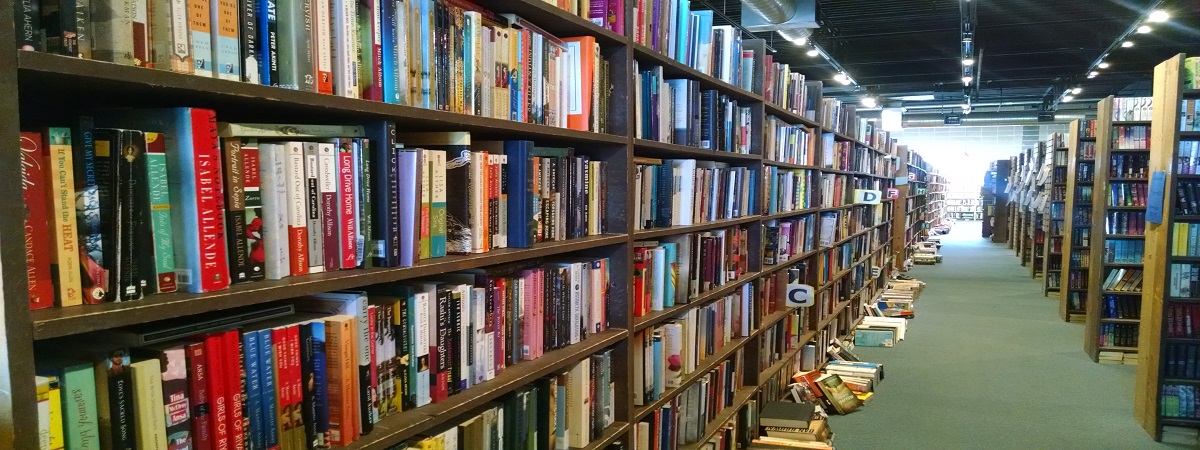
Top Ten Tuesday is a meme hosted by That Artsy Reader Girl, featuring a different top 10 theme each week. This week’s topic is Favorite Bookstores OR Bookstores I’d Love to Visit. Having just returned from a one-week vacation during which I visited about five different bookstores, I feel like this topic is just perfect for me!
Some of my favorites are:
1. Borderlands Books (San Francisco, CA): An awesome independent bookstore that’s been around for 20+ years, specializing in science fiction, fantasy, and horror. I’ve attended some truly great events here — and fun fact: This bookstore is featured in the October Daye series by Seanan McGuire. How cool is that?
2. Green Apple Books (San Francisco, CA): A huge used book store that’s a San Francisco institution!
3. The Strand (New York, NY) — I don’t get to New York nearly as often as I’d like, but when I do go, a visit to The Strand is a must!
4. Title Wave Books (Anchorage, AK): I’ve managed to visit Title Wave Books (and how awesome is that name?) on two different trips to Anchorage. It’s a big, sprawling used book store — so much to look at and explore.
5. Book Worm (Boulder, CO): Another used book store that I’ve now been to twice. It doesn’t look like much from the outside, but inside it’s an absolute maze of shelving and great books and weird, unusual finds. I could (and have) spent hours there!
6. Russell Books (Victoria, BC): Another terrific used book store that I stumbled upon once during a vacation. Are we detecting a theme yet? Hint: I can’t resist a great used book store!!
7. Sefer Ve Sefel (Jerusalem, Israel): I’m just amazed to discover that this bookstore still exists! I remember going there to stock up on American paperbacks while studying abroad in Israel many, many (MANY!) years ago.
And bookstores I’d love to visit are:
8. Powell’s Books (Portland, OR): I mean, Powell’s is just legendary! I’ve never been to Portland, but I’d very much like to get there someday… and if I do, this store will be a must-see.
9. Shakespeare and Company (Paris): Dreaming big here! A trip to Paris + books??? What could be better?
10. Poisoned Pen (Phoenix, AZ): I’ve been to an author event sponsored by this store, but have never actually been inside. Poisoned Pen is the local bookstore for a few favorite authors, including Diana Gabaldon, and is an amazing source for signed editions of new releases.
Have you been to any of my favorites? What do you love most about your favorite bookstores?
My Monday tradition, including a look back and a look ahead — what I read last week, what new books came my way, and what books are keeping me busy right now. Plus a smattering of other stuff too.
Life.
I’m back from a wonderful week visiting my daughter in Colorado! We spent a few days in and around Rocky Mountain National Park, then hung out back at her place in Boulder for the rest of the week. Fun hiking, a night-time tour of the Stanley Hotel (the inspiration for The Shining), delicious local restaurants and a cider brewery, lots of bookstores, and great mother-daughter time — what more could I ask for?
Now I’m back, catching up on work and household stuff, and hoping to hang onto my vacation cheer for just a bit longer.
What did I read during the last week?
Here’s everything I’ve read and reviewed since my last Monday Check-in post two weeks ago:
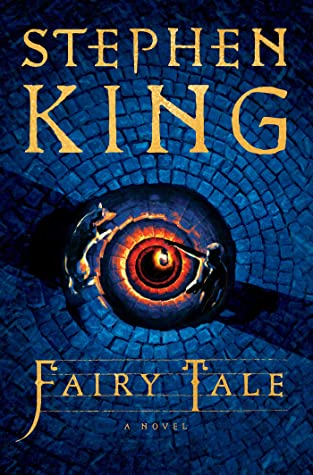
Fairy Tale by Stephen King: Captivating, magical, and altogether worth the time and effort! My review is here.
Travel by Bullet (The Dispatcher, #3) by John Scalzi: Another terrific audiobook in a sci-fi/noir series full of very cool twists. My review is here.
And check out my wrap-up of what I read on vacation:
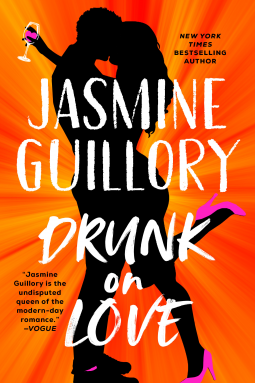
Drunk on Love by Jasmine Guillory
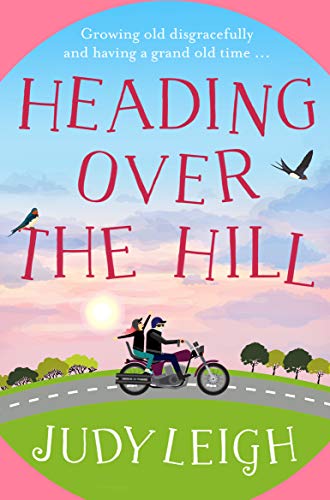
Heading Over the Hill by Judy Leigh
Where We End & Begin by Jane Igharo
Dial A For Aunties by Jesse Q. Sutanto
Pop culture & TV:
I’m behind on everything, but can’t wait to start the new season of Abbott Elementary and to check out Interview With the Vampire!
Fresh Catch:
Right before I left town, I got some unexpected book mail — an ARC that I didn’t realize was coming. Hurray!
Then, while away, my daughter and I visited A LOT of awesome bookstores, and I indulged a bit. This one I bought new, and will be saving to savor in the new year:
And these are from a used bookstore… where I showed greater-than-usual restraint (keeping in mind that anything I bought would have to get packed in my already stuffed carry-on):
What will I be reading during the coming week?
Currently in my hands:
Station Eternity by Mur Lafferty: Just started on Sunday, but I’m liking it so far! Not really surprising, as I’ve really enjoyed everything else I’ve read by this author.
Now playing via audiobook:
Welcome to the School by the Sea by Jenny Colgan: This author is always a favorite, and I’m really enjoying this sweet story set at a boarding school in Cornwall. This book is a reissue of a novel published under a pseudonym over 10 years ago — I actually have a paperback edition that I picked up a few years back but hadn’t read yet, and now that the books are being reintroduced, it seemed like a good time to finally jump in.
Ongoing reads:
My longer-term reading commitments:
My on-going reads may be getting a little out of control!! As of this week, I have all of these in the works… plus whatever my current book and audiobook happen to be.
Go Tell the Bees That I Am Gone by Diana Gabaldon: Over at Outlander Book Club, we’re doing a group read of BEES, reading and discussing two chapters per week. If anyone wants to join us, just ask me how! All are welcome.
Geektastic: Stories from the Nerd Herd edited by Holly Black and Cecil Castellucci: I may end up putting this one aside for now — it’s a collection of stories that I’m dipping into a bit at a time, but given all my other reading commitments, this one will probably be lowest priority.
A Connecticut Yankee in King Arthur’s Court by Mark Twain: My Classics Club Spin book. I’m reading via Serial Reader, currently at 66%. So much fun!
A Night in the Lonesome October by Roger Zelazny: I read this last year for the first time, and I’m joining the many fans who make reading this book an annual tradition each October. There’s a chapter for each day of the month, and it’s just delightful.
Persuasion by Jane Austen: My book group’s current classic read. I’ve read this several times already, but I’m always up for another go! We’ll be reading and discussing two chapters per week, starting today.
I’m back from a one-week trip, which was fabulous… and while I read quite a bit, I don’t have energy just yet to write full-length reviews. So… here’s a quick look at what I read while I was away. Lots of love stories — some dramatic, one that’s utterly silly, and one charmer that includes love, friendship, and pure delight. Read on if you want to know more!
Drunk on Love by Jasmine Guillory: A steamy story of workplace romance, set amidst the wineries of Napa Valley. Margot Noble, co-owner of a family winery, has a one-night stand with a hot guy she meets at a bar, only to discover the next day that he’s her new employee. The book explores the intense connection and chemistry between Margot and Luke, but also delves into family dynamics, career frustrations and expectations, and issues around honesty and self-awareness. The romance is steamy but also sweet, and I loved the dynamics between Margot and Luke.
Rating:
⭐⭐⭐⭐
Rating: 4 out of 5.
Heading Over the Hill by Judy Leigh: I’ve been seeing other bloggers’ rave reviews for Judy Leigh’s books for quite a while now, and finally had the chance to experience one for myself! Pure delight — this is the story of Dawnie and Billy, a married couple in their early seventies, who decide to move to a new town and focus on starting over again, just the two of them. Between his Harley and her colorful wigs, they’re a shock to their conservative neighbors, but soon end up making a huge, positive impact on everyone they encounter. The story is engaging, funny, but also quite heartfelt — there are elements that explores the characters’ sorrows as well as joys, and at one point, it even brought me to tears. Overall, I loved it — and I just wish I had a Dawnie in my life!!
Rating:
⭐⭐⭐⭐⭐
Rating: 4.5 out of 5.
Dial A for Aunties by Jesse Q. Sutanto: After having this paperback on my shelf for about a year, I finally picked it up — and I have to say, this is quintessential vacation reading! Super silly, not at all intellectually challenging, and just oodles of fun. When Meddy and her meddlesome aunties get involved in an over-the-top Chinese-Indonesian wedding, they also find themselves dealing with an inconvenient corpse, stolen jewels, and the reappearance of Meddy’s college boyfriend — her one true love and the one who got away. The escapades here are preposterous and outrageously unbelievable… but so much fun to read and laugh over! I will definitely be picking up the next book in the series, Four Aunties and a Wedding.
Rating:
⭐⭐⭐⭐
Rating: 4 out of 5.
Where We End & Begin by Jane Igharo: This is the most dramatic and serious of my batch of vacation books — the story of Dunni and Obinna, high school sweethearts with an intense bond who were cruelly separated by their families, as they reunite at a friends’ wedding in Nigeria twelve years later. With alternating timelines showing their present reconnection and the traumatic events of their past, the book gives us a deep understanding of how these two characters ended up where they are. I loved the exploration of the class differences in their society and how their families’ histories influenced how they were treated, as well as the insights into their individual decision-making and struggles. There are some truly painful revelations, as well as lovely moments of connection and understanding. This is a beautiful, sad, complicated story, well worth checking out.
Rating:
⭐⭐⭐⭐⭐
Rating: 4.5 out of 5.
What a week! I enjoyed every book I read… now comes the hard part — deciding what to read next!