Book Review: True Biz by Sara Nović

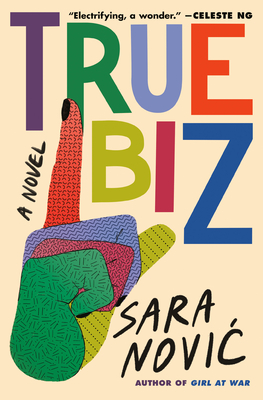
Title: True Biz
Author: Sara Nović
Publisher: Random House
Publication date: April 5, 2022
Length: 386 pages
Genre: Contemporary fiction
Source: Library
Rating:

Rating: 5 out of 5.

A transporting novel that follows a year of seismic romantic, political, and familial shifts for a teacher and her students at a boarding school for the deaf, from the acclaimed author of Girl at War.

True biz (adj/exclamation; American Sign Language): really, seriously, definitely, real-talk

True biz? The students at the River Valley School for the Deaf just want to hook up, pass their history final, and have doctors, politicians, and their parents stop telling them what to do with their bodies. This revelatory novel plunges readers into the halls of a residential school for the deaf, where they’ll meet Charlie, a rebellious transfer student who’s never met another deaf person before; Austin, the school’s golden boy, whose world is rocked when his baby sister is born hearing; and February, the headmistress, who is fighting to keep her school open and her marriage intact, but might not be able to do both. As a series of crises both personal and political threaten to unravel each of them, Charlie, Austin, and February find their lives inextricable from one another–and changed forever.

This is a story of sign language and lip-reading, cochlear implants and civil rights, isolation and injustice, first love and loss, and, above all, great persistence, daring, and joy. Absorbing and assured, idiosyncratic and relatable, this is an unforgettable journey into the Deaf community and a universal celebration of human connection. 

This book was an impulse read for me… and I’m so glad I gave in to my whims! True Biz was the Hello Sunshine book club pick for April, and while I don’t always follow celebrity book clubs, I find the Reese picks often include terrific stories I might not have come across otherwise. Such is the case with True Biz.

In this excellent novel, we follow the lives of the River Valley School for the Deaf’s headmistress, a hearing woman named February whose parents were deaf, as well as several of the school’s students. As the book opens, we learn that three students have disappeared from the school, leaving their cell phones behind. This is potentially a catastrophe, and a police search is launched. From this opening, we go back six months to learn how these events unfold.

The school, located in the Ohio rust belt, has served generations of deaf students, providing a safe haven, a home, a community, and a chance for education and language not available in mainstream programs. Some of the students come from families with long histories of deafness; for others, they’re the outliers in their families, and receive varying levels of support — or sometimes, almost none at all — before coming to RVSD.

While True Biz tells a compelling story about the lives of the characters and their personal stakes and struggles, it also provides a window into the Deaf community. I’m ashamed to admit that I’ve been ignorant about many of the issues described in the book, and the most shocking and eye-opening for me was the discussion about language deprivation and cochlear implants.

As depicted by the characters in this book, while cochlear implants (technical devices that include a piece implanted in a baby or child’s head, that allows sound signals to bypass the ears and be received and decoded by the brain) are often seen as miraculous solutions to a problem, they represent something potentially cataclysmic to the Deaf community. As part of “fixing” deafness, the recommended approach for implanted children is to make them completely reliant on the implants so they’re forced to learn to interpret sounds and speak out loud. Often, this means denying them access to American Sign Language.

But CIs are often imperfect, and for some children, don’t work well enough for them to get by or truly learn to master verbal English. Without ASL, the children are essentially language deprived — they grow up without mastery of any language and suffer throughout their education and beyond because of this.

The other large issue with CIs seems to be the impact on the Deaf community itself. By “fixing” deafness, the devices (and those who advocate for them) seem to be pushing an agenda that erases the Deaf world, which is a culture unto itself, with a rich history and linguistic traditions.

I loved that the book includes illustrations of ASL words, as well as explanations of grammar and syntax, historical notes, and all sorts of other information about the Deaf community that I had little to no awareness of. As I said earlier, I’m somewhat embarrassed that so much of the cultural elements portrayed in this book are new to me, and that’s something I want to remedy.

A note on presentation and style: Initially, I was put off by the lack of quotation marks when characters speak — in general, a pet peeve of mine when it comes to fiction. Here, though, the stylistic choices appear to be deliberate. Depending on the placement and format of the different lines being spoken, we can tell by looking at the way the words are written whether the characters are speaking ASL or English, when a signing character finger-spells a word, and when a character misses a word that’s being spoken out loud or signed. It’s very effective and very clever.

I also want to point out that while I’ve mostly written about the issues depicted and brought to life in the book, the characters and plot are excellent and make for engrossing, compelling reading. In fact, my only complaint is that the ending felt too abrupt, as if the author simply decided to stop rather than go a little bit further in the timeline and wrap it up. I was left with questions about what comes next and feeling unsatisfied… but that’s okay.

The reading journey was enjoyable every step of the way, and I came to really care about the characters of True Biz. A lovely book — I highly recommend it.

Shelf Control #317: House of Dreams: The Life of L. M. Montgomery by Liz Rosenberg

Shelves final

Welcome to Shelf Control — an original feature created and hosted by Bookshelf Fantasies.

Shelf Control is a weekly celebration of the unread books on our shelves. Pick a book you own but haven’t read, write a post about it (suggestions: include what it’s about, why you want to read it, and when you got it), and link up! For more info on what Shelf Control is all about, check out my introductory post, here.

Want to join in? Shelf Control posts go up every Wednesday. See the guidelines at the bottom of the post, and jump on board!

Title: House of Dreams: The Life of L. M. Montgomery
Author: Liz Rosenberg
Published: 2018
Length: 339 pages

What it’s about (synopsis via Goodreads):

An affecting biography of the author of Anne of Green Gables is the first for young readers to include revelations about her last days and to encompass the complexity of a brilliant and sometimes troubled life.

Once upon a time, there was a girl named Maud who adored stories. When she was fourteen years old, Maud wrote in her journal, “I love books. I hope when I grow up to be able to have lots of them.” Not only did Maud grow up to own lots of books, she wrote twenty-four of them herself as L. M. Montgomery, the world-renowned author of Anne of Green Gables. For many years, not a great deal was known about Maud’s personal life. Her childhood was spent with strict, undemonstrative grandparents, and her reflections on writing, her lifelong struggles with anxiety and depression, her “year of mad passion,” and her difficult married life remained locked away, buried deep within her unpublished personal journals. Through this revealing and deeply moving biography, kindred spirits of all ages who, like Maud, never gave up “the substance of things hoped for” will be captivated anew by the words of this remarkable woman.

How and when I got it:

I bought a hardcover edition just over a year ago.

Why I want to read it:

I’ve been a voracious reader from childhood onward, but it’s only been in the last few years, as a (ahem) mature adult, that I’ve filled in a major gap in my childhood reading — the works of L. M. Montgomery!

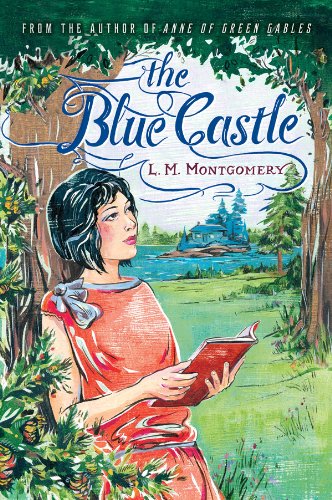
How I managed to get through my younger days without someone pushing a copy of Anne of Green Gables into my hands, I just can’t quite understand. But that’s how things stood until about three years ago, when I finally read AoGG and then proceeded to read the seven following books in the Anne series. By now, I’ve also read the three Emily Starr books (loved them!) and one of the author’s rare books for adults, The Blue Castle. (Loved that one too!)

But what do I actually know about the author? Not very much, other than that she was a beloved Canadian children’s author who grew up on Prince Edward Island — so I was eager to get my hands on this biography of L. M. Montgomery, which has some truly stellar reviews on Goodreads and elsewhere.

House of Dreams is marketed as a middle grade book, although from some comments on Goodreads, it sounds like it deals more directly with the author’s depression than might be expected in MG.

I know I’ve commented at least a thousand times (grain of salt applied here…) that I tend not to read non-fiction, but this book is one I think I’ll make an exception for. I’ve gotten so much joy from reading L. M. Montgomery’s books over the last few years. I think it’s about time for me to get to know the author herself.

What do you think? Would you read this book?

Please share your thoughts!


__________________________________

Want to participate in Shelf Control? Here’s how:

  • Write a blog post about a book that you own that you haven’t read yet.
  • Add your link in the comments or link back from your own post, so I can add you to the participant list.
  • Check out other posts, and…

Have fun!

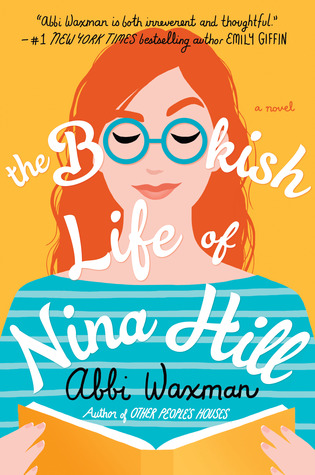
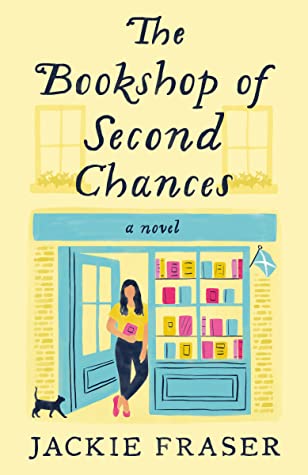
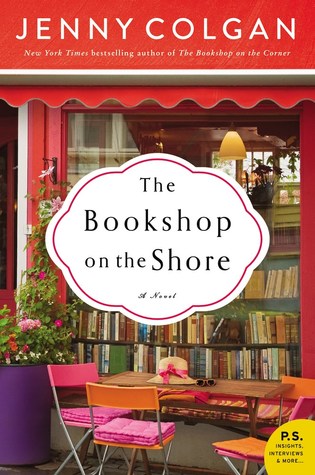
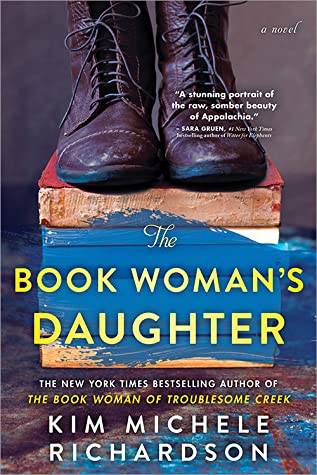
Top Ten Tuesday: Books with BOOKS on the cover

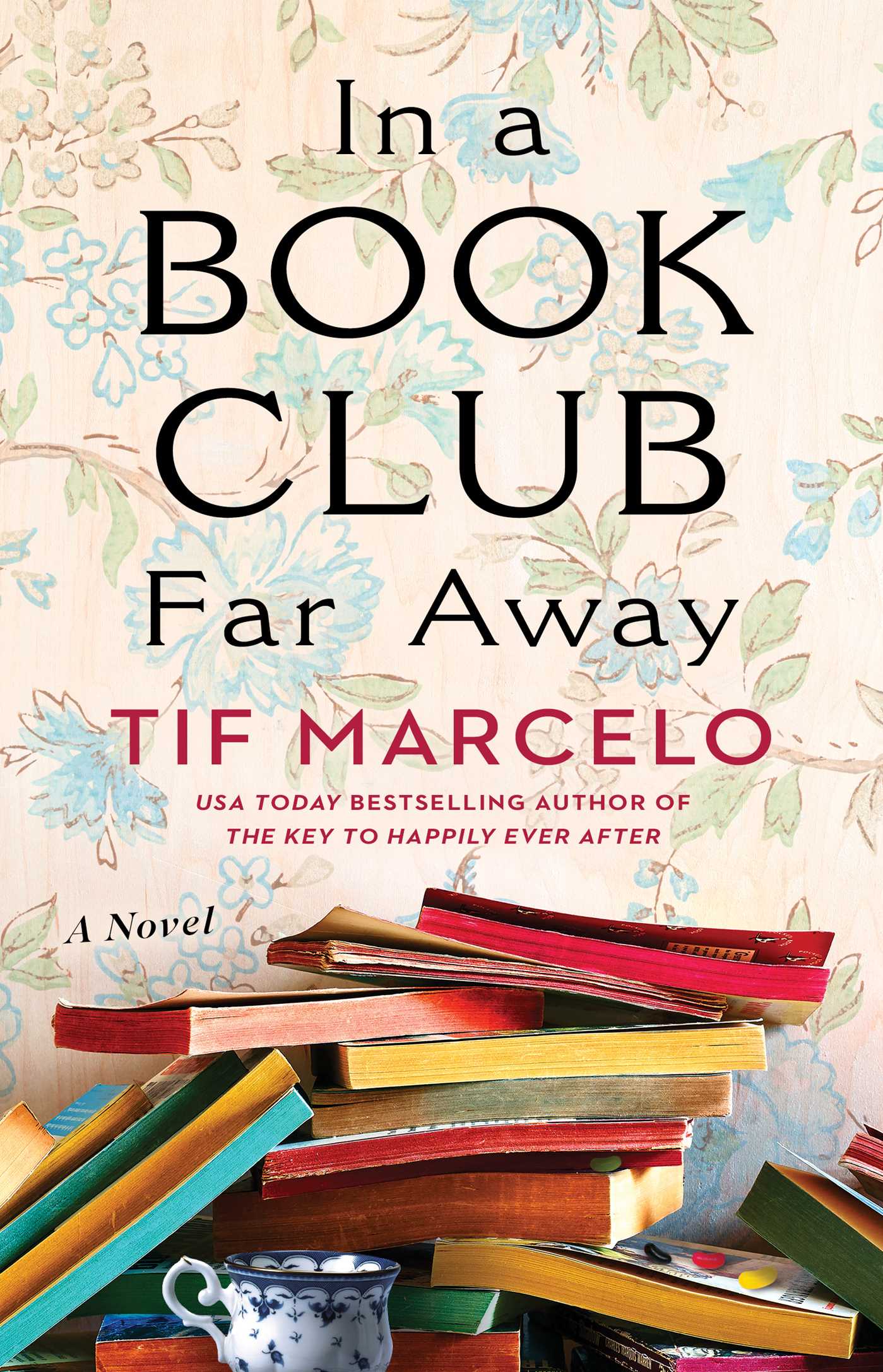
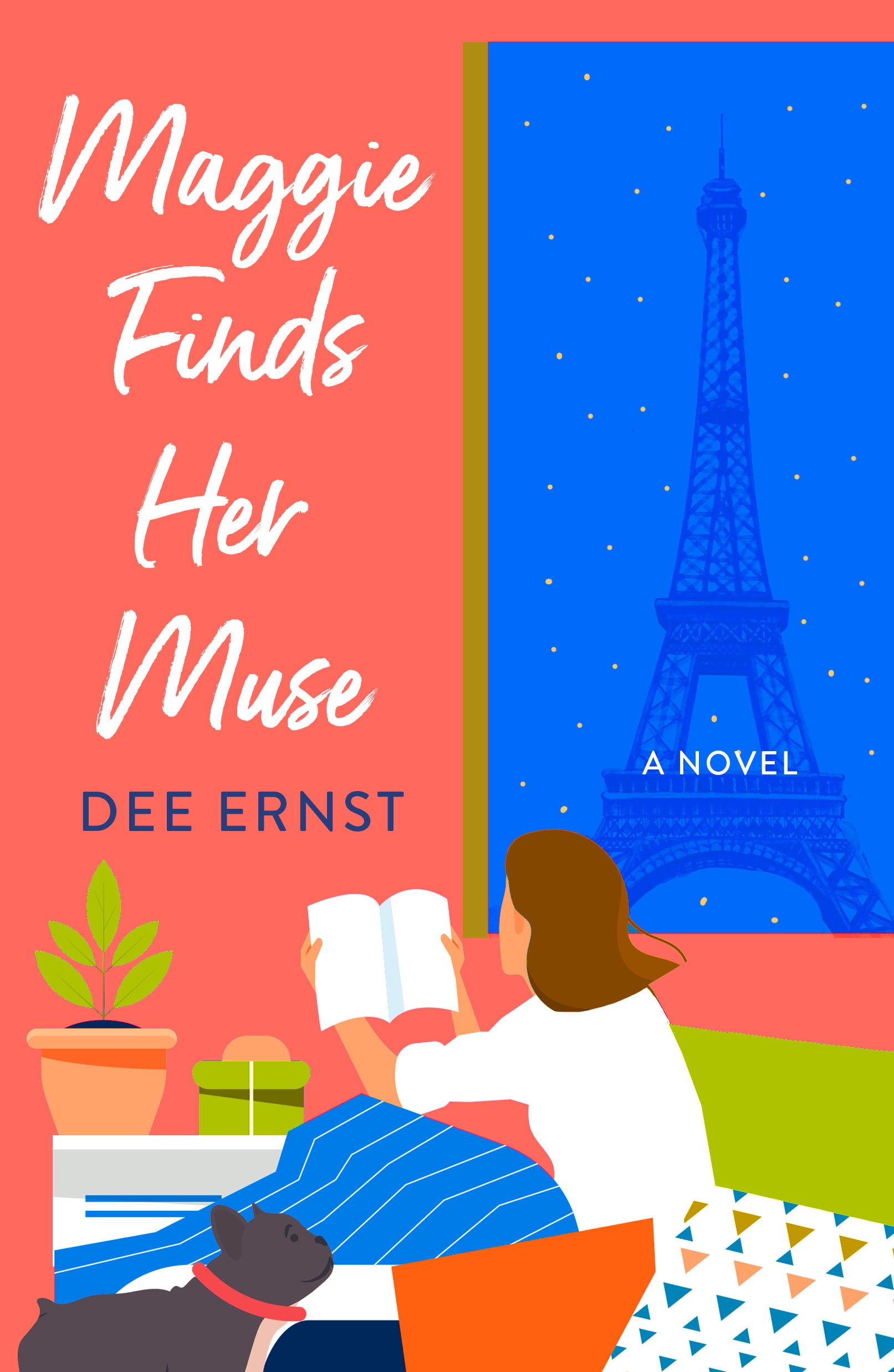
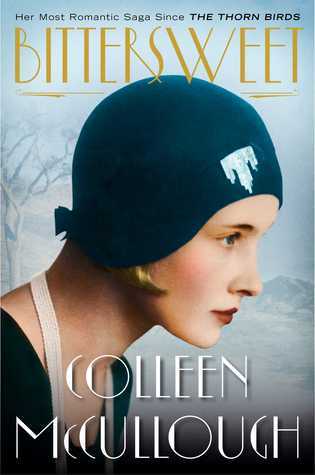
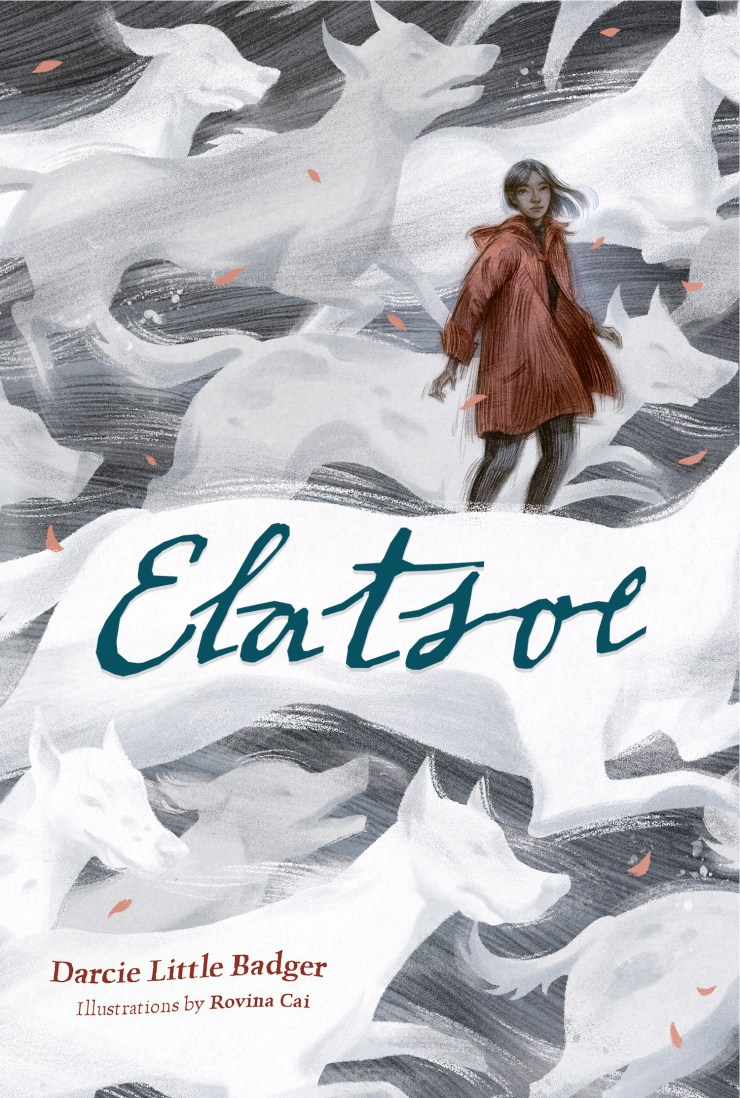
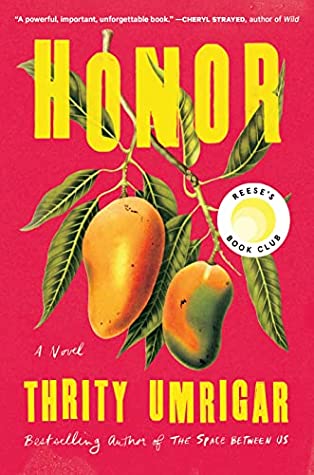
Top Ten Tuesday is a meme hosted by That Artsy Reader Girl, featuring a different top 10 theme each week. This week’s topic is Books with [___] On the Cover (Pick a thing (a color, an item, a place, an animal, a scripty font, a sexy person, etc.) and share covers that have that thing on the cover.). I took what seemed like an easy-ish approach and went with books!

I love books about books and readers — how about you? Do you have a favorite?

What was your TTT theme this week? Share your links, and I’ll come check out your top 10!

The Monday Check-In ~ 4/25/2022

cooltext1850356879

My Monday tradition, including a look back and a look ahead — what I read last week, what new books came my way, and what books are keeping me busy right now. Plus a smattering of other stuff too.

Life.

Getting back to normal… After a house full of guests the previous week, this past week has been relatively quiet, although work has been intense. It’s been lovely to have NO plans over the weekend! And especially lovely that the weather complied and gave me beautiful blue skies to enjoy.

What did I read during the last week?

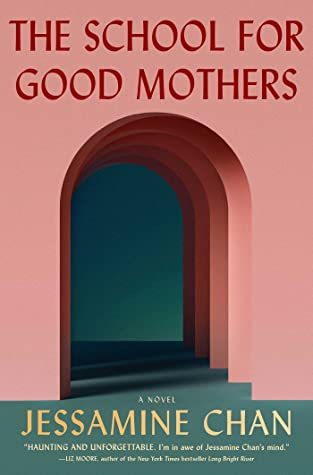
The School for Good Mothers by Jessamine Chan: A weird thriller that kept my interest despite not making a ton of sense. My review is here.

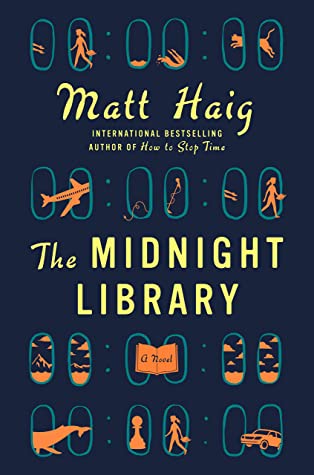
The Midnight Library by Matt Haig: This was a re-read for me (in preparation for my book group’s discussion), and I loved it just as much the second time around! (My review from my first read is here.)

Nettle & Bone by T. Kingfisher: A wonderful fairy tale adventure. My review is here.

Outlander!!

Wow, this season has sped by! Another powerful episode this week… but sadly, only one more left in the season.

Pop culture & TV:

There are times when I’m a complete sucker for sappy, plucking-on-the-heartstrings entertainment… so what better to watch than a dance competition show where talented kids invite their non-dancer parents to be their partners? Come Dance With Me is a little cheesy, but I’ve gotta admit it — I teared up a few times.

Fresh Catch:

No new physical books this week, but I did treat myself to a bunch of Kindle books that had price drops this week:

What will I be reading during the coming week?

Currently in my hands:

True Biz by Sara Novic: This book is so good! I’m at about 75% — I had to force myself to put the book down and get some sleep last night, when what I really wanted to do was power through to the end.

Now playing via audiobook:

The Cafe by the Sea by Jenny Colgan: I read the print version of this book several years ago, but decided to revisit via audiobook, and plan to continue with the remaining books in the series, which I haven’t read before. It’s a sweet and refreshing story, and the narration is terrific.

Ongoing reads:

These books will be on my plate for months to come:

  • Go Tell the Bees That I Am Gone by Diana Gabaldon: Over at Outlander Book Club, we’ve started our group read of BEES, reading and discussing two chapters per week. If anyone wants to join us, just ask me how! All are welcome.
  • Hamlet by William Shakespeare: My book group’s newest classic read. We’ll be going at a pace of one scene per week — now underway.

So many books, so little time…

boy1

Book Review: Nettle & Bone by T. Kingfisher

Title: Nettle & Bone
Author: T. Kingfisher
Publisher: Tor Books
Publication date: April 26, 2022
Length: 256 pages
Genre: Fantasy
Source: Review copy courtesy of the publisher via NetGalley
Rating:

Rating: 4 out of 5.

After years of seeing her sisters suffer at the hands of an abusive prince, Marra—the shy, convent-raised, third-born daughter—has finally realized that no one is coming to their rescue. No one, except for Marra herself.

Seeking help from a powerful gravewitch, Marra is offered the tools to kill a prince—if she can complete three impossible tasks. But, as is the way in tales of princes, witches, and daughters, the impossible is only the beginning.

On her quest, Marra is joined by the gravewitch, a reluctant fairy godmother, a strapping former knight, and a chicken possessed by a demon. Together, the five of them intend to be the hand that closes around the throat of the prince and frees Marra’s family and their kingdom from its tyrannous ruler at last.

This is my 4th book by T. Kingfisher, and I’ve never once been disappointed! Nettle & Bone is another terrific tale from this gifted author.

I’m not sure why I expected horror (well, it was probably a misinterpretation of the cover), but this isn’t that! Nettle & Bone is a fairy tale about curses and kingdoms and doomed princesses — but forget all the traditional stories about dashing princes riding to the rescue. Here, the rescuer is none other than one of the princesses, the overlooked third daughter of a king and queen whose tiny kingdom is constantly threatened by the larger kingdoms along its borders.

To save their kingdom, the royal couple marry off their oldest daughter Damia to Prince Vorling of the Northern Kingdom, but soon after their marriage, the princess dies. The Northern Kingdom still has its eyes on the smaller kingdom’s ideally located ports, and to keep their land safe, the king and queen send their second daughter Kania to be the prince’s new bride. The prince longs for the day when he and his heirs are the sole rulers of both kingdoms, and to that end, he insists that the third daughter, Marra, remain unmarried, so that there will be no competing heirs to the thrown.

Marra is perfectly content with this arrangement, and spends the next years of her life as an “almost” nun at a convent that’s much more about female empowerment than strict rules or deprivations. Over time, however, Marra becomes aware that something is seriously wrong with Kania’s marriage. Fearing for her sister’s life, Marra sets out to save her, enlisting the aid of a dustwife (a woman with the ability to speak to the dead), a godmother, and a disgraced knight whom she frees from enslavement to the fae.

With her strange band of allies, Marra sets off to the Northern Kingdom, determined to rescue her sister, break an ancient curse, and protect her own kingdom… and hopefully, not get killed along the way.

Nettle & Bone is often funny, and the author has a light touch with humor and clever dialogue. At the same time, Kania’s situation is disturbing and serious, and the book manages to balance the adventurous tone with the heavier themes related to Marra’s quest and its dire nature.

The situations the band of allies encounter are often absurd, but quite entertaining, and I loved how the fairy tale tropes used here receive fresh, new twists.

T. Kingfisher excels at depicting creepy scenes too, as is evident from the book’s opening lines:

The trees were full of crows and the woods were full of madmen. The pit was full of bones and her hands were full of wires.

From this opening, I expected a much more sinister feel overall to the book, and was happily surprised to find many lighter-spirited moments and even downright silliness amidst the high stakes perils and quests.

All in all, Nettle & Bone is a terrific read. The author has another new book coming out this summer, and meanwhile, I have a few of her backlist books yet to read on my Kindle!

Shelf Control #316: Joe Golem and the Drowning City by Mike Mignola and Christopher Golden

Shelves final

Welcome to Shelf Control — an original feature created and hosted by Bookshelf Fantasies.

Shelf Control is a weekly celebration of the unread books on our shelves. Pick a book you own but haven’t read, write a post about it (suggestions: include what it’s about, why you want to read it, and when you got it), and link up! For more info on what Shelf Control is all about, check out my introductory post, here.

Want to join in? Shelf Control posts go up every Wednesday. See the guidelines at the bottom of the post, and jump on board!

Title: Joe Golem and the Drowning City
Author: Mike Mignola & Christopher Golden
Published: 2012
Length: 272 pages

What it’s about (synopsis via Goodreads):

In 1925, earthquakes and a rising sea level left Lower Manhattan submerged under more than thirty feet of water, so that its residents began to call it the Drowning City. Those unwilling to abandon their homes created a new life on streets turned to canals and in buildings whose first three stories were underwater. Fifty years have passed since then, and the Drowning City is full of scavengers and water rats, poor people trying to eke out an existence, and those too proud or stubborn to be defeated by circumstance.

Among them are fourteen-year-old Molly McHugh and her friend and employer, Felix Orlov. Once upon a time Orlov the Conjuror was a celebrated stage magician, but now he is an old man, a psychic medium, contacting the spirits of the departed for the grieving loved ones left behind. When a seance goes horribly wrong, Felix Orlov is abducted by strange men wearing gas masks and rubber suits, and Molly soon finds herself on the run.

Her flight will lead her into the company of a mysterious man, and his stalwart sidekick, Joe Golem, whose own past is a mystery to him, but who walks his own dreams as a man of stone and clay, brought to life for the sole purpose of hunting witches.

How and when I got it:

According to my Amazon records, I bought the paperback edition in 2014.

Why I want to read it:

You know, I honestly don’t remember how this book came to my attention! Chances are, I either saw a recommendation on another book blog or, possibly, this was an Amazon recommendation that popped up for me after I read The Golem and the Jinni!

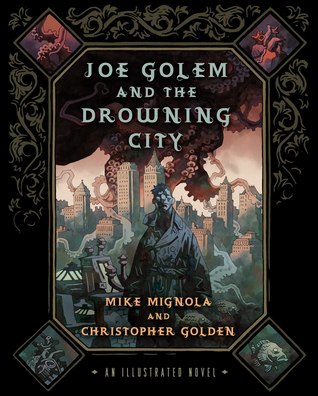
In any case, when I first bought this, I thought it would be a graphic novel, but it’s not. It’s an “illustrated novel”, so the plot is told in narrative form, but there are illustrations to go with. I think that because I didn’t pay attention to what I was buying and had incorrect expectations, I may have been feeling let down when the book arrived, and so ended up shelving it and never picking it up again.

The are some pretty positive reviews on Goodreads, and I’ve enjoyed (and/or been creeped out by) other books by Christopher Golden, so I’m inclined to eventually read this book rather than putting it on the donation pile.

Apparently, the story continues past this book via comic books. According to Wikipedia:

Joe Golem is a novel and comic book series created by Mike Mignola and Christopher Golden. It began with a promotional short story, Joe Golem and the Copper Girl, followed by an illustrated novel, Joe Golem and the Drowning City in 2012, both published by St. Martin’s Press. The series was expanded as a comic book series published by Dark Horse Comics from 2015 to 2019. The series follows Joe, an occult detective in New York City during the 1960s and ’70s. The Joe Golem series is set in The Outerverse, a shared universe with Baltimore (a 2007 novel by Mignola and Golden and its comic book continuation), and other series.

I’m very on the fence about the whole thing.

What do you think? Would you read this book?

Please share your thoughts!


__________________________________

Want to participate in Shelf Control? Here’s how:

  • Write a blog post about a book that you own that you haven’t read yet.
  • Add your link in the comments or link back from your own post, so I can add you to the participant list.
  • Check out other posts, and…

Have fun!

Book Review: The School for Good Mothers by Jessamine Chan

Title: The School for Good Mothers
Author: Jessamine Chan
Publisher: Simon & Schuster
Publication date: January 4, 2022
Length: 336 pages
Genre: Thriller
Source: Purchased
Rating:

Rating: 2.5 out of 5.

In this taut and explosive debut novel, one lapse in judgement lands a young mother in a government reform program where custody of her child hangs in the balance.

Frida Liu is struggling. She doesn’t have a career worthy of her Chinese immigrant parents’ sacrifices. She can’t persuade her husband, Gust, to give up his wellness-obsessed younger mistress. Only with Harriet, their cherubic daughter, does Frida finally attain the perfection expected of her. Harriet may be all she has, but she is just enough.

Until Frida has a very bad day.

The state has its eyes on mothers like Frida. The ones who check their phones, letting their children get injured on the playground; who let their children walk home alone. Because of one moment of poor judgment, a host of government officials will now determine if Frida is a candidate for a Big Brother-like institution that measures the success or failure of a mother’s devotion.

Faced with the possibility of losing Harriet, Frida must prove that a bad mother can be redeemed. That she can learn to be good.

A searing page-turner that is also a transgressive novel of ideas about the perils of “perfect” upper-middle class parenting; the violence enacted upon women by both the state and, at times, one another; the systems that separate families; and the boundlessness of love, The School for Good Mothers introduces, in Frida, an everywoman for the ages. Using dark wit to explore the pains and joys of the deepest ties that bind us, Chan has written a modern literary classic. 

A “modern literary classic”? An “everywoman for the ages”? I’m thinking that whoever wrote the book synopsis did not read the same book I read.

The School for Good Mothers tells the story of Frida, a Chinese-American 39-year-old woman who makes a terrible, life-changing mistake. Sleepless, worn out, frantic, Frida leaves her toddler alone in the house for a few hours — absolutely a horrible action, one that’s hard to fathom and that should definitely have consequences. But the consequences here go beyond a rational response. Frida is cut out of Harriet’s life, and is presented with just one chance to ever see her daughter again: attend a year-long retraining program where she’ll learn to be a good mother. If she passes the program, she may have a chance to be in her daughter’s life. If she fails, her parental rights will be terminated.

While it’s hard to sympathize with Frida initially, it soon becomes clear that the price of her error is cruelly harsh, depriving her of all contact with her daughter and, more shockingly, depriving the daughter of her mother. From the moment of the incident, Frida’s contact with Harriet is strictly controlled and monitored. Surveillance cameras are installed in her home and all her devices are monitored. Her every action and expression is analyzed: Is she remorseful enough? Does she demonstrate empathy? Is she capable of providing care? Does she deserve to be a mother?

Once Frida enters the school, the monitoring becomes even more extreme. Her voice, her heartbeats, her diet — every aspect of her is measured and assessed. At stake is her future with Harriet. Weekly phone calls are granted less frequently than they’re suspended. And the training program is weirdly sinister, involving robot “children” whom the wayward mothers must bond with, care for, shower with love, and train to be good people. It’s creepy, to be sure.

The problem for me is — what was the point of all this? It’s a story about a society similar to our own, but where children’s welfare is controlled and through state-sponsored surveillance and reporting, and where seemingly arbitrary decisions can ruin a family in the blink of an eye. The book is apparently set in a not-too-distant future, but it’s not clear what has changed or in what degree to allow this new approach to child welfare to flourish. And while some of the mothers seem to have been sentenced to the program for infractions that seem better suited to counseling or supportive services, others have clearly been cruel, harmful, or dangerously neglectful. (Sorry, Frida, but I’d place her in the dangerously neglectful category). We’re supposed to feel that the school is extreme (and it is), but some of the parents there do seem to be suited to a more extreme response, so the book’s ability to make the reader feel sympathy isn’t particularly successful across the board.

The story touches on class, race, and gender issues, but it tends to feel performative rather than truly thought-provoking. Frida’s upbringing, by professionally-focused immigrant parents, have shown her one way to parent, but in the world of The School For Good Mothers, there’s no room for deviation from what’s considered to be “good” mothering.

A sad hopelessness pervades much of the book, and while the program at the school is disturbing, it never felt prescient or even slightly believable to me. In a world like our own where social services continue to be underfunded and overstretched, it’s hard to grasp how such a huge societal change could take place in the book’s world, when everything else seems relatively familiar and current.

It seemed to me as though this book was trying very hard to be daring and dramatic, but it’s strangely unmoving in lots of ways. The plot is so over the top that I couldn’t truly buy into it, and therefore never felt like the stakes were real.

The School for Good Mothers is a fast page-turner, but ultimately it left me cold.

The Monday Check-In ~ 4/18/2022

cooltext1850356879

My Monday tradition, including a look back and a look ahead — what I read last week, what new books came my way, and what books are keeping me busy right now. Plus a smattering of other stuff too.

Life.

It’s been a whirlwind of a week! We had a full house for Passover, including out of town guests plus local family, and it was amazing (but also exhausting). It’s such a treat being able to gather again for the first time in two years!

What did I read during the last week?

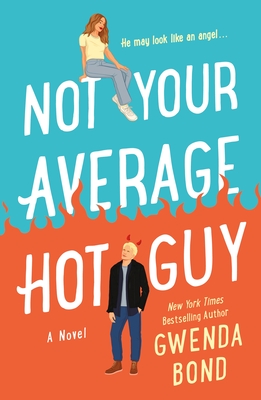
Not Your Average Hot Guy by Gwenda Bond: A silly romance involving demon summoning and avoiding an apocalypse — super fun! My review is here.

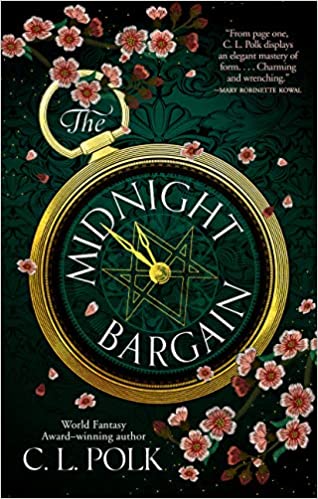
The Midnight Bargain by C. L. Polk: I loved this stand-alone fantasy novel. My review is here.

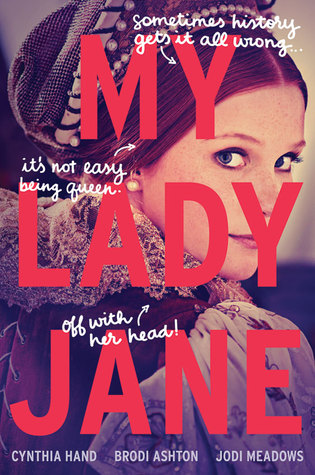
My Lady Jane by Cynthia Hand, Brodi Ashton, & Jodi Meadows: This book was a perfect choice for a crazy week. I loved it so much. My review is here.

Outlander!!

No new episode this week, alas. Only two more left in the season!

Pop culture & TV:

Nothing much new here — I’ve caught bits and pieces of various shows, including the season finale of Abbott Elementary — which, seriously, you need to check out!

Fresh Catch:

Two new books this week:

Because OF COURSE I’m going to read the sequel to Not Your Average Hot Guy!

What will I be reading during the coming week?

Currently in my hands:

The School for Good Mothers by Jessamine Chan: This book is weird and not particularly believable… but it’s holding my attention in the short chunks of time I’ve had to read over the last few days.

Now playing via audiobook:

The Midnight Library by Matt Haig: This is a re-read for me (first time via audiobook) — I need a refresher before my book group discussion later this month.

Ongoing reads:

These books will be on my plate for months to come:

  • Go Tell the Bees That I Am Gone by Diana Gabaldon: Over at Outlander Book Club, we’ve started our group read of BEES, reading and discussing two chapters per week. If anyone wants to join us, just ask me how! All are welcome.
  • Hamlet by William Shakespeare: My book group’s newest classic read. We’ll be going at a pace of one scene per week — now underway.

So many books, so little time…

boy1

Book Review: My Lady Jane by Cynthia Hand, Brodi Ashton, & Jodi Meadows

Title: My Lady Jane
Series: The Lady Janies, #1
Author: Cynthia Hand, Brodi Ashton, Jodi Meadows
Publisher: HarperTeen
Publication date: June 7, 2016
Length: 512 pages
Genre: Young adult
Source: Purchased
Rating:

Rating: 4.5 out of 5.

Edward (long live the king) is the King of England. He’s also dying, which is inconvenient, as he’s only sixteen and he’d much rather be planning for his first kiss than considering who will inherit his crown…

Jane (reads too many books) is Edward’s cousin, and far more interested in books than romance. Unfortunately for Jane, Edward has arranged to marry her off to secure the line of succession. And there’s something a little odd about her intended…

Gifford (call him G) is a horse. That is, he’s an Eðian (eth-y-un, for the uninitiated). Every day at dawn he becomes a noble chestnut steed—but then he wakes at dusk with a mouthful of hay. It’s all very undignified.

The plot thickens as Edward, Jane, and G are drawn into a dangerous conspiracy. With the fate of the kingdom at stake, our heroes will have to engage in some conspiring of their own. But can they pull off their plan before it’s off with their heads? 

I’ve always been fascinated by the sad story of Lady Jane Grey, the Nine Days Queen — the young woman used as a political pawn following the death of King Edward VI. Put in place as queen despite not actually being next in line to the throne, her brief reign ended with Queen Mary seizing the throne, and shortly thereafter, both Lady Jane and her husband were beheaded.

But good news! In My Lady Jane, her story is revised, rewritten, and turned into an absolutely, adorably engaging romp. Heads DON’T roll in this version of the story. #justiceforjane

In the England of My Lady Jane, the political landscape is divided between Eðians (those who can assume an animal form) and Verities (those who can’t). Verities have persecuted Eðians for years, and the return of Mary to power signals a return of the terror of burnings and purges. King Henry VIII very famously became an Eðian when he turned into a lion in a fit of rage, but Edward doesn’t think he’s an Eðian… or is he?

Meanwhile, Jane — a girl who would rather read a book than do just about anything — is forced into marriage with a boy she doesn’t know, all as a means of securing political power for his father. There’s the inconvenient fact that Gifford (G) is an Eðian who turns into a horse by day… but that’s only one of the many obstacles facing the newlyweds.

Sound silly? You betcha. But SO much fun, and the writing is truly a delight. Here’s a sampling of some favorite passages and conversation. See for yourselves how adorable this is!

Wife #3 (Edward’s mother) had done everything right; namely, she’d produced a child with the correct genitalia to be a future ruler of England, and then, because she was never one to stick around to gloat, she’d promptly died.

So. Her husband-to-be was a philanderer. A smooth operator. A debaucher. A rake. A frisker. (Jane became something of a walking thesaurus when she was upset, a side effect of too much reading.)

“Was that a horse joke?”

“Neigh.”

“Was that a horse joke?”

“You have hay in your hair.”

He smoothed his hand over his hair before he caught her smile. “No horse jokes.”

“Never! But I wanted to ask: are you catching a chill? You sound hoarse.”

At this point, G realized he’d just asked a ferret what the dog said.

“Right. As I was saying, bears are always hungry. Try not to act like food.”

“How does one act like food?”

“…And Bess can stay with Jane to make sure she doesn’t ferret her way out of that cage.”

“Can you use ferret as a verb?” G asked.

She shrugged. “You can now.”

“Right,” G said slowly. He picked up his sword. “We are off, then?”

“Without hesitation,” Edward said.

And for a few moments, they hesitated.

Then they were off.

“Armies aren’t very good about carrying libraries with them. I can’t imagine why. We’d fight so much less if everyone would just sit down and read.”

As if on cue (or maybe a bit late on his cue), a kestrel flew through the window. “Edward!” At least, she hoped the bird was Edward. It’d be embarrassing to just start talking with a strange bird.

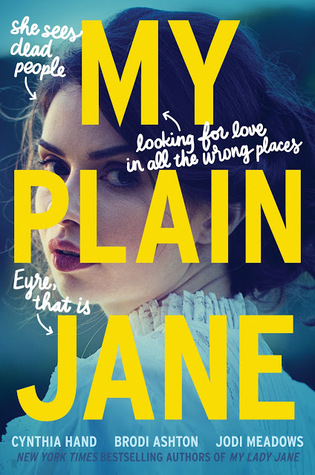
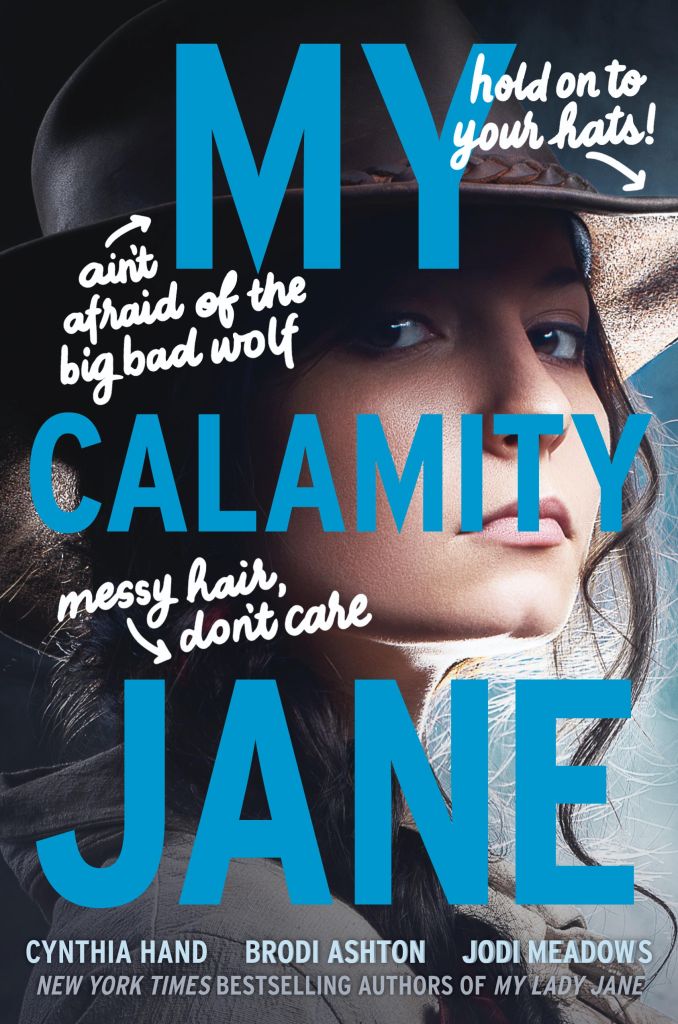
I loved this book, start to finish. I have the next two Lady Janies on my Kindle already, but I’ve saving them for when I feel like I need a reading treat. The next two are:

And after that, there are a couple of Mary books… so I have plenty to look forward to!

Audiobook Review: The Midnight Bargain by C. L. Polk

Title: The Midnight Bargain
Author: C. L. Polk
Narrator: Moira Quirk
Publisher: Erewhon
Publication date: October 13, 2020
Print length: 384 pages
Audio length: 11 hours, 49 minute
Genre: Fantasy
Source: Purchased
Rating:

Rating: 4.5 out of 5.

Beatrice Clayborn is a sorceress who practices magic in secret, terrified of the day she will be locked into a marital collar that will cut off her powers to protect her unborn children. She dreams of becoming a full-fledged Magus and pursuing magic as her calling as men do, but her family has staked everything to equip her for Bargaining Season, when young men and women of means descend upon the city to negotiate the best marriages. The Clayborns are in severe debt, and only she can save them, by securing an advantageous match before their creditors come calling.

In a stroke of luck, Beatrice finds a grimoire that contains the key to becoming a Magus, but before she can purchase it, a rival sorceress swindles the book right out of her hands. Beatrice summons a spirit to help her get it back, but her new ally exacts a price: Beatrice’s first kiss . . . with her adversary’s brother, the handsome, compassionate, and fabulously wealthy Ianthe Lavan.

The more Beatrice is entangled with the Lavan siblings, the harder her decision becomes: If she casts the spell to become a Magus, she will devastate her family and lose the only man to ever see her for who she is; but if she marries—even for love—she will sacrifice her magic, her identity, and her dreams. But how can she choose just one, knowing she will forever regret the path not taken

I was not prepared to get as swept away by this book as I was!

In The Midnight Bargain, we’re transported to a world in which magical powers are the key to financial success… and belong squarely to the male population. Women with powers are seen as desirable in marriage because they’re most likely to provide magically gifted children. The catch is that women are not actually allowed to practice magic or study it seriously. Upon marriage, women are locked into silver collars that cut off their access to magic for as long as they wear it — supposedly to ensure the safety of future children, but (conveniently for their husbands) also ensuring that they’re kept under tight control.

For Beatrice, the idea of never developing her magical gift is horrifying. Her father, having speculated unwisely in business ventures, is on the verge of financial (and thus, social) ruin. Only a good marriage to the son of a wealthy family can save her own family. But Beatrice dreams of studying magic and strengthening her own powers, and her secret dream is to bind a powerful spirit to herself, making her ineligible to marry and giving her the opportunity to work behind the scenes to help her father build back his fortune.

Sadly, Beatrice’s father is a rigid conformist who is only focused on money and getting ahead. Bargaining season — the time each year when “ingenues” are placed on the marriage market and wealthy families compete to secure a good match — is the Clayborn family’s last chance to dig themselves out of debt, and there’s simply no way that her father will allow her to evade her duties. Beatrice knows that it’s a race against time to find the right grimoire that will unlock the mysteries of binding a spirit.
Her plans are confounded by Ysbeta Lavan, the powerful daughter of an incredibly wealthy family, who has her own reasons for wanting to escape bargaining season unmarried. A further complication is Ianthe Lavan, Ysbeta’s (super hot) brother, who falls for Beatrice just as hard as she falls for him. Beatrice’s feelings for Ianthe stand in contradiction to her personal goals. Can she give up her dreams of developing her magical gifts for the sake of true love, even if it means locking herself in a collar for the duration of her child-bearing years?

I hesitated a bit when starting this book, having read the author’s earlier Kingston Cycle trilogy and coming away from it with mixed feelings. While I admired the author’s inventiveness, I felt that the world-building in the trilogy wasn’t strong enough to satisfy me or provide sufficient groundwork for understanding the intricacies of the society the books portrayed. I worried that I might have a similar experince with The Midnight Bargain.

Fortunately, my worries were soon set to rest. While I do feel that more explanation would have been helpful at the start of the book, I easily became immersed in the plot anyway. I wished for more explanation of the countries named and their different customs, as well as some basics on geography. The world itself felt a little shakily defined.
However, I still was able to fully engage with the characters and enjoy the story. Beatrice’s quest is fueled not by a desire for personal power, but by her need to make her own decisions and be truly free. At one point, Ianthe swears that if they marry, he’ll leave her free of the collar whenever possible and support her pursuit of magic… but even that may not be enough. As Beatrice struggles with her choices, it’s clear that being allowed freedom isn’t the same thing as actually having freedom. It’s fascinating to see the characters’ journeys and conflicts, and I appreciated that decisions for the main characters are never clear choices between a right and wrong path.

The nature of the society is, of course, horrifying. There are some truly terrible scenes later in the book when it appears that Beatrice’s independence and agency will be stripped from her against her will, and I literally found myself short of breath during these moments! This is a fantasy world, but the stakes are women’s rights and the freedom to determine one’s own path and make one’s own choices. It feels real, despite the trappings of magic and spirits.

I listened to the audiobook, which was a truly captivating experience. The narrator, Moira Quirk, is a delight. Having listened to her narration of many of Gail Carriger’s books, I knew I’d be in for a treat with the audio version of The Midnight Bargain, and I definitely was not disappointed!

I’m so happy to have experienced The Midnight Bargain. The plot zips along, but packs quite an emotional punch too. With terrific characters, a compelling fantasy set-up, and high stakes, it’s hard to stop once you get started. Highly recommended.