Book Review: The Nightingale by Kristin Hannah

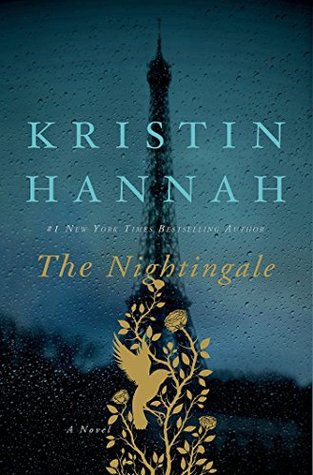
Title: The Nightingale
Author: Kristin Hannah
Publisher: St. Martin’s Press
Publication date: January 29, 2015
Length: 593 pages
Genre: Historical fiction
Source: Purchased
Rating:

Rating: 5 out of 5.

FRANCE, 1939

In the quiet village of Carriveau, Vianne Mauriac says goodbye to her husband, Antoine, as he heads for the Front. She doesn’t believe that the Nazis will invade France…but invade they do, in droves of marching soldiers, in caravans of trucks and tanks, in planes that fill the skies and drop bombs upon the innocent. When a German captain requisitions Vianne’s home, she and her daughter must live with the enemy or lose everything. Without food or money or hope, as danger escalates all around them, she is forced to make one impossible choice after another to keep her family alive.

Vianne’s sister, Isabelle, is a rebellious eighteen-year-old girl, searching for purpose with all the reckless passion of youth. While thousands of Parisians march into the unknown terrors of war, she meets Gäetan, a partisan who believes the French can fight the Nazis from within France, and she falls in love as only the young can…completely. But when he betrays her, Isabelle joins the Resistance and never looks back, risking her life time and again to save others.

With courage, grace and powerful insight, bestselling author Kristin Hannah captures the epic panorama of WWII and illuminates an intimate part of history seldom seen: the women’s war. The Nightingale tells the stories of two sisters, separated by years and experience, by ideals, passion and circumstance, each embarking on her own dangerous path toward survival, love, and freedom in German-occupied, war-torn France–a heartbreakingly beautiful novel that celebrates the resilience of the human spirit and the durability of women. It is a novel for everyone, a novel for a lifetime.

Author Kristin Hannah has written several powerful works of historical fiction over the past few years, all of which I’ve loved and felt transported by. Somehow I’d missed reading The Nightingale until now. Finally, ten years after its original publication, I’ve now made a point of reading this compelling story.

The Nightingale takes place in France during World War II, following the timeline of the Nazi occupation to show the lives of two sisters and their divergent experiences during the war.

Vianne and Isabelle are ten years apart in age and miles apart in terms of their relationship as the book opens. Vianne is a wife and mother living in Carriveau, a small country village. She’s blissfully in love with her husband Antoine, and takes joy in her eight-year-old daughter Sophie, a miracle child born after a string of miscarriages. Meanwhile, Isabelle is an impetuous and hot-headed teen, constantly in trouble, always either escaping from or getting kicked out of her latest boarding school.

As children, after their mother’s death, they were essentially abandoned by their grieving, alcoholic father. But Vianne, caught up in her own grief and then struggling with the loss of pregnancy after pregnancy, didn’t have space in heart to love her little sister. The bond between the two seemed irreparably broken.

When the Nazi occupation of France begins, the sisters’ lives change dramatically. Antoine is called to military service and Vianne is left alone to tend to their home and their daughter. Isabelle is sent to take shelter with Vianne, but she yearns for purpose and adventure, not life on a farm. When Isabelle connects with an underground network fighting to carry out secret operations against the Nazis, her life changes yet again. While Vianne believes Isabelle has run off for some ill-advised, irresponsible love affair, Isabelle is actually setting out on a course of heroism and sacrifice, risking her own life over and over again to fight for freedom and justice.

Without going too much more deeply into the plot, I’ll just summarize by saying that The Nightingale balances the sisters’ stories by showing each of their struggles, triumphs, and losses during the war. It’s a devastating look at an awful period, and while many of us have read stories of this time before, this book’s focus on women’s lives under Nazi occupation — and the sacrifices they make in order to not only survive, but to save others as well — conveys an intimacy and fresh perspective that stand out.

It was interesting for me to note how my own sympathies and interests change over the course of the book. Perhaps because we meet Vianne first, I assumed she was our main POV character. When Isabelle first appears, we largely see her through Vianne’s eyes — young, reckless, self-centered. It was easy to feel annoyed by her, and to feel that her impetuous decisions put Vianne’s family at risk. As the book progresses, however, Isabelle takes on a much larger role, sharing the spotlight and growing into the person she always wanted to be. Isabelle throws herself into danger repeatedly, but her devotion and bravery are real. While she and Vianne are sometimes adversaries — even with life and death consequences — we know enough about each woman to understand her action and motivations, even when they don’t actually understand one another.

Kristin Hannah has clearly done a huge amount of research for this book, which I understand represents a major turning point in her writing career — her pivot into historical fiction. It was fasacinating to read her notes at the end and to learn about some of the historical figures who served as inspiration for her, including Andrée de Jongh, a Belgian resistance fighter during WWII who is credited with saving hundreds of downed airmen and other Allied soldiers by smuggling them across the Pyrenees from France into Spain.

The Nightingale is beautifully written and powerfully told, depicting the absolute horrors that the characters lived through, but also showing the beauty of their love for each other, their families, and even the strangers they save. It’s not an easy read, but it’s important and has a deep impact that I know will last.

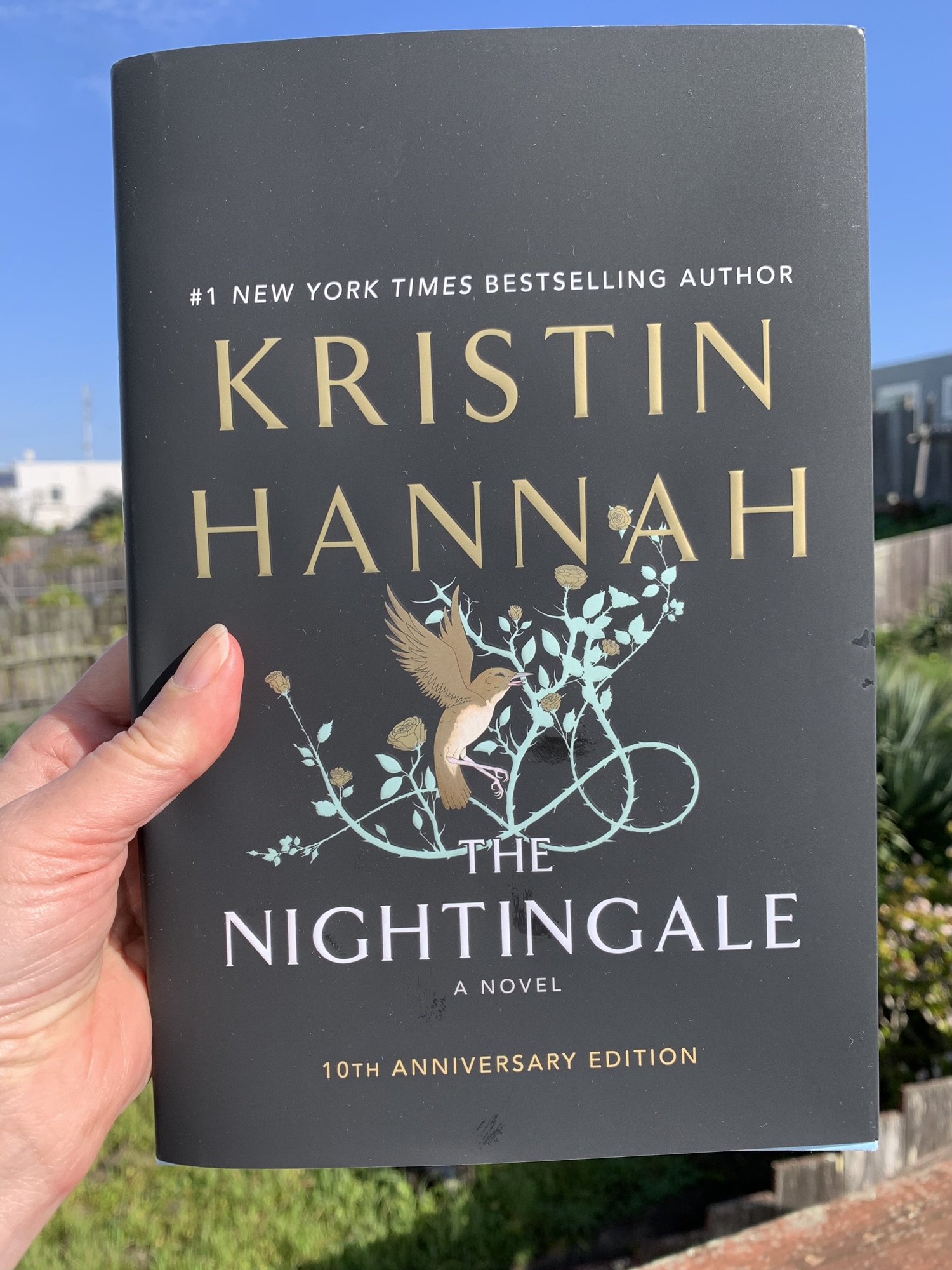
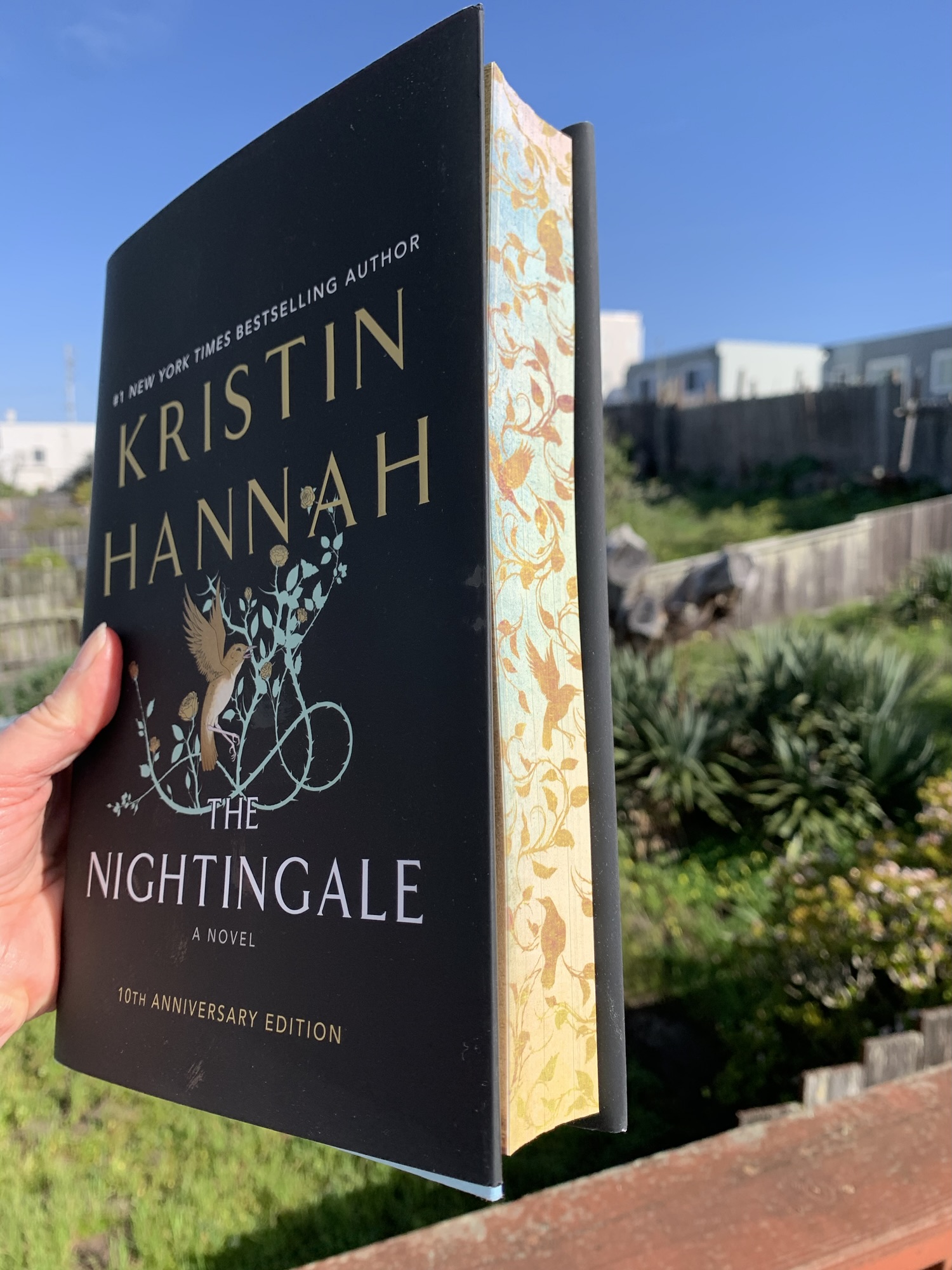
The Nightingale was originally published in 2015. Earlier this year, the publisher released a 10th anniversary special hardcover edition, which is lovely. The Nightingale is also available in paperback, e-book, and audiobook formats.

A look at the 10th anniversary edition of The Nightingale

Purchase linksAmazon – Bookshop.orgLibro.fm
Disclaimer: When you make a purchase through one of these affiliate links, I may earn a small commission, at no additional cost to you.

For more by this author, check out my reviews:

I have not yet read any of Kristin Hannah’s earlier works. If you have recommendations, please let me know!

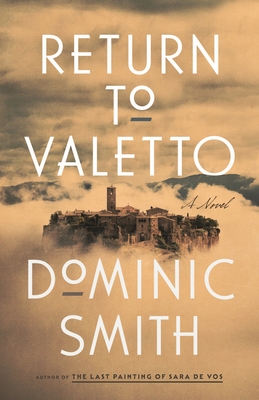
Book Review: Return to Valetto by Dominic Smith

Title: Return to Valetto
Author: Dominic Smith
Publisher: Farrar, Straus and Giroux
Publication date: June 13, 2023
Print length: 336 pages
Genre: Historical/contemporary fiction
Source: Library
Rating:

Rating: 3 out of 5.

A captivating and moving new novel from the international bestselling author of The Last Painting of Sara de Vos.

A nearly abandoned Italian village, the family that stayed, and long-buried secrets from World War II.

On a hilltop in Umbria sits Valetto. Once a thriving village-and a hub of resistance and refuge during World War II-centuries of earthquakes, landslides and the lure of a better life have left it neglected. Only ten residents remain, including the widows Serafino – three eccentric sisters and their steely centenarian mother – who live quietly in their medieval villa. Then their nephew and grandson, Hugh, a historian, returns.

But someone else has arrived before him, laying claim to the cottage where Hugh spent his childhood summers. The unwelcome guest is the captivating and no-nonsense Elisa Tomassi, who asserts that the family patriarch, Aldo Serafino, a resistance fighter whom her own family harboured, gave the cottage to them in gratitude. Like so many threads of history, this revelation unravels a secret – a betrayal, a disappearance and an unspeakable act of violence – that has impacted Valetto across generations. Who will answer for the crimes of the past?

Dominic Smith’s Return to Valetto is a riveting journey into one family’s long-buried story, a page-turning excavation of the ruins of history and our commitment to justice in a fragile world. For fans of Amor Towles, Anthony Doerr and Jess Walter, it is a deeply human and transporting testament to the possibility of love and understanding across gaps of all kinds – even time.

Return to Valetto is a story of family secrets and promises, set in a nearly abandoned hilltop village in the Umbria region of Italy. Valetto is now empty save for the Serafino villa, inhabited by three elderly sisters and their even older mother.

A fourth sister, the youngest, died years earlier, and as the story opens, her son Hugh — a history professor specializing in abandoned towns — arrives on sabbatical. But his arrival is marred by an unwanted presence: A squatter of sorts has taken up residence in the villa’s cottage, which Hugh’s mother had bequeathed to him. The squatter, Elisa, claims that the long-lost patriarch of the Serafino family had gifted it to her family years earlier, after they saved him in the closing days of the war. The sisters scoff at her claim, but Hugh wonders whether there might be a kernel of truth in Elisa’s tale.

As we learn, Aldo Serafino was a partisan fighter during World War II, and was last seen by his family in 1944. They never learned what became of him, but Elisa is able to fill in the blanks. He found shelter with her family, who hid him while partisans were being hunted down — and later, as he lay dying of an infection, they cared for him in his final days. She has a letter to prove his intentions, instructing his wife to give the cottage to the Tomassi family as repayment for their kindness on his behalf. The letter was never sent — and now more than half a century later, no one is willing to believe its validity.

As Hugh spends time with Elisa, he comes to see her sincerity and her devotion to her aged mother. Through this connection, he also finally starts to take an interest in life again, after spending years mourning his late wife. As Hugh and Elisa come closer to the truth about how their families intersected so many years ago, he becomes caught up in a search for truth and justice, with unexpected consequences.

Return to Valetto was my book group’s book of the month, and I can see that we’ll have lots to discuss. At the same time, I never felt any urgency about this book, and remained emotionally distant from it throughout, even at times of major revelations about traumatic events of the past.

The storytelling is slow-paced, full of descriptions and inner thoughts. It’s contemplative and shows an appreciation of history, geography, and the sense of loss and abandonment that informs the characters’ lives, as well as their town and surroundings. Shocking elements of the family’s wartime experiences gradually come to light, but even there, a lack of true drama keeps the reader at arm’s-length.

As for the conflict over the cottage, it fizzles away by the midpoint of the novel and is replaced by more dramatic conflict concerning the former townspeople of Valetto and the roles they played during the war. There are several key turning points, but somehow the narrative never truly feels compelling.

I enjoyed the depiction of the feisty older characters, as well as the descriptions of life in this empty town, and there’s a feast scene that’s just mouth-watering. The book presents several moral dilemmas to contemplate, which are interesting to think about, even while the storytelling itself feels a bit uneventful for large stretches.

I would likely not have picked up Return to Valetto without my book group — but I don’t regret reading it. I usually enjoy historical fiction, but somehow, the pacing and tone of this book work against the drama I believe it was trying to achieve, and many of the historical elements would have benefited from just a bit more exposition to set the scene.

Return to Valetto has many interesting elements in it, but it’s not a book that earns raves from me.

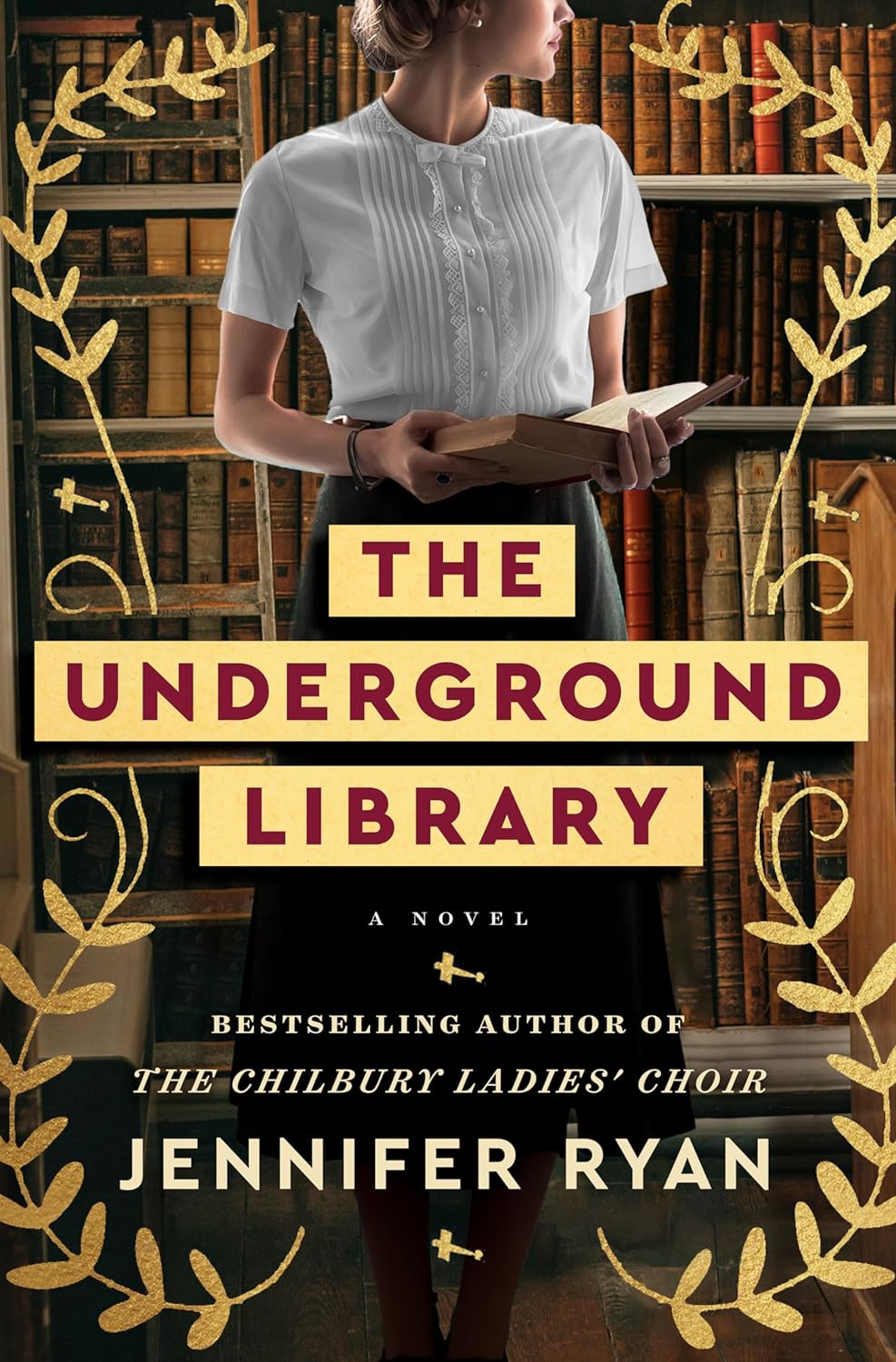
Book Review: The Underground Library by Jennifer Ryan

Title: The Underground Library
Author: Jennifer Ryan
Publisher: Ballantine Books
Publication date: March 12, 2024
Print length: 368 pages
Genre: Historical fiction
Source: Review copy courtesy of the publisher via NetGalley
Rating:

Rating: 4 out of 5.

When the Blitz imperils the heart of a London neighborhood, three young women must use their fighting spirit to save the community’s beloved library in this heartwarming novel from the author of The Chilbury Ladies’ Choir

When new deputy librarian, Juliet Lansdown, finds that Bethnal Green Library isn’t the bustling hub she’s expecting, she becomes determined to breathe life back into it. But can she show the men in charge that a woman is up to the task of running it, especially when a confrontation with her past threatens to derail her?

Katie Upwood is thrilled to be working at the library, although she’s only there until she heads off to university in the fall. But after the death of her beau on the front line and amid tumultuous family strife, she finds herself harboring a life-changing secret with no one to turn to for help.

Sofie Baumann, a young Jewish refugee, came to London on a domestic service visa only to find herself working as a maid for a man who treats her abominably. She escapes to the library every chance she can, finding friendship in the literary community and aid in finding her sister, who is still trying to flee occupied Europe.

When a slew of bombs destroy the library, Juliet relocates the stacks to the local Underground station where the city’s residents shelter nightly, determined to lend out stories that will keep spirits up. But tragedy after tragedy threatens to unmoor the women and sever the ties of their community. Will Juliet, Kate, and Sofie be able to overcome their own troubles to save the library? Or will the beating heart of their neighborhood be lost forever?

The Underground Library is the newest book by talented historical fiction author Jennifer Ryan, showing the strengths and struggles of women on the homefront during World War II.

Three main characters are our points of focus, each with a memorable story of her own. Through these characters and their friends and connections, a sense of a strong, resilient community is beautifully presented.

The lead characters, Juliet, Katie, and Sofie, each end up at the Bethnal Green library in London by different paths. Juliet leaves her small town, where she lives with uncaring parents, after her fiancé disappears during battle and is believed to be a deserter. Juliet needs both a fresh start and a chance to make something of herself, and is delighted to land a role as deputy librarian — a role available to a woman only because qualified men are scarce during wartime.

Katie, a Bethnal Green local, works at the library temporarily as she prepares to leave for university, eager to pursue her education and escape the pressures of her social-climbing father and a mother who only cares about reputation and what the neighbors think. When Katie receives word that her boyfriend is missing and presume dead, her world falls apart in more ways than one.

Sofie is a Jewish resident of Berlin whose family urges her to leave while she still can, and secures her a British visa conditional on domestic employment — something Sofie has never done before, having been raised in a well-off family with domestic help of their own. She’s reluctant to leave her family, but is finally convinced of the necessity of doing so. After a hair-raising and dangerous trip, she arrives in London. There, she finds safety from the Nazi terrors of Germany, but at a price: Her employer is cruel, demanding, and abusive, and she lives in constant fear for the family she left behind. When she happens to stop by the library while on an errand for her employer, a new world opens to her, as she’s welcomed and encouraged to keep coming back.

As the women meet and come together, new opportunities for community emerge. The head librarian is stuffy and bound by tradition, wanting to keep the library a quiet, dignified space for the privileged, but Juliet is determined to infuse new life into it, planning book discussions and activities during the hours when her boss is away.

When air raids begin, the people of Bethnal Green eventually begin using the underground station as a shelter, and it becomes a place of refuge, where night after night, people sleep, share stories, seek medical care, and find a place of relative safety while bombs are dropped overhead. When the library itself is hit in an air raid, the head librarian wants to shut it down, but Juliet has another idea: With the help of her trusted group of friends and the women who form the inner circle of her reading groups, she relocates as many books and resources as possible down into the shelter, and the underground library is born.

The Underground Library is a wonderful portrayal of women’s strength and the glory of friendship, as well as the absolutely awesome power of books to bring people together, provide an escape from the harsh realities of daily life, and offer inspiration and hope. It’s also a realistic depiction of life during wartime, showing the struggles of people on the homefront to feed and clothe their families, find medical care, and find safety from nightly dangers — all while worrying about loved ones serving on the front and mourning terrible losses.

Juliet, Katie, and Sofie each have their own struggles and heartbreaks, and each is given ample space to grow as characters and face their challenges. Each of their storylines is well developed and affecting. In some books with multiple main characters, there’s often one who outshines the others, but here, all three are interesting and provoke sympathy and emotional connection.

In addition to the main characters, it’s fascinating to see how their friends and associates find their own paths forward and take on new and different roles through their involvement with the Underground Library. By the end of the book — which includes plenty of tears but is ultimately uplifting — we see how friends can become family, how families can rebuild, and how people who’ve suffered loss can find reasons to keep going.

The Underground Library has a gentle tone, even when frightening events are happening around the characters. The focus is on the people — this is less a story about war and more a story about how people impacted by war find hope and strength in unexpected ways. I came to care deeply about the characters and their lives, and felt thoroughly immersed in the book as a whole. In fact, my only complaint is that there are some secondary characters I wish we’d gotten to see more of — I felt like there were even more stories to be told about the people who made up the Bethnal Green community.

The Underground Library is Jennifer Ryan’s 5th novel, and I’ve enjoyed each and every one. She has a talent for showing the ordinary people affected by historical events, and especially, the importance of community during times of great struggles.

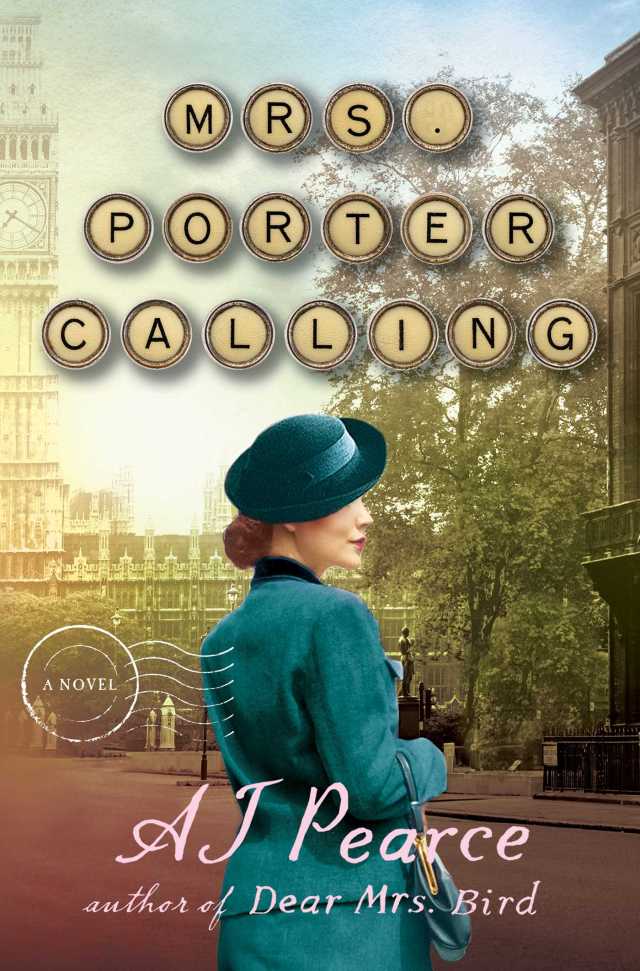
Book Review: Mrs. Porter Calling by AJ Pearce

Title: Mrs. Porter Calling
Author: AJ Pearce
Publisher: Scribner
Publication date: August 8, 2023
Length: 320 pages
Genre: Historical fiction
Source: Review copy courtesy of the publisher via NetGalley
Rating:

Rating: 4 out of 5.

London, April 1943. A little over a year since she married Captain Charles Mayhew and he went away to war, Emmy Lake is now in charge of “Yours Cheerfully,” the hugely popular advice column in Woman’s Friend magazine. Cheered on by her best friend Bunty, Emmy is dedicated to helping readers face the increasing challenges brought about by over three years of war. The postbags are full and Woman’s Friend is thriving.

But Emmy’s world is turned upside down when glamorous socialite, the Honorable Mrs. Cressida Porter, becomes the new publisher of the magazine, and wants to change everything the readers love. Aided by Mrs. Pye, a Paris-obsessed fashion editor with delusions of grandeur, and Small Winston, the grumpiest dog in London, Mrs. Porter fills the pages with expensive clothes and frivolous articles about her friends. Worst of all, she announces that she is cutting the “Yours Cheerfully” column and her vision for the publication’s future seems dire. With the stakes higher than ever, Emmy and her friends must find a way to save the magazine that they love.

Emmy Lake is back! Mrs. Porter Calling is the third in a series of books about a magazine journalist and her group of close friends and colleagues, navigating life on the homefront in WWII-era London. In the first two books, Dear Mrs. Bird and Yours Cheerfully, we see Emmy land a job at Woman’s Friend magazine, where she eventually takes over the advice column, seeing it as her mission to offer compassionate, practical advice to women in need. Over the course of these two books, she also meets and marries a lovely man, and supports her best friend through horrible loss and recovery.

As Mrs. Porter Calling opens, the year is 1943, and Emmy continues her work at Woman’s Friend as well as with the fire service, which monitors and responds to disasters caused by air raids. Emmy’s beloved husband Charles is off on the front lines, the couple having had only a few short days together following their wedding before his deployment. Emmy shares a home with her best friend Bunty, and they lead busy, productive lives — they’ve learned to adapt and carry on, despite the constant fear and rationing.

Emmy’s professional life is thrown into a tailspin when the magazine’s owner dies. He’s bequeathed ownership to his niece, who turns out to be a spoiled upper-class woman who feigns delight with the magazine, provided they implement just a few of her “tiny ideas”. She finds the current version “A Bit Mis” — miserable — and decides that what the readers really need is more stories that are pleasant. Rather than focus on food columns about how to make good meals with limited rations or knitting/sewing clothing when supplies aren’t available, she wants glamour, fashion, and a focus on the beautiful lives of her own class. The staff of the magazine is appalled — this is not what their readers rely on them for — but having no choice, the magazine is changed to Mrs. Porter’s standards, and of course, readership and then advertising drop off. Soon, the future of Woman’s Friend is in doubt, and Emmy and her colleagues become desperate to save it.

Meanwhile, at home, Emmy and Bunty welcome a woman with three young children into their home, and soon their days are filled with activity and joyful chaos — but the realities of war are always present, and soon enough Emmy’s woes at the magazine are eclipsed by a more personal tragedy.

I enjoyed Mrs. Porter Calling so much! Mrs. Porter herself is an insidiously vapid character who acts sweetly haughty, until she hits the team with her “ideas”, all with the most saccharine of smiles and eyelash batting. As Emmy reflects:

I was beginning to feel as if I was being run over by a steamroller made from petals and kittens. It was delightful, but also somewhat immobilizing.

Beyond the work crises, where we can’t help but root for the underdogs — the hardworking, dedicated team of Woman’s Friend — the book delves sensitively into the lives of the women and children struggling to make ends meet on the home front.

“Don’t worry, Em, we’ll do what all the other women in Britain are doing.”

“What’s that?” I said.

“Cope,” said Bunty.

Again and again, Emmy, Bunty, and their circle of friends show what true bravery is, as well as devotion and determination.

While there’s sorrow and conflict in Mrs. Porter Calling, there’s a chipper, upbeat air that carries the story along — the “Keep Calm and Carry On” attitude that lets the characters find happiness even in the darkest of days. I loved the found family aspect of the characters’ lives — despite fears for loved ones on the battlefield or sorrow for those lost, they bond together to get through it all, and clearly show how love and friendship can mend broken hearts.

“War’s bad enough as it is. Imagine if you’re trying to get through this on your own.”

The Emmy Lake books are emotional, entertaining, and heart-warming. I recommend starting at the beginning of the series, and continuing on from there. I understand there’s at least one more book planned, and also read a comment by the author that she hopes to continue writing books that will take Emmy and friends through to the end of the war. I hope that’s the case! I’d really love to see more of Emmy’s story (and will be waiting to see what I hope will be a happy ending for her once the war ends).

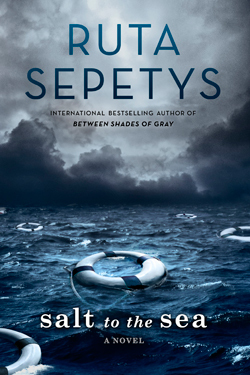
Shelf Control #329: Salt to the Sea by Ruta Sepetys

Shelves final

Welcome to Shelf Control — an original feature created and hosted by Bookshelf Fantasies.

Shelf Control is a weekly celebration of the unread books on our shelves. Pick a book you own but haven’t read, write a post about it (suggestions: include what it’s about, why you want to read it, and when you got it), and link up! For more info on what Shelf Control is all about, check out my introductory post, here.

Want to join in? Shelf Control posts go up every Wednesday. See the guidelines at the bottom of the post, and jump on board!

Title: Salt to the Sea
Author: Ruta Sepetys
Published: 2016
Length: 221 pages

What it’s about (synopsis via Goodreads):

While the Titanic and Lusitania are both well-documented disasters, the single greatest tragedy in maritime history is the little-known January 30, 1945 sinking in the Baltic Sea by a Soviet submarine of the Wilhelm Gustloff, a German cruise liner that was supposed to ferry wartime personnel and refugees to safety from the advancing Red Army. The ship was overcrowded with more than 10,500 passengers — the intended capacity was approximately 1,800 — and more than 9,000 people, including 5,000 children, lost their lives.

Sepetys (writer of ‘Between Shades of Gray’) crafts four fictionalized but historically accurate voices to convey the real-life tragedy. Joana, a Lithuanian with nursing experience; Florian, a Prussian soldier fleeing the Nazis with stolen treasure; and Emilia, a Polish girl close to the end of her pregnancy, converge on their escape journeys as Russian troops advance; each will eventually meet Albert, a Nazi peon with delusions of grandeur, assigned to the Gustloff decks.

How and when I got it:

I have a paperback edition on my shelf, which I think I bought at a used book store at least 3 or 4 years ago.

Why I want to read it:

This book had so many great reviews when it came out! I remember reading newspaper reviews (all positive) at the time, plus so many bloggers talked about how powerful it is.

I’ve read one book by Ruta Sepetys before — Out of the Easy — set in 1950s New Orleans. I liked it, but not as much as I’d expected to, and while I’ve heard good things about other books by this author, I haven’t gotten around to exploring any other of her works.

I’m drawn to Salt to the Sea based on the premise — because yes, while I’m quite familiar with the Titanic and the Lusitania, before picking up this book, I’d never heard of the Wilhelm Gustloff. There’s something so awful about ships sinking — the idea of it is absolutely terrifying to me, and the scale of this particular tragedy is so huge that it’s hard to comprehend.

I’m glad I stumbled across my copy of Salt to the Sea while thinking about what book to feature this week! It sounds like an emotional read, and I’m interested in the historical aspects as well as the stories of the individual characters.

What do you think? Would you read this book?

Please share your thoughts!


__________________________________

Want to participate in Shelf Control? Here’s how:

  • Write a blog post about a book that you own that you haven’t read yet.
  • Add your link in the comments or link back from your own post, so I can add you to the participant list.
  • Check out other posts, and…

Have fun!

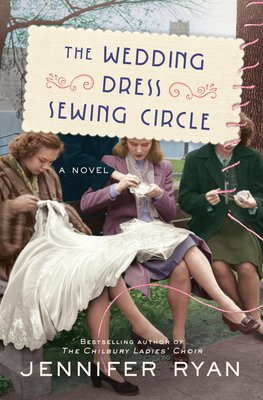
Book Review: The Wedding Dress Sewing Circle by Jennifer Ryan

Title: The Wedding Dress Sewing Circle
Author: Jennifer Ryan
Publisher: Ballantine Books
Publication date: May 31, 2022
Print length: 432 pages
Genre: Historical fiction
Source: Review copy courtesy of the publisher via NetGalley
Rating:

Rating: 4 out of 5.

Three plucky women lift the spirits of home-front brides in wartime Britain, where clothes rationing leaves little opportunity for pomp or celebration–even at weddings–in this heartwarming novel based on true events, from the bestselling author of The Chilbury Ladies’ Choir.

After renowned fashion designer Cressida Westcott loses both her home and her design house in the London Blitz, she has nowhere to go but the family manor house she fled decades ago. Praying that her niece and nephew will be more hospitable than her brother had been, she arrives with nothing but the clothes she stands in, at a loss as to how to rebuild her business while staying in a quaint country village.

Her niece, Violet Westcott, is thrilled that her famous aunt is coming to stay–the village has been interminably dull with all the men off fighting. But just as Cressida arrives, so does Violet’s conscription letter. It couldn’t have come at a worse time; how will she ever find a suitably aristocratic husband if she has to spend her days wearing a frumpy uniform and doing war work?

Meanwhile, the local vicar’s daughter, Grace Carlisle, is trying in vain to repair her mother’s gown, her only chance of a white wedding. When Cressida Westcott appears at the local Sewing Circle meeting, Grace asks for her help–but Cressida has much more to teach the ladies than just simple sewing skills.

Before long, Cressida’s spirit and ambition galvanizes the village group into action, and they find themselves mending wedding dresses not only for local brides, but for brides across the country. And as the women dedicate themselves to helping others celebrate love, they might even manage to find it for themselves.

The Wedding Dress Sewing Circle is now the 4th book I’ve read by Jennifer Ryan, and like her earlier books, it presents a warm-hearted look at the homefront challenges and triumphs of women during wartime.

The year is 1942, London is being terrorized by air raids, and in the countryside, families are making do with less and less. Even clothing is rationed — materials are prioritized for the benefit of the war effort, so the local sewing circles are forced to become skilled at repairing and reworking the clothing that they do have.

In the village of Aldhurst, the vicar’s 24-year-old daughter is soon to be married. Grace and her widowed father find her mother’s wedding dress stored away, but the years have not been kind to the once-beautiful gown. Grace is looking forward to her marriage to a young curate, although she’s mostly motivated by duty and a need to be useful to the parish rather than by sentiments of true love.

But when Cressida, a famous designer whose home and business are both destroyed in a night-time bombing raid, returns to her family’s manor in Aldhurst, life in the village starts to change. Cressida lends her skills to the local sewing circle, encourages Grace to think bigger and explore her own talents, and even manages to get her niece Violet to see that there’s more to life than being the pretty little wife of an aristocrat.

As the women spend time together, they become tightly bonded, and manage to find creative inspiration in their sewing projects, eventually coming up with the idea of organizing what’s essentially a wedding dress lending library. Soon, women from all across Britain are donating their wedding dresses, and eager brides are now able to have the beautiful weddings they’ve dreamed of, rather than getting married in uniforms or practical clothing.

The Wedding Dress Sewing Circle focuses on friendship and finding purpose. The women at the heart of the book all, in their own ways, reevaluate the assumptions they’ve made about their lives and find different, more meaningful paths for themselves. Through Cressida’s example, they learn to think differently, challenge expectations, and pursue careers and lives that are more fulfilling than what they’d thought they should want or expect.

I enjoyed getting to know the main characters and seeing each of them blossom in different ways. Each has a love story as well, none of which run particularly smoothly — but never fear, there are plenty of happy endings to go around.

As in her other books, Jennifer Ryan uses village life and characters to portray the effects of war on ordinary people. Her characters aren’t out risking their lives on battlefields or engaging in high-stakes espionage; these are the everyday women and men who must do the best they can in the face of shortages and hardships, holding on to their homes, their friends, and their communities the best they can. The Wedding Dress Sewing Circle is a portrait of a generous community, whose individuals come together to not just make do, but make better.

This is a gentle read, with drama on the more intimate and personal side. While the opening scenes of Cressida’s experiences in the air raid are very frightening and dramatic, and while there’s another incident later on of an air raid on a neighboring village that’s also quite scary and intense, the rest of the book is quieter and more restrained. The focus is on day to day life and the people of the village — the war is the constant backdrop, but it’s filtered through the experiences of the women and families on the homefront.

I enjoyed The Wedding Dress Sewing Circle very much. In fact, my only slight complaint is that it seems to echo the author’s other books in certain ways, so that the overall story feels less fresh this time around. In three of the four books of hers that I’ve now read, the main story is about plucky women in a small town who come together to make it through the war years — in one book, it’s about a choir, in another, a cooking competition, and here, a sewing group. The plots arcs and characters here feel familiar, not because we’ve seen them before, but because the overall tone is so similar to those of her previous novels.

That said, I did think it was an engaging, often moving read, and I enjoyed seeing the characters grow and change over the course of the story. Jennifer Ryan has a gift for bringing out the beauty in simple lives, and I always enjoy her light touch when it comes to dialogue and banter.

If you enjoy historical fiction, especially historical fiction focused on women’s lives, don’t miss The Wedding Dress Sewing Circle!

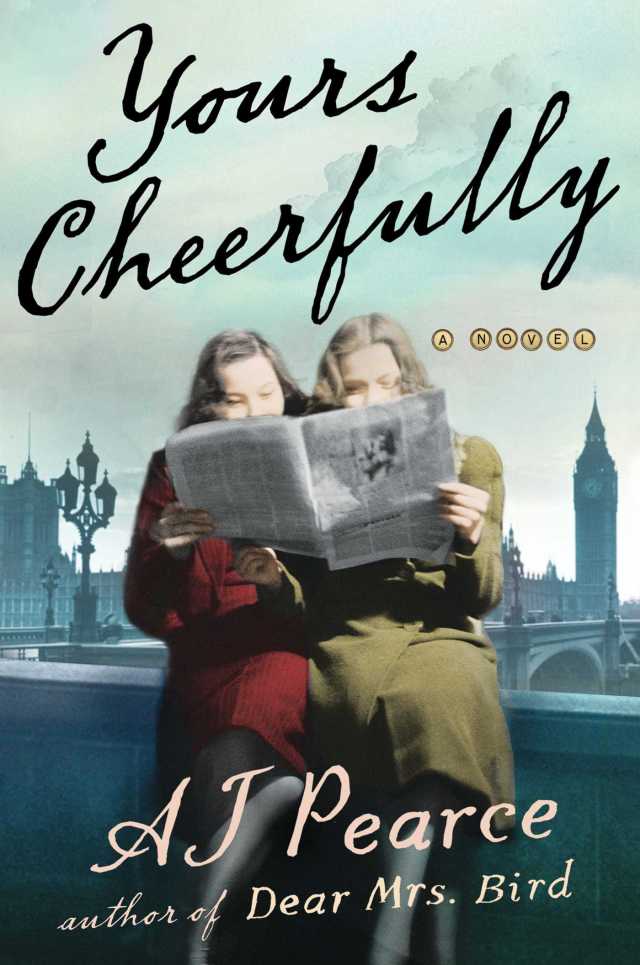
Book Review: Yours Cheerfully by AJ Pearce

Title: Yours Cheerfully
Author: AJ Pearce
Publisher: Scribner
Publication date: August 10, 2021
Length: 304 pages
Genre: Historical fiction
Source: Review copy courtesy of the publisher via NetGalley
Rating:

Rating: 3.5 out of 5.

London, November 1941. Following the departure of the formidable Henrietta Bird from Woman’s Friend magazine, things are looking up for Emmeline Lake as she takes on the challenge of becoming a young wartime advice columnist. Her relationship with boyfriend Charles (now stationed back in the UK) is blossoming, while Emmy’s best friend Bunty, still reeling from the very worst of the Blitz, is bravely looking to the future. Together, the friends are determined to Make a Go of It.

When the Ministry of Information calls on Britain’s women’s magazines to help recruit desperately needed female workers to the war effort, Emmy is thrilled to be asked to step up and help. But when she and Bunty meet a young woman who shows them the very real challenges that women war workers face, Emmy must tackle a life-changing dilemma between doing her duty and standing by her friends.

In this follow-up to Dear Mrs. Bird, the story of Emmy Lake continues — although Yours Cheerfully works perfectly well as a stand-alone. Emmy is a young woman who’s just learning the journalism ropes at Woman’s Friend magazine, while also juggling her wartime volunteer work as part of the fire watch, spending time with her best friend Bunty, and squeezing in precious visits with her boyfriend Charles whenever he can get leave. It’s 1941, and the war dominates every aspect of life in London.

As the story opens, the British Ministry of Information convenes a briefing for representatives of women’s magazines, urging them to do their patriotic duty by promoting recruitment of women workers to support the war effort. For Emmy, this represents a chance to advance in her journalism career, but as she visits a munitions factory as part of her research, she learns that there’s a darker side to women’s factory work: For those with small children, childcare can be difficult to impossible to find, and women who sneak their children into the factories so they can watch them face immediate firing.

Emmy learns as well that some of these women are war widows or have husbands missing in action, so that the factory work is not only patriotic, but is essential to their families’ financial survival.

Despite the magazine needing to keep up the positive portrayal of woman’s war work, Emmy can’t help feeling that she’s letting their readers down by not advocating for more attention to the needs of the workers — especially since there are supposed to be government-funded nurseries, but only if the factory owners make the effort to make the arrangements, and apparently, many of them don’t bother.

The story of the factory workers with whom Emmy becomes friends becomes a main thread of the plot of Yours Cheerfully. Interspersed with this is Emmy’s friendship with Bunty, recovering from injury and terrible loss after events in Dear Mrs. Bird, and the story of Emmy’s romance with Charles. There are sweet romantic moments, as well as a depiction of the challenges of everyday life during war and the fragility of every moment of happiness, knowing sorrow could be just around the corner.

I enjoyed Yours Cheerfully, although it starts very slowly. My interest was slow to engage, but eventually I was drawn in by the story of the factory workers, whom we come to know as individuals, each with their own backstory, and by the ups and downs faced by Emmy and Charles as they try to juggle courtship and engagement with the realization that Charles is likely to be sent overseas at any moment.

Yours Cheerfully is a quiet book — even the moments of greater action, such as a march to promote nurseries for the munitions workers, are fairly mild affairs. The characters are all lovely, but the book doesn’t build a great sense of drama or urgency. It’s a very nice read, but I can’t say I ever felt compelled by the plot or totally engrossed.

Overall, Yours Cheerfully provides a thoughtful look at women on the homefront during war, depicting the bravery embodied in carrying on during a time of heightened tragedy and crisis, and the power of friendship and joy to see the characters through the worst of times.

**********

Through affiliate programs, I may earn commissions from purchases made when you click through these links, at no cost to you.

Buy now at Amazon – Book Depository – Bookshop.org

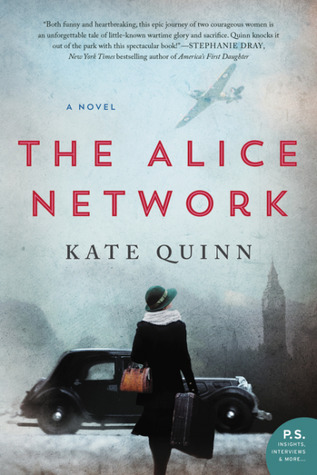
Shelf Control #258: The Alice Network by Kate Quinn

Shelves final

Welcome to Shelf Control — an original feature created and hosted by Bookshelf Fantasies.

Shelf Control is a weekly celebration of the unread books on our shelves. Pick a book you own but haven’t read, write a post about it (suggestions: include what it’s about, why you want to read it, and when you got it), and link up! For more info on what Shelf Control is all about, check out my introductory post, here.

Want to join in? Shelf Control posts go up every Wednesday. See the guidelines at the bottom of the post, and jump on board!

Title: The Alice Network
Author: Kate Quinn
Published: 2017
Length: 503 pages

What it’s about (synopsis via Goodreads):

In an enthralling new historical novel from national bestselling author Kate Quinn, two women—a female spy recruited to the real-life Alice Network in France during World War I and an unconventional American socialite searching for her cousin in 1947—are brought together in a mesmerizing story of courage and redemption.

1947. In the chaotic aftermath of World War II, American college girl Charlie St. Clair is pregnant, unmarried, and on the verge of being thrown out of her very proper family. She’s also nursing a desperate hope that her beloved cousin Rose, who disappeared in Nazi-occupied France during the war, might still be alive. So when Charlie’s parents banish her to Europe to have her “little problem” taken care of, Charlie breaks free and heads to London, determined to find out what happened to the cousin she loves like a sister.

1915. A year into the Great War, Eve Gardiner burns to join the fight against the Germans and unexpectedly gets her chance when she’s recruited to work as a spy. Sent into enemy-occupied France, she’s trained by the mesmerizing Lili, code name Alice, the “queen of spies”, who manages a vast network of secret agents right under the enemy’s nose.

Thirty years later, haunted by the betrayal that ultimately tore apart the Alice Network, Eve spends her days drunk and secluded in her crumbling London house. Until a young American barges in uttering a name Eve hasn’t heard in decades, and launches them both on a mission to find the truth…no matter where it leads.

How and when I got it:

I bought a paperback about two years ago.

Why I want to read it:

I think I’m the only person who hasn’t read The Alice Network! I know it’s been incredibly popular with book groups and book bloggers. I’m a fan of historical fiction, and of course there are so many excellent novels set against the backdrop of the World Wars. I love seeing strong female characters taking on unusual roles, and the synopsis makes this story of a women’s spy ring sound thrilling.

I’ve been seeing a lot of buzz for Kate Quinn’s upcoming new release, The Rose Code, and feel like I should read The Alice Network (finally!) before trying to score a copy of her new book.

What do you think? Have you read The Alice Network? And if not, would you want to?

Please share your thoughts!


__________________________________

Want to participate in Shelf Control? Here’s how:

  • Write a blog post about a book that you own that you haven’t read yet.
  • Add your link in the comments or link back from your own post, so I can add you to the participant list.
  • Check out other posts, and…

Have fun!

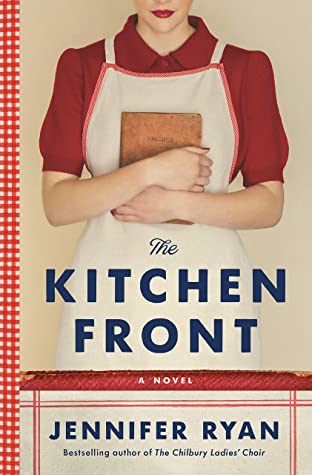
Book Review: The Kitchen Front by Jennifer Ryan

Title: The Kitchen Front
Author: Jennifer Ryan
Publisher: Ballantine Books
Publication date: February 23, 2021
Length: 416 pages
Genre: Historical fiction
Source: Review copy courtesy of the publisher via NetGalley
Rating:

Rating: 4 out of 5.

In a new World War II-set story from the bestselling author of The Chilbury Ladies’ Choir, four women compete for a spot hosting a wartime cookery program called The Kitchen Front – based on the actual BBC program of the same name – as well as a chance to better their lives.

Two years into WW2, Britain is feeling her losses; the Nazis have won battles, the Blitz has destroyed cities, and U-boats have cut off the supply of food. In an effort to help housewives with food rationing, a BBC radio program called The Kitchen Front is putting on a cooking contest–and the grand prize is a job as the program’s first-ever female co-host. For four very different women, winning the contest presents a crucial chance to change their lives.

For a young widow, it’s a chance to pay off her husband’s debts and keep a roof over her children’s heads. For a kitchen maid, it’s a chance to leave servitude and find freedom. For the lady of the manor, it’s a chance to escape her wealthy husband’s increasingly hostile behavior. And for a trained chef, it’s a chance to challenge the men at the top of her profession.

These four women are giving the competition their all–even if that sometimes means bending the rules. But with so much at stake, will the contest that aims to bring the community together serve only to break it apart?

The Kitchen Front is a fascinating look at World War II’s impact on the women and children back on the home front, who face not battlefield danger but the perils of bombing raids and food shortages.

Set in 1942, the story centers on a competition hosted by the (historically real) BBC radio program The Kitchen Front. The purpose of the program is to promote the creative use of wartime rations, aimed at British housewives struggling to feed their families when so many basics just aren’t to be had. The competition is open to professional cooks, and the prize is a co-hosting role on the radio program.

In the small town of Fenley Village, located not far from London, life is bleak for many of the town’s residents. While rare food items can still be had through the black market, most families get by on their rations and what they can grow in their own gardens. Everything can and must be repurposed, and the creativity required to actually make edible and nutritious food is remarkable.

The four main characters of the story are all very different, and each has her own reason for wanting — or needing — to win the competition. For Audrey, a grieving war widow deeply in debt trying to keep her three sons housed and fed, it’s a chance to finally get back on her feet financially. For her sister Gwendolyn, it’s a way to boost her bullying, wealthy husband’s prestige and keep his anger at bay. For Nell, a kitchen maid who’s finally learning to stand on her own two feet, it’s a dream of a life outside of service. And for Zelda, a Cordon Bleu chef facing sexism in the world of haute cuisine, it’s a means of staking a claim on the professional respect and opportunities that continually elude her.

As the four compete, they form bonds as well, and as secrets are revealed, they come together to form a new family and envision a future that benefits them all.

The book is divided into three sections, corresponding with the three rounds of the competition — starters, main courses, and desserts. In each, we learn more about the four women, and also see the different processes each uses as she invents and creates her dish for the competition. The book includes recipes for all the meals discussed, and it’s truly amazing to learn about the substitutions needed to get by on wartime rations. Who knew that the British government promoted whale meat as an alternative to beef?

I found the aspects of the book related to how the women on the home front used their wits and resources to feed their families really fascinating, and I enjoyed the picture of village life during war, the bonds of the four main characters, and the sense of sisterhood that ultimately makes all of them stronger.

Somehow, though, the overarching plotlines felt a little predictable and bland to me. I liked each of the characters well enough, but they often felt more like types than fully-fleshed out people. Maybe because the focus was split between the four, it didn’t give any one of them the opportunity to fully blossom as a main character.

Still, I enjoyed this book very much. As with her previous novels, especially the wonderful The Chilbury Ladies’ Choir, author Jennifer Ryan uses her meticulous research to bring out the feel of the era, and in this case, to bring out the flavors of family life in wartime England. The story is heartwarming, and gave me a sense of peering behind the headlines of war to see the impact on the people left behind to carry on. A recommended read!

Shelf Control #246: When the Emperor Was Divine by Julie Otsuka

Shelves final

Welcome to Shelf Control — an original feature created and hosted by Bookshelf Fantasies.

Shelf Control is a weekly celebration of the unread books on our shelves. Pick a book you own but haven’t read, write a post about it (suggestions: include what it’s about, why you want to read it, and when you got it), and link up! For more info on what Shelf Control is all about, check out my introductory post, here.

Want to join in? Shelf Control posts go up every Wednesday. See the guidelines at the bottom of the post, and jump on board!

Title: When the Emperor Was Divine
Author: Julie Otsuka
Published: 2002
Length: 144 pages

What it’s about (synopsis via Goodreads):

On a sunny day in Berkeley, California, in 1942, a woman sees a sign in a post office window, returns to her home, and matter-of-factly begins to pack her family’s possessions. Like thousands of other Japanese Americans they have been reclassified, virtually overnight, as enemy aliens and are about to be uprooted from their home and sent to a dusty internment camp in the Utah desert.

In this lean and devastatingly evocative first novel, Julie Otsuka tells their story from five flawlessly realized points of view and conveys the exact emotional texture of their experience; the thin-walled barracks and barbed-wire fences, the omnipresent fear and loneliness, the unheralded feats of heroism. When the Emperor Was Divine is a work of enormous power that makes a shameful episode of our history as immediate as today’s headlines.

How and when I got it:

I bought a used copy about 2 – 3 years ago.

Why I want to read it:

This book was a required summer reading assignment for my son right before his junior year of high school. No big surprise — he didn’t end up reading it. (I don’t think he’s clear on the meaning of “required”.) But once we had a copy in the house, I knew I’d need to read it eventually.

I’ve always been interested in learning more about the horrific treatment of Japanese Americans during WWII. I’ve read both historical and fictional accounts of the experiences of those sent to the internment camps. I know When the Emperor Was Divine is highly rated, although I don’t know anyone directly who’s read it.

I’m glad to have stumbled across our copy while looking for a Shelf Control book this week! I’m going to try to make it a priority in 2021.

Have you read this book? Would you want to?

Please share your thoughts!


__________________________________

Want to participate in Shelf Control? Here’s how:

  • Write a blog post about a book that you own that you haven’t read yet.
  • Add your link in the comments or link back from your own post, so I can add you to the participant list.
  • Check out other posts, and…

Have fun!