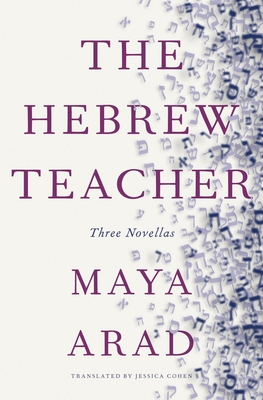
Book Review: The Hebrew Teacher by Maya Arad

Title: The Hebrew Teacher
Author: Maya Arad
Translated by: Jessica Cohen
Publisher: New Vessel Press
Publication date: March 19, 2024
Length: 320 pages
Genre: Contemporary fiction
Source: Library
Rating:

Rating: 3.5 out of 5.

Three Israeli women, their lives altered by immigration to the United States, seek to overcome crises. Ilana is a veteran Hebrew instructor at a Midwestern college who has built her life around her career. When a young Hebrew literature professor joins the faculty, she finds his post-Zionist politics pose a threat to her life’s work. Miriam, whose son left Israel to make his fortune in Silicon Valley, pays an unwanted visit to meet her new grandson and discovers cracks in the family’s perfect façade. Efrat, another Israeli in California, is determined to help her daughter navigate the challenges of middle school, and crosses forbidden lines when she follows her into the minefield of social media. In these three stirring novellas—comedies of manners with an ambitious blend of irony and sensitivity—celebrated Israeli author Maya Arad probes the demise of idealism and the generation gap that her heroines must confront.  

The Hebrew Teacher is a collection of three novellas that, taken as a whole, provide insight into experiences of alienation, assimilation, and family generational estrangement. Originally published in Hebrew, this collection’s smooth English translation provides powerful, moving stories with universal themes.

While not normally a fan of short fiction, I was immediately pulled into the characters’ lives in each of these three novellas. Their stories are so relatable that they actually disturbed me quite a bit, as they highlight the ordinary heartbreak that daily life can present.

The first story, The Hebrew Teacher, focuses on Ilana, a woman approaching retirement who has spent her entire career teaching Hebrew at a midwestern university. She reminisces on the early days:

When she’d arrived in ’71, it had been a good time for Hebrew. When she told people she was from Israel, they used to give her admiring looks. […] But now was not a good time for Hebrew.

Ilana faces an alarming drop in her enrollment rates for the new semester, while also dealing with a new professor of Hebrew and Jewish literature — someone with authority over her classes — whose political views put him and Ilana on opposite sides of an academic cold war.

The Hebrew Teacher has a sad energy; we feel for Ilana as an older woman reflecting on the days when both she and her life’s work were once appreciated, forced to realize that she’s been left behind by changing times.

The second story, A Visit (Scenes) is also achingly sad. Miriam arrives in Silicon Valley to visit her son, daughter-in-law, and their toddler. She’s never met her grandson before, and her son and his wife seem distinctly uninterested in welcoming her into their home and lives. Told through vignettes (scenes) over the course of Miriam’s three-week visit, through Miriam’s POV as well as the other two adults’, the story unfolds in short glimpses that convey the utter estrangement Miriam feels as well as the tension within the household. Miriam’s visits with another grandmother and her daughter-in-law add poignancy, as they show the happiness and closeness that have eluded Miriam. For some reason, this story just broke my heart, especially Miriam’s reflections on the closeness of parents and children during the childhood years, and how adult children exclude their parents from their lives.

Make New Friends, the third and final piece in this collection, feels rather difference in focus, but is still disturbing in tone and content. Once again featuring a family of Israeli ex-pats in Silicon Valley, Make New Friends is told through the viewpoint of Efrat, a mother who worries constantly about her 13-year-old daughter’s lack of friends. As Efrat stews over Libby’s social standing, she crosses some major lines on social media, all the while coming to terms with her own long-simmering anxieties about friendship and belonging. The story is well told, and made me very uncomfortable — and then ends pretty abruptly. I expected a more dramatic conclusion; it seems to just stop.

Overall, I enjoyed reading this book, even though I don’t do particularly well with short fiction and am always left feeling a bit unsatisfied. The stories in The Hebrew Teacher present ordinary people dealing with life’s frustrations and disappointments, with characters who feel well-defined and specific. I appreciated the depiction of the cultural struggles of characters who end up livinge far from their original homes and families, and what this means for their children as well.

The Hebrew Teacher won the 2025 National Jewish Book Award for Hebrew Fiction in Translation. Maya Arad’s newest novel, Happy New Years, was released in the US this month, and I look forward to reading it.

Purchase linksAmazon – Bookshop.orgLibro.fm
Disclaimer: When you make a purchase through one of these affiliate links, I may earn a small commission, at no additional cost to you.
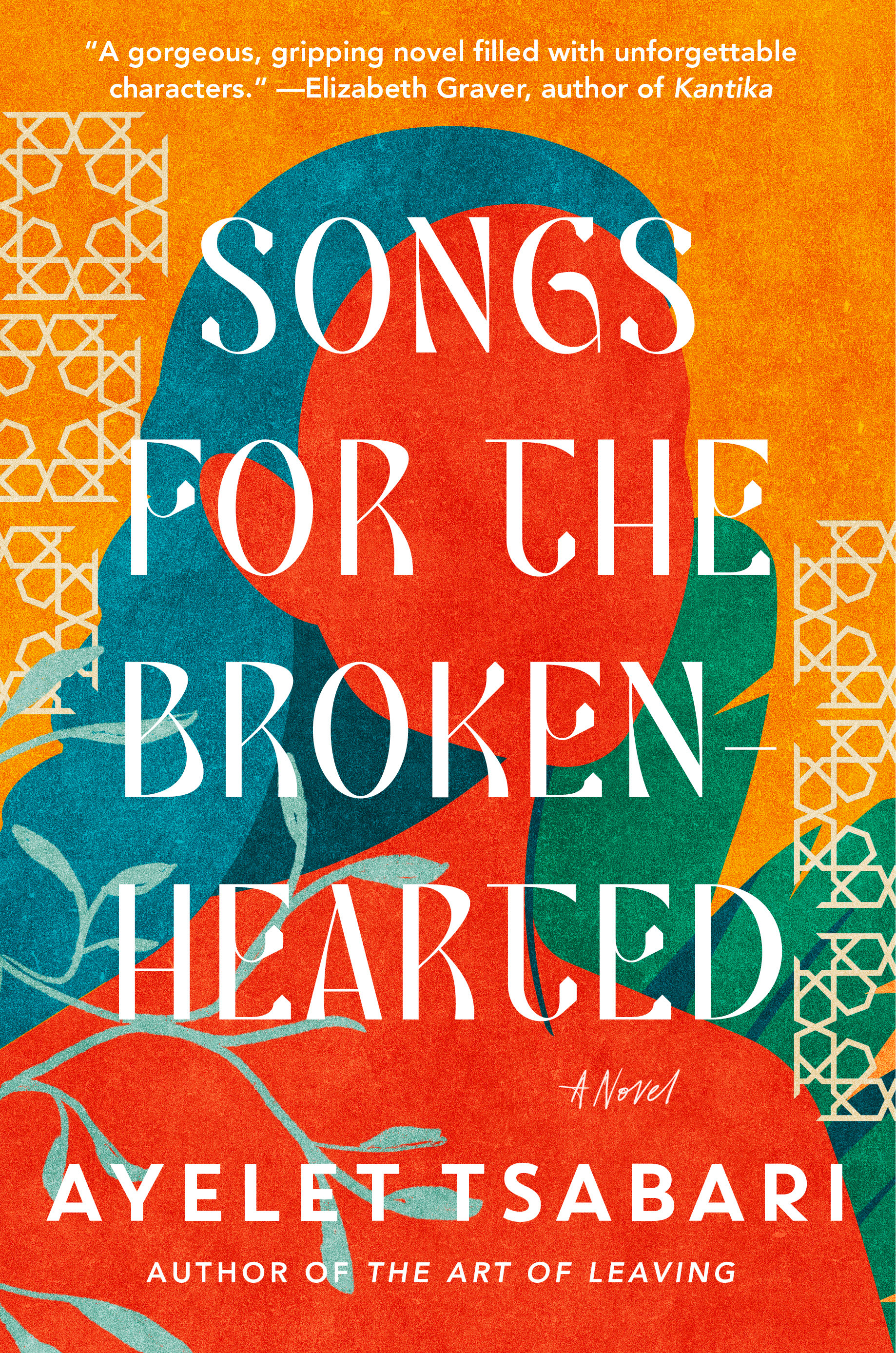

Book Review: Songs for the Broken-Hearted by Ayelet Tsabari

Title: Songs for the Broken-Hearted
Author: Ayelet Tsabari 
Publisher: Random House
Publication date: September 10, 2024
Length: 352 pages
Genre: Historical fiction
Source: Review copy courtesy of the publisher via NetGalley
Rating:

Rating: 5 out of 5.

A young Yemeni Israeli woman learns of her mother’s secret romance in a dramatic journey through lost family stories, revealing the unbreakable bond between a mother and a daughter—the debut novel of an award-winning literary voice.

“A gorgeous, gripping novel filled with unforgettable characters.”—Elizabeth Graver, author of Kantika

1950. Thousands of Yemeni Jews have immigrated to the newly founded Israel in search of a better life. In an overcrowded immigrant camp in Rosh Ha’ayin, Yaqub, a shy young man, happens upon Saida, a beautiful girl singing by the river. In the midst of chaos and uncertainty, they fall in love. But they weren’t supposed to; Saida is married and has a child, and a married woman has no place befriending another man.

1995. Thirty-something Zohara, Saida’s daughter, has been living in New York City—a city that feels much less complicated than Israel, where she grew up wishing that her skin was lighter, that her illiterate mother’s Yemeni music was quieter, and that the father who always favored her was alive. She hasn’t looked back since leaving home, rarely in touch with her mother or sister, Lizzie, and missing out on her nephew Yoni’s childhood. But when Lizzie calls to tell her their mother has died, she gets on a plane to Israel with no return ticket.

Soon Zohara finds herself on an unexpected path that leads to shocking truths about her family—including dangers that lurk for impressionable young men and secrets that force her to question everything she thought she knew about her parents, her heritage, and her own future.

Songs for the Broken-Hearted is a beautiful look into women’s lives, intergenerational misunderstandings and traumas, and the hidden histories of women’s communities and their art. Above all, it’s the story of a woman processing grief over the loss of a mother she never fully knew, learning more about herself through learning about her mother’s life.

It’s 1995, and Zohara is on a break from her doctoral program in New York, vacationing in Thailand, when she’s summoned back home to Israel with the news that her mother Saida has died. The youngest daughter in this Yemeni Israeli family, Zohara has felt disconnected from her homeland and her family, and has never really known her mother in a deep way.

Upon her return, Zohara is confronted by just how much she may have missed, as she begins to learn more about Saida’s role within the family and community, and discovers tapes of her beautiful singing. As Zohara eventually learns, Saida wrote her own songs — and within the world of Yemeni Jewish women, singing is the art form that allows expression, creativity, and emotion, especially important for the immigrant generation who arrived in Israel with limited or no knowledge of Hebrew and were illiterate, as learning was the domain of men.

Through Zohara, we learn more about the history of the Yemeni community within Israel, and as we meet others in her family, we also see the extreme political upheaval of the time. The Oslo accords had only recently been signed, and while Yitzhak Rabin is seen as a hero by some, there’s an increasingly strident and violent opposition building, deeply opposed to the planned concessions of the peace process.

Meanwhile, interspersed with Zohara’s experiences, we have chapters sets in 1950, told from the perspective of Yakub, a young man who meets Saida in the immigrant camp to which they’re assigned upon arrival in Israel from Yemen. Amidst the squalor and deprivations of the camp and the discrimination experienced by the new immigrants, Yakub and Saida find an unexpected connection, as he hears her singing by the river, and they bond over their love of words.

Through Yakub and Saida’s story, as well as the dominant storyline focused on Zohara, we get an inside view of the experience of Yemeni immigrants to Israel, including the horrifying (and real) events surrounding the disappearance of Yemeni children and other children of Jewish immigrants from Arab countries. And yet, there’s also the uplifting elements as we see more of the Yemeni culture, from food to music to family traditions, language, observances, and more.

Songs for the Broken-Hearted is truly a beautiful book, telling a powerful story about family connections and secrets, and showing how grief in its many forms can change the course of individual lives and carry down through generations.

Zohara’s story is affecting, and while it can be frustrating as a reader to see this smart woman make unwise choices, we can easily understand how her loss turns her life upside down and leads her down unexpected paths. Grief also leads to renewed hope, as only through her loss does Zohara come to discover and then immerse herself in the world of women’s songs that was so important to Saida. Through these songs and the community of women who keep them alive, Zohara finds new meaning, learns deeper truths about her mother, and even manages to reignite the passion missing from her academic life.

As Zohara reimmerses herself in family, she also reengages with Israel itself, and is there to witness the upheaval and divisions that culminate in Rabin’s assassination. It’s very heavy, and for readers familiar with that chapter of history, the inevitability of the coming violence can be very painful to experience alongside the characters.

What I loved most about Songs for the Broken-Hearted is the tangible, evocative way the author shares the Yemeni culture. References to specific foods and spices, particular singers and pieces of music — all bring this world to life in a way that feels immersive and immediate.

Songs for the Broken-Hearted is powerful on so many levels, and is an absorbing work of fiction that pulls the reader in right from the start. I loved the cultural aspects as well as the exploration of family bonds, the relationships between mothers and children, and the process of grief and healing.

Highly recommended.

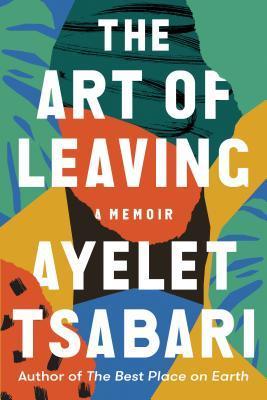
Songs for the Broken-Hearted is author Ayelet Tsabari’s debut novel. She’s previously published a collection of stories (The Best Place on Earth), and a memoir, The Art of Leaving, which I’d especially like to read.

For a taste of Yemeni women’s music, check out the samples below (or search for Yemenite music by Ofra Haza or Gila Beshari, as a starting place — there’s much more available with a bit of looking):

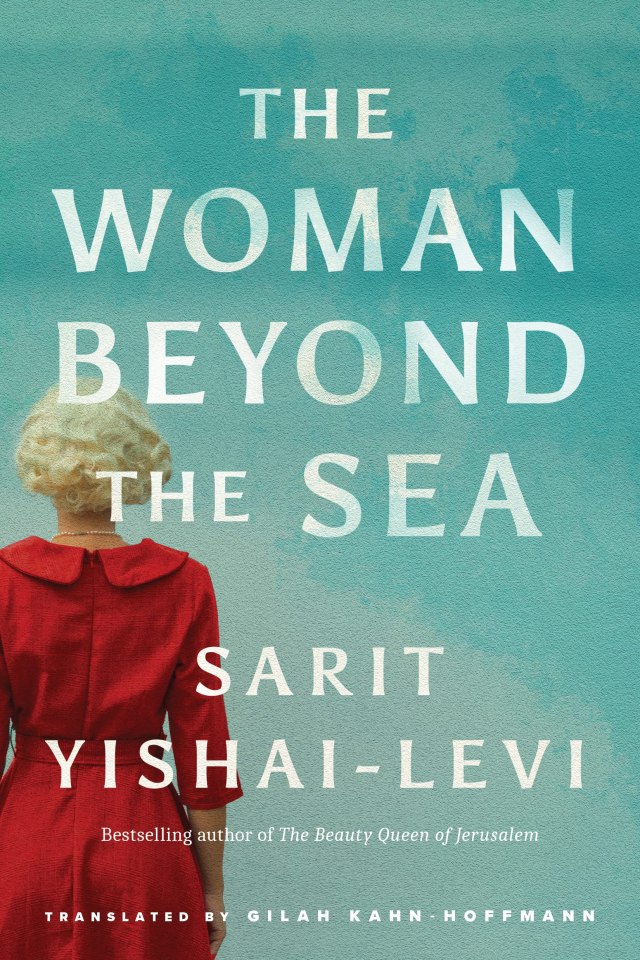
Book Review: The Woman Beyond the Sea by Sarit Yishai-Levi

Title: The Woman Beyond the Sea
Author: Sarit Yishai-Levi
Translated by: Gilah Kahn-Hoffmann
Publisher: Amazon Crossing
Publication date: March 21, 2023 (originally published in Hebrew in 2019)
Print length: 413 pages
Genre: Historical fiction
Source: Purchased

Rating: 3.5 out of 5.

A mesmerizing novel about three generations of women who have lost each other—and the quest to weave them back into a family.

An immersive historical tale spanning the life stories of three women, The Woman Beyond the Sea traces the paths of a daughter, mother, and grandmother who lead entirely separate lives, until finally their stories and their hearts are joined together.

Eliya thinks that she’s finally found true love and passion with her charismatic and demanding husband, an aspiring novelist—until he ends their relationship in a Paris café, spurring her suicide attempt. Seeking to heal herself, Eliya is compelled to piece together the jagged shards of her life and history.

Eliya’s heart-wrenching journey leads her to a profound and unexpected love, renewed family ties, and a reconciliation with her orphaned mother, Lily. Together, the two women embark on a quest to discover the truth about themselves and Lily’s own origins…and the unknown woman who set their stories in motion one Christmas Eve.

Content warning: Suicide, rape, childhood neglect and abandonment

Sarit Yishai-Levi is the author of The Beauty Queen of Jerusalem, an immersive novel about a Sephardic family in 20th century Israel, which has been adapted into an addictive Netflix series (and just when are we getting season 3???).

In her new novel, The Woman Beyond the Sea, we open in the 1970s with Eliya, a woman in her mid-20s who has been used and then dumped by her self-centered husband. Eliya completely falls apart, and her parents Shaul and Lily are at a loss about how to help her.

Lily herself is a strange and troubled woman. Abandoned at a convent as a newborn, she was raised by nuns with no knowledge of her past, no family and no connections. After running away from the convent as a teen, she bounces from one temporary living arrangement to another until she finally meets Shaul, a man who adores her and offers her a future that she never thought she’d have. But Lily, raised without love or family, doesn’t know how to trust or give love, and after experiencing a particularly harsh tragedy, is unable to raise Eliya with a mother’s love.

The cycle of strangled feelings and alienation continue until Eliya is able, after enduring her own psychological crises, to bridge the distance between herself and her mother. After great struggle, Eliya and Lily finally join together to understand Lily’s past and to search for the answers that have always been missing.

The Woman Beyond the Sea is quite intense emotionally, and the two women, Eliya and Lily, are not kind to themselves or to each other. It’s disturbing to see how much hurt they carry internally and the ways they hurt one another.

My reactions to this book are mixed. I loved the setting and the time period, loved seeing Tel Aviv through the characters’ experiences, loved the elements of culture that permeate the characters’ lives.

I didn’t love the writing style — although I wonder if some of this is a translation issue. Originally published in Hebrew, there are phrases and expressions that feel clunky or awkward here in English — but I know just enough Hebrew to pick up occasional moments where certain colloquial expressions in the original language might have felt more natural. (Sadly, I definitely do not have enough Hebrew to read an entire novel!)

Beyond the translation issues, the storytelling itself is not in a style that particularly works for me. Especially in the first half, chapters are painfully long (30 – 60 pages), and the narrative jumps chronologically within a character’s memories — so a character remembering her early married life will interrupt these thoughts to remember something from her school days, and then perhaps interrupt yet again for an earlier memory before coming back to the original set of thoughts. It’s confusing and often hard to follow, and kept me from feeling truly connected to the characters until much later in the book.

There’s a terrific twist and big reveal late in the book that really redeemed the reading experience for me and pulled me in completely. Truly fascinating, although I can’t say a single thing about it without divulging things better not known in advance.

Still, even this high point in the book is offset by some unforgivably cruel shaming and harsh judgments about actions taken to survive and situations outside of a character’s control. Again, I don’t want to reveal details, but I was really angered by the words used by certain characters and found their reactions totally unacceptable and awful.

Overall, there’s a compelling story at the heart of The Woman Beyond the Sea and I always wanted to know more. And yet, the problematic elements and weirdly structured storytelling left me frustrated too often to rate this book higher than 3.5 stars.

A note on content warnings: I don’t typically include these, but felt the topics of suicide and rape need to be called out in advance, for readers who are triggered by or prefer to avoid these topics.

Shelf Control #239: Central Station by Lavie Tidhar

Shelves final

Welcome to Shelf Control — an original feature created and hosted by Bookshelf Fantasies.

Shelf Control is a weekly celebration of the unread books on our shelves. Pick a book you own but haven’t read, write a post about it (suggestions: include what it’s about, why you want to read it, and when you got it), and link up! For more info on what Shelf Control is all about, check out my introductory post, here.

Want to join in? Shelf Control posts go up every Wednesday. See the guidelines at the bottom of the post, and jump on board!

cropped-flourish-31609_1280-e1421474289435.png

Title: Central Station
Author: Lavie Tidhar
Published: 2016
Length: 275 pages

What it’s about (synopsis via Goodreads):

A worldwide diaspora has left a quarter of a million people at the foot of a space station. Cultures collide in real life and virtual reality. The city is literally a weed, its growth left unchecked. Life is cheap, and data is cheaper.

When Boris Chong returns to Tel Aviv from Mars, much has changed. Boris’s ex-lover is raising a strangely familiar child who can tap into the datastream of a mind with the touch of a finger. His cousin is infatuated with a robotnik—a damaged cyborg soldier who might as well be begging for parts. His father is terminally-ill with a multigenerational mind-plague. And a hunted data-vampire has followed Boris to where she is forbidden to return.

Rising above them is Central Station, the interplanetary hub between all things: the constantly shifting Tel Aviv; a powerful virtual arena, and the space colonies where humanity has gone to escape the ravages of poverty and war. Everything is connected by the Others, powerful alien entities who, through the Conversation—a shifting, flowing stream of consciousness—are just the beginning of irrevocable change.

At Central Station, humans and machines continue to adapt, thrive…and even evolve.

How and when I got it:

I bought myself a copy after reading another book by this author.

Why I want to read it:

One of the weirdest and most original books I read in 2019 was Lavie Tidhar’s Unholy Land, and it immediately made me want to read more by this author.

Unholy Land was my first encounter with Israeli science fiction. Central Station, published two years earlier, looks like another strange and fantastical trip to a futuristic world. The story includes space exploration and other dimensions, but is also set in that world’s version of Tel Aviv, and honestly, I can’t wait to see what it’s like.

The only reason that I haven’t read this yet is the perpetual problem of having way too many books to read and always finding something else that’s a higher priority. I really do want to get to Central Station!

What do you think? Would you read this book?

Please share your thoughts!


__________________________________

Want to participate in Shelf Control? Here’s how:

  • Write a blog post about a book that you own that you haven’t read yet.
  • Add your link in the comments or link back from your own post, so I can add you to the participant list.
  • Check out other posts, and…

Have fun!

Take A Peek Book Review: Unholy Land by Lavie Tidhar

“Take a Peek” book reviews are short and (possibly) sweet, keeping the commentary brief and providing a little peek at what the book’s about and what I thought.

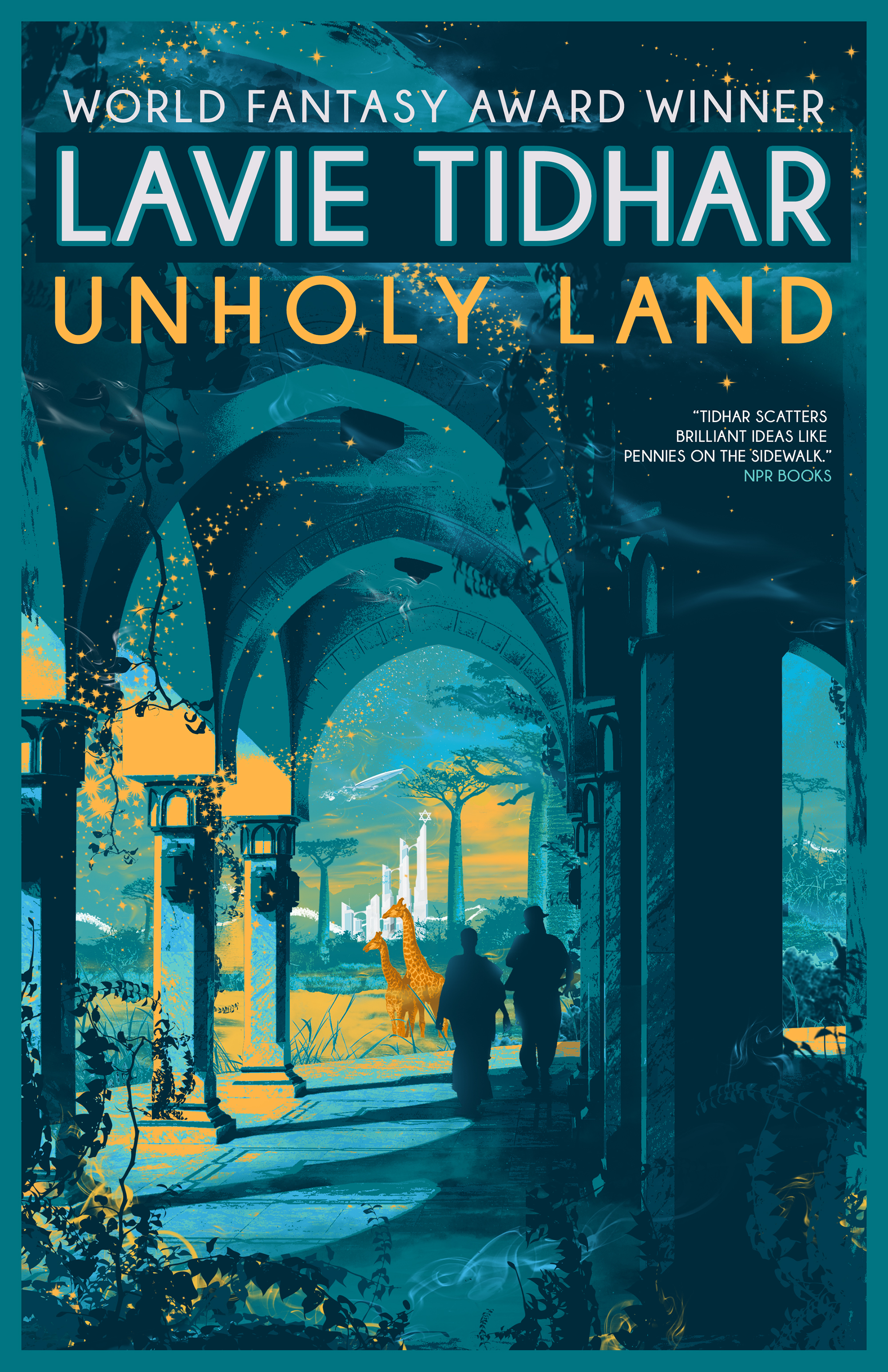
Cover for Lavie Tidhar’s Unholy Land by artist Sarah Anne Langton


Synopsis:

(via Goodreads)

Lior Tirosh is a semi-successful author of pulp fiction, an inadvertent time traveler, and an ongoing source of disappointment to his father.

Tirosh has returned to his homeland in East Africa. But Palestina—a Jewish state founded in the early 20th century—has grown dangerous. The government is building a vast border wall to keep out African refugees. Unrest in Ararat City is growing. And Tirosh’s childhood friend, trying to deliver a warning, has turned up dead in his hotel room. A state security officer has identified Tirosh as a suspect in a string of murders, and a rogue agent is stalking Tirosh through transdimensional rifts—possible futures that can only be prevented by avoiding the mistakes of the past.

From the bestselling author of Central Station comes an extraordinary new novel recalling China Miéville and Michael Chabon, entertaining and subversive in equal measures.

My Thoughts:

Wow, what a crazy read! I can’t say I’ve ever come across Israeli science fiction before, and I enjoyed the heck out of this one.

The initial premise is intriguing — and based on true events. Back in 1904, the Zionist Congress, led by Theodore Herzl, sent an expedition to Uganda to explore land that had been proposed as a site of a future Jewish state. In our (real) world, that didn’t work out particularly well, and the idea was shelved in favor of pursuing a homeland in the “holy land”, resulting in modern-day Israel. In the world in which we begin Unholy Land, the Africa expedition was a success, resulting in the birth of Palestina, a Jewish homeland located between Uganda and Kenya. Certain of our realities exist in this world as well — native populations displaced by the creation of the state, resulting in ongoing border crises and refugee camps, a border wall, debate over the Right of Return, and never-ending peace negotiations.

But wait! There’s more. Certain people are able to travel between alternate realities, including one like our own, one in which the entire Middle East is at peace and unified after the horror of a limited nuclear event which destroyed Jerusalem, and other, more exotic and frightening worlds. There are Kabbalistic elements involved which mingle with discussion of quantum physics, and it’s all packaged up inside a very noir-feeling detective/spy plot.

I was fascinated by the descriptions of life in Palestina — the language, the culture, the food, the geography. The author does an incredibly inventive and persuasive job of making it seem like a real and viable country, while also demonstrating that in this world or any other, certain problems and challenges and misfortunes seep through no matter what.

The entire plot is somewhat mind-boggling, and I think I’ll need to let this one percolate for a bit and then return and read it all over again. It’s a quick read, but with plenty to think about. Highly recommended.

_________________________________________

The details:

Title: Unholy Land
Author: Lavie Tidhar
Publisher: Tachyon Publications
Publication date: October 16, 2018
Length: 288 pages
Genre: Science fiction
Source: Purchased

**Save

Save

Save

Save

Save

Save

Save

Shelf Control #120: The Family Orchard by Nomi Eve

Shelves final

Welcome to Shelf Control — an original feature created and hosted by Bookshelf Fantasies.

Shelf Control is a weekly celebration of the unread books on our shelves. Pick a book you own but haven’t read, write a post about it (suggestions: include what it’s about, why you want to read it, and when you got it), and link up! For more info on what Shelf Control is all about, check out my introductory post, here.

Want to join in? Shelf Control posts go up every Wednesday. See the guidelines at the bottom of the post, and jump on board!

cropped-flourish-31609_1280-e1421474289435.png

Title: The Family Orchard
Author: Nomi Eve
Published: 2000
Length: 336 pages

What it’s about (synopsis via Goodreads):

In the bestselling tradition of The Red Tent, The Family Orchard is a spellbinding novel of one unforgettable family, the orchard they’ve tended for generations, and a love story that transcends the ages.

Nomi Eve’s lavishly imagined account begins in Palestine in 1837, with the tale of the irrepressible family matriach, Esther, who was lured by the smell of baking bread into an affair with the local baker. Esther passes on her passionate nature to her son, Eliezer, whose love for the forbidden Golda threatened to tear the family apart. And to her granddaughter, Avra the thief, a tiny wisp of a girl who thumbed her nose at her elders by swiping precious stones from the local bazaar-and grew to marry a man she met at the scene of a crime. At once epic and intimate, The Family Orchard is a rich historical tapestry of passion and tradition from a storyteller of beguiling power.

How and when I got it:

I bought a used copy about 3 years ago.

Why I want to read it:

Nomi Eve’s more recent novel, Henna House, went straight to the top of my oh-my-god-this-is-so-good-everyone-needs-to-read-this pile — and so I knew I needed to read her first novel as well. The subject matter and synopsis of The Family Orchard sound fascinating to me. I love reading books set in Israel and incorporating Jewish history, and I’m really looking forward to finally diving in.

__________________________________

Want to participate in Shelf Control? Here’s how:

  • Write a blog post about a book that you own that you haven’t read yet.
  • Add your link in the comments!
  • If you’d be so kind, I’d appreciate a link back from your own post.
  • Check out other posts, and…

Have fun!

Save

Save

Save

Save

Save

Save

Save

Save

Save

Save

Save

Save

Save

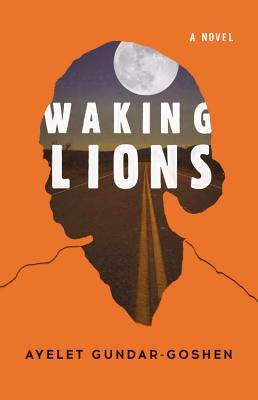
Take A Peek Book Review: Waking Lions by Ayelet Gundar-Goshen

“Take a Peek” book reviews are short and (possibly) sweet, keeping the commentary brief and providing a little peek at what the book’s about and what I thought.

Synopsis:

(via Goodreads)

After one night’s deadly mistake, a man will go to any lengths to save his family and his reputation.

Neurosurgeon Eitan Green has the perfect life–married to a beautiful police officer and father of two young boys. Then, speeding along a deserted moonlit road after an exhausting hospital shift, he hits someone. Seeing that the man, an African migrant, is beyond help, he flees the scene.

When the victim’s widow knocks at Eitan’s door the next day, holding his wallet and divulging that she knows what happened, Eitan discovers that her price for silence is not money. It is something else entirely, something that will shatter Eitan’s safe existence and take him into a world of secrets and lies he could never have anticipated.

WAKING LIONS is a gripping, suspenseful, and morally devastating drama of guilt and survival, shame and desire from a remarkable young author on the rise.


My Thoughts:

Waking Lions is an Israeli novel translated into English, and having or getting a grasp of Israeli social dynamics is key to understanding the conflicts and pressures involved in this story. Eitan is a respected, talented neurosurgeon who was forced into leaving his prestigious position at a Tel Aviv hospital after threatening — unsuccessfully — to expose his mentor’s corruption. Now living in the desert town of Beersheva, he’s frustrated and out of sorts, despite having a wonderful marriage and two small boys whom he loves. When he runs down the Eritrean immigrant with his SUV in the middle of the night, Eitan makes a snap decision that will haunt him and threaten all he holds dear.

The wife of the hit-and-run victim blackmails Eitan — not for money, but for medical treatment for a seemingly endless crowd of illegal immigrants, all refugees who risked their lives to cross the border into Israel. The Eritrean refugees work menial jobs for bare subsistence, and are too scared to go to a real clinic or hospital for help, fearing deportation or detention.

Waking Lions outlines the serious problems facing refugees, the ongoing criminal activity in areas such as Beersheva, and the ethnic tensions between African migrants, Bedouins, and Israelis. Moreover, Waking Lions is the exploration of personal ethics — how does a “good” man like Eitan justify the choices he makes? On top of this, as we view events from multiple points of view, it becomes clear that the cultural divides here are so vast that it’s simply impossible for any one person to  understand the thoughts and desires of any other.

While Waking Lions was a compelling read and offered plenty of food for thought and discussion, it was at times frustrating as well. The language often feels over-written, with long passages about inner thought processes that seem to meander and engage a bit too much in navel-gazing. (I have to wonder whether some parts of this book worked better in the original Hebrew.) Eitan in particular, as well as other characters, makes choices that seem utterly senseless, and I often felt that a desire for a dramatic plot was pushing the author to have characters act in unbelievable ways or to makes decisions that defy logic.

On a reading note, I’ll add that my husband and I ended up reading this book at the same time, and had many long discussions about the characters and their actions along the way. In some ways, our discussions were the best part of reading this book, so it could make for a terrific book group choice!

I enjoyed Waking Lions, but did feel that the lengthier moments of introspection weakened the storytelling, and couldn’t help shaking my head over some of the more ridiculous developments. Still, the book provides an eye-opening view into a little-covered element of life in Israel, and posed some interesting dilemmas about right and wrong — and whether right and wrong are absolutes or subject to social interpretation.

_________________________________________

The details:

Title: Waking Lions
Author: Ayelet Gundar-Goshen
Publisher: Little Brown & Company
Publication date: February 28, 2017
Note: Original Hebrew edition published 2014
Length: 352 pages
Genre: Contemporary fiction
Source: Published

Save

Save

Save

Save

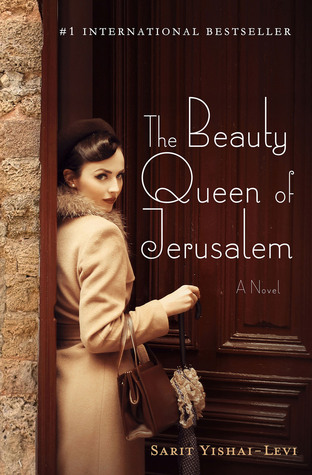
Book Review: The Beauty Queen of Jerusalem by Sarit Yishai-Levi

Beauty Queen of JerusalemFour generations of family traditions and doomed marriages form the heart of The Beauty Queen of Jerusalem, a family saga that takes place in the decades before, during, and after Israel’s war for independence.

Gabriela Siton is the youngest in a line of women belonging to the Ermosa family, a large Sephardic family — Jews of Spanish descent — living in Jerusalem, dealing with family secrets and turbulence during a time of war and upheaval in Israel itself.

The story opens with Gabriela’s mother’s death. Luna dies at a relatively young age from a deadly and fast-moving cancer, and Gabriela’s resulting grief is heavily laden with guilt. She and Luna had a fraught, difficult relationship all of Gabriela’s life, and she doesn’t quite know what to do with all of her emotions and the confusion she’s left with.

Bit by bit, over the course of the story, we hear more about the history of the Ermosa women. There’s the matriarch of the family, Mercada, who marries her beloved son off to a poverty-stricken orphan as punishment for his near-betrayal of his family. Mercada’s daughter-in-law, Rosa, faces life with a husband who doesn’t love her, a beloved brother who gets involved in the deadly underground movement leading up to independence, and three daughters — the oldest of whom is Luna. Luna is gorgeous, the most beautiful girl in Jerusalem, but with a selfish and combative personality. She’s prickly and self-centered, and she and Rosa never find a way to bond.

Later on, Gabriela is told that the curse of the Ermosa women is to marry men who don’t really love them, and that seems to be true in the three preceding generations. Each man is madly in love with a woman who isn’t appropriate or acceptable, and so marries out of obligation, leading to bitterness, lack of passion, and lack of respect.

In some ways, The Beauty Queen of Jerusalem reminded me of Isabel Allende’s masterpiece, The House of the Spirits. Like The House of the Spirits, the blessings and curses of each generation seems to be passed along to the next, as each set of relationships is influenced by, or damaged by, the ones that came before. Likewise, The Beauty Queen of Jersusalem, while telling the tale of a particular family, is set against a backdrop of a significant historical era. The history of pre-state Israel and its struggle for independence form a big piece of the picture here, as the Ermosa family is caught up in the violence and upheavals that surround them.

The title of this book is a misnomer, and a pretty unfortunate one at that. Luna is known for her remarkable beauty, and is referred to as the beauty queen of Jerusalem — although not, as you might expect, because she actually competed in pageants or won competitions or anything. She’s just a woman who was known for her beauty and style. What’s more, the book isn’t exclusively, or even mainly about Luna — it’s about all of the women of her family. In fact, Luna is a mostly unlikeable character who’s a terrible mother and is mostly portrayed as being awful to her own mother. Things happen later in the book that make her a slightly more sympathetic character, but the bottom line is that she isn’t solely what the book is about, and it took me a while to get past the preconception that I had from the title in order to see the breadth of the story.

On the plus side, there are many vignettes in this sweeping story that are completely enchanting. Rosa’s story is fabulous, and you can’t help but feel compassion for a woman who’s struggled all her life and gotten little in return. The story of Rosa’s three daughters (including Luna) and how they each met the men they’d end up marrying is varied and textured. The Sephardic heritage of the family is described through their rituals, their use of Ladino phrases, and the little details about food and customs that bring a sense of vitality to their daily lives.

The Jerusalem setting is wonderful, with the city forming a vibrant stage for the family drama. The historical elements are skillfully woven into the story, so that the loves and struggles within the family are set against their worries about English police, bombings in the streets, sieges and rationing, and men serving at the front.

While overall I enjoyed the book, I did hit a few stumbling blocks. The biggest issue for me was the language, which often felt a bit clunky. The book is an English translation from the Hebrew, and I’m afraid that something truly was lost in translation. The writing just doesn’t always flow, and the dialogue and use of Ladino and Spanish phrases seem a bit jammed in, not organic. I have a feeling this issue might not be an issue if the book were read in the original Hebrew.

The other element that might be problematic for American readers is the assumption of familiarity with details of Israeli history. The book was written and published in Israel in 2013, released in English in the United States for the first time this year. It occasionally feels a bit like “inside baseball” — the book is written for an Israeli audience, and there’s an assumption of a common culture and background. For me, having spent time there and understanding the history and culture, it wasn’t an issue, but I can imagine that some readers will have a harder time understanding the context or getting the full picture of the historical elements woven into the story, or even being able to identify some of the names, politicians, and organization that are referred to throughout the book.

The perspective and organization of the book is somewhat puzzling. We begin with Gabriela’s first-person narration, but the storytelling shifts. Sometimes, it’s another family member telling Gabriela about incidents from the past, set out as a dialogue with Gabriela, with the story appearing in quotation marks. But at other times, it’s a third-person narrative, filling in the gaps and telling other pieces of the family story. The narrative jumps from one character’s perspective to anothers, and it can be jarring to sometimes see the world according to a character who hasn’t had a POV before. Time-wise, it’s confusing as well, as we get a description from Gabriela early on about her mother’s death, but as the story jumps back and forth for most of the book, it’s jarring when the last few chapters jump back to an adult Gabriela and how she reconciles her grief and anger.

At its core, The Beauty Queen of Jerusalem is a moving story of a complicated and messed-up family. I really enjoyed parts of the story, especially those pieces that delve more deeply into the complicated emotions and wounds of the many family members. Unfortunately, the awkward writing/translation and the narrative inconsistency make this book more difficult than it needs to be, and overall I think the plot could have used a bit more focus. Still, it’s worth reading for the intergenerational conflicts and dynamics, and I enjoyed the nuggets of history that form the backbone of the story.

_________________________________________

The details:

Title: The Beauty Queen of Jerusalem
Author: Sarit Yishai-Levi
Publisher: Thomas Dunne
Publication date: April 5, 2016
Length: 384 pages
Genre: Historical fiction
Source: Review copy courtesy of the publisher via NetGalley