Book Review: The Mountain in the Sea by Ray Nayler

Title: The Mountain in the Sea
Author: Ray Nayler
Publisher: Picador
Publication date: October 4, 2022
Length: 464 pages
Genre: Science fiction
Source: Purchased
Rating:

Rating: 4 out of 5.

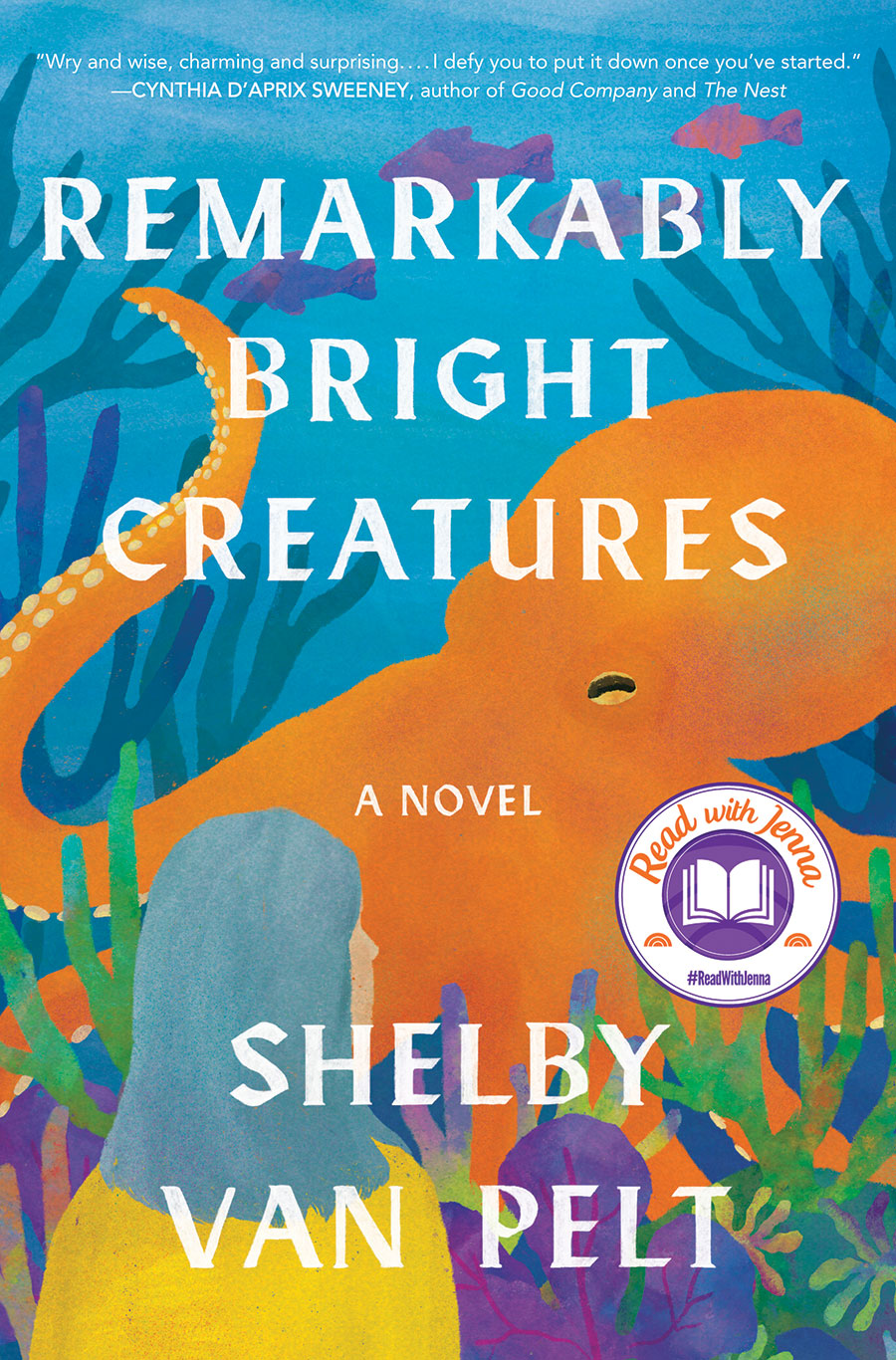
Humankind discovers intelligent life in an octopus species with its own language and culture, and sets off a high-stakes global competition to dominate the future.

Rumors begin to spread of a species of hyperintelligent, dangerous octopus that may have developed its own language and culture. Marine biologist Dr. Ha Nguyen, who has spent her life researching cephalopod intelligence, will do anything for the chance to study them.

The transnational tech corporation DIANIMA has sealed the remote Con Dao Archipelago, where the octopuses were discovered, off from the world. Dr. Nguyen joins DIANIMA’s team on the islands: a battle-scarred security agent and the world’s first android.

The octopuses hold the key to unprecedented breakthroughs in extrahuman intelligence. The stakes are high: there are vast fortunes to be made by whoever can take advantage of the octopuses’ advancements, and as Dr. Nguyen struggles to communicate with the newly discovered species, forces larger than DIANIMA close in to seize the octopuses for themselves.

But no one has yet asked the octopuses what they think. And what they might do about it.

A near-future thriller about the nature of consciousness, Ray Nayler’s The Mountain in the Sea is a dazzling literary debut and a mind-blowing dive into the treasure and wreckage of humankind’s legacy.

The Mountain in the Sea had been on my radar for a while, so I was happy to have my book group discussion as motivation to finally pick it up and read it! The Mountain in the Sea is a first-contact story, but also a deep-dive (sorry, hard to avoid ocean-related punning!) into the meaning of consciousness, communication, and perception.

The main plotline of this complicated book centers on researcher Dr. Ha Nguyen, whose focus is on communication across species and whether such a thing is truly possible. She arrives, via high-tech security, on the island of Con Dao, part of an archipelago purchased by the DIANIMA corporation and sealed off from the outside world via the heavy weaponry used to defend its perimeters.

But Con Dao is not just a nature preserve, shielding marine biology from a world that plunders the remaining global supply of sea life in a quest for protein for a world on the brink of starvation. It also hides a discovery that could upend human understanding of consciousness and perception.

Before the population of Con Dao was relocated by DIANIMA, rumors abounded about a sea monster, a scary and possibly supernatural being that stalked the shores and left death in its wake. But as Ha discovers, the truth is less supernatural and far more wondrous — a species of octopus that has developed symbolic communication, enabling the sharing of knowledge across generations. The octopus community that the researchers discover does not welcome intrusion, and issues clear warning that the humans should stay away… or else.

Meanwhile, the book also introduces various shady figures who seek access to the most heavily guarded of AI systems, and who will kill to keep their secrets. Some fascinating concepts are introduced, including what’s known as a “point-five” — a virtual companion who communicates and interacts with a person in such a realistic way that they’re indistinguishable from a real human, but custom-made to suit as a partner.

There’s also a plot thread about an AI-driven illegal fishing vessel trawling the seas, crewed by people kidnapped and enslaved and a team of human guards — but the ship’s functions and actions are entirely controlled by its AI core, and all of the people are dispensable. It’s scary and horrifying, but entirely believable.

“The great and terrible thing about humankind is simply this: we will always do what we are capable of.”

Some of the science discussion probably went over my head, and there’s a lot — almost too much — talk about the meaning of consciousness and what defines being a human — but overall, the storylines are fascinating.

I wished that the aspects showing Ha’s deciphering of the octopus symbols and her attempts at communication were a bigger part of the overall story. This is the piece that interested me the most, but it’s just one part of the whole, and I wanted more, especially to see where it goes from where the story ends.

Also, I could have done with less of the corporate espionage plotlines — they build out the world of the book, but are far removed from the central element — spending time learning about the octopus consciousness.

Reading The Mountain in the Sea brough to mind the non-fiction book An Immense World, which I read last year. If you’re interested in understanding how animal senses shape the way they perceive the world, I recommend checking it out.

I was also vastly entertained by the number of words I had to look up while reading! This tends to be the case with any book with a science or technology focus, but it amused me to see just how many there were in The Mountain in the Sea. Some new-to-me words included:

  • senescent
  • icosahedral
  • qualia
  • benthic
  • exapted
  • sfumato
  • peristyle
  • arcature
  • manuport

The Moutain in the Sea is a deeply engrossing book with themes concerning humanity, connection, and communication, and it explores the risks and barriers inherent in a first contact situation — in this case, not between humans and aliens, as we so often see in science fiction, but between two vastly different species inhabiting the same planet.

Despite the book’s length, it’s a fast read, largely because it’s impossible to put the book down. The Mountain in the Sea is not a light read, but it’s worth the effort to experience this thought-provoking, startling story.

Top Ten Tuesday: Top ten books on my TBR list for summer 2024

Top Ten Tuesday is a meme hosted by That Artsy Reader Girl, featuring a different top 10 theme each week. This week’s topic is Books on My Summer 2024 to-Read List.

There are so many new releases coming this summer, and I want to read them ALL. I’d like to say that my reading plans also include books from my shelves… but that’s looking kind of iffy at the moment.

Here are ten new releases I can’t wait to read:

  • Close Knit by Jenny Colgan
  • Finding Mr. Write by Kelley Armstrong
  • A Sorceress Comes to Call by T. Kingfisher
  • A Novel Love Story by Ashley Poston
  • Winter Lost by Patricia Briggs (just released today!)
  • The Black Bird Oracle by Deborah Harkness
  • Slow Dance by Rainbow Rowell
  • The Mercy of Gods by James S. A. Corey
  • Haunted Ever After by Jen DeLuca
  • The Night Guest by Hildur Knútsdóttir

What are you planning to read this summer? Please share your links!

Save

Save

Save

Save

The Monday Check-In ~ 06/17/2024

cooltext1850356879

My Monday tradition, including a look back and a look ahead — what I read last week, what new books came my way, and what books are keeping me busy right now. Plus a smattering of other stuff too.

Life.

Some fun outings this week — dancing in the park on a sunny day, and a movie with my (adult) kiddo, plus a delicious Father’s Day dinner with the fam.

Book news.

By now, I’m sure everyone who cares is aware of this… but I’m pretty excited about the news that Suzanne Collins will be releasing a new Hunger Games prequel next year. Sunrise on the Reaping will be published in March 2025, and the movie adaptation is already scheduled for release in November 2026.

What did I read during the last week?

Hula by Jasmin ‘Iolani Hakes: I finished this complicated historical novel with a week to spare before my book group discussion! My review is here.

Kilmeny of the Orchard by L. M. Montgomery: I’ve been working my way through this amazing author’s books. Sadly, this one is on the weaker side, but for the sake of completion, I’m glad I read it anyway. My review is here.

Middletide by Sarah Crouch: This small-town murder mystery seems to be getting a big promotional push (blurbs compare it to Where the Crawdads Sing), but I found it underbaked and unbelievable. My review is here.

Summer Romance by Annabel Monaghan: My 3rd book by this author, just as great as the previous two! My review is here.

BIG FINISH:

My book group finished its chapter-by-chapter read of Daniel Deronda by George Eliot — a 7-month reading odyssey! I’m so grateful that we read this book together. I’m not sure that I would have read it on my own, given its complexity and length, but it was a wonderful reading experience. There’s so much to digest and discuss, and for anyone who’s ever considered reading Daniel Deronda… I say YES!

Pop culture & TV:

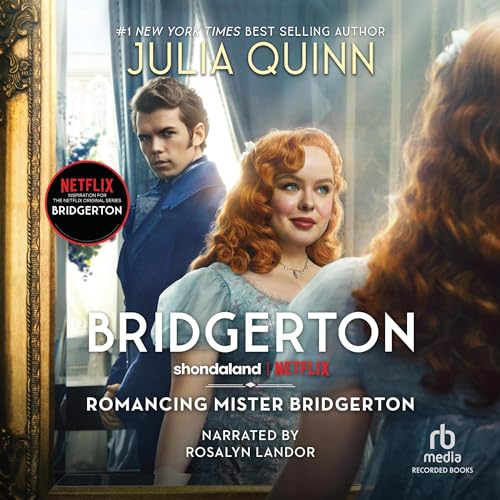
I watched season 3, part 2 of Bridgerton over two nights, and overall, loved it. I do feel that breaking up the season into two four-episode halves doesn’t do it any favors — each time we feel the momentum really building, it’s over. But as a whole, it was well done and delicious… and yet, I walked away feeling a teensy bit dissatisfied. I think I would have liked a little more time with the characters after the big climactic moment of the final episode, but at least we know that HEAs abound for so many of the characters. And now, the long wait for season 4 begins… (I’m sure I’ll do a rewatch at some point, and may even reread the 4th Bridgerton book, Romancing Mr. Bridgerton, which is the basis for this season’s central storyline.)

On Saturday, my son and I went to see the Fathom Events screening of Lord of the Rings: The Fellowship of the Ring. It was amazing to see it on the big screen once again! The 2nd and 3rd movies in the LOTR trilogy are playing next weekend, and while I haven’t bought tickets yet, I’m going to try my best to see them both.

In other pop culture / bookish news… have you seen the trailer for the My Lady Jane series coming up on Prime Video? I loved the My Lady Jane book (yet another book for my need-to-reread-list), and this looks delightful. (Bonus points for including a favorite actor from the A Discovery of Witches adaptation)

Fresh Catch:

No new books this week.

What will I be reading during the coming week?

Currently in my hands:

The Mountain in the Sea by Ray Nayler: This is my book group book for June, and I’m getting a late start. Oops. (The nice thing is that our discussion is via chat threads, so there’s no hard pressure to finish on time)

Now playing via audiobook:

Funny Story by Emily Henry: Emily Henry books are SO good on audio, especially with the fabulous Julie Whelan narrating. I’m about halfway through this book, and it’s just as much fun as I’d expected.

Ongoing reads:

Just one at the moment, now that we’ve finished Daniel Deronda:

  • Damn Rebel Bitches: The Women of the ’45 by Maggie Craig: Over at Outlander Book Club, we’re doing a group read of this non-fiction book, discussing one chapter each Friday. Progress: 24%. Coming up this week: Chapter 7, “Sealed with a Loving Kiss”

What will you be reading this week?

So many books, so little time…

boy1

Book Review: Summer Romance by Annabel Monaghan

Title: Summer Romance
Author: Annabel Monaghan
Publisher: G.P. Putnam’s Sons
Publication date: June 4, 2024
Length: 321 pages
Genre: Contemporary romance
Source: Review copy courtesy of the publisher via NetGalley
Rating:

Rating: 5 out of 5.

Benefits of a summer romance: it’s always fun, always brief, and no one gets their heart broken.

There aren’t enough labeled glass containers to contain the mess that is Ali Morris’s life. Her mom died two years ago, then her husband left, and she hasn’t worn pants with a zipper in longer than she cares to remember. She’s a professional organizer whose pantry is a disgrace.

No one is more surprised than Ali when the first time she takes off her wedding ring and puts on pants with hardware—overalls count, right?—she meets someone. Or rather, her dog claims a man for her in the same way he claimed his favorite of her three children: by peeing on him. Ethan smiles at Ali like her pants are just right—like he likes what he sees. The last thing Ali needs is to make her life messier, but there’s no harm in a little Summer Romance. Is there?

Summer Romance delivers on the promise of its title, but with so much more. And it’s really no surprise — this 3rd book** by author Annabel Monaghan is just as delightful as the previous two, Nora Goes Off Script and Same Time Next Summer.

**3rd adult novel — she has earlier YA and non-fiction books, according to her Goodreads profile.

In Summer Romance, the main character is Ali, whose life is incredibly messy despite her professional role as a home organizer. It’s been two years since her mother’s death and one year since her husband Pete decided he wanted out. Ali’s pantry is overflowing with unneeded items (who needs four boxes of corn starch?), her sweatpants have seen much better days, and her counters have piles of paper everywhere. Just keeping her three children going takes all her effort — and yes, she’s a terrific mom, but her emotions are a mess and she’s just so, so worn out.

When Ali’s best friend Frannie pushes her to make a change and at least put on a pair of “hard pants” (i.e., any that don’t feature an elastic waist), Ali thinks Frannie’s probably expecting too much, but a trip to the dog park leads her to a very attractive man with a cute dog and a sense of humor. He’s new to their small town — Ali would definitely know if he were a local — and he seems to like what he sees when he looks at Ali. For the first time in years, Ali feels a bit of joy. Maybe a summer romance with a visitor to town will snap her out of her funk.

Of course, the mystery man — Ethan — has more to him than meets the eye, but Ali is drawn to him, and their chemistry is terrific. Plus, he’s kind and considerate and funny, not to mention hot, and with very specifically appealing features, such as his “shouldery shoulders” and:

His hands are the hands of a man who works construction all day and then races home to perform a piano concerto.

As they spend time together, Ali starts to get a new sense of energy for the rest of her life too, and starts to realize that the line from her high school graduation speech (which gets quoted back to her at a key moment) about being “the architect of your own experience” might be more relevant to her today than it was all those years ago.

Without going too far into the plot, I’ll just talk about some of the elements you might not get based just on the synopsis. The central theme in Summer Romance is not just the love story, but Ali rediscovering herself and finding a way to live through and past her grief. Her mother was her touchstone, the one constant in her life, the person who was there for her even when her marriage wasn’t going great and she started feeling like she’d lost her way. When we first meet Ali, she talks to her mother in her car whenever she’s alone, and hears her mother’s responses — not in a “oh my god, she’s hallucinating” sort of way, but more like she’s soothing herself by imagining how her mother might talk her through any of her fresh challenges.

And it’s in this moment that I understand my mother’s love for me. I can still feel the intensity of that love and the way she walked into my home, bright as the sun, and blinded me to all the shadows.

The depiction of Ali’s life as a single mother feels realistic. She loves her kids and is wonderful with them, but she’s also tired. Her ex can’t be counted on — he’s the type of clueless ex-husband who still just walks into the house when he arrives, and changes plans on a dime when he’s supposed to have the kids because something else has come up. Ali is the anchor, the one who can be counted on, and it’s clearly exhausting to have to be the one responsible person in all of their lives.

I really appreciated how well the author shows Ali’s return to hope and joy over the course of the summer. It’s not just about having a new man in her life — it’s about recognizing her own worth, finding purpose, and recommitting to all the messiness that emotional involvement can bring, even knowing that sometimes there will be loss down the road, but getting involved anyway.

As with her previous books, the author excels at writing clever or funny lines that capture something true beneath the wittiness:

When I stopped working, I started making the coffee to suit Pete. He liked me to add cinnamon to the grounds, which I think completely ruins the taste of the coffee, but I made it that way because he was the one going to work. It seemed like his coffee moment mattered more than mine. 

One of Ali’s big epiphanies over the course of her summer romance is that love and beauty and joy need to be embraced, even if there’s sorrow inevitably coming later. Whether it’s befriending the old woman next door despite knowing her time is limited, or getting a dog who in the natural course of things she’ll eventually see die, Ali learns that her life is richer when she accepts the joy in the moment — even if, like a summer romance, it has a predetermined end date.

Summer Romance is a wonderful read — the romantic elements are absolutely great, but the family dynamics, the memories of Ali’s mother and how Ali processes her grief, the appreciation of the connections of life in a small town, the depiction of how sexy kindness can be — all of these really make this book something special. Don’t miss it.

**Save

Save

Save

Save

Save

Save

Save

Book Review: Middletide by Sarah Crouch

Title: Middletide
Author: Sarah Crouch
Publisher: Atria Books
Publication date: June 11, 2024
Length: 288 pages
Genre: Thriller/mystery
Source: Review copy courtesy of the publisher via NetGalley
Rating:

Rating: 2.5 out of 5.

In this gripping and intensely atmospheric debut, disquiet descends on a small town after the suspicious death of a beautiful young doctor, with all clues pointing to the reclusive young man who abandoned the community in chase of big city dreams but returned for the first love he left behind. Perfect for fans of All Good People Here and Where the Crawdads Sing

One peaceful morning, in the small, Puget Sound town of Point Orchards, the lifeless body of Dr. Erin Landry is found hanging from a tree on the property of prodigal son and failed writer, Elijah Leith. Sheriff Jim Godbout’s initial investigation points to an obvious suicide, but upon closer inspection, there seem to be clues of foul play when he discovers that the circumstances of the beautiful doctor’s death were ripped straight from the pages of Elijah Leith’s own novel.

Out of money and motivation, thirty-three-year-old Elijah returns to his empty childhood home to lick the wounds of his futile writing career. Hungry for purpose, he throws himself into restoring the ramshackle cabin his father left behind and rekindling his relationship with Nakita, the extraordinary girl from the nearby reservation whom he betrayed but was never able to forget.

As the town of Point Orchards turns against him, Elijah must fight for his innocence against an unexpected foe who is close and cunning enough to flawlessly frame him for murder in this scintillating literary thriller that seeks to uncover a case of love, loss, and revenge.

In this new mystery, a man returns to the small town he left behind long ago, to hide out from the world after the failure of the novel he spent ten years writing. Elijah’s family cabin in Point Orchards has been slowly deteriorating since his father’s death years earlier. Bit by bit, Elijah brings the cabin and its land back to life, eventually taking pride in managing to live off the land — raising chickens, growing and canning his own vegetables, even learning to bake bread.

But the one element of his former life that he can’t face is the girl he left behind. When he left for college, he promised to return to Nakita, but never did, lured instead by the shiny promise of a book deal. Now both in their mid-thirties, Elijah and Nakita have faced more in their lives than they’d ever imagined, and the question is, can they find a way to forgive past wrongs and reconnect, possibly even fall in love once again?

The framing of the story is a suspicious death: The town doctor, the beautiful, tragic Erin Landry, is found hanged on Elijah’s property. It looks like a suicide, but circumstances just don’t add up. As the local sheriff investigates, signs start to point to Elijah himself as the perpetrator, especially once it’s discovered that his novel lays out a very similar death, in which a murder is set up to appear to be a suicide.

Chapters in Middletide alternate between the investigation into Erin’s death and the earlier years of Elijah’s return to Point Orchards and his attempts to start fresh and rebuild his life. Eventually, the two timelines merge into one, as the book culminates in a courtroom drama.

I probably could have saved myself some earlier false theories if I’d read the synopsis above, which makes it clear that Elijah is, in fact, innocent. (There’s room to doubt that at some points in the story.) But really, the answer to the murder mystery is about as obvious as it gets — I guessed the overall solution pretty early on, and was correct in just about every way.

To put it bluntly, this is not a great story. Elijah comes off as arrogant in some key scenes, even when we’re meant to like and understand him. His shallow emotional responses undercut our investment in him and make it harder to root for him to find happiness with Nakita.

“You have no clue what it feels like to have your entire future drop out from beneath your feet without warning. You can’t possibly imagine how devastating that is.”

“Actually, I can,” Elijah shot back “I know what it’s like to have to start over from scratch after the life you thought you were meant for doesn’t pan out, remember?”

“Doesn’t pan out? Elijah, my husband was shot in the head and died at thirty-five years old. Where do you get the nerve to compare that to your failed writing career?”

The author includes a note at the beginning stating that Nakita’s tribal affiliation and reservation are fictional inventions, inspired by real indigenous nations. Which, fine, except Nakita’s heritage and the relationship between the town and the reservation don’t actually matter much in Middletide. I excepted this aspect to be more developed, but really, the impact on the plot is minimal and the characters are underdeveloped.

The courtroom scenes feel almost like an afterthought. For anyone who’s ever watched a lawyer show on TV, the trial is not structured as we’d expect. The prosecution calls a few witnesses, then the defense immediately jumps in with a witness, but the prosecution never rests, and as far as I could see, there was no discovery before the trial. Hey, I’m no lawyer… but I’ve seen enough courtroom dramas to know that this didn’t go the way it should. And don’t get me started on Elijah’s lawyer not actually being a lawyer…

Here’s a spoilery bit, so skip this next paragraph if you care about avoiding spoilers:

One key piece of evidence is the diary found at Erin’s house. The entries all start with “Dear Diary” and seriously, do you know of any adult women who actually write in their diaries that way? It’s supposed to be written by a mature professional woman, and she’s writing as if she’s in middle school? Don’t get me started on the non-existent chain of custody for evidence either. Well, okay, in one scene, the deputy hands the diary to Elijah to look at in his jail cell. Excuse me, what? That’s a key piece of evidence, and you’re just handing it to the accused to paw through?

End of spoilers…

On the positive side, Middletide is relatively short (under 300 pages) and goes by quickly, so reading this book isn’t a huge time commitment. It moves quickly, and kept me turning the pages, although by midway through, I was tearing through it mostly to prove myself right rather than out of any real engagement with the characters.

As negatives, though, in addition to the implausibility of the legal case, the convoluted timeline (those chapters set in the past and the present mush together and are annoying to track), and the predictability of the outcome, the writing can be clunky and/or not well considered. For example:

On the day his editor called and read him that horrible review he had flung open his bedroom window in a fit of rage and dropped the orange typewriter to the sidewalk three stories below.

I suppose this is meant to show us a possible violent side of Elijah, but I just had to laugh. The guy was living in San Francisco at the time — no way did he throw his typewriter out a third-floor window in the middle of the city and not end up arrested for killing or injuring a pedestrian.

Also, it’s mentioned that his publishers had high expectations for his book’s success, but apparently this one very bad review absolutely sank it, and the book only sold 48 copies. What? If the book only sold 48 copies, then it wasn’t just one bad review that was responsible. This makes no sense to me.

As I mentioned already, there are scenes where it is very hard to like Elijah. While perhaps that’s meant to create suspicion or doubt, in actuality it just leaves us with a main character whose self-centeredness makes us not particularly want the very likable love interest to subject herself to being with him.

And so on. I could give more examples, but I’ll stop here.

Middletide is a murder mystery with a hollow center. On the one hand, it did keep me interested enough to speed through to the end — but on the other hand, I didn’t buy into the characters, found the mystery utterly predicable, and felt the courtroom drama was rushed and not believable. I expected a much better reading experience.

Audiobook Review: Kilmeny of the Orchard by L. M. Montgomery

Title: Kilmeny of the Orchard
Author: L. M. Montgomery
Narrator: Grace Conlin
Publisher: n/a – many editions available
Publication date: 1910
Print length: 144 pages
Audio length: 4 hours, 5 minutes
Genre: Classic fiction
Source: Purchased
Rating:

Rating: 3 out of 5.

A sweet and moving romance from the author of the beloved Anne of Green Gables series!

Eric Marshall, recent college graduate, has the world at his feet. He’s handsome, popular, wealthy, and surprisingly, single. Living the bachelor lifestyle with his widowed father, he’s never given much thought to romance. When an old school friend asks Eric to substitute teach for him on Prince Edward Island while he recuperates from an illness, Eric thinks, why not? He’s got some time to kill before diving into the family business with his father, and the rustic island may be a good diversion for him.

Eric falls into the easy routine of island life, and his status as eligible bachelor endears him to the locals. Eric is still not thinking of romance, but he’s about to find it in a most unexpected place…

Kilmeny Gordon is sweet and smart and beautiful, perfect in every way but one: she can’t speak. She’s been sheltered all her life due to her disability and the scandal surrounding her birth. She wiles away her hours helping her aunt and uncle on the farm and playing her violin in her favorite secluded spot. When Eric stumbles into her hidden orchard, he brings a whole new world with him, and a friendship that both frightens her and thrills her. As the summer days grow longer and their friendship blossoms, sweet, silent Kilmeny, with her sunny enthusiasm and haunting music, manages to do what neither the co-eds of Queenslea College nor the village lasses of Lindsay have been able to do—capture Eric’s heart.

But Kilmeny knows he’ll soon have to go back to his life on the mainland, a world of business meetings and parties and prejudicial people—a world in which she’ll hold him back and never fit in. None of that matters to Eric, but how can he get her to accept that she’s the only woman he’ll ever love, when she is convinced that the only way to love him is to let him go?

And a shorter synopsis from Audible:

Twenty-four-year-old Eric Marshall arrives on Prince Edward Island to become a substitute schoolmaster, even though he has a bright future in his wealthy family’s business. Eric has taken the two-month teaching post only as a favor to a friend – but fate throws in his path a beautiful, mysterious girl named Kilmeny Gordon. With jet black hair and sea blue eyes, Kilmeny immediately captures Eric’s heart. But Kilmeny cannot speak, and Eric is concerned for and bewitched by this shy, sensitive mute girl. For the first time in his life, he must work hard for something he wants badly. And there is nothing he wants more than for Kilmeny to return his love.

After coming to the Anne of Green Gables series only several years ago, I’ve been on a (somewhat haphazard) mission to read L. M. Montgomery’s novels. Looking back at my reading history, after reading the Anne series and Emily trilogy, I see that I’ve read one of her stand-alones in each of the past few years… and that brings me to Kilmeny of the Orchard.

Kilmeny of the Orchard wasn’t on my radar, but I stumbled across it thanks to a Kindle deals promo, and decided to give it a try. Kilmeny is the 3rd novel published by L. M. Montgomery, released after the first two Anne books — which would make it her first novel published about adult characters. Kilmeny has the lovely descriptions and clever character depictions so prevalent in the author’s works, but the story itself feels somewhat underbaked and clichéd, definitely not on the level of her “greatest hits”.

Kilmeny of the Orchard‘s main character is not Kilmeny herself, but rather, Eric Marshall, a recent college graduate and son of a wealthy businessman, who has the world at his feet. Before joining his father’s company and starting his career, he receives a letter from a friend who’s ill, asking Eric to take over his teaching job in the small village of Lindsay as a favor to him, just until the end of his contract. Eric has no other immediate plans, and decides to do it.

He finds Lindsay welcoming, with an assortment of oddball characters (including his talkative landlord, who seems more devoted to his cat than to his wife), and the area is beautiful, if not particularly exciting. As Eric uses his free time to wander and explore, he stumbles across a ramshackle old orchard, and within it, a beautiful young woman playing the violin. As he approaches her, she runs away. Eric is immediately intrigued and sets out to learn more about her.

The young woman is Kilmeny, the niece of the Gordons, a brother and sister who’ve raised her since her mother’s death. The Gordons keep strictly to themselves, and Kilmeny has never ventured beyond their home except for her isolated violin playing in the orchard. Kilmeny is mute, and the Gordons feel it is in her best interest to protect her and shield her from the outside world.

But Eric is irresistibly drawn to Kilmeny, and seeks her out in the orchard. She’s able to communicate by writing on a slate, and soon, they develop a friendship through which Eric introduces her to books, poetry, and ideas that are new to the sheltered young woman. Wanting to know more, he finally gets the full story from his landlords, and learns more about Kilmeny and her mother’s tragic past.

Kilmeny of the Orchard is a short book and a quick audiobook listen, and much of the language is beautiful, especially the descriptions of the landscapes and the orchard itself. Still, there are many elements that are off-putting for a modern reader/listener. Yes, reading older books requires us to keep in mind the attitudes and beliefs of the era in which they were written, but that doesn’t mean that certain concepts won’t be unpleasant to encounter.

Chief among these is the depiction of Kilmeny’s “defect”, as Eric and others refer to it. Kilmeny is described as “dumb”, which I know was an acceptable word for being mute, but still feels pretty awful to hear over and over and over again. They’re quick to assert that despite being dumb, her other faculties are fine, but there’s a base-level assumption that her muteness is something that damages her as a whole and reduces her value. In fact, her muteness is the one and only reason why Kilmeny refuses Eric’s proposal of marriage, despite being in love with him: She’s sure that her “defect” would make her a detriment to him as a wife.

The Gordons never take Kilmeny to a doctor at any point in her life, first because her mother won’t allow it, and after her death, because they firmly believe there’s nothing to be done. Why? Because… it’s clearly the sins of the mother being visited on the child, that’s why. Kilmeny’s muteness is a punishment, and so obviously, doctors can’t possibly fix it.

The Gordons have also raised a young man named Neal, whom they took in after a passing peddler’s wife gave birth on their farm. The couple abandoned the baby and the Gordons raised him, giving him their last name, but never their love. He’s Italian, you see, and no one will ever overlook his birth and consider him part of the family or the community. Despite being raised there since birth, Neal is treated as an outsider and looked upon with suspicion. His Italian heritage is pretty much always mentioned when he’s referred to, and he’s always described with negative terms, such as sullen, wild, shrill — we’re clearly meant to distrust him from the start. It’s awful stereotyping (“the untamed fury of the Italian peasant thwarted in his heart’s desire”), and plays out in completely expected ways.

Finally, the sexist slant of the story drove me batty. The fact that the title character of the book is not in fact the main character, but rather the main character’s object of desire kind of says it all. This book is certainly told through the male gaze! Kilmeny is described as exquisite, but childlike. It’s only Eric’s interest and his introducing her to concepts of love — through the stories and poems he reads her — that turn her into a woman. Perhaps intended as romantic, but certainly otherwise in the modern context, there’s a kiss described as “involuntary”… which, enough said. Kilmeny is Eric’s mission — he’s there to save her and change her. Clearly, he knows best, and he’s the driving force behind any developments in Kilmeny’s limited world. Save me from male saviors!

Kilmeny of the Orchard is a much simpler story than many of L. M. Montgomery’s later books, and it’s interesting to see this early work in contrast to the many wonderful novels that I’ve loved so much. I wouldn’t necessarily recommend it for its own sake, but for completists who want to read all of LMM’s works and track the development of her writing and storytelling style, it’s worth checking out.

Meanwhile, I have a few more books by this author yet to explore! Next up for me — probably later this year — will be two more books on my shelves, Pat of Silver Bush and Mistress Pat. These were both published in the 1930s, and I’m eager to see how they compare to the L. M. Montgomery books that I’ve loved.

Book Review: Hula by Jasmin ‘Iolani Hakes

Title: Hula
Author: Jasmin ‘Iolani Hakes
Publisher: HarperVia
Publication date: May 2, 2023
Length: 400 pages
Genre: Historical/contemporary fiction
Source: Library
Rating:

Rating: 4 out of 5.

Set in Hilo, Hawai’i, a sweeping saga of tradition, culture, family, history, and connection that unfolds through the lives of three generations of women–a brilliant blend of There, There and Sharks in the Time of Saviors that is a tale of mothers and daughters, dance and destiny, told in part in the collective voice of a community fighting for its survival

“There’s no running away on an island. Soon enough, you end up where you started.”

Hi’i is the youngest of the legendary Naupaka dynasty, only daughter of Laka, once the pride of Hilo; granddaughter of Hulali, Hula matriarch on the Big Island. But the Naupka legacy is in jeopardy, buckling under the weight of loaded silences and unexplained absences, most notably the sudden disappearance of Laka when Hi’i was a child. Hi’i dreams of healing the rifts within her family by becoming the next Miss Aloha Hula–and prove herself worthy of carrying on the family dynasty. She demonstrates her devotion to her culture through hula–the beating heart of her people expressed through the movement of her hips and feet.

Yet she has always felt separate from her community, and the harder she tries to prove she belongs–dancing in the halau until her bones ache–the wider the distance seems to grow. Soon, fault lines begin to form, and secrets threaten to erupt. Everyone wants to know, Hi’i most of all: what really happened when her mother disappeared, and why haven’t she and her grandmother spoken since? When a devastating revelation involving Hi’i surfaces, the entire community is faced with a momentous decision that will affect everyone–and determine the course of Hi’i’s future.

Part incantation, part rallying cry, Hula is a love letter to a stolen paradise and its people. Told in part by the tribal We, it connects Hawaii’s tortured history to its fractured present through the story of the Naupaka family. The evolution of the Hawaiian Sovereignty movement is reflected in the journeys of these defiant women and their community, in whose struggle we sense the long-term repercussions of blood quantum laws and colonization, the relationship between tribe and belonging, and the universal question: what makes a family?

Hula is a complex, multi-layered story about family, history, and heritage. I read this for a book discussion (coming in a couple of weeks), after having it on my to-read list since it was released last year. I’m glad to have read it, and even more glad to be able to look forward to sharing thoughts and responses with the book group.

Hilo’s no place for soft feet. Gotta build calluses. Then a girl can run on lava.

In Hula, the narrative is often presented through the community’s eyes, using the “we” voice to explain the dynamics within the Naupauka family and the changing world of the community itself. The history of Hawaii’s colonization and the dismantling of the monarchy is crucial to the story, and through the community’s narration, we’re presented with important people and events from the past which directly impact the unfolding events in the lives of the characters.

The novel itself revolves around Hi’i, first as a child, then as a grown woman. Hi’i is described as being different from the start. Her mother Laka disappeared as a teen, then came back with baby Hi’i with no explanation. Hi’i doesn’t look Hawaiian, with her red hair and green eyes and her susceptibility to sunburn, and yet, she’s soon absorbed by the rhythms of life in Hilo. Still, when Hi’i insists on learning hula, something sacred within her people’s lives and of central importance within the Naupauka family, Laka fears what may come of it.

Secrets abound, especially in terms of Laka’s past and Hi’i’s origins. Eventually, we learn more, but it takes the entire book for these secrets to be shared fully between Hulali (Laka’s mother), Laka, and Hi’i herself.

Mother and daughter had picked up where they’d left off, a fight that had been going on since the time the first navigators were in their canoes charting the stars to find the islands.

The writing is beautiful and often visceral. The dialogue and descriptions have a flow to them, although the heavy usage of Hawaiian words and phrases can present a challenge to a reader. (I kept Google Translate open while reading, and it helped a lot, despite some failures around idiom or intent.)

One by one the dancers shifted into the shape of the wind rattling the branches, the rain pattering upon the grasses, the dew dripping from the leaves. Stethoscopes pressed to Hawai`i’s heart. Through them Hi`i could hear it beating.

Given the book’s title, I’d expected more about hula as a dance form to feature within the story. It’s important, but not as central or dominant as I’d expected. Instead, the family dynamics and the politics around sovereignty, Hawaiian Homelands, and various government actions are what drive the story.

Nothing is spoon-fed to the reader, so for me, it was both eye-opening and occasionally frustrating to have to figure out what was going on and what the political elements actually meant. It also made me realize that I should make an effort to read more non-fiction about Hawaii’s history and the ongoing current struggles among the Native Hawaiian population to reclaim land and autonomy.

They had stolen a finger, then a hand. Then an arm, a shoulder, a hip, a leg, and soon the entire body. Now they wanted our breath, our soul.

The story of the generations of women — their complicated relationships, the concepts of belonging and responsibility, the traditions and expectations — was the most compelling element of Hula for me. I found the sections about Laka’s past and Hi’i’s adult life the most emotionally engaging, although adult Laka is hard to know and didn’t feel entirely consistent to me as a character.

Some loose ends remain at the end of the book, but overall, I appreciated how the author weaves together so many characters and plot points to create a cohesive, meaningful whole.

Hula is not an easy book to read, and requires a lot of concentration to get through, but it’s worth the effort. It left me wanting to know more, and that’s always a good sign about a book’s impact. Hula makes a reader think as well as feel, and leaves a lasting impression.

Top Ten Tuesday: Bookish Wishes

Top Ten Tuesday is a meme hosted by That Artsy Reader Girl, featuring a different top 10 theme each week. This week’s topic is Bookish Wishes.

The prompt is: Bookish Wishes (List the top 10 books you’d love to own and include a link to your wishlist so that people can grant your wishes. Make sure you link your wishlist to your mailing address or include the email address associated with your e-reader in the list description so people know how to get the book to you. After you post, jump around the Linky and grant a wish or two if you’d like. Please don’t feel obligated to send anything to anyone!)

I’m not comfortable linking to a wishlist — I’m not asking anyone to send me anything! At most, if someone owns a copy of a book on my list and wants to do a book swap, I’m open to it — but actually buying me something? No, but thanks anyway!

All that being said… consider this an FYI post about books I hope to read! Here are the ten books most recently added to my Amazon wishlist**:

**which I maintain mainly as a reminder to myself to keep an eye out for price drops!

  1. How to Age Disgracefully by Clare Pooley
  2. Daughter of the Empire by Raymond E. Feist and Janny Wurts
  3. The Ministry of Time by Kaliane Bradley
  4. Riot Baby by Tochi Onyebuchi
  5. I’m Afraid You’ve Got Dragons by Peter S. Beagle
  6. My Salty Mary by Cynthia Hand, Brodi Ashton, Jodi Meadows
  7. Coming Home by Brittney Griner
  8. Every Summer After by Carley Fortune
  9. The Husbands by Holly Gramazio
  10. Thank You for Sharing by Rachel Runya Katz

What are your most wished-for books?

If you wrote a TTT post this week, please share your link!

The Monday Check-In ~ 06/10/2024

cooltext1850356879

My Monday tradition, including a look back and a look ahead — what I read last week, what new books came my way, and what books are keeping me busy right now. Plus a smattering of other stuff too.

Life.

The week zipped by. Nothing too eventful, but I did manage to finally get some travel plans made for later in the summer. Vacation time is still way off, but at least it’s on the calendar!

Reading & blogging.

I’ve reached a point where I’m super frustrated — mostly with myself — because I’m overextended with ARC commitments and find myself without the ability to read on a whim… or at least, to read on a whim without guilt. The ARCs I have pending are all books I’ve been excited to read, and still, they’re taking up too much of my reading time.

Reading by obligation or to meet a schedule has never particularly worked for me. (This is why I tend not to participate in reading challenges). From this point forward, I’m going to try to be much more selective about requesting ARCs — my intention will be to request only the ones I’d read no matter what. As for the ARCs I might be tempted to request because they happen to catch my eye, my goal will be to make note of upcoming releases that look good and add them to my library “for later” list, but not put in any further spur-of-the-moment ARC requests this year.

I need more reading freedom! It makes me cranky to have to plan my books according to the calendar.

What did I read during the last week?

Jackpot Summer by Elyssa Friedland: For all of us who dream about winning the lottery! My review is here.

Hula by Jasmin ‘Iolani Hakes: A powerful, beautiful novel about family, belonging, responsibility, and tradition. I read this for a book group; our discussion is coming up in another week. Review to follow.

A Turn of the Tide (A Stitch in Time, #3) by Kelley Armstrong: This installment (in an excellent series) is a swashbuckling adventure — pirates included! I also read the companion/follow-up novella, Ghosts & Garlands, which is a sweet holiday-themed treat. My review of A Turn of the Tide is here.

Pop culture & TV:

I’m so glad I decided to go back to Lord of the Rings: The Rings of Power! When it originally aired, I watched one episode… and for whatever reason, kind of wandered away and never continued. With the 2nd season about to drop, I thought it was time to give it another try, and finished season 1 on Sunday night. I loved it! Can’t wait for season 2.

Meanwhile, after a lackluster start, season 2 of Interview with the Vampire has really picked up over the last couple of episodes, and I’m hooked.

Of course, what I’m most excited for is the 2nd half of the Bridgerton season… starting in just a few days!

Fresh Catch:

No new books this week.

What will I be reading during the coming week?

Currently in my hands:

I finished a big book (Hula) late Sunday, and haven’t quite decided what to start next. Most likely, once of these:

All three are ARCs for June new releases — two romances, and one other with a pretty dramatic vibe, so I’ll just have to see which suits my mood later today!

Now playing via audiobook:

Kilmeny of the Orchard by L. M. Montgomery: I’m slowly trying to read the various stand-alones by LMM on my TBR list. This is a relatively short audiobook, and so far, the opening chapters have been enough to catch my attention.

Ongoing reads:

My longer-term reading commitments:

  • Daniel Deronda by George Eliot: My book group’s current classic read. We’re reading and discussing two chapters per week. Progress: 98%. Our final week! We’ll finish the last chapter on Wednesday this week.
  • Damn Rebel Bitches: The Women of the ’45 by Maggie Craig: Over at Outlander Book Club, we’re doing a group read of this non-fiction book, discussing one chapter each Friday. Progress: 22%. Coming up this week: Chapter 6, “The Monstrous Regiment of Women”

What will you be reading this week?

So many books, so little time…

boy1

Book Review: A Turn of the Tide (A Stitch in Time, #3) by Kelley Armstrong

Title: A Turn of the Tide
Series: A Stitch in Time, #3
Author: Kelley Armstrong
Publisher: Kla Fricke Inc
Publication date: October 4, 2022
Length: 270 pages
Genre: Time slip/ghost story
Source: Purchased
Rating:

Rating: 4 out of 5.

In Thorne Manor there is one locked door. Behind it lies a portal to the twenty-first century, and nothing is going to stop Miranda Hastings from stepping through. After all, she is a Victorian writer of risqué pirate adventures—traveling to the future would be the greatest adventure of them all.

When Miranda goes through, though, she lands in Georgian England…and in the path of Nicolas Dupuis, a privateer accused of piracy. Sheltered by locals, Nico is repaying their kindness by being their “pirate Robin Hood,” stealing from a corrupt lord and fencing smuggled goods on the village’s behalf.

Miranda embraces Nico’s cause, only to discover there’s more to it than he realizes. Miranda has the second sight, and there are ghosts at play here. The recently deceased former lord is desperate to stop his son from destroying his beloved village. Then there’s the ghost of Nico’s cabin boy, who he thought safe in a neighboring city. Miranda and Nico must solve the mystery of the boy’s death while keeping one step ahead of the hangman.

It may not be the escapade Miranda imagined, but it is about to be the adventure of a lifetime.

A Turn of the Tide is the 3rd book in the A Stitch in Time series, which centers on a “time stitch” located in Thorne Manor on the Yorkshire moors. In each of the previous two books, a woman accidentally travels through the stitch and finds herself in a new world; in the first, Bronwyn travels from the 21st century to the 18th, and in the second, Rosalind does the opposite — a Victorian woman suddenly finding herself trapped in the modern era and unable to get home.

In A Turn of the Tide, Rosalind’s youngest sister Miranda takes center stage. A free-spirited nonconformist who secretly writes pirate adventures under a pen name, Miranda never met a mystery she didn’t want to unravel. When she overhears enough to understand there’s a time passage to be explored in Thorne Manor, she’s eager to try it for herself, dying to learn what life is like 200 years in the future.

Much to Miranda’s surprise, she instead ends up 50 years in the past. She’s traveled to 1790, and immediately encounters a pirate — but he’s not a stranger to her. Miranda has “the sight” and often sees and communicates with ghosts. Over the past few years, Miranda has often seen a sort of echo of this particular pirate, witnessing over and over again his death by ambush on a country road.

Miranda is convinced that this man is not a villain at all, but rather the legendary Robin Hood of the Bay, a pirate known for stealing from the wealthy in order to help the poor and hungry townspeople of York. And once she realizes that this is who she’s encountered, still very much alive, she believes it’s her mission to save him from the death she’s had visions of… whether he wants her interference or not.

A rollicking, swashbuckling adventure ensues, and naturally (or, as the French-speaking Nico would say, naturellement) a romance unfolds as well. Miranda and Nico evade the ambush, but find themselves on the run, pursued by myriad bad guys, and dealing with challenges such as a damaged ship, treasure caves, smuggling tunnels, and even a masquerade ball hosted by their enemy. It’s all quite breathless and dramatic… just as a good pirate story should be!

A Turn of the Tide isn’t quite as emotional as the previous two books — the characters are engaging and have well-drawn personalities, but Miranda’s tale is much less inwardly focused than Bronwyn’s or Rosalind’s.

Beyond the love story, there’s a mystery to solve, as the ghost of the cabin boy haunts Nico’s former ship and clearly died by nefarious means. Miranda and Nico’s goal is to stop the corruption that threatens the locals’ livelihoods, clear Nico’s name and remove the price on his head, and solve the cabin boy’s murder so his soul can move on. It’s all quite fast-paced, full of chases and near-misses and life-or-death scenarios… but given what a spirited romp the story is, it’s clear that all will end well, long before it actually does.

A Turn of the Tide is a very fun read, and as an audiobook, it’s a really enjoyable piece of entertainment. The narrator’s French accent as Nico is pretty awful at times, but after the first few chapters, I got used to it and stopped feeling annoyed.

I’m loving the series as a whole. After each of the three first books, a Christmas-themed companion novella was released — each of which follow up with that books’ main couple while also introducing teeny hints of what’s to come in the next novel.

A Turn of the Tide‘s follow-up novella is Ghosts & Garlands, in which Miranda and Nico spend their first Christmas together in 21st century London. The focus is mainly on their love story and their enjoyment of their ability to slip through time and experience new worlds together… but there’s also a ghost story to solve. It’s warm-hearted and lovely.

Now I have just one book left in the series (unless Kelley Armstrong decides to keep it going!), and I’m looking forward to starting it within the next few weeks.

The A Stitch in Time series is just so good! Highly recommended.

Next in the series: