The Monday Check-In ~ 09/02/2024

cooltext1850356879

My Monday tradition, including a look back and a look ahead — what I read last week, what new books came my way, and what books are keeping me busy right now. Plus a smattering of other stuff too.

Life.

I took a few days off last week to help my husband after he had a procedure on one of his eyes — it went well, and mostly he’s just impatient to get back to normal routines (typical!). I’m glad it’s done, and now we wait to see if there’s improvement in his vision over the next few months.

Because of that, we didn’t have a big last hurrah for Labor Day weekend — just mellow times closer to home, with plenty of relaxing and long walks. And honestly, we needed the rest!

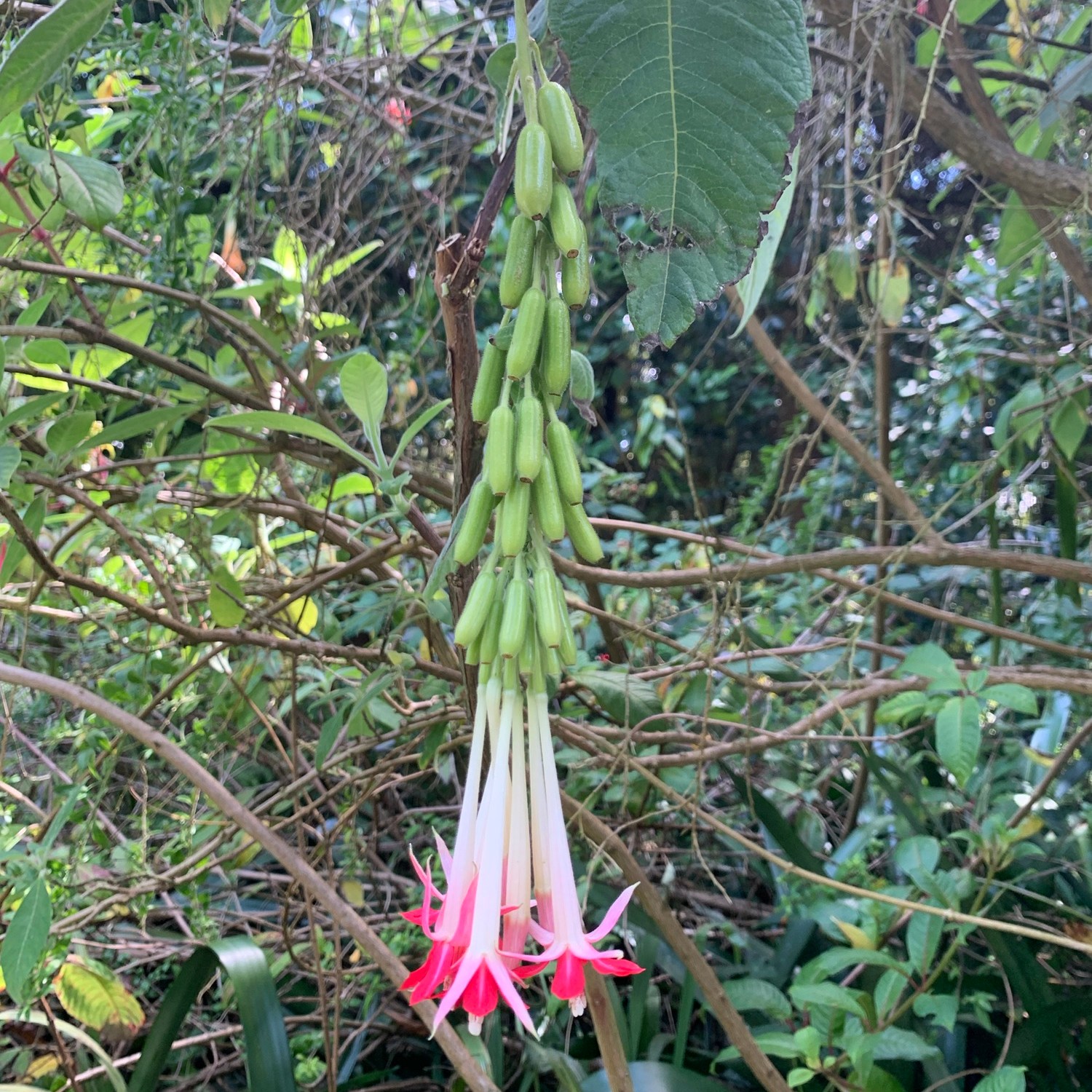
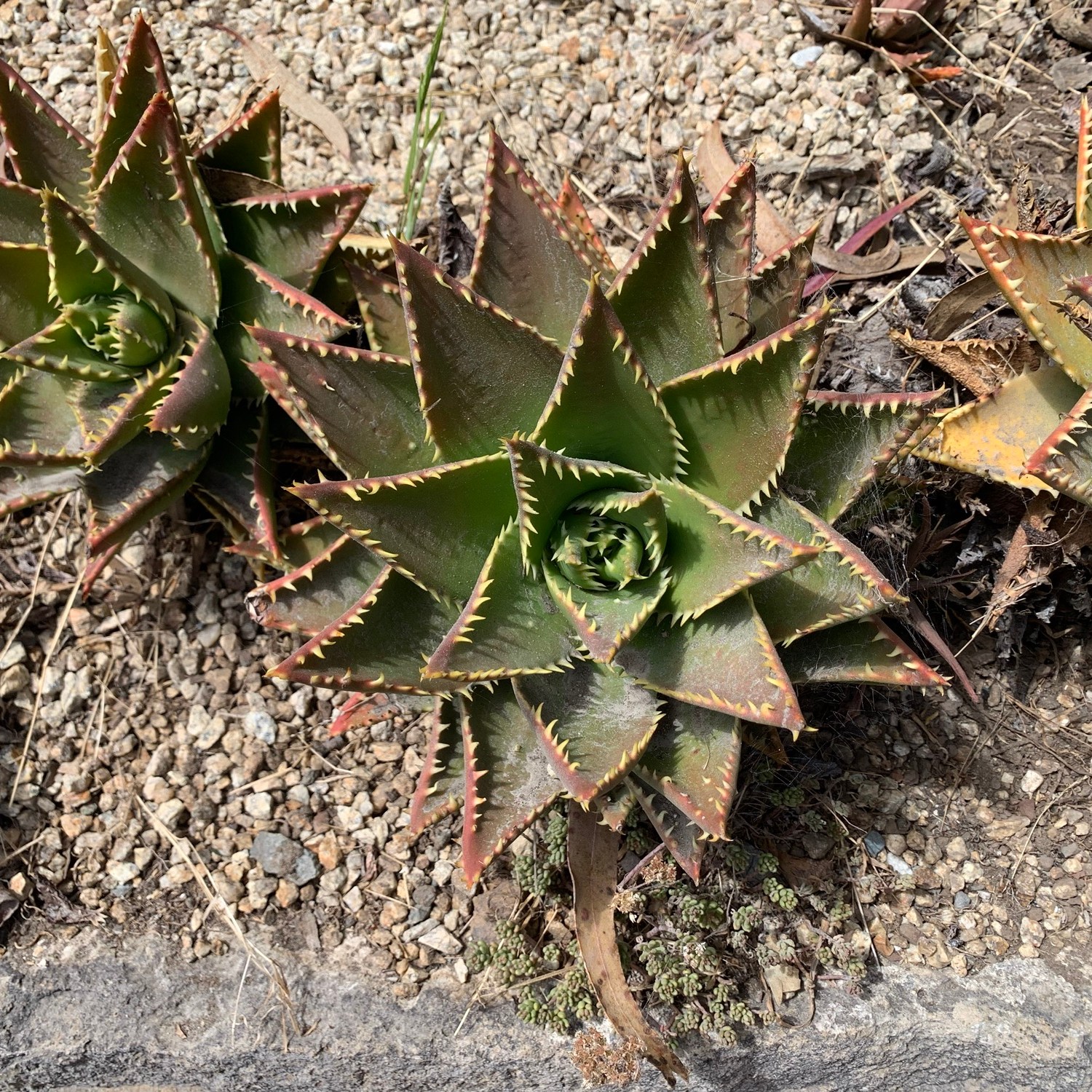
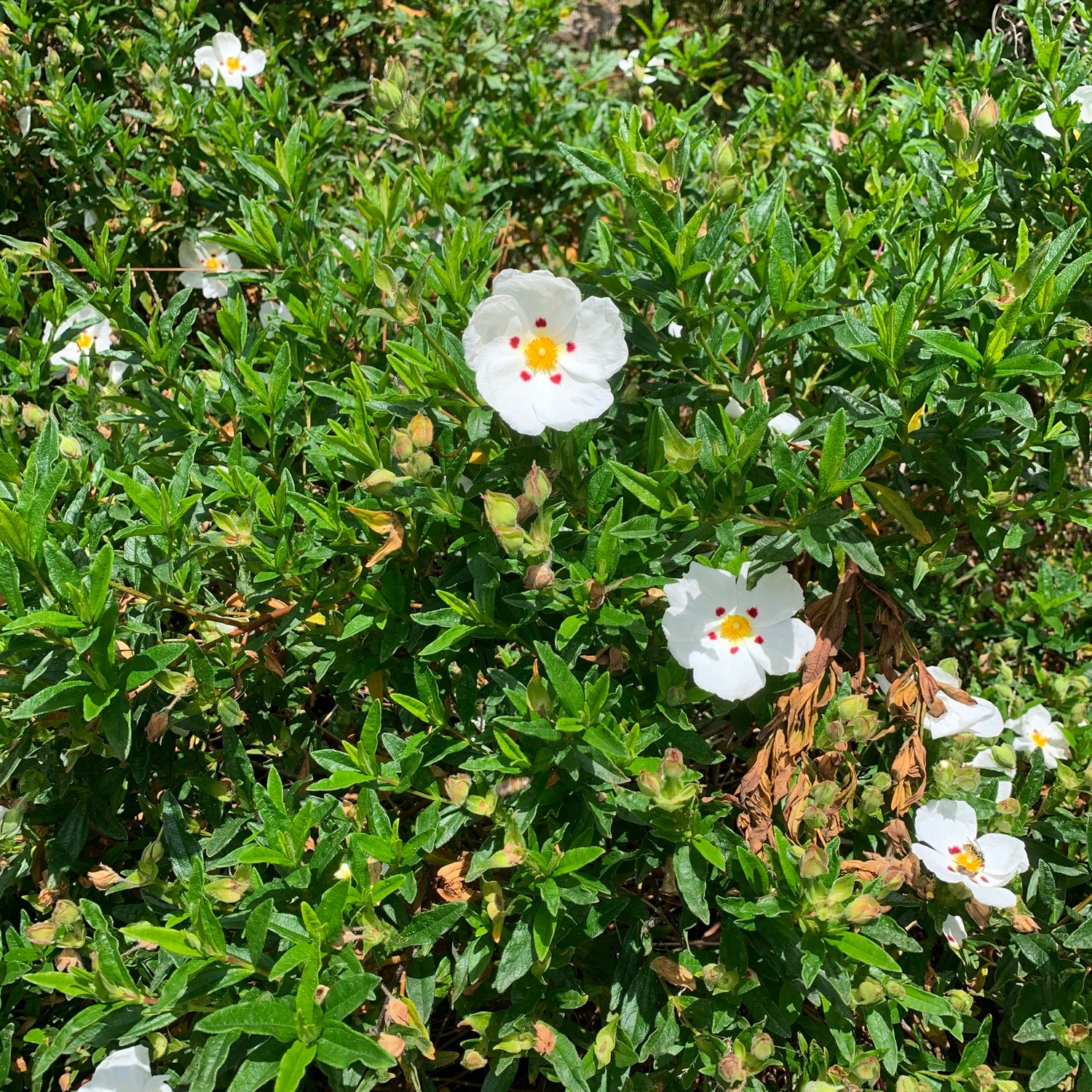
But, we did take in a few sights nearby, including spending a couple of hours at the arboretum, which was lovely!
Bookish stuff:

I’ve gotten more books posted for sale on Pango Books. I have a feeling I priced most of them too high… which may be an indication of my hesitancy about the whole thing. I’m not quite sure that I want to start buying packing material, bubble envelopes, etc if there isn’t a reasonable return to be made. In any case, I’ll keep an eye on it, and possibly do some price reductions over the next couple of weeks.

What did I read during the last (two) weeks?
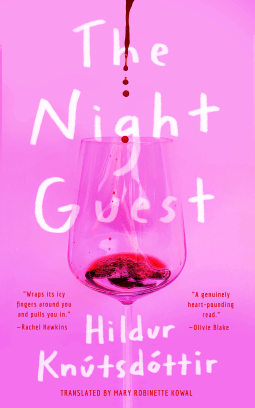
The Night Guest by Hildur Knutsdottir: Fabulous Icelandic horror story! My review is here.

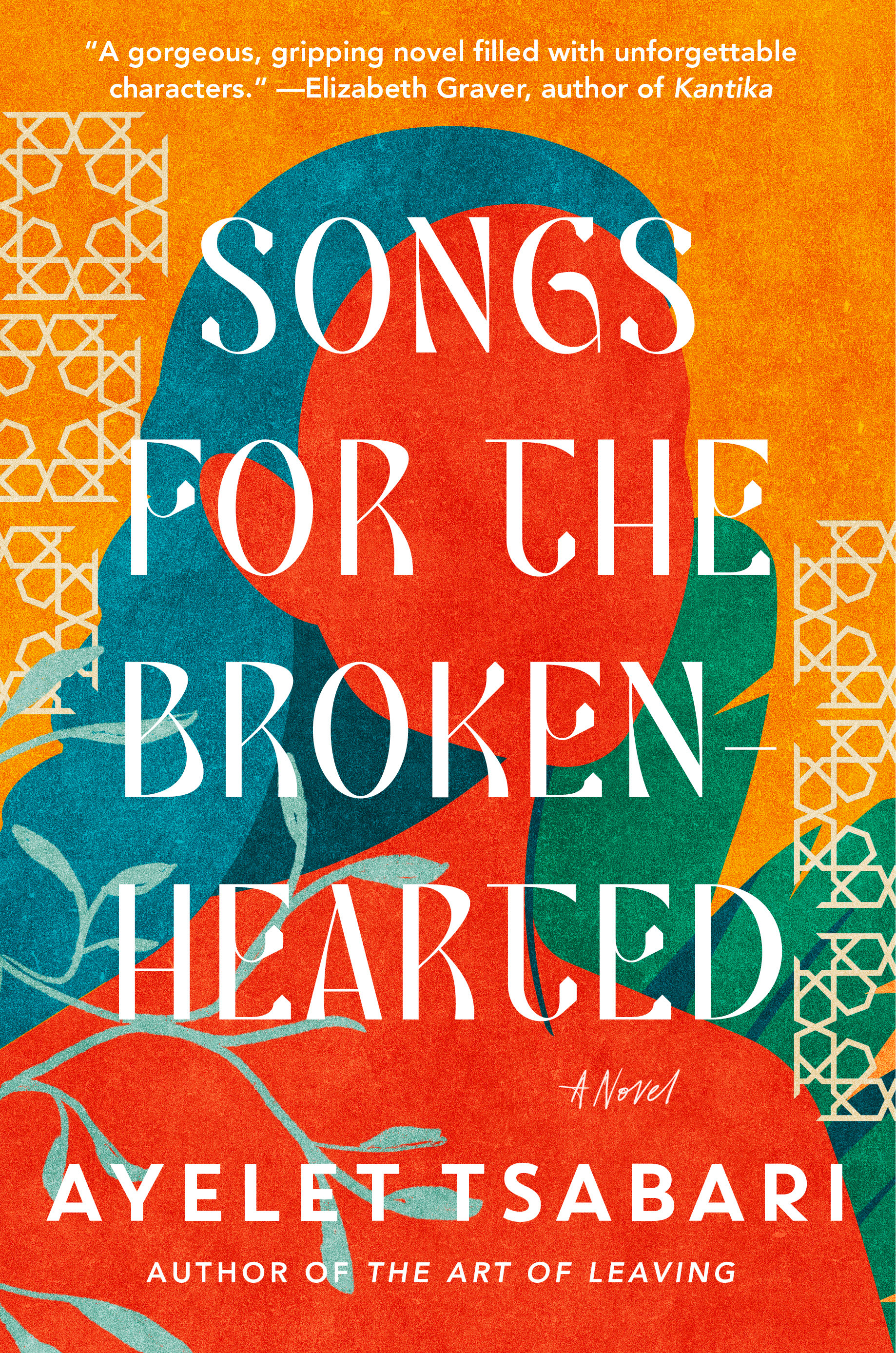
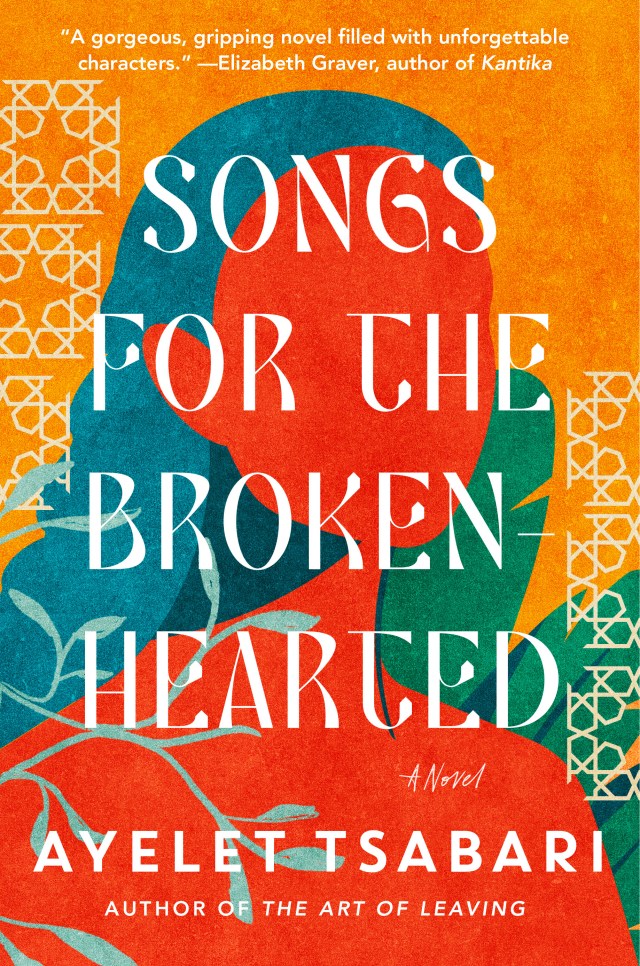
Songs for the Broken-Hearted by Ayelet Tsabari: Beautiful, powerful story of mothers and daughters, grief, and connection. My review is here.

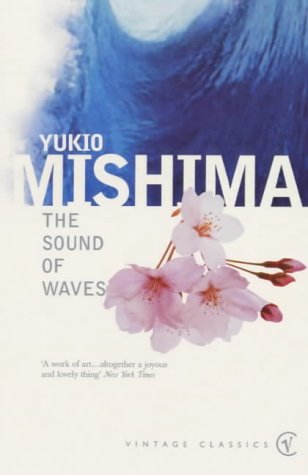
The Sound of Waves by Yukio Mishima: I’m grateful to the Classics Club Spin for getting me to finally reread this lovely book! Some thoughts, here.

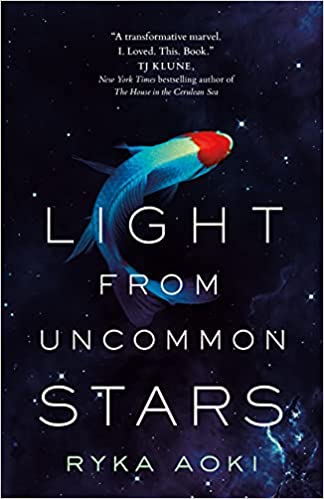
Light from Uncommon Stars by Ryka Aoki: I expected to love this book about — among other things — aliens, deals with the devil, violins, and donuts; instead, I liked it, but with reservations. My review is here.

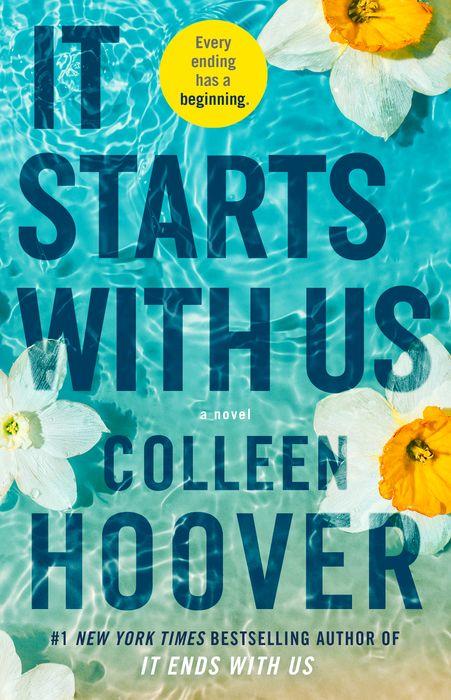
It Starts with Us by Colleen Hoover: Well, I read it. And now I can say that my (very brief) Colleen Hoover phase is done. I’ll post a review later this week.

Pop culture & TV:

I finally caught up to Snowpiercer! The show is in its 4th and final season, and I’ve made it through everything that’s aired so far. It feels weird to go from binging to having to wait a week in between each of the three final episodes, which is all that’s left.

Next up: I’m looking forward to starting the new episodes of The Rings of Power. Also, Kaos (Netflix) looks pretty awesome!

And in movie news…

November is a long way off… but now that I’ve seen the trailer for Wicked, I can’t wait! Have you seen it yet? What do you think?

Fresh Catch:

No new books!

Puzzle of the week:

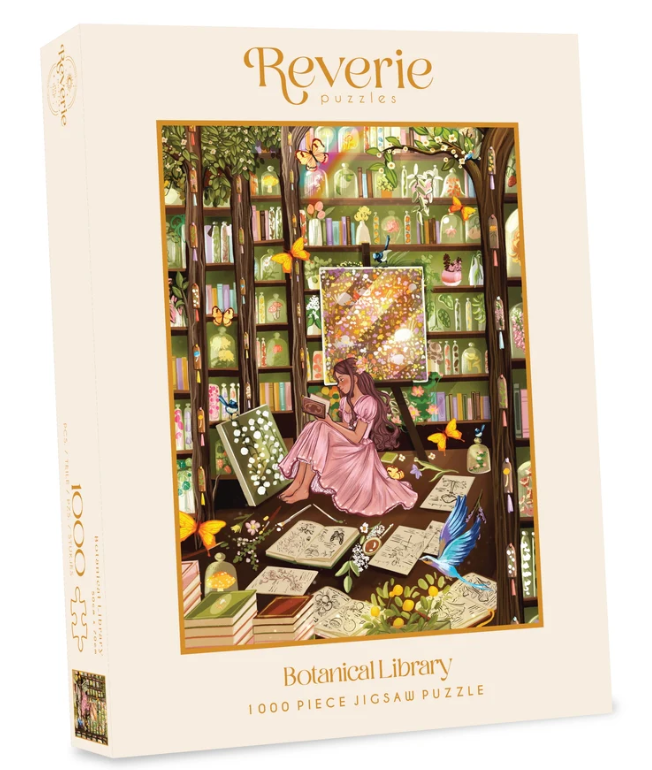
I tried a puzzle from a new-to-me company this week, and ended up really enjoying it! The colors are gorgeous, the piece quality is nice and sharp, and the design provided a good challenge — I spent a few days on this puzzle, savoring the detail and the complexity.

Reverie Puzzles seem to have a beautiful selection of images to choose from. They’re a little pricier than the puzzles I usually buy, so I’ll be pretty choosy going forward, but this one felt like a nice little treat for myself (and I had a discount code!). Reverie puzzles do not appear to be available on Amazon; the Puzzledly site has a good selection of Reverie puzzles, and much more.

What will I be reading during the coming week?

Currently in my hands:

I finished a book late Sunday, and I’m not quite sure what I’ll feel like reading next. Options include two library books and an ARC for a book releasing later in September:

  • My Vampire Plus-One by Jenna Levine
  • Ash’s Cabin by Jen Wang
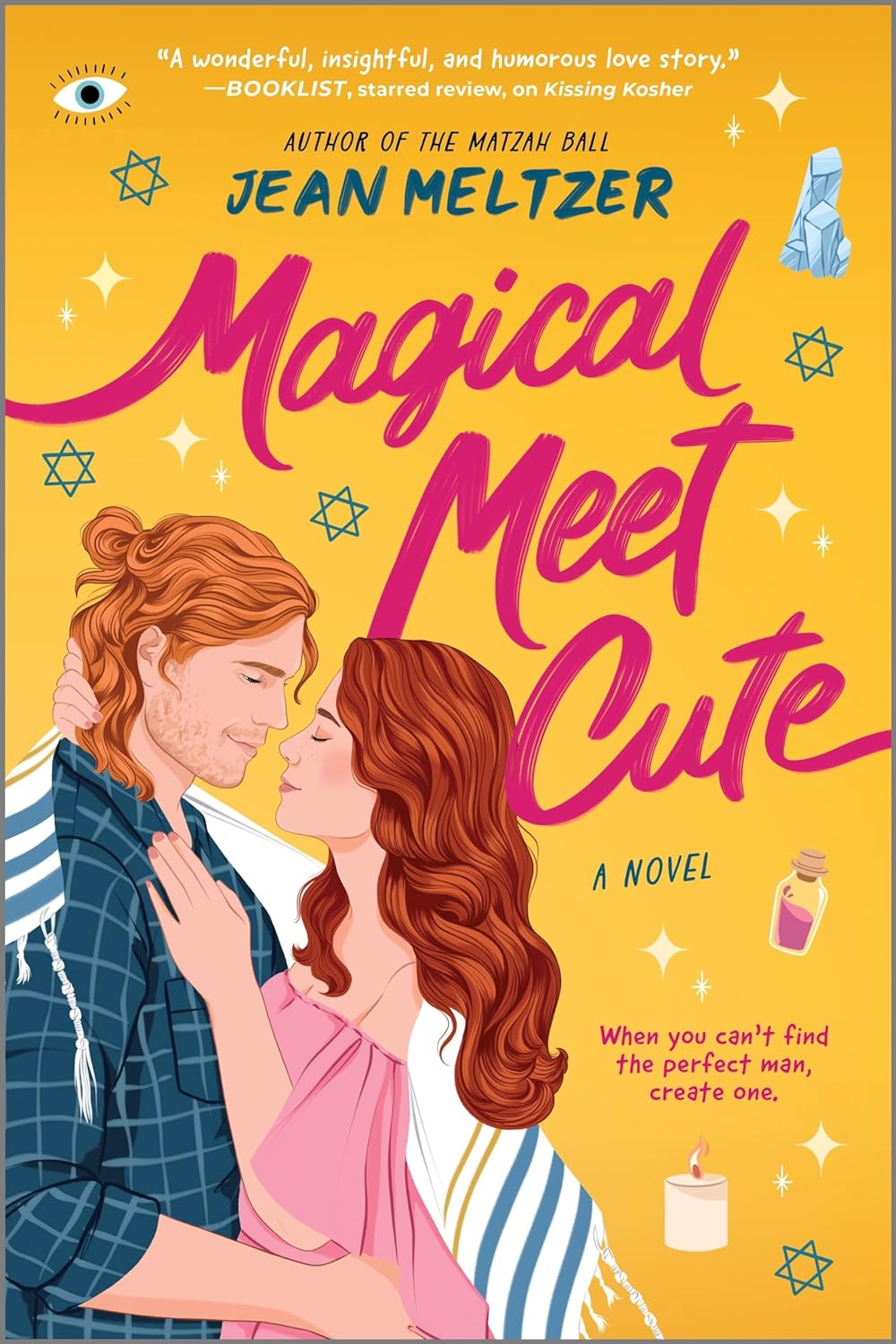
  • Magical Meet Cute by Jean Meltzer

What to do… what to do…

Now playing via audiobook:

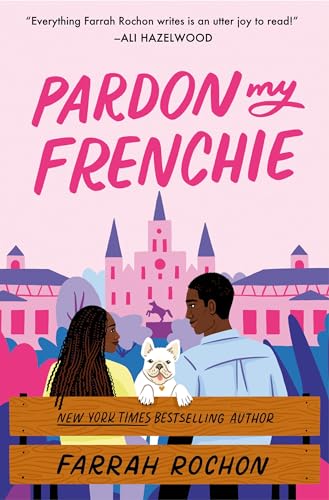
Pardon My Frenchie by Farrah Rochon: I really liked this author’s previous trilogy (The Boyfriend Project), and this new book seems really cute. I mean, the main character owns a doggie day care called Barkingham Palace — what’s not to like?

Ongoing reads:

My longer-term reading commitments:

  • Damn Rebel Bitches: The Women of the ’45 by Maggie Craig: Over at Outlander Book Club, we’re doing a group read of this non-fiction book, discussing one chapter each Friday. Progress: 65%. Coming up this week: Chapter 18, “For Richer, For Poorer”
  • Right Ho, Jeeves by P. G. Wodehouse: My book group’s new classic read! Such silly fun. Progress: 8%. Coming up this week: Chapters 3 and 4.

What will you be reading this week?

So many books, so little time…

boy1

Book Review: Light from Uncommon Stars by Ryka Aoka

Title: Light from Uncommon Stars
Author: Ryka Aoki
Publisher: Tor
Publication date: September 28, 2021
Length: 384 pages
Genre: Science fiction / fantasy
Source: Purchased
Rating:

Rating: 3 out of 5.

A defiantly joyful adventure set in California’s San Gabriel Valley, with cursed violins, Faustian bargains, and queer alien courtship over fresh-made donuts.

Shizuka Satomi made a deal with the devil: to escape damnation, she must entice seven other violin prodigies to trade their souls for success. She has already delivered six. When Katrina Nguyen, a young transgender runaway, catches Shizuka’s ear with her wild talent, Shizuka can almost feel the curse lifting. She’s found her final candidate. But in a donut shop off a bustling highway in the San Gabriel Valley, Shizuka meets Lan Tran, retired starship captain, interstellar refugee, and mother of four. Shizuka doesn’t have time for crushes or coffee dates, what with her very soul on the line, but Lan’s kind smile and eyes like stars might just redefine a soul’s worth. And maybe something as small as a warm donut is powerful enough to break a curse as vast as the California coastline.

As the lives of these three women become entangled by chance and fate, a story of magic, identity, curses, and hope begins, and a family worth crossing the universe for is found.

Light from Uncommon Stars has been on my to-read shelf for a few years now, and even though I picked up a Kindle edition a while back, it’s taken me until now to finally read it. And while I sped through it and enjoyed the reading experience, my overall reaction is… mixed.

There is a lot going on in Light from Uncommon Stars. The three main characters are a transgender teen runaway, a violin teacher who made a deal with the devil many years earlier, and an alien starship captain hiding from intergalactic war in a donut shop. The characters come together in strange, quirky, and even touching circumstances, while also having individual challenges to overcome.

Katrina, the young runaway, is the most affecting of the characters. Escaping a cruel, abusive family and a world that judges and mistreats her, she has only her battered violin for comfort.

Yet, this student, this human being, had been forsaken not for ambition, nor revenge, nor even love, but for merely existing?

Who needs the Devil when people can create a hell like this themselves?

When Shizuka meets her in a park, she recognizes that Katrina may be the final protégé needed to fulfill her bargain — she needs to deliver one more soul to Hell in order to redeem her own soul. But as Shizuka starts to teach Katrina and provide her with a home, the protectiveness she feels for her student may prevent her from living up to the deal she’s made.

Meanwhile, Shizuka also meets Lan, the space-captain-turned-donut-shop-owner, and feels an unexpected connection — but Lan has her own family to protect and worry about as well, and can’t quite get why music is all that important to Shizuka.

There’s also a woman carrying out her family’s legacy of repairing violins, a nasty toad-like demon, Shizuka’s lovely housekeeper/confidante, and many, many more characters.

Light from Uncommon Stars has some important messages about belonging, kindness, fitting in, and treasuring one another. It recognizes that cruelty abounds in the world, yet beauty can still be found by those who are open to it.

The characters, especially Katrina, are quite special, and each of them is interesting in their own right, as well as in connection to one another. Again, Katrina’s journey is especially compelling, as she finally recognizes her own beauty in a world that tells her she doesn’t deserve it.

Her tonality had been honed by a lifetime of being concerned with her voice. Her fingerings were liquid, born of years of not wanting her hands to make ugly motions. And her ability to play to a crowd, project emotion, follow physical cues? Katrina had trained in that most of all.

The focus on music is where the book loses me along the way — there’s just so much about the composition and structure of violins, how they work, different pieces of music, composers, what the music means… honestly, it just doesn’t interest me that much, which meant that for big chunks of the book, I felt like an outsider looking in.

As I mentioned, there’s a LOT going on in this book… and for me, it was too much. Deals with the devil and extraterrestrials, cursed bows and spaceships? Plus, violin lessons and competitions and secrets of the violin-building trade? It’s all a bit messy, and doesn’t ever quite fully click into one coherent whole.

I do need to mention that the descriptions of the wide variety of food — Vietnamese, Mexican, Chinese — junk food and donuts and breads, and much, much more — is all mouth-watering and adds a richness to the characters’ experience that brings the Southern California setting to vivid life.

I expected to love this book — it’s gotten so much hype, and is blurbed by a bunch of authors I love, including T. J. Klune and John Scalzi, among others. I read the book quickly and felt absorbed enough to want to see how it would all work out… but taken as a whole, Light from Uncommon Stars was not the glorious reading experience I expected. Perhaps this just wasn’t the book for me. In any case, I’m glad to have read it, but couldn’t help feeling a bit let down.

Book Review: The Sound of Waves by Yukio Mishima (Classics Club Spin #38)

Title: The Sound of Waves
Author: Yukio Mishima
Publication date: 1954
Length: 183 pages
Rating:

Rating: 5 out of 5.

Set in a remote fishing village in Japan, The Sound of Waves is a timeless story of first love. It tells of Shinji, a young fisherman and Hatsue, the beautiful daughter of the wealthiest man in the village. Shinji is entranced at the sight of Hatsue in the twilight on the beach and they fall in love. When the villagers’ gossip threatens to divide them, Shinji must risk his life to prove his worth.

I’ve had The Sound of Waves on my Classics Club spin list since I first started participating a couple of years ago, and I was so happy that its number finally came up!

Here’s why: I first read The Sound of Waves eons ago in a World Lit class in high school, and I remember loving it at the time. The main thing I remembered is that the class reading list seemed to consist of tragedy after tragedy. The whole time we were reading The Sound of Waves, I was holding my breath waiting for something terrible to happen… and it never did. Instead, it was a gentle, lovely story about first love, and it even had a happy ending.

I’ve always thought back on that book with warm feelings, and have wondered whether I’d still appreciate it all these years later. I’ve been wanting to reread it, and just needed a little push to do so… which the Classics Club spin provided.

In The Sound of Waves, the story centers on a small island called Uta-Jima, a fishing village that’s self-contained and bound by traditions, seemingly set apart from the larger world. Although it’s set in the post-war years (and was originally published in 1954), it’s easy to forget and imagine that the story is set much, much earlier. Every so often, reminders of the outside world and its modernity appear, and often feel startling. For the daily lives of the villagers, governed by the tides and the fishing seasons, we can easily imagine that nothing has change for centuries.

Shinji, the elder of two boys, is not yet twenty years old, but is responsible for his mother and brother, ever since his father’s death during the war. Shinji is large and strong, a devoted son, and earnest in his commitment to his family, his employer, the gods, and the people of the island. He’s struck by immediate love when he meets Hatsue, daughter of the wealthiest man on the island. Hatsue has lived away from the island for many years, but when she returns, her beauty and her father’s position make her the most sought after girl, especially since her father has declared that he intends to adopt her potential husband into his family.

Shinji and Hatsue’s love is sincere and pure, but when they become fodder for island gossip, Hatsue’s father bans them from seeing one another and forbids Hatsue to even leave the house. But despite the challenges and the odds stacked against them, they remain true to one another… and yes, there’s a happy ending.

The Sound of Waves is quite lovely, especially in its depiction of the natural beauty of the island and the seas. The author paints pictures with his words, showing us the changing seasons, the trees and plants and fish, the wave patterns, the steep hills and beautiful views that make up the setting.

From time to time the dying fire crackled a little. They heard this sound and the whistling of the storm as it swept past the high windows, all mixed with the beating of their hearts. To Shinji it seemed as though this unceasing feeling of intoxication, and the confused booming of the sea outside, and the noise of the storm among the treetops were all beating with nature’s violent rhythm. And as part of his emotion there was the feeling, forever and ever, of pure and holy happiness.

He also brings to life the villagers themselves, through simple dialogue, descriptions of routines and interactions, and quick sketches that show the inner nature of the people we meet. I particularly enjoyed scenes of the diving women, although the scenes on the fishing boats are also action-packed and compelling.

My one complaint, which is probably irrelevant in the grand scheme of things, is that there are a lot of descriptions of breasts! So many varieties, so many details… I could have done without all this, but that’s really my only quibble.

Other than that… The Sound of Waves is a beautifully written novel, and I’m happy that rereading this book proved to me that it is just as good as I’d remembered!

Once again, a very good outcome from a Classics Club spin.

Book Review: Songs for the Broken-Hearted by Ayelet Tsabari

Title: Songs for the Broken-Hearted
Author: Ayelet Tsabari 
Publisher: Random House
Publication date: September 10, 2024
Length: 352 pages
Genre: Historical fiction
Source: Review copy courtesy of the publisher via NetGalley
Rating:

Rating: 5 out of 5.

A young Yemeni Israeli woman learns of her mother’s secret romance in a dramatic journey through lost family stories, revealing the unbreakable bond between a mother and a daughter—the debut novel of an award-winning literary voice.

“A gorgeous, gripping novel filled with unforgettable characters.”—Elizabeth Graver, author of Kantika

1950. Thousands of Yemeni Jews have immigrated to the newly founded Israel in search of a better life. In an overcrowded immigrant camp in Rosh Ha’ayin, Yaqub, a shy young man, happens upon Saida, a beautiful girl singing by the river. In the midst of chaos and uncertainty, they fall in love. But they weren’t supposed to; Saida is married and has a child, and a married woman has no place befriending another man.

1995. Thirty-something Zohara, Saida’s daughter, has been living in New York City—a city that feels much less complicated than Israel, where she grew up wishing that her skin was lighter, that her illiterate mother’s Yemeni music was quieter, and that the father who always favored her was alive. She hasn’t looked back since leaving home, rarely in touch with her mother or sister, Lizzie, and missing out on her nephew Yoni’s childhood. But when Lizzie calls to tell her their mother has died, she gets on a plane to Israel with no return ticket.

Soon Zohara finds herself on an unexpected path that leads to shocking truths about her family—including dangers that lurk for impressionable young men and secrets that force her to question everything she thought she knew about her parents, her heritage, and her own future.

Songs for the Broken-Hearted is a beautiful look into women’s lives, intergenerational misunderstandings and traumas, and the hidden histories of women’s communities and their art. Above all, it’s the story of a woman processing grief over the loss of a mother she never fully knew, learning more about herself through learning about her mother’s life.

It’s 1995, and Zohara is on a break from her doctoral program in New York, vacationing in Thailand, when she’s summoned back home to Israel with the news that her mother Saida has died. The youngest daughter in this Yemeni Israeli family, Zohara has felt disconnected from her homeland and her family, and has never really known her mother in a deep way.

Upon her return, Zohara is confronted by just how much she may have missed, as she begins to learn more about Saida’s role within the family and community, and discovers tapes of her beautiful singing. As Zohara eventually learns, Saida wrote her own songs — and within the world of Yemeni Jewish women, singing is the art form that allows expression, creativity, and emotion, especially important for the immigrant generation who arrived in Israel with limited or no knowledge of Hebrew and were illiterate, as learning was the domain of men.

Through Zohara, we learn more about the history of the Yemeni community within Israel, and as we meet others in her family, we also see the extreme political upheaval of the time. The Oslo accords had only recently been signed, and while Yitzhak Rabin is seen as a hero by some, there’s an increasingly strident and violent opposition building, deeply opposed to the planned concessions of the peace process.

Meanwhile, interspersed with Zohara’s experiences, we have chapters sets in 1950, told from the perspective of Yakub, a young man who meets Saida in the immigrant camp to which they’re assigned upon arrival in Israel from Yemen. Amidst the squalor and deprivations of the camp and the discrimination experienced by the new immigrants, Yakub and Saida find an unexpected connection, as he hears her singing by the river, and they bond over their love of words.

Through Yakub and Saida’s story, as well as the dominant storyline focused on Zohara, we get an inside view of the experience of Yemeni immigrants to Israel, including the horrifying (and real) events surrounding the disappearance of Yemeni children and other children of Jewish immigrants from Arab countries. And yet, there’s also the uplifting elements as we see more of the Yemeni culture, from food to music to family traditions, language, observances, and more.

Songs for the Broken-Hearted is truly a beautiful book, telling a powerful story about family connections and secrets, and showing how grief in its many forms can change the course of individual lives and carry down through generations.

Zohara’s story is affecting, and while it can be frustrating as a reader to see this smart woman make unwise choices, we can easily understand how her loss turns her life upside down and leads her down unexpected paths. Grief also leads to renewed hope, as only through her loss does Zohara come to discover and then immerse herself in the world of women’s songs that was so important to Saida. Through these songs and the community of women who keep them alive, Zohara finds new meaning, learns deeper truths about her mother, and even manages to reignite the passion missing from her academic life.

As Zohara reimmerses herself in family, she also reengages with Israel itself, and is there to witness the upheaval and divisions that culminate in Rabin’s assassination. It’s very heavy, and for readers familiar with that chapter of history, the inevitability of the coming violence can be very painful to experience alongside the characters.

What I loved most about Songs for the Broken-Hearted is the tangible, evocative way the author shares the Yemeni culture. References to specific foods and spices, particular singers and pieces of music — all bring this world to life in a way that feels immersive and immediate.

Songs for the Broken-Hearted is powerful on so many levels, and is an absorbing work of fiction that pulls the reader in right from the start. I loved the cultural aspects as well as the exploration of family bonds, the relationships between mothers and children, and the process of grief and healing.

Highly recommended.

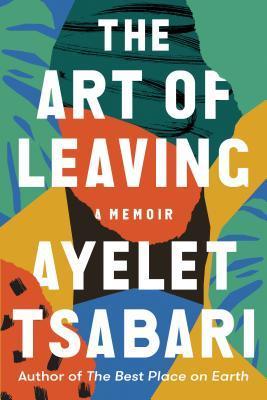
Songs for the Broken-Hearted is author Ayelet Tsabari’s debut novel. She’s previously published a collection of stories (The Best Place on Earth), and a memoir, The Art of Leaving, which I’d especially like to read.

For a taste of Yemeni women’s music, check out the samples below (or search for Yemenite music by Ofra Haza or Gila Beshari, as a starting place — there’s much more available with a bit of looking):

Quick, get me a thesaurus! Or, playing word games with ChatGPT

On a whim, I asked ChatGPT to tell me what adjectives I use most often in my book reviews. And lo and behold, I got an answer within seconds.

Photo by Boys in Bristol Photography on Pexels.com

The initial response was this:

On the website Bookshelf Fantasies, some of the most frequently used adjectives in book reviews include:

  • Engaging: Reviews often describe books as engaging, highlighting the reader’s involvement and interest in the story.
  • Enjoyable: Books that were liked or appreciated are often described as enjoyable.
  • Great: This is commonly used to express high praise for the quality of the book or specific aspects like characters or plot.
  • Interesting: Often used to describe intriguing plots or unique story elements that capture the reader’s attention.
  • Memorable: Applied to characters or storylines that leave a lasting impression.

Then I expanded my request, and asked for the top 20 adjectives used, which yielded this response:

To determine the top 20 adjectives used in book reviews at Bookshelf Fantasies, I would need to analyze a large number of their posts in detail. However, I can provide a list based on the most common adjectives observed from the reviews I’ve analyzed so far:

  1. Engaging
  2. Enjoyable
  3. Great
  4. Interesting
  5. Memorable
  6. Gripping
  7. Fascinating
  8. Captivating
  9. Well-written
  10. Absorbing
  11. Intriguing
  12. Charming
  13. Exciting
  14. Thrilling
  15. Powerful
  16. Compelling
  17. Emotional
  18. Satisfying
  19. Thought-provoking
  20. Suspenseful

When I asked for the verbs I use most often in book reviews, the top few answers were not surprising:

  • Enjoy
  • Love
  • Like
  • Recommend

These don’t surprise me — I was already feeling like I use “enjoy” too often, although I haven’t come up with an alternative that works quite as well. Again, per ChatGPT…

Here are some thesaurus synonyms for the verb “enjoy”:

  1. Appreciate
  2. Relish
  3. Savor
  4. Delight in
  5. Revel in
  6. Take pleasure in
  7. Like
  8. Love
  9. Admire
  10. Fancy

These synonyms capture various nuances of the word “enjoy,” ranging from simply liking something to taking deep pleasure or satisfaction in it.

I can’t imagine using most of these… would I ever say that I “fancied” a book or “reveled in” a story?

Back to my adjectives…

“Enjoyable” pops up in the #2 position — I’m surprised to see that I use “engaging” even more. “Great” and “interesting” show up as numbers 3 and 4, and I don’t find that particularly “memorable” (#5).

“Great” feels especially mediocre to me, as far as language use goes. What am I trying to say when I describe something as “great”? There’s a lesson here for me, to be sure. I’d like to be more thoughtful about my descriptions. If something is “great”… well, why? What grabbed me? What made it special or noteworthy?

I have definitely not jumped on the ChatGPT bandwagon, and haven’t been a fan of the type of information I’ve received when I have played around with it. But for the purpose of looking at my word usage in recent posts, I have to admit that it’s pretty nifty! (“Nifty!” Now there’s a good alternative to “great”!)

Sure, I could pull a thesaurus off my (virtual) bookshelf. (I do still own a hardcover dictionary, but sadly, no physical editions of a thesaursus.) I could (and often do) turn to online thesaurus sites for help when I get stuck and need a good synonym.

I’m not committing to eliminating, or even just reducing, my use of the words on these lists, but it was an interesting exercise for me to see if some of what I believed about my recurring word usage was accurate. And as a takeaway, I’ll at least be more thoughtful in the future before describing something as “great”!

Photo by energepic.com on Pexels.com

Book Review: The Night Guest by Hildur Knútsdóttir 

Title: The Night Guest
Author: Hildur Knútsdóttir 
Translated by: Mary Robinette Kowal
Publisher: Tor Nightfire
Publication date: September 3, 2024
Length: 208 pages
Genre: Horror
Source: Review copy courtesy of the publisher via NetGalley
Rating:

Rating: 4 out of 5.

Hildur Knutsdottir’s The Night Guest is an eerie and ensnaring story set in contemporary Reykjavík that’s sure to keep you awake at night.

Iðunn is in yet another doctor’s office. She knows her constant fatigue is a sign that something’s not right, but practitioners dismiss her symptoms and blood tests haven’t revealed any cause.

When she talks to friends and family about it, the refrain is the same ― have you tried eating better? exercising more? establishing a nighttime routine? She tries to follow their advice, buying everything from vitamins to sleeping pills to a step-counting watch. Nothing helps.

Until one night Iðunn falls asleep with the watch on, and wakes up to find she’s walked over 40,000 steps in the night . . .

What is happening when she’s asleep? Why is she waking up with increasingly disturbing injuries? And why won’t anyone believe her?

This Icelandic horror novel first came to my attention through Mary Robinette Kowal, who apparently met the author, read the book (in Icelandic!), and then asked to translate it once she learned that it wasn’t available yet in English. Thanks to MRK’s involvement, The Night Guest is being published by Tor Nightfire in September — and it’s sure to be a hit with anyone who loves creepy, ambiguous horror stories.

The main character, Iðunn, wakes up exhausted every day. Not just the kind of exhausted that comes from a rough night’s sleep, but with aching muscles and body pains. Everything hurts. But doctor after doctor find nothing wrong with her. She suspect ALS or other frightening diseases, but when her blood work all comes back fine, it’s not a relief. Something is wrong… and no one can tell her what.

Socially, Iðunn is a little awkward, always feeling like an outsider. We learn much more about her background and why her family and social life are the way they are — but I appreciated the way the information unfolds and offers an unexpected twist, so I won’t reveal it here.

Eventually, Iðunn takes even more drastic measures to figure out what’s going on at night and to make it stop. Her efforts to stop it fail in rather spectacular, dramatic ways, and she progresses from waking up sore to waking up bloody and injured — still without knowing why.

Without revealing too much else about the plot, I’ll just say that the tension builds in a way that get more and more disturbing, and as the clues to Iðunn’s nightly experiences pile up, we find ourselves increasingly at a loss to explain it all. Is it psychosis, as one doctor believes? Is it something otherworldly acting upon her? I wasn’t quite sure where I landed on these questions at the end of the book — I like clean answers, and the book doesn’t provide a simple solution. We’re left to sort out what we ourselves think might have happened — which is disturbing, yet very effective.

The storytelling is terrific. What seems straightforward at the start becomes more complicated as we go along. The horror elements creep in when least expected, until it all becomes more explicitly horrifying by the end.

Iðunn is a great example of an unreliable narrator, and we’re left to wonder right alongside her just what the hell is going on. It’s a unique story, and the short length of the book (just over 200 pages) keeps it tight and fast-moving.

The Night Guest becomes more gory and violent by the end; earlier, it leans more toward psychological horror. I’m so glad I got to experience this unusual gem, and recommend for anyone who enjoys questionable lead characters and weird, terrifying premises. If you’re a horror fan, don’t miss this one!

Final note: As an added bonus, the use of technology (especially the fitness tracker) is awesome! Also, I don’t believe I’ve ever read an Icelandic book before, and I loved the setting, the names, and the overall vibe.

Top 5 Tuesday: Top 5 books with found family

It’s been a while since I’ve done a Top 5 Tuesday post — but this week’s topic is too good to pass up! It’s always fun to see what topics the meme’s host comes up with, and I really should make the effort to participate more often. This weekly meme is hosted by Meeghan Reads — check out the next batch of upcoming topics here.

This week’s topic is Top 5 books with found family — which just happens to be a storytelling trope that I love. Found family, to me, is unrelated people coming together and forming a bond that creates a new, meaningful family connection — oftentimes, more supportive and reliable than whatever biological/legal family they came from. Found family stories can be found in many different genres — some of my favorites occur in fantasy, but there are plenty more to choose from.

As always, it’s hard to stick to only five, but I’ve done my best to focus on true favorites:

My favorite found families:

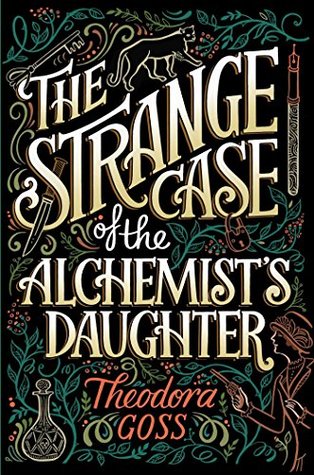
  1. The Strange Case of the Alchemist’s Daughter by Theodora Goss: The daughters of famous and infamous (fictional) scientists come together and form a sisterhood of their own. (review)
  2. The Bell in the Fog by Lev AC Rosen: The 2nd book in an excellent detective series, this is my only non-fantasy pick on this week’s list. Set in 1950s San Francisco, a gay detective forced off the police force after being violently outed finds a new family within the LGBTQ+ community… and solves crimes too! (review)
  3. Wayward Children series by Seanan McGuire: The children who find their way to Eleanor West’s Home for Wayward Children have journeyed to strange new lands through magical portals, then found themselves without a place to belong back in the real world. But together, they create a new, supportive family, and find a true home. There are 9 books available so far; #10 will be released in January. (See my review of #9, here)
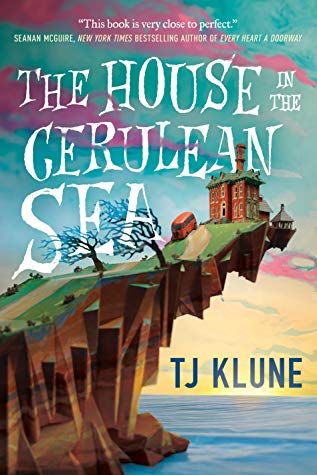
  4. The House in the Cerulean Sea by TJ Klune: There are no words for the loveliness of this story of outcast children and the adults who protect them and give them a family for the first time in their lives. (review)
  5. October Daye series by Seanan McGuire: Oops, that’s two out of five by Seanan McGuire! But this series is just a marvelous example of people choosing one another and making an explicit decision to become a family. The found family aspect grows as the series progresses — there are 18 books so far, and more to come! (Here’s my review of the book shown above.)

What are your favorite books with found families?

The Monday Check-In ~ 08/26/2024

cooltext1850356879

My Monday tradition, including a look back and a look ahead — what I read last week, what new books came my way, and what books are keeping me busy right now. Plus a smattering of other stuff too.

Life.

It’s been a pretty quiet week, all in all. Lots of catching up at work, but some fun during my down time too, including dinner with good friends and a few opportunities to dance.

And reading, of course!

Bookish stuff:

I’m contemplating various approaches for downsizing my physical collection of books, mainly because I’m out of room yet again. I’m experimenting with listing books on Pango Books — just a few so far, and we’ll see how it goes.

What did I read during the last (two) weeks?
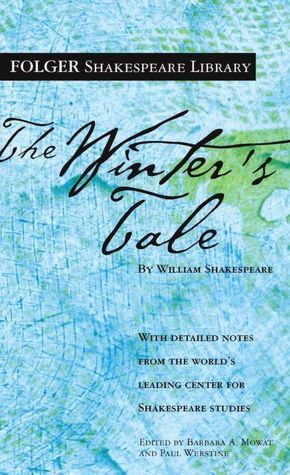
The Winter’s Tale by William Shakespeare: My book group finished this play last week. As always, it was a terrific experience delving into a classic with such a great bunch of people.

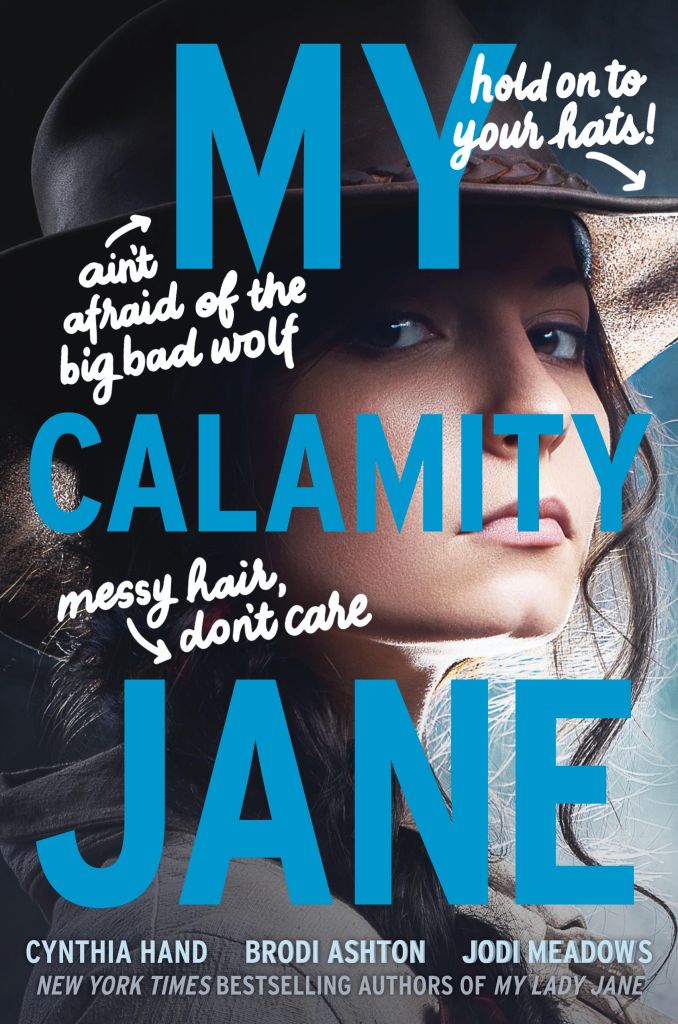
My Calamity Jane by Cynthia Hand, Brodi Ashton, Jodi Meadows: The 3rd Lady Janies book was just as much fun as I’d expected! Can’t wait to continue onward with the series. My review is here.

The House in the Cerulean Sea by TJ Klune: This audiobook was a reread for me… and just as lovely the second time around!

It Ends with Us by Colleen Hoover: Well, at least I can say that I’ve read a CoHo book! My review is here.

The Night Guest by Hildur Knutsdottir: Short and creepy! I’ll post a review later this week.

I also read two graphic novels over the weekend:

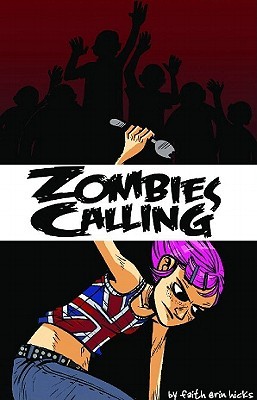
  • Zombies Calling by Faith Erin Hicks: Cute and fun… and I needed a “Z” book for a reading challenge!
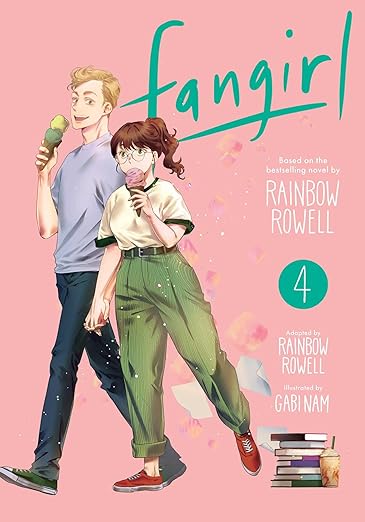
  • Fangirl, volume 4 by Rainbow Rowell: The final volume of the manga version of Fangirl — it makes me want to go back and read the novel again!

Pop culture & TV:

I’m still watching Snowpiercer! I’ve made it a few episode into season 3 so far. The 4th and final season is now airing, and I should be able to catch up with “live” episodes before the finale. I’m finding the show pretty riveting — very dark and bloody, but such a good cast and interesting episodes!

As I mentioned last week, Prime Video has cancelled My Lady Jane after just one season — but apparently there’s a fan campaign to save it! If you’re interested, sign the petition here.

The new season of The Rings of Power starts later this week. I ended up really enjoying season 1, and season 2 looks great from the trailer!

Fresh Catch:

My set is complete!

What will I be reading during the coming week?

Currently in my hands:

Songs for the Broken-Hearted by Ayelet Tsabari: Just getting started!

Now playing via audiobook:

The Sound of Waves by Yukio Mishima: My classics club spin book!

Ongoing reads:

My longer-term reading commitments:

  • Damn Rebel Bitches: The Women of the ’45 by Maggie Craig: Over at Outlander Book Club, we’re doing a group read of this non-fiction book, discussing one chapter each Friday. Progress: 61%. Coming up this week: Chapter 17, “For Better or For Worse”
  • Right Ho, Jeeves by P. G. Wodehouse: After wrapping up The Winter’s Tale last week, my book group is moving on to a new classic. This one should be fun! We’re just starting this week, and will be reading and discussing two chapters per week.

What will you be reading this week?

So many books, so little time…

boy1

Book Review: It Ends with Us by Colleen Hoover

Title: It Ends with Us
Author: Colleen Hoover
Publisher: Atria
Publication date: 2016
Length: 386 pages
Genre: Contemporary fiction
Source: Borrowed
Rating:

Rating: 2 out of 5.

Sometimes it is the one who loves you who hurts you the most.

Lily hasn’t always had it easy, but that’s never stopped her from working hard for the life she wants. She’s come a long way from the small town in Maine where she grew up — she graduated from college, moved to Boston, and started her own business. So when she feels a spark with a gorgeous neurosurgeon named Ryle Kincaid, everything in Lily’s life suddenly seems almost too good to be true.

Ryle is assertive, stubborn, maybe even a little arrogant. He’s also sensitive, brilliant, and has a total soft spot for Lily. And the way he looks in scrubs certainly doesn’t hurt. Lily can’t get him out of her head. But Ryle’s complete aversion to relationships is disturbing. Even as Lily finds herself becoming the exception to his “no dating” rule, she can’t help but wonder what made him that way in the first place.

As questions about her new relationship overwhelm her, so do thoughts of Atlas Corrigan — her first love and a link to the past she left behind. He was her kindred spirit, her protector. When Atlas suddenly reappears, everything Lily has built with Ryle is threatened.

Well, at least I can say that I’ve read a CoHo book…

I was pretty sure, based on everything I’ve heard, that Colleen Hoover’s books would not be for me. But the movie version of It Ends with Us has been generating so much buzz (negative and positive), and a friend was super excited to lend me this book… so yes, I finally read a Colleen Hoover book, and it went about as well as I’d expected.

Let me just note, right up front, that it is not okay that the synopsis of the book does not make the key point explicit: This book includes scenes of emotional and physical partner abuse and domestic violence. Readers need to know that ahead of time.

I’m not even sure what to say about this book. It’s the story of 23-year-old Lily, living on her own in Boston, who dreams of opening her own flower shop. She meets a gorgeous neurosurgeon on the roof of a building one night, and they start a game of “naked truths”, where they tell each other major secrets that they wouldn’t normally share with anyone. He’s not a relationship guy at all, but one of his naked truths is that he’d be happy to have a one-night stand with her (although he doesn’t phrase it quite that way). She’s looking for love, not sex, so it’s a no… but she’s mighty tempted.

As their paths continue to cross, the attraction grows, and eventually they do fall into a passionate relationship, but there are all sorts of warning signs.

Oh, why am I bothering to recap this book? Here’s what you need to know (spoilers ahead!):

  • Lily grew up with an abusive father who regularly beat, berated, and raped her mother.
  • Lily’s never forgotten her first love.
  • Ryle does a lot of love-bombing, and bursts into violence when he’s angry (although he claims that he blacks out when it happens)
  • Ryle is physically abusive to Lily, and she eventually leaves him, even though she loves him.

So much of the plot makes no sense. Randomly moving from least offensive to much more offensive… Lily’s flower shop, for one thing — she opens a business in Boston, with no business plan or firm idea of what to do, has a ridiculous description of the aesthetic she’s going for, and yet is instantly, wildly successful.

Ryle’s sister becomes Lily’s best friend and first employee, totally redecorates Lily’s business, and provides whatever Lily needs, whenever she needs. She’s also described as never having had a job in her life, because her husband struck it mega-rich in tech… but really, she’s a grown woman who’s been rich for only a few years and never even had a part-time job?

Lily’s teenaged diaries are written as letters to Ellen DeGeneres. Why? There’s a reason provided, but it’s odd and unnecessary. We learn about her relationship with Atlas through these diaries, which later become something that ignites Ryle’s rage. (Also, the author seems to gloss over the fact that 15-year-old Lily enters into a romantic and sexual relationship with an 18-year-old, I guess because he’s so special and awesome? Just, no.)

After Ryle hits Lily for the first time, she forgives him after warning him that if anything like that every happens again, she’ll dump him. And then they move forward, and all is well and happy and she’s super in love, and they even have a spur-of-the-moment wedding in Las Vegas… but at no point does relationship counseling get mentioned.

We eventually learn about the childhood trauma that’s shaped Ryle, but if his anger is so uncontrollable, how does he function as a neurosurgeon?

Okay, that’s enough rambling. I did not enjoy this book, so why did I give it 2 stars?

If you’d asked me early on, I would have said that 1 star, or maybe 1.5, would be the highest I’d go, and despite how awful I think most of the book is, it was oddly compelling too. My experience reading It Ends with Us was similar to my experience reading Fifty Shades of Grey (yes, I read it…) — I was aware that it was not good, but I also wanted to see where the story went.

I will say that by the end, I could see how the messaging around domestic violence and the exploration of the emotions involved could be important to share. Lily absolutely loves Ryle, and through her first-person narration, we see the inner turmoil she goes through in trying to sort out her love for her husband, dealing with the memories of what she witnessed in her parents’ marriage, and understanding what safety and trust mean for her going forward.

Still, the ending of the book leaves Lily and Ryle in a place that feels unrealistically positive. They’re divorced, but share a child, and their custody arrangements seem courteous… but how does Lily know that she can trust Ryle with their baby? She makes the decision to leave him to end the cycle of violence that she experienced and to create a healthy life for her daughter, but how does that ensure that his anger won’t explode in the future, with Lily, her daughter, or someone else?

Finally, I’ll just mention that the sex scenes earlier in the book, when they’re first falling in love, are unappealingly explicit. There’s one in particular, where he uses a stethoscope to monitor her racing heart rate as she gets more and more into it — I’m sure it’s meant to be hot, but it’s actually just icky.

Clearly, I did not like this book. But I finished it, and it held my attention… so 2 stars seems fair.

And — I hate to even admit this — I’m probably going to read the follow up book (It Starts with Us) too. Maybe some of my complaints will be addressed! Maybe I just need to see if it’s as ridiculous as this one is. Maybe I just can’t help gawking at a train wreck.

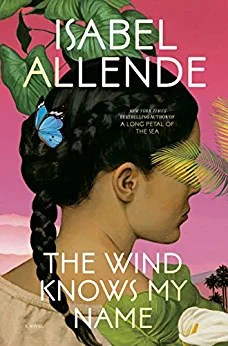
Book Review: The Wind Knows My Name by Isabel Allende

Title: The Wind Knows My Name
Author: Isabel Allende
Publisher: Ballantine Books
Publication date: June 6, 2023
Length: 253 pages
Genre: Historical/contemporary fiction
Source: Purchased
Rating:

Rating: 4 out of 5.

This powerful and moving novel from the New York Times bestselling author of A Long Petal of the Sea weaves together past and present, tracing the ripple effects of war and immigration on one child in Europe in 1938 and another in the United States in 2019.

Vienna, 1938. Samuel Adler was six years old when his father disappeared during Kristallnacht—the night their family lost everything. Samuel’s mother secured a spot for him on the last Kindertransport train out of Nazi-occupied Austria to the United Kingdom, which he boarded alone, carrying nothing but a change of clothes and his violin.

Arizona, 2019. Eight decades later, Anita Diaz, a blind seven-year-old girl, and her mother board another train, fleeing looming danger in El Salvador and seeking refuge in the United States. However, their arrival coincides with the new family separation policy, and Anita finds herself alone at a camp in Nogales. She escapes through her trips to Azabahar, a magical world of the imagination she created with her sister back home.

Anita’s case is assigned to Selena Duran, a young social worker who enlists the help of a promising lawyer from one of San Francisco’s top law firms. Together they discover that Anita has another family member in the United States: Leticia Cordero, who is employed at the home of now eighty-six-year-old Samuel Adler, linking these two lives.

Spanning time and place, The Wind Knows My Name is both a testament to the sacrifices that parents make and a love letter to the children who survive the most unfathomable dangers—and never stop dreaming.

The Wind Knows My Name is a compact but powerful story about lost children, sorrow, and resilience. It’s also quite political, which I didn’t have a problem with, but some may readers may wish to know that the author is very up front in her thoughts on a certain former President and the current, ongoing immigration crisis.

But beyond the politics and the highly charged topics, The Wind Knows My Name is deeply affecting because of the individual characters, their painful childhood experiences, and the way unexpected connections help them forge new paths forward.

The book opens in Vienna, 1938, as the horrors of Kristallnacht unfold. For young Samuel Adler, it’s the night his whole world falls apart. Eventually, to save his life, Samuel’s mother sends him off to England on a train filled with other Jewish children — and while Samuel does go on to live a long and fulfilling life, the early trauma never leaves him.

Later, we meet Leticia, a Salvadoran girl whose father crosses the border into the US with her after their entire family is murdered in the massacre of their small village.

And still later, closer to the present day, we meet Anita — also from El Salvador, cruelly separated from her mother at the border as they seek asylum from extreme danger back home.

As these three people come together, with assistance from Selena, a social worker, and Frank, the ambitious lawyer who finds his true calling in pro bono work helping undocumented children, their complicated pasts offer reflections of commons experiences, even while each has suffered in their own unique and unforgettable way.

At less than 300 pages, The Wind Knows My Name is a fast read, especially as it’s so compelling that it’s difficult to pause and come up for air once you start. Each character’s story is absorbing and tragic, and yet, there are rays of hope in each of their stories as well — even more so as they come together in an unusual but lovely found family.

My main quibble with this book has to do with the storytelling itself. Isabel Allende is a masterful writer and has a beautiful way with words, and she’s highly gifted when it comes to evoking her characters’ inner lives, dreams, and nightmares. However, the writing in this book relies too often on telling rather than showing. Especially in the later chapters, new interludes open with a recitation of what the characters have been doing. We don’t see these events unfold; we hear about them after the fact.

The story itself and what the characters experience is never uninteresting, but there’s a distance because of this narrative approach that left me feeling the emotional impact a little less than I’d expected.

I also felt disappointed that Samuel’s adult life is largely skipped and told in summary after the fact, when we meet up with him again in his 80s. I couldn’t help but feel that there was so much more to see and understand. Given the length of the book, perhaps there wasn’t room to go deeper into the characters’ lives, except in terms of how they all connect, but I wished for more, for Samuel and the others. The Wind Knows My Name might have been more satisfying if it had expanded further on all of the characters and let us go deeper into their worlds.

Overall, however, the events and experiences contained within The Wind Knows My Name are deeply moving, and I came to care deeply about all of its people and the relationships they create and nurture.

Highly recommended.