Book Review: The Expeditioners and the Treasure of Drowned Man’s Canyon by S. S. Taylor

Book Review: The Expeditioners and the Treasure of Drowned Man’s Canyon by S. S. Taylor

The Expeditioners and the Treasure of Drowned Man's CanyonIf you love adventurous kids, mysterious maps, hidden canyons, and steam-powered everything, you won’t want to miss The Expeditioners, the first installment in what promises to be a very exciting middle grade series.

The West kids — Zander, Kit, and MK — are the orphaned children of famous explorer Alexander West, who rose to fame and fortune exploring new lands, then died under mysterious circumstances, leaving the three kids to fend for themselves. And when I say new lands, I really mean New Lands: Several decades earlier, after computers and electricity were proven unreliable and were discarded, explorers discovered New Lands hidden amidst the lands already known. Apparently, all those earlier maps were wrong, and the globes we all rely upon are really just quaint relics. The current world includes places such as the New North Polar Sea, Fazia, and Deloia, and exploring and cartography are among the most esteemed and  sought-after vocations.

Unfortunately, the BNDL (Bureau of Newly Discovered Lands) is in control and is awfully shady. Current policy seems to be to discover resource-rich new worlds and then plunder them for all they’re worth. It’s becoming clear to the West kids that perhaps their dad wasn’t entirely pleased with BNDL’s approach — and it’s starting to seem that the feeling was mutual. The kids are being watched, and when our narrator, Kit, receives a package from a stranger in the market, it sets off a chain of events that will lead the kids into danger as well as excitement.

As The Expeditioners moves forward, Kit and his siblings, along with their new friend Sukey, daughter of a famous explorer herself, set out to solve a puzzle left behind by Alexander. Hidden maps and secret codes lead the gang to a daring escape from BNDL agents and on a mad cross-country dash toward a legendary treasure lost centuries earlier in the canyons of Arizona. The government wants the treasure too, and it’s a race to see who will find it first — if it exists at all.

I read this book with my 11-year-old (who still likes me to read to him at bedtime — hurray!). Let me just cut to the chase here — we both loved The Expeditioners.

The world-building is terrific, as we are introduced to a steampunky society in which the ability to build, tinker, and create is of utmost importance, as are big heaps of courage and a willingness to leap into the unknown. The author takes our own world and technology and spins it into something at once familiar yet completely new. There are no cars, but that’s okay: People travel by steam trains, dirigibles, even steam-powered bicycles and IronSteeds, steam-powered mechanical horses.

The West kids are all talented and honorable. Zander, the oldest at 14, is brave and protective; Kit is a budding cartographer like his dad, and little sister MK can fix anything. Along with their pilot friend Sukey, they demonstrate courage and conviction over and over again, relying on their smarts to get in and out of tight scrapes, with an absolute devotion to one another and to their mission.

A hint of preachiness creeps in when the kids begin to understand the unscrupulous dealings of BNDL and realize how poorly the indigenous populations of the new worlds are being treated. Of course, the PC-lecture tone didn’t faze my son, but I found it a bit heavy-handed.

The storyline is tightly woven and packed with action. After the initial chapters, which seemed about to bog down in exposition, the pace picks up, and we get to truly know the West kids through their adventure, seeing their initiative and daring, as well as their commitment to their father’s memory and to their family as a whole.

Black and white illustrations by Katherine Roy add to the hip feel of the book, bringing the kids to life and adding in details such as gears, clockwork, and goggles that really enhance the story.

The ending makes clear that there is more to come, as the children complete their treasure-seeking adventure and are given a fresh opportunity for new experiences in a new setting. (I’m being intentionally vague here — you won’t get spoilers out of me!) My kiddo and I are both looking forward to seeing how Zander, Kit, and MK fare along their new path, and we really can’t wait for the next Expeditioners book!

Summing it all up: The Expeditioners seems like a perfect choice for middle grade readers, and it’s smart, savvy, and hip enough that parents will enjoy it too. A decidedly different adventure story that’s full of intellectual challenges too, with brave, independent characters of both genders and a range of ages, set in a steampunky American Southwest — this book is one I could see appealing to a wide audience for years to come.

__________________________________________

The details:

Title: The Expeditioners and the Treasure of Drowned Man’s Canyon
Author: S. S. Taylor; illustrated by Katherine Roy
Publisher: McSweeney’s McMullens
Publication date: 2012
Genre: Middle grade fiction
Source: Library

Book Review: Parasite by Mira Grant

Book Review: Parasite by Mira Grant

Parasite (Parasitology, #1)In the year 2027, human beings are healthier than ever thanks to the Intestinal Bodyguard™, a leap forward in healthcare brought to us by the biomedical geniuses behind billion-dollar corporation SymboGen. Nearly everyone now has an Intestinal Bodyguard, which is a safe, effective method of providing ongoing medical care, such as effectively eliminating allergies and other medical issues stemming from our society’s over-reliance on anti-bacterial soaps and other sterilizing methods — which, according to the “hygiene hypothesis”, have led to a decrease in our ability to defend ourselves from our own environments.
And, oh yes, did I mention that the Intestinal Bodyguard is a genetically modified tapeworm?

All together now: Ewwwwww.

Our narrator and point-of-view character in this engrossing (and sometimes just gross) novel is Sally Mitchell, a sort of medical miracle herself. Sally was in a devastating car accident six years prior to the beginning of Parasite, as a result of which Sally was declared brain dead and her family was forced to confront the decision to discontinue life support. But… miracle! Sally’s Intestinal Bodyguard implant seems to have jump-started her body’s healing, and she survived with no lasting physical impairment, other than a complete and seemingly permanent case of amnesia.

Sally — now preferring to go by Sal — has had to rebuild herself and her life from the ground up, relearning language, social niceties, and how to read, among other tasks. In some respects, when we meet her, she’s been alive for only six years, as she has no knowledge of the person she was before, and is told repeatedly that she seems like a completely different person. Sal also owes her life to SymboGen, which provides her with all of her ongoing medical care and therapy at no cost, in return for which she is required to submit to regular check-ups and testing.

But this is a medical thriller, and as you might expect, when humans start tinkering, things have a tendency to go very wrong, very quickly. Cases of a bizarre type of sleepwalking start popping up, as people seem to check out suddenly and become completely non-responsive, even as their bodies continue to live and move. And once in the sleepwalking state, people don’t wake up again. As the cases mount and incidents escalate, both the government and SymboGen take an active interest, as it becomes clear that the danger is growing and that an epidemic may be underway.

Conveniently, Sal’s boyfried Nathan is a parasitologist, and as the clues pile up, Sal and Nathan start to realize that SymboGen may not be telling the whole story, and there are secrets to be discovered if they dare to look for them.

Parasite is creepy good, and so hard to look away from! Interspersed within the narrative are interviews, journal entries, and other documentation of the processes behind SymboGen’s discoveries, and these let us know that all is not as it seems. The tension and dread mount, chapter by chapter, as we readers discover well ahead of the characters that something is very, very wrong.

Mira Grant tackles the science head-on, providing a LOT of explanation of parasites in general, the science surrounding genetic engineering, and how biotech companies approach testing and FDA approval. At times, the amount of exposition involved verges on information overload, as it involves page after page of scientists explaining their research methods and innovations. Interesting, yes, but also just a heap of information provided in intensive doses.

Sal is an interesting and sympathetic character — and even in her moments of abject terror and confusion, she shows a certain feistiness and humor that help break the tension. (Want examples? See this week’s Thursday Quotables post!). Many of the secondary characters are quite strong as well, including one who is memorable in a disturbing, slightly psychotic yet endearing sort of way. I liked the San Francisco setting, which the author uses effectively to ground the story in a real place with recognizable social and geographic markers.

Overall, I’d rate Parasite quite highly. It’s definitely disturbing and will give you a big case of the ickies. I mean, if reading about tapeworms makes you happy, then you’ll love this book — but otherwise, you’ll shudder and shiver from start to end. There are sections that I thought went on a bit too long, and at 500+ pages, I did feel that I would have appreciated a little tightening up in general. That said, though, the story is original and compelling, hard to put down, and utterly impossible to get out of your mind after an up-too-late reading session.

I’m hooked, and may have actually squeaked out a “No! Don’t make me wait!” slightly after midnight last night, when I reached the final page and saw those three little words I hate so much: To Be Continued. From what I understand, Parasite is book one in a duology, and while I couldn’t find a release date for book #2, I did see that it has a title, Symbiont. In my opinion, it can’t come soon enough!

Meanwhile, I think I’ll seek out the author’s Newsflesh trilogy, just to make sure I don’t run out of creepy, upsetting, icky things to read before Parasitology #2 is released. Which is worse — zombies or tapeworms? I’ll get back to you on that one.

__________________________________________

The details:

Title: Parasite (Parasitology series, #1)
Author: Mira Grant
Publisher: Orbit Books
Publication date: 2013
Genre: Science fiction
Source: Review copy courtesy of Orbit via NetGalley

Flashback Friday: Dangerous Liaisons

Flashback Friday is my own little weekly tradition, in which I pick a book from my reading past to highlight — and you’re invited to join in!

Here are the Flashback Friday book selection guidelines:

  1. Has to be something you’ve read yourself
  2. Has to still be available, preferably still in print
  3. Must have been originally published 5 or more years ago

Other than that, the sky’s the limit! Join me, please, and let us all know: what are the books you’ve read that you always rave about? What books from your past do you wish EVERYONE would read? Pick something from five years ago, or go all the way back to the Canterbury Tales if you want. It’s Flashback Friday time!

My pick for this week’s Flashback Friday:

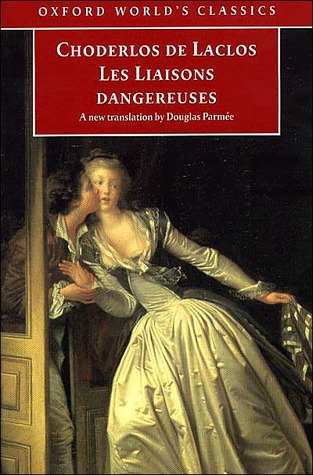
Dangerous Liaisons

Dangerous Liaisons (Les Liaisons Dangereuses)

by Pierre Choderlos de Laclos

(published 1782)

Synopsis:

Published just years before the French Revolution, Laclos’s great novel of moral and emotional depravity is a disturbing and ultimately damning portrayal of a decadent society. Aristocrats and ex-lovers Marquise de Merteuil and Vicomte de Valmont embark on a sophisticated game of seduction and manipulation to bring amusement to their jaded lives. While Merteuil challenges Valmont to seduce an innocent convent girl, he is also occupied with the conquest of a virtuous married woman. Eventually their human pawns respond, and the consequences prove to be more serious-and deadly-than the players could have ever predicted.

I fell head-over-heels in love with the 1988 movie version of Dangerous Liaisons, with all its twisted, sick manipulations and one-upmanship in which other people are sacrificed for the sake of an all-important victory. After seeing the movie, and gasping in amazement at the over-the-top way the characters glory in casually destroying other people’s lives, I knew I had to know more.

Granted, the book doesn’t have the 20th century finishes of the movie, but this epistolary novel has all of the intrigue and mind games you’d expect. Told through letters, we get an inside look into some very twisted minds, and it’s an amazingly complex web that’s woven, in which reputations, marriages, and lives are ruined on a whim.

Of course, I couldn’t read the book without all of these pictures in my head:

According to Wikipedia, there are six different movie adaptations of Dangerous Liaisons, including the much lighter (and less successful, as far as I know) Valmont (1989) and the crazy New York teen version Cruel Intentions (1999), which starred Sarah Michelle Gellar and Reese Witherspoon:

cruel

Not to mention various TV, radio, opera, and ballet versions of the story, and even, apparently, a 2013 e-book called Dangerous Tweets, retelling the story entirely in (yes) tweets. Ooooookay, then.

Have you read the book? Do you have a favorite movie version? What other books could be retold via Twitter?

Happy Friday, and enjoy your flashbacks!

♥♥♥♥♥♥♥♥

Do you host a book blog meme? Do you participate in a meme that you really, really love? I’m building a Book Blog Meme Directory, and need your help! If you know of a great meme to include — or if you host one yourself — please drop me a note on my Contact page and I’ll be sure to add your info!

Thursday Quotables: Parasite

quotation-marks4

Welcome back to Thursday Quotables! This weekly feature is the place to highlight a great quote, line, or passage discovered during your reading each week.  Whether it’s something funny, startling, gut-wrenching, or just really beautifully written, Thursday Quotables is where my favorite lines of the week will be, and you’re invited to join in!


This week, I decided to highlight a few of the lighter moments in a truly creepy and disturbing book:

She was the kind of girl who would probably greet Godzilla while he was attacking downtown by asking whether he’d ever considered adopting a kitten to help him with his obvious stress disorder.

And:

“I hate it when you’re reasonable,” she grumbled. “You should be freaking out.”

“You’re freaking out enough for both of us,” I said. “I just want to know what I’m going to be freaking out about before I waste energy freaking out about the wrong things. Conservation of panic is important.”

One more:

My parents would be pissed if they came home and SymboGen had kicked the front door in, but I assumed they’d be even angrier if they came home and found me dead in the kitchen.

Parasite (Parasitology, #1)

Source: Parasite
Author: Mira Grant
Orbit, 2013

This sci-fi/thriller about medical science gone wrong is keeping me up at night and giving me chills galore! And yet, the writing is full of little zingers and clever bits, just enough to make me break out an occasional smile while hiding under the covers!

What lines made you laugh, cry, or gasp this week? Do tell!

If you’d like to participate, it’s really simple:

  • Write a Thursday Quotables post on your blog. Try to pick something from whatever you’re reading now. And please be sure to include a link back to Bookshelf Fantasies in your post (http://www.bookshelffantasies.com), if you’d be so kind!
  • Click below (next to the cute froggy face) to link up your post! And be sure to visit other linked blogs to view their Thursday Quotables too.
  • Have a quote to share but not a blog post? Leave your quote in the comments.

  • Have fun!

Wishing & Waiting on Wednesday

Nothing like a Wednesday for thinking about the books we want to read! My Wishing & Waiting on Wednesday post is linking up with two fabulous book memes, Wishlist Wednesday (hosted by Pen to Paper) and Waiting on Wednesday (hosted by Breaking the Spine).

This week’s pick is the third and final book in a series:

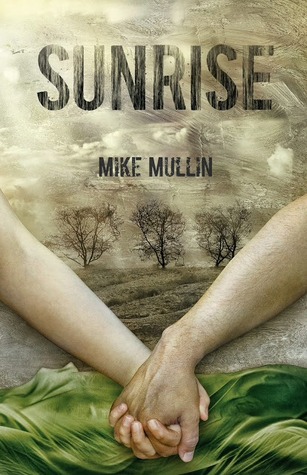
Sunrise (Ashfall, #3)

Sunrise by Mike Mullin
(release date April 15, 2014)

Synopsis:

The Yellowstone supervolcano nearly wiped out the human race. Now, almost a year after the eruption, the survivors seem determined to finish the job. Communities wage war on each other, gangs of cannibals roam the countryside, and what little government survived the eruption has collapsed completely. The ham radio has gone silent. Sickness, cold, and starvation are the survivors’ constant companions.

When it becomes apparent that their home is no longer safe and adults are not facing the stark realities, Alex and Darla must create a community that can survive the ongoing disaster, an almost impossible task requiring even more guts and more smarts than ever — and unthinkable sacrifice. If they fail . . . they, their loved ones, and the few remaining survivors will perish.

This epic finale has the heart of Ashfall, the action of Ashen Winter, and a depth all its own, examining questions of responsibility and bravery, civilization and society, illuminated by the story of an unshakable love that transcends a post-apocalyptic world and even life itself.

Boy, does this sound bleak. BUT — I loved the first two books in the series (click to see my reviews of Ashfall and Ashen Winter), and can’t wait to see how it all works out. Alex and Darla are memorable, incredibly brave characters, and these books are absolutely compulsive reading, just impossible to put down. I really don’t want to wait until April! Meanwhile, if you haven’t read this series yet, give Ashfall a try! I’m willing to bet that you’ll be hooked.

What are you wishing for this Wednesday?

So what are you doing on Thursdays and Fridays? Come join me for my regular weekly features, Thursday Quotables and Flashback Friday! You can find out more here — come share the book love!

♥♥♥♥♥♥♥♥

Do you host a book blog meme? Do you participate in a meme that you really, really love? I’m building a Book Blog Meme Directory, and need your help! If you know of a great meme to include — or if you host one yourself — please drop me a note on my Contact page and I’ll be sure to add your info!

Top Ten Tuesday: Top Ten Creepy, Eerie, Scary Book Covers

Happy Halloween! What a perfect week to focus on covers that give us the chills!

halloweentop10

Top Ten Tuesday is a meme hosted by The Broke and the Bookish, featuring a different top 10 theme each week. This week’s topic is Top Ten Scariest Looking Books Covers. What makes a cover scary? I’m less impressed by actual blood and gore — but give me just the hint of something sinister or creepy, and I’m hooked!

My top ten creepy, eerie, spooky, chilling, scary book covers are:

it1 it2 it3 it4

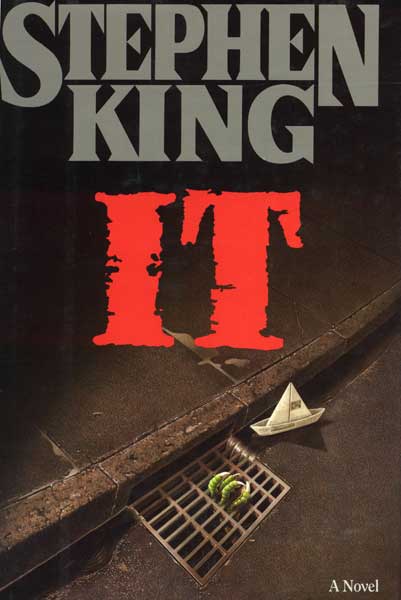
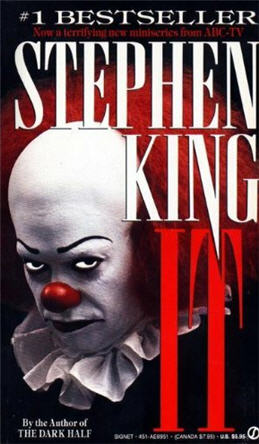
1) It by Stephen King: Responsible for a generation or two of people completely traumatized by clowns and storm drains.

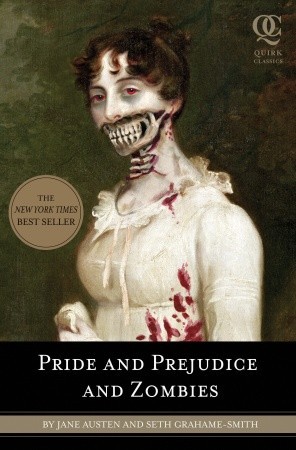
Pride and Prejudice and Zombies

2) Pride and Prejudice and Zombies by Jane Austen and Seth Grahame-Smith

The Replacement

3) The Replacement by Brenna Yovanoff

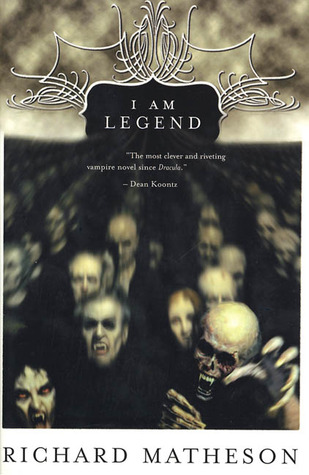
I am Legend and Other Stories

4) I Am Legend by Richard Matheson

Poe's Children: The New Horror: An Anthology

5) Poe’s Children: The New Horror by Peter Straub
Doll parts? Always creepy.

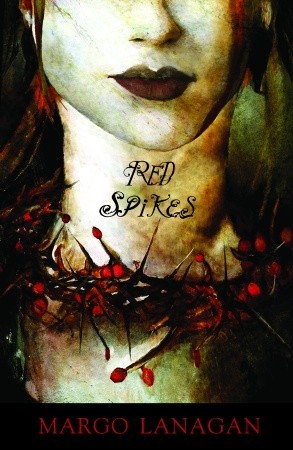
Red Spikes

6) Red Spikes by Margo Lanagan

Four and Twenty Blackbirds (Eden Moore, #1)

7) Four and Twenty Blackbirds by Cherie Priest

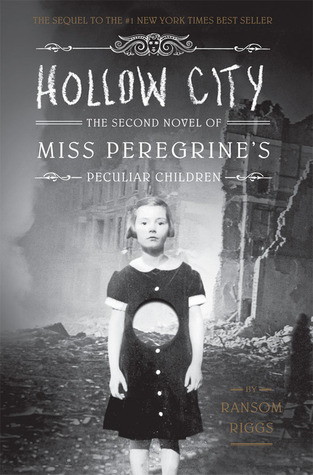
Hollow City (Miss Peregrine, #2)

8) Hollow City by Ransom Riggs

The Monstrumologist (The Monstrumologist, #1)

9) The Monstrumologist by Rick Yancey
I don’t know what’s in the jar… and I don’t want to know.

Sunshine

10) Sunshine by Robin McKinley

Honorable mention: I wanted to give a special shout-out (or should that be a scream-out?) to some blast from the past creep fests:

Suffer the ChildrenWhere Are The Children?Rosemary's Baby

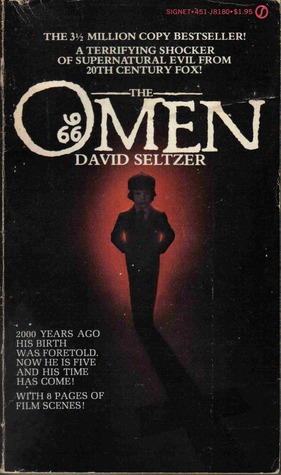
The OmenThe ExorcistThe Amityville Horror

Happy Halloween! May your reading be extra spooky and creepy this week!

If you enjoyed this post, please consider following Bookshelf Fantasies! And don’t forget to check out our regular weekly features, Thursday Quotables and Flashback Friday. Happy reading!

♥♥♥♥♥♥♥♥

Do you host a book blog meme? Do you participate in a meme that you really, really love? I’m building a Book Blog Meme Directory, and need your help! If you know of a great meme to include — or if you host one yourself — please drop me a note on my Contact page and I’ll be sure to add your info!


The Monday Agenda 10/28/2013

MondayAgendaNot a lofty, ambitious to-be-read list consisting of 100+ book titles. Just a simple plan for the upcoming week — what I’m reading now, what I plan to read next, and what I’m hoping to squeeze in among the nooks and crannies.

How did I do with last week’s agenda?

Science fiction, contemporary fiction, YA fiction, and a graphic novel — what a fun week it’s been!

incrementalistsgood wife

Reality BoyRASL

The Incrementalists by Steven Brust and Skyler White: Done! My review is here.

How To Be a Good Wife by Emma Chapman: Done! My review is here.

Reality Boy by A. S. King: Done! My review is here.

RASL by Jeff Smith: This newly released hardcover compilation of Jeff Smith’s RASL comic series is about parallel universes, art theft, Nikola Tesla, quantum physics, and government conspiracies, among other things. Plus there’s a very creepy little girl, lots of desert landscapes, and plenty of sex and violence. In other words, not for kids! Jeff Smith is the creator of one of my all-time favorites, the Bone series, which my son and I both love. RASL is not one that I’ll be sharing with him any time soon! That said, I really enjoyed RASL. It’s mind-bendy, twisty, smart, and fast-paced, with a great hero and plenty of food for thought to go with all that action. If you like a good graphic novel every once in a while, check it out!

The Expeditioners by S. S. Taylor: Such a great kids’ adventure story! The end is in sight…

Fresh Catch:

I’m still respecting my self-imposed reading diet — no reading books from my shelves (or the library’s shelves) until I catch up on all of my review copies! I did get one new book this week, preordered some time ago:

17333261

Argh! It’s so hard to be good!

What’s on my reading agenda for the coming week?

This week I’ll be reading:
Parasite (Parasitology, #1)Palace of SpiesThe Tulip Eaters

I’ve just started Parasite by Mira Grant. This is going to be a good one!

Once I’m done, next up will be two more review books:

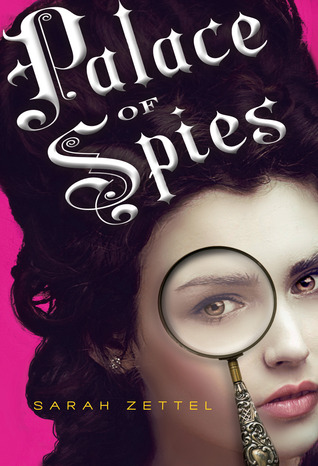
  • Palace of Spies by Sarah Zettel
  • The Tulip Eaters by Antoinette van Heugten

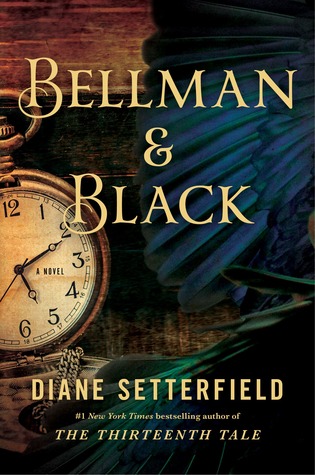
Bellman & Black: A Ghost StoryAnd if by some miracle I get through all of these (which is unlikely), then I’ll move on to Bellman & Black by Diane Setterfield, which I’ve really been looking forward to.

Believe it or not, after these four books, I’ll be caught up (for now!), and can start sprinkling in some of my new on-my-shelves books in between upcoming review copies! Oh, happy day!

So many book, so little time…

That’s my agenda. What’s yours? Add your comments to share your bookish agenda for the week.

boy1

Book Review: Reality Boy by A. S. King

Book Review: Reality Boy by A. S. King

Reality Boy

Synopsis (Goodreads):

Gerald Faust knows exactly when he started feeling angry: the day his mother invited a reality television crew into his five-year-old life. Twelve years later, he’s still haunted by his rage-filled youth—which the entire world got to watch from every imaginable angle—and his anger issues have resulted in violent outbursts, zero friends, and clueless adults dumping him in the special education room at school.

Nothing is ever going to change. No one cares that he’s tried to learn to control himself, and the girl he likes has no idea who he really is. Everyone’s just waiting for him to snap…and he’s starting to feel dangerously close to doing just that.

In this fearless portrayal of a boy on the edge, highly acclaimed Printz Honor author A.S. King explores the desperate reality of a former child “star” who finally breaks free of his anger by creating possibilities he never knew he deserved.

I don’t know why, but I picked up this book expecting something a bit on the whimsical side. Maybe shades of The Truman Show, but grittier and without Jim Carrey.

But. Wow. I was wrong. No whimsy to be found in Reality Boy.

This is a hard and upsetting and disturbing book. Not to say that it’s not also powerful and compelling. But boy, did this one knock me for a loop.

For starters, the early chapters are just uncomfortable to read and left me feeling kind of squicked out.

The synopses are all a big vague, but the truth is this: Gerald had a horrific childhood, terrified by an older sister who took every opportunity to torment Gerald and his other sister, even to the point of attempted drownings and suffocations. And Gerald’s parents, instead of protecting him, were either absent or willfully ignored the facts staring them in the face. To deal with it, Gerald’s mother invited Network Nanny into their home, who set above trying to instill proper behavior in Gerald and his sisters via reward charts and 24-hour cameras. Little Gerald, five years old and simply not being heard, acts out in the only ways he can. He gets angry, he punches holes in the walls, and when he still gets no protection against his crazy sister, starts… umm… protesting in a way that earns him the indelible nickname of The Crapper.

Oh, it’s nasty.

What’s worse is that all of this is being filmed and broadcasted, and those scenes of Gerald acting out live on forever on YouTube.

So when the book opens and we first meet Gerald, he’s an angry, angry 17-year-old who has no friends, who’s still referred to by schoolmates as The Crapper, and who’s been relegated to the special ed classroom because of his violent streak. But when he meets Hannah, an equally messed up kid who works at the sports center concession stand with him, Gerald finally starts to envision a life in which he may actually get what he wants. A life in which death or jail are not the only options — and a life where he might actually find friendship and possibly even love.

This book is just painful to read. The amount of suffering Gerald endures is unimaginable, and to then have his humiliations made so public compounds all of his problems to the nth degree. I was just infuriated by Gerald’s parents, who shrugged their shoulders and allowed all of this happen, both during the filming of the TV show and in all the years since, during which the oldest sister continues to demonstrate a huge sadistic streak and still retains her parents’ support and affection.

Author A. S. King draws Gerald as a multi-layered young man. He’s much more than just his anger. Underneath his ready-to-snap facade is a boy who has been deeply wounded and who feels that he needs to wrap himself in an invisible layer of plastic and war paint just to make it through each day. And when life gets too intense, he retreats into the imaginary world inside his head, where the streets are paved with ice cream and marshmallows and he and his nice sister live without fear. The downside of having a girlfriend, Gerald finds out, is that she expects you to actually be present — and being with Hannah is what finally forces Gerald to face his present and start making the demands for himself that someone should have made for him long, long ago.

This is an intense and upsetting book. I’m a peaceful person, but I wanted to punch walls on Gerald’s behalf. The neglectful parenting here is just appalling. Gerald’s family is well-off and lives in a lovely home in a gated community — but that outward security does nothing for a small boy who is terrorized continuously whenever the adults’ backs are turned. I really hated reading parts of this book, seeing how the clueless parents failed to protect their son and then made it so much worse by allowing his most humiliating moments to be preserved forever in the media and Internet.

At the same time, over the course of the novel we see Gerald finally start to emerge from a hopeless, angry existence into a life where he just might have a future, and where happiness might actually be attainable. Watching Gerald discover the possibility of a different way of living is lovely and inspiring. This is a boy who deserves to finally have something good happen to him!

Along the way, the criticism of today’s reality TV culture is unavoidable, and as Gerald points out repeatedly, what you saw on TV isn’t what really happened. Here’s a boy who was forever scarred by, essentially, a bad edit. How many other people’s lives are recorded, edited, and twisted for the benefit of public consumption? How can people allow cameras to follow them 24/7 and then believe that it’s a good thing? How can living under a microscope, with all of one’s mistakes and embarrassing moments preserved forever, possibly be healthy for any child, much less the adults in their lives?

We don’t meet any other child “stars” of reality TV, so the message isn’t necessarily universalized as much as it might be, but the author makes clear just how much damage can be done for the sake of a moment or two in the spotlight. Adults have a choice; children don’t. I’m not a fan of reality TV in any case, but after reading Reality Boy, I don’t think I’ll be able to even think about children on TV without a shudder or two.

A. S. King’s previous works include Ask The Passengers (which I reviewed here) and several other highly acclaimed books for young adults. Her gift for getting inside the heads of troubled, complex teens is remarkable, and her stories flow and demand every bit of your attention. I’ll be looking forward to whatever she writes next.

__________________________________________

The details:

Title: Reality Boy
Author: A. S. King
Publisher: Little, Brown Books for Young Readers
Publication date: 2013
Genre: Young Adult
Source: Review copy courtesy of Little, Brown via NetGalley

Book Review: How To Be A Good Wife by Emma Chapman

Book Review: How To Be A Good Wife by Emma Chapman

How To Be a Good WifeDon’t let the title fool you: This is not a feel-good story, it’s not a happy story about marriage, and it’s certainly not chick lit.

In How To Be A Good Wife, Marta is a sad and lonely middle-aged housewife suffering terribly from empty nest syndrome now that her only child, son Kylan, has grown up and moved to the city. Marta is left behind in her spotlessly clean home in an unnamed small Scandinavian village, where she compulsively keeps an eye on the clock and makes sure everything is perfect for her husband Hector. As a new bride some 25 years earlier, Marta’s mother-in-law gave her a gift of the how-to guide “How To Be A Good Wife”, and Marta follows it to the letter: “Make your home a place of peace and order”, “Your husband belongs in the outside world. The house is your domain, and your responsibility”, and “Never hurry or nag him along. His time is precious, and must be treated as such” are some of the words of wisdom which Marta has memorized and tries to live by.

Marta has been on medication for years — anti-depressants, I initially assumed, although soon enough it becomes clear that there’s more going on here than just depression. Marta decides to go off her meds, just for the sake of making something happen — and something does indeed happen. She starts having flashes, seeing things and hearing things that aren’t there. She begins seeing a young girl in pajamas, who starts appearing more and more frequently, until Marta cannot tell what is real and what is not. As these flashes become more frequent, Marta becomes convinced that they are buried memories coming to the surface — but are they?

Bit by bit, Marta’s rediscovered memories present to her a version of her marriage that doesn’t match at all with what she’s believed all these years. Early on, I found it curious that all of Marta’s memories of her wedding and a vacation are couched in terms of how Hector described the events. Why doesn’t she have her own memories to rely on? As the bits and pieces keep popping up, we see a new twist on what we’ve been told, and the picture shifts dramatically toward terror and nightmares.

But is any of it real? Marta has lived in isolation for so many years; apparently, she has no friends or real connections in the village. Hector and Kylan are her entire world, but if what she remembers is true, then Hector is not what he seems. As Marta becomes desperate to discover what really happened and to escape from what she perceives as a dangerous life, she has to try to convince Kylan of the truth of her memories — but at the same time realizes that if she succeeds, Kylan may very well be the one to suffer the most.
How To Be A Good Wife is a gripping psychological thriller that reminded me in some ways of Before I Go To Sleep by S. J. Watson. Memory is the key here — but in this book, the reliability of Marta’s memories is not at all certain. Her instability and fear could very well stem from the memories that have resurfaced — but they could also be signs of a deep psychosis.

I suppose this book could also be looked at in a more symbolic way, showing how the old-fashioned expectations of a wife’s role completely eat away at a woman’s individuality, until she can’t even be sure of who she really is without guidance from her husband. But for me, I found myself pretty convinced by Marta’s memories, and thus found it especially painful as she is continuously treated as someone with a mental illness needing treatment rather than being listened to and taken seriously.

The writing here flows quickly, and even the detailed descriptions of housework take on an ominous tone as they paint a picture of a woman trapped in a sterile, outwardly beautiful environment that is empty at its core. Marta does exhibit signs of being “off” — her obsession with the time, her desperate clinging to her grown son, her attention to every smudge and mark in her perfect house — so when she also starts acting out based on her flashes of memory, it’s understandable that it might look like crazy to an observer.

How To Be a Good Wife moves quickly and is practically impossible to put down once you get past the mid-point. It’s chilling and disturbing and utterly engrossing. Even when I thought I knew what had happened and what was going on, I kept being surprised by the way things turned out, and found myself getting VERY upset on Marta’s behalf as she struggles to be heard and to be believed.

And really, if a book can upset its reader in such a personal way, then you know the author is doing something right! If you like suspenseful writing and characters with depth, check out How To Be A Good Wife. Just don’t expect a tidy ending with rainbows and sunshine. The ending is bleak and ambiguous, and totally in keeping with the tone of the entire story. I think this is one book that will stay with me and eat away at me for quite a while, and that’s a testament to its power.

Whew. I feel like I’ve really been put through the ringer with this one. If you’ve read it, let me know! You know how some books just beg to be discussed? How To Be a Good Wife definitely is one of those.

Note: After finishing the book, I Googled the title and found out that there really was a small book published in the 1930s called How To Be A Good Wife, which I assume is the same book that Marta receives here. It’s been reprinted and is available from Amazon and other online booksellers — not that I want to buy it, but it might be amusing to read through someday.

__________________________________________

The details:

Title: How To Be a Good Wife
Author: Emma Chapman
Publisher: St. Martin’s Press
Publication date: 2013
Genre: Contemporary fiction
Source: Review copy courtesy of St. Martin’s Press via NetGalley

Flashback Friday: The All-of-a-Kind Family series

Flashback Friday is my own little weekly tradition, in which I pick a book from my reading past to highlight — and you’re invited to join in!

Here are the Flashback Friday book selection guidelines:

  1. Has to be something you’ve read yourself
  2. Has to still be available, preferably still in print
  3. Must have been originally published 5 or more years ago

Other than that, the sky’s the limit! Join me, please, and let us all know: what are the books you’ve read that you always rave about? What books from your past do you wish EVERYONE would read? Pick something from five years ago, or go all the way back to the Canterbury Tales if you want. It’s Flashback Friday time!

My pick for this week’s Flashback Friday:

All-of-a-Kind Family (All-of-a-Kind Family, #1)

All-of-A-Kind Family by Sydney Taylor

(published 1951)

Synopsis:

There’s something to be said for a book that makes you wish you’d been part of a poor immigrant family living in New York’s lower east side on the eve of World War I. Sydney Taylor’s time-honored classic does just that. Life is rich for the five mischievous girls in the family. They find adventure in visiting the library, going to market with Mama, even dusting the front room. Young readers who have never shared a bedroom with four siblings, with no television in sight, will vicariously experience the simple, old-fashioned pleasures of talk, make-believe, and pilfered penny candy. The family’s Jewish faith strengthens their ties to each other, while providing still more excitement and opportunity for mischief. Readers unfamiliar with Judaism will learn with the girls during each beautifully depicted holiday. This lively family, subject of four more “all-of-a- kind” books, is full of unique characters, all deftly illustrated by Helen John. Taylor based the stories on her own childhood family, and the true-life quality of her writing gives this classic its page-turning appeal.

There are five books in Sydney Taylor’s lovely, heart-warming, classic series:

  • All-of-a-Kind Family (1951)
  • More All-of-a-Kind Family (1954)
  • All-of-a-Kind Family Uptown (1958)
  • All-of-a-Kind Family Downtown (1972)
  • Ella of All-of-a-Kind Family (1978)

Through these books, we meet the five sisters and their parents, and get a sweet and savory view of life on the Lower East Side of New York in the early 1900s. The girls live in close quarters, bicker and play, make up stories and get into trouble, and learn important (but not overly preachy) lessons along the way.  The very first chapter in the first book is about the hugely important weekly trip to the library — and between the lovely library lady and the emphasis on having great books to read, it’s a great way to start! Another chapter is about dusting (!!) — and it really is the stuff of legends, for kids who grew up with these books. In order keep dusting fun (I can’t believe I’m writing this…), the girls’ mother hides buttons that they can only find by cleaning super-carefully.

And now I’m praising a book that has us thinking housework is delightful. So not me. But I digress.

library aoakf

The library scene from All-of-a-Kind Family, illustrated by Helen John

The All-of-a-Kind Family books are memorable for the wonderful and distinctive characters, the upbeat look at life in a relatively poor immigrant neighborhood, the non-sentimental view of some of the era’s hardships, and the positive portrayal of life in an American Jewish family. With penny candy stores, Coney Island, pickles, Fourth of July celebrations, and later, very circumspect parties and dating rituals, the books are at once of historical interest and human interest. I think, as a kid reading these books, I didn’t think about the history too much — I was too busy siding with the different girls in their squabbles and plans, worrying about them getting caught when they got into mischief, and wishing I lived in a house full of girls.

So talk about a flashback! The All-of-a-Kind Family series was a huge part of my childhood. My sister and I pored over these books as kids, reenacting key scenes (the button search was a special favorite!) and in general maintaining a fascination with the five sisters. (Ella, we agreed, was glamorous; Henny, on the other hand, was a big trouble-maker — although looking back from the adult perspective, she also probably had the most gumption of the lot!)

Later on, I found myself returning to these books. As a summer camp counselor, I would read a chapter a night to my girls, who despite being almost too cool during the day, really craved the connection these stories offered at bedtime. And still later, the All-of-a-Kind Family books were read-aloud favorites for my daughter and me.

In a way, these books are like a Jewish parallel to the Little House books by Laura Ingalls Wilder. In each, we see a family’s challenges over the course of many years and many books, set in a particular point in America’s history — but written in such a way that kids today won’t feel like they’re being taught, as they’ll be too busy being entertained by the characters’ antics and adventures. In both series as well, the fictional characters are directly based on the authors’ own lives, and perhaps that ring of authenticity is what helps bring these books, with their detailed descriptions of daily life and routines, into such rich and resounding life.

Did you read the All-of-a-Kind Family books as a kid?

And have you ever, for even a second, believed that dusting is fun?

Happy Friday, and enjoy your flashbacks!

♥♥♥♥♥♥♥♥

Do you host a book blog meme? Do you participate in a meme that you really, really love? I’m building a Book Blog Meme Directory, and need your help! If you know of a great meme to include — or if you host one yourself — please drop me a note on my Contact page and I’ll be sure to add your info!