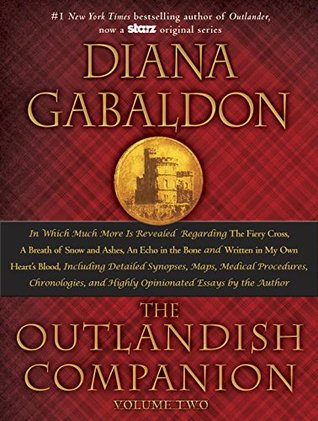
The Outlandish Companion, Volume II: A Reading & Listening Guide

OCIIThe Outlandish Companion, volume II, is a reference book. Does it surprise you to hear that it was also one of the most enjoyable reading and listening experiences I’ve had in months?

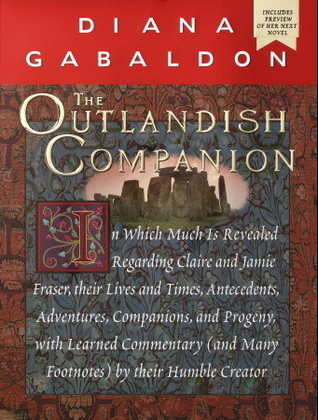
First, some background: As anyone who even occasionally visits my blog surely knows by now, I’m a pretty dedicated fan of Diana Gabaldon’s Outlander series. In 1999, Diana published The Outlandish Companion, a reference guide covering the first four books in the Outlander series (Outlander, Dragonfly in Amber, Voyager, and Drums of Autumn). And pretty much ever since, fans have been clamoring for a second volume to cover the rest of the books.

In March 2015, Diana Gabaldon published a new and revised edition of The Outlandish Companion, volume I, updated to include some additional commentary, especially regarding the Starz TV series. [Blogger note: I’m working a bit backwards here, I know. I’ll post a separate piece about volume I in the next week or so.] And in October of 2015, we finally got The Outlandish Companion, Volume II, and what a treat is is!
OC

The 1999 edition

I bought myself a hardcover edition of OCII as soon as it came out, but hadn’t done much with it beyond opening it at random and flipping through. When I saw that the audiobook had been released, it seemed like the perfect way for me to enjoy the contents of OCII in a laid-back, kind of mellow sort of way.

What you get in the audiobook, which you don’t get in the hard copy, is the voice of Herself, our beloved author Diana Gabaldon. I actually can’t stress this enough: Large portions of the audiobook are narrated by Diana, and I’ll explain a bit further on why this really matters… and really, why this alone is worth the price of the audiobook, even if you already own the physical book.
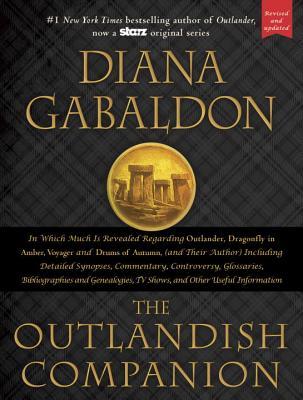
Revised edition of OCI, 2015

Revised edition of OCI, 2015

An added bonus for those who’ve listened to the audiobooks of the Outlander series and the spin-off Lord John books is the participation of the books’ narrators. Davina Porter — marvelous Davina Porter — narrates all of the Outlander book synopses in OCII, and Jeff Woodman, who does such a fantastic job as the honorable and wryly funny Lord John Grey, narrates the synopses for all of the Lord John pieces.

Without further ado, what follows is an overview of what’s in the book, what I especially enjoyed, and a few tips and comments for anyone thinking about listening to the audiobook, either instead of or in addition to getting a copy of the physical book.


What’s inside:

Introduction

Yes, this matters! Diana’s introduction is as funny and smart as you’d expect, explaining how the revised OCI and the new OCII came about. It’s also a great intro to her style throughout the book, which is liberally sprinkled with footnotes, often humorous and tongue-in-cheek, and sure to include at least a few nuggets of odd but interesting little known facts.

Part One: Chronology

Identifying and explaining the chronology of all the parts in the story — so if you’re wondering what to read when, and just where all those novellas fit in, this will tell you.

Part Two: Synopses:

This is the longest part of the book — in my hardcover edition, the synopses start on page 15 and end on page 245. On the audiobook, we’re talking hours and hours. (Sorry, I can’t be more specific… but if I had to guess, at last 8 – 10 hours out of the whole.)

The synopses for the four Outlander books — The Fiery Cross, A Breath of Snow and Ashes, An Echo in the Bone, and Written in My Own Heart’s Blood  — are lengthy and incredibly detailed. The books’ plots are thoroughly summarized, start to finish, with plenty of passages directly from the original texts.

Lengths of synopses (hardcover edition):

The Fiery Cross: 30 pages
A Breath of Snow and Ashes: 66 pages
An Echo In the Bone: 30 pages
Written In My Own Heart’s Blood: 80 pages

Reading tip: If you’re midway through the series, or perhaps took a break in between volumes, these synopses are so detailed that you could easily read these as prep before moving on to the next novel. Although, in my humble opinion, it’s never a waste of time to do a re-read of the books themselves!

After the four Outlander books, we come to the synopses of the Lord John books and novellas. These are much less detailed, with simple plot overviews, not much in the way of spoilers, and no details on the mysteries or their solutions. This section is useful as a refresher, but doesn’t provide enough information if you’re looking for a full-blown recap.

Part Three: Cast of Characters

As the introductory paragraph states:

This list includes all the characters from the second four novels and from the Lord John books, with brief notes as to which book each character is introduced in, who they are, their role in the story, and whether they’re fictional or real historical persons.

This is simply invaluable. Arranged alphabetically, this 118-page section is a must-have for series readers, providing instant access to the who’s who necessary to keep straight the huge number of people who come and go in the books.

Part Four: Sex and Violence (subtitle: Spanking, Beating, Flogging, and Other Interesting Topics Involving Physical Interactions of a Non-Consensual Sort)

Now here’s where it gets truly interesting! Up to now, the OCII is largely reference material. Finally, in Part Four, we get Diana’s insight into her characters and their actions, and it is absolutely fascinating.  She spends quite a bit of time on some of the more controversial elements in the books — the spanking scene in Outlander, the occurrence of rape in the plot and whether it’s too much, the historical context of rape in the Highlands, Black Jack Randall’s sadism — and for those with an opinion on any of these, or who’ve read or participated in any of the heated debates that seem to crop up among readers, it’s enlightening to hear the author’s take on the issues and understand the thought processes behind her writing of these elements.

Part Five: History and Historical Fiction: Organizing the Past

If I had to pick one section to recommend above all others as a resource for writers, this would be it. Whether or not you read the Outlander books, I think this marvelous section would be inspiring to anyone who ever dreamed of writing their own novel.

Diana is incredibly generous with her insights and personal revelations here. She discusses the challenges and pleasures of historical research, and just what’s involved in writing historical fiction, using documentary evidence to enhance and ground her fiction. Not only that, but she also shares her own organization and tracking methods for her research — everything from how she organizes her bookshelves to her computer files’ naming systems.

If I were a writer (and I’m not), I think I’d be incredibly uplifted by Diana’s no-nonsense approach to writing. You want to write? Then write. Don’t delay because you haven’t finished your research yet, or because you need a dedicated space, or until your kids are out of the house, or any of a thousand other reasons. She repeatedly stresses that she began writing Outlander for practice, just to see if she could. I’m simplifying things quite a bit here, but the bottom line is that this is a section that should be read and shared and appreciated. (Also, see Part Seven)

Part Six: A Comprehensive Scottish Language Glossary and Pronunciation Guide – by Adhamh O Broin

Comprehensive is right! 77 pages worth of Scottish phrases, with a guide to pronunciation, origin, use in the books, and meaning, written by the esteemed Adhamh O Broin, who is the official Gaelic (Gaidhlig) consultant for the Outlander TV series.

Part Seven: Writing, and Other Games You Play By Yourself

Along with Part Five, this is simply indispensable knowledge and advice for writers. Diana talks about her own writing processes, and digs deeply into “Mind Games” — the many ways that people’s minds get in the way of their writing. If you’re even thinking about maybe someday starting to write, read this section. Not kidding.

But wait, there’s more! A fabulous part of this section of the book is “A Coda in Three-Two Time” (Annotated). “A Coda in Three-Two Time” is an amazing section of Written In My Own Heart’s Blood, showcasing the wedding night experiences of three couples. It’s intimate, sexy, personal, and even funny — and here, Diana’s annotates the scene to explain the linguistic and stylistic elements behind the writing. The thought and craft that go into the creation of “Coda” is beautiful to learn about.

Also in Part Seven is a section called “One Word Speaks Volumes”, in which Diana explains that she has one word that for her sums up the theme of each novel. From Outlander (love) to The Fiery Cross (community) to A Breath of Snow and Ashes (loyalty) and beyond, the meaning behind the theme is explained and supported. As with so much in the OCII, it’s fascinating.

Finally, Part Seven includes Recipes — I’m not sure exactly why this fits in the writing section, but here it is. Diana shares some favorites recipes, with explanations about her family’s experiences with the dishes included and detailed instructions on cooking and serving them.

Part Eight: The Invisible Talent

As Diana states in the introduction to this section:

“Talent” is what publicists, producers, and agents call the people who provide the visible face of entertainment — actors, for the most part. But anyone who is even temporarily appearing in his or own persona is “talent” — even me. But what about the people who give so much to the TV show and the world of Outlander, who normally don’t show their faces and talk about what they do?

I asked a few of the many, many talented people who create the world of the TV show (and other aspects of the ever increasing world of Outlander) to give us a brief glimpse of what they do and how they do it.

Included are essays by four behind-the-scenes, exceptionally talented individuals:

Terry Dresbach, the show’s brilliantly gifted costume designer, writes about just what it takes to design and produce costumes for a production of this magnitude, and includes several of her sketches for outfits for Claire and Jamie.

[Listening note: The narrator for this section (whose name I didn’t catch) does a fine job, except she mispronounces a couple of character names — most notably, Jamie’s last name! It’s FRASER, not FRASIER. Seems like something that should have been corrected during the production.]

Bear McCreary, the show’s composer, talks about his love of Scottish music (especially bagpipes!) and the reasons for the types of music we hear throughout the episodes. While some of his information is rather technical, it’s presented in such a way that even a non-musical person like me could understand and appreciate it.

Dr. Claire MacKay: Dr. MacKay is an herbalist with expertise in the historical use of herbal medicine. She provides a really interesting overview of the history of herbal medicine in the  Highlands, as well as explaining nine herbs from Claire’s medicine kit, their traditional and modern uses, and their use in the Outlander books.

Theresa Carle-Sanders, author of the upcoming cookbook Outlander Kitchen, writes about “The Diet and Cookery of Eighteenth-Century Highlanders”, explaining not just what types of foods were eaten, but what this diet meant in terms of health, mobility, and class distinctions.

Part Nine: Maps and Floor Plans

Oh, what a treat! If you’re like me, you’ve spent a lot of mental energy trying to figure out just what’s where, and now we know! Included are floor plans for Lallybroch and the Big House on Fraser’s Ridge, as well as maps of the Lallybroch estate and the layout of the Fraser’s Ridge houses and cabins. Also included are maps of the American Colonies circa 1775, the British Isles, the city of Philadelphia, and the battlefields of Culloden and Saratoga.

Part Ten: The Methadone List

Diana’s fans are familiar with the concept of “The Methadone List”. Outlander is, after all, an addiction for its devoted readers — yet even the most devoted sometimes need to read something else. Diana shares this list in response to the question she’s always asked about what ELSE to read. “The Methadone List” is a list of some of her favorite books and writers, with brief plot descriptions and in some cases, excerpts from the books themselves.

Part Eleven: Bibliography

No explanation needed, right?

End papers: Several pages of photos conclude the OCII, include pictures of Castle Leod (seat of Clan MacKenzie) and a few behind-the-scenes photos from the TV production. The front and back inside covers are a detailed family tree (which you can download here as a PDF).

Listening tips:

Thanks to the audiobook, I spent much more time on the OCII than I might have if I’d only stuck to the physical copy. The hardcover edition is a beautiful physical specimen, but I don’t think it would have occurred to me to treat it as something to read from start to finish. By listening to the audiobook, I had the opportunity to slow down, pay attention, and really absorb all of the wonderful information contained in the book.

Highlights: What ended up really making this an extraordinary listen for me was the the narration by Diana Gabaldon herself. And I’ll tell you, I was skeptical at the start. Diana is not a professional audiobook narrator. For one thing, she is FAST. (Big tip: Use .75 speed if you can to listen to Diana’s sections — listening at regular speed is the equivalent of listening to any other audiobook at 1.5x!). It was an adjustment to get used to her speed and speech patterns, but once I got into the groove, I loved it! She shares so much of herself here, and hearing her deliver the content makes it an especially personal experience. Plus, in case you’ve never heard Diana Gabaldon give a talk before — she’s really funny. Listening to Diana narrate her own book lets us hear her emphases and inflections, and it becomes clear just what she finds funny about her content and where she’s being ironic or tongue-in-cheek.

As I mentioned earlier, getting another opportunity to listen to Davina Porter and Jeff Woodman is delightful. I’ve listened to the audiobooks of the entire Outlander series and Lord John books, and spending time with the narrators again here is like hanging out with old friends.

What’s missing: It may go without saying, but listeners should be aware that there are some elements of a reference book that just can’t be provided via audio. The OCII audiobook does not include the character guide, Scottish language glossary, maps and floor plans, or bibliography. And obviously, no illustrations.

Further tips:

Recipes and Methadone List — you can listen to these sections with the audiobook, but if you actually want to make use of them, whether to try the recipes or to track down books to read, you’ll need to refer to the hard copy.

Key advice:

The audiobook is a brilliant way to get a rich experience from the OCII — but it’s incomplete without the physical book at hand. My strongest advice for fans: Get them both.

If you’re a true fan of the Outlander series, then this is an essential and worthwhile investment! I know I’ll be referring to this book over and over again, whether it’s to look up a random character, check out a battlefield, or get some inspiration for my non-Outlander reading.

Blogger’s note: As I mentioned, I’m going about this backwards! Having listened to the OCII audiobook, I’m now going back and listening to the OCI audiobook as well. This is the longest piece I’ve ever posted, and I’m exhausted!! — but if I have the energy, I’ll write up a reading and listening guide to OCI once I finish.

_________________________________________

The details:

Title: The Outlandish Companion, Volume II
Author: Diana Gabaldon
Publisher: Delacorte Press
Publication date: October 27, 2015
Printed book length: 656 pages
Audiobook length: 21 hours, 17 minutes
Genre: Reference
Source: Purchased
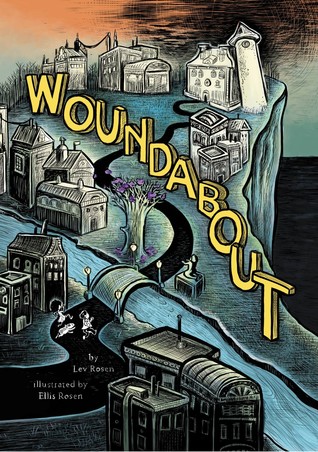
Middle Grade Fiction: Woundabout by Lev Rosen

woundabout


Synopsis:

(via Goodreads)

Welcome to Woundabout, where routine rules and change is feared. But transformation is in the wind….

In the wake of tragedy, siblings Connor and Cordelia and their pet capybara are sent to the precariously perched town of Woundabout to live with their eccentric aunt. Woundabout is a place where the mayor has declared that routine rules above all, and no one is allowed to ask questions–because they should already know the answers.

But Connor and Cordelia can’t help their curiosity when they discover a mysterious crank that fits into certain parts of the town, and by winding the crank, places are transformed into something beautiful. When the townspeople see this transformation, they don’t see beauty–they only see change. And change, the mayor says, is something to fear. With the mayor hot on their trail, can Connor and Cordelia find a way to wind Woundabout back to life?


My Thoughts:

I can’t say enough about this wonderful middle grade novel! Woundabout is the touching — yet not heavy — story of orphaned siblings Connor and Cordelia, who go to live with their aunt Marigold in the very weird town of Woundabout after the death of their parents. Woundabout is a strange, strange place, under the firm control of a dictatorial mayor who hates questions and any deviation from routine. The park is brown and dried up, the river barely flows, and wind constantly buffets the cliffs of the town. Connor and Cordelia, still reeling from their loss, have to adjust to their new lives, and decide to figure out the mysteries of Woundabout, both as diversion and to see if they can somehow find a place for themselves.

The writing is wonderful. There’s humor and a light touch, even on the darkest of subjects. I love the portrayal of Connor and Cordelia (ages 11 and 9), who are tightly bonded, yet each have their own personality and interests. There’s a recurring theme in the writing that takes shared moments and shows how each child sees it:

When the meal was finished, as she had promised, Aunt Marigold took the children into the living room, where they sat on either side of her on a big green sofa and looked at the photos in the album on her lap. It was weird seeing their dad at their age. Connor would have said it was like X-ray vision you couldn’t turn off — seeing through buildings to the beams and metal holding them up; Cordelia would have said it was like uploading your photos to your computer and finding a whole group of pictures you didn’t take. But they both knew it was the same thing.

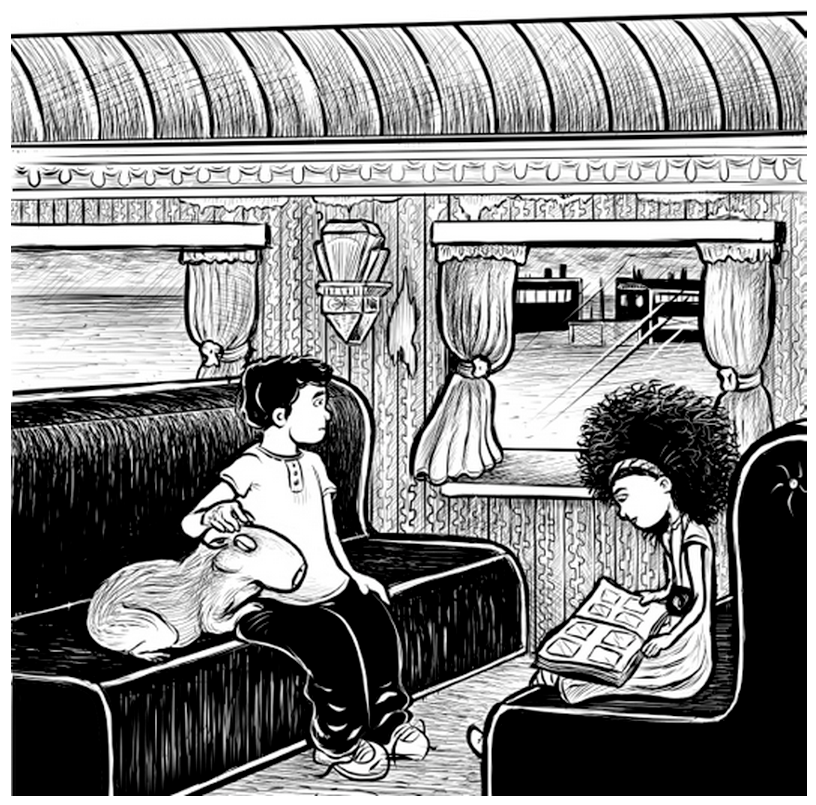
The author and illustrator, who are brothers, are clearly in sync. The marvelous black and white illustrations throughout the book are wonderfully detailed and expressive, and perfectly capture the personalities of the characters and the town.

Woundabout_Siblings_p6

Cordelia and Connor — and Kip, the capybara.

I picked up Woundabout because the author, Lev AC Rosen, has written two excellent books for adults, All Men of Genius and Depth (review), both of which I love and always end up recommending to people. How could I not read his fiction for kids as well?

Woundabout is a terrific read — whether you’re an adult who enjoys reading good children’s books for your own enjoyment, or you’re looking for a book to share with the younger folks in your life, or you want a book to give to a young reader. Woundabout strikes me as a good choice for an adult/child read-aloud, or a great book for an independent reader in the 8 – 12 age range (or so — I hate pinning a label on a book that older and younger kids would enjoy too.)

Check it out… for yourself, or for a kid you’d like to treat to a great read.

_________________________________________

The details:

Title: Woundabout
Author: Lev Rosen
Illustrator: Ellis Rosen
Publisher: Little, Brown Books for Young Readers
Publication date: June 23, 2015
Length: 288 pages
Genre: Middle grade fiction
Source: Library

Thursday Quotables: Woundabout

quotation-marks4

Welcome back to Thursday Quotables! This weekly feature is the place to highlight a great quote, line, or passage discovered during your reading each week.  Whether it’s something funny, startling, gut-wrenching, or just really beautifully written, Thursday Quotables is where my favorite lines of the week will be, and you’re invited to join in!

NEW! Thursday Quotables is now using a Linky tool! Be sure to add your link if you have a Thursday Quotables post to share.

woundabout

Woundabout by Lev AC Rosen
(published June 23, 2015)

When one of your favorite authors writes a children’s book, you read it! Woundabout is charming and a tad eccentric right from the start:

Many stories have happy beginnings. Cordelia King, age nine, and her brother, Connor King, age eleven, knew this because they had often been read those stories by their parents before bed. Stories where little girls run through fields chasing butterflies and stumble on portals to wondrous places. Stories where boys and their fathers go camping in verdant forests. Stories where everyone is happy except that they haven’t fallen in love yet, which never seemed like much to complain about to Connor and Cordelia.

Sadly, this is not one of those stories.

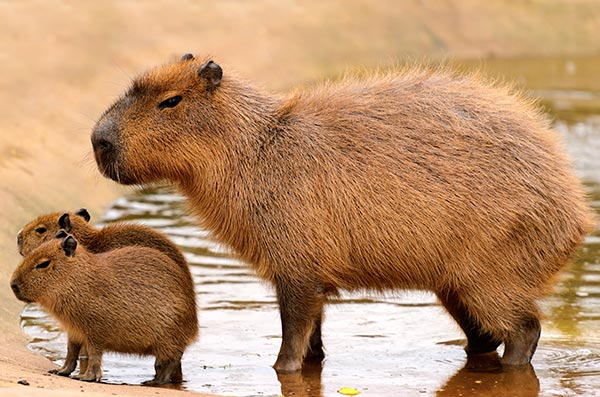
And just to make a good book even better… there are capybaras! It’s a proven fact that anything is better with capybaras in it.

capybara-family_15762686447_f9f8a0684a_o

What lines made you laugh, cry, or gasp this week? Do tell!

If you’d like to participate in Thursday Quotables, it’s really simple:

  • Write a Thursday Quotables post on your blog. Try to pick something from whatever you’re reading now. And please be sure to include a link back to Bookshelf Fantasies in your post (http://www.bookshelffantasies.com), if you’d be so kind!
  • Click on the linky button (look for the cute froggie face) below to add your link.
  • After you link up, I’d love it if you’d leave a comment about my quote for this week.
  • Be sure to visit other linked blogs to view their Thursday Quotables, and have fun!

Shelf Control #18: Lock In

Shelves final

Welcome to the newest weekly feature here at Bookshelf Fantasies… Shelf Control!

Shelf Control is all about the books we want to read — and already own! Consider this a variation of a Wishing & Waiting post… but looking at books already available, and in most cases, sitting right there on our shelves and e-readers.

Want to join in? See the guidelines and linky at the bottom of the post, and jump on board! Let’s take control of our shelves!

cropped-flourish-31609_1280-e1421474289435.png

My Shelf Control pick this week is:

lock inTitle: Lock In
Author: John Scalzi
Published: 2014
Length: 336 pages

What it’s about (synopsis via Goodreads):

Not too long from today, a new, highly contagious virus makes its way across the globe. Most who get sick experience nothing worse than flu, fever and headaches. But for the unlucky one percent – and nearly five million souls in the United States alone – the disease causes “Lock In”: Victims fully awake and aware, but unable to move or respond to stimulus. The disease affects young, old, rich, poor, people of every color and creed. The world changes to meet the challenge.

A quarter of a century later, in a world shaped by what’s now known as “Haden’s syndrome,” rookie FBI agent Chris Shane is paired with veteran agent Leslie Vann. The two of them are assigned what appears to be a Haden-related murder at the Watergate Hotel, with a suspect who is an “integrator” – someone who can let the locked in borrow their bodies for a time. If the Integrator was carrying a Haden client, then naming the suspect for the murder becomes that much more complicated.

But “complicated” doesn’t begin to describe it. As Shane and Vann began to unravel the threads of the murder, it becomes clear that the real mystery – and the real crime – is bigger than anyone could have imagined. The world of the locked in is changing, and with the change comes opportunities that the ambitious will seize at any cost. The investigation that began as a murder case takes Shane and Vann from the halls of corporate power to the virtual spaces of the locked in, and to the very heart of an emerging, surprising new human culture. It’s nothing you could have expected.


How I got it:

I bought it.

When I got it:

Earlier this year, as soon as the paperback version was released.

Why I want to read it:

Because it sounds amazing! I’ve had my eye on this book ever since the pre-release publicity for it started, and I made myself wait for the 2015 paperback release before actually buying a copy. I’ve only read one other John Scalzi book before (Redshirts), but I know he’s an amazing writer and I’m pretty sure that Lock In will be a great choice for me!

__________________________________

Want to participate in Shelf Control? Here’s how:

  • Write a blog post about a book that you own that you haven’t read yet.
  • Add your link below!
  • And if you’d be so kind, I’d appreciate a link back from your own post.
  • Check out other posts, and have fun!

For more on why I’ve started Shelf Control, check out my introductory post here, or read all about my out-of-control book inventory, here.

And if you’d like to post a Shelf Control button on your own blog, here’s an image to download (with my gratitude, of course!):

Shelf Control

Top Ten Tuesday: Top ten books I bought in 2015… but still haven’t read

Top 10 Tuesday new

Top Ten Tuesday is a meme hosted by The Broke and the Bookish, featuring a different top 10 theme each week. This week’s topic is Top Ten 2015 Releases I Meant To Get To But Didn’t. I’m reinterpreting this one to include anything I bought in 2015 but haven’t read yet, not just new releases from 2015. Here are the books that for whatever reason I had to have RIGHT NOW! IMMEDIATELY! GIMME!, but then stuck on my shelf and never picked up again.

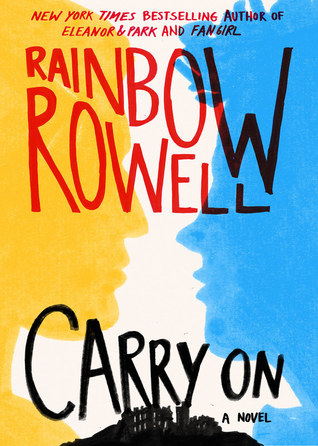
1) Carry On by Rainbow Rowell: OF COURSE I bought this one the second it came out. I love Rainbow Rowell and I loved Fangirl and… I have no idea what my problem is.

Carry On

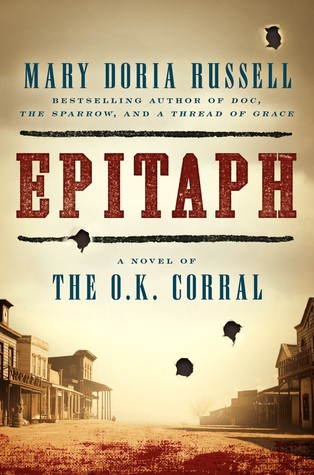
2) Epitaph by Mary Doria Russell: I love everything by Mary Doria Russell, and loved her Doc Holliday book (appropriately named Doc). I bought Epitaph right when it was released so I’d have a chance to read it before she came to my town on her book tour. And then her book tour appearance was cancelled, and I never got around to the book.

epitaph

3) The Porcupine of Truth by Bill Konigsberg: I loved the author’s previous novel, Openly Straight (review), and I’m really excited for this one. Plus, a porcupine on the cover!

Porcupine of Truth

4) The Book of Strange New Things by Michel Faber: Really sounds awesome, and I have a friend who loved it — but it’s over 500 pages, and I just haven’t been in the mood to tackle it yet.

Book of Strange New Things

5) The Narrow Road to the Deep North by Richard Flanagan: I actually have a good excuse for not reading this one yet. I was going to read it as soon as I got a copy last year, and then my book group picked it for this coming spring, so of course I had to wait!

Narrow Road to the Deep North

6) Cheating here and listing a trilogy as one entry: I picked up all three books in Holly Black’s Curse Workers series last year, but haven’t touched them yet. Given that one of my resolutions is to binge-read series instead of reading them one book at a time, this might make a good place to start!

CurseWorkers

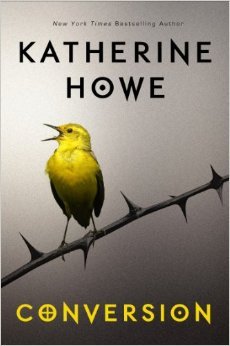
7) Conversion by Katherine Howe: This is a 2014 book (described as “Prep meets The Crucible”!) that I bought in 2015, and it’s been sitting on my nightstand ever since.

Conversion

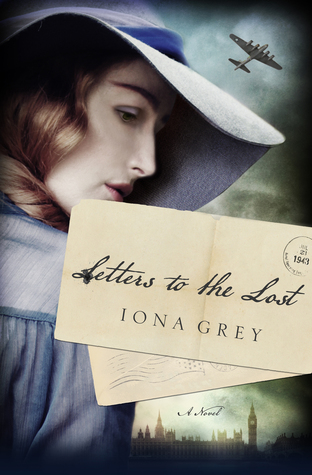
8) Letters to the Lost by Iona Grey: This one actually is a 2015 release, and it sounds like just the kind of historical fiction that gets me in the heart.

Letters to the Lost

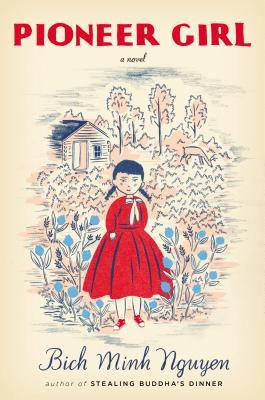
9) Pioneer Girl by Bich Minh Nguyen: A Vietnamese-American woman with a possible connection to Laura Ingalls Wilder? Yes, please!

Pioneer Girl

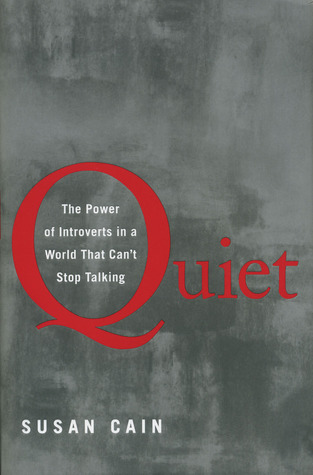
10) Quiet: The Power of Introverts in a World That Can’t Stop Talking by Susan Cain: The little bits and pieces I’ve read so far tell me that this is a book designed for me!

Quiet


If I stick to my plan to read more from my shelves this year, then I should be able to get to these book in 2016!

What 2015 books do you still need to read? Please share your TTT links!

If you enjoyed this post, please consider following Bookshelf Fantasies! And don’t forget to check out our regular weekly features, Shelf Control and Thursday Quotables. Happy reading!

♥♥♥♥♥♥♥♥

Do you host a book blog meme? Do you participate in a meme that you really, really love? I’m building a Book Blog Meme Directory, and need your help! If you know of a great meme to include — or if you host one yourself — please drop me a note on my Contact page and I’ll be sure to add your info!

The Monday Check-In ~ 1/11/2016

cooltext1850356879 My Monday tradition, including a look back and a look ahead — what I read last week, what new books came my way, and what books are keeping me busy right now. Plus a smattering of other stuff too.

Family:

daughter bday

First and foremost, happy birthday wishes (actually, a day after the big event) to my amazing, talented, smart, funny, beautiful daughter!

In real life:

I attended a terrific appearance by Chris Bohjalian, one of my favorite authors! He talked about his newest book, The Guest Room (my review is here), as well as The Sandcastle Girls. The talk was amazing, he was gracious and warm, and I got my books signed!

CB event

Elsewhere on the blog:

I talked about the spring TV shows I’m most excited about (lots of video clips!), and I also posted some thoughts on my New Year’s resolution about reading series.

What did I read last week?

Readers of Broken large

The Readers of Broken Wheel Recommend by Katarina Bivald: A five-star read! My review is here.

Fresh Catch:

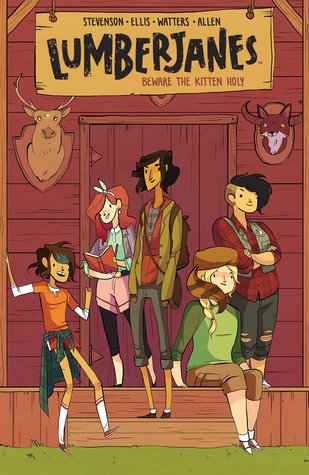
I didn’t actually buy any books this week (yay, me!), but I did borrow two more graphic novels from the library… and I’m not sorry!

Lumberjanes 1 Lumberjanes 2

Wait, did I say I didn’t buy ANY books this week? Make that — I didn’t buy MANY books this week. I couldn’t resist buying copies of The Sandcastle Girls and The Guest Room (which I already have as e-books) — and getting them signed by the author!

Sandcastle GirlsGuest Room signed


What will I be reading during the coming week?

Currently in my hands:
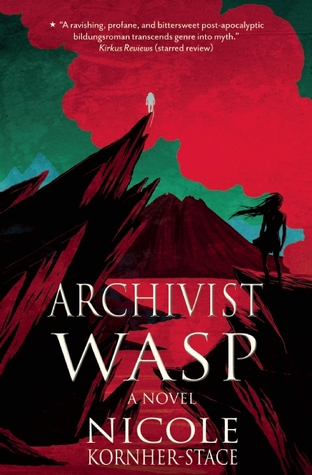
Archivist Wasp

Archivist Wasp by Nicole Kornher-Stace: This is my book group’s pick for January. I probably wouldn’t have come across this one on my own, but I’ve read the first few chapters and I’m finding it pretty good so far!

Now playing via audiobook:

OCIIOCIrev

I finished listening to the 21+ hours-long audiobook version of The Outlandish Companion, volume II, which was utterly fascinating. I’ll be posting a guide to reading and listening to the OCII sometime later this week. While I’ve read the original edition of the first Outlandish Companion volume (originally published in 1999), I haven’t done more than randomly leaf through the revised edition (published March 2015). So, working my way backward, I’m now listening to the OCI audiobook, which — thankfully! — is a much shorter 13 hours and 48 minutes in length.

Ongoing reads:

MOBY

Woo hoo! Our new group read-along begins this week! Over at Outlander Book Club, we’ll be doing a re-read (or “re-kilt”, as we like to call it — I know…) of Written in My Own Heart’s Blood, the 8th book in the Outlander series. We’re reading and discussing two chapters per week, from now through sometime in mid-2017. (It’s a big book!) Anyone who’s interested is welcome to join in, so either click on the link to head over to the OBC site, or just ask me how!

So many books, so little time…

boy1

Reactions to a random resolution

Solemnly

Resolutions are tricky buggers, aren’t they? I tend to view them with suspicion, especially my own! Deciding on January 1st just how I’m going to change and do things better for the rest of the year seems blindly optimistic and generally unrealistic. Let’s face it: How many of us have resolved at some point to go to the gym more? Raise your hand if you went to the gym more last January. Okay, leave your hands up if you were still going as often in March. Yeah, right.

This past week for Top Ten Tuesday, the topic was all about resolutions for the new year. I only came up with 9, and all but one related to books and reading — buying habits, reading habits, and so on.

The resolution that seemed to be greeted with the most skepticism was this one:

I resolve to (attempt to) read series as a whole — all books in a row — rather than reading them as they come out and then forgetting all the details in between volumes.

A few comments basically said “I could never do that”, and a couple of real-life friends pretty much laughed in my face.

So, I thought I should take a few moments to explain my thoughts behind the resolution… which made sense to me at the time!

I have a well-documented problem with series. Well-documented in the sense that I’ve written blog posts about it. In any case — over the last several years, I’ve come to realize that I just don’t enjoy series when I have to wait a year or more in between installments. And it seems that all the “big” “buzz” books lately are parts of series, or in YA especially, trilogies.

Does everything have to be in three parts? Seems like the answer is yes, unless you’re making a movie out of it, in which case four seems to now be the norm. (I’m looking at you, Mockingjay parts 1 & 2.)

So what’s my problem, and why do I need a resolution?

Let’s look at a book example. I was late to the party when it came to The Lunar Chronicles by Marissa Meyer, but finally I jumped on board last December and read the three novels then available right in a row, and then the related short stories, and then the mini-novel Fairest. Loved ’em all, and couldn’t look away. But then… it was a long, long wait for the release of the final book Winter. You can read my super enthusiastic response to my Lunar binge read, and then compare my reaction to Winter. Maybe Winter just wasn’t as good… or maybe reading it on its own, once I was no longer under the spell of my binge-read, lessened the impact it had on me.

In other cases, I’ve absolutely loved the first book in a series or trilogy — books like The Diviners by Libba Bray (review) or All These Things I’ve Done by Gabrielle Zevin. But as much as I loved The Diviners, after waiting for the sequel for a couple of years, I found that when Lair of Dreams actually became available, I simply wasn’t interested. I read books 1 and 2 in the Zevin Birthright trilogy, and then realized when #3 came out that I wasn’t curious about what came next… so even though I had the book in my hands, I ended up returning it to the library unread.

When it comes to enjoying trilogies and finite series, time is not my friend. The more time that goes by in between installments, the less likely I am to read the subsequent books as they’re published. Maybe it has to do with laziness — to pick up a volume 2 a year or more after reading volume 1 means that I’d have to put some time into rereading the first book or finding detailed recaps in order to reenter the world of the series. And without a reread or a revisit, I move forward in the next book only halfway engaged, not quite fitting all the pieces together and wondering whether I’ve forgotten something important. (And usually, I have.)

There’s also the sense of moving backwards. I read a book, I like it, I finish it. I put it on my shelf. And I move on. So a year later the story continues? But I’ve moved on! Unless the first book left me salivating and desperate for more, I have other things on my mind, new worlds to explore, and don’t necessarily want to go back to something I consider done.

(Don’t get me started on series/trilogies that end volumes with cliffhangers. Argh. That’s a different topic entirely, although it does add fuel to my desire not to start an incomplete story unless I know I can move straight on with the next installment.)

Sure, there are some series that are open-ended and that I read faithfully, but with those, I knew from the start that I was reading an ongoing series. I’m thinking here especially of the Dresden Files books by Jim Butcher and the Mercy Thompson books by Patricia Briggs. I love both of these worlds and their characters so very much. I’ll read them forever — please don’t ever end!

Then there are the series in progress that I’m deeply invested in — number one being Outlander, but also George R. R. Martin’s A Song of Ice and Fire. I’m up to date on both series, with no release date for a next book for either one. That doesn’t mean that I don’t love them, but I’d be thrilled to know that the next books will be here soon. (They won’t.)

As for new books, well, there’s my dilemma and my challenge. There are books that are so hot and talked-about and NOW that it’s hard not to join in and become a part of the crazy excitement. Everyone seems to be reading The Illuminae and talking about how amazing it is! And the thing is, it sounds like something I’d love to read. But hold on — there are more volumes to come over the next couple of years. Do I jump in now and break my own rules, or wait?

I also know that I should and must read Patrick Rothfuss’s books, because they’re totally up my alley… but I’ve sworn that I’m not going to read The Name of the Wind until I know that the final book at least has a scheduled release date.

I could go on, because there are lots more, but you get my point. I point-blank refused to read Ancillary Justice by Ann Leckie despite constant prodding by a couple of friends, but now that the entire trilogy has been published, I’m out of excuses!

We’ll see how this whole resolution business works out. I’m quite aware that sticking to my goal here will be very hard, because as soon as I hear about a great new book, I want to immediately grab it and devour it — and my resolution means that if the book in question is the first in a series, then it’s taboo for me… for now.

I can’t promise to be perfect, but I know I really do enjoy series more when I read them straight through. That way, I stay caught up in the mood, the characters, and the plot intricacies, and maintain a sense of engagement and excitement from start to finish. There have even been series that I thought I’d parcel out and take a breather from in between books, but ended up being incapable of reading anything else at all until I’d read all the books. My chief example here is Outlander, because once I read the first book for the very first time, I basically didn’t come up for air again until three months later, when I’d finished all of the main books in the series as well as all of the novellas and offshoots. Same for Codex Alera by Jim Butcher — six books, no stopping, no reading a single other book until I reached the final page of First Lord’s Fury.

crawl inside

There’s something just so immersive and satisfying about reading a series that way. We all talk about wanting to live in the world of a favorite books — well, this is the closest I’ve ever come to feeling like I’ve achieved that!

So, wish me luck with my weird little resolution! I’m really going to try to stick with it — but I promise to ‘fess up if I don’t.


Counting up the books: January update


CUTB_2

Oops! It’s January 9th, and I just realized that I never did an update post for the beginning of the month and the year!

In early September, I wrote a post called Counting Up the Books, talking about two things I love: BOOKS and NUMBERS. That was the beginning of a monthly feature for me, in which I tally up just how many unread books there are in my house and on my Kindle. I’ll omit my September numbers here, for two reasons:

  1. I originally included non-fiction books, but have since dropped them from my totals, since I’m so much less likely to actually read any of the non-fiction books I own. (Hey, they’re there if I need them!)
  2. Right after my September count, I did a major culling of my shelves and dropped off bags and bags of books for donation, which accounts for a big drop from September to October in the number of physical books in my house.

Okay, moving on. Here are my book totals from the past three months, adding in new books and subtracting books read or given away:

October: 539

November: 548 

December: 554

Hmm. We seem to be going in the wrong direction!

How am I doing at the start of 2016? Let’s see:

BC 012016

So… by this reckoning, I’ve gotten myself back to where I was two months ago. Yay, progress? I guess.

How are your shelves doing this month?

Don’t forget to join me for Shelf Control on Wednesdays, where we highlight books from our shelves that we really want to read!

Book Review: The Readers of Broken Wheel Recommend by Katarina Bivald

Readers of Broken largeI’m guessing that anyone who writes or reads book blogs has a special warm and fuzzy place in their heart for books about bookstores. If that sounds like you, then you’ll need to make room for one more! The Readers of Broken Wheel Recommend fits snugly alongside other “books about books”, and is a lovely example of a book that true booklovers will want to hug.

The town of Broken Wheel, Iowa is… well… broken. Hard times have driven out most businesses and bankrupted family farms. Main Street is full of boarded-up, empty shops, and the only school in town has long since closed. All this changes when Swedish tourist Sara Lindqvist shows up. Sara had been corresponding regularly with town elder Amy Harris for years, meeting first through their shared love of books, but developing a friendship and trust through their letters that culminates in Amy inviting Sara for a visit. Sadly, Sara arrives in Broken Wheel on the day of Amy’s funeral, but the townsfolk seem curiously insistent that she stay, as Amy would have wished.

Sara moves into Amy’s home, and is astounded to find that no one in Broken Wheel will let her pay for anything. At a loss as to how to repay their kindness, Sara realizes two important things: First, that Amy has thousands of books in her house. And second, that the people of Broken Wheel don’t seem to be readers… which shocks bookworm Sara to the core of her book-loving soul. So Sara comes up with an idea of how to repay Broken Wheel. She’ll clean up an abandoned storefront owned by Amy, set up a bookshop with Amy’s books (and using her own money to fill in the gaps), and will spread the joy of books and reading to all the lonely and disappointed souls of Broken Wheel.

Listen, if you’re a booklover, I’ve probably already convinced you that this is a book you need to read! Need more? I’ll keep going.

What did I enjoy about The Readers of Broken Wheel Recommend? Let’s see.

Characters: The town of Broken Wheel is full of odd and quirky characters, and they come splendidly to life in this book. Sara herself is a shy, lonely young woman who really has nothing to go back to Sweden for. She’s not used to being sought out or admired, and being the sudden center of attention is a dramatic eye-opener for her. There’s Grace, descended from a line of Graces, who totes a rifle and sees herself as the town outsider, without admitting to herself just how deeply invested in the town she is. There’s Andy, who runs the only bar in town with his “special friend”, the outrageously attractive Carl. There’s George, a recovering alcoholic who finally starts finding hope again through Sara, her books, and the interconnectedness of the town. Caroline, a starchy, proper churchlady, comes surprisingly alive again once exposed to Sara’s books and the interest of a younger man. There are plenty more, but I’ll let you have the pleasure of discovering them on your own.

Of course, with books, you could have greater confidence that it would all end well. You worked through the disappointments and the complications, always conscious, deep down, that Elizabeth would get her Mr. Darcy in the end. With life, you couldn’t have the same faith. But sooner or later, she reminded herself, surely someone you could imagine was your Mr. Darcy would turn up.

Though that was assuming you were one of the main characters.

Writing: Debut author Katarina Bivald has a light and humorous touch, capturing people’s inner struggles and worries yet conveying even the sadness with a sense of honesty and hope. I love the way she captures the souls of people who love books — for example, this bit from one of Amy’s letters:

I can’t for the life of me explain why I have the bad sense to prefer people [over books]. If you went purely by numbers, then books would win hands down. I’ve loved maybe a handful of people in my entire life, compared with tens or maybe even hundreds of books (and here I’m counting only those books I’ve really loved, the kind that make you happy just to look at them, that make you smile regardless of what else is happening in your life, that you always turn back to like an old friend and can remember exactly where you first “met” them — I’m sure you know just what I’m talking about). But that handful of people you love… they’re surely worth just as much as all of those books.

The bookstore: Sara decides that the standard bookstore signage — fiction, non-fiction, etc. — just won’t cut it if she really wants to reach the people of Broken Wheel. Sara ends up setting up her bookstore with sections such as “Sex, Violence, and Weapons”, “Short But Sweet”, “For Friday Nights and Lazy Sundays”, “Gay Erotica” (more or less on a dare, but with surprising results), and “Warning: Unhappy Endings”.

If more bookshop owners had taken the responsibility to hang warning signs, her life would have been easier. Cigarette packets came with warnings, so why not tragic books? There was wording on bottles of beer warning against drinking and driving, but not a single word about the consequences of reading books without tissues to hand.

Love: In a way, Readers is a love story — the story of how an entire town fell in love with a newcomer in their midst, and how she fell right back in love with all of them. Beyond that, there are romances and relationships, not candy-coated or overly sentimental, but simply people with hopes and dreams, with disappointments and heartaches in their pasts, who find one another — for friendship, companionship, love, or lust — in all sorts of unusual ways that end up feeling just so right.

“If you don’t marry her, she’ll have to leave. And she got me a book!”

Plot: The plot of Readers is fairly simple, but that doesn’t mean it’s not engaging. There are no huge surprises here — outsider arrives, changes the people around her, gives them new lease on life, etc — but it’s still charming to see it all unfold.

The author just gets readers: A major theme of Readers is how books change lives, in big and little ways. People end up with books that they might never have thought of trying, but there’s always something that rubs off, some way that a person ends up changed or enriched or bothered, that leaves a person just slightly different from how they were before reading that book. It’s such fun to see how Sara finds people just the right book to touch them, and then to realize how some of those same books have affected me in ways similar and different.

“Can you smell it? The scent of new books. Unread adventures. Friends you haven’t met yet, hours of magical escapism awaiting you.”

Plus, this priceless sentiment from Sara struck an absolute nerve with me and perfectly sums up why I don’t commit to reading challenges:

If you were someone who spent the vast majority of your time with books, then at the very least you should have read the Nobel Prize winners and the classics, as well as all those books people talked about but had never actually read, as Mark Twain might have put it. She had thrown herself into one ambitious reading project after another, but things had rarely gone according to plan. It was boring to think of books as something you should read just because others had, and besides, she was much too easily distracted. There were far too many books out there to stick to any sort of theme.

I’ve seen this book described as perfect for people who loved The Storied Life of A. J. Fikry (review) and The Guernsey Literary and Potato Peel Pie Society — and considering that I loved both of those and love Readers, I think it’s an apt description!

The Readers of Broken Wheel Recommend is a quiet, sweet, quirky, and thoughtful book about people, community, books, and the way they all come together. Absolutely recommended for anyone who is passionate about books — who enjoys reading about books almost as much as actually reading books.

_________________________________________

The details:

Title: The Readers of Broken Wheel Recommend
Author: Katarina Bivald
Publisher: Sourcebooks Landmark
Publication date: January 19, 2016
Length: 400 pages
Genre: Contemporary fiction
Source: Review copy courtesy of Sourcebooks Landmark

TV Time: Yippee for Spring!

2016 is here, and so much TV amazingness is on its way!

First of all, I was tickled pink and purple by the return of two very different shows last weekend. I’ve had a love/hate relationship with Downton Abbey over the years, but there’s just no way I’ll miss the final season. Season 6 premiered in the US last Sunday:


Also last Sunday? On a completely different note, it was the ultra-silly return of Gallavant! If you enjoy random singing, surprising guest stars, and Python-esque humor, check it out!


But wait! There’s so much more exciting TV on the way. Here are my can’t-wait top 6 picks for spring:

January 19th: Agent Carter, season 2! Season 1 was so much better than I had expected, and the trailers for season 2 look like such fun:


January 23rd: The return of Black Sails (season 3):


In March, it’s season 4 of The Americans on FX:

Americans


And then… oh boy… here comes April, with:

Game of Thrones, season 6 – premieres April 24:


Turn, season 3 – premieres April 25:

Turn s3


And last, because last is best and amazing and awesome… no firm date yet other than April, but that’s good enough to keep me going for the next few months: The return of Outlander! Season 2 is on its way, and it looks gorgeous:


What shows are you most looking forward to in the next few months? Are any of my top picks on your list?