Resources for e-book price breaks

E-books can be awfully expensive, amiright?

So what’s a book-buying-obsessed reader to do? Well, for one thing, sign up for email alerts! There are loads of sites that feature e-book markdowns. Here are a bunch I rely on for stocking my Kindle on the cheap.

Kindle Daily Deal: Amazon’s daily featured price breaks. Sign up on your Amazon account’s subscription page.


Bookperk: From HarperCollins, a daily dose of reduced price e-books and special deals. Sign up for daily emails at http://www.bookperk.com/


Riffle: Also sends daily deals via email. Sign up at https://www.rifflebooks.com/users/sign_up


Early Bird Books: From Open Road Media, daily emails on price breaks, usually on books that have been out a few years. Info here: https://earlybirdbooks.com/


The Portalist: A sci-fi focused site also from Open Road Media, which has email alerts of sci-fi/fantasy price breaks as well. Info here: https://theportalist.com/


Kindle Price Break forum via Amazon: In Amazon Customer Discussions, a forum dedicated to price breaks. You can subscribe to the discussion to get an alert every time someone posts, and you can share your finds as well. Be warned — this group only allows posts with price breaks, and if you go off-topic in your posts, you will be shamed for it! There are some regular contributors who come up with an amazing assortment of books being marked down. Check it out and subscribe here.


eReaderIQ: This is a one-stop shop for price breaks, where you can search for deals and subscribe to email alerts. The site is here. The coolest thing about EreaderIQ is that you can set up your price break wishlist, where you can add the books you want to follow and specify when you want to be notified about a price break (for example, if the price drops by a certain increment or if it falls below a certain amount.)

 

Goodreads deals: You can sign up (here) to receive daily emails about deals tailored to you — so if a book on your to-read list has a price drop, you’ll see it here — as well as other deals related to your book recommendations. You can also explore deals on the Goodreads site by clicking Browse, then Deals. More info here.


Also worth noting is Amazon’s Kindle Matchbook program, which lets you buy Kindle versions of physical books you’ve already purchased from Amazon, for $2.99 or less. Not every single book is available, but for people like me who like to be able to access ALL their books, all the time, it’s a pretty cool option to check out. Start here, and then click Find Your Kindle Matchbook Titles to see your eligible books.



My local library branch. I love it so.

Of course, the cheapest way to read e-books is by borrowing them from your friendly local library! I adore my library, and I’m always checking out their newest e-book offerings. The only downside is the 3-week limit on borrowing with no renewal option, so if I get distracted mid-read and run out of time, I’m also out of luck. My library has Overdrive and Hoopla available, as well as some other e-reader options, and I love being able to put in my requests and download to my devices whenever my hold requests come in.

What other resources do you use for tracking e-book price breaks? Please share in the comments, and I’ll update this list with any new finds! (Plus, you’ll have my eternal gratitude… priceless!)

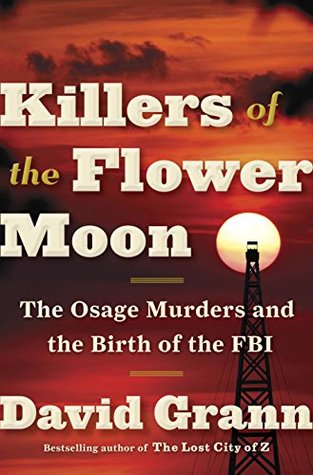
Book Review: Killers of the Flower Moon by David Grann

From New Yorker staff writer David Grann, #1 New York Times best-selling author of The Lost City of Z, a twisting, haunting true-life murder mystery about one of the most monstrous crimes in American history

In the 1920s, the richest people per capita in the world were members of the Osage Indian Nation in Oklahoma. After oil was discovered beneath their land, the Osage rode in chauffeured automobiles, built mansions, and sent their children to study in Europe.

Then, one by one, they began to be killed off. One Osage woman, Mollie Burkhart, watched as her family was murdered. Her older sister was shot. Her mother was then slowly poisoned. And it was just the beginning, as more Osage began to die under mysterious circumstances.

In this last remnant of the Wild West—where oilmen like J. P. Getty made their fortunes and where desperadoes such as Al Spencer, “the Phantom Terror,” roamed – virtually anyone who dared to investigate the killings were themselves murdered. As the death toll surpassed more than twenty-four Osage, the newly created F.B.I. took up the case, in what became one of the organization’s first major homicide investigations. But the bureau was then notoriously corrupt and initially bungled the case. Eventually the young director, J. Edgar Hoover, turned to a former Texas Ranger named Tom White to try unravel the mystery. White put together an undercover team, including one of the only Native American agents in the bureau. They infiltrated the region, struggling to adopt the latest modern techniques of detection. Together with the Osage they began to expose one of the most sinister conspiracies in American history.

In Killers of the Flower Moon, David Grann revisits a shocking series of crimes in which dozens of people were murdered in cold blood. The book is a masterpiece of narrative nonfiction, as each step in the investigation reveals a series of sinister secrets and reversals. But more than that, it is a searing indictment of the callousness and prejudice toward Native Americans that allowed the murderers to operate with impunity for so long. Killers of the Flower Moon is utterly riveting, but also emotionally devastating.

It seems we’ll never run out of shameful chapters from America’s past. In Killers of the Flower Moon, writer David Grann explores the “Reign of Terror” waged against the Osage tribe in Oklahoma during the 1920s. The murder epidemic itself is horrifying, and so too are the years that came before in Osage history. For starters, when the Osage were forced off of their previously held land, they ended up settling in a rocky area of Oklahoma clearly unsuited for farming, feeling that it would be a stable home since the land was worthless and wouldn’t be taken over by white men. The irony, of course, is that under the land were undiscovered oil deposits that would soon turn the Osage into millionaires.

The members of the Osage tribe were allotted “headrights” — basically, a share of the oil and mineral ownership — and these headrights could not be sold, only passed on through family members. At the same time, the government considered the Native Americans incapable of managing their own affairs, and adult Osage who were deemed incompetent (and most were) were required to have white guardians to manage their money.

As we see in Killers of the Flower Moon, there was a lot to be gained by finding ways to either manipulate the Osage through shady business dealings and corrupt guardianships, or more directly, by murder. Mollie Burkhart is the initial focus of the book, and we see as her entire family is wiped out, one at a time, through violent murder or insidious poisonings. Between the crimes themselves and the bungling and corruption of the investigation, Mollie and her tribe lived in terror and with a very real threat hanging over their heads.

Part I of the book explores the crimes, and Part II traces the involvement of the Bureau of Investigation (forerunner of the FBI), as well as the early stages of the Bureau’s investigative approach and its evolution under J. Edgar Hoover. We see the lawmen tasked with investigating the murders, and follow them all the way through to the eventual arrests and convictions of the men involved. In Part III, the author describes his research and what he uncovered in historical archives, through which he finally unearthed evidence that helped some descendants of the victims find a sense of resolution.

The subject matter of Killers of the Flower Moon is fascinating and very, very disturbing. However, I did find myself losing interest at various points, especially in Part II, as the sections about the Bureau and its processes just didn’t grab me as much as the parts focusing on the Osage tribe members and their experiences. I also wished that I’d felt a more personal connection to some of the people involved. While we learn what happened to Mollie and her family, Mollie herself often seems unknowable. Granted, this is history, not a dramatization, but I still wish there was some way to get more of a glimpse beneath the individuals’ surfaces.

I recognize too that my lack of interest or focus in certain parts of the story may say more about me as a reader than about the actual book itself. I can be easily distracted when reading non-fiction, and I might not have always been in the right frame of mind to truly appreciate what I was reading.

That said, I do feel that Killers of the Flower Moon is a powerful and compelling book. It’s astonishing to me that the history of the Osage in Oklahoma isn’t better known, and I’m sure that this book will change that. (I understand that a film version is planned, and will be a Martin Scorsese/Leonardo DiCaprio venture — something to look forward to!)

Even people (like me) who tend not to read a lot of non-fiction will find themselves absorbed by the story once they pick up Killers of the Flower Moon. Highly recommended.

For more on the movie, go here.
To read the New York Times review of the book, go here.

_________________________________________

The details:

Title: Killers of the Flower Moon: The Osage Murders and the Birth of the FBI
Author: David Grann
Publisher: Doubleday
Publication date: April 18, 2017
Length: 320 pages
Genre: Non-fiction/true crime
Source: Library

Save

Save

Save

Save

Save

The Return of Shelf Control! Shelf Control # 85: Between Shades of Gray

After a summer-long absence, Shelf Control is back! I needed a little break from blogging on a set schedule, and enjoyed my freedom tremendously. But now that summer is winding down, I’m getting my head back in the blogging game — and it’s time once again to gaze at my bookshelves and think about all the books I still need to read. So yes, Shelf Control is back — and will remain back! I’ll be hosting Shelf Control every Wednesday, right here at Bookshelf Fantasies, and I hope you’ll join me!

Without further ado, it’s time for…

Shelves final

Welcome to Shelf Control — an original feature created and hosted by Bookshelf Fantasies.

Shelf Control is a weekly celebration of the unread books on our shelves. Pick a book you own but haven’t read, write a post about it (suggestions: include what it’s about, why you want to read it, and when you got it), and link up! Fore more info on what Shelf Control is all about, check out my introductory post, here.

Want to join in? Shelf Control posts go up every Wednesday. See the guidelines at the bottom of the post, and jump on board!

cropped-flourish-31609_1280-e1421474289435.png

My Shelf Control pick this week is:

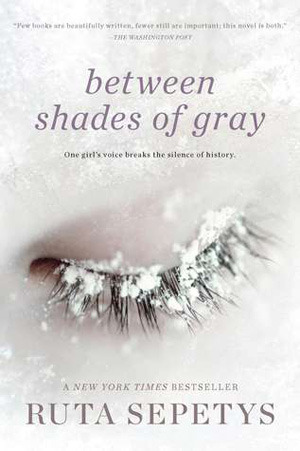
Title: Between Shades of Gray
Author: Ruta Sepetys
Published: 2011
Length: 352 pages

What it’s about (synopsis via Goodreads):

Lina is just like any other fifteen-year-old Lithuanian girl in 1941. She paints, she draws, she gets crushes on boys. Until one night when Soviet officers barge into her home, tearing her family from the comfortable life they’ve known. Separated from her father, forced onto a crowded and dirty train car, Lina, her mother, and her young brother slowly make their way north, crossing the Arctic Circle, to a work camp in the coldest reaches of Siberia. Here they are forced, under Stalin’s orders, to dig for beets and fight for their lives under the cruelest of conditions.

Lina finds solace in her art, meticulously–and at great risk–documenting events by drawing, hoping these messages will make their way to her father’s prison camp to let him know they are still alive. It is a long and harrowing journey, spanning years and covering 6,500 miles, but it is through incredible strength, love, and hope that Lina ultimately survives. Between Shades of Gray is a novel that will steal your breath and capture your heart.

How I got it:

I bought it.

When I got it:

Sometime in 2013, after I read Out of the Easy.

Why I want to read it:

I’ve been hearing about this book for years, and the synopsis sounds like something that would really appeal to me. I still have another book on my shelves by this author that I’ve yet to read. Time to get cracking!

__________________________________

Want to participate in Shelf Control? Here’s how:

  • Write a blog post about a book that you own that you haven’t read yet.
  • Add your link in the comments!
  • If you’d be so kind, I’d appreciate a link back from your own post.
  • Check out other posts, and…

Have fun!

Save

Save

Save

Save

Save

Save

Save

Save

Save

Save

Save

Save

Save

Top Ten Tuesday: Where do I enroll? Ten fictional schools I want to attend!

TTT back to school

Top Ten Tuesday is a meme hosted by The Broke and the Bookish, featuring a different top 10 theme each week. This week’s topic is a Back To School Freebie — which got me thinking about which fictional schools I’d really want to attend.

1) Hogwarts. Obviously.

2) Miss Peregrine’s Home for Peculiar Children. Because who wouldn’t want to live in a time loop and have secret powers?

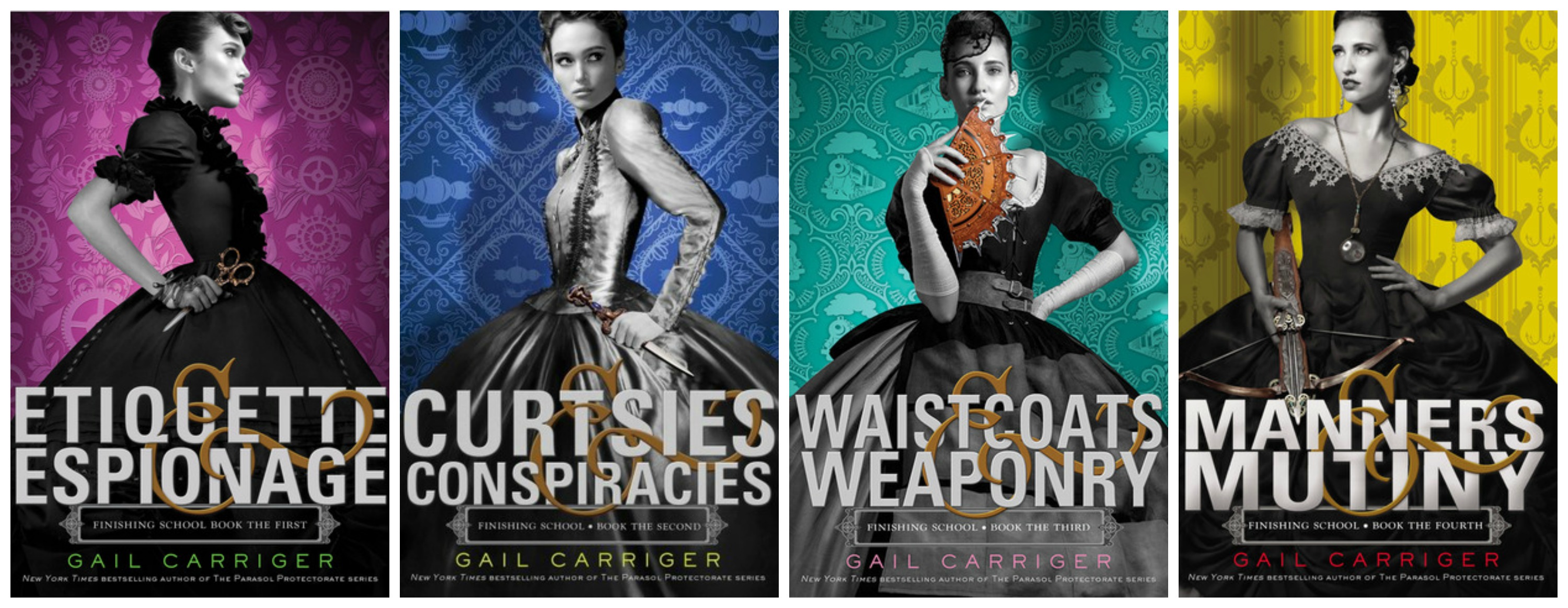
3) Mademoiselle Geraldine’s Finishing Academy for Young Ladies of Quality, from Gail Carriger’s silly and delightful Finishing School series. A school that’s a dirigible floating over the English countryside? Yes, please. Especially if they’ll teach me the deadly art of wielding a bladed fan.

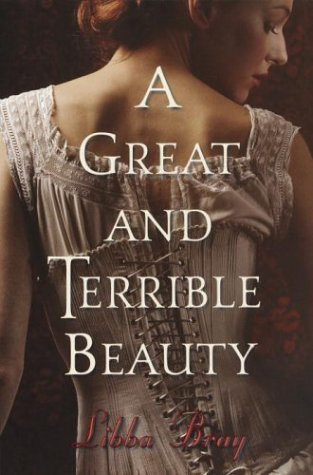
4) Spence Finishing School. Well, I’m only on the 1st book of the Gemma Doyle trilogy by Libba Bray, but I like the witchiness lurking beneath the surface, even if certain snobby mean girls would just drive me bonkers.

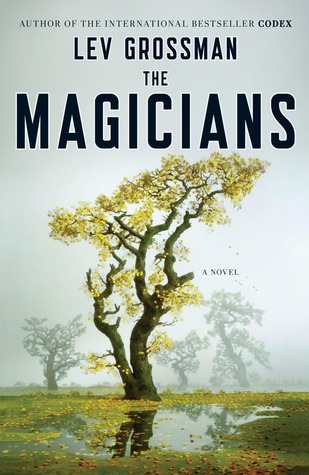
5) Brakebills, from The Magicians. It’s like Hogwarts, but a lot naughtier. I want to hang out with the Physical Kids and play welters.

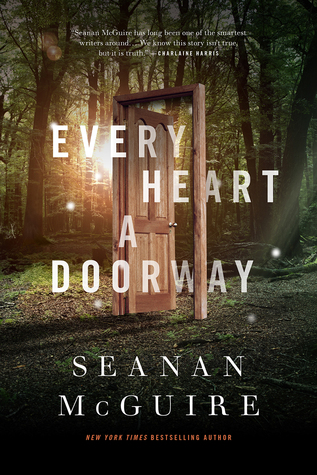
6) Eleanor West’s Home for Wayward Children. I guess if I did go to a magical land and then get kicked out, I’d rather lick my wounds at Eleanor West’s Home than anywhere else. (And keep looking for my secret door the whole time, of course.)

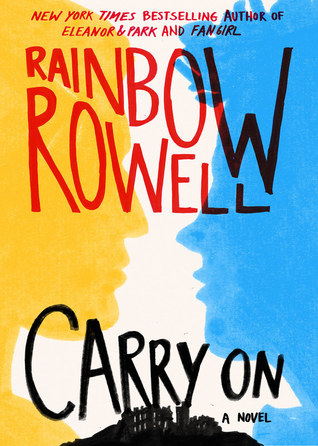
7) Watford School of Magicks — because I pretty much love Simon Snow and would want to just go and hang out with him.

8) The Academy from Codex Alera. Because I want to learn to be a Cursor!

9) Oomza Uni from Binti. Granted, I’d have to lick the whole traveling through space to another planet issue, but other than that, it sounds great!

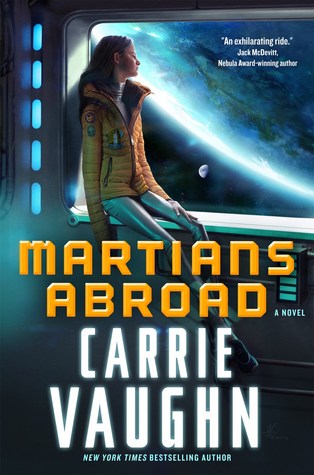
10) Galileo Academy from Martians Abroad by Carrie Vaughn. The school may be located on Earth, but wouldn’t it be awesome to have Martian classmates?

Happy Back to School! Please share your TTT link and I’ll drop by for a visit.

♥♥♥♥♥♥♥♥

Do you host a book blog meme? Do you participate in a meme that you really, really love? I’m building a Book Blog Meme Directory, and need your help! If you know of a great meme to include — or if you host one yourself — please drop me a note on my Contact page and I’ll be sure to add your info!

Save

Save

Save

Save

Save

Save

Save

Save

Save

Save

Save

Save

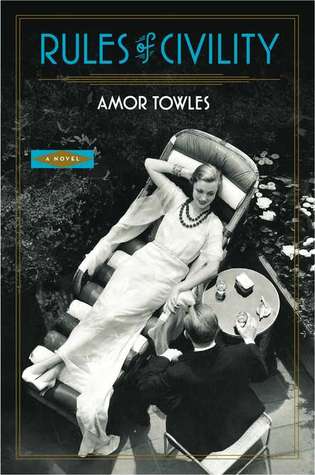
Take A Peek Book Review: Rules of Civility by Amor Towles

“Take a Peek” book reviews are short and (possibly) sweet, keeping the commentary brief and providing a little peek at what the book’s about and what I thought.

Synopsis:

(via Goodreads)

On the last night of 1937, twenty-five-year-old Katey Kontent is in a second-rate Greenwich Village jazz bar with her boardinghouse roommate stretching three dollars as far as it will go when Tinker Grey, a handsome banker with royal blue eyes and a tempered smile, happens to sit at the neighboring table. This chance encounter and its startling consequences propel Katey on a yearlong journey from a Wall Street secretarial pool toward the upper echelons of New York society and the executive suites of Condé Nast–rarefied environs where she will have little to rely upon other than a bracing wit and her own brand of cool nerve.

Wooed in turn by a shy, principled multi-millionaire and an irrepressible Upper East Side ne’er-do-well, befriended by a single-minded widow who is a ahead of her time,and challenged by an imperious mentor, Katey experiences firsthand the poise secured by wealth and station and the failed aspirations that reside just below the surface. Even as she waits for circumstances to bring Tinker back into her life, she begins to realize how our most promising choices inevitably lay the groundwork for our regrets.

My Thoughts:

Why is it that the best books are sometimes the hardest to write about? I truly loved Rules of Civility, but I’m having a hard time trying to figure out how to explain why.

Rules of Civility captures late 1930s New York brilliantly, with dialogue that snaps and a briskness to the tone that conveys the bustle and high spirits of people constantly on the go. Katey is a young woman with ambition, who starts with nothing and yet somehow ends up on top. Over the course of her year, she sees friends rise and fall, mingles in society with the upper crust wealthy elite, and slums it in low-rent jazz clubs and drinking holes. The characters occasionally feel like types we’ve seen before — the spoiled son of money, the striver with a secret, the party girl who always winds up with a free drink or two — but they still sparkle with individuality and practically zip through the ups and downs of the story.

Through it all, there are insights on secrets, ambition, and what truly makes for a happy life. The writing is lovely (although conversation can become hard to follow, as this author seems to have an aversion to quotation marks). Some of the plot twists seems to come out of nowhere, and I found myself repeatedly flipping backward through the book to find the hints and side comments that I’d missed. This is not at all a negative — there’s a lot of nuance hidden amidst the clever repartee and frantic energy of the action, and it makes for an especially engaging read overall.

Highly recommended — and once again, I need to give a shout-out to my awesome book club for picking Rules of Civility for our August read.

_________________________________________

The details:

Title: Rules of Civility
Author: Amor Towles
Publisher: Viking Adult
Publication date: July 26, 2011
Length: 335 pages
Genre: Historical fiction
Source: PurchasedSave

Save

Save

Save

The Monday Check-In ~ 8/21/2017

cooltext1850356879 My Monday tradition, including a look back and a look ahead — what I read last week, what new books came my way, and what books are keeping me busy right now. Plus a smattering of other stuff too.

Life.

Aaaaaaand… another school year gets underway. Today is the first day of 10th grade for my kiddo. Where did the summer go? I’m not sure who’s dreading the homework routine more, me or him.

What did I read last week?

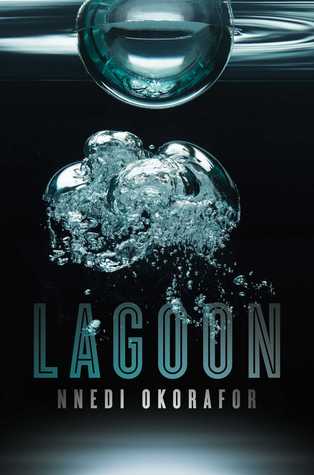
Lagoon by Nnedi Okorafor: Very unusual science fiction. My review is here.

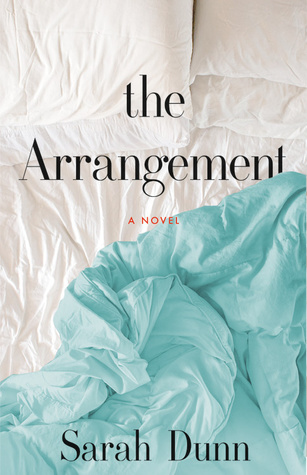
The Arrangement by Sarah Dunn: Contemporary fiction that’s not quite as funny as it tries to be. My review is here.

In audiobooks:

I finished listening to The Butterfly Effect by Jon Ronson. It’s an interesting look at today’s porn industry — specifically, the easy availability of free porn and its “butterfly effect” — all the various (and sometimes surprising) ways in which lives and industries have been changed in the years since porn became so readily available on the internet. There are some sad and disturbing bits, but also some moments that are unexpectedly funny or touching. Jon Ronson makes for an engaging narrator. Worth a listen (and currently available as a free download via Audible).

Fresh Catch:

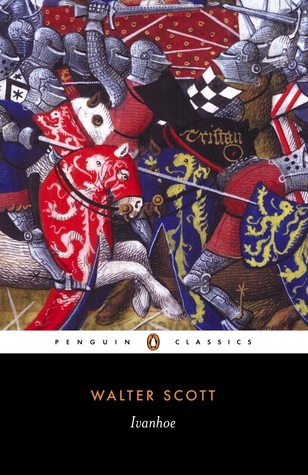
I already had a free Kindle edition of Ivanhoe… but then someone in my book group mentioned seeing an edition with an introduction by Diana Gabaldon… and, well, you can guess what happened next.

What will I be reading during the coming week?

Currently in my hands:
 

I’m flipping back and forth between two books right now:

  • Rules of Civility by Amor Towles — my book group’s pick for August, and I’m loving it. About 50 pages still to go.
  • Killers of the Flower Moon by David Grann — still working my way through this non-fiction book, slowly. I have one more week until it’s due back at the library. Better get cracking… or throw in the towel.
Now playing via audiobook:

A Great and Terrible Beauty by Libba Bray: I read this book years ago — and to be honest, didn’t love it. But, I’ve heard good things about the trilogy as a whole, and thought I should give it another try. So far, I’m enjoying the narrator, and the story is pretty good. I can’t remember yet why I didn’t like it too much the first time around!

Ongoing reads:

Ivanhoe by Sir Walter Scott: My book group’s new classic read! We’re doing two chapters per week, and we’re off to a great start.

So many books, so little time…

boy1Save

Save

Save

Save

Save

Save

Save

Save

Save

Save

Save

Save

Save

Save

Save

Save

Save

Save

Save

Save

Save

Save

Save

Save

Save

Save

Save

Save

Save

Save

Save

Save

Save

Save

Save

Save

Save

Save

Save

Save

Save

Save

Save

Save

Save

Save

Save

Save

Save

Save

Save

Save

Save

Save

Save

Save

Save

Save

Save

Save

Save

Save

Save

Save

Save

Save

Save

Save

Save

Save

Save

Book Review: The Arrangement by Sarah Dunn

A hilarious and emotionally charged novel about a couple who embark on an open marriage-what could possibly go wrong?

Lucy and Owen, ambitious, thoroughly-therapized New Yorkers, have taken the plunge, trading in their crazy life in a cramped apartment for Beekman, a bucolic Hudson Valley exurb. They’ve got a two hundred year-old house, an autistic son obsessed with the Titanic, and 17 chickens, at last count. It’s the kind of paradise where stay-at-home moms team up to cook the school’s “hot lunch,” dads grill grass-fed burgers, and, as Lucy observes, “chopping kale has become a certain kind of American housewife’s version of chopping wood.”

When friends at a wine-soaked dinner party reveal they’ve made their marriage open, sensible Lucy balks. There’s a part of her, though-the part that worries she’s become too comfortable being invisible-that’s intrigued. Why not try a short marital experiment? Six months, clear ground rules, zero questions asked. When an affair with a man in the city begins to seem more enticing than the happily-ever-after she’s known for the past nine years, Lucy must decide what truly makes her happy-“real life,” or the “experiment?”

The Arrangement wants very badly to be funny and topical, but only partially succeeds. While it’s a quick and quirky read, there are just too many illogical moments for this book to fully hit the mark.

Lucy and Owen love each other, struggle with their special-needs son Wyatt, and are more or less happy living in their little community, where people seem committed to providing their children with an idealized, wholesome quality of life. The idea of open marriage drops into their laps during a drunken dinner with friends, and it seems like with barely any real thought, Lucy and Owen decide to give it a go.

They launch their arrangement with a list of rules written in Sharpie on a legal pad: No talking about The Arrangement. (Yes, there are references to Fight Club). There’s a six-month duration, and then it’s done. No falling in love. Always use condoms. (No Costco condoms, either; make sure they’re good quality.) No prostitutes. No sexting inside the house. It starts as a joke, but within one conversation, they decide to actually do it.

Owen falls quickly into a sexy relationship with a local woman, who at first seems to provide him with just the sexual adventure he’s look for — but who quickly turns into a high-need, demanding girlfriend who’s combining their trysts with household chores like caulking the bathroom. And really, if Owen were going to start doing repairs for a woman, he might as well have stayed home. At the same time, Owen doesn’t really believe that Lucy will follow through on her side of The Arrangement, and has no idea that she’s found her own regular sex partner, who could turn into something more.

Meanwhile, the people of Beekman figure heavily in the background of the story, as we see one unhappy marriage after another, each with its own oddities and hidden secrets. The marital problems of the town seem to escalate throughout the book, as relationships tumble downward, fast.

I’ll admit that I had fun with The Arrangement while I was reading it. It had enough clever and interesting bits to keep me wanting more, and I read it all in about two days. At the same time — and maybe this is just because I don’t match the demographics or lifestyle or geography of the characters — I just couldn’t relate to these people at all.

The main characters are mostly in their 30s, with young children, experiencing life on the other side of wedded bliss. They all seem to be struggling with the reality that hits once marriage and family life is no longer new, when there are bills and groceries and school projects and home repairs to deal with. The initial euphoria is gone, and all of the characters in the book seem to be hitting a form of mid-life crisis at the same time.

Lucy and Owen’s decision makes little to no sense. They each feel weighed down by their lives, and miss the romance and excitement of their earlier years. But it’s a big step to decide to try an open marriage, and the fact that they launch themselves down this path with practically no discussion seems unbelievable.

The antics of the town are too cutesy to take at times, with the emphasis on organic foods and community organizing and non-stop mommy pressure. There’s a blessing of the animals event that becomes a big focus for the entire town later in the book, and it’s clearly intended to be a big comical moment in the story, as each family tries to outdo the rest by bringing more exotic animals than their neighbors. But when the event gets completely out of hand and ends in disaster, it’s so utterly predictable that it loses its comic value.

Likewise, the insistence on shifting focus away from Lucy and Owen to go inside others’ marriages becomes tedious and makes the storytelling seem more scattered than it needs to be. There’s far too much attention paid to the marriage of a 60-ish billionaire and his much younger 3rd wife, and they’re just not that amusing or important to take up that much space.

The Arrangement is a fun, light read, and as I said, I zipped through it. But there’s an inconsistency in the tone; not everything is funny, particularly not seeing a marriage dissolving in a way that could have been prevented had the characters not made ill-considered, bone-headed decisions. The foolish way in which the two main characters risk their marriage and their family life irked me too much to keep me from truly enjoying the story.

_________________________________________

The details:

Title: The Arrangement
Author: Sarah Dunn
Publisher: Little Brown and Company
Publication date: March 21, 2017
Length: 357 pages
Genre: Contemporary fiction
Source: Library

Save

Save

Save

Take A Peek Book Review: Lagoon by Nnedi Okorafor

“Take a Peek” book reviews are short and (possibly) sweet, keeping the commentary brief and providing a little peek at what the book’s about and what I thought.


Synopsis:

(via Goodreads)

It’s up to a famous rapper, a biologist, and a rogue soldier to handle humanity’s first contact with an alien ambassador—and prevent mass extinction—in this novel that blends magical realism with high-stakes action.

After word gets out on the Internet that aliens have landed in the waters outside of the world’s fifth most populous city, chaos ensues. Soon the military, religious leaders, thieves, and crackpots are trying to control the message on YouTube and on the streets. Meanwhile, the earth’s political superpowers are considering a preemptive nuclear launch to eradicate the intruders. All that stands between 17 million anarchic residents and death is an alien ambassador, a biologist, a rapper, a soldier, and a myth that may be the size of a giant spider, or a god revealed.

My Thoughts:

The synopsis above doesn’t quite give the full picture, although it does hint at the craziness and unpredictability of Lagoon. In Lagoon, aliens land in the harbor of Lagos, Nigeria. We see the ensuing action unfold through the viewpoints of the main characters, as well as bystanders, lost children, preachers, prostitutes, and even spiders, bats, and a swordfish. The author’s descriptive, vibrant writing evokes the sounds, sights, and smells of Lagos, and immediately pulls the readers into the vibe of this chaotic city.

At the same time, the plot gets more and more complicated as the story moves forward, which is both an immersive experience and something of a headache. The powers of the aliens and the native gods come into play as they both make indelible changes to the lives of the humans in Lagos — but the interwoven plot points, the unusual magical and alien elements, and the strange experiences of the characters often are a real challenge when it comes to making sense of what’s happening.

Still, I really enjoyed getting to know the characters, seeing the social dynamics at play in Lagos both before and after the alien arrival, and experiencing the extreme oddness of certain scenes. Let’s put it this way — we have characters turning into sea creatures, and that’s not the weirdest thing that happens.

I’ve been wanting to read more of Nnedi Okarafor’s fiction ever since reading Binti earlier this year. She’s a remarkably gifted writer, and I think it’s pretty eye-opening for American readers to see contemporary science fiction set in Africa — quite unusual, and definitely a hugely positive addition to the genre!

_________________________________________

The details:

Title: Lagoon
Author: Nnedi Okorafor
Publisher: Saga Press
Publication date: April 10, 2014
Length: 304 pages
Genre: Science fiction
Source: LibrarySave

Save

Save

The Monday Check-In ~ 8/14/2017

cooltext1850356879 My Monday tradition, including a look back and a look ahead — what I read last week, what new books came my way, and what books are keeping me busy right now. Plus a smattering of other stuff too.

Life.

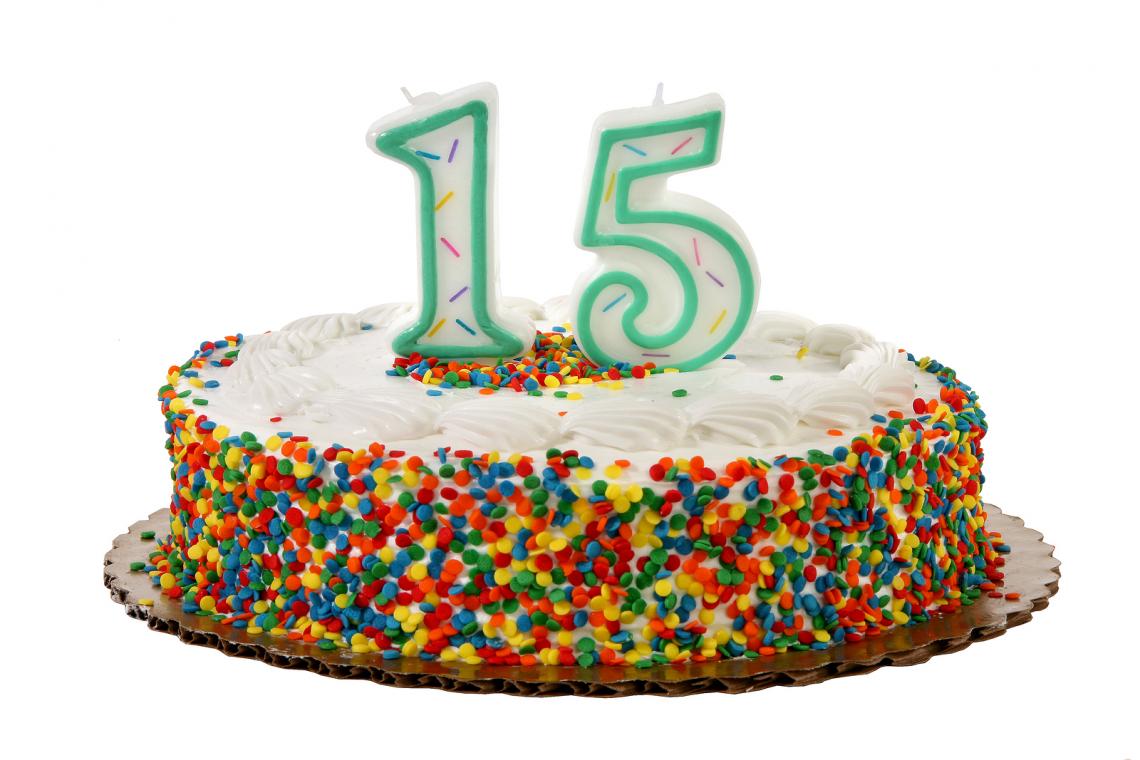
My baby boy is 15 today! We’re heading out to do some family ziplining to celebrate – wheeeeeeee!

What did I read last week?

How to Stop Time by Matt Haig: Brilliant. My review is here.

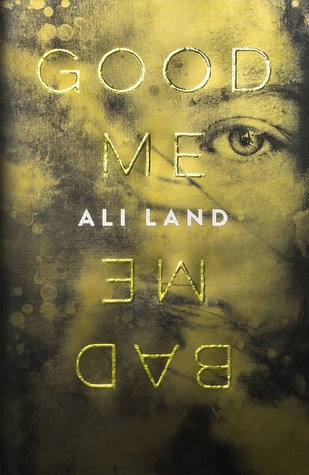
Good Me Bad Me by Ali Land: Thank you, Goodreads — I won this in a giveaway! My review is here.

Fresh Catch:

Two new books this week:

I love witty grammar books (such a nerd), and the other book is an ARC with a time travel theme. Fun!

What will I be reading during the coming week?

Currently in my hands:
 

I’m flipping back and forth between two books right now — one sci-fi, one non-fiction:

  • Lagoon by Nnedi Okorafor
  • Killers of the Flower Moon by David Grann
Now playing via audiobook:

The Butterfly Effect by Jon Ronson: A free download from Audible focusing on the unintended consequences of the spread of free porn. It’s pretty interesting — if I can just find time to listen, I’ll be done in about an hour.

Ongoing reads:

Ivanhoe by Sir Walter Scott: My book group’s new classic read! We’re doing two chapters per week, starting today. I’m excited!

So many books, so little time…

boy1Save

Save

Save

Save

Save

Save

Save

Save

Save

Save

Save

Save

Save

Save

Save

Save

Save

Save

Save

Save

Save

Save

Save

Save

Save

Save

Save

Save

Save

Save

Save

Save

Save

Save

Save

Save

Save

Save

Save

Save

Save

Save

Save

Save

Save

Save

Save

Save

Save

Save

Save

Save

Save

Save

Save

Save

Save

Save

Save

Save

Save

Save

Save

Save

Save

Save

Save

Book Review: Good Me, Bad Me by Ali Land

With many thanks to Goodreads — I won this in a giveaway!

HOW FAR DOES THE APPLE REALLY FALL FROM THE TREE?

Good Me Bad Me is dark, compelling, voice-driven psychological suspense by debut author Ali Land:

Milly’s mother is a serial killer. Though Milly loves her mother, the only way to make her stop is to turn her in to the police. Milly is given a fresh start: a new identity, a home with an affluent foster family, and a spot at an exclusive private school.

But Milly has secrets, and life at her new home becomes complicated. As her mother’s trial looms, with Milly as the star witness, Milly starts to wonder how much of her is nature, how much of her is nurture, and whether she is doomed to turn out like her mother after all.

When tensions rise and Milly feels trapped by her shiny new life, she has to decide: Will she be good? Or is she bad? She is, after all, her mother’s daughter.

Good Me, Bad Me is an intense first-person visit inside the mind of a troubled teen. Milly is struggling to figure out who she really is: Can she live a normal life after 15 years with a psychopathic murderer for a mother? Does she truly have a shot at being good?

Milly’s story starts when she turns in her mother after the 9th in a long series of child murders. On the outside, her mother wears a kind and lovely public face, working at a women’s shelter, providing care and comfort to desperate women and their children. In reality, though, she’s an expert at gaining people’s trust, never letting them see below to the hellish, sadistic creature underneath. Milly (whose real name is Annie) has been living alone with her mother since age 4, when her father left and took her older brother with him. Since then, Milly has been both horribly abused and victimized herself, and forced to watch (and sometimes participate) as her mother abducted, tortured, and murdered young children.

Finally free, with her mother behind bars, Milly is taken in by a foster family. Her foster father Mike is also the psychologist who works with Milly to prepare her for her mother’s trial, where she’ll be the star witness, but the home life isn’t all rosy. Saskia, the mother, is a mentally unstable coke addict who’s physically present but emotionally absent. Most problematic for Milly is Phoebe, Mike and Saskia’s teen daughter, who emphatically does not want another foster kid in the house, resents the attention Milly absorbs, and sets out to bully and harass Milly at every turn, especially at school, away from her parents’ eyes.

We see everything from Milly’s point of view — and inside Milly’s head isn’t a very comfortable place to be.

Milly’s narrative of events is continuously peppered with 2nd person comments, as she maintains a one-way dialogue with her mother — the “you” who fills Milly’s thoughts and to whom Milly is constantly trying to justify herself. She doesn’t want to be like her mother, but the darkness keeps threatening to engulf her. We see her struggle to find a place for herself and be normal –but there are also lapses, incidents where Milly lets her inner demons take over as she engages in behaviors that are questionable, at best.

Like Milly, we never see the mother directly over the course of the book’s action. The closest Milly comes is when she testifies in her mother’s trial, during which she’s sheltered from viewing her mother by a screen. She knows she’s there, can sense her presence, but never actually sees her — and this holds true for the reader as well. Milly’s mother’s presence is a constant, even though we never see her directly. Between Milly’s inner dialogue with her mother and her nightmares about her, we feel her shadow over every scene.

I did have a few minor quibbles with the plot and the narrative. While we get enough information over the course of the book to get the basic idea of what Milly’s mother did over all those years and how Milly was victimized, we don’t see any of it directly. I’m not looking to wallow in the muck here, but there’s a bit of vagueness that started to irritate me after a while. A few more details would have been helpful about Milly’s earlier life — did none of her teachers over the years ever notice anything off about this poor abused child? Her scars may not have been visible, but surely some professional might have noticed her emotional damage?

I question too the lack of proper attention Milly received after her mother’s arrest. Mike represents a huge problem for me — he’s her foster parent, and is supposed to care for her, yet is also her court-sanctioned psychologist and is secretly writing a book about her. After all of the years of suffering, it would seem to me that Milly needs much more than she’s given, and the assumption that she can live a normal life with just weekly therapy seems terribly misguided. Without giving too much away, it’s clear that this is not a good foster placement for Milly, but if Mike is the only one providing her mental health care, there’s no way for the situation to improve.

When Milly gets into her inner monologues and dialogues, the writing becomes choppy and disjointed, reflecting her mental state. This is effective, but occasionally veers into Yoda territory: (“Committed, she is.” “Slice we do, a cut here, a snip there.”) Still, the sentence fragments that form Milly’s narration illustrate the way her thoughts push and pull at her constantly:

Your voice in my head. THAT’S MY GIRL, YOU SHOW THEM. THANKFUL NOW, YOU SHOULD BE, FOR THE LESSONS I TAUGHT YOU, ANNIE. Your praise, so rare, when it comes, rips through me like a bush fire swallowing houses and tress, and other teenage girls who are less strong, in its hot, hungry mouth. I meet their stares, the remnants of Izzy’s gum hanging off my chin. Thrown by my defiance, they are, I see it. Fleeting. The twitch around their succulent lips, eyes slightly wider. I shake my head, slow and deliberate. Izzy, the hungrier of the two, takes the bait.

The book builds to a climax that was not at all what I’d expected. It’s disturbing but makes sense, and left me with a huge sense of unease — which is a sign that this thriller accomplished what it set out to do.

Good Me, Bad Me is a tense, suspenseful read that I really couldn’t put down or get out of my thoughts. The inner life of a damaged soul is not a pleasant thing to see. Definitely check out this book if you like psychological depths and twists, but be prepared for sleepless nights.

_________________________________________

The details:

Title: Good Me, Bad Me
Author: Ali Land
Publisher: Flatiron Books
Publication date: September 5, 2017
Length: 304 pages
Genre: Psychological thriller
Source: Goodreads giveaway

Save