Shelf Control #170: Erotic Stories for Punjabi Widows by Balli Kaur Jaswal

Shelves final

Welcome to Shelf Control — an original feature created and hosted by Bookshelf Fantasies.

Shelf Control is a weekly celebration of the unread books on our shelves. Pick a book you own but haven’t read, write a post about it (suggestions: include what it’s about, why you want to read it, and when you got it), and link up! For more info on what Shelf Control is all about, check out my introductory post, here.

Want to join in? Shelf Control posts go up every Wednesday. See the guidelines at the bottom of the post, and jump on board!

cropped-flourish-31609_1280-e1421474289435.png

Title: Erotic Stories for Punjabi Widows
Author: Balli Kaur Jaswal
Published: 2017
Length: 304 pages

What it’s about (synopsis via Goodreads):

A lively, sexy, and thought-provoking East-meets-West story about community, friendship, and women’s lives at all ages—a spicy and alluring mix of Together Tea and Calendar Girls.

Every woman has a secret life . . .

Nikki lives in cosmopolitan West London, where she tends bar at the local pub. The daughter of Indian immigrants, she’s spent most of her twenty-odd years distancing herself from the traditional Sikh community of her childhood, preferring a more independent (that is, Western) life. When her father’s death leaves the family financially strapped, Nikki, a law school dropout, impulsively takes a job teaching a “creative writing” course at the community center in the beating heart of London’s close-knit Punjabi community.

Because of a miscommunication, the proper Sikh widows who show up are expecting to learn basic English literacy, not the art of short-story writing. When one of the widows finds a book of sexy stories in English and shares it with the class, Nikki realizes that beneath their white dupattas, her students have a wealth of fantasies and memories. Eager to liberate these modest women, she teaches them how to express their untold stories, unleashing creativity of the most unexpected—and exciting—kind.

As more women are drawn to the class, Nikki warns her students to keep their work secret from the Brotherhood, a group of highly conservative young men who have appointed themselves the community’s “moral police.” But when the widows’ gossip offers shocking insights into the death of a young wife—a modern woman like Nikki—and some of the class erotica is shared among friends, it sparks a scandal that threatens them all.

How and when I got it:

I picked up a Kindle edition when there was a one-day price drop, about a year ago.

Why I want to read it:

I thought this book sounded completely charming when I first heard of it… and apparently Reese Witherspoon agrees with me, because it ended up as one of her book club selections. I’m always drawn to immigrant stories, and I love the idea of a women’s writing class exploring erotica as a way of expressing themselves and forming a community.

What do you think? Would you read this book?

Please share your thoughts!

__________________________________

Want to participate in Shelf Control? Here’s how:

  • Write a blog post about a book that you own that you haven’t read yet.
  • Add your link in the comments!
  • If you’d be so kind, I’d appreciate a link back from your own post.
  • Check out other posts, and…

Have fun!

Top Ten Tuesday: Unpopular Bookish Opinions

tulips-65036_1280

Top Ten Tuesday is a meme hosted by That Artsy Reader Girl, featuring a different top 10 theme each week. This week’s topic is Unpopular Bookish Opinions. I’m a little stymied by the topic — I’m not sure that I have any bookish opinions that would truly qualify as unpopular… but here goes:

1 – I’m not fond of the genre described as literary fiction. What makes something literary? Versus what, non-literary fiction? And what does that even mean? Too often, I’ve found that books described as literary fiction are really just books where the writing gets in the way of a straight-forward plot.

2 – I’m not a fan of reading challenges. I know lots of people find challenges fun, but I look at them as an obligation. Every time I’ve committed to a reading challenge, I’ve ended up feeling resentful that my reading choices were being dictated to me.

3 – I say a big HECK YES to DNFing. Reading is supposed to be enjoyable. If a book isn’t working for me, I’d much rather stop than waste any more time on it.

4 – Sometimes, TV adaptations can be better than the books! Especially when well done or when a TV version expands the storyline beyond the plot of the original, it can be so engrossing to see how far the characters and situations can develop.

5 – I don’t like trigger warnings in book reviews. I understand they can be important for some readers, but I often find them overly broad or too spoiler-y. I prefer to know next to nothing about plot details when I’m starting a book. Maybe reviewers on Goodreads could use the spoiler formatting to hide the content of their trigger warnings, so only people who want to know will see them? Just a thought.

6 – Book signings should be free. Okay, maybe this isn’t actually an unpopular opinion — but over the last few years, there were several times when bookstores in my area charged admission to an author event, justifying it by saying it included the purchase of the book. But what if someone already has a copy? Or maybe someone wants to hear the author speak and then decide if they want the book?

7 – I hated The Girl with the Dragon Tattoo. Just hated it. Hated the writing, hating the sense of wallowing in the violence. I know people loved this book and series, but I just could not.

8 – Sometimes series can drag on too long. And why does everything have to be a series? I get really frustrated by continuing stories that really could have been told in one solid book.

9 – Just because something is called a classic doesn’t mean I need to read it. Take the Great American Read list. I’ve read a bunch, there are a bunch I want to read, and there are some I wouldn’t touch with a 10-foot pole.

10 – Okay, for sure this one doesn’t really qualify as an unpopular opinion, but… I read for me. I read what I like, when I feel like it. No “shoulds” allowed when it comes to picking my books! I don’t care how much praise a book gets, if it doesn’t appeal to me, then I’m out.

Do you have any unpopular bookish opinions? If you wrote a TTT post this week, please share your link!

The Monday Check-In ~ 6/10/2019

cooltext1850356879 My Monday tradition, including a look back and a look ahead — what I read last week, what new books came my way, and what books are keeping me busy right now. Plus a smattering of other stuff too.

What did I read during the last week?

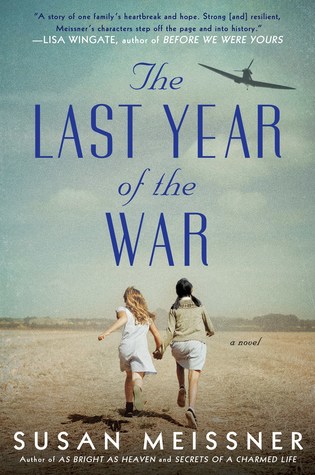
The Last Year of the War by Susan Meissner: Powerful historical fiction. My review is here.

The Salt Path by Raynor Winn: A truly beautiful and powerful memoir. My review is here.

Recursion by Blake Crouch: So much mind-f*ckery. Just finished reading this Sunday night; review to follow. (Loved it.)

Fresh Catch:

No new books — although I did pick up a paperback edition of The Salt Path to complement listening to the audiobook!

What will I be reading during the coming week?

Currently in my hands:

Bouncing around between different books right now:

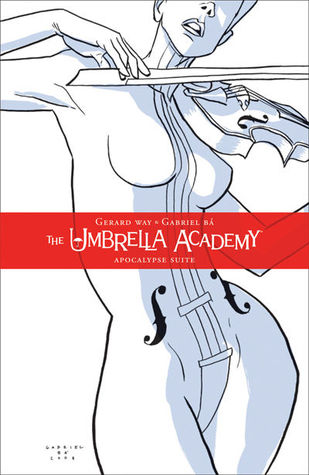
A graphic novel, an ARC of a recent release, and a re-read of a book whose sequel comes out later this month — between these three, I should be able to keep myself busy for the next several days!

Now playing via audiobook:

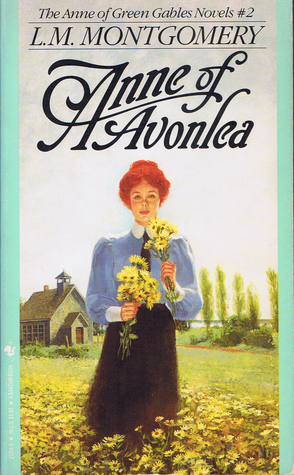
Anne of Avonlea by L. M. Montgomery: Back to Anne! I read Anne of Green Gables for the first time earlier this year, and have been wanting to continue with the series. I’m only a little way into the book, but it’s charming so far.

Ongoing reads:

Two ongoing book group reads at the moment:

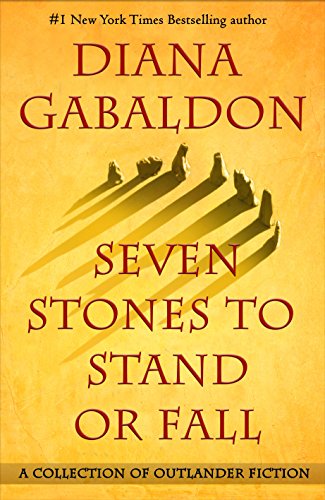
  • A Fugitive Green by Diana Gabaldon, from the Seven Stones To Stand or Fall collection.
  • The Pickwick Papers by Charles Dickens — our current classic selection.

So many books, so little time…

boy1

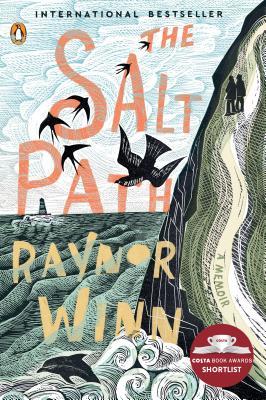
Audiobook Review: The Salt Path by Raynor Winn


SHORTLISTED FOR THE COSTA BOOK AWARD 

The true story of a couple who lost everything and embarked on a transformative journey walking the South West Coast Path in England

Just days after Raynor Winn learns that Moth, her husband of thirty-two years, is terminally ill, their house and farm are taken away, along with their livelihood. With nothing left and little time, they make the brave and impulsive decision to walk the 630 miles of the sea-swept South West Coast Path, from Somerset to Dorset, through Devon and Cornwall.

Carrying only the essentials for survival on their backs, they live wild in the ancient, weathered landscape of cliffs, sea, and sky. Yet through every step, every encounter, and every test along the way, their walk becomes a remarkable and life-affirming journey. Powerfully written and unflinchingly honest, The Salt Path is ultimately a portrayal of home–how it can be lost, rebuilt, and rediscovered in the most unexpected ways.

I feel like I could just make a list of relevant adjectives and leave my review at that:

Powerful.

Beautiful.

Moving.

Inspiring.

Courageous.

Not enough? Okay, here goes, with a bit more commentary.

I remember hearing something about The Salt Path when it was released, but didn’t really know what the book would focus on or whether it was really for me. Having just finished the audiobook, I can emphatically state that yes, this IS a book for me, and I suspect for many others too.

In The Salt Path, author Raynor Winn shares the painful story of how she and her husband Moth lost their family farm after a lengthy legal battle stemming from an investment with a friend. While not all that much detail is given about the case itself, it sounds as though this long-term friend was fairly shady and went after Ray and Moth to cover his expenses when the project tanked. Not able to afford counsel in the drawn-out court case, the couple had no choice but to represent themselves, and ultimately ended up losing everything on what seemed to be a technicality.

Given a week to vacate their home, Ray and Moth are thrown into despair, compounded by a visit that week to a doctor who confirms that Moth suffers from a degenerative neurological disease that will kill him after a painful decline at some point in the near future. If this were fiction, a reader might be tempted to protest the melodrama of having characters lose their homes and livelihood AND get a terminal diagnosis all in the same week, but this is real life, and it really happened this way.

The choices available to the couple are slim. They’re left with public benefts that amount to about $60 a week, and can go on the wait list for public housing — but because Moth’s illness isn’t in end stages just yet, they don’t have priority. They can stay with family and friends temporarily, but are afraid of becoming burdens and outstaying their welcomes. And then a strange whim occurs to them as they’re sorting through the remains of their old life — why not just walk? Now in their 50s, Moth and Ray haven’t done any serious outdoor adventuring in many, many years, but the idea of walking the South West Coast Path grabs hold of them as a way of being somewhere, with a purpose, rather than completely buckling under the weight of their bad luck and inauspicious prospects.

And so, they gather gear, put most of their belongings into storage with friends, and set out to walk the Coast Path. It’s not easy. Moth’s illness is painful, to the point that he can barely get out of bed some days. And yet, they’re determined to walk rather than sit still. As they move forward, they face ongoing shortages of food, scraping by on their meager weekly allowance (and eating lots of noodles), camping wild wherever they can find a spot to pitch the tent, and slowly, mile by mile, falling into a rhythm that has a beauty all its own.

Ray and Moth have a marriage that the rest of us can only envy. Together since their teens, the love between the couple is strong and unbreakable, shining through Ray’s writing on every single page. It’s heart-breaking to hear Ray’s thoughts on how much this man means to her, and what the future might hold for both of them as his disease progresses.

Meanwhile, each chapter brings fresh insights and wonders. Parts of the book read like an ode to the natural beauty of the landscapes and seascapes they see on their journey. It really sounds spectacular. There’s also sorrow and harsh realities — the author includes statistics and background information on homelessness in the UK, and shows how the official numbers are only a small representation of the true homeless population.

Homeless themselves, Ray and Moth again and again face the general dislike and fear that most people seem to feel toward the homeless. They meet many people along the path — fellow hikers, local residents, random strangers. When seen as older backpackers with presumably enough wealth to take weeks away from the world to walk the path, they’re applauded and warmly greeted. But when Moth explains to previously friendly people that they’re homeless, the others shrink away from them and can’t seem to distance themselves fast enough.

The writing is simply beautiful. Ray shares her pain and her sorrows, but also reveals the growing sense of belonging that she finds through the path:

The country towered above me, a blank empty space containing nothing for us. Only one thing was real, more real to me now than the past that we’d lost or the future we didn’t have: if I put one foot in front of the other, the path would move me forward and a strip of dirt, often no more than a foot wide, had become home. It wasn’t just the chill in the air, the lowering of the sun’s horizon, the heaviness of the dew or the lack of urgency in the birds’ calls, but something in me was changing season too. I was no longer striving, fighting to change the unchangeable, not clenching in anxiety at the life we’d been unable to hold on to, or angry at an authoritarian system too bureaucratic to see the truth. A new season had crept into me, a softer season of acceptance. Burned in by the sun, driven in by the storm. I could feel the sky, the earth, the water and revel in being part of the elements without a chasm of pain opening at the thought of the loss of our place within it all. I was a part of the whole. I didn’t need to own a patch of land to make that so. I could stand in the wind and I was the wind, the rain, the sea; it was all me, and I was nothing within it. The core of me wasn’t lost. Translucent, elusive, but there and grown stronger with every headland.

A note on the audiobook: Narrator Anne Reid is lovely, making the story feel alive and vibrant, capturing the emotion of Ray’s first-person narration in a way that makes it feel like a friend telling you a story. Really a treat to listen to.

There’s so much to love about The Salt Path. I found Ray and Moth’s journey and their devotion to one another so inspirational. And, this book really made me want to get out and walk a long path some day!

Don’t miss this book. It’s a beautiful work, and is worth taking the time to savor.

_________________________________________

The details:

Title: The Salt Path
Author: Raynor Winn
Narrated by: Anne Reid
Publisher: Penguin Books
Publication date: March 22, 2018
Length (print): 288 pages
Length (audiobook): 11 hours, 2 minutes
Genre: Memoir
Source: Purchased

Book Review: The Last Year of the War by Susan Meissner


Elise Sontag is a typical Iowa fourteen-year-old in 1943–aware of the war but distanced from its reach. Then her father, a legal U.S. resident for nearly two decades, is suddenly arrested on suspicion of being a Nazi sympathizer. The family is sent to an internment camp in Texas, where, behind the armed guards and barbed wire, Elise feels stripped of everything beloved and familiar, including her own identity.

The only thing that makes the camp bearable is meeting fellow internee Mariko Inoue, a Japanese-American teen from Los Angeles, whose friendship empowers Elise to believe the life she knew before the war will again be hers. Together in the desert wilderness, Elise and Mariko hold tight the dream of being young American women with a future beyond the fences.

The Last Year of the War is the moving story of true friendship that lasts a lifetime, despite years of separation. Told through the eyes of Elise, the story opens in 2010 when Elise is in her 80s, suffering from the losses associated with Alzheimers, feeling pieces of herself and her life being stolen away from her. When her housekeeper teaches her to use Google, Elise uses it to look up her friend Mariko, a girl she last saw during the last year of World War II. And having found her, Elise decides to go see her, despite the memory lapses that cause her to repeatedly lose her focus and her purpose for traveling.

From there, we go back to Elise’s adolescence. As the American-born daughter of German immigrants, Elise enjoys her ordinary life in Davenport, Iowa, up until the day her father is arrested as an enemy of the United States:

As I watched the black car that held my father disappear around the block, the strongest sensation I had was not that this couldn’t be happening, but that it was. It was like being awakened from a stupor, not falling into a nightmare. I couldn’t have explained it to anyone then. Not even to myself. It was only in the years that followed that I realized this was the moment my eyes were opened to what the world is really like.

Eventually, the family is reunited at the Crystal City Internment Camp in Texas, where they, along with hundreds of other German-American and Japanese-American families, are assigned to remain throughout the war years. Life in the camp isn’t awful for Elise, because she finds Mariko — also an American-born daughter of immigrants. They attend the mixed school together and become deeply connected friends, sharing their dreams, their hopes, and their fears, and making grand plans for the life they’ll spend together after the war, moving to New York and pursuing their adult lives side by side.

It’s not to be, sadly — first Elise’s family and then Mariko’s are chosen for repatriation. Despite being American citizens, Elise and her brother Max along with her parents are sent to Germany in exchange for Americans being held there. Suddenly, in what will be the final year of the war, the family is thrust into a war zone. While Elise’s father’s family is there to welcome them and offer them a home, it isn’t home for Elise, who doesn’t even speak the language. From the safety of American soil, Elise finds herself in a strange land, where bombs fall over night as the Allied armies get closer and closer, and where the day after a bombing raid reveals nothing but death and destruction.

Throughout this time, it’s the thought of Mariko and their friendship that gives Elise hope, until the day a letter from Mariko arrives, telling Elise that she’s being forced to marry and that her family forbids any further contact. Heartbroken, Elise struggles to find a way to move forward, until a meeting with an American GI after the German surrender opens up new opportunities for her.

Enough synopsis! I won’t give away any further plot details. The Last Year of the War is a very compelling story, and Elise is a very sympathetic character. It’s almost impossible to imagine, sitting her in the comfort of the 21st century, that an American citizen could be torn away from her country like this and sent into a war zone, but the key events in this book are drawn from the historical record. The Crystal City camp was a real place, and repatriation of Japanese and German immigrants and their families really did happen.

I was actually shocked to discover that German-Americans were sent to internment camps — I’d only ever read about Japanese-Americans and their treatment during WWII. It might be just ignorance on my part, but it seems like that element of the war years has never been as publicly known and reported. I was equally shocked to learn about the repatriation of families to Japan and Germany. It seems incredibly cruel to send these people into war-torn countries for no reason other than the fact of their birthplaces — or in the cases of Elise, Mariko, and their siblings, the birthplaces of their parents.

Based on the synopsis of the book, I’d expected to have Elise and Mariko share the historical pieces of the story, but the book is actually Elise’s story, told through her memories of her war years and beyond. We learn about Mariko through Elise’s perspective, so once the girls are separated, we only know what happened to Mariko when Elise finds out more. This doesn’t diminish the power of the story — Elise’s experiences are powerful and fascinating on their own — but it was a little out of alignment with my initial expectations.

That doesn’t mean that I didn’t love this book, because I absolutely did. I learned pieces of history that were new and surprising to me, and beyond that, I got to meet characters who are richly drawn, deeply relatable, and full of hopes, fears, and passions that resonate. Elise goes on to live a life of purpose and meaning, but never forgets Mariko and what their brief time together meant to her.

My only wish might be that Elise and Mariko had more time together once they were reunited. These pieces of the story are so powerful, but we only get small segments of this time, as a framing device for the historical pieces of the story.

All in all, I’d say that The Last Year of the War is a must-read for fans of historical fiction or for anyone who wants to learn more about an unseen chapter of the war. It’s a wonderfully rich story of two friends and how a connection like theirs can change lives. Highly recommended!

_________________________________________

The details:

Title: The Last Year of the War
Author: Susan Meissner
Publisher: Berkley
Publication date: March 19, 2019
Length: 389 pages
Genre: Historical fiction
Source: Review copy courtesy of the publisher via NetGalley

Shelf Control #169: A Night in the Lonesome October by Roger Zelazny

Shelves final

Welcome to Shelf Control — an original feature created and hosted by Bookshelf Fantasies.

Shelf Control is a weekly celebration of the unread books on our shelves. Pick a book you own but haven’t read, write a post about it (suggestions: include what it’s about, why you want to read it, and when you got it), and link up! For more info on what Shelf Control is all about, check out my introductory post, here.

Want to join in? Shelf Control posts go up every Wednesday. See the guidelines at the bottom of the post, and jump on board!

cropped-flourish-31609_1280-e1421474289435.png

Title: A Night in the Lonesome October
Author: Roger Zelazny
Published: 1993
Length: 288 pages

What it’s about (synopsis via Goodreads):

Loyally accompanying a mysterious knife-wielding gentleman named Jack on his midnight rounds through the murky streets of London, good dog Snuff is busy helping his master collect the grisly ingredients needed for an unearthly rite that will take place not long after the death of the moon. But Snuff and his master are not alone. All manner of participants, both human and not, are gathering with their ancient tools and their animal familiars in preparation for the dread night. It is brave, devoted Snuff who must calculate the patterns of the Game and keep track of the Players—the witch, the mad monk, the vengeful vicar, the Count who sleeps by day, the Good Doctor and the hulking Experiment Man he fashioned from human body parts, and a wild-card American named Larry Talbot—all the while keeping Things at bay and staying a leap ahead of the Great Detective, who knows quite a bit more than he lets on.

Boldly original and wildly entertaining, A Night in the Lonesome October is a darkly sparkling gem, an amalgam of horror, humor, mystery, and fantasy. First published in 1993, it was Zelazny’s last book prior to his untimely death. Many consider it the best of the fantasy master’s novels. It has inspired many fans to read it every year in October, a chapter a day, and served as inspiration for Neil Gaiman’s brilliant story “Only the End of the World Again.”

And further info from Wikipedia:

A Night in the Lonesome October is a novel by American writer Roger Zelazny published in 1993, near the end of his life. It was his last book, and one of his five personal favorites.

The book is divided in 32 chapters, each representing one “night” in the month of October (plus one “introductory” chapter). The story is told in the first-person, akin to journal entries. Throughout, 33 full-page illustrations by Gahan Wilson (one per chapter, plus one on the inside back cover) punctuate a tale heavily influenced by H. P. Lovecraft. The title is a line from Edgar Allan Poe’s “Ulalume” and Zelazny thanks him as well as others – Mary Shelley, Bram Stoker, Sir Arthur Conan Doyle, Robert Bloch and Albert Payson Terhune – whose most famous characters appear in the book.

The story reveals that once every few decades when the moon is full on the night of Halloween, the fabric of reality thins and doors may be opened between this world and the realm of the Great Old Ones. When these conditions are right, men and women with occult knowledge may gather at a specific ritual site to hold the doors closed, or to help fling them open. Should the Closers win, then the world will remain as it is until the next turning… but should the Openers succeed, then the Great Old Ones will come to Earth, to remake the world in their own image (enslaving or slaughtering the human race in the process). The Openers have never yet won. These meetings are often referred to as “The Game” or “The Great Game” by the participants, who try to keep the goings-on secret from the mundane population.

How and when I got it:

I bought a used copy online a couple of years ago, after spending some time tracking down a copy.

Why I want to read it:

I’ve seen this book mentioned on all sorts of blogs and book lists over the years. I’ve read books 1 – 5 of Zelazny’s Amber books (loved them… one of these days, I need to read the rest!). I’ve been wanting to read this one for a while, but now is not the time: I hear that the ideal reading approach is to read one chapter per night during the month of October, and I’m totally up for that! I’m so glad I just re-discovered this lurking on my bookshelf. Now I’m all set for a spooky Halloween read!

What do you think? Would you read this book?

Please share your thoughts!

__________________________________

Want to participate in Shelf Control? Here’s how:

  • Write a blog post about a book that you own that you haven’t read yet.
  • Add your link in the comments!
  • If you’d be so kind, I’d appreciate a link back from your own post.
  • Check out other posts, and…

Have fun!

Top Ten Tuesday: A Selection of Favorite Fantasy Books and Series

tulips-65036_1280

Top Ten Tuesday is a meme hosted by That Artsy Reader Girl, featuring a different top 10 theme each week. This week’s topic is Books From My Favorite Genre. I bounce between genres quite a bit, but thought I’d focus here on fantasy. My list includes stand-alones as well as series, and because I’m sticking to just 10, I ended up not including three that pretty much go without saying: of course I love the Narnia, A Song of Ice and Fire, and Lord of the Rings books! (See? I managed to mention them after all!)

My top ten, in no particular order:

  • The Blue Sword by Robin McKinley
  • Codex Alera (series) by Jim Butcher
  • The Immortals (series) (standing in for ALL Tortall books) by Tamora Pierce (review)
  • Uprooted by Naomi Novik (review)
  • The Enchanted Forest Chronicles (series) by Patricia C. Wrede (review)
  • Wayward Children (series) by Seanan McGuire (review)
  • The Eyes of the Dragon by Stephen King (review)
  • The Sisters of the Winter Wood by Rena Rossner (review)
  • His Dark Materials (series) by Philip Pullman
  • Stardust by Neil Gaiman

What genre did you pick this week? If you wrote a TTT post this week, please share your link!

The Monday Check-In ~ 6/3/2019

cooltext1850356879 My Monday tradition, including a look back and a look ahead — what I read last week, what new books came my way, and what books are keeping me busy right now. Plus a smattering of other stuff too.

What did I read during the last week?

From Twinkle, With Love by Sandhya Menon: Light, fun YA. My review is here.

The Spies of Shilling Lane by Jennifer Ryan: This author is quickly becoming a favorite! Terrific historical fiction. My review is here.

Magic for Liars by Sarah Gailey: Loved it! My review is here.

Pop culture:

I suppose I’ll never run out of great TV to watch! This past week, I finished watching Fosse/Verdon — fabulous production, even though (curse it all!) it’s left me with an incurable earworm, constantly hearing either Pippin or All That Jazz songs in my head.

I’ve also been catching up on season 1 of Pose, now on Netflix, before season 2 starts next week. Amazing, powerful show.

Fresh Catch:

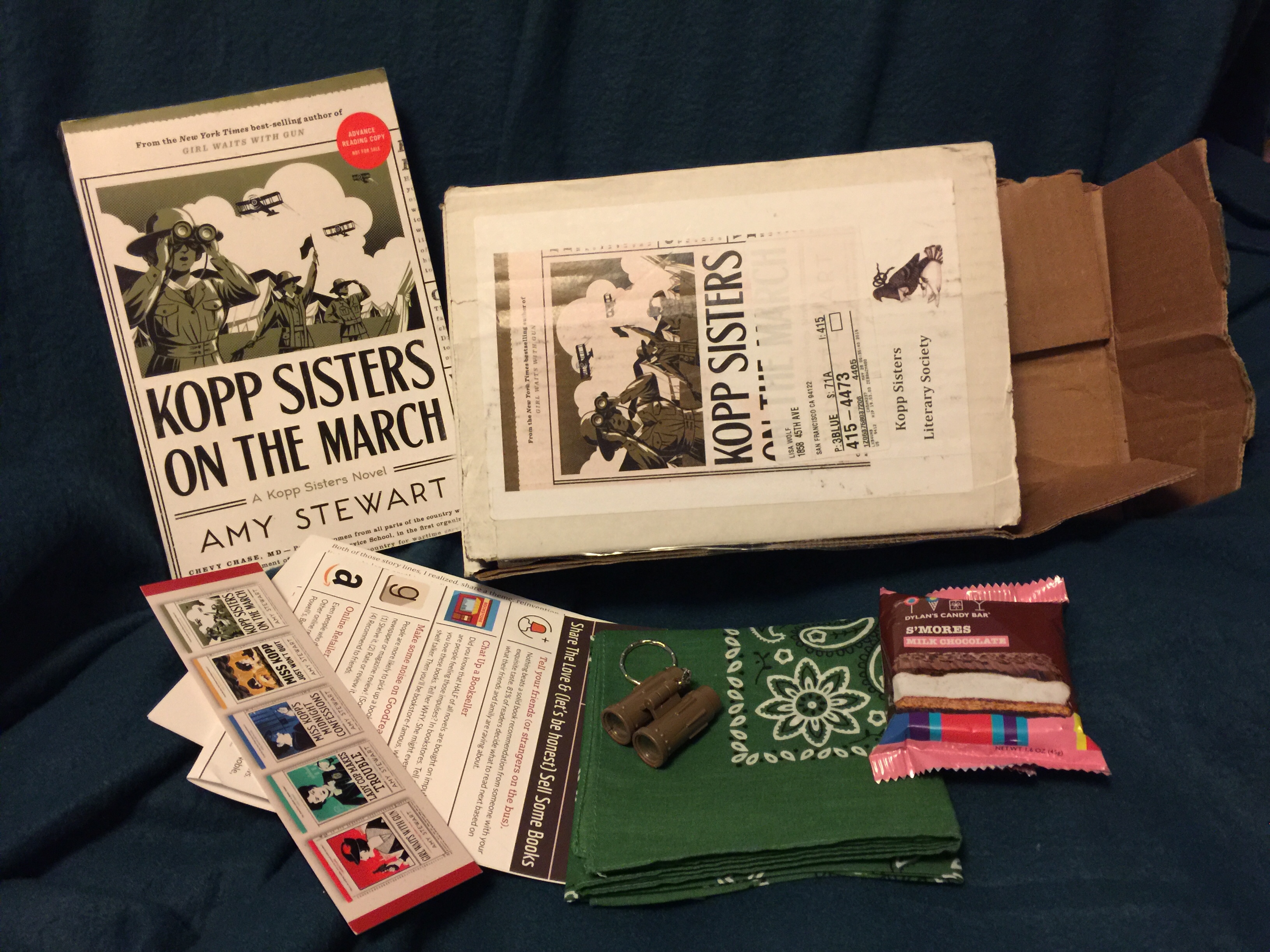
Awesome book mail from the amazing Amy Stewart!

What will I be reading during the coming week?

Currently in my hands:

The Last Year of the War by Susan Meissner: Just starting!

Now playing via audiobook:

The Salt Path by Raynor Winn: A really powerful memoir — loving it so far.

Ongoing reads:

Two ongoing book group reads at the moment:

  • A Fugitive Green by Diana Gabaldon, from the Seven Stones To Stand or Fall collection.
  • The Pickwick Papers by Charles Dickens — our current classic selection.

So many books, so little time…

boy1

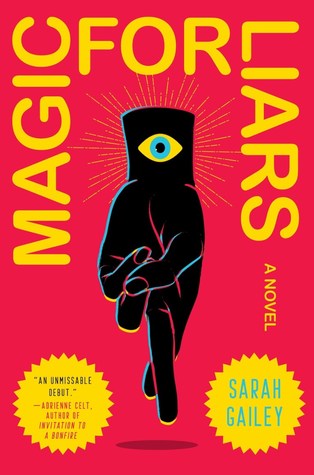
Book Review: Magic For Liars by Sarah Gailey


Ivy Gamble has never wanted to be magic. She is perfectly happy with her life—she has an almost-sustainable career as a private investigator, and an empty apartment, and a slight drinking problem. It’s a great life and she doesn’t wish she was like her estranged sister, the magically gifted professor Tabitha.

But when Ivy is hired to investigate the gruesome murder of a faculty member at Tabitha’s private academy, the stalwart detective starts to lose herself in the case, the life she could have had, and the answer to the mystery that seems just out of her reach.

Magic For Liars may be set at a school of magic, but we’re on notice from the very first page that this is not THAT kind of school:

Now they were all downstairs at the welcome-back dinner, an all-staff-all-students meal that marked the end of the first week of classes. They’d joke there about house-elves and pumpkin juice — or at least the freshmen would. By the time they were sophomores, that vein of humor was worn beyond use.

After a bloody murder at Osthorne Academy for Young Mages (located in the vicinity of Sunol, California — less than an hour’s drive from San Francisco or Oakland), private investigator Ivy Gamble is called in to help solve the case. Magical authorities have deemed it an accidental death due to a spell gone bad, but the school’s headmaster thinks there’s more to be discovered… and since Ivy is the non-magical twin sister of a professor at the school, she seems to be the right choice to lead the investigation.

The assignment at Osthorne is fraught with tension and high emotional stakes for Ivy. She and sister Tabitha have been estranged for years, really since Tabitha was selected to go to an elite magic school when they were teens. Their paths diverged sharply from that point onward, and the two have never managed to reconnect, especially in the aftermath of their mother’s death while Tabitha was away at school.

Now arriving at Osthorne, Ivy sets out to solve the murder while also trying to understand who Tabitha is now, and who she herself might have been if she’d had magic too. Ivy’s journey is painful to witness, as she drinks herself through her tumultuous feelings every night and lets herself become consumed by the mysterious death and the suspicious undercurrents at the school

I love Sarah Gailey’s writing — I loved it in the American Hippo books, and she’s totally on point here as well, conveying the otherworldliness of the magical world while rooting it in a grim and grimy reality that has more than a shade of noir to it. What magical school doesn’t have a library with weird and dangerous sections? Here at Osthorne, Ivy hears:

… the books murmuring to each other like a scandalized congregation of origami Presbyterians.

Isn’t that delicious?

Some other choice bits:

Across the bay, San Francisco bled money like an unzipped artery.

…. and

The drive through the Sunol hills was as beautiful as the novocaine that comes before the drill.

Certain magic school tropes makes appearances too — there’s a Prophecy and a Chosen One, for starters, as well as the more mundane clique of popular girls who flutter around the central Mean Girl and all sorts of relationship drama, both appropriate and not.

The plot zooms along quickly, and sometimes reality can be a slippery thing. Ivy’s investigations are often clouded by the magical elements around her, but even so, she applies her skills and street smarts to get to the shocking truth. The resolution is pitch-perfect, and even though I guessed at the outcome ahead of time, that did not detract at all from the impact and the shock when the answers are finally revealed.

Magic For Liars is, plain and simple, a terrific read. Don’t miss it!

_________________________________________

The details:

Title: Magic For Liars
Author: Sarah Gailey
Publisher: Tor
Publication date: June 4, 2019
Length: 336 pages
Genre: Fantasy
Source: Review copy courtesy of the publisher via NetGalley