Wishing everyone a peaceful day, good health, yummy food, great companionship… and excellent reading!
Save
Thank you to all who stop by this blog to visit, share comments, or just to say hi! I appreciate you, and feel so grateful to be part of the wonderful community of book bloggers.
And while I’m giving thanks, here’s a special Thanksgiving shout-out to the authors and publishers who bring so much joy to all of our lives. Thank you!
From the nine-time women’s basketball icon and two-time Olympic gold medalist—a raw, revelatory account of her unfathomable detainment in Russia and her journey home.
On February 17, 2022, Brittney Griner arrived in Moscow ready to spend the WNBA offseason playing for the Russian women’s basketball team where she had been the centerpiece of previous championship seasons. Instead, a security checkpoint became her gateway to hell when she was arrested for mistakenly carrying under one gram of medically prescribed hash oil. Brittney’s world was violently upended in a crisis she has never spoken in detail about publicly—until now.
In Coming Home, Brittney finally shares the harrowing details of her sudden arrest days before Russia invaded Ukraine; her bewilderment and isolation while navigating a foreign legal system amid her trial and sentencing; her emotional and physical anguish as the first American woman ever to endure a Russian penal colony while the #WeAreBG movement rallied for her release; the chilling prisoner swap with Russian arms dealer Viktor Bout; and her remarkable rise from hostage to global spokesperson on behalf of America’s forgotten. In haunting and vivid detail, Brittney takes listeners inside the horrors of a geopolitical nightmare spanning ten months.
And yet Coming Home is more than Brittney’s journey from captivity to freedom. In an account as gripping as it is poignant, she shares how her deep love for Cherelle, her college sweetheart and wife of six years, anchored her during their greatest storm; how her family’s support pulled her back from the brink; and how hundreds of letters from friends and neighbors lent her resolve to keep fighting. Coming Home is both a story of survival and a testament to love—the bonds that brought Brittney home to her family, and at last, to herself.
On the surface, the narrative of Coming Home should be a very familiar story for most readers. Is anyone unaware of what Brittney Griner went through in 2022? For me, despite having followed the media coverage of her ordeal as it unfolded, reading this book was eye-opening. I learned so much about her resiliency and survival, from her initial arrest and throughout her conviction, imprisonment, and eventual release.
In this memoir of her experiences as an American prisoner in Russia, WNBA and Olympics star Brittney Griner (“BG”) presents an in-depth, personal account of what she endured during her hellish ten months in captivity. It’s raw, honest, and moving. She also provides insight into her earlier life, her family and relationships, and her striking experiences as a 6’9″ gay Black woman in a society where she can’t help but stand out.
When BG made headlines after being arrested at a Russian airport, it was shocking — all the more so because she so clearly just made a mistake. As she explains in Coming Home, Brittney was returning to Russia to play with the UMMC Ekaterinburg basketball team after recovering from a bout of COVID. In her rush to catch her flight, BG packed in haste and didn’t empty her bags before repacking them, resulting in two small vials of cannabis oil traveling with her to Russia without her realizing it. And while the cannabis oil was medically prescribed for BG in the US to ease her back pain, it’s an illegal substance in Russia in any quantity.
From her arrest to detention, trial, and finally, imprisonment in a remote labor camp, BG was isolated, living in fear, and confined in harsh, unsanitary, and uncomfortable conditions. Due to her large size, most cells and transportation methods couldn’t accommodate her, forcing her into cramped, painful positions. She spent her few months in detention in a bed that was far too short for her, adding to her intense sleep deprivation.
Fortunately, she ended up housed in detention with an English-speaking prisoner who became not just a translator, but also a friend. Still, it was a hellish experience, cut off from family, friends, her country, and her language, aware from the start that she was being used as a political pawn. Despite the small amount of cannabis in her possession, she faced a potential maximum sentence of nine years — an incredibly cruel, disproportionate punishment for an unintentional mistake. One of many heartbreaking moments in Coming Home is BG’s realization that with a nine-year sentence, she was unlikely ever to see her parents again.
BG shares every moment of her experience in detail, from the arrest through her months of confinement, to the process of being released and the challenges of reintegrating into her life back home and facing the ongoing effects of her trauma. Her narrative is painful to absorb, and it’s impossible to remain unemotional while reading (or listening to) the story of her experiences.
On the flip side, the love she expresses for her family and friends is beautiful, as is the outpouring of support she received, both from those close to her and from strangers around the world. She takes none of this for granted, and repeatedly emphasizes the ongoing struggle to free other Americans still held in captivity in foreign lands.
In addition to sharing the story of her ordeal, Coming Home also shines a light on race and LGBTQ+ issues and how they affected BG both at home and abroad. In addition, her experiences show the impact of the pay disparity between men’s and women’s professional sports in its starkest terms: Because of pay caps in the WNBA, many women basketball players play abroad during the off-season, where their earning potential is exponentially higher than on their home teams. Had BG earned even near a comparable salary to her NBA counterparts, she would not have ended up where she did.
The audiobook is very well done, with BG herself narrating the introduction, epilogue, and acknowledgements, while Andia Winslow movingly narrates the rest. The tone is intimate and urgent, and I felt that I was hearing BG’s voice even when she wasn’t the actual narrator.
If you do listen to the audiobook, be sure to listen all the way through the acknowledgements. Acknowledgement sections of book are usually rather dry and factual, a place for the author to name the various people who contributed to the book. Here, though, it’s an opportunity for BG to express her deep gratitude to her wife, parents, siblings, colleagues, and supporters — it’s hard to listen to this section and remain dry-eyed.
Coming Home is a dramatic, powerful book, full of sorrow yet with an ultimately uplifting message. I already admired Brittney Griner prior to reading this book, but that’s amplified at least tenfold now that I have a deeper understanding of all that she endured and who she is as a person. I highly recommend this book.
Top Ten Tuesday is a meme hosted by That Artsy Reader Girl, featuring a different top 10 theme each week. This week’s topic is Thanksgiving Freebie — we choose our own topic related to Thanksgiving.
After playing around with a few different options, I decided to go with books that express some sort of thanks, gratitude, or good cheer in their titles. Here’s my list of 10 11 (sticking to ten has gotten hard for me!):
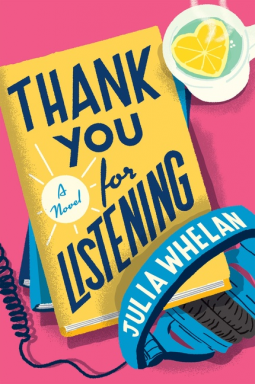
Thank You for Listening by Julia Whelan
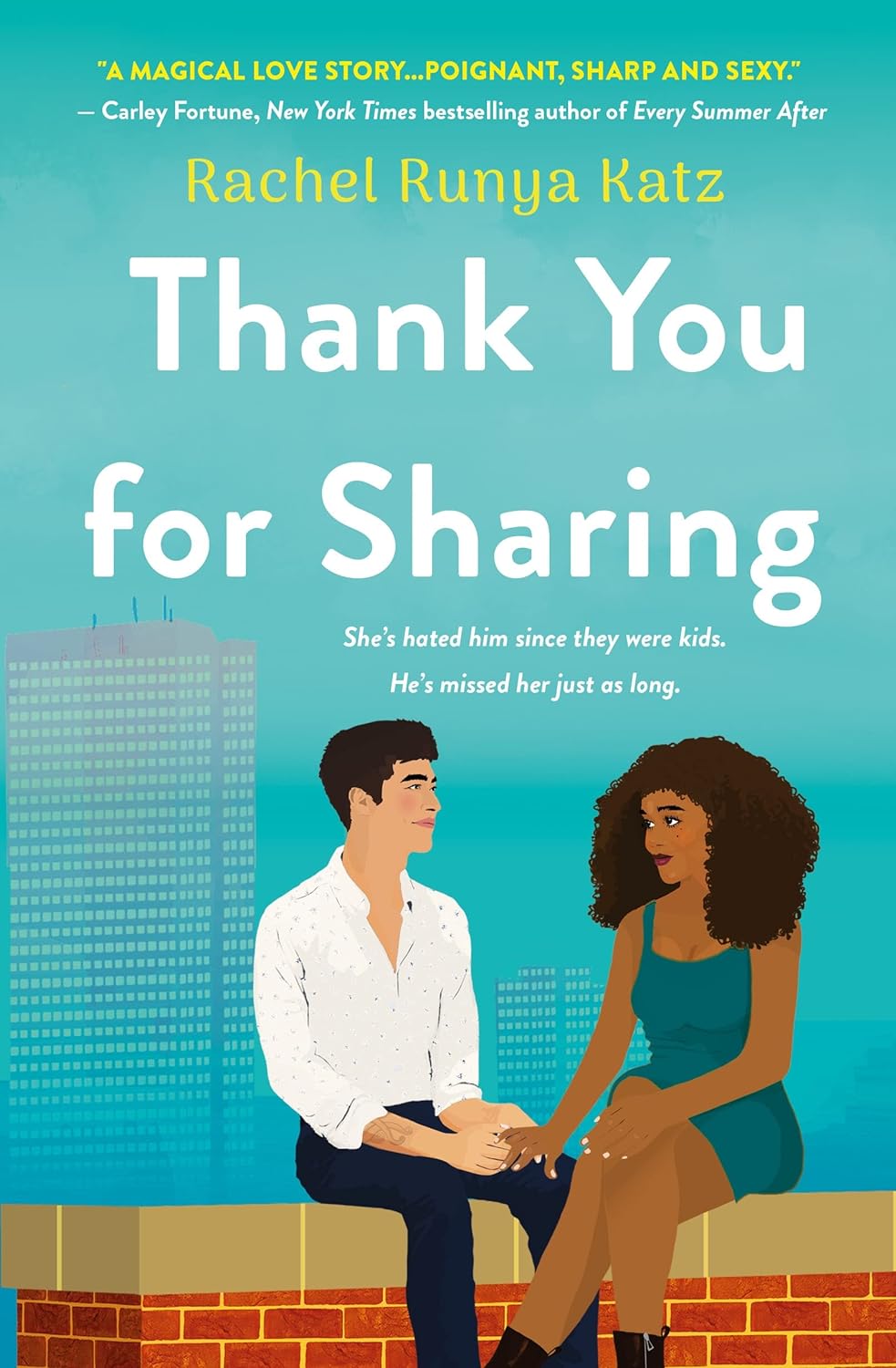
Thank You for Sharing by Rachel Kunya Katz
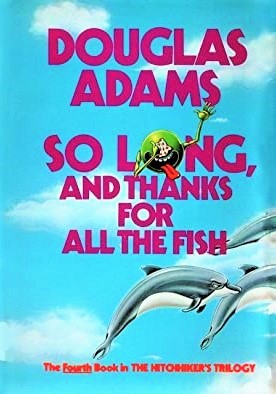
So Long, and Thanks for All the Fish by Douglas Adams
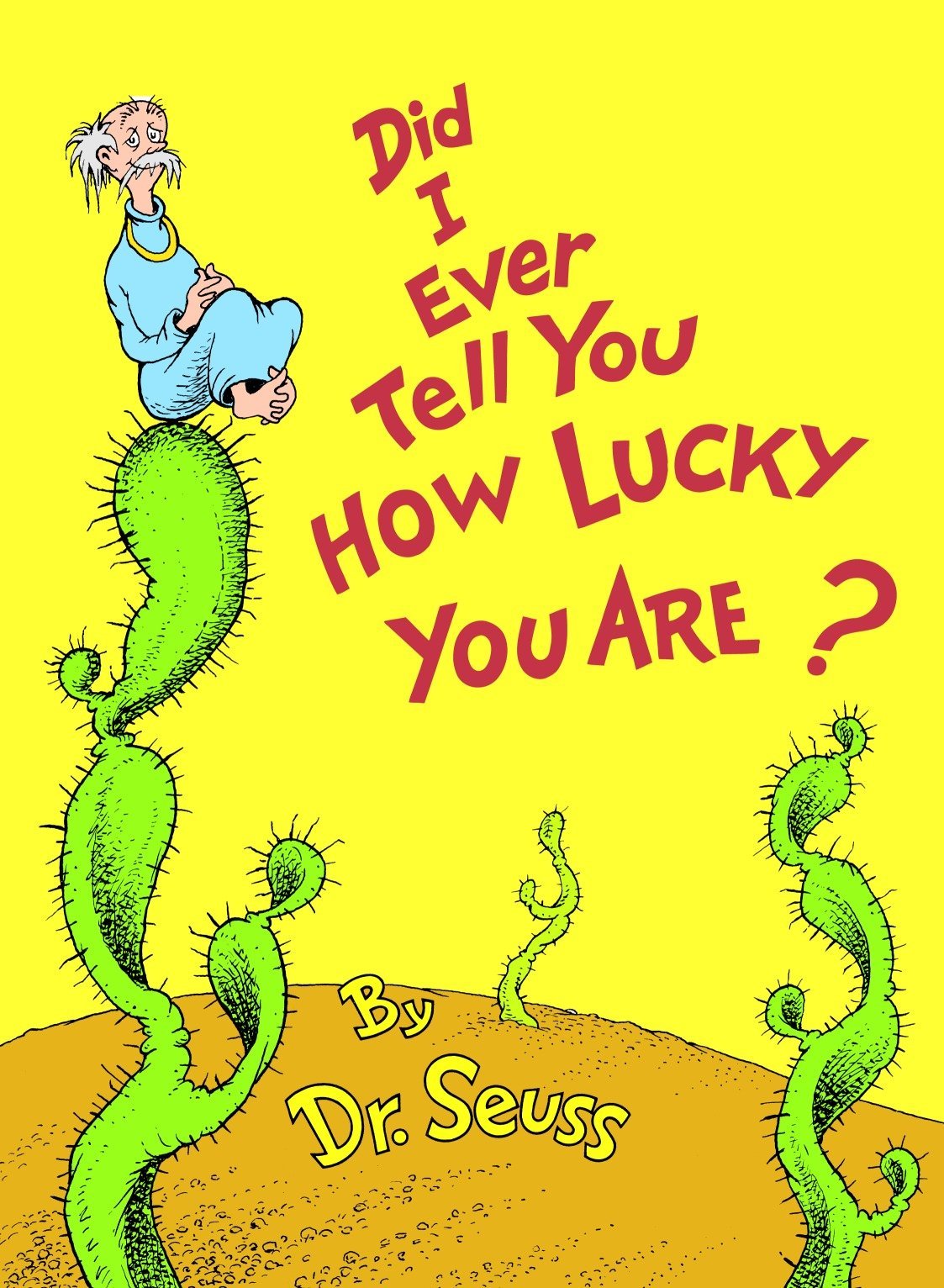
Did I Ever Tell You How Lucky You Are? by Dr. Seuss
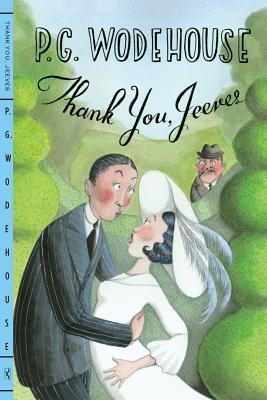
Thank You, Jeeves by P. G. Wodehouse
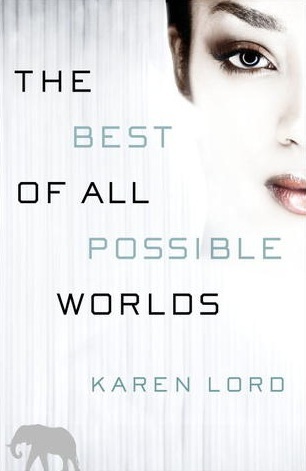
The Best of All Possible Worlds by Karen Lord
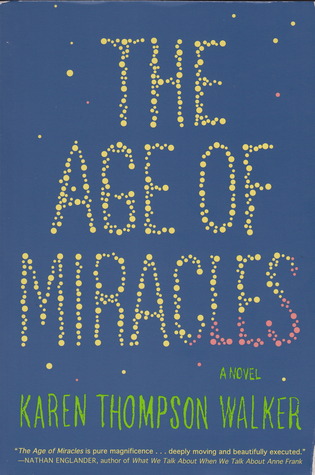
The Age of Miracles by Karen Thompson Walker
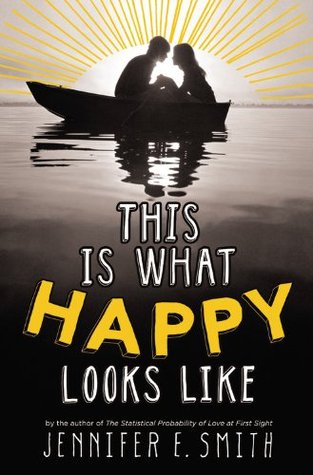
This Is What Happy Looks Like by Jennifer E. Smith
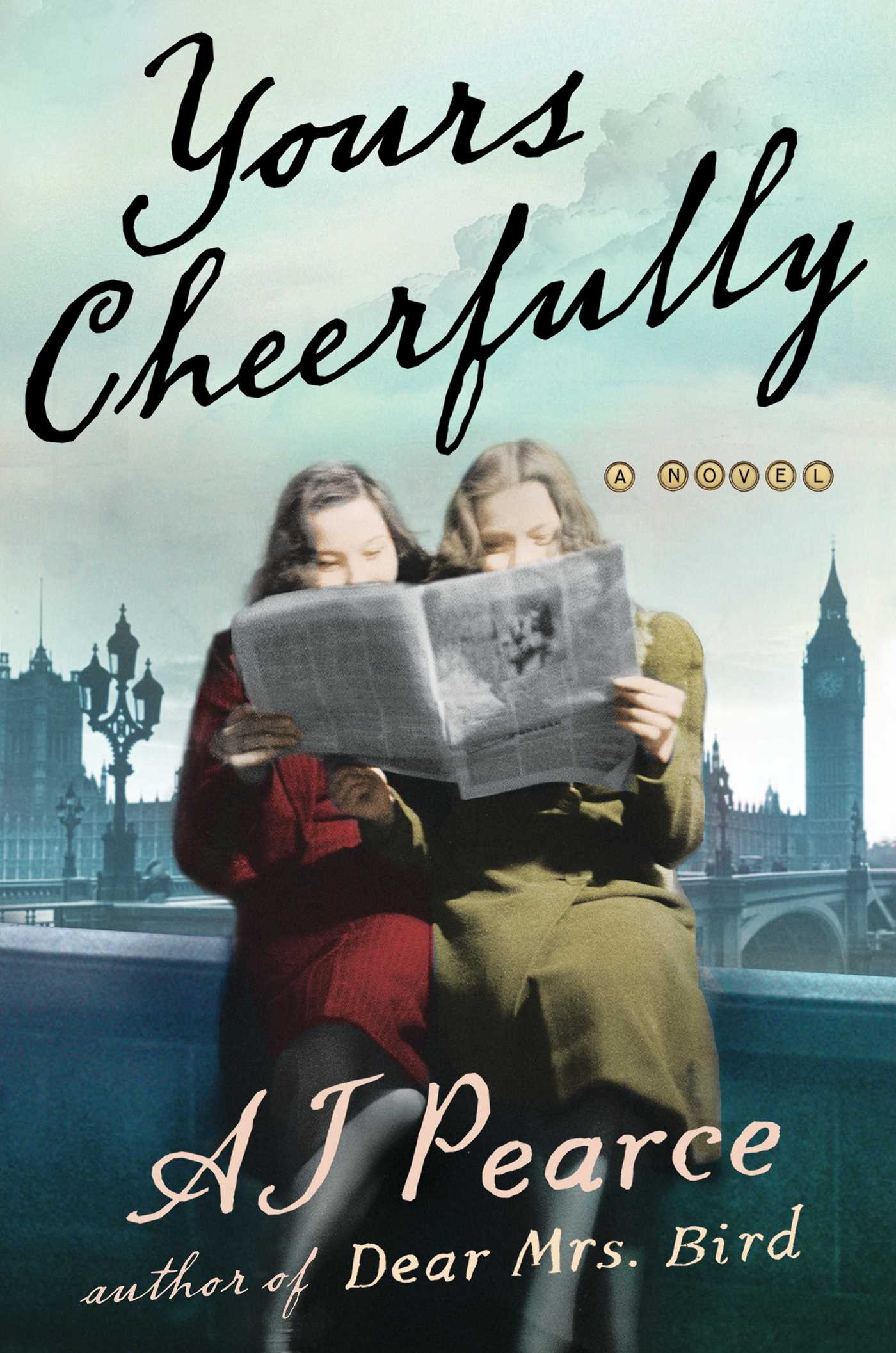
Yours Cheerfully by AJ Pearce
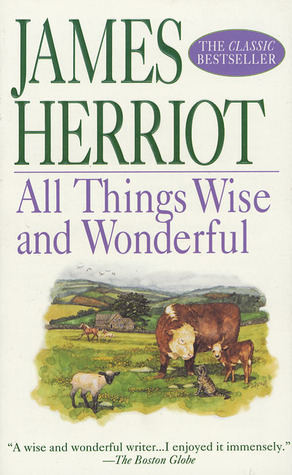
All Things Wise and Wonderful by James Herriot
Joy in the Morning by Betty Smith
Can you think of other books with “thankful” titles?
My Monday tradition, including a look back and a look ahead — what I read last week, what new books came my way, and what books are keeping me busy right now. Plus a smattering of other stuff too.
Life.
Happy (almost) Thanksgiving! It feels like the holiday has stretched to include the entire week in recent years. I’m still working this week, but it feels like a lot of people have already checked out. I’m looking forward to days off at the end of the week, and spending the holiday with family!
We had major rainstorms this past week, so my usual outdoor activities were mostly cancelled. I made up for it with family chill time, plus lots of reading.
What did I read during the last week?
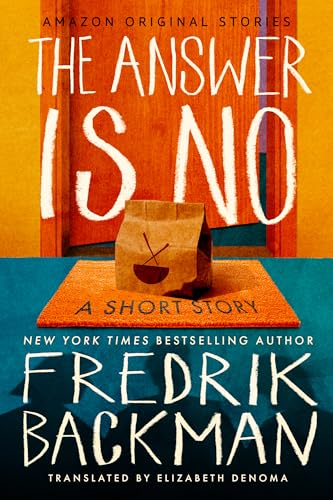
The Answer Is No by Fredrik Backman: A quirky, funny short story. My review is here.
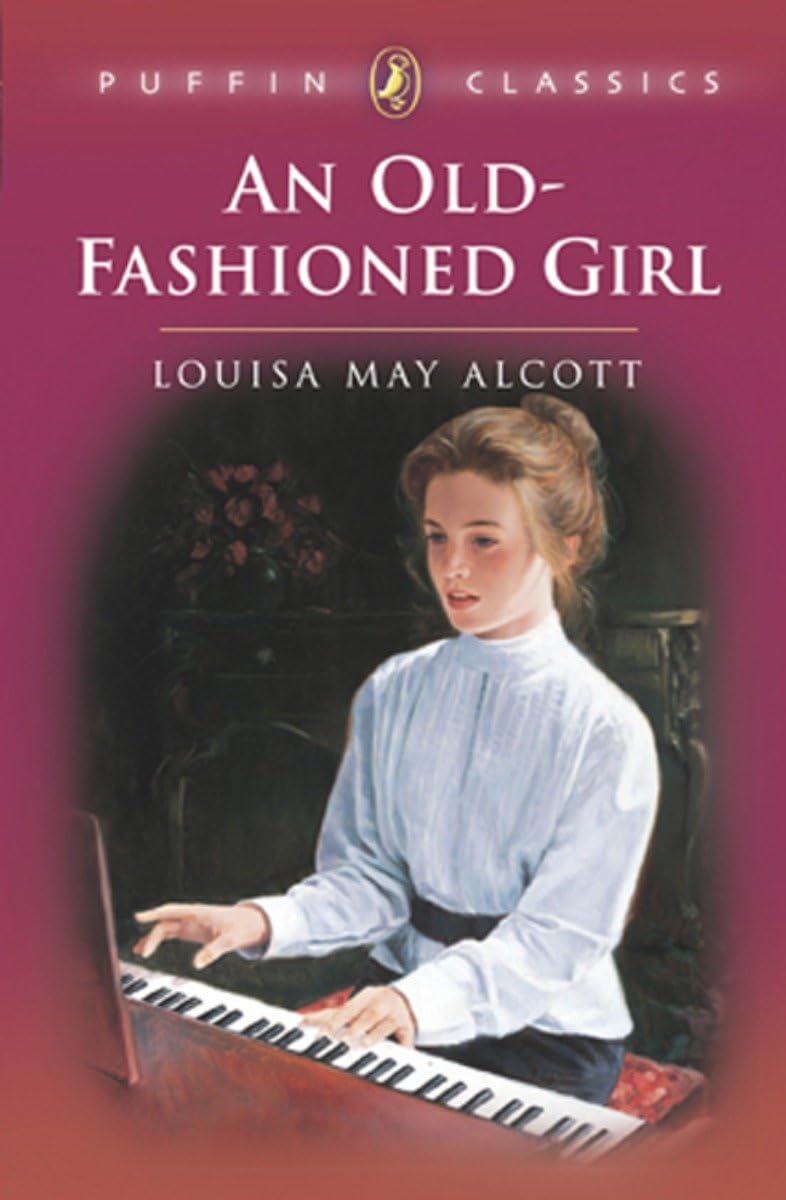
An Old-Fashioned Girl by Louisa May Alcott: My Classics Club Spin book — loved it! My review is here.
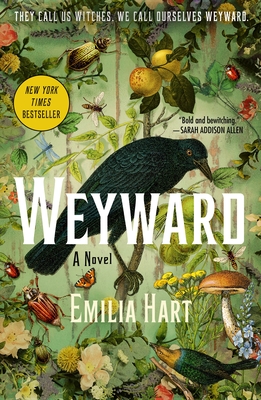
Weyward by Emilia Hart: A 5-star read! My review is here.
Pop culture & TV:
Outlander is back! After a Droughtlander of more than a year, the 2nd half of season 7 has started. The first of the new episodes dropped on Friday, and I loved it.
I started a new (to me) Israeli series on Netflix, A Body That Works. I’m about halfway through, and I’m enjoying it… although my overall impression is going to depend on how they resolve certain elements. As of the midpoint, I’d say it’s worth checking out.
Fresh Catch:
I didn’t buy any books this week!
Little Free Library updates:
This week in my Little Free Library:
One ratty old instruction manual was added… but the four or five terrific paperbacks someone dropped off last week all seem to have found new homes! (I’m getting a kick out of seeing what comes and goes each week… and which books seem to stay and stay and stay)
What will I be reading during the coming week?
Currently in my hands:
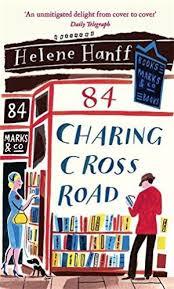
84, Charing Cross Road by Helene Hanff: This book keeps coming up as a should-really-read book for me, and I decided to finally make it happen. (It helps that my library branch had a copy on the shelf when I stopped by over the weekend).
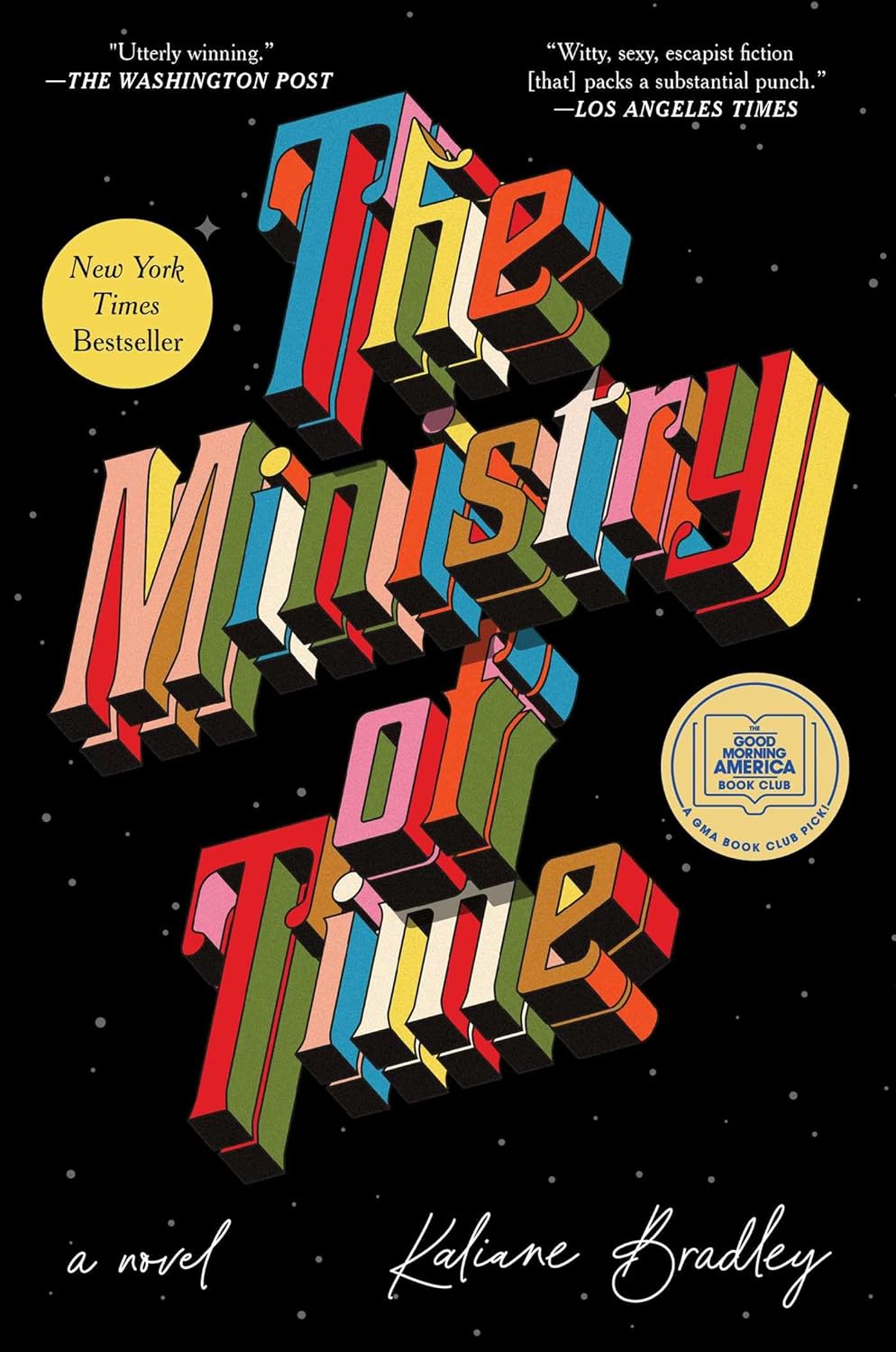
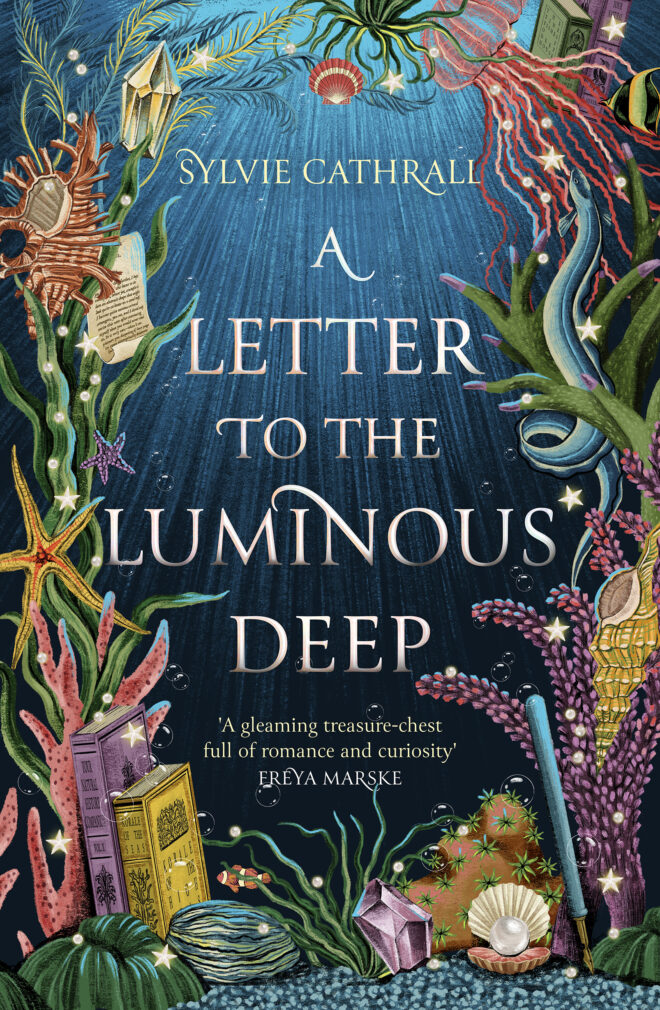
Once I finish, I’ll be starting one of these — all of which have been high on my reading pile for a while now:
I’m not quite sure which one I’ll start first, but I’m excited to finally have time for any or all of them!
Now playing via audiobook:
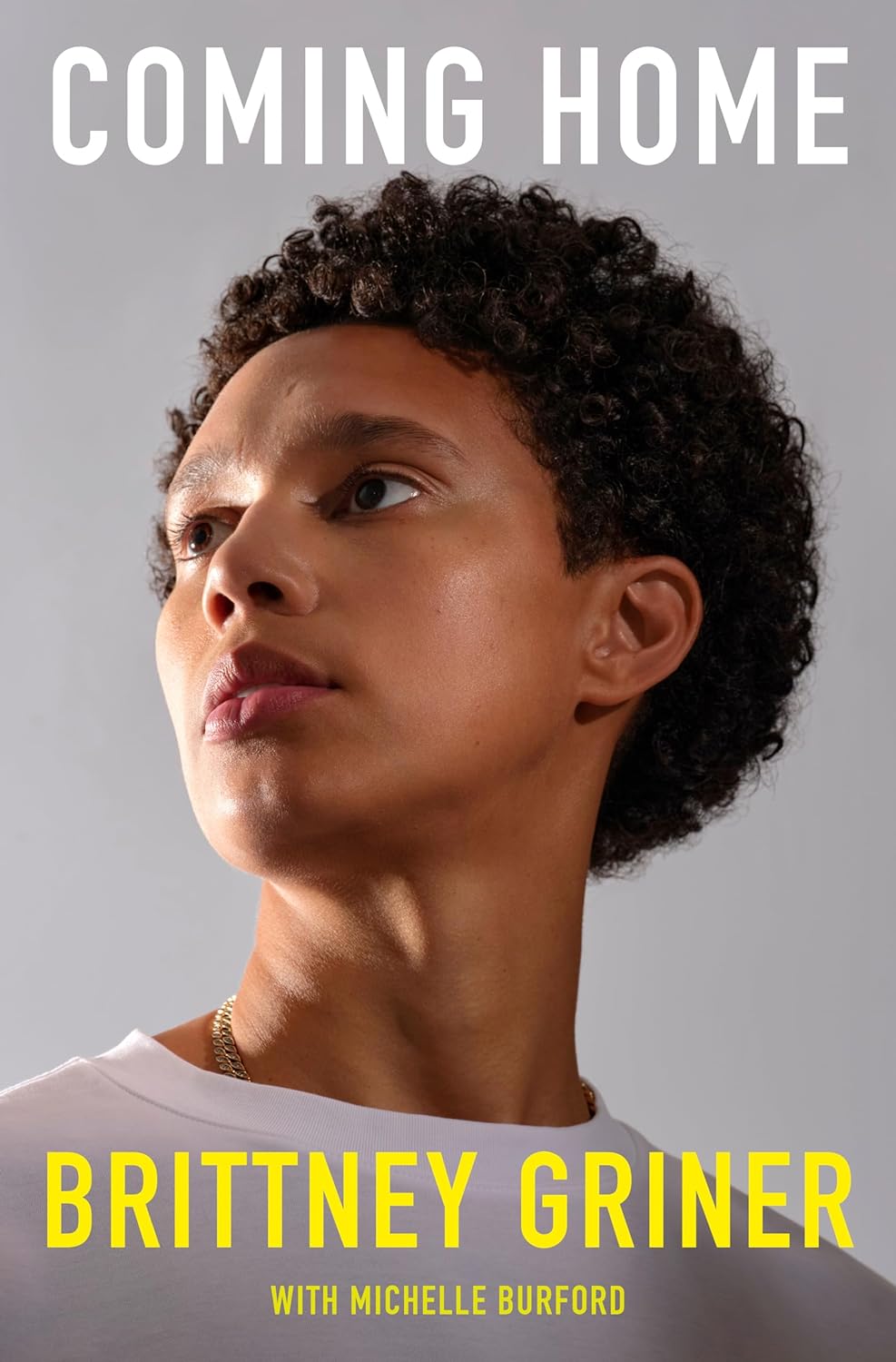
Coming Home by Brittney Griner: I’m so close to the end! I think I need another half-hour or so of listening time to wrap this up. I’ll share my thoughts later in the week — very powerful and moving memoir.
Next, I plan to go for a lighter listen, most likely this one:
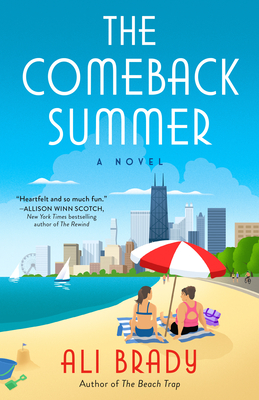
I recently finished the audio version of this author duo’s first novel and really liked it, so I’m up for more.
Ongoing reads:
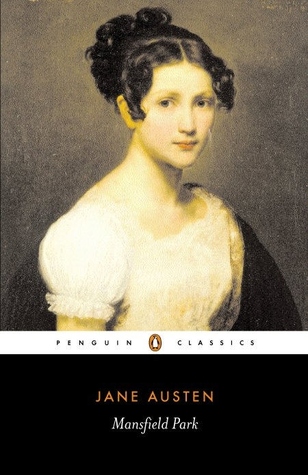
Coming soon! My book group’s newest classic read will be Mansfield Park by Jane Austen. We’re starting in early December, and will be reading and discussing two chapters per week. This will be a reread for me, and I’m looking forward to it.
Title: Weyward Author: Emilia Hart Publisher: St. Martin’s Press Publication date: February 2, 2023 Length: 392 pages Genre: Fantasy Source: Purchased Rating:
⭐⭐⭐⭐⭐
Rating: 5 out of 5.
I am a Weyward, and wild inside.
2019: Under cover of darkness, Kate flees London for ramshackle Weyward Cottage, inherited from a great aunt she barely remembers. With its tumbling ivy and overgrown garden, the cottage is worlds away from the abusive partner who tormented Kate. But she begins to suspect that her great aunt had a secret. One that lurks in the bones of the cottage, hidden ever since the witch-hunts of the 17th century.
1619: Altha is awaiting trial for the murder of a local farmer who was stampeded to death by his herd. As a girl, Altha’s mother taught her their magic, a kind not rooted in spell casting but in a deep knowledge of the natural world. But unusual women have always been deemed dangerous, and as the evidence for witchcraft is set out against Altha, she knows it will take all of her powers to maintain her freedom.
1942: As World War II rages, Violet is trapped in her family’s grand, crumbling estate. Straitjacketed by societal convention, she longs for the robust education her brother receives––and for her mother, long deceased, who was rumored to have gone mad before her death. The only traces Violet has of her are a locket bearing the initial W and the word weyward scratched into the baseboard of her bedroom.
Weaving together the stories of three extraordinary women across five centuries, Emilia Hart’s Weyward is an enthralling novel of female resilience and the transformative power of the natural world.
Weyward has been on my radar since its release in 2023 — and while I’m mad at myself for not getting to it sooner, I’m thrilled to have finally read this excellent novel.
Weyward follows three women across three timelines to tell the story of a family whose women have special gifts — all of whom must break free from the rules and control of men to fully embrace who they are and what they’re capable of.
In 1619, Altha is a healer relied upon by her community, yet also viewed with suspicion. After a gruesome death, she stands trial for witchcraft.
In 1942, Violet is a teen whose cold, cruel father dictates every aspect of her life, while also denying her a life outside the walls of their estate and a chance to pursue the scientific education she yearns for.
In 2019, Kate flees her abusive boyfriend and takes shelter in the cottage she’s inherited from her great-aunt Violet. At first, she just wants a place to hide, but eventually, she learns more about her family’s heritage and what being a Weyward descendent truly means.
This wildness inside gives us our name. It was men who marked us so, in the time when language was but a shoot curling from the earth. Weyward, they called us, when we would not submit, would not bend to their will. But we learned to wear the name with pride.
The three stories swirl around each other through cycles of chapters. Each woman’s story is, in itself, compelling and utterly fascinating. Each character is wonderfully developed, with rich emotions and complicated circumstances. As a whole, the three stories paint a portrait of a family of powerful women, connected by their abilities, their knowledge, their affinity for the natural world, and their need to protect themselves from those who would do them harm.
By the final third of the book, I hated to leave each woman’s story to move onto a chapter about the next, only to find myself completely absorbed in that chapter and character as well. The interconnectedness of the three women’s lives is lovely to see unfold, and I found myself breathlessly tearing through the final chapters to see how it all came together.
I realize I’m not saying much about plot specifics, but that’s intentional. Weyward is a beautifully crafted, evocative story, and I think it’s best to read it without preconceptions or advance knowledge of details. I recommend enjoying it — slowly, if you can (I couldn’t!) — and savoring the texture and depth of the story as it develops.
I loved reading Weyward, and loved Altha, Violet, and Kate as characters. Highly recommended.
Title: An Old Fashioned Girl Author: Louisa May Alcott Publication date: 1869 Length: 224 pages Rating:
⭐⭐⭐⭐
Rating: 4 out of 5.
An Old-Fashioned Girl is a novel by Louisa May Alcott first published in 1869, which follows the adventures of Polly Milton, a young country girl, who is visiting her wealthy city friends, the Shaws. The novel shows how Polly remains true to herself despite the pressure the Shaws’ world puts on her shoulders.
The first six chapters of the novel were serialized in the Merry’s Museum magazine between July and August 1869. Alcott added another thirteen chapters before publishing the novel. The book revolves around Polly Milton, the old-fashioned girl of the title, who visits the wealthy family of her friend Fanny Shaw in the city and is overwhelmed by their fashionable life they lead and disturbed to see how the family members fail to understand one another and demonstrate little affection. She is largely content to remain on the fringes of their social life but exerts a powerful influence over their emotional lives and family relations.
Let’s hear it for another great Classics Club Spin result!
I absolutely went through a Louisa May Alcott phase as a young reader. Beyond Little Women, I read Little Men, Jo’s Boys, Jack and Jill, and (I think) Eight Cousins and Rose in Bloom… but don’t ask me to tell you a thing about most of them. What I know for sure is that I never read An Old-Fashioned Girl — not for any particular reason. Maybe my local library just didn’t have a copy?
In any case, I’m delighted to have read this book, finally… and while it’s not a masterpiece on the level of Little Women, it’s an engaging read that’s more than it initially seems.
An Old-Fashioned Girl seems at times to verge on being too sugary sweet — but then the author adds just enough snark in her commentary to keep it fun and sassy.
For example, this description of a fashionable young lady:
There was a locket on her neck, ear-rings tinkling in her ears, watch and chain at her belt, and several rings on a pair of hands that would have been improved by soap and water.
Plotwise, the tale starts simply enough. 14-year-old Polly is from a hardworking country family, raised to cherish simplicity, goodness, kindness, and doing well by others. It’s a major culture shock for Polly when she goes for an extended visit with Fanny Shaw, a 16-year-old from a wealthy London family. While Fanny offers Polly hospitality, she also is in many ways incomprehensible to Polly. Fanny is immersed in fashion, primping, flirtation, and gossip — none of which hold any interest for Polly, yet Polly is pressured by Fanny to fit in and at least try to make a good impression.
Fanny went to a fashionable school, where the young ladies were so busy with their French, German, and Italian, that there was no time for good English.
Ultimately, old-fashioned Polly is the one who has an impact on the Shaws, finding the goodness in each family member and infusing a sense of fun into the simpler joys of daily life. One especially lovely scene involves the grandmother of the family, who lives in the upper rooms of the Shaw home, surrounded by precious mementos but largely ignored by her boisterous grandchildren. Polly takes a genuine interest in grandma, and manages to find a way to pique the Shaw kids’ interest in a way that creates a warm, lovely connection.
As the author notes in her introduction, An Old-Fashioned Girl was originally a serializedstory that ended with Polly returning back home after her visit, and comprised only six chapters. Apparently, Louisa May Alcott’s readers just weren’t having it, and demanded more! The finished book is 19 chapters in all, and picks up the story six years later, when Polly, now a young woman, returns to the city to support herself and help fund her beloved brother’s higher education.
From here, we see a mature Polly with the determination to work for a living, teaching children’s music classes and living in a rented room. She’s kept her core values, and continues to influence the Shaw family in all sorts of ways. Meanwhile, through Polly’s volunteer work, we get a glimpse of women’s lives at the time, from those struggling to get by to those pursuing art, literature, and learning in lieu of seeking the more traditional pathways for women.
An Old-Fashioned Girl is a fairly simple, straightforward read, and as I mention, it occasionally teeters right on the edge of being too utterly nice. Polly is a bit Beth March-ish, minus the extreme shyness and timidity. Dashes of Jo March, perhaps — Polly speaks her mind, and ventures outside the expected norms for girls and young women of the time. Yet she’s unerringly, unalterably good; she’s kind, she sees the best in people, she’s fair, and she cares for those less fortunate and really, anyone who needs anything at all. She makes peace within the Shaw household and helps each family member in just the way they need. She often does come across as too good to be true — except she’s also wise, self-deprecating, and just sharp enough that I couldn’t help but like her and find her fun to be around.
All in all, I’m very happy to have read An Old-Fashioned Girl, and look forward to catching up a bit more with Louisa May Alcott’s book, including the ones I read so long ago.
Who knew? According to IMDb, there was a film version of An Old-Fashioned Girl released in 1949. The images on the movie poster (below) don’t match how I see the characters in my head, but I’d still be curious to check out the movie, if I can find it.
Title: The Answer is No Author: Fredrik Backman Publisher: Amazon Original Stories Publication date: December 1, 2024 Length: 68 pages Genre: Contemporary fiction Source: Purchased Rating:
⭐⭐⭐⭐⭐
Rating: 5 out of 5.
In a hilarious short story from New York Times bestselling author Fredrik Backman, the absurdities of modern life cause one man’s solitary world to spin suddenly, and comically, out of control.
Lucas knows the perfect night entails just three things: video games, wine, and pad thai. Peanuts are a must! Other people? Not so much. Why complicate things when he’s happy alone?
Then one day the apartment board, a vexing trio of authority, rings his doorbell. And Lucas’s solitude takes a startling hike. They demand to see his frying pan. Someone left one next to the recycling room overnight, and instead of removing the errant object, as Lucas suggests, they insist on finding the guilty party. But their plan backfires. Colossally.
Told in Fredrik Backman’s singular witty style with sharply drawn characters and relatable antics, The Answer Is No is a laugh-out-loud portrait of a man struggling to keep to himself in a world that won’t leave him alone.
A new story from Fredrik Backman is practically guaranteed to be a joy to read… so does The Answer is No succeed? The answer is yes!
This funny, quirky tale is about a man who wants the world to leave him alone, but the world doesn’t seem to get the message. He’s perfectly happy, until the frying pan incident spirals out of control, bringing visitor after visitor to his door.
It’s a cute, clever story with a simple plot. What makes it a gem is Backman’s writing, of course. Here are a few choice snippets:
Lucas is happy. This is a very provoking thing to the world. Because people aren’t supposed to be happy, they’re only supposed to want to be happy, because how otherwise are you supposed to be able to sell things to them?
Just to be clear: It’s not that Lucas hates other people. He just really enjoys being where other people aren’t. He works well in groups as long as it’s groups of fewer than two people.
“During the night someone left an old frying pan on the ground outside the recycling room!” the first head explains, as if this were the beginning of a detective novel where a dead body’s been found in a lake, and a divorced police officer from the big city who has just returned to her childhood home is drawn into an investigation that forces her to confront her past, but which may or may not also give her the chance to fall in love with a man in a flannel shirt who has a golden retriever and a charming down-to-earth view of life.
Lucas opens the door with the defeated manner of a sausage that dressed itself up as a carrot to avoid being eaten by a bear, only to be found by a rabbit.
The Answer is No is available now as a First Reads pick for Amazon Prime subscribers, and will be released officially as of December 1st. It’s a sweet, cheery treat — and obviously, a must-read for Fredrik Backman fans!
Top Ten Tuesday is a meme hosted by That Artsy Reader Girl, featuring a different top 10 theme each week. This week’s topic is Oldest (aka Earliest Published) Books On My TBR.
At first, I went to my Goodreads to-read shelf to sort by publication year and look for the earliest, but then realized that I was missing many of the classics I want to get to. So… I went to my handy-dandy Excel spreadsheet (yes, I’m an Excel nerd!) dedicated to my future classics reading, and then did a little mixing and matching.
The results originally showed a few instances of multiple books by the same author, and I made the executive decision to limit it to one book each. In the end, it was very hard to whittle the list down, so…
Here is my list of 10 12 of the oldest books on my to-read shelf!
Belinda by Maria Edgeworth (1801)
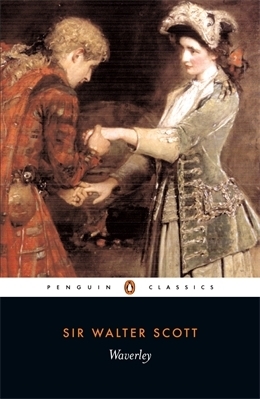
Waverley by Sir Walter Scott (1814)
Frankenstein by Mary Shelley (1818)
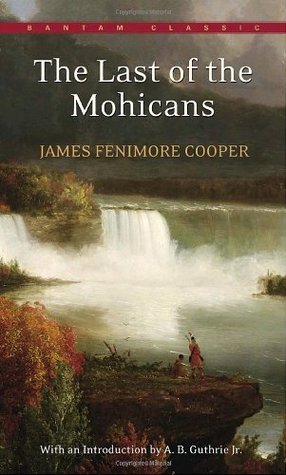
The Last of the Mohicans by James Fenimore Cooper (1826)
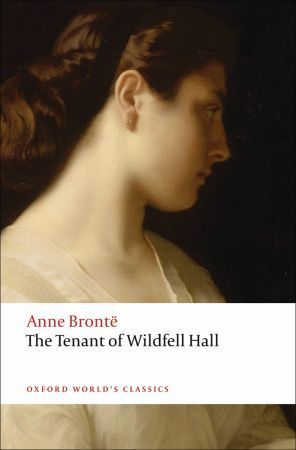
The Tenant of Wildfell Hall by Anne Bronte (1848)
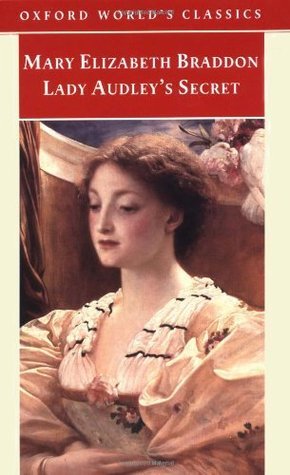
Lady Audley’s Secret by Mary Elizabeth Braddon (1862)
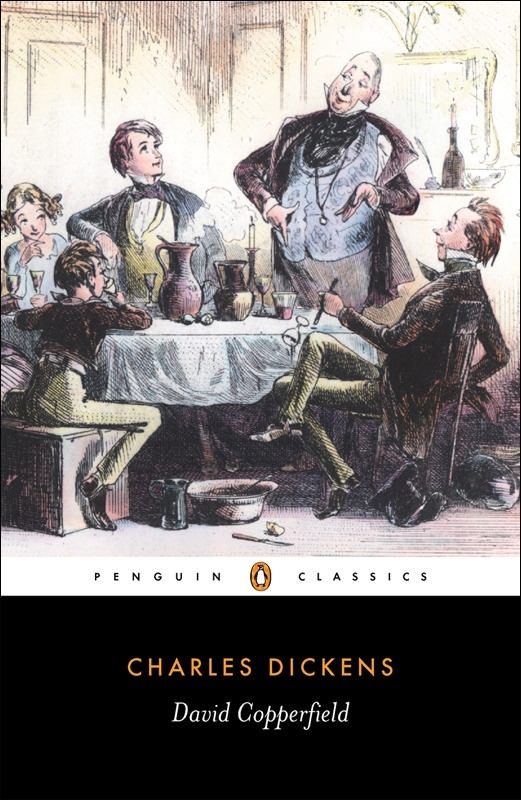
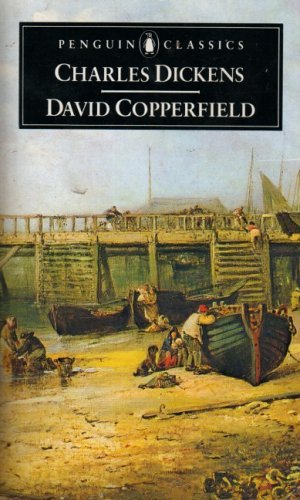
David Copperfield by Charles Dickens (1850)
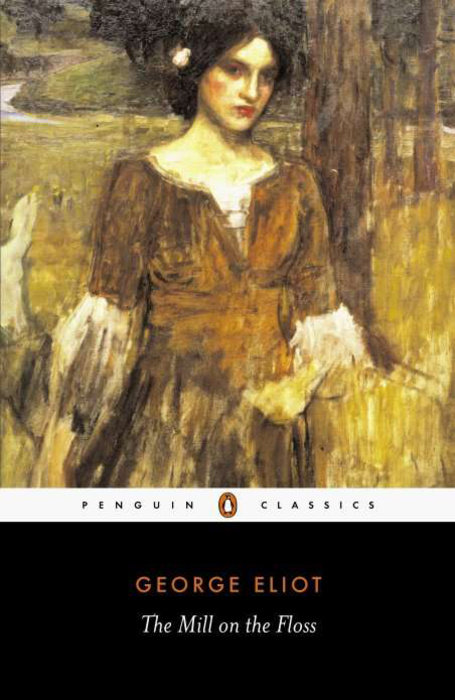
The Mill on the Floss by George Eliot (1860)
Around the World in 80 Days by Jules Verne (1872)
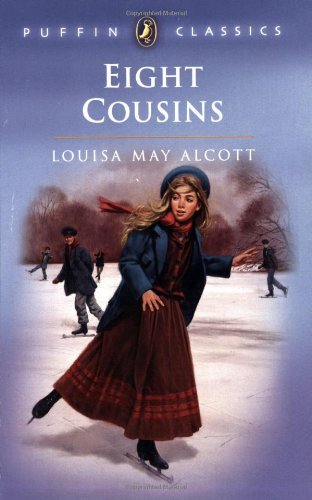
Eight Cousins by Louisa May Alcott (1875)
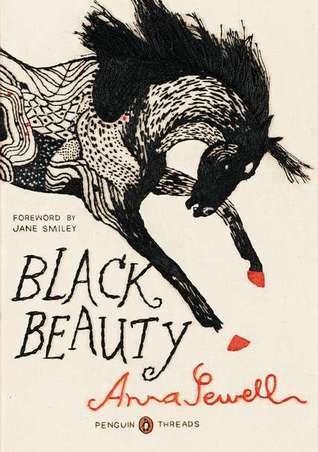
Black Beauty by Anna Sewell (1877)
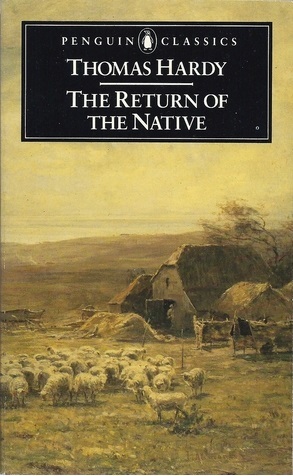
The Return of the Native by Thomas Hardy (1878)
Note: I’ve read Frankenstein, but it was so long ago that I feel a reread is needed!
Have you read any of the books on my list? Any thoughts or recommendations?
My Monday tradition, including a look back and a look ahead — what I read last week, what new books came my way, and what books are keeping me busy right now. Plus a smattering of other stuff too.
Life.
I had a super busy day on Saturday, starting with an early-morning book group Zoom with an author, then a mid-day outdoor dance session, and then even more dancing in the evening! Luckily, I had an unstructured Sunday to just chill, go for a walk, read, and do lots of nothing.
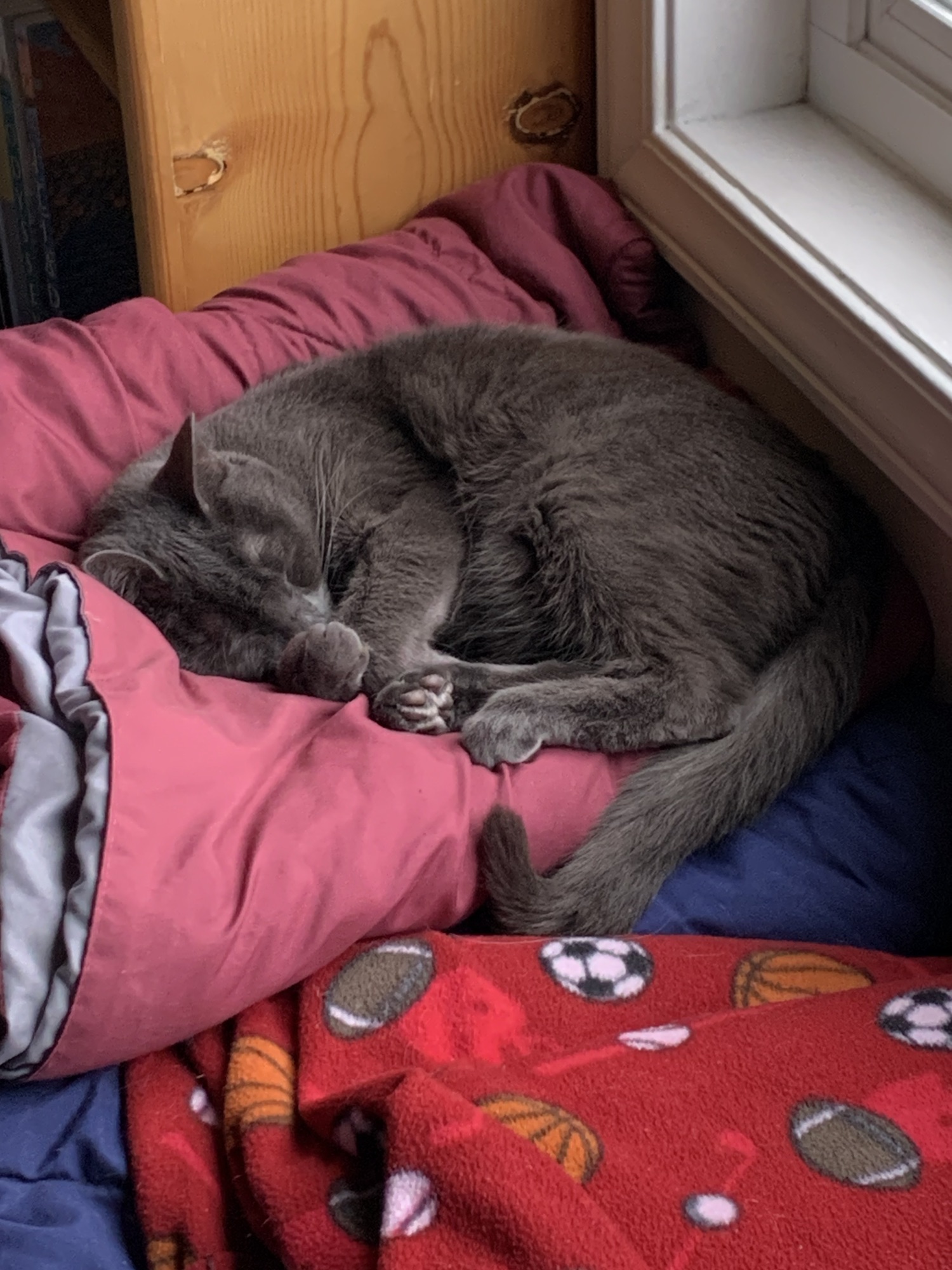
Our kitty had the right idea…
What did I read during the last week?
Right Ho, Jeeves by P. G. Wodehouse: What fun! My book group’s classic read wrapped up this past week. This book is silly and adorable, and I look forward to reading more of the Jeeves books.
Lady Tan’s Circle of Women by Lisa See: Excellent historical fiction — 5 stars! My review is here.
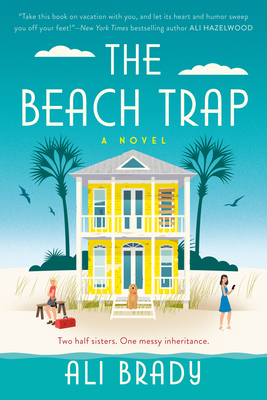
The Beach Trap by Ali Brady: Really enjoyable audiobook about long-lost half-sisters getting a second chance to build a relationship. My review is here.
Pop culture & TV:
I was at a bit of loose ends, and decided to watch a movie I’d been meaning to get to — Damsel (Netflix). It was… okay. A bit too much time devoted to Millie Bobby Brown running around in a cave in increasingly shredded clothing, but overall, entertaining enough.
Fresh Catch:
I didn’t buy any books this week!
Little Free Library updates:
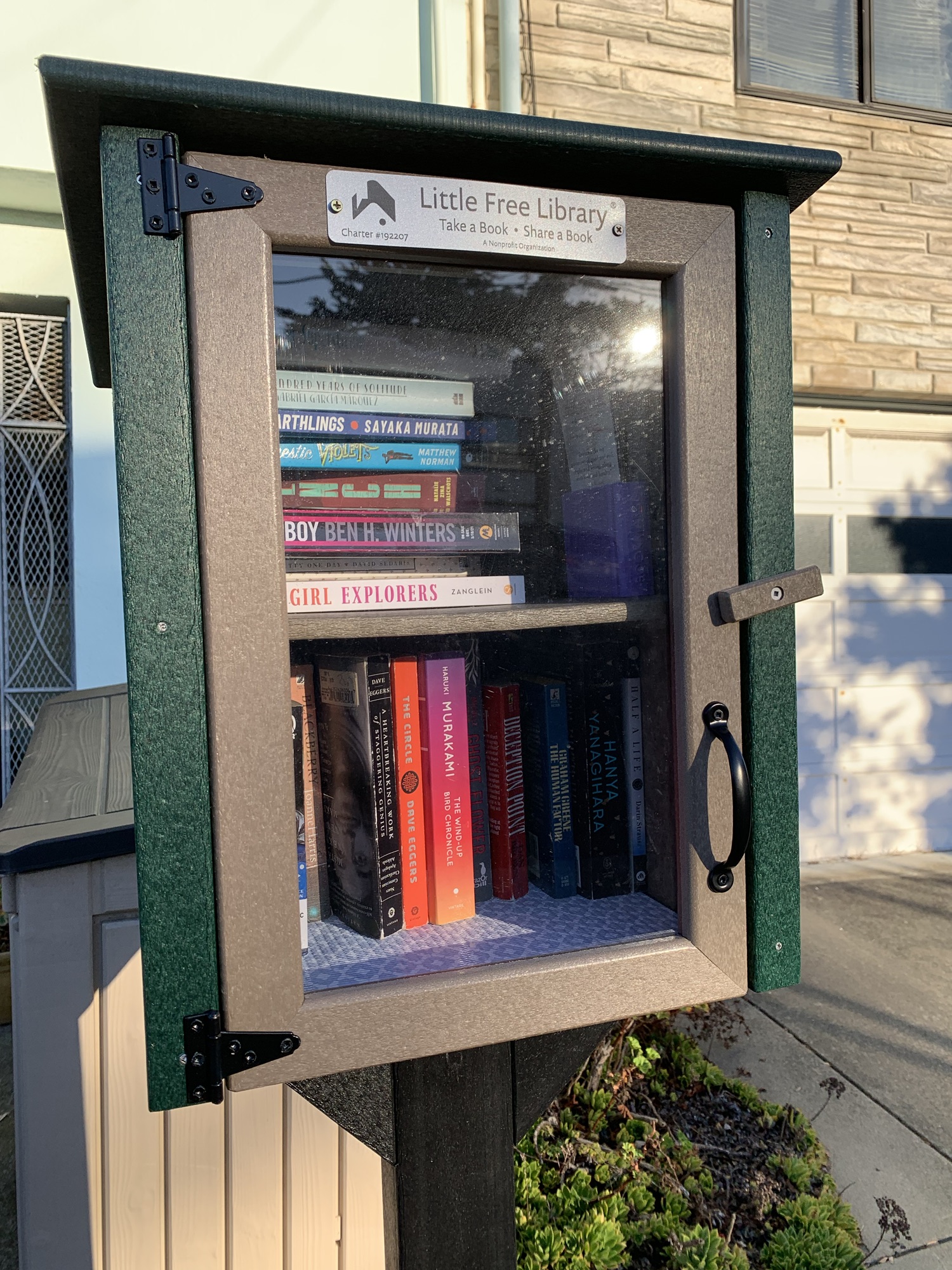
I thought it might be fun to share updates on books people leave in my Little Free Library.
New this week:
One Hundred Years of Solitude by Gabriel Garcia Marquez (funny, since I just finished reading my own copy last week)
A Heartbreaking Work of Staggering Genius by Dave Eggers
The Circle by Dave Eggers
The Wind-Up Bird Chronicle by Haruki Murakami
To Paradise by Hanya Yanagihara
Strider by Beverly Cleary
Looks like someone must have been offloading their literary fiction! And it’s sweet to see a children’s classic in the mix as well. A few unwanted books showed up that I’ve already removed, including a couple of super flimsy guides to real estate deals. Why leave those in a LFL???
What will I be reading during the coming week?
Currently in my hands:
An Old-Fashioned Girl by Louisa May Alcott: My current Classics Club Spin book!
Now playing via audiobook:
Coming Home by Brittney Griner: I’ve been waiting for my library hold for this audiobook for months now, and it’s finally available! I started it yesterday — it’s really personal and powerful to listen to.
Ongoing reads:
None right now! My book group’s next classic read starts early December — and meanwhile, it’s kind of nice to have no “obligation” books to worry about.
Title: The Beach Trap Author: Ali Brady Publisher: Berkley Publication date: June 14, 2022 Length: 384 pages Genre: Contemporary fiction / romance Source: Library Rating:
⭐⭐⭐⭐
Rating: 4 out of 5.
Two best friends torn apart by a life-altering secret. They have one summer to set the record straight.
When twelve-year-olds Kat Steiner and Blake O’Neill meet at Camp Chickawah, they have an instant connection. But everything falls apart when they learn they’re not just best friends—they’re also half-sisters. Confused and betrayed, their friendship instantly crumbles.
Fifteen years later when their father dies suddenly, Kat and Blake discover he’s left them a joint inheritance: the family beach house in Destin, Florida. The two sisters are instantly at odds. Blake, who has recently been demoted from regular nanny to dog nanny, wants to sell the house, while social media influencer Kat is desperate to keep the place where she had so many happy childhood memories.
Kat and Blake reluctantly join forces to renovate the dilapidated house with the understanding that Kat will try to buy Blake out at the end of the summer. The women clash as Blake’s renovation plans conflict with Kat’s creative vision, and each sister finds herself drawn into a summer romance. As the weeks pass, the two women realize the most difficult project they face this summer will be coming to grips with their shared past, and learning how to become sisters.
I’m a sucker for books with a connection to summer camps… and from the opening chapter, when twelve-year-old besties spend a glorious summer at camp together, only to have their friendship end disastrously, I knew The Beach Trap would be a book for me.
When Blake and Kat meet at Camp Chickawah**, they become best friends right away — but when Kat’s father comes to pick her up early due to a death in the family, the girls make a shattering discovery: Kat’s dad is Blake’s dad too. Blake’s mom had been “the other woman”, and while Blake has happy childhood memories of time with her dad, that all ended when her mother died in a tragic accident, and her father never came for her. Rather than bringing the girls closer, the discovery of their half-sister status permanently drives them apart, and Kat refuses to respond to any of the letters Blake sends her in the months following camp.
**If the name Camp Chickawah seems familiar, then perhaps you’ve read the authors’ most recent book, Until Next Summer, in which the camp and its staff members take center stage. (It’s a lot of fun!)
Fifteen years later, their father has died, and his will reveals a startling bequest: He’s left the family’s Florida beach house to both his daughters, to share 50/50.
Blake is a stressed-out nanny for a wealthy family, working long hours to pay for her grandfather’s assisted living facility. Kat is a social media influencer (ugh), making enough to support herself, but not quite at a point where she can count on financial security. Blake assumes they’ll sell the beach house, or Kat can buy her out — but either way, the proceeds will help ensure that she can continue to care for her grandfather. Kat sees the beach house as a reminder of rare happy childhood memories, and wants to keep it — and also, it might make a great home reno project to enhance her feeds and help her nab a coveted corporate sponsorship.
When Blake and Kat meet at the beach house, they’re dismayed to find the place in shambles. The only way to turn it around and make it at all viable for sale is to repair, renovate, and redecorate. Kat has the funds; Blake has the time (since the family she nannies for is spending the summer in France) and the skills, thanks to the years she spent learning at her grandfather’s side. While there’s palpable tension and animosity between the two women, they know neither can move forward without the other’s cooperation, and they work out a deal. They’ll alternate weeks at the house, Blake will handle most of the actual work, and Kat will have final say on all decor decisions.
After achieving a tense détente of sorts, they move forward. As the summer progresses, and they start having to communicate and spend together, tentative connections are rebuilt. They once loved each other — who will they be to one another now?
I really enjoyed seeing Kat and Blake work their way back toward friendship, and more. Both grew up lonely; both grew up hungry for the love and attention of a distant father, who cause each one intense emotional pain in the aftermath of the big revelation years earlier. While having very different backgrounds and upbringings, Kat and Blake connect on a deeper level. It’s lovely seeing them work through the hurt and misunderstandings, and start to realize how much time they both spent blaming one another for things outside of their control.
Each woman also finds romance over the course of the summer, but one thing I really appreciate in this book (and in the other Ali Brady book I’ve read, Until Next Summer) is that romance is secondary to friendship. The romantic relationships and storylines are great, but it’s the friendship and sisterhood between Kat and Blake that drive this book and give it its emotional impact and joy.
Where The Beach Trap falls a little short for me has mainly to do with Kat’s character. Bluntly put, she’s hard to like. First off, having a social media influencer as a main character is an instant turn-off for me. (Side note — I feel like contemporary romances have a higher proportion of influencers as characters than is representative of the demographic in real life…) Kat’s whole shtick for most of the book is summed up by her tagline, “life is a fashion show”. She eventually learns to appreciate the messiness of life and what it means to connect, and revises her philosophy — but it’s a fairly quick turnaround, not entirely believable. I’m glad she ended up in a better place, but her attitude for much of the book is very hard to take.
Overall, however, I liked The Beach Trap a lot. The story moves quickly, the setting is terrific, and I loved the dynamic of these sisters finding a way to salvage the defining pain of their separate lives and find a way forward together.
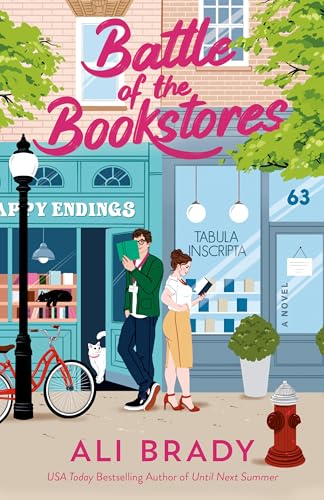
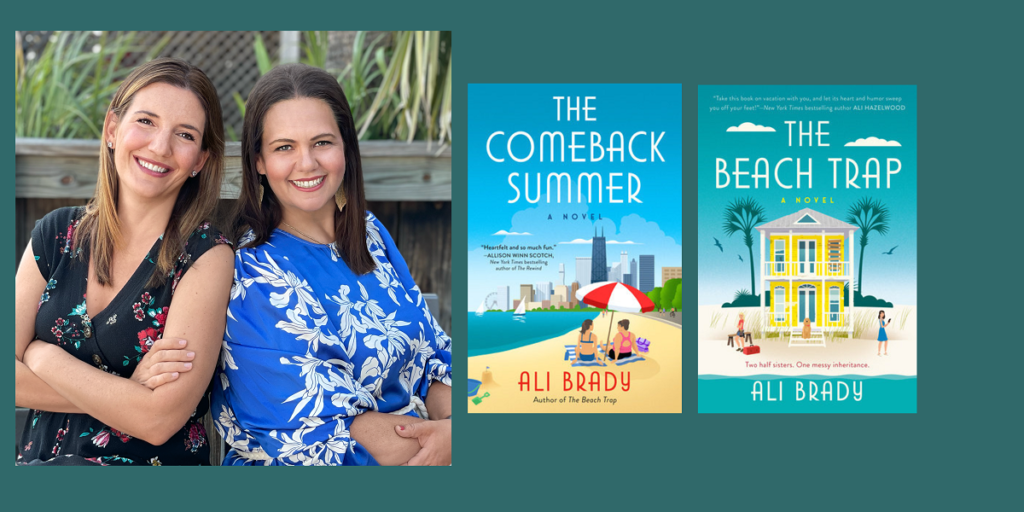
I’ve now read two books by this author duo, and look forward to more! There’s one more book I haven’t read that’s currently available (The Comeback Summer), and an upcoming new book to be released in 2025 (Battle of the Bookstores). I plan to read them both!
About the authors: Ali Brady is the pen name of writing BFFs Alison Hammer and Bradeigh Godfrey. The Beach Trap is their first book together. Alison lives in Chicago and works as a VP creative director at an advertising agency. She’s the author of You and Me and Us and Little Pieces of Me. Bradeigh lives with her family in Utah, where she works as a physician. She’s the author of the psychological thriller, Imposter.

















 Bookshelf Fantasies