The Monday Agenda 5/26/2014

MondayAgendaNot a lofty, ambitious to-be-read list consisting of 100+ book titles. Just a simple plan for the upcoming week — what I’m reading now, what I plan to read next, and what I’m hoping to squeeze in among the nooks and crannies.

How did I do with last week’s agenda?

The Girls at the Kingfisher ClubThe FarmTrouble

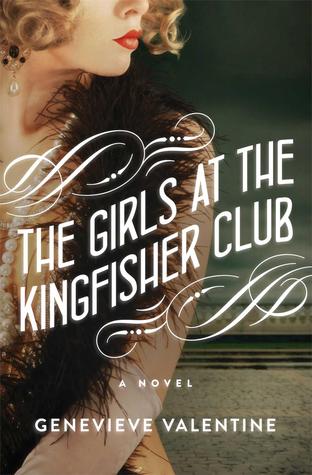
The Girls At The Kingfisher Club by Genevieve Valentine: Done! My review is here.

The Farm by Tom Rob Smith: Done! My review is here.

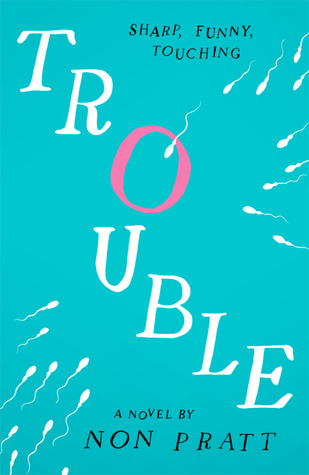
Trouble by Non Pratt: At about the 50% point, and liking it a lot so far.

13th childThe kiddo and I are continuing on with Thirteenth Child by Patricia C. Wrede. Moving sloooooowly. Not the book’s fault; we just seem to have a hard time lately finding time to sit down and read.

Fresh Catch:

Bunches of new (but mostly used) books this week:

The Witch of Little ItalyWhat Alice ForgotMy Real ChildrenHollow City (Miss Peregrine's Home for Peculiar Children, #2)

Elsewhere on the blog:

I shared my thoughts about stats, page views, and whether numbers matter — chime in here to share your input!

What’s on my reading agenda for the coming week?

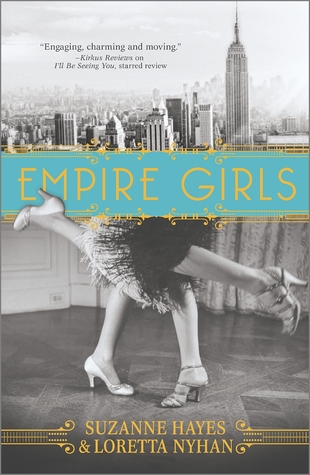
The Girl with All the GiftsBittersweetEmpire Girls

First up, I need to read the rest of  Trouble by Non Pratt, which I’m really enjoying.

After that, I’m looking forward to reading:

The Girl With All The Gifts by by M. R. Carey

Bittersweet by Miranda Beverly-Whittemore

Empire Girls by Susanne Hayes & Loretta Nyhan

I have no idea if I’ll actually get to more than one or two books this week, but it’s nice to have a goal!

And also in the works:

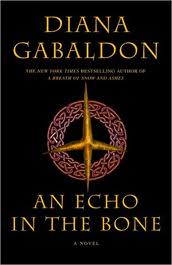
echoThe Outlander Book Club’s re-read of An Echo in the Bone by Diana Gabaldon continues! Coming up this week: Chapters 94 – 97 (no chapter on Memorial Day). The end is in sight!

Outlander love:

Image

What do you think? Is it possible to have too many Outlander references? (Image via Starz)

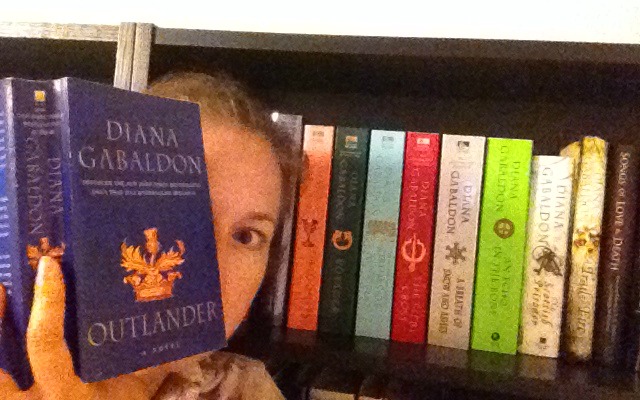
And adding to the Outlander mania, here’s my Outlander-themed “shelfie”:

shelf2cropped

So many book, so little time…

That’s my agenda. What’s yours? Add your comments to share your bookish agenda for the week.

boy1

Book Review: The Farm by Tom Rob Smith

Book Review: The Farm by Tom Rob Smith

The FarmFamily loyalties, secrets and conspiracies, and questions about mental health lie at the center of the new novel The Farm by author Tom Rob Smith. In this compulsively readable book, the reader is left to wonder just what is true and what is delusion, and unraveling the hints and clues makes for a reading experience that’s hard to walk away from once started.

In The Farm, 20-something Daniel lives in a beautiful apartment in London, supported by his older boyfriend Mark — the boyfriend that he just never seems to find the right time to mention to his parents, especially now that they’ve retired from their gardening business and moved to a farm in Sweden. Although Daniel remembers his childhood as peaceful and happy, he’s drifted away from his parents in recent years, allowing miles and his own secret to create a distance that becomes harder and harder to bridge.

As the story opens, Daniel receives a shocking phone call from his father, telling him that his mother Tilde is in the hospital, having suffered a mental collapse, and is now institutionalized and being treated for a psychotic episode. No sooner does Daniel get off the phone to arrange for a flight to Sweden than he gets another call, this one from his mother, pleading with Daniel not to believe his father’s lies and informing him that she’s on her way to London, where she’ll explain everything.

Tilde’s arrival rocks Daniel to the core. His always cheerful, together mother arrives looking bedraggled and spouting wild comments about conspiracies and crimes. She claims to have proof — a battered leather satchel that she won’t allow out of her grasp. She warns Daniel that they must not allow his father to find them, as he and his partners in crime are determined to lock her away and discredit her as part of their own cover-up.

What’s Daniel to do? His mother’s tales sound too wild to be believed, yet there’s something there that compels him to listen. She’s clearly unstable, and as she displays her evidence and lays out her story, she does sound unhinged — but her tale has enough rationality in it that Daniel can’t dismiss it outright. As Tilde goes further and further into her story, it’s clear that something unexpected happened in Sweden, and that the peaceful country retirement went very wrong, very quickly. But every shred of Tilde’s evidence can be explained away, so who is to be believed? Is Tilde a sick woman, in need of commitment to a mental facility for her own well-being? Or is she a woman who’s been set up to take the fall in order to keep a dark underbelly of depraved acts hidden from view?

Reading The Farm, we’re as torn as Daniel. Much of what Tilde says has a ring of truth, and obviously she believes wholeheartedly in what she’s saying. There are enough errant facts to indicate that something was amiss in the small Swedish community where the couple had hoped to make their home. And yet, Tilde’s wild distractions, her grasping for meaning in small inconsequentialities, leave us to wonder whether Daniel’s father might have been right all along.

I won’t spoil anything by going into an explanation of how it all works out. Daniel’s task is to unravel his mother’s stories before his father shows up to have her committed again, and it’s up to Daniel to figure out where the truth lies. The reader is along for the ride, seeing the bits and pieces as Daniel does, and over the course of the book, trying to fit together the puzzle pieces in order to see the greater whole.

The Farm has a darkness to it, woven in among the domestic details of a seemingly simple life. The empty landscapes of remote Sweden have a sinister overtone, and even the supposed richness of the land and the nearby river betray Tilde, as nothing works out for her as she’d envisioned. The purity of self-sustaining country life that she’d dreamed of is nothing but illusion, and the remoteness of the farm doesn’t shield Tilde and her husband Chris from the pressures and politics of the local farming community and its more influential members. The writing conveys the bleakness and isolation of the farm, the stark beauty of the Swedish countryside adding an element of mythical danger with its deep, dark forests.

There’s a darkness, too, in the depiction of Daniel’s happy family. He remembers a perfect childhood in which his parents never argued or showed signs of the slightest disagreement. He also believed his parents to be completely happy. Sure, some oddities are there — Daniel grew up without siblings or any relatives, his mother being estranged from the parents in Sweden whom she’d left decades earlier. As Daniel uncovers the secrets and lies within his parents’ marriage, he also is forced to confront his own need for secrecy and accept his role in creating the emotional chasms between him and his parents that allowed this crisis to go so far without his knowledge.

The author keeps us on our toes. Like Daniel, we spend much of the book listening to Tilde try to convince us that what she thinks happened is what really happened. The writing here shifts between Daniel’s observations of his mother’s behavior and longer segments in which we hear Tilde’s first person account. This is the unreliable narrator device at its best, serving to keep us off-balance, torn between wanting to believe and knowing something is just… off.

I enjoyed The Farm very much. It’s a quick read, and really impossible to put down once you start. I couldn’t stop thinking about Tilde’s story, knowing that what she says can’t be entirely true, yet knowing too that there must be an answer as to why she believes what she believes — and that even if she is unreliable, there’s enough that’s questionable in her tale to show that something isn’t right at the farm. Perhaps the big, dark secrets and the unraveling of the mysteries weren’t quite as huge as I’d expected; still, the truth that emerges is devastating in its own quiet way. The ending of The Farm is entirely satisfying, true to the characters and adding a sad logic to all of the events we’d heard about.

_________________________________________

The details:

Title: The Farm
Author: Tom Rob Smith
Publisher: Grand Central Publishing
Publication date: June 3, 2014
Length: 368 pages
Genre: Mystery/thriller
Source: Review copy courtesy of Grand Central Publishing via NetGalley

A Little? A Lot?

I was bouncing around the blogosphere earlier this week, and came across something that has been stuck in my brain for a few days now.

I stopped by one of the big book blogs — one of the very well-established ones with a bazillion followers — and was reading a recent piece about staying motivated as a blogger. All good stuff. But one of the bullet points had a passing comment advising bloggers to refrain from laughing when they see other bloggers getting excited over getting 100 page views in a day.

Hmmmm.

To me, this seemed to imply that 100 page views is nothing to get excited about. Sure, maybe for newbies, but “real” bloggers know that this is small potatoes.

Granted, the post I was reading didn’t actually say this, but it seemed to be the sub-text — at least, that’s how I took it.

And my reaction was — wait, what???

I’ve been blogging for almost two years now, and I freely admit that I’m not a super ambitious blogger working my butt off for better stats. I do check my stats, probably more than I should, but I constantly remind myself that I blog for the sake of expression and to exchange ideas with new friends and far-flung booklovers, not in the pursuit of numbers and followers. Still, it is a boost to my spirits when I see my page view numbers go up in response to a post I worked hard on — and it’s always a fun surprise to see which posts get the most views. It’s not always what I’d have expected!

But I’m happy with 100 page views a day. Granted, more is nice — but it hadn’t occurred to me that what I get excited about might be laughable to others.

Honestly, I know it doesn’t matter much. The question is, am I having fun blogging? Am I writing about topics that inspire me? Am I reading good books? Am I interacting with other readers and bloggers in a way that makes me feel engaged and a part of a bigger whole? And the answer to these questions is yes! Maybe not every single day, but for the most part I feel good about what I’m doing and how far I’ve come since I first started blogging, which was mostly on a whim.

Still, it’s hard to maintain good cheer sometimes. Occasionally, I’ll visit a new (to me) blog and happen to see that they have 1,000 Bloglovin’ followers or some astronomical numbers of total blog followers, and it’s hard not to start feeling dispirited. Because the takeaway for me seems to be: Oh, I thought I was doing pretty well… but maybe not.

It’s just like I’ve always told my kids: Don’t compare yourself to others — compare yourself to yourself, and try to do your own personal best. That’s what victory really looks like.

Nice platitude. It’s hard to internalize, though.

The bottom line for me is that I need to be satisfied with my own efforts and feel like I’m doing what I want to be doing. I don’t have the time or energy to devote massive amounts of either to promotional efforts, spreading the word constantly via social media platforms, or some of the other approaches I’ve seen advocated as keys to getting bigger numbers. I applaud those who can pull this off — I really do! I just know that I have limits, and get too stressed if I take on too much.

What’s the point of this post? I guess I’m both doing a public affirmation, saying I need to be happy with my own successes and not worry about stats and page view counts… and I also wanted to reach out and see how others feel.

Do you focus on numbers? What constitutes success for you and your blog? And how do you keep from feeling down when you realize that your idea of a really great blog day might be someone else’s small potatoes?


Flashback Friday: Cry to Heaven

ffbutton2Flashback Friday is a weekly tradition started here at Bookshelf Fantasies, focusing on showing some love for the older books in our lives and on our shelves. If you’d like to join in, just pick a book published at least five years ago, post your Flashback Friday pick on your blog, and let us all know about that special book from your reading past and why it matters to you. Don’t forget to link up!

This week on Flashback Friday:

PicMonkey Collage0522Cry to Heaven by Anne Rice
(published 1982)

 Synopsis (Goodreads):

Anne Rice brings to life the exquisite and otherworldly society of the eighteenth-century castrati, the delicate and alluring male sopranos whose graceful bodies and glorious voices brought them the adulation of the royal courts and grand opera houses of Europe, men who lived as idols, concealing their pain as they were adored as angels, yet shunned as half-men.

As we are drawn into their dark and luminous story, as the crowds of Venetians, Neopolitans, and Romans, noblemen and peasants, musicians, prelates, princes, saints, and intriguers swirl around them, Anne Rice brings us into the sweep of eighteenth-century Italian life, into the decadence beneath the shimmering surface of Venice, the wild frivolity of Naples, and the magnetic terror of its shadow, Vesuvius.

In the nine years between publication of Interview With the Vampire, the first of Anne Rice’s Vampire Chronicles novels, and the second, The Vampire Lestat, Anne Rice wrote a couple of stand-alone novels, which seem to be mostly forgotten today — but which are startlingly original and with quite unusual (to say the least) subject matter.

Cry to Heaven focuses on the young men, castrated before puberty, who rose to the highest levels of celebrity in the 18th century as opera singers. Admired for their pure voices and lusted after by all sorts, the lives of the castrati are explored here in a novel full of passion, pain, and drama.

For those who only associate Anne Rice with the supernatural, it may be a pleasant surprise to see her talents applied to historical fiction here in one of her earliest works. Cry to Heaven is quite unusual, but also quite unforgettable.

What flashback book is on your mind this week?

Note from your friendly Bookshelf Fantasies host: To join in the Flashback Friday fun:

  • Grab the Flashback Friday button
  • Post your own Flashback Friday entry on your blog (and mention Bookshelf Fantasies as the host of the meme, if you please!)
  • Leave your link in the comments below
  • Check out other FF posts… and discover some terrific hidden gems to add to your TBR piles!

♥♥♥♥♥♥♥♥

Do you host a book blog meme? Do you participate in a meme that you really, really love? I’m building a Book Blog Meme Directory, and need your help! If you know of a great meme to include — or if you host one yourself — please drop me a note on my Contact page and I’ll be sure to add your info!

Thursday Quotables: The Girls at the Kingfisher Club

quotation-marks4

Welcome back to Thursday Quotables! This weekly feature is the place to highlight a great quote, line, or passage discovered during your reading each week.  Whether it’s something funny, startling, gut-wrenching, or just really beautifully written, Thursday Quotables is where my favorite lines of the week will be, and you’re invited to join in!

The Girls at the Kingfisher Club: A Novel

The Girls at the Kingfisher Club by Genevieve Valentine
(to be released June 3, 2014)

A magical beginning:

By 1927 there were twelve girls who danced all night and never gave names, but by then the men had given up asking and called them all Princess.

“Hey, Princess, dust off your shoes? It’s the Charleston!”

The men would have called them anything they wanted to be called, Dollface or Queenie or Beloved, just to get one girl on the dance floor for a song. But in that flurry of short dresses and spangles and ribbon-tied shoes, Princess was the name that suited; it seemed magical enough, like maybe it was true.

What’s it all about?

Controlling father. Twelve daughters hidden away… who find freedom in nightly escapes to dance halls. Worn out shoes. Sound familiar? Don’t miss this Jazz Age retelling of the Twelve Dancing Princesses fairy tale! And if you’d like to know more, check out my review, here.

What lines made you laugh, cry, or gasp this week? Do tell!

If you’d like to participate in Thursday Quotables, it’s really simple:

  • Write a Thursday Quotables post on your blog. Try to pick something from whatever you’re reading now. And please be sure to include a link back to Bookshelf Fantasies in your post (http://www.bookshelffantasies.com), if you’d be so kind!
  • Leave your link in the comments — or, if you have a quote to share but not a blog post, you can leave your quote in the comments too!
  • Visit other linked blogs to view their Thursday Quotables, and have fun!

Book Review: The Girls at the Kingfisher Club by Genevieve Valentine

Book Review: The Girls at the Kingfisher Club by Genevieve Valentine

The Girls at the Kingfisher Club: A NovelIn this fairy tale retelling, author Genevieve Valentine takes the classic story of the Twelve Dancing Princesses and transplants it to Jazz Age Manhattan, with a result that is equal parts captivating and frustrating.

The Twelve Dancing Princesses was always one of my favorite fairy tales. In a nutshell: A king with twelve daughters locks the princesses into their chamber each night, but each morning finds that their shoes are worn completely through. He offers the pick of the princesses to any suitor who can find out for him how the girls wear out their shoes — but anyone who tries and does not succeed must die. Prince after prince fails to figure out the secret, until finally one man comes who manages to outwit the princesses and follows them to a secret castle where they dance all night until their shoes are worn through. Ta da! He wins the hand of a princess and the kingdom besides. The end.

In The Girls at the Kingfisher Club, the father is no king, but a wealthy, grasping businessman trying to break into high society. His wife produces daughter after daughter, much to his dissatisfaction, so he keeps her pregnant, time and again, until after twelve failed attempts at a son and heir, his frail wife finally gives up the ghost.

And the girls? Each girl is sent upstairs to be raised among her sisters, with a tiny allowance for clothing, a meager library to learn the basics, and strict requirements that they be neither seen nor heard. The girls are hidden away from the world, kept indoors and educated first by tutors, then later by the older sisters, with no hope and no way out. The oldest sister, Josephine (Jo), serves as liaison, summoned a few times a year into her father’s presence to give reports, receive any orders, and then sent back to enforce her father’s rules.

But as the girls age, their frustration grows, and Jo knows it’s only a matter of time until her sisters run away or act rashly enough to bring disaster down on all of them — and so she figures out a release for them all. Jo learns to dance by sneaking off to see movies, then teaches her sisters, and eventually starts sneaking the girls out of the house at midnight to dance the night away at Manhattan’s hidden speaky-easys and dance halls.

Jo is known amongst her sisters as the General — the one in charge, demanding instant obedience, running their days and nights. Jo determines which nights they go out. Jo gets the cabs, Jo sets the rules: Flirt, but don’t give a man your name. Have fun, but don’t get romantically involved. Above all else, always be ready to run, and know where the exits are. The dance halls are glitzy and glamorous, and the beautiful, exotic girls with no names — affectionately nicknamed “the Princesses”  — are the talk of the town, but there’s a constant risk of police raids, or even worse, having their father find out what they’re up to.

When their father finally decides to assert his control in new and awful ways once his daughters are of marriageable age, the sisters have to figure out how to survive — and Jo has to both let go and start to live for herself, rather than putting her own needs after those of her sisters.

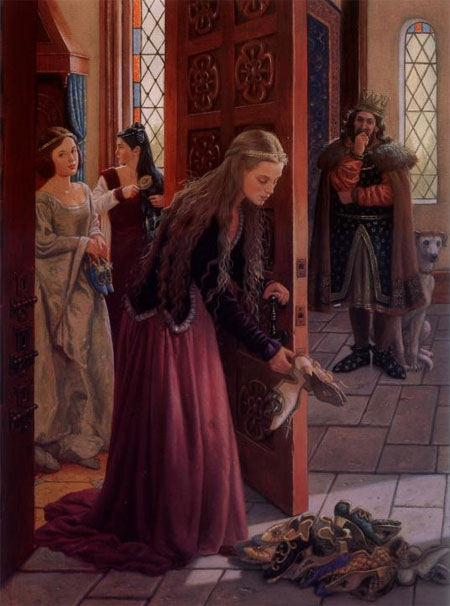
Here's the version I remember, from The Twelve Dancing Princesses by Ruth Sanderson

Here’s the version I remember, from The Twelve Dancing Princesses by Ruth Sanderson

There’s a lot to like about The Girls at the Kingfisher Club. In this mostly successful retelling, the fairy tale works well in its new setting. There’s a terrible logic to the father’s cruelty and tyranny, and the girls’ lives are uniformly dull and drab except for their nightly escapes. The dance halls are described in all their decadent 1920s glory — no wonder the sisters come to life on the dance floor, dancing the Charleston with enchanted admirers, always the belles of the ball, living fully in the moment. The era is a smart choice for this story, a time when women started emerging into something like independence, yet often chained to their fathers or husbands by complete financial dependence and a society that viewed strong women as depraved, or worse, mentally unstable.

Where the novel is less successful is in creating twelve distinct characters for the reader to care about. Jo is the point of view for the story, and we come to know her sisters through her eyes, but it’s difficult to differentiate one from another, particularly those we only see in passing. Certain sisters have more distinctive roles to play, but others seem to come and go with only a few lines or scenes, and it’s hard to remember who’s who or what’s special about each one.

The narrative style is somewhat choppy, so that while some passages and chapters keep the feeling of  a fairy tale in their descriptions — telling the story in broad strokes that seem like an outsider’s perspective on an enchanted world — other chapters bog down and feel sluggish. The book suffers a bit from a lack of intimacy. Perhaps because there are so many girls to keep track of, none seem very knowable, and I didn’t end up feeling connected emotionally to any of the characters, thus making the stakes of the story less compelling than they should have been.

Did I enjoy The Girls at the Kingfisher Club? Yes, quite a bit. Still, something was lacking, and the story always felt as thought it was unfolding at a distance. I wanted to know what happened, but I wasn’t invested in any one of the sisters enough — even main character Jo – to make the story feel the urgency it should have by the end.

Still, if you enjoy reading about the roaring 20s and relish the thought of a flapper-era fairy tale, check out The Girls at the Kingfisher Club. For those who always wanted to be one of the royal, glamorous sisters who dance the night away, this book offers a fresh spin on an old tale — and if nothing else, will make you want to dust off your copy of the Brothers Grimm.

_________________________________________

The details:

Title: The Girls at the Kingfisher Club
Author: Genevieve Valentine
Publisher: Atria Books
Publication date: June 3, 2014
Length: 288 pages
Genre: Adult fiction/historical fiction
Source: Review copy courtesy of Atria Books via NetGalley

Wishing & Waiting on Wednesday: Close Your Eyes, Hold Hands

There’s nothing like a Wednesday for thinking about the books we want to read! My Wishing & Waiting on Wednesday post is linking up with two fabulous book memes, Wishlist Wednesday (hosted by Pen to Paper) and Waiting on Wednesday (hosted by Breaking the Spine).

My pick for this week is:

Close Your Eyes, Hold Hands

Close Your Eyes, Hold Hands by Chris Bohjalian
(to be released July 8, 2014)

Synopsis via Goodreads:

A heartbreaking, wildly inventive, and moving novel narrated by a teenage runaway, from the bestselling author of Midwives and The Sandcastle Girls.

Close Your Eyes, Hold Hands is the story of Emily Shepard, a homeless girl living in an igloo made of garbage bags in Burlington. Nearly a year ago, a power plant in the Northeast Kingdom of Vermont had a meltdown, and both of Emily’s parents were killed. Devastatingly, her father was in charge of the plant, and the meltdown may have been his fault—was he drunk when it happened? Thousands of people are forced to leave their homes in the Kingdom; rivers and forests are destroyed; and Emily feels certain that as the daughter of the most hated man in America, she is in danger. So instead of following the social workers and her classmates after the meltdown, Emily takes off on her own for Burlington, where she survives by stealing, sleeping on the floor of a drug dealer’s house, inventing a new identity for herself, and befriending a young homeless kid named Cameron. But Emily can’t outrun her past, can’t escape her grief, can’t hide forever-and so she comes up with the only plan that she can.

I hadn’t heard anything about this upcoming new release from Chris Bohjalian until I started working on my Flashback Friday post last week about one of the author’s earliest bestsellers, Midwives. Over the years, he’s written books on a wide variety of subjects, and in genres including contemporary fiction, historical fiction, and even horror. Close Your Eyes, Hold Hands sounds completely new and different — and absolutely fascinating. I can’t wait to read this story of a teen-aged girl living on her own after a nuclear disaster. I can’t even imagine how she survives and deals with her new reality, but I’m really looking forward to finding out.

What are you wishing for this Wednesday?

Looking for some bookish fun on Thursdays and Fridays? Come join me for my regular weekly features, Thursday Quotables and Flashback Friday! You can find out more here — come share the book love!

♥♥♥♥♥♥♥♥

Do you host a book blog meme? Do you participate in a meme that you really, really love? I’m building a Book Blog Meme Directory, and need your help! If you know of a great meme to include — or if you host one yourself — please drop me a note on my Contact page and I’ll be sure to add your info!

Top Ten Tuesday: Top Ten Books About Friendship

fireworks2

Top Ten Tuesday is a meme hosted by The Broke and the Bookish, featuring a different top 10 theme each week. This week’s topic is Top Ten Books About Friendship… and it was a surprisingly difficult list to put together! Every time I had an idea about a book to include, I’d realize that it ended up as a love story or a family story. In fact, it was hard to come up with a selection of books that didn’t focus on romance or wasn’t about siblings — but that really just place the emphasis on friendship. But after much torment and scouring of my real and virtual bookshelves, here’s what made my list this week:

PicMonkey Collage2

1) Charlotte’s Web by E. B. White: I don’t think there’s a better friend in fiction than Charlotte the spider. And I’m sure Wilbur would agree.

2) The Fellowship of the Ring by J. R. R. Tolkien: A motley band, to be sure, but from a group of strange companions, the fellowship develops into a deeply devoted band of friends.

3) Code Name Verity: Sigh. Julia and Maddie. Tears. Oh my.

4) The Harry Potter series: This probably belongs up at #1. Why was Harry able to survive and triumph? Because he didn’t have to do it alone. Ron and Hermione are the best friends a young wizard could have, not to mention all the various and sundry other members of the Hogwarts gang and their extended families. (Dobby! Neville! Weasley twins!)

5) Lamb by Christopher Moore: I hope it’s not disrespectful to say that this novel about Jesus and his childhood pal Biff is one of the best buddy books I’ve ever read! Hilariously funny, and surprisingly touching as well.

6) Snow Flower and the Secret Fan by Lisa See: Just a beautiful, beautiful book about two friends in 19th century China.

7) Roomies by Sara Zarr and Tara Altebrando: This is probably the newest book on my list. I really loved the focus on two strangers getting to know one another via email before becoming college roommates — with all the revelations, secret sharing, and misunderstandings that you’d find in real life. True friendship may not be easy, but it’s worth the work!

8) Doc by Mary Doria Russell: This may seem like an odd choice, but one of my favorites things about this historical novel about Doc Holliday is the portrayal of his friendship with Wyatt Earp.

9) Buffy the Vampire Slayer (season 8 and beyond): Okay, maybe it’s a bit of a cheat, but I love the comic series that picks ups where the TV series left off — and as with Harry Potter, the secret of Buffy’s success is her gang of friends. Where would Buffy be without the Scoobies?

10) And finally, for a unique look at friendship gone wrong, check out the darkly comic The Basic Eight by Daniel Handler.

PicMonkey Collage3

I’m sure I missed some books that will pop into my head in the middle of the night…

What’s on your list this week? Share your links, and I’ll come check out your top 10!

If you enjoyed this post, please consider following Bookshelf Fantasies! And don’t forget to check out our regular weekly features, Thursday Quotables and Flashback Friday. Happy reading!

♥♥♥♥♥♥♥♥

Do you host a book blog meme? Do you participate in a meme that you really, really love? I’m building a Book Blog Meme Directory, and need your help! If you know of a great meme to include — or if you host one yourself — please drop me a note on my Contact page and I’ll be sure to add your info!


The Monday Agenda 5/19/2014

MondayAgendaNot a lofty, ambitious to-be-read list consisting of 100+ book titles. Just a simple plan for the upcoming week — what I’m reading now, what I plan to read next, and what I’m hoping to squeeze in among the nooks and crannies.
How did I do with last week’s agenda?

Then and Always: A NovelWe Were LiarsThe Girls at the Kingfisher Club

Then and Always by Dani Atkins. Done! My review is here.

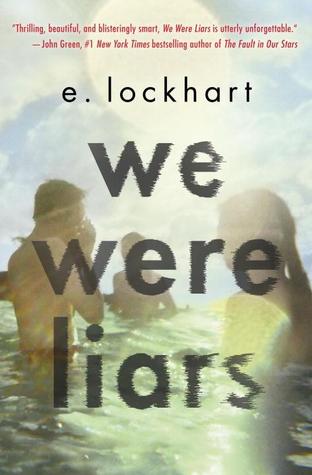
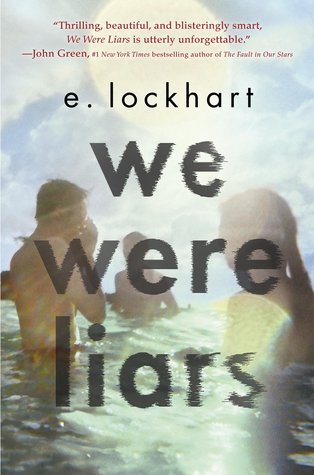
We Were Liars by by E. Lockhart: Done! My review is here.

The Girls At The Kingfisher Club by Genevieve Valentine: I’m at about the 50% mark; reserving judgment until I see where the story goes.

13th childThe kiddo and I are continuing on with Thirteenth Child by Patricia C. Wrede, although we didn’t make much progress this week.

Fresh Catch:

Bunches of new (but mostly used) books this week:

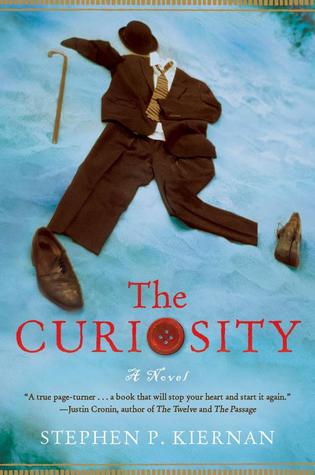
Across the Great Barrier (Frontier Magic, #2)Secrets of the Sea HouseThe Highland WitchThe BookstoreThe Cavendish Home for Boys and GirlsThe Curiosity

Elsewhere on the blog:

I started obsessing about what to read on vacation, and whether my Kindle can survive a day at the beach.

What’s on my reading agenda for the coming week?

The FarmThe Girl with All the GiftsBittersweet

This week, I’m looking forward to:

The Farm by Tom Rob Smith

The Girl With All The Gifts by by M. R. Carey

Bittersweet by Miranda Beverly-Whittemore

And also in the works:

echoThe Outlander Book Club’s re-read of An Echo in the Bone by Diana Gabaldon continues! Coming up this week: Chapters 89 – 93. It’s hard to believe we’re so close to the end!

And maybe I’ll just leave this here until August:

Image

What do you think? Is it possible to have too many Outlander references? (Image via Starz)


So many book, so little time…

That’s my agenda. What’s yours? Add your comments to share your bookish agenda for the week.

boy1

Book Review: We Were Liars by E. Lockhart

Book Review: We Were Liars by E. Lockhart

We Were LiarsThe four are inseparable: Cady, Mirren, Johnny, and Gat, and together, they are the Liars: Three cousins plus one who spend each summer on the family’s private island near Martha’s Vineyard. The Sinclairs are beautiful, strong, smart, rich — an all-American success story. Life is easy, charmed, perfect when you’re a Sinclair. The world is yours for the taking.

But there are cracks in this perfect picture, as we learn in We Were Liars. Narrated by Cady (Cadence), we get a peek behind the facade and see the ugliness and lies that permeate the Sinclair family and threaten to ruin the idyllic bliss of summers at Beechwood Island.

Looking back at her summers with the Liars, Cady recalls when Johnny’s family first brought Gat to the island during summer eight — the summer when the three cousins turned eight years old. The Sinclairs are all blond and golden-skinned; Gat, of Indian descent, is dark and to Cady’s eyes, beautiful and exotic:

His nose was dramatic, his mouth sweet. Skin deep brown, hair black and waving. Body wired with energy. Gat seemed spring-loaded. Like he was searching for something. He was contemplation and enthusiasm. Ambition and strong coffee. I could have looked at him forever.

The four become fast friends, and Gat returns year after year. The Liars are inseparable — but for Cady, it’s much more than friendship, as over the years she falls further and further in love with Gat.

But something happens during summer fifteen — something that leaves Cady in a permanent state of suffering, plagued by debilitating migraines and left without any but the barest memory of what happened one eventful night. Her mother won’t tell, and neither will any of the aunts or cousins. The doctors have said that it’s best for Cady to remember on her own — but why? What really happened?

We don’t know, and neither does Cady. And that’s about all you’ll get out of me about the plot of this stunning, shocking, unexpectedly evocative book.

Really, the less you know up front, the better. Clues pile up, but as we come to learn, Cady’s mind is a dark and twisty place, so that her statements often start off sounding like something to be take literally, only to end in heavily weighted symbolism and metaphor.

Early on, Cady describes the day her father walked out on her and her mother, packing up his belongings and then getting in the car to drive away:

Then he pulled out a handgun and shot me in the chest.

Wait, what? Oh, there’s more…

I was standing on the lawn and I fell. The bullet hole opened wide and my heart rolled out of my rib cage and down into a flower bed. Blood gushed rhythmically from my open wound,
then from my eyes,
my ears,
my mouth.
It tasted like salt and failure. The bright red shame of being unloved soaked the grass in front of our house, the bricks of the path, the steps to the porch. My heart spasmed among the peonies like a trout.

The language in We Were Liars is extraordinary. From run-of-the-mill to poetic flights of fancy, the narrative swoops up and down, taking us from a description of a simple picnic to scenes of bloody chaos that exist only in Cady’s eyes. What’s real and what isn’t is never quite a simple thing to see, and Cady’s faulty memory is just one piece of the puzzle of what’s really going on with the Sinclairs.

Woven into Cady’s stories are tellings and retellings of fairy tales and Shakespeare, and these tales have a hypnotic quality, lulling the reader until the next scene hits us over the head. In each of Cady’s fairy tales, there are princesses and a king, and the tales go in all sorts of unexpected directions, turning traditional stories on their heads and mixing in teen slang and swearing.

It’s hard to explain just what is so powerful about We Were Liars, but trust me: You want to read this book. Even though I had heard enough to know that I should brace myself for something, I still truly had my breath taken away by the developments and revelations as the plot progressed.

So don’t go reading synopses or looking for details ahead of time. Just pick up a copy and find out for yourself!

_________________________________________

The details:

Title: We Were Liars
Author: E. Lockhart
Publisher: Delacorte Press
Publication date: May 13, 2014
Length: 240 pages
Genre: Young adult fiction
Source: Review copy courtesy of Delacorte Press via NetGalley