The Monday Check-In ~ 7/3/2023

cooltext1850356879

My Monday tradition, including a look back and a look ahead — what I read last week, what new books came my way, and what books are keeping me busy right now. Plus a smattering of other stuff too.

Life.

Happy (almost) 4th of July!

I’m taking the day off today, so that makes it a four-day weekend, and who doesn’t love those? Mostly, I’ve been staying close to home, taking care of some organizing and other projects, and trying to get in some outdoor time too.

We’ll see — maybe I can convince my family to head out in the sun somewhere for a day trip on the 4th!

What did I read during the last week?

Thornhedge by T. Kingfisher: I loved this Sleeping Beauty retelling! My review is here.

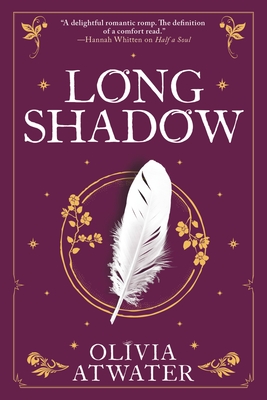
Longshadow (Regency Faerie Tales, #3) by Olivia Atwater: Sadly, this final book in the trilogy did not work for me. My review is here.

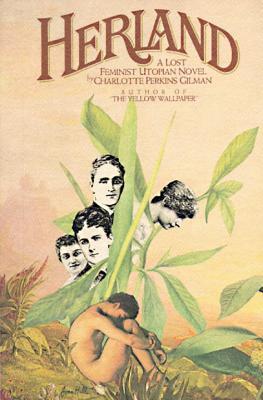
Herland by Charlotte Perkins Gilman: My Classics Club Spin book! Even though many of the concepts and ideas are now outdated, it’s fascinating to read this early 20th century take on the concept of a feminist utopia. My review is here.

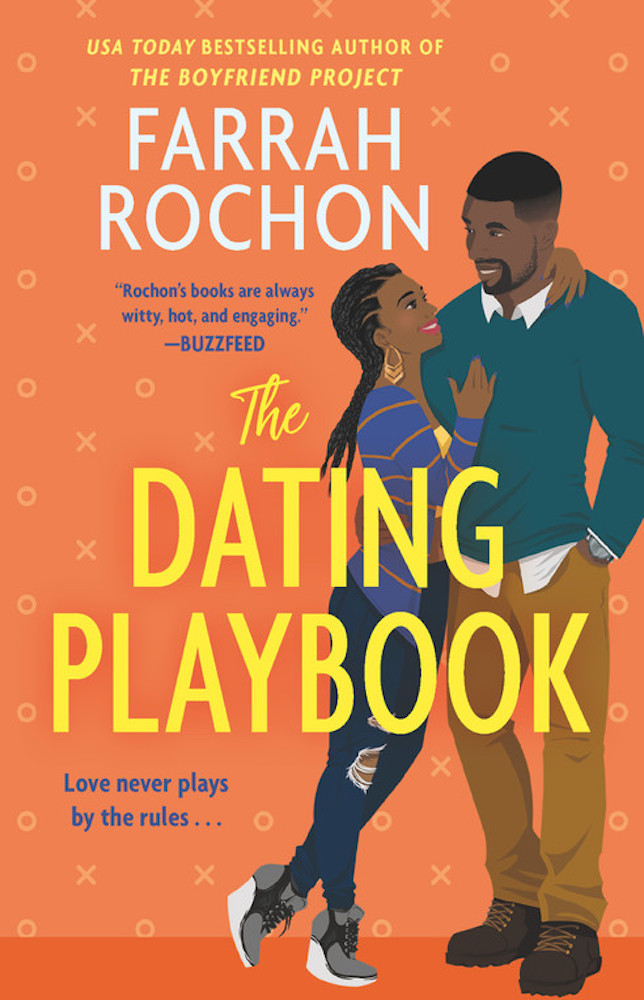
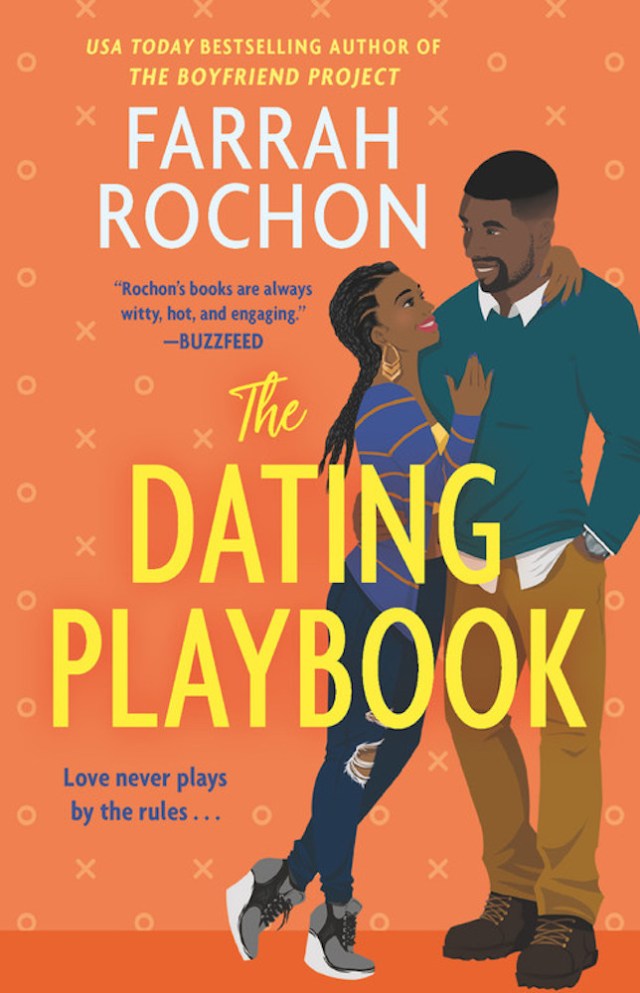
The Dating Playbook by Farrah Rochon: A fun 2nd book in a series that emphasizes friendship as well as romance. My review is here.

Pop culture & TV:

Season 7 of Outlander continues to be terrific! We’re now 3 episodes in, and I’m loving how much ground is being covered, and how well the stories are playing out on screen.

On Netflix, it’s still a Manifest project for me. I’m halfway through season 3, and then just have the (very long) final season to go. A lot of it is ridiculous… but I’m too far into it not to see it through.

Fresh Catch:

Two excited new arrivals this week. First, an advance copy of the 3-in-1 paperback bind-up of the first three books in the Wayward Children series by Seanan McGuire. This edition will be released July 18th:

And now for my precious…

I splurged and ordered this special edition of Wolfsong by TJ Klune after reading the book a few weeks ago and falling in love with the story and the characters. Look how gorgeous this is:

This is the Waterstones special edition, and I was hoping to see a similar edition for the next book in the series… but it doesn’t exist (yet??) as far as I can see.

Puzzle of the week:

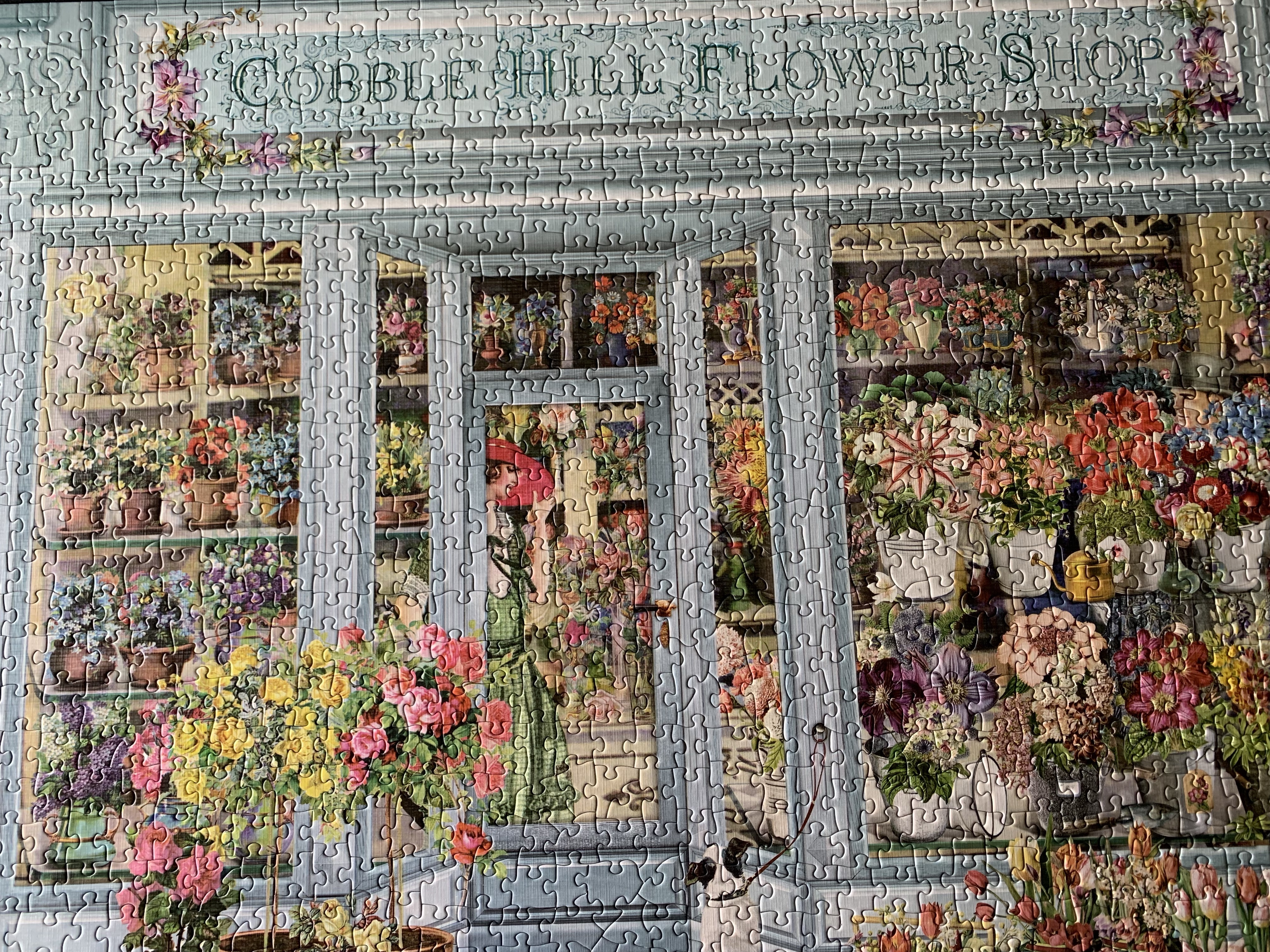
Pretty tricky, but I got it done!

I realized this week that I’ve accumulated an absolutely ridiculous number of jigsaw puzzles over the past few years, so I put up a Craigslist ad to try to sell a few. We’ll see how it goes. I don’t think I’m willing to put in the effort needed to list them all on EBay.

Has anyone else found a good way to sell (or swap) used jigsaw puzzles?

What will I be reading during the coming week?

Currently in my hands:

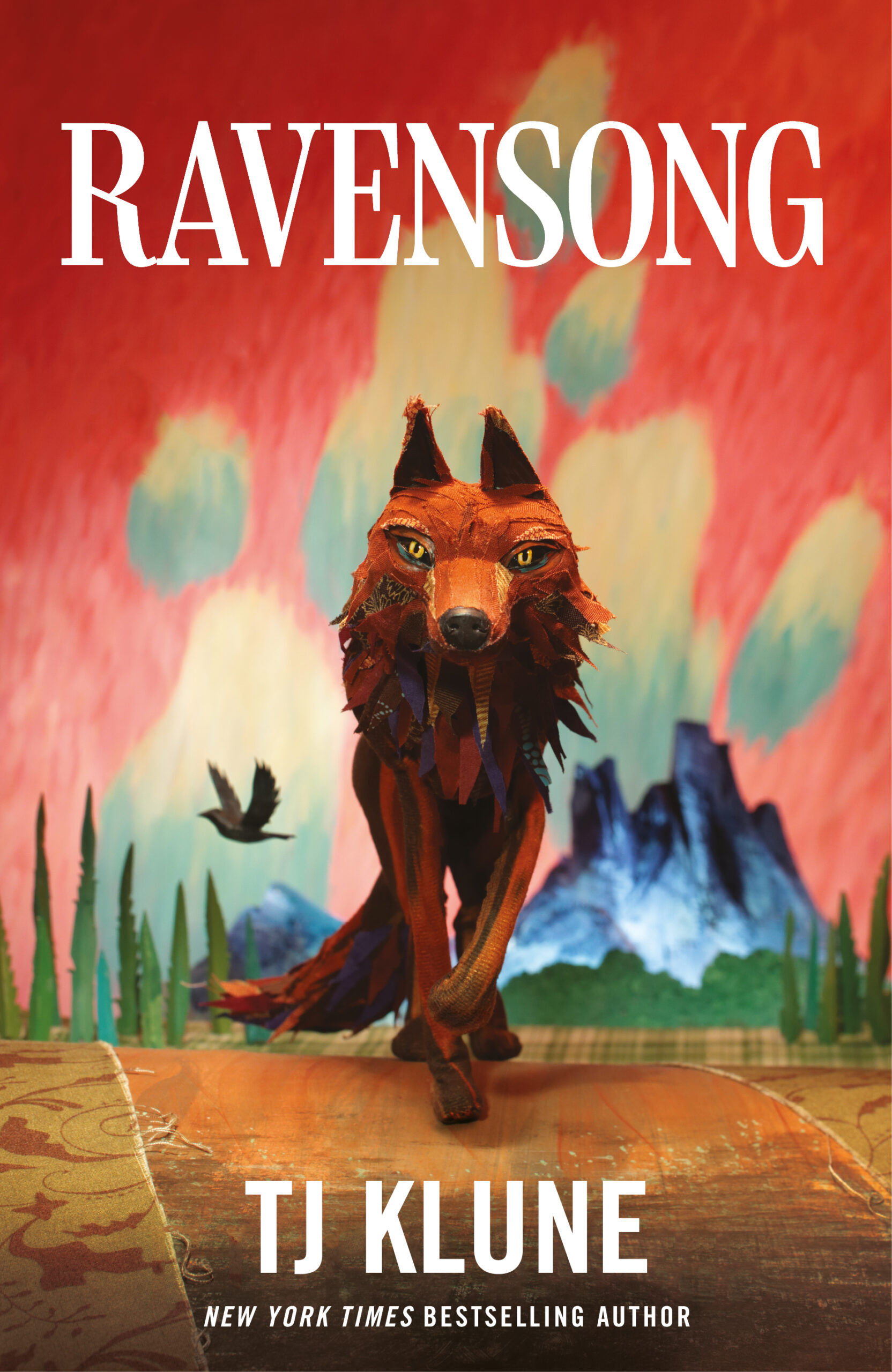
Ravensong (Green Creek, #2) by TJ Klune: A long weekend seemed like the perfect time to start a (very) long book. I love the world of this series, and I’m thrilled to be back in it.

Now playing via audiobook:

Passing by Nella Larsen: I’ve been wanting to read this book for some time now, and when I saw it available on Audible with narration by Tessa Thompson (who stars in the Netflix adaptation), I couldn’t pass it up. I’ve listened to half so far — it’s very good.

Ongoing reads:

My longer-term reading commitments:

  • Go Tell the Bees That I Am Gone by Diana Gabaldon: Over at Outlander Book Club, we’re doing a group read of BEES, reading and discussing two chapters per week. Coming up this week: Chapters 140 and 141 (of 155).
  • Cold Comfort Farm by Stella Gibbons: My book group’s new classic read — we’ll be reading and discussing two chapters per week, ending late summer. It’s really fun so far.
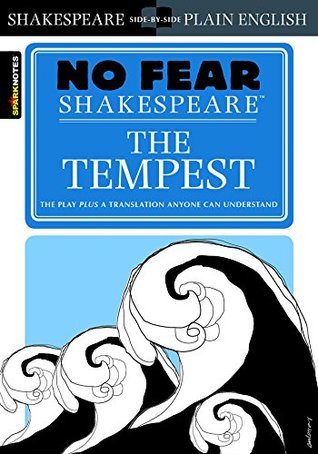
  • The Tempest by William Shakespeare (No Fear Shakespeare edition): I saw a stage version of The Tempest last year, but have never read it. I thought it might be fun to give the “no fear” edition a try. I’m enjoying reading the original text, then comparing it to the “plain English” version on the facing page. I didn’t actually make any more progress this past week — but hope to dive back in and read Act III in the next few days.

So many books, so little time…

boy1

Book Review: The Dating Playbook (The Boyfriend Project, #2) by Farrah Rochon

Title: The Dating Playbook
Series: The Boyfriend Project, #2
Author: Farrah Rochon
Publisher: Forever
Publication date: August 17, 2021
Length: 368 pages
Genre: Contemporary romance
Source: Library
Rating:

Rating: 3.5 out of 5.

When a personal trainer agrees to fake date her client, all rules are out the window in this delightful romantic comedy from the USA Today bestselling author of The Boyfriend Project!

When it comes to personal training, Taylor Powell kicks serious butt. Unfortunately, her bills are piling up, rent is due, and the money situation is dire. Taylor needs more than the support of her new best friends, Samiah and London. She needs a miracle.

And Jamar Dixon might just be it. The oh-so-fine former footballer wants back into the NFL, and he wants Taylor to train him. There’s just one catch — no one can know what they’re doing. But when they’re accidentally outed as a couple, Taylor’s game plan is turned completely upside down. Is Jamar just playing to win . . . or is he playing for keeps?

What a fun bit of escapism! In The Dating Playbook (the 2nd book in a trilogy), Taylor Powell is thousands of dollar in debt, is trying to resuscitate a floundering fitness business, and can’t seem to find a way to dig her way out of her problems. Sure, her best friends Samiah and London are supportive and more than willing to help, but Taylor wants to do it on her own… somehow.

And then Jamar Dixon shows up at her pop-up fitness class. Jamar is a former NFL player whose promising career was cut short in his first season after a devastating injury on the field. Jamar approaches Taylor with a proposition: He’s seen her YouTube videos, and is impressed with her approach to training. She’s also off the grid as far as the NFL is concerned, which is perfect for him. His goal is to work himself back into playing shape with the help of a private trainer, but keep it top-secret to avoid media scrutiny until he’s ready. He offers Taylor the job, and a hefty paycheck to go with it.

The catch? She has to agree to keep it completely secret. The payoff? In addition to earning enough to get herself out of her financial mess, Jamar will also reveal her as his trainer once he goes public and will endorse her fitness business, Taylor’d Conditioning.

When the two are spotted together and Jamar is questioned about whether Taylor is his trainer, she invents a lie on the spot — she’s not training him, she’s dating him. Despite her personal commitment to never date a client, she decides to see this fake relationship through. It’s better for Jamar this way, and she’ll still get the endorsement in the end when the truth is revealed. Meanwhile, she and Jamar put together a “dating playbook” — a way to convincingly act as a couple while secretly continuing the plan to get Jamar back to football-playing fitness levels.

The fake relationship trope doesn’t always work for me, but it’s done so well here that I was willing to buy it. There are solid enough reasons established to allow me to cheer for the ruse while also waiting for the fake-to-real transition to take place. Taylor and Jamar have oodles of chemistry, the sparks fly right from the start, and it’s only a matter of time before they give in to their feelings and mutual attraction.

One of the things I really appreciate about this trilogy (The Boyfriend Project) is how important the core friendship between Taylor, Samiah, and London is. The first book was Samiah’s story, and the third will be London’s, but in each book, all three women get together to support one another, share their joys and worries, and laugh together whenever possible. Too often, the best friend role in contemporary romance novels is tucked away in the background, but in these books, the friendship between the three women is really central to the storylines and the romantic relationships. It’s wonderful to see strong, smart women who are truly there for one another (and I can’t wait to see what happens with London in the next book).

The Dating Playbook spends maybe a bit too much time describing workouts and food planning for me, but that’s a minor complaint. I really enjoyed the main couple’s dynamics, and I appreciated the depth and seriousness applied to the central conflicts in both Taylor and Jamar’s lives.

Taylor’s situation is particularly well told. She thinks of herself as the black sheep of her high-achieving family, the disappointing child who doesn’t have the impressive careers and credentials of her siblings. As she realizes that a lack of a degree is hurting her professionally, Taylor is forced to finally consider why she hated school so much, including acknowledging that she may have an undiagnosed learning challenge at the root of her struggles.

Yes, I still find the sex scenes in this series to be a bit cringey, but there aren’t all that many, so I can abide getting through those in order to enjoy the rest of the story.

The Dating Playbook is a fun 2nd book in an upbeat series, and I look forward to finishing up with book #3, The Hookup Plan.

Save

Book Review: Herland by Charlotte Perkins Gilman (Classics Club Spin #34)

Title: Herland
Author: Charlotte Perkins Gilman
Publication date: 1915
Length: 147 pages
Rating:

Rating: 4 out of 5.

Synopsis (Goodreads):

A prominent turn-of-the-century social critic and lecturer, Charlotte Perkins Gilman is perhaps best known for her short story “The Yellow Wallpaper,” a chilling study of a woman’s descent into insanity, and Women and Economics, a classic of feminist theory that analyzes the destructive effects of women’s economic reliance on men.

In Herland, a vision of a feminist utopia, Gilman employs humor to engaging effect in a story about three male explorers who stumble upon an all-female society isolated somewhere in South America. Noting the advanced state of the civilization they’ve encountered, the visitors set out to find some males, assuming that since the country is so civilized, “there must be men.” A delightful fantasy, the story enables Gilman to articulate her then-unconventional views of male-female roles and capabilities, motherhood, individuality, privacy, the sense of community, sexuality, and many other topics.

Decades ahead of her time in evolving a humanistic, feminist perspective, Gilman has been rediscovered and warmly embraced by contemporary feminists. An articulate voice for both women and men oppressed by the social order of the day, she adeptly made her points with a wittiness often missing from polemical writings.

Herland by Charlotte Perkins Gilman is an ahead-of-its-time feminist novel imaging a secret society of women living in an isolated utopia that’s existed for 2,000 years. The plot is narrated by one of a trio of male explorers who “discover” Herland and must learn to adapt to its highly evolved society.

According to Wikipedia:

Herland is a utopian novel from 1915, written by American feminist Charlotte Perkins Gilman. The book describes an isolated society composed entirely of women, who bear children without men (parthenogenesis, a form of asexual reproduction). The result is an ideal social order: free of war, conflict, and domination. It was first published in monthly installments as a serial in 1915 in The Forerunner, a magazine edited and written by Gilman between 1909 and 1916, with its sequel, With Her in Ourland beginning immediately thereafter in the January 1916 issue. The book is often considered to be the middle volume in her utopian trilogy, preceded by Moving the Mountain (1911). It was not published in book form until 1979.

As the book opens, narrator Van and his traveling partners, Terry and Jeff, become obsessed with the idea of locating a hidden land that’s rumored to be inhabited only by women. The men are all scientists of one sort or another, and each has his own attitude toward women. All find it hard to believe that such a place could actually exist, but they finally organize an expedition to discover the truth.

Before arrival, they seem to share a belief that there must be men in this land somewhere, whether residents or occasional guests. How else could this society continue to exist? As well, there’s a doubt about a society of women’s ability to manage — they can’t conceive of women as builders, providers, or growers, and deduce that they must have men’s help. On the other hand, Terry is the womanizer of the group, and while he’s doubtful about the rumors, he’s also sure that a group of women deprived of male company will be absolutely delighted to have him in their midst.

Once the men arrive in Herland, it becomes clear that their expectations are completely off-base. After initial tensions that seem likely to erupt into violence, the men are treated as guests — although without permission or opportunity to leave, they’ve more like gently-treated prisoners. They’re provided shelter, food, and clothing, and the women of Herland begin a lengthy, patient process of teaching the men their ways, culture, and habits.

The men are astonished — Herland is civilized and thriving, with beautiful cities, rich agriculture, and swarms of happy, healthy children. Motherhood is valued above all else, and the women eventually teach the men how their country came to be, and how parthenogenesis spontaneously occurred many generations back, allowing their people to continue to reproduce and flourish.

The men bring with them the expected sexism of their time, and only Terry seems to find it difficult to let the old attitudes go once faced with the reality of a women’s utopia.

Herland examines early 20th century attitudes toward femininity and masculinity, gender-based social roles, appearance and age, and the dynamics of relationships and marriage. Nothing is as the men expect, and their firmly-held beliefs about women’s abilities, about the purpose and goals of wives and mothers, and about the necessity of men to a healthy society are all proved wrong, time and time again.

The writing flows well and contains plenty of amusing outbursts and exclamations each time the men discover some new and unexpected aspect of Herland. I had to laugh over Van’s description of the clothing they’re provided with:

I see that I have not remarked that these women had pockets in surprising number and variety. They were in all their garments, and the middle one in particular was shingled with them.

See? Even in 1915, it’s clear that women’s clothing with pockets absolutely ruled.

After hearing about Herland for years, I’m glad to have finally read it. There is apparently a sequel, With Her In Ourland, which follows immediately upon the events of Herland, showing what happens when a woman from Herland accompanies the men back to the United States. Right now, I don’t feel all that inclined to read the sequel, although I may come back to it at some point down the road.

All in all, Herland is a fast, enjoyable read, with a style reminiscent of the works of H. G. Wells, The Lost World by Arthur Conan Doyle, or other adventure tales of the era. Herland provides a compelling look at the state of feminist theory and literature in the early 20th century. It’s a fascinating story about cultural and gender-based biases and expectations from that time, and has many concepts and situations that resonate even today.

Another terrific read thanks to a Classics Club Spin!

Book Review: Longshadow (Regency Faerie Tales, #3) by Olivia Atwater

Title: Longshadow
Series: Regency Faerie Tales #3
Author: Olivia Atwater
Publisher: Orbit
Publication date: August 16, 2022
Length: 263 pages
Genre: Fantasy
Source: Library

Rating: 2.5 out of 5.

Proper Regency ladies are not supposed to become magicians – but Miss Abigail Wilder is far from proper.

The marriageable young ladies of London are dying mysteriously, and Abigail Wilder intends to discover why. Abigail’s father, the Lord Sorcier of England, believes that a dark lord of faerie is involved – but while Abigail is willing to match her magic against Lord Longshadow, neither her father nor high society believe that she is capable of doing so.

Thankfully, Abigail is not the only one investigating the terrible events in London. Mercy, a street rat and self-taught magician, insists on joining Abigail to unravel the mystery. But while Mercy’s own magic is strange and foreboding, she may well post an even greater danger to Abigail’s heart.

From the author of HALF A SOUL comes a queer faerie tale romance full of love and defiant hope. Pick up LONGSHADOW, and return once more to Olivia Atwater’s charming, magical version of Regency England.

Oh dear. I’ll keep this brief: The 3rd book in the Regency Faerie Tales trilogy and I were just not meant to be.

The main character here is Abigail Wilder, the adopted daughter of Lord Elias and Dora Wilder, the central characters from the first book in the series, Half a Soul. In Longshadow, Abigail is now a young adult and a skilled magician. She loves her parents, as well as her Other Mother, Lady Hollowvale — the faerie version of Dora, who has half of Dora’s soul.

Abigail can move in and out of faerie to visit with her other family there, and can also see her brother Hugh, although no one else can — he’s a ghost.

Other than having to put up with the snobby women of the ton, life is mostly pretty good for Abigail, but when other young society women start dying unexpectedly, she’s drawn into investigating the circumstances. As she gets more deeply involved, Abigail encounters a strange woman named Mercy, whose magical gifts are very different than Abigail’s. Mercy encourages Abigail to give her imagination free rein, and together, they explore the unexplained deaths as well the feelings growing between them.

I really did like the first two books in this trilogy, but Longshadow was one long slog for me. The plot just did not come together in a way that made much sense, and frankly, I found the plotline regarding the murders and the involvement of Lord Longshadow and ghosts not wanting to cross over all very confusing — and not in a fun, “can’t wait to figure this out” sort of way.

Mostly, I was just frustrated. Mercy feels unknowable, and the relationship between Mercy and Abigail feels more like checking a box than anything with true feelings involved. Definitely not enough Elias and Dora, and while Euphemia and Jubilee (from book #2) make an appearance, they don’t actually get much to do — it feels more like a cameo for the sake of seeing them than anything more substantive.

I really had to force myself to finish this book. I’m glad I did, since I would have wondered about the wrap-up of the trilogy otherwise, but all in all, I did not have a particularly good time with Longshadow.

Book Review: Thornhedge by T. Kingfisher

Title: Thornhedge
Author: T. Kingfisher
Publisher: Tor Books
Publication date: August 16, 2023
Length: 128 pages
Genre: Fantasy
Source: Review copy courtesy of the publisher via NetGalley
Rating:

Rating: 4.5 out of 5.

There’s a princess trapped in a tower. This isn’t her story.

Meet Toadling. On the day of her birth, she was stolen from her family by the fairies, but she grew up safe and loved in the warm waters of faerieland. Once an adult though, the fae ask a favor of Toadling, to return to the human world and offer a blessing of protection to a newborn child. Simple, right?

But nothing with fairies is ever simple.

Centuries later, a knight approaches a towering wall of brambles, where the thorns are as thick as your arm and as sharp as swords. He’s heard there’s a curse here that needs breaking, but it’s a curse Toadling will do anything to uphold…

This slim novella is a fabulous fairy tale retelling… and at this point, the fact that T. Kingfisher has written yet another amazing story should come as no surprise to any of her fans.

In Thornhedge, we get the Sleeping Beauty story, but turned inside out and sideways. The main character is Toadling, a kind-of human (or is she a fairy?) who can shapeshift into a toad. She’s described as:

… the greenish-tan color of mushroom stems and her skin bruised blue-black, like mushroom flesh. She had a broad, frog-like face and waterweed hair. She was neither beautiful nor made of malice, as many of the Fair Folk are said to be.

Mostly she was fretful and often tired.

Toadling is a character who waits, always remaining near the thorn and bramble-covered castle as generations of people come and go across the barren lands nearby.

But Toadling was originally a human child who was stolen off to the world of faeries and replaced by a changeling baby. Toadling was raised with loved by a family of scary sea monsters, but eventually she’s called back to deal with the changeling who replaced her.

Years later, a kind knight stumbles across Toadling and the abandoned keep, and wants to solve the mystery of the girl in the tower — but once Toadling shares her story, it’s clear that waking the princess may not lead to the fairy tale ending everyone expects.

This is such a creative spin on the Sleeping Beauty story, and I loved it! At novella length, Thornhedge makes use of every word and chapter to let us know Toadling, her worries, her struggles, and her sorrows, as well as her memories of a loving childhood and her desire for a different future.

There are scary beings and horrific moments too, but overall, this is a lovely story about a highly unusual fairy tale heroine.

I loved it!

Top Ten Tuesday: Most Anticipated Books Releasing In the Second Half of 2023

Top Ten Tuesday is a meme hosted by That Artsy Reader Girl, featuring a different top 10 theme each week. This week’s topic is Most Anticipated Books Releasing During the Second Half of 2023.

There are so many books I’m looking forward to! Here are some highlights that I’m excited to read during the 2nd half of 2023… trying not to repeat the books highlighted in last week’s summer TBR post (except for the October Daye books, because those are absolutely at the top of my “most excited for” list this year!!).

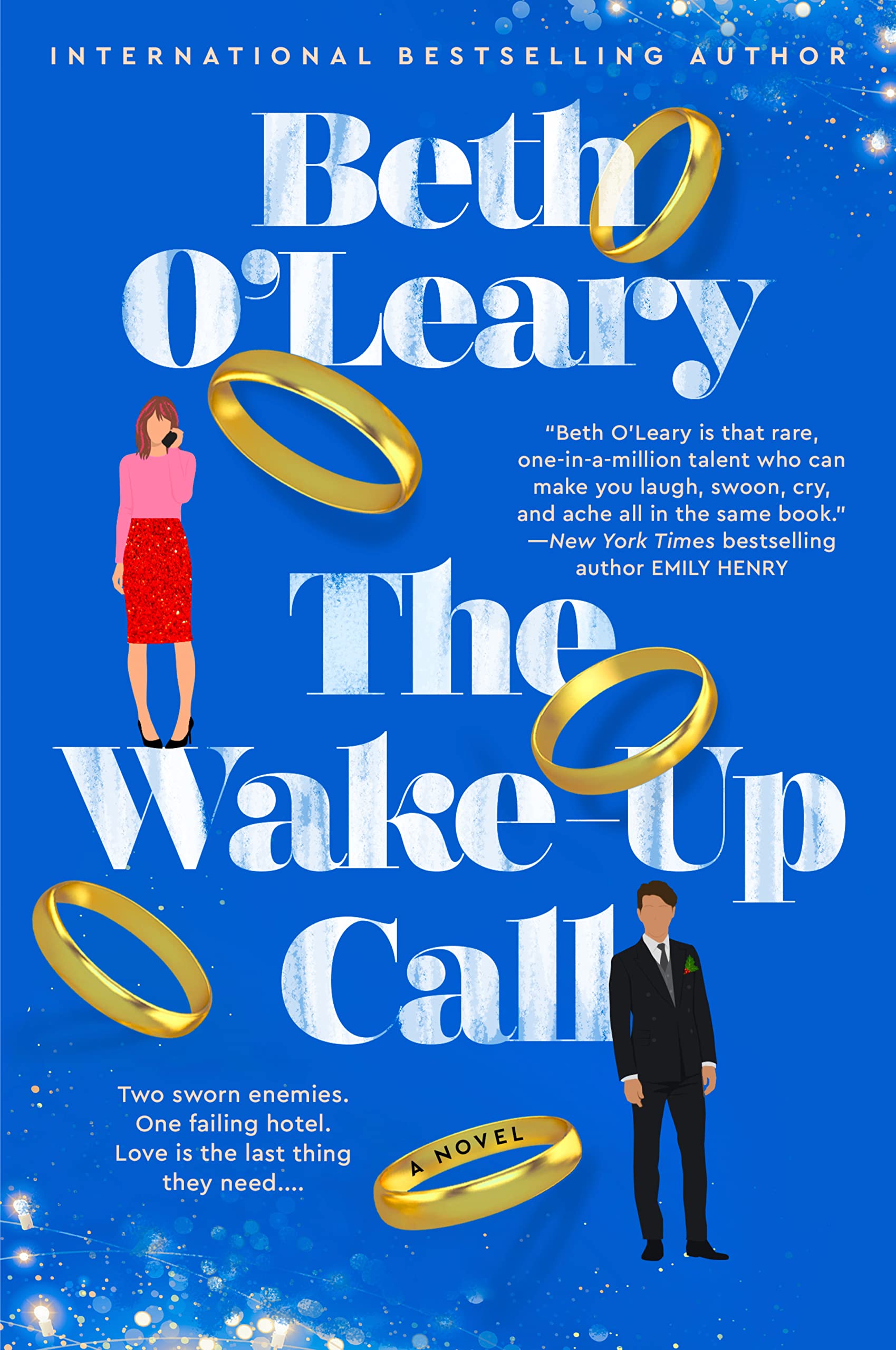
  • The Wake-Up Call by Beth O’Leary
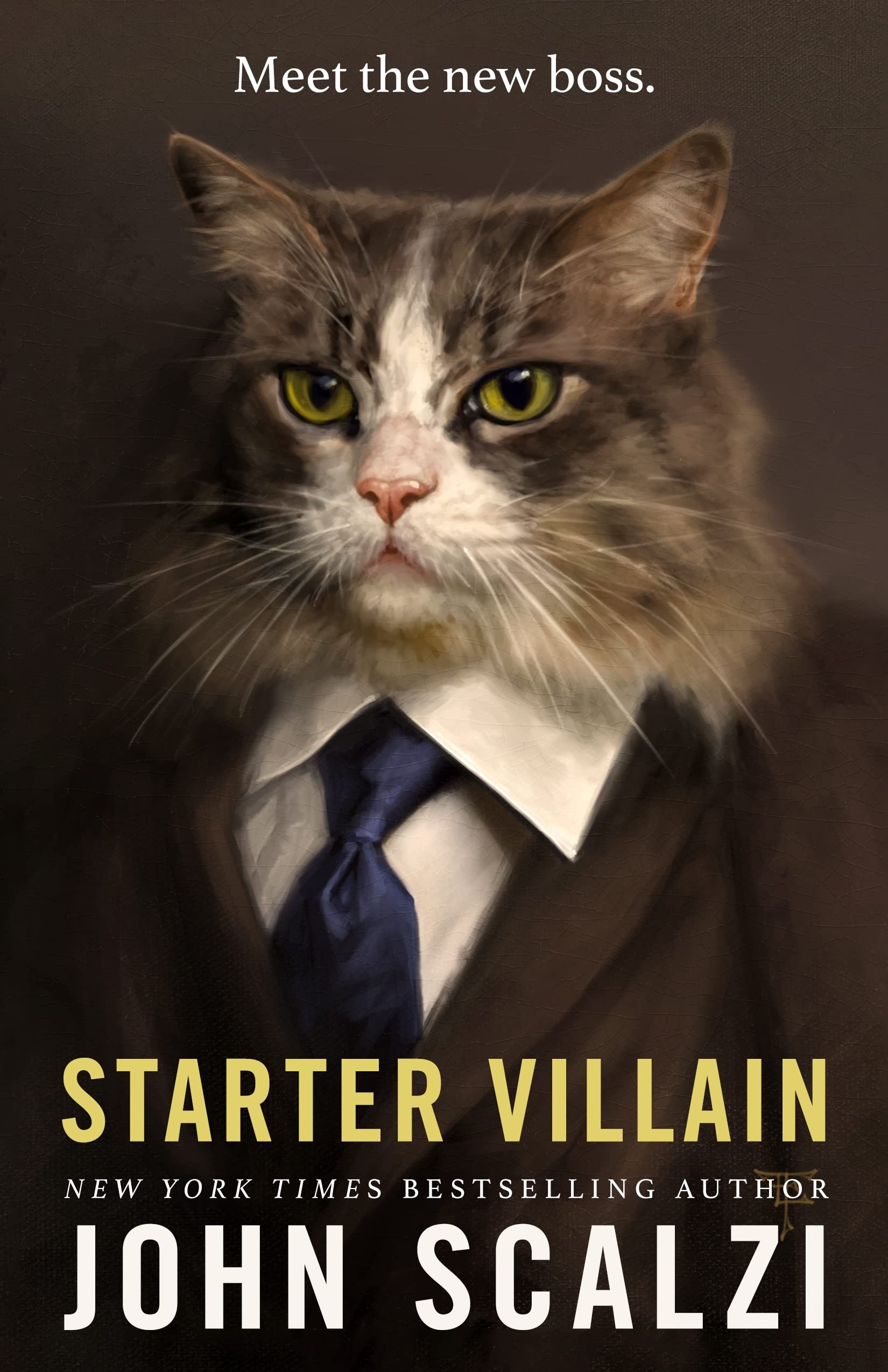
  • Starter Villain by John Scalzi
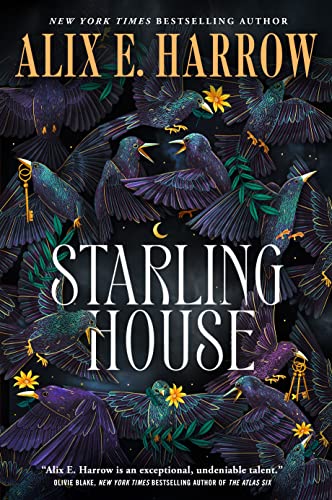
  • Starling House by Alix E. Harrow
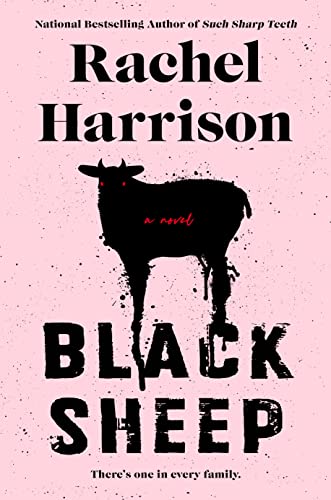
  • Black Sheep by Rachel Harrison
  • Sleep No More (October Daye, #17) by Seanan McGuire
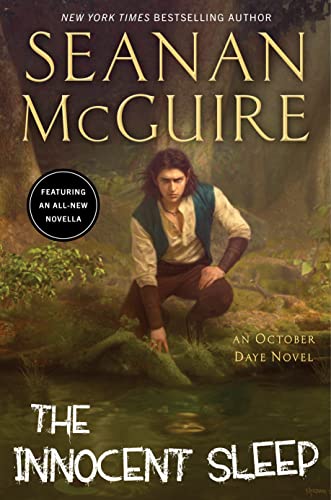
  • The Innocent Sleep (October Daye, #18) by Seanan McGuire
  • California Golden by Melanie Benjamin
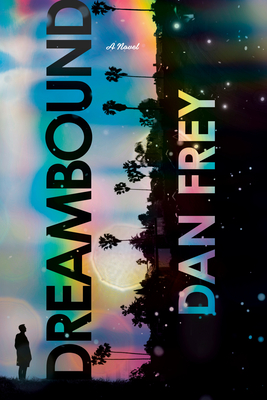
  • Dreambound by Dan Frey
  • Saga, volume 11 by Brian K. Vaughan
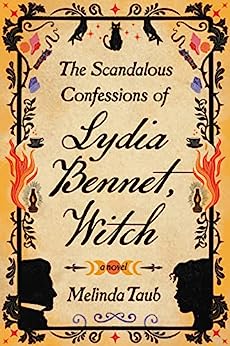
  • The Scandalous Confessions of Lydia Bennet, Witch by Melinda Taub

What new releases are you most looking forward to? Please share your links!

Save

Save

Save

Save

The Monday Check-In ~ 6/26/2023

cooltext1850356879

My Monday tradition, including a look back and a look ahead — what I read last week, what new books came my way, and what books are keeping me busy right now. Plus a smattering of other stuff too.

Life.

I went back to the office this week — big milestone in my post-COVID days! It actually felt pretty good to be back, although by each mid-afternoon, I was craving naptime.

And here’s this week’s moment of cuteness with our little houseguest Benji:

What did I read during the last week?
Dear Edward by Ann Napolitano: Sad, powerful, impossible to put down. My review is here.

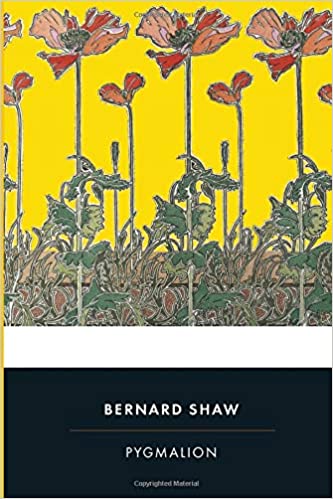
Pygmalion by George Bernard Shaw: A fun little foray into drama! I really enjoyed reading this play (which is the basis for My Fair Lady) — and it was interesting to see how the story here is different from the story in the musical.

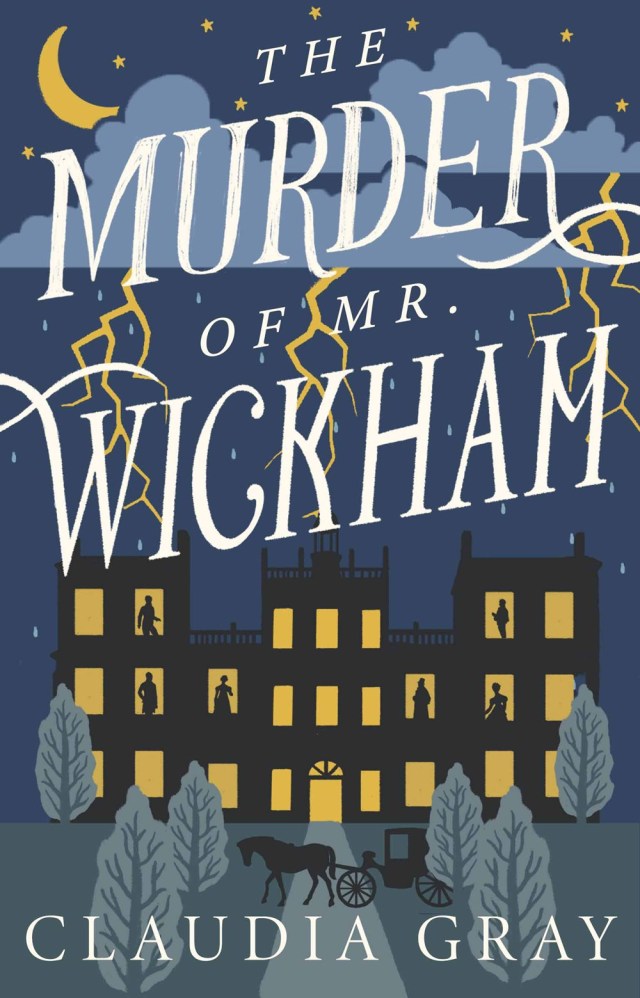
The Murder of Mr. Wickham by Claudia Gray: Clever concept, but my attention wavered quite a bit. My review is here.

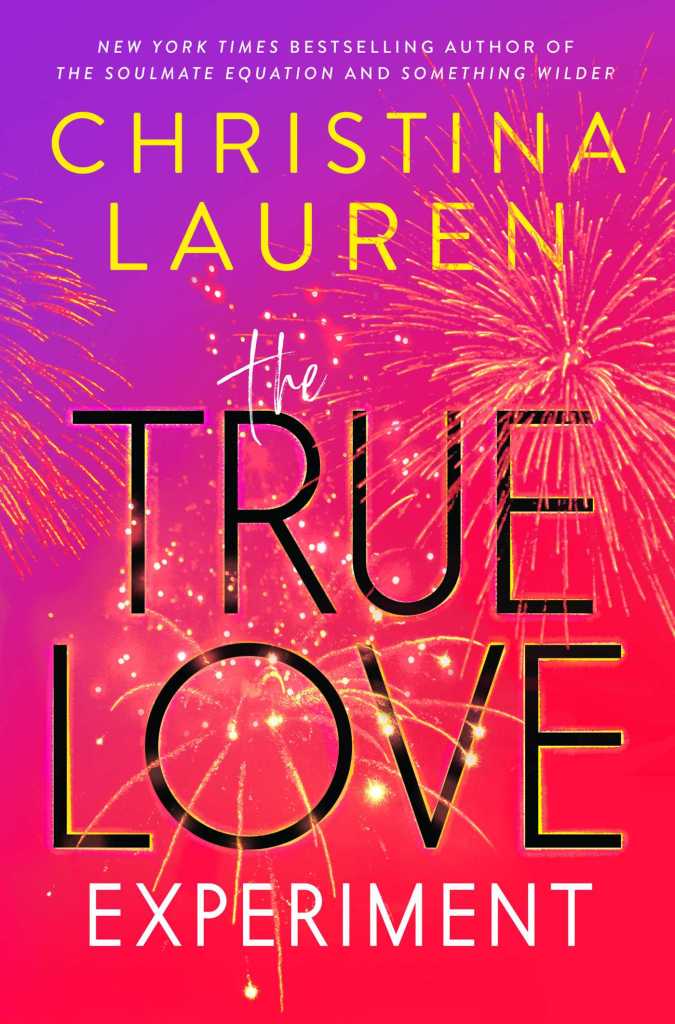
The True Love Experiment by Christina Lauren: I think I’ve found my new favorite by this author duo! My review is here.

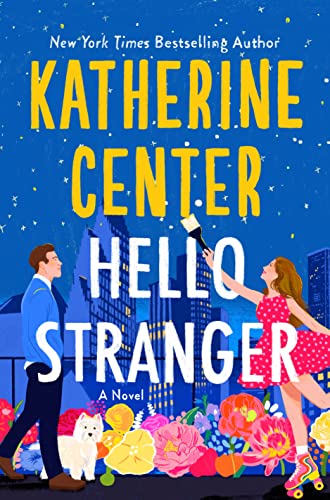
Hello Stranger by Katherine Center: Fascinating, funny romance with a unique premise. My review is here.

Thornhedge by T. Kingfisher: This Sleeping Beauty retelling is a fast but totally engaging read. Review to come later this week!

Pop culture & TV:

Loving the new season of Outlander! We’re two episodes into Season 7, and the show is absolutely delivering. I love how they’re wrapping up dangling plotlines from previous seasons and propelling the story forward. This week’s episode covered a lot of ground, but also had incredibly powerful character moments.

I’m still making my way through Manifest over on Netflix. There are a LOT of episodes! I’m about halfway through season 2 at this point. I roll my eyes a lot… but I also want to see where the story goes, so I’m sticking with it.

Fresh Catch:

No new books this week.

Puzzle of the week:

I just started this one yesterday — it’s going to take a while.

What will I be reading during the coming week?

Currently in my hands:
Longshadow (Regency Faerie Tales, #3) by Olivia Atwater: This e-book was available to borrow from the library right when I needed a new book. I enjoyed the first two books in the trilogy, so why not got ahead and finish?

Now playing via audiobook:

The Dating Playbook by Farrah Rochon: Another spur-of-the-moment library find! I really enjoyed the first book in this series, and since #2 was downloadable right when I was ready for a new listen, I grabbed it. I’m at about 35% — really good so far!

Ongoing reads:

My longer-term reading commitments:

  • Go Tell the Bees That I Am Gone by Diana Gabaldon: Over at Outlander Book Club, we’re doing a group read of BEES, reading and discussing two chapters per week. Coming up this week: Chapters 138 and 139 (of 155).
  • Cold Comfort Farm by Stella Gibbons: My book group’s new classic read — we’ll be reading and discussing two chapters per week, ending late summer. We’re off to a good start!
  • The Tempest by William Shakespeare (No Fear Shakespeare edition): I saw a stage version of The Tempest last year, but have never read it. I thought it might be fun to give the “no fear” edition a try. I’m enjoying reading the original text, then comparing it to the “plain English” version on the facing page. This week, I read Acts I and II.

So many books, so little time…
boy1

Book Review: Hello Stranger by Katherine Center

Title: Hello Stranger
Author: Katherine Center
Publisher: St. Martin’s Press
Publication date: July 11. 2023
Length: 336 pages
Genre: Contemporary fiction/romance
Source: Review copy courtesy of the publisher via NetGalley
Rating:

Rating: 4.5 out of 5.

Love isn’t blind, it’s just little blurry.

Sadie Montgomery never saw what was coming . . . Literally! One minute she’s celebrating the biggest achievement of her life—placing as a finalist in the North American Portrait Society competition—the next, she’s lying in a hospital bed diagnosed with a “probably temporary” condition known as face blindness. She can see, but every face she looks at is now a jumbled puzzle of disconnected features. Imagine trying to read a book upside down and in another language. This is Sadie’s new reality with every face she sees.

But, as she struggles to cope, hang on to her artistic dream, work through major family issues, and take care of her beloved dog, Peanut, she falls into—love? Lust? A temporary obsession to distract from the real problems in her life?—with not one man but two very different ones. The timing couldn’t be worse.

If only her life were a little more in focus, Sadie might be able to find her way. But perceiving anything clearly right now seems impossible. Even though there are things we can only find when we aren’t looking. And there are people who show up when we least expect them. And there are always, always other ways of seeing.

Hello Stranger has one of the most instantly interesting set-ups I’ve read recently. Sadie, a portrait artist, is diagnosed with a problematic brain vessel that requires immediate surgery. But when she wakes in the hospital post-surgery, the world looks very, very different.

Sadie has a condition called acquired prosopagnosia, otherwise known as “face blindness”. There’s nothing wrong with her eyes — it’s her brain that can’t make sense of the faces around her. The surgery has left her with swelling near the brain center that processes faces, and there’s no telling whether this is a permanent or temporary condition. For anyone, this would be distressing. For a portrait artist, this is also potentially career-ending — not that Sadie’s career was going all that well. In fact, right before the surgery, Sadie learned that she was a finalist in a competition that could finally give her her big breakthrough — but if she can’t see faces, how can she paint them?

Sadie’s life was already messy before the surgery — barely making ends meet through her Etsy shop, estranged from her father, stepmother, and truly evil stepsister, living in a rooftop shed that she officially is only supposed to use as a studio.

Now, with face blindness, the entire world has changed for Sadie. She literally cannot understand faces — she sees basically pixelated messes. Sure, she can focus in and see an eye or a mouth, individual features, but she has no ability to make sense of the whole. She can’t recognize people by face at all, and has to rely on hair, clothing, and other cues to figure out who she’s talking to. When dealing with kind people, that can still be okay, but not everyone around Sadie is kind (I did mention the evil stepsister, right?), and the cruelty of some of these encounters is pretty astonishing.

Without going further into the plot, I’ll just say that Sadie’s situation is both fascinating and incredibly difficult to comprehend. I fell down quite the Google rabbit-hole searching for examples of face blindness and how it’s experienced, and learned that there’s a difference between hereditary prosopagnosia (where people have it all their lives, and often don’t even realize it, since that’s how they’ve always experienced the world) and acquired prosopagnosia, usually an aftereffect of traumatic brain injury or illness. After reading stories of people who walk right by their own children without recognizing them or wonder why a strange woman is staring at them before realizing it’s themselves in a mirror, I gained a better understanding of Sadie’s new world too.

Another fascinating element here is Sadie’s conversations with her neuropsychologist about confirmation bias:

Dr. Nicole paused for a good definition. “It means that we tend to think what we think we’re going to think.”

I added all those words up. “So… if you expect to think a thing is true, you’re more likely to think it’s true?”

As Dr. Nicole goes on to explain:

“Basically we tend to decide on what the world is and who people are and how things are — and then we look for evidence that supports what we’ve already decided. And we ignore everything that doesn’t fit.”

As Sadie fits back into her life and tries to find a new approach to understanding the world around her, her assumptions and facts are repeatedly challenged by the need to rethink what she sees and question whether what she understands is true.

Hello Stranger is also a romance, and yes, the romantic plotlines are very good — but for me, it was Sadie’s unique situation and how it impacts every aspect of her life that made this book so compelling to read.

The backstory around Sadie’s family life is the hardest part of the book to accept, because it’s awful and tragic (and yet another great example of confirmation bias and its consequences). I felt so angry on Sadie’s behalf, yet by the end, could kind of see how the situation unfolded from the different characters’ differing experiences of the same events.

The book does explain that face blindness doesn’t necessarily mean the inability to understand expression (which is apparently handled by a different brain area), yet occasionally there’d be lines like:

The smug look had most definitely faded from her face

… that made me question whether this was something that Sadie could actually see or process, or if this was a glitch in the writing continuity.

I’m always fascinated by stories about unusual neurological conditions (such as the novel Left Neglected by Lisa Genova, or any of the writings of Dr. Oliver Sacks, who himself suffered from hereditary prosopagnosia) — but this is my first time reading such a tale in the context of romance.

Sadie’s story is fascinating, and the romance elements add welcome joy and hope to a story that also includes loss and dislocation. Sadie’s romantic escapades can be quite silly, but she’s such a great character that we can’t help but cheer for her. I don’t think I’ve ever read a romance novel quite like Hello Stranger, but it absolutely works.

Book Review: The True Love Experiment by Christina Lauren

Title: The True Love Experiment
Author: Christina Lauren
Publisher: Gallery Books
Publication date: May 16. 2023
Length: 416 pages
Genre: Contemporary fiction/romance
Source: Library
Rating:

Rating: 4.5 out of 5.

Sparks fly when a romance novelist and a documentary filmmaker join forces to craft the perfect Hollywood love story and take both of their careers to the next level—but only if they can keep the chemistry between them from taking the whole thing off script.

Felicity “Fizzy” Chen is lost. Sure, she’s got an incredible career as a beloved romance novelist with a slew of bestsellers under her belt, but when she’s asked to give a commencement address, it hits her: she hasn’t been practicing what she’s preached.

Fizzy hasn’t ever really been in love. Lust? Definitely. But that swoon-worthy, can’t-stop-thinking-about-him, all-encompassing feeling? Nope. Nothing. What happens when the optimism she’s spent her career encouraging in readers starts to feel like a lie?

Connor Prince, documentary filmmaker and single father, loves his work in large part because it allows him to live near his daughter. But when his profit-minded boss orders him to create a reality TV show, putting his job on the line, Connor is out of his element. Desperate to find his romantic lead, a chance run-in with an exasperated Fizzy offers Connor the perfect solution. What if he could show the queen of romance herself falling head-over-heels for all the world to see? Fizzy gives him a hard pass—unless he agrees to her list of demands. When he says yes, and production on The True Love Experiment begins, Connor wonders if that perfect match will ever be in the cue cards for him, too.

The True Love Experiment is the book fans have been waiting for ever since Fizzy’s debut in The Soulmate Equation. But when the lights come on and all eyes are on her, it turns out the happily ever after Fizzy had all but given up on might lie just behind the camera.

Christina Lauren books can be counted on to deliver zippy dialogue, great chemistry, entertaining characters, and unexpected plot points… and The True Love Experiment exceeds expectations with all of these! In fact, The True Love Experiment might just be my favorite Christina Lauren book yet.

Fizzy Chen is a character we’ve met before — she’s the main character’s zany best friend in The Soulmate Equation. Apparently, fans have been clamoring for more Fizzy ever since the earlier book, and now she gets her own chance to shine!

Fizzy is a very successful romance author in her late 30s, who’s reveled throughout her adulthood in her casual, open-to-anything approach to sex and dating. But as The True Love Experiment opens, she’s realizing that she may finally have just plain run out. She’s never been in love, and (in a very funny scene) she explains to best friend Jess that she may in fact have now dated every single man in San Diego. With these eye-opening revelations, Fizzy hits a major writer’s block — how can she write compelling romance when she’s not sure she actually believes in it anymore?

We also meet Connor, a gorgeous guy (whom Fizzy initially categorizes as romance tropes Hot Millionaire Executive, Hot Brit, and DILF) who’s a completely devoted divorced dad and the producer of environmentally-conscious documentaries. When his boss gives him an ultimatum — produce a money-making new dating show to save the production company, or be out of a job — Connor has to weigh his professional integrity against the reality that if he loses this job, he’ll have to move to LA to find work, which means giving up his role in his daughter’s daily life. Reluctantly, he commits to the dating show concept.

When Fizzy and Connor meet, they initially rub each other the wrong way… but we know that won’t last, because there are instant sparks amidst the bickering and button-pushing. Between them, almost as a dare to see who can come up with the craziest concept, they develop a framework for the new show: Fizzy will be the star, and the show will cast “heroes” who fit into defined romance archtypes — the bad boy, the hot nerd, the cinnamon roll, the one who got away. Fizzy will date each of them, the audience will vote on her true soulmate each week and determine who gets eliminated, and in the end, the audience will select a winner who’ll receive a cash prize. But there’s another twist: Fizzy and all contestants will also take the DNADuo test (see The Soulmate Equation for more info), a genetic screening test that identifies relationship compatability and defines matches on a scale (Base, Silver, Gold, Diamond, etc). At the show’s finale, the DNADuo match results between Fizzy and the finalists will be revealed, and then Fizzy will get to decide who she truly wants to be with.

As you might expect, all does not go according to plan. How is Fizzy supposed to fall in love with one of the show’s heroes when she’s distractingly attracted to Connor? The more time they spend together, the clearer it becomes that this isn’t just a matter of physical connection — but falling in love isn’t an option when (among other reasons) it would breach her contract with the show.

Okay, that’s the basic plot outline. What that doesn’t tell you is the insanely great connection between Fizzy and Connor, the absolutely hilarious dialogues that occur throughout the book, Fizzy’s amazingness as a person, and how utterly loving Connor is, as a dad, a friend, and a person who’s mad for Fizzy.

The book is told through both Fizzy and Connor’s POVs, so we know what’s going on inside and out. There’s the obligatory big obstacle that seems to tear the two apart late in the book, and I was very frustrated at first — but getting to hear from both characters why the incident blew up the way it did, how it triggered them and what past issues it brought up, and how internally conflicted they were in the aftermath helped me accept what had happened, even if I disagreed with how both of them behaved in the moment.

The show itself is lots of fun, although I question whether a show like this would be as successful in real life as it is in the story. The show starts with eight heroes and unfolds over just six episodes — is that really enough time to find true love? (OK, I need to admit here that I have never watched a single episode of The Bachelor or other dating shows, so I take anything of this sort with heaps of grains of salt).

I listened the audiobook, which has different narrators for Fizzy and Connor, and they were both wonderful! The downside of listening to the audiobook is not being able to highlight the parts that made me laugh out loud (there were plenty!) and share them here.

The True Love Experiment is so engaging, charming, and funny. I love that the characters are clearly amazing people, and that we get to see them in other roles (parent, aunt, best friend, daughter) to get a view of their lives outside the relationship as well. Fizzy and Connor are each fantastic on their own, and their connection together is not only full of physical chemistry but also based on emotional honesty and empathy.

Overall, The True Love Experiment is a joyful, entertaining read, with plenty of humor but also sincerity and intelligence. Highly recommended!

Book Review: The Murder of Mr. Wickham by Claudia Gray

Title: The Murder of Mr. Wickham
Author: Claudia Gray
Publisher: Knopf Doubleday Publishing Group
Publication date: May 3, 2022
Length: 386 pages
Genre: Mystery
Source: Purchased

Rating: 3.5 out of 5.

A summer house party turns into a whodunit when Mr. Wickham, one of literature’s most notorious villains, meets a sudden and suspicious end in this mystery featuring Jane Austen’s leading literary characters.

The happily married Mr. Knightley and Emma are throwing a house party, bringing together distant relatives and new acquaintances—characters beloved by Jane Austen fans. Definitely not invited is Mr. Wickham, whose latest financial scheme has netted him an even broader array of enemies. As tempers flare and secrets are revealed, it’s clear that everyone would be happier if Mr. Wickham got his comeuppance. Yet they’re all shocked when Wickham turns up murdered—except, of course, for the killer hidden in their midst.

Nearly everyone at the house party is a suspect, so it falls to the party’s two youngest guests to solve the mystery: Juliet Tilney, the smart and resourceful daughter of Catherine and Henry, eager for adventure beyond Northanger Abbey; and Jonathan Darcy, the Darcys’ eldest son, whose adherence to propriety makes his father seem almost relaxed. The unlikely pair must put aside their own poor first impressions and uncover the guilty party—before an innocent person is sentenced to hang.

The Murder of Mr. Wickham has a very clever concept as its central premise: Not only does it star Jane Austen’s leading characters, but it creates a society that includes all of these characters at once. Whether as distant cousins, visiting guests, acquaintances from travels, or friends of friends, in this mystery novel, the Darcys, Knightleys, Bertrams, Brandons, and Wentworths all end up in close quarters at a country house party… and things do not go well.

When the Knightleys invite their guests for a month at Donwell Abbey, they absolutely do not expect the notorious George Wickham to make an appearance. It’s been over twenty years since Elizabeth and Darcy were married, but they’ve unfortunately had to deal with Wickham’s wicked ways across the years due to his marriage to Elizabeth’s (now deceased) sister Lydia. But it’s not only the Darcys who have such strongly negative feelings toward Wickham — as it turns out, each visiting couple has at least one reason for hating the man.

As is obvious from the title, Wickham ends up dead, and this happy little country house party turns into a miserable situation of forced companionship, as the guests are unable to leave until the investigation is done, but no one is really in the mood to enjoy card games, walks in the garden, or piano recitals.

The two youngest guests, Jonathan Darcy and Juliet Tilney, find themselves intrigued by the mystery, and begin their own secretive (and highly improper) investigation. Will they discover the true murderer… or will their reputations be destroyed first?

The Murder of Mr. Wickham has such an enticing set-up that I was immediately drawn in. The author gives a rough timeline at the start of the book to explain the sequencing of these characters’ primary stories, so while Elizabeth and Darcy have been together for over twenty years, Marianne and Colonel Brandon are more or less newlyweds. It’s such fun to see the initial gathering and see how the author creates connections between the varying characters and their separate worlds.

I’m not generally much of a mystery reader, so perhaps that’s partially why I felt less engaged as the story progressed. The premise and the intermixing of the characters is great fun, but I found myself less interested in the clues and possible motives the longer the story went on. The pacing is uneven as well — there are some entertaining scenes that feel like Austen set-pieces, but because we get sections visiting with each and every one of the couples, there are just far too many points-of-view and marital challenges to keep track of.

I also found it challenging to accept the character depictions here as compared to what their personalities are really “meant” to be. Granted, they’ve all grown up over the years, but Emma doesn’t come across as very Emma-ish to me, and likewise it was hard to reconcile this portrayal of Anne and Captain Wentworth to the characters I know and love from Persuasion. (As for Fanny and Edmund Bertram, while I’ve read Mansfield Park, it never really stuck with me, so I felt like I had no frame of reference for them at all).

Jonathan and Juliet are engaging new characters. Jonathan is neuro-atypical, and I felt that the author portrayed him sensitively and yet also made him someone to really root for, and I liked how his relationship with his parents was depicted too. Juliet is spunky and adventurous, but felt a bit more cookie-cutter to me, not necessarily distinct from similar young, intelligent women placed into Regency romance tales.

I’m glad I gave this Austen-esque mystery a try. It didn’t entirely work for me, but I appreciated the creativity and the joy of seeing older versions of some favorite characters. A second book in the series, The Late Mrs. Willoughby, was just released this spring. I don’t feel a need to read it any time soon, but I could see returning to it at some point down the road when I feel like revisiting this world.