Book Review: The Hebrew Teacher by Maya Arad

Title: The Hebrew Teacher
Author: Maya Arad
Translated by: Jessica Cohen
Publisher: New Vessel Press
Publication date: March 19, 2024
Length: 320 pages
Genre: Contemporary fiction
Source: Library
Rating:

Rating: 3.5 out of 5.

Three Israeli women, their lives altered by immigration to the United States, seek to overcome crises. Ilana is a veteran Hebrew instructor at a Midwestern college who has built her life around her career. When a young Hebrew literature professor joins the faculty, she finds his post-Zionist politics pose a threat to her life’s work. Miriam, whose son left Israel to make his fortune in Silicon Valley, pays an unwanted visit to meet her new grandson and discovers cracks in the family’s perfect façade. Efrat, another Israeli in California, is determined to help her daughter navigate the challenges of middle school, and crosses forbidden lines when she follows her into the minefield of social media. In these three stirring novellas—comedies of manners with an ambitious blend of irony and sensitivity—celebrated Israeli author Maya Arad probes the demise of idealism and the generation gap that her heroines must confront.  

The Hebrew Teacher is a collection of three novellas that, taken as a whole, provide insight into experiences of alienation, assimilation, and family generational estrangement. Originally published in Hebrew, this collection’s smooth English translation provides powerful, moving stories with universal themes.

While not normally a fan of short fiction, I was immediately pulled into the characters’ lives in each of these three novellas. Their stories are so relatable that they actually disturbed me quite a bit, as they highlight the ordinary heartbreak that daily life can present.

The first story, The Hebrew Teacher, focuses on Ilana, a woman approaching retirement who has spent her entire career teaching Hebrew at a midwestern university. She reminisces on the early days:

When she’d arrived in ’71, it had been a good time for Hebrew. When she told people she was from Israel, they used to give her admiring looks. […] But now was not a good time for Hebrew.

Ilana faces an alarming drop in her enrollment rates for the new semester, while also dealing with a new professor of Hebrew and Jewish literature — someone with authority over her classes — whose political views put him and Ilana on opposite sides of an academic cold war.

The Hebrew Teacher has a sad energy; we feel for Ilana as an older woman reflecting on the days when both she and her life’s work were once appreciated, forced to realize that she’s been left behind by changing times.

The second story, A Visit (Scenes) is also achingly sad. Miriam arrives in Silicon Valley to visit her son, daughter-in-law, and their toddler. She’s never met her grandson before, and her son and his wife seem distinctly uninterested in welcoming her into their home and lives. Told through vignettes (scenes) over the course of Miriam’s three-week visit, through Miriam’s POV as well as the other two adults’, the story unfolds in short glimpses that convey the utter estrangement Miriam feels as well as the tension within the household. Miriam’s visits with another grandmother and her daughter-in-law add poignancy, as they show the happiness and closeness that have eluded Miriam. For some reason, this story just broke my heart, especially Miriam’s reflections on the closeness of parents and children during the childhood years, and how adult children exclude their parents from their lives.

Make New Friends, the third and final piece in this collection, feels rather difference in focus, but is still disturbing in tone and content. Once again featuring a family of Israeli ex-pats in Silicon Valley, Make New Friends is told through the viewpoint of Efrat, a mother who worries constantly about her 13-year-old daughter’s lack of friends. As Efrat stews over Libby’s social standing, she crosses some major lines on social media, all the while coming to terms with her own long-simmering anxieties about friendship and belonging. The story is well told, and made me very uncomfortable — and then ends pretty abruptly. I expected a more dramatic conclusion; it seems to just stop.

Overall, I enjoyed reading this book, even though I don’t do particularly well with short fiction and am always left feeling a bit unsatisfied. The stories in The Hebrew Teacher present ordinary people dealing with life’s frustrations and disappointments, with characters who feel well-defined and specific. I appreciated the depiction of the cultural struggles of characters who end up livinge far from their original homes and families, and what this means for their children as well.

The Hebrew Teacher won the 2025 National Jewish Book Award for Hebrew Fiction in Translation. Maya Arad’s newest novel, Happy New Years, was released in the US this month, and I look forward to reading it.

Purchase linksAmazon – Bookshop.orgLibro.fm
Disclaimer: When you make a purchase through one of these affiliate links, I may earn a small commission, at no additional cost to you.

Top Ten Tuesday: Books with a High Page Count

Top Ten Tuesday is a meme hosted by That Artsy Reader Girl, featuring a different top 10 theme each week. This week’s topic is Books with a High Page Count. I’ve definitely done variations on this topic before, focusing on the longest books I’ve ever read, plus the longest read in particular years (here are my lists from 2021 and 2017/2018) — but it’s been a while, so why not give the topic an update?

To kick things off, here are (more or less*) the longest books I’ve ever read, according to my Goodreads stats:

*this is actually somewhat changeable, depending on the edition… but let’s just say these are among the longest I’ve ever read!

  • A Breath of Snow and Ashes – 1488 pages
  • Les Misérables – 1463 pages
  • The Fiery Cross – 1443 pages
  • A Storm of Swords – 1177 pages
  • The Stand – 1152 pages
  • Shogun – 1152 pages
  • A Dance with Dragons – 1125 pages
  • Under the Dome – 1074 pages
  • A Feast for Crows – 1060 pages
  • War and Remembrance – 1042 pages

(Hmmm… I suppose without Diana Gabaldon, George R. R. Martin, and Stephen King, I’d have a lot more free reading time on my hands!)

To keep things fresh, I’ll add in the longest books I’ve read from 2022 until now. My ten longest recent books are:

  1. Go Tell the Bees That I Am Gone by Diana Gabaldon – 902 pages
  2. Daniel Deronda by George Eliot – 796 pages
  3. Paper Girls: The Complete Story by Brian K. Vaughan – 784 pages
  4. Iron Flame by Rebecca Yarros – 623 pages
  5. Fairy Tale by Stephen King – 607 pages
  6. The Nightingale by Kristin Hannah – 593 pages
  7. Persepolis Rising (The Expanse, #7) by James S. A. Corey – 560 pages
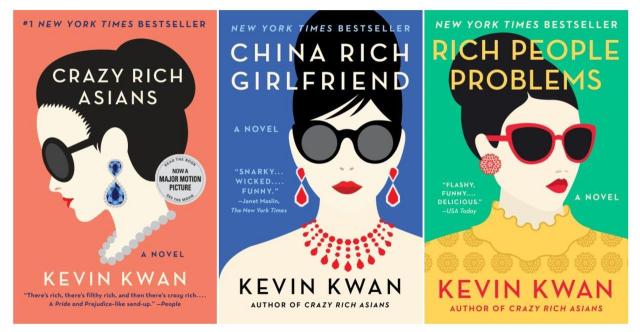
  8. Crazy Rich Asians by Kevin Kwan – 546 pages
  9. My Calamity Jane by Cynthia Hand et. al. – 546 pages
  10. Babylon’s Ashes (The Expanse, #6) by James S. A. Corey – 541 pages
  11. Bury Our Bones in the Midnight Soil by V. E. Schwab – 535 pages

More Gabaldon and King… and yes, that makes 11 books, simply because the 11th longest book is too good to leave off my list!

Which are the longest books you’ve read in the past few years?

If you wrote a TTT list, please share your link!

Save

Save

Save

Save

The Monday Check-In ~ 8/18/2025

cooltext1850356879

My Monday tradition, including a look back and a look ahead — what I read last week, what new books came my way, and what books are keeping me busy right now. Plus a smattering of other stuff too.

Life.

My son’s birthday was last week — my “baby” is a young adult, and a wonderful human being! We had a really nice family dinner out at a new-to-us restaurant, and he mainly did birthday things with his friends (which, believe it or not, is more appealing than hanging with his parents!)

Other than that, I had a busy workweek, a bunch of running around over the weekend, but also time to dance and be outdoors, and I consider that a win.

In Little Free Library news, I was amused to see that at some point while I was out and about, someone must have stopped by, taken a bunch of books, added a few more, and then completely reorganized and neatened up my shelves. Works for me!

What did I read during the last week?

Someone You Can Build a Nest In by John Wiswell: Some very clever writing and a unique premise, but ultimately, this book fell flat for me. My review is here.

The King’s Messenger by Susanna Kearsley: Excellent historical fiction from one of my must-read authors. My review is here.

The Old Man and the Sea by Ernest Hemingway: I subbed this classic in for my Classics Club Spin book this time around, and I’m glad I did. My thoughts are here.

Elsewhere on the blog:

It’s been a while since I’ve joined a new meme — and this past week, I decided to play along and try the Birthstone Book Cover meme, hosted by Books Are the New Black. I had a lot of fun putting together a gallery of peridot book covers. Check it out, here.

Pop culture & TV:

Still loving the new Outlander spin-off show, Blood of My Blood. Three episodes have aired so far, and it’s fantastic.

I finished all of Ted Lasso last week, and it’s leaving me a bit mopey. I loved that show! Now I’m trying to catch up on The Gilded Age, and then I’ll probably either start Chief of War, Severance, or the new season of Wednesday.

Fresh Catch:

I ordered the new deluxe edition of Every Summer After by Carley Fortune, and it arrived this week.

It’s gorgeous, it’s signed (!!), and I love the packaging as well:

The Ripped Bodice — bookseller located in NY & LA

What will I be reading during the coming week?

Currently in my hands:

The Hebrew Teacher by Maya Arad: I just borrowed this book from the library, after learning about this author via from Davida at The Chocolate Lady’s Book Review Blog. Really enjoying the writing so far.

Now playing via audiobook:

Rich Girl Summer by Lily Chu: This author’s audiobooks are always a treat, and the narration is fabulous. I have another hour or so to go, and I’m loving it.

Ongoing reads:

My longer-term reading commitments (current and coming up):

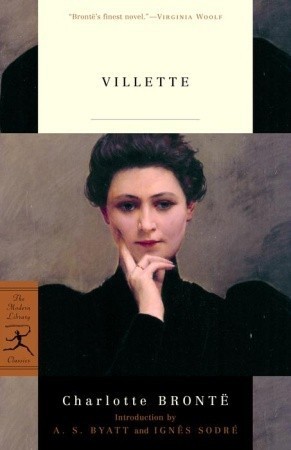
  • Villette by Charlotte Brontë: Group classic read, two chapters per week. I hate to say it, but this book is starting to feel like a slog. Still, it’s for my book group, so I’m sticking with it. Progress: 40%. Up next: Chapters 19 and 20.
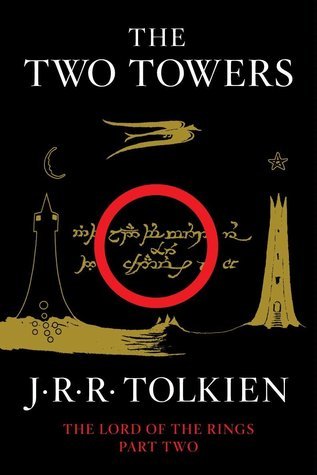
  • The Two Towers by J.R.R. Tolkien: My book group’s newest reading journey, continuing our LOTR adventure. This time around, we’ve decided to split any chapters over 15 pages, so this week we’ll be reading and discussing chapter 1 and the first half of chapter 2. Looking forward to diving in!

What will you be reading this week?

So many books, so little time…

boy1

Classics Club Spin #41: A change of heart leads me to The Old Man and the Sea by Ernest Hemingway

Title: The Old Man and the Sea
Author: Ernest Hemingway
Publication date: 1952
Length: 128 pages
Rating:

Rating: 5 out of 5.

“A beautiful tale, awash in the seasalt and sweat, bait and beer of the Havana coast. It tells a fundamental human truth: in a volatile world, from our first breath to our last wish, through triumphs and pitfalls both trivial and profound, what sustains us, ultimately, is hope.” —The Guardian

The last of his novels Ernest Hemingway saw published, The Old Man and the Sea has proved itself to be one of the most enduring works of American fiction. The story of a down-on-his-luck Cuban fisherman and his supreme ordeal—a relentless, agonizing battle with a giant marlin far out in the Gulf Stream—has been cherished by generations of readers.

Hemingway takes the timeless themes of courage in the face of adversity and personal triumph won from loss and transforms them into a magnificent twentieth-century classic. First published in 1952, this hugely popular tale confirmed his power and presence in the literary world and played a large part in his winning the 1954 Nobel Prize in Literature.

The Old Man and the Sea is only sort-of my Classics Club spin book…

For the summer spin, my book ended up being My Family and Other Animals by Gerald Durrell. And I was happy about it! It sounded charming, it had been on my to-read list for a while, and I’d been thinking about watching the PBS adaptation (The Durrells in Corfu), so starting with the book seemed like a great idea.

And then I read the first 25% or so… and it just wasn’t for me. I enjoyed the anecdotes about the family, but thought I’d tear my hair out if I had to spend any more time contemplating the insects in the garden and the misadventures of a tortoise. I know people love this book — but not me.

Onward. Rather than give up on the latest spin book entirely, I decided to sub in a book from the same decade that had been on my backup list… and that’s how I ended up with The Old Man and the Sea. Is this breaking the Spin rules? Maybe (probably)… but I figured “my challenge, my rules” and decided that I was okay with this outcome.

It feels a little funny to talk about a Hemingway book based on the plot alone, since there’s such a cult of personality built up around the author — even to the extent of annual competitions such as The International Imitation Hemingway Competition, also known as the Bad Hemingway Contest (which Wikipedia warns us not to confuse with the Hemingway Look-Alike Contest).

I’ve only read one Hemingway novel (A Farewell to Arms, which I thought was wonderful) and have little knowledge or experience with his other works. Of course, I was already aware of the general storyline of The Old Man and the Sea, and I believe we even watched a film version way back in my school days, so I knew how the book would end.

And still, I have to say that I thoroughly enjoyed reading this short novel and thought the writing was pitch-perfect. It’s spare and tense, and captures the feeling of being old, the struggle of man against nature, and the relentlessness of time as the world passes someone by.

In a nutshell, the plot is about the old fisherman Santiago, once considered the greatest of the great, who has had a streak of bad luck and has come back empty-handed from his fishing excursions for over 80 straight days. His faithful companion, a younger boy, has been forced by his family to work on a different boat because Santiago has become unlucky.

Santiago sets out alone to see if his luck will change, and he hooks the biggest fish of his life, then spends three days at sea fighting with his body and spirit to land the fish and bring it back with him.

I found the story quite powerful and engaging, and highlighted passage after passage. As I’ve said, I’m no expert and can’t comment more generally on Hemingway as a writer — but I did love the way he expresses Santiago’s struggles, and the vividness with which he portrays both the old fisherman’s battle and his love for the sea and its creatures.

Here are a few of the lines and passages that stood out for me:

Most people are heartless about turtles because a turtle’s heart will beat for hours after he has been cut up and butchered. But the old man thought, I have such a heart too and my feet and hands are like theirs.

I wish I could show him what sort of man I am. But then he would see the cramped hand. Let him think I am more man than I am and I will be so.

“Fish,” the old man said. “Fish, you are going to have to die anyway. Do you have to kill me too?”

You are killing me, fish, the old man thought. But you have a right to. Never have I seen a greater, or more beautiful, or a calmer or more noble thing than you, brother. Come on and kill me. I do not care who kills who.

And my favorite:

“If the others heard me talking out loud they would think that I am crazy,” he said aloud. “But since I am not crazy, I do not care.”

I’m really pleased that I made the decision to switch books, and I’m happy to have read The Old Man and the Sea. It’s a short book, but one that held me in its spell from start to finish.

Are you a Hemingway fan? If so, do you have a favorite book to recommend?

Book Review: The King’s Messenger by Susanna Kearsley

Title: The King’s Messenger
Author: Susanna Kearsley
Publisher: Sourcebooks Landmark
Publication date: March 4, 2025
Length: 352 pages
Genre: Historical fiction
Source: Purchased
Rating:

Rating: 5 out of 5.

For fans of Diana Gabaldon and Philippa Gregory, courtly rivalry and intrigue…
 
1613:  King James – sixth of Scotland, first of England, son of Mary, Queen of Scots – has unified both countries under one crown. But the death of his eldest son, Henry, has plunged the nation into mourning, as the rumours rise the prince was poisoned.
 
Andrew Logan’s heard the rumours, but he’s paid them little heed. As one of the King’s Messengers he has enough secrets to guard, including his own. In these perilous times, when the merest suggestion of witchcraft can see someone tortured and hanged, men like Andrew must hide well the fact they were born with the Sight.
 
He’ll need all his gifts, though, when the king sends Andrew north to find and arrest Sir David Murray, once Prince Henry’s trusted courtier, and bring him a prisoner to London to stand trial before the dreaded Star Chamber.
 
A story of treachery, betrayal and love…

And the blurb from a different edition:

New York Times, USA Today and international bestselling author Susanna Kearsley explores romance, court alliances, and the limits of one’s duty in this rich story of an ordinary man in service to a treacherous king, and the mission that brings him to love and his true calling.

In 1613, King James sends his messenger Andrew Logan to Scotland to arrest his late son’s close advisor Sir David Moray. Accompanied by his aloof neighbor Phoebe Westaway, Andrew slowly untangles the real point of his mission—to frame Sir David for Prince Henry’s death. But Andrew is unwilling to bring an innocent man into a treacherous betrayal.

Andrew’s feisty and lovely neighbor Phoebe Westaway has always been stand-offish to Andrew, having heard malicious gossip against him. But as they journey to Scotland and back, Phoebe has the opportunity to see Andrew for the honorable and loyal man that he is, and her change of heart may open new possibilities for them once their mission is complete.

Susanna Kearsley is a must-read author for me. Her books are beautiful depictions of well-developed characters embroiled in significant historical periods, and I’ve loved them all so far. Her 2025 release, The King’s Messenger, is another excellent tale that kept me hooked from start to finish.

The King’s Messenger is set in England in1613, during the reign of King James I. As the story opens, his eldest son and heir, Prince Henry, has recently died, a tragedy for the kingdom as well as for those who loved him. Rumor has it that his death wasn’t natural — was he poisoned?

Andrew Logan is a King’s Messenger, a man whose job it is to carry out tasks on behalf of the king, delivering and receiving messages, but also, when necessary, making arrests and taking people into custody. Following Prince Henry’s death, Andrew is summoned before the king and charged with a new assignment: He’s to journey to Scotland and arrest Sir David Moray, Henry’s closest companion and beloved mentor and friend, and deliver him to London for trial. Sir David is being charged with the prince’s murder — but he’s not without friends at court, and they have a very different viewpoint of what actually happened.

Phoebe Westaway is Andrew’s neighbor, and the two have a quarrelsome, contentious relationship, fueled by Phoebe’s dislike of Andrew over what may have been a misunderstanding years earlier. Phoebe’s father is a scrivener (scribe), and he’s ordered to accompany Andrew on his mission and record everything that Sir David says during their journey back to London. But Mr. Westaway is ailing, and Phoebe worries that the arduous journey will endanger his health, so she insists on going with him. Andrew disapproves, but his Second Sight shows him that she does in fact go with them, and he knows that what he Sees can’t be changed — and so these three end up traveling together through Scotland and back toward London, escorting a prisoner who seems more and more to have been unfairly framed for a crime he simply could not have committed.

The plot of The King’s Messenger nicely balances the intrigue surrounding Henry’s death, the journey through Scotland and England, as the travelers face dangers from their surroundings, pursuers, and suspicious strangers, and the interpersonal dynamics among the group. Andrew starts by viewing David as his prisoner, but over time, he starts to understand who David is as a man. We see Andrew adjust his attitude and treatment of David due to the growing respect he has for him, as well as the growing suspicion that he’s being used as a pawn in a plot he’s only starting to become aware of.

Phoebe and Andrew also see a shift in their relationship, going from mistrust and tension to tentative appreciation, and finally, a more emotional bond. Phoebe has to overcome old prejudices to appreciate who Andrew truly is, and Andrew can only reveal so much to Phoebe while keeping his oaths and the secrecy of his position.

The story is told through chapters from several different characters’ viewpoints, including Andrew, David, Phoebe, and even Queen Anna, wife of King James and mother of Henry. Each voice is distinct, and lends an important insight into this complicated web of partial truths and competing motives.

I was a bit nervous at the start of the book, as this is not a historical period with which I had much familiarity ahead of time. I needn’t have worried: Without any sort of heavy-handed exposition, the author weaves enough context and information into the narrative to ease the reader into the story. It never felt hard to follow, and in fact, I ended up really enjoying learning more about this time and its royal dramas.

Overall, I loved The King’s Messenger. The journey is exciting, and I was entirely caught up in the characters’ relationships, risks, and plans. The King’s Messenger has a satisfying conclusion, remaining true to known history while also feeling very appropriate for what we come to know of the characters.

The author provides quite a bit of information in her closing notes about her research and sources, including distinguishing between what is known of the historical figures and events. Many of the main characters, including Andrew and Phoebe, are fictional creations, but they’re so well developed and situated that they feel totally natural in their roles interacting with historical figures such as David Moray and the King and Queen.

Susanna Kearsley’s books never let me down, and The King’s Messenger is no exception. The Moray family figures in several of her other books, set in slightly later time periods, but it’s not necessary to have read them in order to appreciate The King’s Messenger.

Highly recommended for fans of historical fiction. Don’t miss it!

Purchase linksAmazon – Bookshop.orgLibro.fm
Disclaimer: When you make a purchase through one of these affiliate links, I may earn a small commission, at no additional cost to you.

Birthstone Book Covers: August = Peridot!

Trying something new! Leslie at Books Are the New Black hosts this fun monthly meme, and since I love anything related to spotlighting amazing book covers, I thought I’d jump in.

The rules are simple:


August’s birthstone is peridot. According to the American Gem Society:

Though peridot is widely recognized for its brilliant lime green glow, the origin of this gemstone’s name is unclear. Most scholars agree that the word “peridot” is derived from the Arabic faridat, which means “gem;” however, some believe it’s rooted in the Greek word peridona, meaning “giving plenty.” Perhaps that’s why peridot was, according to lore, associated with prosperity and good fortune.

Peridot is the rare gem-quality variety of the common mineral olivine, which forms deep inside the Earth’s mantle and is brought to the surface by volcanoes. In Hawaii, peridot once symbolized the tears of Pele, the volcano goddess of fire who controls the flow of lava. Rarely, peridot is also found inside meteorites.

Peridot’s signature green color comes from the composition of the mineral itself—rather than from trace impurities, as with many gemstones. That’s why this is one of few gemstones that only comes in one color, though shades may vary from yellowish-green to olive to brownish-green, depending on how much iron is present.

My son is an August baby — so even though he doesn’t actually wear gemstones of any sort, peridot is near and dear to my heart!

Onward to the books! Here are the peridot (or peridot-adjacent) book covers I’ve found on my shelves:

  • Hollow Kingdom by Kira Jane Buxton
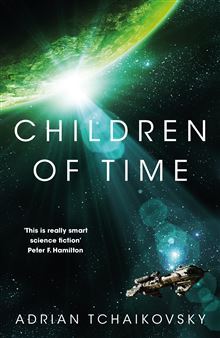
  • Children of Time by Adrian Tchaikovsky
  • The Collapsing Empire by John Scalzi
  • An Echo in the Bone by Diana Gabaldon
  • Weyward by Emilia Hart
  • Slow Dance by Rainbow Rowell
  • The Paradise Problem by Christina Lauren
  • Heartsong by TJ Klune
  • Lost in the Moment and Found by Seanan McGuire

Do you have any favorite peridot book covers to share?

Next month is Sapphire for September… and since it’s “my” month, I’ll be excited to work on the next birthstone post!

Book Review: Someone You Can Build a Nest In by John Wiswell

Title: Someone You Can Build a Nest In
Author: John Wiswell
Publisher: DAW
Publication date: April 2, 2024
Length: 310 pages
Genre: Horror/fantasy
Source: Purchased
Rating:

Rating: 2.5 out of 5.

Discover this creepy, charming monster-slaying fantasy romance—from the perspective of the monster—by Nebula Award-winning debut author John Wiswell

Shesheshen has made a mistake fatal to all monsters: she’s fallen in love.

Shesheshen is a shapeshifter, who happily resides as an amorphous lump at the bottom of a ruined manor. When her rest is interrupted by hunters intent on murdering her, she constructs a body from the remains of past meals: a metal chain for a backbone, borrowed bones for limbs, and a bear trap as an extra mouth.

However, the hunters chase Shesheshen out of her home and off a cliff. Badly hurt, she’s found and nursed back to health by Homily, a warm-hearted human, who has mistaken Shesheshen as a fellow human. Homily is kind and nurturing and would make an excellent co-parent: an ideal place to lay Shesheshen’s eggs so their young could devour Homily from the inside out. But as they grow close, she realizes humans don’t think about love that way.

Shesheshen hates keeping her identity secret from Homily, but just as she’s about to confess, Homily reveals why she’s in the area: she’s hunting a shapeshifting monster that supposedly cursed her family. Has Shesheshen seen it anywhere?

Eating her girlfriend isn’t an option. Shesheshen didn’t curse anyone, but to give herself and Homily a chance at happiness, she has to figure out why Homily’s twisted family thinks she did. As the hunt for the monster becomes increasingly deadly, Shesheshen must unearth the truth quickly, or soon both of their lives will be at risk.

And the bigger challenge remains: surviving her toxic in-laws long enough to learn to build a life with, rather than in, the love of her life.

This icky, squicky, plain old weird fantasy/horror novel has won a ton of awards, is gushed over by many authors who I admire, and yet… it left me cold and basically speeding through the 2nd half just for the sake of being done.

Someone You Can Build a Nest In starts off strong, with a fascinating narrative voice that randomly throws in something gross to cap off a paragraph or passage in an unexpected way.

Her father’s ribs, rich in marrow, cracking delicately in their mouths, and providing the first feast of their lives. His fat deposits were generous, and his entrails sheltered them from the cruel winter elements.

Shesheshen (what a name!) is some ill-defined creature, mostly slime that can form itself into different shapes, and can build itself a body by absorbing raw materials (iron chains, sticks, animal bones) into itself and forming itself a skeletal structure. Shesheshen has early memories of how delicious it was to consume the father in whose body she developed from an egg, loving how much nutrition he provided, and later eating the siblings growing alongside her as well.

When Shesheshen’s hibernation is rudely interrupted by a trio of monster hunters seeking the infamous Wyrm of Underlook, she fights back, fends them off, and realizes she’d better construct herself a body to defend herself with and figure out what’s behind this newest human attack. As she learns, the hunters were sent by the Baroness of Underlook, a brutal woman whose children have been raised with the sole purpose of slaying the wyrm and ending its curse on their family. (Shesheshen is confused — sure, you could call her a wyrm if that works for you, but there’s no such thing as curses, and she certainly hasn’t cursed anyone).

The one exception to the Baroness’s cruel pack of offspring is her daughter Homily, who seems torn between carrying out her mother’s orders and following her inner sense of compassion. When Homily stumbles across a severely injured Shesheshen (in human disguise), she tends her wounds, comforts her, and stirs up something unusual for Shesheshen: feelings, possibly even affection.

Of course, Shesheshen has a hard time understanding her attraction at the start:

She had a husky, stuffy-sounding voice, like her sinuses were packed. Yet her tone was accustomed and comfortable with itself, so this clearly wasn’t allergic irritation. It gave the woman’s words a bawdy rasp, which enticed Shesheshen. People who sounded like that had the most delicious-tasting heads.

But over time, it’s clear that there’s much more between these two:

True love was a woman sinking up to her elbows in her viscera, delicately removing hooks from her rigid tissues.

I chuckled — a lot — during the introductory chapters, enjoying the odd wordplay and sheer absurdity of the human-eating main character.

On a rack beside the door was a set of wigs she’d made from the scalps that people hadn’t been using anymore.

And yet… as the plot revolves around Shesheshen posing as human, trying to evade the Baroness’s mad pursuit, and scene after scene of battles and confrontations… I was bored. Once the narrative language stopped being new and surprising, there just wasn’t a good enough story for me to invest in.

The relationship between Shesheshen and Homily is awkward, the endless battles and threats become tedious, and honestly, after a while I just didn’t care. As I mentioned at the start, by the time I got even close to the halfway mark, I couldn’t wait to be done, and forced myself to plow through until I reached the end. (If I hadn’t purchased a paperback edition earlier in the year, I would likely have DNFd this one, but I just couldn’t bring myself to DNF a book I actually own!)

An interesting premise and clever language couldn’t save this odd book for me. Reading it felt like a chore. If you’re at all interested in this book, I’d recommend taking a look at the Goodreads reviews — it has an overall rating of 3.92 and lots of glowing comments from readers and well-regarded authors. Clearly, I’m in the minority on this one!

Purchase linksAmazon – Bookshop.org – Libro.fm
Disclaimer: When you make a purchase through one of these affiliate links, I may earn a small commission, at no additional cost to you.

Final note: I just stumbled across the UK version of this book, and I can’t get over how different the vibe is:

Top Ten Tuesday: Books Guaranteed to Put an End to Your Book Slump

Top Ten Tuesday is a meme hosted by That Artsy Reader Girl, featuring a different top 10 theme each week. This week’s topic is Books Guaranteed to Put an End to Your Book Slump, with the prompt: Which books would you recommend to someone dealing with the dreaded book slump? No book is grabbing their attention or making them excited to sit down and read and they are suffering for it.
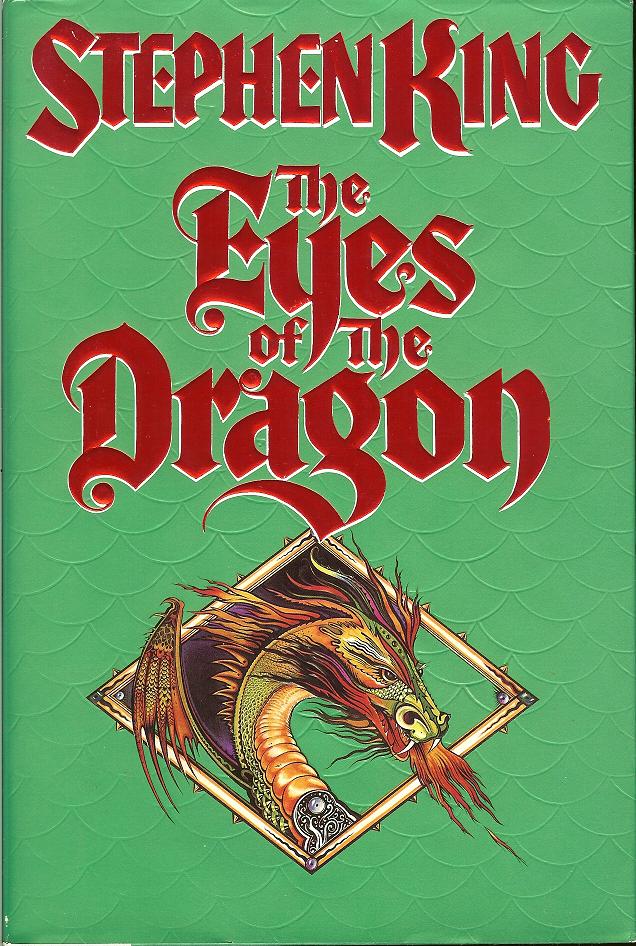
Of course, no one book is going to work for everyone — but here are ten that grabbed me right from the start and never let me go, which is just what we all need when a slump hits.

1. The Calculating Stars by Mary Robinette Kowal: This story of women astronauts is set during an accelerated space race after a meteor strike changes the future of life on Earth. It’s gripping and fascinating, and the characters are unforgettable. (review)

2. Legends & Lattes by Travis Baldree: Sometimes, all you need is a bit of cozy fantasy and great coffee! This book is understated and charming. (review)

3. The Husbands by Holly Gramazio: One of the strangest concepts for a novel, and it’s amazing! (review)

4. When the Moon Hits Your Eye by John Scalzi: Outright silliness can be the perfect antidote to a slump… and what’s sillier than a book about the moon turning to cheese? (review)

5. Bury Our Bones in the Midnight Soil by V. E. Schwab: A tense, layered vampire story that spans centuries — I couldn’t put it down. (review)

6. Weyward by Emilia Hart: I loved everything about this beautifully written witchy tale. (review)

7. Every Summer After by Carley Fortune: A gorgeous romance with a beautiful setting and complicated characters. Prepare to be swept away to a sunny summer lake! (review)

8. Vera Wong’s Guide to Snooping (on a Dead Man) by Jesse Q. Sutanto: More silliness! And so much fun. (review)

9. Kills Well With Others by Deanna Raybourn: A group of older women approaching retirement from life as assassins — unique and funny. (review)

10. The Guncle by Steven Rowley: This book’s lighthearted surface hides deeper emotions and beautiful connections. Lovely, and also lots of fun. (review)

What books would you recommend to break a reading slump?

If you wrote a TTT list, please share your link!

Save

Save

Save

Save

The Monday Check-In ~ 8/11/2025

cooltext1850356879

My Monday tradition, including a look back and a look ahead — what I read last week, what new books came my way, and what books are keeping me busy right now. Plus a smattering of other stuff too.

Life.

It was a busy week, but then I had a lot of time to myself over the weekend to regroup and relax. I did a bit of organizing, neatened up my Little Free Library (and discarded a few books that were in absolutely tatters and had been taking up space for too long already), and even treated myself to a pretty manicure!

My son is away for a few days, and his aloof kitty-cat is suddenly glued to my side. He usually just spies from the hallway to keep tab on the humans, but now that I’m his only companion, he’s even watching TV with me!

(I do think he’ll ditch me as soon as my son gets back… but it’s nice while it lasts!)

Good neighbor shout-out:

When I went out for a walk yesterday before meeting up with a friend, I stuck my ID and a credit card in a pocket… and later discovered that pocket didn’t close securely, and my items were gone. I went out again to retrace my steps, had no luck, and then came home to find that someone had slid my ID and card under my front door. Thank you, anonymous kind neighbor!!

Elsewhere on the blog:

I shared a post over the weekend about cleaning up my ARC obligations and TBR lists. Anyone else feeling bogged down by reading commitments?

What did I read during the last week?

Hemlock & Silver by T. Kingfisher: Terrific fairy tale retelling with a bit of a horror bite. Highly recommended! My review is here.

Battle of the Bookstores by Ali Brady and The Battle of the Bookshops by Poppy Alexander: I wrote a two-fer post comparing these two battling bookshop books! Check it out, here.

Twilight by Stephenie Meyer: It was kind of fun to listen to this audiobook and revisit the Twilight story again after all these years… although the farther along I got, the harder it was to ignore the ridiculousness of it all. Still entertaining, though.

The Mystery Writer by Sulari Gentill: A fast-paced thriller that doesn’t quite work, although it’s still an engaging read. My review is here.

The Last Wizards’ Ball (Gunnie Rose, #6) by Charlaine Harris: A satisfying wrap-up to a terrific six-book series. My review is here.

Pop culture & TV:

Outlander excitement! The first two episodes of the new Outlander prequel/spin-off series dropped this week, and I loved them! Check out the trailer for Blood of My Blood:

Beyond that, I’ve been continuing my Ted Lasso binge, and have just one episode left before I finish season 3. It makes me kind of sad to think I’ll be out of episodes… but I guess I’ll just have to join the crowd and wait for season 4!

I managed to catch up on all but one episode of The Summer I Turned Pretty, season 3 (on Prime Video). I’m basically hate-watching at this point (this is NOT a good show), but I think I’ll continue to the end, mainly because I’ve read the books and want to see if the show ending matches the book ending.

And then… not sure what I’ll start next, but I’m leaning heavily toward Chief of War (more AppleTV+).

Meanwhile, I’ve fallen down a Youtube rabbit hole and have been watching every video clip I can find from the recent production of Jesus Christ Superstar at the Hollywood Bowl (starring Cynthia Erivo as Jesus, Adam Lambert as Judas, and Phillipa Soo as Mary Magdalene). Here’s one clip — but if you’re a fan, it’s well worth the time to go look for more!

Fresh Catch:

One new book this week:

Dear Lord Akeldaa & Parasolverse Ephemera by Gail Carriger: A lovely hardcover edition from Subterranean Press, filled with all sorts of extras and goodies related to the Parasolverse!

Other than that… Amazon was offering triple Kindle reward points for two days this week, so I treated myself to the next few Rockton e-books from my wishlist. (But I’m forcing myself to hold off before starting the next one… there are so many other books in my queue!)

What will I be reading during the coming week?

Currently in my hands:

Someone You Can Build a Nest In by John Wiswell: I picked up a copy of this book on a whim several months ago, and I’m just now getting around to reading it. It’s SO weird… but oddly good!

Next up:

The King’s Messenger by Susanna Kearsley: My book group’s pick for August — and we’ll be chatting with the author later this month! I always love her books… excited to start this one.

Now playing via audiobook:

My Family and Other Animals by Gerald Durrell: My summer Classics Club Spin book! I’m getting close to the deadline, so it’s about time that I started this book.

Ongoing reads:

My longer-term reading commitments (current and coming up):

  • Villette by Charlotte Brontë: Group classic read, two chapters per week. Progress: 36%. Up next: Chapters 17 and 18.
  • The Two Towers by J.R.R. Tolkien: My book group’s shared reading journey, starting next week!

What will you be reading this week?

So many books, so little time…

boy1

Late summer clean-up: ARCs, subscriptions, and TBRs (oh, my!)

Image generated via Microsoft Copilot

It’s that time of year again… the point, close to the end of summer, when I look at all my reading plans and commitments, and feel entirely overwhelmed.

And so, I’m doing something about it.

I know we book bloggers and avid readers say this constantly — it’s so easy to get bogged down by ARCs and other reading obligations, and not make time for reading on a whim (which is my favorite way to read).

I’m not a huge fan of reading challenges, simply because I don’t like the pressure of structuring my reading around checking off prompts on a list. I know people LOVE reading challenges… but they’re generally just not for me, other than some very loose challenges around the number of books read in a year, or my current reading challenges on Storygraph (20th Century Decades Challenge and a challenge shared with my daughter focused on a bookish calendar we both own).

As for ARCs… it’s the eternal struggle! It’s wonderful to get early (free!) access to new and upcoming books, but they come with strings attached — namely, to read them and review them relatively near to their release dates. It’s easy to click that NetGalley request button every time some shiny new book catches our eyes… but then we need to find time to read them all!

I keep a spreadsheet of my ARCs, sorted by release date and with subtotals by month. (Yes, I’m an Excel nerd, and proud of it!) Despite trying to restrict my requests to no more than a few books per release month, somehow it’s all gotten away from me recently. So, I decided to take action.

I just went back to my NetGalley shelf, looked at all my upcoming ARCs, and put a cold, hard question to myself: How much do I really want to read each of these books? Are these books that would call to me if I were browsing in a library or bookstore? And, maybe most importantly, do I want to read these particular books more than all the other books already on my shelves?

I was able to identify about five books that didn’t feel all that important to me. Maybe something had caught my eye in the first place, but in going back through the list, I could honestly admit that I wouldn’t feel sorry to let them go. And that’s what I did: I went to the feedback page for each book, and clicked on the “I will not be giving feedback for this book” option. And lo and behold, the books are no longer on my active shelf. Instant sense of relief!

I’ve gotten myself down to 10 ARCs left for the remainder of 2025, plus 2 for 2026 releases… and that feels manageable. Of the ARCs I’m still planning to read, I can sincerely say that I’d read these books even if I didn’t have ARCs. And of course, if I start one and find it’s not grabbing me, I’m going to use that “not giving feedback” option. (Try it! It’s really freeing!)

Going forward, I plan to be much more restrictive with myself in terms of requesting ARCs. For certain authors and series, absolutely yes — but for new-to-me authors or books that look cute or fun or interesting but aren’t yet on my radar, I’m going to make my best effort to hold off on hitting the request button. If I still want to read a certain book by the time it’s released, well… there’s always the library!

I do hesitate a bit to acknowledge both cutting back and pruning my NetGalley shelf — does this mean I’ll be less likely to get approved for future ARCs that I really want? But you know what? That’s a risk I’m willing to take! Again… libraries!!

My other clean-up projects are a little simpler (I hope!). First, I get way too many book-related emails — I’m on so many lists about price deals and new releases and publisher spotlights, and I end up just deleting most of them anyway. (A lot of these can probably be traced back to entering giveaways… so hard to resist!). Anyway, one of my goals for these new few weeks is to get a little ruthless and click on the unsubscribe option as often as possible.

As for the TBR clean-up… well, this is a never-ending goal, but it’s nice to make a little dent. I tend to mark books as to-read on Goodreads every time a new title catches my eye, whether from reading a review or seeing an article about the author or stumbling across an interesting social media blurb. It needs to stop! My TBR on Goodreads is well and truly out of control, and I could probably stand to delete hundreds of books that I’m clearly never going to actually read! I started tinkering with this a bit over the weekend, and have gotten my Goodreads to-read shelf down from 856 books to 696 so far!

My physical shelves at home are another story, and I’ve been working on these all year. I started selling on Pango Books last year, and it’s helping me cull the books I don’t really need to keep. I haven’t done a tremendous amount in terms of actual sales, but even just listing the books is helping me separate out the ones I don’t need to keep and move them into storage bags. As a result, I’m able to free up some shelf space, which lets me make things a bit tidier and easier to enjoy.

This week, I’ve been adding more books to my Pango listings and dropping the prices on books that have been listed for a while, just to see if that helps move more books out of my house. Hint: If you’re new to Pango and use the discount code in my sidebar, you get a discount!

I’m also shuffling off a bunch of older, shabbier books that aren’t quite in sellable shape (or might be so old that no one would be interested), using them to restock my Little Free Library whenever the space empties out.

The goal, of course, is to improve my reading life! To me, that means free myself from reading obligations and deadlines, and basking in the luxury of reading whatever suits my mood in any given moment.

Here’s to reading on a whim!

Has anyone else considered getting off the ARC merry-go-round? How are you feeling about your reading commitments these days? And do you have any tried-and-true approaches for making sure you can read according to your whims? Please share your thoughts!