Book Review: Scythe by Neal Shusterman


Thou shalt kill.

A world with no hunger, no disease, no war, no misery. Humanity has conquered all those things, and has even conquered death. Now scythes are the only ones who can end life—and they are commanded to do so, in order to keep the size of the population under control.

Citra and Rowan are chosen to apprentice to a scythe—a role that neither wants. These teens must master the “art” of taking life, knowing that the consequence of failure could mean losing their own.

What a fascinating story! I hadn’t heard of Scythe until my son’s high school picked it for their school-wide summer reading book. Once I picked up a copy (ostensibly for my son), I just had to read it. Utterly compelling and impossible to put down.

In the world of Scythe, modern history dates back to the year 2042:

It’s a year that every schoolchild knows. It was the year when computational power became infinite — or so close to infinite that is could no longer be measured. It was the year we knew… everything. “The cloud” evolved into “the Thunderhead,” and now all there is to know about everything resides in the near-infinite memory of the Thunderhead for anyone who wants to access it.

With the coming of the Thunderhead and infinite knowledge, humankind had the answers to everything — disease, hunger, death. People became immortal, and thus, the need for scythes emerged. Generations later, scythes have rockstar status (there are even trading cards), but are also feared and treated as outside normal society. Scythes bring death as they “glean” people, some with thoughtful process and compassion, others with showy spectacle. Yes, people still have accidents and can be “deadish”, but everyone who dies in any manner can be revived, apart from those who have been gleaned. Gleanings are final, and irrevocable.

As Citra and Rowan have their lives transformed, from humdrum teen life to the world of apprenticeship, they’re thrust into a secret society of laws and infighting and a morality all its own. And as the year of apprentice progresses, they learn that some scythes have embraced a more corrupt, corrosive form of scythedom, and that these scythes seem poised to take over completely.

I was utterly absorbed while reading this book. There are some truly deep notions that I can only imagine would make for fabulous discussions. In Scythe, we learn that with infinite knowledge comes a lack of true meaning. Everything that can be known is already known. All accomplishments have been accomplished. Life stretches on forever, and when a person’s body reaches a more advanced age than desired, he or she can simply “turn a corner” and reset back to an earlier age. Without the fear of death or the sense of a limited time to make one’s mark, life is persistent and pleasant, but there’s no sense of urgency. Art suffers — there are no heights of passion or suffering to scale. Everything is nice… but it kind of sounds like a pretty boring way to live forever.

The power plays of the scythes is scary and upsetting to read about. Scythes are untouchable and answer only to their own governing body — so when corrupt scythes who tow the line of the letter of the law while committing horrific acts start climbing to dominance, there’s no balancing force to keep scythedom pure.

I really just can’t say enough good things about this book! I was completely hooked, and can’t wait to start the sequel, Thunderhead.

_________________________________________

The details:

Title: Scythe
Author: Neal Shusterman
Publisher: Simon & Schuster Books for Young Readers
Publication date: November 22, 2016
Length: 435 pages
Genre: Young adult fiction
Source: Purchased

**Save

Save

Save

Save

Save

Save

Save

The Monday Check-In ~ 7/9/2018

cooltext1850356879 My Monday tradition, including a look back and a look ahead — what I read last week, what new books came my way, and what books are keeping me busy right now. Plus a smattering of other stuff too.

Life.

I’m back! And finally starting to feel human again after a nasty, nasty week of jetlag. Want to know where I’ve been? Check out my vacation post, here.

What did I read during the last week?

First of all, I read a WHOLE BUNCH of books on vacation — you can see my wrap-up post here.

And since I’ve been back, I managed to finish two terrific books:

Dear Mrs. Bird by AJ Pearce: Captivating historical fiction by a debut author. My review is here.

Robots vs Fairies editied by Dominik Parisien & Navah Wolfe: A sci-fi/fantasy collection, including works by some favorite authors. My thoughts are here.

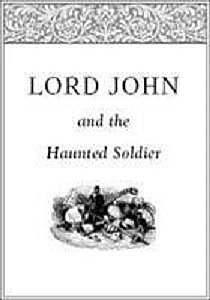
And, in book group news — we finished our group read of Lord John and the Haunted Soldier by Diana Gabaldon. Another outstanding adventure!

Fresh Catch:

New books arrived this week:

The Dreamers is a Goodreads giveaway! After entering these for years, I finally won something… and it’s something I’m really excited to read!

I also treated myself to a little something from Out of Print — they were offering mystery grab bags for $40, and I couldn’t resist… and I’m thrilled with what I ended up getting:

What will I be reading during the coming week?

Currently in my hands:

Scythe by Neal Shusterman: Ssh, don’t tell — I stole my son’s required summer reading book!

Now playing via audiobook:

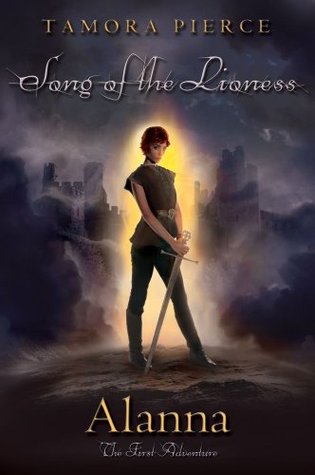
Alanna: The First Adventure (Song of the Lioness, #1) by Tamora Pierce: It’s been at least 15 years since I read the Alanna quartet, and I’ve always meant to go back and read more of the Tortall books — but first I need to remember the basics. So, it’s back to the beginning I go! I’m enjoying the audiobook so far — we’ll see if I stick with the audio format for the whole series.

Ongoing reads:

Book group reads:

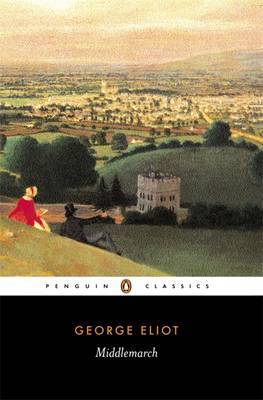
  • Classic read: My book group’s current classic read is Middlemarch by George Eliot.  We’re reading and discussing two chapters per week… and we have a long way still to go.
  • We’re continuing our way through all of Diana Gabaldon’s Lord John stories, currently on week 2 (of 3) focused on The Custom of the Army. Always great to revisit a favorite character.

So many books, so little time…

boy1Save

Save

Save

Save

Save

Save

Save

Save

Save

Save

Save

Save

Save

Save

Save

Save

Save

Save

Save

Save

Save

Save

Save

Save

Save

Save

Save

Save

Save

Save

Save

Save

Save

Save

Save

Save

Save

Save

Save

Save

Save

Save

Save

Save

Save

Save

Save

Save

Save

Save

Save

Save

Save

Save

Save

Save

Save

Save

Save

Save

Save

Save

Save

Save

Save

Save

Save

Save

Save

Save

Save

Save

Save

Save

Save

Save

Save

Save

Save

Save

Save

Save

Save

Save

Save

Save

Save

Save

Save

Save

Save

Save

Save

Save

Save

Save

Save

Save

Save

Save

Save

Save

Save

Save

Save

Save

Save

Save

Save

Save

Save

Save

Save

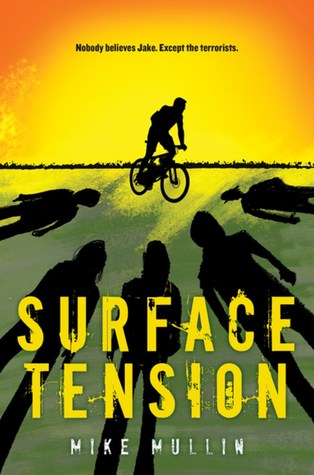
Book Review: Surface Tension by Mike Mullin


After witnessing an act of domestic terrorism while training on his bike, Jake is found near death, with a serious head injury and unable to remember the plane crash or the aftermath that landed him in the hospital.

A terrorist leader’s teenage daughter, Betsy, is sent to kill Jake and eliminate him as a possible witness. When Jake’s mother blames his head injury for his tales of attempted murder, he has to rely on his girlfriend, Laurissa, to help him escape the killers and the law enforcement agents convinced that Jake himself had a role in the crash.

Mike Mullin, author of the Ashfall series, delivers a gripping story with memorable characters and all-too-real scenarios.

Surface Tension is a high-action suspense thriller about a 17-year-old boy, Jake, who stumbles into a domestic terror attack by accident — but because of a traumatic brain injury and corrupt law officials, isn’t believed when he tells his story. Thanks to his remarkably loyal girlfriend Laurissa, he persists in trying to uncover the truth while staying a few steps ahead of both the terrorists and the FBI agent who want to see him dead.

Meanwhile, the lead terrorist’s daughter Betsy is embroiled in the attack and the follow-up attempts on Jake’s life, but as she learns unpleasant truths about her father, she too realizes that he and his organization must be stopped.

Mike Mullin, who wrote the amazing Ashfall trilogy, excels at quick bursts of action and leaving the reader panting for more at the end of each chapter. This is a hard book to put down once you start. At the same time, I felt that the credibility of the plot got thinner and thinner as the story moved forward, until the climax and resolution seemed basically unbelievable. Add to that a tacked-on final chapter that makes it clear that this story isn’t actually over, and I wound up feeling somehow underwhelmed by the book as a whole.

It’s a fast, entertaining read, but the plot doesn’t really hold together in a way that makes a whole lot of sense. I stayed interested all the way through, but if there is a sequel, I won’t be bothering with it.

_________________________________________

The details:

Title: Surface Tension
Author: Mike Mullin
Publisher: Tanglewood
Publication date: May 8, 2018
Length: 350 pages
Genre: Young adult
Source: Review copy courtesy of the publisher via NetGalley

**Save

Save

Save

Save

Save

Save

Save

Series wrap-up: The Gemma Doyle trilogy by Libba Bray

There’s something satisfying about finishing a trilogy, even if it’s not the best thing you’ve ever read.

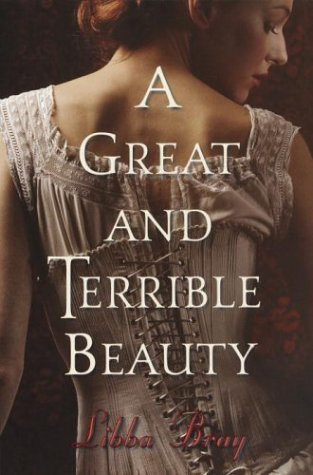
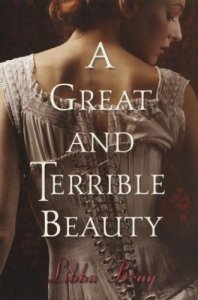
Such is the case for me with the Gemma Doyle trilogy by Libba Bray. I read the first book in the series, A Great and Terrible Beauty, over 10 years ago, and apparently didn’t think very highly of it at the time — my original Goodreads rating was only one star!
Over the years, though, I’ve had multiple people tell me that I should give the books another try. And after finding copies of all three at library sales (all paperbacks $2 or less!), I’ve considered starting the books at several different times. Finally, this year, I decided to give it a whirl, and settled on audiobooks as the way to go.

First, let me just say that the audiobook narrator, Josephine Bailey, is very good. She has to portray a variety of girls of different social statuses, as well as servants, teachers, and various other adults, keeping them all distinct as individuals. There’s never a doubt which character is speaking at which time.

Note: I did ditch the audio format for a printed version for book #3, as I just couldn’t see devoting over 20 hours of listening time to a book I was feeling not entirely excited about.

Okay, the story, bare-bones version: Gemma Doyle is an English girl raised in India during the Victorian era. At age sixteen, she’s yearning for the London society she glamorizes in her mind, and her resentment at being denied this leads to conflict with her loving mother… and then her mother dies suddenly, a victim of a murder with supernatural overtones. Gemma is transplanted back to London, the place of her dreams, but not at all in the circumstances she’d yearned for. Instead, she’s full of pain and regret for her final arguments with her mother, feels lonely and out of place in cold, damp England, and has no one close to her other than her brother Tom and her bereaved father, so grief-stricken that he’s become addicted to laudanum as an escape from his pain.
Gemma is sent off to Spence, a finishing school for young ladies, where she’s initially mocked and scorned by the mean girls clique, but eventually she finds a way in. Soon, she’s part of a group of four, drawn to the stories of magical powers that their teacher shares with the class. They learn of the Order, an ancient league of sorceresses with powers that allow them into the realms, a magical world between worlds. Gemma finds that she has the power to enter the realms and to bring her friends Felicity, Pippa, and Ann with her. The realms are full of magical delights  — but there are also disturbances, as an old enemy wants back in and a secret society called the Rakshana try to control the Order and their use of magic.

Book 1, A Great and Terrible Beauty, focuses on Gemma’s discovery of the Order and the realms, and her fight to defeat Circe, a witch gone bad who wants to gain control of the realms and its powers by using Gemma. The four girls travel together through the land of magic, and along the way, face hard truths about themselves and their pasts. Tragedy ensues, and there appear to be fractures within the group.

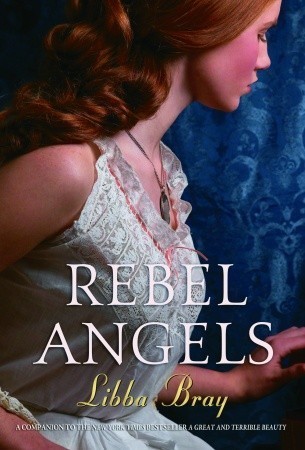
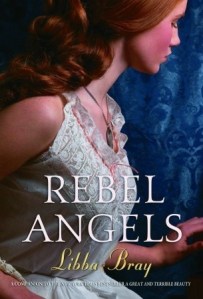
In the second book, Rebel Angels, the girls are back at school before heading to London for the Christmas holidays. Intrigue and danger escalate; Gemma has succeeded in battling evil forces previously, but now there are repercussions as the limits on magic in the realms seem to have been lifted. It’s now up to Gemma to find the source of the magic in the realms and bind it so that it can’t be used for evil purposes. Finding the source turns into a quest for the girls, as they repeatedly enter the realms and travel through parts previously unknown, encountering strange creatures and danger at every turn. Meanwhile, back in the real world, they’re also dealing with the ups and downs of London society, including balls, dinner parties, and suitors, and Gemma’s heart is torn between the handsome, respectable young man who courts her and the Indian boy from the Rakshana who seems always ready to protect her. Bonus for boy #2: He’s gorgeous and sets her heart a-flutter.
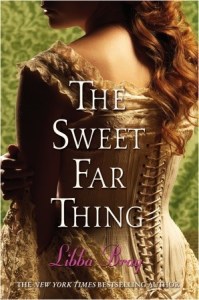
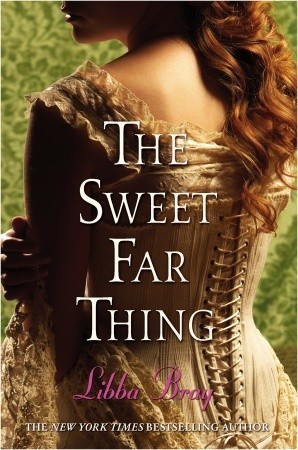
In book #3, The Sweet Far Thing, Gemma deals with a promise made to share her magic with the peoples of the realms, while also dealing with the perils of making her social debut and having a “season” in London. There’s a lot of travel in and out of the realms, as the magic seeps into the real world in dangerous and unpredictable ways. Gemma doesn’t know who to trust, and her bonds with Felicity and Ann are tested as their desires come into conflict. The book builds to a war between factions within the realms while outside forces maneuver to gain power. And somewhere amidst all the drama, Gemma still finds time to worry about not falling over while curtsying during her presentation at court. What’s a Victorian girl to do?

Now that I’ve read the entire trilogy, do I stick with my one-star rating? Clearly, no — or else I wouldn’t have bothered with books 2 and 3. I didn’t hate the books, and I even thought parts of the story were quite good. I liked many of the characters, and felt the author did a good job of differentiating between the four girls at the center of the story, giving each a clear and distinct personality and letting us understand what makes each of them tick.

But the books are flawed, and the flaws become exaggerated with each successive book.

Part of the problem I have with these books is that the friendship between the girls, so crucial to the story, feels false and even flimsy at times. They’re not particularly nice to each other, and while they claim to love one another, they seem to turn sour and accusatory at the least provocation. There’s an element of trust missing, and resentments keep popping up at regular intervals. I guess I just don’t buy that these young women are truly best friends or that they truly want what’s best for one another. Shades of Mean Girls creep in too often for me to feel happy with the portrayal of female friendship.

In book #2 especially, the plot meanders… and I mean, a lot. The quests are mostly pointless filler. The story (and the book) just doesn’t need to be as long as it is. There are water nymphs and gorgons and people of the forest, and none of them really matter. Ultimately, the story is about Gemma’s access to magic and whether she can control it, and about the struggle between the different factions that want to control the magic and keep the others out. All the travels up and down rivers and through the woods are mainly there for colorful filler.

And book #3 — well, when I tell you that it’s over 800 pages, that should tell you a lot. This book should either have been split in two or — my preference — subjected to some ruthless editing and trimming. It’s overstuffed and not nearly focused enough. My complaints about the portrayal of the girls’ friendship holds true. Even this late in the game, the girls turn on one another, questioning loyalties, making accusations, and expressing a level of mistrust that doesn’t make sense given what they’ve been through together.

Another quibble I have with these books is that — despite the huge number of pages in the entire trilogy — the world-building is weak. How exactly does a person bind or share magic? Where are all these other Order members? Why do things work the way they do in the realms? I always felt like I was missing information, like a jigsaw puzzle with key pieces missing.

Also problematic is Gemma’s habit of ignoring advice (which the other girls are at fault for as well). She’s told not to trust anything or anyone she encounters in the realms — so she immediately trusts the first being she sees because it appears to be someone she knows. She constantly puts her faith in people who turn out to be baddies, and blindly hates those she decides are bad but who may not be. She also swears to be truthful with her friends and then goes behind their backs at a moments notice because she thinks they won’t or can’t understand or they’ll try to stop her (from doing things that are often ill-advised). Not a whole lot of common sense, basically.

I do think that the portrayal of girls’ and women’s lives in Victorian society is very well done. Females are pigeon-holed into prescribed roles early on, and any deviation from the norm is a cause for mockery, disdain, or ostracization.

Felicity takes both my hands in hers. My bones ache from her grip. “Gemma, you see how it is. They’ve planned our entire lives, from what we shall wear to whom we shall marry and where we shall live. It’s one lump of sugar in your tea whether you like it or not and you’d best smile even if you’re dying deep inside. We’re like pretty horses, and just as on horses, they mean to put blinders on us so we can’t look left or right but only straight ahead where they would lead.” Felicity puts her forehead to mine, holds my hands between hers in a prayer. “Please, please, please, Gemma, let’s not die inside before we have to.”

The author repeatedly shows how the clothing of the era reinforces the restrictions society places on girls. One can’t very well run or defend oneself while wearing corsets and petticoats — walking demurely and sitting up straight and staying calm are basically enforced by the clothing required for respectability.

As we walk, the men survey us as if we’re lands that might be won, either by agreement or in battle. The room buzzes with talk of the hunt and Parliament, horses and estates, but their eyes never stray too far from us. There are bargains to be struck, seeds to be planted. And I wonder, if women were not daughters and wives, mothers and young ladies, prospects or spinsters, if we were not seen through the eyes of others, would we exist at all?

Through Gemma’s eyes, we see the damage done by the petty nastiness between the girls at the school and the emphasis on beauty and status. Gemma has (I hope) made a lasting change for the better by the end of the trilogy by pleading with the headmistress to offer her students meaningful studies rather than just posture, elocution, and deportment — and urging her to create an environment where back-biting and meanness isn’t the norm. It may be out of reach still in that era, but at least Gemma has given voice to what a more positive future might look like.

“Why should we girls not have the same privileges as men? Why do we police ourselves so stringently — whittling each other down with cutting remarks or holding ourselves back from greatness with a harness woven of fear and shame and longing? If we do not deem ourselves worthy first, how shall we ever ask for more?

“I have seen what a handful of girls can do, Mrs. Nightwing. They can hold back an army if necessary, so please don’t tell me it isn’t possible. A new century dawns. Surely we could dispense with a few samplers in favor of more books and grander ideas.”

If only the plot were tighter and better defined, I’d be able to be more enthusiastic about these books. There are clearly some important messages and themes built into the series, with powerful thoughts about girl power and friendship and independence and self-determination. Unfortunately, much of this positive is overwhelmed by the wandering and messy plotlines.

Do I recommend the Gemma Doyle trilogy. Um… I mean… yes? Maybe? There are nuggets of good, and the books are never boring. I just wish someone had taken a big paring knife to sections of the books, and then maybe infused a good helping of explanations to the fuzzier bits. As historical fiction goes, the books do a good job of invoking the societal norms, class structures, and expectations of the Victorian era. But, if you need a tightly woven plot to go with the atmospheric elements. you might be better off looking elsewhere.

_________________________________

Book details:

A Great and Terrible Beauty – 403 pages, published 2003
Rebel Angels – 548 pages, published 2005
The Sweet Far Thing – 819 pages, published 2007

Save

Take A Peek Book Review: Coming Up For Air by Miranda Kenneally

“Take a Peek” book reviews are short and (possibly) sweet, keeping the commentary brief and providing a little peek at what the book’s about and what I thought.


Synopsis:

(via Goodreads)

Swim. Eat. Shower. School. Snack. Swim. Swim. Swim. Dinner. Homework. Bed. Repeat.

All of Maggie’s focus and free time is spent swimming. She’s not only striving to earn scholarships—she’s training to qualify for the Olympics. It helps that her best friend, Levi, is also on the team and cheers her on. But Levi’s already earned an Olympic try out, so she feels even more pressure to succeed. And it’s not until Maggie’s away on a college visit that she realizes how much of the “typical” high school experience she’s missed by being in the pool.

Not one to shy away from a challenge, Maggie decides to squeeze the most out of her senior year. First up? Making out with a guy. And Levi could be the perfect candidate. After all, they already spend a lot of time together. But as Maggie slowly starts to uncover new feelings for Levi, how much is she willing to lose to win?


My Thoughts:

Miranda Kenneally excels at showing a straightforward view of the complicated lives of teens. Her lead characters tend to be strong, dedicated young women, almost always hard-driving athletes, who are not afraid to go for what they want, no matter the resistance they meet along the way. And while the athletic achievements of her characters might be super-special, their inner lives keep them grounded and relatable.

In Coming Up For Air, Maggie is a girl who has spent her whole life in a pool. She adores swimming, and devotes herself to it, almost to the exclusion of everything else, because she loves it so much. She pushes herself to be her best, takes her coach’s rules about training and non-swimming behavior seriously, and drives herself forward toward her dream of getting an Olympic trial.

At the same time, Maggie depends on her three best friends for their Friday burger nights to keep her grounded — but she starts to realize how much she’s missed out on by giving so much of her life over to training. She’s never hooked up, has only had one real kiss, and is starting to feel like she’s the last high schooler left who’s so inexperienced. She asks her best friend Levi to teach her how to hook up, but isn’t prepared for how intensely they connect physically, and neither knows how to deal with the fall-out when their no-strings fling starts to feel like it could be a relationship.

As in all of this author’s books, the characters deal with sex in a very down-to-earth way. It’s not needlessly graphic, but it does get into details of what they do together and how it makes them feel. It’s not prettied-up sex, and doesn’t pretend that every encounter is full of fireworks. I appreciate the healthy attitude toward sexual exploration, protecting oneself, and owning one’s own sexual desires and needs.

It’s always refreshing to read Miranda Kenneally’s stories about determined, talented young women, and I think teen readers will appreciate seeing how universal feelings of self-doubt and insecurity can be, even for people who seem to have it all. It’s also refreshing to see the portrayal of the different home lives and coping mechanisms the various main and secondary characters have, and to get pretty good solid advice about life in general by paying attention to the words of the characters’ coaches.

As with the author’s earlier books, the storyline is set in Hundred Oaks, Tennessee, and familiar characters from other books pop up in cameo roles. While all of the Hundred Oaks books work perfectly well as stand-alones, it is pretty fun to read several (or all) and see the connections and shout-outs.

I heartily recommend Miranda Kenneally’s books for teen readers and for adults who like realistic, optimistic, honest depictions of young adult life.

Interested in this author? Check out my reviews of other books by Miranda Kenneally:
Racing Savannah
Breathe, Annie, Breathe
Jesse’s Girl
Defending Taylor
Catching Jordan

_________________________________________

The details:

Title: Coming Up For Air
Author: Miranda Kenneally
Publisher: Sourcebooks Fire
Publication date: July 4, 2017
Length: 320 pages
Genre: Young adult contemporary fiction
Source: Review copy courtesy of the publisher via NetGalley

Save

Save

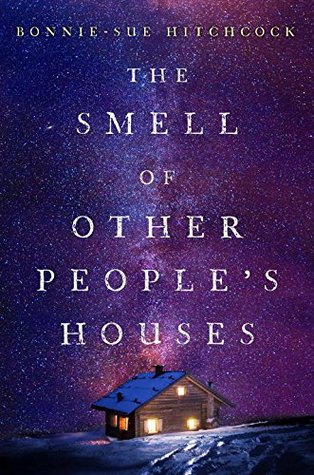
Book Review: The Smell of Other People’s Houses by Bonnie-Sue Hitchcock

smell-of-other-peoples-houses

Alaska: Growing up here isn’t like growing up anywhere else.

Ruth has a secret that she can’t hide forever. Dora wonders if she can ever truly escape where she comes from, even when good luck suddenly comes her way. Alyce is trying to reconcile her desire to dance with the life she’s always known on her family’s fishing boat. Hank and his brothers decide it’s safer to run away than to stay home—until one of them ends up in terrible danger.

Four very different lives are about to become entangled. This is a book about people who try to save each other—and how sometimes, when they least expect it, they succeed.

This is a beautiful piece of writing, showcasing the lives of a handful of young people as they navigate their way through their triumphs and sorrows in 1970s Alaska. The novel is told through interlocking stories, giving us windows into the various characters’ lives, while offering constantly shifting perspectives on other characters as we see how they see one another. Some of the characters are best friends; others just know each other in a friend-of-a-friend or even more remote sort of way.

Along the way, they deal with missing or abusive parents, misunderstandings, birth families and found families, and the quiet support that can come from the most unexpected of sources.

The backdrop of life in Alaska lends the stories a unique flavor. What’s most important is the human relationships, but the scenes of life in a poor neighborhood in Fairbanks or on a fishing boat or along a remote highway give the plot developments a grounding in real life that’s gritty and evocative.

The language in this book is really lovely, and I thought the way the characters’ stories weave together was remarkably well done, with many surprises along the way.

The Smell of Other People’s Houses is a relatively thin book, but it’s got plenty to enjoy and savor. If you enjoy great, emotionally powerful writing, check it out. I believe this book has been marketed as young adult, but there’s no reason that adult readers wouldn’t love it.

Reading tip: I made the mistake of reading this book during a very busy, hectic week, so I was only able to read it in bits and pieces, and I think I lost a bit of the flow along the way. If you can, I’d suggest setting aside a cozy couple of hours and reading this one straight through.

_________________________________________

The details:

Title: The Smell of Other People’s Houses
Author: Bonnie-Sue Hitchcock
Publisher: Wendy Lamb Books
Publication date: February 23, 2016
Length: 240 pages
Genre: Young adult fiction
Source: Purchased

Save

Save
Save

Save
Save

Shelf Control #63: Conversion

Shelves final

Welcome to Shelf Control — an original feature created and hosted by Bookshelf Fantasies.

Shelf Control is a weekly celebration of the unread books on our shelves. Pick a book you own but haven’t read, write a post about it (suggestions: include what it’s about, why you want to read it, and when you got it), and link up! Fore more info on what Shelf Control is all about, check out my introductory post, here.

Want to join in? Shelf Control posts go up every Wednesday. See the guideline sat the bottom of the post, and jump on board!

cropped-flourish-31609_1280-e1421474289435.png

My Shelf Control pick this week is:

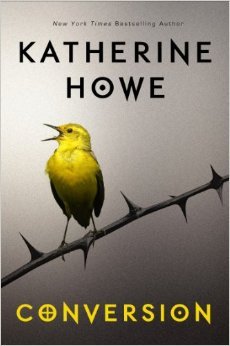
ConversionTitle: Conversion
Author: Katherine Howe
Published: 2014
Length: 402 pages

What it’s about (synopsis via Goodreads):

From the New York Times bestselling author of The Physick Book of Deliverance Dane comes a chilling mystery—Prep meets The Crucible.

It’s senior year at St. Joan’s Academy, and school is a pressure cooker. College applications, the battle for valedictorian, deciphering boys’ texts: Through it all, Colleen Rowley and her friends are expected to keep it together. Until they can’t.

First it’s the school’s queen bee, Clara Rutherford, who suddenly falls into uncontrollable tics in the middle of class. Her mystery illness quickly spreads to her closest clique of friends, then more students and symptoms follow: seizures, hair loss, violent coughing fits. St. Joan’s buzzes with rumor; rumor blossoms into full-blown panic.

Soon the media descends on Danvers, Massachusetts, as everyone scrambles to find something, or someone, to blame. Pollution? Stress? Or are the girls faking? Only Colleen—who’s been reading The Crucible for extra credit—comes to realize what nobody else has: Danvers was once Salem Village, where another group of girls suffered from a similarly bizarre epidemic three centuries ago . . .

Inspired by true events—from seventeenth-century colonial life to the halls of a modern-day high school—Conversion casts a spell. With her signature wit and passion, New York Times bestselling author Katherine Howe delivers an exciting and suspenseful novel, a chilling mystery that raises the question, what’s really happening to the girls at St. Joan’s?

How I got it:

I bought it.

When I got it:

Last year.

Why I want to read it:

I’d had my eye on this book since I first heard about it as an upcoming new release. I thought Katherine Howe’s earlier novel, The Physick Book of Deliverance Dane, was pretty terrific! Conversion is another witchy book, and I love the sound of The Crucible being incorporated into a contemporary YA story.

__________________________________

Want to participate in Shelf Control? Here’s how:

  • Write a blog post about a book that you own that you haven’t read yet.
  • Add your link in the comments!
  • And if you’d be so kind, I’d appreciate a link back from your own post.
  • Check out other posts, and…

Have fun!

Save

Thursday Quotables: The Sun Is Also A Star

quotation-marks4

Welcome back to Thursday Quotables! This weekly feature is the place to highlight a great quote, line, or passage discovered during your reading each week.  Whether it’s something funny, startling, gut-wrenching, or just really beautifully written, Thursday Quotables is where my favorite lines of the week will be, and you’re invited to join in!

NEW! Thursday Quotables is now using a Linky tool! Be sure to add your link if you have a Thursday Quotables post to share.

sun-is-also-a-star

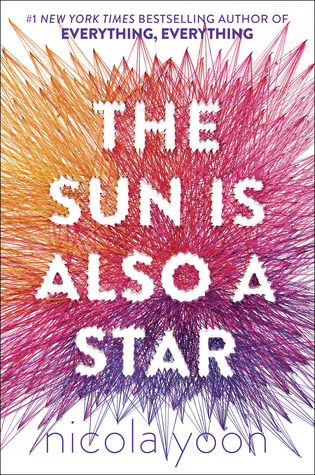
The Sun Is Also A Star by Nicola Yoon
(published 2016)

There was so much lovely writing in this new YA novel. Here’s a little snippet:

“You can’t really be falling for me,” she says, quieter now. Her voice is somewhere between distress and disbelief.

Again I don’t have anything to say. Even I’m surprised by how much I’ve been feeling for her all day. The thing about falling is you don’t have any control on your way down.

Check out my review of this new release!

What lines made you laugh, cry, or gasp this week? Do tell!

If you’d like to participate in Thursday Quotables, it’s really simple:

  • Write a Thursday Quotables post on your blog. Try to pick something from whatever you’re reading now. And please be sure to include a link back to Bookshelf Fantasies in your post (http://www.bookshelffantasies.com), if you’d be so kind!
  • Click on the linky button (look for the cute froggie face) below to add your link.
  • After you link up, I’d love it if you’d leave a comment about my quote for this week.
  • Be sure to visit other linked blogs to view their Thursday Quotables, and have fun!

Book Review: The Sun Is Also A Star by Nicola Yoon

sun-is-also-a-star

Natasha: I’m a girl who believes in science and facts. Not fate. Not destiny. Or dreams that will never come true. I’m definitely not the kind of girl who meets a cute boy on a crowded New York City street and falls in love with him. Not when my family is twelve hours away from being deported to Jamaica. Falling in love with him won’t be my story.

Daniel: I’ve always been the good son, the good student, living up to my parents’ high expectations. Never the poet. Or the dreamer. But when I see her, I forget about all that. Something about Natasha makes me think that fate has something much more extraordinary in store—for both of us.

The Universe: Every moment in our lives has brought us to this single moment. A million futures lie before us. Which one will come true?

This second novel by the author of Everything, Everything (review) lives up to expectations for great, engaging writing and unconventional teen characters. The Sun Is Also A Star is a “one special day” kind of novel — you know the type I mean: The two main characters are thrown together unexpectedly, and the entire storyline shows the trajectory of these two strangers becoming much, much more over the course of one unforgettable day.

The twist here is that the day should have been a totally crappy one for both characters. Natasha is making a last-ditch effort to keep from being deported back to her native Jamaica, after living in New York since the age of eight. Daniel is heading off to a college admission interview, following his parents’ carefully laid-out plans for him to attend Yale and become a doctor, despite the fact that his real passion is for poetry. When Natasha and Daniel meet, there’s instant chemisty, and the two bond and connect in all sorts of earth-shattering ways, even though the clock is ticking and there’s almost no chance that they’ll have more than just this one day.

I liked the story very much, although I found the little side stories (the lawyer having an affair with the paralegal, the security guard on the verge of suicide, and more) to be distracting, rather than enhancing the story. On top of that, the entire premise requires a big leap of faith, particularly if we’re to believe that Natasha would have the emotional bandwidth to even consider getting to know Daniel on what’s likely her last day in the country. Still, I suppose the point is to show the unintended consequences of all the chance occurrences that occur each day — is it random, or is it fate? Natasha is scientific, and Daniel is romantic, but by the end of the day, they do find common ground and understanding.

Bonus points to the author for the diversity of her cast of characters and the diversity of the neighborhoods and economic statuses shown throughout the story. It’s refreshing to read a love story where the main characters don’t fit easily into typical cookie cutter profiles.

The Sun Is Also A Star is an emotionally rich story, and if  you can buy into the idea of a girl who’s about to be deported also having time to ride the subway all over Manhattan and beyond with the cute boy who just stumbled into her life… well, then you’ll certainly enjoy this book.

_________________________________________

The details:

Title: The Sun Is Also A Star
Author: Nicola Yoon
Publisher: Delacorte Press
Publication date: November 1, 2016
Length: 344 pages
Genre: Young adult contemporary fiction
Source: Library

Save

Save

Save

A two-in-one review: The Wrath & the Dawn AND The Rose & the Dagger

Wrath & the DawnRose & Dagger

EVERYBODY fell in love with these books, am I right? From the moment I first heard about The Wrath & the Dawn, all I knew was that everyone was absolutely swooning over these stories.

Well… make that everyone EXCEPT me.

By now, you’re probably familiar with the bare bones of the plot. From Goodreads, about The Wrath & the Dawn:

In a land ruled by a murderous boy-king, each dawn brings heartache to a new family. Khalid, the eighteen-year-old Caliph of Khorasan, is a monster. Each night he takes a new bride only to have a silk cord wrapped around her throat come morning. When sixteen-year-old Shahrzad’s dearest friend falls victim to Khalid, Shahrzad vows vengeance and volunteers to be his next bride. Shahrzad is determined not only to stay alive, but to end the caliph’s reign of terror once and for all.

Night after night, Shahrzad beguiles Khalid, weaving stories that enchant, ensuring her survival, though she knows each dawn could be her last. But something she never expected begins to happen: Khalid is nothing like what she’d imagined him to be. This monster is a boy with a tormented heart. Incredibly, Shahrzad finds herself falling in love. How is this possible? It’s an unforgivable betrayal. Still, Shahrzad has come to understand all is not as it seems in this palace of marble and stone. She resolves to uncover whatever secrets lurk and, despite her love, be ready to take Khalid’s life as retribution for the many lives he’s stolen. Can their love survive this world of stories and secrets?

Inspired by A Thousand and One Nights, The Wrath and the Dawn is a sumptuous and enthralling read from beginning to end.

And the description of The Rose & the Dagger:

In a land on the brink of war, Shahrzad is forced from the arms of her beloved husband, the Caliph of Khorasan. She once thought Khalid a monster—a merciless killer of wives, responsible for immeasurable heartache and pain—but as she unraveled his secrets, she found instead an extraordinary man and a love she could not deny. Still, a curse threatens to keep Shazi and Khalid apart forever.

Now she’s reunited with her family, who have found refuge in the desert, where a deadly force is gathering against Khalid—a force set on destroying his empire and commanded by Shazi’s spurned childhood sweetheart. Trapped between loyalties to those she loves, the only thing Shazi can do is act. Using the burgeoning magic within her as a guide, she strikes out on her own to end both this terrible curse and the brewing war once and for all. But to do it, she must evade enemies of her own to stay alive.

The saga that began with The Wrath and the Dawn takes its final turn as Shahrzad risks everything to find her way back to her one true love again.

Okay…

Spoilers ahead…

These books try so hard to be swoony and sweeping and epic… but it just doesn’t work. The prose is so overwrought and overwritten, needlessly flowery but skimping on key action sequences. And while the concept of retelling the Arabian Nights is kind of cool, the execution left me cold.

First of all, Khalid is just a tad too Edward Cullen for my taste. Poor misunderstood monster. So he’s the victim of a curse that forces him to kill his brides in order to avoid destruction of his city? How hard did he try to stop it? Or why not just announce the fact of the curse to everyone, so his people could help him search for a solution (hint: check the library!) rather than just having their daughters taken away and hating him for it. And hey — he killed over 70 young women before something about Shahrzad’s amazing courage and beauty finally snapped him out of it enough to just say no.

So… none of the other brides were special enough to earn some remorse or even a pause? Nope, it took beautiful, special Shahrzad. So the monster can be redeemed, with the love of the right woman. And does that make him worthy of forgiveness?

I mean, worst case scenario, couldn’t he have just thrown himself over a cliff? I assume the curse would die with him, and it sure would have saved a lot of other lives. But then again, there’d be no romance in that case, so what would be the point?

And Shahrzad sure got over her hatred for her best friend’s killer in a hurry. Not more than a day or two went by before she started getting all weak-kneed because of his kisses. But it’s because he’s secretly noble and silently suffering, so it’s okay that he’s responsible for all those deaths!

Meanwhile, there are bunches of secondary characters thrown in, some who have actual personalities, some of whom are pretty much stock figures — the mysterious, magical wise man, the shady enemy Sultan, the sexy handmaiden with a secret, the boyish best friend. I couldn’t get invested enough to keep them all straight.

And then there’s the magic. I would have liked these books much better if the magical elements were limited to Shahrzad’s tales. Okay, fine, there’s a curse that Khalid has to break. But do Shahrzad and her father and Vikram and Musa and Artan (and probably some others) need magical power too? Yes, the flying carpet is fun — but I kept waiting for Shahrzad to break into song.

... a whole new world...

… a whole new world…

I realize I’m sounding pretty curmudgeonly right about now, and I’ll grant you — I’m not exactly the target audience. But still, I manage to enjoy good YA fiction plenty, despite no longer being in the demographic myself.

Besides all the plot points I had issues with, the writing itself kind of drove me bonkers after a while.

Because the author uses short, declarative statements.

Or sentence fragments.

All the time.

Practically every page.

And it’s so annoying after a while.

For example, a few random selections:

The tiger-eyes continued haunting her… watching, waiting.

Knowing.

Afraid.

His touch burned her skin.

The shame. The betrayal.

The desire.

Low and unassuming. Unmistakable. When Shahrzad met his gaze, everything around her melted away. Even the driving rain came to a sudden standstill.

A moment suspended in time. A pair of amber eyes across a balcony.

And there was no more fear. No more worry. No more judgment.

And then there are the moments of passion, which I found utterly flowery and false:

She was drowning in sandalwood and sunlight. Time ceased to be more than a notion. Her lips were hers one moment. And then they were his. The taste of him on her tongue was like sunwarmed honey. Like cool water sliding down her parched throat. Like the promise of all her tomorrows in a single sigh. When she wound her fingers in his hair to draw her body against his, he stilled for breath, and she knew, as he knew, that they were lost. Lost forever.

So what did I actually like about the books? I mean, I must have liked something if I stuck with them and read both, right?

Okay, first of all, the concept appealed to me. A retelling of Arabian Nights is a great idea. The author does a lovely job of describing the palaces, the deserts, and the tents of the settings, as well as the sights and sounds.. and the tastes and smells. The flowers, the spices, the foods — these are all done with wonderful detail, and truly evoke the exoticness of the place and time.

I also really enjoyed Shahrzad’s stories — the fables she tells to cast a spell of sorts over Khalid, to keep him so fascinated by her tales that he postpones her execution over and over and over again just to hear more. And yet, this is a failing as well, because after the first two nights, the storytelling aspect seems to fall away. Every once in a while, Shahrzad uses a tale to prove a point or illustrate a lesson, but the key element — that the stories are her means of saving her own life — becomes lost in the romance and the other tangled plotlines of the books.

As a side note, there are three related stories listed as ebooks on Goodreads. I read the two that were available free for Kindle. One, set between the two books, adds pretty much nothing to the story. The other (The Crown & the Arrow) is about 9 pages long, and tells the story of Khalid and Shahrzad’s first meeting. It might have helped to include this in The Wrath & the Dawn, as it shows a bit more about how and why Shahrzad engineers their marriage. The stand-alone stories are curiosities that might appeal to people who enjoyed the novels, but aren’t actually necessary for a sense of completion.

So why did I finish these books if I didn’t care for them very much? Well, to be blunt, I’d already bought them, and hated to just put them aside without reading all the way through. I came close to DNFing the first book after the first 100 pages or so, once I realized that the writing and plot didn’t appeal to me, but decided to stick with the story and see if it improved.

My opinion of the story and the writing never actually went up, but I was curious enough to see how it all worked out, especially after all the rave reviews I’ve come across.

I’m sure these books will appeal to many readers, but unfortunately, their swoony delights were just lost on me.

Save