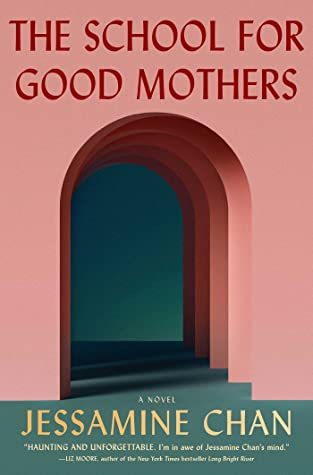
Book Review: The School for Good Mothers by Jessamine Chan

Title: The School for Good Mothers
Author: Jessamine Chan
Publisher: Simon & Schuster
Publication date: January 4, 2022
Length: 336 pages
Genre: Thriller
Source: Purchased
Rating:

Rating: 2.5 out of 5.

In this taut and explosive debut novel, one lapse in judgement lands a young mother in a government reform program where custody of her child hangs in the balance.

Frida Liu is struggling. She doesn’t have a career worthy of her Chinese immigrant parents’ sacrifices. She can’t persuade her husband, Gust, to give up his wellness-obsessed younger mistress. Only with Harriet, their cherubic daughter, does Frida finally attain the perfection expected of her. Harriet may be all she has, but she is just enough.

Until Frida has a very bad day.

The state has its eyes on mothers like Frida. The ones who check their phones, letting their children get injured on the playground; who let their children walk home alone. Because of one moment of poor judgment, a host of government officials will now determine if Frida is a candidate for a Big Brother-like institution that measures the success or failure of a mother’s devotion.

Faced with the possibility of losing Harriet, Frida must prove that a bad mother can be redeemed. That she can learn to be good.

A searing page-turner that is also a transgressive novel of ideas about the perils of “perfect” upper-middle class parenting; the violence enacted upon women by both the state and, at times, one another; the systems that separate families; and the boundlessness of love, The School for Good Mothers introduces, in Frida, an everywoman for the ages. Using dark wit to explore the pains and joys of the deepest ties that bind us, Chan has written a modern literary classic. 

A “modern literary classic”? An “everywoman for the ages”? I’m thinking that whoever wrote the book synopsis did not read the same book I read.

The School for Good Mothers tells the story of Frida, a Chinese-American 39-year-old woman who makes a terrible, life-changing mistake. Sleepless, worn out, frantic, Frida leaves her toddler alone in the house for a few hours — absolutely a horrible action, one that’s hard to fathom and that should definitely have consequences. But the consequences here go beyond a rational response. Frida is cut out of Harriet’s life, and is presented with just one chance to ever see her daughter again: attend a year-long retraining program where she’ll learn to be a good mother. If she passes the program, she may have a chance to be in her daughter’s life. If she fails, her parental rights will be terminated.

While it’s hard to sympathize with Frida initially, it soon becomes clear that the price of her error is cruelly harsh, depriving her of all contact with her daughter and, more shockingly, depriving the daughter of her mother. From the moment of the incident, Frida’s contact with Harriet is strictly controlled and monitored. Surveillance cameras are installed in her home and all her devices are monitored. Her every action and expression is analyzed: Is she remorseful enough? Does she demonstrate empathy? Is she capable of providing care? Does she deserve to be a mother?

Once Frida enters the school, the monitoring becomes even more extreme. Her voice, her heartbeats, her diet — every aspect of her is measured and assessed. At stake is her future with Harriet. Weekly phone calls are granted less frequently than they’re suspended. And the training program is weirdly sinister, involving robot “children” whom the wayward mothers must bond with, care for, shower with love, and train to be good people. It’s creepy, to be sure.

The problem for me is — what was the point of all this? It’s a story about a society similar to our own, but where children’s welfare is controlled and through state-sponsored surveillance and reporting, and where seemingly arbitrary decisions can ruin a family in the blink of an eye. The book is apparently set in a not-too-distant future, but it’s not clear what has changed or in what degree to allow this new approach to child welfare to flourish. And while some of the mothers seem to have been sentenced to the program for infractions that seem better suited to counseling or supportive services, others have clearly been cruel, harmful, or dangerously neglectful. (Sorry, Frida, but I’d place her in the dangerously neglectful category). We’re supposed to feel that the school is extreme (and it is), but some of the parents there do seem to be suited to a more extreme response, so the book’s ability to make the reader feel sympathy isn’t particularly successful across the board.

The story touches on class, race, and gender issues, but it tends to feel performative rather than truly thought-provoking. Frida’s upbringing, by professionally-focused immigrant parents, have shown her one way to parent, but in the world of The School For Good Mothers, there’s no room for deviation from what’s considered to be “good” mothering.

A sad hopelessness pervades much of the book, and while the program at the school is disturbing, it never felt prescient or even slightly believable to me. In a world like our own where social services continue to be underfunded and overstretched, it’s hard to grasp how such a huge societal change could take place in the book’s world, when everything else seems relatively familiar and current.

It seemed to me as though this book was trying very hard to be daring and dramatic, but it’s strangely unmoving in lots of ways. The plot is so over the top that I couldn’t truly buy into it, and therefore never felt like the stakes were real.

The School for Good Mothers is a fast page-turner, but ultimately it left me cold.

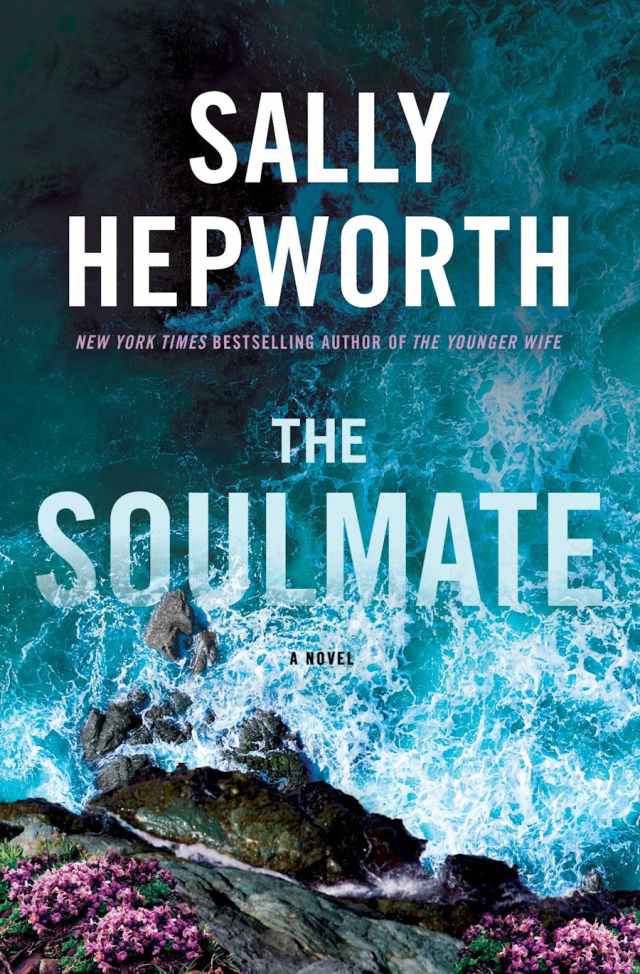
Book Review: The Younger Wife by Sally Hepworth

Title: The Younger Wife
Author: Sally Hepworth
Publisher: St. Martin’s Press
Publication date: April 5, 2022
Length: 352 pages
Genre: Thriller/contemporary fiction
Source: Review copy courtesy of the publisher via NetGalley
Rating:

Rating: 3.5 out of 5.

THE HUSBAND

A heart surgeon at the top of his field, Stephen Aston is getting married again. But first he must divorce his current wife, even though she can no longer speak for herself.

THE DAUGHTERS

Tully and Rachel Aston look upon their father’s fiancée, Heather, as nothing but an interloper. Heather is younger than both of them. Clearly, she’s after their father’s money.

THE FORMER WIFE

With their mother in a precarious position, Tully and Rachel are determined to get to the truth about their family’s secrets, the new wife closing in, and who their father really is.

THE YOUNGER WIFE

Heather has secrets of her own. Will getting to the truth unleash the most dangerous impulses in all of them? 

I could not put this book down… and yet now that I’m done, I really don’t know what to think!

As the book opens, we’re at the wedding of Stephen and Heather. They make a beautiful couple, and everyone is so pleased that Stephen has found love again after going through the pain of his former wife’s slide into dementia. And how lovely that he thought to include his ex-wife in this special day! But after the vows, something goes wrong in the next room. There’s blood and an ambulance…

And that’s just the prologue!

From there, we go back some months to Heather’s first meeting with Stephen’s adult daughters, Tully and Rachel. Heather is actually younger than both of them, and they’re prepared to hate her. They’re none too pleased with their father either, but they’re trying to be supportive. He’s done right by their mother, finding her a good nursing home and excellent care, making sure there’s no worry about finances… so why shouldn’t he have the opportunity for love once again?

As the story unfolds, we get chapters from Tully, Rachel, and Heather’s perspectives. No one’s life is as perfect as it seems. Rachel, a magnificent baker, has been dealing with a trauma from her teens for almost 20 years. Tully, a suburban wife and mother, has anxiety through the roof and very unhealthy coping mechanisms. And Heather certainly has not shared the true story of her family’s sordid past.

Each of the three women evokes sympathy in her own way. For Tully and Rachel, they’re dealing not only with issues from their pasts, but also grieving the loss of a beloved mother, mourning a bit more with each visit to the nursing home and the realization that the woman who was so central to their lives has slipped away from them bit by bit. Heather’s childhood was awful, but she’s built a fresh start for herself, even as the occasional doubts about her perfect new life creep in.

It’s hard to say much without giving away key spoilers, so I’ll proceed with caution. As I mentioned, I simply couldn’t put this book down, and finished it over two days of intense reading. Not that that’s surprising — Sally Hepworth’s book always bring out the compulsive reader in me! With short, sharp chapters and fascinating POV characters, The Younger Wife sucked me in from page 1 and just never let me go.

And yet… I felt oddly flat after the end. I really and truly can’t say more, but the resolution left me confused and weirdly disappointed. I need to go back and poke around in earlier chapters to see if I missed anything and reexamine how the pieces fit together.

Do I recommend this book? Yes, but perhaps with tempered expectations. Sally Hepworth is a terrific teller of tales, and she creates fascinating, memorable characters. The Younger Wife did not move and engage my emotions the way The Good Sister did, but that’s a very high mark to meet.

The Younger Wife is a fast page-turner, and I enjoyed the reading experience. Now I just need to think about that ending some more…

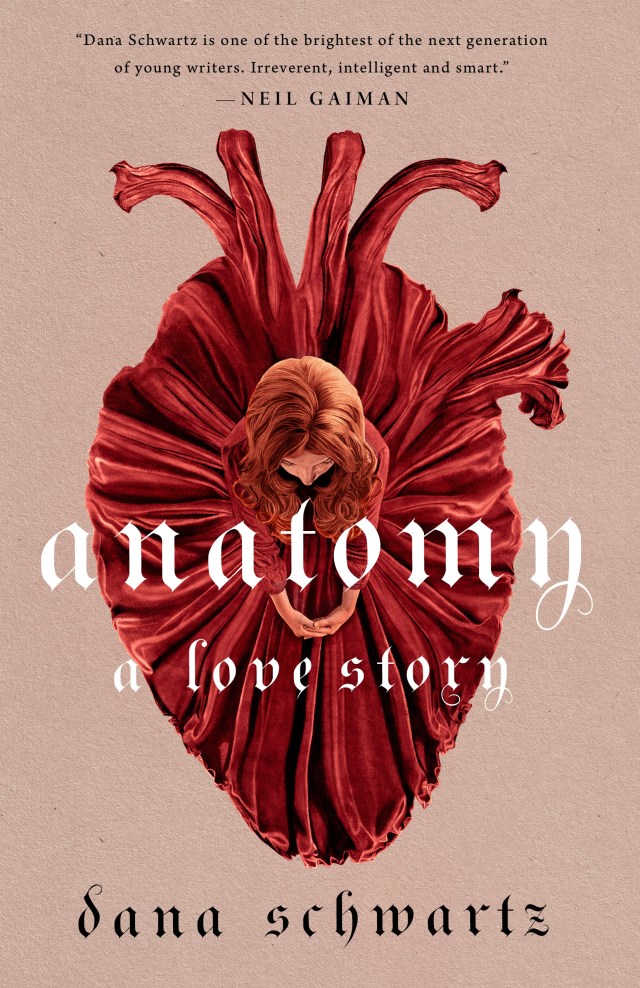
Book Review: Anatomy: A Love Story by Dana Schwartz

Title: Anatomy: A Love Story
Author: Dana Schwartz
Publisher: Wednesday Books
Publication date: January 18, 2022
Length: 352 pages
Genre: Historical fiction / Young adult fiction
Source: Review copy courtesy of the publisher via NetGalley
Rating:

Rating: 3.5 out of 5.

A gothic tale full of mystery and romance about a willful female surgeon, a resurrection man who sells bodies for a living, and the buried secrets they must uncover together.

Edinburgh, 1817.

Hazel Sinnett is a lady who wants to be a surgeon more than she wants to marry.

Jack Currer is a resurrection man who’s just trying to survive in a city where it’s too easy to die.

When the two of them have a chance encounter outside the Edinburgh Anatomist’s Society, Hazel thinks nothing of it at first. But after she gets kicked out of renowned surgeon Dr. Beecham’s lectures for being the wrong gender, she realizes that her new acquaintance might be more helpful than she first thought. Because Hazel has made a deal with Dr. Beecham: if she can pass the medical examination on her own, the university will allow her to enroll. Without official lessons, though, Hazel will need more than just her books – she’ll need bodies to study, corpses to dissect.

Lucky that she’s made the acquaintance of someone who digs them up for a living, then.

But Jack has his own problems: strange men have been seen skulking around cemeteries, his friends are disappearing off the streets. Hazel and Jack work together to uncover the secrets buried not just in unmarked graves, but in the very heart of Edinburgh society.

I have to be honest — I was 100% drawn to this book because of the cover! I mean… gorgeous, right? Unfortunately, my impression based on the cover led me to expect something intense, dramatic, perhaps tragic… and while there’s a lot that works about this book, the initial impressions don’t really pan out.

Anatomy takes place in Edinburgh in 1817, presenting a view of the state of medicine and society at that time. The wealthy and titled live comfortable, oblivious lives, while the poor suffer and starve, and sickness spreads through the city without much in the way of effective medicine to stop it.

In this world, physicians may be respected, but surgeons certainly are not. Their work is considered only steps above butchery. To learn the art and science of surgery, anatomists must rely on “resurrection men”, grave robbers who dig up fresh corpses to earn a living.

Jack Currer is one such resurrectionist, a teenaged boy who supports himself through this gruesome and dangerous work, while dreaming of a better life. 17-year-old Hazel Sinnett is a young lady, niece of a viscount, comfortably settled in her family’s gorgeous home, pampered, and expected to marry her cousin, to whom she’s been unofficially engaged since childhood.

But Hazel nurtures a secret dream of becoming a physician, and she’s determined to pursue it, no matter the obstacles. Disguised in her late brother’s clothing, she begins attending classes at the Royal Edinburgh Anatomists’ Society in preparation for the physicians exam, but is soon discovered and tossed out.

Undeterred, she decides to continue studying on her own. With the rest of her family conveniently away for several months, she arranges for Jack to bring her bodies to study, and soon opens the doors of her family home to any poor people who need medical attention. While her practice flourishes, she gains skills and knowledge, and is soon a doctor in all but certification.

But something sinister is happening in Edinburgh. Other resurrectionists of Jack’s acquaintance have gone missing, and the business of digging up graves becomes more dangerous by the day. Amidst the danger, Hazel begins joining Jack on his work in the graveyards. As they spend time together, they develop trust and friendship, and then stronger emotions, although their difference in social station would seem to be insurmountable.

I was excited to read Anatomy, as the early history of modern medicine is truly fascinating. This is not the first book I’ve read set in this time and place, with a similar focus on the work of anatomists. However, while I expected that the plot would be mostly about the challenges of a young woman pursuing a career in science — something off-limits to her because of her gender and her social status — that’s not really what the book delivers.

Instead, the book takes a turn toward more of a thriller, with disappearances and sinister deaths, and there’s a supernatural/fantasy element that I wasn’t expecting — and honestly, that threatened to ruin the story for me. I loved reading about Hazel’s burning desire for an education and to do good in the world, but the climax and resolution negate the sense of historical reality established earlier in the book.

Also, this may be my own fault, but I assumed this was adult fiction. Only as I got further along did it occur to me that this might actually be YA — and yes, it’s listed as such on NetGalley, so I suppose I just didn’t notice that ahead of time. Maybe this is why the plot ended up feeling a little trite and simplistic to me. I wanted rich historical fiction; instead, I got a watered-down historical setting that focuses on romance and a fantastical element that’s just weird.

As for the romance — well, Hazel and Jack are both very likable characters, and I appreciated that they could develop feelings for each other, but their first kiss is anything but romantic:

Hazel pressed her shoulders up against Jack, partly to avoid the chill leaching from the moist earth through her jacket, but partly because his warmth — the solidity of his presence — made her less dizzy with fear. It anchored her. They were there, together. Whatever — whoever — was out there, neither of them would have to face it alone.

Wondering where this is taking place?

She had kissed Jack Currer in a grave, and he kissed her back, and even with everything else they had faced, that moment was the hardest Hazel’s heart had beaten the entire night.

I think if I’d realize this was a YA book, I might have had more tolerance for it as I was reading it. As it was, I felt a little let down by the realization that the intense, presumably adult drama I’d been expected had turned out to be a teen-aged love story with an otherworldly twist.

I would read more about anatomists in the early 1800s or historical fiction about Scotland in that time period or about women trying to study medicine at a time when they weren’t permitted to do so — in a heartbeat! Sadly, this book didn’t deliver what I’d hoped for.

Anatomy has a great setting and interesting premise, but the overall structure and content of the story was a letdown for me. It’s not a bad read at all, but this is a prime example of expectations getting in the way of enjoyment. Perhaps if I’d more accurately anticipated the tone and content, I might have appreciated it more.

I’m going to be looking forward to hearing other people’s thoughts on this book. It did keep me turning the pages, even though I found many aspects borderline ridiculous. Your mileage may vary.

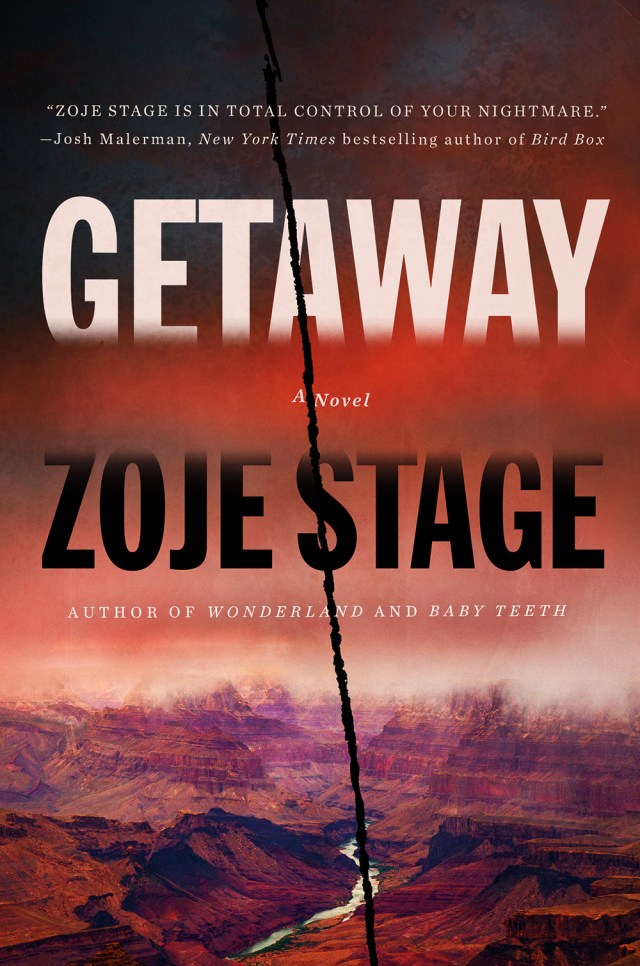
Book Review: Getaway by Zoje Stage

Title: Getaway
Author: Zoje Stage
Publisher: Mulholland Books
Publication date: August 17, 2021
Length: 352 pages
Genre: Thriller
Source: Review copy courtesy of the publisher via NetGalley
Rating:

Rating: 5 out of 5.

A cinematic and terrifying new novel from “the master of the psychological thriller” and the bestselling author of Baby Teeth and Wonderland, about three friends who hike into the wilds of the Grand Canyon—only to find it’s not so easy to leave the world behind (Entertainment Weekly).

It was supposed to be the perfect week away . . . 

Imogen and Beck, two sisters who couldn’t be more different, have been friends with Tilda since high school. Once inseparable, over two decades the women have grown apart. But after Imogen survives a traumatic attack, Beck suggests they all reunite to hike deep into the Grand Canyon’s backcountry. A week away, secluded in nature . . . surely it’s just what they need.

But as the terrain grows tougher, tensions from their shared past bubble up. And when supplies begin to disappear, it becomes clear secrets aren’t the only thing they’re being stalked by. As friendship and survival collide with an unspeakable evil, Getaway becomes another riveting thriller from a growing master of suspense and “a literary horror writer on the rise” (BookPage).

I went into Getaway not knowing much about it other than that it takes place in the Grand Canyon and that something ominous happens. The cover image makes it clear that this will not be a happy book! But I truly had no idea what awaited me, and that was a good thing. With no foreknowledge, I was shaken and then terrified by every new development.

That said, if you haven’t read Getaway and want to experience it the way I did, stop reading this review right now! Just know that this is a five-star reading experience, steel yourself to be truly disturbed, and go for it.

Onward, though, to discussing more of the book. First off, I must say that I had no idea that there would be a Jewish component to this book, and that’s always something that speaks to me. The book starts off shockingly, as we learn that main character Imogen survived the horrific attack on the Etz Chayim synagogue in Pittsburgh, by chance arriving just as the shooting began and being able to hide outside rather than being inside the building to be massacred.

Although physically unharmed, Imogen bears psychological scars that only intensify those she already carried from “the thing” (which we learn about over the course of the novel) that happened to her in college. Over her adult years, Imogen has become more and more reclusive, to the point of agoraphobic. She doubts herself, her worth, and her ability to function in the world.

Imogen and her sister Beck grew up in an outdoorsy family, with frequent backpacking and wilderness trips. It’s been years since Imogen has felt secure enough to venture out like this, but Beck has arranged for the two of them plus their friend Tilda to spend a week in the Grand Canyon. Once inseparable, Tilda and Imogen have been estranged since “the thing”. Beck hopes that their week together, away from society and distractions, basking in the beauty of the wilderness, will provide an opportunity for the three of them to come back together, heal, and reestablish the closeness they once had.

Needless to say, things go horribly wrong. I wont’ say how or why, but the beautiful getaway that Beck envisioned turns into a nightmare in which their lives are on the line, and any wrong move can spell disaster. The three women must rely on each other and on their own internal resources if they have even a tiny hope of making it out of the Grand Canyon again.

Getaway is a thriller that introduces its dangers in an almost innocuous way. As with the characters, I was lulled into thinking “how bad could this be?” But the danger becomes more and more clear, and the escalation is terrifying yet also insidious. There seems to be hope, again and again, that reason and compassion and conversation can yield a solution… but that hope gets dashed repeatedly, and it quickly becomes clear that only drastic action can save them.

(Sorry, being deliberately vague here… but honestly, it’s best not to know much in advance.)

I loved the complexity of the women’s relationships, and how this informs the way they interact as well as how they initially respond to the threats they face. Imogen, as our point of view character, is fascinating — we see her doubts and fears, her resentment toward Tilda, her sense of inadequacy when comparing herself to Beck, and the self-doubt she’s harbored for years about whether she’s good enough, whether she’s able to defend herself, whether she lets herself and others down in times of urgency. In order to survive, Imogen has to face her inner turmoil and put herself on the line in ways that would seem unimaginable in any other facet of her life.

Truly, Getaway is rich and complex, and scary as hell. I was creeped out and terrified throughout much of the book, and had a hard time envisioning any outcome that wasn’t devastating. At the same time, I loved the main characters, loved the Grand Canyon setting, and really marvelled at the author’s ability to weave together the elements of an engrossing thriller with a moving story about friendship and resilience.

This is my first encounter with Zoje Stage, but I hope it won’t be my last! I know she has two previously published novels, and I’m eager to find out more about them. If you’ve read either Baby Teeth or Wonderland, please let me know what you thought and if you recommend them!

Getaway is highly recommended, a powerful and frightening read that’s also redemptive and empowering. Don’t miss it.

Book Review: Velvet Was the Night by Silvia Moreno-Garcia

Title: Velvet Was the Night
Author: Silvia Moreno-Garcia
Publisher: Del Rey
Publication date: August 17, 2021
Length: 289 pages
Genre: Noir/historical fiction
Source: Review copy courtesy of the publisher via NetGalley
Rating:

Rating: 3.5 out of 5.

From the New York Times bestselling author of Mexican Gothic comes a “delicious, twisted treat for lovers of noir” about a daydreaming secretary, a lonesome enforcer, and the mystery of a missing woman they’re both desperate to find.

1970s, Mexico City. Maite is a secretary who lives for one thing: the latest issue of Secret Romance. While student protests and political unrest consume the city, Maite escapes into stories of passion and danger.

Her next-door neighbor, Leonora, a beautiful art student, seems to live a life of intrigue and romance that Maite envies. When Leonora disappears under suspicious circumstances, Maite finds herself searching for the missing woman—and journeying deeper into Leonora’s secret life of student radicals and dissidents.

Meanwhile, someone else is also looking for Leonora at the behest of his boss, a shadowy figure who commands goon squads dedicated to squashing political activists. Elvis is an eccentric criminal who longs to escape his own life: He loathes violence and loves old movies and rock ’n’ roll. But as Elvis searches for the missing woman, he comes to observe Maite from a distance—and grows more and more obsessed with this woman who shares his love of music and the unspoken loneliness of his heart.

Now as Maite and Elvis come closer to discovering the truth behind Leonora’s disappearance, they can no longer escape the danger that threatens to consume their lives, with hitmen, government agents, and Russian spies all aiming to protect Leonora’s secrets—at gunpoint.

Velvet Was the Night is an edgy, simmering historical novel for lovers of smoky noirs and anti-heroes. 

I’ll keep this brief: Velvet Was the Night is an atmospheric noir dive into Mexico City of the early 1970s, a time of student uprisings, police and secret forces and foreign agents, class divisions and criminal underworlds and anarchic collectives. Into this setting, author Silvia Moreno-Garcia inserts a tale of a missing person, a lonely young woman who gets in over her head, and the young thug who dreams of a more glamorous life, set to the tune of great American crooners like Elvis Presley and Bobby Darin.

Maite is 30 years old, an unmarried secretary looked down upon by her family, who finds delight in old records and romantic serial comics, and who secretly steals small tokens from her neighbors in order to find a source of vicarious excitement in her otherwise lonely and uneventful life.

When her neighbor Leonora asks Maite to look after her cat for a few days, she has no idea that soon she’ll be questioned by thugs, government agents, and Leonora’s ex-lover, all searching for film that Leonora might have left behind — photos of police brutality at a student protest. Out of annoyance at Leonora’s disappearance — leaving her behind with an unwanted cat and without her promised payments — Maite begins to try to track down Leonora, but soon finds herself caught up in a tightening web of criminals and spies, somehow envisioning herself living within a romantic adventure story without truly realizing the danger she’s in.

Meanwhile, Elvis is an enforcer with the Hawks, secretive cells of young goons who infiltrate protests and student collectives on behalf of the government, to squash political activism and threaten those who step out of line, using brutality and any means necessary to achieve their goals. Elvis has nothing else in his life, but he dreams of rising out of this seedy life to a position where he can be respected and can enjoy fine music and beautiful things.

Maite and Elvis’s paths eventually cross, as the tension builds, and each discovers hidden links about Leonora and her connections.

The storytelling embraces the grittiness of a noir setting, while bringing to life the feel of 1970s Mexico City. Through the characters, we get a good feel of the economics and politics of the time, as well as the casual way an otherwise uninvolved person can stumble into intrigue and mortal danger.

I did find the political elements and names of the various secrets forces somewhat confusing, not being particularly familiar with the history of that place and time. I was able to follow along well enough, but occasionally felt like I was missing something.

Velvet Was the Night is action-oriented, yet also conveys a well-defined character study of two very different people, Elvis and Maite, showing their inner lives, their thwarted dreams, and their overwhelming loneliness.

I enjoyed the book, especially because I listened to the audio version, with great narration by Gisela Chipe. At times, I felt the constant car chases and fistfights and scenes of intimidation were too much, and it was much too obvious where the hidden photos were, but overall, this is an entertaining read/listen — a book with a setting that’s very different from most of the other reading I did in 2021.

Book Review: A History of Wild Places by Shea Ernshaw

Title: A History of Wild Places
Author: Shea Ernshaw
Publisher: Atria Books
Publication date: December 7, 2021
Length: 368 pages
Genre: Thriller
Source: Review copy courtesy of the publisher via NetGalley
Rating:

Rating: 4.5 out of 5.

Travis Wren has an unusual talent for locating missing people. Hired by families as a last resort, he requires only a single object to find the person who has vanished. When he takes on the case of Maggie St. James—a well-known author of dark, macabre children’s books—he’s led to a place many believed to be only a legend.

Called Pastoral, this reclusive community was founded in the 1970s by like-minded people searching for a simpler way of life. By all accounts, the commune shouldn’t exist anymore and soon after Travis stumbles upon it… he disappears. Just like Maggie St. James.

Years later, Theo, a lifelong member of Pastoral, discovers Travis’s abandoned truck beyond the border of the community. No one is allowed in or out, not when there’s a risk of bringing a disease—rot—into Pastoral. Unraveling the mystery of what happened reveals secrets that Theo, his wife, Calla, and her sister, Bee, keep from one another. Secrets that prove their perfect, isolated world isn’t as safe as they believed—and that darkness takes many forms.

Hauntingly beautiful, hypnotic, and bewitching, A History of Wild Places is a story about fairy tales, our fear of the dark, and losing yourself within the wilderness of your mind. 

Author Shea Ernshaw has two previously published YA novels (including Winterwood, reviewed here). In A History of Wild Places, her adult debut, her powerful writing once again provides for a compelling read.

We open with Travis Wren, a man whose gift enables him to see visions of people’s pasts through touching items they’ve left behind. At the end of his rope after a series of personal misfortunes, he takes one last missing persons job, to search for bestselling children’s author Maggie St. James, who disappeared without a trace five years earlier. As Travis follows a trail of clues into the remote woods of Northern California, he finds evidence of an isolated community, then disappears himself.

As the story continues, the plot focuses on Pastoral, the isolated community that Travis had stumbled across some years earlier. Within the world of Pastoral, the community lives in harmony, led by their leader Levi, enjoying back-to-nature living, the beauty of their surroundings, self-sufficiency, and a simpler way of life. The drawback, however, is that no one enters or leaves Pastoral, not since an infection in the forest surrounding the community threatens to kill or infect anyone who steps across the boundary.

For Theo, his wife Calla, and her sister Bee, it’s a quiet but joy-filled life, with simple pleasures and routines, marred only by the fear of the pox lurking in the woods and even in a rainfall. They’re content in their lives together, even knowing that there are external threats and limits.

Our clothes are in endless need of mending, of stitching, an ongoing effort to make everything last for one more season.

Whatever we have is all there will ever be.

There’s an ominous sense hanging over Pastoral. The residents love one another and admire their leader, but the fear of contamination pervades everything they do, and they are essentially trapped within their own borders. Those who’ve tried to leave have been found dead or dying, bearing distinct signs of the pox. It’s quite clear that leaving equates to death, and that the people of Pastoral must accept their fate, to live permanently where they are, with what they have.

Events take a more dire turn when a baby is born prematurely. The infant will not survive with medical help, but there’s none to be had. Venturing to the nearest town to bring back help might save the baby, but would doom the entire community by introducing outside infection. The community’s split reaction to getting help precipitates a more dangerous turn of events, and this leads to Theo, Calla, and Bee each questioning what they know and what they think they know.

The cobwebs of tiny mistruths, little papercut deceptions, rooted in our joints and slung between rib bones.

How does this relate back to Maggie and Travis? I won’t tell, but trust me, the explanations and answers are fascinating.

I loved the moodiness of the entire novel. The author does a masterful job of portraying both the natural peace and beauty of Pastoral and its paranoia and fear. There’s a sense of impending danger in even the most ordinary of scenes.

No matter where you go, there are cracks in the plaster, nails coming loose, you just have to decide where you want to piece yourself back together. Where the ground feels sturdiest beneath your feet.

Likewise, I really appreciated the unfolding character arcs throughout the novel, as the characters learn more about themselves and their own secrets, as well as the bigger mysteries and secrets surrounding Pastoral as a whole.

The resolution is well-earned, with surprising twists that are justified by the build-up. Pretty much the only piece of this book that didn’t quite ring true for me has to do with Maggie’s novels, which are described as a bestselling children’s series — but based on the excerpts included in the book, I couldn’t get the appeal or why they’d be so influential. Maybe we just don’t see enough of them to get the full picture.

I’d definitely recommend A History of Wild Places. The writing is beautiful and evocative, and the plot is full of intricate characters and sharp twists. A can’t-put-it-down reading experience!

**********

Through affiliate programs, I may earn commissions from purchases made when you click through these links, at no cost to you.

Buy now at Book Depository – Bookshop.orgBarnes & Noble

Shelf Control #293: The River by Peter Heller

Shelves final

Welcome to Shelf Control — an original feature created and hosted by Bookshelf Fantasies.

Shelf Control is a weekly celebration of the unread books on our shelves. Pick a book you own but haven’t read, write a post about it (suggestions: include what it’s about, why you want to read it, and when you got it), and link up! For more info on what Shelf Control is all about, check out my introductory post, here.

Want to join in? Shelf Control posts go up every Wednesday. See the guidelines at the bottom of the post, and jump on board!

Title: The River
Author: Peter Heller
Published: 2019
Length: 253 pages

What it’s about (synopsis via Goodreads):

The story of two college friends on a wilderness canoe trip—of a friendship tested by fire, white water, and violence

Wynn and Jack have been best friends since freshman orientation, bonded by their shared love of mountains, books, and fishing. Wynn is a gentle giant, a Vermont kid never happier than when his feet are in the water. Jack is more rugged, raised on a ranch in Colorado where sleeping under the stars and cooking on a fire came as naturally to him as breathing.

When they decide to canoe the Maskwa River in northern Canada, they anticipate long days of leisurely paddling and picking blueberries, and nights of stargazing and reading paperback Westerns. But a wildfire making its way across the forest adds unexpected urgency to the journey.

When they hear a man and woman arguing on the fog-shrouded riverbank and decide to warn them about the fire, their search for the pair turns up nothing and no one. But: The next day a man appears on the river, paddling alone. Is this the man they heard? And, if he is, where is the woman?

How and when I got it:

As with so many of the books on my Kindle, I bought the e-book version a year or so ago when there was a one-day price break.

Why I want to read it:

Peter Heller’s 2012 novel The Dog Stars is one that has stayed with me — beautiful, powerful, and frightening. I’ve been wanting to read more of his works ever since.

I remember hearing about The River when it came out, and knew that I’d want to read it eventually. It has so many elements I love, especially wilderness exploration with a touch of danger. This book sounds like a great combination of a story of friendship, an outdoor adventure, and a thriller, all rolled into one.

A sequel, The Guide, was just released earlier this year, and it sounds terrific — in fact, hearing about this new book is what reminded me that I really do need to finally get to The River.

What do you think? Would you read this book?

Please share your thoughts!


__________________________________

Want to participate in Shelf Control? Here’s how:

  • Write a blog post about a book that you own that you haven’t read yet.
  • Add your link in the comments or link back from your own post, so I can add you to the participant list.
  • Check out other posts, and…

Have fun!

Book Review: The Plot by Jean Hanff Korelitz

Title: The Plot
Author: Jean Hanff Korelitz
Publisher: Celadon Books
Publication date: May 11, 2021
Length: 336 pages
Genre: Thriller
Source: Library
Rating:

Rating: 4.5 out of 5.

Jacob Finch Bonner was once a promising young novelist with a respectably published first book. Today, he’s teaching in a third-rate MFA program and struggling to maintain what’s left of his self-respect; he hasn’t written–let alone published–anything decent in years. When Evan Parker, his most arrogant student, announces he doesn’t need Jake’s help because the plot of his book in progress is a sure thing, Jake is prepared to dismiss the boast as typical amateur narcissism. But then… he hears the plot.

Jake returns to the downward trajectory of his own career and braces himself for the supernova publication of Evan Parker’s first novel: but it never comes. When he discovers that his former student has died, presumably without ever completing his book, Jake does what any self-respecting writer would do with a story like that–a story that absolutely needs to be told.

In a few short years, all of Evan Parker’s predictions have come true, but Jake is the author enjoying the wave. He is wealthy, famous, praised and read all over the world. But at the height of his glorious new life, an e-mail arrives, the first salvo in a terrifying, anonymous campaign: You are a thief, it says.

As Jake struggles to understand his antagonist and hide the truth from his readers and his publishers, he begins to learn more about his late student, and what he discovers both amazes and terrifies him. Who was Evan Parker, and how did he get the idea for his “sure thing” of a novel? What is the real story behind the plot, and who stole it from whom?

Hailed as breathtakingly suspenseful, Jean Hanff Korelitz’s The Plot is a propulsive read about a story too good not to steal, and the writer who steals it.

It’s not an exaggeration to say that The Plot is an unputdownable page-turner. I finished it within 24 hours — I just couldn’t stand waiting to see how it all turned out!

In The Plot, our focus is on Jacob Finch Bonner, a has-been writer who burst onto the literary scene years earlier with a well-reviewed first book, then flamed out on his second book and couldn’t even find a publisher for his third or fourth. He can’t bring himself to write, and supports himself through teaching at a mediocre MFA program that’s open to anyone who wants to write, no competitive admissions process required.

When the super obnoxious Evan Parker shows up for Jake’s class, Evan is dismissive and rude, and asserts that he’s just there to get the initials MFA into his credentials. He insists his plot is amazing, can’t fail, and will make what he writes a huge bestseller and get him a major movie deal. Jake can’t believe Evan’s arrogance, but when he finally coaxes the plot out of Evan, he has to reluctantly agree that Evan has something unique and possibly quite valuable. Of course, it’s insulting that Evan insists that it doesn’t take writing talent to make a great book — all that’s needed is a great plot, and he has one.

Years go by, and Jake supports himself through online teaching and an editing business. But when he hears that Evan has died, he’s curious about the plot of his book. Surely, if someone had published such a story, he would have known. After googling and poking around, Jake becomes certain that Evan never did write his book… and since the plot was never used and never truly left Jake’s mind, well, why not?

Jake’s book is everything that Evan knew his plot would lead to. Crib is a huge bestseller, an Oprah book, and is about to be optioned by Stephen Spielberg. But Jake’s success is disturbed when he receives an email calling him a thief. His anxiety leads him into a deeper look into Evan’s life, and the more he digs, the more he understands about how someone like Evan could have come up with this amazing plot in the first place.

I can’t go into more detail than that, because spoiling this book would be unforgivable! Suffice it to say that Jake’s investigation reveals plenty of weirdness and unexpected twists, and I found it fascinating.

The Plot gives us a lot to think about, both in terms of the book’s storyline and the suspenseful elements, but also in terms of the world and inner life of a writer. As one character points out, ideas can’t be copyrighted. So if someone has a story idea but never uses it, and someone else knows about the idea and does use it, is it stealing? On the surface, yes… maybe? Was it ethical for Jake to write a book based on a plot concept that, as far he knows, was never used and was never even written beyond the draft of a first chapter? If Jake took the story outline he heard from Evan and turned into a compelling novel, was that Jake’s work in reality? How much credit, if any, does he owe to Evan? The questions are fascinating to think about, and my feelings and opinions on these issues continued to change throughout the novel.

I did pretty much nail the biggest plot twist early on, but that doesn’t mean that I truly figured it all out. I may have had a good idea of the “what”, but the “why” and the “how” were surprising and really well put-together, and I loved all the little ups and downs of Jake’s search for the truth.

I will say that the very end was not what I expected, and I’m still struggling with it! Not because it doesn’t work — it absolutely does! But I will say that my sense of fairness feels upset. This is not the ending I wanted for the characters… but it totally works in a very creepy sort of way.

The Plot has lots of disturbing developments, but it’s not graphically violent. As I said, beyond the actual intrigue and action, I also appreciated the thoughts on a writer’s life, the highs and lows of success as an author, and the various questions brought up about who gets to tell whose stories and whether it’s true to say that each person has a story that’s uniquely theirs to tell.

I think one sign that The Plot is really well done is that even though I felt disappointed by some of Jake’s actions and decisions and what these say about his morality or lack thereof, I still rooted for him and cared enough about him to want him to find a way out of the increasingly perilous place he finds himself.

The Plot is one of the buzziest books this summer, and with good reason. It’s a fast, engrossing story that kept me hooked until the very end. Check it out!

**********

Through affiliate programs, I may earn commissions from purchases made when you click through these links, at no cost to you.

Buy now at Amazon – Book Depository – Bookshop.org

Book Review: Rabbits by Terry Miles

Title: Rabbits
Author: Terry Miles
Publisher: Del Rey
Publication date: June 8, 2021
Length: 448 pages
Genre: Science fiction
Source: Review copy courtesy of the publisher via NetGalley
Rating:

Rating: 2.5 out of 5.

Conspiracies abound in this surreal and yet all-too-real technothriller in which a deadly underground alternate reality game might just be altering reality itself, set in the same world as the popular Rabbits podcast.

It’s an average work day. You’ve been wrapped up in a task, and you check the clock when you come up for air–4:44 pm. You go to check your email, and 44 unread messages have built up. With a shock, you realize it is April 4th–4/4. And when you get in your car to drive home, your odometer reads 44,444. Coincidence? Or have you just seen the edge of a rabbit hole?

Rabbits is a mysterious alternate reality game so vast it uses our global reality as its canvas. Since the game first started in 1959, ten iterations have appeared and nine winners have been declared. Their identities are unknown. So is their reward, which is whispered to be NSA or CIA recruitment, vast wealth, immortality, or perhaps even the key to unlocking the secrets of the universe itself. But the deeper you get, the more deadly the game becomes. Players have died in the past–and the body count is rising.

And now the eleventh round is about to begin. Enter K–a Rabbits obsessive who has been trying to find a way into the game for years. That path opens when K is approached by billionaire Alan Scarpio, the alleged winner of the sixth iteration. Scarpio says that something has gone wrong with the game and that K needs to fix it before Eleven starts or the whole world will pay the price.

Five days later, Scarpio is declared missing. Two weeks after that, K blows the deadline and Eleven begins. And suddenly, the fate of the entire universe is at stake.

I’m not sure I’m actually up to the task of righting a Rabbits review, but I’ll give it a shot!

Rabbits is both the name of this novel and the name of the game within the novel. Rabbits — the game — is secretive and mysterious. No one knows for sure if it actually exists, who created it, how you play, who has played, or how you win. Yet there are countless online discussion groups devoted to Rabbits, as well as countless die-hard gamers who live and breathe for the opportunity to find out more and maybe even get to play.

K, the main character of the book, holds regular workshops on Rabbits in a Seattle arcade, where he reveals rare recordings and shares the lore of the game. It’s all based on rumors and hearsay and dark web conspiracies, but K is more successful than most. Gifted since birth with the ability to see and recognize patterns and connections, he’s highly skilled when it comes to recognizing the anomalies and seeming coincidences that are so crucial to Rabbits.

K also presents as being somewhat imbalanced, losing time, having strange freakouts, and becoming so obsessed with clues and the game that he forgets to eat or sleep. As the book opens, K receives a strange warning from a tech billionaire rumored to be a winner of an earlier iteration of the game. He states that there’s something wrong with the game, that it’s up to K to fix it, and that if he doesn’t, the world may be doomed. No pressure though!

We follow K and his maybe-girlfriend Chloe through a baffling series of symbols, puzzles, and patterns as they work to solve the riddle of Rabbits and, hopefully, to keep the multiverse from imploding. Reading Rabbits, I couldn’t help thinking that it’s sort of a Da Vinci Code kind of mystery wrapped up in gamer-speak, with a techno-thriller pace and edge to it all.

Rabbits is incredibly confusing, and to be honest, I don’t think I could actually tell you what Rabbits — the game — actually is or how someone wins. The book is convoluted as heck, although I can’t say it doesn’t have enjoyable moments. The mindfuckery is leavened by funny dialogue and pop culture references — in between all the parts that left me scratching my head and utterly bewildered. More often than not, I found myself incredibly impatient with all the twists and turns, and I just couldn’t suspend disbelief enough to buy into the idea that these hidden clues could actually make sense to a real person.

I think maybe I’m just not the right audience for Rabbits. The book is long, and while there are some fun passages and escapades, overall it didn’t make a whole lot of sense to me. I will say, though, that it’s made me hypersensitive right now to patterns and coincidences… like why do I always happen to be glancing at a clock when it’s 9:20?

Maybe it’s the game. Maybe I’m playing and I don’t even know it!

Final note: Rabbits is also the name of a podcast created by the novel’s author, Terry Miles. I haven’t listened to it, and understand from the book’s marketing that it’s not necessary to have listened to the podcast to read the book — but it’s also about the game Rabbits. The podcast can be found at: https://www.rabbitspodcast.com/

**********

Through affiliate programs, I may earn commissions from purchases made when you click through these links, at no cost to you.

Buy now at AmazonBook DepositoryBookshop.org

Book Review: I Don’t Forgive You by Aggie Blum Thompson

Title: I Don’t Forgive You
Author: Aggie Blum Thompson
Publisher: Forge
Publication date: June 8, 2021
Length: 384 pages
Genre: Thriller
Source: Review copy courtesy of the publisher via NetGalley
Rating:

Rating: 3 out of 5.

An accomplished photographer and the devoted mom of an adorable little boy, Allie Ross has just moved to an upscale DC suburb, the kind of place where parenting feels like a competitive sport. Allie’s desperate to make a good first impression. Then she’s framed for murder.

It all starts at a neighborhood party when a local dad corners Allie and calls her by an old, forgotten nickname from her dark past. The next day, he is found dead.

Soon, the police are knocking at her door, grilling her about a supposed Tinder relationship with the man, and pulling up texts between them. She learns quickly that she’s been hacked and someone is impersonating her online. Her reputation–socially and professionally–is at stake; even her husband starts to doubt her. As the killer closes in, Allie must reach back into a past she vowed to forget in order to learn the shocking truth of who is destroying her life.

Allie is new to the close-knit, overly involved neighborhood when she attends a party that changes everything. The community is full of successful, highly ambitious people whose children all attend the same school. Everyone knows everything about everybody, and it’s cliquey and overwhelming to outsider Allie. After some mild flirting over a glass of wine, Allie finds herself cornered and assaulted in the bathroom, and leaves feeling shaken up and terribly worried about her future in the neighborhood.

Among the neighborhood women, she has few allies, and when she decides to share her terrible experience with her closest neighbor, the word spreads that she’s accused the (now dead) man of assault. The crisis escalates as Allie discovers fake Tinder and Facebook accounts pretending to be her, causing horrible damage to her reputation, and soon leading even her husband to mistrust her.

Meanwhile, an old secret from Allie’s troubled past seems to be resurfacing, and to make matters worse, her mother and sister are entangled in problems as well. As the police start to zero in on Allie as a murder suspect, her panic worsens — there’s no one she can trust, and no one seems to believe that she’s been set up.

I Don’t Forgive You is a fast read, setting up the key conflict quickly and then piling up clues and suspicions left and right. There are lots of possible solutions to the question of who’s setting Allie up and why, and the plot intentionally plays up all the potential misdirections before finally revealing the answers.

The book kept my interest, although I’m not a huge fan of these types of suburban, gossipy neighbor thrillers. I couldn’t feel overly invested in the PTA drama, the judging women treating Allie horribly, or Allie’s own poor decision-making in times of crisis.

My big takeaway from this book is — stay off the internet! It’s like an object lesson in the dangers of identity theft and the value of cyber security. I think Allie’s awareness of online security protocols is probably pretty typical of most people — we assume passwords and firewalls are enough to keep us safe, and we tend to be blind to all the many, many ways people with bad intentions can mess with us.

I Don’t Forgive You is a good entertaining read. It didn’t particularly rise above average for me, but take that with a grain of salt, since thrillers in general aren’t usually my preferred genre. This would make a good summer read, a fun choice for reading in a beach chair or by the pool!

**********

Through affiliate programs, I may earn commissions from purchases made when you click through these links, at no cost to you.

Buy now at AmazonBook DepositoryBookshop.org