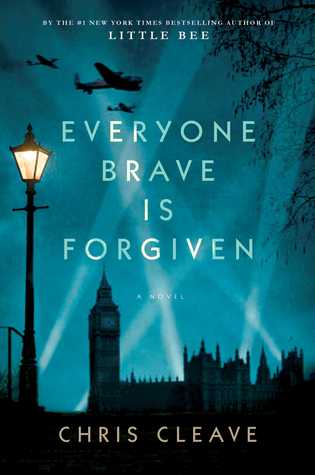
Take A Peek Book Review: Everyone Brave Is Forgiven by Chris Cleave

“Take a Peek” book reviews are short and (possibly) sweet, keeping the commentary brief and providing a little peek at what the book’s about and what I thought.

Everyone Brave is Forgiven


Synopsis:

(via Goodreads)

From the author of the #1 New York Times bestselling Little Bee, a spellbinding novel about three unforgettable individuals thrown together by war, love, and their search for belonging in the ever-changing landscape of WWII London.

It’s 1939 and Mary, a young socialite, is determined to shock her blueblood political family by volunteering for the war effort. She is assigned as a teacher to children who were evacuated from London and have been rejected by the countryside because they are infirm, mentally disabled, or—like Mary’s favorite student, Zachary—have colored skin.

Tom, an education administrator, is distraught when his best friend, Alastair, enlists. Alastair, an art restorer, has always seemed far removed from the violent life to which he has now condemned himself. But Tom finds distraction in Mary, first as her employer and then as their relationship quickly develops in the emotionally charged times. When Mary meets Alastair, the three are drawn into a tragic love triangle and—while war escalates and bombs begin falling around them—further into a new world unlike any they’ve ever known.

A sweeping epic with the kind of unforgettable characters, cultural insights, and indelible scenes that made Little Bee so incredible, Chris Cleave’s latest novel explores the disenfranchised, the bereaved, the elite, the embattled. Everyone Brave Is Forgiven is a heartbreakingly beautiful story of love, loss, and incredible courage.


My Thoughts:

I have such mixed feelings about this book. The story is grand and sweeping, encompassing the London air raids of World War II as well as the horrible conditions experienced by soldiers besieged on the island of Malta. In terms of setting and historical context, Everyone Brave Is Forgiven is powerful and hard-hitting, showing us the terror of the reality of war through the eyes of those attempting to live through it.

At the same time, the characters and the dialogue kept me at a distance throughout. The writing is so overdone, and there’s a jolly good, stiff upper lip, never say anything that isn’t a quip flavor to every line the characters speak. If I had to read one more sentence about what “one” did or didn’t do or feel, I might have pulled my hair out.

Overall, I found this a disappointing read. I will probably be in the minority on this one, as the book seems to be getting raves from all the big literary review sources. Sadly, the paths of the characters and the central love story didn’t have a ring of truth. The tragedies pile up, and there are scenes of raw destruction that are breathtakingly sad and shocking. Unfortunately, I couldn’t find the characters’ lives, actions, or relationships real enough to feel a true sense of connection to their stories.

_________________________________________

The details:

Title: Everyone Brave is Forgiven
Author: Chris Cleave
Publisher: Simon & Schuster
Publication date: May 3, 2016
Length: 432 pages
Genre: Historical fiction
Source: Review copy courtesy of the publisher via NetGalley

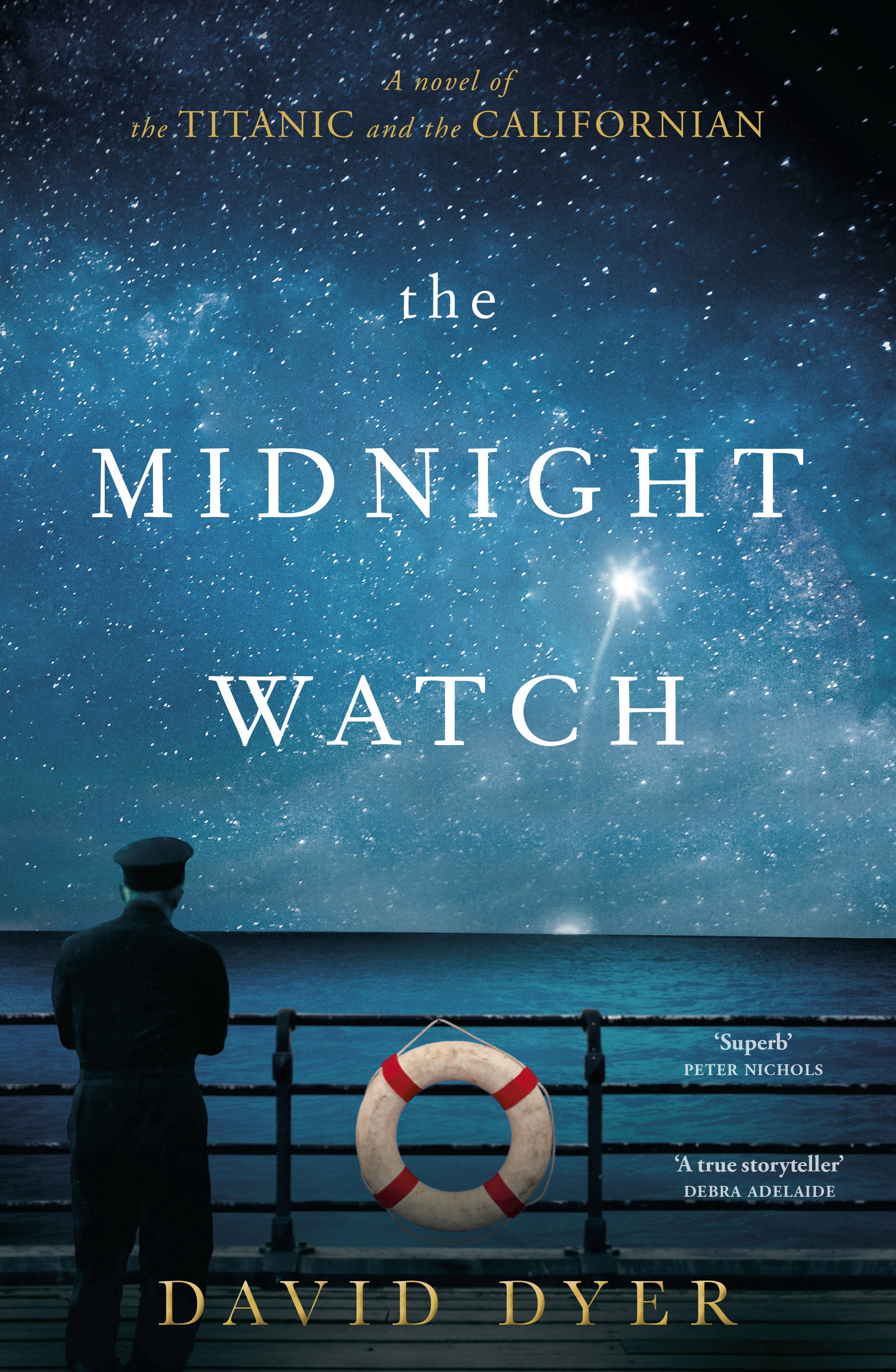
Book Review: The Midnight Watch by David Dyer

midnight watch2Synopsis:

(via Goodreads):

As the Titanic and her passengers sank slowly into the Atlantic Ocean after striking an iceberg late in the evening of April 14, 1912, a nearby ship looked on. Second Officer Herbert Stone, in charge of the midnight watch on the SS Californian sitting idly a few miles north, saw the distress rockets that the Titanic fired. He alerted the captain, Stanley Lord, who was sleeping in the chartroom below, but Lord did not come to the bridge. Eight rockets were fired during the dark hours of the midnight watch, and eight rockets were ignored. The next morning, the Titanic was at the bottom of the sea and more than 1,500 people were dead. When they learned of the extent of the tragedy, Lord and Stone did everything they could to hide their role in the disaster, but pursued by newspapermen, lawyers, and political leaders in America and England, their terrible secret was eventually revealed. The Midnight Watch is a fictional telling of what may have occurred that night on the SS Californian, and the resulting desperation of Officer Stone and Captain Lord in the aftermath of their inaction.

Told not only from the perspective of the SS Californian crew, but also through the eyes of a family of third-class passengers who perished in the disaster, the narrative is drawn together by Steadman, a tenacious Boston journalist who does not rest until the truth is found. The Midnight Watch is a powerful and dramatic debut novel–the result of many years of research in Liverpool, London, New York, and Boston, and informed by the author’s own experiences as a ship’s officer and a lawyer.

My thoughts:

The Midnight Watch is a strong debut novel built on meticulous research of the historical records. Prior to reading this book, I’d never even heard of the Californian, but a quick Google search shows just how real this nightmare story is. The Californian was nearby at the time that the Titanic was sinking, close enough to potentially have been able to save most or even all of those lost in the tragedy, and yet the ship did nothing in response to the Titanic’s distress signals.

The author does a painstaking job of recreating the events of that terrible night. In alternating chapters, we see events unfold through the eyes of the men onboard the Californian, especially Herbert Stone, and then learn of the Titanic and the possible involvement of the Californian through the perspective of John Steadman, a journalist who specializes in giving voice to those who’ve died in tragic circumstances.

It’s shocking to read that the officer of the watch saw the rockets, understood them to be distress signals, and then contacted the captain, only to do nothing once his captain chose to do nothing. The subsequent sets of lies and cover-ups and self-deceptions are equally disturbing and confusing. Why didn’t the Californian respond? How could Captain Lord live with himself afterward? Why didn’t the second officer do more if he truly believed he was witnessing a ship that needed help?

While The Midnight Watch lays out the events and presents a fictionalized accounting of what may have been going through the minds of the men involved, of course we’ll never actually know the truth or why this terrible inaction transpired while people were dying nearby.

The book is well-written and the character of John Steadman is appealingly flawed — a man who pursues the truth, even while drinking himself into oblivion and at the risk of his job. Captain Lord remains a haughty enigma. It’s impossible to truly understand his role in the Titanic’s sinking, but the portrayal of him here is certainly unflattering.

The piece of The Midnight Watch that carries the greatest emotional power comes toward the end, as the book includes the (fictional) account written by Steadman, called “Eight White Rockets”. Steadman’s piece describes events on the Californian that night, intercut with his recreation of the final hours spent on board the Titanic by a family of eleven — a mother, father, and their nine children — who all perished in the sinking. (This family, the Sage family, were real people who died in the disaster; the author has imagined what their experience might have been and why none survived.)

So many years later, the tragedy of the Titanic continues to fascinate us. The Midnight Watch describes a less well-known aspect of that terrible event, bringing to light facts and people that most with a casual interest in the Titanic today are probably unfamiliar with. The Midnight Watch blends historical details with a fictional story of journalistic research to create a compelling and moving tale. If you enjoy historical fiction and want to know more about the Titanic disaster, be sure to check this book out.

_________________________________________

The details:

Title: The Midnight Watch
Author: David Dyer
Publisher: St. Martin’s Press
Publication date: April 5, 2016
Length: 323 pages
Genre: Historical fiction
Source: Review copy courtesy of the publisher via NetGalley

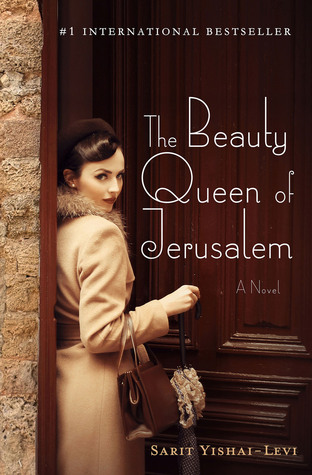
Book Review: The Beauty Queen of Jerusalem by Sarit Yishai-Levi

Beauty Queen of JerusalemFour generations of family traditions and doomed marriages form the heart of The Beauty Queen of Jerusalem, a family saga that takes place in the decades before, during, and after Israel’s war for independence.

Gabriela Siton is the youngest in a line of women belonging to the Ermosa family, a large Sephardic family — Jews of Spanish descent — living in Jerusalem, dealing with family secrets and turbulence during a time of war and upheaval in Israel itself.

The story opens with Gabriela’s mother’s death. Luna dies at a relatively young age from a deadly and fast-moving cancer, and Gabriela’s resulting grief is heavily laden with guilt. She and Luna had a fraught, difficult relationship all of Gabriela’s life, and she doesn’t quite know what to do with all of her emotions and the confusion she’s left with.

Bit by bit, over the course of the story, we hear more about the history of the Ermosa women. There’s the matriarch of the family, Mercada, who marries her beloved son off to a poverty-stricken orphan as punishment for his near-betrayal of his family. Mercada’s daughter-in-law, Rosa, faces life with a husband who doesn’t love her, a beloved brother who gets involved in the deadly underground movement leading up to independence, and three daughters — the oldest of whom is Luna. Luna is gorgeous, the most beautiful girl in Jerusalem, but with a selfish and combative personality. She’s prickly and self-centered, and she and Rosa never find a way to bond.

Later on, Gabriela is told that the curse of the Ermosa women is to marry men who don’t really love them, and that seems to be true in the three preceding generations. Each man is madly in love with a woman who isn’t appropriate or acceptable, and so marries out of obligation, leading to bitterness, lack of passion, and lack of respect.

In some ways, The Beauty Queen of Jerusalem reminded me of Isabel Allende’s masterpiece, The House of the Spirits. Like The House of the Spirits, the blessings and curses of each generation seems to be passed along to the next, as each set of relationships is influenced by, or damaged by, the ones that came before. Likewise, The Beauty Queen of Jersusalem, while telling the tale of a particular family, is set against a backdrop of a significant historical era. The history of pre-state Israel and its struggle for independence form a big piece of the picture here, as the Ermosa family is caught up in the violence and upheavals that surround them.

The title of this book is a misnomer, and a pretty unfortunate one at that. Luna is known for her remarkable beauty, and is referred to as the beauty queen of Jerusalem — although not, as you might expect, because she actually competed in pageants or won competitions or anything. She’s just a woman who was known for her beauty and style. What’s more, the book isn’t exclusively, or even mainly about Luna — it’s about all of the women of her family. In fact, Luna is a mostly unlikeable character who’s a terrible mother and is mostly portrayed as being awful to her own mother. Things happen later in the book that make her a slightly more sympathetic character, but the bottom line is that she isn’t solely what the book is about, and it took me a while to get past the preconception that I had from the title in order to see the breadth of the story.

On the plus side, there are many vignettes in this sweeping story that are completely enchanting. Rosa’s story is fabulous, and you can’t help but feel compassion for a woman who’s struggled all her life and gotten little in return. The story of Rosa’s three daughters (including Luna) and how they each met the men they’d end up marrying is varied and textured. The Sephardic heritage of the family is described through their rituals, their use of Ladino phrases, and the little details about food and customs that bring a sense of vitality to their daily lives.

The Jerusalem setting is wonderful, with the city forming a vibrant stage for the family drama. The historical elements are skillfully woven into the story, so that the loves and struggles within the family are set against their worries about English police, bombings in the streets, sieges and rationing, and men serving at the front.

While overall I enjoyed the book, I did hit a few stumbling blocks. The biggest issue for me was the language, which often felt a bit clunky. The book is an English translation from the Hebrew, and I’m afraid that something truly was lost in translation. The writing just doesn’t always flow, and the dialogue and use of Ladino and Spanish phrases seem a bit jammed in, not organic. I have a feeling this issue might not be an issue if the book were read in the original Hebrew.

The other element that might be problematic for American readers is the assumption of familiarity with details of Israeli history. The book was written and published in Israel in 2013, released in English in the United States for the first time this year. It occasionally feels a bit like “inside baseball” — the book is written for an Israeli audience, and there’s an assumption of a common culture and background. For me, having spent time there and understanding the history and culture, it wasn’t an issue, but I can imagine that some readers will have a harder time understanding the context or getting the full picture of the historical elements woven into the story, or even being able to identify some of the names, politicians, and organization that are referred to throughout the book.

The perspective and organization of the book is somewhat puzzling. We begin with Gabriela’s first-person narration, but the storytelling shifts. Sometimes, it’s another family member telling Gabriela about incidents from the past, set out as a dialogue with Gabriela, with the story appearing in quotation marks. But at other times, it’s a third-person narrative, filling in the gaps and telling other pieces of the family story. The narrative jumps from one character’s perspective to anothers, and it can be jarring to sometimes see the world according to a character who hasn’t had a POV before. Time-wise, it’s confusing as well, as we get a description from Gabriela early on about her mother’s death, but as the story jumps back and forth for most of the book, it’s jarring when the last few chapters jump back to an adult Gabriela and how she reconciles her grief and anger.

At its core, The Beauty Queen of Jerusalem is a moving story of a complicated and messed-up family. I really enjoyed parts of the story, especially those pieces that delve more deeply into the complicated emotions and wounds of the many family members. Unfortunately, the awkward writing/translation and the narrative inconsistency make this book more difficult than it needs to be, and overall I think the plot could have used a bit more focus. Still, it’s worth reading for the intergenerational conflicts and dynamics, and I enjoyed the nuggets of history that form the backbone of the story.

_________________________________________

The details:

Title: The Beauty Queen of Jerusalem
Author: Sarit Yishai-Levi
Publisher: Thomas Dunne
Publication date: April 5, 2016
Length: 384 pages
Genre: Historical fiction
Source: Review copy courtesy of the publisher via NetGalley

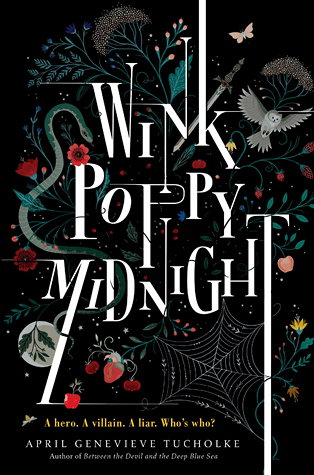
Take A Peek Book Review: Wink Poppy Midnight by April Genevieve Tucholke

“Take a Peek” book reviews are short and (possibly) sweet, keeping the commentary brief and providing a little peek at what the book’s about and what I thought.

Wink

Synopsis:

(via NetGalley)

Every story needs a hero.
Every story needs a villain.
Every story needs a secret.

Wink is the odd, mysterious neighbor girl, wild red hair and freckles. Poppy is the blond bully and the beautiful, manipulative high school queen bee. Midnight is the sweet, uncertain boy caught between them. Wink. Poppy. Midnight. Two girls. One boy. Three voices that burst onto the page in short, sharp, bewitching chapters, and spiral swiftly and inexorably toward something terrible or tricky or tremendous.

What really happened?
Someone knows.
Someone is lying.

My Thoughts:

I have no idea what to make of this dizzying book. Wink, Poppy, and Midnight take turns telling their versions of what happen in this mind-bendy tale. There are hints of fairy tales and ghost stories, as the three characters offer their views of themselves and each other, but only ever tell part of the story.

Mystical elements abound, from tarot readings and hauntings to certain evocative tastes and smells. The names in the story are odd and whimsical — not just the three main characters, but their various friends and family members, including Leaf, Buttercup, Alabama, and Peach. What seems a straightforward story of an ultra-mean mean girl, the people under her thumb, and the wild girl who offers a different path… isn’t. Wink, Poppy, and Midnight interact and become parts of each other’s stories. Midnight is our most relatable point of view in the story, the sweet and honest boy next door, but his perspective isn’t as reliable as he’d like to think, and he doesn’t really see beyond what’s in front of him.

It’s hard to describe this book without giving too much away. It’s frustrating that the book has been so built-up as a twisty, turny, surprising shocker. Even the cover blurb (“A hero. A villain. A liar. Who’s who?”) puts us on alert that we can’t believe what we’re told or take the characters at their word. I wish we didn’t have this heads-up. It would be much more powerful and shocking if we weren’t told ahead of time not to trust what we see.

I read Wink Poppy Midnight in a single day. It’s a book that just begs to be gulped up. I’m not sure that I’ve fully figured out why certain things happened as they did or what the motivation was — and I don’t know if that’s because I haven’t gotten there yet in my processing of the story, or if the resolution just wasn’t as clearly explained as it should have been. In any case, it was a fun, trippy, absorbing read that sucked me in completely and didn’t let me go until I got to the last page… even if I’m not convinced that it makes the slightest bit of sense.

But, hey, that’s one hell of a great cover!

If anyone else has read Wink Poppy Midnight, I’d love to hear what you thought.

_________________________________________

The details:

Title: Wink Poppy Midnight
Author: April Genevieve Tucholke
Publisher: Dial Books
Publication date: March 22, 2016
Length: 247 pages
Genre: Young adult fiction
Source: Library

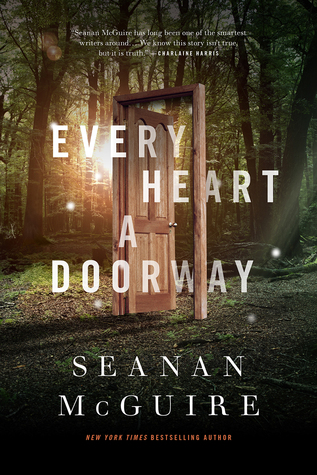
Book Review: Every Heart A Doorway by Seanan McGuire

Every HeartThis slim novel is beautiful and creepy, oddly disturbing and yet practically poetic.

In Every Heart a Doorway, Nancy is a 17-year-old who’s more disaffected than your typical disaffected teen. Nancy spent years in the Halls of the Dead after stumbling through a hidden doorway… and now that she’s back in the world that she grew up in, she doesn’t belong at all. So her parents send her to boarding school, hoping it’ll cure her of her oddness and delusions and turn her back into their “normal” daughter. But this isn’t just any boarding school — it’s Eleanor West’s Home For Wayward Children, and it’s filled with teens who’ve been dumped back in the so-called real world after traveling to strange and mysterious lands.

But how do you adapt to an ordinary life after experiencing something so extraordinary? For most, the simple answer is — you don’t. Most of these teens will spend their lives yearning for and searching for their doorways back to the place they consider their true homes.

As Nancy adjusts to this odd school, she meets a girl who lived in a Nonsense world, and one who walked on rainbows. There are strange terms used to describe the various destinations, like High Logic and High Virtue. There’s a boy who lived in a world populated by skeletons, where he fell in love with Skeleton Girl, and a boy who fell through a Prism and became a Goblin Prince in Waiting, but was rejected when it was discovered that he had been born a biological female. There are twin sisters who lived in a dark and menacing world called the Moors, where blood and body parts were the center of their lives.

What all these children have is common is the burning desire to return and the despair stemming from not knowing how to get there.

Every Heart a Doorway may sound odd, but it’s odd in the very best way. Some of the worlds describe are icky and creepy, some are filled with unicorns and rainbows, and Nancy’s Halls of the Dead is a colorless world where absolute stillness is the ultimate virtue. There’s a beauty to the descriptions, and the sense of longing and displacement that the children feel is palpable.

She stayed where she was for a count of ten, enjoying the stillness. When she had been in the Halls of the Dead, she had sometimes been expected to hold her position for days at a time, blending in with the rest of the living statuary. Serving girls who were less skilled at stillness had come through with sponges soaked in pomegranate juice and sugar, pressing them to the lips of the unmoving. Nancy had learned to let the juice trickle down her throat without swallowing, taking it in passively, like a stone takes in the moonlight. It had taken her months, years even, to become perfectly motionless, but she had done it: oh, yes, she had done it, and the Lady of Shadows had proclaimed her beautiful beyond measure, little mortal girl who saw no need to be quick, or hot, or restless.

Ah, I loved this book! It’s a short, quick read, but I would have loved to get even more! The writing is just so lovely — but then there are parts that cross from poetic to bluntly bloody, as when a group of friends has to dissolve a body in acid in order to free the bones from the flesh.

Of course, Every Heart a Doorway could also be taken as a metaphor for the teen experience. Parents mean well, but just don’t get it. They try to to “fix” their children — who don’t need fixing at all. Teens search for the place that feels like home, where they can be their true selves, rather than trying to conform to a world where they always feel out of place and misunderstood.

Or… you can just read it as a straight-up fantasy tale that takes us behind hidden portals into worlds of wonder and dread and eerie splendour. I kind of prefer that approach, to be honest.

I was surprised to see on Goodreads that this is the first in a three-part series, rather than a stand-alone. I will definitely want to read more from this world. Meanwhile, I’m thinking that I’ll follow up with the audiobook, so I can concentrate less on plot details and more on the sound of the language of the book.

Every Heart A Doorway casts a magical spell that veers between beautiful, sinister, and downright creepy. Highly recommended for readers who enjoy a touch of the magic and the macabre — and enjoy it even more when the borders between the two become blurred.

_________________________________________

The details:

Title: Every Heart a Doorway
Author: Seanan McGuire
Publisher: Tor
Publication date: April 5, 2016
Length: 173 pages
Genre: Fantasy
Source: Purchased

Thursday Quotables: Miss Peregrine’s Home For Peculiar Children

quotation-marks4

Welcome back to Thursday Quotables! This weekly feature is the place to highlight a great quote, line, or passage discovered during your reading each week.  Whether it’s something funny, startling, gut-wrenching, or just really beautifully written, Thursday Quotables is where my favorite lines of the week will be, and you’re invited to join in!

NEW! Thursday Quotables is now using a Linky tool! Be sure to add your link if you have a Thursday Quotables post to share.

Miss Peregrine

Miss Peregrine’s Home for Peculiar Children by Ransom Riggs
(published 2011)

I read this book back in 2011, and now I’m listening to the audiobook to get reacquainted with the story before reading books 2 and 3. The first-person narrative is working really well via audio, even though I miss all the odd pictures!

I had just come to accept that my life would be ordinary when extraordinary things began to happen. The first of these came as a terrible shock and, like anything that changes you forever, split my life into halves: Before and After.

What lines made you laugh, cry, or gasp this week? Do tell!

If you’d like to participate in Thursday Quotables, it’s really simple:

  • Write a Thursday Quotables post on your blog. Try to pick something from whatever you’re reading now. And please be sure to include a link back to Bookshelf Fantasies in your post (http://www.bookshelffantasies.com), if you’d be so kind!
  • Click on the linky button (look for the cute froggie face) below to add your link.
  • After you link up, I’d love it if you’d leave a comment about my quote for this week.
  • Be sure to visit other linked blogs to view their Thursday Quotables, and have fun!

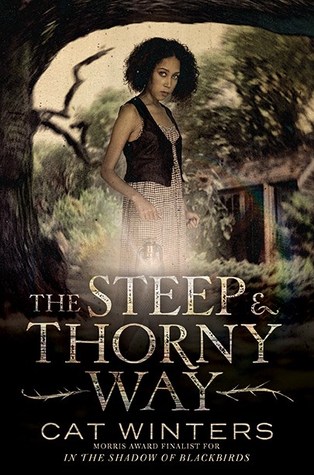
Take A Peek Book Review: The Steep & Thorny Way by Cat Winters

“Take a Peek” book reviews are short and (possibly) sweet, keeping the commentary brief and providing a little peek at what the book’s about and what I thought.

Steep & Thorny Way


Synopsis:

(via NetGalley)

A thrilling reimagining of Shakespeare’s Hamlet, The Steep and Thorny Way tells the story of a murder most foul and the mighty power of love and acceptance in a state gone terribly rotten.

1920s Oregon is not a welcoming place for Hanalee Denney, the daughter of a white woman and an African-American man. She has almost no rights by law, and the Ku Klux Klan breeds fear and hatred in even Hanalee’s oldest friendships. Plus, her father, Hank Denney, died a year ago, hit by a drunk-driving teenager. Now her father’s killer is out of jail and back in town, and he claims that Hanalee’s father wasn’t killed by the accident at all but, instead, was poisoned by the doctor who looked after him—who happens to be Hanalee’s new stepfather.

The only way for Hanalee to get the answers she needs is to ask Hank himself, a “haint” wandering the roads at night.

My Thoughts:

Does the idea of retelling the story of Hamlet, setting it in rural Oregon in 1923, sounds crazy to you? It would be understandable to assume that the plot and the setting are a total mismatch. How can a Shakespearean masterpiece possibly be squeezed into that world?

I’m happy to say that it works amazingly well. As crazy as it might sound, The Steep & Thorny Way is a total winner.

Hanalee Denney is the mixed race daughter of a white woman and a black man, at a time and in a place where mixing of the races was not only frowned upon, but actually illegal, at least as far as marriage was concerned. Hanalee, at age 18, lives with her mother and her new stepfather, the town doctor, and grieves for her beloved father, who died after being hit by a car a year and a half earlier.

When the driver of the car is released from prison and is rumored to be hiding out back in Elston, the rumor mill — and the town’s intolerance — boil to the surface. Joe, convicted of murder and subjected to a horrifying prison stint, pleads with Hanalee to hear him out. He did hit her father with his car; that much is true. But Joe saw Hank alive before the doctor entered the room to care for him… and was dead by the time the doctor came out. Meanwhile, Hank’s ghost has been seen about town, trying to get a message to Hanalee.

Can she really believe that Joe isn’t a murderer, but a fall guy? Can she honestly view her stepfather as a killer?

There’s much more to the story than meets the eye. The town is rife with KKK plotting. A racist undercurrent permeates every town gathering. Non-whites are not welcome in the town’s main restaurant. And Joe has a secret that puts his own life in great danger, with no one except Hanalee at all willing to help or save him.

Cat Winters is an amazing writer, and this era is her specialty. She fits her characters’ actions and words into the Shakespearean framework without ever letting it seem forced. The story flows from one revelation to the other, and Hanalee is anything but a stock figure.

I learned a lot about life in Oregon in the 1920s, the power of the Klan, and the shocking truth about the legal institutions that attempted to enforce racial exclusion, separatism, and even eugenics. While The Steep & Thorny Way is a work of fiction, the politics and intolerance that it portrays are, sadly, historical fact.

I have now read three YA novels and one adult novel by Cat Winters, and I look forward to reading, well, basically everything she ever writes from now on. Don’t miss out on this powerful, dramatic, face-paced book.

Interested in this author? Check out my reviews of her other works:
In The Shadow of Blackbirds
The Cure For Dreaming
The Uninvited

_________________________________________

The details:

Title: The Steep & Thorny Way
Author: Cat Winters
Publisher: Amulet Books
Publication date: March 8, 2016
Length: 335 pages
Genre: Young adult/historical fiction
Source: Purchased

Thursday Quotables: The Steep & Thorny Way

quotation-marks4

Welcome back to Thursday Quotables! This weekly feature is the place to highlight a great quote, line, or passage discovered during your reading each week.  Whether it’s something funny, startling, gut-wrenching, or just really beautifully written, Thursday Quotables is where my favorite lines of the week will be, and you’re invited to join in!

NEW! Thursday Quotables is now using a Linky tool! Be sure to add your link if you have a Thursday Quotables post to share.

Steep & Thorny Way

The Steep & Thorny Way by Cat Winters
(published 2016)

I’m *this close* to the end of The Steep & Thorny Way, and I’m loving it! If only the world would go away for a few hours, I might actually finish today. If you think a Hamlet retelling set in 1920s rural Oregon sounds like an unlikely concept… well, you have no idea how well it works!

“Do you hope to get married someday?” he asked.

“As long as I don’t fall in love with a man the wrong color.”

He exhaled a steady stream of air through his nostrils. “I think love and wrong are two deeply unrelated words that should never be thrown into the same sentence together. Like dessert and broccoli.”

What lines made you laugh, cry, or gasp this week? Do tell!

If you’d like to participate in Thursday Quotables, it’s really simple:

  • Write a Thursday Quotables post on your blog. Try to pick something from whatever you’re reading now. And please be sure to include a link back to Bookshelf Fantasies in your post (http://www.bookshelffantasies.com), if you’d be so kind!
  • Click on the linky button (look for the cute froggie face) below to add your link.
  • After you link up, I’d love it if you’d leave a comment about my quote for this week.
  • Be sure to visit other linked blogs to view their Thursday Quotables, and have fun!

Top Ten Tuesday: Top Ten Books on my Spring 2016 TBR List

tulips-65036_1280

Top Ten Tuesday is a meme hosted by The Broke and the Bookish, featuring a different top 10 theme each week. This week’s topic is Top Ten Books on My Spring TBR.

Here are a bunch of upcoming new releases that I can’t wait to read!

1) Fellside by M. R. Carey

Fellside

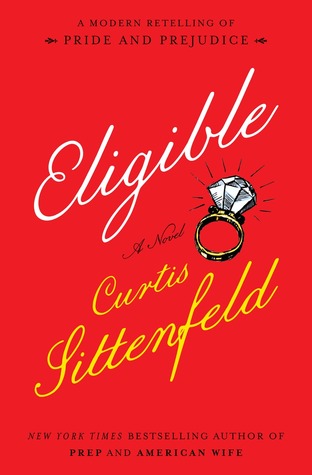
2) Eligible by Curtis Sittenfeld

Eligible

3) The Fireman by Joe Hill

The Fireman

4) At the Edge of Summer by Jessica Brockmole

At the Edge of Summer

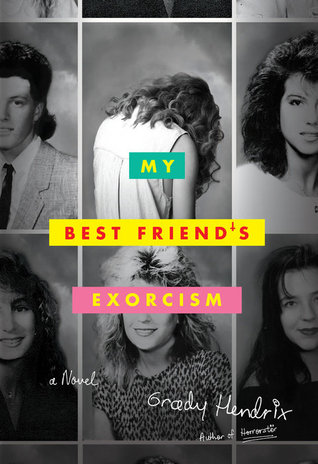
5) My Best Friend’s Exorcism by Grady Hendrix

My Best Friends Exorcism

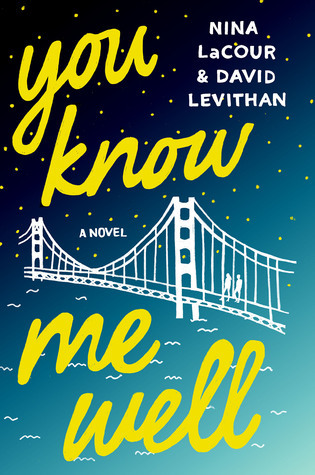
6) You Know Me Well by David Levithan and Nina LaCour

You Know Me Well

7) Defending Taylor by Miranda Kenneally

Defending Taylor

8) Highly Illogical Behavior by John Corey Whaley

Highly Illogical

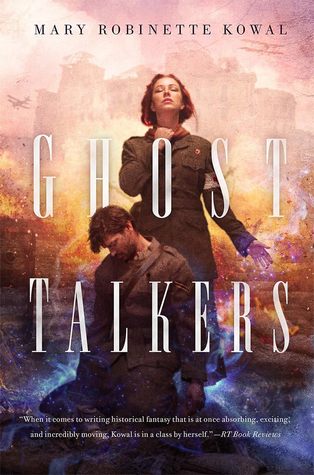
9) Ghost Talkers by Mary Robinette Kowal

Ghost Talkers

10) Every Heart a Doorway by Seanan McGuire

Every Heart

What books are you most eager to read this spring? Please share your links!

If you enjoyed this post, please consider following Bookshelf Fantasies! And don’t forget to check out our regular weekly features, Shelf Control and Thursday Quotables. Happy reading!

♥♥♥♥♥♥♥♥

Do you host a book blog meme? Do you participate in a meme that you really, really love? I’m building a Book Blog Meme Directory, and need your help! If you know of a great meme to include — or if you host one yourself — please drop me a note on my Contact page and I’ll be sure to add your info!

Book Review: Fire Touched by Patricia Briggs

Fire TouchedI love this series, truly – madly – deeply. Why do I even bother writing reviews anymore? You know the bottom line is going to be READ THIS BOOK… or for those who haven’t had the pleasure of meeting Mercedes Athena Thompson Hauptmann yet, READ THIS SERIES.

There. Done.

Okay, a little more, perhaps? Fire Touched is the 9th book in the always outstanding Mercy Thompson series by Patricia Briggs. Mercy is a coyote shapeshifter as well as a talented VW mechanic. She’s a woman who never backs down and stands up for herself, her family, her pack, and pretty much anyone who needs her protection — and this is what lands her and the pack in a huge mess in Fire Touched.

Mercy is married to Adam, Alpha of the Columbia Basin Pack — a werewolf pack, that is. Mercy has just finished recovering from the life-threatening events of the previous book, Night Broken, when a new danger emerges. There’s a giant troll on the Cable Bridge of the Tri-Cities, and the local police are smart enough to call in the pack for help. Mercy and a bunch of werewolves battle the big nasty creature (who seems to enjoy smashing cars like an overgrown toddler playing with Matchbox toys) and ultimately defeat him — but Mercy takes the unprecedented step of declaring the Tri-Cities the territory of the pack and warning the fae that the pack will offer sanctuary to all who need their help.

At the moment, this includes Aiden, who looks like a bedraggled 10-year-old, but is in fact centuries old, having been taken into the fae’s unreachable domain of Underhill as a child and kept there ever since. Aiden has escaped, and now has gifts — including the ability to burn with his touch — and the fae would very much like to get their hands on him. By offering sanctuary, Mercy and the pack have set themselves up in direct opposition to all of the fae, and have potentially set the stage for the werewolf vs. fae war that Bran Cornick, leader of all of the North American werewolves, has been working so hard to avoid.

As the story progresses, we see the implications of Mercy’s declaration more and more. The pack will be under siege from all who question their right to claim territory. There are still pack members who resent Mercy’s membership in the pack, seeing as she’s a coyote and not a wolf, and Adam has finally had enough of the sniping. He declares that all werewolves in his pack will treat Mercy with respect, and if they say or do anything further against her, he will end them. And he means it. Strangely, this finally seems to bring the pack into a united team. A dire and unintended effect of the declaration is a break with Bran. Bran can’t afford to turn this into a global war against the fae, as his priority is always the good of ALL werewolves, so he formally breaks with Adam’s pack.

Sob. I love Bran. I love Adam. No sundering! Please work it out, guys.

Okay, so what did I think of this book? Well, as I said, I just pretty much heart everything about this series, so of course I loved Fire Touched too. That said, though, it’s probably not the best of the best, even though it’s awfully darn good.

What was missing for me here was the emphasis on relationships that my favorites in the series have. Mercy and Adam are in a really good place in their marriage, and I’m happy for them, but we don’t actually spend much time in this book just seeing them together. The pack isn’t terribly present in Fire Touched. Yes, they’re in the big fight on the bridge with the troll, and yes, we see the pack meeting where Adam draws his line in the sand about the pack’s treatment of Mercy. But beyond that, the pack is mostly just background. I’ve come to adore so many of the pack members — Ben, Warren, Darryl, Honey — but they’re not central to the plot here, and I missed them.

A lot of Fire Touched was about the fae and the Grey Lords, and how Mercy and Adam deal with their bargains and deceits. It was engaging, but I missed the pack drama and politics. On the plus side, it was nice to see Thomas Hao and Margaret Flanagan again (and if you don’t know who they are, read the story “Fairy Gifts” from the Shifting Shadows collection).

The bad thing about reading a new Mercy Thompson book the second it comes out is the loooooong wait for the next one! Okay, I’m done with Fire Touched — now what? Patricia Briggs’s website shows that there will be a 10th Mercy book and a 5th Alpha & Omega book (yay!), but no date is listed for either, and I assume whichever is next will be published in 2017.

So hey! If you haven’t read any Mercy books, or if you’re behind, now’s a great time to dive in and catch up! Trust me, you won’t be sorry.

Want to know more about the worlds of Patricia Briggs? Check out a few of my previous reviews:

Night Broken
Frost Burned
Shifting Shadows
Dead Heat

_________________________________________

The details:

Title: Fire Touched (Mercy Thompson, #9)
Author: Patricia Briggs
Publisher: Ace Hardcover
Publication date: March 8, 2016
Length: 352 pages
Genre: Urban fantasy
Source: Purchased