My Monday tradition, including a look back and a look ahead — what I read last week, what new books came my way, and what books are keeping me busy right now. Plus a smattering of other stuff too.
What did I read last week?
Stand-Off by Andrew Smith: The sequel to the amazing Winger. Check out my review, here.
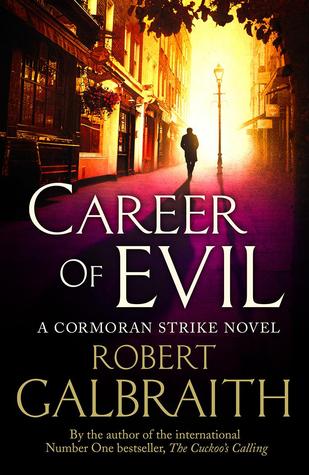
Career of Evil by Robert Galbraith: Just finished! By about the mid-point, it was impossible to put down. I’ll post a review in the next day or so.
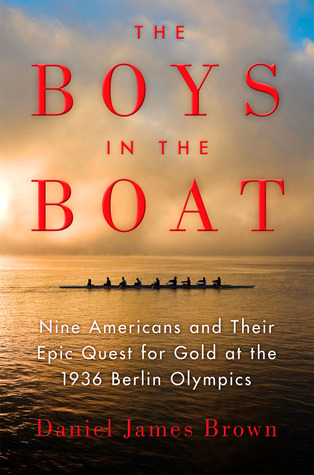
The Boys in the Boat by Daniel James Brown: I finished the audiobook over the weekend. This is a must-read/must-listen book! My review is here.
Pop culture goodness:
Anyone else watching The Man in the High Castle? I’ve seen the first two episodes so far — check out this post for more info.
Fresh Catch:
No new books this week! I’m kind of proud of myself.
What will I be reading during the coming week?
Currently in my hands:
Since I just finished a book last night, I haven’t quite started a new one yet. My next read will either be:
The Rest of Us Just Live Here by Patrick Ness — or…
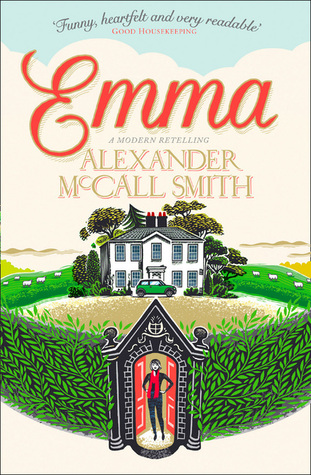
Emma by Alexander McCall Smith
Now playing via audiobook:
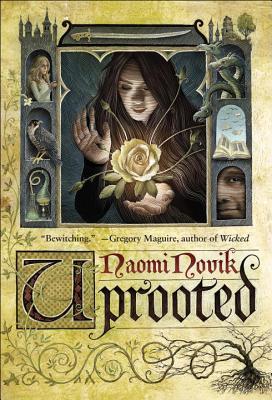
My new audiobook is Uprooted by Naomi Novik. I’m a little irritated by the narrator, but I’m liking the story so far.
Amazon has unveiled its newest original series, and it’s something you really need to see!
The Man in the High Castle debuted this past week, and all 10 episodes are now available for streaming (free for Amazon Prime subscribers). I’ve watched two episodes so far, and I’m hooked.
Adapated from a 1960s book by sci-fi master Philip K. Dick, The Man in the High Castle has as its premise the concept that the United States lost World War II. As the show opens, it’s 1962, and the US is divided into three parts: The eastern half of the country is under the rule of the Nazi Reich, the west coast is controlled by Japan, and a neutral zone runs between the two along the Rockies.
Two episodes in, I’m finding the series disturbing, detailed, and utterly absorbing. I won’t go too far into the plot at this point, since I have so much yet to see and have no idea where this is all going.
What I do want to share is the opening title sequence, which is just perfectly chilling. Check it out:
Are you watching The Man in the High Castle? Do you intend to?
If you’ve given it a try already, please let me know what you think!
The Boys in the Boat: Nine Americans and Their Epic Quest for Gold at the 1936 Berlin Olympics tells the inspirational true story of the US men’s rowing team who won gold, against all odds, in what was then one of the most popular sports world-wide.
The book follows one of the team members, Joe Rantz, from his childhood during the Depression through his years of college rowing, culminating in the victory in Berlin. Joe came from a poor family, with a stepmother who disliked him so intensely that he was abandoned at a young age and left to fend for himself. From an incredible inner core of strength, Joe made it to college at the University of Washington and joined the freshman crew program.
At that time, Washington was in hot competition with the Cal crew to dominate not just the West Coast, but all of the US colleges in national regattas, and from the start, Joe’s freshman boat showed remarkable promise. As they won their freshman races and then competed for the varsity seats, Joe and the boys in his boat faced ongoing struggles with financial hardships, family complications, and the sheer bodily torture that is needed to persevere and make it as a rower.
Rowing is a sport of skill and strength, and The Boys in the Boat shows us step by step what it takes to train, to master the physical requirements, and to gain the mental focus and determination to excel. By following Joe and his teammates, we see boys of a variety of backgrounds, mostly working class and struggling to get by, throw themselves into a punishing sport and come together to overcome every obstacle.
Early on, in the prologue, the author describes meeting Joe Rantz as an old man. Joe tells him of his childhood and family, and about memories of the Olympics in Berlin:
It was when he tried to talk about “the boat” that his words began to falter and tears welled up in his bright eyes.
He goes on to define what so moved Joe:
Finally, watching Joe struggle for composure over and over, I realized that “the boat” was something more than just the shell or its crew. To Joe, it encompassed but transcended both — it was something mysterious and almost beyond definition. It was a shared experience — a singular thing that had unfolded in a golden sliver of time long gone, when nine good-hearted young men strove together, pulled together as one, gave everything they had for one another, bound together forever by pride and respect and love. Joe was crying, at least in part, for the loss of that vanished moment but much more, I think, for the sheer beauty of it.
The Boys in the Boat captures beautifully the open-hearted nature of the boys, their essential earnestness and deep friendship, and their passion for the boat, their school, their coaches, and their shared goals.
Woven throughout are chilling sections describing the Nazi rise to power and the role of Nazi propaganda in the 1936 Olympics, showing how Germany used the games to present a whitewashed version of the Nazi regime to a global audience. It’s truly disturbing to hear or read the parts of the book that describe the gleaming stadiums, the omnipresent swastikas, and the fates of those driven out or disposed of in order to present a pretty picture to the world.
I should pause for a moment to note that I am not at all a sports fan, and I never would have suspected that a book about a rowing team could grab my attention the way it did. Granted, I learned a lot more about rowing that I ever thought I’d need to know, and occasionally the narrative goes so deeply into times, techniques, strokes, and boat-building methods that I got a littly antsy waiting for the action to continue. However, the author does such a terrific job of intercutting the personal stories of the boys and the happenings of the greater world into the narrative of the sport that the whole is simply fascinating.
The audiobook is narrated by Edward Herrmann, whose narration I loved when I listened to Unbroken by Laura Hillenbrand last year. (In fact, it tickled me when Louis Zamperini gets a one-sentence mention in this book.) Edward Herrmann’s deep voice has a folksy rhythm to it as he narrates The Boys in the Boat, so that I often felt like I was sitting around listening to a good-humored old gent telling me stories. (I have no idea about the narrator’s age or personality, but listening, I couldn’t help but envision a grandfatherly type, wearing a sweater, sitting in an armchair by a fireplace. I guess I need visuals when I listen to an audiobook!)
In reading or listening to a work centered on historical events, it’s no secret what the outcome will be. Just look at the cover and you’ll know that the boys did in fact win gold. You might expect there to be a lack of drama, knowing the end result, but in The Boys in the Boat, that’s simply not the case. The writing is so well-crafted that by the time I got to the actual Olympic race toward the end of the book, I had to remind myself to keep breathing while listening to the detailed description of how the US boat made it from start to finish, detailing practically every stroke along the way.
The epilogue is quite touching as well, covering the experiences of each of the team members immediately after Berlin, their war experiences in the years that followed, and what happened to each over the course of his lifetime. Perhaps most moving is the fact that the nine teammates came together and kept their connection alive for the rest of their lives, even doing anniversary rows together every ten years until they were all in their seventies.
I can’t say enough about how wonderful this book is, whether in print or via audio. The story is truly inspirational, and I’ve found myself unable or unwilling to shake off the images of this group of strong, determined athletes and what their boat meant to them. I strongly recommend this book — and no, you do not have to be a sports fan or rowing enthusiast to enjoy it.
A quick suggestion for those who listen to the audiobook: If possible, keep a copy of the physical book or e-book on hand as well, as you won’t want to miss the photos that go with the story. For some reason, the author’s notes at the end of the book are not included in the audiobook, so be sure to read those as well.
A final note: There are quite a few different videos available about the US Olympic rowing team, including footage filmed by Nazi propagandist and filmmaker Leni Riefenstahl. Here’s a video that gives a great overview of the achievement of this remarkable nine-man crew from Washington:
_________________________________________
The details:
Title: The Boys in the Boat: Nine Americans and Their Epic Quest for Gold at the 1936 Berlin Olympics
Author: Daniel James Brown
Narrator: Edward Herrmann
Publisher: Viking
Publication date: June 4, 2013
Audiobook length: 14 hours, 25 minutes
Printed book length: 416 pages
Genre: Non-fiction/history
Source: Audible
Stand-off is the name of a position in rugby. Stand-Off is also the name of the newly published sequel to Winger, Andrew Smith’s 2013 young adult novel that both made me laugh and broke my heart into little, tiny pieces.
Ryan Dean West is the main character in both books. Please note that his name is Ryan Dean, not Ryan — it irks him no end when people get it wrong. In Winger, Ryan Dean is a 14-year-old junior at Pine Mountain, a co-ed boarding school located in rural Oregon. He’s used to being different, and considers himself somewhat of a loser, and yet he’s incredibly funny, a great rugby player, a talented cartoonist, and a good friend.
Winger ends with an absolute gut-punch, and that’s all I’ll say about it here. If you haven’t read it, you really should. Check out my review for my rather emotional reaction to Winger, and then rush out to the library to pick up a copy. Seriously.
In Stand-Off, it’s the beginning of senior year, and Ryan Dean is kind of screwed. He’s stuck in a ground-floor, teeny-tiny dorm room — and what’s worse, he’s sharing it with a 12-year-old freshman named Sam Abernathy, an adorable, eager little kid who favors soccer ball pajamas, cooking shows on TV, and leaving doors and windows open to stave off his raging claustrophobia. Needless to say, this does not sit well with Ryan Dean, who just wants to get through senior year, and maybe, just maybe, finally find a private place to have sex with his amazing girlfriend Annie.
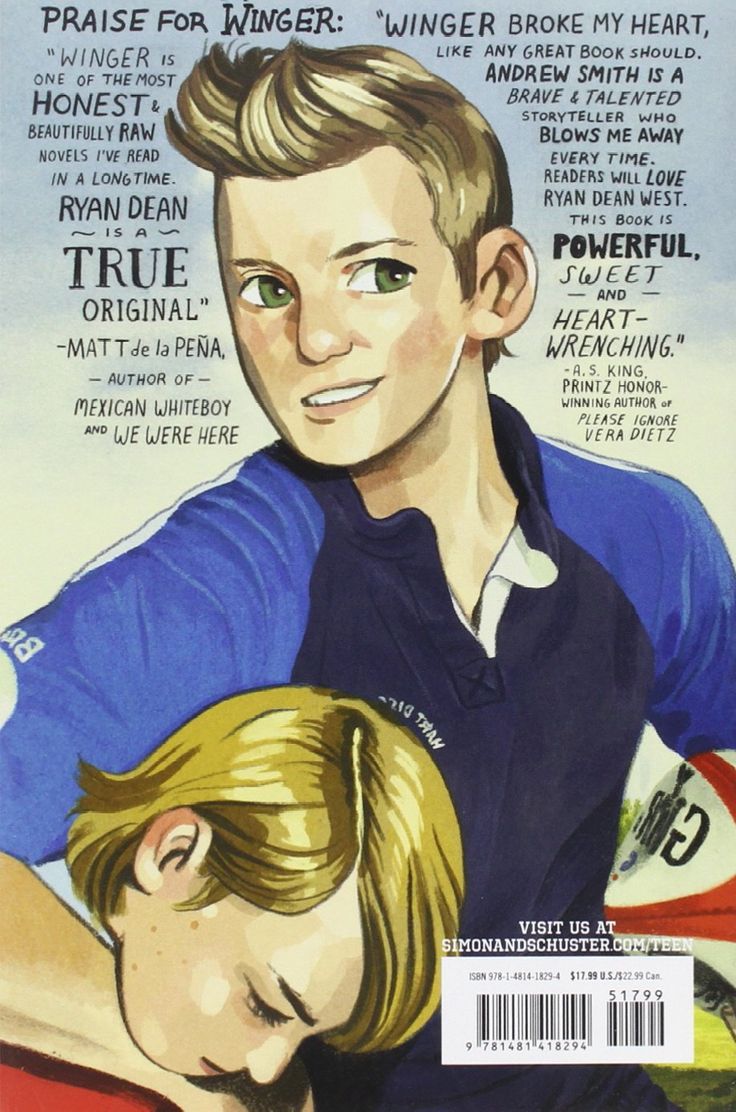
back cover
Of course, nothing goes as planned for Ryan Dean, and the real problem is not Sam or the dorm room — it’s Nate. Nate is Ryan Dean’s abbreviation for the Next Accidental Terrible Experience, and Nate seems to be waiting to pounce on Ryan Dean at every turn, behind every corner, and in every dream. Ryan Dean suffers a series of panic attacks and night terrors, and it just seems to get worse and worse. How will he make it through senior year?
That’s the general overview of the plot. Trust me, it’s great.
One of the most delightful ingredients of Andrew Smith’s books is the language, and the writing in Stand-Off is no exception. Told in the first-person, Stand-Off is pure Ryan Dean, with all the horniness of a 15-year-old boy, plenty of snark, and tons of laughs. Open to any random page, and there are priceless gems. For example — page 193 (see, I’m being random):
“Hey, Ryan Dean, do you know what these cherry tomatoes remind me of all of a sudden?”
No. Just no.
Now cherry tomatoes were officially on the Ryan Dean West Things-I-Will-Never-Ever-Eat-Again List.
Or, again randomly, page 309:
Then I saw the Abernathy — all suited up in his perfectly creased Pine Mountain size extra-small boy suit (he must have thrown all the guys’ clothes in the washers and then waited for everyone to leave the locker room before changing) — winding his way like a malnourished albino chipmunk through a redwood forest of rugby players, balancing a plate of food in his hands while everyone he passed smeared their fingers through his hair.
One of the recurring patterns in this book is Ryan Dean’s questioning paragraphs, which start with “Okay. So, you know how…” and go on from there in a glorious stream of semi-connected thoughts and non-sequiturs:
Okay, so you know how sometimes when you really want to do something and so you make a promise to someone you don’t completely trust because somehow that person has just magically evolved into, like, the greatest human being you have ever known but there’s still some deep-down warning signal saying what the fuck did you just promise to do, Ryan Dean but you don’t care because you really want to believe that whatever Spotted John wants is not going to include multiple things that will ruin your life, so you hurriedly grab the pen and sign the contract on the dotted line?
Yeah. That.
It’s hard to pinpoint any one thing that makes this book so great. The characters are terrific, the writing is just so funny and poignant and honest, the cartoons interspersed throughout are so on-point and off-beat — and really, I just care so much about Ryan Dean after reading Winger that I spent all of Stand-Off just wishing for him to be okay and to be happy.
I’ll stop gushing, and just say: Read both books. I never would have thought that I’d love books about a pubescent teen boy in boarding school… but to whichever person in whichever publication wrote the review of Winger that caught my eye when it first came out: Thank you.
If you enjoy well-written young adult fiction that can make you laugh and cry, sometimes in the same chapter, you’ve just got to read Winger and Stand-Off.
_________________________________________
The details:
Title: Stand-Off
Author: Andrew Smith
Publisher: Simon & Schuster
Publication date: September 8, 2015
Length: 418 pages
Genre: Young adult fiction
Source: Library
When is usage of the “f-bomb” artistry, and when is it simply crass?
For many, it comes down to an “I know it when I see it” situation. There are times when an author uses expletives to make a point, to highlight a particular character’s vernacular, to show personality or expressive style. Then again, there are those books where all the four-letter (and then some) words are used to excess, creating a distraction rather than adding flavor to the narrative.
I’m not here to debate which is which. I’m no prude, but there are times when I roll my eyes so hard they practically get stuck, because the language I’m reading is so unnecessary to the story being told.
That said, when it’s right, it’s right… and I have never come across a better use of f-bombs than in Nick and Norah’s Infinite Playlist by Rachel Cohn and David Levithan (review). The opening of chapter 11 is a masterpiece — and when I hear people complain about *salty* language in fiction and how awful it all is, I refer them to this book, this chapter, this page, because it’s left a huge impression on me. To me, this is great writing — so allow me my little indulgences as I treat you to the following excerpt:
[Chapter 11 – Told from Nick’s point of view]
Fuck her.
Fuck her for getting in that cab. Fuck her for fucking with my mind. Fuck her for not knowing what she wants. Fuck her for dragging me into it. Fuck her for being such a fantastic kisser. Fuck her for ruining my favorite band. Fuck her for barely saying a word to me before she left. Fuck her for not waving. Fuck her for getting my hopes up. Fuck her for making my hopes useless. Fuck her for taking off with my fucking jacket.
Fuck me.
Fuck me for always getting into situations like this. Fuck me for caring. Fuck me for not knowing the words that would’ve made her stay. Fuck me for not knowing what I want. Fuck me for wavering. Fuck me for not kissing her back the right way. Fuck me for getting my hopes up. Fuck me for not having more realistic hopes. Fuck me for giving her my fucking jacket.
Welcome back to Thursday Quotables! This weekly feature is the place to highlight a great quote, line, or passage discovered during your reading each week. Whether it’s something funny, startling, gut-wrenching, or just really beautifully written, Thursday Quotables is where my favorite lines of the week will be, and you’re invited to join in!
NEW! Thursday Quotables is now using a Linky tool! Be sure to add your link if you have a Thursday Quotables post to share.
Stand-Off by Andrew Smith
(published 2015)
My review of this terrific book will be along in the next day or so — but meanwhile, I thought I’d share a snippet for my Thursday Quotables post this week. The problem is, the lanugage in this book is so consistently sharp and funny and powerful that it’s hard to narrow it down to just one “quotable”! So, to keep it simple, I’ll just start right at the beginning, with the opening of Chapter One:
Okay, you know how when you’re a senior in high school, and you officially know absolutely everything about everything and no one can tell you different, but on the other hand, at the same time, you’re dumber than a poorly translated instruction manual for a spoon?
Yeah. That was pretty much me, all at the same time, the only fifteen-year-old boy to ever be in twelfth grade at Pine Mountain Academy.
If you read Winger, you won’t want to miss the sequel, Stand-Off! (And if you want to know more about Winger, check out my review.)
What lines made you laugh, cry, or gasp this week? Do tell!
If you’d like to participate in Thursday Quotables, it’s really simple:
Write a Thursday Quotables post on your blog. Try to pick something from whatever you’re reading now. And please be sure to include a link back to Bookshelf Fantasies in your post (http://www.bookshelffantasies.com), if you’d be so kind!
Click on the linky button (look for the cute froggie face) below to add your link.
After you link up, I’d love it if you’d leave a comment about my quote for this week.
Be sure to visit other linked blogs to view their Thursday Quotables, and have fun!
Welcome to the newest weekly feature here at Bookshelf Fantasies… Shelf Control!
Shelf Control is all about the books we want to read — and already own! Consider this a variation of a Wishing & Waiting post… but looking at books already available, and in most cases, sitting right there on our shelves and e-readers.
Want to join in? See the guidelines and linky at the bottom of the post, and jump on board! Let’s take control of our shelves!
With his trademark emotional heft and storytelling skill, bestselling author Chris Bohjalian presents this resonant novel about the formation of an unconventional family–the ties that bind it, and the strains that pull it apart. Two years after their twin daughters died in a flash flood, Terry and Laura Sheldon, a Vermont state trooper and his wife, take in a foster child. His name is Alfred; he is ten years old and African American. And he has passed through so many indifferent families that he can’t believe that his new one will last.
In the ensuing months Terry and Laura will struggle to emerge from their shell of grief only to face an unexpected threat to their marriage; Terry’s involvement with another woman. Meanwhile, Alfred cautiously enters the family circle, and befriends an elderly neighbor who inspires him with the story of the buffalo soldiers, the black cavalrymen of the old West. Out of the entwining and unfolding of their lives, The Buffalo Soldier creates a suspenseful, moving portrait of a family, infused by Bohjalian’s moral complexity and narrative assurance.
How I got it:
At a used book sale sponsored by the public library, after pawing through boxes and piles of paperbacks. Score!
When I got it:
Two years ago.
Why I want to read it:
So far, I’ve read four novels by Chris Bohjalian, and this is one of three more by him that I own but haven’t yet read. I haven’t been let down by a single book by this author, and I’m eager to read more!
__________________________________
Want to participate in Shelf Control? Here’s how:
Write a blog post about a book that you own that you haven’t read yet.
Add your link below!
And if you’d be so kind, I’d appreciate a link back from your own post.
Check out other posts, and have fun!
For more on why I’ve started Shelf Control, check out my introductory post here, or read all about my out-of-control book inventory, here.
And if you’d like to post a Shelf Control button on your own blog, here’s an image to download (with my gratitude, of course!):
Every once in a while, I like to talk about TV. Because yes, I’m a TV watcher. And I enjoy it, dammit!
This week, I watched the first episode of Flesh and Bone, a new “limited series” on Starz… and proceeded to binge-watch all eight episodes over the weekend. Which is a lot of gritty ballet drama to absorb in a short time… but hey, I was hooked, and before I knew it, I was too far gone to stop.
So, Flesh and Bone. What’s it about?
Here’s the official trailer:
Soooo… not exactly a feel-good sort of series.
Flesh and Bone tells the story of Claire, a young woman who starts the series by running away from her family home in Pittsburgh, where clearly — judging by the padlock on her bedroom door — there are issues. Arriving in New York, Claire auditions for the American Ballet Company, and despite almost getting pitched out on her ear, she ultimately lands a position with the company.
The company is headed by Artistic Director Paul Grayson, a high-strung former dancer who demands absolute control over his dancers and who uses emotional manipulation and threats to get what he wants. While he’s initially ready to kick Claire out over a minor infraction, once he sees her dance, he realizes he has a star on his hands.
Claire, meanwhile, has to deal with living on her own in the big city, the pressure of being singled out, and the constant malicious gossip from the other members of the company.
The supporting characters include a prima ballerina, Kiira, who’s not willing to give up without a fight, Claire’s anorexic and hostile roommate Mia, and Romeo, the delusional homeless man who lives on the roof of Claire’s building, who seems to have appointed himself Claire’s protector.
All this, plus some glorious dancing, makes for riveting television.
If you’ve seen other ballet movies or TV shows, the standard ballet tropes will jump right out at you: An egomanaical artistic director. A statuesque former ballerina as the company manager. Rehearsals run by a Russian lady with a teeny dog. Catty comments from the other dancers about the new girl. Sexual tensions permeating the company. Sexual favors given and received for advancement. Sexual demands by a powerful donor. An aging prima ballerina feeling displaced by the fresh young talent.
Oh, and stripper poles. Yup. Stripper poles. (You’ll see.)
Despite some familiar themes and cliched moments, there’s also grace and power — although it’s mixed in with scenes of harsh ugliness. Still, check out the haunting opening sequence:
Doesn’t that just make you… feel?
Flesh and Bone is definitely more than meets the eye. For example, there’s a big, dark secret lurking in Claire’s past. There’s a shocking reveal at the end of the first episode — but even then, when we think we’re beginning to understand, it turns out that there’s so much more to it.
The same is true of so much about this series. You could look at Flesh and Bone as just another ballet show, but that description really doesn’t capture the full picture of what F&B is all about. I thoroughly enjoyed the complexity of the relationships, the unpredictability of the push and pull between artistic glory and human grittiness, and the lovely directing and artistry that keeps the beauty in balance with the blood and sweat.
Starz is defining Flesh and Bone and a limited run season, eight episodes and done. No second season is planned, which is too bad, as far as I’m concerned. The show does have a great ending, but I could definitely envision much more story left to tell. If Starz changes its mind and decides to do more, I’d gladly watch.
Oh, and a final fun fact: If you were a fan of Center Stage, the 2000 ballet movie, then you have one more reason to check out Flesh and Bone. Because Sascha Radetsky from Center Stage dances in F&B as well, and he’s just so… awesome.
Pausing for a moment of Center Stage nostalgia.
(For more on the Center Stage/Flesh and Bone connection, check out this piece from Vulture.)
Have you watched Flesh and Bone yet? Do you intend to? Share your thoughts in the comments!
My Monday tradition, including a look back and a look ahead — what I read last week, what new books came my way, and what books are keeping me busy right now. Plus a smattering of other stuff too.
What did I read last week?
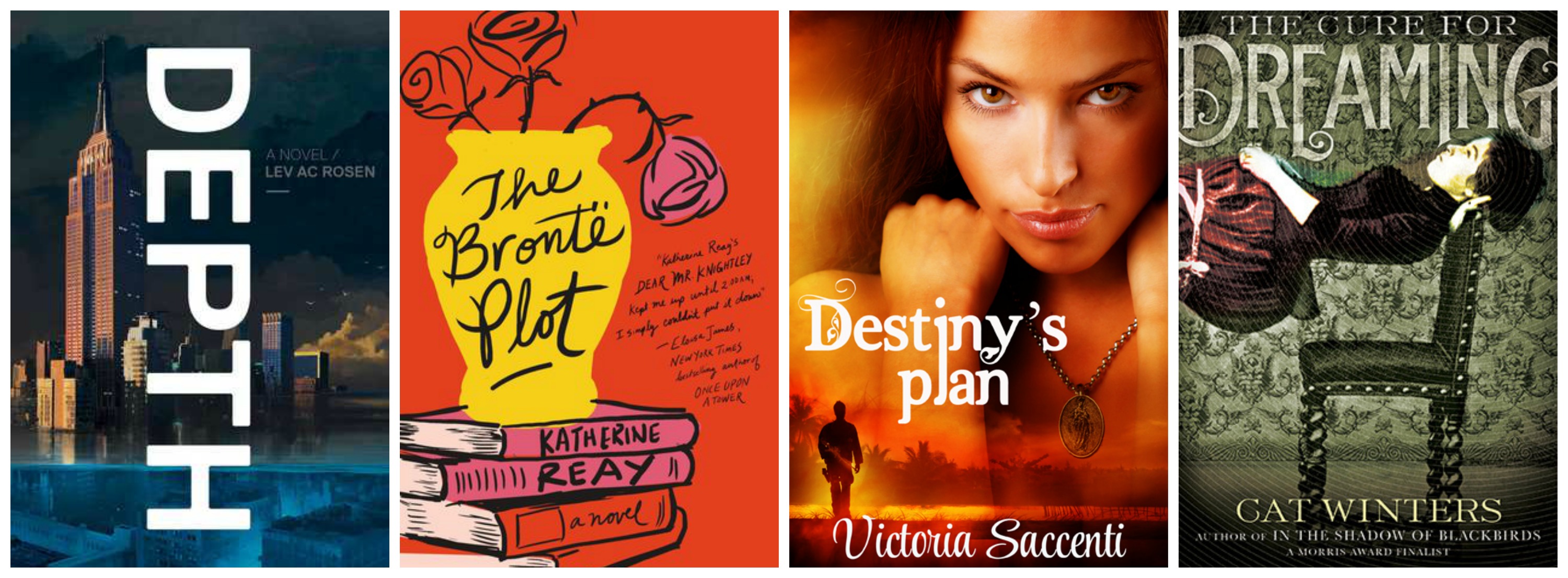
Depth by Lev AC Rosen: Loved it! My review of this sci-fi/noir detective story is here.
The Bronte Plot by Katherine Reay: My review is here.
Destiny’s Plan by Victoria Saccenti: My review is here.
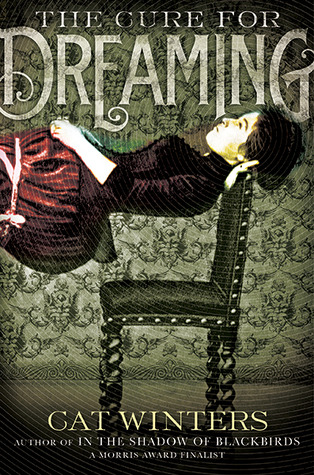
The Cure for Dreaming by Cat Winters: My review is here.
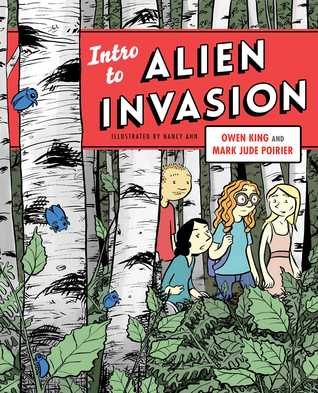
In graphic novels, I read Intro to Alien Invasion by Owen King, which is a pretty amusing story of a college campus being taken over by icky alien beings — and the students who fight to save the world from annihilation.
Elsewhere on the blog:
I wrote a wrap-up post on North and South — reading the book and watching the BBC mini-series. Check it out, here.
Fresh Catch:
Two library hold requests came in this week:
What will I be reading during the coming week?
Currently in my hands:
I’m a little torn, but I think I’ll start with:
Stand-Off by Andrew Smith: This is a sequel to the amazing Winger (review) — and since there’s a waiting list at the library, I really should read it first and then pass it along.
Career of Evil by Robert Galbraith (J. K. Rowling): I’m so excited to read the newest Cormoran Strike novel!
Now playing via audiobook:
I’m about 2/3 of the way through The Boys in the Boat by Daniel James Brown, and although I don’t usually go for non-fiction, I’m really enjoying this one.
In this YA novel, hypnotism and the suffrage movement are combined in startling ways to give us a portrait of life in 1900 for a young woman who is, pretty much literally, too independent for her own good.
On her 17th birthday, Olivia Mead attends a hypnotism show headlined by the young, talented Henri Reverie, a “mesmerist” whose talents have made him famous across the country. Egged on by her friends, Olivia volunteers to be Henri’s first subject, and astonishes the entire audience by her extreme susceptibility to his hypnotism. She’s so far under that he’s able to make her stiff as a board, suspend her between two chairs (as in the cover photo), and even stand on her torso, all without her knowledge.
Olivia is slightly embarrassed, but also enjoys the newfound attention her moment in the spotlight brings, especially from wealthy, out-of-her-reach Percy, the judge’s son. Olivia’s own father, the local dentist (with a truly horrifying collection of tools), is less than pleased. He wants nothing more than for Olivia to be good and obedient, especially after learning that she’d attended a suffragists’ rally the day before. He arranges for a private hypnotism session with Henri, during which Henri compels Olivia to see the world as it truly is, to understand the roles of men and women, and to be able to say nothing but “all is well” when she becomes angry.
This backfires, of course. Olivia is an avid fan of Bram Stoker’s Dracula, and thanks to the hypnotism, when she looks at her father, she sees him as he truly is — fanged, clawed, and monstrous. She sees the truth of many of the women of her town as well, who fade into invisibility as Olivia watches. Desperate, she tracks down Henri and begs him to fix her — but there’s a reason why he can’t just yet, and the two form a scheme to give Olivia back control of her own mind and voice and to get Henri what he desperately needs.
The Cure For Dreaming is a captivating portrait of the plight of women at the dawn of the 20th century. The author does a wonderful job of weaving together an individual’s personal struggles with the struggles of women at that time. It’s easy for us, sitting here in the comforts of 2015, to take for granted the rights we enjoy, and this book reminds us of the venom and hostility that confronted the women’s suffrage movement. The women who dared to take a public stance and speak out were demonized, ridiculed, accused of being unwomanly or even insane, and were subjected to all sorts of horrible public humiliations. In this book, looking through Olivia’s eyes, we see how far the men — and even many women — were willing to go to silence the voices of women who stood up for equality and the right to speak their minds.
As one character describes to Olivia:
“My father leaned over to me and said, “Now, that’s womanhood perfected, Percy my boy. That’s the type of girl you want. Silent. Alluring. Submissive.”
I can’t say enough about how powerful and engrossing this story is. Olivia is a marvelous lead character — smart, warm-hearted, and unwilling to keep silent when she sees something wrong. Her need to speak out is what gets her into trouble, of course, but at the same time, she makes a difference in all sorts of unexpected ways, even when forced through the power of hypnotic compulsion to be compliant and stifle her anger.
Olivia’s interactions with Henri do not take the anticipated route, and despite the growing feelings between the two, this book does not go down the dreaded path of showing a young woman throwing away her own plans in order to follow a guy. Olivia has a backbone and a commitment to staying true to herself, and that’s a lovely thing to see in a YA heroine.
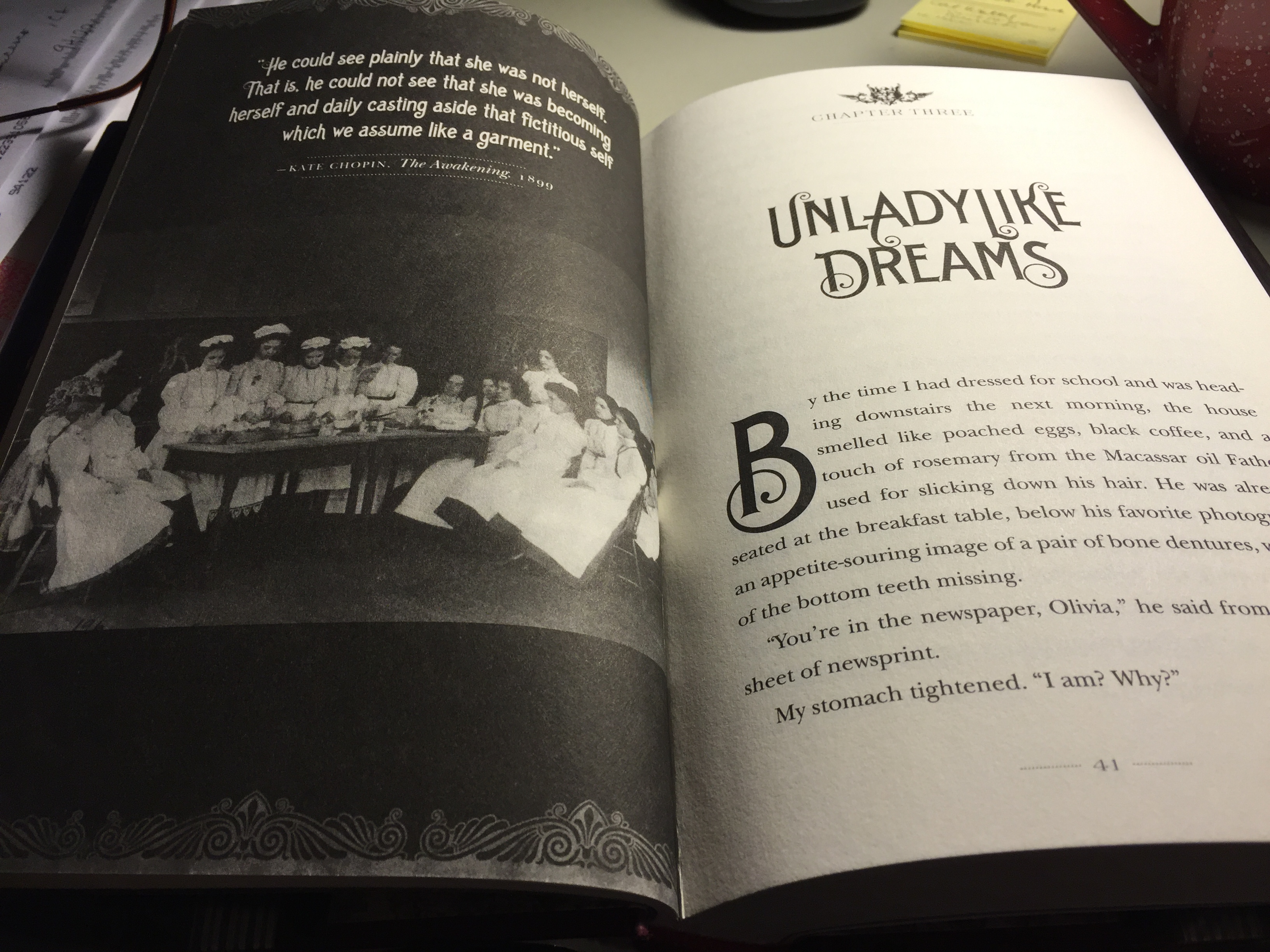
The book itself is wonderful to page through, as chapter breaks are illustrated by historical photos from the book’s era, as well as by a selection of powerful quotes by everyone from Kate Chopin to Mark Twain to Carrie Nation.
The Cure for Dreaming is a fast read — I gobbled it up over the course of 24 hours! I was hooked almost instantly, and just couldn’t bear to put the book down. The characters are well-drawn, the subject of hypnotism is fascinating, the relationships between the characters are pitch-perfect, and the context of the fight for women’s votes and the right to one’s own voice is powerfully presented. While written for a young adult audience, the book does not oversimplify or talk down in any way. As an adult reader, I loved the book and was never bored. This would be a great choice for teen girls, and could also provide some great discussion starting points for mothers and daughters who want a book they can share and enjoy together.
_________________________________________
The details:
Title: The Cure for Dreaming
Author: Cat Winters
Publisher: Amulet
Publication date: October 14, 2014
Length: 352 pages
Genre: Young adult fiction
Source: Library

 My Monday tradition, including a look back and a look ahead — what I read last week, what new books came my way, and what books are keeping me busy right now. Plus a smattering of other stuff too.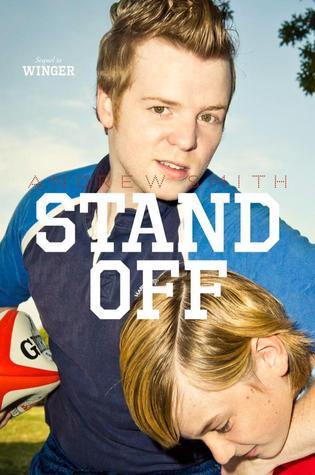









 Bookshelf Fantasies