Shelf Control #51: The Post-Birthday World

Shelves final

Welcome to the newest weekly feature here at Bookshelf Fantasies… Shelf Control!

Shelf Control is all about the books we want to read — and already own! Consider this a variation of a Wishing & Waiting post… but looking at books already available, and in most cases, sitting right there on our shelves and e-readers.

Want to join in? See the guidelines and linky at the bottom of the post, and jump on board! Let’s take control of our shelves!

cropped-flourish-31609_1280-e1421474289435.png

My Shelf Control pick this week is:

Post Birthday WorldTitle: The Post-Birthday World
Author: Lionel Shriver
Published: 2007
Length: 528 pages

What it’s about (synopsis via Goodreads):

In this eagerly awaited new novel, Lionel Shriver, the Orange Prize-winning author of the international bestseller We Need to Talk About Kevin, delivers an imaginative and entertaining look at the implications, large and small, of whom we choose to love. Using a playful parallel-universe structure, The Post-Birthday World follows one woman’s future as it unfolds under the influence of two drastically different men.

Children’s book illustrator Irina McGovern enjoys a quiet and settled life in London with her partner, fellow American expatriate Lawrence Trainer, a smart, loyal, disciplined intellectual at a prestigious think tank. To their small circle of friends, their relationship is rock solid. Until the night Irina unaccountably finds herself dying to kiss another man: their old friend from South London, the stylish, extravagant, passionate top-ranking snooker player Ramsey Acton. The decision to give in to temptation will have consequences for her career, her relationships with family and friends, and perhaps most importantly the texture of her daily life.

Hinging on a single kiss, this enchanting work of fiction depicts Irina’s alternating futures with two men temperamentally worlds apart yet equally honorable. With which true love Irina is better off is neither obvious nor easy to determine, but Shriver’s exploration of the two destinies is memorable and gripping. Poignant and deeply honest, written with the subtlety and wit that are the hallmarks of Shriver’s work, The Post-Birthday World appeals to the what-if in us all.

How I got it:

I bought it.

When I got it:

Way back in 2007, when the book was first released.

Why I want to read it:

This big, huge hardcover has been sitting on my shelf for far too many years by now! It may be time to finally either read it or say good-bye. I was drawn to this book by the “sliding doors” nature of the story — two possible outcomes, two possible futures, hinging on one small moment. I tend to love this sort of thing, but that’s part of the problem. By now, there are lots and lots of novels with similar set-ups, and I’ve read a bunch, and I’m not sure I need to read more. Plus, let’s face it, this is a big doorstopper of a book, and every time I reach up to take it off the shelf, something about it makes me turn away and say, “Nah. Maybe some other time.”

So if I never actually feel like reading it, why am I holding onto it? If you’ve read The Post-Birthday World, please let me know your opinion! I think I need a little nudge, one way or the other, and then I’ll finally take action.

__________________________________

Want to participate in Shelf Control? Here’s how:

  • Write a blog post about a book that you own that you haven’t read yet.
  • Add your link below!
  • And if you’d be so kind, I’d appreciate a link back from your own post.
  • Check out other posts, and have fun!

For more on why I’ve started Shelf Control, check out my introductory post here, or read all about my out-of-control book inventory, here.

And if you’d like to post a Shelf Control button on your own blog, here’s an image to download (with my gratitude, of course!):

Shelf Control

Save

Save

Save

Save

Save

Saturation point

satpoint

Saturation point…

Might I add another variation of the definition?

  • the stage beyond which no more book content can be absorbed by the reader’s brain.

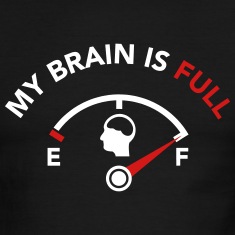
Which pretty accurately describes my current state of being, which can also be described thusly:

brain-full

For the past few years, I’ve been able to successfully juggle multiple books at once — a book for fun, a book for book group, an audiobook for while I drive. I never thought I’d reach the point where my brain feels maxed out, but now I know:

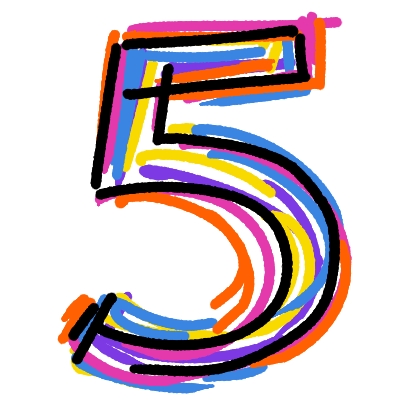
My magic number is: five

Yup, I think I’ve reached my reading saturation point — the point at which my brain will not accept a single additional plot line, character, theme, or main idea. And symbolism? Foreshadowing? Don’t make me laugh.

I haven’t had quite this problem before. I usually do have several books on the go — typically, a big huge book from the Outlander series as part of my group read with Outlander Book Club; a classic read, also with the book club; whatever book I happen to be reading just for me (just for fun), and an audiobook for while I’m driving or exercising.

So why do I suddenly feel maxed out at 5?

Consider this: Of my five current books, 4 — yes, four — are brand-new to me.

The Outlander book (Written in My Own Heart’s Blood) is a re-read, and although we’re reading and analyzing two chapters per week, it’s not taking up a huge amount of grey matter. I already know what happens. It’s not that I don’t have to think about it, but it’s still not taking in new concepts and information.

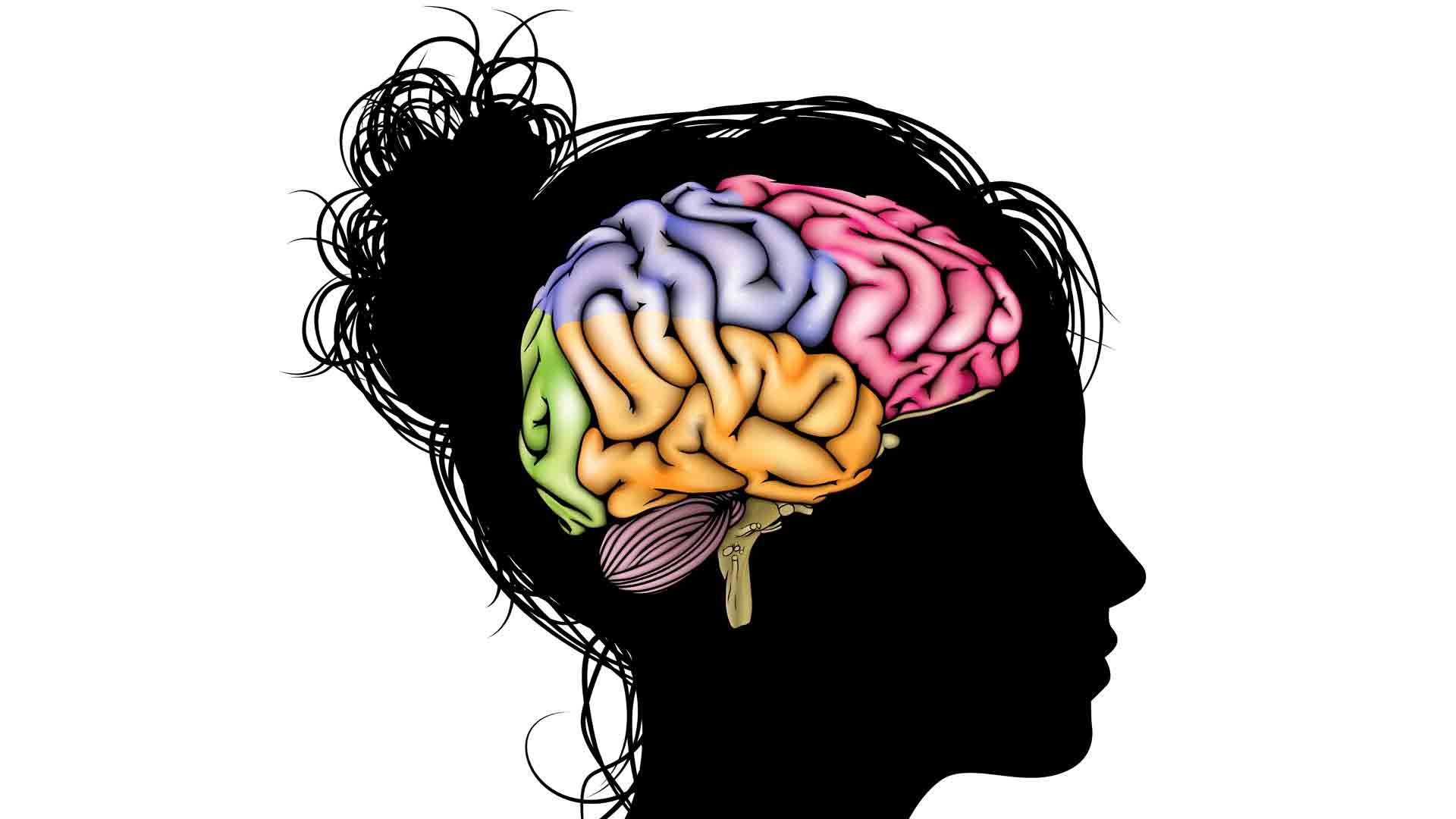
Then there’s the group classic read. Our last group classic was Emma by Jane Austen, which was oodles of fun — but which I’d read several times before. It was a blast reading it with the group, but again, it was a re-read for me. Hey, if you know any neurologists, can you ask them if re-reading a book uses different parts of the brain than reading a book for the first time? I’m no brain doctor, but I’m betting the answer is yes.

brain-girl

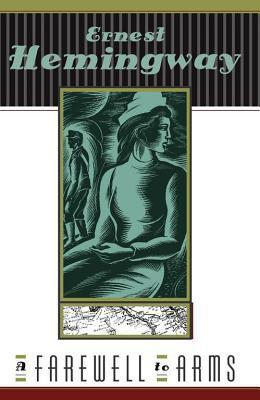
Our current classic read is A Farewell To Arms by Ernest Hemingway… and it’s completely new to me. I know nothing about the plot or characters, and I’m definitely having to put more effort into learning what’s what, getting the rhythm of the writing style, and understanding the shades and nuances of the story.

Then there’s the audiobook. I do a lot of re-reads via audiobook. I find that my mind is often slippery when it comes to listening to books, especially while I’m driving. If there’s bad traffic or I get stuck looking for parking in a crowded neighborhood, I can’t concentrate at all on what I’m listening to. But if I’m listening to the audio version of a book I’ve already read, I can relax, not worry too much about hearing every detail, and just enjoy revisiting something that I loved already the first time around.

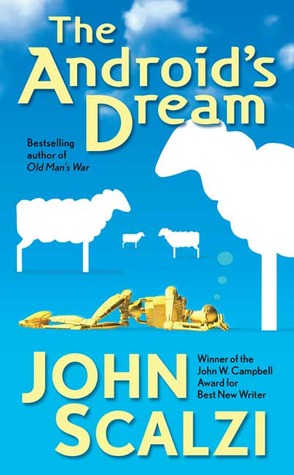
At this moment, however, I’m listening to a new-to-me audiobook, The Android’s Dream by John Scalzi. Granted, this is a pretty silly and light-hearted science fiction novel, but even so, I find myself getting caught up in the story… and even when I get out of the car or remove the earbuds from my ears, my brain does not want to disengage.

Plus, there’s my book book — whatever I’m reading right now, either via physical or e-book — my normal, everyday, just because I feel like it book. Basically, my daily reading fix.

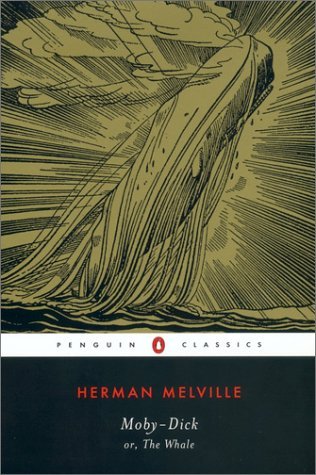
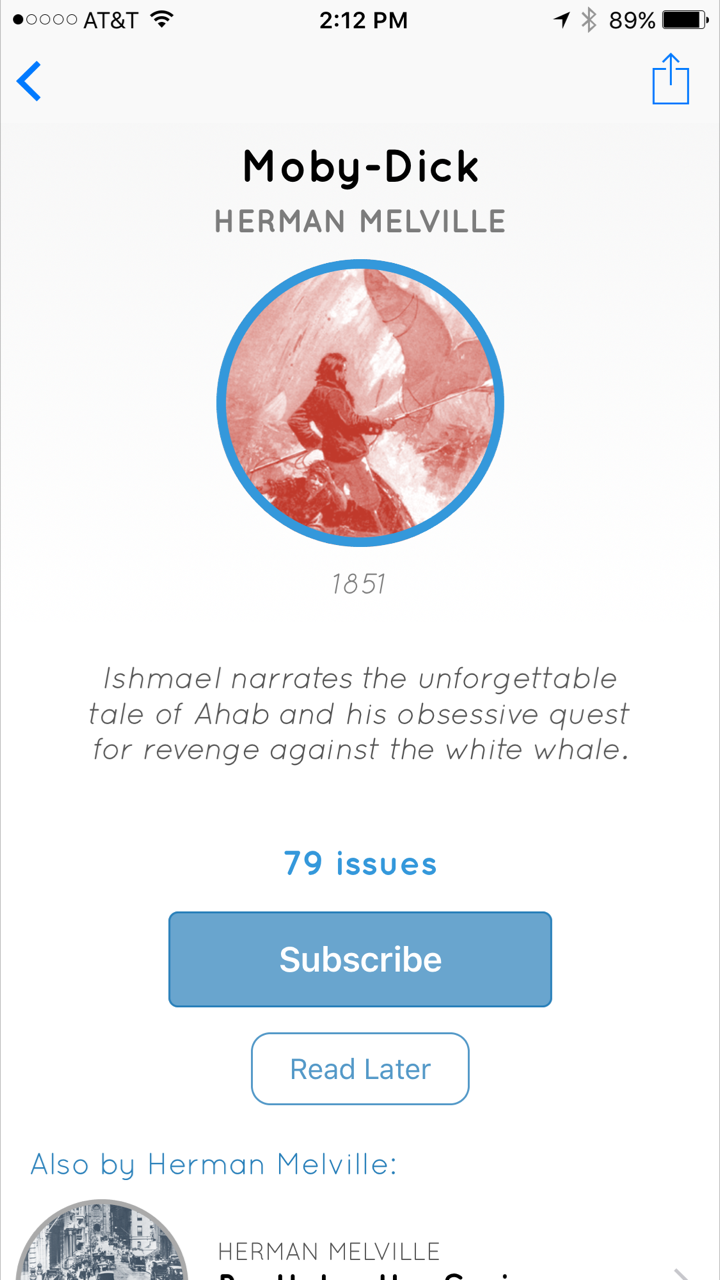
And finally, I’m now tackling Moby Dick via the Serial Reader app, and I think it’s this one that’s pushing me over the edge. Don’t get me wrong — I’m really loving Moby Dick! And I love the serial approach to reading such a huge book, getting manageable bites delivered each day.

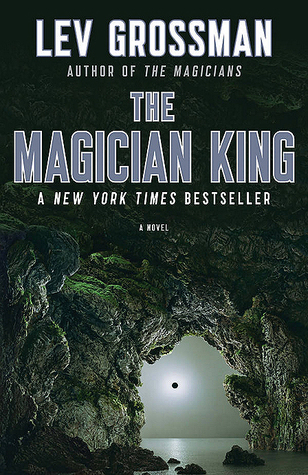
The problem, I think, with my current reading, is that with 4 of my 5 reading commitments being completely new material, my engagement is getting split in way too many directions. I read a bit of Moby Dick, and I want to know more… but then I turn on the car and start listening to The Android’s Dream, and I can’t get the action sequences out of my head. When I have a few minutes of down time, I pick up my current novel (right now, The Magician King by Lev Grossman) and get totally into it… but then in the evening, I read the next day’s chapter of A Farewell To Arms and want more of that too.

brain4So…

Saturation point.

I think I’m there.

Five plotlines and sets of characters may finally represent my breaking point… my saturation point… the point beyond which I absolutely cannot absorb one more detail or shred of story.

Not that I’m willing to drop any of my five reading projects. But man, my head feels full to bursting sometimes.

Remind me to STOP THE MADNESS next time I need to choose an audiobook or rethink my reading commitments. Maybe it’s time to scale back on the amount of new fiction I’m trying to cram into my brain.

Meanwhile…

brain-is-full

The Monday Check-In ~ 9/12/2016

cooltext1850356879 My Monday tradition, including a look back and a look ahead — what I read last week, what new books came my way, and what books are keeping me busy right now. Plus a smattering of other stuff too.

In real life:

img_3916

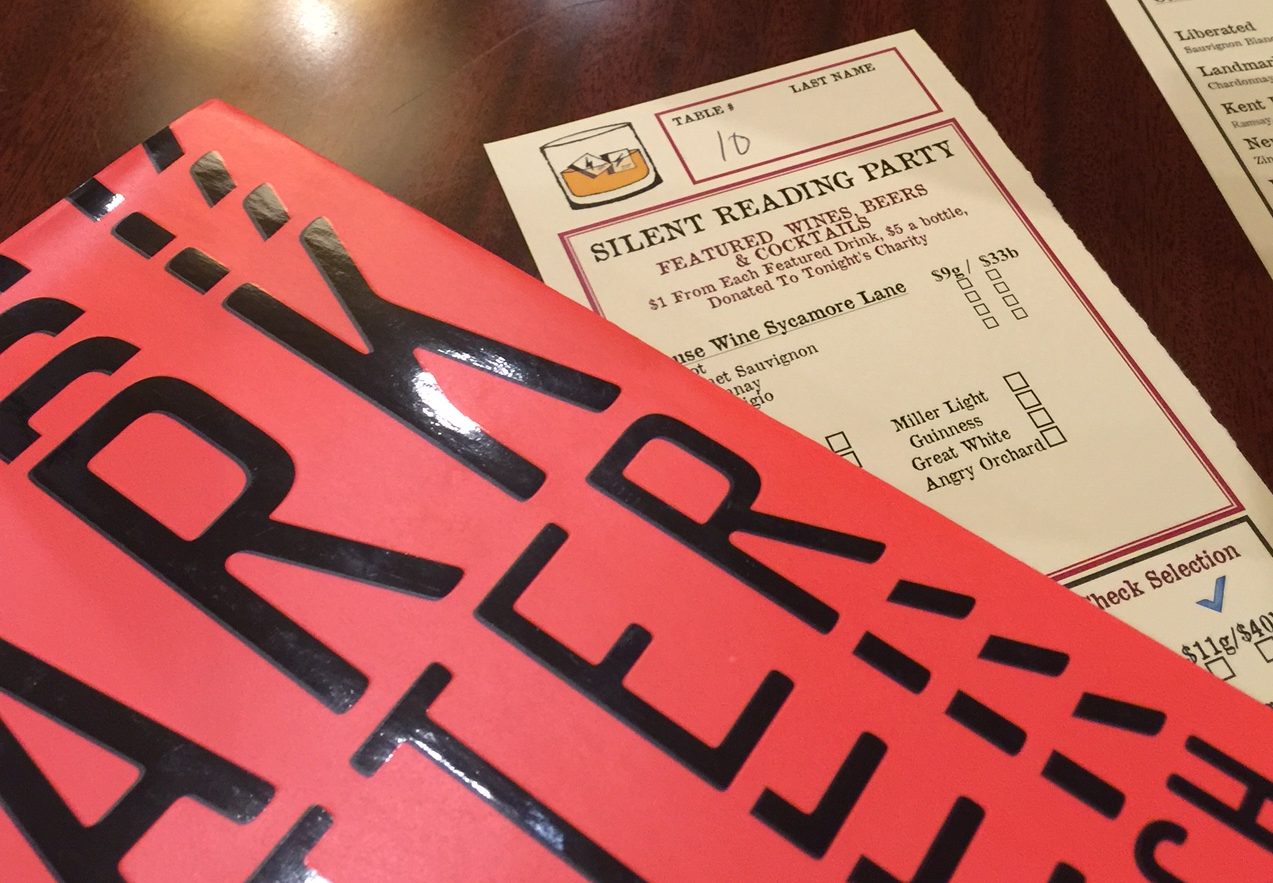
I went to a social event! And by social event, I mean book event. I went to a Silent Reading Party, and it was just as awesome as it sounds. Check out my post about it, here.

What did I read last week?

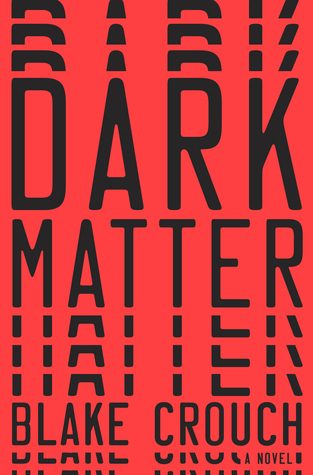
Dark Matter

Dark Matter by Blake Crouch: Done! Wow, what a ride. My review is here.

New release celebration!

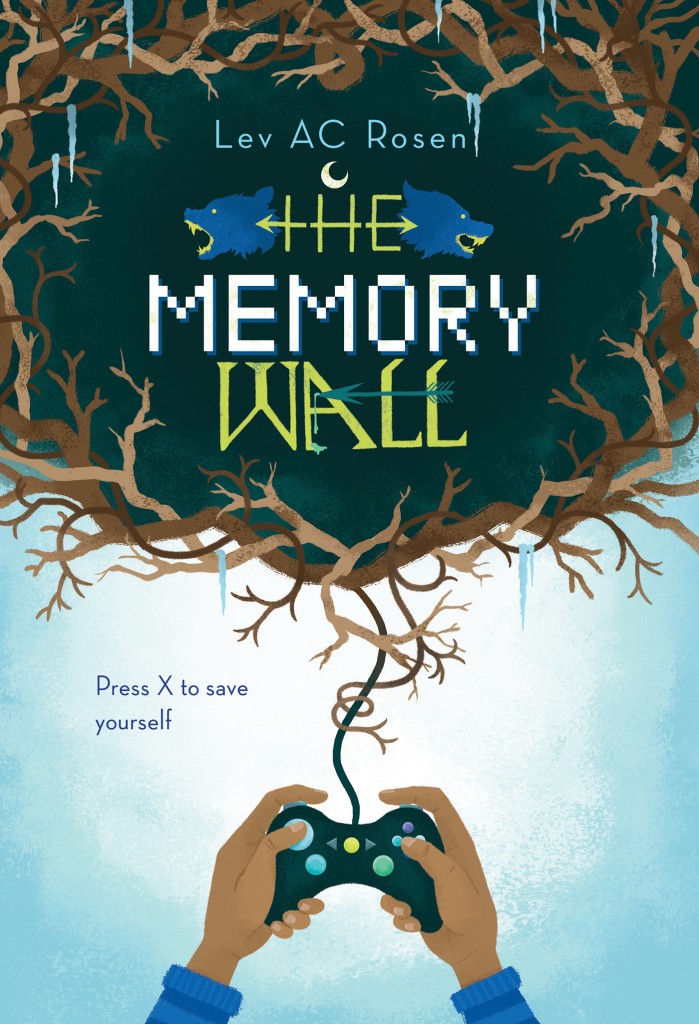
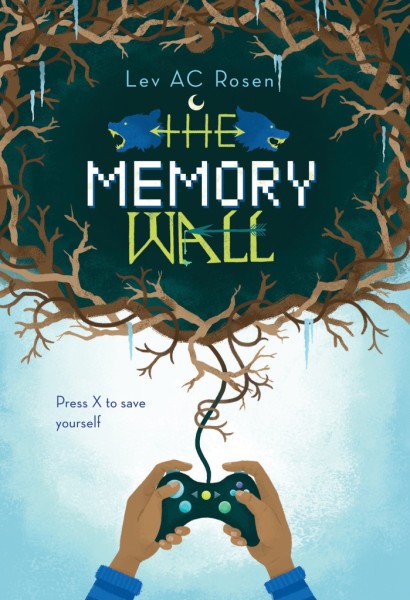
Check out my spotlight post (with a terrific author Q&A) for The Memory Wall by Lev AC Rosen. The book comes out tomorrow!

the-memory-wall-699x1024

Fresh Catch:

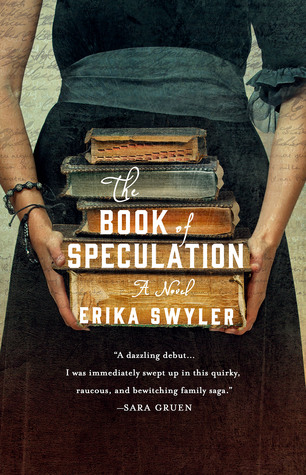
Just one new book this week — I picked up a used copy of a book that’s been on my TBR list since last year:

book-of-speculation

What will I be reading during the coming week?

Currently in my hands:
 MAgician King 2

The Magician King by Lev Grossman: I figured it’s about time to return to this trilogy and read the 2nd and 3rd books.

Now playing via audiobook:

Android's Dream

The Android’s Dream by John Scalzi, narrated by Wil Wheaton: Silly, sci-fi fun. I should be done in the next few days.

Ongoing reads:

MOBYFarewell to Arms 2Moby Dick

With my book group (2 chapters per week of each):

  • Written in My Own Heart’s Blood by Diana Gabaldon
  • A Farewell To Arms by Ernest Hemingway

Via the Serial Reader app (read about it here):

  • Moby Dick by Herman Melville:  — as of this week, I’m at 18%!

So many books, so little time…

boy1Save

Save

Save

Save

Save

Save

Save

Save

Save

Save

Save

Save

Save

Save

Save

Save

Save

Save

Save

Save

Save

Save

Save

Save

The Memory Wall: New release celebration and author Q&A!

the-memory-wall-699x1024

There’s a fine line between real life and video games in this engrossing novel that’s part Kathryn Erskine’s Mockingbird, part Patrick Ness’s A Monster Calls.

Severkin is an elf who slinks through the shadows of Wellhall’s spiraling stone towers, plundering ancient ruins and slaying mystical monstrosities with ease.

He’s also a character in a video game—a character that twelve-year-old Nick Reeves plays when he needs a break from the real world. And lately, Nick has really needed a break. His mother had an “incident” at school last year, and her health has taken a turn for the worse.

Nick is convinced his mother’s illness has been misdiagnosed, but no one believes him. His only escape is the online world of Wellhall, where, as the elf character Severkin, he can face any problem. But when Nick finds himself fighting alongside another elf who reminds him of someone he knows in real life, his worlds begin to collide. . . .

I’m so excited to share this sneak peak at The Memory Wall, the upcoming new release by Lev AC Rosen! The Memory Wall will be released September 13, 2016… and I encourage you all to stop right now, open up a new tab in your browser, hit up Amazon or your favorite online bookseller, and hit the preorder button. You can thank me later. (And now come back and finish reading my post!)

The Memory Wall is an unusual, surprising read — aimed at younger teens, but definitely appealing to grown-ups as well. Don’t be deceived by the cover. While the game and fantasy elements of this book are quite important, it’s the real-life Nick and his disintegrating family that are the heart and soul of the story.

For me personally, Nick’s family, school situation, and inner struggles are the most engrossing elements of The Memory Wall, but the in-game portions are equally well-written and have a propulsive energy all their own. As you’ll see from the Q&A below, it amazes me how well certain elements work together — elements that I never in a million years would have expected to fit into one book — but they really do come together in unexpected but really cool ways.

I’m really thrilled to be able to share this Q&A, but let me just add more note: Lev AC Rosen is an amazing writer who deserves much wider acclaim! Not only does he write great kids’ books (see my review of Woundabout here), but he’s also written two of my absolute favorite books for adults, All Men of Genius (which I read before I was a blogger, so no review… but maybe I’ll revisit in a future blog post) and Depth, which is just awesome (review here).

As a side note, I ended up asking Lev a bunch of questions that relate to the fact that I have a 14-year-old son who’s obsessed with video games. Just FYI.

Without further ado, I’m proud to present:

A Q&A with author Lev AC Rosen, author of The Memory Wall

Note: Mild (very mild) spoilers ahead…

Q:  I never would have guessed that Alzheimer’s, gaming, and the Berlin Wall could fit into a single book. Did you set out to write about all three of these elements from the start?

A: I’m a big believer in the idea that every book writes itself differently. Sometimes the whole idea comes to me fully formed, like a seed, and planting it lets that idea grow. Sometimes it’s more like assembling a puzzle from the pieces that are just floating around your mind.  For The Memory Wall, it was the latter – I knew I wanted to do a book about someone playing a video game, and use that as a story-with-a-story format, where the two stories could actually be pulled apart and still stand on their own. But the age group, the characters, the world, the Berlin Wall, Alzheimer’s – those all sort of snapped on, one by one, because they were already floating around in my head as things I wanted to write about.  Maybe puzzle pieces isn’t the right metaphor – maybe it’s more like trying on clothes. I had this body – video game, story-within-story – and I assembled an outfit on it from the clothes in the wardrobe of my brain – and that included Alzheimer’s and the Berlin Wall. The outfit just looked good. And I didn’t start writing until the outfit was assembled, because the outfit is the idea. Before that, it was just disconnected ideas. Once all the pieces were together, I had an idea, and then I started writing. So Alzheimer’s and the Berlin Wall were there from the moment I was typing. But the core was the video game, I guess.

Q: What was your inspiration for The Memory Wall?

A: Well, I just sort of answered the inspiration for the book part – I could talk more about my personal experiences with Alzheimer’s, or this great German film teacher I had in college, but I’m going to talk about those elsewhere and when I first read this question, I thought you were asking about the literal wall in the book, and I really want to answer that version of the question, because it’s not something I’ve been asked: This book is so much about history, and finding ways to preserve history – whether personal, or societal. Nick’s dad writes about Black history. His mom never talks about her own history in East Berlin. His mom is also losing her own history, and that means Nick feels he’s losing his history with her. So I was thinking about history, and the way we map it, and try to remember it – books, photos, dates, family trees. The ways we quantify history. And I wanted Nick, at some point, to (light spoilers) destroy that in some way. I wanted him to tear down the history he felt had been thrust upon him and realize that history – whether personal or societal – is something that changes all the time, depending on who you talk to, how you look at it. Sure, we can write down dates, map our great-great-grandmothers, but history lives in us. In stories, in memories. It’s not carved in stone. So the memory wall, in the book itself, is this sort of literally carved-in-stone family tree. And I’m trying to go spoiler-light here, so I’ll just say that it’s a history that is put upon Severkin, Nick’s in-game avatar. And when he realizes how his history – and everyone’s history, especially his mom’s – is more than names and dates, that it’s something more fluid than that, he gets to literally shatter the stone. That was satisfying. Plus, of course, calling it the memory wall ties into the Alzheimer’s and the Berlin Wall. But the original inspiration was that I wanted a family tree that could be destroyed in some way. Not to say that his history isn’t that, but to say it’s more than that.

Q: Race and identity are important elements for Nick and Nat, and this is also reflected in their in-game characters. What would you hope that kids reading the book would learn from this?

A: I don’t know if I’d say I want kids to learn anything, exactly. There was this article going around a while back, about a study saying that those who read fiction tend to have more empathy. Reading literally puts you in someone else’s head, so you learn how to do that with real people, too. I think of that whenever I’m writing, because that’s important. That books can change the world – and I don’t have many skills, so this is the thing I can do.  But to really expand that empathy, I need to have it, too. As an author, I can’t just write about people like me – I can’t just write about queer Jewish men from NYC. Besides being wildly limiting, it’s also boring, and isn’t what the world looks like. Authors have the responsibility to put themselves into the minds of different people from different backgrounds – and to do so respectfully. Because when we do that, our readers experience it as well. And that’s the important stuff. So, when I knew Nick had to have a background with strong historical elements, one mapped, one hidden, and I knew so much of the book was about duality – secret/exposed histories, game/real world – I decided Nick’s two sides of the family could be two races, as well. Luckily, I have multi-racial friends, and they were willing to talk to me, and give me books and essays to read so that I could explore that perspective as much as someone without it can. What I hope is that kids enjoy the book, and if they’re multi-racial, they see themselves in it, even if Nick isn’t really like them. And if they’re not multi-racial, hopefully they come out of it with a bit more understanding of the perspective of those who are. Which isn’t to say Nick represents all multi-racial people, but just that he is a fully fleshed out person who the kids can get behind.

Q: Were you at all tempted to have Nick’s mother not have Alzheimer’s, proving Nick right?

A: SPOILERS! This is a fantastic question, and yes. So much yes. I actually tried really hard to go in undecided. To be like “this could go either way.” But the more I realized how much Nick’s parents were keeping from him, the more I knew she had to have it. I did lots of research on Alzheimer’s, talked to doctors, and there are lots of things that look like Alzheimer’s – lots of things Nick could hold on to and say “it’s this, and this is so easily curable!” But the doctors can test for most of those. But I needed hope to be vibrant through the entire book. I needed to hope with Nick.

It’s interesting – people who have read it who have had personal experiences with Alzheimer’s – who have lost someone to it – never believe that Sophie has been misdiagnosed. They tell me they experienced so much of what Nick did, but as readers, they never doubt the diagnosis. Those readers who don’t have a personal experience with Alzheimer’s, though, think it’s possible Sophie has been misdiagnosed. So I feel like that’s a good balance to strike.

Q: As far as I know, most kids don’t play video games with their mothers. (Mine doesn’t!) I love this element of Nick’s relationship with his mom, and how their game connection was a part of their real-life connection. (Sorry, this isn’t really a question so far.)

A: I may be dating myself here, but my mom and I played Legend of Zelda on the original NES. I don’t know if she enjoyed it, or if she was just humoring her six year old, but I like to think she had fun. That being said, as I got older, and games got more complex, she didn’t play with me as much. But we both really liked Zelda. I think.

But Sophie, I think, besides wanting to humor her kid, took a real interest in this particular series because it’s supposed to have this background in myth and culture. And as an anthropologist, she could see those roots and point them out to her son, which I think, for her, gave the game more value. Plus, games are fun. I think she had fun, too – it’s just that her fun was colored by her academic background.

Q: I think most adults/parents these days automatically see video games as a waste of time or not healthy for their kids. The Memory Wall shows a lot of positives related to gaming. Do you think there’s a healthy balance? What are the positives you see in gaming for kids?

A: Well, everything in moderation. Sure, too much video gaming is bad. So is too much anything, really.  But do I think gaming is generally a good thing, or at least has the potential to be? Absolutely. When the printing press first made literature easily available, people freaked out about young people reading. It would make them imagine too much. They stopped doing what they were supposed to, like dueling and needlepoint and socializing, and instead had their noses in books all the time. THE  HORROR! Video games are another form of storytelling. Yes, it’s more interactive – button pressing, in game decision making, etc. Those choose your own adventure books had decisions, too, though. And, like with books, there are bad games out there. But generally speaking, games are great. There are stories told in games that can’t be told other ways, and some of those stories are truly beautiful. Can they be violent? Yes. So are movies. So are books. The thing I’d worry most about in video games is the treatment of women and sex. That can sometimes get a bit weird, I think. Women are sexualized (like in movies, TV), but when it becomes about pressing buttons to seduce a woman, that… is a little weird for me, especially if the player is a young man. Women don’t have buttons. Some games do it well. Some don’t. I think as long as you’re raising your kids to have a healthy respect for women and realize that like the violence in games, this “seduction” aspect is pure fantasy and sometimes dehumanizing, then it’s ok. And of course, watch for those game ratings.

But overall, I think games have the potential to have a really positive aspect on kids, by letting them explore worlds much larger than their own. Or just to solve puzzles or get good at button pressing – which isn’t a bad skill to have. For Nick, the game lets him essentially live out his fantasies and then deal with his reality. He gets to go on one last adventure with his mother – he gets to try to save her, and learn about her, and contextualize her in his fantasy world. And then (big spoilers), when it turns out he was living in a fantasy, he gets to punish someone for it. Because, I’d imagine Nick has a lot of anger at his mother by the end of the book. She lied to him. She kept her condition from him. She gave him hope when there wasn’t any. And Nick should feel angry about that, he should want to punish her in some way, but instead he gets to take it out on Reunne, who wasn’t trying to protect him, but was this malicious manipulator, feeding off his hope. And I think kids can do that with games. They can see symbols, see their own life, and in some way, express who they want to be. Sure, the chances of a kid today growing up to be a space marine are slim, but that kid gets to experience what that version of herself is. And hopefully, there are things she likes about that version of herself and can then work on bringing into her real self. Games can be empowering for kids in that way. And that goes for everything – space marines, or fashion designers on iPhone games.

Q: Do you feel the positives/negatives change based on the kind of game (i.e., role-playing fantasy vs first-person shooter games)?

A: It’s funny you use those two genres as examples because there’s such overlap between them now. I think genre does influence the scope of the game, and games with bigger scopes are often more interesting (though not always). Fighting games, for instance, give you one way of interacting in the world – you fight.  You push buttons, your avatar kicks, punches, etc. But the choice is always fight. A larger open world RPG, like the one Nick plays, or like Skyrim or Fallout, gives you more ways to interact – talk someone out of violence instead of fighting them, collecting items for someone so they won’t die, etc. So I think those games tend to have more positives because they offer a larger scope. Each genre has it’s own plusses and minuses, though. Japanese style RPGs, for example, which aren’t open world, and more streamlined, tend to play more like a movie with tactical fighting interludes – not many choices in those, either. And plenty of shooting games these days have massive online battle zones. That’s more like a big game of laser tag, to me. Other games are like really complex games of chess. But I do think that games with more choice and more things you can do within the world tend to have more value just because choice means more figuring out what you’d choose. And figuring out what you’d choose – being able to experiment with it and see the consequence, being able to do something really awful, just to experience it – that’s the good stuff in gaming, I think.

Q: Are you a gamer? Were you a gamer during your school years? And if so, any favorites? Anything that you particularly took from your gaming experiences as a kid?

A: Yes, and yes. When I was a kid, my favorite game was Final Fantasy 3 (6, really, but they called it 3 when they released it in the US).  I LOVED that game. It’s an amazing, epic story. My friend Liz and I wrote fan fiction about that game. Man I loved it. Still do. Great game. It was also one of my first experiences with Steampunk, so it was a big influence for All Men of Genius.

I think my modern favorite would be Bioshock, though. That is a brilliant story, too, beautifully done, so smart. It’s a shooter with RPG elements – and they’re remastering it for the PS4. Out soon, I think. If your son hasn’t played it, that would be a great one to get and be like “okay, I get to watch you play this because I hear it’s amazing.” That’s something parents are allowed to do, right? It’s just so smart, and has ties to US history and philosophy, like the game in The Memory Wall has ties to East Berlin. It was a game that really showed me how history can work in games, how games can relate to the real world and interact with them.

And Portal! While we’re on recommendations to watch your kid play, or even, in the case of Portal 2, play with them, I highly recommend Portal, which is a puzzle game that looks like a shooter. It’s really smart and funny. There are a lot of great games out these days. Lots of bad ones, too – that’s what happens when there’s more of anything, you get more bad, too, but lots of good ones. Plenty for tablets and phone, too. I loved Transistor. Beautiful piece of art. There’s so much good stuff out there. I could go on for ages.

Q: You’ve written books for adults and for kids. Do you prefer one or the other? What do you enjoy about each? Is your process different for adult vs kid books?

A: I don’t know. I don’t really think of them that way. I mean, I know the age of the kid I’m writing for, but I’m pretty much always writing for me.  Maybe 8 year old Lev, like for Woundabout, or 11 year old Lev, like Memory Wall, or 22 year old Lev, like All Men of Genius, or present-day Lev, like Depth, but I’m always writing for myself, somewhere on the spectrum. Like I said, I’m a big believer in the idea that every book writes itself differently, so it’s not so much about “writing for children” or “writing for adults” – it’s writing this book. That’s how I think about it. And the process, and what I enjoy varies depending on the sort of book it is.  For The Memory Wall I think I really enjoyed crafting the world of the game by using various influences based in East Berlin and Germanic myth. That was a fun. And I really liked being able to express Nick through Severkin. Using his avatar as a way to say things about him that maybe he couldn’t acknowledge about himself.

Q: Can you share a little about your next project or projects? Any chance we might still see a sequel to All Men of Genius or Depth? (I can’t get the images of a drowned New York out of my mind – please tell me there’s more coming set in this world!)

A: I’m a bit of a busy bee, flitting from flower to flower. I don’t stay in my lane long enough to do sequels much. All Men of Genius I had never intended one for, and then folks wanted one, and I tried my hand at it, but it didn’t feel right. Depth I’m more open to exploring sequels for because I had more of “mystery series” mindset going in. But sales aren’t really justifying it, plus my amazing editor left that imprint and I don’t know anyone else there. But I have been thinking of maybe writing a sequel and self-publishing it, just to see what that experience is like. But those are on the back burner. I have other projects right now – a too-long-to-be-a-short-story that’s sort of Greek Myth Noir. I’m trying to find a place for that, but it’s like “novelette” length, which is weird, and anything not a novel is outside my comfort zone, too. But I like it, and I need to do research on people who publish that length.  Or maybe that could be the self-publishing experiment. Then I have two finished drafts of books. Both YA. One is a fairy tale retelling, and a lot of fun, and the other is a contemporary sci-fi spy story about motherhood. We’re still putting together lists of editors to send those to. We’ll see what happens, but fingers crossed. And I’ve just started a period 1940s noir. That’s for adults. It’s… stranger than it sounds. Maybe? I’m sort of all over the place, like I said. Which I love about myself, even if it hurts my overall career. But sometimes I can get people to read something outside their usual zone, and that’s pretty awesome. That’s a good feeling.

Q: Are you sure I’m not a bad mother if I let my 14-year-old play Grand Theft Auto and Call of Duty?

A: Well, with no other evidence, it’s hard to say. But if you’re worrying about it, and talking to him about it, probably not.

But seriously, if he has a PS4, go get the Bioshock Collection remaster that’s coming out the same day as my book. Sit him down and be like “I’ve heard this is amazing, but I’m awful at video games. Want to help me experience it?” and see what happens. The first one in the collection is really fantastic. The other two are good, too, but that first one. Yeah. Play Bioshock with your kid. That’ll definitely make up for any bad parenting.  😉

I can’t thank Lev enough for taking the time to answer my loooong list of questions!! Thank you, Lev — it’s a pleasure to have you here as a guest at Bookshelf Fantasies. Wishing you the best of luck with the release of The Memory Wall.

The Memory Wall will be released September 13th. Go get yourself a copy!

Available at:

Amazon
Barnes & Noble

To learn more about author Lev AC Rosen, visit his website at www.levacrosen.com

_________________________________________

The details:

Title: The Memory Wall
Author: Lev AC Rosen
Publisher: Knopf Books for Young Readers
Publication date: September 13, 2016
Length: 368 pages
Genre: Middle grade/young adult
Source: Review copy courtesy of the author

Save

I went to a silent reading party… and had a (quiet) blast

File this under “things only a book lover would understand”:

I went to a silent reading party this week, and it was the most fun I’ve had in ages!

What’s not to love? A room full of bookworms (book enthusiasts… book nerds… book freaks… ), drinks all around, silent (but companionable) reading, and raising money for a good cause. I ask you — can you think of a more fun way to spend a Tuesday evening?

(The fact that I can’t says a lot about me, I know.)

So here’s what it’s all about:

Drink, eat, and read. Silently.

Drink, eat, and read. Silently.

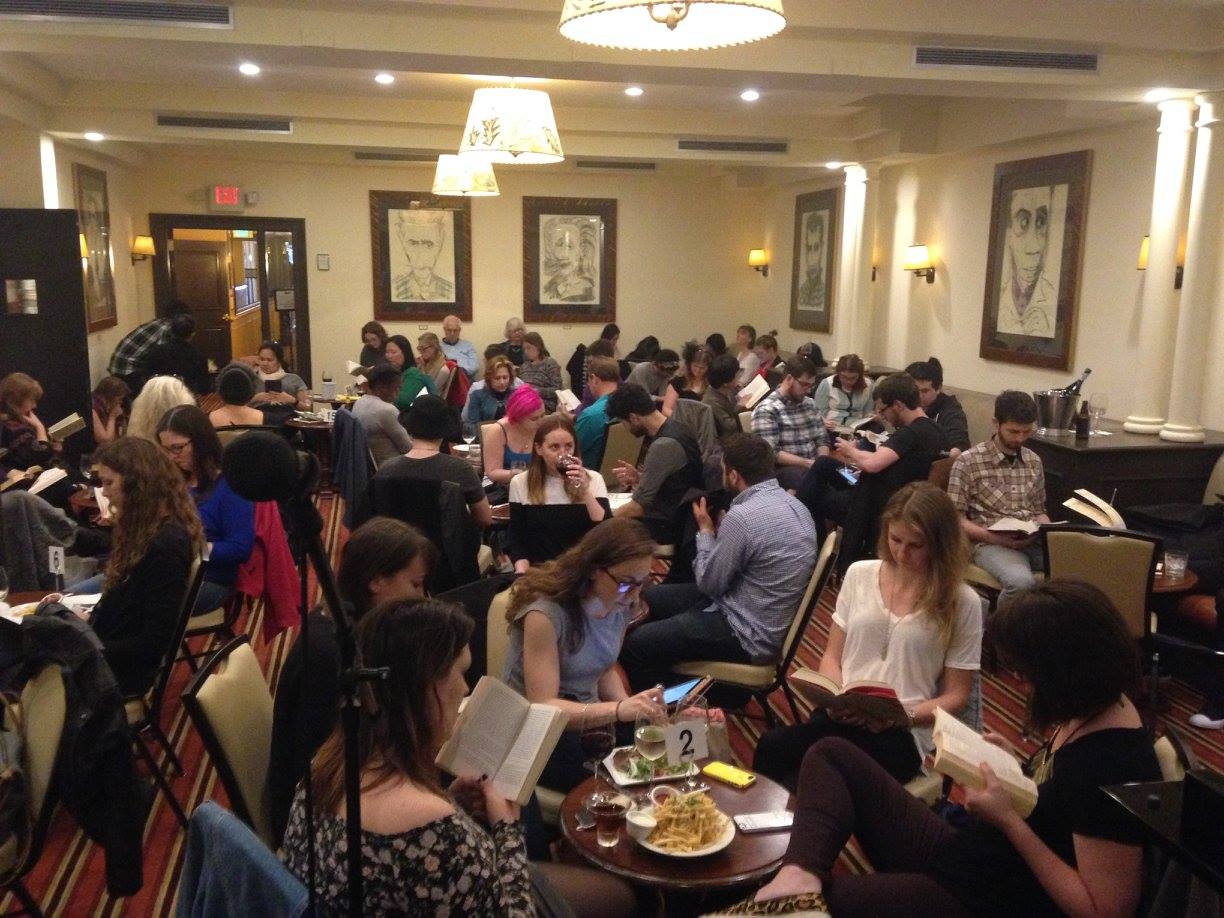
Silent Reading Parties started several months ago here in San Francisco, hosted by Lemony Snicket (Daniel Handler) and Radio Silence. They’re held on the first Tuesday of each month at a downtown hotel — a hotel with a very stylish “library bar”, which feels cozy and bookish as soon as you step inside. Starting at 6 pm, talking stops and reading begins. And the room remains silent. For an hour and a half, there’s light jazz music playing in the background while 40 or so bookish folks sit and read.

Awesome.


Seeing how it’s a bar, there are drinks, of course. There are menu cards on the tables, so you can order drinks and munchies without breaking silence.

And that’s what we did.

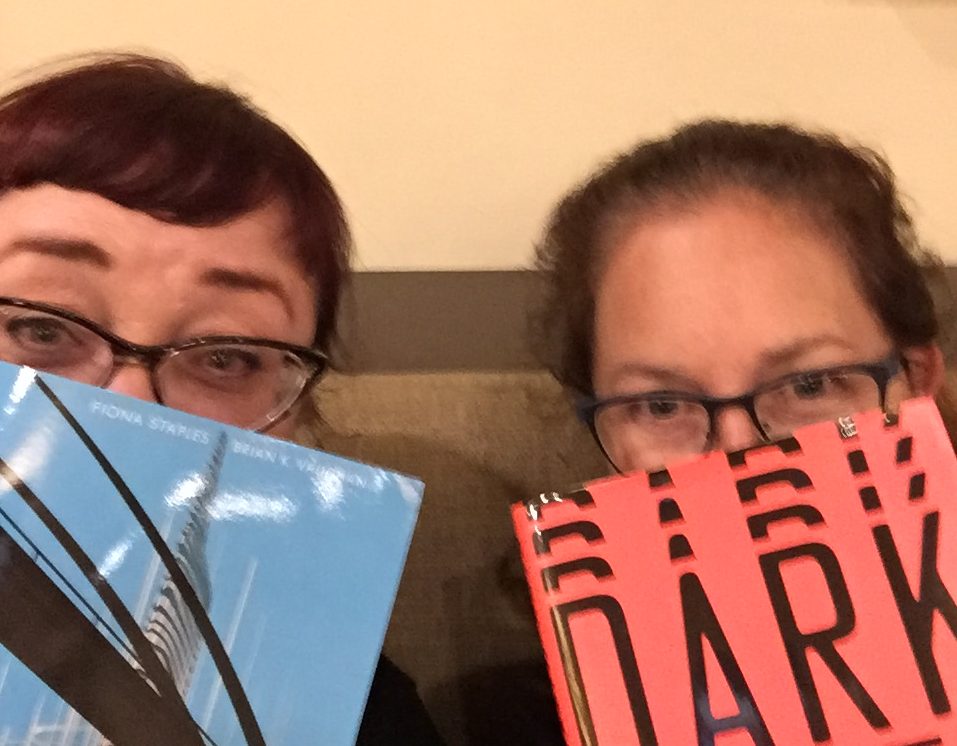
I finished the last few chapters of Dark Matter by Blake Crouch, while my friend read volume six of Saga, then started on the “Weird Junior Edition” of the Worst-Case Scenario Survival Handbook.

We read. Drank some wine. Ate some fries. Grooved to the jazzy tunes. And then at 7:30, the silent time was done, and the readers shook themselves out of their trances. Some stayed and schmoozed, some went on their merry ways. And I’d bet that most will be back next month for more.

All this wild and crazy fun, and a good cause too! A portion of the drinks proceeds plus the contents of a fishbowl full of cash (which Lemony Snicket personally handed round for contributions) all go to support the library of one of our local public elementary schools.

reading-4As if I needed any further inducement to sit and read!

My son thinks I’m weird, and wonders why I couldn’t have just sat at home by myself with a book instead of going out to read. But he doesn’t get it… and I bet anyone reading this post absolutely does.

Booklovers are solitary creatures in their pursuit of great reading — but who says we can’t read alone, together?


Consider me hooked… and absolutely looking forward to next month’s (sssssh… no talking!) party.

read4


Save

Save

Save

Thursday Quotables: Moby Dick

quotation-marks4

Welcome back to Thursday Quotables! This weekly feature is the place to highlight a great quote, line, or passage discovered during your reading each week.  Whether it’s something funny, startling, gut-wrenching, or just really beautifully written, Thursday Quotables is where my favorite lines of the week will be, and you’re invited to join in!

NEW! Thursday Quotables is now using a Linky tool! Be sure to add your link if you have a Thursday Quotables post to share.

IMG_3906

Moby Dick by Herman Melville
(published 1851)

Call me crazy, but I’ve decided to finally buckle down and read Moby Dick, thanks to my favorite new toy, the Serial Reader app. (For more info, check out my post about Serial Reader here.)

Wait, call me crazy? Shouldn’t that be…

Call me Ishmael.

Sorry, couldn’t resist. I’ve read 10% so far, and I’ll admit that I’m actually really entertained! I love the main character’s description of Queequeg, a “savage” with whom he shares a bed at the inn before they ever even set sail:

With much interest I sat watching him. Savage though he was, and hideously marred about the face — at least to my taste — his countenance yet had a something in it which was by no means disagreeable. You cannot hide the soul. Through all his unearthly tattooings, I thought I saw the traces of a simple honest heart; and in his large, deep eyes, fiery black and bold, there seemed tokens of a spirit that would dare a thousand devils.

And a moment later:

He looked like a man who had never cringed and never had had a creditor.

What lines made you laugh, cry, or gasp this week? Do tell!

If you’d like to participate in Thursday Quotables, it’s really simple:

  • Write a Thursday Quotables post on your blog. Try to pick something from whatever you’re reading now. And please be sure to include a link back to Bookshelf Fantasies in your post (http://www.bookshelffantasies.com), if you’d be so kind!
  • Click on the linky button (look for the cute froggie face) below to add your link.
  • After you link up, I’d love it if you’d leave a comment about my quote for this week.
  • Be sure to visit other linked blogs to view their Thursday Quotables, and have fun!

Book Review: Dark Matter by Blake Crouch

Dark MatterThis is one twisty, suspenseful, mind-f*ck of a book… and I mean that in the best way possible!

Synopsis via Goodreads:

“Are you happy with your life?” Those are the last words Jason Dessen hears before the masked abductor knocks him unconscious. Before he awakens to find himself strapped to a gurney, surrounded by strangers in hazmat suits. Before a man Jason’s never met smiles down at him and says, “Welcome back, my friend.”

In this world he’s woken up to, Jason’s life is not the one he knows. His wife is not his wife. His son was never born. And Jason is not an ordinary college physics professor but a celebrated genius who has achieved something remarkable–something impossible.

Is it this world or the other that’s the dream? And even if the home he remembers is real, how can Jason possibly make it back to the family he loves? The answers lie in a journey more wondrous and horrifying than anything he could’ve imagined—one that will force him to confront the darkest parts of himself even as he battles a terrifying, seemingly unbeatable foe.

Okay, wow. I could not put this book down. I mean, edge of seat, biting the nails, all in.

So… enough gushing. Let’s talk about why this is such a great read.

In Dark Matter, the author (a) creates a scenario that feels actually possible, even though it’s pure science fiction; (b) trusts that his readers are intelligent enough to follow the plot down the physics rabbit holes; and (c) creates characters who we can truly care about.

Poor Jason. Of all the ways a life can go wrong, I’m sure he never expected this one! One day he’s teaching college physics, married to a lovely woman, father of a pretty awesome teen boy. Next thing he knows, he’s kidnapped, drugged, and waking up in a strange lab to applause and cheers, surrounded by people who seem to be his super-impressed colleagues.

It all comes down to quantum physics. Of course. Years earlier, Jason and Daniela each compromised on their dreams — Jason to make the kind of physics breakthrough that changes the world, Daniela to achieve renown as an artist — in order to focus on family and marriage. But what if there’s a world where Jason made different choices? In the multiverse concept (as explained by me, a non-physicist, so be kind and forgive anything I get wrong), each decision a person makes spins off an entirely new universe from that decision point (okay, yeah, that’s totally simplistic, but best I can do in a quick digest)… and  Jason, being a world-class physicist, can appreciate the dilemma of worlds colliding and splitting more than most.

I really don’t want to say too much about the plot of Dark Matter. It’s complicated and fast-moving, will occasionally make your head spin, and moves along its path in all sorts of WTF-ish ways.

I loved the complexity of Jason’s situation and the seeming hopelessness of his quest. The climax of the book includes scenes that are absolutely out there, but also kind of perfect. There are shades of grey and some practically impossible decisions that must be made. And oddly, beyond being a very cool and fascinating science fiction novel, I think it’s fair to say that Dark Matter is also a love story. It’s Jason’s love for Daniela and his son Charlie that propel him through his despair and force him to keep trying when all hope seems lost.

_________________________________________

The details:

Title: Dark Matter
Author: Blake Crouch
Publisher: Crown
Publication date: July 26, 2016
Length: 342 pages
Genre: Science fiction
Source: Review copy courtesy of the publisher via NetGalley (and then bought myself a copy!)

Save

Shelf Control #50: Oh Dear Silvia

Shelves final

Welcome to the newest weekly feature here at Bookshelf Fantasies… Shelf Control!

Shelf Control is all about the books we want to read — and already own! Consider this a variation of a Wishing & Waiting post… but looking at books already available, and in most cases, sitting right there on our shelves and e-readers.

Want to join in? See the guidelines and linky at the bottom of the post, and jump on board! Let’s take control of our shelves!

cropped-flourish-31609_1280-e1421474289435.png

My Shelf Control pick this week is:

oh-dear-silviaTitle: Oh Dear Silvia
Author: Dawn French
Published: 2012
Length: 352 pages

What it’s about (synopsis via Goodreads):

Who is in Coma Suite Number 5?

A matchless lover? A supreme egotist? A selfless martyr? A bad mother? A cherished sister? A selfish wife?

All of these. For this is Silvia Shute who has always done exactly what she wants. Until now, when her life suddenly, shockingly stops.

Her past holds a dark and terrible secret, and now that she is unconscious in a hospital bed, her constant stream of visitors are set to uncover the mystery of her broken life. And she must lie there, victim of the beloveds, the borings, the babblings and the plain bonkers.

Like it or not, the truth is about to pay Silvia a visit. Again, and again and again…

How I got it:

I bought it.

When I got it:

A couple of years ago, when I came across a Kindle price drop.

Why I want to read it:

My daughter and I were away on a weekend trip for her birthday, so naturally we scoped out the nearest used book store in the town we were visiting. She picked up Oh Dear Silvia and thought it sounded hilarious. We both made a note of it (didn’t buy it at the time, as we were traveling light), and when I stumbled across it again, I just had to get us each a copy. The description above doesn’t actually sound all that funny, so maybe the edition we looked at had a very different cover blurb. In any case, the plot sounds like it’ll hold my attention, and as a bonus, reading this book will make me think of a wonderful time with my wonderful daughter!

__________________________________

Want to participate in Shelf Control? Here’s how:

  • Write a blog post about a book that you own that you haven’t read yet.
  • Add your link below!
  • And if you’d be so kind, I’d appreciate a link back from your own post.
  • Check out other posts, and have fun!

For more on why I’ve started Shelf Control, check out my introductory post here, or read all about my out-of-control book inventory, here.

And if you’d like to post a Shelf Control button on your own blog, here’s an image to download (with my gratitude, of course!):

Shelf Control

Save

Save

Save

Save

Save

The Monday Check-In ~ 9/5/2016

cooltext1850356879 My Monday tradition, including a look back and a look ahead — what I read last week, what new books came my way, and what books are keeping me busy right now. Plus a smattering of other stuff too.

What did I read last week?

Leave MeLight Between Oceans

Leave Me by Gayle Forman: Done! My review is here.

The Light Between Oceans by M. L. Stedman: I’m so glad that I finally read this book! It’s sad and haunting, and utterly gorgeous. Now I need to see the movie!

In audiobooks:

HP4

I finished listening to Harry Potter and the Goblet of Fire… and loved it as much as always.

Breakfast at Tiffany's

I also listened to Breakfast at Tiffany’s, which was wonderful. I’d never read the story before, and I’ve never seen the movie (must fix ASAP!), but I really enjoyed this audiobook listen, and thought Michael C. Hall’s narration was terrific.

Pop culture goodness:

Anyone else watching Killjoys?

killjoys-horizontal2-700x400

The season finale this week was awesome! I’m so glad it’s been renewed for season 3.

And… I finally took in a spot of culture — a night at the theater! My husband and I went to see this, and loved it:

beautiful-san-francisco-1-6259202-regular

Fresh Catch:

I went to what I thought was going to be a book event with a reading, Q&A, etc, but was really mostly a photo and book signing opp. Still, I walked away with a signed copy of Ransom Riggs’s new book, plus some cool swag, so it was worth it in the end.

IMG_3912 IMG_3914

What will I be reading during the coming week?

Currently in my hands:
 Dark Matter

Dark Matter by Blake Crouch: Verdict after 50 pages? This is going to be GOOD.

Now playing via audiobook:

Android's Dream

Time for a sci-fi treat! I’ve just started the audiobook version of The Android’s Dream by John Scalzi, narrated by Wil Wheaton. This should be good, silly fun.

Ongoing reads:

MOBYFarewell to Arms 2Moby Dick

Written in My Own Heart’s Blood by Diana Gabaldon: My book group is reading and discussing two chapters per week, and we’re at about chapter 68 right now (which is maybe 40%?).

A Farewell To Arms by Ernest Hemingway: My book group’s classic read, again at a rate of two chapters per week.

Moby Dick by Herman Melville: I’ve just started reading this with the Serial Reader app (read about it here), and I’ve read five installments so far. Wish me luck!

So many books, so little time…

boy1Save

Save

Save

Save

Save

Save

Save

Save

Save

Save

Save

Save

Save

Save

Save

Save

Save

Save

Save

Save

Save

Save

Book Review: Leave Me by Gayle Forman

Leave Me

For every woman who has ever fantasized about driving past her exit on the highway instead of going home to make dinner, for every woman who has ever dreamed of boarding a train to a place where no one needs constant attention–meet Maribeth Klein. A harried working mother who’s so busy taking care of her husband and twins, she doesn’t even realize she’s had a heart attack.

Afterward, surprised to discover that her recuperation seems to be an imposition on those who rely on her, Maribeth does the unthinkable: She packs a bag and leaves. But, as is so often the case, once we get to where we’re going, we see our lives from a different perspective. Far from the demands of family and career and with the help of liberating new friendships, Maribeth is finally able to own up to secrets she has been keeping from those she loves and from herself.

With big-hearted characters who stumble and trip, grow and forgive, Leave Me is about facing our fears. Gayle Forman, a dazzling observer of human nature, has written an irresistible novel that confronts the ambivalence of modern motherhood head-on.

This is going to be a tough one to review. On the one hand, I love Gayle Forman’s writing. You should see my Kindle — section after section of highlighting all my favorite little paragraphs and fabulous wording. On the other hand… I pretty much didn’t buy the premise for a second.

Maribeth is in her early forties, raising twins, a busy New York career woman. Her best friend Elizabeth is also her boss, and lately Maribeth feels like their friendship has been lost to their working relationship. Life is busy, busy, busy — and even as she’s in the hospital getting checked out after her initial chest pains, it’s still on Maribeth’s shoulders to plan dinner and arrange the family’s social obligations.

After emergency open-heart surgery, Maribeth is back home with her family — but it’s still all too much. She’s the planner, the organizer, the worrier, the arranger. She’s the key breadwinner. Her husband is pretty laid back, and does his work out of passion, not in pursuit of a dollar. Even in convalescence, the pressure on Maribeth never ends, and it seems like everyone is just waiting for her to snap back into her normal role.

And so, three week after surgery, Maribeth leaves a note and disappears, resurfacing in Pittsburgh one train ride later, with wads of cash in her pocket and a brand new clean slate. She rents an apartment — in cash — under an altered version of her name, finds a new cardiologist — who accepts cash — and sets about living a simple, unencumbered, no responsibilities kind of life.

There’s a darker, more secret reason for Maribeth’s flight as well. She’s adopted, but has never known anything about her birth mother. Now, as she deals with her health issues and worries about what sort of mother she is, she’s consumed by the need to find out more about her own origins. She knows that she was born in Pittsburgh, so this is where she’ll start her search.

That’s the basic idea. Along the way, Maribeth befriends the young roommates who live in her building, as well as an older women who helps people find their birth parents and even her new cardiologist, a man with his own secret and painful past. For the first time in a long time, Maribeth makes friends who have no strings attached — no PTA or twins groups or work colleagues — just people she enjoys spending time with. She relaxes. She starts to exercise and eat better. She is unplugged — just a burner cell phone, no email, no laptop, no internet. It’s great — and yet, she misses her family, and starts a collection of unsent letters to her children.

So, what did I enjoy about this book? Well, Gayle Forman can write, that’s for sure. The characters are well-defined and quirky, clearly individuals rather than standard cookie cutter types. While there’s emotion and sorrow in Leave Me, there are also plenty of light, funny moments. Maribeth’s stress and fears are instantly relateable, and it’s no surprise that her crazy, high-pressure life leaves her in such dire straits, health-wise.

I tore through Leave Me in about two days. It’s eminently readable, super fast and engaging, and held my interest even when my body was telling me to put down my Kindle and just go to sleep.

But as I said, it’s not all a positive for me. As entertained as I was by much of the story, I just couldn’t buy it. Why would Maribeth see leaving her children as her best and only option? How could she leave and never even call? And how on earth was her husband so understanding and supportive when they finally did start emailing and speaking a month later? I’m sorry, but I think 99.9% of spouses left in that kind of situation would be absolutely furious, not conciliatory and reminiscing about the early days when they fell in love.

I mean, for goddess’s sake (just kidding, I’m not religious or pagan or anything other than a geek), she completely dropped out of communication less than a month after having open-heart surgery! For all her family knew, she could be dead in a ditch somewhere.

I just kept thinking — not cool, lady. Not cool. At least let someone know you’re alive.

A smaller quibble is just how easily her life worked in Pittsburgh. She came armed with loads of cash (ah, privilege!), but basically showed up empty-handed in a strange town — and found neighbors who took to her immediately and wanted to help her, a doctor who wanted to treat her when no one else would look past her unwillingness to share any information about her identity (or even health insurance), and a new friend who’s able to unlock all of the secrets about her birth mother (and teach her to swim). She didn’t encounter hostility, or mean people, or really, even indifference. It’s a nice little fairy tale, I suppose, to think that you can show up in a new city like that and find a life, but real? No.

On top of which, by the time she goes home months later, nothing has actually changed in terms of their stressful life. I mean yes, supposedly her husband and friend/boss are ready to be more supportive and are full of warm fuzzies, but she’s still going back to a super stressful Manhattan life that they can’t really afford, where she may or may not still have a job, and where they’re constantly under pressure. So even though she’s come to some big realizations about herself, what will actually be different when she gets back?

So yeah, despite loving the writing and feeling very amused and engaged by the book, some little part of my brain was sitting to the side judging and doubting, and that kept me just distant enough to feel like the plot doesn’t really hold up to scrutiny.

Should you read the book? Well, if you enjoy contemporary adult fiction, modern urban characters, and don’t mind pieces that could (or should) never happen in real life, then yes! You won’t be bored.

Meanwhile, I’ll just add that I’ve read four young adult books by Gayle Forman, and thought they were all great. (I especially loved Just One Day and Just One Year). So I was really excited to hear that the author would be releasing her first book for adults, Leave Me. And even though I don’t consider Leave Me a complete success, I did enjoy reading it and hope that she continues writing for adults. I’d love to see what she comes up with next!

I’ll leave you with a selection of some of my favorite passages from Leave Me:

She looked at the label on her yogurt. Was it full-fat yogurt? Had she been eating full-fat yogurt all this time? She scanned the package for the words, full fat, or whole milk, some kind of ominous cigarette-label warning that the contents might cause death. But she found nothing like that. The label only said it was French.

cropped-flourish-31609_1280-e1421474289435.png

Her birth mother had always been a shadowy, abstract figure. Maybe she was out there, maybe she wasn’t, but there was no way of knowing so why bother obsessing about it. It was not unlike how Maribeth felt about God. She supposed this made her birth-mother agnostic.

cropped-flourish-31609_1280-e1421474289435.png

Sometimes she really did think her heart no longer functioned. Sure, the muscle beat fine, but the feeling part of it was completely damaged.

cropped-flourish-31609_1280-e1421474289435.png

But it was the swimming pool in the basement that called to her. She wasn’t sure why but it felt like this, more than an elliptical machine or a vinyasa class, would ease the itchiness that was growing inside of her. Swimming felt new. Or maybe it was because she was sinking and wanted to see whether, if forced to, she might swim.

_________________________________________

The details:

Title: Leave Me
Author: Gayle Forman
Publisher: Algonquin Books
Publication date: September 6, 2016
Length: 352 pages
Genre: Adult contemporary fiction
Source: Review copy courtesy of the publisher via NetGalley

Save

Save

Save

Save