Book Review: Love and Other Consolation Prizes by Jamie Ford

From the bestselling author of Hotel on the Corner of Bitter and Sweet comes a powerful novel, inspired by a true story, about a boy whose life is transformed at Seattle’s epic 1909 World’s Fair.

For twelve-year-old Ernest Young, a charity student at a boarding school, the chance to go to the World’s Fair feels like a gift. But only once he’s there, amid the exotic exhibits, fireworks, and Ferris wheels, does he discover that he is the one who is actually the prize. The half-Chinese orphan is astounded to learn he will be raffled off–a healthy boy “to a good home.”

The winning ticket belongs to the flamboyant madam of a high-class brothel, famous for educating her girls. There, Ernest becomes the new houseboy and befriends Maisie, the madam’s precocious daughter, and a bold scullery maid named Fahn. Their friendship and affection form the first real family Ernest has ever known–and against all odds, this new sporting life gives him the sense of home he’s always desired.

But as the grande dame succumbs to an occupational hazard and their world of finery begins to crumble, all three must grapple with hope, ambition, and first love.

Fifty years later, in the shadow of Seattle’s second World’s Fair, Ernest struggles to help his ailing wife reconcile who she once was with who she wanted to be, while trying to keep family secrets hidden from their grown-up daughters.

Against a rich backdrop of post-Victorian vice, suffrage, and celebration, Love and Other Consolations is an enchanting tale about innocence and devotion–in a world where everything, and everyone, is for sale.

Love and Other Consolation Prizes is a truly lovely look at memories, connections, and the complicated ways in which families are formed.

We meet Ernest as an adult in 1969, as the World’s Fair (with its brand-spanking-new Space Needle) is getting underway in Seattle. Ernest is living apart from his beloved wife Gracie because of a disorder that has stolen most of her memories and leaves her highly agitated whenever Ernest is around. As he sees the city preparing for the spectacle of the World’s Fair, he’s brought back to his memories of 1909, when he fell in love with two very different girls during a visit to the Alaska Yukon Pacific Expo, held at the very same place.

Ernest’s earliest memories are horrific — his life as a starving child in China whose mother gives him away because she knows she can’t care for him. He’s basically sold as chattel and carted across the sea to America, where he moves through a succession of charity homes and schools, always an outsider due to his interracial heritage. Equally horrible is the way in which his patron offers him off as a raffle prize, a humiliating experience for Ernest which ultimately leads to the happiest years of his life. As a 12-year-old servant in the Tenderloin brothel, he’s treated kindly and given a home, surrounded by the upstairs girls and the servants, all of whom shower him with love and make him feel for the very first time as if he truly belongs.

At the Tenderloin, he forms a deep attachment to both Fahn, a Japanese girl a few years older than him who works as a servant, and Maisie, the tomboy daughter of the house madam who seems destined to follow in her mother’s footsteps. The three of them form a tight-knit unit, and stick together through unexpected changes to their happy home.

Author Jamie Ford keeps us guessing until close to the end. We know that Ernest loved both girls as a young boy, and that he ended up married to one, but he manages to avoid revealing the answer without any unnecessary gimmicks. It works; both girls love Ernest and have special relationships with him. We can tell how much they all care for one another, with the purity of an adolescent friendship that hasn’t bloomed into outright romance.

Mixed in with Ernest’s memories of the early 20th century are scenes from 1969, as he begins to share pieces of his past with his grown daughter, revealing his own secrets but wanting to preserve his wife’s. As the novel progresses, the entire family is changed by some of the truths that begin to be revealed.

He drew a deep breath. Memories are narcotic, he thought. Like the array of pill bottles that sit cluttered on my nightstand. Each dose, carefully administred, use as directed. Too much and they become dangerous. Too much and they’ll stop your heart.

The writing in Love and Other Consolation Prizes is beautiful. Through rich descriptions, we get a true sense of Seattle in the early 20th century, with the flavors of its neighborhoods, the personalities and politics of its citizens, and the diversity and tensions springing from so many different people living in such close proximity to one another.

The descriptions of Ernest’s time at the Tenderloin really shine. The brothel isn’t tawdry; it’s an upscale establishment, frequented by the upper crust of Seattle society, with girls who receive dance, elocution, and Latin lessons in order to be able to entertain and converse intelligently with the clientele. The people of the Tenderloin are a family, and it’s only Madam Flora’s illness that brings an end to the idyllic days there.

Likewise, the more horrible aspects of Ernest’s past — the memories from China and the sea journey, especially — are painted for us in language evocative of the experiences as they would have been felt and remembered by a child. These sections of the book are upsetting and feel quite real, but since we know from the start that Ernest survived and ultimately thrived, the bad parts never overwhelm the more upbeat parts of the story.

I highly recommend Love and Other Consolation Prizes. As historical fiction, it succeeds in bringing the reader into the world of Seattle in both 1909 and 1969, tied together nicely by the World’s Fair at each of these two times. And as a story of human relationships and the complications of love, it simply shines. Love and Other Consolation Prizes is a gorgeously written book that tells a fascinating tale, and in my opinion, is one of 2017’s must-reads.

Interested in this author? Check out my review of his first novel, Hotel on the Corner of Bitter and Sweet.

_________________________________________

The details:

Title: Love and Other Consolation Prizes
Author: Jamie Ford
Publisher: Ballantine Books
Publication date: September 12, 2017
Length: 320 pages
Genre: Historical fiction
Source: Review copy courtesy of the publisher via NetGalley

Save

Save

Save

Save

Gorgeous cover for new Alpha & Omega book!

Fresh from Facebook — here’s the cover of the upcoming new Alpha & Omega book by Patricia Briggs! Burn Bright will be released in March 2018. Doesn’t this look amazing?


Burn Bright is book #5 in the series, a spin-off from the Mercy Thompson series (which I adore as well), starring werewolf couple Charles and Anna. If you haven’t read these amazing books yet, you have from now until March to get caught up!

There’s no preorder link available yet on Amazon… but believe me, I’ll be pouncing on it as soon as it’s there.

SO EXCITED.

Shelf Control #86: Mistress of the Art of Death


Shelves final

Welcome to Shelf Control — an original feature created and hosted by Bookshelf Fantasies.

Shelf Control is a weekly celebration of the unread books on our shelves. Pick a book you own but haven’t read, write a post about it (suggestions: include what it’s about, why you want to read it, and when you got it), and link up! Fore more info on what Shelf Control is all about, check out my introductory post, here.

Want to join in? Shelf Control posts go up every Wednesday. See the guidelines at the bottom of the post, and jump on board!

cropped-flourish-31609_1280-e1421474289435.png

My Shelf Control pick this week is:

Title: Mistress of the Art of Death
Author: Ariana Franklin
Published: 2007
Length: 384 pages

What it’s about (synopsis via Goodreads):

A chilling, mesmerizing novel that combines the best of modern forensic thrillers with the detail and drama of historical fiction. In medieval Cambridge, England, four children have been murdered. The crimes are immediately blamed on the town’s Jewish community, taken as evidence that Jews sacrifice Christian children in blasphemous ceremonies. To save them from the rioting mob, the king places the Cambridge Jews under his protection and hides them in a castle fortress. King Henry II is no friend of the Jews-or anyone, really-but he is invested in their fate. Without the taxes received from Jewish merchants, his treasuries would go bankrupt.

Hoping scientific investigation will exonerate the Jews, Henry calls on his cousin the King of Sicily-whose subjects include the best medical experts in Europe-and asks for his finest “master of the art of death,” an early version of the medical examiner. The Italian doctor chosen for the task is a young prodigy from the University of Salerno. But her name is Adelia-the king has been sent a “mistress” of the art of death. Adelia and her companions-Simon, a Jew, and Mansur, a Moor-travel to England to unravel the mystery of the Cambridge murders, which turn out to be the work of a serial killer, most likely one who has been on Crusade with the king.

In a backward and superstitious country like England, Adelia must conceal her true identity as a doctor in order to avoid accusations of witchcraft. Along the way, she is assisted by Sir Rowley Picot, one of the king’s tax collectors, a man with a personal stake in the investigation. Rowley may be a needed friend, or the fiend for whom they are searching. As Adelia’s investigation takes her into Cambridge’s shadowy river paths and behind the closed doors of its churches and nunneries, the hunt intensifies and the killer prepares to strike again . .

How I got it:

I picked it up off of our “book swap” shelf at work. (We have a shelf in our staff break room where people can leave books and take books. You never know what you’ll find!)

When I got it:

Earlier this year.

Why I want to read it:

It sounds fascinating! A woman physician/medical examiner in medieval times, a murder investigation, the status of Jews under Henry II — so many great elements make this book sound like something that will definitely hold my interest. Now that I’ve checked Goodreads, I see that there are three follow-up books — but I’ll start with one and see how it grabs me.

__________________________________

Want to participate in Shelf Control? Here’s how:

  • Write a blog post about a book that you own that you haven’t read yet.
  • Add your link in the comments!
  • If you’d be so kind, I’d appreciate a link back from your own post.
  • Check out other posts, and…

Have fun!

Save

Save

Save

Save

Save

Save

Save

Save

Save
Save

Save

Save

Save

Top Ten Tuesday: Hidden gems from my shelves

TTT back to school

Top Ten Tuesday is a meme hosted by The Broke and the Bookish, featuring a different top 10 theme each week. This week’s topic is Hidden Gems in Genre X — but I figured, why limit myself to just one genre? Below are 10 book I’ve read and loved — and which deserve to be read by everyone!

1) I Shall Be Near to You by Erin Lindsay McCabe: Beautiful, haunting historical fiction set during the Civil War

2) The Android’s Dream by John Scalzi: This is silly, fun sci-fi at its wacky best. You can’t take it too seriously — just buckle in and go along for the ride.

3) Not Me by Michael Lavigne: A powerful, thought-provoking story about identity, forgiveness, and the unforgivable.

4) Deerskin by Robin McKinley: A chilling retelling of a lesser-known fairy tale, definitely not for kids.

5) Ella Minnow Pea by Mark Dunn: This one shows up on my lists a lot. Fun with letters, fun with words! It’s just awesome.

6) The Humans by Matt Haig: Sweetly funny and oddly uplifting, with beautiful writing.

7) The Lover’s Dictionary by David Levithan: Yes, it’s a dictionary… but it’s also a novel, and it’s both clever and moving.

8) The Jane True series by Nicole Peeler: A supernatural series with a selkie as its star, surrounded by all sorts of unusual supes, lots of humor, and plenty of steaminess too.

9) Mrs. Queen Takes the Train by William Kuhn: A fictional look at the private life of Queen Elizabeth that’s really a great ride.

10) Sailor Twain: Or, The Mermaid in the Hudson by Mark Siegel: A lovely, haunting graphic novel.

Have you read any of these? What hidden gems are on your list this week?  Please share your TTT link and I’ll drop by for a visit.

♥♥♥♥♥♥♥♥

Do you host a book blog meme? Do you participate in a meme that you really, really love? I’m building a Book Blog Meme Directory, and need your help! If you know of a great meme to include — or if you host one yourself — please drop me a note on my Contact page and I’ll be sure to add your info!

Save

Save

Save

Save

Save

Save

Save

Save

Save

Save

Save

Save

The Monday Check-In ~ 8/28/2017

cooltext1850356879 My Monday tradition, including a look back and a look ahead — what I read last week, what new books came my way, and what books are keeping me busy right now. Plus a smattering of other stuff too.
What did I read last week?

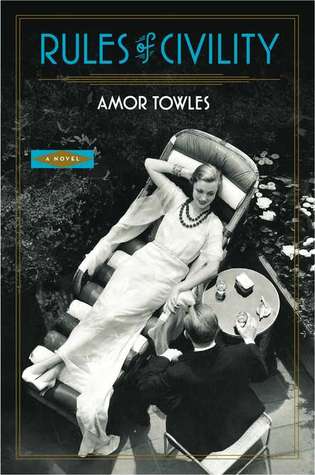
Rules of Civility by Amor Towles: My book group’s pick for August. My review is here.

Killers of the Flower Moon by David Grann: Fascinating and disturbing non-fiction. My review is here.

Young Jane Young by Gabrielle Zevin: The highlight of my week! My review is here.

And in audiobooks:

A Great and Terrible Beauty by Libba Bray: I finished the audiobook over the weekend, and really enjoyed it. I’ll wait until I finish the trilogy before I write up some thoughts.

Elsewhere on the blog:

Want to save money on e-books? I put together a blog post about how to find e-book price drops. Check it out, here.

Pop culture goodness:

I’ve been absolutely drooling over the newest issue of Entertainment Weekly. Why? Well, here’s a wee clue:

From Entertainment Weekly: Outlander
Caitriona Balfe and Sam Heughan photographed on the Outlander set in Cape Town, South Africa on March 8, 2017 by Ruven Afanador

Click here to see the full gallery of photos on the EW website, or here to see what I posted yesterday.

The end of Droughtlander is nigh! Outlander season 3 starts in LESS THAN 2 WEEKS.

Apologies in advance… my Outlander obsession seems to be kicking back into high gear, so expect plenty of Outlander-related posts for the next several weeks.

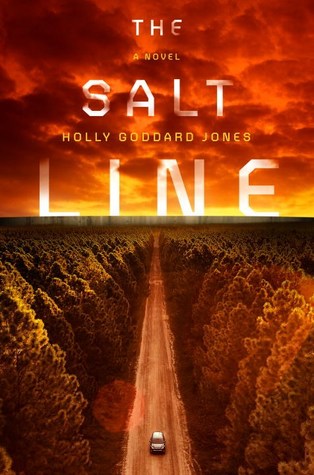
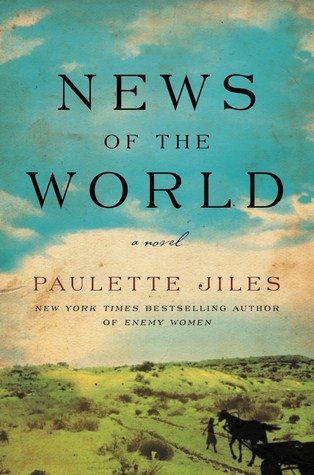
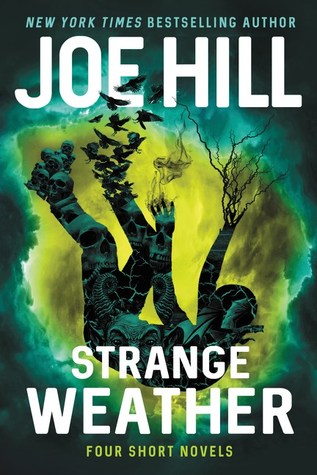
Fresh Catch:

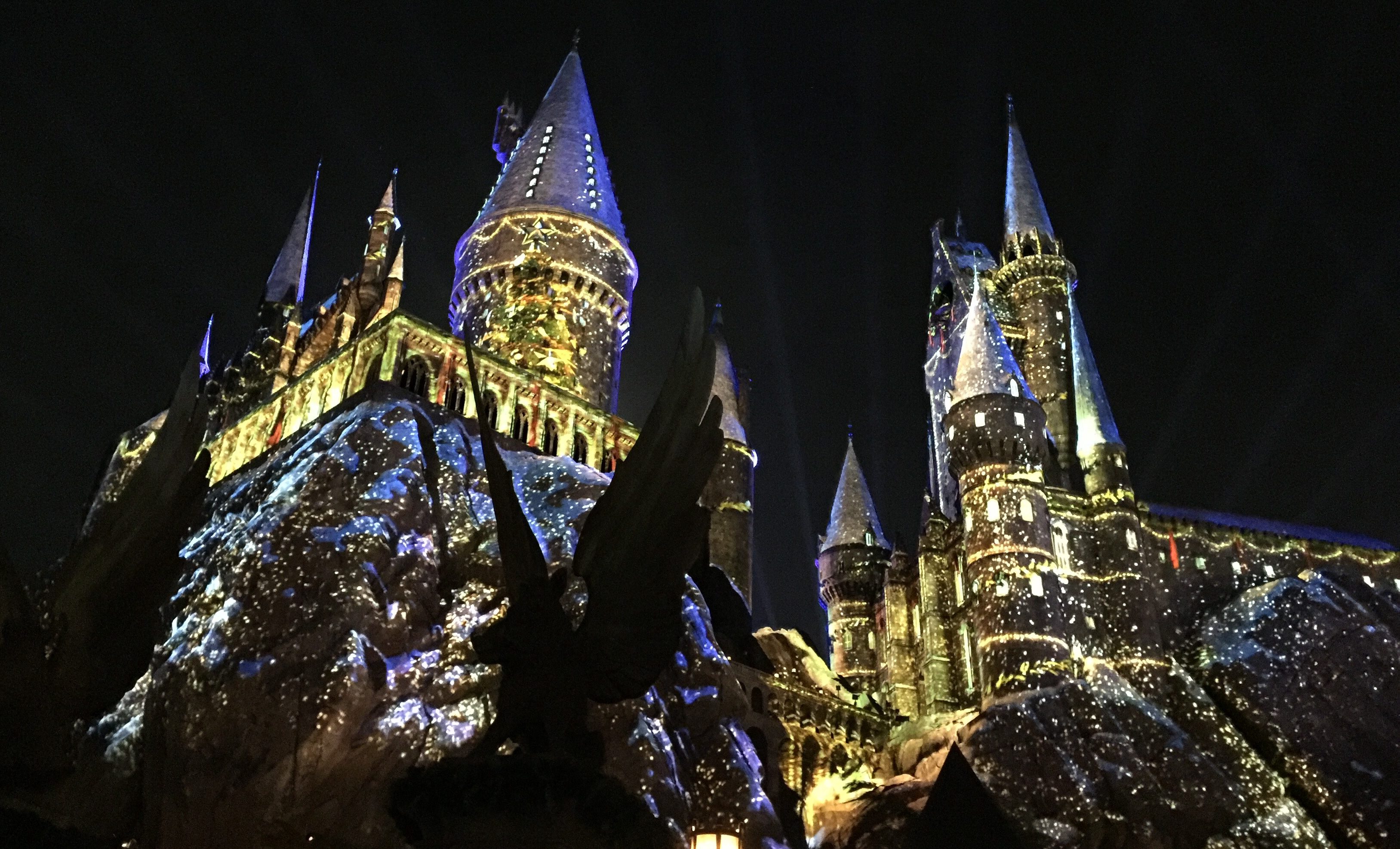
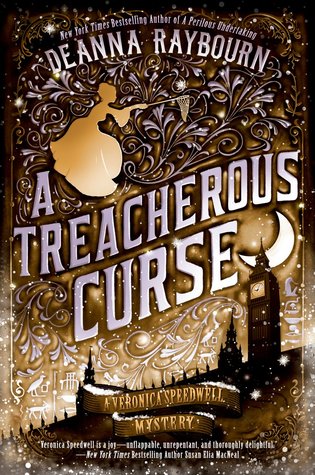
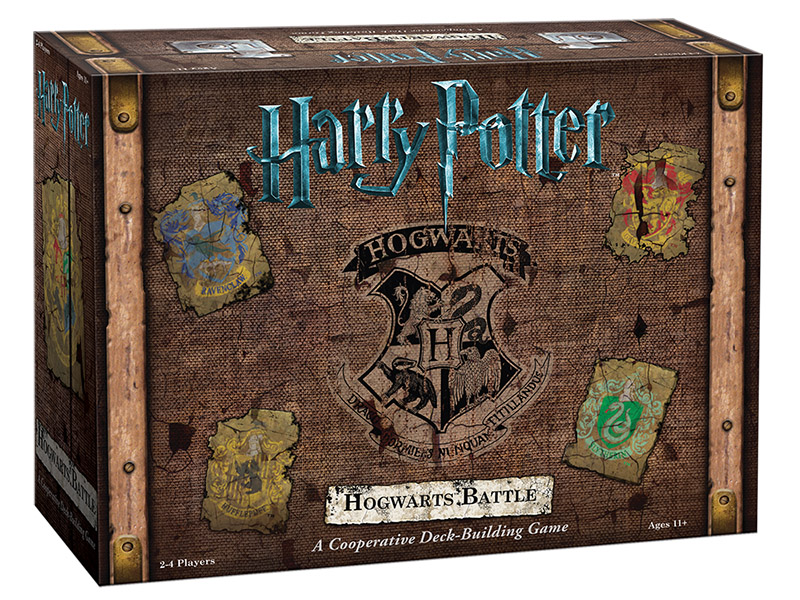
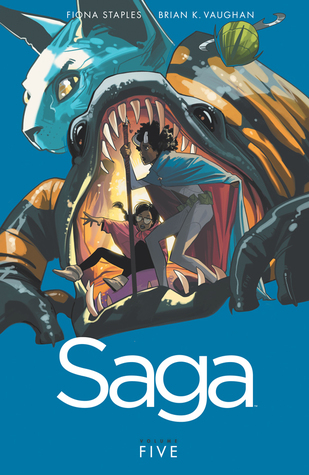
Two new graphic novels this week:

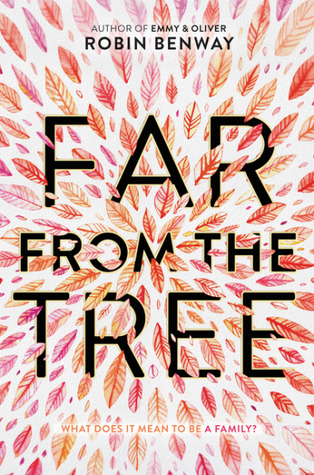
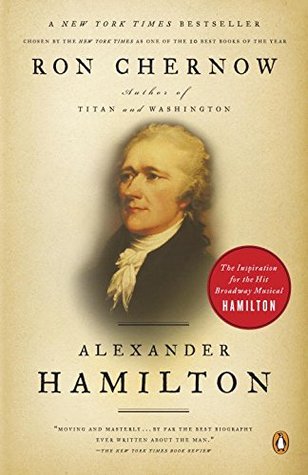
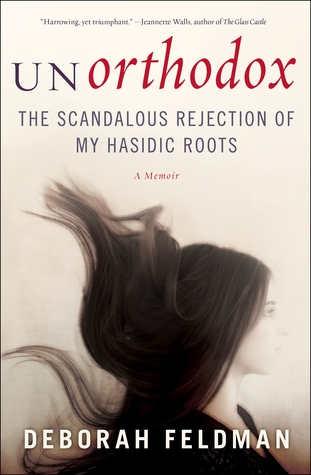
Plus an ARC and one more little book that I think looks amazing:

What will I be reading during the coming week?

Currently in my hands:
 

The Refrigerator Monologues by Catherynne M. Valente: Just getting started.

Now playing via audiobook:

Rebel Angels by Libba Bray: Book #2 in the Gemma Doyle trilogy — continuing on with the series after finishing A Great and Terrible Beauty.

Ongoing reads:

Ivanhoe by Sir Walter Scott: My book group’s classic read! We’re doing two chapters per week. Really enjoying it so far.

So many books, so little time…

boy1Save

Save

Save

Save

Save

Save

Save
Save
Save

Save
Save

Save
Save
Save

Save
Save

Save

Save
Save

Save

Save

Save

Save
Save

Save

Save

Save

Save

Save

Save

Save

Save

Save

Save

Save

Save

Save

Save

Save

Save

Save

Save

Save

Save

Save

Save

Save

Save

Save

Save

Save

Save

Save

Save

Save

Save

Save

Save

Save

Save

Save

Save

Save

Save

Save

Save

Save

Save

Save

Save

Save

Save

Save

Save

Save

Save

Save

Save

Book Review: Young Jane Young by Gabrielle Zevin

From the bestselling author of the beloved The Storied Life of A. J. Fikry comes another perfect fable for our times–a story about women, choices, and recovering from past mistakes.

Young Jane Young‘s heroine is Aviva Grossman, an ambitious Congressional intern in Florida who makes the life-changing mistake of having an affair with her boss‑‑who is beloved, admired, successful, and very married‑‑and blogging about it. When the affair comes to light, the Congressman doesn’t take the fall, but Aviva does, and her life is over before it hardly begins. She becomes a late‑night talk show punchline; she is slut‑shamed, labeled as fat and ugly, and considered a blight on politics in general.

How does one go on after this? In Aviva’s case, she sees no way out but to change her name and move to a remote town in Maine. She tries to start over as a wedding planner, to be smarter about her life, and to raise her daughter to be strong and confident. But when, at the urging of others, she decides to run for public office herself, that long‑ago mistake trails her via the Internet like a scarlet A. For in our age, Google guarantees that the past is never, ever, truly past, that everything you’ve done will live on for everyone to know about for all eternity. And it’s only a matter of time until Aviva/Jane’s daughter, Ruby, finds out who her mother was, and is, and must decide whether she can still respect her.

Gabrielle Zevin is an amazing writer, and in Young Jane Young, she captures the voices of the women narrators so well that it’s like hearing these very different people speak directly to us.

In turns narrated by Rachel (Aviva’s mother), Jane, her daughter Ruby, Embeth (the Congressman’s wife), and Aviva, we get a series of viewpoints and reactions to Aviva’s youthful mistake and how its consequences have persisted and affected all of their lives over the years.

Jane is grown-up Aviva, and she looks back on her 20s as if they were lived by a different person. She’s reinvented herself and left her past behind, but of course, nothing ever truly goes away. And to make a fresh start, she’s also left behind her mother, once her best friend, whom she equates with her shame and the insecurities of her past. Meanwhile, Ruby has no idea who her mother once was, and when the truth inevitably comes out, has to deal with the fallout in her own unique style.

The characters are each endearing in their own way. Rachel is a very Florida Jewish mother, who spends her mid-sixties with her best pal Roz, going to events at the local JCC and trying her hand at Internet dating. Jane is a savvy businesswoman whose success as a wedding planner stems in large part from her ability to empathize with the doubts and insecurities of her brides and to be there for them when they need her. Embeth is an interesting woman, who shows that there’s much more than meets the eye to the political wife who stands by her man. Ruby is a precocious, super smart girl who can’t fit in with her peers, but socializes flawlessly with the women of her mother’s world. And Aviva — young Jane Young — we get to know last of all, as we finally learn her take on the events that led to the affair with the Congressman, the ill-advised choices she made along the way, and the way scandal clings forever, courtesy of the Internet:

The discovery of your shame is one click away. Everyone’s is, not that that makes it any better. In high school, you read The Scarlet Letter, and it occurs to you that this is what the Internet is like. There’s that scene at the beginning where Hester Prynne is forced to stand in the town square for the afternoon. Maybe three or four hours. Whatever the time, it’s unbearable to her.

You will be standing in that square forever.

You will wear that “A” until you’re dead.

You consider your options.

You have no options.

Aviva compares her life to the Choose Your Own Adventure books that she enjoyed during childhood:

The way these books work is you get to the end of a section, and you make a choice, and then you turn to the corresponding page for that choice. You think how much these books are like life.

Except in Choose Your Own Adventure, you can move backward, and you can choose something else if you don’t like how the story turned out, or if you just want to know the other possible outcomes. You would like to do that, but you can’t. Life moves relentlessly forward. You turn to the next page, or you stop reading. If you stop reading, the story is over.

Ultimately, as Aviva narrates her choices and their outcomes, we see how she comes to the point where her only real option is reinvention — starting over as a new person, in a new place, and leaving her former story behind altogether.

Young Jane Young is witty, sad, entertaining, and unfortunately very real in what it has to say about women’s lives and women’s choices. Aviva made mistakes, to be certain — but she didn’t make them alone, and long past the point where she should be done paying, she still is stuck with the labels and judgments that she bears. Public opinion, sad to stay, still excuses the wealthy, well-positioned male in ways that it won’t for the young, foolish female. The disparity in the outcomes for Aviva and the Congressman are startling and upsetting, yet match quite well with what we all see in real-life public scandals and the apportionment of public shame.

I suppose, too, that Young Jane Young could serve as a sort of cautionary tale for people (especially women) on the cusp of their adult lives who don’t yet realize the permanence of certain choices and mistakes. But the book is much more than that. It shines a light on women’s relationships — the bonds of friendship, family, and compassion — and shows how vital these connections are in order to lead healthy lives. It shows the damage done, even without meaning to, by the constant judging that women endure over things — body size, clothing choices, etc — that really shouldn’t matter. It’s a bold feminist statement about the ongoing inequality in the public view, and how women are still held to different standards and face different consequences than their male counterparts.

I highly recommend Young Jane Young. Gabrielle Zevin creates people we care about, and she has a talent for making these character feel like people we might meet in our daily lives. I definitely laughed quite a bit while reading it (Rachel and Ruby in particular are terrifically funny people, even when experiencing moments that aren’t funny at all) — but also found myself sad and indignant and ready for a fight!

If you enjoy strong, entertaining, intelligent, vulnerable women leading the way, definitely check out Young Jane Young.

_________________________________________

The details:

Title: Young Jane Young
Author: Gabrielle Zevin
Publisher: Algonquin
Publication date: August 22, 2017
Length: 320 pages
Genre: Contemporary fiction
Source: Library

Save

Save

Save

Outlander season 3: The EW cover shoot

Yes, I’m back on an Outlander-obsessed roll! Season 3 airs in 15 days! And somehow, that seems forever.

The wonderful folks over at Entertainment Weekly put Outlander on its cover this week, and it’s amazing! There are three cover versions:

Plus oodles of terrific pics on the inside too:

So how long do we have to wait until the season 3 premiere? Click here to see my countdown clock!

And while we wait… I guess I’ll just have to watch the trailer a zillion more times.

Save

Resources for e-book price breaks

E-books can be awfully expensive, amiright?

So what’s a book-buying-obsessed reader to do? Well, for one thing, sign up for email alerts! There are loads of sites that feature e-book markdowns. Here are a bunch I rely on for stocking my Kindle on the cheap.

Kindle Daily Deal: Amazon’s daily featured price breaks. Sign up on your Amazon account’s subscription page.


Bookperk: From HarperCollins, a daily dose of reduced price e-books and special deals. Sign up for daily emails at http://www.bookperk.com/


Riffle: Also sends daily deals via email. Sign up at https://www.rifflebooks.com/users/sign_up


Early Bird Books: From Open Road Media, daily emails on price breaks, usually on books that have been out a few years. Info here: https://earlybirdbooks.com/


The Portalist: A sci-fi focused site also from Open Road Media, which has email alerts of sci-fi/fantasy price breaks as well. Info here: https://theportalist.com/


Kindle Price Break forum via Amazon: In Amazon Customer Discussions, a forum dedicated to price breaks. You can subscribe to the discussion to get an alert every time someone posts, and you can share your finds as well. Be warned — this group only allows posts with price breaks, and if you go off-topic in your posts, you will be shamed for it! There are some regular contributors who come up with an amazing assortment of books being marked down. Check it out and subscribe here.


eReaderIQ: This is a one-stop shop for price breaks, where you can search for deals and subscribe to email alerts. The site is here. The coolest thing about EreaderIQ is that you can set up your price break wishlist, where you can add the books you want to follow and specify when you want to be notified about a price break (for example, if the price drops by a certain increment or if it falls below a certain amount.)


Goodreads deals: You can sign up (here) to receive daily emails about deals tailored to you — so if a book on your to-read list has a price drop, you’ll see it here — as well as other deals related to your book recommendations. You can also explore deals on the Goodreads site by clicking Browse, then Deals. More info here.


Also worth noting is Amazon’s Kindle Matchbook program, which lets you buy Kindle versions of physical books you’ve already purchased from Amazon, for $2.99 or less. Not every single book is available, but for people like me who like to be able to access ALL their books, all the time, it’s a pretty cool option to check out. Start here, and then click Find Your Kindle Matchbook Titles to see your eligible books.


My local library branch. I love it so.

Of course, the cheapest way to read e-books is by borrowing them from your friendly local library! I adore my library, and I’m always checking out their newest e-book offerings. The only downside is the 3-week limit on borrowing with no renewal option, so if I get distracted mid-read and run out of time, I’m also out of luck. My library has Overdrive and Hoopla available, as well as some other e-reader options, and I love being able to put in my requests and download to my devices whenever my hold requests come in.

What other resources do you use for tracking e-book price breaks? Please share in the comments, and I’ll update this list with any new finds! (Plus, you’ll have my eternal gratitude… priceless!)

Book Review: Killers of the Flower Moon by David Grann

From New Yorker staff writer David Grann, #1 New York Times best-selling author of The Lost City of Z, a twisting, haunting true-life murder mystery about one of the most monstrous crimes in American history

In the 1920s, the richest people per capita in the world were members of the Osage Indian Nation in Oklahoma. After oil was discovered beneath their land, the Osage rode in chauffeured automobiles, built mansions, and sent their children to study in Europe.

Then, one by one, they began to be killed off. One Osage woman, Mollie Burkhart, watched as her family was murdered. Her older sister was shot. Her mother was then slowly poisoned. And it was just the beginning, as more Osage began to die under mysterious circumstances.

In this last remnant of the Wild West—where oilmen like J. P. Getty made their fortunes and where desperadoes such as Al Spencer, “the Phantom Terror,” roamed – virtually anyone who dared to investigate the killings were themselves murdered. As the death toll surpassed more than twenty-four Osage, the newly created F.B.I. took up the case, in what became one of the organization’s first major homicide investigations. But the bureau was then notoriously corrupt and initially bungled the case. Eventually the young director, J. Edgar Hoover, turned to a former Texas Ranger named Tom White to try unravel the mystery. White put together an undercover team, including one of the only Native American agents in the bureau. They infiltrated the region, struggling to adopt the latest modern techniques of detection. Together with the Osage they began to expose one of the most sinister conspiracies in American history.

In Killers of the Flower Moon, David Grann revisits a shocking series of crimes in which dozens of people were murdered in cold blood. The book is a masterpiece of narrative nonfiction, as each step in the investigation reveals a series of sinister secrets and reversals. But more than that, it is a searing indictment of the callousness and prejudice toward Native Americans that allowed the murderers to operate with impunity for so long. Killers of the Flower Moon is utterly riveting, but also emotionally devastating.

It seems we’ll never run out of shameful chapters from America’s past. In Killers of the Flower Moon, writer David Grann explores the “Reign of Terror” waged against the Osage tribe in Oklahoma during the 1920s. The murder epidemic itself is horrifying, and so too are the years that came before in Osage history. For starters, when the Osage were forced off of their previously held land, they ended up settling in a rocky area of Oklahoma clearly unsuited for farming, feeling that it would be a stable home since the land was worthless and wouldn’t be taken over by white men. The irony, of course, is that under the land were undiscovered oil deposits that would soon turn the Osage into millionaires.

The members of the Osage tribe were allotted “headrights” — basically, a share of the oil and mineral ownership — and these headrights could not be sold, only passed on through family members. At the same time, the government considered the Native Americans incapable of managing their own affairs, and adult Osage who were deemed incompetent (and most were) were required to have white guardians to manage their money.

As we see in Killers of the Flower Moon, there was a lot to be gained by finding ways to either manipulate the Osage through shady business dealings and corrupt guardianships, or more directly, by murder. Mollie Burkhart is the initial focus of the book, and we see as her entire family is wiped out, one at a time, through violent murder or insidious poisonings. Between the crimes themselves and the bungling and corruption of the investigation, Mollie and her tribe lived in terror and with a very real threat hanging over their heads.

Part I of the book explores the crimes, and Part II traces the involvement of the Bureau of Investigation (forerunner of the FBI), as well as the early stages of the Bureau’s investigative approach and its evolution under J. Edgar Hoover. We see the lawmen tasked with investigating the murders, and follow them all the way through to the eventual arrests and convictions of the men involved. In Part III, the author describes his research and what he uncovered in historical archives, through which he finally unearthed evidence that helped some descendants of the victims find a sense of resolution.

The subject matter of Killers of the Flower Moon is fascinating and very, very disturbing. However, I did find myself losing interest at various points, especially in Part II, as the sections about the Bureau and its processes just didn’t grab me as much as the parts focusing on the Osage tribe members and their experiences. I also wished that I’d felt a more personal connection to some of the people involved. While we learn what happened to Mollie and her family, Mollie herself often seems unknowable. Granted, this is history, not a dramatization, but I still wish there was some way to get more of a glimpse beneath the individuals’ surfaces.

I recognize too that my lack of interest or focus in certain parts of the story may say more about me as a reader than about the actual book itself. I can be easily distracted when reading non-fiction, and I might not have always been in the right frame of mind to truly appreciate what I was reading.

That said, I do feel that Killers of the Flower Moon is a powerful and compelling book. It’s astonishing to me that the history of the Osage in Oklahoma isn’t better known, and I’m sure that this book will change that. (I understand that a film version is planned, and will be a Martin Scorsese/Leonardo DiCaprio venture — something to look forward to!)

Even people (like me) who tend not to read a lot of non-fiction will find themselves absorbed by the story once they pick up Killers of the Flower Moon. Highly recommended.

For more on the movie, go here.
To read the New York Times review of the book, go here.

_________________________________________

The details:

Title: Killers of the Flower Moon: The Osage Murders and the Birth of the FBI
Author: David Grann
Publisher: Doubleday
Publication date: April 18, 2017
Length: 320 pages
Genre: Non-fiction/true crime
Source: Library

Save

Save

Save

Save

Save

The Return of Shelf Control! Shelf Control # 85: Between Shades of Gray

After a summer-long absence, Shelf Control is back! I needed a little break from blogging on a set schedule, and enjoyed my freedom tremendously. But now that summer is winding down, I’m getting my head back in the blogging game — and it’s time once again to gaze at my bookshelves and think about all the books I still need to read. So yes, Shelf Control is back — and will remain back! I’ll be hosting Shelf Control every Wednesday, right here at Bookshelf Fantasies, and I hope you’ll join me!

Without further ado, it’s time for…

Shelves final

Welcome to Shelf Control — an original feature created and hosted by Bookshelf Fantasies.

Shelf Control is a weekly celebration of the unread books on our shelves. Pick a book you own but haven’t read, write a post about it (suggestions: include what it’s about, why you want to read it, and when you got it), and link up! Fore more info on what Shelf Control is all about, check out my introductory post, here.

Want to join in? Shelf Control posts go up every Wednesday. See the guidelines at the bottom of the post, and jump on board!

cropped-flourish-31609_1280-e1421474289435.png

My Shelf Control pick this week is:

Title: Between Shades of Gray
Author: Ruta Sepetys
Published: 2011
Length: 352 pages

What it’s about (synopsis via Goodreads):

Lina is just like any other fifteen-year-old Lithuanian girl in 1941. She paints, she draws, she gets crushes on boys. Until one night when Soviet officers barge into her home, tearing her family from the comfortable life they’ve known. Separated from her father, forced onto a crowded and dirty train car, Lina, her mother, and her young brother slowly make their way north, crossing the Arctic Circle, to a work camp in the coldest reaches of Siberia. Here they are forced, under Stalin’s orders, to dig for beets and fight for their lives under the cruelest of conditions.

Lina finds solace in her art, meticulously–and at great risk–documenting events by drawing, hoping these messages will make their way to her father’s prison camp to let him know they are still alive. It is a long and harrowing journey, spanning years and covering 6,500 miles, but it is through incredible strength, love, and hope that Lina ultimately survives. Between Shades of Gray is a novel that will steal your breath and capture your heart.

How I got it:

I bought it.

When I got it:

Sometime in 2013, after I read Out of the Easy.

Why I want to read it:

I’ve been hearing about this book for years, and the synopsis sounds like something that would really appeal to me. I still have another book on my shelves by this author that I’ve yet to read. Time to get cracking!

__________________________________

Want to participate in Shelf Control? Here’s how:

  • Write a blog post about a book that you own that you haven’t read yet.
  • Add your link in the comments!
  • If you’d be so kind, I’d appreciate a link back from your own post.
  • Check out other posts, and…

Have fun!

Save

Save

Save

Save

Save

Save

Save

Save

Save

Save

Save

Save

Save