Insta-Reaction: Outlander, Season 3, Episode 7

Season 3 is here! My intention is to write an “Insta-Reaction” post for each episode soon after viewing, to share some initial thoughts, questions, reactions — you name it.

Warning:

Spoilers

I may be talking about events from this episode, other episodes, and/or the book series… so if you’d rather not know, now’s your chance to walk away!

Outlander, episode 307: “Creme de Menthe”

The official synopsis (via Starz):

Claire follows her conscience as a surgeon, even though it could put her and Jamie’s lives at risk. At the same time, Jamie attempts to evade the reach of the Crown as its representative closes in on his illegal dealings.

My take:

Major plot points:

Day 2 of Jamie and Claire’s reunion isn’t going so well:

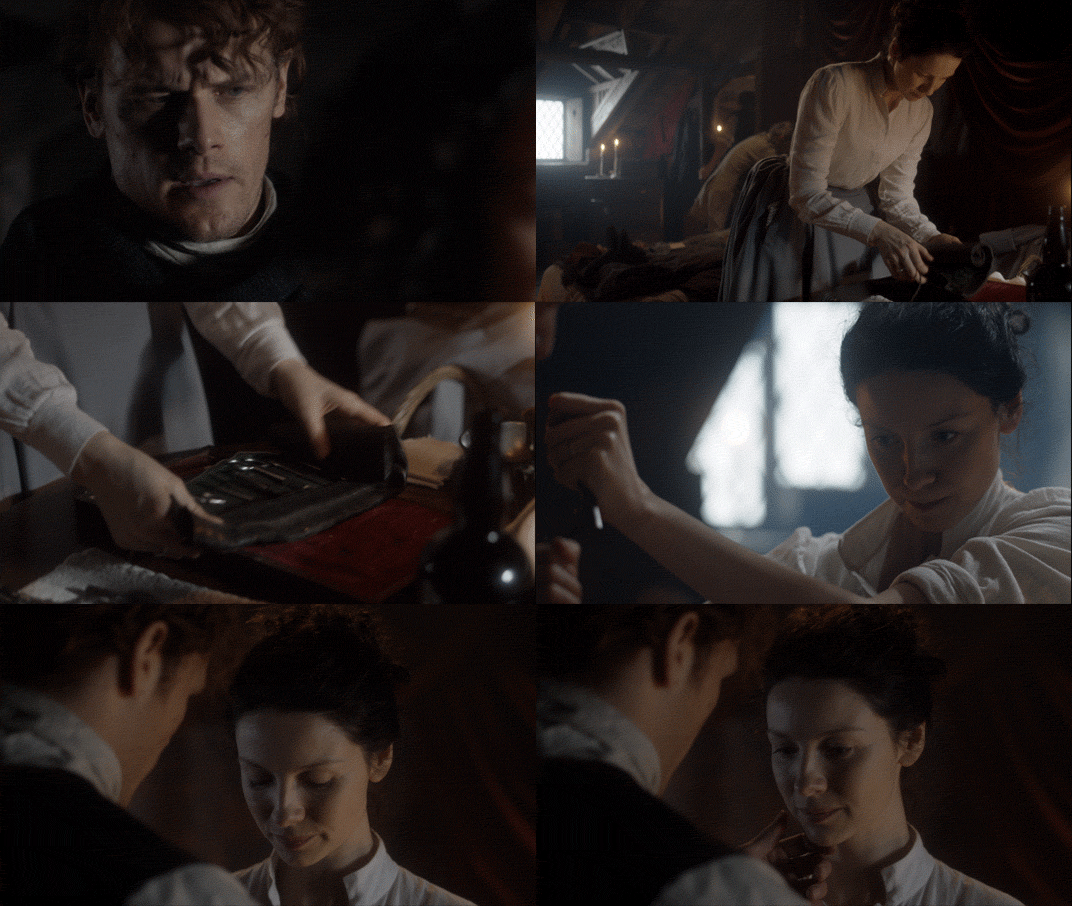
  • We start where the last episode ended, with Claire being accosted by a stranger searching Jamie’s room. After a scuffle, he falls and hits his head.
  • Jamie thinks it would be best for the man to die. Claire is a doctor and can’t leave the man without trying to treat him.
  • In going to fetch herbs, Claire meets Archibald Campbell, who arranges for Claire to come see his sick sister Margaret later on.
  • Claire tries crude surgery on the injured man, drilling into his skull to relieve the pressure, but he dies anyway.
  • Sir Percival comes to search the brothel for Jamie’s smuggled liquor, but finds nothing, as Ian and Fergus have already removed it and sold it.
  • Ian has his first sexual encounter with a barmaid, after some coaching from Fergus.
  • Ian Sr. comes looking for Young Ian, and Jamie lies and says he has not seen him.
  • A man with a blind eye searches the print shop and finds Jamie’s seditious pamphlets. In a fight with Young Ian, the printshop catches fire.
  • Jamie rescues Young Ian, but the shop is completely burned.
  • Jamie agrees that he and Claire should take Young Ian home to Lallybroch.

Insta-reaction:

Well, the honeymoon is over.

Jamie and Claire had one blissful night of lovemaking in the last episode, but now in the cold hard light of day, the reality of the rest of the world comes crashing back in, leading to danger from without and conflict between Jamie and Claire.

I can only imagine what’s going through Claire’s mind during the events of this episode. She thought she knew what she was getting herself into, and had accepted the uncertainties she’d face. Before traveling back through the stones, Claire knew that it was possible that Jamie would no longer have room for her in his life. It was a calculated risk, and one that she took for herself and for Brianna, putting her faith in the love she and Jamie had shared, and hoping it would be enough for them to build a new future on.

And here she is, back in Jamie’s world — and in her shoes, I’d probably be asking myself what the f*** I just did to my life. Once again, she finds herself married to a man on the wrong side of the law, with no home, no standing, and no way to fulfill her professional goals. She asks Jamie if they can find someplace else to live (what, brothels aren’t homey enough for you Claire?), but Jamie says money is too tight. Claire suggests that she can set up shop in the back of the printshop as a healer, but Jamie doesn’t seem all that enthusiastic. Honestly, he seems to mostly be looking at Claire as if she’s trouble throughout this episode. A nice docile wife would, I guess, have agreed to let the injured man die — but instead, Jamie has Claire back in his life, putting her medical vows first even when it thrusts them into greater danger. Deja vu all over again, right Jamie?

As for Claire, she’s quite clear with Jamie that she’s a physician and a surgeon, and it’s also clear that she may be regretting walking away from her 20th century medical career, with its clean hospitals and surgical implements and medicines. No, she doesn’t regret finding Jamie, but I think it’s hitting her bit by bit that she’s back in the 18th century, where she has no authority and lacks the most basic of decent medical resources.

Mr. Willoughby seems like a good assistant to Claire. As I probably mentioned last week, I’m very thankful that the show is treating his character as a respectable adult, rather than as the caricature he is in the books.

Young Ian and Fergus are adorable together (and basically are adorable always, in any setting). So now we know that Fergus lost his virginity at age 15 in a menage-a-trois. Oh, Fergus. Never change. Fergus gives Ian a few tips that seem to work pretty well, because before he knows it, he’s heading to bed with the pretty barmaid. Sure, there’s the confusion that seems to plague the virginal males of the family — no, Ian, you do not have to do it from behind. Don’t worry, Jamie was befuddled at first too, but you’ll learn. Sadly, Ian’s first experience is interrupted by the printshop bursting into flames, but I’m sure he’ll have plenty of opportunities down the road.

Claire’s reunion with Ian Sr. was interesting and difficult. He looked at Claire with love, but also with hurt, I think. He tells Claire that he and Jenny mourned for her for years. It’ll be hard for them to accept Claire’s cover story — that she thought Jamie was dead and fled to the colonies. It begs the question of why she never wrote or tried to contact Jenny in any way, and there’s no good answer. Either Claire tells the truth about time travel, which they may or may not believe, or she sticks to a story that makes her sound hard-hearted and uncaring toward the Murray/Fraser clan. Still, Ian had tears running down his face while embracing Claire. He may be hurt, but he loves her anyway. I wouldn’t expect instant forgiveness from Jenny, Claire.

Claire is shocked that Jamie lies to Ian Sr. and says that he has not seen Young Ian. Clearly, Young Ian is involved in Jamie’s less-than-legal business dealings, and just as clearly, Jamie doesn’t want Jenny and Ian to know anything about it. Claire doesn’t understand how Jamie can lie to his family, and a rather ugly exchange ensues in which Claire makes a nasty comment about Jamie not understanding what it is to be a parent. Jamie of course brings up Brianna’s bikini as an example of Claire’s questionable parenting choices. Ouch. Boy, there is a lot of tension simmering beneath the surface.

And of course, the lies don’t end there. We finally hear spoken what we know already from the books, when Fergus asks Jamie the big question:

https://platform.twitter.com/widgets.js

Uh oh. Jamie’s lies (and lies of omission) are about to catch up with him in a big way. Next week’s episode should be explosive.

Insta-reaction wrap-up:

After the highs of the reunion last week, this week’s episode feels pretty low. Lots of unhappy people, lots of tense situations, not a whole lot of joy for anyone.

Claire and Jamie are both now facing the reality of what her return means. She instantly (although through no fault of her own) causes dangerous complications for him, his business partners, and the family. She’s realizing that her fantasy of a quiet, peaceful, loving home with Jamie is as far from reach as when she was in Boston.

Both are realizing that there are things about the other that maybe don’t fit their rosie-eyed pictures. Claire sees Jamie both disregarding the value of a human life and telling lies, two things that are absolutely contrary to her values. Jamie sees once again that having Claire in his life means having a wife who can’t be relied upon to follow his orders or sit on the sidelines.

They do love each other. Jamie affirms yet again that he wants her. But the open question here is whether they truly fit together any more, after so many changes and so many years. Can they rebuild a new version of their life and their marriage that will give them the happiness together that they both want?

I must admit here that I found this section of the book kind of irritating, so it’s no wonder the episode didn’t especially appeal to me either. It was very well done, as they all are — but I just find this section of the plot getting on my nerves. Jamie is so busy with his random illegal business obligations that he doesn’t pay very much attention to Claire’s needs and just expects her to fit herself into his life. Okay, fine, so he didn’t know she was coming and does have an actual life that he was living, so it’s not like he’s not justified in his actions. Maybe there is no easy answer.

I just know that in Claire’s shoes, if I found the love of my life after 20 years and he was too busy smuggling, hiding bodies, and telling lies to make me feel welcome back into his life, I might be asking myself some really big questions right about now.

“Creme de Menthe” shows that perfect love still has jagged edges, and that no matter how deep and true the romance, people have to live in the real world. For Jamie and Claire, the question is whether their love is enough to see them past their differences and the changes wrought by their 20 year separation. They’re not out of the woods yet.

Wrapping it all up…

I probably should have mentioned this back at the beginning of the season — but I am not reading along with season 3, and it’s been years since I’ve read (or re-read) Voyager. I mention this because I’ve already heard that a lot of book readers are steaming over this particular episode and its omissions and additions vis-à-vis the book. During season 1, I made a point of reading the relevant book chapters prior to watching each episode, and I found that this approach actually detracted from my enjoyment of the show. It just put too great an emphasis on noting the differences from the original source material to the TV adaptation.

I decided going into season 2 that I’d do it book-free. I remembered enough to know where the major plot deviations were, but didn’t have the details so vividly in my mind that I’d get upset about the delivery of certain lines or whether something should have happened upstairs or downstairs (for example). It was a much happier viewing experience for me. I was able to savor the beautiful parts, admire the artistry and choreography of complicated scenes, and simply enjoy the production.

So far, this approach is absolutely working for me in season 3. Which brings me back to this episode. As I mentioned, I didn’t particularly love this part of Voyager, so if they skim over some of the smuggling adventures as a means of moving the plot forward, I’m fine with that. And no, Claire doesn’t drill into a man’s head in the book — but I’m okay with that too. Here, in the TV episode, it’s a shorthand method of demonstrating the differences Claire and Jamie still have to overcome.

So — no, episode 307 isn’t the best of the season, but I think it did what it needed to do to get us from point A (the reunion) to point C (the beginning of the rest of their lives together). It’s okay. It’ll all be okay.

And anyway, since when did Jamie and Claire ever have smooth sailing?


Save

Save

Save

Save

Save
Save
Save

Save

Save

Save

Save

Save

Save

Save

Save

Save

Save

Save

Save

Save

Save

Save

Save

The Monday Check-In ~ 10/30/2017

cooltext1850356879 My Monday tradition, including a look back and a look ahead — what I read last week, what new books came my way, and what books are keeping me busy right now. Plus a smattering of other stuff too.

What did I read last week?

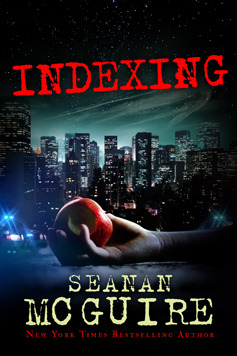
Indexing by Seanan McGuire: I finished up my audiobook listen — my reaction is here.

Great Expectations by Charles Dickens: I did it! I finally, finally, finally did what I’ve been talking about for years — I read Great Expectations! Some thoughts, here.

Outlander !!

My love for Outlander knows no bounds. Check out my reaction post from last week’s super-sized reunion episode (“A. Malcolm”) here. My reaction post for the 7th episode (“Creme de Menthe”) which aired last night will be up in a day or two –meanwhile, enjoy this little peek:

Fresh Catch:

Three new books this week – so exciting!

What will I be reading during the coming week?

Currently in my hands:
 

La Belle Sauvage (The Book of Dust, #1) by Philip Pullman: I started this a week ago, then got derailed by Great Expectations. But now I’m back! Only 3 chapters read so far, but I’m loving it.

Now playing via audiobook:

Indexing: Reflections by Seanan McGuire: I had so much fun with the first book in the Indexing series that I just couldn’t resist moving straight on to book #2.

Ongoing reads:

Book group reads:

  • Ivanhoe by Sir Walter Scott: My book group’s classic read! We’re reading and discussing two chapters per week.
  • Lord John and the Private Matter by Diana Gabaldon: Outlander Book Club is doing a Lord John readalong — we’ll be reading all of the Lord John novels and stories in story chronology. Let me know if you’d like to participate! All are welcome.

So many books, so little time…

boy1Save

Save

Save

Save

Save

Save

Save

Save

Save

Save

Save

Save

Save

Save

Save

Save

Save

Save

Save

Save

Save

Save

Save

Save

Save

Save

Save

Save

Save

Save

Save

Save

Save

Save

Save

Save

Save

Save

Save

Save

Save

Save

Save

Save

Save

Save

Save

Save

Save

Save

Save

Save

Save

Save

Save

Save

Save

Save

Save

Save

Save

Save

Save

Save

Save

Save

Save

Save

Save

Save

Save

Save

Save

Save

Save

Save

Save

Save

Save

Save

Save

Save

Save

Save

Save

Save

Save

Save

Save

Save

Save

Save

Save

Save

Save

Save

Save

Save

Save

Save

Save

Save

Save

Save

Save

Save

Save

Save

Save

Charles Dickens, Serial Reader, and me

First things first, yo:

I FINISHED GREAT EXPECTATIONS!

And as expected, it was great!

For years now, I’ve been saying “one of these days”, I want to read Great Expectations. And it never happened. But why wait for “one of these days”? In the words of Rent:

I finally buckled down a little over a week ago, and decided to use my handy-dandy Serial Reader app. Serial Reader, in case you don’t know, is an awesome app that delivers public domain reading material via daily installments, usually taking no longer than 10 – 15 minutes each to read. (I wrote first wrote about it here, if you want to know more.)

But as it turns out, I’m a pretty impatient reader, and if I’m hooked, I’m hooked, and it’s impossible to put the brakes on. So yes, I started Great Expectations via Serial Reader, and within two days I was reading ahead, getting through 3 – 4 installments each day instead of just one. Still, there are 74 installments in all, and I figured I’d take my leisurely time and enjoy Great Expectations in little bite-sized pieces over the next couple of months.

Wrong.

Apparently, I suck at Serial Reader. I got into the story, and once I was into the story, I abandoned everything else I was reading so I could just keep reading more and more. And while I have a paperback edition of Great Expectations and a Kindle edition, I ended up sticking with Serial Reader all the way through to the end.

(Could it be because of the little words of encouragement and the praise every time I finished an installment? Yes, you’ve got me. I’m a sucker for badges and affirmations.)

In terms of the book itself, there really isn’t any reason for me to write a review of Great Expectations, is there? The plot summary:

Dickens’s magnificent novel of guilt, desire, and redemption: The orphan Pip’s terrifying encounter with an escaped convict on the Kent marshes, and his mysterious summons to the house of Miss Havisham and her cold, beautiful ward Estella, form the prelude to his “great expectations.” How Pip comes into a fortune, what he does with it, and what he discovers through his secret benefactor are the ingredients of his struggle for moral redemption.

I  loved the characters and the setting, and I loved seeing Pip’s development from boyhood to manhood, and his ethical and emotional growth as he understands the wrongs he’s done and seeks ways to improve himself, ultimately realizing that it’s more important to be honest and fair and appreciative than to be a monied gentleman.

It’s been a long time since I’ve read any Dickens (my only previous Dickens being A Tale of Two Cities), and I’d forgotten how delightful his writing is. When we think of classics, we tend to think stuffy and dry and old-fashioned. I was not at all prepared for how funny Charles Dickens is! His writing is so clever, and the way he uses metaphors, physical descriptions of characters, and characters names as tools for making the people and events feel fully-fleshed is pretty amazing.

Oh, those names! The best (as in, more ridiculous) here is Mr. Pumblechook — can’t you just tell from that name that he’s a pretentious fool? Joe is as sweet and simple as his name, and of course a character named Estella is glamorous and unreachable. I couldn’t help loving Mr. Wemmick, who cares for his elderly father and refers to him as “the Aged”. Just fabulous.

In any case, while I didn’t stick with the serial approach, I’m sure I’ll continue to give it a shot for future reading. Now that I’ve read Great Expectations, I really want to expand my Dickens knowledge! A goal might be to read one of his novels per year… admitting now that I’m terrible at sticking to reading goals, but this feels doable and realistic and FUN, so who knows?


Meanwhile, I’d really love to check out the 2012 movie vesion of Great Expectations, with Helena Bonham Carter as Miss Havisham. How perfect does that sound? Has anyone seen it? Any thoughts to share?

As for my progress with the Serial Reader app, here’s what I’ve used it for so far, in the year since I first gave it a try:

And despite my inability to still to just one installment per day, as the gods of Serial Reader intended, I still find it a really easy and motivating way to get around to reading those big, intimidating books that feel like too big a commitment to start.

Audiobook Review: Indexing by Seanan McGuire


“Never underestimate the power of a good story.”

Good advice…especially when a story can kill you.

For most people, the story of their lives is just that: the accumulation of time, encounters, and actions into a cohesive whole. But for an unfortunate few, that day-to-day existence is affected—perhaps infected is a better word—by memetic incursion: where fairy tale narratives become reality, often with disastrous results.

That’s where the ATI Management Bureau steps in, an organization tasked with protecting the world from fairy tales, even while most of their agents are struggling to keep their own fantastic archetypes from taking over their lives. When you’re dealing with storybook narratives in the real world, it doesn’t matter if you’re Snow White, Sleeping Beauty, or the Wicked Queen: no one gets a happily ever after.

Indexing is New York Times bestselling author Seanan McGuire’s new urban fantasy where everything you thought you knew about fairy tales gets turned on its head.

Indexing is a fun take on a dangerous situation — memetic incursions, in which fairy tale narratives intrude into the real world, activating people into playing out their pre-programmed stories with potentially disastrous results. A Sleeping Beauty stumbles into a metropolitan hospital, and suddenly everyone in the facility is plunged into a deep sleep. Snow Whites have a hard time avoiding poison, and a wise Snow White will never, ever eat an apple. A Pied Piper with a flute in her hands can wreak havoc simply by playing the right song.

It’s up to the field team at the ATI Management Bureau to head off these incursions and keep the world safe (and happily ignorant) from the narrative’s dangerous intrusions. The main character is Henrietta Marchen, better known as Henry, who is a not-yet-activated Snow White — and yes, that means that she has skin as white as snow and lips as red as blood, which in real life makes her look pretty scary as opposed to Disney-princess adorable. Henry’s team includes Sloane, a decades-old evil stepsister who seems to forever be a petulant teen, Jeff, the team archivist who’s also a part of the shoemaker and the elves narrative, and PR dude Andy, who isn’t touched by the narrative at all (although he does have a close encounter with a Frog Prince).

The plot takes the team through a variety of emergencies, where they rush in to save the world from the weirdly dangerous fairy tales that pop up with increasing frequency. It’s up to the team to figure out why the incursions are happening at an unusually high rate. Someone is messing with the narrative itself, and if they can’t find and stop the perpetrator, reality itself is doomed.

Indexing is quite an enjoyable read. Despite the fairy tale subject, it’s a gritty urban fantasy, with bloody deaths and salty language. (My favorite is when Sloane, abrasive and obnoxious but loyal in her own caustic way, refers to Henry as “Snow Bitch”.) The memetic incursions are always surprising, as the author takes classic fairy tales and makes it plain just how deadly their effect could be if transposed to the modern world and set loose.

Narrator Mary Robinette Kowal does a great job of capturing the personalities of the main characters such as Henry, Sloane, and newbie Demi, although she struggles to do convincing male voices. You know how some audiobook narrators can convey both genders in such a way that you absolutely forget that you’re listening to a woman doing a male character or vice versa? That doesn’t happen here. I found it a bit distracting whenever the narrator would lower her voice for the portrayals of Jeff and especially Andy — they sounded artificial, and it consistently took me out of the story.

That said, the narrator’s version of Henry was excellent, especially when Henry’s inner Snow White takes the lead. Just by the voice, you can absolutely tell which part of Henry’s personality is dominant at the moment. And I loved her nasty Valley Girl voice for Sloane — so offensive and pissed off, really pretty perfect.

The plot of Indexing does take some puzzling through, as the concept of the narrative isn’t always entirely clear. The explanations of various occurrences and their resolutions are occasionally overly convoluted, and I felt the world-building could have used just a smidge more fleshing out.

All in all, though, Indexing is really a fun experience, and listening to the audiobook kept me engaged and entertained for all the hours I spent with it. I’m looking forward to starting the sequel!

_________________________________________

The details:

Title: Indexing
Author: Seanan McGuire
Narrator: Mary Robinette Kowal
Publisher: 47North
Publication date: May 21, 2013
Length (print): 420 pages
Length (audiobook): 12 hours, 5 minutes
Genre: Urban fantasy
Source: Purchased

Save

Save

Save

Save

Save

Save

Save

Save

Save

Shelf Control #94: Shine Shine Shine

Shelves final

Welcome to Shelf Control — an original feature created and hosted by Bookshelf Fantasies.

Shelf Control is a weekly celebration of the unread books on our shelves. Pick a book you own but haven’t read, write a post about it (suggestions: include what it’s about, why you want to read it, and when you got it), and link up! Fore more info on what Shelf Control is all about, check out my introductory post, here.

Want to join in? Shelf Control posts go up every Wednesday. See the guidelines at the bottom of the post, and jump on board!

cropped-flourish-31609_1280-e1421474289435.png

My Shelf Control pick this week is:

Title: Shine Shine Shine
Author: Lydia Netzer
Published: 2012
Length: 320 pages

What it’s about (synopsis via Goodreads):

When Maxon met Sunny, he was seven years, four months, and eighteen-days old. Or, he was 2693 rotations of the earth old. Maxon was different. Sunny was different. They were different together.

Now, twenty years later, they are married, and Sunny wants, more than anything, to be “normal.” She’s got the housewife thing down perfectly, but Maxon, a genius engineer, is on a NASA mission to the moon, programming robots for a new colony. Once they were two outcasts who found unlikely love in each other: a wondrous, strange relationship formed from urgent desire for connection. But now they’re parents to an autistic son. And Sunny is pregnant again. And her mother is dying in the hospital. Their marriage is on the brink of imploding, and they’re at each other’s throats with blame and fear. What exactly has gone wrong?

Sunny wishes Maxon would turn the rocket around and come straight-the-hell home.

When an accident in space puts the mission in peril, everything Sunny and Maxon have built hangs in the balance. Dark secrets, long-forgotten murders, and a blond wig all come tumbling to the light. And nothing will ever be the same.

How and when I got it:

I picked this book up on a whim while browing at the used bookstore a few years ago.

Why I want to read it:

I’m a sucker for novels that have anything to do with space travel and space exploration, plus the synopsis is a bit mysterious and that makes it intriguing. How are the two characters different? How are they different together? How does murder and a wig come into play? The plot description caught my eye on the day that I stumbled across the book, and I’ve had it on my shelf ever since.

__________________________________

Want to participate in Shelf Control? Here’s how:

  • Write a blog post about a book that you own that you haven’t read yet.
  • Add your link in the comments!
  • If you’d be so kind, I’d appreciate a link back from your own post.
  • Check out other posts, and…

Have fun!

Save

Save

Save

Save

Save

Save

Save

Save

Save

Save

Save

Save

Save

Top Ten Tuesday: Top ten unique book titles, take 2!

TTT autumn 2_bsf

Somehow, I got myself all scrambled up with TTT topics, so I posted this week’s topic — Top Ten Unique Book Titles — last week instead. Rather than skip a week or repeat myself, I thought I’d do a variation on the theme.

For this week, I’m focusing on a unique kind of book title — titles that are one word only, and that one word is the name of a character in the book (or even a character mentioned but never seen, as in #9, below). And since I’m creating rules for my post, I’m only including books that I’ve actually read.

Here we go — book titles that consist only of a first name:

  1. Mariana by Susanna Kearsley (review)
  2. Venetia by Georgette Heyer (review)
  3. Arabella by Georgette Heyer (review) (it would be easy to fill this list up with just Georgette Heyer books, but I’ll stop at 2)
  4. Mandy by Julie Edwards
  5. LaRose by Louise Erdrich (review)
  6. Prudence by Gail Carriger
  7. Binti by Nnedi Okorafor
  8. Emma by Jane Austen
  9. Rebecca by Daphne Du Maurier
  10. Ivanhoe by Sir Walter Scott (yes, I realize that Ivanhoe isn’t the character’s first name, but I’m going with it anyway…)

And in case you’re interested — here’s the link to last week’s post, and here are the book on last week’s list:

  1. Down Among the Sticks and Bones by Seanan McGuire
  2. Dusk or Dark or Dawn or Day by Seanan McGuire
  3. Spoiler Alert: The Hero Dies by Michael Ausiello
  4. Go Tell the Bees That I Am Gone by Diana Gabaldon
  5. The Girl With the Lower Back Tattoo by Amy Shumer
  6. The Porcupine of Truth by Bill Konigsburg
  7. My Best Friend’s Exorcism by Grady Hendrix
  8. William Shakespeare’s Star Wars: Verily, A New Hope by Ian Doescher
  9. Intro to Alien Invasion by Owen King
  10. You’re Never Weird on the Internet (Almost) by Felicia Day

What book titles made your list this week? Share your link, please, and I’ll come check out your top 10!

(And PS – do you have any favorite books with a one-word character name as a title? Please let me know!)

♥♥♥♥♥♥♥♥

Do you host a book blog meme? Do you participate in a meme that you really, really love? I host a Book Blog Meme Directory, and I’m always looking for new additions! If you know of a great meme to include — or if you host one yourself — please drop me a note on my Contact page and I’ll be sure to add your info!

Save

Save

Save

Save

Save

Save

Save

Save

Save

Save

Save

Save

Save

Save

Save

Insta-Reaction: Outlander, Season 3, Episode 6

Season 3 is here! My intention is to write an “Insta-Reaction” post for each episode soon after viewing, to share some initial thoughts, questions, reactions — you name it.

Warning:

Spoilers

I may be talking about events from this episode, other episodes, and/or the book series… so if you’d rather not know, now’s your chance to walk away!

Outlander, episode 306: “A. Malcolm”

The official synopsis (via Starz):

After decades apart, Jamie and Claire finally reunite and rekindle their emotional and physical bonds. But Jamie’s new business dealings jeopardize the couples’ hopes for a simple life together.

My take:

Major plot points:

Really, what more do you need to know besides JAMIE AND CLAIRE ARE REUNITED! Okay, exuberant celebration aside, here’s what happened:

  • Jamie is living a busy life in Edinburgh as a printer, but apparently with some less legit business going on the side.
  • Jamie is shocked by Claire’s sudden appearance in his print shop.
  • Claire shows Jamie a packet of photographs of Brianna. Jamie is clearly moved. Jamie tells Claire about his son Willie.
  • They head out to meet Mr. Willoughby, first running into Fergus in the street.
  • Jamie brings Claire to his room in the brothel, where they reconnect over dinner before going to bed together.
  • Claire learns that in addition to being a printer, Jamie is also a smuggler. Also, he keeps a room in a brothel. (But he doesn’t partake of the wares.)
  • Young Ian makes an appearance.
  • While Jamie is out on business, Claire has breakfast with the ladies of the house. When she goes back up to Jamie’s room, she finds a dangerous man searching the room.

Insta-reaction:

Ah! The reunion! The printshop! It was all so glorious and romantic… and yes, awkward too. It’s been 20 years. I loved how the actors shows the strangeness of this reunion. For Jamie, it’s practically a supernatural moment. He never thought he’d see Claire again, and can’t quite believe she’s real. And for Claire, after years of yearning, and then all that searching, it all comes down to this moment.

They begin with tentative kisses. Neither quite knows the other at this moment. Claire can’t be sure Jamie wants her, and wonders if she still fits into his life. Jamie wants to know why Claire is there — has she come to be with him, or is she only there to bring him news of their daughter? It all feels so real. It might be nice to imagine that they’d simply fall back into one another’s arms as if no time has passed, but this is so much more realistic. They’re both self-conscious about having aged (Jamie is adorable in reading glasses!), and there’s so much life to catch up on.

Certain book moments are captured splendidly. I love the scene of Jamie looking at photos of Brianna. First, Claire has to explain what photographs are… and then she has to reassure Jamie that it’s perfectly normal for a teen-aged girl of the 1960s to be hanging out in a bikini. Somehow, I don’t think Jamie will ever get with the program on that one.

Jamie’s business keeps getting in the way of the reunion, but again, that makes it feel more real. Jamie has commitments and business dealings, and none of these stop just because Claire walks in the door.

The meeting with Fergus in the street was brief but lovely. I’ll miss young Fergus, but I think this grown-up version will do just fine! The love he feels for Claire is palpable, and there’s a sweet but sad moment when Claire touches Fergus’s replacement hand. For book readers, we all probably caught Fergus’s questions to Jamie “what about…?” and know exactly what it means. I’m glad the show kept the little hints that there’s something more to Jamie’s situation than what Claire knows.

As for their first night together, it was beautiful and sweet, and in some ways a call-back to their wedding night. Claire and Jamie are upstairs in his room, and first get to know one another all over again over dinner, filling each other in on the missed years — where they’ve been, what they’ve done, and who they are now. When they’re finally ready to go to bed together, they’re eager but shy. Claire covers herself up once she’s naked, not sure if Jamie will still be attracted to her after all these years. (He is.) They’re tentative at first (and Claire has to teach Jamie what a zipper is), but ultimately they fall back into the intense sexual chemistry that they’ve always had.

The show makes clear that their reunion won’t be easy. They have so much to catch up on, and really need to find out who they each are all over again. But this episode shows that the foundations of love and desire are still there, and indeed have never left.


Insta-reaction wrap-up:

The reunion was all I could have hoped for, and then some.

One change from the book that really made me happy is that Jamie tells Claire about Willie right away. We know that there are still some secrets he hasn’t told, but there’s no reason to keep this from her. Claire wanted to know if Jamie loved Willie’s mother, and he told her he didn’t, although we can assume he’ll tell her much more about just how Willie came to be at some point down the road. I’m so glad that this is out in the open between them. If they’re to succeed in rebuilding a life together, they have to be honest. For Claire especially, who gave up an entire world — her daughter, her profession, her own time — to be with Jamie, she needs to know what’s in Jamie’s heart if she’s to stay. Willie is too important to Jamie for him to keep secret from Claire.

The new cast members all appealed to me — Young Ian, Older Fergus, and Mr. Willoughby. Young Ian is a particular book favorite of mine — I can’t wait to see more of him in action!

Ah, this episode really delivered! The production team wisely gave extra time to this episode, and the story was allowed room to develop and blossom. We got to see the initial disbelief and euphoria, the joy, the shyness, the uncertainty, and everything else that would be natural for these two to feel after so many years apart. Neither has been fully their true selves for the past 20 years, always missing some essential part of their own soul. Now they’re together, and yes, they’ll have to work to rebuild a life that they can share and to rediscover how to be together, but their love remains, and with that, we can feel assured that Jamie and Claire will be okay.

If only they didn’t have to deal with dastardly villains and run-ins with the law for at least a day or two…

Save

Save

Save

Save

Save

Save

Save

Save

Save

Save

Save

Save

Save

Save

Save

Save

Save

Save

Save

Save

Save

The Monday Check-In ~ 10/23/2017

cooltext1850356879 My Monday tradition, including a look back and a look ahead — what I read last week, what new books came my way, and what books are keeping me busy right now. Plus a smattering of other stuff too.

Life.

In an otherwise busy week of work, I had two great brushes with cultural life. One, I went with my son to see a wonderful hula performance over the weekend. And two, I GOT TICKETS TO SEE HARRY POTTER AND THE CURSED CHILD ON BROADWAY! Granted, the tickets are for June, so that’s a pretty long time from now, but I’m still super excited!

What did I read last week?

Guts: The Anatomy of the Walking Dead by Paul Vigna: Clearly, you have to be a fan to enjoy this one… but since I am, I did. My review is here.

Elsewhere on the blog:

Check out my post summing up the glory of listening to the His Dark Materials trilogy audiobooks.

Outlander !!

The print shop! It was the reunion of the (18th) century last night on Outlander! I’ll have my reaction post up later today or tomorrow.

The Walking Dead:

If I spend all day yawning today, blame the premier of The Walking Dead! Couldn’t stop thinking about it, therefore didn’t get much sleep, and I’m likely to spend the day looking like this:

Life is hell before my morning coffee…

Fresh Catch:

Another batch of my E-Bay Georgette Heyer purchases arrived this week:

I also treated myself to two books from the new Tor collection of mini-hardbacks:

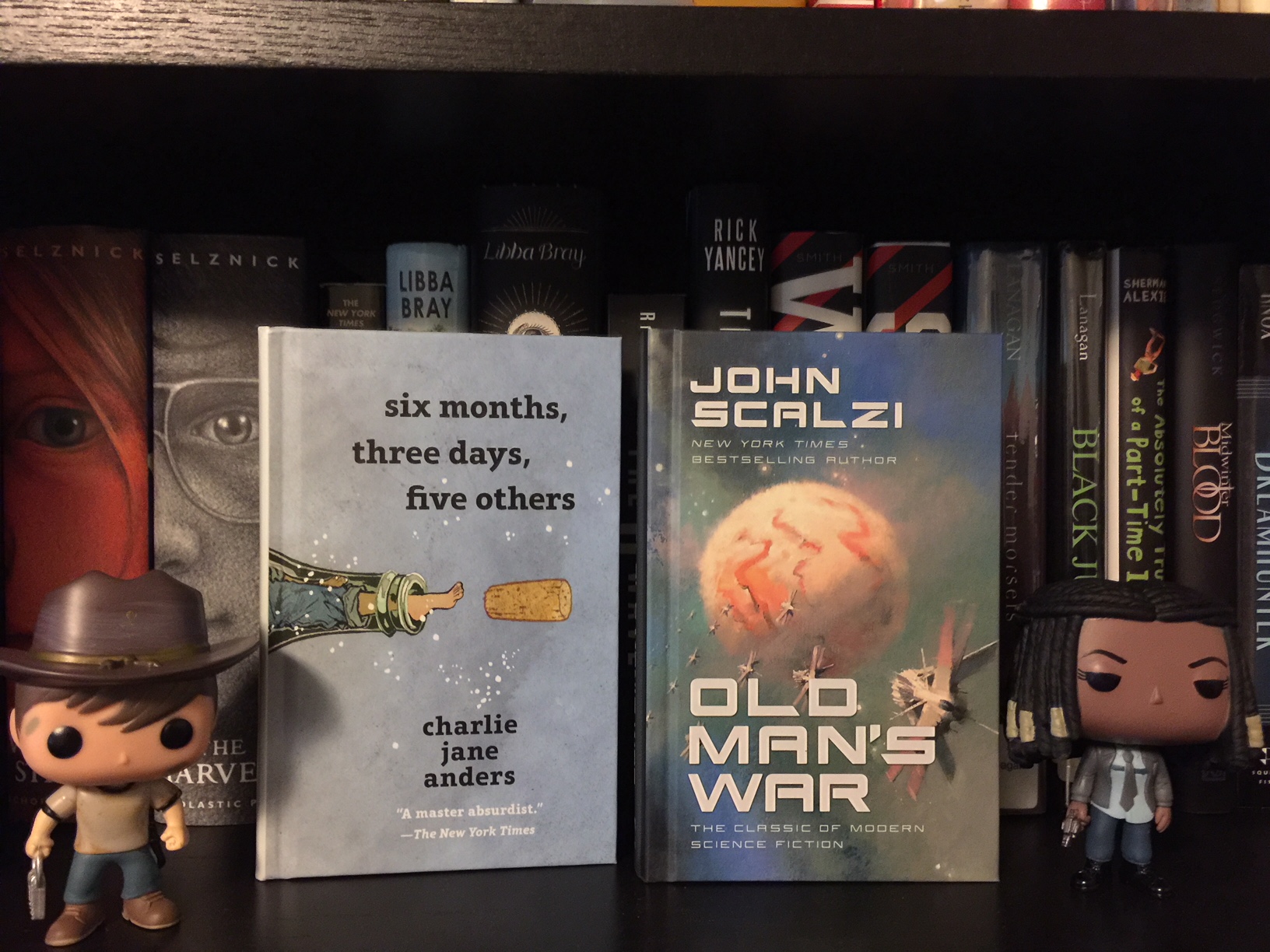
I posed them here alongside my Funko Pops to give a sense of their size. They’re really adorable little hardcover books. Find out more about the collection here.

What will I be reading during the coming week?

Currently in my hands:
 

La Belle Sauvage (The Book of Dust, #1) by Philip Pullman: I’m so excited to be started this! I’m only a few chapters in so far, but loving it.

Now playing via audiobook:

Indexing by Seanan McGuire: Fairy tales are real! This audiobook is lots of fun. Should be done by the end of the week.

Ongoing reads:

Book group reads:

  • Ivanhoe by Sir Walter Scott: My book group’s classic read! We’re reading and discussing two chapters per week.
  • Lord John and the Private Matter by Diana Gabaldon: Outlander Book Club is doing a Lord John readalong — we’ll be reading all of the Lord John novels and stories in story chronology. Let me know if you’d like to participate! All are welcome.

Via Serial Reader:

  • I decided to finally dive in and start Great Expectations! I’m using the Serial Reader app, and really liking it so far.

So many books, so little time…

boy1Save

Save

Save

Save

Save

Save

Save

Save

Save

Save

Save

Save

Save

Save

Save

Save

Save

Save

Save

Save

Save

Save

Save

Save

Save

Save

Save

Save

Save

Save

Save

Save

Save

Save

Save

Save

Save

Save

Save

Save

Save

Save

Save

Save

Save

Save

Save

Save

Save

Save

Save

Save

Save

Save

Save

Save

Save

Save

Save

Save

Save

Save

Save

Save

Save

Save

Save

Save

Save

Save

Save

Save

Save

Save

Save

Save

Save

Save

Save

Save

Save

Save

Save

Save

Save

Save

Save

Save

Save

Save

Save

Save

Save

Save

Save

Save

Save

Save

Save

Save

Save

Save

Save

Save

Save

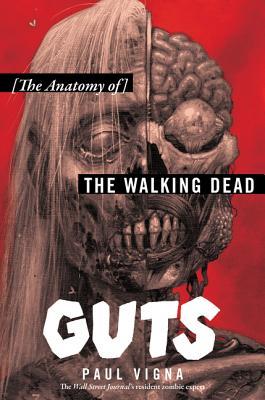
Book Review: Guts: The Anatomy of the Walking Dead by Paul Vigna

In this first and only guide to AMC’s exceptional hit series The Walking Dead, the Wall Street Journal’s Walking Dead columnist celebrates the show, its storylines, characters, and development, and examines its popularity and cultural resonance.

From its first episode, The Walking Dead took fans in the United States and across the world by storm, becoming the highest-rated series in the history of cable television. After each episode airs, Paul Vigna writes a widely read column in which he breaks down the stories and considers what works and what doesn’t, and tries to discern the small details that will become larger plot points.

So how did a basic cable television show based on Robert Kirkman’s graphic comic series, set in an apocalyptic dog-eat-dog world filled with flesh-eating zombies and even scarier human beings, become a ratings juggernaut and cultural phenomenon? Why is the show such a massive hit? In this playful yet comprehensive guide, Vigna dissect every aspect of The Walking Dead to assess its extraordinary success.

In the vein of Seinfeldia,Vigna digs into the show’s guts, exploring its roots, storyline, relevance for fans and the wider popular culture, and more. He explores how the changing nature of television and media have contributed to the show’s success, and goes deep into the zombie genre, delineating why it’s different from vampires, werewolves, and other monsters. He considers why people have found in zombies a mirror for their own fears, and explains how this connection is important to the show’s popularity. He interviews the cast and crew, who share behind-the-scenes tales, and introduces a cross-section of its diverse and rabid viewership, from fantasy nerds to NFL stars. Guts is a must have for every Walking Dead fan.


I’ve only recently become a convert to the cult of The Walking Dead. After years of turning up my nose, I finally broke down and gave it a try this past spring, and immediately became completely hooked. I binge-watched the entire series to date within about 2 months (not bad for 99 episodes!), and read all of the graphic novels as well. So naturally, when I heard about Guts, I had to read it, and the timing couldn’t be better, as season 8 of The Walking Dead starts TOMORROW. *jumping up and down and hyperventilating with anticipation*

Guts is a truly fascinating book about the show, examining it from all angles and giving thoughtful consideration to its popularity and relevance in today’s world. The author includes recaps of the major events of each season so far, and covers the show’s history, the background of Robert Kirkman, who created the comic series and is an executive producer of the TV series, some anecdotes from behind the scenes, and the ups and downs of production, including the still-ongoing lawsuit by the first showrunner, Frank Darabont, against AMC.

The book also includes interactions with fans, including some observations from a day at Walker Stalker Con, a fan event at which fans interact with cast and crew. The description of the vibe at Walker Stalker shows the deep impact of The Walking Dead on its devoted fan base.

Most interestingly, author Paul Vigna goes deeper than the pop culture tidbits (such as fan favorites, iconic weaponry, and best episodes) to show the philosophical underpinnings of The Walking Dead, connecting the show’s impact to sociopolitical and economic climate of the era. He examines the religious themes that find their way into the show, as well as the political constructs of the various societies and the ways in which both Maslow’s hierarchy and Hobbesian views on the natural state of man can be discussed in relation to themes of community and family as shown in TWD.

Some random and various pieces from the book:

Hobbes argues that the natural state of man, as in a state without the collar of a central government, is one where every man is at war with every other man. There is no industry or security, no artistic pursuits, just the “continual fear and danger of violent death, and the life of man, solitary, poor, nasty, brutish, and short,” Hobbes writes… In Hobbes’s argument, people enter a social contract and surrender some of their personal freedoms in exchange for the kind of security and permanence that will release them from the terror of that brutish life in the wild.

Like giving up their endless wandering to join the community of Alexandria, right?

On political structures in TWD:

What seems to matter most is that a leader in the post-zombie apocalypse is decisive… Negan and the Governor are homicidal and suicidal, but they are also decisive. Negan may be as liable to throw you into an oven as feed you a spaghetti dinner, but in his decisiveness, he can bring some sense of comfort — so long as you don’t cross him.

Acknowledging that “Rick has made enough mistakes to fill a book,”, the author comments:

Now, I don’t have a problem with Rick making mistakes. It wouldn’t be realistic for him to make the right choice every single time. Rick’s greatest quality, apart from an uncanny survival instinct, is the ability to simply choose. In a world where life is measured in hours and days rather than decades, that is an essential quality to have.

Further thoughts:

The biggest key to survival, really, is how quickly you can shed your old morality and discover a new one.

And finally, a quote from the season 7 finale, spoken by Maggie, that sums up the essence of TWD. This is who the main characters are and what they do — and what makes us love them:

To sacrifice for each other, to suffer, to stand, to grieve, to give, to love, to live, to fight for each other.

This is what Rick, Maggie, and all the other characters in Alexandria, the Hilltop, and the Kingdom represent, and why we keep tuning in, season after season.

If you’re a fan of The Walking Dead and happen to be inclined to dig in and go beyond the blood and gore, definitely pick up a copy of Guts. It’s a quick, interesting read, with just the right mix of plot points and food for thought.

_________________________________________

The details:

Title: Guts: The Anatomy of the Walking Dead
Author: Paul Vigna
Publisher: Dey Street Books
Publication date: October 3, 2017
Length: 336 pages
Genre: Non-fiction/entertainment/pop culture
Source: Library

Save

Save

Save

Save

Save

Save

Save

Audiobook awesomeness: His Dark Materials trilogy by Philip Pullman

Over the last two months, I’ve had one of my most delightful experiences with audiobooks. I decided to revisit the world of the His Dark Materials trilogy, since (a) it’s been many, many years since I read the books, and (b) a new book is coming out this fall. (THIS WEEK! NOW!!!)

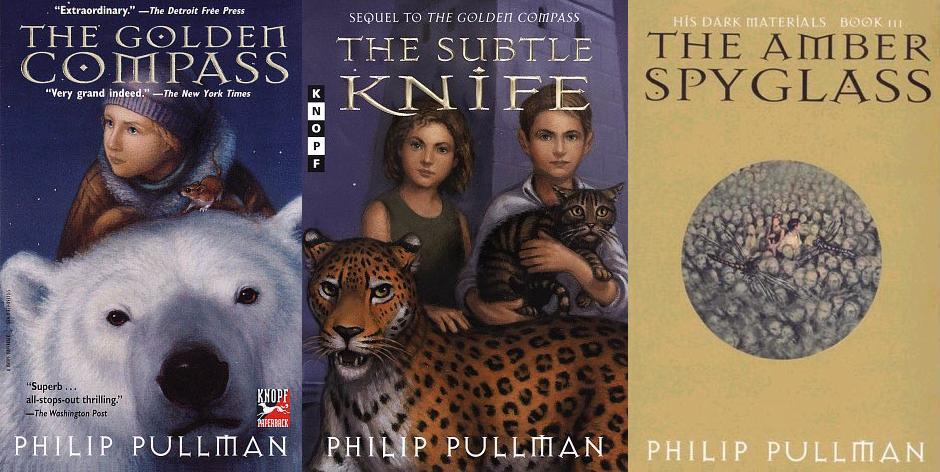
It’s hard to believe that it’s been 17 years (!!) since the publication of The Amber Spyglass, the 3rd book in the trilogy (following The Golden Compass and The Subtle Knife). I remember being blown away by these books upon first read, but after all these years, I was fuzzy on the details.

Side note: I choose to disregard the existence of the Golden Compass movie, which utterly failed to capture the essence of the books and characters. But that’s an issue best left in the past…

So what was so special about these audiobooks?

For starters, they’re full-cast recordings. Oddly enough, full-cast audiobooks don’t usually appeal to me. When I’ve tried them before, I tend to feel removed from the story — maybe because it’s more like listening to a dramatization than like reading an actual book.

Whatever the reason, this time around, I just loved it. Philip Pullman takes the role of narrator, and he’s marvelous. His reading of his own work is nuanced and expressive, and he infuses his lines with wit, humor, and when needed, sorrow and intensity. Beyond Pullman himself, the rest of the cast is simply terrific. I don’t know who these voice actors are, but their talent is huge! The voice of Lyra was perfect — young, intense, brave, emotional — and Will was spot-on too, fierce, loving, worried, daring. Probably most magnificent was the voice of Iorek Byrnison — I don’t think I’ve ever heard such a deep, rumbly voice on an audiobook. If a polar bear could speak English and deigned to have a conversation with one of us puny humans, I bet that’s exactly what he’d sound like. Other stand-outs are the voices of Texas aeronaut Lee Scoresby and the often wicked but strangely sympathetic Mrs. Coulter.

Now, if you’ve read these books, you know that an important part of Pullman’s world building is the presence of daemons — a corporeal, animal being who represents each person’s true inner being. Every human in Lyra’s world has a daemon, and the shape they take is often quite representative of the nature of the person. Children’s daemon’s can change shape at will, until they child reaches puberty, at about which time the daemon settles into his or her final shape. Worth noting, too, is that a daemon is always the opposite gender of the person it’s attached to — so Lyra’s daemon Pantalaimon is male. On the audiobooks, the daemons who have speaking roles are voiced in ways completely appropriate to their personalities. The absolute best is Lee’s daemon Hester, a jackrabbit with a feminine Western twang.

As for the story, I’m kind of assuming that anyone bothering to read this post is already familiar with the amazing world of His Dark Materials. For those who aren’t familiar, here are the brief plot summaries from Goodreads:

Book 1 – The Golden Compass (also published under the title Northern Lights):

Here lives an orphaned ward named Lyra Belacqua, whose carefree life among the scholars at Oxford’s Jordan College is shattered by the arrival of two powerful visitors. First, her fearsome uncle, Lord Asriel, appears with evidence of mystery and danger in the far North, including photographs of a mysterious celestial phenomenon called Dust and the dim outline of a city suspended in the Aurora Borealis that he suspects is part of an alternate universe. He leaves Lyra in the care of Mrs. Coulter, an enigmatic scholar and explorer who offers to give Lyra the attention her uncle has long refused her. In this multilayered narrative, however, nothing is as it seems. Lyra sets out for the top of the world in search of her kidnapped playmate, Roger, bearing a rare truth-telling instrument, the alethiometer. All around her children are disappearing—victims of so-called “Gobblers”—and being used as subjects in terrible experiments that separate humans from their daemons, creatures that reflect each person’s inner being. And somehow, both Lord Asriel and Mrs. Coulter are involved.

Book 2 – The Subtle Knife:

Lost in a new world, Lyra finds Will—a boy on the run, a murderer—a worthy and welcome ally. For this is a world where soul-eating Specters stalk the streets and witches share the skies with troops of angels.

Each is searching—Lyra for the meaning of Dark Matter, Will for his missing father—but what they find instead is a deadly secret, a knife of untold power. And neither Lyra nor Will suspects how tightly their lives, their loves, and their destinies are bound together… until they are split apart.

Book 3 – The Amber Spyglass:

The Amber Spyglass brings the intrigue of The Golden Compass and The Subtle Knife to a heart-stopping end, marking the final volume of His Dark Materials as the most powerful of the trilogy.

Along with the return of Lyra, Will, Mrs. Coulter, Lord Asriel, Dr. Mary Malone, and Iorek Byrnison the armored bear, come a host of new characters: the Mulefa, mysterious wheeled creatures with the power to see Dust; Gallivespian Lord Roke, a hand-high spymaster to Lord Asriel; and Metatron, a fierce and mighty angel. So, too, come startling revelations: the painful price Lyra must pay to walk through the land of the dead, the haunting power of Dr. Malone’s amber spyglass, and the names of who will live–and who will die–for love. And all the while, war rages with the Kingdom of Heaven, a brutal battle that–in its shocking outcome–will uncover the secret of Dust. Philip Pullman deftly brings the cliff-hangers and mysteries of His Dark Materials to an earth-shattering conclusion–and confirms his fantasy trilogy as an undoubted and enduring classic.

It’s funny how certain things stick in your mind — or my mind, anyway. I absolutely remembered about Dust and daemons, about Lord Asriel and Mrs. Coulter, the Mulefa, Metatron, and more. What I didn’t remember was the sheer power of this story. What starts out feeling mostly like a children’s book (albeit a children’s book with gifted-level vocabulary) by the end has transformed into an epic tale that shares universal truths about love, honesty, the nature of good and evil, devotion, betrayal, friendship, and freedom.

The emotional impact by the end is enormous. I clearly remembered being devastated by the end of the trilogy, and yet I was still pretty much hit over the head with an anvil all over again while listening by the intensity of the heart-ache the characters experience. It’s simply lovely and tragic and uplifting, all at the same time.

As an added bonus, Pullman later published two shorter works set in the same world: Lyra’s Oxford, which takes place two years after the conclusion of The Amber Spyglass, and Once Upon a Time in the North, which is set about 35 years earlier, showing the first eventful meeting of Lee Scoresby and Iorek Byrnison. Both of these novellas are available as audiobooks, and like the main trilogy, are highly enriched by the full-cast recording. (It’s definitely worth getting the hard copies as well, as the physical editions include wonderful woodcut illustrations and all sorts of bits and pieces of ephemera related to His Dark Materials — writing scraps, maps, ballooning guides, postcards, and even a board game.)

Finally, there’s a short story available either as an e-book or audiobook. The Collectors is very creepy, and I’d say listen to the audio version. Bill Nighy does a fabulous job with the narration, and it only takes about a half hour, but is definitely worth it.

I realize that this is by no means a comprehensive book review of His Dark Materials and the associated works. And it’s not meant to be. Really, I’ve just gotten completely swept away by these wonderful audiobooks, and I couldn’t keep it to myself a moment longer!

Especially for anyone thinking about reading the upcoming new release, La Belle Sauvage, going back to His Dark Materials via audiobook will be a huge treat, absolutely worth the time.

Needless to say, for anyone who hasn’t read these books at all yet, please do! His Dark Materials is one of those trilogies usually shelved with children’s fiction, but which truly transcends the age or genre labels. These books are just plain good fantasy literature; they transport us to multiple alternate worlds but never lose their human heart.


____________________________________

Books in the series:
The Golden Compass (1995)
The Subtle Knife (1997)
The Amber Spyglass (2000)
Lyra’s Oxford (2003)
Once Upon a Time in the North (2008)
The Collectors (2014)
NEW: La Belle Sauvage (The Book of Dust, book 1) – to be released 10/19/2017

Save

Save

Save

Save

Save