
Top Ten Tuesday is a meme hosted by The Broke and the Bookish, featuring a different top 10 theme each week. This week’s topic is Top Ten 2015 Releases I Meant To Get To But Didn’t. I’m reinterpreting this one to include anything I bought in 2015 but haven’t read yet, not just new releases from 2015. Here are the books that for whatever reason I had to have RIGHT NOW! IMMEDIATELY! GIMME!, but then stuck on my shelf and never picked up again.
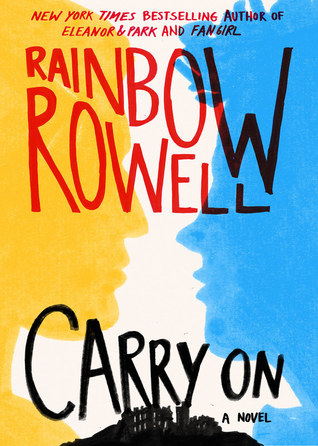
1) Carry On by Rainbow Rowell: OF COURSE I bought this one the second it came out. I love Rainbow Rowell and I loved Fangirl and… I have no idea what my problem is.
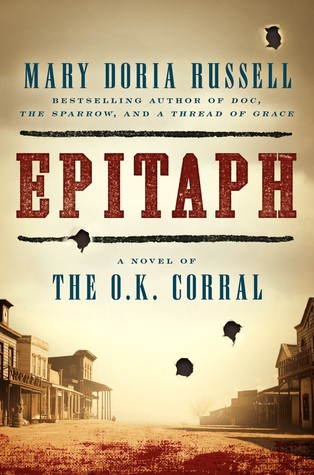
2) Epitaph by Mary Doria Russell: I love everything by Mary Doria Russell, and loved her Doc Holliday book (appropriately named Doc). I bought Epitaph right when it was released so I’d have a chance to read it before she came to my town on her book tour. And then her book tour appearance was cancelled, and I never got around to the book.
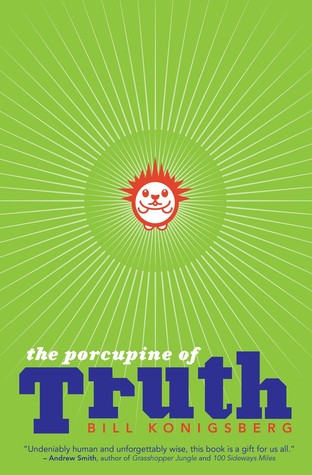
3) The Porcupine of Truth by Bill Konigsberg: I loved the author’s previous novel, Openly Straight (review), and I’m really excited for this one. Plus, a porcupine on the cover!
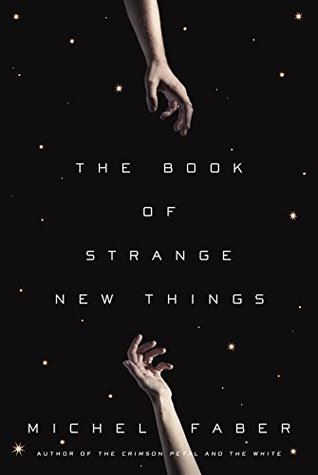
4) The Book of Strange New Things by Michel Faber: Really sounds awesome, and I have a friend who loved it — but it’s over 500 pages, and I just haven’t been in the mood to tackle it yet.
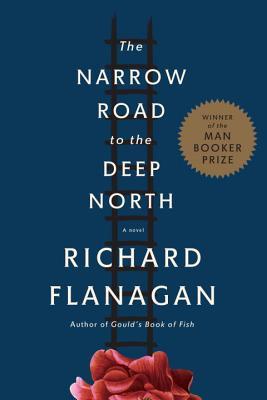
5) The Narrow Road to the Deep North by Richard Flanagan: I actually have a good excuse for not reading this one yet. I was going to read it as soon as I got a copy last year, and then my book group picked it for this coming spring, so of course I had to wait!
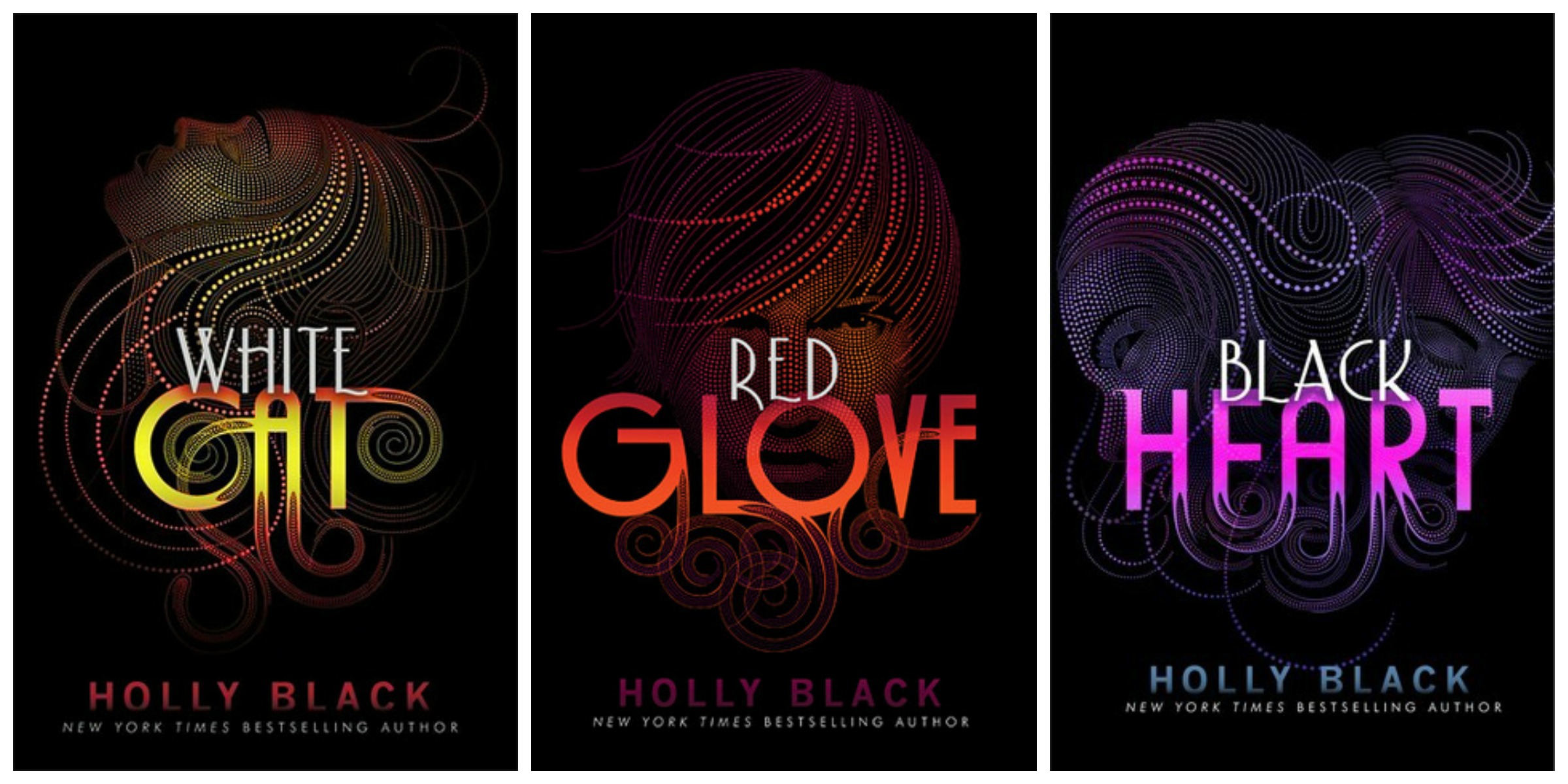
6) Cheating here and listing a trilogy as one entry: I picked up all three books in Holly Black’s Curse Workers series last year, but haven’t touched them yet. Given that one of my resolutions is to binge-read series instead of reading them one book at a time, this might make a good place to start!
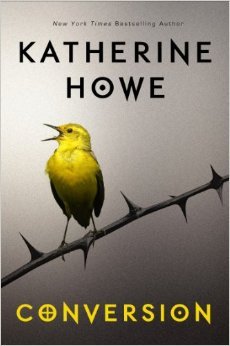
7) Conversion by Katherine Howe: This is a 2014 book (described as “Prep meets The Crucible”!) that I bought in 2015, and it’s been sitting on my nightstand ever since.
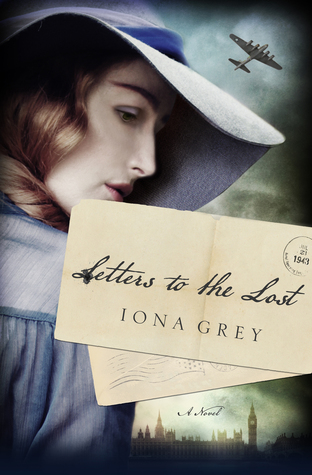
8) Letters to the Lost by Iona Grey: This one actually is a 2015 release, and it sounds like just the kind of historical fiction that gets me in the heart.
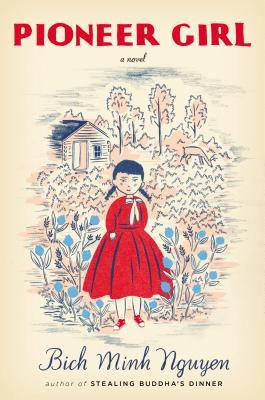
9) Pioneer Girl by Bich Minh Nguyen: A Vietnamese-American woman with a possible connection to Laura Ingalls Wilder? Yes, please!
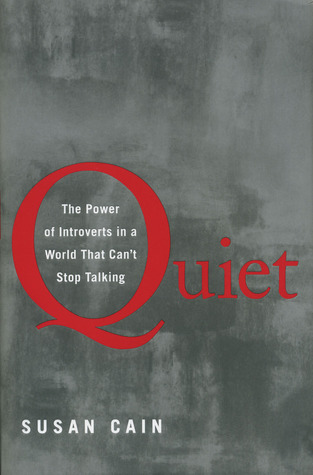
10) Quiet: The Power of Introverts in a World That Can’t Stop Talking by Susan Cain: The little bits and pieces I’ve read so far tell me that this is a book designed for me!
If I stick to my plan to read more from my shelves this year, then I should be able to get to these book in 2016!
What 2015 books do you still need to read? Please share your TTT links!
If you enjoyed this post, please consider following Bookshelf Fantasies! And don’t forget to check out our regular weekly features, Shelf Control and Thursday Quotables. Happy reading!
♥♥♥♥♥♥♥♥
Do you host a book blog meme? Do you participate in a meme that you really, really love? I’m building a Book Blog Meme Directory, and need your help! If you know of a great meme to include — or if you host one yourself — please drop me a note on my Contact page and I’ll be sure to add your info!

























 Bookshelf Fantasies