Audiobook Review: Rich Girl Summer by Lily Chu

Title: Rich Girl Summer
Author: Lily Chu
Narrators: Phillipa Soo & Steven Pasquale
Publisher: Audible Originals
Publication date: July 10, 2024
Print length: n/a
Audio length: 10 hours 6 minutes
Genre: Contemporary fiction
Source: Audible download
Rating:

Rating: 4 out of 5.

Fake heiress. Real secrets. One sizzling summer she’ll never forget.

Event planner Valerie Peng never planned on spending her summer sipping champagne at a lakefront estate, dodging suspicious socialites, or pretending to be anyone’s long-lost daughter. But when a very public, deeply mortifying mishap lands her in hot water—and her career in a hot mess—her uber-wealthy older client makes her an offer she can’t refuse: come to his glamorous summer home and pose as the long-lost daughter he believes his conniving family has hidden from him. In exchange? Time away from her actual life…and the chance to help uncover a long-buried secret.

But Cinderella needs some magic for this big of a makeover. Enter Nico, her client’s maddeningly perfect right-hand man. He’s organized, meticulous, impossible to read, and infuriatingly handsome. But even though he claims this scheme is a capital-M Mistake, Nico’s the only person she can trust to have her back. As they navigate a world of eccentric matriarchs, class divides, and private family feuds, their chemistry is as undeniable as it is ill-timed.

Caught between pretending to belong and unexpectedly finding where she truly fits in, Valerie’s summer is about to get far more complicated than she ever planned.

I’m always delighted when a new Lily Chu book drops as an Audible Original. Rich Girl Summer is yet another fun romp, with relatable characters, out-there circumstances, romance, and in this case, lots of summertime, sunshine-y vibes.

Main character Valerie is a talented event planner. She’s created her own company, Ad Astra, which specializes in creating highly curated and personalized celebrations of life. By all accounts, she’s excellent at what she does. When she’s hired to manage the celebration of life for the recently deceased patriarch of the wealthy Badgerton family, Valerie knows this event could really catapult her business to the next level, and is determined that everything go perfectly.

Unfortunately, a less-than-competent assistant and an ill-timed attack of food poisoning lead to disaster. The event goes viral, but not as Valerie had hoped. Her business may be on the brink of utter ruin. And then she’s approached by Roger Badgerton, who’d originally hired her. She expects reprimands and threats, but instead, is shocked by what he says: She’s physically similar to his long-lost teen girlfriend, and he’s learned since his father’s passing that the family paid her off to leave town and cut ties with Roger when she discovered she was pregnant. Roger is furious and heartbroken about his family’s deception, and also desperate to find his daughter, who would be roughly Valerie’s age.

His proposition: Valerie will spend the summer at the family’s lakeside estate, where he’ll introduce her to the family as his long-lost daughter. All she has to do is be there, interact with the family, and hopefully unnerve someone enough to start spilling the beans about the past. It sounds crazy, and Valerie’s first instinct is to refuse — but her business has dried up, she has no prospects, and Roger is promising to promote Ad Astra at the end of the summer and get her back on her feet. What could go wrong?

Sweetening the deal is the fact that Nico, Roger’s personal assistant, will be spending the summer at the estate too. He’s kind, uber-organized, very attractive. Valerie wouldn’t exactly mind spending more time with Nico…

Rich Girl Summer mixes summer breeziness with more personal moments, as both Valerie and Nico have plenty of family dysfunction and baggage to deal with — all while keeping up the charade of Valerie being Roger’s daughter. It’s highly entertaining to see her trying to fit in with the snooty, rich Badgertons, while also playing amateur detective and seeing what clues she can pick up about which of Roger’s siblings might have been involved in the deception all those years ago.

I appreciated seeing Valerie and Nico’s romance unfold. They each have major personal obstacles to overcome in order to move forward with a healthy relationship, and the story convincingly portrays their progress, their attempts to communicate in a healthy way, and ultimately, the way they support one another in dealing with their family issues.

Valerie is upfront about being a people-pleaser right from the start — and it made me want to give her a major wake-up call. Seeing her inability to say no in situations where she absolutely should have is frustrating — but it’s part of her character development arc, and the narrative makes us sympathize with Valerie’s struggle despite wishing she’d show a little more spine early on.

My main quibble with the audiobook is that the Badgerton family is large, with many siblings, spouses, and children, and I felt like I needed a cheat sheet to keep the characters straight. This wouldn’t be a problem if there were a print edition, but Rich Girl Summer is available only as an audiobook for now. It would be nice if Audible offered a family tree as a PDF extra!

Narrators Phillipa Soo and Steven Pasquale are just as terrific as you’d expect! Phillipa Soo has narrated all of Lily Chu’s audiobooks so far, and she’s a delight to listen to.

Rich Girl Summer is currently available only through Audible. Her previous novels were released the same way, and then released in paperback about a year later. As I’ve said in previous reviews of her books, I always look forward to new Lily Chu audiobooks. The Comeback and The Stand-In remain my favorites, but you can’t go wrong with any of them!

Purchase linksAmazon 
Disclaimer: When you make a purchase through one of these affiliate links, I may earn a small commission, at no additional cost to you.
Book Review: The Hebrew Teacher by Maya Arad

Title: The Hebrew Teacher
Author: Maya Arad
Translated by: Jessica Cohen
Publisher: New Vessel Press
Publication date: March 19, 2024
Length: 320 pages
Genre: Contemporary fiction
Source: Library
Rating:

Rating: 3.5 out of 5.

Three Israeli women, their lives altered by immigration to the United States, seek to overcome crises. Ilana is a veteran Hebrew instructor at a Midwestern college who has built her life around her career. When a young Hebrew literature professor joins the faculty, she finds his post-Zionist politics pose a threat to her life’s work. Miriam, whose son left Israel to make his fortune in Silicon Valley, pays an unwanted visit to meet her new grandson and discovers cracks in the family’s perfect façade. Efrat, another Israeli in California, is determined to help her daughter navigate the challenges of middle school, and crosses forbidden lines when she follows her into the minefield of social media. In these three stirring novellas—comedies of manners with an ambitious blend of irony and sensitivity—celebrated Israeli author Maya Arad probes the demise of idealism and the generation gap that her heroines must confront.  

The Hebrew Teacher is a collection of three novellas that, taken as a whole, provide insight into experiences of alienation, assimilation, and family generational estrangement. Originally published in Hebrew, this collection’s smooth English translation provides powerful, moving stories with universal themes.

While not normally a fan of short fiction, I was immediately pulled into the characters’ lives in each of these three novellas. Their stories are so relatable that they actually disturbed me quite a bit, as they highlight the ordinary heartbreak that daily life can present.

The first story, The Hebrew Teacher, focuses on Ilana, a woman approaching retirement who has spent her entire career teaching Hebrew at a midwestern university. She reminisces on the early days:

When she’d arrived in ’71, it had been a good time for Hebrew. When she told people she was from Israel, they used to give her admiring looks. […] But now was not a good time for Hebrew.

Ilana faces an alarming drop in her enrollment rates for the new semester, while also dealing with a new professor of Hebrew and Jewish literature — someone with authority over her classes — whose political views put him and Ilana on opposite sides of an academic cold war.

The Hebrew Teacher has a sad energy; we feel for Ilana as an older woman reflecting on the days when both she and her life’s work were once appreciated, forced to realize that she’s been left behind by changing times.

The second story, A Visit (Scenes) is also achingly sad. Miriam arrives in Silicon Valley to visit her son, daughter-in-law, and their toddler. She’s never met her grandson before, and her son and his wife seem distinctly uninterested in welcoming her into their home and lives. Told through vignettes (scenes) over the course of Miriam’s three-week visit, through Miriam’s POV as well as the other two adults’, the story unfolds in short glimpses that convey the utter estrangement Miriam feels as well as the tension within the household. Miriam’s visits with another grandmother and her daughter-in-law add poignancy, as they show the happiness and closeness that have eluded Miriam. For some reason, this story just broke my heart, especially Miriam’s reflections on the closeness of parents and children during the childhood years, and how adult children exclude their parents from their lives.

Make New Friends, the third and final piece in this collection, feels rather difference in focus, but is still disturbing in tone and content. Once again featuring a family of Israeli ex-pats in Silicon Valley, Make New Friends is told through the viewpoint of Efrat, a mother who worries constantly about her 13-year-old daughter’s lack of friends. As Efrat stews over Libby’s social standing, she crosses some major lines on social media, all the while coming to terms with her own long-simmering anxieties about friendship and belonging. The story is well told, and made me very uncomfortable — and then ends pretty abruptly. I expected a more dramatic conclusion; it seems to just stop.

Overall, I enjoyed reading this book, even though I don’t do particularly well with short fiction and am always left feeling a bit unsatisfied. The stories in The Hebrew Teacher present ordinary people dealing with life’s frustrations and disappointments, with characters who feel well-defined and specific. I appreciated the depiction of the cultural struggles of characters who end up livinge far from their original homes and families, and what this means for their children as well.

The Hebrew Teacher won the 2025 National Jewish Book Award for Hebrew Fiction in Translation. Maya Arad’s newest novel, Happy New Years, was released in the US this month, and I look forward to reading it.

Purchase linksAmazon – Bookshop.orgLibro.fm
Disclaimer: When you make a purchase through one of these affiliate links, I may earn a small commission, at no additional cost to you.
Classics Club Spin #41: A change of heart leads me to The Old Man and the Sea by Ernest Hemingway

Title: The Old Man and the Sea
Author: Ernest Hemingway
Publication date: 1952
Length: 128 pages
Rating:

Rating: 5 out of 5.

“A beautiful tale, awash in the seasalt and sweat, bait and beer of the Havana coast. It tells a fundamental human truth: in a volatile world, from our first breath to our last wish, through triumphs and pitfalls both trivial and profound, what sustains us, ultimately, is hope.” —The Guardian

The last of his novels Ernest Hemingway saw published, The Old Man and the Sea has proved itself to be one of the most enduring works of American fiction. The story of a down-on-his-luck Cuban fisherman and his supreme ordeal—a relentless, agonizing battle with a giant marlin far out in the Gulf Stream—has been cherished by generations of readers.

Hemingway takes the timeless themes of courage in the face of adversity and personal triumph won from loss and transforms them into a magnificent twentieth-century classic. First published in 1952, this hugely popular tale confirmed his power and presence in the literary world and played a large part in his winning the 1954 Nobel Prize in Literature.

The Old Man and the Sea is only sort-of my Classics Club spin book…

For the summer spin, my book ended up being My Family and Other Animals by Gerald Durrell. And I was happy about it! It sounded charming, it had been on my to-read list for a while, and I’d been thinking about watching the PBS adaptation (The Durrells in Corfu), so starting with the book seemed like a great idea.

And then I read the first 25% or so… and it just wasn’t for me. I enjoyed the anecdotes about the family, but thought I’d tear my hair out if I had to spend any more time contemplating the insects in the garden and the misadventures of a tortoise. I know people love this book — but not me.

Onward. Rather than give up on the latest spin book entirely, I decided to sub in a book from the same decade that had been on my backup list… and that’s how I ended up with The Old Man and the Sea. Is this breaking the Spin rules? Maybe (probably)… but I figured “my challenge, my rules” and decided that I was okay with this outcome.

It feels a little funny to talk about a Hemingway book based on the plot alone, since there’s such a cult of personality built up around the author — even to the extent of annual competitions such as The International Imitation Hemingway Competition, also known as the Bad Hemingway Contest (which Wikipedia warns us not to confuse with the Hemingway Look-Alike Contest).

I’ve only read one Hemingway novel (A Farewell to Arms, which I thought was wonderful) and have little knowledge or experience with his other works. Of course, I was already aware of the general storyline of The Old Man and the Sea, and I believe we even watched a film version way back in my school days, so I knew how the book would end.

And still, I have to say that I thoroughly enjoyed reading this short novel and thought the writing was pitch-perfect. It’s spare and tense, and captures the feeling of being old, the struggle of man against nature, and the relentlessness of time as the world passes someone by.

In a nutshell, the plot is about the old fisherman Santiago, once considered the greatest of the great, who has had a streak of bad luck and has come back empty-handed from his fishing excursions for over 80 straight days. His faithful companion, a younger boy, has been forced by his family to work on a different boat because Santiago has become unlucky.

Santiago sets out alone to see if his luck will change, and he hooks the biggest fish of his life, then spends three days at sea fighting with his body and spirit to land the fish and bring it back with him.

I found the story quite powerful and engaging, and highlighted passage after passage. As I’ve said, I’m no expert and can’t comment more generally on Hemingway as a writer — but I did love the way he expresses Santiago’s struggles, and the vividness with which he portrays both the old fisherman’s battle and his love for the sea and its creatures.

Here are a few of the lines and passages that stood out for me:

Most people are heartless about turtles because a turtle’s heart will beat for hours after he has been cut up and butchered. But the old man thought, I have such a heart too and my feet and hands are like theirs.

I wish I could show him what sort of man I am. But then he would see the cramped hand. Let him think I am more man than I am and I will be so.

“Fish,” the old man said. “Fish, you are going to have to die anyway. Do you have to kill me too?”

You are killing me, fish, the old man thought. But you have a right to. Never have I seen a greater, or more beautiful, or a calmer or more noble thing than you, brother. Come on and kill me. I do not care who kills who.

And my favorite:

“If the others heard me talking out loud they would think that I am crazy,” he said aloud. “But since I am not crazy, I do not care.”

I’m really pleased that I made the decision to switch books, and I’m happy to have read The Old Man and the Sea. It’s a short book, but one that held me in its spell from start to finish.

Are you a Hemingway fan? If so, do you have a favorite book to recommend?

Book Review: The King’s Messenger by Susanna Kearsley

Title: The King’s Messenger
Author: Susanna Kearsley
Publisher: Sourcebooks Landmark
Publication date: March 4, 2025
Length: 352 pages
Genre: Historical fiction
Source: Purchased
Rating:

Rating: 5 out of 5.

For fans of Diana Gabaldon and Philippa Gregory, courtly rivalry and intrigue…
 
1613:  King James – sixth of Scotland, first of England, son of Mary, Queen of Scots – has unified both countries under one crown. But the death of his eldest son, Henry, has plunged the nation into mourning, as the rumours rise the prince was poisoned.
 
Andrew Logan’s heard the rumours, but he’s paid them little heed. As one of the King’s Messengers he has enough secrets to guard, including his own. In these perilous times, when the merest suggestion of witchcraft can see someone tortured and hanged, men like Andrew must hide well the fact they were born with the Sight.
 
He’ll need all his gifts, though, when the king sends Andrew north to find and arrest Sir David Murray, once Prince Henry’s trusted courtier, and bring him a prisoner to London to stand trial before the dreaded Star Chamber.
 
A story of treachery, betrayal and love…

And the blurb from a different edition:

New York Times, USA Today and international bestselling author Susanna Kearsley explores romance, court alliances, and the limits of one’s duty in this rich story of an ordinary man in service to a treacherous king, and the mission that brings him to love and his true calling.

In 1613, King James sends his messenger Andrew Logan to Scotland to arrest his late son’s close advisor Sir David Moray. Accompanied by his aloof neighbor Phoebe Westaway, Andrew slowly untangles the real point of his mission—to frame Sir David for Prince Henry’s death. But Andrew is unwilling to bring an innocent man into a treacherous betrayal.

Andrew’s feisty and lovely neighbor Phoebe Westaway has always been stand-offish to Andrew, having heard malicious gossip against him. But as they journey to Scotland and back, Phoebe has the opportunity to see Andrew for the honorable and loyal man that he is, and her change of heart may open new possibilities for them once their mission is complete.

Susanna Kearsley is a must-read author for me. Her books are beautiful depictions of well-developed characters embroiled in significant historical periods, and I’ve loved them all so far. Her 2025 release, The King’s Messenger, is another excellent tale that kept me hooked from start to finish.

The King’s Messenger is set in England in1613, during the reign of King James I. As the story opens, his eldest son and heir, Prince Henry, has recently died, a tragedy for the kingdom as well as for those who loved him. Rumor has it that his death wasn’t natural — was he poisoned?

Andrew Logan is a King’s Messenger, a man whose job it is to carry out tasks on behalf of the king, delivering and receiving messages, but also, when necessary, making arrests and taking people into custody. Following Prince Henry’s death, Andrew is summoned before the king and charged with a new assignment: He’s to journey to Scotland and arrest Sir David Moray, Henry’s closest companion and beloved mentor and friend, and deliver him to London for trial. Sir David is being charged with the prince’s murder — but he’s not without friends at court, and they have a very different viewpoint of what actually happened.

Phoebe Westaway is Andrew’s neighbor, and the two have a quarrelsome, contentious relationship, fueled by Phoebe’s dislike of Andrew over what may have been a misunderstanding years earlier. Phoebe’s father is a scrivener (scribe), and he’s ordered to accompany Andrew on his mission and record everything that Sir David says during their journey back to London. But Mr. Westaway is ailing, and Phoebe worries that the arduous journey will endanger his health, so she insists on going with him. Andrew disapproves, but his Second Sight shows him that she does in fact go with them, and he knows that what he Sees can’t be changed — and so these three end up traveling together through Scotland and back toward London, escorting a prisoner who seems more and more to have been unfairly framed for a crime he simply could not have committed.

The plot of The King’s Messenger nicely balances the intrigue surrounding Henry’s death, the journey through Scotland and England, as the travelers face dangers from their surroundings, pursuers, and suspicious strangers, and the interpersonal dynamics among the group. Andrew starts by viewing David as his prisoner, but over time, he starts to understand who David is as a man. We see Andrew adjust his attitude and treatment of David due to the growing respect he has for him, as well as the growing suspicion that he’s being used as a pawn in a plot he’s only starting to become aware of.

Phoebe and Andrew also see a shift in their relationship, going from mistrust and tension to tentative appreciation, and finally, a more emotional bond. Phoebe has to overcome old prejudices to appreciate who Andrew truly is, and Andrew can only reveal so much to Phoebe while keeping his oaths and the secrecy of his position.

The story is told through chapters from several different characters’ viewpoints, including Andrew, David, Phoebe, and even Queen Anna, wife of King James and mother of Henry. Each voice is distinct, and lends an important insight into this complicated web of partial truths and competing motives.

I was a bit nervous at the start of the book, as this is not a historical period with which I had much familiarity ahead of time. I needn’t have worried: Without any sort of heavy-handed exposition, the author weaves enough context and information into the narrative to ease the reader into the story. It never felt hard to follow, and in fact, I ended up really enjoying learning more about this time and its royal dramas.

Overall, I loved The King’s Messenger. The journey is exciting, and I was entirely caught up in the characters’ relationships, risks, and plans. The King’s Messenger has a satisfying conclusion, remaining true to known history while also feeling very appropriate for what we come to know of the characters.

The author provides quite a bit of information in her closing notes about her research and sources, including distinguishing between what is known of the historical figures and events. Many of the main characters, including Andrew and Phoebe, are fictional creations, but they’re so well developed and situated that they feel totally natural in their roles interacting with historical figures such as David Moray and the King and Queen.

Susanna Kearsley’s books never let me down, and The King’s Messenger is no exception. The Moray family figures in several of her other books, set in slightly later time periods, but it’s not necessary to have read them in order to appreciate The King’s Messenger.

Highly recommended for fans of historical fiction. Don’t miss it!

Purchase linksAmazon – Bookshop.orgLibro.fm
Disclaimer: When you make a purchase through one of these affiliate links, I may earn a small commission, at no additional cost to you.
Book Review: Someone You Can Build a Nest In by John Wiswell

Title: Someone You Can Build a Nest In
Author: John Wiswell
Publisher: DAW
Publication date: April 2, 2024
Length: 310 pages
Genre: Horror/fantasy
Source: Purchased
Rating:

Rating: 2.5 out of 5.

Discover this creepy, charming monster-slaying fantasy romance—from the perspective of the monster—by Nebula Award-winning debut author John Wiswell

Shesheshen has made a mistake fatal to all monsters: she’s fallen in love.

Shesheshen is a shapeshifter, who happily resides as an amorphous lump at the bottom of a ruined manor. When her rest is interrupted by hunters intent on murdering her, she constructs a body from the remains of past meals: a metal chain for a backbone, borrowed bones for limbs, and a bear trap as an extra mouth.

However, the hunters chase Shesheshen out of her home and off a cliff. Badly hurt, she’s found and nursed back to health by Homily, a warm-hearted human, who has mistaken Shesheshen as a fellow human. Homily is kind and nurturing and would make an excellent co-parent: an ideal place to lay Shesheshen’s eggs so their young could devour Homily from the inside out. But as they grow close, she realizes humans don’t think about love that way.

Shesheshen hates keeping her identity secret from Homily, but just as she’s about to confess, Homily reveals why she’s in the area: she’s hunting a shapeshifting monster that supposedly cursed her family. Has Shesheshen seen it anywhere?

Eating her girlfriend isn’t an option. Shesheshen didn’t curse anyone, but to give herself and Homily a chance at happiness, she has to figure out why Homily’s twisted family thinks she did. As the hunt for the monster becomes increasingly deadly, Shesheshen must unearth the truth quickly, or soon both of their lives will be at risk.

And the bigger challenge remains: surviving her toxic in-laws long enough to learn to build a life with, rather than in, the love of her life.

This icky, squicky, plain old weird fantasy/horror novel has won a ton of awards, is gushed over by many authors who I admire, and yet… it left me cold and basically speeding through the 2nd half just for the sake of being done.

Someone You Can Build a Nest In starts off strong, with a fascinating narrative voice that randomly throws in something gross to cap off a paragraph or passage in an unexpected way.

Her father’s ribs, rich in marrow, cracking delicately in their mouths, and providing the first feast of their lives. His fat deposits were generous, and his entrails sheltered them from the cruel winter elements.

Shesheshen (what a name!) is some ill-defined creature, mostly slime that can form itself into different shapes, and can build itself a body by absorbing raw materials (iron chains, sticks, animal bones) into itself and forming itself a skeletal structure. Shesheshen has early memories of how delicious it was to consume the father in whose body she developed from an egg, loving how much nutrition he provided, and later eating the siblings growing alongside her as well.

When Shesheshen’s hibernation is rudely interrupted by a trio of monster hunters seeking the infamous Wyrm of Underlook, she fights back, fends them off, and realizes she’d better construct herself a body to defend herself with and figure out what’s behind this newest human attack. As she learns, the hunters were sent by the Baroness of Underlook, a brutal woman whose children have been raised with the sole purpose of slaying the wyrm and ending its curse on their family. (Shesheshen is confused — sure, you could call her a wyrm if that works for you, but there’s no such thing as curses, and she certainly hasn’t cursed anyone).

The one exception to the Baroness’s cruel pack of offspring is her daughter Homily, who seems torn between carrying out her mother’s orders and following her inner sense of compassion. When Homily stumbles across a severely injured Shesheshen (in human disguise), she tends her wounds, comforts her, and stirs up something unusual for Shesheshen: feelings, possibly even affection.

Of course, Shesheshen has a hard time understanding her attraction at the start:

She had a husky, stuffy-sounding voice, like her sinuses were packed. Yet her tone was accustomed and comfortable with itself, so this clearly wasn’t allergic irritation. It gave the woman’s words a bawdy rasp, which enticed Shesheshen. People who sounded like that had the most delicious-tasting heads.

But over time, it’s clear that there’s much more between these two:

True love was a woman sinking up to her elbows in her viscera, delicately removing hooks from her rigid tissues.

I chuckled — a lot — during the introductory chapters, enjoying the odd wordplay and sheer absurdity of the human-eating main character.

On a rack beside the door was a set of wigs she’d made from the scalps that people hadn’t been using anymore.

And yet… as the plot revolves around Shesheshen posing as human, trying to evade the Baroness’s mad pursuit, and scene after scene of battles and confrontations… I was bored. Once the narrative language stopped being new and surprising, there just wasn’t a good enough story for me to invest in.

The relationship between Shesheshen and Homily is awkward, the endless battles and threats become tedious, and honestly, after a while I just didn’t care. As I mentioned at the start, by the time I got even close to the halfway mark, I couldn’t wait to be done, and forced myself to plow through until I reached the end. (If I hadn’t purchased a paperback edition earlier in the year, I would likely have DNFd this one, but I just couldn’t bring myself to DNF a book I actually own!)

An interesting premise and clever language couldn’t save this odd book for me. Reading it felt like a chore. If you’re at all interested in this book, I’d recommend taking a look at the Goodreads reviews — it has an overall rating of 3.92 and lots of glowing comments from readers and well-regarded authors. Clearly, I’m in the minority on this one!

Purchase linksAmazon – Bookshop.org – Libro.fm
Disclaimer: When you make a purchase through one of these affiliate links, I may earn a small commission, at no additional cost to you.
Final note: I just stumbled across the UK version of this book, and I can’t get over how different the vibe is:

Book Review: Hemlock & Silver by T. Kingfisher

Title: Hemlock & Silver
Author: T. Kingfisher
Publisher: Tor
Publication date: August 19, 2025
Length: 368 pages
Genre: Fantasy
Source: Review copy courtesy of the publisher via NetGalley
Rating:

Rating: 4.5 out of 5.

From New York Times bestselling and Hugo Award-winning author T. Kingfisher comes Hemlock & Silver, a dark reimagining of “Snow White” steeped in poison, intrigue, and treason of the most magical kind.

Healer Anja regularly drinks poison.

Not to die, but to save— seeking cures for those everyone else has given up on.

But a summons from the King interrupts her quiet, herb-obsessed life. His daughter, Snow, is dying, and he hopes Anja’s unorthodox methods can save her.

Aided by a taciturn guard, a narcissistic cat, and a passion for the scientific method, Anja rushes to treat Snow, but nothing seems to work. That is, until she finds a secret world, hidden inside a magic mirror. This dark realm may hold the key to what is making Snow sick.

Or it might be the thing that kills them all.

T. Kingfisher’s fairy tale retellings have become favorites of mine, and Hemlock & Silver is a great addition to this growing collection.

In this slightly off-kilter reinterpretation of the Snow White story, our main character is Anja — a large, plain-spoken woman in her mid-thirties who’s devoted her life to learning everything there is to know about poisons and how to cure them. She’s not a traditional healer: Don’t expect her to mend your broken bones! But if a snake-bite or opium overdose is the problem, she’s the one person most likely (but not guaranteed) to be able to offer even a glimmer of hope.

Anja’s relatively quiet life in a small desert town is upended when the king himself unexpectedly shows up in her workroom one day. He needs Anja’s help: His 12-year-old daughter Snow is fading away, and he suspects poison. Her mother and sister are already dead, and he can’t lose Snow as well — but with the possibility that someone in his court is secretly a poisoner, he needs an outsider’s help. Anja has no choice but to agree to accompany the king and his retinue to the villa where Snow suffers. If it truly is a poisoning case, then perhaps Anja really can make a difference — although she fears what it could mean for her family if she were to fail.

Snow’s case is puzzling and Anja makes little progress until she discovers Snow secretly eating some odd-looking apples. Anja takes a piece to test, and after trying it herself, accidentally finds herself falling against — and through — one of the vast mirrors that seem to be everywhere within the villa. There, Anja discovers a mirror world full of danger and horrific creatures, and learns that the threats against Snow are even more dire than anyone could have imagined.

Anja is a wonderful main character, her lack of tact balanced by her professionalism, honesty, and practicality.

The problem with being plump, middle-aged, and a woman was that people expected you to be motherly, as if that was your default state. I am not. I am actually terrible with children. On the other hand, I have saved the lives of multiple toddlers who licked flypaper, which I feel should count for something

Anja is joined in her desperate quest by her gruff guard Javier — who is steady and supportive, despite communicating mainly in grunts — and an especially delightful and supercilious cat named Grayling, who is able to speak with Anja and has attitude for miles.

“Are you sure I haven’t gone mad?” I asked.

“Your questions are remarkably unoriginal ‘Am I mad, is this a dream, oh no, what’s going on, why is this happening?'” He gazed off into the distance as if I were no longer worth considering

Strange as it sounds, this stung a bit. It’s one thing to know that a cat holds you in mild contempt, quite another to have it actually insult you in language you can understand.

The otherworldly adventure in the mirror world is eerie and unsettling, and there are moments that move this fantasy story toward a horror vibe as Anja discovers something that will give her (and all readers, I suspect) some lasting nightmares:

… the hands reached out and went creeping over the floor, dragging sections of arm behind them. The faces lay tumbled across each other, in a pile that blinked and twitched and moved, the corners of mouths working madly as if in pain.

Shudder.

But even this creature has some unexpected twists in store — the author seem to delight in setting up scenarios that have a hint of familiarity from other stories, then turning them upside down and having them come out completely different in feel and meaning.

Hemlock & Silver provides a fairy tale foundation, then builds upon it to include fascinating characters and a new, distinct story arc, with high stakes and imaginative dangers. I did find the back and forth between the real world and the mirror world occasionally hard to follow… but then again, I was slightly under the weather when I read this book, so this could be a case of “it’s not you, it’s me”.

Overall, I thoroughly enjoyed Hemlock & Silver. It’s not every book that can make you laugh out loud on one page, leave you entirely creeped out on the next, and provide a baffling array of twists and turns to confuse readers before tying the plot up with a convincing conclusion.

Highly recommended!

Purchase linksAmazon – Bookshop.orgLibro.fm
Disclaimer: When you make a purchase through one of these affiliate links, I may earn a small commission, at no additional cost to you.
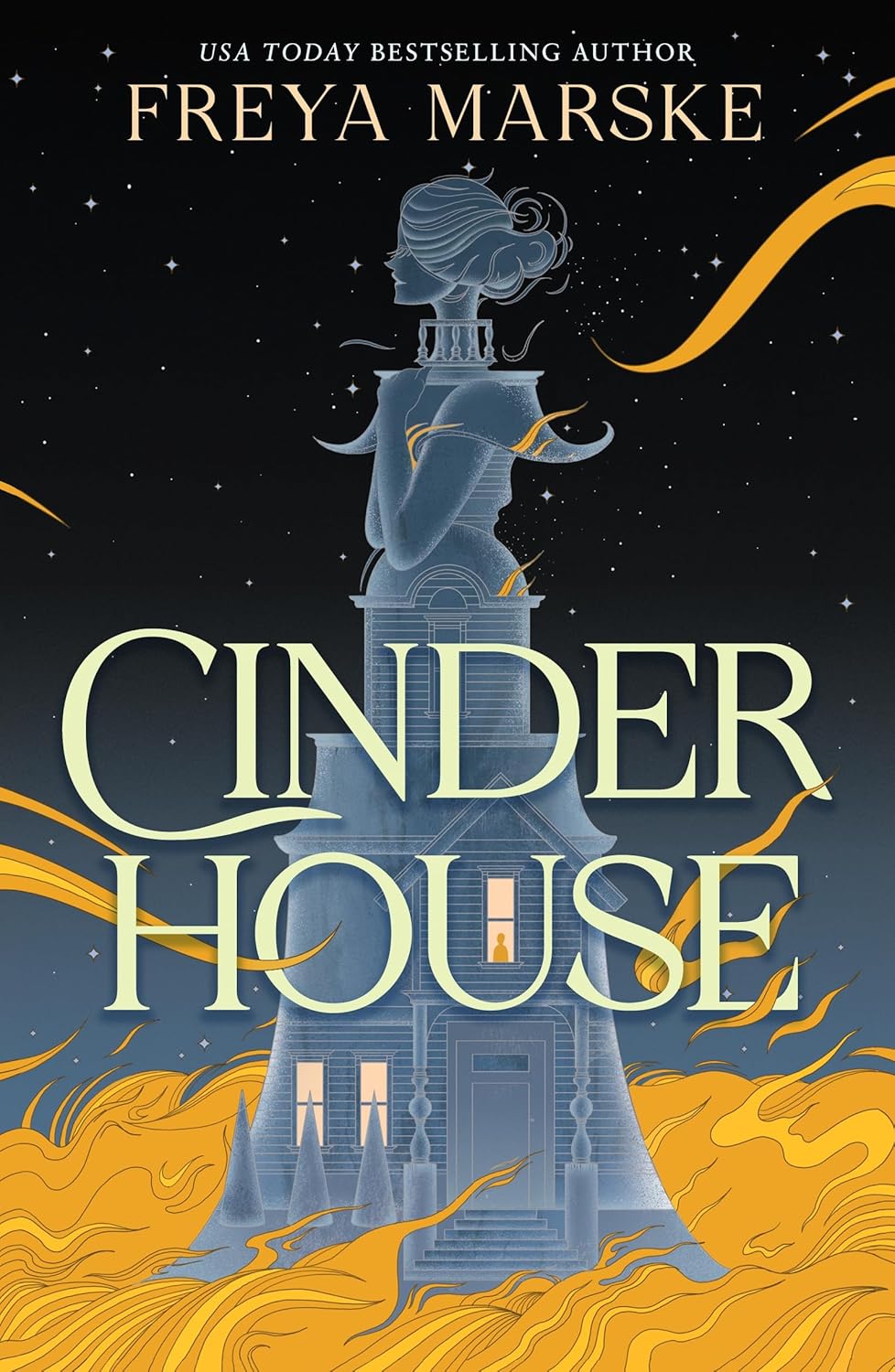
Title twins two-fer: Battle of the books about battles between bookstores

Two new releases with titles so close to being identical that I’m constantly having to check to see which is which!

It looks like battling bookstores are all the rage… or at least, the hot topic of summer 2025, as both of these new books seem to prove.

I’ve read them both. Neither ended up being a stellar read for me, but I have a clear preference between the two. Which battling bookstore book comes out on top? Read on for my thoughts!


Title: Battle of the Bookstores
Author: Ali Brady
Narrator: Karissa Vacker, Brandon Francis
Publisher: Berkley
Publication date: June 3, 2025
Print length: 432 pages
Audio length: 9 hours 32 minutes
Genre: Contemporary romance
Source: Review copy courtesy of the publisher via NetGalley; audiobook via library
Rating:

Rating: 3 out of 5.

Rivalry and romance spark when two bookstore managers who are opposites in every way find themselves competing for the same promotion.

Despite managing bookstores on the same Boston street, Josie Klein and Ryan Lawson have never interacted much—Josie’s store focuses on serious literature, and Ryan’s sells romance only. But when the new owner of both stores decides to combine them, the two are thrust into direct competition. Only one manager will be left standing, decided by who turns the most profit over the summer. 

Efficient and detail-oriented Josie instantly clashes with easygoing and disorganized Ryan. Their competing events and contrasting styles lead to more than just frustration—the sparks between them might just set the whole store on fire. Their only solace during this chaos is the friendship they’ve each struck up with an anonymous friend in an online book forum. Little do they know they’re actually chatting with each other.  

As their rivalry heats up in real life, their online relationship grows, and when the walls between their stores come tumbling down, Josie and Ryan realize not all’s fair in love and war. And maybe, if they’re lucky, happily ever afters aren’t just for the books.

This was one of my most highly anticipated summer reads, given how much I enjoyed this author duo’s previous three books. Sad to say, Battle of the Bookstores just doesn’t measure up.

This story about rival bookstore managers — one manages a romance bookstore, the other a store focused on literary fiction — embraces pretty much every trope under the sun. It’s done in a cute, self-aware sort of way (the characters talk about how they’re living out the enemies-to-lovers trope, for example). The story also includes the stereotypical extremely tall male love interest, fake dating, just one bed, corresponding with someone online without realizing they know each other in real life, and so much more.

On the plus side, the focus on reading, books transforming lives, and getting to truly know a person by reading the books they love all really appeal to my book-loving soul.

However — what I loved about the other Ali Brady books was the strong focus on friendships and family dynamics as the central storyline, with romantic plots being more secondary. Here, the romance is all there is. Honestly, we barely get to know anyone else in either main characters’ lives, and all issues and considerations are secondary to their enemies-to-friends-to-lovers story trajectory.

Add to that some over-the-top sex scenes and awkward lines (“My pants grow tight in anticipation”), and I just couldn’t get past the sense that this story was somewhat (to use one of Josie’s put-downs) run-of-the-mill.

The audiobook wasn’t fabulous either — the narrators are okay, but a few mispronunciations (like saying the CH in “Chanukah” like the CH in “cheese”) felt like sheer laziness to me.

Overall… Battle of the Bookstores get a lukewarm “meh” from me. Which makes me sad — as I’ve said, I adored Ali Brady’s three previous books and recommend them wholeheartedly!


Title: The Battle of the Bookshops
Author: Poppy Alexander
Publisher: Avon and Harper Voyager
Publication date: August 19, 2025
Length: 336 pages
Genre: Contemporary fiction
Source: Review copy courtesy of the publisher via NetGalley
Rating:

Rating: 2 out of 5.

A charming literary-themed novel about a young woman determined to save her great-aunt’s beloved bookshop from extinction by the shiny new competition—which also happens to be run by the handsome son of her family’s rivals.

The cute, seaside town of Portneath has been the home of Capelthorne’s Books for nearly a hundred years…

The shop, in the heart of a high street that stretches crookedly down the hill from the castle to the sea, may be a tad run-down these days, but to Jules Capelthorne, the wonky, dusty world of literary treasures is full of precious childhood memories. When her great-aunt Florence gets too frail to run it alone, Jules ditches her junior publishing job in London and comes home to make the bookshop’s hundredth birthday a celebration to remember.

Jules quickly discovers things are worse than she ever imagined: The bookshop is close to bankruptcy, unlikely to make it to its own centenary celebration, and the lease on the building is up for renewal. With a six-figure sum needed, the future looks bleak.

To make matters worse, the owner of the property is the insufferable Roman Montbeau, from the posh, local family who owns half of Portneath. The Montbeaus and Capelthornes have feuded for years, and Roman has clearly not improved since he tormented Jules as a child. Fresh from a high-flying career in New York, he is on a mission to shake things up, and—unforgivably—proves his point about Capelthorne’s being a relic of the past by opening a new bookshop directly opposite—a shiny, plate-glass-windowed emporium of books.

Jules may not be able to splash the cash on promotions and marketing like the Montbeaus, but she’s got some ideas of her own, plus she has a tenacity that may just win the hardest of hearts and the most hopeless of conflicts.

Let the battle of the bookshops commence…

I did NOT realize this was going to be a Romeo and Juliet retelling before picking up the book (guess I didn’t read the synopsis very carefully… Montbeaus and Capelthornes, indeed!). I still would probably have requested this ARC, but might not have groaned out loud once I realized the central plot device.

In this battling bookstores book, Jules’s family has run Capelthorne’s Books for one hundred years, but it’s getting shabby around the edges. And now the wealthy Montbeau family has opened up shiny new Portneath Books right across the street — and what’s worse, they own the land on which Capelthorne’s stands. It seems that this small town isn’t big enough for two bookstores, but which will prevail?

Jules wants to hate Roman Montbeau — for everything his family stands for, for his perceived snobbishness, and for trying to ruin her aunt’s business — but she’s also had a crush on him since they were teens, and it appears that he’s felt the same way all these years. Jules and Roman go from business adversaries to lovers in the blink of an eye, but they still have to contend with centuries of animosity between their families.

I did so want to like this book! Sadly, it was pretty much a bust. Jules and Roman have no chemistry, and we only know that they’ve fallen in love because they tell us so. There’s no discernible build up or early sparks or any sign of growing feelings. Very unconvincing.

I also intensely disliked this moment of high drama (spoiler: there’s a fire) when Jules seems intent on fulfilling her role as a Juliet stand-in:

It was too hard to breath, too hard to keep going. Roman must have perished, and Jules knew, in that moment, life without him was impossible. She was done.

I’m sorry, what? I just can’t…

Meanwhile, the families’ feuding and backstory is a yawn, mainly just a device to shoehorn in the Romeo and Juliet theme. Some intrigue about an antiquarian book found on the Capelthorne’s premises seems to be meant to add excitement — but again, it’s just not particularly convincing

There’s a sweet, small-town-UK vibe to the story, and the village and its people are rather charming. A nice setting doesn’t compensate for lack of an interesting plot. Unfortunately for me, I have two other books by this author in my Kindle library (grabbed based on cute covers and steep price drops) which I now doubt that I’ll want to read.

So which book comes out on top in the battle of the bookstore battle books?Save

Save

Save

Battle of the Bookstores by Ali Brady

Is this a perfect book? No.

Is it this author duo’s best book? Again, no.

But, in the battle of the bookstore battle books, this is the one that kept me entertained, had a fun, upbeat tone, and made me care about the characters and their silly competition (and their romance).

Also, the Ali Brady book clearly revels in a love of books, with the characters engaging in endless swooning over their favorites novels and authors and characters, and with plenty of terrific mentions of great books. The Poppy Alexander book is sadly lacking in this area, which is downright odd for a book about bookstores.

As I mentioned right from the start, Battle of the Bookstores is not my favorite Ali Brady book — I adored their three previous novels, and wholeheartedly recommend any or all of them. But, as a light piece of summer entertainment, this book is sure to please booklovers with a soft spot for book-centric love stories.

Final verdict: If you’re looking for a bookstore battle book for your summer reading, check out Battle of the Bookstores by Ali Brady!Save

Book Review: The Mystery Writer by Sulari Gentill

Title: The Mystery Writer
Author: Sulari Gentill
Publisher: Poisoned Pen Press
Publication date: March 1, 2024
Length: 368 pages
Genre: Thriller
Source: Library
Rating:

Rating: 2.5 out of 5.

A literary thriller about an aspiring writer who meets and falls in love with her literary idol—only to find him murdered the day after she gave him her manuscript to read.

There’s nothing easier to dismiss than a conspiracy theory—until it turns out to be true

When Theodosia Benton abandons her career path as an attorney and shows up on her brother’s doorstep with two suitcases and an unfinished novel, she expects to face a few challenges. Will her brother support her ambition or send her back to finish her degree? What will her parents say when they learn of her decision? Does she even have what it takes to be a successful writer?

What Theo never expects is to be drawn into a hidden literary world in which identity is something that can be lost and remade for the sake of an audience. When her mentor, a highly successful author, is brutally murdered, Theo wants the killer to be found and justice to be served. Then the police begin looking at her brother, Gus, as their prime suspect, and Theo does the unthinkable in order to protect him. But the writer has left a trail, a thread out of the labyrinth in the form of a story. Gus finds that thread and follows it, and in his attempt to save his sister he inadvertently threatens the foundations of the labyrinth itself. To protect the carefully constructed narrative, Theo Benton, and everyone looking for her, will have to die.

The Mystery Writer was my book group’s pick for July, and as with many of our group reads, it’s unlikely that I would have picked this one up on my own. Unfortunately, while many of our book group books end up being surprise hits for me, this one just didn’t quite work, despite some clever hooks and unusual story beats.

Theo Benton, approximately 20 year old, drops out of law school in Australia to show up at her older brother Gus’s home in Kansas. Gus and Theo were both left trust funds by their American grandfather, requiring them to become lawyers in order to inherit. Gus did, and is a partner in a local practice. Theo, however, has realized that she doe not want to become a lawyer; instead, she wants to write. Gus agrees that she can stay with him while she pursues her writing goals.

As she starts writing at the cafe where she’ll soon become a regular, she encounters another writer — an older man whom Theo eventually identifies as successful author Dan Murdoch. Theo and Dan form a friendship, and he takes an interest in her writing, offering her tips and encouragement. Finally, when Theo finishes her manuscript, she gives it to Dan to read. He’s enthusiastic, but declines her request to send it to his high-powered literary agent. And the very next day, Theo discovers that Dan has been murdered.

Theo and Gus become entangled in the unfolding mystery as more murders occur — and the two of them appear to be the connection between all the dead bodies. With the police focusing on them and their lives in danger, Theo takes a drastic step to keep them safe.

That’s about enough plot summary to get the general gist without getting into spoiler territory. The plot revolves around convoluted conspiracy theories, and hinges on Theo making some truly ridiculous decisions. So many elements require a complete suspension of disbelief that it becomes harder and harder as the book progresses to take it seriously in the slightest.

Survivalists and preppers, Australian hippies (“ferals”), crazed fans, sinister secrets of the publishing world… there’s a lot going on, and yet, not much of it makes any sense. Theo’s ability to sit down and pound out a potential bestseller over the course of a few months doesn’t feel credible, and neither is her connection to the writer whom she just happened to stumble across. Her gullibility in dealing with the agency felt like a breaking point for me (as was her brainless decision to give someone the address of the secure location where she was hiding out). If not for the book group commitment, I likely would have quit somewhere in the middle.

Still, I finished the book. The story itself moves quickly and it’s a fast read, so I was able to get through it without too much effort. At some point, I felt invested enough to want to see it through and see how it all wrapped up.

I can’t say that I actually recommend The Mystery Writer. There are some interesting facets to the story, but overall, it’s simply not believable and strains much too hard to make it at all convincing. I just didn’t buy it.

PS — Why did the publisher stick this cover on the book? There are no typewriters involved in this story! Feels like a lazy way to say “hey, this book is about a writer!”

Given my lukewarm to not-so-great reaction to this book, it may seem like a contradiction to say that I’d still like to read more by this author! Having read some interviews and other materials on the writing process for this book, I get what she was trying to do, even if I didn’t especially love it. I’d be willing to try again with another of her books, possibly her upcoming new release, to see if a change of topic works better for me.

Purchase linksAmazon – Bookshop.org – Libro.fm
Disclaimer: When you make a purchase through one of these affiliate links, I may earn a small commission, at no additional cost to you.
Book Review: The Last Wizards’ Ball (Gunnie Rose, #6) by Charlaine Harris

Title: The Last Wizards’ Ball
Series: Gunnie Rose, #6
Author: Charlaine Harris
Publisher: Saga Press
Publication date: July 22, 2025
Length: 272 pages
Genre: Fantasy / speculative fiction
Source: Review copy courtesy of the publisher via NetGalley
Rating:

Rating: 4 out of 5.

#1 New York Times and USA TODAY bestselling author Charlaine Harris returns with the sixth and final installment in the critically acclaimed Gunnie Rose series as sisters Lizbeth Rose and Felicia must face their fates at the last Wizards’ Ball.

Lizbeth Rose’s sister Felicia attends the Grand Wizards’ Ball, and as one of the most powerful—and beautiful—death wizards in a generation, she is highly sought after as one of the belles of the ball.

However, war and violence are on the rise in Europe as German and Japanese wizards are also courting Felicia…and some are refusing to take no for an answer.

As the façade of genteel wizard society turns deadly, Lizbeth must learn to not only protect her sister, but also navigate the arcane world that is pulling her sister and husband into a dangerous dance with death that could change the world as they know it.

#1 New York Times and USA TODAY bestselling author Charlaine Harris has crafted a murderous and magical family drama in this sixth and final installment to the beloved and bestselling Gunnie Rose series.

As if there were any doubt… Charlaine Harris knows how to tell a story! As the Gunnie Rose series demonstrates so well, this author is a master when it comes to creating fascinating new worlds, familiar yet decidedly other, and filling them with characters we readers can’t help getting involved with.

The Last Wizards’ Ball is the sixth and final book in the Gunnie Rose series. To provide a quick refresher/overview: The Gunnie Rose series takes place in an alternate world in which the United States fractured during the 1930s. The continent is now divided into separate, independent countries, among them the Holy Russian Empire (our California and Oregon), New America, Dixie, Britannia, and Texoma (our Texas and Oklahoma), home to main character Lizbeth Rose.

Lizbeth is a “gunnie”, a talented sharpshooter for hire who earns a living protecting people and cargo. Over the course of the series, she’s met and fallen in love with Eli Savarov, an aristocrat from the HRE and a gifted “grigori”, a term used for Russian magicians. In this world, magic is real and powerful, and while in some circles grigoris are esteemed, in Texoma, they are generally feared.

As book six opens, the world is on the brink of change. It’s apparently the late 1930s, and the rise of Germany’s new leader is causing fear and uneasy alliances around the world. Closer to home, Lizbeth and Eli are escorting her sister Felicia to the Wizards’ Ball in San Diego in the Holy Russian Empire — an event through which powerful magical families introduce their eligible younger members to one another in hopes of securing marriages that will enhance their families’ strengths, abilities, and influence. As the most gifted magician among her peers, with a terrifying talent for death magic, Felicia is highly sought after… but potentially also a target.

As the week of the ball unfolds, Lizbeth and Eli fend off threats and outright attacks — and meanwhile, Lizbeth must try to fit herself into the refined, snobby atmosphere of high society in the HRE. If not for Felicia’s sake, she’d much rather be back home living her simple life in Texoma, but she’s becoming increasingly (and uncomfortably) aware that what she wants might not match up with what Eli wants. What does this mean for their future as a couple?

Meanwhile, events of the outside world exert a huge amount of pressure on what Lizbeth had originally envisioned as a fancy mating ritual. The German and Japanese contingents at the ball seem to be plotting something, and appear to be focusing in on Felicia for their own purposes. Lizbeth and Eli must figure out who to trust if they’re all going to make it through the ball alive.

The Last Wizards’ Ball is an interesting wrap-up to this unique, highly creative and engaging series. It’s a bit startling to find elements of our own world seeping into this fictional alternative reality. There are little benign moments, such as Lizbeth ruminating that the Wizards’ Ball reminds her of the London Season as presented in Georgette Heyer’s books. Wait, Georgette Heyer books exist in Lizbeth’s world?? That’s pretty awesome.

But on a more serious note, it’s shocking to see Hitler’s rise, foretellings of the Holocaust, and the beginning of war in Europe within this alternate world. While there’s no United States in Gunnie Rose’s world, the various countries and territories that occupy this section of North America still face choices that feel familiar from our own history — who to back, whether to join the fight, or whether to stay out of it altogether and stick to an isolationist policy.

Thrusting Lizbeth, Eli, Felicia, and all the other characters we’ve come to know into the WWII build-up is an interesting move which creates new sets of stakes. It does make the series feel like it’s taking a very different turn than expected, with a geopolitical focus that’s a departure from the emphasis on competition for magical power. Still, as each character faces challenges and choices, it’s rewarding to the reader to see how what we’ve come to know about them all plays out along this new and different story trajectory.

I was sorry to see this book come to an end, knowing that this represents the end of the Gunnie Rose saga. Many characters’ future are left up in the air as war looms. We’re left knowing their general intentions, but I’d certainly like to see what happens next in their lives. I think some readers will feel frustrated or upset by certain developments in the characters’ personal lives. I don’t want to get spoilery, so I’ll just say that I understood why things turned out as they did and possibly even feel like the outcomes are the most logical choice, but still had a bit of heart-ache along the way (and a bit of a flashback to some of my more upset feelings about certain outcomes in the Sookie Stackhouse series).

All in all, I’m very happy that I chose to start this series two years ago, and I’ve loved following the story from beginning to end. The world of Gunnie Rose is fascinating, and I’ll miss it — and especially Lizbeth — very much.

I’ll look forward to whatever new worlds Charlaine Harris creates in her next book! Meanwhile, if you’re a Charlaine Harris fan, which are your favorite books or series of hers? Beyond Sookie Stackhouse and Gunnie Rose, I’ve also read the Harper Connelly books — I’m open to suggestions on which others to try!

Purchase linksAmazon – Bookshop.org – Libro.fm
Disclaimer: When you make a purchase through one of these affiliate links, I may earn a small commission, at no additional cost to you.
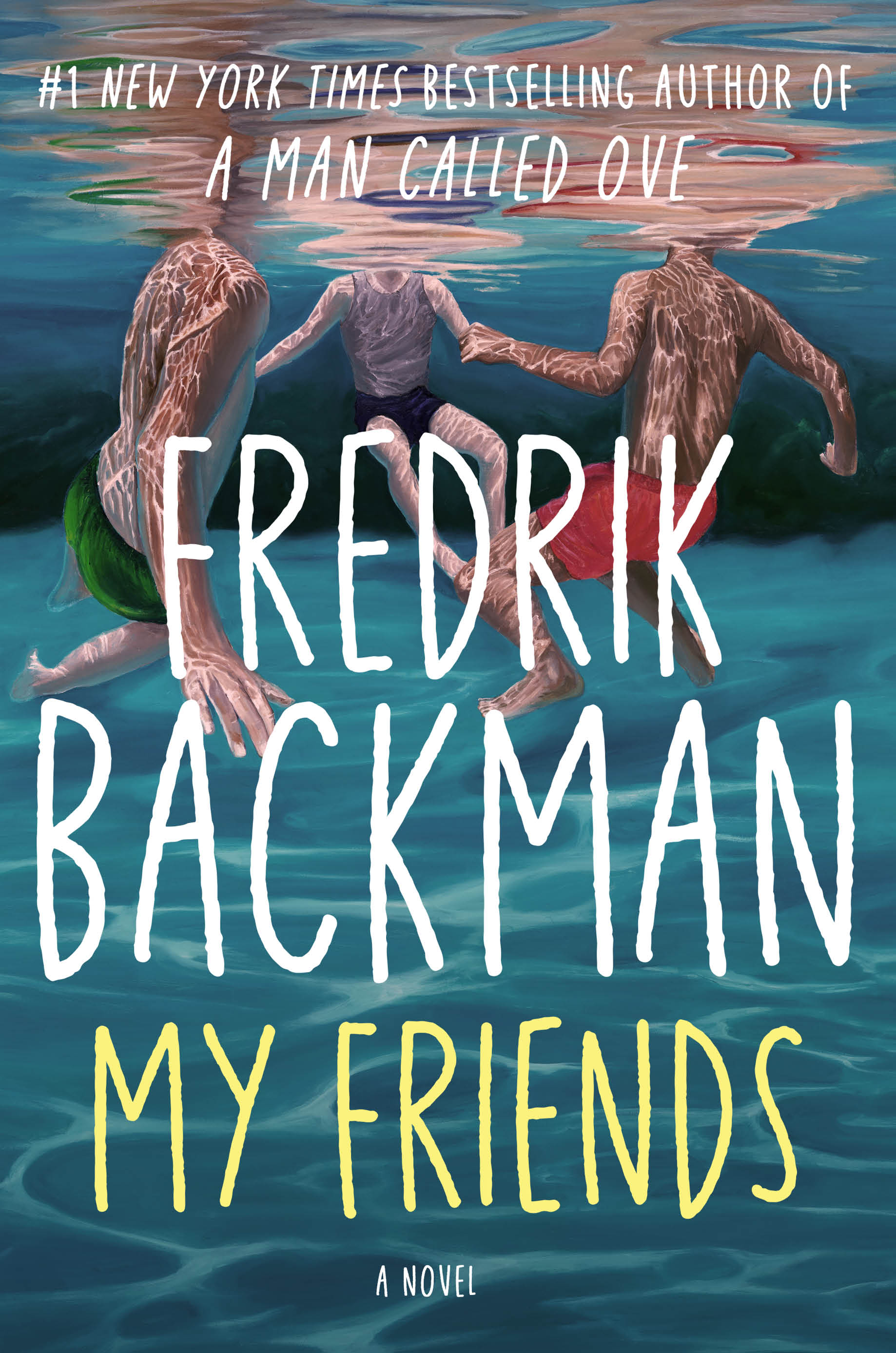
Book Review: This Fallen Prey (Rockton, #3) by Kelley Armstrong

Title: This Fallen Prey
Series: Rockton, #3
Author: Kelley Armstrong
Publisher: Minotaur Books
Publication date: February 6, 2018
Length: 359 pages
Genre: Thriller/mystery
Source: Library
Rating:

Rating: 4.5 out of 5.

In This Fallen Prey, the next installment of New York Times bestselling author Kelley Armstrong’s thriller series, Casey Duncan is about to face her toughest job as police detective in Rockton yet. When Casey first arrived at the off-the-grid town, an isolated community built as a haven for people running from their pasts, she had no idea what to expect, with no cell phones, no internet, no mail, and no way of getting in or out without the town council’s approval. She certainly didn’t expect to be the homicide detective on two separate cases or to begin a romantic relationship with her boss. But the very last thing she expected was for the council to drop a dangerous criminal into their midst without a plan to keep him imprisoned and to keep others safe. Of course, Oliver Brady claims he’s being set up. But the longer Brady stays in town, the more things start to go wrong. When evidence comes to light that someone inside Rockton might be working as his accomplice, helping him to escape, Casey races to figure out who exactly Brady is and what crimes he’s truly responsible for committing. In the next page-turning entry in Kelley Armstrong’s gripping series, life in Rockton is about to get even more dangerous.

To say I’m hooked on Kelley Armstrong’s Rockton series might be an understatement. I’m obsessed! These stories build one upon the other, and so far, each leaves me thirsty for more immediately after turning the final page.

This Fallen Prey is the 3rd book in this 7-book series, and it’s a fast-paced, adrenaline-fueled race through danger — and yet, it also gives us time to spend with the characters and in the town that we’ve come to know.

Quick recap (or see links below for my reviews of earlier books): Rockton is a secret hidden town in the Yukon wilderness, a haven for those seeking extreme shelter from dangers in their real lives — or those who’ve committed some sort of wrongdoing and need a place to start over. Rockton, population 200, is filled with an uneasy mix of crime victims and white-collar criminals — although as Sheriff Eric Dalton and Detective Casey Butler come to discover, the town council is willing to defy its own rules for a price and allow more dangerous people to take advantage of Rockton’s protection.

As This Fallen Prey opens, a plane arrives on Rockton’s hidden airstrip, delivering a man named Oliver Brady into the town’s custody. The note accompanying his arrival explains that he’s a serial killer, being sent to Rockton for detention by his wealthy stepfather, who hopes to shield Brady’s mother from the grief of a trial and sentencing. There are all sorts of problems with this, especially (a) Rockton was given no warning of his arrival and (b) the town has no detention facilities except one jail cell, typically used for those needing to sleep off a bar fight for a night. With no preparation yet no way to refuse or send Brady back, Eric and Casey are stuck with a dangerous killer to keep under lock and key.

Complicating matters is Brady’s insistence that he’s innocent, set up by his greedy stepfather who just wants him out of the way in order to grab his share of the family fortune. A further complication is that half the town seem to believe him. Some want to free him, but many others want to lynch him. Eric and Casey need to discover the truth, but when Brady manages to escape into the wilderness surrounding Rockton, they find themselves on a hunt for a man they can’t trust but can’t quite condemn.

As with the previous Rockton books, the danger ratchet up page by page, and the chase through the woods is scary and full of new threats and enemies with each turn of the path. The plot is twisty and misleading and full of contradictions, which all come together by the end with a bang.

This Fallen Prey wraps up the core mystery surrounding Brady, but leaves many more big picture questions hanging — which is probably what makes this series so additive. The main story has a conclusion, but there are several thing that occur that seem like critical new wrinkles in our understanding of how the town works and what the roles of various characters are. I’m desperate to know more!

Meanwhile, Casey and Eric’s relationship continues to be a wonderful centerpiece, as their two wildly different backstories add complications to their already complex work and love lives. I love seeing them navigate their differences, their needs, and their respective roles in the town, while also establishing a loving, respectful, supportive commitment to their lives together.

I can’t wait to start the next book in the series — although I’m trying to force myself to take breaks in between and enjoy a bit of the suspense!

Next up:

Book #4, Watcher in the Woods

Interested in this series? Check out my reviews of the previous books:
City of the Lost (Rockton, #1)
A Darkness Absolute (Rockton, #2)

Purchase linksAmazon – Bookshop.org – Libro.fm
Disclaimer: When you make a purchase through one of these affiliate links, I may earn a small commission, at no additional cost to you.