Book/Audiobook Review: Waypoints: My Scottish Journey by Sam Heughan

Title: Waypoints: My Scottish Journey
Authors: Sam Heughan
Narrator:  Sam Heughan
Publisher: Voracious
Publication date: October 25, 2022
Print length: 270 pages
Audio length: 7 hours 47 minutes
Genre: Memoir/travel/adventure
Source: Purchased
Rating:

Rating: 4.5 out of 5.

Journey deep into the Scottish Highlands in the first memoir by #1 New York Times bestselling author and star of Outlander, Sam Heughan—exploring his life and reflecting on the waypoints that define him

“I had to believe, because frankly, I had come so far there could be no turning back.”

In this intimate journey of self-discovery, Sam sets out along Scotland’s rugged ninety-six-mile West Highland Way to map out the moments that shaped his views on dreams and ambition, family, friendship, love, and life. The result is a love letter to the wild landscape that means so much to him, full of charming, funny, wise, and searching insights into the world through his eyes.

Waypoints is a deeply personal journey that reveals as much about Sam to himself as it does to his readers.

Sam Heughan, star of Outlander and portrayer of the iconic Jamie Fraser (aka, the King of Men), takes us on his journey along the West Highland Way, during which he contemplates both the trek itself and the landscapes of Scotland, as well as the path his life has taken to reach this moment in time.

Despite being a die-hard Outlander fan and having very much enjoyed his travel book Clanlands (co-authored with his costar Graham McTavish), I was a bit skeptical at first. I suspected that the book would be heavy on navel-gazing, and was afraid I’d be disappointed. I’m happy to report back that my fears were unfounded — Waypoints is a delight.

The book is framed around a rare week off for Sam, who finds himself back home in Glasgow with an entire week at his disposal. He makes a spur of the moment decision to walk the famous West Highland Way, a trail of almost 100 miles from Glasgow to Fort William in the Scottish Highlands. After an immediate trip to an outdoors outfitting store, where he buys everything the salesclerk tells him to, he sets out the next day with a plan to finish the journey in five days.

After two days of a pounding pace that is physically grueling, he’s about to pack it all in and call it quits, but has a revelation of sorts: It’s about the journey, not the speed. Not exactly shocking, but as he explains, for someone who’s always pushed himself, it’s a strange and unfamiliar approach. From that point on, he slows his pace, literally lightens his load by shedding most of the gear he carries, and begins to enjoy the sights and small moments along the way.

Interspersed with his narration of the trek are memories of his life, from childhood through school years, the initial introduction to theater and his long pursuit of a career as an actor — something he was on the verge of giving up on before landing the role of a lifetime in Outlander.

I listened to the audiobook, which really is the way to go with Waypoints. Sam is a gifted, entertaining narrator — I really did feel like I was listening to him telling friends his stories, rather than reading words from a page. He includes funny little asides that are not in the print version, and an added bonus is that each day’s section of the book concludes with voice recordings that he made on the journey — these add fun as well as appreciation for how hard the hike was. (He’s often out of breath, and we can hear the pounding rain that he’s described during the first day).

The audiobook (via Audible) comes with a PDF that includes the photos from the print book, as well as some illustrations of Scottish wild mushrooms. (Sam develops an ongoing rapport with the mushrooms he encounters while hiking solo — it’s very silly, but very amusing). I had originally bought myself a copy of the hardcover edition before deciding to listen to the audiobook, and I was glad to have it as a reference while listening. (Plus, the photos really are great — some are from his childhood and early theatrical experiences, and some are from the hike).

Source: Waypoints by Sam Heughan

Waypoints is entertaining and yet feels very personal — Sam shares openly about his repeated disappointments while trying to break into acting, the dashed hopes, the sense that it might never work, barely making ends meet working odd jobs while continuing the arduous process of showing up for audition after audition that never quite works out. He does it all with humor and appreciation, and it’s clear that he’s very grateful for the opportunities that have come his way. He’s even very kind about the masses of Outlander fans, who are usually polite in their enthusiasm but can sometimes get a little extreme.

I know when the book was released, various entertainment sites took small passages from the book and tried to sensationalize them. For example, there’s a scene where a well-known actor fails to recognize Sam when he’s working as a waiter, despite them having known one another through mutual friends. Sam uses this as an example of what his experiences were while trying to make it as an actor, and presents it without bitterness or hard feelings, yet I’ve seen fluff pieces portraying this as a major snub — and that’s not how it’s conveyed at all. Likewise, he’s always respectful and appreciative when discussing his experiences on the Outlander set, but I’ve read pieces that have tried to turn his comments into major complaints — and again, that’s not how it reads in the context of the book.

In any case, I found Waypoints to be terrific entertainment, and Sam Heughan is an engaging, forthright, and often very funny narrator and author. I enjoyed learning more about his background and his earlier career experiences, and absolutely loved the vicarious thrill of going along for his journey on the West Highland Way.

This is a charming, engaging audiobook, well worth checking out!

Book Review: Same Time Next Summer by Annabel Monaghan

Title: Same Time Next Summer
Author: Annabel Monaghan
Publisher: G.P. Putnam’s Sons
Publication date: June 6, 2023
Length: 320 pages
Genre: Contemporary romance
Source: Review copy courtesy of the publisher via NetGalley
Rating:

Rating: 4 out of 5.

The ultimate summer nostalgia read, about an engaged woman who comes face to face with her first love who she hasn’t seen in fourteen years, but who she spent every summer with from age five to seventeen when he broke her heart, calling into question everything she thought she knew about their love story, and herself.

“An unforgettable love story…Bursting with the magic of first love, it’s everything I want in a summer romance.”–Carley Fortune, author of Every Summer After

Beach Rules:
Do take long walks on the sand.
Do put an umbrella in every cocktail.
Do NOT run into your first love.

Sam’s life is on track. She has the perfect doctor fiancé, Jack (his strict routines are a good thing, really), a great job in Manhattan (unless they fire her), and is about to tour a wedding venue near her family’s Long Island beach house. Everything should go to plan, yet the minute she arrives, Sam senses something is off. Wyatt is here. Her Wyatt. But there’s no reason for a thirty-year-old engaged woman to feel panicked around the guy who broke her heart when she was seventeen. Right?

Yet being back at this beach, hearing notes from Wyatt’s guitar float across the night air from next door as if no time has passed–Sam’s memories come flooding back: the feel of Wyatt’s skin on hers, their nights in the treehouse, and the truth behind their split. Sam remembers who she used to be, and as Wyatt reenters her life their connection is as undeniable as it always was. She will have to make a choice.

I usually wait to read ARCs until right before their release dates, but in this case, waiting was not an option! I absolutely loved Annabel Monaghan’s first adult novel, Nora Goes Off Script, so naturally I had to read her upcoming new release, Same Time Next Summer, just as soon as I had it in my hands. And while the new book didn’t delight me quite as much as the previous one, I still found lots to love.

As the blurb describes, Same Time Next Summer is heavy on nostalgia, capturing the wonder and joy of summers on the beach and first love. Adult Samantha has her teen summer memories safely locked away behind her daily life of routine and safely drawn lives. Teen Sam loved to surf and swim in the ocean; adult Sam sticks to swimming laps in an indoor pool, where distances are precise and predictable. Teen Sam, daughter of artists, loved to create, design, draw — adult Sam works as an HR consultant enforcing carefully worded policies and staring at spreadsheets full of data. Life feels well-ordered and complete, with nicely checked boxes, and all that’s left to do is hammer out the details of her upcoming wedding to her perfect fiancé.

Sam once knew the wild, passionate exuberance of teen love, but now as an adult, her definitions and expectations have changed:

There has never been a moment where I felt like he was a part of me; he is just right next to me, a partner. Love like this is so much more manageable, so much less terrifying. […] This kind of side-by-side love feels like a manageable kind of joy. I now understand that this is what grown-up love is.

When Sam’s parents encourage her to consider having the wedding at the local inn near their beach house on Long Island, she and Jack go for a visit just to please them. Upon arrival, Sam discovers that her teen love Wyatt is staying at his family’s house next door, after more than a decade of silence and separation. With Wyatt so close by, the floodgates open, and soon Sam ends up questioning her feelings, her plans, and essentially, who she truly wants to be.

The author does a wonderful job of evoking the sensations of summer — the feel of the sand, the sound of the waves, the sights and sounds and tastes that make up a perfect beach getaway. The joys of summer love come through clearly as well — teen Sam and Wyatt are so obviously mad for one another, but also best of friends and so good for one another. The writing powerfully captures the tremendous pain of heartbreak and how it can change someone so thoroughly:

Putting a person back together isn’t easy, but if you’re smart about it you can reassemble yourself in a totally different, better way. Turn carefree into careful; bandage up your heart and double check the adhesive.

The reasons for their breakup are slowly revealed (I was certain I’d figured out the answer as of the very first chapter — it was surprising and fun to be proven wrong), and meanwhile, we see Sam’s adult life in light of who she used to be. We know long before Sam does that her current life and future plans are not right for her, but it takes quite a lot for her to open her eyes and figure it all out.

There’s some lovely writing in Same Time Next Summer. Sam does quite a lot of soul-searching, and we get Wyatt’s point of view too. Some reveals are a bit obvious, but still, I enjoyed seeing how the pieces came together. By having both Sam and Wyatt as POV characters, we readers are able to see what they missed, or where their perceptions led them away from one another. It’s quite sad… but a happy ending is pretty much guaranteed (I mean, take a look at the cover! OF COURSE there’s a happy ending). The strength of the story is in seeing how these two characters find their way back to one another.

Same Time Next Summer is a quintessential beach read — highly recommended for days in the sun as the waves crash nearby.

**Save

Save

Save

Save

Save

Save

Save

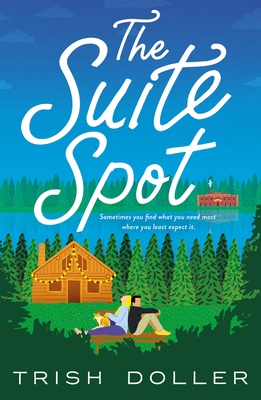
Book Review: The Suite Spot by Trish Doller

Title: The Suite Spot
Series: Beck Sisters, #2
Author: Trish Doller
Publisher: St. Martin’s Griffin
Publication date: March 8, 2022
Length: 288 pages
Genre: Contemporary romance
Source: Library
Rating:

Rating: 3.5 out of 5.

Trish Doller’s The Suite Spot is a charming romance novel about taking a chance on a new life and a new love.

Rachel Beck has hit a brick wall. She’s a single mom, still living at home and trying to keep a dying relationship alive. Aside from her daughter, the one bright light in Rachel’s life is her job as the night reservations manager at a luxury hotel in Miami Beach—until the night she is fired for something she didn’t do.

On impulse, Rachel inquires about a management position at a brewery hotel on an island in Lake Erie called Kelleys Island. When she’s offered the job, Rachel packs up her daughter and makes the cross country move.

What she finds on Kelleys Island is Mason, a handsome, moody man who knows everything about brewing beer and nothing about running a hotel. Especially one that’s barely more than foundation and studs. It’s not the job Rachel was looking for, but Mason offers her a chance to help build a hotel—and rebuild her own life—from the ground up.

Content warning: Attempted sexual assault and (off-page) death of a child.

After finishing Float Plan last month, I knew I needed more of the Beck sisters! In this loosely-related follow-up, the sister of Float Plan‘s main character takes center stage. Rachel is a single mom who devotes herself to raising her three-year-old daughter Maisie, since Maisie’s dad is unreliable, to say the least.

When Rachel loses her job after a VIP guest tries to assault her, she’s despondent and desperate. She’s been blacklisted from all the management-level jobs at luxury hotels in the area, and dreads the idea of going back to where she started, doing housekeeping in sleazy motels. When a friend refers her to a brewery and inn looking for a manager — on an island in Ohio! — it seems like Rachel’s best chance for a fresh start.

Of course, nothing is quite as promised — the inn’s charming cottages haven’t actually been built yet, and the inn’s owner, Mason, seems stuck when it comes to moving his plans forward. Mason has a tragic past, but Rachel’s arrival seems like the spark he needs to slowly come back to life.

There’s a lot to love about The Suite Spot. First of all, can I just say that I want to move to Kelley’s Island RIGHT NOW and live in one of the fabulous cottages that Rachel designs and decorates? The setting of the story sound gorgeous — a rustic, small-town vibe with trees, lake, and sky for that back-to-nature feel.

Rachel and Mason are a slow burn. There’s instant attraction, but after the loss he’s suffered, he’s hesitant about spending time around a woman with a small child, afraid of painful memories resurfacing. While they tiptoe around each other initially, Rachel and Mason have an obvious connection, and he cautiously warms to Maisie eventually too. (She’s adorable, naturally.)

There’s quite a bit of time spent on the construction and decorating details, and sure, maybe we could have had a bit less detail on antique shopping and auctions, but I actually didn’t mind — it all plays into my fantasy of running away to live in a lakeside cabin for a month (or forever).

There’s not a ton of drama, which is fine — the story is pleasant and sweet, I liked the romantic elements, and it was heartening to see Rachel’s successes as well as her discovery of new connections and friendships within the island community.

I also liked the body positivity, as Rachel is curvy and beautiful, and despite getting some nasty comments earlier on, she carries herself with confidence, and knows just how attractive Mason finds her.

So, if I liked this book quite a bit (which I did), why only 3.5 stars? The ending drama just… sucked, to put it bluntly. Yes, the romance genre pretty much demands that after the main characters get together and fall beautifully in love, there has to be some sort of crisis — a breakup, a misunderstanding, SOMETHING has to get in the way before they reunite and get to be completely happy.

SPOILERS AHEAD!

HERE COME THE SPOILERS!

In The Suite Spot, the crisis is unbelievable (my eyes practically got stuck after all their rolling), and the resolution comes within about a minute. In a nutshell, Rachel gets a letter stating that her loser ex is demanding joint custody, with a mediation date set for the following month in Florida. Rachel has a major panic attack, and decides on the spot that she and Maisie have to move back to Florida.

She does not consult a lawyer. She does not explore other options. She does not fly to Florida for the mediation and to see what might come of it. She packs up her car and Maisie, says good-bye (tearfully) to Mason (her one true love) and her perfect job, and leaves.

After looking for jobs (all crappy) and apartments (all crappy) back in Florida, she finally gets to the mediation session, where all is resolved within about 10 minutes, and a perfect plan is agreed to by which she and Maisie return to their wonderful lives in Ohio and Maisie’s dad will see her a couple of weeks in the summers, which is really all he wanted in the first place.

END OF SPOILERS

This was all so unnecessary. Yes, the dramatic crisis is a pretty much unavoidable element in contemporary romance fiction, but this story didn’t need it, and it certainly didn’t need this particular set of plot developments. It was all pretty ridiculous, and then got fixed in the blink of an eye anyway, so why bother?

Apart from this late-in-the-book annoyance, I actually really enjoyed The Suite Spot. The characters, relationships (romance and friendships), and setting are all delightful, and the dialogue and interpersonal moments are well-written and sparkling.

Overall, The Suite Spot is worth reading and highly enjoyable, if you can ignore that annoying 10% or so. The next book in this series (Off the Map) has just been released, and it’s a sure bet that I’ll be reading it just as soon as my library hold comes in.

**Save

Save

Save

Save

Save

Save

Save

Book Review: To Swoon and To Spar (The Regency Vows, #4) by Martha Waters

Title: To Swoon and To Spar
Series: The Regency Vows, #4
Author: Martha Waters
Publisher: Atria
Publication date: April 11, 2023
Length: 336 pages
Genre: Historical fiction/romance
Source: Review copy courtesy of the publisher via NetGalley
Rating:

Rating: 4 out of 5.

The Regency Vows series returns with this story about a viscount and his irascible new wife who hopes to chase her husband from their shared home so that she can finally get some peace and quiet—only to find that his company is not as onerous as she thought.

Viscount Penvale has been working for years to buy back his ancestral home, Trethwick Abbey, from his estranged uncle. And so he’s thrilled when his uncle announces that he is ready to sell but with one major caveat—Penvale must marry his uncle’s ward, Jane Spencer.

When the two meet in London, neither is terribly impressed. Penvale finds Jane headstrong and sharp-tongued. Jane finds him cold and aloof. Nevertheless, they agree to a marriage in name only and return to the estate. There, Jane enlists her housekeeper for a scheme: to stage a haunting so that Penvale will return to London, leaving her to do as she pleases at Trethwick Abbey. But Penvale is not as easily scared as his uncle and as their time together increases, Jane realizes that she might not mind her husband’s company all that much.

The Regency Vows series is a fun, upbeat set of stories centered around a circle of friends who have decidedly non-traditional love stories in a time when social rules are everything. Four books in, the series continues in its lively approach, this time focusing on a marriage of convenience that (surprise, surprise) turns into a true romantic match.

The first three books focused on three close friends — Violet, Diana, and Emily — each getting their own story of love, bickering, bargains, sexytimes, and total devotion, plus healthy doses of their friendship, which really makes the books stand out. Yes, they’re romances, but the women’s relationships with one another are just as important as the love stories.

Here in book #4, To Swoon and To Spar, the story shifts to Diana’s brother, Lord Penvale — close to his sister, very good friends with all of his sister’s friends’ husbands, but not particularly looking for love or marriage. Since childhood, his one goal (or should we say, obsession?) has been to buy back his family’s estate from his greedy uncle.

At long last, the uncle is ready to sell, but there’s a catch: He wants to be rid not only of the Cornwall estate, but also his ward, a serious young woman named Jane whose late father served with him in the Navy. If Penvale wants Trethwick, he’ll have to marry Jane. Penvale wants the estate, and Jane wants to be rid of her guardian. The match seems to offer both what they want, and after a very sensible discussion, they agree to move forward.

Penvale does not know that Jane is secretly plotting to drive him away from Trethwick. She doesn’t hate Penvale and has no malicious motivation — she’s simply very shy and introverted, and would rather be left alone at the beloved mansion in Cornwall to enjoy the huge library and the gorgeous views, without a pesky husband to contend with.

Needless to say, all does not go according to plan, and Penvale is not nearly as gullible as Jane had hoped. And as is true with all of the pairings in this series, sparks fly, and before long, the dry, sensible all-business marriage threatens to turn into a true meeting of hearts and minds.

While the ghost story aspect is very silly (maybe even ridiculous), it’s still cute to read, and I liked both Penvale and Jane as characters. Early on, I missed the rest of the friend circle and their banter and antics, but eventually they do show up, and dial up the fun to eleven.

Jane is quite prickly, and at first I thought she was one of these typical strong-willed heroines that we’ve seen so many times, where unpleasantness is meant to be a sign of her independence and proto-feminism. But in actuality, so much of Jane’s unfriendliness can be attributed to her social awkwardness and intense shyness, and it makes her so relatable and lovable.

The writing is jaunty and witty, and made me giggle throughout the book, such as…

Jane meant to make an elegant, stately departure at this juncture, but at that moment, she came to learn a truth — perhaps not universally acknowledged but undeniable all the same: It is impossible for a lady to extract herself from straddling a gentleman’s lap with anything approaching grace.

Of course, I knew for sure that Jane was a woman after my own heart when she (irritably) explains to a visitor:

“I like to reread books from time to time,” Jane added. “I wouldn’t expect you to understand.”

Since this is a romance, I suppose it’s a requirement that there’s a major falling out between Penvale and Jane that drives them apart prior to the inevitable happy ending. The misunderstanding and separation felt like the weakest links in the story to me, as both seemingly smart characters jumped to miserably unfounded conclusions — but fortunately, this unhappy phase wasn’t dragged out for too long.

To Swoon and To Spar is an entertaining, silly, joyful addition to a sweet series, and I look forward to seeing which couple will take center stage next time around. I have my guesses… but we’ll have to wait and see!

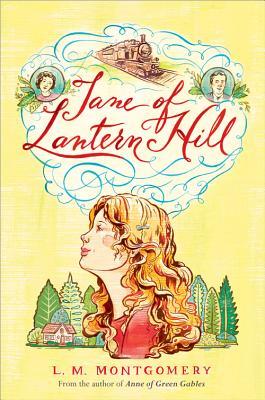
Audiobook Review: Jane of Lantern Hill by L. M. Montgomery

Title: Jane of Lantern Hill
Author: L. M. Montgomery
Narrator:  Lauren Sanders
Publisher: Sourcebooks (edition shown; many editions available)
Publication date: 1937
Print length: 261 pages
Audio length: 8 hours, 1 minutes
Genre: Classic children’s fiction (YA)
Source: Purchased
Rating:

Rating: 4 out of 5.

The story of a girl who must leave her home to discover who she is and reunite her family. A beloved classic from the author of Anne of Green Gables.

Jane Stuart always believed her father was dead–until she accidentally learned he was alive and well and living on Prince Edward Island. When Jane spends the summer at his cottage on Lantern Hill, doing all the wonderful things her grandmother deems completely unladylike, she dares to dream that there could be such a house back in Toronto…a house where she and her parents could live together without Grandmother directing their lives–a house that could be called home.

Jane of Lantern Hill has been on my to-read list for years, ever since I finished both the Anne of Green Gables series and the Emily Starr trilogy. Jane of Lantern Hill is a stand-alone, and the last novel written by L. M. Montgomery.

While many themes are familiar, Jane starts off quite differently from the Anne and Emily books. The story opens in Toronto, where 11-year-old Jane lives in the stifling old mansion owned by her strict, judgmental grandmother, along with her very pretty but somewhat weak-willed mother. Jane’s father died while she was very young, or so she’s always understood. She’s miserable and lonely in her gray world, with the orphan girl living at the boarding house next door as her only friend.

Life changes dramatically for Jane when a letter arrives from her very much alive father, insisting that Jane come spend the summer with him on Prince Edward Island. Jane definitely does not want to go, but has no choice once the family realizes that he could cause legal trouble for them. And so, Jane travels by train and ferry all the way from Toronto to PE Island, filled with dread — but at first glance at her father, she feels a strong connection, and her unhappiness is immediately replace by joy.

On the island, her warm-hearted father devotes himself to creating a home for Jane. They buy a charming little house at Lantern Hill, and Jane is overjoyed to be the “woman” of the house, given free rein to organize, clean, and cook to her heart’s delight. (More on this in a moment…) Lantern Hill is surrounded by a community that welcomes Jane with open arms, and she finds her days filled with friends, animals, beautiful landscapes, and the sounds of the sea.

When summer ends, she must return to the dismal house in Toronto, but now at least she has something to look forward to, and ticks of the months until she can return to her true home at Lantern Hill. Meanwhile, she starts to learn more about her parents’ marriage and separation, and begins to realize that neither may truly have the full picture of what happened and why.

I really enjoyed Jane of Lantern Hill, as I do all L. M. Montgomery books, but with a few hesitations. I understand how freeing it must be for Jane to be given the chance to create a cozy, warm home for herself and her father, after a lifetime under her grandmother’s harsh control — but I disliked how so much of the focus was on Jane cooking meals, cleaning (she loves to polish the silver), and general tasks related to keeping house. Yes, she also goes on adventures with the local children, learns to swim, and loves being outdoors, but there’s just a huge emphasis on the joys of domesticity, and after a while, it really rankled.

I also must note that an antisemitic slur is used in this book. It’s not presented as representative of the author’s point of view, and to be fair, I don’t think she means it as a slur — but it still jarred me to see this particular phrase used in a casual conversation.

Other than these two factors, I enjoyed the book as a whole. It’s always lovely to revisit PEI through the eyes of L. M. Montgomery. The emphasis is wholly on Jane’s experiences, but there’s still an element of intrigue around why her parents separated, and readers learn the truth as Jane does.

Jane is a delightful character, not quite as fanciful and imaginative as Anne Shirley, but with an enthusiasm and abundance of love that have been suppressed all her life, until finally given free expression at Lantern Hill. She’s a lot of fun to spend time with, and the portrayals of her various PEI friends and neighbors, as seen through Jane’s eyes, are funny and entertaining.

The audiobook narrator is very good at capturing Jane’s spirit, as well as the awfulness of her grandmother, her mother’s gentle love, and her father’s exuberance. The audiobook itself (as available through Audible and elsewhere) has 10 – 15 places where phrases repeat, which I believe is an editing issue rather than a narration problem.

My introduction to the world of L. M. Montgomery was much later in my life than it should have been — I read Anne of Green Gables for the first time within the last five years! I do love her writing and the sense of Prince Edward Island’s beauty and community as portrayed in her books. I have two more L. M. Montgomery novels on my shelves (Pat of Silver Bush and Mistress Pat), and I’m eager to check them out.

If you’re interested in L. M. Montgomery’s books, I’d definitely recommend checking out Jane of Lantern Hill. It’s a sweet story of a memorable girl — well worth reading!

For those who are L. M. Montgomery fans, which other books of her do you recommend?

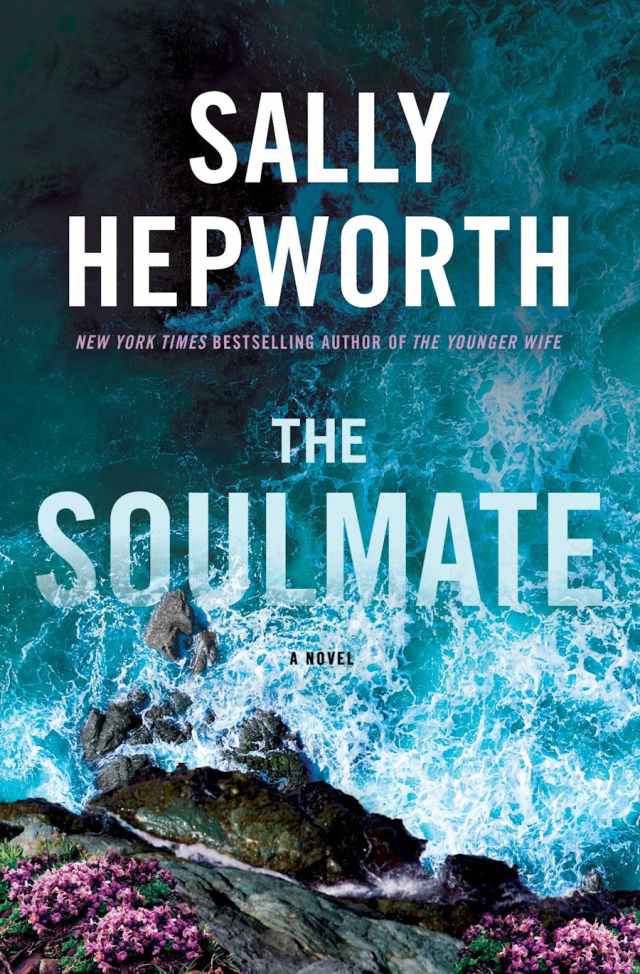
Book Review: The Soulmate by Sally Hepworth

Title: The Soulmate
Author: Sally Hepworth
Publisher: St. Martin’s Press
Publication date: April 4, 2023
Length: 336 pages
Genre: Thriller
Source: Review copy courtesy of the publisher via NetGalley
Rating:

Rating: 3 out of 5.

Get ready for a thrilling, addictive novel about marriage, betrayal, and the secrets that push us to the edge in Sally Hepworth’s The Soulmate.

There’s a cottage on a cliff. Gabe and Pippa’s dream home in a sleepy coastal town. But their perfect house hides something sinister. The tall cliffs have become a popular spot for people to end their lives. Night after night Gabe comes to their rescue, literally talking them off the ledge. Until he doesn’t.

When Pippa discovers Gabe knew the victim, the questions spiral…Did the victim jump? Was she pushed?

And would Gabe, the love of Pippa’s life, her soulmate…lie? As the perfect facade of their marriage begins to crack, the deepest and darkest secrets begin to unravel.

I’ve read all but one of Sally Hepworth’s novels by now, and when I look back at my ratings and reviews, I can see that her books are either big hits for me (especially The Good Sister and The Things We Keep) or so-so reads that I could have done without. Sadly, The Soulmate falls into the latter category.

Content warning: Suicide is a recurring topic in this book, as are mental health concerns, diagnoses, and treatments. I would not recommend this book for readers for whom these topics might be triggering.

In The Soulmate, two different women narrate a dramatic occurrence, what happened before, and what happens next. Oddly, one of these two women is already dead when we meet her as a narrator, and she tells her side of the story from her afterlife.

Pippa lives with her gorgeous, wonderful husband Gabe in a cottage by a cliff’s edge. It’s a beautiful location, but with a downside — the cliff facing their home is known locally as The Drop, and it’s a spot that’s known for its number of suicides. Once they move in, Gabe keeps an eye on the cliff, and in the year they’ve been there, has managed to talk seven different people away from the edge with his calm, caring approach. He’s a local hero.

But everything changes when a woman on the cliff doesn’t step away. Pippa comforts Gabe, assuring him that he did all he could. But something nags at Pippa — what she saw and the way Gabe described it to police don’t quite match up.

The woman who died is Amanda, and she shares her story as well, going back to the early days of her own marriage. As the story progresses, we see how Amanda and her husband Max are connected to Pippa and Gabe. There are dark secrets, and clearly there’s more to Amanda’s death than meets the eye.

I found the characters very hard to relate to or even care about. Pippa is the only decent one in the mix, although Amanda isn’t a bad person necessarily — but she does allow herself to turn a blind eye to all sorts of shady and criminal business dealings and enjoy the lifestyle funded by Max’s success.

The more we learn, the harder it is to fathom why Pippa would remain in her marriage, and it’s frustrating to see how her protective parents and sister wait until much too late to actually share with her what they observe.

The twists and turns in the plot felt like cheap shock devices to me, and the big reveal at the end did not satisfy me. Being vague here, but a fact that should have been redemptive doesn’t override the fact that some of these people did or were responsible for awful things.

I’m not typically a reader of thrillers, but once in a while, if the plot twists are new and surprising, the writing is great, and the characters can make me care, I’ll find myself enjoying them. Sadly, that isn’t the case here. Even the writing has some strange, jagged edges. For example, when Pippa is asked whether her two little girls are twins, she replies that they’re “Irish twins […] born less than a year apart”. Maybe it’s me, but I’ve never heard that phrase before, and there’s no reason for it — it feels derogatory, and a weird way to describe one’s own children.

Pippa is a lawyer, clearly very intelligent, yet she acts as if she has no clue about many things, including Gabe’s business dealings:

I never asked too many questions about his work. The truth was, I had only the most rudimentary understanding of what Gabe did, and when he talked about it I understood less rather than more.

Then there’s the whole issue of Amanda’s narration from the great beyond. It’s weird and off-putting; at the end she states that after death, she could now see “the whole scene unfurl” regarding events she hadn’t known prior to death — so death makes someone omniscient? Such a strange way to reveal backstory and secrets.

The Soulmate tries, I think, to illustrate deep truths about marriage, trust, and fidelity, but on the whole, it misses the mark. Yes, the book held my attention, but I felt that there were too many false notes and much too much obliviousness to make any of it believable.

I’ve given The Soulmate 3-stars, but that may be overly generous. It’s a quick, compelling read, but at the end of the day, I found it unsatisfying.

Save

Save

Save

Save

Save

Save

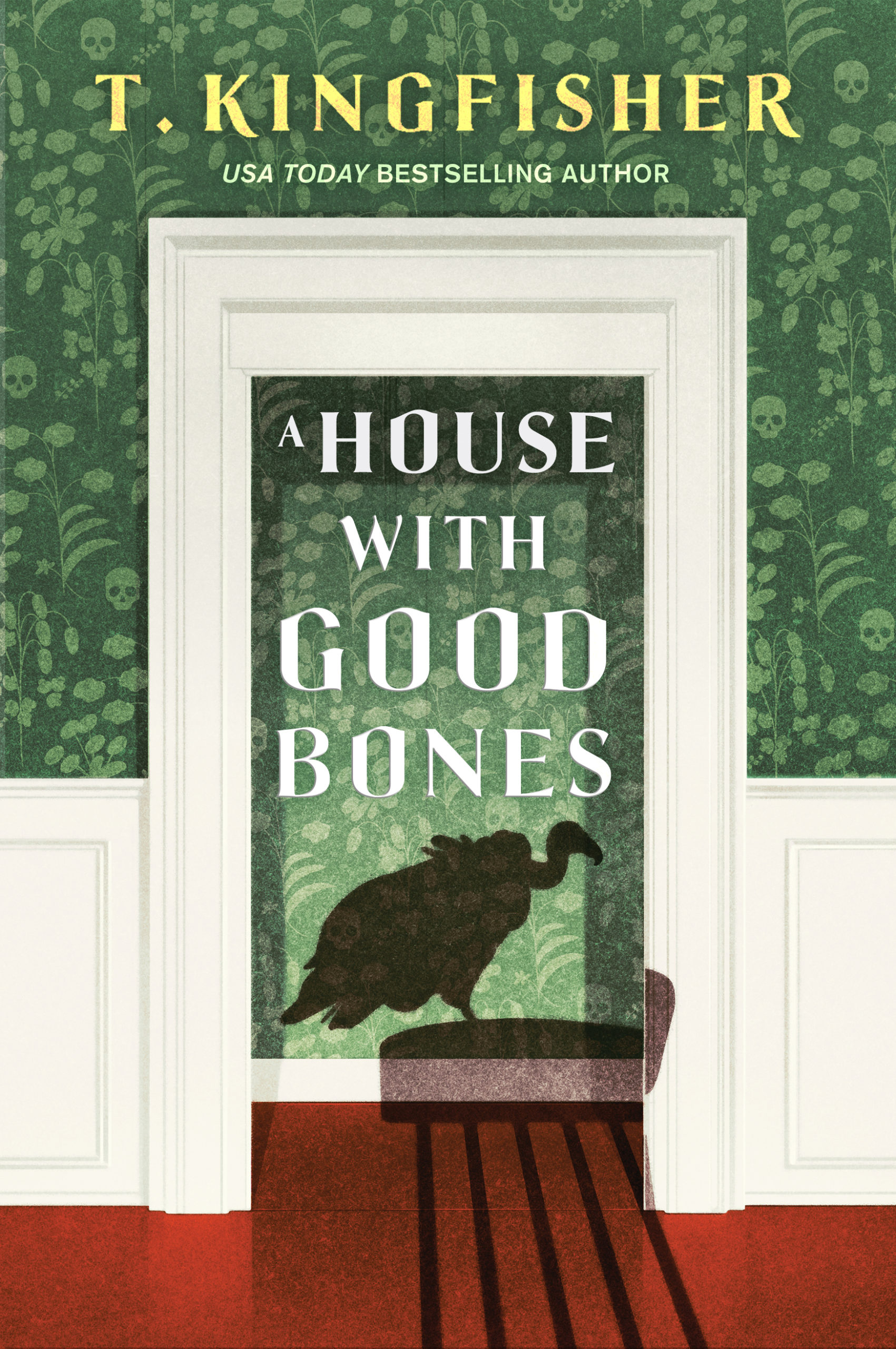
Book Review: A House with Good Bones by T. Kingfisher

Title: A House with Good Bones
Author: T. Kingfisher
Publisher: Tor Nightfire
Publication date: March 28, 2023
Length: 256 pages
Genre: Gothic horror
Source: Review copy courtesy of the publisher via NetGalley
Rating:

Rating: 5 out of 5.

A haunting Southern Gothic from an award-winning master of suspense, A House With Good Bones explores the dark, twisted roots lurking just beneath the veneer of a perfect home and family.

“Mom seems off.”

Her brother’s words echo in Sam Montgomery’s ear as she turns onto the quiet North Carolina street where their mother lives alone.

She brushes the thought away as she climbs the front steps. Sam’s excited for this rare extended visit, and looking forward to nights with just the two of them, drinking boxed wine, watching murder mystery shows, and guessing who the killer is long before the characters figure it out.

But stepping inside, she quickly realizes home isn’t what it used to be. Gone is the warm, cluttered charm her mom is known for; now the walls are painted a sterile white. Her mom jumps at the smallest noises and looks over her shoulder even when she’s the only person in the room. And when Sam steps out back to clear her head, she finds a jar of teeth hidden beneath the magazine-worthy rose bushes, and vultures are circling the garden from above.

To find out what’s got her mom so frightened in her own home, Sam will go digging for the truth. But some secrets are better left buried.

I’ve never not loved any book I’ve read by T. Kingfisher… and having just finished A House with Good Bones, I can safely say that my record is intact!

Putting aside my overly convoluted wording, the bottom line is — A House with Good Bones is another fantastically creepy, highly readable book by an author who knows how to tell a great story!

There’s so much to love here. Southern Gothic vibe. Highly intelligent and rational main character (she has a Ph.D. in entomology!) thrust into a decidedly odd situation. Family secrets and a dark past. Childhood nightmares and memories that might not be what they seem. All of these ingredients, and more, woven into a tightly constructed, tense, yet weirdly enjoyable narrative with no wasted space or filler. No wonder I read this in a day!

Sam is a fabulous main character — smart, caring, and happy to talk about bugs at the drop of a hat. I mean, I wouldn’t necessarily want to eat dinner with her, but she’d be great fun to hang out with. When her fieldwork for her next research project gets postponed, she heads to North Carolina to spend a few months with her mother, and notices that her mom is just not herself. Gone are the brightly painted walls, cheerful artwork, and frank conversations. Suddenly, the house is 50 shades of ecru, a Confederacy-era painting is hanging over the mantelpiece, and they even say grace before meals.

We are not a family that says grace over food. Gran Mae always insisted on it, but Mom’s Christianity has generally been limited to a fondness for Jesus Christ Superstar.

Does mom have early onset dementia? Is she having some sort of breakdown? Nothing makes sense, and Sam is worried.

On top of these worries, Sam is also a bit freaked out by weird occurrences. Like, why is there a vulture perched on the mailbox every time she drives up to the house? And why are there no bugs in the garden? And what’s up with that weird photo she finds in the attic?

I’m clearly not going to give anything away, so let’s just say that answers are revealed, secrets unraveled, and creepy-scary weirdness becomes more and more dominant as the story progresses. It gets terrifying and also icky, yet it’s totally fascinating and impossible to look away from.

One of the things I love about T. Kingfisher’s books is that no matter how creepy things get, the writing is so much fun! There are tons of one-liners and quips I could share, but even in non-flashy asides, the tone of voice is delightful:

She is a genuinely kindhearted person and a champion worrier. If there was an Olympic sport for worrying, Mom would win the gold and then give it to the silver medalist because she was afraid that they might feel bad for losing.

A House with Great Bones is so gripping and so enjoyable. The ending is great, with a big dramatic climax, a satisfying resolution, and just a little hint of lingering menace keeping it from feeling too sunshine-y and neatly wrapped up. I would happily spend more time hanging out with Sam! Even though I was very creeped out at times, I had so much fun reading this book, and recommend it wholeheartedly.

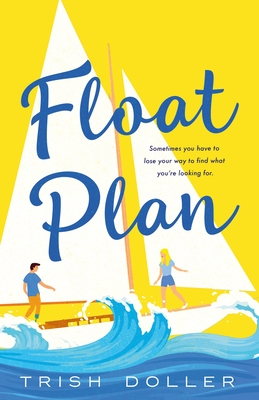
Book Review: Float Plan by Trish Doller

Title: Float Plan
Author: Trish Doller
Publisher: St. Martin’s Griffin
Publication date: March 16, 2021
Length: 272 pages
Genre: Contemporary romance
Source: Library
Rating:

Rating: 4 out of 5.

Critically acclaimed author Trish Doller’s unforgettable and romantic adult debut about setting sail, starting over, and finding yourself…

Since the loss of her fiancé, Anna has been shipwrecked by grief—until a reminder goes off about a trip they were supposed to take together. Impulsively, Anna goes to sea in their sailboat, intending to complete the voyage alone.

But after a treacherous night’s sail, she realizes she can’t do it by herself and hires Keane, a professional sailor, to help. Much like Anna, Keane is struggling with a very different future than the one he had planned. As romance rises with the tide, they discover that it’s never too late to chart a new course.

In Trish Doller’s unforgettable Float Plan, starting over doesn’t mean letting go of your past, it means making room for your future.

I really didn’t know what to expect from Float Plan — I’m so glad I gave it a chance!

I expected a light-hearted book about sailing… but what I got was a story about grief and loss, starting to live again after tragedy, and finding a way to discover joy and hope even in dark times.

Content warning: This book deals significantly with suicide and the impact on those left behind. For readers for whom this might be a triggering topic, I would advise proceeding with caution, if at all.

As Float Plan opens, it’s been 10 months since Anna’s fiancé Ben took his own life. Although he’d been struggling with depression, his suicide was a complete shock, and left Anna bereft, deeply in mourning, and unable to to move forward.

One of Ben’s pet projects had been charting a sailing trip through the Caribbean — a trip that he and Anna never got to take. But when Anna gets a reminder on her phone on the day that their trip should have begun, she impulsively heads back to their sailboat and sets out, determined to follow the course that Ben charted.

However, Anna has limited experience as a sailor and has never sailed solo, and after some near misses (as well as an embarrassingly bad drunken night out in her first port of call), she realizes that maybe she shouldn’t be attempting this journey on her own. Enter Keane, an experienced sailor available to assist in exchange for passage to Puerto Rico. He’s charming, considerate, and an excellent sailor, but has his own sorrows and disappointments to face down.

Together, Anna and Keane set sail, experiencing beautiful high points amidst the islands they visit, as well as dangerously rough seas and emotional low points too. And as expected, their professional agreement leads them to forming a close friendship that eventually becomes something even greater, if only they can allow themselves to feel what they’re feeling.

While some of Anna’s decision’s seem dubious, I could easily believe that a young woman suffering such awful grief would decide to take on a risky adventure that she wasn’t actually prepared for. With Keane there to assist, Anna had the opportunity to stick to her plan, but also get the skills and knowledge she needs to accomplish what she set out to do. This was not the dreaded storyline of a woman needing a strong man to save her; instead, this story showed two people able to support one another through hard times and whose abilities and personalities complemented each other. In some ways, Anna and Keane rescue one another, yet it’s also very much a partnership.

Of course, the armchair tourist appeal is a huge plus! I was both loving the descriptions of the gorgeous seas and islands and hating the fact that I wasn’t along for the ride!

I really enjoyed Anna and Keane’s chemistry, the slow development of their romantic feelings, and the way the author gives Anna time and space to come to terms with Ben’s death. She’s given room to vent her anger and her sorrow, and ultimately to realize that she can and does have a life without Ben in it. She’ll always love him, but she can also have love again without him.

At the start of the book, Anna is 25-years-old and working at a pirate-themed bar in Florida. My only two small complaints are (1) it’s not really clear to me how she was able to afford to literally sail off on the spur of the moment and have the funds to support the journey, and (2) there’s no discussion of what Anna’s plans for her life were prior to Ben’s death. Education? Career goals? Never mentioned.

Other than that, I though Float Plan gave a lovely view of rediscovering hope after suffering a terrible loss. The characters are memorable, and their dynamic was terrific to watch unfold. The next book by the author focuses on Anna’s older sister, and while I don’t know more than that, I liked Float Plan so much that I’m eager to read the next book too!

**Save

Save

Save

Save

Save

Save

Save

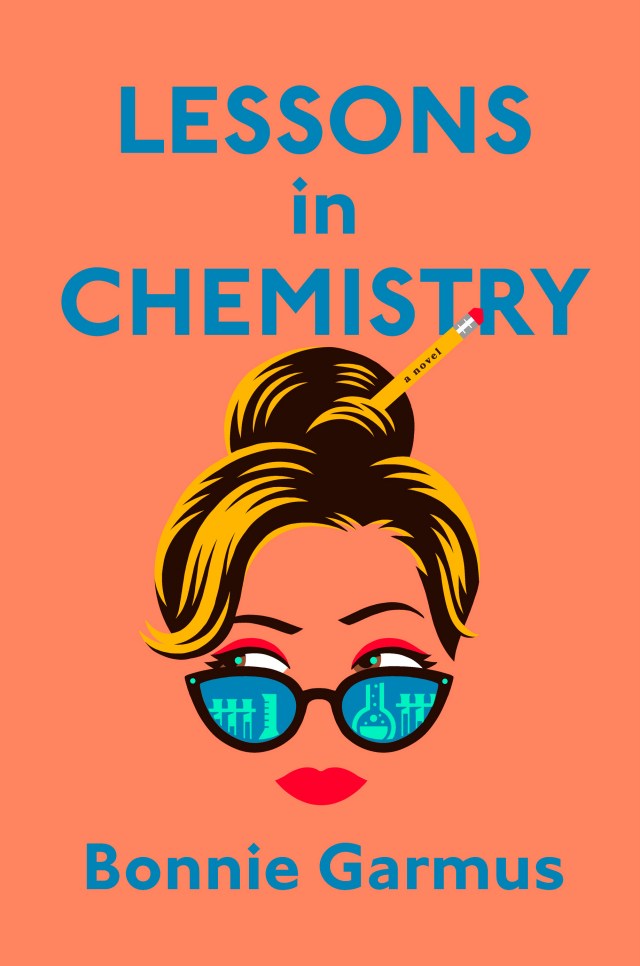
Book Review: Lessons in Chemistry by Bonnie Garmus

Title: Lessons in Chemistry
Author: Bonnie Garmus
Publisher: Doubleday
Publication date: March 31, 2022
Length: 400 pages
Genre: Historical fiction
Source: Purchased
Rating:

Rating: 3.5 out of 5.

Chemist Elizabeth Zott is not your average woman. In fact, Elizabeth Zott would be the first to point out that there is no such thing as an average woman. But it’s the early 1960s and her all-male team at Hastings Research Institute takes a very unscientific view of equality. Except for one: Calvin Evans; the lonely, brilliant, Nobel–prize nominated grudge-holder who falls in love with—of all things—her mind. True chemistry results.

But like science, life is unpredictable. Which is why a few years later Elizabeth Zott finds herself not only a single mother, but the reluctant star of America’s most beloved cooking show Supper at Six. Elizabeth’s unusual approach to cooking (“combine one tablespoon acetic acid with a pinch of sodium chloride”) proves revolutionary. But as her following grows, not everyone is happy. Because as it turns out, Elizabeth Zott isn’t just teaching women to cook. She’s daring them to change the status quo.

Laugh-out-loud funny, shrewdly observant, and studded with a dazzling cast of supporting characters, Lessons in Chemistry is as original and vibrant as its protagonist.

I’ve finally given in to the hype surrounding Lessons in Chemistry. After seeing this book’s weekly appearance on bestseller lists, the Goodreads Choice award buzz, and its selection as Barnes & Noble’s book of the year for 2022, I decided to give it a try — and while I’m glad that I did, I also have a few issues with the book.

I intentionally avoided reading reviews ahead of time, since I wanted to go in without preconceptions. In this case, there’s one plot point that I wish I’d known in advance.

The synopsis describes the book as “laugh-out-loud funny”, and yes, there are funny moments. However (and this is a big HOWEVER):

Content warning: There is a rape scene right near the start of the book.

I repeat, a book described as “laugh-out-loud funny” has a vividly described rape scene at the very beginning, and then never deals with the aftereffects in terms of trauma and survival, only focusing on the very practical impact on Elizabeth’s science career. How many people who picked up this book expecting something upbeat and silly found themselves triggered by this unexpected scene? After finishing the book, I started googling reviews, and see that there are more than a few people who walked away from the book based on that scene. Someone — the publisher? the marketing team? the author? — should have thought about this a little more.

If you can get past that opening, the rest of the book is fast-paced and entertaining, although I still don’t think I laughed out loud. Lessons in Chemistry uses quirky dialogue and interior thoughts to show the struggles of a brilliant woman trying to claim her place as a scientist in an era that wanted her to keep silent and follow the wife-and-mother path.

Elizabeth’s education and career are derailed early on, yet she does not give up and refuses to give in. She has a spectacular romance with fellow chemist Calvin, which we know from the early pages must end somehow, because she’s a single mother at the start of the novel. How we get from the romance to single motherhood is not something I’ll disclose here, but I will say that there are lovely moments as well as tragic ones. Through it all, Elizabeth battles the idiotic sexist norms that belittle her abilities, steal her work, deny her resources, and then force her out when she fails to follow misogynistic expectations.

There are plenty of ups and downs, and somehow, Elizabeth finds herself subverting a local TV station’s afternoon cooking show by making it into kitchen chemistry lessons that also encourage women to seek empowerment, enrichment, and standing up for themselves.

All this is admirable, yet somehow I found it all a bit unlikely. Yes, it’s fiction, and I’m all for strong women breaking barriers and refusing to back down — yet could a woman like Elizabeth in 1960 have this kind of impact? The success of her show, and the ripple effect amongst her viewers, seems highly implausible in terms of the actual time period.

There are other elements that clearly place this book outside the lines of a realistic depiction of… well… anything. Sections are told from the point of view of her dog, Six-Thirty, who can recognize hundreds of English words thanks to Elizabeth’s tutelage. I’m sure many readers will be charmed by Six-Thirty’s narratives, but for me, the approach got old pretty quickly.

Then there’s the matter of Elizabeth’s daughter Mad, who is so precocious that she’s reading Dickens at age 5. It’s lovely that Elizabeth has nurtured Mad to be intellectually curious and able to explore anything and everything that interests her, but even with outstanding reading abilities, I find it impossible to believe that a five-year-old could actually comprehend the content of a Dickens novel.

Those are some pretty major quibbles… and yet, I did race through the book, and once I acknowledged and then shelved the things that were bugging me, I found it an enjoyable read. The writing is pretty zingy, with lots of passages that caught my attention:

In the 1950s, abortion was out of the question. Coincidentally, so was having a baby out of wedlock.

“What’s wrong?” Elizabeth begged for the millionth time. “Just TELL me!” But the baby, who’d been crying nonstop for weeks, refused to be specific.

The biggest benefit in being the child of a scientist? Low safety bar. As soon as Mad could walk, Elizabeth encouraged her to touch, taste, toss, bounce, burn, rip, spill, shake, mix, splatter, sniff, and lick nearly everything she encountered.

There are also, though, some weird word usages, such as “she muffled into his shoulder”. I don’t think “muffled” as a verb works that way, sorry.

**Save

The book’s ending is satisfying, if improbable. Lots of coincidences come together to create a great outcome for Elizabeth and Mad, while also providing payback to someone who definitely deserves it.

(I was still annoyed that Elizabeth never got to finish her Ph.D., but who knows? Maybe that still lies in her future.)

Lessons in Chemistry was a fast read that held my attention, but the rape scene was a big stumbling block for me. Add to that the many smaller details that struck me as unlikely or oddly portrayed, and I’m left with very mixed feelings. Overall, I’m glad I gave the book a chance, but can’t say that I loved it.Save

Save

Save

Save

Save

Save

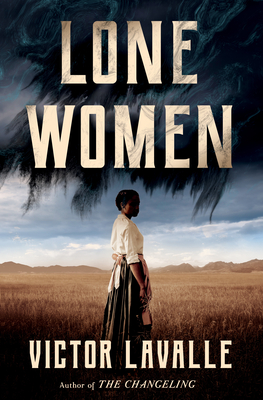
Book Review: Lone Women by Victor LaValle

Title: Lone Women
Author: Victor Lavalle
Publisher: One World
Publication date: March 28, 2023
Length: 304 pages
Genre: Historical fiction/horror/fantasy
Source: Review copy courtesy of the publisher via NetGalley
Rating:

Rating: 4.5 out of 5.

Blue skies, empty land—and enough room to hide away a horrifying secret. Or is there? Discover a haunting new vision of the American West from the award-winning author of The Changeling.

Adelaide Henry carries an enormous steamer trunk with her wherever she goes. It’s locked at all times. Because when the trunk is opened, people around her start to disappear…

The year is 1914, and Adelaide is in trouble. Her secret sin killed her parents, and forced her to flee her hometown of Redondo, California, in a hellfire rush, ready to make her way to Montana as a homesteader. Dragging the trunk with her at every stop, she will be one of the “lone women” taking advantage of the government’s offer of free land for those who can cultivate it—except that Adelaide isn’t alone. And the secret she’s tried so desperately to lock away might be the only thing keeping her alive.

Told in Victor LaValle’s signature style, blending historical fiction, shimmering prose, and inventive horror, Lone Women is the gripping story of a woman desperate to bury her past—and a portrait of early twentieth-century America like you’ve never seen.

I’d never read anything by Victor LaValle until now, but how could I pass up a book that’s historical fiction, horror, and the story of a strong woman making her own way, all wrapped up into one story?

When we meet Adelaide, we know right away that something is very wrong… mainly because she’s in the process of burning down her house with her parents’ dead bodies inside. She leaves with a huge, heavy steamer trunk and sets off for a ship to Seattle, and from there, a train to Montana, where homesteader land is available to anyone who’s willing to live there.

Adelaide craves solitude, a fresh start, and freedom from the dire secret that’s haunted her family her entire life. Her old home in California was a farm close by other Black farming families, but even among people she felt a kinship with, there was a distance — rumors flew about her and her parents and the family’s strangeness.

Montana isn’t exactly the promised land, though. Adelaide’s homestead is barren earth with a primitive cabin, about 16 miles from the nearest town, the tiny Big Sandy. While she suffers through the shockingly cold and windy weather of her new home, where it’s not even winter yet, she also starts to meet some of the other “lone women” nearby, and forms tentative first connections.

But Adelaide’s secret — and her locked steamer trunk — are never far from her mind, and keep her prisoner to her obligation to hide what she sees as her family’s curse from everyone nearby — for their own safety as well as hers. Meanwhile, there are other dangers as well — bandits who prey upon lone women, racist townsfolk who view conformity as the only virtue, and powerful town leaders who are intent on pushing out those who don’t abide by their rules and inflicting their own form of frontier justice whenever they deem it necessary.

Lone Women has violence and terror, but it also has remarkably strong women at its heart. Adelaide herself is wonderful, as are the other women she bonds with. It’s astonishing and admirable seeing her determination to survive, make her own way, and not give in.

The mystery of the trunk is unfolded slowly — and I won’t give anything away, but at a certain point in the story, I let out a very loud “OH!!!” when things finally became clear. Such an amazing reveal!

The actions of some of the townspeople represent the true horror of this story, and I loved how the frightening elements combine so well with the historical depiction, the character studies, and the fantastical elements too.

Overall, I loved Lone Women. The mood builds dramatically, the characters are distinct and memorable, and the resolution… well, again, I don’t want to give anything away, but it’s got a great ending!