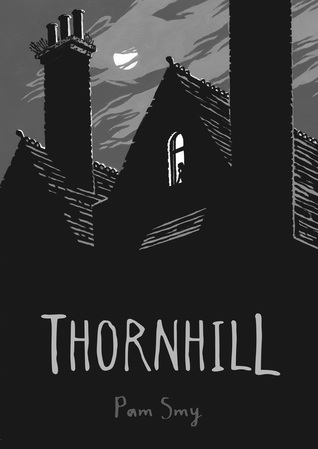
Book Review: Thornhill by Pam Smy

Parallel stories set in different times, one told in prose and one in pictures, converge as Ella unravels the mystery of the girl next door.

1982: Mary is a lonely orphan at the Thornhill Institute For Children at the very moment that it’s shutting its doors. When her few friends are all adopted or re-homed and she’s left to face a volatile bully alone, her revenge will have a lasting effect on the bully, on Mary, and on Thornhill itself.

2016: Ella has just moved to a new town where she knows no one. From her room on the top floor of her new home, she has a perfect view of the dilapidated, abandoned Thornhill Institute across the way, where she glimpses a girl in the window. Determined to befriend the girl, Ella resolves to unravel Thornhill’s shadowy past


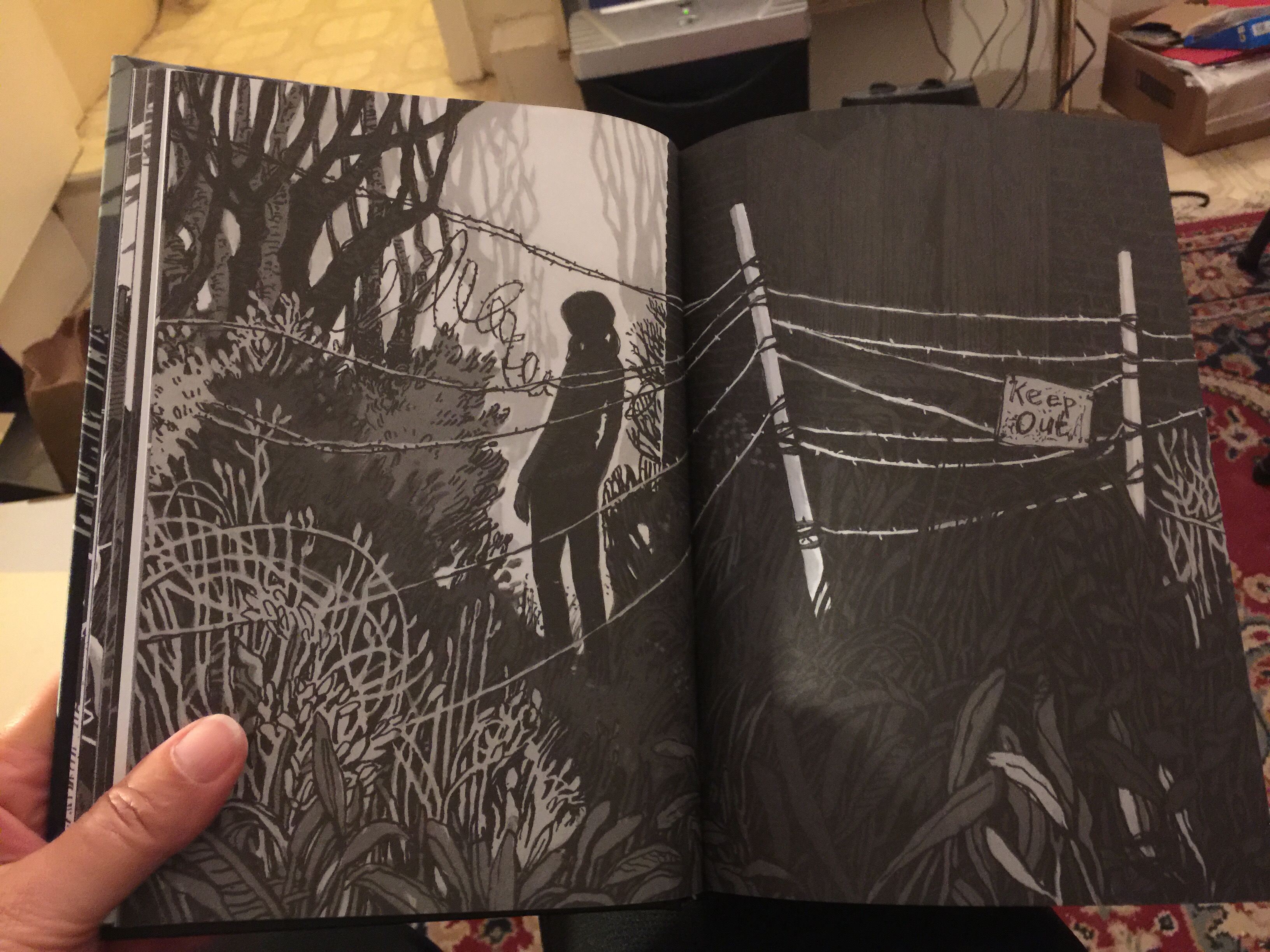
Oh my, this was a great read! Very much reminiscent of the style of Brian Selznick, Thornhill is told both in words, via Mary’s diary, and in pictures, via illustrations of Ella’s experiences. Author/illustrator Pam Smy does an incredible job of moving the story forward through the black and white illustrations from Ella’s world, which are stark and evocative and ever-so-ghostly.

The tale told through Mary’s diary is heartbreaking, and the first-person narrative is particularly effective. We see how Mary is an outcast even among outcasts, friendless in this home for unwanted girls, locking herself away in her own private sanctuary to escape the insidious, cruel attention of the house bully. Mary constructs a whole world for herself with her books and her carefully crafted puppets, but even this sanctuary ends up being violated. It’s wrenching to read of Mary’s pain, and all too easy to understand how her pain turns to anger and then to a burning need for revenge.

Meanwhile, Ella’s story is sad in its own way. Through the pictures on her walls, we come to understand that Ella’s mother has died and that she’s being raised in this new home and new town by a father who’s usually absent. No wonder Ella becomes fascinated by the spooky house she can see from her window and the mystery of the light she sees shining from the attic window.

Thornhill is a spooky, powerful, and quite definitely sad story of two girls from different times, bound together by loneliness. It’s haunting in all the right ways, and I simply loved the use of words and pictures to tell one complete story.

_________________________________________

The details:

Title: Thornhill
Author: Pam Smy
Publisher: Roaring Brook Press
Publication date: August 29, 2017
Length: 544 pages
Genre: Ghost story/illustrated/young adult
Source: Library

Save

Save

Save

Save

Save

Save

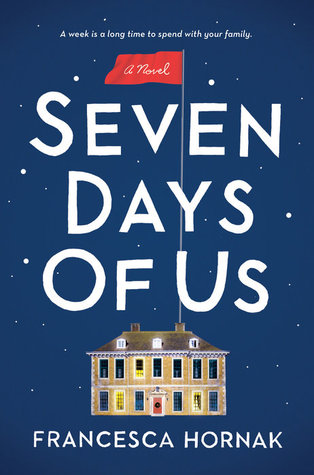
Take A Peek Book Review: Seven Days of Us by Francesca Hornak

“Take a Peek” book reviews are short and (possibly) sweet, keeping the commentary brief and providing a little peek at what the book’s about and what I thought.

Synopsis:

(via Goodreads)

A warm, wry, sharply observed debut novel about what happens when a family is forced to spend a week together in quarantine over the holidays…

It’s Christmas, and for the first time in years the entire Birch family will be under one roof. Even Emma and Andrew’s elder daughter—who is usually off saving the world—will be joining them at Weyfield Hall, their aging country estate. But Olivia, a doctor, is only coming home because she has to. Having just returned from treating an epidemic abroad, she’s been told she must stay in quarantine for a week…and so too should her family.

For the next seven days, the Birches are locked down, cut off from the rest of humanity—and even decent Wi-Fi—and forced into each other’s orbits. Younger, unabashedly frivolous daughter Phoebe is fixated on her upcoming wedding, while Olivia deals with the culture shock of being immersed in first-world problems.

As Andrew sequesters himself in his study writing scathing restaurant reviews and remembering his glory days as a war correspondent, Emma hides a secret that will turn the whole family upside down.

In close proximity, not much can stay hidden for long, and as revelations and long-held tensions come to light, nothing is more shocking than the unexpected guest who’s about to arrive…

My Thoughts:

Seven Days of Us is an entertaining, quick read about a family forced into isolation together — a perfect setting for secrets to emerge and for walls to come down. Phoebe and Olivia rediscover the sisterly affection that’s been absent since childhood; Andrew and Olivia finally come to understand one another’s obsessions and sacrifices; Emma and Andrew confront the iciness that’s taken hold in their marriage. Meanwhile, Phoebe’s fiancé crashes the quarantine, as does an American who ends up being the long-lost illegitimate son Andrew never knew he had.

The story moves along at a smart pace, with each character getting bits and pieces of the story. The main chapters focus on the seven days of quarantine, while within each day, there are sections devoted to the different characters, each section showing the time and the location within the house — which lends the narrative a claustrophobic air that’s appropriate for the involuntary intimacy and close quarters experienced by the family.

I do wish the author had included some sort of introduction explaining the quarantine rules. Why would a doctor treating epidemic patients be allowed back into England, passing through a major aiport, in order to go into quarantine with her family? Is this a normal protocol? Sure, readers could Google it, but it would have been helpful to have a bit of context, considering that this is the major plot driver of the entire book.

My interest never flagged, but certain plot developments (no spoilers here!) were completely obvious, and a tragic turn toward the end of the book seemed both jarring and unnecessary.

Overall, I recommend Seven Days of Us. It’s a pleasant, amusing story of family dynamics, and the ups and downs of the relationships between parents and children, between siblings, and between spouses definitely ring true.

_________________________________________

The details:

Title: Seven Days of Us
Author: Francesca Hornak
Publisher: Berkley
Publication date: October 17, 2017
Length: 368 pages
Genre: Contemporary fiction
Source: Review copy courtesy of the publisher via NetGalleySave

Save

Save

Save

Save

Save

Shelf Control #90: Dream When You’re Feeling Blue

Shelves final

Welcome to Shelf Control — an original feature created and hosted by Bookshelf Fantasies.

Shelf Control is a weekly celebration of the unread books on our shelves. Pick a book you own but haven’t read, write a post about it (suggestions: include what it’s about, why you want to read it, and when you got it), and link up! Fore more info on what Shelf Control is all about, check out my introductory post, here.

Want to join in? Shelf Control posts go up every Wednesday. See the guidelines at the bottom of the post, and jump on board!

cropped-flourish-31609_1280-e1421474289435.png

My Shelf Control pick this week is:

Title: Dream When You’re Feeling Blue
Author: Elizabeth Berg
Published: 2007
Length: 256 pages

What it’s about (synopsis via Goodreads):

New York Times bestselling author Elizabeth Berg takes us to Chicago at the time of World War II in this wonderful story about three sisters, their lively Irish family, and the men they love.

As the novel opens, Kitty and Louise Heaney say good-bye to their boyfriends Julian and Michael, who are going to fight overseas. On the domestic front, meat is rationed, children participate in metal drives, and Tommy Dorsey and Glenn Miller play songs that offer hope and lift spirits. And now the Heaney sisters sit at their kitchen table every evening to write letters–Louise to her fiancé, Kitty to the man she wishes fervently would propose, and Tish to an ever-changing group of men she meets at USO dances. In the letters the sisters send and receive are intimate glimpses of life both on the battlefront and at home. For Kitty, a confident, headstrong young woman, the departure of her boyfriend and the lessons she learns about love, resilience, and war will bring a surprise and a secret, and will lead her to a radical action for those she loves. The lifelong consequences of the choices the Heaney sisters make are at the heart of this superb novel about the power of love and the enduring strength of family.

How and when I got it:

I actually have no idea when I got this book, but I know it’s been on my shelf for several years now, and I assume I must have picked it up at one of the library’s book sales.

Why I want to read it:

I can only guess why I picked this book up, since I don’t remember actually buying it! I’ve read one other book by Elizabeth Berg — Open House — and I seem to remember liking it. As for Dream When You’re Feeling Blue, the synopsis appeals to me — most of the WWII stories I’ve read have been set in the thick of the action, so seeing the war from the perspective of the homefront sounds different, and the sisters sound like really fun characters.

__________________________________

Want to participate in Shelf Control? Here’s how:

  • Write a blog post about a book that you own that you haven’t read yet.
  • Add your link in the comments!
  • If you’d be so kind, I’d appreciate a link back from your own post.
  • Check out other posts, and…

Have fun!

Save

Save

Save

Save

Save

Save

Save

Save

Save

Save

Save

Save

Save

Insta-Reaction: Outlander, Season 3, Episode 3

Season 3 is here! My intention is to write an “Insta-Reaction” post for each episode soon after viewing, to share some initial thoughts, questions, reactions — you name it.

Warning:

Spoilers

I may be talking about events from this episode, other episodes, and/or the book series… so if you’d rather not know, now’s your chance to walk away!

Outlander, episode 303: “All Debts Paid”

The official synopsis (via Starz):

In prison, Jamie discovers that an old foe has become the warden – and has the power to make his life hell. Claire and Frank both put their best foot forward in marriage, but an uninvited guest shatters the illusion.

My take:

Major plot points:

Once again, the episode follows two separate timelines, as we see Jamie and Claire’s separate lives.

In Claire’s world:

  • Claire and Frank’s marriage is worse than ever. There seem to be occasional warm moments during Claire’s medical school years, but then we find out that they have an “agreement”, which allows Frank to cheat so long as he’s discreet about it.
  • Claire and Joe Abernathy graduate from medical school. At a graduation celebration at Claire and Frank’s house, Frank’s girlfriend/mistress/”harlot” shows up an hour early for her assignation with Frank. A holy row ensues later. Claire felt humiliated in front of her friends and colleagues. Frank reminds Claire that she’s the one who first allowed someone else into their marriage.
  • They discuss divorce, acknowledging that their marriage is a sham, but decide to stay together because of Brianna.
  • Jumping ahead several years, Brianna graduates from high school, and Claire is a busy surgeon. Frank informs Claire that he wants a divorce, has been offered a post back in England, and want to take Brianna with him. Big fight. Bottom line: Brianna, at age 18, can decide for herself.
  • Frank leaves after their fight, and Claire is called back to the hospital to perform surgery. After the surgery, Joe finds Claire to give her bad news: Frank has been killed in a car crash.
  • Claire says a tearful good-bye to Frank, and tells him that she did truly love him once. He was her first love.

In Jamie’s world:

  • Jamie is a prisoner at Ardsmuir prison. It’s awful. Rats abound, and the men are cold and sick.
  • Jamie is the only Jacobite officer in the prison, and is the only prisoner kept in shackles.
  • Lord John Grey arrives to take up his post as the new governor of Ardsmuir. His predecessor (Harry Quarry!) lets him know that Jamie is the unofficial chief of the men, and that Grey should seek him out.
  • This is the same John Grey (then known as William Grey) who scuffled with Jamie back on the eve of Prestonpans.
  • Murtagh lives!!! He’s at Ardsmuir with Jamie, sporting a white beard. He appears to be quite ill, but Jamie is able to negotiate with Grey for medical care for Murtagh.

  • Jamie and John eventually develop a respectful relationship, but John misreads Jamie’s openness and makes a slight pass, which Jamie rejects and can’t seem to forgive.
  • By the end of the episode, Ardsmuir is being shut down. All prisoners are sentenced to transport to the American Colonies, where they’ll serve 14 years in indentured labor before earning their freedom, if they survive the passage. Murtagh is sent off for transport, but Grey has other plans for Jamie.
  • John takes Jamie to a beautiful English estate called Helwater, where he’ll serve his sentence. John now considers all debts of honor paid.

Insta-reaction:

Another glorious episode — perhaps a bit of a slow burn, but full of tremendous performances all around. The character moments are fully realized and heartbreaking and REAL.

Okay, Claire and Frank. What a bitter, sad state of affairs. At the beginning of the episode, as Frank is cooking breakfast and Claire suggests they go see a movie, it seems for a moment as though they’ve reached some sort of pleasant middle ground in their marriage. But no. Frank has seen the movie already, and it’s clear that he’s seen it WITH someone — and that someone is not just a work colleague. Apparently, they’ve agreed that Frank can do as he please and see other people, so long as he’s discreet, and he’s kept his word. And is seems like Claire is okay with this, so long as she doesn’t have to think about it too much. She seems to have perfected the art of denial.

Frank’s discretion slips later on, though. Years later, Claire hosts a party at their house celebrating her medical school graduation. There’s to be a dinner at a restaurant following, which Frank will be skipping… but the dinner is scheduled for 7:00, and Frank thought it was at 6:00. Did he really get the timing wrong, or is this his passive-aggressive way of humiliating Claire? His girlfriend shows up at their house an hour early, and Claire answers the door. Oh, if looks could kill! The girlfriend is shown into the house to stand mutely near Frank while Claire and all her guests walk past them to leave for dinner. Yikes. Painful.

The fight later that night between Claire and Frank is terrible (although brilliantly acted). I read in an interview with Caitriona Balfe that they were going for a “Who’s Afraid of Virginia Woolf?” feel here, and they really nail it. The years of slow poisoning of the relationship lead to this scene in which Frank is drunk, Claire is angrily smoking, and the venom between the two is fully on display. Frank should never have invited his mistress to the house, of course — especially not on Claire’s graduation night. But really, who can blame him for pursuing love and affection when there is none at all in his home? Claire and Frank are both essentially good people, but they do awful things to each other. In our time, they never would have stayed together all those years. But Frank has seen fathers shut out of their children’s lives after divorce, and he will not risk his relationship with Brianna, despite Claire’s assurance that she would never try to keep them apart. Frank has some justice on his side when he points out to Claire that her promises don’t really mean a whole lot.

Finally, when Brianna graduates from high school, the moment of truth arrives. Frank informs Claire that he intends to accept a post at Oxford and take Brianna with him to live in England… and Claire’s not invited. He wants a divorce, and wants to remarry his girlfriend as soon as he can. It’s a bitter and angry scene once again, and yet another that makes it clear that Claire will absolutely never have room for anyone in her heart but Jamie. We also learn, at least from Frank’s perspective, that between her medical career and her yearning for Jamie, Claire has not been a particularly present mother, something Brianna hinted at at the end of season 2 as well.

Frank walks out, Claire goes to the hospital to perform surgery… and Frank dies. Claire’s good-bye to Frank is yet another quietly heartbreaking moment. She did love him… once.

And the Jamie story:

Ardsmuir is just as awful as we’d expect. The men are sick and cold and starving. And yet, when John becomes aware of the rats in the cells and orders a guard to have cats brought in, thinking he’s doing good by getting rid of vermin, Jamie points out the flaw in the plan: The prisoners count on the rats for food. They’d rather endure the filth and the bites and not lose the meals the rats provide.

Fan favorite Murtagh, who dies at Culloden in the books, is alive! Although not doing very well, with a nasty cough and seemingly very weak. Still, it’s wonderful that he and Jamie are together. Jamie does the best he can to care for Murtagh and the other prisoners, remembering his lessons about medical herbs  from Claire. It’s sweet to see Murtagh speaking of Claire, although the pain on Jamie’s face — poor man has really nothing to live for.

Later, after a piece of the plot that involves a dying man who may know the whereabouts of missing gold and a prison escape — an overly convoluted piece of the story — we see an incredibly powerful scene between  Jamie and John. Jamie makes clear that he realizes who John is after all, and basically begs him to settle the debt between them by ending Jamie’s life. As John holds his sword to Jamie’s throat, there’s an almost ecstatic look that crosses Jamie’s face. His suffering will finally be over. It’s not to be, though — John is far too honorable to hurt or kill an unarmed man.

John and Jamie develop a friendship of sorts as they meet in John’s chambers to eat, play chess, and have Jamie serve as the informal representative of the prisoners. They’re evenly matched in terms of sensibility and intellect and seem to truly enjoy one another’s company. Jamie finally opens up about his wife, and John shares the story of losing someone himself. Without being 100% explicit, it’s clear that this “particular friend” who died at Culloden was a man that John loved. All might have been well, had John not misinterpreted Jamie’s sympathy as perhaps something more than just compassion. John places his hand on Jamie’s, and Jamie threatens to kill him if he doesn’t stop touching him.

Oof. Poor John. The tears running down his cheeks! And poor Jamie too. Had Jamie not had the experiences he did at the hands of Black Jack Randall, perhaps he could have more kindly declined John’s interest. But this situation is all too familiar for Jamie: He’s a prisoner, at the mercy of a British officer, with no power of his own, subject to a redcoat who holds his life in his hands. It’s just too much. Of course Jamie reacts with coldness and the threat of violence. This is a man who suffered PTSD from his torture for years — given his past, he actually shows a great deal of restraint!

Oh, it was heartbreaking to see Jamie pulled off in one direction while Murtagh is taken off in another. They didn’t even get to say good-bye! A sentence of transport could easily be a death sentence — many of those being shipped to the colonies won’t survive the journey. John is again sparing Jamie from possible death, both from his sense of a debt to the man as well as the emotional connection he now feels for him. Jamie may not realize it yet, but John has given Jamie a gift with his new terms of imprisonment at Helwater.

Minor complaint: John rides his horse with Jamie led behind with a rope attached to his wrists as they travel from Ardsmuir to Helwater… for three days? Are we really to believe that John would drag Jamie along like that for so long? Maybe the show producers were going for dramatic effect, but it actually seemed ridiculous to me (and — book note — Jamie rides a horse too in the book version), and not in keeping with John’s sense of dignity.


Insta-reaction wrap-up:

I do need to watch this episode again. (I watched in on my phone while on a plane, and missed some dialogue — and the tiny viewing screen resulted in my not recognizing Murtagh until about halfway through the episode!). I’m sure I missed some key moments, lines, looks — these episodes are all so rich, and deserve full attention!

I am thrilled that the show is keeping Murtagh around. Based on the events of the books, I feel certain that Jamie and Murtagh will reunite later this season and that Murtagh will have an ongoing role in the story. There’s another character from the books he could easily replace, and given that Murtagh is a fantastic character whom fans love, I think it’s a safe bet that we’ll see more of him.

This episode was light on action, but that’s okay. The character moments are really what matters here. For once, I’d say that at least on my initial viewing, the Claire parts were even more powerful than the Jamie parts. The slow, tortured disintegration of Claire and Frank’s marriage is so painful and so well done. Tobias Menzies has done a phenomenal job as both Black Jack and Frank, and it’s sad to think that his time with Outlander is now over (although there’s always the possibility of flashbacks, I suppose). Claire and Frank should never have stayed together, and although they did so with the best of intentions, they were simply miserable for much of their 20 years together.

In the books, we’re led to understand that Frank was unfaithful to Claire throughout their marriage, post-time-travel, and we don’t particularly have sympathy for him. (Diana Gabaldon has also alluded to readers only getting Claire’s perspective in the books, so how certain can we be that Frank cheated at all?) Here, Frank is definitely involved with someone, but it’s unclear whether this was multiple affairs or one long-lasting relationship. It’s easier to feel sympathy for TV Frank — he’s in a loveless marriage, through no fault of his own, and lord knows he’s tried to reconnect with Claire. He seems to have had her blessing to seek love (or at least sex) elsewhere — Claire only minds when his outside activities impact the illusion they’re maintaining of having a happy home. As someone who never cared for book Frank or felt much compassion for him, it’s good for me to more fully see the pain the man suffered all those years and his basic decency in the face of an impossible situation.

It’s interesting that the show hasn’t kept Claire and Jamie’s stories in perfect parallel, time-wise. Claire’s story is now caught up to where we saw her at the end of season 2, more or less. I assume we’re ready to pick back up with her, Roger and Brianna searching for signs of Jamie in the historical records. Meanwhile, there are still quite a few significant years ahead for Jamie, most of which I believe will be covered in next week’s episode.

All in all, I continue to be impressed with season 3. The story structure is being handled with great care, and the acting is out of this world. No one wants to see Jamie and Claire apart for too long, and yet, the work the cast is doing in conveying the sorrow of their lives is A+ material.

Save

Save

Save

Save

Save

Save

Save

Save

Save

Save

Save

Save

Book Review: Spoiler Alert: The Hero Dies by Michael Ausiello

In this evocative and gorgeously wrought memoir reminiscent of Rob Sheffield’s Love Is a Mixtape and George Hodgman’s Bettyville, Michael Ausiello—a respected TV columnist and co-founder of TVLine.com—remembers his late husband, and the lessons, love, and laughter that they shared throughout their fourteen years together.

For the past decade, TV fans of all stripes have counted upon Michael Ausiello’s insider knowledge to get the scoop on their favorite shows and stars. From his time at Soaps in Depth and Entertainment Tonight to his influential stints at TV Guide and Entertainment Weekly to his current role as co-founder of the wildly popular website TVLine.com, Michael has established himself as the go-to expert when it comes to our most popular form of entertainment.

What many of his fans don’t know, however, is that while his professional life was in full swing, Michael had to endure the greatest of personal tragedies: his longtime boyfriend, Kit Cowan, was diagnosed with a rare and very aggressive form of neuroendrocrine cancer. Over the course of eleven months, Kit and Michael did their best to combat the deadly disease, but Kit succumbed to his illness in February 2015.

In this heartbreaking and darkly hilarious memoir, Michael tells the story of his harrowing and challenging last year with Kit while revisiting the thirteen years that preceded it, and how the undeniably powerful bond between him and Kit carried them through all manner of difficulty—always with laughter front and center in their relationship. Instead of a tale of sadness and loss, Spoiler Alert: The Hero Dies is an unforgettable, inspiring, and beautiful testament to the resilience and strength of true love.

As an occasionally obsessed TV fan, I’ve been familiar with Michael Ausiello’s writing career for years. I avidly followed his “Ausiello Report” for scoops and spoilers on my favorite shows, enjoyed his fanboy goofiness and funny interludes, his Smurf obsessions, and his super witty writing style. When I saw that he had a book coming out this fall, I naturally assumed this might be a collection of his TV writing.

Spoiler alert: It’s not.

Spoiler Alert: The Hero Dies is a personal, painful, inspiring, heart-warming, and heart-breaking love story — Ausiello’s up-close memoir of the loss of his husband Kit after a short and intense battle with a devastating form of cancer.

Michael and Kit spent 13 years of their lives together, but this isn’t a sugar-coated fairy-tale version of perfect love and romance. Instead, it’s a warts-and-all look at a real relationship, filled with ups and downs, anger, laughter, challenges, and almost-breakups. It’s clear that Michael and Kit had an instant chemistry and loved each other deeply and passionately, but Ausiello doesn’t shy away from describing the less euphoric points of their relationship as well, such as Kit’s infidelities and Michael’s drinking.

Kit goes from strong, healthy and vital to a cancer patient in practically the blink of an eye. It’s wrenching to see Kit’s discomfort as it grows into pain, to see Michael’s helplessness at not being able to rescue the person he loves most in the world, and the growing realization that Kit is facing a death sentence, and quickly. And yet, there are moments of joy and beauty. Although they’d never considered marriage for themselves before, they practically turn the city upside down in a quest to get married before Kit starts chemo, and it’s funny and sweet and lovely.

I can’t say enough good things about this book, although I suppose I should warn readers that you’ll need heaps of Kleenex at the ready. The book has a lot of humor, for a book about cancer, and Michael and Kit themselves are funny people. I loved reading about their romance, their pet names for one another, all the silly little things that make up a life, and cried myself into a messy puddle as Kit weakened and they prepared themselves for loss.

Michael and Kit clearly had something special, and I appreciate how much of himself Michael was willing to share in putting together this lovely tribute to the man he loved. It’s practically a cliché to describe a book as a love letter to a person or place — but it’s just so apt in this case. Spoiler Alert: The Hero Dies is absolutely a love letter to Kit — funny, sweet, and utterly romantic, and so very tragic.

I so admire Michael Ausiello’s honesty and emotional openness in writing this book, and although I didn’t previously know anything about him except his professional persona, I do feel invested now in wishing him a life of happiness. Kit was clearly an incredibly special person, and I’m happy to have gotten to know him through this book.

_________________________________________

The details:

Title: Spoiler Alert: The Hero Dies
Author: Michael Ausiello
Publisher: Atria Books
Publication date: September 12, 2017
Length: 320 pages
Genre: Memoir
Source: Review copy courtesy of the publisher via NetGalley

Save

Save

Save

Save

Save

The Monday Check-In ~ 9/25/2017

cooltext1850356879 My Monday tradition, including a look back and a look ahead — what I read last week, what new books came my way, and what books are keeping me busy right now. Plus a smattering of other stuff too.

Happy New Year!

Life.

I’ve been away for the past four days, taking advantage of a long weekend to go visit family on the East Coast. Great fun, but arriving home at 11:30 pm on a Sunday leaves me exhausted for a Monday morning at work.

What did I read last week?


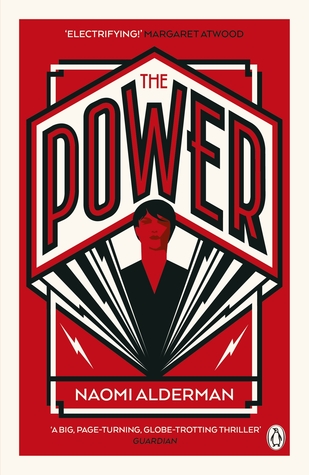
The Power by Naomi Alderman: My review is here.

Venetia by Georgette Heyer: My audiobook review is here.

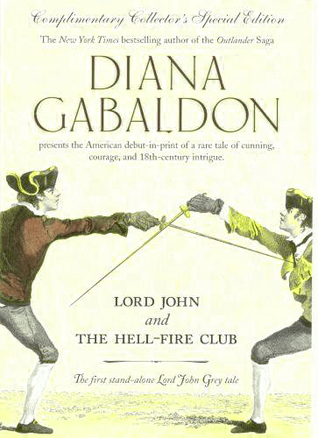
Lord John and the Hellfire Club by Diana Gabaldon: The Outlander Book Club’s Lord John readalong is underway! We finished the first novella this past week.

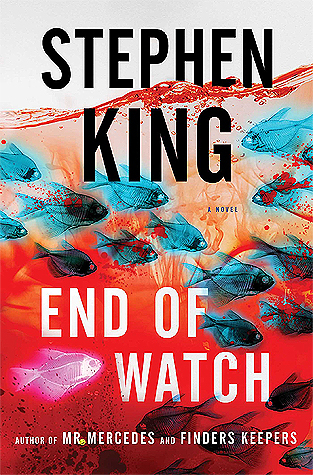
End of Watch by Stephen King: The 3rd book in the Bill Hodges trilogy — I loved it! I finished it while traveling this past weekend, and may write up some thoughts when I get a few moments to breathe.

Outlander !!

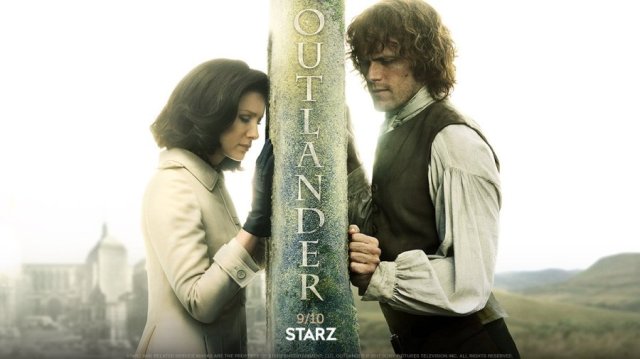
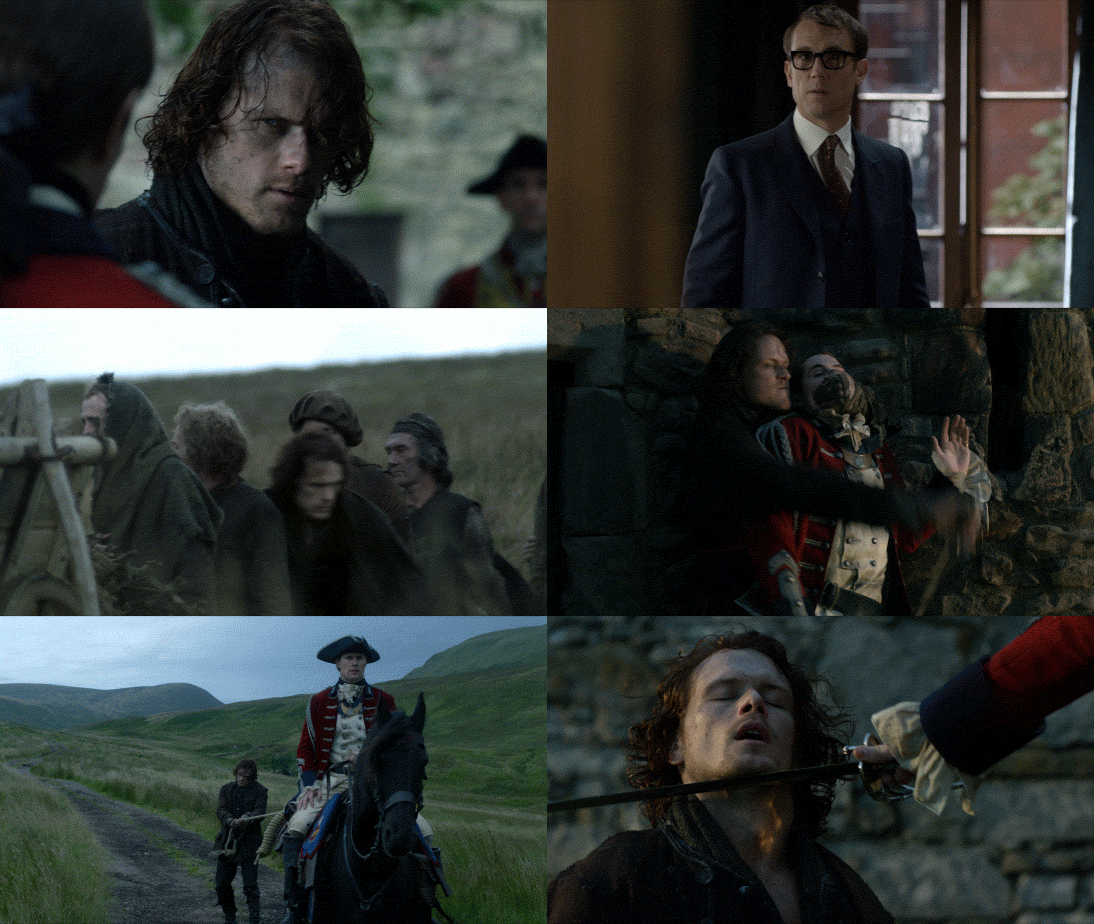
My reaction post for the 2nd episode is here. Stay tuned for more — my reaction post for episode 3 will likely be a bit delayed since I’ve been away for a few days. Hoping to get it done in the next day or two.

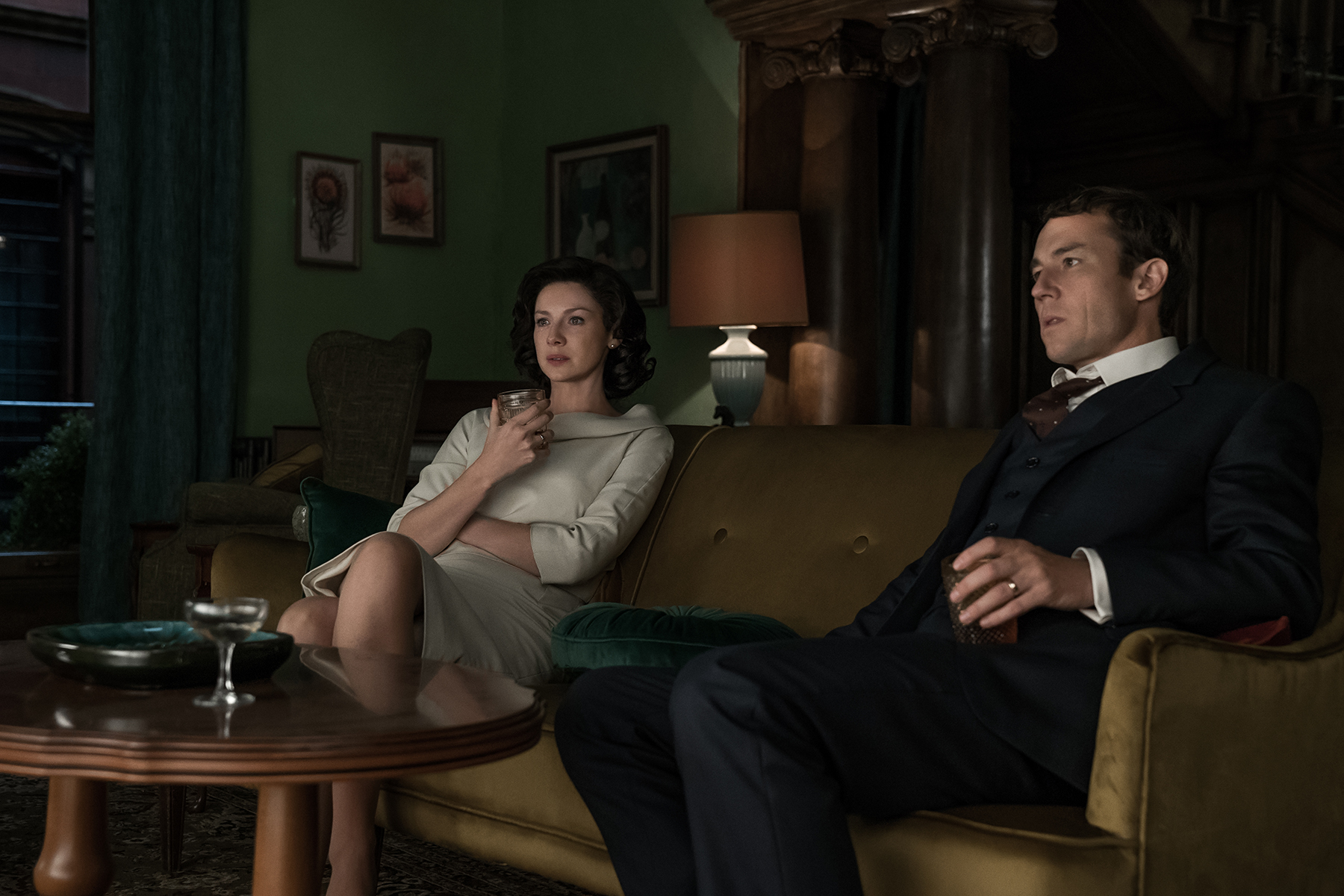
Here’s a peek at episode 3:


Fresh Catch:

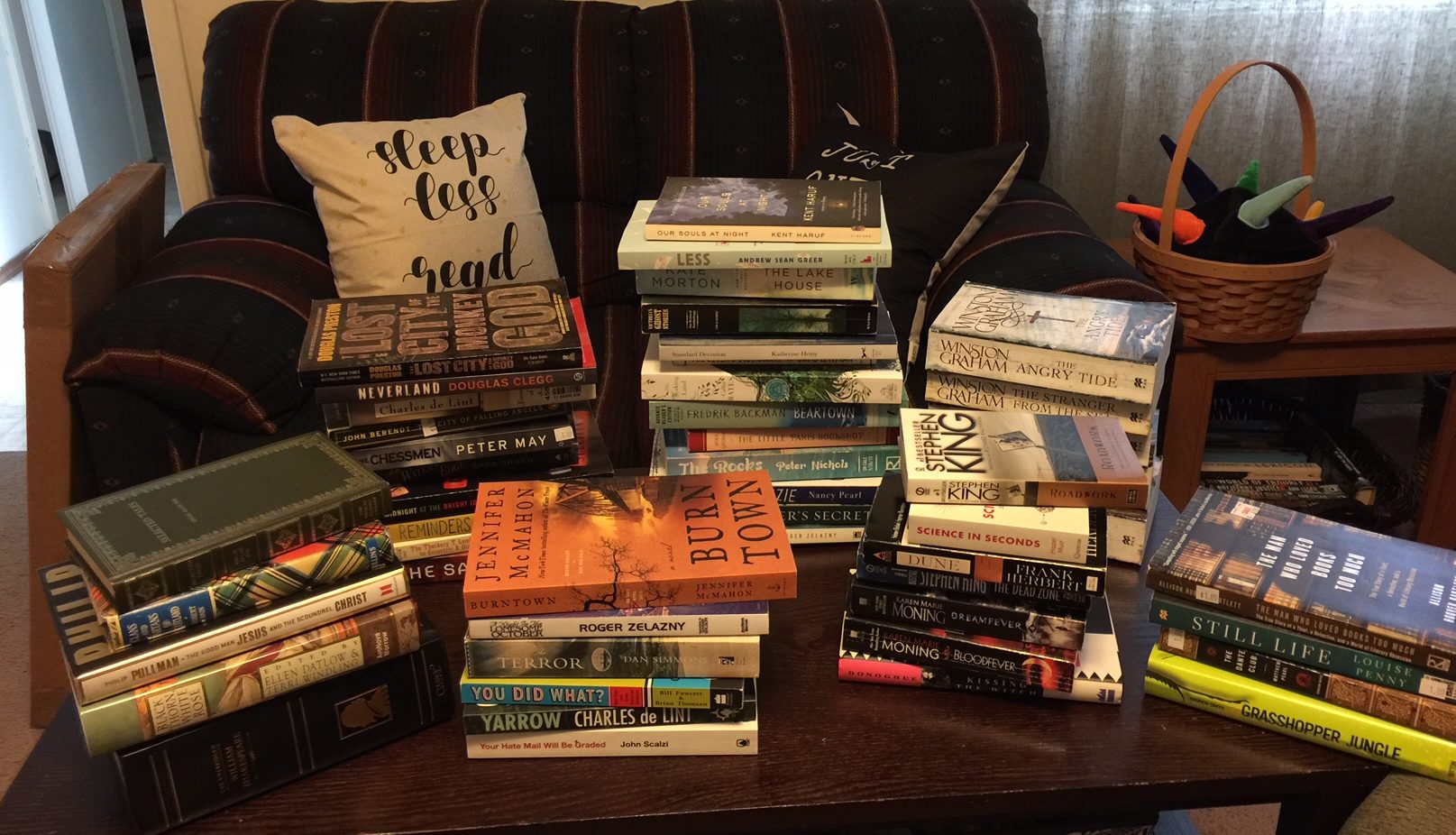
Our library’s Big Book Sale was this past week, and I SCORED. Here’s a little glimpse of what I brought home:

What will I be reading during the coming week?

Currently in my hands:
 

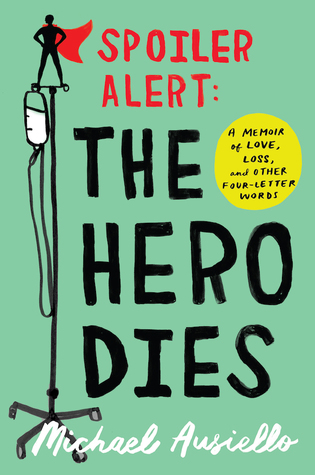
Spoiler Alert: The Hero Dies by Michael Ausiello: I just started this on the plane ride home last night. I can tell already that this will be a great read.

Now playing via audiobook:

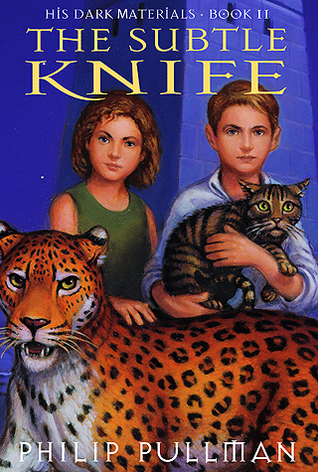
The Subtle Knife by Philip Pullman: I’m revisiting the world of His Dark Materials via audiobook in preparation for the release of The Book of Dust next month.

Ongoing reads:

Ivanhoe by Sir Walter Scott: My book group’s classic read! We’re reading and discussing two chapters per week.

Lord John and the Private Matter by Diana Gabaldon: Outlander Book Club is doing a Lord John readalong — we’ll be reading all of the Lord John novels and stories in story chronology. This week, we’re starting the first full LJ novel. Anyone who’s interested is welcome to participate, so let me know if you’d like more information on how to join in.

So many books, so little time…

boy1Save

Save

Save

Save

Save

Save

Save

Save
Save

Save
Save
Save

Save

Save

Save

Save

Save

Save

Save
Save

Save

Save

Save
Save

Save

Save
Save

Save
Save
Save
Save
Save
Save

Save

Save

Save

Save

Save
Save

Save

Save

Save

Save

Save

Save

Save

Save

Save

Save

Save

Save

Save

Save

Save

Save

Save

Save

Save

Save

Save

Save

Save

Save

Save

Save

Save

Save

Save

Save

Save

Save

Save

Save

Save

Save

Save

Save

Save

Save

Save

Save

Save

Save

Save

Save

Save

Save

Save

Save

Save

Audiobook Review: Venetia by Georgette Heyer


A young lady of beauty and intelligence facing an unbearable choice…

Venetia Lanyon is one of Georgette Heyer’s most memorable heroines. Beautiful, capable, and independent minded, her life on the family’s estate in the countryside is somewhat circumscribed. Then a chance encounter with her rakish neighbor opens up a whole new world for Venetia. Lord Damerel has built his life on his dangerous reputation, and when he meets Venetia, he has nothing to offer and everything to regret. As Venetia’s well-meaning family steps in to protect her from potential ruin, Venetia must find the wherewithal to take charge of her own destiny, or lose her one chance at happiness…

That’s it. It’s official. I’m a Georgette Heyer fangirl.

Venetia may well be my favorite Georgette Heyer book yet. It’s sweet, funny, clever, light, and adorable — in short, fluff, but super enjoyable fluff that’s perfectly entertaining without being cloying.

Venetia herself is a marvelous main character. She’s a bit unusual for a Regency romance heroine. At age 25 and unmarried, she’s perilously close to being “on the shelf”, but doesn’t seem particularly bothered by this. Venetia has lived all her life on her father’s country estate, more or less isolated from anything approaching society. Her father was a recluse, and her mother died when she was young. Ever since her father’s death some years earlier, Venetia lives at Undershaw with her younger brother Aubrey, running the estate until her other brother Conway returns from his military service and takes up the reins as heir.

Venetia and Aubrey are comfortable and happy. Aubrey is a budding scholar with his nose constantly in a book or ten, and at age 17, is soon to be off to Cambridge. While Venetia has two devoted suitors, she’s not in love with either, and is perfectly content to think of a future in which she sets up a household for herself and Aubrey and keeps things running for him while he’s busy with his studies.

This all changes, however, when the absentee lord of the neighboring estate returns home. Lord Damerel has a horrible reputation as a rake who once seduced and ran off with a married woman — and even though this happened nearly 20 years ago, he’s still not considered fit for decent society. He seems to enjoy his bad-boy status and his wild social life, though, and doesn’t exhibit any indication of wishing to reform

But then he meets Venetia! After a brief and sexually charged chance meeting, Venetia can’t shake thoughts of the devilish man next door, but doesn’t expect to see him again, as he never spends much time at his estate. Fate (or something) intervenes — Aubrey, who has a weak leg from a congenital hip problem, is thrown from his horse and injured, and is brought to Damerel’s estate, the closest shelter, for treatment. It’s clear that Aubrey needs to remain still and undisturbed in order to recuperate, and Damerel is a surprisingly generous and gracious host, insisting on caring for Aubrey for as long as needed.

Despite the disapproval of Venetia’s friends and would-be beaux, she becomes a daily visitor to Damerel’s estate, keeping company with Aubrey — but also becoming fast friends with Damerel. The friendship is a surprise and a delight for both of them. They discover that they can talk honestly and openly with one another in a way that they can’t with anyone else. They sit and talk for hours, and find themselves kindred spirits.

The complication, once they start to realize that what they feel goes beyond friendship, is that Damerel’s past has left him with a truly scandalous reputation. Venetia, on the other hand, is a virtuous girl who’s never been anywhere or done anything. Her aunt and uncle hope to arrange a suitable match for her with a respectable gentleman, but Venetia has other plans. Unfortunately for her, Damerel is so in love with her that he doesn’t want to ruin her, and decides to give her up rather than tarnish her in the eyes of society.

Oh, what fun! This business about reputations and scandal and — good gracious — what will everyone think? is just all so quaint and charming. Making a good match is really all that matters for a girl at that time, but Venetia is just rebel enough to not particularly care. She has money from her father’s bequest, enough to live comfortably without needing a wealthy husband to provide for her. She’s learned about life from books and is confident about her own abilities. She’s a devoted sister and a protector for Aubrey, has a good head for business as demonstrated by her management of Undershaw for many years, and feels that she’d be much happier living as a spinster than being trapped in a marriage that bores her to tears.

It’s refreshing to see a Regency heroine who knows her own mind so clearly. Venetia is never rude, not even when provoked, but she’s also no doormat. She’s honest with herself, understands what she truly desires, and is quite capable of scheming to get things to go her way. I was incredibly amused by her solution to her problems with Damerel, and her charming approach to manipulating those around her so that her plan is sure to be successful is just brilliant.

Once again, I simply loved the audiobook version of a Georgette Heyer novel. Phyllida Nash is a wonderful narrator, perfectly capturing the different tones and voices of the various characters. Not every female audiobook narrator can pull off a man’s voice with conviction, but Phyllida Nash is terrific, making Damerel growly and insinuating and absolutely rakish, while Venetia comes across as both innocent and clever.  Such fun!

I will say that the language in Georgette Heyer books can be a challenge at times, as she uses a lot of expressions and terms that are no longer used or not used in the same way, and it can be a bit of a puzzle trying to figure out the context. I do love how Venetia uses the term “idiotish” quite often (Damerel finds this amusing as well), and she and Aubry call each other “stoopid” with a certain degree of affection. I was thrown, though, early on in the book when Venetia is thinking about what she knows of Damerel’s reputation, and recalls how he was last in the country when he hosted an orgy at his estate a year or so prior to the current time in the book. An orgy??? I’m assuming the author is using the word in its older meaning, a drunken party with sexual excesses, rather than as what today’s pop culture would consider an orgy. Still, it’s rather startling toward the end of the book (spoiler ahead!) when Venetia tells Damerel that she doesn’t expect him to give up his orgies, and he asks her if she’d like to preside over them. Oh my.

I only “met” Georgette Heyer this year, but Venetia is now the 4th of her books that I’ve read, and it’s splendid. Like Arabella (review), Venetia would be a good starting point for anyone who hasn’t read Georgette Heyer before. It’s full of the style and wit and sheer silliness that makes her books so delightful.

_________________________________________

The details:

Title: Venetia
Author: Georgette Heyer
Narrator: Phyllida Nash
Publisher: Sourcebooks Casablanca
Publication date: Originally published 1949
Length (print): 375 pages
Length (audiobook): 12 hours, 36 minutes
Genre: Regency romance
Source: Purchased

Save

Save

Save

Save

Save

Save

Save

Save

Save

Save

Save

Thursday Quotables: Ivanhoe

quotation-marks4

Welcome to Thursday Quotables! This weekly feature is the place to highlight a great quote, line, or passage discovered during your reading each week.  Whether it’s something funny, startling, gut-wrenching, or just really beautifully written, Thursday Quotables is where my favorite lines of the week will be, and you’re invited to join in!


Ivanhoe by Sir Walter Scott
(originally published 1820)

I’m reading Ivanhoe with my book group, 2 chapters per week — and I’m actually really enjoying it! We’re moving slowly, so I haven’t gotten very far into the story yet. One of this week’s chapters  is a description of a big tournament — and this paragraph just really jumped out at me:

Thus ended the memorable field of Ashby-de-la-Zouche, one of the most gallantly contested tournaments of that age; for although only four knights, including one who was smothered by the heat of his armour, had died upon the field, yet upwards of thirty were desperately wounded, four or five of whom never recovered. Several more were disabled for life; and those who escaped best carried the marks of the conflict to the grave with them. Hence it is is always mentioned in the old records, as the Gentle and Joyous Passage of Arms of Ashby.

Silly me. I thought a tournament was just for show. So — four dead, 30+ wounded, bunches more disabled — and they call it “gentle” and “joyous”? I think they had a very different idea of a good time way back then!

What lines made you laugh, cry, or gasp this week? Do tell!

If you’d like to participate in Thursday Quotables, it’s really simple:

  • Write a Thursday Quotables post on your blog. Try to pick something from whatever you’re reading now. And please be sure to include a link back to Bookshelf Fantasies in your post (http://www.bookshelffantasies.com), if you’d be so kind!
  • Add your Thursday Quotables post link in the comments section below… and I’d love it if you’d leave a comment about my quote for this week too.
  • Be sure to visit other linked blogs to view their Thursday Quotables, and have fun!

391px-quotation_marks_svg1391px-quotation_marks_svg1391px-quotation_marks_svg1391px-quotation_marks_svg1391px-quotation_marks_svg1391px-quotation_marks_svg1391px-quotation_marks_svg1391px-quotation_marks_svg1

Save

Save

Save

Save

Save

Save

Save

Take A Peek Book Review: The Power by Naomi Alderman

“Take a Peek” book reviews are short and (possibly) sweet, keeping the commentary brief and providing a little peek at what the book’s about and what I thought.


Synopsis:

(via Goodreads)

In The Power the world is a recognisable place: there’s a rich Nigerian kid who larks around the family pool; a foster girl whose religious parents hide their true nature; a local American politician; a tough London girl from a tricky family. But something vital has changed, causing their lives to converge with devastating effect. Teenage girls now have immense physical power – they can cause agonising pain and even death. And, with this small twist of nature, the world changes utterly.

This extraordinary novel by Naomi Alderman, a Sunday Times Young Writer of the Year and Granta Best of British writer, is not only a gripping story of how the world would change if power was in the hands of women but also exposes, with breath-taking daring, our contemporary world.

My Thoughts:

The Power won the Bailey Women’s Prize for Fiction for 2017. It’s a fascinating book. What would happen to our world if the power structure were suddenly flipped upside down? When women develop the power to inflict pain by channeling electricity from a newly developed physical anomaly, the rules and customs of society change rapidly, with men finding themselves on the receiving end of restrictive laws, sexual violence, and lack of political power.

The book is structured as a book-within-a-book, as a male writer many years in the future writes a novel imagining how this transition came about. As the letters between him and his editor make clear, his work is so far-fetched (in describing a male-dominated society) that’s it’s practically unimaginable. It’s an interesting take on a very different world order, positing a world that’s been run and controlled by females for thousands of years, so that a scenario with men in power — soldiers, police, political leaders — seems like fantasy.

Of course, it’s disturbing to think that physical power is the determining factor in how society is formed and structured. There’s no middle ground. Wouldn’t it be nice to think that a society of equals might be the result? In The Power, the world belongs to the strong — and with absolute power comes the corruption, abuses, and excesses that seem to inevitably grow out of a lopsided power relationship.

I couldn’t put this book down, and found the ending pretty shocking. I did wish to see through a wider lens at time — the focus on the main characters started to feel restrictive further into the story, and I would have liked to see how other parts of the world, especially more progressive urban or cultural centers, might have responded and developed as a result of the shift in power between genders. Still, it’s a totally absorbing book, and one that would be great food for discussion.

_________________________________________

The details:

Title: The Power
Author: Naomi Alderman
Publisher: Little, Brown and Company
Publication date: US release date: October 10, 2017 (published in UK in 2016)
Length: 400 pages
Genre: Science fiction
Source: PurchasedSave

Save

Save

Save

Shelf Control #89: Incendiary

Shelves final

Welcome to Shelf Control — an original feature created and hosted by Bookshelf Fantasies.

Shelf Control is a weekly celebration of the unread books on our shelves. Pick a book you own but haven’t read, write a post about it (suggestions: include what it’s about, why you want to read it, and when you got it), and link up! Fore more info on what Shelf Control is all about, check out my introductory post, here.

Want to join in? Shelf Control posts go up every Wednesday. See the guidelines at the bottom of the post, and jump on board!

cropped-flourish-31609_1280-e1421474289435.png

My Shelf Control pick this week is:

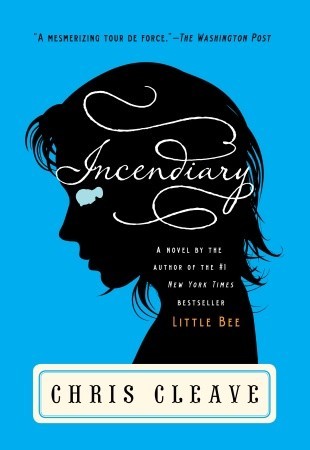
Title: Incendiary
Author: Chris Cleave
Published: 2006
Length: 239 pages

What it’s about (synopsis via Goodreads):

In an emotionally raw voice alive with grief, compassion, and startling humor, a woman mourns the loss of her husband and son at the hands of one of history’s most notorious criminals. And in appealing to their executioner, she reveals the desperate sadness of a broken heart and a working-class life blown apart.

How I got it:

I bought a copy.

When I got it:

Right after reading Little Bee, so probably 5 or 6 years ago.

Why I want to read it:

Chris Cleave is an amazing writer. I was so impressed with Little Bee that when I came across this earlier novel, I had to get it. Have you read it? It’s been on my shelf long enough that I’ve considered donating it. What do you think — read or pass along to someone else?

__________________________________

Want to participate in Shelf Control? Here’s how:

  • Write a blog post about a book that you own that you haven’t read yet.
  • Add your link in the comments!
  • If you’d be so kind, I’d appreciate a link back from your own post.
  • Check out other posts, and…

Have fun!

Save

Save

Save

Save

Save

Save

Save

Save

Save

Save

Save

Save

Save