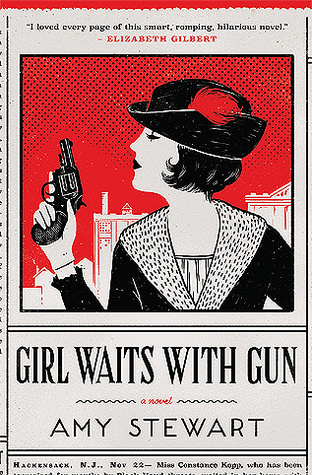
Audiobook Review: Girl Waits With Gun by Amy Stewart

girl-waits-with-gun

A novel based on the forgotten true story of one of the nation’s first female deputy sheriffs.

Constance Kopp doesn’t quite fit the mold. She towers over most men, has no interest in marriage or domestic affairs, and has been isolated from the world since a family secret sent her and her sisters into hiding fifteen years ago. One day a belligerent and powerful silk factory owner runs down their buggy, and a dispute over damages turns into a war of bricks, bullets, and threats as he unleashes his gang on their family farm. When the sheriff enlists her help in convicting the men, Constance is forced to confront her past and defend her family — and she does it in a way that few women of 1914 would have dared.  


Guys, Girl Waits With Gun may be the most enjoyable audiobook I’ve listened to all year! Fantastic story and characters, and narration that really pulls you into the mood of the story.

But stepping back a moment…

Author Amy Stewart has written several highly successful non-fiction books (with absolutely aweseome titles), including Wicked Plants and The Drunken Botanist. Girl Waits With Gun is her first novel, and is the first in what’s projected to be a series about the historical figures at the heart of the novel.

The Kopp sisters were real people who lived in New Jersey in the early part of the 20th century. After an unfortunate run-in with a powerful, corrupt factory owner, the sisters were threatened and terrorized for months on end. Led by oldest sister Constance, the Kopp sisters sought help from the local sheriff, and persisted in seeing that their tormentor would be brought to justice, no matter the risk to themselves.

The novel fleshes out these historical women and brings them to life, so that we really get to know the personalities and inner workings of the three sisters. Narrated by Constance, we see events through her eyes, and come to understand their small family, the state of politics, unions, and factory owners at the time, and the limitations placed on women by the traditions and societal expectations of the time.
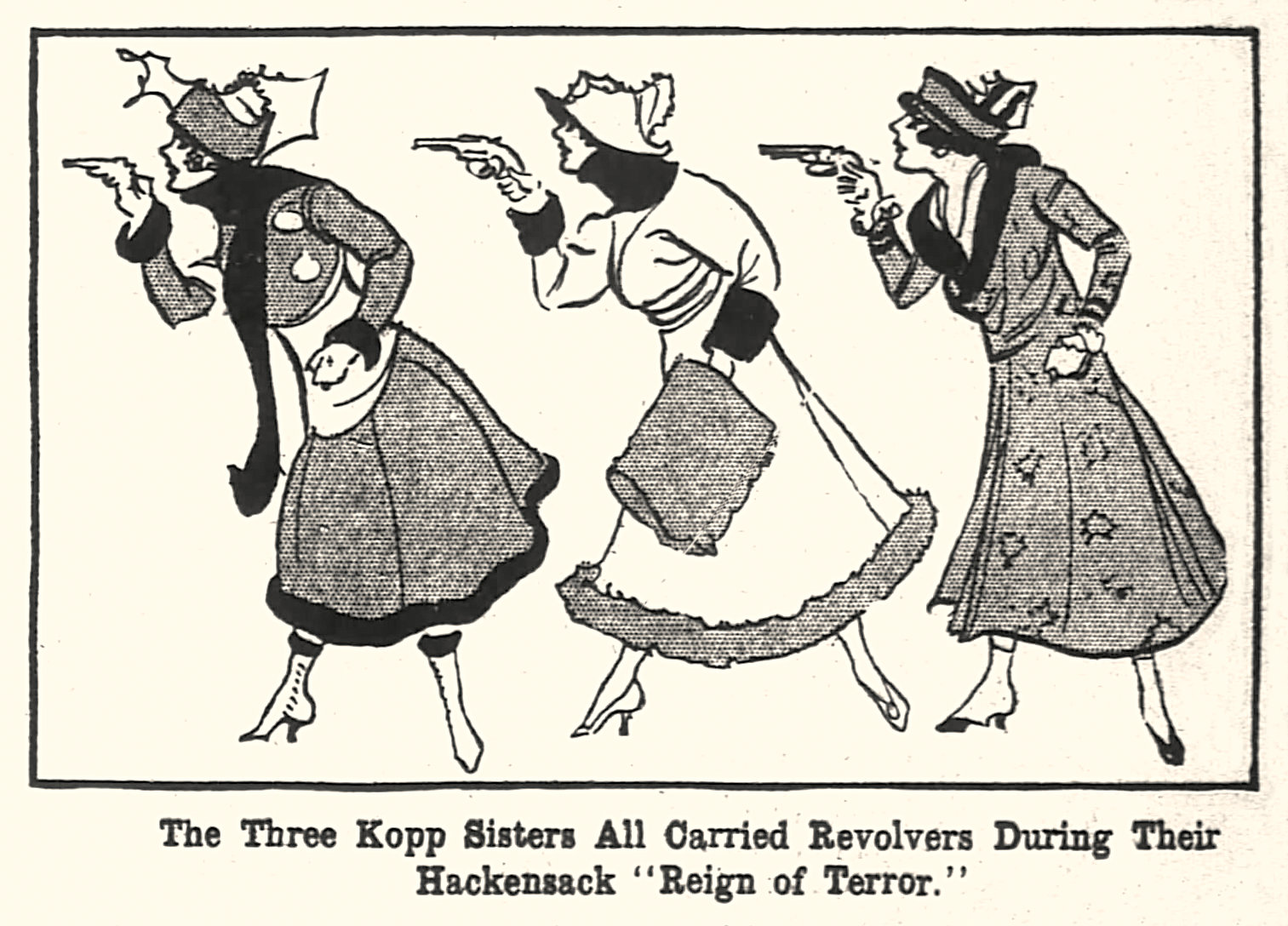
Source: Amy Stewart's website

Source: Amy Stewart’s website

The three sisters are sharply developed, so that we get to know their personalities, their quirks, and their unique voices — both in terms of how they’re written in the story, and how the narrator portrays them. The text and the narration play up Fleurette’s girlish naivete, Norma’s brusque no-nonsense approach to life at large, and Contance’s bravery and wisdom. I loved the character of Sheriff Heath as well, who comes across as a good, honest man dedicated to justice and decency, who’s willing to buck the system in order to see that the innocent are protected. (And I love the fact that it’s Sheriff Heath who gives the sisters their revolvers and makes sure they know how to use them.)

The author makes the historical setting feel real and vibrant, giving us the tastes and smells of factory towns and farms, the sense of busy streets crammed with horse-drawn wagons and sleek automobiles, and the hidden underbelly of society, where the factory workers live in company-owned boarding houses and work in abusive, unhealthy conditions.

The writing here is fast-paced, often funny, and always sharp, catching the nuances of the relationships and the characters, and capturing the colloquialisms and social niceties of the times. Even as the tension and threats mount, there are little moments of humor to keep things moving along.

I really, truly enjoyed listening to Girl Waits With Gun, and I plan to start book #2, Lady Cop Makes Trouble, a bit later this month. I love the Kopp sisters, and can’t wait to see what’s next for them.

_________________________________________

The details:

Title: Girl Waits With Gun
Author: Amy Stewart
Narrator: Christina Moore
Publisher: Houghton Mifflin Harcourt
Publication date: September 1, 2015
Audiobook length: 10 hours, 54 minutes
Printed book length: 408 pages
Genre: Detective story/historical fiction
Source: Review copy courtesy of the publisher via NetGalley; Audible download purchased


Save

Thursday Quotables: Girl Waits With Gun

quotation-marks4

Welcome back to Thursday Quotables! This weekly feature is the place to highlight a great quote, line, or passage discovered during your reading each week.  Whether it’s something funny, startling, gut-wrenching, or just really beautifully written, Thursday Quotables is where my favorite lines of the week will be, and you’re invited to join in!

NEW! Thursday Quotables is now using a Linky tool! Be sure to add your link if you have a Thursday Quotables post to share.

girl-waits-with-gun

Girl Waits With Gun by Amy Stewart
(published 2015)

I’m listening to this audiobook, and absolutely love it! I had a hard time coming up with a passage to share, so I think I’ll just go with the opening of chapter 1, which gives a hint of the quirky charm that’s to come:

Our troubles began in the summer of 1914, the year I turned thirty-five. The Archduke of Austria had just been assassinated, the Mexicans were revolting, and absolutely nothing was happening at our house, which explains why all three of us were riding to Paterson on the most trivial of errands. Never had a larger committee been convened to make a decision about the purchase of mustard powder and the replacement of a claw hammer whose handle had split from age and misuse.

Against my better judgment I allowed Fleurette to drive. Norma was reading to us from the newspaper as she always did.

“Man’s Trousers Cause Death,” Norma called out.

“It doesn’t say that.” Fleurette snorted and turned around to get a look at the paper. The reins slid out of her hands.

“It does,” Norma insisted. “It says that a Teamster was in the habit of hanging his trousers over the gas jet at night but, being under the influence of liquor, didn’t notice that the trousers smothered the flame.”

“Then he died of gas poisoning, not of trousers.”

What lines made you laugh, cry, or gasp this week? Do tell!

If you’d like to participate in Thursday Quotables, it’s really simple:

  • Write a Thursday Quotables post on your blog. Try to pick something from whatever you’re reading now. And please be sure to include a link back to Bookshelf Fantasies in your post (http://www.bookshelffantasies.com), if you’d be so kind!
  • Click on the linky button (look for the cute froggie face) below to add your link.
  • After you link up, I’d love it if you’d leave a comment about my quote for this week.
  • Be sure to visit other linked blogs to view their Thursday Quotables, and have fun!

Shelf Control #53: The Mercy of Thin Air

Shelves final

Welcome to the newest weekly feature here at Bookshelf Fantasies… Shelf Control!

Shelf Control is all about the books we want to read — and already own! Consider this a variation of a Wishing & Waiting post… but looking at books already available, and in most cases, sitting right there on our shelves and e-readers.

Want to join in? See the guidelines and linky at the bottom of the post, and jump on board! Let’s take control of our shelves!

cropped-flourish-31609_1280-e1421474289435.png

My Shelf Control pick this week is:

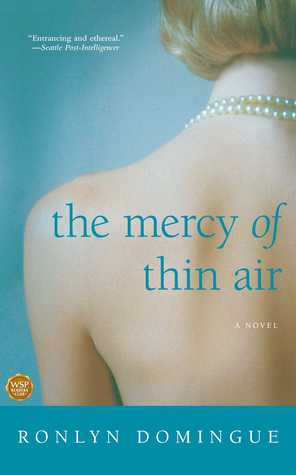
mercy-of-thin-airTitle: The Mercy of Thin Air
Author: Ronlyn Domingue
Published: 2006
Length: 336 pages

What it’s about (synopsis via Goodreads):

New Orleans, 1920s. Raziela Nolan is in the throes of a magnificent love affair when she dies in a tragic accident. In an instant, she leaves behind her one true love and her dream of becoming a doctor — but somehow, she still remains. Immediately after her death, Razi chooses to stay between — a realm that exists after life and before whatever lies beyond it.

From this remarkable vantage point, Razi narrates the stories of her lost love, Andrew, and the relationship of Amy and Scott, a couple whose house she haunts almost seventy-five years later. The Mercy of Thin Air entwines these two fateful and redemptive love stories that echo across three generations. From ambitious, forward-thinking Razi, who illegally slips birth control guides into library books; to hip Web designer Amy, who begins to fall off the edge of grief; to Eugenia, caught between since the Civil War, the characters in this wondrous novel sing with life. Evoking the power of love, memory, and time, The Mercy of Thin Air culminates in a startling finish that will leave readers breathless.

How I got it:

I bought it.

When I got it:

About two years ago, after a friend mentioned another book by this author.

Why I want to read it:

Ghost story, New Orleans, romance… plus a timeline that spans years and eras. Absolutely sets my pulse racing just thinking about it!

__________________________________

Want to participate in Shelf Control? Here’s how:

  • Write a blog post about a book that you own that you haven’t read yet.
  • Add your link below!
  • And if you’d be so kind, I’d appreciate a link back from your own post.
  • Check out other posts, and have fun!

For more on why I’ve started Shelf Control, check out my introductory post here, or read all about my out-of-control book inventory, here.

And if you’d like to post a Shelf Control button on your own blog, here’s an image to download (with my gratitude, of course!):

Shelf Control

Save

Take A Peek Book Review: The Kitchen House by Kathleen Grissom

“Take a Peek” book reviews are short and (possibly) sweet, keeping the commentary brief and providing a little peek at what the book’s about and what I thought.

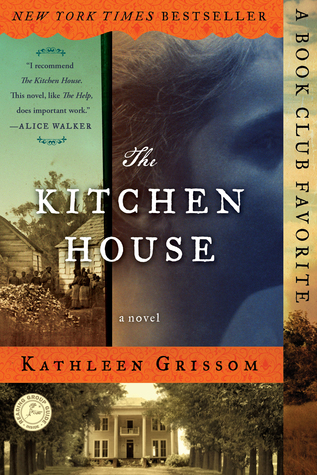
tkh


Synopsis:

(via Goodreads)

In this gripping New York Times bestseller, Kathleen Grissom brings to life a thriving plantation in Virginia in the decades before the Civil War, where a dark secret threatens to expose the best and worst in everyone tied to the estate.

Orphaned during her passage from Ireland, young, white Lavinia arrives on the steps of the kitchen house and is placed, as an indentured servant, under the care of Belle, the master’s illegitimate slave daughter. Lavinia learns to cook, clean, and serve food, while guided by the quiet strength and love of her new family.

In time, Lavinia is accepted into the world of the big house, caring for the master’s opium-addicted wife and befriending his dangerous yet protective son. She attempts to straddle the worlds of the kitchen and big house, but her skin color will forever set her apart from Belle and the other slaves.

Through the unique eyes of Lavinia and Belle, Grissom’s debut novel unfolds in a heartbreaking and ultimately hopeful story of class, race, dignity, deep-buried secrets, and familial bonds.


My Thoughts:

The Kitchen House has been on my radar for a while now, and I finally settled in and read it over the weekend in preparation for my book group discussion this coming week. Sometimes you need a little nudge to get to the good stuff, ya know?

Wow. This book has it all — terrific historical setting, a broad and varied cast of characters, and pains and sorrows that are instantly relatable.

Lavinia’s story is unique, as most pre-Civil War novels I’ve read with Southern settings focus strictly on the master/slave divide, broken along race lines. In The Kitchen House, Lavinia straddles the color line. As an orphaned indentured Irish girl, she’s settled — happily — with the black slaves on the plantation, where she finds love, comfort, and family. Yet based on the color of her skin, she’s easily accepted into the world of the big house as well, first as a companion for her master’s mentally ill wife, and eventually as a full-fledged member of the family.

Meanwhile, among the kitchen house slaves, the illegitimate children of the plantation owners are relegated to yet another generation of slavery, subject to the whims and demons of the twisted mind of their current owner.

Lavinia is the main narrator of the story, although we do get briefer chapters from Belle’s perspective, which help round out what Lavinia sees of plantation life and offer a sort of behind-the-scenes viewpoint that we’d otherwise miss.

The heartache and tragedy that plague Lavinia and her loved ones feel almost too much sometimes. It seems like every time there’s a chance for something terrible to happen, it does. The pain that all of the characters must endure makes the book tough to take, even while it’s impossible to look away.

The author seems to be drawing a parallel between the slaves’ captivity and Lavinia’s own powerlessness and lack of rights in a loveless marriage to a cruel, domineering, dangerous man. I can accept this up to a point: Despite her fine clothes and house, Lavinia is her husband’s property and is basically a prisoner, with no access to the outside world or to anyone who might provide help. Still, her situation isn’t nearly as helpless as that of the slaves, and her skin color and status offer her a protection that her beloved family does not have.

The Kitchen House is powerful and well-written, and I recommend it strongly for anyone with an interest in American history during that time period. The characters are unforgettable.

As far as I understand, The Kitchen House (published in 2010) was originally written as a stand-alone, but I was excited to learn that a follow-up novel (Glory Over Everything) has just been published. I can’t wait to spend more time with these characters… and just hope that at least some of them get the happy ending they so clearly deserve.

_________________________________________

The details:

Title: The Kitchen House
Author: Kathleen Grissom
Publisher: Touchstone
Publication date: January 1, 2010
Length: 385 pages
Genre: Historical fiction
Source: Library


Book Review: To the Bright Edge of the World by Eowyn Ivey

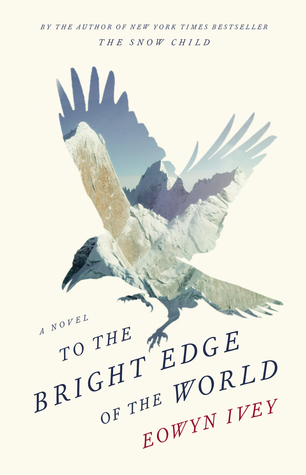
Bright Edge

Set again in the Alaskan landscape that she bought to stunningly vivid life in THE SNOW CHILD, Eowyn Ivey’s new novel is a breathtaking story of discovery and adventure, set at the end of the nineteenth century, and of a marriage tested by a closely held secret.

Colonel Allen Forrester receives the commission of a lifetime when he is charged to navigate Alaska’s hitherto impassable Wolverine River, with only a small group of men. The Wolverine is the key to opening up Alaska and its huge reserves of gold to the outside world, but previous attempts have ended in tragedy.

For Forrester, the decision to accept this mission is even more difficult, as he is only recently married to Sophie, the wife he had perhaps never expected to find. Sophie is pregnant with their first child, and does not relish the prospect of a year in a military barracks while her husband embarks upon the journey of a lifetime. She has genuine cause to worry about her pregnancy, and it is with deep uncertainty about what their future holds that she and her husband part.

A story shot through with a darker but potent strand of the magic that illuminated THE SNOW CHILD, and with the sweep and insight that characterised Rose Tremain’s The Colour, this new novel from Pulitzer Prize finalist Eowyn Ivey singles her out as a major literary talent.

I’m a bit of an Alaska geek, and one of the ways that comes out is that I’m inordinately excited whenever great new fiction set in Alaska appears on the horizon. So you can imagine how thrilled I was to get my hands on a copy of Eowyn Ivey’s newest book — I think I snagged the very first copy that arrived at my local library!

To the Bright Edge of the World is a novel told in letters and other first-person written documents, with occasional archival pieces such as newspaper clippings, photos, and maps mixed in as well. The main writings in this novel are journal entries by Colonel Allen Forrester and Sophie Forrester.

Allen is leading a small team of men up the dangerous and uncharted Wolverine River, with the goal of finding a passage through to the Yukon River. Previous expeditions have met disaster along the way and have been forced to abandon the attempt. Sophie is dismayed at the prospect of being left behind in the army barracks — she’d originally intended to journey to the starting point of the expedition with Allen, but the unexpected news of her pregnancy forces her to abandon that plan.

Sophie is a bright, energetic young woman who has no interest in or patience for the small, suffocating social circle of officers’ wives that seems to be her expected occupation while Allen is away. Sophie is fascinated by the natural world, and almost accidentally discovers an interest in photography. After a tragedy leaves her at loose ends, she purchases a camera, converts a room in her quarters into a dark room, and sets out to capture her concept of light through the photography of the wild birds in the area, with the elusive hummingbird as her true target.

Meanwhile, Allen’s expedition is beset by challenges and hardships at every turn, from starvation to injury to the delicate task of asking the local tribes for assistance without being seen as enemies. Through it all, Allen and Sophie record their thoughts, hopes, and emotions, as well as their daily activities, in their journals. The picture that emerges is of two highly intelligent people who, despite seeming an odd match, are truly suited to each other in a way that’s rare and beautiful.

The writing in To the Bright Edge of the World is lovely. The author captures the different writing styles and voices of the different characters, giving a unique flavor to the documents each writes. The descriptions of the landscapes and natural wonders is powerful, as are the thoughts and reflections on what it means to love another person, heart and soul.

There is yet another element to the book, which is the sense of the unexplained and magical that lives in the natural world. As Allen’s small team progresses, they encounter things they cannot explain, including an Old Man who also appears to be a raven, who follows them along their path — either to hurt or to help, they can’t be quite sure. Other magical, otherworldly elements come into play, and it’s interesting to note that while Allen records them all in his journals, the official reports of the expedition most certainly do not include these stories and observations.

Meanwhile, the framing device of the novel is a series of letters between an old man, a great-nephew of Colonel Forrester, and the curator of a small Alaskan musuem, as they get to know one another and form an odd friendship as they bond over the treasure trove of documents and artifacts from the family attic — the documents that make up the bulk of the novel.

While I loved the characters, the setting, and the imagery, I do have some minor quibbles. My biggest quibble is the limiting effect of telling a story through documents rather than a direct narrative. While this gives us insight into the characters’ thoughts, it’s by necessity not the most immediate way of depicting the events. Instead of experiencing the most dramatic moments as if we were there, we’re held at arms’ length by reading about the events as the narrators remember and record them. The epistolary approach works in terms of letting us inside the characters’ heads, but it’s a distancing tool when it comes to living and breathing big adventures as they happen.

Likewise, because of the epistolary approach, the supporting characters are known only by the main characters’ observations. I would have liked to know more about what makes certain characters tick, especially the soldiers in Allen’s company and the young native woman who accompanies them, but I felt that we never truly get beyond their outward appearances. (Of course, this is actually rather true to life — how do we get to know anyone, except by what they show us? It’s only in books that we get to know another person’s innermost thoughts.)

I question too the inclusion of the scattered photos, drawings, etc that pop up throughout the book. It felt to me as if they were included rather haphazardly — if the decision was made to augment the story with these types of things, then there should have been more. I actually love seeing the old photos (as if they were truly the products of the fictional characters in the story), but I would have liked a stronger commitment to this approach. Either go for it, or leave them out!

The quibble about the writing style is what keeps this from being a five-star read for me, but overall, I do think the book is a wonderful achievement and hope that it will be widely read and appreciated. Sophie is a remarkable woman, well ahead of her time, and I admired her pioneering spirit and commitment to her dreams, and absolutely love how she and Allen support each other and refuse to be boxed in by the traditional ideas of a proper marriage at that time.

To the Bright Edge of the World is a beautifully written historical novel with well-developed characters and an  unforgettable setting. If you enjoy historical fiction or even just have a hankering for Alaska, check it out.

_________________________________________

The details:

Title: To the Bright Edge of the World
Author: Eowyn Ivey
Publisher: Little, Brown and Company
Publication date: August 2, 2016
Length: 432 pages
Genre: Historical fiction
Source: Library

Save

Save

Shelf Control #48: A Place Called Freedom

Shelves final

Welcome to the newest weekly feature here at Bookshelf Fantasies… Shelf Control!

Shelf Control is all about the books we want to read — and already own! Consider this a variation of a Wishing & Waiting post… but looking at books already available, and in most cases, sitting right there on our shelves and e-readers.

Want to join in? See the guidelines and linky at the bottom of the post, and jump on board! Let’s take control of our shelves!

cropped-flourish-31609_1280-e1421474289435.png

My Shelf Control pick this week is:

Place Called Freedom 2Title: A Place Called Freedom
Author: Ken Follett
Published: 1995
Length: 437 pages

What it’s about (synopsis via Goodreads):

Scotland, 1766. Sentenced to a life of misery in the brutal coal mines, twenty-one-year-old Mack McAsh hungers for escape. His only ally: the beautiful, highborn Lizzie Hallim, who is trapped in her own kind of hell. Though separated by politics and position, these two restless young people are bound by their passionate search for a place called freedom.

From the teeming streets of London to the infernal hold of a slave ship to a sprawling Virginia plantation, Ken Follett’s turbulent, unforgettable novel of liberty and revolution brings together a vivid cast of heroes and villains, lovers and rebels, hypocrites and hell-raisers—all propelled by destiny toward an epic struggle that will change their lives forever.

How I got it:

I picked up a used copy on a whim after seeing a mention of the book on Goodreads.

When I got it:

Several years ago.

Why I want to read it:

Okay, first off — Scotland. Second — 18th century. Third — colonial America. Those all sound like delicious ingredients to me! The setting and time period absolutely appeal to me, and I just hope it’s as good as it sounds.

__________________________________

Want to participate in Shelf Control? Here’s how:

  • Write a blog post about a book that you own that you haven’t read yet.
  • Add your link below!
  • And if you’d be so kind, I’d appreciate a link back from your own post.
  • Check out other posts, and have fun!


For more on why I’ve started Shelf Control, check out my introductory post here, or read all about my out-of-control book inventory, here.

And if you’d like to post a Shelf Control button on your own blog, here’s an image to download (with my gratitude, of course!):

Shelf Control

Save

Save

Save

Save

Shelf Control #45: The Fever Tree

Shelves final

Welcome to the newest weekly feature here at Bookshelf Fantasies… Shelf Control!

Shelf Control is all about the books we want to read — and already own! Consider this a variation of a Wishing & Waiting post… but looking at books already available, and in most cases, sitting right there on our shelves and e-readers.

Want to join in? See the guidelines and linky at the bottom of the post, and jump on board! Let’s take control of our shelves!

cropped-flourish-31609_1280-e1421474289435.png

My Shelf Control pick this week is:

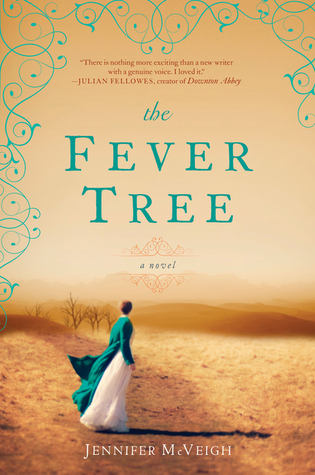
Fever TreeTitle: The Fever Tree
Author: Jennifer McVeigh
Published: 2013
Length: 432 pages

What it’s about (synopsis via Goodreads):

In London she was caged by society.
In South Africa, she is dangerously free.

Frances Irvine, left destitute in the wake of her father’s sudden death, has been forced to abandon her life of wealth and privilege in London and emigrate to the Southern Cape of Africa. 1880 South Africa is a country torn apart by greed. In this remote and inhospitable land she becomes entangled with two very different men—one driven by ambition, the other by his ideals. Only when the rumor of a smallpox epidemic takes her into the dark heart of the diamond mines does she see her path to happiness.

But this is a ruthless world of avarice and exploitation, where the spoils of the rich come at a terrible human cost and powerful men will go to any lengths to keep the mines in operation. Removed from civilization and disillusioned by her isolation, Frances must choose between passion and integrity, a decision that has devastating consequences.

How I got it:

I bought it at a used book sale.

When I got it:

About a year ago.

Why I want to read it:

I love historical fiction (usually), but the time and place of this book are new to me in terms of where I’ve “traveled” already through fiction. The description really caught my eye… and so did the gorgeous cover!

__________________________________

Want to participate in Shelf Control? Here’s how:

  • Write a blog post about a book that you own that you haven’t read yet.
  • Add your link below!
  • And if you’d be so kind, I’d appreciate a link back from your own post.
  • Check out other posts, and have fun!


For more on why I’ve started Shelf Control, check out my introductory post here, or read all about my out-of-control book inventory, here.

And if you’d like to post a Shelf Control button on your own blog, here’s an image to download (with my gratitude, of course!):

Shelf Control

Save

Save

Vacation reading wrap-up

I just spend a glorious 10 days on vacation! Glorious, because VACATION. Also glorious, because my husband and I traveled to two beautiful southern cities, Savannah, Georgia and Charleston, South Carolina, ending with a few days of utter relaxation at Hilton Head Island, doing not much more than sitting on beach chairs, wading in the ocean, and basking in the sun.

Oh, and did I mention reading? Because I did a little reading. Enough to cause darling hubby to shake his head at me a few times and lovingly call me ridiculous.

Here’s a quick wrap-up of what I read on vacation, with my take on the vacation-worthiness of each book. The number of little beach umbrellas reflects my own personal feelings about whether or not this is a good choice for tucking into your beach-tote!

sun-151763_1280

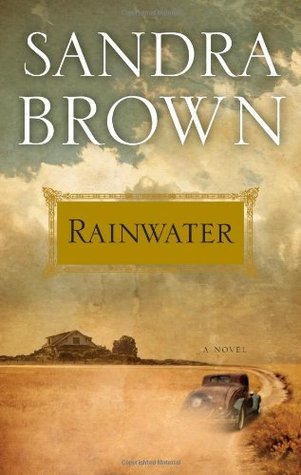
RainwaterRainwater by Sandra Brown: Set during the Depression in drought-stricken Texas, this is the story of a single mother who runs a boarding house while caring for her autistic son, and the stranger who comes to stay and ends up changing both of their lives. I’ll admit that I never would have picked this up if it weren’t my book group’s pick for July. It looks and feels like the kind of book you’d pick up in a supermarket check-out line. That said, I was surprisingly engrossed by the story. Rainwater‘s depiction of the historical setting was very interesting, and I learned a few things about the time period that were completely new to me. That may make the book sound stuffy, and it’s not. The love story is sweet and passionate and unexpected, includes some strong commentary on social justice issues, and has an ending at once tragic and uplifting. The writing isn’t exactly literary, but it’s a quick and compelling read.

Vacation ratingumbrellaumbrellaumbrellaumbrella


sun-151763_1280

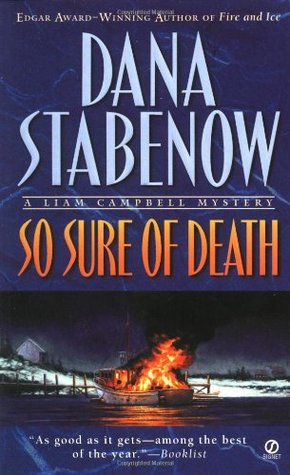
Liam1Liam2Fire and Ice and So Sure of Death, books 1 & 2 in the Liam Campbell series by Dana Stabenow. Big surprise for anyone who reads my blog from time to time — I’m a huge fan of Dana Stabenow’s Kate Shugak series, and have gotten far enough into that series that I needed to detour into her related series about Alaska State Trooper Liam Campbell. The Liam books did not let me down in the slightest, and are perfect vacation reads: Fast-paced, great characters, unusual settings, mysteries that kept me engaged, and personal relationships that are fresh, believable, and utterly engaging.

Vacation ratingumbrellaumbrellaumbrellaumbrellaumbrella

sun-151763_1280

Sandcastle GirlsThe Sandcastle Girls by Chris Bohjalian: This is a heartbreaker of a story, a historical novel focusing on the Armenian genocide of 1915, as seen through the eyes of a young American woman who travels to Aleppo to offer aid and assistance to survivors. Elizabeth’s eyes are opened by the horrors she witnesses, while at the same time, she discovers love in a most unexpected place. The historical elements are framed by a modern-day woman’s exploration of her grandparents’ histories. The modern-day story felt more like a distraction to me, as what really gripped me was the story of Elizabeth, Armen, and the other supporting characters we meet in 1915. The Sandcastle Girls is powerful, beautiful, and devastating, and is a must-read — and yet, I don’t think I’d recommend it as a vacation read. It’s an amazing book, don’t get me wrong, and I think everyone should read it — but the seriousness of the subject matter and the unrelenting suffering portrayed here don’t jibe very well with beach umbrellas, flip-flops, and cold fruity cocktails. Read this book — but read it at home.

Vacation ratingumbrellaumbrella


sun-151763_1280

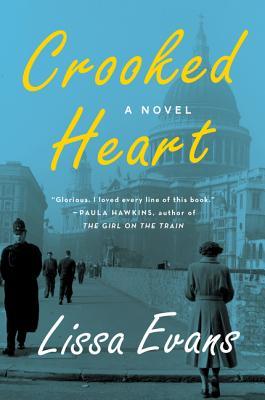
Crooked HeartCrooked Heart by Lissa Evans tells the story of a young boy evacuated from London during WWII. Noel is an odd little duck, and when his eccentric godmother/guardian dies, he’s left without a soul to care for him. Vee is a con woman who schemes to earn a little cash because she really has no other way of supporting her deadbeat son and her doddering mother. Vee takes Noel in so that she can collect the fostering fee for housing evacuees, but the two soon find that his brains combined with her slippery ethics make for successful money-making. This is an unusual and offbeat story, with a lot of charm, plenty of humor, and lots of heart-tugging sentiment too. The historical setting is nicely conveyed, and the mood is sincere and sometimes sad, but never so heavy as to make reading it a drag. I definitely recommend the book, and I enjoyed it while swinging in a hammock.

Vacation ratingumbrellaumbrellaumbrellaumbrella


sun-151763_1280

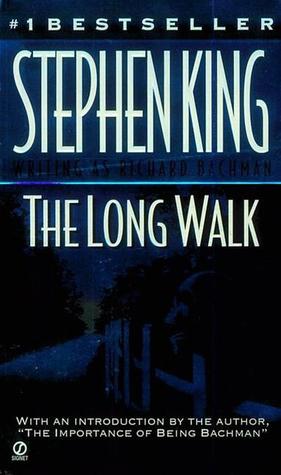
Long Walk2The Long Walk by Stephen King: Ooooh. This is a good one. I’d never heard of this book, one of King’s earlier works (written under his Richard Bachman pseudonym), until I saw Bonnie’s review on For the Love of Words (check it out here — great review!). In The Long Walk, 100 teen-aged boys participate in a walk that continues until only one is left standing… because all the others are dead. The boys start at the Maine/Canada border, and walk. That’s it. They walk — and walk, and walk, never falling below a 4-mile-per-hour pace, because if they do, that’s a warning. And after three warnings, the next infraction means you’re shot to death by the armed guards who travel alongside the walkers. The boys never stop, not to eat, sleep, or pee. If they fall or pass out or get a cramp, that could mean the end. Wow, is this a disturbing book, and yet it’s so, so good. Meanwhile, the boys who walk talk and reflect and learn the truth hidden inside the deepest, darkest corners of their hearts and minds. Why they walk is only explained at a surface level (there’s a Prize), but it’s clear without ever being explicitly shown that this is an alternate version of the United States in which watching a group of boys walk to death is high entertainment, and which is bleak enough that the 1 in 100 shot at the Prize is enough to get more or less sensible boys to bet their lives.

You might think that all this makes The Long Walk too dark for a vacation read… but no. Stephen King is pretty much always perfect for vacation. The fast-paced storytelling and immersive experience makes you happy to glance up and see the sun still shining. It’s horror, but (oh, this makes me sound like a bad person) totally fun horror.

Vacation ratingumbrellaumbrellaumbrellaumbrellaumbrella


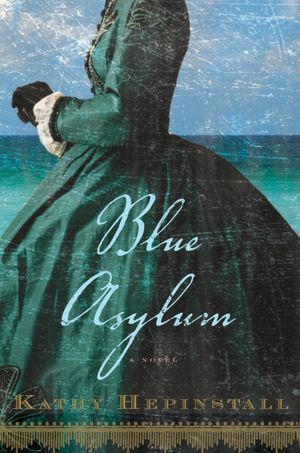
sun-151763_1280Blue AsylumBlue Asylum by Kathy Hepinstall: I loved this book! Set during the Civil War, this historical novel tells the story of Iris Dunleavy, a young woman who somewhat blindly enters into a marriage with a plantation owner, only to realize that his cruelty is more than she can bear. When she attempts to expose his crimes, he instead has her declared insane and sends her away to an island asylum to be “cured” of her irrational defiance and delusions. While there, Iris meets Ambrose, a Confederate soldier haunted by his wartime experience. Iris and Ambrose fall in love, but Iris’s determination to escape with her lover and start a new life is doomed from the start. It’s a haunting and tragic love story, beautifully written, with an unusual setting and a memorable and well-defined cast of supporting characters. I just adored this one. Sad? Yes. And still, I consider it a great vacation read. The asylum is set on Sanibel Island off the coast of Florida, and the descriptions of the beaches, sea, birds, and sky give Blue Asylum a feeling of sunshine and freshness, even when the plot makes me want to cry.

Vacation ratingumbrellaumbrellaumbrellaumbrellaumbrella


sun-151763_1280

And that’s my vacation reading wrap-up! As you can see, I read some amazing books — not all are books I’d describe as beach reads, but not a single dud among the bunch.

If I had to pick one to recommend the most, I’d say definitely check out Blue Asylum. For anyone who loves historical fiction, powerful love stories, and strong female lead characters, this is a can’t-miss book.

Shelf Control #43: My Notorious Life

Shelves final

Welcome to the newest weekly feature here at Bookshelf Fantasies… Shelf Control!

Shelf Control is all about the books we want to read — and already own! Consider this a variation of a Wishing & Waiting post… but looking at books already available, and in most cases, sitting right there on our shelves and e-readers.

Want to join in? See the guidelines and linky at the bottom of the post, and jump on board! Let’s take control of our shelves!

cropped-flourish-31609_1280-e1421474289435.png

My Shelf Control pick this week is:

My Notorious LifeTitle: My Notorious Life
Author: Kate Manning
Published: 2013
Length: 448 pages

What it’s about (synopsis via Goodreads):

A brilliant rendering of a scandalous historical figure, Kate Manning’s My Notorious Life is an ambitious, thrilling novel introducing Axie Muldoon, a fiery heroine for the ages. Axie’s story begins on the streets of 1860s New York. The impoverished child of Irish immigrants, she grows up to become one of the wealthiest and most controversial women of her day.

In vivid prose, Axie recounts how she is forcibly separated from her mother and siblings, apprenticed to a doctor, and how she and her husband parlay the sale of a few bottles of ‘Lunar Tablets for Female Complaint’ into a thriving midwifery business. Flouting convention and defying the law in the name of women’s reproductive rights, Axie rises from grim tenement rooms to the splendor of a mansion on Fifth Avenue, amassing wealth while learning over and over never to trust a man who says “trust me.”

When her services attract outraged headlines, Axie finds herself on a collision course with a crusading official, Anthony Comstock, founder of the Society for the Suppression of Vice. It will take all of Axie’s cunning and power to outwit him in the fight to preserve her freedom and everything she holds dear.

Inspired by the true history of an infamous female physician who was once called “the Wickedest Woman in New York,” My Notorious Life is a mystery, a family saga, a love story, and an exquisitely detailed portrait of nineteenth-century America. Axie Muldoon’s inimitable voice brings the past alive, and her story haunts and enlightens the present.

How I got it:

I bought it!

When I got it:

Sometime last year.

Why I want to read it:

A super enthusiastic coworker practically ran into my office one day to tell me about this amazing book she was reading, and gushed about it so much that I had to track down a copy. I love good historical fiction, especially when there’s a strong and notable woman at the center of the action. My Notorious Life sounds right up my alley.

__________________________________

Want to participate in Shelf Control? Here’s how:

  • Write a blog post about a book that you own that you haven’t read yet.
  • Add your link below!
  • And if you’d be so kind, I’d appreciate a link back from your own post.
  • Check out other posts, and have fun!


For more on why I’ve started Shelf Control, check out my introductory post here, or read all about my out-of-control book inventory, here.

And if you’d like to post a Shelf Control button on your own blog, here’s an image to download (with my gratitude, of course!):

Shelf Control

Save

Save

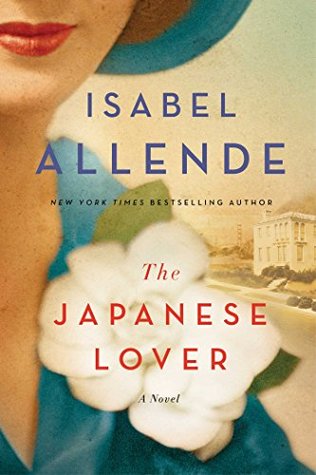
Take A Peek Book Review: The Japanese Lover by Isabel Allende

“Take a Peek” book reviews are short and (possibly) sweet, keeping the commentary brief and providing a little peek at what the book’s about and what I thought.

japanese lover2

Synopsis:

(via Goodreads)

In 1939, as Poland falls under the shadow of the Nazis, young Alma Belasco’s parents send her away to live in safety with an aunt and uncle in their opulent mansion in San Francisco. There, as the rest of the world goes to war, she encounters Ichimei Fukuda, the quiet and gentle son of the family’s Japanese gardener. Unnoticed by those around them, a tender love affair begins to blossom. Following the Japanese attack on Pearl Harbor, the two are cruelly pulled apart as Ichimei and his family, like thousands of other Japanese Americans are declared enemies and forcibly relocated to internment camps run by the United States government. Throughout their lifetimes, Alma and Ichimei reunite again and again, but theirs is a love that they are forever forced to hide from the world.

Decades later, Alma is nearing the end of her long and eventful life. Irina Bazili, a care worker struggling to come to terms with her own troubled past, meets the elderly woman and her grandson, Seth, at San Francisco’s charmingly eccentric Lark House nursing home. As Irina and Seth forge a friendship, they become intrigued by a series of mysterious gifts and letters sent to Alma, eventually learning about Ichimei and this extraordinary secret passion that has endured for nearly seventy years.


My Thoughts:

While The Japanese Lover tells what should be fascinating stories of suffering and survival, the key problem I had with it was the telling. As in, show — don’t tell. Somehow, most of the narrative of this novel felt like a third party summarizing events, rather than allowing me to witness events for myself. There are a lot of shared stories and memories, but they mostly lack immediacy or a sense of real texture.

Additionally, the overall storyline felt a bit kitchen-sinky to me. Alma is sent off to American by her parents who stay behind in Poland and perish in the Holocaust. Irina’s mother was a victim of sex trafficking and ultimately causes horrible abuse to Irina herself. Ichimei and his family are forced into an internment camp during World War II. Alma’s husband leads a closeted life and dies of AIDS. Horrible things happen, but somehow I barely felt any of them.

The Japanese Lover is a fast read, and parts were quite interesting, but I simply couldn’t engage emotionally with much of it due to the style of the storytelling. This was actually pretty surprising to me, as I’ve read and loved many books by this author in the past. The individual stories all should have been compelling, but the mashing up of them all into one novel just doesn’t work. Add to this the fact that Alma and Ichimei’s love story felt flat and unexciting, and I have to say that The Japanese Lover just isn’t the best example of an Isabel Allende novel.

_________________________________________

The details:

Title: The Japanese Lover
Author: Isabel Allende
Publisher: Atria
Publication date: November 3, 2015
Length: 322 pages
Genre: Historical fiction
Source: Purchased

Save

Save