The Monday Check-In ~ 2/29/2016

cooltext1850356879 My Monday tradition, including a look back and a look ahead — what I read last week, what new books came my way, and what books are keeping me busy right now. Plus a smattering of other stuff too.
In real life:

leap day

It’s very weird to type “February 29th”, isn’t it?

What did I read last week?

Two-Family HouseStars AbovePlay with Fire

The Two-Family House by Lynda Cohen Loigman: My review is here.

Stars Above by Marissa Meyer: Such a great way to wrap up the Lunar Chronicles series! My review is here.

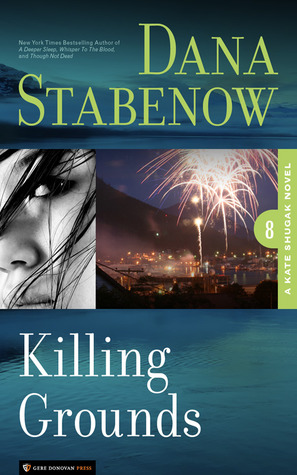
In audiobooks, I finished the 5th book in the always outstanding Kate Shugak series by Dana Stabenow, Play with Fire. Can’t wait to start the next one!

Elsewhere on the blog:

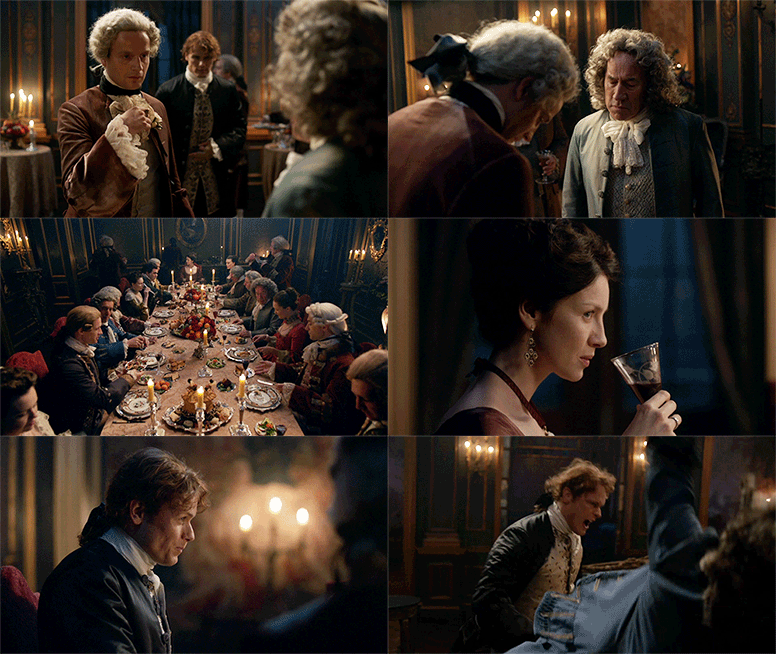
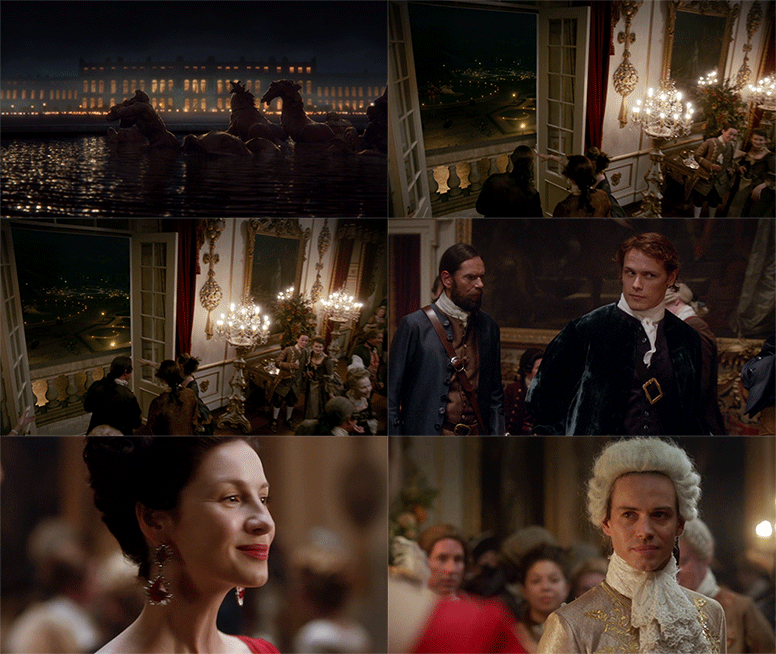
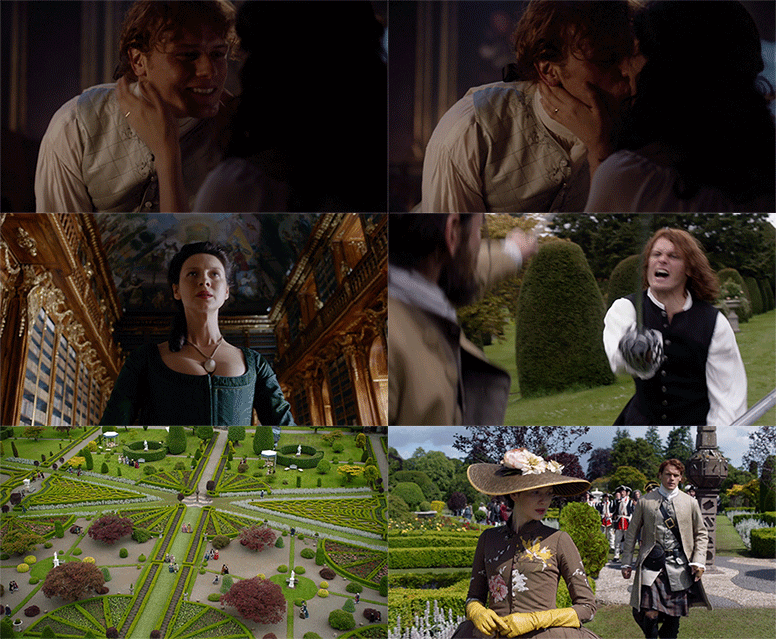
I’m starting my Outlander rewatch! I’ll be rewatching all of the season 1 episodes and posting recaps/reactions throughout the next month. 16 episodes to savor all over again! If you’re doing the same, come chat with me and share your thoughts.

OL rewatch

Fresh Catch:

No new books this week. Yay, me!

What will I be reading during the coming week?

Currently in my hands:
The Travelers

The Travelers by Chris Pavone: 20% in, and it’s great so far!

Now playing via audiobook:

Blood Will Tell

I can’t help it! I need more Kate Shugak!

Ongoing reads:

MOBYemma

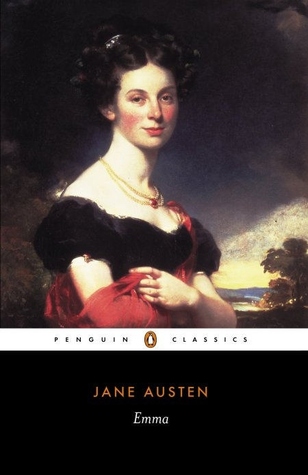
My book group is reading and discussing two chapter per week of both Written in My Own Heart’s Blood by Diana Gabaldon and Emma by Jane Austen. This is an online group, and anyone is welcome to join us — so if you’re interested, just ask me how!

So many books, so little time…

boy1

The Monday Check-In ~ 2/22/2016

cooltext1850356879 My Monday tradition, including a look back and a look ahead — what I read last week, what new books came my way, and what books are keeping me busy right now. Plus a smattering of other stuff too.
What did I read last week?

All the Winters AfterUp to this Pointe

All the Winters After by Seré Prince Halverson: Such a beautiful book! My review is here.

Up To This Pointe by Jennifer Longo: Terrific YA fiction with a fresh and unusual setting. Check out my review, here.

Don’t you just love those two icy covers? I went from the far north to about as far south as you can get — and loved them both!

Family reading:

Alert the media! My son liked a book!

My kiddo, who will only read when forced to do so, finished The Giver (for school) this week, and admitted that it was really good AND that he’d be willing to read other books if they’re as good as The Giver! I’m trying not to get overexcited (don’t want to scare him off with my crazy enthusiasm!), but my brain is now going a mile a minute trying to figure out what other books to push his way.

Also, my husband is close to finishing Pride and Prejudice, his very first Jane Austen novel! We had the most adorable conversation in the car the other day about Mr. Darcy and entails and fortunes and reputations and all sorts of other great little pieces of P&P. Oh, the perks of being married to someone who enjoys a good book!

Fresh Catch:

I love my public library! Because my hold request for this book just arrived:

Stars Above

What will I be reading during the coming week?

Currently in my hands:
Queen of the Night

The Queen of the Night by Alexander Chee: Just getting started — I’ve heard really good things!

Now playing via audiobook:

night broken_front mech.inddPlay with Fire

I completely enjoyed my re-listen to Night Broken, book #8 in the amazing Mercy Thompson series by Patricia Briggs. I don’t think I’ll ever get tired of these books and characters.

And now, I’m resuming my audiobook adventures with the Kate Shugak series by Dana Stabenow. Over the weekend, I started book #5, Play with Fire, and based on what I’ve listened to so far, this should be another great installment.

Ongoing reads:

MOBYemma

My book group is reading and discussing two chapter per week of both Written in My Own Heart’s Blood by Diana Gabaldon and Emma by Jane Austen. This is an online group, and anyone is welcome to join us — so if you’re interested, just ask me how!

So many books, so little time…

boy1


The Monday Check-In ~ 2/15/2016

cooltext1850356879 My Monday tradition, including a look back and a look ahead — what I read last week, what new books came my way, and what books are keeping me busy right now. Plus a smattering of other stuff too.

In real life:

presday

I’m very happy it’s Presidents Day! Who doesn’t love a day off?

What did I read last week?

All the BirdsChocolate ThiefIt's All Your Fault

All the Birds in the Sky by Charlie Jane Anders: A witch and a mad scientist and the end of the world? Just as awesome as it sounds. My review is here.

The Chocolate Thief by Laura Florand: Not my usual cup of tea, but I didn’t hate this romance that I read for my book group. Check out my thoughts on this book, here.

It’s All Your Fault by Paul Rudnick: A funny, quick YA book about celebrity life, family, and doing the unexpected. My review is here.

Elsewhere on the blog:

I wrote a post with follow-up news, information, and links related to two books I recently reviewed, The Immortal Life of Henrietta Lacks by Rebecca Skloot and The Storyteller by Jodi Picoult. Check it out, here.

Pop culture goodness:

My son and I have been slowly working our way through my Buffy boxed set, and this week we finished season 4, with the awesomely weird “Restless” episode. So many priceless moments, including:

restless

… and this treasure:

“Try not to bleed on my couch…”

Fresh Catch:

One new book thanks to Book Depository:

image

Three new YA releases all arrived at the library at once:

Up to this PointeIt's All Your FaultFront Lines

And a friend just back from Israel brought me this:

P&P Heb

That’s Pride and Prejudice, in Hebrew. No, I’m not going to attempt it any time soon, but my husband was just about to give up on it in English, so the timing is perfect.

What will I be reading during the coming week?

Currently in my hands:
All the Winters After

All the Winters After by Seré Prince Halverson: I’ve really been looking forward to this one — so glad to finally be starting it!

Now playing via audiobook:

Liar Temptressnight broken_front mech.indd

I listened to about 15% of Liar Temptress Soldier Spy by Karen Abbott, and then quit. It seemed like an interesting topic, but the audiobook just didn’t hold my attention well enough. So…

I’m now very happily listening (again!) to the audiobook of Night Broken, book #8 in the amazing Mercy Thompson series by Patricia Briggs. I love these books so much! And I’ll be soooo ready for #9 when it comes out in a few weeks.

Ongoing reads:

MOBYemma

And we’re off! My book group is reading and discussing two chapter per week of both Written in My Own Heart’s Blood by Diana Gabaldon and Emma by Jane Austen. This is an online group, and anyone is welcome to join us — so if you’re interested, just ask me how!

So many books, so little time…

boy1


The Monday Check-In ~ 2/8/2016

cooltext1850356879 My Monday tradition, including a look back and a look ahead — what I read last week, what new books came my way, and what books are keeping me busy right now. Plus a smattering of other stuff too.
In real life:

heart-598048_1280

Happy Anniversary to us! 18 years ago today, my hubby and I spent the day skiing, then got married at a little wedding chapel in Reno, Nevada. Thank you to my honey for all these wonderful years!


What did I read last week?

Score_CVR.indd

Catching Jordan by Miranda Kenneally. Such fun. My review is here.

Stealing ParkerThings I Can't Forget

So then… I got on a roll with Miranda Keanneally’s books, borrowed from the library the two remaining Hundred Oaks books that I hadn’t read, and now I’ve read them all! I love this series of books. Not the usual teen fare — the characters here are strong, thoughtful, and always end up learning something about being true to themselves and supporting the people in their lives… without being dull or preachy.

Immortal Life

In audiobooks, I finished The Immortal Life of Henrietta Lacks by Rebecca Skloot. Check out my thoughts, here.

Fresh Catch:

No new books! Wow, I’ve really got this book craziness under control… for now.

What will I be reading during the coming week?

Currently in my hands:
All the Birds

All the Birds in the Sky by Charlie Jane Anders: I started this book last week, and I love what I’ve read so far. I got lured away by all those YA books, but now I’m back on track!

Now playing via audiobook:

Liar Temptress

I decided to go with another non-fiction selection for my next audiobook: Liar Temptress Soldier Spy by Karen Abbott, which profiles four women spies during the Civil War. Should be fascinating!

Ongoing reads:

MOBYemma

And we’re off! My book group is reading and discussing two chapter per week of both Written in My Own Heart’s Blood by Diana Gabaldon and Emma by Jane Austen. This is an online group, and anyone is welcome to join us — so if you’re interested, just ask me how!

So many books, so little time…

boy1

Audiobook Review: The Immortal Life of Henrietta Lacks by Rebecca Skloot

Immortal Life

Her name was Henrietta Lacks, but scientists know her as HeLa. She was a poor black tobacco farmer whose cells–taken without her knowledge in 1951–became one of the most important tools in medicine, vital for developing the polio vaccine, cloning, gene mapping, and more. Henrietta’s cells have been bought and sold by the billions, yet she remains virtually unknown, and her family can’t afford health insurance. This phenomenal New York Times bestseller tells a riveting story of the collision between ethics, race, and medicine; of scientific discovery and faith healing; and of a daughter consumed with questions about the mother she never knew.

The Immortal Life of Henrietta Lacks is a book I’d been hearing about for years, but as I rarely pick up non-fiction, I’d never gotten around to actually reading it. Finally, I decided to give the audiobook a try.

Henrietta Lacks was a poor African-American woman with five children who was diagnosed and treated for cervical cancer in the early 1950s, before finally dying of the disease in 1951. Doctors treating Henrietta removed samples of her tumor during her treatments, and these cells grew in culture at an unprecedented rate, becoming the first immortal cells ever created in medical history.

In the years since, HeLa cells have been used worldwide for medical research, and it is said that without the HeLa line, many of our current medical advances and treatments would not exist.

In The Immortal Life, author Rebecca Skloot explores both the scientific journey of Henrietta’s cells and their impact on modern medicine, and the lives of the family that Henrietta left behind. Amazingly, while HeLa was incredibly important and famous among the scientific community since the early 1950s, it was not until decades later that Henrietta’s family had any inkling that her cells had been preserved and were still being used for scientific advancement.

The author describes Henrietta’s early life and marriage, the birth of her children, and her suspicion around age 30 that something was wrong with her, leading to her treatment at Hopkins and ultimately, her death from a particularly virulent strain of cervical cancer. Henrietta is portrayed as an energetic, spirited woman and a devoted mother, who never fully understood her condition or her treatment.

Henrietta’s treatment at the time was probably not unusual, and there’s no indication that the medical care she received was not up to the standards of the 1950s. Henrietta was not asked for permission to take her cells for study, but again, that was not the practice at the time.

The book has many chapters describing the scientific impact of the HeLa cells, their use, their impact, and their study over the years. The book also covers topics concerning medical ethics, questions still under debate today, such as who “owns” the tissues removed from patients and who can and should profit from their commercialization. Some interesting examples are given, such as cases where millions of dollars in profit are made by the medical industry while the donor patient receives nothing.

Along those lines, we spend quite a bit of time with the Lacks family, most particularly with Henrietta’s daughter Deborah. Deborah becomes Rebecca Skloot’s companion in her quest to understand Henrietta’s life and death, and her spirit and energy infuse much of the book. The author traces their travels together to the family’s rural home and through the bits and pieces of medical records which they manage to uncover. It’s clear that the family received little information about HeLa or what the cells actually were, so that Deborah often referred to them as being parts of her mother still alive, imagining her mother being experimented upon, and becoming agitated over the types of experiments conducted — describing at various times that parts of her mother were shot into space, used to test nuclear bombs, and infected with AIDS (all actually types of scientific work done using HeLa cells).

There’s a lot of fascinating information in The Immortal Life of Henrietta Lacks, but overall, something about this book didn’t quite fit together for me. There are at least two distinct pieces here — the scientific elements related to the HeLa cell line, the use of tissue cultures, and the biomedical ethical issues; and the story of the Lacks family, their hardships, and the impact upon them of the fame of HeLa and the resultant loss of privacy for the family.

The author, in the book’s afterword, states that one of her purposes in writing this book was to bring to life the woman behind the cells, to make it clear to the world that HeLa is more than just nameless cells, but rather the living remnants that once were part of a real woman who had a name, a life and a family. I think the book absolutely succeeds in this regard.

Still, I couldn’t quite decide what the ultimate point was, or what we are to conclude about the scientific and ethical issues raised here. Was it wrong to use Henrietta’s cells for research? I really can’t believe that. Should patients have control over what happens to their tissues? Should patients have a monetary stake in research involving their tissues? What would that mean for ongoing research? These are big issues, but I felt that the nuances became a little muddy when mixed with the story of the Lacks family. It’s wonderful that Henrietta herself is finally getting recognition, but I’m not sure that this case proves anything when it comes to the confusing, often contradictory elements of the bioethical issues.

Regarding the audiobook itself, I question some of the production decisions made regarding the narration. Most of the narration is a straightforward read of the book, but quotes are read by a different narrator, with ethnic accents and dramatization. It’s not just the Lacks family that gets this treatment — a doctor of Chinese descent is read with a heavy Chinese accent, and there are a few others as well. This is a work of non-fiction, and adding this interpretive treatment of the text felt unnecessary to me, and ultimately, it was distracting.

The book itself is organized in a way that feels muddled and confusing. The chapters jump from present to past, from science to personal, and the transitions are quite abrupt. Particularly via audiobook, this jumping around makes the narrative hard to follow, and the logical sequence is occasionally lost.

I did find much of The Immortal Life of Henrietta Lacks quite interesting, and I was moved by the family’s story, particularly Deborah’s. Still, the combination of the two halves of the story didn’t quite gel for me, and the book as a whole wasn’t nearly as satisfying as I’d hoped it would be.

_________________________________________

The details:

Title: The Immortal Life of Henrietta Lacks
Author: Rebecca Skloot
Narrator: Cassandra Campbell, Bahni Turpin
Publisher: Crown Publishing Group
Publication date: February 2, 2010
Audiobook length: 12 hours, 30 minutes
Printed book length: 370 pages
Genre: Non-fiction (science/biography)
Source: Library (Overdrive)

The Monday Check-In ~ 2/1/2016

cooltext1850356879 My Monday tradition, including a look back and a look ahead — what I read last week, what new books came my way, and what books are keeping me busy right now. Plus a smattering of other stuff too.
In real life:

Wow, where did January go? I guess I need to stop thinking of 2016 as just getting started. Now it’s really and truly underway!

What did I read last week?

The StorytellerScore_CVR.indd

The Storyteller by Jodi Picoult: I lost a lot of sleep over this moving, powerful book. See my thoughts, here.

After spending most of the week on such a heavy book, I needed something lighter and sunnier for the weekend, so I picked up Catching Jordan by Miranda Kenneally. This author’s books always make me happy. I should be done with this one in the next day or two.

Fresh Catch:

Just one new book came my way this week… and it’s right below, because that’s what I’ll be reading next!

down-47585_1280down-47585_1280down-47585_1280down-47585_1280down-47585_1280

What will I be reading during the coming week?

Currently in my hands:
All the Birds

All the Birds in the Sky by Charlie Jane Anders: I’m really excited to be starting this brand-new, just-released sci fi book!

Now playing via audiobook:

Immortal Life

I’ve listened to about 80% of The Immortal Life of Henrietta Lacks by Rebecca Skloot, and hope to finish within the next few days. I’m enjoying it, but with a few reservations.

Ongoing reads:

MOBYemma

And we’re off! My book group is reading and discussing two chapter per week of both Written in My Own Heart’s Blood by Diana Gabaldon and Emma by Jane Austen. This is an online group, and anyone is welcome to join us — so if you’re interested, just ask me how!

So many books, so little time…

boy1


The Monday Check-In ~ 1/25/2016

cooltext1850356879 My Monday tradition, including a look back and a look ahead — what I read last week, what new books came my way, and what books are keeping me busy right now. Plus a smattering of other stuff too.
What did I read last week?

The Things We Keeplock inand then

The Things We Keep by Sally Hepworth: Beautiful, moving story. My review is here.

Lock In by John Scalzi: Outstanding science fiction with a crime thriller twist. See my review here.

And Then There Were None by Agatha Christie: My very first Christie experience! Loved it. My thoughts are here.

Also…

Life and Death

I gave in to curiosity and read Life and Death: Twilight Reimagined. Know what? It was kind of fun. I wrote all about it here.

In audiobooks:

I finished listening to The Outlandish Companion, Volume I. Check out my reading and listening guide, here.

And finally, my book group’s January pick:

Archivist Wasp

Archivist Wasp by Nicole Kornher-Stace: I actually read this one during the previous week, but finally wrote up my thoughts — and for a bit more depth, included some opposing viewpoints from my book club friends as well, here.

Fresh Catch:

Just a couple new books this week:

Black HouseLong Way


What will I be reading during the coming week?

Currently in my hands:
The Storyteller

The Storyteller by Jodi Picoult: I’ve only read about 10% so far, but I’m already hooked. My husband just started this one too — and I don’t think we’ve ever read the same book at the same time before. How cute is that?

Now playing via audiobook:

Immortal Life

I’m just about to start The Immortal Life of Henrietta Lacks by Rebecca Skloot, a book that has been on my to-read list for far too long. I tend to make non-fiction books my last priority, no matter how interesting the topic might be. I think audiobooks might be the key to overcoming my resistance!

Ongoing reads:

MOBYemma

And we’re off! My book group is reading and discussing two chapter per week of both Written in My Own Heart’s Blood by Diana Gabaldon and Emma by Jane Austen. This is an online group, and anyone is welcome to join us — so if you’re interested, just ask me how!

So many books, so little time…

boy1

The Outlandish Companion, Volume I (revised edition): A Reading & Listening Guide

Revised edition of OCI, 2015

Revised edition of OCI, 2015

Last week, I posted a reading and listening guide for The Outlandish Companion, Volume II — and working my way backward, I’m now doing the same for Volume I of this essential reference book for Outlander fans.

First, a note on editions. The Outlandish Companion was originally published in 1999, providing all sorts of reference information on the first four books in the Outlander series (Outlander, Dragonfly in Amber, Voyager, and Drums of Autumn). This book has been a go-to resource for book fans ever since, who have (pretty much non-stop since 1999) never stopped asking for a volume two.

In 2015, fans finally got their wish, and more. Not only was The Outlandish Companion, Volume II published in October 2015, but earlier in the year, Diana Gabaldon also released a newly revised and updated edition of the Companion, Volume I.

OC

The 1999 edition

The new edition of The Outlandish Companion, Volume I includes most of the original, plus some additional essays on writing and being a writer, as well as a section on the Starz TV series. Although I already owned a copy of the original edition, I simply had to treat myself to the revised edition as well… and then immediately put it on my shelf once it arrived, figuring I’d page through it eventually.

But now, having listened to the OCII audiobook, I thought it would be only fair to give the OCI audiobook a listen as well. And, as a public service for anyone who’s interested, I’m here to share with you a guide to what’s inside the OCI revised edition, plus what’s on the audiobook and what’s not.

As I mentioned in my OCII review: What you get in the audiobook, which you don’t get in the hard copy, is the voice of Herself, our beloved author Diana Gabaldon. I actually can’t stress this enough: Most of the audiobook is narrated by Diana, and I’ll explain a bit further on why this really matters… and really, why this alone is worth the price of the audiobook, even if you already own the physical book.

[Note: Except where indicated, all sections of OCI are read by Diana Gabaldon on the audiobook.]

Without further ado, what follows is an overview of what’s in the book, what I especially enjoyed, and a few tips and comments for anyone thinking about listening to the audiobook, either instead of or in addition to getting a copy of the physical book.


What’s inside:

Prologue:

Well, it was all an accident, is what it was. I wasn’t trying to be published; I wasn’t even going to show it to anyone. I just wanted to write a book — any kind of book.

And with this opening, we’re off! Diana takes us through her background, explaining how Outlander was just supposed to be what she was writing “for practice” to learn how to write a novel, and how it grew from there. It’s funny and personal and a must-read, particularly if you haven’t yet had the pleasure of hearing Diana tell her own writing story.

Part One: Synopses:

This is a major chunk of the book, and well worth the investment for true fans. The synopses included — Outlander, Dragonfly in Amber, Voyager, and Drums of Autumn  — are lengthy and incredibly detailed. The books’ plots are thoroughly summarized, start to finish, with plenty of passages directly from the original texts.

Lengths of synopses (hardcover edition):

Outlander: 10 pages
Dragonfly in Amber: 30 pages
Voyager: 34 pages
Drums of Autumn: 42 pages

Reading tip: If you find yourself picking up the series after a break and need a refresher on what’s already happened, these synopses are detailed enough to give you everything you need to keep going, if you just can’t spare the time for a complete re-read of the books themselves.

Listening note: On the audiobook, the synopses are read by the incomparable Davina Porter, who narrates all of the Outlander series audiobooks. Just listening to her read the synopses and the quoted passages is a total treat.

Part Two: Characters

This section starts with a lengthy essay entitled “Where Characters Come From: Mushrooms, Onions, and Hard Nuts”. Diana explains her approach to creating characters, how they talk to her, and where their names come from, as well as how she incorporates historical characters, and even which characters in her books have connections to people in her life.

The second section of Part Two is a Cast of Characters, which is an alphabetical index of all characters in the first four books, with a brief explanation for each, a notation of which book they appear in, and a marker for any who are historical figures. Beyond that, there is a list of various minor characters, named or not, who in general are part of a group but don’t particularly have roles of their own, including Dougal’s men, Monks at the Abbey of Ste. Anne de Beaupré, Lallybroch tenants, and more.

Additional sections of Part Two are:

  • “I Get Letters”  – in which Diana describes some of the various and sundry gifts and items she receives from readers. This part includes a rather lengthy section on astrology, including astrological charts for Jamie and Claire, sent to Diana by a reader named Kathy Pigou. The full charts and explanations are included here, along with diagrams and a basic introduction to astrological methodology.
  • “Magic, Medicine, and White Ladies” – an overview of women’s roles as healers, the concept of white women, Claire’s medical background, and why WWII makes sense as a starting point for Claire’s medical experience.

Listening note: The essays in this part are included in full on the audiobook. The Cast of Characters is not included, being more or less a dictionary, which would make is not very useful to listen to. The astrology-related pieces are narrated by a woman whose name I didn’t catch — not Davina Porter, not Diana Gabaldon. As I have no interest in astrology, I ended up fast-forwarding this piece once I realized how long it was going to be.

Part Three: Family Trees

Includes background, family trees, and coats of arms for the Beauchamp, Randall, Fraser, and MacKenzie families.

“A Genealogical Note” is a section concerning the genealogy of Roger MacKenzie Wakefield, in which Diana breaks down the detailed explanation of just where Roger came from and addresses certain points that always seem to confuse readers. Includes Roger’s family tree.

Listening note: The section about Roger is on the audiobook. The rest of this part is not.

Part Four: Comprehensive Glossary and Pronunciation Guide

For those with an interest in linguistics, you’ll love this part. After a brief introduction in which Diana addresses the difficulty of including so many languages (especially languages she herself doesn’t speak!) in her books, she includes some very helpful reference pieces, including:

  • A Very Brief Guide To Gaelic Grammar by Iain MacKinnon Taylor — this includes the Gaidhlic alphabet, a pronunciation guide, grammar overview, and spelling notes.
  • Comprehensive Glossary of Foreign Terms (including British slang) — a mish-mosh of all sorts of phrases and words from the books, from Scots, Gaelic, English, Latin, French, Spanish, and more — even Kahnyen’kehaka (Mohawk).

Listening note: Unfortunately, not on the audiobook at all. While no one would want to hear a list of words and definitions, it might have been fun to get at least a bit of the Scottish pronunciations of some of the phrases used most frequently in the Outlander series.

Part Five: Research

This section is sure to be fascinating to readers, and I can’t help imagining that writers and aspiring writers will find it incredibly helpful and inspiring as well. Diana talks about methods of doing research for historical novels and what works for her, and then talks about resources and basic skills, such as using a library, working with a card catalog, reading for information, and locating sources.

As I mentioned for a similar section in OCII, Diana is incredibly generous with her insights and personal revelations here. She goes into quite a lot of detail on how she organizes her research, what she finds most effective and why, and offers such practical advice that if I were even thinking of writing historical fiction (I’m not), I’d both want to follow in her footsteps and to give her a hug, for making it all sound so doable.

She’s also just funny — for example, one section of this part is called “I’ve Done My Research, and Now You’re Going to Pay”, in which she cautions against falling into the trap of cramming in so much detail that the story itself gets lost.

Don’t forget that the purpose of research is to support the story; not the other way around.

A further section of Part Five is entitled “Botanical Medicine: Don’t Try This At Home” Here, Diana explains some of the plants and natural substances which are used in the Outlander books as medicines, how she researched these and some of the sources used, and the properties of certain herbs and their healing effects. She also includes a word of caution:

Well… I really hope no one would use antiquated medical treatments described in a time-travel novel (I mean, it does say FICTION on the spine, after all …. ) but what with the increasing interest in herbal therapies and alternative medicine in general, I do get frequent questions regarding my sources, or requests for recommendations. People want to know how I know all this stuff — am I an herbal practitioner myself? Am I a professional botanist?

Definitely not.

This section concludes with “Penicillin Online: A Writer’s Thread”, in which Diana shares a conversation generated by her query to one of her online communities about a passage concerning penicillin which she was writing for The Fiery Cross (book #5). It’s a lengthy conversation (20 pages), but very interesting for the back-and-forth sharing of information, insights, and ideas.

Listening note: All of Part Five is included on the audiobook with the exception of the final section (“Penicillin Online”).

Part Six: Where Titles Come From (And Other Matters of General Interest)

Lots of terrific information on the crafting and shaping of the novels, with sections including:

  • Outlander vs. Cross Stitch — Discussing the main differences between the US and UK versions of the first book in the series, and some notes on foreign editions as well.
  • The Cannibal’s Art: Writing and Real Life — Diana talks about her writing life, and how she balances family, writing, and having a life. Amazing.
  • Book Touring for Beginners — Did you ever want to know what it’s like to experience a book tour. This very funny section gives us a pretty good idea.
  • A side bar section entitled “A Brief Disquisition on the Existence of Butt Cooties” — basically, Diana’s thoughts on the state of public restrooms, based on her extensive exposure to such as part of her book touring travels.
  • The Shape of Things — Quite a lovely piece on how thoughts turn into words on a page. I’ve heard a version of this before as part of a talk by Diana that I attended, but it’s really so amazing to read. She also explains how each of her books has a “shape”, and how that affects the overall tone and structure of the book.
  • The Gabaldon Theory of Time Travel — Exactly what it sounds like, and a must-read for devoted series readers, all of whom usually have theories of their own as to just how it all works.

Listening note: All of Part Six is included on the audiobook.

Part Seven: The View From Lallybroch: Objects of Vertue, Objects of Use

This section consists of passages from the various books that describe certain things (Claire’s pearls, her wedding bands, Jamie’s sword) and places (the stone circle, Lallybroch), interspersed with drawing and photos related to the objects described. It’s lovely to read and hear the descriptive passages and to admire how Diana paints a picture of these items and locations through her use of words.

Listening note: All of the text in included in the audiobook, but without the hardcopy book on hand, I did feel that I was missing something in this section. It definitely adds a great deal to have the physical book as a reference in order to see the illustrations that accompany the various quoted sections.

Part Eight: Frequently Asked Questions

Fascinating, of course. This section includes all sorts of questions related to the books, the characters, Diana’s personal experiences, and more, as well as some more esoteric questions such as why Jamie can’t blink and what ever happened to Claire’s pearls in Dragonfly in Amber. The answers are all thoughtful, amusing, and truly informative… and often quite tongue-in-cheek.

Listening note: This entire section is included on the audiobook.

Part Nine: Controversy

Diana discusses some of the topics about which she gets the most communication from readers, and shares with us some of her answers as well. Main topics include sex scenes, language (profanity/blasphemy/vulgarity), homosexuality, abortion, wife-beating (specific to the famous/infamous “strapping” scene in book 1), and other issues. The answers are all quite thought-provoking, and often funny too. (She’s a very funny woman, that Diana Gabaldon).

Also included in this section is the essay “Jamie and the Rule of Three”, which is also available via Diana’s website (or was, anyway, last time I looked for it). It’s a marvelous piece that explains why Outlander was constructed as it was, and why the terrible things that happen to Jamie had to happen for the sake of the story.

Listening note: This entire section is included on the audiobook.

Part Ten: From Book to Screen

A very interesting section on the making on the TV show, which explains how books in general get made (or not) into movies or other types of productions, and then goes into the background of the Starz TV series, from concept to production, including notes on the cast, the filming process, and Diana’s role as a consultant. Also included here are two blog entries she’d written on “My Brief Career As a TV Actor”, very funny pieces describing her days on-set filming a cameo appearance for one of the episodes.

Listening note: This entire section is included on the audiobook — and this is where the audiobook ends.

What’s left in the book? Well, the hard copy in my hands continues for another 125+ pages beyond this point! The remainder of the book is:

Annotated Bibliography

A lengthy listing of Diana’s sources and all sorts of reading material related to everything under the sun in her books.

Appendix I: Errata

As Diana says in the introductory paragraph to this section: “Well, look — nobody’s perfect.” This section includes all of the corrections to dates, language, and other minor facts (such as whether certain fruits would really be in season at the time they’re eaten in the books).

I won’t go into the contents of all of the rest of the appendices, as there are a whole bunch more — but they are:

Appendix II: Gaelic (Gaidhlig) Resources: A Writer’s Short Guide to Scottish Speech Patterns

Appendix III: Poems and Quotations

Appendix IV: Roots: A Brief Primer on Genealogical Research

Appendix V: A Brief Discography of Celtic Music

Appendix VI: Foreign Editions, Audiotapes, and Strange, Strange Covers

Appendix VII: The Methadone List (Diana’s recommended reading list — what she likes to read for fun and feels good about recommending!)

End papers: Several pages of photos from the Starz TV series.


What else do you need to know?

My wrap-up points and overall tips regarding the Outlandish Companion, Volume I are exactly the same as for OCII, so I’ll just re-post the main bits of my conclusion from that review:

Thanks to the audiobook, I spent much more time on [this book] than I might have if I’d only stuck to the physical copy. The hardcover edition is a beautiful physical specimen, but I don’t think it would have occurred to me to treat it as something to read from start to finish. By listening to the audiobook, I had the opportunity to slow down, pay attention, and really absorb all of the wonderful information contained in the book.

Highlights: What ended up really making this an extraordinary listen for me was the the narration by Diana Gabaldon herself. And I’ll tell you, I was skeptical at the start. Diana is not a professional audiobook narrator. For one thing, she is FAST. (Big tip: Use .75 speed if you can to listen to Diana’s sections — listening at regular speed is the equivalent of listening to any other audiobook at 1.5x!). It was an adjustment to get used to her speed and speech patterns, but once I got into the groove, I loved it! She shares so much of herself here, and hearing her deliver the content makes it an especially personal experience. Plus, in case you’ve never heard Diana Gabaldon give a talk before — she’s really funny. Listening to Diana narrate her own book lets us hear her emphases and inflections, and it becomes clear just what she finds funny about her content and where she’s being ironic or tongue-in-cheek.

Key advice:

The audiobook is a brilliant way to get a rich experience from [this book] — but it’s incomplete without the physical book at hand. My strongest advice for fans: Get them both.

If you’re a true fan of the Outlander series, then both volumes of the Outlandish Companion are essential books to have on  your shelves. I know I’ll be using mine, over and over again, every time a pesky question arises — such as “where have I seen that character before” or “how the heck is that even pronounced?” These books are about the same price as a standard hardcover novel, and I consider them really valuable investments for Outlander fans.

Interested in The Outlandish Companion, Volume II? See my reading and listening guide, here.

_________________________________________

The details:

Title: The Outlandish Companion, Volume I (revised edition)
Author: Diana Gabaldon
Publisher: Delacorte Press
Publication date: March 31, 2015
Printed book length: 577 pages
Audiobook length: 13 hours, 48 minutes
Genre: Reference
Source: Purchased

The Monday Check-In ~ 1/18/2016

cooltext1850356879 My Monday tradition, including a look back and a look ahead — what I read last week, what new books came my way, and what books are keeping me busy right now. Plus a smattering of other stuff too.

What did I read last week?

Archivist WaspLumberjanes 1woundabout

Archivist Wasp by Nicole Kornher-Stace: I finished this one early in the week and began a review — but because I had mixed feelings, I’m going to see how my book group discussion goes later this week before finishing up. Maybe my book group friends will open my eyes to something I missed (I know already that some of them loved this book) — but even if not, I’ll try to share some of their points of view in my review as well.

Lumberjanes: A fun graphic novel, and a perfectly entertaining way to spend a half hour or so, but I didn’t love it enough to want to continue with the next volume.

Woundabout by Lev Rosen and Ellis Rosen: Such a cute and touching middle grade novel! My review is here.

In audiobooks:

OCII

I finished listening to this audiobook last week, and just posted a detailed reading and listening guide for The Outlandish Companion, Volume II over the weekend. I think it’s the longest post I’ve ever written, but if you want to know about what’s in the book and what’s great about the audiobook — and why people who haven’t read the Outlander series can still find inspiration in this book — you might find my piece useful! Check it out here.

Pop Culture Goodness:

My binge-watch for the week was Mozart in the Jungle, which — to be perfectly honest — I assumed was about an orchestra in the rainforest or something, until it caught my attention by winning a Golden Globe award last week. FYI, no rainforest! It’s an Amazon original series about the lives of professional musicians in New York, which maybe makes it sound stuffy or boring… and it’s not, not at all. Two seasons are available to stream, each with 10 30-minute episodes. Great cast, great fun!

mozart-in-the-jungle


Fresh Catch:

Okay, so my restraint has definitely slipped when it comes to buying books. First of all, I decided I finally deserved a nice gift and treated myself to the illustrated Harry Potter — so pretty!

HarryPotter_illustrated

Besides that, I picked up a few more books I’ve been wanting:

18798983 9895914

25194121Karen Memory

There goes my vow to read books I already own instead of buying new ones!

What will I be reading during the coming week?

Currently in my hands:
The Things We Keeplock in

The Things We Keep by Sally Hepworth: I just finished this emotional story, and will post my thoughts in the next few days.

Lock In by John Scalzi: It’s about time that I finally start this sci-fi book, which has been sitting on my shelf for about a year now.

Now playing via audiobook:

OCIrev

Now that I’ve listened to the OCII, I’m working my way backward! This past week, I started listening to the Outlandish Companion, Volume I audiobook, which — thankfully! — is a much shorter 13 hours and 48 minutes in length.

Ongoing reads:

MOBYemma

And we’re off! My book group is reading and discussing two chapter per week of both Written in My Own Heart’s Blood by Diana Gabaldon and Emma by Jane Austen. This is an online group, and anyone is welcome to join us — so if you’re interested, just ask me how!

So many books, so little time…

boy1

The Outlandish Companion, Volume II: A Reading & Listening Guide

OCIIThe Outlandish Companion, volume II, is a reference book. Does it surprise you to hear that it was also one of the most enjoyable reading and listening experiences I’ve had in months?

First, some background: As anyone who even occasionally visits my blog surely knows by now, I’m a pretty dedicated fan of Diana Gabaldon’s Outlander series. In 1999, Diana published The Outlandish Companion, a reference guide covering the first four books in the Outlander series (Outlander, Dragonfly in Amber, Voyager, and Drums of Autumn). And pretty much ever since, fans have been clamoring for a second volume to cover the rest of the books.

In March 2015, Diana Gabaldon published a new and revised edition of The Outlandish Companion, volume I, updated to include some additional commentary, especially regarding the Starz TV series. [Blogger note: I’m working a bit backwards here, I know. I’ll post a separate piece about volume I in the next week or so.] And in October of 2015, we finally got The Outlandish Companion, Volume II, and what a treat is is!

OC

The 1999 edition

I bought myself a hardcover edition of OCII as soon as it came out, but hadn’t done much with it beyond opening it at random and flipping through. When I saw that the audiobook had been released, it seemed like the perfect way for me to enjoy the contents of OCII in a laid-back, kind of mellow sort of way.

What you get in the audiobook, which you don’t get in the hard copy, is the voice of Herself, our beloved author Diana Gabaldon. I actually can’t stress this enough: Large portions of the audiobook are narrated by Diana, and I’ll explain a bit further on why this really matters… and really, why this alone is worth the price of the audiobook, even if you already own the physical book.

Revised edition of OCI, 2015

Revised edition of OCI, 2015

An added bonus for those who’ve listened to the audiobooks of the Outlander series and the spin-off Lord John books is the participation of the books’ narrators. Davina Porter — marvelous Davina Porter — narrates all of the Outlander book synopses in OCII, and Jeff Woodman, who does such a fantastic job as the honorable and wryly funny Lord John Grey, narrates the synopses for all of the Lord John pieces.

Without further ado, what follows is an overview of what’s in the book, what I especially enjoyed, and a few tips and comments for anyone thinking about listening to the audiobook, either instead of or in addition to getting a copy of the physical book.


What’s inside:

Introduction

Yes, this matters! Diana’s introduction is as funny and smart as you’d expect, explaining how the revised OCI and the new OCII came about. It’s also a great intro to her style throughout the book, which is liberally sprinkled with footnotes, often humorous and tongue-in-cheek, and sure to include at least a few nuggets of odd but interesting little known facts.

Part One: Chronology

Identifying and explaining the chronology of all the parts in the story — so if you’re wondering what to read when, and just where all those novellas fit in, this will tell you.

Part Two: Synopses:

This is the longest part of the book — in my hardcover edition, the synopses start on page 15 and end on page 245. On the audiobook, we’re talking hours and hours. (Sorry, I can’t be more specific… but if I had to guess, at last 8 – 10 hours out of the whole.)

The synopses for the four Outlander books — The Fiery Cross, A Breath of Snow and Ashes, An Echo in the Bone, and Written in My Own Heart’s Blood  — are lengthy and incredibly detailed. The books’ plots are thoroughly summarized, start to finish, with plenty of passages directly from the original texts.

Lengths of synopses (hardcover edition):

The Fiery Cross: 30 pages
A Breath of Snow and Ashes: 66 pages
An Echo In the Bone: 30 pages
Written In My Own Heart’s Blood: 80 pages

Reading tip: If you’re midway through the series, or perhaps took a break in between volumes, these synopses are so detailed that you could easily read these as prep before moving on to the next novel. Although, in my humble opinion, it’s never a waste of time to do a re-read of the books themselves!

After the four Outlander books, we come to the synopses of the Lord John books and novellas. These are much less detailed, with simple plot overviews, not much in the way of spoilers, and no details on the mysteries or their solutions. This section is useful as a refresher, but doesn’t provide enough information if you’re looking for a full-blown recap.

Part Three: Cast of Characters

As the introductory paragraph states:

This list includes all the characters from the second four novels and from the Lord John books, with brief notes as to which book each character is introduced in, who they are, their role in the story, and whether they’re fictional or real historical persons.

This is simply invaluable. Arranged alphabetically, this 118-page section is a must-have for series readers, providing instant access to the who’s who necessary to keep straight the huge number of people who come and go in the books.

Part Four: Sex and Violence (subtitle: Spanking, Beating, Flogging, and Other Interesting Topics Involving Physical Interactions of a Non-Consensual Sort)

Now here’s where it gets truly interesting! Up to now, the OCII is largely reference material. Finally, in Part Four, we get Diana’s insight into her characters and their actions, and it is absolutely fascinating.  She spends quite a bit of time on some of the more controversial elements in the books — the spanking scene in Outlander, the occurrence of rape in the plot and whether it’s too much, the historical context of rape in the Highlands, Black Jack Randall’s sadism — and for those with an opinion on any of these, or who’ve read or participated in any of the heated debates that seem to crop up among readers, it’s enlightening to hear the author’s take on the issues and understand the thought processes behind her writing of these elements.

Part Five: History and Historical Fiction: Organizing the Past

If I had to pick one section to recommend above all others as a resource for writers, this would be it. Whether or not you read the Outlander books, I think this marvelous section would be inspiring to anyone who ever dreamed of writing their own novel.

Diana is incredibly generous with her insights and personal revelations here. She discusses the challenges and pleasures of historical research, and just what’s involved in writing historical fiction, using documentary evidence to enhance and ground her fiction. Not only that, but she also shares her own organization and tracking methods for her research — everything from how she organizes her bookshelves to her computer files’ naming systems.

If I were a writer (and I’m not), I think I’d be incredibly uplifted by Diana’s no-nonsense approach to writing. You want to write? Then write. Don’t delay because you haven’t finished your research yet, or because you need a dedicated space, or until your kids are out of the house, or any of a thousand other reasons. She repeatedly stresses that she began writing Outlander for practice, just to see if she could. I’m simplifying things quite a bit here, but the bottom line is that this is a section that should be read and shared and appreciated. (Also, see Part Seven)

Part Six: A Comprehensive Scottish Language Glossary and Pronunciation Guide – by Adhamh O Broin

Comprehensive is right! 77 pages worth of Scottish phrases, with a guide to pronunciation, origin, use in the books, and meaning, written by the esteemed Adhamh O Broin, who is the official Gaelic (Gaidhlig) consultant for the Outlander TV series.

Part Seven: Writing, and Other Games You Play By Yourself

Along with Part Five, this is simply indispensable knowledge and advice for writers. Diana talks about her own writing processes, and digs deeply into “Mind Games” — the many ways that people’s minds get in the way of their writing. If you’re even thinking about maybe someday starting to write, read this section. Not kidding.

But wait, there’s more! A fabulous part of this section of the book is “A Coda in Three-Two Time” (Annotated). “A Coda in Three-Two Time” is an amazing section of Written In My Own Heart’s Blood, showcasing the wedding night experiences of three couples. It’s intimate, sexy, personal, and even funny — and here, Diana’s annotates the scene to explain the linguistic and stylistic elements behind the writing. The thought and craft that go into the creation of “Coda” is beautiful to learn about.

Also in Part Seven is a section called “One Word Speaks Volumes”, in which Diana explains that she has one word that for her sums up the theme of each novel. From Outlander (love) to The Fiery Cross (community) to A Breath of Snow and Ashes (loyalty) and beyond, the meaning behind the theme is explained and supported. As with so much in the OCII, it’s fascinating.

Finally, Part Seven includes Recipes — I’m not sure exactly why this fits in the writing section, but here it is. Diana shares some favorites recipes, with explanations about her family’s experiences with the dishes included and detailed instructions on cooking and serving them.

Part Eight: The Invisible Talent

As Diana states in the introduction to this section:

“Talent” is what publicists, producers, and agents call the people who provide the visible face of entertainment — actors, for the most part. But anyone who is even temporarily appearing in his or own persona is “talent” — even me. But what about the people who give so much to the TV show and the world of Outlander, who normally don’t show their faces and talk about what they do?

I asked a few of the many, many talented people who create the world of the TV show (and other aspects of the ever increasing world of Outlander) to give us a brief glimpse of what they do and how they do it.

Included are essays by four behind-the-scenes, exceptionally talented individuals:

Terry Dresbach, the show’s brilliantly gifted costume designer, writes about just what it takes to design and produce costumes for a production of this magnitude, and includes several of her sketches for outfits for Claire and Jamie.

[Listening note: The narrator for this section (whose name I didn’t catch) does a fine job, except she mispronounces a couple of character names — most notably, Jamie’s last name! It’s FRASER, not FRASIER. Seems like something that should have been corrected during the production.]

Bear McCreary, the show’s composer, talks about his love of Scottish music (especially bagpipes!) and the reasons for the types of music we hear throughout the episodes. While some of his information is rather technical, it’s presented in such a way that even a non-musical person like me could understand and appreciate it.

Dr. Claire MacKay: Dr. MacKay is an herbalist with expertise in the historical use of herbal medicine. She provides a really interesting overview of the history of herbal medicine in the  Highlands, as well as explaining nine herbs from Claire’s medicine kit, their traditional and modern uses, and their use in the Outlander books.

Theresa Carle-Sanders, author of the upcoming cookbook Outlander Kitchen, writes about “The Diet and Cookery of Eighteenth-Century Highlanders”, explaining not just what types of foods were eaten, but what this diet meant in terms of health, mobility, and class distinctions.

Part Nine: Maps and Floor Plans

Oh, what a treat! If you’re like me, you’ve spent a lot of mental energy trying to figure out just what’s where, and now we know! Included are floor plans for Lallybroch and the Big House on Fraser’s Ridge, as well as maps of the Lallybroch estate and the layout of the Fraser’s Ridge houses and cabins. Also included are maps of the American Colonies circa 1775, the British Isles, the city of Philadelphia, and the battlefields of Culloden and Saratoga.

Part Ten: The Methadone List

Diana’s fans are familiar with the concept of “The Methadone List”. Outlander is, after all, an addiction for its devoted readers — yet even the most devoted sometimes need to read something else. Diana shares this list in response to the question she’s always asked about what ELSE to read. “The Methadone List” is a list of some of her favorite books and writers, with brief plot descriptions and in some cases, excerpts from the books themselves.

Part Eleven: Bibliography

No explanation needed, right?

End papers: Several pages of photos conclude the OCII, include pictures of Castle Leod (seat of Clan MacKenzie) and a few behind-the-scenes photos from the TV production. The front and back inside covers are a detailed family tree (which you can download here as a PDF).

Listening tips:

Thanks to the audiobook, I spent much more time on the OCII than I might have if I’d only stuck to the physical copy. The hardcover edition is a beautiful physical specimen, but I don’t think it would have occurred to me to treat it as something to read from start to finish. By listening to the audiobook, I had the opportunity to slow down, pay attention, and really absorb all of the wonderful information contained in the book.

Highlights: What ended up really making this an extraordinary listen for me was the the narration by Diana Gabaldon herself. And I’ll tell you, I was skeptical at the start. Diana is not a professional audiobook narrator. For one thing, she is FAST. (Big tip: Use .75 speed if you can to listen to Diana’s sections — listening at regular speed is the equivalent of listening to any other audiobook at 1.5x!). It was an adjustment to get used to her speed and speech patterns, but once I got into the groove, I loved it! She shares so much of herself here, and hearing her deliver the content makes it an especially personal experience. Plus, in case you’ve never heard Diana Gabaldon give a talk before — she’s really funny. Listening to Diana narrate her own book lets us hear her emphases and inflections, and it becomes clear just what she finds funny about her content and where she’s being ironic or tongue-in-cheek.

As I mentioned earlier, getting another opportunity to listen to Davina Porter and Jeff Woodman is delightful. I’ve listened to the audiobooks of the entire Outlander series and Lord John books, and spending time with the narrators again here is like hanging out with old friends.

What’s missing: It may go without saying, but listeners should be aware that there are some elements of a reference book that just can’t be provided via audio. The OCII audiobook does not include the character guide, Scottish language glossary, maps and floor plans, or bibliography. And obviously, no illustrations.
Further tips:

Recipes and Methadone List — you can listen to these sections with the audiobook, but if you actually want to make use of them, whether to try the recipes or to track down books to read, you’ll need to refer to the hard copy.

Key advice:

The audiobook is a brilliant way to get a rich experience from the OCII — but it’s incomplete without the physical book at hand. My strongest advice for fans: Get them both.

If you’re a true fan of the Outlander series, then this is an essential and worthwhile investment! I know I’ll be referring to this book over and over again, whether it’s to look up a random character, check out a battlefield, or get some inspiration for my non-Outlander reading.

Blogger’s note: As I mentioned, I’m going about this backwards! Having listened to the OCII audiobook, I’m now going back and listening to the OCI audiobook as well. This is the longest piece I’ve ever posted, and I’m exhausted!! — but if I have the energy, I’ll write up a reading and listening guide to OCI once I finish.

_________________________________________

The details:

Title: The Outlandish Companion, Volume II
Author: Diana Gabaldon
Publisher: Delacorte Press
Publication date: October 27, 2015
Printed book length: 656 pages
Audiobook length: 21 hours, 17 minutes
Genre: Reference
Source: Purchased