Book Review: Winter Lost (Mercy Thompson, #14) by Patricia Briggs

Title: Winter Lost (Mercy Thompson, #14)
Author: Patricia Briggs
Publisher: Ace
Publication date: June 18, 2024
Length: 416 pages
Genre: Urban fantasy
Source: Purchased
Rating:

Rating: 3.5 out of 5.

Mercy Thompson, car mechanic and shapeshifter, must stop a disaster of world-shattering proportions in this exhilarating entry in the #1 New York Times bestselling series.

In the supernatural realms, there are creatures who belong to winter. I am not one of them. But like the coyote I can become at will, I am adaptable.

My name is Mercy Thompson Hauptman, and my mate, Adam, is the werewolf who leads the Columbia Basin Pack, the pack charged with keeping the people who live and work in the Tri-Cities of Washington State safe. It’s a hard job, and it doesn’t leave much room for side quests. Which is why when I needed to travel to Montana to help my brother, I intended to go by myself.

But I’m not alone anymore.

Together, Adam and I find ourselves trapped with strangers in a lodge in the heart of the wilderness, in the teeth of a storm of legendary power, only to discover my brother’s issues are a tiny part of a problem much bigger than we could have imagined. Arcane and ancient magics are at work that could, unless we are very careful, bring about the end of the world. . . .

Mercy Thompson has been one of my favorite fictional heroines since the moment I read the very first book in the series, Moon Called. I love this series and the world Patricia Briggs has created, with its complex characters and dynamics, dangerous supernatural beings and mysterious powers, and deep, meaningful personal connections too.

You can imagine how much it pains me to give a Mercy book fewer than four stars. Not that Winter Lost isn’t a good book — it just doesn’t measure up to how great I know this series can be, and it left me feeling uninvolved for far too long of the story.

Probably needless to say, but the 14th book in a series is not a good starting place. I’ll talk about this book, but I’m not going to explain the entire backstory of the series. (But seriously, give yourself a treat and pick up Moon Called, if you haven’t read it yet!)

The events of Winter Lost feel quite separate in many ways from the main through-stories of the series, especially given the way the plot unfolds. The series as a whole is very firmly rooted in the Tri-Cities region of Washington State. Community matters a lot in Mercy’s world. And yet, in Winter Lost, Mercy and her husband Adam spend most of the book away from home, journeying to the wilderness of Montana to remove a curse from Mercy’s brother (and, along the way, try to stop the world from ending).

In “interludes” sprinkled in between the main chapters, we get glimpses of what’s going on back at home, as well as the actions of other (new) characters who have a part to play in the central action of the story. The chapters focus on Mercy and Adam as they travel to the mountain lodge, learn more about what they’re dealing with, and then (of course) save the day.

Beyond the action of this particular quest, Mercy and Adam are also dealing with the fallout from the last book, Soul Taken, which left Mercy with a cosmic sort of damage that’s slowly eating away at her soul and her magic. She has a mystical band-aid of sorts, thanks to the intervention of a fae who cares for her, but long-term, this damage will kill her if they can’t fix it… and fixing it seems like something beyond the skills of anyone in their sphere. This fear underlies every moment, adding a sense of urgency to everything Mercy and Adam do, but especially to their more private moments together.

The plot of Winter Lost just didn’t captivate me the way I’ve come to expect from Mercy books. The plot is an adventure story, but it happens far from home, isolated from much of the ongoing story threads of the series. The adventure concludes at the end of the book, and the pieces are mainly reset — so except for one key element, nothing is all that different from where we picked up at the start of the book. (Keeping it vague… no spoilers here!)

I think one reason I didn’t love Winter Lost quite as much is the distance from Mercy and Adam’s home. I love them as characters and will follow them anywhere, but their stories are always much richer when they’re set amidst the world of their pack, their extended family, and their various and sundry allies and acquaintances. Mercy and Adam can carry the story by themselves, but I missed being around all the rest of the characters we’ve come to know and love.

Winter Lost is a quest story, and I was much more engaged for the last third or so… but still, I can’t wait for the series to move back home and let us see the entire pack back together and back in action.

Despite my 3.5 stars for this particular book, my love for the Mercy-verse remains strong! According to the author’s website, next year will bring a new book in the spin-off Alpha & Omega series (yay!), and so I assume it’ll be 2026 until we see the next Mercy book… and I have a feeling I’ll be doing at least a little rereading between now and then.
Book Review: The Art of Catching Feelings by Alicia Thompson

Title: The Art of Catching Feelings
Author: Alicia Thompson
Publisher: Berkley
Publication date: June 18, 2024
Length: 384 pages
Genre: Contemporary romance
Source: Review copy courtesy of the publisher via NetGalley
Rating:

Rating: 4.5 out of 5.

A professional baseball player and his heckler prove that true love is worth going to bat for.

Daphne Brink doesn’t follow baseball, but watching “America’s Snoozefest” certainly beats sitting at home in the days after she signs her divorce papers. After one too many ballpark beers, she heckles Carolina Battery player Chris Kepler, who quickly proves there might actually be a little crying in baseball. Horrified, Daphne reaches out to Chris on social media to apologize . . . but forgets to identify herself as his heckler in her message.

Chris doesn’t usually respond to random fans on social media, but he’s grieving and fragile after an emotionally turbulent few months. When a DM from “Duckie” catches his eye, he impulsively messages back. Duckie is sweet, funny, and seems to understand him in a way no one else does.

Daphne isn’t sure how much longer she can keep lying to Chris, especially as she starts working with the team in real life and their feelings for each other deepen. When he finds out the truth, will it be three strikes, she’s out?

Let me get this out of the way to start with: I am not a baseball fan. I’ve watched my share of games, but I don’t seek them out, and if pushed, would probably agree with Daphne’s opinion (America’s Snoozefest). So I certainly started this baseball-themed romance with, oh, just a smidge of hesitation… but I needn’t have worried. Alicia Thompson hits it out of the park with The Art of Catching Feelings! (Sorry, I’ll try to avoid indulging in baseball puns from here on out…)

You’re the book I want to reread. For the rest of my life.

Have more romantic words ever been spoken?

In The Art of Catching Feelings, newly divorced Daphne — who couldn’t care less about baseball — attends a home team game courtesy of her brother, who works for the team. And because the seats are so good, when Daphne (very drunk) decides to get into the spirit of things by heckling a player, her words hit her target very directly. Not only does the heckled player not laugh it off, he seems to be injured by her words to the point of tears. The moment goes viral, of course, and while he is subjected to an awful lot of public criticism (mainly by trolls), she’s also considered a villain. Who does that to a player on their own home team?

Once Daphne sobers up, she’s horrified by what she’s done, and impulsively DMs the player, Chris Kepler. Chris is usually a great hitter and rock solid at third base, but he’s not having a great season. Daphne works on her apology draft, but somehow in copying and pasting it into the DM, the piece where she identifies herself as the heckler gets deleted. What Chris actually receives is a very nice message from a person known as Duckie, who’s sorry for what he experienced and offers care and concern. He responds back, and soon, the two are exchanging messages that grown deeper and more personal.

Unfortunately for Daphne, her professional life is about to intersect with Chris’s, as she’s asked to step in as a sideline reporter to temporarily replace her sister-in-law who has to take an earlier-than-expected pregnancy leave. At first, having Chris’s heckler step in as a reporter seems like a publicity gimmick, but she’s actually good at this, and soon she and Chris develop a tentative friendship… all the while, continuing her DM relationship with him under her online ID.

The closer she and Chris get in real life, the deeper the hole she’s dug for herself becomes. She knows she needs to be honest with Chris, but can’t see any way to do so without losing him forever. And as their feelings deepen beyond friendship, she really can’t stand the idea of losing him.

The Art of Catching Feelings conveys this dilemma with sensitivity and emotion, while also showing the chemistry and connection between Daphne and Chris. It’s clear from the start that she needs to come clean and set the record straight — but we spend enough time in her head to understand all of her fears and what’s at stake. We may not approve of her decision-making, but we can at least sympathize.

Chris is a lovely character, laser-focused on baseball but dealing with a terribly painful loss that he’s kept hidden from his team until now. He thinks if he pushes past it, he’ll make it through the season, but he’s fraying at the edges and his emotions are raw. Getting to know Duckie is a huge step forward for him in terms of opening up, but the hurt he feels when she ends their connection sets him back quite a ways… until he starts getting closer to Daphne. Confusing, right? He doesn’t know that he’s ended up falling twice for the same person.

This book is such a joy to read, even when things are difficult. The connection between Daphne and Chris is apparent right from their start, and their communication is full of both silly banter and meaningful sharing. Of course we readers know that Daphne is making a huge mistake by not owning up to her true identity, but as she wonders each time she thinks about their situation, if she’d done things differently, would they have ended up connecting the way they did?

Chris’s loss is handled sensitively, as is Daphne’s divorce and the pain associated with her unsuccessful marriage. The author provides content warnings at the start of the book, so the information is easily available for those who prefer to know in advance.

In terms of Chris and Daphne’s chemistry, the sex scenes in The Art of Catching Feelings are explicit (open door). There’s nothing left to the imagination. Personally, I’m tend to prefer these scenes more on the implied side — door slightly ajar or a nice gauzy curtain in between in the action and the reader — but given how much I liked these two characters, it didn’t end up bothering me.

Sure, a couple of elements feel less than completely believable — especially Daphne getting drafted for the reporter role based on her family connection and the fact that she’d been a communications major in college. She ends up growing into it, but it’s a very silly plot contrivance that we just have to accept and roll with.

On the plus side, I love how much of a reader Daphne is, and over the course of their relationship, she and Chris discuss some of their more foundational books, including The Phantom Tollbooth, Catch-22, and Mandy (the lovely children’s book by Julie Andrews). Maybe that’s a piece of why I liked the characters so much — their book talk absolutely made my heart sing.

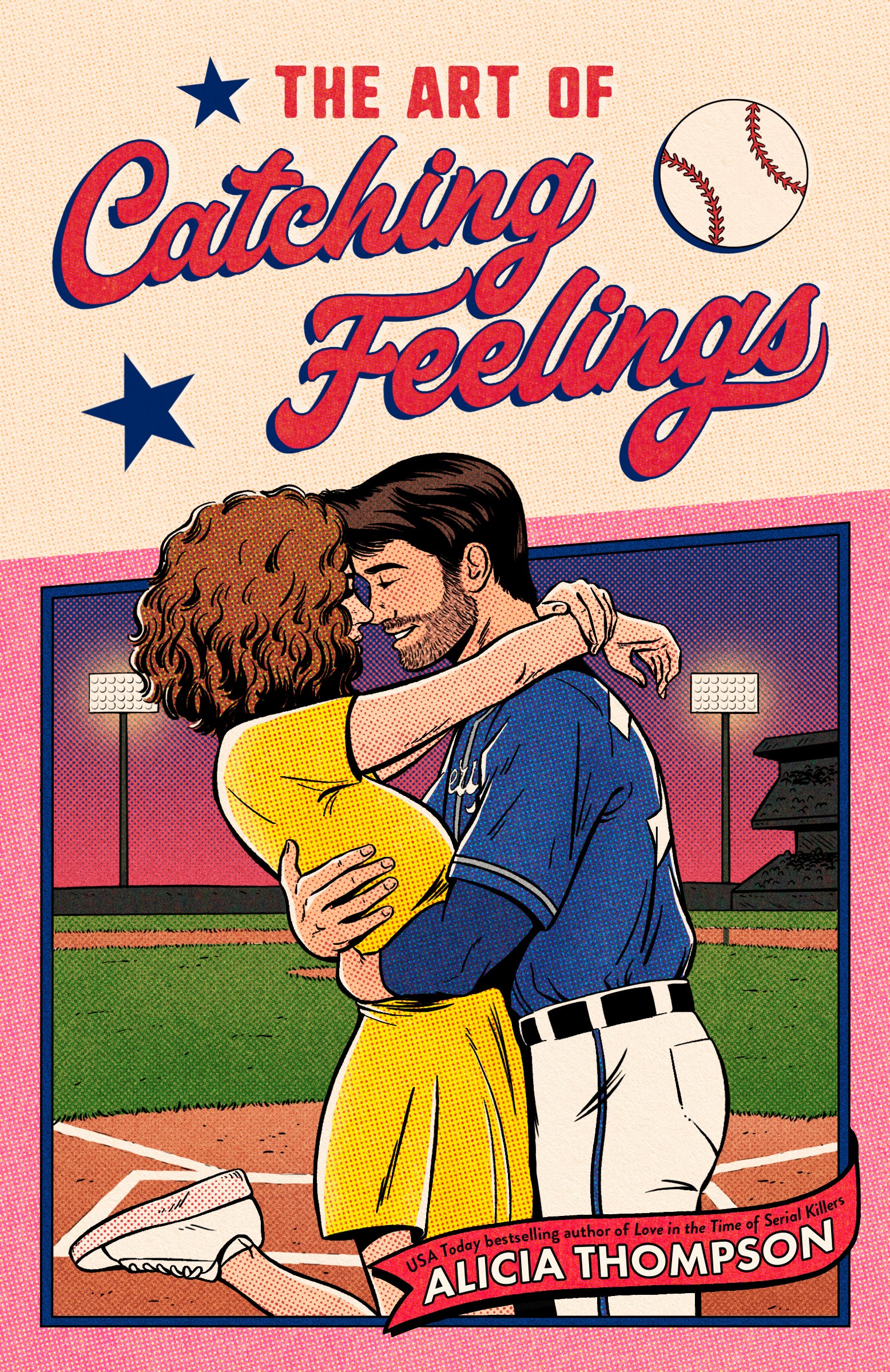
I’ll be honest — if I’d come across a book with this cover by an author I didn’t know, I’d probably skip right by it. However, I read and loved Alicia Thompson’s two previous novels (Love in the Time of Serial Killers and With Love, from Cold World), so I knew I’d be in for a treat… despite the focus on baseball.

The Art of Catching Feelings is engaging, emotional, and funny, and its main characters are two good-hearted people stumbling their way toward one another. This is a feel-good, absorbing read — a perfect choice for when you want to curl up and get lost in a good book.

Top Ten Tuesday: Most Anticipated Books Releasing During the Second Half of 2024

Top Ten Tuesday is a meme hosted by That Artsy Reader Girl, featuring a different top 10 theme each week. This week’s topic is Most Anticipated Books Releasing During the Second Half of 2024.

But oops – last week’s topic was Books on My Summer 2024 to-Read List, and since I didn’t look at upcoming topics, I focused my list only on new releases for summer 2024… which means for this week, I have to come up with 10 more!

Fortunately, I never lack for books to look forward to (although the books already on my shelves are giving me some serious side-eye as I write this)… but I couldn’t quite come up with ten more must-read new releases, so…

Here are NINE new releases — coming July through December 2024 — that I can’t wait to read:

Listed in order of release date:

  • Drop Dead by Lily Chu (8/1/2024)
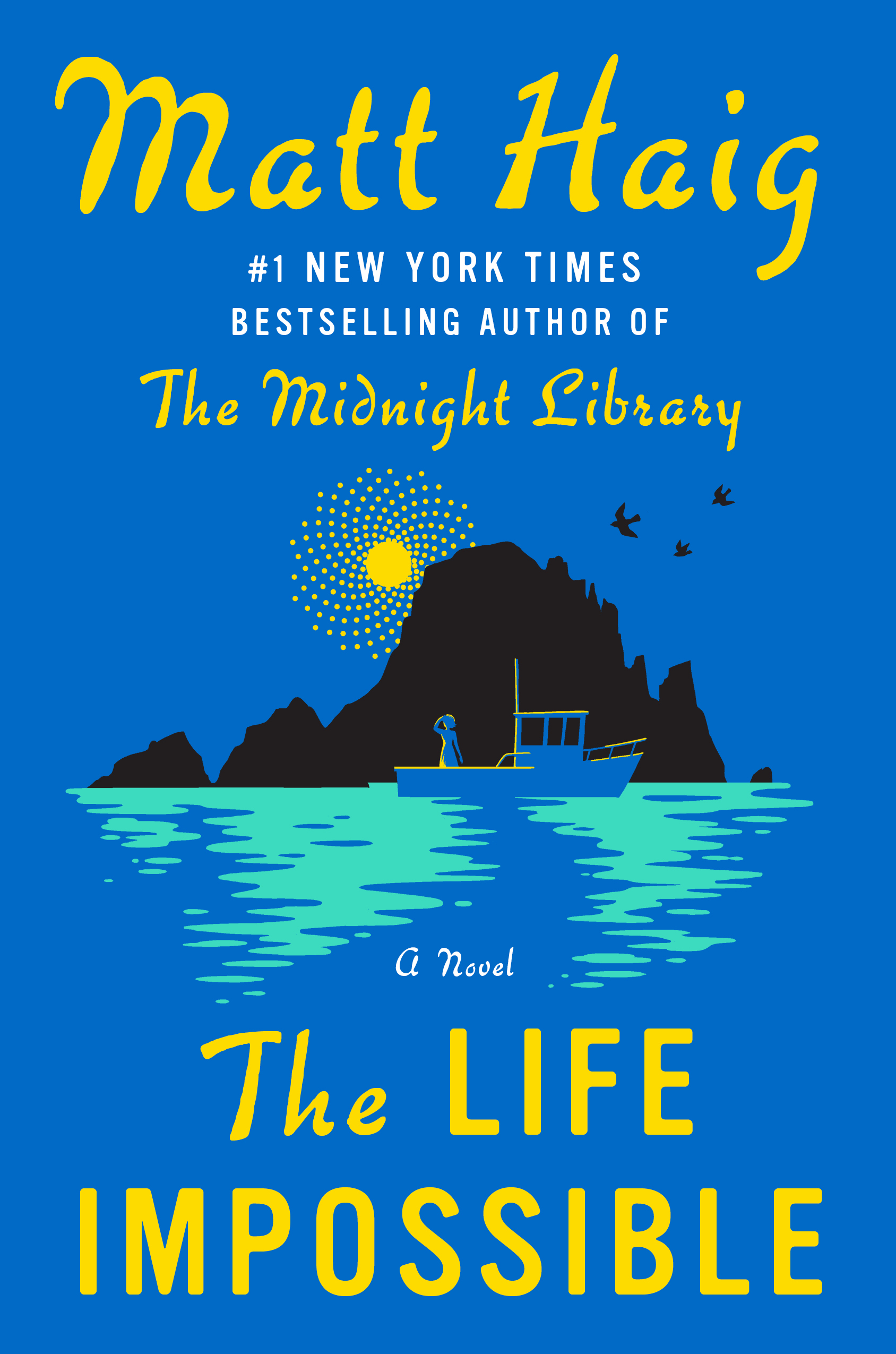
  • The Life Impossible by Matt Haig (9/3/2024)
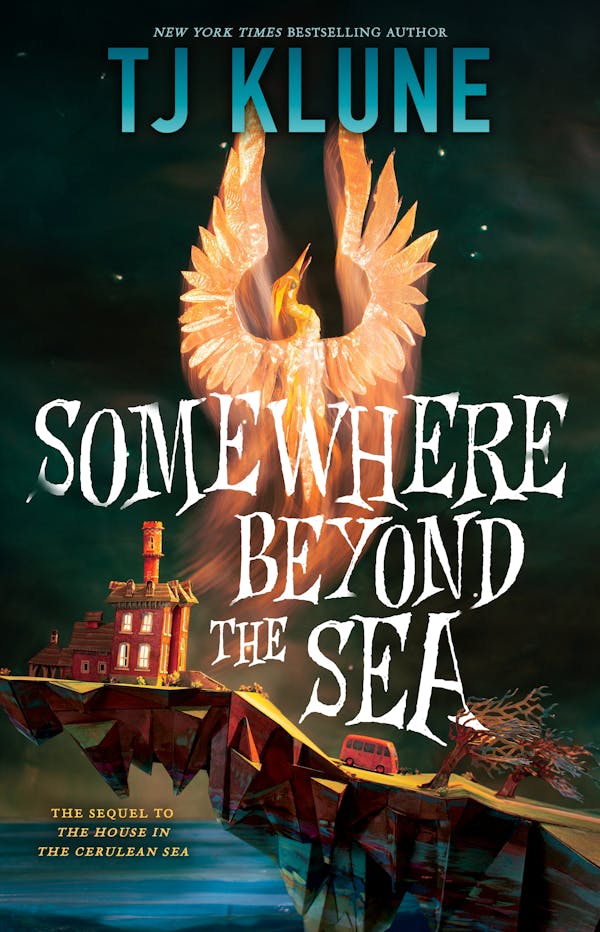
  • Somewhere Beyond the Sea by TJ Klune (9/10/2024)
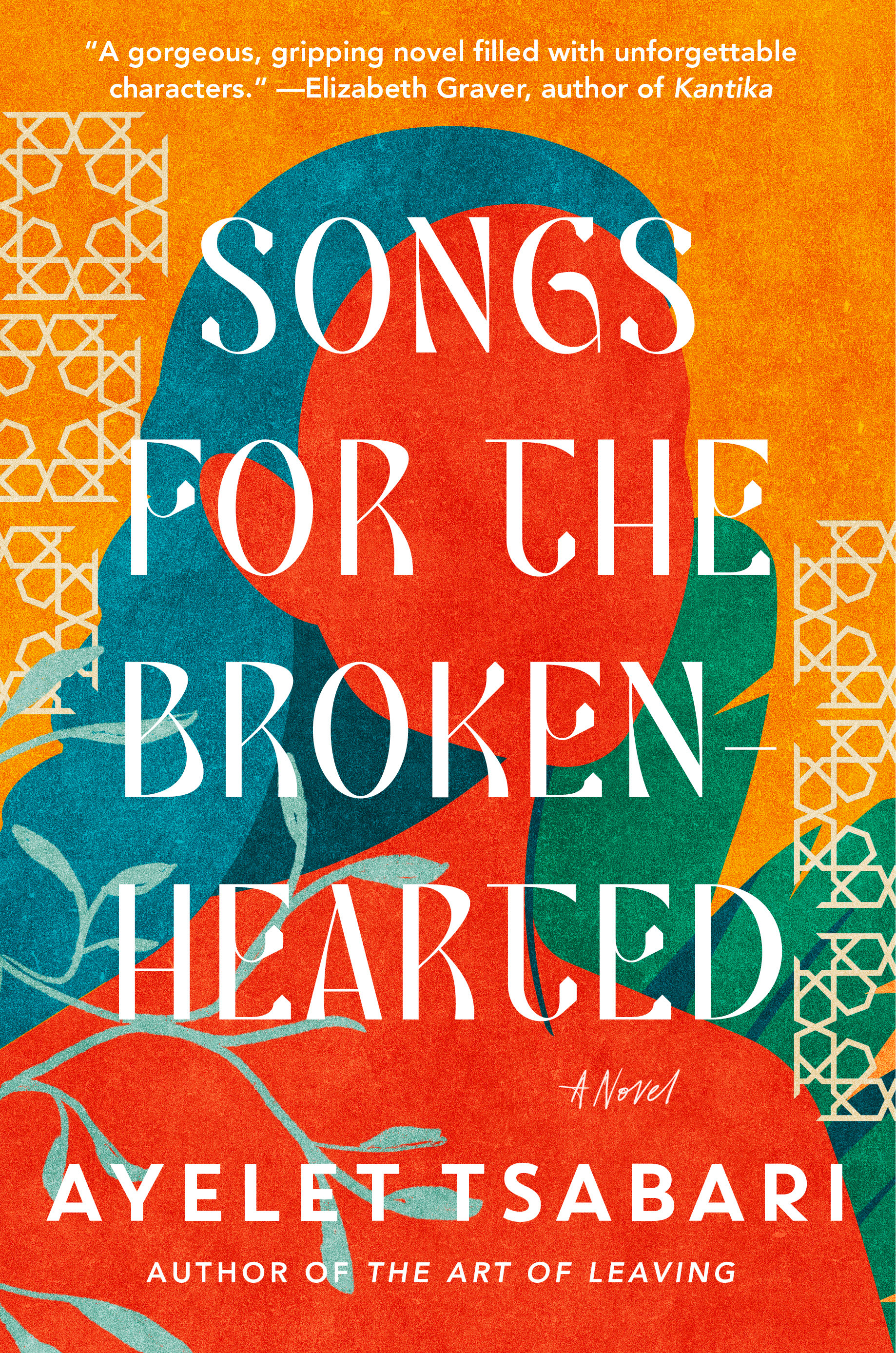
  • Songs for the Brokenhearted by Ayelet Tsabari (9/10/2024)
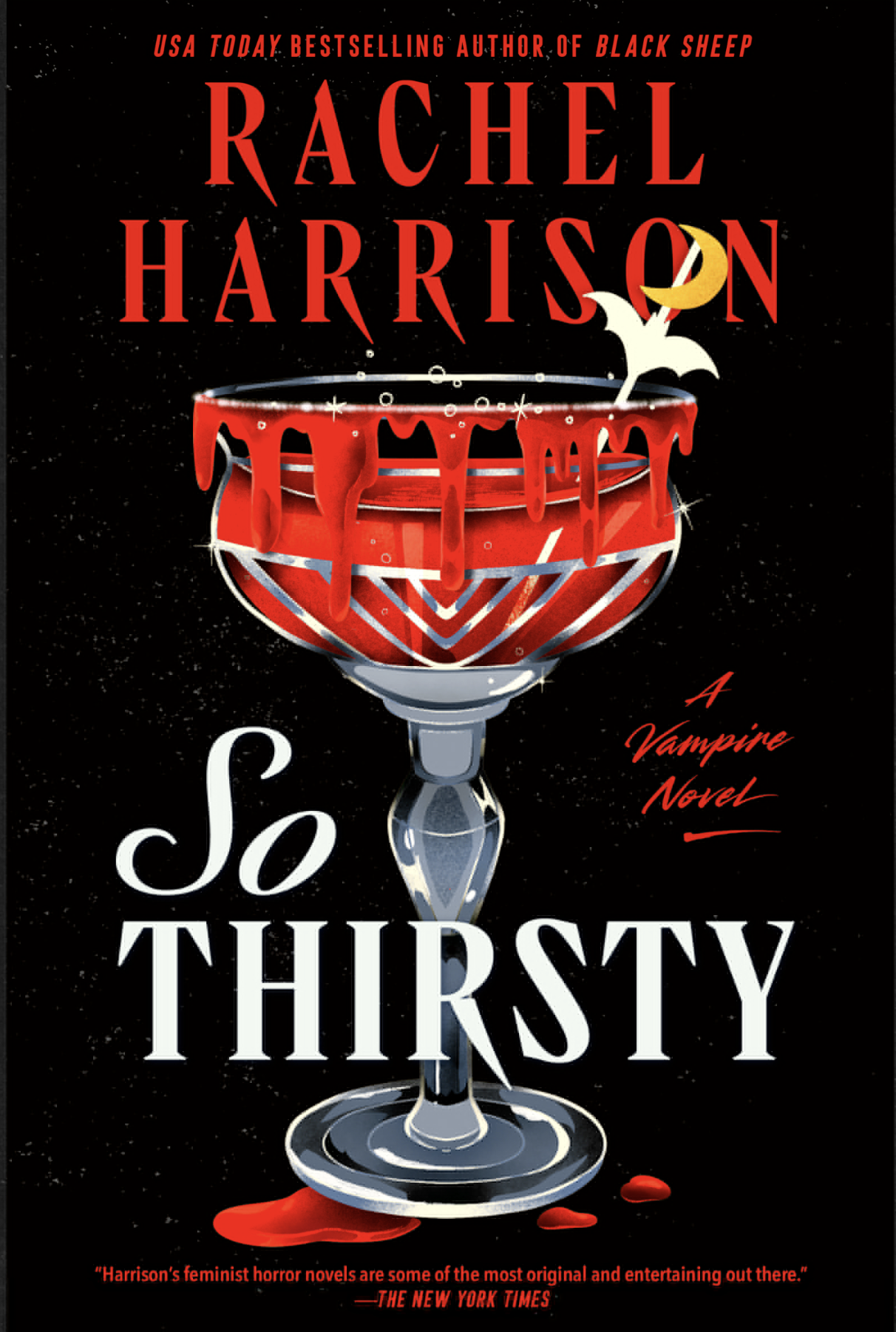
  • So Thirsty by Rachel Harrison (9/10/2024)
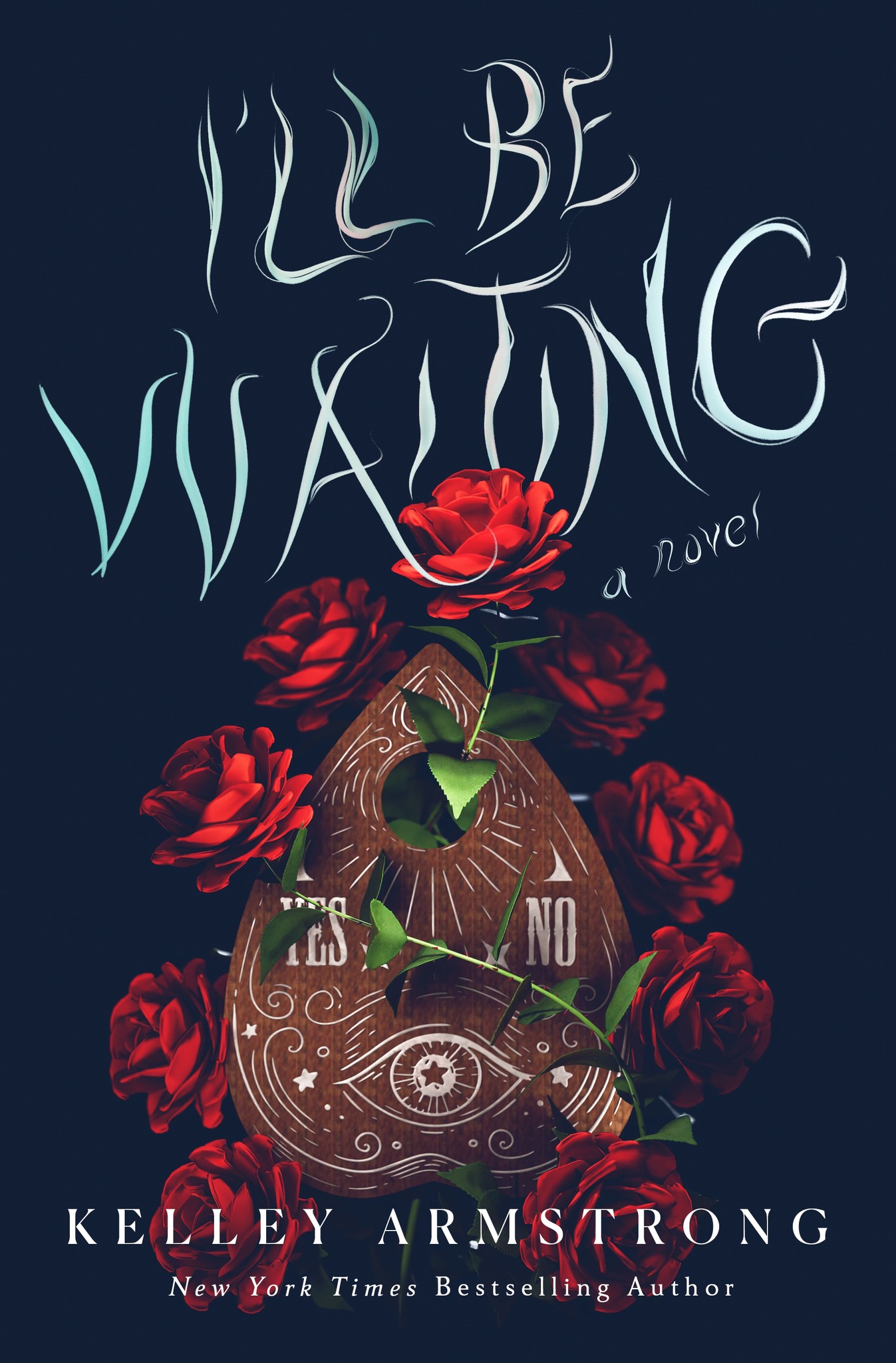
  • I’ll Be Waiting by Kelley Armstrong (10/1/2024)
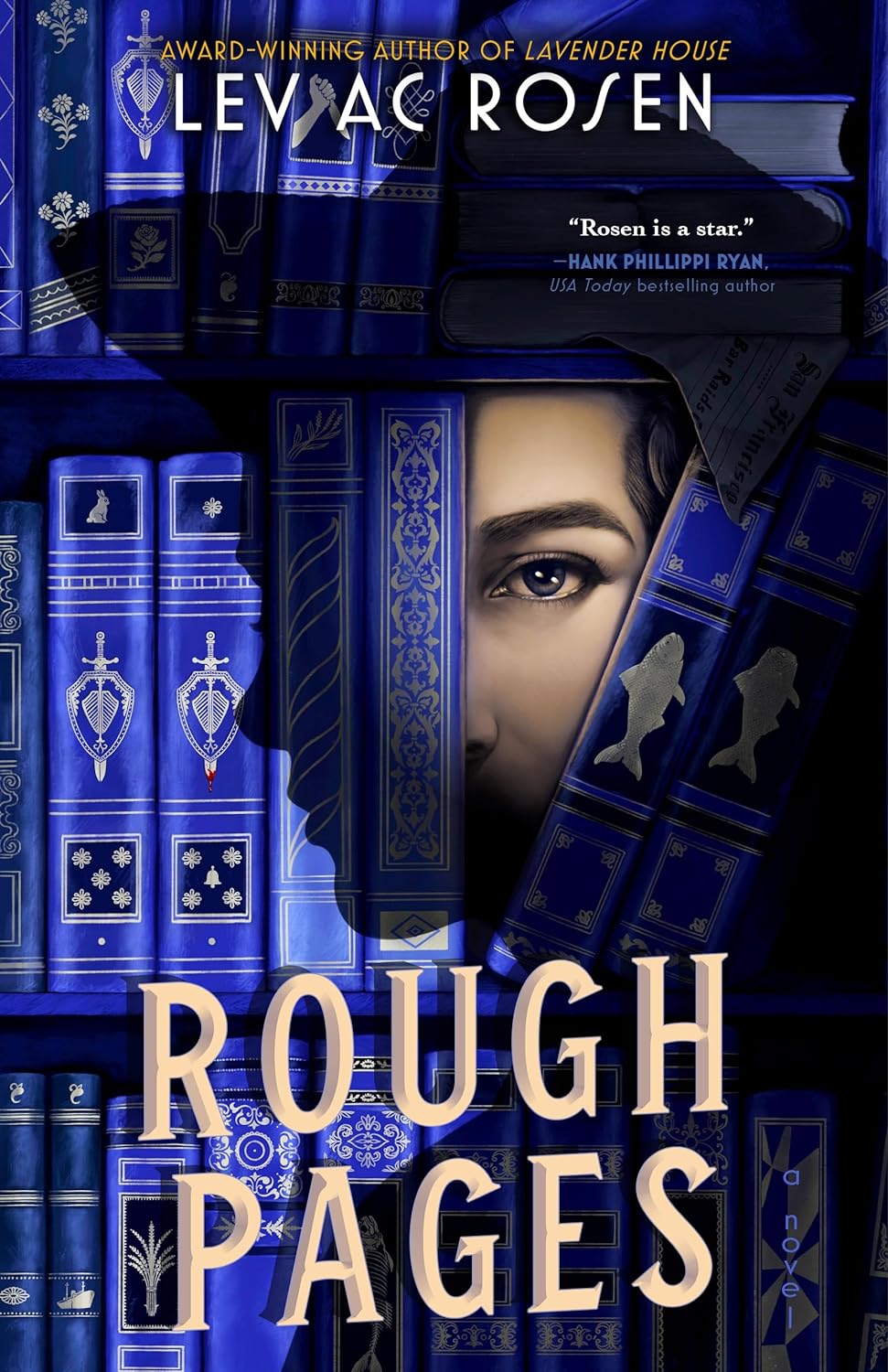
  • Rough Pages (Evander Mills, #3) by Lev AC Rosen (10/1/2024)
  • The Love Elixir of Augusta Stern by Lynda Cohen Loigman (10/8/2024)
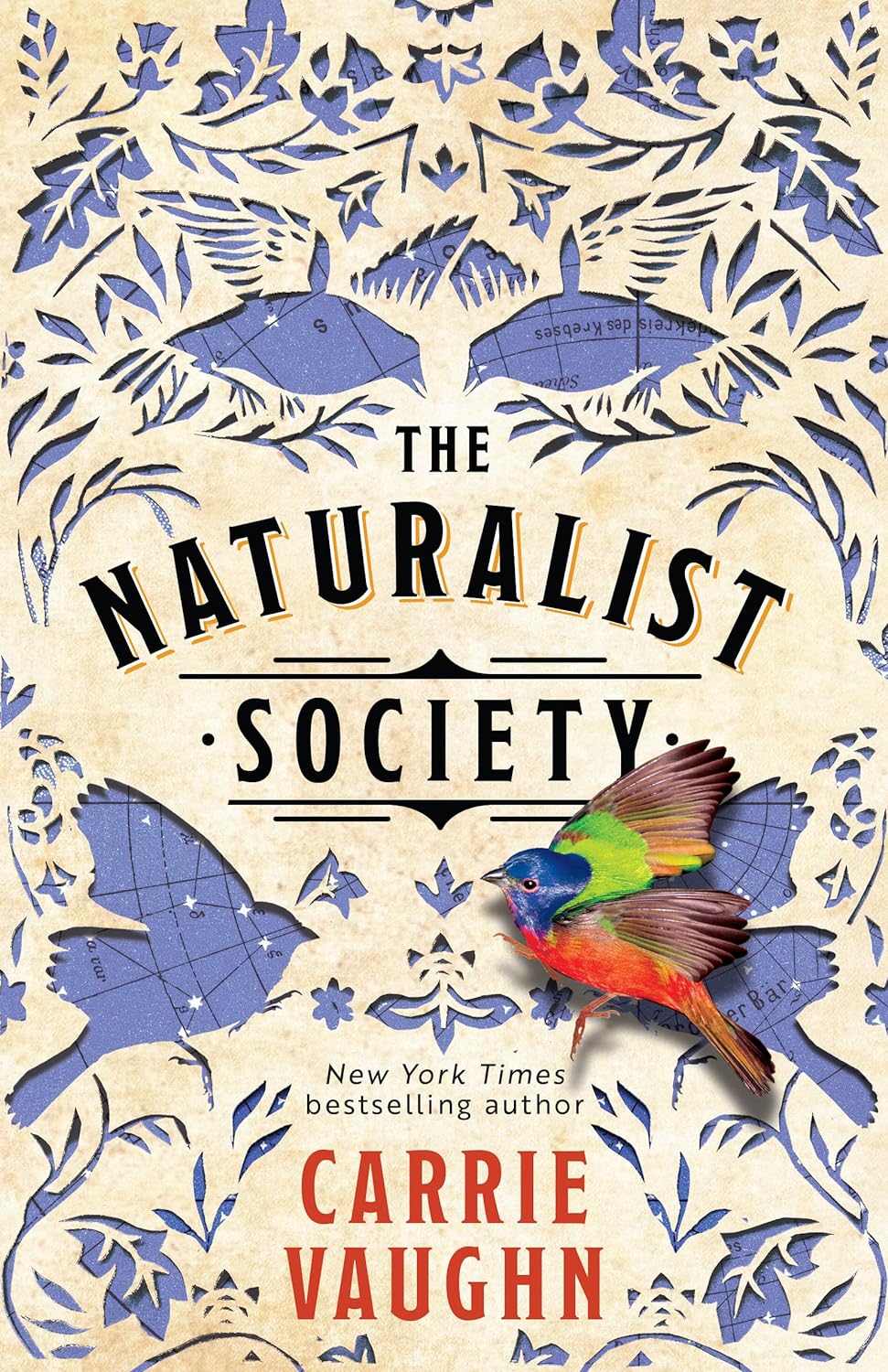
  • The Naturalist Society by Carrie Vaughn (11/1/2024)

What are your most anticipated new releases for the 2nd half of 2024? Please share your links!

Save

Save

Save

Save

Book Review: Funny Story by Emily Henry

Title: Funny Story
Author: Emily Henry
Publisher: Berkley
Publication date: April 23, 2024
Print length: 387 pages
Genre: Contemporary fiction
Source: Purchased

Rating: 4 out of 5.

A shimmering, joyful new novel about a pair of opposites with the wrong thing in common.

Daphne always loved the way her fiancé Peter told their story. How they met (on a blustery day), fell in love (over an errant hat), and moved back to his lakeside hometown to begin their life together. He really was good at telling it…right up until the moment he realized he was actually in love with his childhood best friend Petra.

Which is how Daphne begins her new story: Stranded in beautiful Waning Bay, Michigan, without friends or family but with a dream job as a children’s librarian (that barely pays the bills), and proposing to be roommates with the only person who could possibly understand her predicament: Petra’s ex, Miles Nowak.

Scruffy and chaotic—with a penchant for taking solace in the sounds of heart break love ballads—Miles is exactly the opposite of practical, buttoned up Daphne, whose coworkers know so little about her they have a running bet that she’s either FBI or in witness protection. The roommates mainly avoid one another, until one day, while drowning their sorrows, they form a tenuous friendship and a plan. If said plan also involves posting deliberately misleading photos of their summer adventures together, well, who could blame them?

But it’s all just for show, of course, because there’s no way Daphne would actually start her new chapter by falling in love with her ex-fiancé’s new fiancée’s ex…right?

I’m going to keep this review short (which can be hard for me!): Funny Story is entertaining, heart-warming, funny, and relatable — in other words, a great summer read, and highly recommended.

Daphne and Miles have exactly one thing in common as the story opens: Daphne’s fiance and Miles’s girlfriend, life-long best friends, have realized they’re actually in love in the lead-up to Daphne and Peter’s wedding. Suddenly dumped, Daphne not only loses Peter, but also her home (which is actually his) and her local friends (which are also actually his). With no place else to go, she moves into Miles’s spare room, and two partake in lots of wallowing and pity parties, alone but at least under the same roof.

Daphne had uprooted her whole life for Peter, moving to his small town and into his social circle — and newly single, she faces the harsh fact that she hasn’t built a life for herself apart from him. Yes, she loves her job as a children’s librarian, but she really has nothing else. With a major fundraiser coming later in the summer that she’s responsible for, she can’t leave Waning Bay just yet… but with every chapter in the book, we get a countdown of just how long is left before she can get away.

And yet… Miles (who we first meet as a big, stoned, crying mess) is a sweet guy with a heart of gold who has the rare skill of making everyone he meets feel special. He knows just about everyone in Waning Bay, and the people he doesn’t know are just one conversation away from being his devoted friends too. Miles and Daphne first start hanging out from a sense of mutual sadness and loneliness, but they soon find that they connect as more than just the people who got dumped together. A sweet friendship grows, and each is able to offer the other a shoulder to cry on, a distraction, a companion, and eventually, a deeper connection of support, caring, and affection.

Without going into a ton of detail, I’ll just say that I loved seeing Miles and Daphne’s relationship develop, and one of the really delightful aspects is noticing, without being hit over the head with it, how Petra and Peter kind of fade out of the storyline as they become less and less important to Miles and Daphne.

Beyond the growing friendship/chemistry/attraction between Miles and Daphne, Daphne’s efforts to find more for herself in Waning Bay are also integral to the story. I love that a book about romance gives plenty of space to women’s friendships. Daphne has to force herself to connect and interact, but once she does, she finds a true friend. Sure, there are complications and ups-and-downs, but it’s so important for Daphne’s sense of purpose that she learns how to be present for someone else, and how to open her heart to a whole community of people.

OK, I said I’d keep it brief, so let me wrap up by saying that Funny Story is signature Emily Henry, meaning that the smart, sensitive plot has just enough silliness and humor to keep it bubbling along, without losing sight of the characters’ inner lives and their emotional growth. The love story is delicious, but so is the story of a woman finding herself a place to belong.

As with previous Emily Henry books, I listened to the audiobook, narrated by Julia Whelan, who is just as fabulous as she always is. The narration and the character voices are all spot on, and listening to this book is a total treat.

Print or audio, Funny Story is sweet, emotional, and oodles of fun. Don’t miss it.

Book Review: One-Star Romance by Laura Hankin

Title: One-Star Romance
Author: Laura Hankin
Publisher: Berkley
Publication date: June 18, 2024
Length: 400 pages
Genre: Contemporary romance
Source: Review copy courtesy of the publisher via NetGalley
Rating:

Rating: 3 out of 5.

A struggling writer is forced to walk down the aisle at her best friend’s wedding with the man who gave her book a very public one-star rating in this fresh romantic comedy from Laura Hankin.

Natalie and Rob couldn’t have less in common. Nat’s a messy artist, and Rob’s a rigid academic. The only thing they share is their devotion to their respective best friends—who just got engaged. Still, unexpected chemistry has Natalie cautiously optimistic about being maid of honor to Rob’s best man.

Until, minutes before the ceremony, Nat learns that Rob wrote a one-star review of her new novel, which has them both reeling: Nat from imposter syndrome, and Rob over the reason he needed to write it.

When the reception ends, these two opposites hope they’ll never meet again. But, as they slip from their twenties into their thirties, they’re forced together whenever their fast-track best friends celebrate another milestone. Through housewarmings and christenings, life-changing triumphs and failures, Natalie and Rob grapple with their own choices—and how your harshest critic can become your perfectly imperfect match.

After all, even the truest love stories sometimes need a bit of rewriting.

With a title like One-Star Romance, the review practically writes itself. Here goes:

One-Star Romance is strictly a three-star reading experience.

While One-Star Romance has some fun, engaging elements, there are far too many points in this book that left me shaking my head, and it doesn’t help that the only reason we know that the main characters have chemistry is that we’re told that they do.

Okay, let’s dive in. Natalie and Gabby have been best friends since their freshman year of college. Even after college, they share a teeny little apartment and love each other more than anything… except Gabby’s boyfriend Angus is around a LOT and annoys the heck out of Natalie. And when Angus and Gabby get engaged, Natalie has to face the harsh fact that she’ll never be Gabby’s #1 again.

Fast-forward a year and a half to Gabby and Angus’s wedding. Natalie is maid of honor, and is doing an amazing job at it, even though she still feels that Angus isn’t good enough for her best friend and that this entire marriage is happening too quickly. On the bright side, Natalie’s first novel has just been published, and she’s feeling pretty good about the positive reviews on Goodreads — until her great rating score suddenly dips thanks to a one-star review. Natalie is absolutely spun out over this, and ultimately figures out that the one-star review was posted by Angus’s best friend/best man Rob, a Ph.D. candidate who comes off as a bit uptight and judgmental (although, as expected, he’s hot). Any potential sizzle between Natalie and Rob is immediately dowsed by the blow-up that ensues.

As the book progresses, we follow milestones in Gabby and Angus’s lives — from wedding to new job celebration to christening to housewarming — each event requiring now-sworn-enemies Natalie and Rob to once again be in close proximity for the sake of their friends. And at each event, they learn more about each other and start to break down walls, only for new offenses to crop up again.

On the one hand, One-Star Romance is fine — the structure of the book is built around the different milestone events, and the chapters for each move quickly and keep the momentum high. The book has a slightly higher page count than we typically see in a contemporary romance, but it’s fast-paced enough that it doesn’t bog down at all. As a whole, the story is entertaining and engaging.

Yet on the other hand… there is just so much in this book that felt false to me, as well as places where Natalie is insufferable, and the lead characters simply lack any sort of tangible spark.

Natalie blames her first novel’s lack of success on that one-star review, and honestly, one one-star review is not going to tank an otherwise great book! The fact that she constantly checks the Goodreads page for updates and obsesses over who this particular user might have been who gave her the one-star review… well, as is discussed again and again and again in the book blogosphere and beyond, this is very bad author behavior! Don’t read the reviews! And if you must, don’t focus on the individual reviewers! We’ve all heard too many stories about authors destroying their own reputations by coming after people who’ve written negative reviews. It’s impossible to feel any sympathy for Natalie here, and that’s even more true after we learn why Rob did what he did. Sorry, Natalie — Rob has a point, besides which, he’s entitled to leave whatever review he wants.

Natalie really doesn’t improve in terms of likability as the book progresses. She’s unrealistic and selfish when it comes to Gabby, always resenting that Gabby has a husband and later a child to get in the way of their friendship. It’s really off-putting.

It felt like eons since Natalie and Gabby had been able to have an uninterrupted conversation, since they’d truly been able to pay attention to each other.

That, in case you’re wondering, is Natalie whining to herself about Gabby being distracted — while Gabby is trying to get her newborn baby to latch on and breastfeed. How dare Gabby not pay more attention to Natalie!

The author doesn’t seem to have a positive view of stable relationships, either. At one point in the book, Rob is in a committed, loving relationship that’s working for him and his partner, and yet here’s how it’s described:

It was all too easy when he and Zuri were together to sink into quiet contentment, sitting side by side as they did their research or a crossword. Arms linked, the two of them had fast-forwarded straight into a comfortable middle age, despite only being thirty.

All of this doesn’t even scratch the surface of how many ridiculous set pieces there are — most egregious of which is Gabby and Angus’s wedding. (Note: I’m about to spoil a scene from the book, so look away if you don’t want to know!) For… reasons… Angus decides to zipline to the altar, and (of course) the zipline gets jammed and he falls off (because of course he’s not wearing a harness) into an algae-filled pond. The groomsmen rush in to retrieve him, so he and they are all soaked and algae covered as Gabby starts down the aisle. Natalie expects Gabby to freak out and maybe make a run for it (which Natalie would totally approve of) — but instead, Gabby sees her dripping, slimy groom… and jumps in the lake herself. Just… no. What bride on earth would do this? It isn’t cute, it isn’t funny, and it just doesn’t work.

Later in the book, One-Star Romance seems about to turn into the movie Beaches (if you’ve seen it, you know what I mean). Fortunately, there’s still a happy ending, but this section of the plot feels manipulative, not touching.

Finally, as I mentioned earlier, there’s just no chemistry between Natalie and Rob, except that this is an enemies-to-lovers story, so of course they have to secretly be in love with one another despite seeming like they hate each other. I didn’t buy it. Other than some physical attraction, there’s nothing between them, and they never become more believable as a couple. In real life, maybe they would have flirted a bit at the wedding before their big fight, and never would have given each other another thought — and when forced together by Gabby and Angus’s events, would have kept miles of distance between them. The core concept of the novel may sound cute, but it just doesn’t work.

Okay, it clearly sounds like I didn’t like this book very much. I didn’t hate it… but I didn’t love it. I got a decent amount of entertainment while reading One-Star Romance, and I was never bored. It’s not a bad way to pass the time, but three-stars is as high as I’ll go… and even that feels a tad generous.

Top Ten Tuesday: Top ten books on my TBR list for summer 2024

Top Ten Tuesday is a meme hosted by That Artsy Reader Girl, featuring a different top 10 theme each week. This week’s topic is Books on My Summer 2024 to-Read List.

There are so many new releases coming this summer, and I want to read them ALL. I’d like to say that my reading plans also include books from my shelves… but that’s looking kind of iffy at the moment.

Here are ten new releases I can’t wait to read:

  • Close Knit by Jenny Colgan
  • Finding Mr. Write by Kelley Armstrong
  • A Sorceress Comes to Call by T. Kingfisher
  • A Novel Love Story by Ashley Poston
  • Winter Lost by Patricia Briggs (just released today!)
  • The Black Bird Oracle by Deborah Harkness
  • Slow Dance by Rainbow Rowell
  • The Mercy of Gods by James S. A. Corey
  • Haunted Ever After by Jen DeLuca
  • The Night Guest by Hildur Knútsdóttir

What are you planning to read this summer? Please share your links!

Save

Save

Save

Save

Book Review: Summer Romance by Annabel Monaghan

Title: Summer Romance
Author: Annabel Monaghan
Publisher: G.P. Putnam’s Sons
Publication date: June 4, 2024
Length: 321 pages
Genre: Contemporary romance
Source: Review copy courtesy of the publisher via NetGalley
Rating:

Rating: 5 out of 5.

Benefits of a summer romance: it’s always fun, always brief, and no one gets their heart broken.

There aren’t enough labeled glass containers to contain the mess that is Ali Morris’s life. Her mom died two years ago, then her husband left, and she hasn’t worn pants with a zipper in longer than she cares to remember. She’s a professional organizer whose pantry is a disgrace.

No one is more surprised than Ali when the first time she takes off her wedding ring and puts on pants with hardware—overalls count, right?—she meets someone. Or rather, her dog claims a man for her in the same way he claimed his favorite of her three children: by peeing on him. Ethan smiles at Ali like her pants are just right—like he likes what he sees. The last thing Ali needs is to make her life messier, but there’s no harm in a little Summer Romance. Is there?

Summer Romance delivers on the promise of its title, but with so much more. And it’s really no surprise — this 3rd book** by author Annabel Monaghan is just as delightful as the previous two, Nora Goes Off Script and Same Time Next Summer.

**3rd adult novel — she has earlier YA and non-fiction books, according to her Goodreads profile.

In Summer Romance, the main character is Ali, whose life is incredibly messy despite her professional role as a home organizer. It’s been two years since her mother’s death and one year since her husband Pete decided he wanted out. Ali’s pantry is overflowing with unneeded items (who needs four boxes of corn starch?), her sweatpants have seen much better days, and her counters have piles of paper everywhere. Just keeping her three children going takes all her effort — and yes, she’s a terrific mom, but her emotions are a mess and she’s just so, so worn out.

When Ali’s best friend Frannie pushes her to make a change and at least put on a pair of “hard pants” (i.e., any that don’t feature an elastic waist), Ali thinks Frannie’s probably expecting too much, but a trip to the dog park leads her to a very attractive man with a cute dog and a sense of humor. He’s new to their small town — Ali would definitely know if he were a local — and he seems to like what he sees when he looks at Ali. For the first time in years, Ali feels a bit of joy. Maybe a summer romance with a visitor to town will snap her out of her funk.

Of course, the mystery man — Ethan — has more to him than meets the eye, but Ali is drawn to him, and their chemistry is terrific. Plus, he’s kind and considerate and funny, not to mention hot, and with very specifically appealing features, such as his “shouldery shoulders” and:

His hands are the hands of a man who works construction all day and then races home to perform a piano concerto.

As they spend time together, Ali starts to get a new sense of energy for the rest of her life too, and starts to realize that the line from her high school graduation speech (which gets quoted back to her at a key moment) about being “the architect of your own experience” might be more relevant to her today than it was all those years ago.

Without going too far into the plot, I’ll just talk about some of the elements you might not get based just on the synopsis. The central theme in Summer Romance is not just the love story, but Ali rediscovering herself and finding a way to live through and past her grief. Her mother was her touchstone, the one constant in her life, the person who was there for her even when her marriage wasn’t going great and she started feeling like she’d lost her way. When we first meet Ali, she talks to her mother in her car whenever she’s alone, and hears her mother’s responses — not in a “oh my god, she’s hallucinating” sort of way, but more like she’s soothing herself by imagining how her mother might talk her through any of her fresh challenges.

And it’s in this moment that I understand my mother’s love for me. I can still feel the intensity of that love and the way she walked into my home, bright as the sun, and blinded me to all the shadows.

The depiction of Ali’s life as a single mother feels realistic. She loves her kids and is wonderful with them, but she’s also tired. Her ex can’t be counted on — he’s the type of clueless ex-husband who still just walks into the house when he arrives, and changes plans on a dime when he’s supposed to have the kids because something else has come up. Ali is the anchor, the one who can be counted on, and it’s clearly exhausting to have to be the one responsible person in all of their lives.

I really appreciated how well the author shows Ali’s return to hope and joy over the course of the summer. It’s not just about having a new man in her life — it’s about recognizing her own worth, finding purpose, and recommitting to all the messiness that emotional involvement can bring, even knowing that sometimes there will be loss down the road, but getting involved anyway.

As with her previous books, the author excels at writing clever or funny lines that capture something true beneath the wittiness:

When I stopped working, I started making the coffee to suit Pete. He liked me to add cinnamon to the grounds, which I think completely ruins the taste of the coffee, but I made it that way because he was the one going to work. It seemed like his coffee moment mattered more than mine. 

One of Ali’s big epiphanies over the course of her summer romance is that love and beauty and joy need to be embraced, even if there’s sorrow inevitably coming later. Whether it’s befriending the old woman next door despite knowing her time is limited, or getting a dog who in the natural course of things she’ll eventually see die, Ali learns that her life is richer when she accepts the joy in the moment — even if, like a summer romance, it has a predetermined end date.

Summer Romance is a wonderful read — the romantic elements are absolutely great, but the family dynamics, the memories of Ali’s mother and how Ali processes her grief, the appreciation of the connections of life in a small town, the depiction of how sexy kindness can be — all of these really make this book something special. Don’t miss it.

**Save

Save

Save

Save

Save

Save

Save

Book Review: Middletide by Sarah Crouch

Title: Middletide
Author: Sarah Crouch
Publisher: Atria Books
Publication date: June 11, 2024
Length: 288 pages
Genre: Thriller/mystery
Source: Review copy courtesy of the publisher via NetGalley
Rating:

Rating: 2.5 out of 5.

In this gripping and intensely atmospheric debut, disquiet descends on a small town after the suspicious death of a beautiful young doctor, with all clues pointing to the reclusive young man who abandoned the community in chase of big city dreams but returned for the first love he left behind. Perfect for fans of All Good People Here and Where the Crawdads Sing

One peaceful morning, in the small, Puget Sound town of Point Orchards, the lifeless body of Dr. Erin Landry is found hanging from a tree on the property of prodigal son and failed writer, Elijah Leith. Sheriff Jim Godbout’s initial investigation points to an obvious suicide, but upon closer inspection, there seem to be clues of foul play when he discovers that the circumstances of the beautiful doctor’s death were ripped straight from the pages of Elijah Leith’s own novel.

Out of money and motivation, thirty-three-year-old Elijah returns to his empty childhood home to lick the wounds of his futile writing career. Hungry for purpose, he throws himself into restoring the ramshackle cabin his father left behind and rekindling his relationship with Nakita, the extraordinary girl from the nearby reservation whom he betrayed but was never able to forget.

As the town of Point Orchards turns against him, Elijah must fight for his innocence against an unexpected foe who is close and cunning enough to flawlessly frame him for murder in this scintillating literary thriller that seeks to uncover a case of love, loss, and revenge.

In this new mystery, a man returns to the small town he left behind long ago, to hide out from the world after the failure of the novel he spent ten years writing. Elijah’s family cabin in Point Orchards has been slowly deteriorating since his father’s death years earlier. Bit by bit, Elijah brings the cabin and its land back to life, eventually taking pride in managing to live off the land — raising chickens, growing and canning his own vegetables, even learning to bake bread.

But the one element of his former life that he can’t face is the girl he left behind. When he left for college, he promised to return to Nakita, but never did, lured instead by the shiny promise of a book deal. Now both in their mid-thirties, Elijah and Nakita have faced more in their lives than they’d ever imagined, and the question is, can they find a way to forgive past wrongs and reconnect, possibly even fall in love once again?

The framing of the story is a suspicious death: The town doctor, the beautiful, tragic Erin Landry, is found hanged on Elijah’s property. It looks like a suicide, but circumstances just don’t add up. As the local sheriff investigates, signs start to point to Elijah himself as the perpetrator, especially once it’s discovered that his novel lays out a very similar death, in which a murder is set up to appear to be a suicide.

Chapters in Middletide alternate between the investigation into Erin’s death and the earlier years of Elijah’s return to Point Orchards and his attempts to start fresh and rebuild his life. Eventually, the two timelines merge into one, as the book culminates in a courtroom drama.

I probably could have saved myself some earlier false theories if I’d read the synopsis above, which makes it clear that Elijah is, in fact, innocent. (There’s room to doubt that at some points in the story.) But really, the answer to the murder mystery is about as obvious as it gets — I guessed the overall solution pretty early on, and was correct in just about every way.

To put it bluntly, this is not a great story. Elijah comes off as arrogant in some key scenes, even when we’re meant to like and understand him. His shallow emotional responses undercut our investment in him and make it harder to root for him to find happiness with Nakita.

“You have no clue what it feels like to have your entire future drop out from beneath your feet without warning. You can’t possibly imagine how devastating that is.”

“Actually, I can,” Elijah shot back “I know what it’s like to have to start over from scratch after the life you thought you were meant for doesn’t pan out, remember?”

“Doesn’t pan out? Elijah, my husband was shot in the head and died at thirty-five years old. Where do you get the nerve to compare that to your failed writing career?”

The author includes a note at the beginning stating that Nakita’s tribal affiliation and reservation are fictional inventions, inspired by real indigenous nations. Which, fine, except Nakita’s heritage and the relationship between the town and the reservation don’t actually matter much in Middletide. I excepted this aspect to be more developed, but really, the impact on the plot is minimal and the characters are underdeveloped.

The courtroom scenes feel almost like an afterthought. For anyone who’s ever watched a lawyer show on TV, the trial is not structured as we’d expect. The prosecution calls a few witnesses, then the defense immediately jumps in with a witness, but the prosecution never rests, and as far as I could see, there was no discovery before the trial. Hey, I’m no lawyer… but I’ve seen enough courtroom dramas to know that this didn’t go the way it should. And don’t get me started on Elijah’s lawyer not actually being a lawyer…

Here’s a spoilery bit, so skip this next paragraph if you care about avoiding spoilers:

One key piece of evidence is the diary found at Erin’s house. The entries all start with “Dear Diary” and seriously, do you know of any adult women who actually write in their diaries that way? It’s supposed to be written by a mature professional woman, and she’s writing as if she’s in middle school? Don’t get me started on the non-existent chain of custody for evidence either. Well, okay, in one scene, the deputy hands the diary to Elijah to look at in his jail cell. Excuse me, what? That’s a key piece of evidence, and you’re just handing it to the accused to paw through?

End of spoilers…

On the positive side, Middletide is relatively short (under 300 pages) and goes by quickly, so reading this book isn’t a huge time commitment. It moves quickly, and kept me turning the pages, although by midway through, I was tearing through it mostly to prove myself right rather than out of any real engagement with the characters.

As negatives, though, in addition to the implausibility of the legal case, the convoluted timeline (those chapters set in the past and the present mush together and are annoying to track), and the predictability of the outcome, the writing can be clunky and/or not well considered. For example:

On the day his editor called and read him that horrible review he had flung open his bedroom window in a fit of rage and dropped the orange typewriter to the sidewalk three stories below.

I suppose this is meant to show us a possible violent side of Elijah, but I just had to laugh. The guy was living in San Francisco at the time — no way did he throw his typewriter out a third-floor window in the middle of the city and not end up arrested for killing or injuring a pedestrian.

Also, it’s mentioned that his publishers had high expectations for his book’s success, but apparently this one very bad review absolutely sank it, and the book only sold 48 copies. What? If the book only sold 48 copies, then it wasn’t just one bad review that was responsible. This makes no sense to me.

As I mentioned already, there are scenes where it is very hard to like Elijah. While perhaps that’s meant to create suspicion or doubt, in actuality it just leaves us with a main character whose self-centeredness makes us not particularly want the very likable love interest to subject herself to being with him.

And so on. I could give more examples, but I’ll stop here.

Middletide is a murder mystery with a hollow center. On the one hand, it did keep me interested enough to speed through to the end — but on the other hand, I didn’t buy into the characters, found the mystery utterly predicable, and felt the courtroom drama was rushed and not believable. I expected a much better reading experience.

Book Review: Jackpot Summer by Elyssa Friedland

Title: Jackpot Summer
Author: Elyssa Friedland
Publisher: Berkley
Publication date: June 11, 2024
Length: 384 pages
Genre: Contemporary fiction
Source: Review copy courtesy of the publisher via NetGalley
Rating:

Rating: 3.5 out of 5.

After the Jacobson siblings win a life-changing fortune in the lottery, they assume their messy lives will transform into sleek, storybook perfection—but they couldn’t be more wrong in the new laugh-out-loud novel from beloved author Elyssa Friedland.

The four Jacobson children were raised to respect the value of a dollar. Their mother reused tea bags and refused to pay retail; their father taught them to budget before he taught them to ride a bike. And yet, as adults, their financial lives—as well as their personal lives—are in complete disarray.

The siblings reunite when their newly widowed father puts their Jersey Shore home on the market. Packing up their childhood isn’t easy, especially when they’ve all got drama brewing back home. Matthew is miserable at his corporate law job and wishes he had more time with his son; Laura’s marriage is imploding in spectacular fashion; Sophie’s art career is stalled while her boyfriend’s is on the rise; and Noah’s total failure to launch has him doing tech repair for pennies.

So when Noah sees an ad for a Powerball drawing, he and his sisters go in on a ticket. Matthew passes but the ticket is a winner and all hell breaks loose as the infusion of cash causes sibling rivalries and family secrets to resurface. Without their mother, and with their father busy playing pickleball in a Florida retirement village, the once close-knit siblings search for comfort in shiny new toys instead of each other.

It’s not long before the Jacobson’s start to realize that they’ll never feel rich unless they can pull their family back together.

Jackpot Summer is a story about siblings and life choices, with a “careful-what-you-wish-for” message that isn’t exactly subtle. After all, even before chapter 1, we read excerpts from several different newspaper articles about lottery winners, including one that explains how one man went from rolling in money to complete bankruptcy in only a few years. This can’t bode well for the Jacobsons, can it?

As the story opens, the “fantastic foursome” (as their late mother used to call them) have gathered for her unveiling. It’s been a year since her death from cancer, and as they talk together, their father Leo drops a bombshell: He’s selling the family’s beach house on the Jersey shore and moving to a retirement village in Florida, where he can play pickleball to his heart’s content. Instead of gathering at the beach house for the family’s traditional 4th of July celebration, they’ll be gathering to pack up the house and sort through a lifetime’s worth of odds and ends.

Each of the siblings is shaken, while also dealing with the stressors in their own lives. The oldest, Matthew, works alongside his ultra-ambitious wife in a prestigious corporate law office, while delegating the raising of their son to a stream of au pairs and tutors. Laura faces being an empty-nester when her younger daughter leaves for college, forcing her to acknowledge that her marriage seems to have dried up without her actually noticing it. Sophie’s day job as a public school teacher has her cleaning up glitter every day before working on her paintings in a grimy shared art space, getting nowhere while her sculptor boyfriend’s career seems to be taking off. And the youngest, Noah, lives in the beach house, does tech support house calls for the locals, and has no idea what to do with himself, but knows he doesn’t want to have to deal with actually changing anything.

On a whim, the Jacobson siblings — minus Matthew, whose wife expresses that the lottery is “a tax on stupid people” — go in on Powerball tickets… and win. This, of course, uproots all of their lives. First, the dilemma — do the three of them cut Matthew in on the winnings, even though he opted not to go in with them on the tickets? Much family drama stems from this point.

Once the money is in the family’s hands, more problems crop up. Everyone immediately dives into spending their new riches. Laura and husband Doug buy a mansion in a snobby new town, then head off on ultra-luxury vacations (which include couples massages with gold-infused lotions) — none of which does anything to actually improve their marriage. Sophie quits her teaching job, invests in a shiny, beautiful studio to work in, then finds herself utterly blocked when it comes to creativity. And poor Noah mopes about eating junk food and giving away money to anyone who asks — yes, the guy needing money to escape a “diktatership” is probably a scam… but what if it’s not?

Meanwhile, father Leo watches from afar and seems to be waiting for his kids to get their acts together, which it takes them quite a long time to do.

Jackpot Summer has a lot going for it, so let’s focus on the positives first. It’s funny and fast-paced, and while I initially feared that I wouldn’t be able to keep track of the individual characters (note: I hate books that introduce an entire family in one scene!), the fantastic foursome are actually all quite distinct. Chapters focus on one at a time, which gives readers a chance to get to know each one, understand their inner lives, and identify with the problems they face.

The Jacobsons are a Jewish American family, and it was enjoyable to see their rituals, their family traditions, and learn more about their heritage and how it affects their present attitudes. They’re not a particularly religious family, but their Jewishness is seen through pieces of their lives that include the local JCC, temple fundraisers, sitting shiva, and learning to bake their mother’s babka. It’s sweet, and the family scenes convey so much about how the kids were raised and how they ended up growing into the adults we now see.

The dynamics between the siblings is lots of fun too, especially once the rift with Matthew and his wife is resolved. They’re all adults, but their inner goofiness comes out when they’re together, and their group text chat is especially adorable.

A few negatives, though. The book sets us up from the beginning to expect the Jacobsons to squander their winnings, and they mostly do. None end up bankrupt, but they all make questionable choices before — finally, after some obviously very wrong turns — reassessing where true happiness lies and starting to course-correct. Not that we’d expect them all to be perfect, but there’s some clear bone-headedness that goes on longer than I felt necessary.

Matthew and his wife Beth are awful parents, forcing their 13-year-old Austin into one high-pressured activity after another, with no time to be a kid. We’re meant to like Matthew and Beth and eventually their more personable sides come out… but the depiction of the hard-charging corporate lawyers substituting hiring the best help for actually parenting their kid feels clichéd. It’s nothing we haven’t seen before, and as with other conflicts in this book, takes longer than necessary to resolve.

My final quibble: While the chapters focus on different siblings and so ostensibly are told through the characters’ points of view, there’s some nastiness about describing certain people that reeks of ageism to me:

On stage, a cluster of post-menopausal women dressed in black leotards, fishnets and tap shoes were performing a coordinated song and dance routine. […] His appearance brough the arthritic rendition of “Don’t Tell Mama” to a standstill.

Sorry, but I think it’s awesome that these adult women are tap dancing! What does post-menopausal have to do with it? Why are they, apparently by default, supposed to be arthritic? Ugh, this attitude bothers me so much.

Okay, all that aside, Jackpot Summer is overall a very fast and mostly enjoyable read. The ending feels rushed and the siblings’ various problems and dilemmas get tied up neatly and a bit too easily. Still, I liked it enough to read it in a day and a half. As light summer entertainment, this one deserves a place in the beach bag!

Book Review: The Guncle Abroad by Steven Rowley

Title: The Guncle Abroad
Author: Steven Rowley
Publisher: G.P. Putnam’s Sons
Publication date: May 21, 2024
Length: 320 pages
Genre: Contemporary fiction
Source: Review copy via NetGalley (audiobook purchased via Audible)
Rating:

Rating: 4.5 out of 5.

Patrick O’Hara is called back to his guncle duties . . . This time for a big family wedding in Italy.

Patrick O’Hara is back. It’s been five years since his summer as his niece Maisie and nephew Grant’s caretaker after their mother’s passing. The kids are back in Connecticut with their dad, and Patrick has relocated to New York to remain close by and relaunch his dormant acting career. After the run of his second successful sit-com comes to a close, Patrick feels on top of the world . . . professionally. But some things have had to take a back seat. Looking down both barrels at fifty, Patrick is single again after breaking things off with Emory. But at least he has a family to lean on. Until that family needs to again lean on him.

When Patrick’s brother, Greg, announces he’s getting remarried in Italy, Maisie and Grant are not thrilled. Patrick feels drawn to take the two back under his wing. As they travel through Europe on their way to the wedding, Patrick tries his best to help them understand love, much as he once helped them comprehend grief. But when they arrive in Italy, Patrick is overextended managing a groom with cold feet; his sister, Clara, flirting with guests left and right; a growing rivalry with the kids’ charming soon-to-be-launt (lesbian aunt), and two moody young teens trying to adjust to a new normal, all culminating in a disastrous rehearsal dinner.

Can Patrick save the day? Will teaching the kids about love help him repair his own love life? Can the change of scenery help Patrick come to terms with finally growing up?

Gracing the work with his signature blend of humor and heart, Steven Rowley charms with a beloved story about the complicated bonds of family, love, and what it takes to rediscover yourself, even at the ripe age of fifty.

Here’s how I started my review of The Guncle, the book that first introduced us to Patrick O’Hara and his niblings, Maisie and Grant:

After absolutely loving this author’s most recent novel, The Celebrants, I was eager to explore more. The Guncle, released in 2021, charmed me as soon as I saw the cover (I’m easily swayed by great covers!). I’m happy to report that The Guncle delivers in so many ways, and won my heart completely.

One advantage of reading a book a few years after its release is that you barely have to wait at all for a sequel! The Guncle was published in 2021, but I read it earlier this year… and yet — voila! — between that book and The Guncle Abroad, five years have passed! For the characters, in any case.

In The Guncle Abroad, Patrick is a far happier man in many ways, especially in comparison to how we first me him in The Guncle. He’s experienced a career revival, has moved to New York and remained actively involved in his brother’s family’s lives, and (until their recent breakup) had a loving long-term relationship with the wonderful Emory. (And yes, I felt my heart break just a teeny bit upon learning that they’d broken up.)

But as the book opens, Patrick finds himself with a mission. Greg, widowed five years earlier, is getting married to the woman he’s fallen in love with… who happens to be from an insanely wealthy, titled Italian family. (Who knew they still had nobility and titles in Italy? I sure didn’t!) The wedding will be a no-expense-spared affair at Lake Como, and all is delightful — except the kids aren’t happy. Clearly, Greg needs Patrick’s help.

As Greg prepares to meet his fiancée Livia in Italy for wedding prep, Patrick agrees to take the kids for summer. They meet him in London (where he’s wrapping filming on a new movie co-starring Jude Law!), and then accompany Patrick on a European vacation. His goal? Teach them all about love and love languages, so they can maybe find it in their hearts to accept Livia and their dad’s upcoming marriage.

Patrick, Maisie, and Grant are as amazing together as ever… although it is a bit disconcerting to encounter them at ages 14 and 11. Kids grow up so fast! Maisie is hovering between childhood and full-on teen mode, and Grant has outgrown his lisp but not his cuteness. As the trio traverse Paris, Salzburg, and Venice, Patrick does his best to teach them about cherishing people who care about them, accepting gifts with gratitude, and opening their hearts to new people and experiences. It’s an uphill climb for sure. Maisie and Grant still carry their grief for their mother, as does Patrick, and can’t fathom allowing Livia into their lives.

Can grief and gratitude coexist? Could he miss the kids’ mother and also be grateful for his time with Maisie and Grant? Or did the gratitude just make him miss Sara more and wish she was the one on this train with him instead of her sleeping kids? And in helping them these past few years with their grief, had he once again neglected his own?

The Guncle Abroad is as riotously funny as the previous book. Patrick is so incredibly over the top, and honestly, I love him to bits. But silly quips and jokes are not the only things going for this book. There are deeper veins of love, loss, healing, honoring memories, finding hope, and facing hard truths. The European adventure is eye-opening not just for Maisie and Grant, but also for Patrick.

Okay, but we do actually need to pay tribute to just a few of the passages and conversations that cracked me up:

Grant’s game console made a sound like something swirling a drain and he groaned. “Why can’t Dad marry Palmina?”

Speaking of nemeses, a cold child ran down Patrick’s spine. “Palmina’s a lesbian, you know that.”

Grant didn’t seem to view that as disqualifying. “Yeah, but gay marriage is legal now.”

“Children,” Livia said, part greeting, part statement of fact.

“I ask what’s going on, I do, but they don’t give me straight answers.”

“Do they give you gay ones?”

Patrick really is utter perfection — outwardly vain, always needing the spotlight, and with a bon mot for all occasions — but inwardly sensitive and oh-so-amazing as an uncle (guncle) to the pair of children he loves so much.

I listened to the audiobook version of The Guncle Abroad, and as with the previous book, the author is also the narrator. And while some authors are cringe-level awful at narration, the opposite is totally true here. Steven Rowley absolutely nails his characters voices, and his delivery as Patrick is *chef’s kiss* amazing.

My only teensy quibbles with The Guncle Abroad have to do with Livia and her sister Palmina. Livia is something of a blank. We see her in various scenes, but I didn’t feel that I got to know anything about her personality or a deeper sense of how she feels about Greg and the children. Meanwhile, Palmina (referred to by the kids as their new “launt”) immediately sets off Patrick’s alarms as competition for the kids’ affection and admiration — she’s just so effortlessly cool — but the shtick gets old pretty quickly, and I could have done without quite so much Palmina focus.

Still, these factors did not in the slightest keep me from loving this book. The Guncle Abroad is sweet, funny, honest, and constantly entertaining, and Patrick is the best. (Have I said that already? It’s true. He is). The Guncle Abroad has a super satisfying ending… but I still felt sad, because it seems pretty definitively to have wrapped up all storylines, and I’d love to think that there’s another Patrick/Maisie/Grant adventure in our future. Maybe when they’re another five years older?

Having read Steve Rowley’s three most recent books, I can safely say that I’ll read whatever he writes from this point forward. I love his characters, his humor, his pacing, and his way with snappy dialogue. I encourage everyone to check out The Guncle Abroad (read The Guncle first, obviously)… and if you really want a treat, give the audiobook a try.