Book Review: My Lady Jane by Cynthia Hand, Brodi Ashton, & Jodi Meadows

Title: My Lady Jane
Series: The Lady Janies, #1
Author: Cynthia Hand, Brodi Ashton, Jodi Meadows
Publisher: HarperTeen
Publication date: June 7, 2016
Length: 512 pages
Genre: Young adult
Source: Purchased
Rating:

Rating: 4.5 out of 5.

Edward (long live the king) is the King of England. He’s also dying, which is inconvenient, as he’s only sixteen and he’d much rather be planning for his first kiss than considering who will inherit his crown…

Jane (reads too many books) is Edward’s cousin, and far more interested in books than romance. Unfortunately for Jane, Edward has arranged to marry her off to secure the line of succession. And there’s something a little odd about her intended…

Gifford (call him G) is a horse. That is, he’s an Eðian (eth-y-un, for the uninitiated). Every day at dawn he becomes a noble chestnut steed—but then he wakes at dusk with a mouthful of hay. It’s all very undignified.

The plot thickens as Edward, Jane, and G are drawn into a dangerous conspiracy. With the fate of the kingdom at stake, our heroes will have to engage in some conspiring of their own. But can they pull off their plan before it’s off with their heads? 

I’ve always been fascinated by the sad story of Lady Jane Grey, the Nine Days Queen — the young woman used as a political pawn following the death of King Edward VI. Put in place as queen despite not actually being next in line to the throne, her brief reign ended with Queen Mary seizing the throne, and shortly thereafter, both Lady Jane and her husband were beheaded.

But good news! In My Lady Jane, her story is revised, rewritten, and turned into an absolutely, adorably engaging romp. Heads DON’T roll in this version of the story. #justiceforjane

In the England of My Lady Jane, the political landscape is divided between Eðians (those who can assume an animal form) and Verities (those who can’t). Verities have persecuted Eðians for years, and the return of Mary to power signals a return of the terror of burnings and purges. King Henry VIII very famously became an Eðian when he turned into a lion in a fit of rage, but Edward doesn’t think he’s an Eðian… or is he?

Meanwhile, Jane — a girl who would rather read a book than do just about anything — is forced into marriage with a boy she doesn’t know, all as a means of securing political power for his father. There’s the inconvenient fact that Gifford (G) is an Eðian who turns into a horse by day… but that’s only one of the many obstacles facing the newlyweds.

Sound silly? You betcha. But SO much fun, and the writing is truly a delight. Here’s a sampling of some favorite passages and conversation. See for yourselves how adorable this is!

Wife #3 (Edward’s mother) had done everything right; namely, she’d produced a child with the correct genitalia to be a future ruler of England, and then, because she was never one to stick around to gloat, she’d promptly died.

So. Her husband-to-be was a philanderer. A smooth operator. A debaucher. A rake. A frisker. (Jane became something of a walking thesaurus when she was upset, a side effect of too much reading.)

“Was that a horse joke?”

“Neigh.”

“Was that a horse joke?”

“You have hay in your hair.”

He smoothed his hand over his hair before he caught her smile. “No horse jokes.”

“Never! But I wanted to ask: are you catching a chill? You sound hoarse.”

At this point, G realized he’d just asked a ferret what the dog said.

“Right. As I was saying, bears are always hungry. Try not to act like food.”

“How does one act like food?”

“…And Bess can stay with Jane to make sure she doesn’t ferret her way out of that cage.”

“Can you use ferret as a verb?” G asked.

She shrugged. “You can now.”

“Right,” G said slowly. He picked up his sword. “We are off, then?”

“Without hesitation,” Edward said.

And for a few moments, they hesitated.

Then they were off.

“Armies aren’t very good about carrying libraries with them. I can’t imagine why. We’d fight so much less if everyone would just sit down and read.”

As if on cue (or maybe a bit late on his cue), a kestrel flew through the window. “Edward!” At least, she hoped the bird was Edward. It’d be embarrassing to just start talking with a strange bird.

I loved this book, start to finish. I have the next two Lady Janies on my Kindle already, but I’ve saving them for when I feel like I need a reading treat. The next two are:

And after that, there are a couple of Mary books… so I have plenty to look forward to!

Audiobook Review: The Midnight Bargain by C. L. Polk

Title: The Midnight Bargain
Author: C. L. Polk
Narrator: Moira Quirk
Publisher: Erewhon
Publication date: October 13, 2020
Print length: 384 pages
Audio length: 11 hours, 49 minute
Genre: Fantasy
Source: Purchased
Rating:

Rating: 4.5 out of 5.

Beatrice Clayborn is a sorceress who practices magic in secret, terrified of the day she will be locked into a marital collar that will cut off her powers to protect her unborn children. She dreams of becoming a full-fledged Magus and pursuing magic as her calling as men do, but her family has staked everything to equip her for Bargaining Season, when young men and women of means descend upon the city to negotiate the best marriages. The Clayborns are in severe debt, and only she can save them, by securing an advantageous match before their creditors come calling.

In a stroke of luck, Beatrice finds a grimoire that contains the key to becoming a Magus, but before she can purchase it, a rival sorceress swindles the book right out of her hands. Beatrice summons a spirit to help her get it back, but her new ally exacts a price: Beatrice’s first kiss . . . with her adversary’s brother, the handsome, compassionate, and fabulously wealthy Ianthe Lavan.

The more Beatrice is entangled with the Lavan siblings, the harder her decision becomes: If she casts the spell to become a Magus, she will devastate her family and lose the only man to ever see her for who she is; but if she marries—even for love—she will sacrifice her magic, her identity, and her dreams. But how can she choose just one, knowing she will forever regret the path not taken

I was not prepared to get as swept away by this book as I was!

In The Midnight Bargain, we’re transported to a world in which magical powers are the key to financial success… and belong squarely to the male population. Women with powers are seen as desirable in marriage because they’re most likely to provide magically gifted children. The catch is that women are not actually allowed to practice magic or study it seriously. Upon marriage, women are locked into silver collars that cut off their access to magic for as long as they wear it — supposedly to ensure the safety of future children, but (conveniently for their husbands) also ensuring that they’re kept under tight control.

For Beatrice, the idea of never developing her magical gift is horrifying. Her father, having speculated unwisely in business ventures, is on the verge of financial (and thus, social) ruin. Only a good marriage to the son of a wealthy family can save her own family. But Beatrice dreams of studying magic and strengthening her own powers, and her secret dream is to bind a powerful spirit to herself, making her ineligible to marry and giving her the opportunity to work behind the scenes to help her father build back his fortune.

Sadly, Beatrice’s father is a rigid conformist who is only focused on money and getting ahead. Bargaining season — the time each year when “ingenues” are placed on the marriage market and wealthy families compete to secure a good match — is the Clayborn family’s last chance to dig themselves out of debt, and there’s simply no way that her father will allow her to evade her duties. Beatrice knows that it’s a race against time to find the right grimoire that will unlock the mysteries of binding a spirit.

Her plans are confounded by Ysbeta Lavan, the powerful daughter of an incredibly wealthy family, who has her own reasons for wanting to escape bargaining season unmarried. A further complication is Ianthe Lavan, Ysbeta’s (super hot) brother, who falls for Beatrice just as hard as she falls for him. Beatrice’s feelings for Ianthe stand in contradiction to her personal goals. Can she give up her dreams of developing her magical gifts for the sake of true love, even if it means locking herself in a collar for the duration of her child-bearing years?

I hesitated a bit when starting this book, having read the author’s earlier Kingston Cycle trilogy and coming away from it with mixed feelings. While I admired the author’s inventiveness, I felt that the world-building in the trilogy wasn’t strong enough to satisfy me or provide sufficient groundwork for understanding the intricacies of the society the books portrayed. I worried that I might have a similar experince with The Midnight Bargain.

Fortunately, my worries were soon set to rest. While I do feel that more explanation would have been helpful at the start of the book, I easily became immersed in the plot anyway. I wished for more explanation of the countries named and their different customs, as well as some basics on geography. The world itself felt a little shakily defined.

However, I still was able to fully engage with the characters and enjoy the story. Beatrice’s quest is fueled not by a desire for personal power, but by her need to make her own decisions and be truly free. At one point, Ianthe swears that if they marry, he’ll leave her free of the collar whenever possible and support her pursuit of magic… but even that may not be enough. As Beatrice struggles with her choices, it’s clear that being allowed freedom isn’t the same thing as actually having freedom. It’s fascinating to see the characters’ journeys and conflicts, and I appreciated that decisions for the main characters are never clear choices between a right and wrong path.

The nature of the society is, of course, horrifying. There are some truly terrible scenes later in the book when it appears that Beatrice’s independence and agency will be stripped from her against her will, and I literally found myself short of breath during these moments! This is a fantasy world, but the stakes are women’s rights and the freedom to determine one’s own path and make one’s own choices. It feels real, despite the trappings of magic and spirits.

I listened to the audiobook, which was a truly captivating experience. The narrator, Moira Quirk, is a delight. Having listened to her narration of many of Gail Carriger’s books, I knew I’d be in for a treat with the audio version of The Midnight Bargain, and I definitely was not disappointed!

I’m so happy to have experienced The Midnight Bargain. The plot zips along, but packs quite an emotional punch too. With terrific characters, a compelling fantasy set-up, and high stakes, it’s hard to stop once you get started. Highly recommended.

Book Review: Not Your Average Hot Guy by Gwenda Bond

Title: Not Your Average Hot Guy
Author: Gwenda Bond
Publisher: St. Martin’s Griffin
Publication date: October 5th, 2021
Length: 320 pages
Genre: Contemporary romance
Source: Purchased
Rating:

Rating: 3.5 out of 5.

A paranormal romantic comedy at the (possible) end of the world.

All Callie wanted was a quiet weekend with her best friend. She promised her mom she could handle running her family’s escape room business while her mom is out of town. Instead a Satanic cult shows up, claiming that the prop spell book in one of the rooms is the real deal, and they need it to summon the right hand of the devil. Naturally they take Callie and her friend, Mag, along with them. But when the summoning reveals a handsome demon in a leather jacket named Luke who offers to help Callie stop the cult from destroying the world, her night goes from weird to completely strange.

As the group tries to stay one step ahead of the cult, Callie finds herself drawn to the annoying (and annoyingly handsome) Luke. But what Callie doesn’t know is that Luke is none other than Luke Morningstar, Prince of Hell and son of the Devil himself. Callie never had time for love, and with the apocalypse coming closer, is there room for romance when all hell’s about to break loose?

From New York Times bestselling author Gwenda Bond, Not Your Average Hot Guy is a hilarious romantic comedy about two people falling in love, while the fate of the world rests on their shoulders.

Is this a book to take seriously? Hell no!

All hell breaks loose in this romantic comedy when a prop in a family-run escape room turns out to be the real deal. Callie, a recent college grad who loves books, her best friend, and her family, finds herself without a clear next step in her life, so she lives at home and works at her mom’s award-winning escape room business. (Who knew there were awards for escape rooms?) With her obsessive interest in historical facts and weird occult trivia, Callie is a natural at designing escape experiences, and she’s especially proud of the supernatural-themed room she designed herself, featuring all sorts of great estate sale finds as props — including a very old grimoire.

When Callie’s mom leaves her in charge for the weekend, Callie sees it as her chance to prove herself, but things go south pretty quickly when a group wearing capes and plague doctor masks shows up for their escape room reservation. Cosplayers, she assumes — until they steal the grimoire, kidnap her and her friend Mag, and start a demon-summoning ritual.

Meanwhile, in Hell… the Prince of Hell is bored with his tutors and is failing at his assigned task of collecting souls. Sure, he makes an effort, but he never quite manages to seal the deal. As a last-ditch effort to avoid his dad’s wrath, he answers the summoning, and finds himself surrounded by a doomsday cult and one very cute young woman who seems determined to stop the end of the world.

Luke and Callie find themselves teaming up to stop the cult, heading off on a desperate journey to secure holy relics before the cult can get them, and even venturing into Hell itself to try to stop the apocalypse. And naturally, despite their clearly diverging goals (Callie = save the world, Luke = steal souls), their mutual attraction has sparks flying and threatens to turn into actual feelings.

It’s all very silly and light-hearted… and ends up being a really fun, enjoyable read. It doesn’t have to make sense and it’s certainly not a book grounded in the real world. The characters are sincere and likeable, but with good sense of humor, and the adventure itself is goofy and ridiculous… but again, it’s all quite fun.

I needed something quirky and easy to engage with to brighten up a stressful week, and this book fit the bill. Not a ton of brain cells required… but Not Your Average Hot Guy is great silly entertainment. The follow-up book, The Date From Hell, was just released this month.

Will I read it?

Hell yes!

Book Review: Leviathan Falls (The Expanse, #9) by James S. A. Corey

Title: Leviathan Falls
Series: The Expanse, #9
Author: James S. A. Corey
Publisher: Orbit
Publication date: November 30, 2021
Length: 528 pages
Genre: Science fiction
Source: Purchased
Rating:

Rating: 5 out of 5.

The Laconian Empire has fallen, setting the thirteen hundred solar systems free from the rule of Winston Duarte. But the ancient enemy that killed the gate builders is awake, and the war against our universe has begun again.

In the dead system of Adro, Elvi Okoye leads a desperate scientific mission to understand what the gate builders were and what destroyed them, even if it means compromising herself and the half-alien children who bear the weight of her investigation. Through the wide-flung systems of humanity, Colonel Aliana Tanaka hunts for Duarte’s missing daughter. . . and the shattered emperor himself. And on the Rocinante, James Holden and his crew struggle to build a future for humanity out of the shards and ruins of all that has come before.

As nearly unimaginable forces prepare to annihilate all human life, Holden and a group of unlikely allies discover a last, desperate chance to unite all of humanity, with the promise of a vast galactic civilization free from wars, factions, lies, and secrets if they win.

But the price of victory may be worse than the cost of defeat.

And so, my friends, we come to the end. Excuse me while I wipe away my tears…

The Expanse series has been a thrilling ride since the very beginning, and the key to its glory is not just the politics and space adventures and battles (which are all excellent), but the people. Simply put, the characters in this series are incredibly human and real, and I love them all so much… which is why I’m feeling a bit emotional over reaching the conclusion to their journeys.

I won’t go into plot details for this book, because there’s little point when this is the 9th book in a huge, sprawling, intricately detailed series. What I will say is that the tension continues to ratchet up, almost unbearably. Even at 80%, I couldn’t imagine how the authors would manage to provide an ending that addresses the central conflict in a way that works.

Well, they did. And it works. And it’s devastating in many ways, but also right and satisfying and deeply moving.

As with the rest of the series, in Leviathan Falls I once again had to concentrate hard and still accept that some of the science and terminology and concepts would go completely over my head. That’s fine — the fact that I don’t really grasp the technological details doesn’t in any way keep me from becoming totally immersed in the story. I also struggle at times to visualize where the various systems and ships and planets and moons are in relation to one another, especially when all the different players are in transit and engaging and disengaging… but again, it only matters up to a point. There’s a lot of action and a lot going on, and I got enough to understand the basics of who’s where and what they’re doing.

The fates of certain characters absolutely broke my heart, but there’s a rightness and satisfaction in how it all ends.

It’s not easy to tie up such a huge story as The Expanse. After nine books (all 500+ pages) and eight novellas, there’s a lot of plot to resolve, but the authors pull it off magnificently.

I’m sorry to see it all come to an end, but wow, it’s been an incredible journey.

After finishing Leviathan Falls, what remains for me to read are:

  • The Vital Abyss: A novella that takes place between books 5 & 6. (Note: Between when I started writing this post and when I finished, I also managed to read this novella. Fascinating.)
  • The Sins of Our Fathers: This novella takes place after the events of Leviathan Falls, and I’m really excited to read it, probably coming up next in my reading queue. After a quick peek, I realized that it’s about a character whose fate I’d expected to see addressed by the conclusion of the main series, but wasn’t. Can’t wait to start!
  • Memory’s Legion: This newly released hardcover is a collection of all the previously novellas (The Sins of Our Fathers is new to this edition, as well as being available as a stand-alone e-book). I’ve already read the rest of the novellas, but I’m thinking I might read through them all again, either in print or via audiobook.

The Expanse series is truly a science fiction masterpiece, and Leviathan Falls is a fittingly excellent conclusion to the series.

All that’s left for me to say is what I’ve been saying all along: If you’re a science fiction fan and haven’t read these books, you absolutely must give them a try!

Audiobook Review: Ramón and Julieta by Alana Quintana Albertson

Title: Ramón and Julieta
Author: Alana Quintana Albertson
Narrators:  Alexander Amado, Vanessa Vasquez
Publisher: Berkley
Publication date: February 1, 2022
Print length: 304 pages
Audio length: 8 hours, 25 minute
Genre: Contemporary romance
Source: Library
Rating:

Rating: 3 out of 5.

When fate and tacos bring Ramón and Julieta together on the Day of the Dead, the star-crossed pair must make a choice: accept the bitter food rivalry that drives them apart or surrender to a love that consumes them.

Ramón Montez always achieves his goals. Whether that means collecting Ivy League degrees or growing his father’s fast-food empire, nothing sets Ramón off course. So when the sexy señorita who kissed him on the Day of the Dead runs off into the night with his heart, he determines to do whatever it takes to find her again.

Celebrity chef Julieta Campos has sacrificed everything to save her sea-to-table taqueria from closing. To her horror, she discovers that her new landlord is none other than the magnetic mariachi she hooked up with on Dia de los Muertos. Even worse, it was his father who stole her mother’s taco recipe decades ago. Julieta has no choice but to work with Ramón, the man who destroyed her life’s work–and the one man who tempts and inspires her.

As San Diego’s outraged community protests against the Taco King take-over and the divide between their families grows, Ramón and Julieta struggle to balance the rising tensions. But Ramón knows that true love is priceless and despite all of his successes, this is the one battle he refuses to lose. 

The vibrancy of Mexican culture in a San Diego neighborhood is threatened by gentrification — and in this contemporary romance version of Romeo and Juliet (spoiler alert — with a much happier ending!), a Day of the Dead meet-cute throws together members of rival families with a long, bitter history.

from the author’s website

Dia de los Muertos is a very big deal in Old Town, San Diego. Besides attracting tourists, for the Mexican community, it’s a day of beautiful traditions honoring their loved ones who’ve passed away. Julieta, chef at a popular, authentic local restaurant in Barrio Logan, plans to sell her specialty tacos at a pop-up stand at the festival, and Ramón, CEO of the multi-million-dollar family business that owns a hugely successful chain of Taco King fast food joints, is planning to schmooze up the local politicians and gain a little last-minute publicity before sealing the deal to buy an entire block of Barrio Logan.

Dressed in full Dia de los Muertos costumes and face paint, when Ramón and Julieta have a chance encounter in a garden near the festival, there’s instant attraction and a deeper connection as well — but they don’t exchange real names and can’t see one another’s faces. Tired of her responsiblities and lack of pleasure in her life, Julieta makes the impulsive decision to go home with Ramón, but once back in his La Jolla mansion, about to remove her face paint, she realizes who he really is — he’s the enemy.

Decades earlier, as Julieta’s been told countless times, her mother was a young woman selling home-made fish tacos at a stand in Mexico, when a Mexican-American student on a surfing trip during spring break fell in love with her and her tacos. He never returned as promised, but he stole her family’s secret recipe and turned it into the key to Taco King’s success. When Julieta realizes that Ramón is the son of her family’s nemesis, who profited off of her family’s recipe all these years without ever acknowledging or compensating them, she’s livid and appalled.

Things become even worse the following day when Ramon’s offer on the block in Barrio Logan is accepted. Ramón’s father plans to raise all the rents, force the existing businesses out, and replace Julieta’s lovely restaurant with a flagship location for a new Taco King. This is war! But also, this is love… because despite their stance on opposing sides of this gentrification battle, Ramón and Julieta can’t deny their feeling or their attraction for one another.

from the author’s website

I enjoyed the depiction of the close-knit community of Barrio Logan, the sense of tradition and pride in the Mexican culture of the residents, and the absolutely amazing-sounding descriptions of spices and flavors and foods. But, these great elements are in many ways background to the romance, and that’s where the book didn’t particularly work for me.

First of all, the characters: Not only is Ramón CEO of the family empire, he’s also Stanford and Harvard educated. Not only is Julieta an amazing chef, but she’s been trained at Michelin-starred restaurants. [Side note: Why does every romance novel about foodies throw around Michelin stars? Why does everyone in business need a Harvard MBA?] They’re both gorgeous and have amazing bodies, of course. They’re not just reasonably nice people who meet and connect — they’re both stellar in every way. It’s too much.

Second, I just couldn’t help cringing over their dialogue and their inner thoughts. Within seconds of meeting, Julieta is admiring how good Ramón looks in his costume, including “that huge bulge in his pants”. But don’t worry, the ogling is two-sided, as Ramón notes about Julieta: “That ass was the kind that songs were written about”.

The supposedly romantic moments are super corny, and the sexy/steamy scenes are unnecessarily specific and graphic. Then again, I recognize that preferences about graphic vs implied sex vary widely among romance readers, so while this aspect didn’t work for me, it may not be a deal-breaker for other readers.

The audiobook features different narrators for chapters from Ramón and Julieta’s perspectives, although they each still have to depict the other character whenever there are scenes together, which means there are two different voices each for Ramón and Julieta — a little weird at times, since they sound so different. It’s a light listen, and overall, the audiobook presentation is well done and entertaining.

I gave Ramón and Julieta 3 stars: I really liked the creative use of Shakespearean inspiration in telling a modern tale and the way the story honors and depicts elements of Mexican heritage and the strong sense of community. It doesn’t rise above 3 stars for me, though, because of the hokiness of the love story — which, in a romance, should be its strongest element.

Ramón and Julieta is enjoyable, despite the cringe-factor. Apparently, it’s the first in a planned series called Love and Tacos. The pieces that didn’t work for me are enough to make me doubt whether I’d want to come back for more.

Book Review: The Black Moth by Georgette Heyer

Title: The Black Moth
Author: Georgette Heyer
Publisher: Sourcebooks Casablanca
Publication date: 1921
Length: 355 pages
Genre: Historical fiction/romance
Source: Purchased
Rating:

Rating: 4 out of 5.

A disgraced lord, a notorious highwayman

Jack Carstares, the disgraced Earl of Wyndam, left England seven long years ago, sacrificing his honor for that of his brother when he was accused of cheating at cards. Now Jack is back, roaming his beloved South Country in the disguise of a highwayman.

And the beauty who would steal his heart

Not long after Jack’s return, he encounters his old adversary, the libertine Duke of Andover, attempting the abduction of the beautiful Diana Beauleigh. At the point of Jack’s sword, the duke is vanquished, but foiled once, the “Black Moth” has no intention of failing again.

This is Georgette Heyer’s first novel, a favorite of readers and a stirring tale to be enjoyed again and again.

The Black Moth was Georgette Heyer’s first novel, published when she was just 19 years old. The author went on to publish over 60 novels and became known as the queen of Regency romances. Apparently (according to Wikipedia and other online articles), she wrote The Black Moth in serial installments as a way to entertain her ailing, bedridden younger brother, and her father thought the story was so good that he encouraged her to publish it. And the rest, as they say, is history!

The Black Moth is quite the adventurous, swash-buckling tale, full of men behaving badly and women steeling their spines and standing up for themselves (with a little swooning thrown in too). Set during the Georgian era, the plot revolves around aristocratic men bound by family loyalty and what would now be considered out-of-proportion concern for honor and reputation.

Jack Castares, the elder son of the Earl of Wyncham, has been living in exiled disgrace for years as of the opening of the book, ever since he was caught cheating at cards — a fatal blow to a gentleman’s reputation. He spends his days as a highwayman, raiding carriages and terrorizing travelers — although he’s actually a highwayman with a heart of gold, more often than not helping the helpless or “donating” his ill-gotten gains to those in need.

But Jack’s younger brother Richard knows the truth. Richard was, in fact, the one who’d been cheating, but Jack took the blame rather than see his brother shamed and disgraced, which would have resulted in him losing the woman he loved.

Richard’s wife Lavinia’s oldest brother, Tracy Belmanoir, the Duke of Andover, was the one who “caught” the cheating. A man nicknamed “Devil”, the Duke is cold, decadent, and deadly when provoked. When he attempts to abduct a young woman who’s caught his eye, Jack intervenes, at risk to his own life. Family secrets, love, and honor become intertwined, until a final showdown involving yet another abduction, a duel, and (naturally) a happy ending.

The Black Moth is highly entertaining, but clearly a product of its time. I had to leave my feminist sensibilities firmly tucked away on a shelf while reading this book, or the paternalism and disrespect toward women would have driven me crazy — although to be fair, there are two lead women characters who are strong-willed, determined, and capable, and I love their portrayals.

On the negative side, however, is the plot climax that includes threat of a forced marriage — or, if the woman will not consent, the implied threat of a rape and marriage anyway. These fates are avoided by the hero’s arrival and success in a duel, but the fact remains that the evildoer goes unpunished and the incident is largely resolved through a gentlemen’s agreement that everyone will be better off keeping this a private affair.

Daring adventure and danger is the name of the game in The Black Moth, and the scenes that include either action sequences or social manners and maneuvers are the most enjoyable. I was less enthralled by the gambling and settling of debts and manly men being manly in their men’s clubs… but there was enough good stuff in the mix to outweigh these bits.

I ended up reading The Black Moth for the Classics Club Spin challenge, and I’m so glad I did! This book has been on my shelf for several years, and I’m happy that I finally had an incentive to pick it up and read it. I started The Black Moth via the Serial Reader app, thinking I’d read it over the course of a month in daily installments, but this approach ended up not working for me. The small bites didn’t give me enough immersion in the story and made it hard to keep the characters straight — I was much happier once I picked up my paperback edition and read straight through to the end.

This is, I believe, my 7th Georgette Heyer book, and I have a stack of unread books by her still sitting on my bookshelf. Overall, The Black Moth was a great pick for a light and easy classic read, and I’m glad to have gone back to this author. And now that I have, I’m feeling motivated to squeeze in at least one or two more this year!

If you’ve read any Georgette Heyer books, please let me know — which are your favorites? I’d appreciate any and all recommendations!

Audiobook Review: If The Shoe Fits by Julie Murphy

Title: If the Shoe Fits
Series: Meant to Be
Author: Julie Murphy
Narrator: Jen Ponton
Publisher: Hyperion Avenue (Disney)
Publication date: August 3, 2021
Print length: 304 pages
Audio length: 9 hours, 51 minute
Genre: Contemporary romance
Source: Library
Rating:

Rating: 4 out of 5.

If the shoe doesn’t fit, maybe it’s time to design your own.

Cindy loves shoes. A well-placed bow or a chic stacked heel is her form of self-expression. As a fashion-obsessed plus-size woman, she can never find designer clothes that work on her body, but a special pair of shoes always fits just right.

With a shiny new design degree but no job in sight, Cindy moves back in with her stepmother, Erica Tremaine, the executive producer of the world’s biggest dating reality show. When a contestant on Before Midnight bows out at the last minute, Cindy is thrust into the spotlight. Showcasing her killer shoe collection on network TV seems like a great way to jump-start her career. And, while she’s at it, why not go on a few lavish dates with an eligible suitor?

But being the first and only fat contestant on Before Midnight turns her into a viral sensation—and a body-positivity icon—overnight. Even harder to believe? She can actually see herself falling for this Prince Charming. To make it to the end, despite the fans, the haters, and a house full of fellow contestants she’s not sure she can trust, Cindy will have to take a leap of faith and hope her heels— and her heart—don’t break in the process.

Best-selling author Julie Murphy’s reimagining of a beloved fairy tale is an enchanting story of self-love and believing in the happy ending each and every one of us deserves. 

If you’re looking for a feel-good modern-day fairy tale, If the Shoe Fits might be a perfect… fit. (Sorry.)

In 2020, Disney’s publishing arm announced its new series of fairy tale retellings, aimed at adult readers. With different authors writing the different installments, each book will retell a classic fairy tale as a contemporary romance. If the Shoe Fits is the first in the Meant To Be series… and I have to say, after reading this one, I’m definitely on board for more!

If the Shoe Fits is very funny, but also surprisingly emotional in key ways. Cindy is a recent graduate of the Parsons School of Design in New York, but after barely squeaking by on her final project, she has no immediate job or career prospects. She returns to LA to live with her stepmother and extended family, planning to nanny for the summer and hit pause for a bit… but then reality TV upends her plans.

[Side note: Why are there so many romance novels framed around TV dating shows these days? I swear this is at least the 4th I’ve read… and I’ve never watched a single episode of The Bachelor!]

In one of the lovely twists on the classic Cinderella story, Cindy’s stepmother and stepsisters are not evil! In fact, her stepmother Erica is loving and supportive, and her stepsisters Anna and Drew are sweet and love Cindy unstintingly. After Cindy’s father’s sudden death (while Cindy was in high school), Erica moved forward with the surrogacy they’d been planning, so there are also three-year-old triplets for Cindy to adore.

Erica is the creator and producer of the biggest reality TV dating show, Before Midnight. Cindy’s always loved the glamor and romance of the show, but she never could have conceived of being on it herself. When the new season loses contestants right before filming, Anna and Drew are called in as subs, and Cindy decides to take a chance and ask to be included as well. As an aspiring designer with a killer shoe collection, what better way to get her name and her designs out into the world, even if this is way outside her comfort zone? The $100,000 prize doesn’t hurt either — if she can’t find a job, maybe she’ll launch her own brand!

Cindy doesn’t hesitate to describe herself as fat, although it makes her non-fat family and friends cringe. She’s plus-size, and she knows it. She’s tired of going shopping with her sisters and never having options in her size. She’s tired of being told she’s “brave” for wearing stylish or sexy clothes. She’s tired of being viewed as less because of the shape of her body, and she’s tired of being invisible. Go, Cindy!

The actual reality TV experience is just as silly as you’d expect, with 20 women competing for love, although most have reasons for being on the show that have nothing to do with true romance. Everyone wants their moment in the spotlight, and between the influencers and walking memes and mean girls, it’s hard to imagine that love has anything to do with it.

The twist is that this season’s suitor is someone Cindy had met randomly weeks earlier, when the two seemed to share an instant connection. Suddenly, the fake reality dating show becomes a lot more real for Cindy… could he possibly feel what she’s feeling? And what if he doesn’t actually choose her in the end?

I mentioned the emotional aspects of the story. Cindy is still deeply grieving her father’s loss. Her memories of her father and all the ways in which her grief has affected her life are truly touching. The weight of the loss hit her fresh her senior year, which is why she struggled to graduate and felt that she’d lost her creative spark. As she competes on Before Midnight, she also starts to deal more directly with what she’s experienced, how her grief has shaped her last few years, and what reconnecting with her creativity might possibly look like.

I really appreciated the sensitivity with which all this is portrayed, as well as the depiction of Cindy herself as a funny, attractive, determined woman who refuses to feel shame or let others hold her back because of her body size.

I don’t mean to make this sound like serious literature — overall, the tone is funny and sweeet, and there are plenty of silly escapades to laugh over. Surprisingly, Cindy even manages to find true friends among the other contestants, even as the competition heats up, and I loved the idea that women can connect and be kind and supportive to one another even in the weirdest pressure-cooker situations.

The audiobook is a delight. The narrator does a great job with Cindy, as well as making the other Before Midnight contestants and producers come alive as individuals with distinct voices. Also, the dialogue can be very funny, making the audiobook super entertaining.

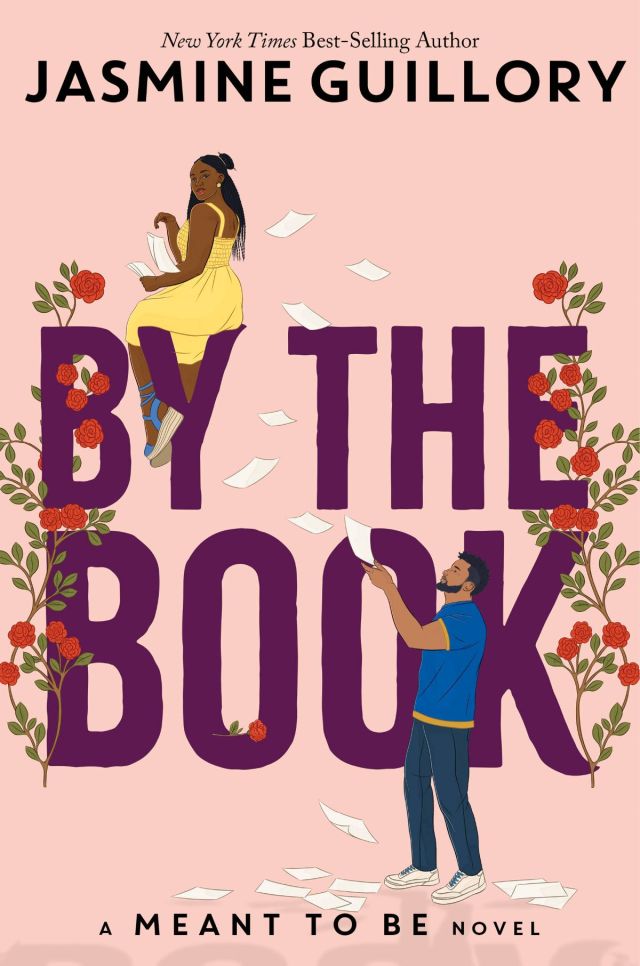
The next book in the series will be released in May — a Beauty and the Beast retelling (!!) written by Jasmine Guillory (!!), set in the world of publishing and authors (!!). I am so there for it.

Meanwhile, check out If the Shoe Fits! Just a really fun reading/listening experience.

Book Review: To Marry and To Meddle by Martha Waters

Title: To Marry and To Meddle (The Regency Vows, #3)
Author: Martha Waters
Publisher: Atria
Publication date: April 5, 2022
Length: 336 pages
Genre: Historical fiction/romance
Source: Review copy courtesy of the publisher via NetGalley
Rating:

Rating: 3.5 out of 5.

The “sweet, sexy, and utterly fun” (Emily Henry, author of The People We Meet on Vacation) Regency Vows series continues with a witty, charming, and joyful novel following a seasoned debutante and a rakish theater owner as they navigate a complicated marriage of convenience.

Lady Emily Turner has been a debutante for six seasons now and should have long settled into a suitable marriage. However, due to her father’s large debts, her only suitor is the persistent and odious owner of her father’s favorite gambling house. Meanwhile, Lord Julian Belfry, the second son of a marquess, has scandalized society as an actor and owner of a theater—the kind of establishment where men take their mistresses, but not their wives. When their lives intersect at a house party, Lord Julian hatches a plan to benefit them both.

With a marriage of convenience, Emily will use her society connections to promote the theater to a more respectable clientele and Julian will take her out from under the shadows of her father’s unsavory associates. But they soon realize they have very different plans for their marriage—Julian wants Emily to remain a society wife, while Emily discovers an interest in the theater. But when a fleeing actress, murderous kitten, and meddlesome friends enter the fray, Emily and Julian will have to confront the fact that their marriage of convenience comes with rather inconvenient feelings.

The Regency Vows series is a fun, fresh look at love and friendship in (obviously) the Regency era. The books focus on a trio of friends, Violet (lead character of the first book, To Have and To Hoax), Diana (starring in To Love and To Loathe), and Emily, the main character of this 3rd book, To Marry and To Meddle.

Lady Emily Turner is the perfectly mannered daughter of a respectable society family. At age 23, she is unmarried, largely because her parents have promised her to an awful man to whom the family is ruinously in debt. She’s desperately unhappy, but would never dream of disobeying her parents… until Julian comes along.

Lord Julian Belfry is the younger son of a titled family. No one expects much of a younger son, but they certainly don’t expect and can’t tolerate his ownership of a (gasp!) theater — especially a theater that has the reputation of being a place for gentleman to spend a night out with their mistresses.

In Emily, Julian sees a way to attain respectability for his theater. In Julian, Emily sees a path to freedom. At a country party (the setting of much of the previous book), Julian comes up with a plan that might solve both of their problems: He proposed marriage. With Emily’s good social standing, he hopes to repair the theater’s reputation and draw in the right crowd. And with Julian’s money, Emily’s family can be freed from their debts, saving Emily from being forced into a terrible marriage.

The arrangement would clearly be a win-win situation, and the fact that they enjoy one another’s company is an added bonus. Emily accepts, and the two are married right away. Emily soon learns that there’s one more unexpected benefit to the marriage — she and Julian are very compatible, and they enjoy a steamy start to their married life (interrupted only by the appearance of a homeless kitten, whom Julian christens Cecil Lucifer Beelzebub).

While quite enjoyable, I found TM&TM a little… flat. There just isn’t much dramatic conflict in the plot. The key tension is around whether Emily spends her time wooing society ladies by paying calls, when what she really wants is to spend more time with Julian and participate in running the theater. Julian’s conflict has to do with running the theater in a way that will prove it’s respectable, when what he really and truly wants is his own father’s approval. And, as expected, they each must reluctantly face the fact that they’ve fallen in love — how to admit to one’s spouse that a mutually beneficial arrangement now involves one’s feelings?

Because of course she loved him — how could she not? But, more importantly, how could she ensure that he did not know, did not ever discover her secret? Because, after all, in a marriage of convenience, love would the most inconvenient surprise of all.

It’s all very pleasant and often quite funny, but there just isn’t much there there when it comes to the plot. The stakes are fairly low, after all, when it comes to the plotlines related to the theater. The book is at its best when it focuses on relationships, and it was touching to see how both Emily and Julian stand up to their families and repair their damaged connections.

To Marry and To Meddle has the fun, light tone of the previous books, and as Emily continues her close friendship with Violet and Diana, we get to spend more time with these entertaining characters, which is lovely. One of the things I really appreciate about these books is how the women’s friendship is so central to the stories. Even though each book focuses on a different romantic relationship, the time spent with the trio of women is what connects them all, and their support and affection for one another feels very special.

The dialogue and overall writing can be a real hoot:

Predictably, she blushed. Perversely, he was delighted.

Julian clearly know the way to a woman’s heart:

[…] After Julian had rung for tea and crossed to the sideboard to busy himself with the decanter stored there, he said, almost casually, “You must buy any books you wish to add to our collection.”

Something within Emily warmed at these words. She’d always been faintly envious of Violet’s library at the house she shared with Lord James, and felt a small thrill run through her at the thought that she, too, could have a room full of books to call her own.

Amidst the funnier moments…

“You’re not…” Violet trailed off, a look of dawning horror on her face. “Sick of tea?” She uttered the words in a hushed whisper, as though afraid to speak them into truth.

… there are also scenes of coming into one’s own power and strength:

Here, a woman could take up space, speak loudly, draw the eyes of a crowd — or, alternatively, could slip into a role behind the scenes, quietly doing her work just as well as the men who surrounded her — and Emily found both prospects not shocking but… exhilarating.

I do recommend this book, but suggest starting at the beginning of the series, or you’ll miss the backstories of the characters and their social circle. I don’t know if there will be a 4th book, but I can guess which side character might get her own book next, and I hope my prediction comes true!

Book Review: The Younger Wife by Sally Hepworth

Title: The Younger Wife
Author: Sally Hepworth
Publisher: St. Martin’s Press
Publication date: April 5, 2022
Length: 352 pages
Genre: Thriller/contemporary fiction
Source: Review copy courtesy of the publisher via NetGalley
Rating:

Rating: 3.5 out of 5.

THE HUSBAND

A heart surgeon at the top of his field, Stephen Aston is getting married again. But first he must divorce his current wife, even though she can no longer speak for herself.

THE DAUGHTERS

Tully and Rachel Aston look upon their father’s fiancée, Heather, as nothing but an interloper. Heather is younger than both of them. Clearly, she’s after their father’s money.

THE FORMER WIFE

With their mother in a precarious position, Tully and Rachel are determined to get to the truth about their family’s secrets, the new wife closing in, and who their father really is.

THE YOUNGER WIFE

Heather has secrets of her own. Will getting to the truth unleash the most dangerous impulses in all of them? 

I could not put this book down… and yet now that I’m done, I really don’t know what to think!

As the book opens, we’re at the wedding of Stephen and Heather. They make a beautiful couple, and everyone is so pleased that Stephen has found love again after going through the pain of his former wife’s slide into dementia. And how lovely that he thought to include his ex-wife in this special day! But after the vows, something goes wrong in the next room. There’s blood and an ambulance…

And that’s just the prologue!

From there, we go back some months to Heather’s first meeting with Stephen’s adult daughters, Tully and Rachel. Heather is actually younger than both of them, and they’re prepared to hate her. They’re none too pleased with their father either, but they’re trying to be supportive. He’s done right by their mother, finding her a good nursing home and excellent care, making sure there’s no worry about finances… so why shouldn’t he have the opportunity for love once again?

As the story unfolds, we get chapters from Tully, Rachel, and Heather’s perspectives. No one’s life is as perfect as it seems. Rachel, a magnificent baker, has been dealing with a trauma from her teens for almost 20 years. Tully, a suburban wife and mother, has anxiety through the roof and very unhealthy coping mechanisms. And Heather certainly has not shared the true story of her family’s sordid past.

Each of the three women evokes sympathy in her own way. For Tully and Rachel, they’re dealing not only with issues from their pasts, but also grieving the loss of a beloved mother, mourning a bit more with each visit to the nursing home and the realization that the woman who was so central to their lives has slipped away from them bit by bit. Heather’s childhood was awful, but she’s built a fresh start for herself, even as the occasional doubts about her perfect new life creep in.

It’s hard to say much without giving away key spoilers, so I’ll proceed with caution. As I mentioned, I simply couldn’t put this book down, and finished it over two days of intense reading. Not that that’s surprising — Sally Hepworth’s book always bring out the compulsive reader in me! With short, sharp chapters and fascinating POV characters, The Younger Wife sucked me in from page 1 and just never let me go.

And yet… I felt oddly flat after the end. I really and truly can’t say more, but the resolution left me confused and weirdly disappointed. I need to go back and poke around in earlier chapters to see if I missed anything and reexamine how the pieces fit together.

Do I recommend this book? Yes, but perhaps with tempered expectations. Sally Hepworth is a terrific teller of tales, and she creates fascinating, memorable characters. The Younger Wife did not move and engage my emotions the way The Good Sister did, but that’s a very high mark to meet.

The Younger Wife is a fast page-turner, and I enjoyed the reading experience. Now I just need to think about that ending some more…

Book Review: Reputation by Lex Croucher

Title: Reputation
Author: Lex Croucher
Publisher: St. Martin’s Griffin
Publication date: April 5, 2022
Length: 338 pages
Genre: Historical romance
Source: Review copy courtesy of the publisher via NetGalley
Rating:

Rating: 3.5 out of 5.

The hilarious debut novel from Lex Croucher. A classic romcom with a Regency-era twist, for fans of Mean Girls and/or Jane Austen.

Abandoned by her parents, middle-class Georgiana Ellers has moved to a new town to live with her dreary aunt and uncle. At a particularly dull party, she meets the enigmatic Frances Campbell, a wealthy member of the in-crowd who lives a life Georgiana couldn’t have imagined in her wildest dreams.

Lonely and vulnerable, Georgiana falls in with Frances and her unfathomably rich, deeply improper friends. Georgiana is introduced to a new world: drunken debauchery, mysterious young men with strangely arresting hands, and the upper echelons of Regency society.

But the price of entry to high society might just be higher than Georgiana is willing to pay …

Sex, drugs, and… Regency?

It all began at a party, as almost everything of interest does.

In this historical romance, 20-year-old Georgiana longs for some excitement in her life, but gets more than she bargained for. Sent off to stay with her nice but boring aunt and uncle after her parents decide to basically ditch her for some seaside living, she’s just bursting for fun and interesting conversation. At a weird and disappointing party, she encounters rich girl Frances Campbell, who plies her with drinks and entices her to invade the hostess’s closet… and that’s mild for Frances.

She was certainly no swashbuckling adventurer or windswept nobleman, but Georgiana knew at once that she was in the presence of a Main Character.

Frances takes a shine to the new girl, and begins inviting Georgiana to her own crowd’s parties — filled with the young adults of the upper class, who seem to take every opportunity to drink to excess and engage in every sort of debauched behavior they can imagine. What’s in that pipe they’re passing around? Georgiana doesn’t know, but it does make her feel silly and floaty, and leads to a bizarre interaction with the man she’s crushing on.

As the novel progresses, the pressure to keep up with Frances’s behavior and to fit in with her friends leads Georgiana to lie to her aunt and uncle, repeatedly sneak out of the house for unchaperoned and inappropriate outings and parties, and to be rude to someone who actually might make a true and positive friend.

She seemed to have forgiven Georgiana for whatever wrongdoings she had previously attributed to her at the picnic; Georgiana wondered if she was very kind or if she simply had an extraordinarily short memory, like an octogenarian or a goldfish.

While mostly silly, there are some heavier plot points, including a man of Frances’s circle who in reality is a sexual predator, although no one seems willing to call him on it. Meanwhile, Frances seems to become more desperate and out of control as her love interest turns out to be much less than honorable, and Georgiana’s tenuous position with the in-crowd becomes harder and harder to hold on to.

Reputation is billed as a mix of Austen and Mean Girls, and I see the Mean Girls comparison much more so than the Austen! As in Mean Girls, an outsider is drawn to the popular crowd and does what she needs to do in order to fit in and be accepted, despite the fact that these people really are pretty awful.

While Reputation is set in the Regency era, the behavior of the characters bears very little relation to anything we might read in a Jane Austen novel. Yes, there are balls and parties, but the behavior! I don’t pretend to be an expert by any means, but I’ve never read another novel that depicts the behavior of the upper crust as so debauched — non-stop alcohol, outrageous pranks and games, the mysterious pipe contents mentioned above, drugs in people’s drinks (which I suppose must have been laudanum, although it’s not specified).

Georgiana was beginning to suspect that this game was designed solely to give everybody involved a socially acceptable excuse to feel one another up.

Sticking with this book was challenging for the first 25% or so. The Mean Girls behavior cannot be overemphasized, Georgiana makes some very poor choices, and the writing, while mostly on the clever and witty side, also includes some clunkier and/or modern phrasing that’s jarring in this setting.

In fact, ignore the shifts and waistcoats and reticules, and many of the party scenes could be plunked down into a frat house party with little to no difference. It was difficult to reconcile the supposed theme of reputations being all with the blatantly disreputable behavior that the characters seem to all indulge in. In fact, the reputation aspect aspect only seems to be addressed head-on on rare occasions, including a scene in which an upper class girl explains some basics to Georgiana:

“I don’t say this to do you harm. I am simply laying out the facts. You would not be unhappy, I think, with an ordinary life befitting your station. Here — now — you have truly stumbled into the lion’s den. The potential for unhappiness here is vast. Nobody here will be shamed or cast out for the many sins I’m sure they’ll commit before Monday. There is almost nothing we can do that will not be excused because of our wealth, our standing. Our parentage. Can you say the same?”

This being a romance, of course there’s a happy ending, but not without drama, fights, and scandal before getting there. As the end approached, I found myself cheering for Georgiana, especially as she starts making better choices, including showing appreciation for the people in her life who truly care for her and taking a stand when it’s most needed.

Reputation, all in all, is a fun book. As I said, I’m no expert and have no idea if the wealthy of the period really did indulge in such extremely decadent behavior behind closed doors, rather than sticking with the polite balls and card parties of Jane Austen novels. For me, since almost everything I know about the era comes from Austen and the Bridgerton books (not a well-rounded historical education!), the behavior of the characters in Reputation was downright shocking.

Still, I did find myself caught up in the story by the conclusion and quite entertained. So, take the historical representation with grains of salt as needed, don’t accept drinks that have passed through Frances’s hands, and enjoy Reputation for the sheer silly romp of it all.