Book Review: Inside the O’Briens by Lisa Genova

Inside the O'BriensAuthor Lisa Genova is a neuroscientist who explores the mysteries of the brain in novels such as Still Alice and Left Neglected. In her newest work, Inside the O’Briens, she writes about the harrowing impact of Huntington’s disease (HD), explaining not just the physical symptoms and deterioration but what a diagnosis of HD means to a family.

The O’Briens are a large, working class Irish Catholic family who live and breathe the essence of Charlestown, their Boston neighborhood. They know everyone; everyone knows them. They are devoted to the Red Sox and Bruins, they give back to their community, and they raise their kids to be good Townies too. Parents Joe and Rosie married as teenagers. Now in their forties, they have a happy marriage, and enjoy the company of their four children, who — rain or shine — never miss Sunday dinner.

Joe has been a cop for 25 years. Their eldest son JJ is a firefighter who lives in one unit of their triplex building with his wife Colleen. Their second son, Patrick, tends bar and lives with Joe and Rosie. Daughters Meghan and Katie share the third unit; Meghan is a dancer with the Boston Ballet and Katie is a yoga instructor. The family is loud and boisterous, good-humored, and utterly enmeshed in each others’ lives.

And then things start to go wrong. Joe’s temper is more volatile than it used to be. He drops things more and more frequently. He’s having a hard time finishing reports, and keeps moving in ways that he doesn’t mean to. When his symptoms can no longer be ignored, he reluctantly goes to the doctor, and after testing and genetic counseling, he’s given a diagnosis no one has ever even heard of: Huntington’s disease.

HD is a neurodegenerative disease that’s unrelenting and cruel: If you test positive for the HD gene, you will get the disease — and your children have a 50/50 chance of inheriting it from you. There is no treatment and no cure. HD patients lose control of their movements, have trouble with coordination and with modulating their emotions, and eventually cannot speak, swallow, or move on their own. Symptoms typically appear in the 30s or 40s, and death follows within 10 to 20 years.

As bad as the news is for Joe, there are still more devastating implications: What about his children? Each has a 50% chance of having the HD gene. All are currently healthy, so the question is, do they want to know? There’s nothing iffy about being gene positive; it means that you definitely will have the disease. Each of Joe’s children must make the decision about testing, and each has his or her own set of fears to confront in making that life-altering decision.

Inside the O’Briens is a sad and beautiful look at the trauma and turmoil caused by fatal illness. The O’Briens are a blessedly large and loving family, but even so, there’s nothing easy about what they must endure. Joe has his pride and his sense of self-worth wrapped up in his identity as a Boston cop. If he has to give up his badge and gun, who will he be? What does it mean for Rosie if her husband becomes an invalid in his 40s? How can Rosie and Joe deal not just with his illness, but with knowing that their children may face the exact same fate?

Meanwhile, the implications for each O’Brien child are all different but equally awful: JJ and Colleen are expecting their first child. If JJ is gene positive, what does it mean for the baby? Meghan is a gifted dancer. How can she face losing her her grace and ability? Patrick is the biggest enigma in the book, and the least developed. He’s angry and volatile throughout much of the story, and it’s hard to get a sense of what he is really about. Are his fights and unpredictability just personality traits, or are they warning signs of an early onset of HD?

Of all of the O’Brien children, we get to know Katie, the youngest, best of all. We switch between Joe and Katie’s viewpoints throughout the book and see much of the unfolding drama through her eyes. Katie is practically paralyzed by fear of HD and what it may mean for her future. She spends much of the book torn between wanting to know and not wanting to know. She’s in love and on the verge of a new life with a wonderful man who loves her, but can she move forward with him if she’s gene positive? Is it fair to focus on her future when her father needs her? Every time Katie teaches a yoga class and feels a pose wobble, she launches into anxiety over whether the wobble is an early symptom — but will she feel better knowing, or is it better to hold onto a hope of escaping HD for as long as possible?

I realize that this review is full of questions, and that’s because the book raises so very many of them. From this book, I learned that most people at risk for HD choose not to undergo genetic testing unless and until they become symptomatic. There are 37,000 Huntington’s patients right now, and very little progress has been made in treating the disease other than finding ways to ameliorate some of the symptoms through medication and physical therapy. Lisa Genova includes a call to action at the end of the book, and her website (http://lisagenova.com/hdsa/) encourages readers to donate funds to support Huntington’s Disease research.

Reading Inside the O’Briens is fascinating and moving. I loved the O’Brien family — their loyalty, their faith in one another, their sense of goodness and determination. Nothing is sugar-coated — this disease is terrible, and the family members suffer tremendously. I can’t even imagine how awful it must be to watch a parent’s deterioration and the pain that causes, while at the same time knowing that you could be witnessing your own future as well.

The struggles of Joe and Rosie and their children are vivid and sympathetic, and yet the book does not bog down in tragedy. True Boston pride shines through, and the family’s humor, faith, and sense of belonging are all key components in how they cope in the face of disaster.

Perhaps the only part of the story that I felt should have been more fleshed out relates to Joe figuring out how to end his career and manage his finances so that Rosie wouldn’t be left with nothing. The legal and financial effects of a terminal illness are huge, and while I realize that the point of the story is the emotional impact on the family, I did feel that this side of the situation should have been explored further. This is my only quibble with this book, and in the grand scheme of things, it’s minor.

Inside the O’Briens is a deeply affecting look at a horrible disease, but it’s also a beautiful portrayal of the strength, caring, and love of a very special family. Lisa Genova does a wonderful job of bringing us into the O’Briens’ lives and making us care about them, while at the same time imparting vital information about a little-known disease. Highly recommended.

_________________________________________

The details:

Title: Inside the O’Briens
Author: Lisa Genova
Publisher: Gallery Books
Publication date: April 7, 2015
Length: 352 pages
Genre: Contemporary fiction
Source: Review copy courtesy of Gallery Books via NetGalley
A two-person review: Good Omens by Neil Gaiman and Terry Pratchett

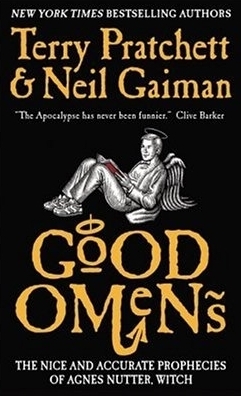
Good Omens 2I had the great fortune of attending a Neil Gaiman appearance two weeks ago, which occurred on the day of the late Terry Pratchett’s death. Hearing Neil Gaiman speak with great warmth and emotion about his long friendship with Terry Pratchett and their marvelous collaborations made me realize that I had to read Good Omens without further delay… and many people felt the same way, including my good friend Heidi.

Heidi is a real-life friend who is also one of my very favorite book people. She attended the Neil Gaiman event with me**, and  also just read Good Omens this past week. (Her second time; my first). I was going to get to work on a review of Good Omens, and then I saw Heidi’s Goodreads review, which is wonderful and really says it all.

**We even got a picture with Neil Gaiman! However… I think I look hideous and she looks great. Heidi is convinced that she looks hideous and I’m actually okay. End result? We’re not posting the picture.

With Heidi’s permission, I’m featuring her words on Good Omens as a guest review:

4751840Heidi‘s review

Mar 28, 15

This was my introduction to Neil Gaiman. I have a first edition hardback, thanks to my dad, who, browsing in a bookstore one day in 1990, picked it up and thought: “This is something my daughter would like.” He had no idea. He subsequently read it himself, and to this day nurses a crush on War.

This past March 12, the date on which you might remember Sir Terry Pratchett took one last walk with an old friend, I had the improbable good/bad luck to attend an evening of conversation with Neil Gaiman. It was clear Neil was tired, and sad, but he was there. He didn’t cancel, and he very gracefully took time to chat and pose for pics at the reception beforehand. He was exactly as charming and approachable as any fan could hope.*

The talk itself, with Gaiman’s close friend Michael Chabon acting as interviewer, was meant to support his new story collection Trigger Warning, but we were in for an unscheduled surprise when it turned into a sad, funny, moving eulogy for Sir Terry. Gaiman, as he does so well, told stories. He told us about how, as a young journalist, he met his early mentor and lifelong friend Terry Pratchett. He talked about long phone calls during their pre-Internet collaboration on Good Omens: The Nice and Accurate Prophecies of Agnes Nutter, Witch. He told funny Terry stories. And he spoke proudly about Pratchett’s brave struggle with Alzheimer’s and his very public campaign for death with dignity.

And finally, he read from this book.Which is a round-about way of getting to why I decided to reread Good Omens when I have a giant stack of new books waiting for me. This book — the story of the coming of the Antichrist (a spunky boy called Adam who’s maybe a little too rebellious for the position), and of an angel and a demon who team up to thwart the Apocalypse because they kind of like things just as they are, thank you very much — is just as delightful as it was in 1990. And from here in 2015, it gains unexpected emotional heft as a Bradbury-esque fable of that not-so-long-gone time when kids actually went out to play and make trouble of a summer day. It’s still Douglas Adams-level silly, but there’s nothing wrong with that, and its influence on the fantasy genre is undeniable. And under the comic veneer is a keen study of human (and angelic and demonic) fallibility, and the joys and responsibilities of exercising our freewill. Upgraded from four to five stars. A classic.

*In case anyone is interested in what happened when I had my chance to chat with Neil-freaking-Gaiman, I have to admit I was a little star-struck. I managed to blurt out how much I loved his screenplay for the Doctor Who episode “The Doctor’s Wife.” In it, the TARDIS is enabled to manifest in a human body, and for the first time actually “meet” the Doctor. There’s a moment, after she’s been embodied for a while, she points out how humans are rather like a TARDIS — much bigger on the inside. Neil’s eyes — I swear — actually twinkled, and he replied: “Yes . . . that was one of those moments when I thought — yes, I’ve done something clever right there.” That episode won the 2011 Ray Bradbury Award for Outstanding Dramatic Presentation and the 2012 Hugo Award for Best Dramatic Presentation, Short Form.

Heidi is an amazing reader and writer, and is a horror aficionado too — so if you’re looking for great reviews and recommendations, you should check her out on Goodreads!

My thoughts:

I’m not sure what I can say to add to Heidi’s words. I’m annoyed with myself for waiting so long to read Good Omens, when it was clear to me all along that I’d be sure to love this book. All the folks who say that Good Omens will appeal to Douglas Adams fans are entirely correct. There’s humor to be found in the bleakest of circumstances (like, oh, the end of the world), and Gaiman and Pratchett manage to keep Good Omens clever and funny even when it’s raining fish, Atlantis rises from the depths, and the Four Horsemen are abroad in the land, on motorcycles this time but utterly bad to the bone.

How can you not love a book in which Famine amuses himself in the 20th century by creating a calorie-less diet craze? Or where an angel and demon agree that the world is pretty okay, and that the true problem is nasty humans, not the temptations of hell? Throw in a vast assortment of characters, including a gang of four children known collectively as the Them (one of whom is also the Antichrist), a Hellhound who’s mostly a cuddly mutt, witchfinders, satanic nuns, and a very important delivery man, and you’ve got a book that’s just a pure joy to read.

I’ll wind up with a few random quotes and passages that made me chuckle:

It’s like you said the other day,” said Adam. “You grow up readin’ about pirates and cowboys and spacemen and stuff, and jus’ when  you think the world’s all full of amazin’ things, they tell you it’s really all dead whales and chopped-down forests and nuclear waste hangin’ about for millions of years. ‘Snot worth growin’ up for, if you ask my opinion.”

cropped-flourish-31609_12801.pngThe kraken stirs. And ten billion sushi dinners cry out for vengeance.

cropped-flourish-31609_12801.png“Oh, come on. Be sensible,” said Aziraphale, doubtfully.

“That’s not good advice,” said Crowley. “That’s not good advice at all. If you sit down and think about it sensibly, you come up with some very funny ideas. Like: why make people inquisitive, and then put some forbidden fruit where they can see it with a big neon finger flashing on and off saying ‘THIS IS IT!’?”

“I don’t remember any neon.”

cropped-flourish-31609_12801.pngSome police forces would believe anything. Not the Metropolitan police, though. The Met was the hardest, most cynically pragmatic, most stubbornly down-to-earth police force in Britain.

It would take a lot to faze a copper from the Met.

It would take, for example, a huge, battered car that was nothing more nor less than a fireball, a blazing, roaring, twisted metal lemon from Hell, driven by a grinning lunatic in sunglasses, sitting amid the flames, trailing thick black smoke, coming straight at them through the lashing rain and wind at eighty miles per hour.

That would do it every time.

If you’ve grinned a bit reading these passages, there’s nothing to do but rush right out and get a copy of Good Omens. It’s amazing. Enjoy!

_________________________________________

The details:

Title: Good Omens
Author: Neil Gaiman and Terry Pratchett
Publisher: Various editions
Publication date: 1990
Length: 367 pages
Genre: Fantasy
Source: Borrowed (stolen) from my daughter’s bookshelf

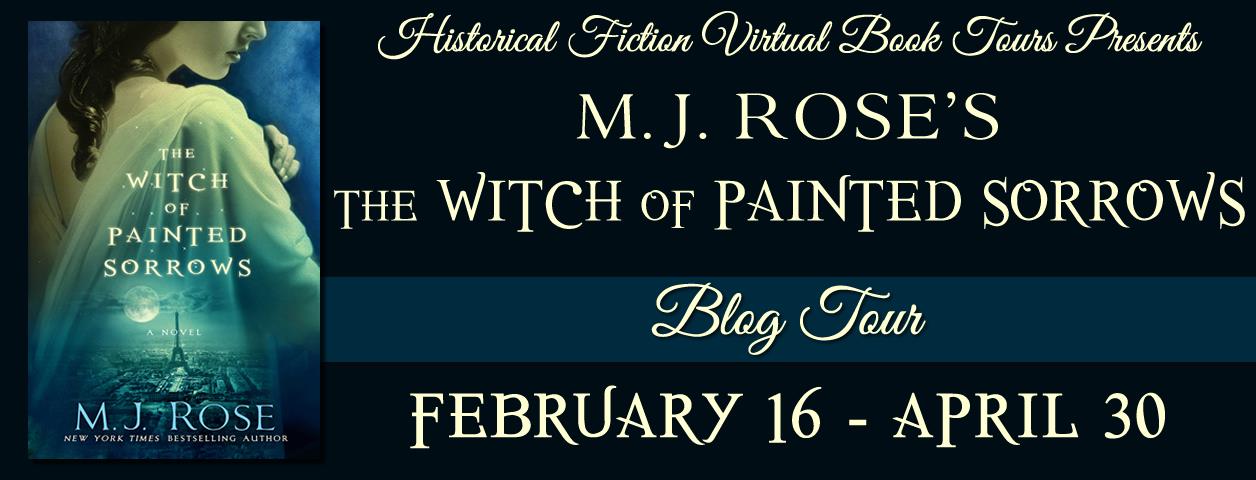
Blog Tour & Book Review: The Witch of Painted Sorrows by M. J. Rose

04_The Witch of Painted Sorrows_Blog Tour Banner_FINAL

I’m delighted to be participating in the blog tour ( courtesy of Historical Fiction Virtual Book Tours) for the newest historical fiction release from M. J. Rose, author of The Collector of Dying Breaths, Seduction, and The Book of Lost Fragrances.

Publication Date: March 17, 2015
Atria Books
Formats: Hardcover, Ebook
Pages: 384

Genre: Historical Mystery

Possession. Power. Passion. International bestselling novelist M.J. Rose creates her most provocative and magical spellbinder yet in this erotic, gothic novel set against the lavish spectacle of 1890s Belle Époque Paris.

Sandrine Salome runs away to her grandmother’s Parisian mansion to escape her dangerous husband, but what she finds is even more menacing. The house, famous for its lavish art collection and elegant salons, is mysteriously closed up. Although her grandmother insists it’s dangerous for Sandrine to visit, she defies her and meets Julien Duplessi, a mesmerizing young architect. Together they explore the hidden night world of Paris, the forbidden occult underground and Sandrine’s deepest desires.

Among the bohemians and the demi-monde, Sandrine discovers her erotic nature as a lover and painter. Then darker influences threaten – her cold and cruel husband is tracking her down and something sinister is taking hold, changing Sandrine, altering her. She’s become possessed by La Lune: A witch, a legend and a sixteenth-century courtesan, who opens up her life to a darkness that may become a gift or a curse.

This is Sandrine’s “wild night of the soul,” her odyssey in the magnificent city of Paris, of art, love and witchery.


My thoughts:

The Witch of Painted Sorrows surprised me in all the right ways! Elegant, steamy, and haunting, The Witch of Painted Sorrows follows a young woman, Sandrine, as she seeks a new beginning away from her cruel husband and painful memories. She takes refuge with her grandmother, a renowned and sought-after courtesan, who seems fearful when Sandrine arrives unexpectedly in Paris. Sandrine’s grandmother’s cardinal rule has always been to never fall in love — but why? To remain free and unattached, admired but never trapped? Or is there something more to the warning, something perhaps much more sinister?

There’s so much to enjoy in The Witch of Painted Sorrows. We view the thriving, competitive world of art academies and ateliers, as Sandrine pursues her new-found calling. We see a young woman’s awakening to lust and sexual satisfaction. We also see the hidden world of occult enthusiasts, séances, alchemists, and more, as the odd occurrences that surround Sandrine become harder and harder for her to ignore.

I loved the many layers of the story, as the writing takes us through hints of dark secrets, supernatural phenomena, and human emotions. The answers aren’t as easy as they might seem, and it becomes increasingly difficult to know whether we’re seeing through Sandrine’s eyes or through the eyes of the obsessed spirit of La Lune. As an added bonus, the depiction of Paris at the end of the 19th century is stimulating and visceral, capturing the sense of grandeur on the cusp of a new, exciting era. The familiar Parisian landmarks add a touch of realism to the story, rooting it deeply in a particular time and place, and at the same time conveying the wonder of it all.

There are some wonderful characters in this story. Sandrine herself goes through the most startling and dramatic transformation, but I also really enjoyed her grandmother, a woman of sixty-six who’s vital, sexy, and smart, and absolutely knows how to use her brains and beauty to get her way. It’s refreshing to see a woman of her age who so clearly is still at the center of a non-stop crowd of adoring men. Sandrine’s lover, Julien, is also quite wonderful, and it’s easy to understand Sandrine’s connection to him. The sparks practically fly off the page!

All in all, I’d say that The Witch of Painted Sorrows is a skillfully drawn portrait of a moment in history, infused with a chilling supernatural element that adds a real shiver of fright to the story. And just wait until you get to that ending! With an enveloping atmosphere, characters who break free of their gender-defined, society-approved roles, and a family past shrouded in secrets, The Witch of Painted Sorrows is a compelling read that’s hard to put down. Don’t miss it!

Buy the Book

Amazon
Barnes & Noble
iTunes
IndieBound

About the Author

03_M.J. Rose AuthorM.J. Rose grew up in New York City, mostly in the labyrinthine galleries of the Metropolitan Museum, the dark tunnels and lush gardens of Central Park and reading her mother’s favorite books before she was allowed.

She is the author of more than a dozen novels, the co-president and founding board member of International Thriller Writers and the founder of the first marketing company for authors: AuthorBuzz.com. She lives in Greenwich, Connecticut. Visit her online at MJRose.com.

Connect with M.J. Rose on Facebook, Twitter, Pinterest and Goodreads.

Sign up for M.J. Rose’s newsletter and get information about new releases, free book downloads, contests, excerpts and more.

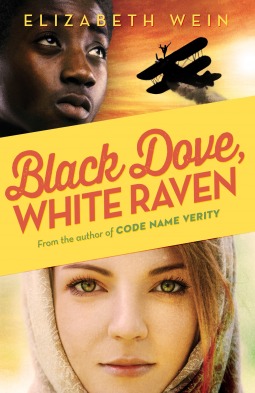
Take A Peek Book Review: Black Dove, White Raven by Elizabeth Wein

“Take a Peek” book reviews are short and (possibly) sweet, keeping the commentary brief and providing a little peek at what the book’s about and what I thought.


Black Dove White Raven 2

Synopsis:

(via Goodreads)

Rhoda and Delia are American stunt pilots who perform daring aerobatics to appreciative audiences. But while the sight of two girls wingwalking – one white, one black – is a welcome novelty in some parts of the USA, it’s an anathema in others. Rhoda and Delia dream of living in a world where neither gender nor ethnicity determines their life. When Delia is killed in a tragic accident, Rhoda is determined to make that dream come true. She moves to Ethiopia with her daughter, Em, and Delia’s son, Teo.

Em and Teo have adapted to scratching a living in a strange land, and feel at home here; but their parents’ legacy of flight and the ability to pilot a plane places them in an elite circle of people watched carefully by the Ethiopian emperor, Haile Selassie, who dreams of creating an air force for his fledgling nation. As Italy prepares for its invasion of Ethiopia, Em and Teo find themselves inextricably entangled in the crisis — and they are called on to help.

My Thoughts:

Sigh. I was so looking forward to this book, having absolutely loved (and been emotionally wrecked by) Code Name Verity and Rose Under Fire, also by Elizabeth Wein. Sadly, this new book simply does not measure up.

The synopsis is a bit misleading, for starter. Delia’s accident happens quite early in the story, and we get only a few glimpses of Rhoda and Delia’s friendship and flying adventures. Most of the book takes place in Ethiopia, after Rhoda brings Teo and Em there to start a new life. The book is told via Emilia and Teo’s flight logs, as they record their flying lessons plus their impressions of everything going on around them. While there are interesting snippets, in many ways the overall story feels disjointed and choppy. I didn’t feel that Rhoda’s plans were clearly established, and the ups and downs of their life in Ethiopia are conveyed in choppy episodes that don’t add up to a cohesive whole.

As an added distraction, the book seems to presuppose a certain amount of knowledge of the history of Ethiopia in the 1930s — and I’d guess that most of the target audience would have not the slightest clue. (I relied on Wikipedia to get a basic foundation for appreciating the geopolitics of the time, but how many YA readers would take the time to do this?)

There are some very interesting moments in Black Dove, White Raven, along with a series of dramatic and horrifying events toward the end of the book, but mostly it was a long haul that lacked a real sense of rhythm and flow.

_________________________________________

The details:

Title: Black Dove, White Raven
Author: Elizabeth Wein
Publisher: Electric Monkey
Publication date: March 5, 2015
Length: 480 pages
Genre: Historical fiction/young adult fiction
Source: Purchased

Take A Peek Book Review: In Falling Snow by Mary-Rose MacColl

“Take a Peek” book reviews are short and (possibly) sweet, keeping the commentary brief and providing a little peek at what the book’s about and what I thought.

In Falling Snow

Synopsis:

(via Goodreads)

Iris Crane’s tranquil life is shattered when a letter summons memories from her bittersweet past: her first love, her best friend, and the tragedy that changed everything. Iris, a young Australian nurse, travels to France during World War I to bring home her fifteen-year-old brother, who ran away to enlist. But in Paris she meets the charismatic Dr. Frances Ivens, who convinces Iris to help establish a field hospital in the old abbey at Royaumont, staffed entirely by women—a decision that will change her life. Seamlessly interwoven is the story of Grace, Iris’s granddaughter in 1970s Australia. Together their narratives paint a portrait of the changing role of women in medicine and the powerful legacy of love.

My Thoughts:

In Falling Snow was my book club’s pick for March, and chances are it would never have crossed my radar otherwise. Written by an Australian author, In Falling Snow creates a fictional portrait of life at Royaumont, a real-life field hospital run by a completely female staff during World War I. I found the historical elements of this book the most compelling, witnessing the amazing bravery of the women doctors, nurses, orderlies, and drivers who refused to be pushed aside or belittled, who didn’t accept that women weren’t skilled or tough enough to perform surgery and treat wounded soldiers. The fact that this hospital really existed as described is so inspiring, and I was thrilled to read the author’s afterword with citations of her non-fiction sources.

The fictional characters and the structure of the novel are only middling successful, in my opinion. The storyline shifts between Iris as an old woman and her granddaughter Grace, an Australian obstetrician, and Iris’s memories of her war-time experiences at Royaumont. We’re meant to focus on Iris’s friendship with a fellow hospital staffer named Violet; Iris abruptly cut ties with all of her friends from that time immediately after the war, and it’s around Violet that her thoughts circle, but I didn’t feel the chapters on life at the hospital ever really convinced me that their friendship was so exceptionally special.

Iris is tormented by guilt over her younger brother Tom, and learning his fate and what it meant for Iris is one of the more compelling parts of the story. Early on, I was much more interested in Grace and her family, but her story comes and goes throughout the book and loses steam somehow, even though all the pieces come together by the end.

Overall, I’d say this historical novel is quite interesting in parts, but lacks momentum until about the last third of the book, making big pieces of it feel like a slog. I can’t quite put my finger on why, but there’s an odd detachment in long sections of the book. The events of Iris’s experience are described, but I couldn’t get any sense of feeling from them. On the positive side, the elements of the war experiences taken from the historical record are fascinating and horrifying, especially reading about the senseless deaths and terrible experiences of the young men who suffered so horribly in the trenches and battlefields. By the end, the revelation of the secrets that Iris carries throughout her life is a good one, and helps make sense of certain pieces of the novel that seemed random or disconnected.

In Falling Snow takes a bit of patience in parts, but ultimately, I’m glad to have read it. I recommend In Falling Snow for anyone interested in women’s roles in medicine and in reading about World War I- era history.

_________________________________________

The details:

Title: In Falling Snow
Author: Mary-Rose MacColl
Publisher: Penguin
Publication date: 2012
Length: 448 pages
Genre: Historical fiction
Source: Purchased

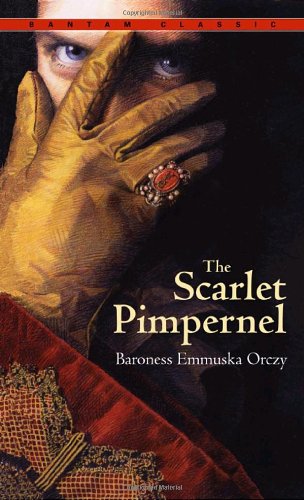
Book Review: The Scarlet Pimpernel by Baroness Emmuska Orczy

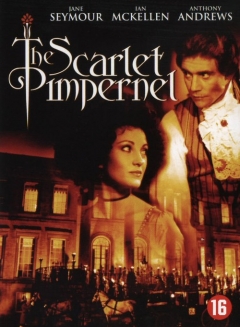
Scarlet Pimpernel2The Scarlet Pimpernel by Baroness Emmuska Orczy debuted as a stage play in 1903, and was subsequently rewritten as a novel. Reading The Scarlet Pimpernel, it’s hard to miss the dramatic flourishes and beats; the reader can practically see the moments when a character enters from the wings or hides behind some stage prop.

I had only ever heard of the book in passing and had never seen any of the many movie adaptations when my book group picked The Scarlet Pimpernel as our classic read. I really had no idea what to expect, other than a vague impression of dashing swordfights à la Errol Flynn.

The Scarlet Pimpernel is set during the Terror following the French Revolution, when members of the French aristocracy could be sent to the guillotine for crimes as innocuous as a remembered insult given to a passing stranger years earlier. The Scarlet Pimpernel is the nom de guerre of a heroic mystery man who, with a league of comrades, rescues the aristos from under the noses of the French citoyens who seek their deaths. Tales of the Scarlet Pimpernel’s daring escapades inspire hero worship back in England, and his true identity is the most sought-after secret among the French police who seek to capture and make a lesson of him.

SP1The main focus of the book, however, is not the hero himself, but a young woman named Marguerite Blakeney, revered as the most beautiful and “cleverest” woman in all of Europe. She is married to Sir Percy Blakeney, described as a jovial but essentially stupid fop, who is lazy, impeccably dressed and groomed, very wealthy, and always the life of the party.

Marguerite becomes embroiled in intrigue when a French agent, Chauvelin, corners her and threatens her beloved brother, himself a former French republican now turned against the cruelties of the Revolution. If Marguerite wants to save Armand’s life, she must aid Chauvelin by tracking down the Scarlet Pimpernel, infiltrating his inner circle, and informing on him. Only upon the Pimpernel’s arrest will her brother be returned safely to her loving arms.

Much woe ensues, full of breast-beating, doubt, anguish, betrayal, protestations of love, feelings of terrible guilt, and a cliffside ambush and rescue full of a number of true cliff-hangers.

TScarlet-Pimpernel-Posterhe Scarlet Pimpernel is not a long book, but is chock-full of action. In The Scarlet Pimpernel, we can see the forerunner of many modern dramatic tropes: the damsel in distress, the hero with the hidden identity, laughing in the face of danger, the foolish police captain always one step behind, victory snatched from the jaws of defeat. As a period piece, it’s quite interesting. I was amused imaging how new and daring some of these set pieces must have seemed to the contemporary audiences at the time of publication.

Certain aspects seemed rather laughable to me as a modern reader. If I had to hear one more time about Marguerite’s beauty or her unmatched cleverness, I might have pulled my hair out. Really, she seemed like kind of a ninny a lot of the time. She dithers and moans, she ignores her husband or thinks badly of him, only later to realize that he’s truly the love of her life. Her inner monologue is given to melodramatic, self-centered fancies, imagining dying in her lover’s arms as the ultimate happiness. Um, wouldn’t it be better for you both to survive? Just a thought.

SP2My book group takes a chapter-a-week approach to our classic reads, and in this case, I think the pacing worked against my overall enjoyment of the book. The chapters are fairly short, and the plot moves forward only incrementally from chapter to chapter. By reading only one chapter each week, I think we basically had too much time to find and focus on the silliness and melodrama of the characters (particularly Marguerite), rather than enjoying it as a whole.

Do I recommend The Scarlet Pimpernel? Yes, I do. I think, had I read it all the way through in a day or two, I would have become caught up in the race to elude Chauvelin, the Pimpernel’s daring, and Marguerite’s attempts to save the day (even though I tend to think that she mostly mucks things up, rather than actually helping anybody). Although the attitudes and overall writing style are quite dated (and easy to poke fun at), the story itself is nicely entertaining. Overall, I was glad to have read it, although I won’t be tracking down any of the numerous sequels.

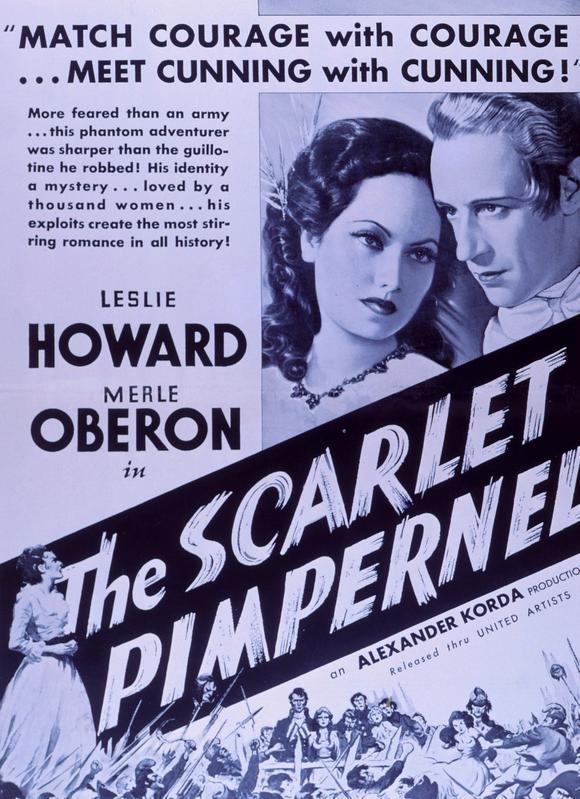
Meanwhile, I look forward to checking out a few of the many film adaptations, most notably the 1934 version starring Leslie Howard and the 1982 film starring Jane Seymour as Marguerite and Ian McKellen as Chauvelin.

_________________________________________

The details:

Title: The Scarlet Pimpernel
Author: Baroness Emmuska Orczy
Publisher: varied (available free for Kindle)
Publication date: 1903
Length: 264 pages
Genre: Classic/adventure
Source: Purchased

Book Review: Dead Heat by Patricia Briggs

dead heatIf you’ve ever visited my blog before, chances are you’ve seen me raving about Patricia Briggs and the detailed, layered, rich world she’s created in her novels. Patricia Briggs is probably best know for her Mercy Thompson series (which I love more than words can say!) — and fortunately for her devoted readers, she’s also given us a wonderful spin-off series, the Alpha & Omega novels.

And… after a wait of three years, we finally have Dead Heat, the 4th book in the series. Worth the wait? You bet. (Thank you, Ms. Briggs!)

In a nutshell, the Alpha & Omega books center around main characters Charles and Anna Cornick. Charles is the 3rd most dominant werwolf in North America, and the only born — not made — werewolf, thanks to his Native American mother’s magical talents. Charles has inherited his werewolf nature and scary strength from his father, the ruler of the wolves, and a gift for magic from his mother. Charles is feared by all, as he’s been given the role of enforcer and assassin, sent by his father to keep the peace and keep werewolves in line.

The Alpha & Omega series is driven by Charles’s relationship with his wife and mate, Anna, a rare Omega werewolf who has the power to soothe anyone she encounters. Over the course of the series, Anna has grown from scared, brutalized victim into a powerful yet gentle presence whose unique talents make her a perfect partner for Charles.

Okay, I’ll just say it: I love these two. Their love story is special, I love their dynamic as a couple, and they bring out the best in each other. Plus, only Anna allows Charles the room to let his gentler, loving side out. He’s strong and terrifying, but he’s also a total sweetie who’s madly in love with his wife.

Charles just stared at her.

“You know that, right?” she said. “Most people stay out of your way, but the defenseless ones, the hurt ones, they just sort of gradually slide into your shadow. Not where you’ll notice them too much — but you keep the bad things away.”

He still didn’t say anything. She buttoned her jeans and then took the two steps to press against him.”We know,” she whispered to him. “We who have been hurt, we know what evil looks like. We know you make us safe.”

He didn’t say anything, but his arms came around her and she knew that she had told him something he didn’t know — and that it mattered.

Each of the Alpha & Omega books revolves around a central mystery which Charles and Anna must help to solve. In Dead Heat, someone has targeted the human family of an Alpha werewolf in Arizona at the same time that Charles and Anna are visiting to purchase a new horse. While protecting the family, they realize that a dangerous fae is involved and is most likely responsible for the disappearances of children from the area over the course of decades. Charles and Anna team up with both FBI and supernatural law enforcement specialists to track down the bad guy (a very, very bad guy) and make sure that no other children become its prey.

I don’t want to give anything away, so I won’t go any further in describing the plot. Suffice to say, Dead Heat absolutely lived up to my expectations and had me furiously turning pages (when I wasn’t cursing the fact that I didn’t have the time to just read straight through without stopping). The action and adventure are pulse-pounding, and the stakes couldn’t be higher. There’s tension and drama, yet at the same time, Briggs keeps the banter and love between Charles and Anna at the forefront, so that we still get to savor the little, lovely moments between them that are the heart of these wonderful novels.

Adding a nice touch to the book is the introduction of Charles’s old friend Joseph, a Navajo and son of a werewolf, who is in the process of dying an old man’s death when the book starts. Joseph’s extended family covers generations and brings together some new and interesting angles, adding new depths to what we know of Charles and his past and introducing some great characters. I hope we’ll see more of this group in future books!

My only complaint about this book is that it takes place almost entirely in Arizona, and I missed the Montana setting of earlier books, as well as the Montana pack and its familiar characters. While Charles’s father Bran is always in the background in both series, I would have loved to see a bit more of him in Dead Heat, as he’s one of my very favorite characters. Still, the Arizona storyline gets an A+ as far as I’m concerned, which more than compensates for my minor little complaints.

Actually, I do have one additional complaint: I want more! The book wraps up when the mystery of the fae is resolved, but I wanted more of Charles and Anna! They’re at an interesting point in their relationship (I’m being intentionally vague here), and I want to see what happens next. Plus, the downside of reading these books as soon as they’re released is the excruciatingly long wait (okay, it’s only a year, but it feels longer!) for the next book, either in this series or in the Mercy Thompson series.

I can’t say it often enough: If you enjoy urban fantasy, and require your series to include well-defined characters, compelling story arcs, and an altogether unforgettable, fully-formed world, then you must check out Patricia Briggs’s Mercy Thompson and Alpha & Omega series. Go in order, take it slowly, and enjoy. I don’t know anyone who’s started these books who hasn’t become hooked. Quality writing, amazing characters, fantastic plots. What more could you want?

** A word of clarification: While Dead Heat is the 4th Alpha & Omega novel, the story actually starts with a novella called Alpha and Omega, available as a stand-alone e-book or in two different collections, On the Prowl and Shifting Shadows. Be sure to start with the novella or you’ll be missing the crucial beginning to the story. Spoken by one who learned the hard way!**

_________________________________________

The details:

Title: Dead Heat (Alpha and Omega, #4)
Author: Patricia Briggs
Publisher: Ace
Publication date: March 3, 2015
Length: 336 pages
Genre: Urban fantasy
Source: Purchased

Book Review: Flat-Out Love by Jessica Park

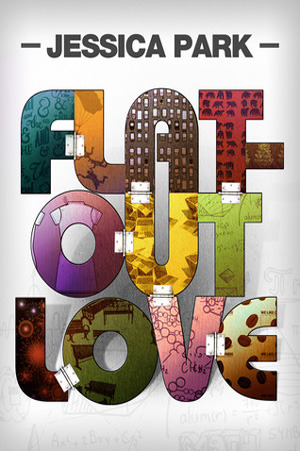
Flat-Out LoveIn Flat-Out Love, college freshman Julie learns an important life lesson: Never rent an apartment sight-unseen via Craigslist.

When Julie arrives in Boston from small-town Ohio to start her college adventure, she’s in for a rude awakening. The apartment she’s rented (and paid for via cashier’s check — not smart) doesn’t exist… although there is a bustling burrito place at the same address. Left on the sidewalk with all of her suitcases and no place to go, Julie is taken in by the family of her mother’s college roommate, although the two have been out of touch for years.

Julie is welcomed into their large home, and despite the family’s oddities, finds it warm and comfortable. Odd? You bet… especially the life-size cardboard cut-out that the youngest, 13-year-old Celeste, takes with her wherever she goes. Flat Finn looks just like real Finn, the absent oldest brother who, Julie is told, is busy traveling the world on a non-stop adventure combining volunteer work and thrill-seeking. Flat Finn sits at the dinner table with the family, comes in the car to drive Celeste to and from school, and watches over Celeste when she sleeps at night.

When it turns out that there simply are no affordable apartments to be had and the dorms are all full, Julie’s temporary refuge turns into a permanent arrangement for the year. The family loves having Julie around, and she forms a tight friendship with middle brother Matt, a self-proclaimed geek studying at MIT who lives at home and seems to be Celeste’s main caretaker. Meanwhile, Julie also finds Finn on Facebook and strikes up an online friendship with him… which turns into a flirtation… which turns into a whole lot more.

But why is Celeste so socially awkward and friendless? Why are the parents almost never around? What IS up with Flat Finn, and why will no one explain to Julie? What it with all the underlying weirdness?

Flat-Out Love is a fast-paced read filled with humor as well as sorrows. The Watkins family members clearly have secrets and painful incidents in their past, but author Jessica Park handles it all with a light touch. There’s no needless melodrama here — we see everything through Julie’s eyes, with a mixture of amusement, bafflement, and frustration. Julie truly cares about the family, and is able to slowly gain Celeste’s trust and help bring her out of her shell, and yet she’s still kept in the dark about all of the reasons for the family’s problems, up to and including Flat Finn.

There’s a love triangle, which in many books is enough to send me running for the hills, but it’s actually handled quite well here. Julie spends almost every day with Matt and has a close connection with him, but Finn is the one who makes her feel more, despite never having met him.

An underlying story about Julie’s absentee father and their strained relationship is underdeveloped and feels rather tangential to the whole story. Other than that, the author does a nice job of capturing the excitement of the freshman year experience, including new friends, a new city, the chance to break away from the social pressures of high school and start fresh, and the joy of finding classes and professors who inspire you.

I did pretty much guess the family secret right away (really, it wasn’t hard), but that in no way detracts from the enjoyment of the story — and I still found myself gobbling up the final chapters to get all the details and see how it would all turn out.

The dialogue is funny and breezy, and I liked the little touches such as Facebook status updates from the different characters and ongoing commentary on Matt’s choice of geeky T-shirts.

I was interested to note that Flat-Out Love was self-published via Amazon. I always assume that self-published books won’t appeal to me, but Flat-Out Love showed me that I should perhaps expand my horizons a bit!

I definitely recommend Flat-Out Love. It’s a great choice for anyone looking for a quick and light read that mixes quirky humor with real emotion. I understand there’s a companion novella (Flat-Out Matt) and a sequel (Flat-Out Celeste), and I hope to track down both.

_________________________________________

The details:

Title: Flat-Out Love
Author: Jessica Park
Publisher: Amazon Children’s Publishing
Publication date: 2011
Length: 389 pages
Genre: Young adult contemporary fiction
Source: Library

Take A Peek Book Review: Fairest: Levana’s Story by Marissa Meyer

“Take a Peek” book reviews are short and (possibly) sweet, keeping the commentary brief and providing a little peek at what the book’s about and what I thought. This week’s “take a peek” book:

Fairest_Cinder

Synopsis:

(via Goodreads)

In this stunning bridge book between Cress and Winter in the bestselling Lunar Chronicles, Queen Levana’s story is finally told.

Mirror, mirror on the wall,
Who is the fairest of them all?

Fans of the Lunar Chronicles know Queen Levana as a ruler who uses her “glamour” to gain power. But long before she crossed paths with Cinder, Scarlet, and Cress, Levana lived a very different story – a story that has never been told . . . until now.

My Thoughts:

This slim novel is sure to please fans of the Lunar Chronicles books, finally giving us the backstory of just how Queen Levana ended up so crazy evil. Of course, it will also frustrate fans of the Lunar Chronicles, being so short and including a tease for the next (and final) novel in the series, Winter, due out in November.

In Fairest, we learn about Levana’s horrific childhood with her cruel and deranged sister Channary, and see how Levana, to a certain extent, never stood a chance of being a decent, well-adjusted person. The Lunar ability to create glamours and hide one’s true face is put to full use, as Levana uses a series of mind-tricks in her desperate search for love and happiness. But love that is coerced isn’t love, and Levana’s path from her teen years until the point when her story meshes with the Cinder timeline can be seen as one long, twisted, downward spiral.

There are places where I felt pity for Levana, perhaps even understanding. How could someone raised as she was be expected to turn out with any hint of a moral compass? Still, the sympathy is pretty quickly destroyed as Levana’s mad quest leads her to greater and greater acts of horrifying cruelty and devastation.

The hardcover edition of Fairest includes the first three chapters of Winter, which I decided not to read. I’d rather wait until I have the entire book in my hands!

Fairest answers a lot of questions about Levana’s past and the history of Lunar-Earthen politics and war. If you’ve read the first three books in the series, you’ll absolutely want to read Fairest as well. And for anyone who hasn’t given this series a try yet… jump on board! I was very late to the party, thinking that all the hype around the series couldn’t really hold up, but I was — happily — proven wrong. I really love this series, and can’t wait to read the conclusion… despite hating the idea of getting to the end!

Want to know more? Read my posts on Cinder and my Lunar Chronicles series binge.

_________________________________________

The details:

Title: Fairest: Levana’s Story
Author: Marissa Meyer
Publisher: Feiwel & Friends
Publication date: January 27, 2015
Length: 222 pages
Genre: Young adult/science fiction
Source: Library

Book Review: The Boston Girl by Anita Diamant

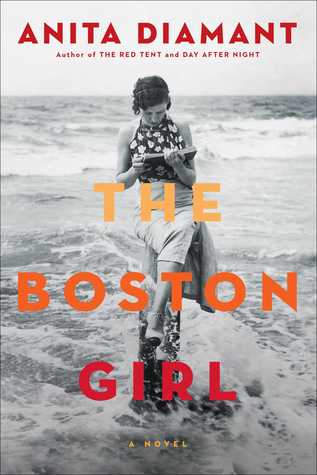
Boston GirlIn 1985, 85-year-old Addie Baum sets out to tell her granddaughter the story of her life… and what a life it is.

Addie was born in Boston in the early 1900s to immigrant parents, living in a cold-water tenement apartment in a poor neighborhood, with no money and only the prospect of hard work ahead of her. And yet, Addie manages to create a glorious life for herself. Through the local settlement house, she meets girls her own age as a young teen, and is soon included in their Saturday Club, where she’s given the encouragement and support to think, explore, and become the person she wants to be.

The Boston Girl is the first-person narrative of the story of a young Jewish girl’s search for independence, education, friendship, and love. We see Addie blossoming as she steps outside of the confines of her family home, creating connections to women that will last her whole life, and jumping into “modern” American life and embracing all it has to offer.

This isn’t some sort of flapper story or a tale of an outrageously outsized individual. Addie is a good girl, and smart too. She doesn’t break all the rules or flout society’s expectations; instead, she uses her brains and her good heart to create for herself the life she wants. She pursues an education when she can afford it, she works hard and is a good daughter, she is loyal to her friends and sees them through rough times. Her mind is open, and while she understands the world of her parents, she’s not stuck in it.

My reaction to The Boston Girl? I loved it.

The Boston Girl is a quiet book. There’s no major dramatic arc or exciting climax, no life-threatening adventure or thrilling heroics. It’s the story of a woman’s life, and it reads like exactly what it is: a grandmother telling her granddaughter all the bits and pieces of her past, bringing to life the faces and places that might previously have only been brief mentions in family lore.

Addie’s voice is sharp and smart, and also quite funny:

My mother took one look and said it made me look like a meeskeit, ugly. That hurt my feelings and made me so mad, I told her I wasn’t going to talk to her unless she used English. And by the way, she knew enough to understand every piece of gossip she heard in the grocery store.

I said it was for her own good. “What if you had an emergency and I wasn’t there?”

“So then I’ll be dead and you’ll be sorry,” she said, in Yiddish, of course.

And on romance, as told to her granddaughter:

You know, if one of my daughters had told me she was going to marry a man she’d only known for a week I would have locked her in her room. But we weren’t kids. I was twenty-five and he was twenty-nine. We were completely sure. And obviously we were right.

Aaron didn’t tell his parents he was in town that weekend. Only Ruth knew. He slept on her couch Friday night, and Saturday night she stayed with a girlfriend so we could be alone, just the two of us, for the whole night.

I’ll leave it at that.

To be honest, I often felt like I was listening to my own grandmother’s stories (although a bit hipper and less judgmental!), and perhaps that’s why this novel really spoke to me the way it did.

You know, Ava, it’s good to be smart, but kindness is more important. Oh dear, another old-lady chestnut to stitch on a sampler. Or maybe one of those cute little throw pillows.

The Boston Girl is a lovely, enjoyable, and quick read. Addie is a wonderful narrator, and hearing her story made me feel like I was being transported to another time. It’s a loving tribute to an earlier generation, especially to the teachers, social workers, and social reformers of the 1920s who made so much possible for the generations of women who followed.

This is the sort of book that makes me want to buy copies for at least a handful of family members and friends. There’s so much here that people I know will relate to! Especially for those of us who grew up with Jewish grandmothers… but really, for anyone who appreciates learning about the joys and struggles of the women who came of age in the early part of the 20th century, this is a book not to be missed.

_________________________________________

The details:

Title: The Boston Girl
Author: Anita Diamant
Publisher: Scribner
Publication date: December 9, 2014
Length: 320 pages
Genre: Historical fiction
Source: Library