Book Review: One Summer in Savannah by Terah Shelton Harris

Title: One Summer in Savannah
Author: Terah Shelton Harris
Publisher: Sourcebooks Landmark
Publication date: July 4, 2023
Length: 464 pages
Genre: Contemporary fiction
Source: Review copy courtesy of the publisher via NetGalley

Rating: 3 out of 5.

A compelling debut that glows with bittersweet heart and touching emotion, deeply interrogating questions of family, redemption, and unconditional love in the sweltering summer heat of Savannah, as two people discover what it means to truly forgive.

It’s been eight years since Sara Lancaster left her home in Savannah, Georgia. Eight years since her daughter, Alana, came into this world, following a terrifying sexual assault that left deep emotional wounds Sara would do anything to forget. But when Sara’s father falls ill, she’s forced to return home and face the ghosts of her past.

While caring for her father and running his bookstore, Sara is desperate to protect her curious, outgoing, genius daughter from the Wylers, the family of the man who assaulted her. Sara thinks she can succeed—her attacker is in prison, his identical twin brother, Jacob, left town years ago, and their mother are all unaware Alana exists. But she soon learns that Jacob has also just returned to Savannah to piece together the fragments of his once-great family. And when their two worlds collide—with the type of force Sara explores in her poetry and Jacob in his astrophysics—they are drawn together in unexpected ways.

One Summer in Savannah is a difficult book to describe. It’s the story of Sara, a woman in her mid-20s who swore she’d neve return to her home town of Savannah. At age 18, she was raped and then vilified at the trial that convicted the rapist, the gifted son of a very powerful old-money family. Upon discovering that she was pregnant, Sara fled to a state that doesn’t allow rapists parental rights and kept her daughter’s existence a secret from the Wyler family. Eight years later, when Sara’s father is ill and has limited time left, she reluctantly returns, still intending to keep Alana hidden from the Wylers.

Meanwhile, Jacob — identical twin to Daniel, the rapist — also returns to Savannah. Daniel is dying of leukemia and needs a bone marrow transplant, and although Jacob cut his entire family out of his life after the trial, he can’t deny his brother the help he desperately needs.

As Sara and Jacob encounter one another, she recognizes his kindness and his own painful past, and allows him to begin tutoring Alana, a genius who needs the inspiration and guidance that Jacob can provide. Sara and Jacob each navigate their own paths toward healing, seeking ways to move forward after pain and loss.

I have to be honest — at 30%, I was about ready to put the book down. The writing style did not especially work for me — very stilted in places, and then overly reliant on imagery and metaphor in others. Beyond that, there were plot elements that seemed jarring or unlikely, such as:

  • Sara’s father has spoken only in poetry since her childhood. I mean, ONLY in poetry. He conducts conversations by reciting lines of poetry that are relevant to the situation, and those who are close to him seem to be able to understand and parse his meaning.
  • There’s also the fact that the main character ends up falling in love with the identical twin of the man who raped her. Jacob is a lovely, wonderful person — but the relationship never truly felt believable.
  • Everyone in the book is super special. Sara becomes a poet; Jacob is an astrophysicist; Daniel, we are told, was destined for great things (his mother insists that he would have cured cancer, if not for that awful girl who told lies about him and ruined his life); and Alana is a genius who solves unsolvable math equations and taught herself three languages by the age of eight. It’s all a bit much.
  • Another complaint — there are plot points that are referred to, but not shown. For example, Jacob helps Sara’s father write a letter to Sara which has a huge emotional impact on her, but we don’t see the letter. Another example — Daniel gives a TV interview in which he owns up to what he’s done, but we only hear about it in passing, rather than getting to glimpse what he said.

Meanwhile, Daniel and his mother Birdie remain fairly terrible until close the end, when they both get a sort of redemption, but I’m not sure we saw enough to feel that they actually earned it.

Themes of redemption and forgiveness are dominant throughout the story, and some scenes are moving — but overall, this book just didn’t work well for me. Too many discordant notes, too many details that felt false, and a writing style that keeps the characters at a distance for much of the story.


The Monday Check-In ~ 6/5/2023

cooltext1850356879

My Monday tradition, including a look back and a look ahead — what I read last week, what new books came my way, and what books are keeping me busy right now. Plus a smattering of other stuff too.

Life.

It was not a good week last week…

I guess you could call it the domino effect of COVID. My husband returned from an overseas trip and was experiencing his usual jetlag… until we realized it wasn’t just jetlag. We had an emergency room visit due to COVID complications, but he’s now on the mend, thank goodness. Two days later, my son tested positive, and then over the weekend, it was my turn.

Amazingly, neither my son nor I had had COVID before — but admittedly, we were pretty lax about wearing masks and keeping our distance around the house.

In any case, after a miserable few days, we’re all bouncing back. On the plus side, my head has cleared enough for me to be able to start reading again!

What did I read during the last week?

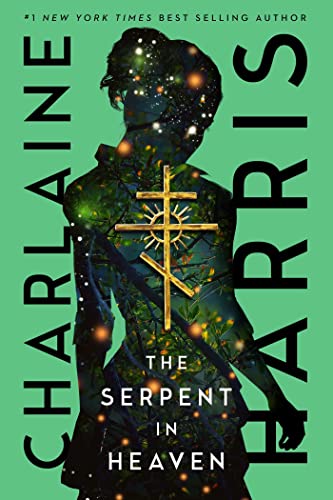
The Serpent in Heaven (Gunnie Rose, #4) by Charlaine Harris: Such a great series! My review is here.

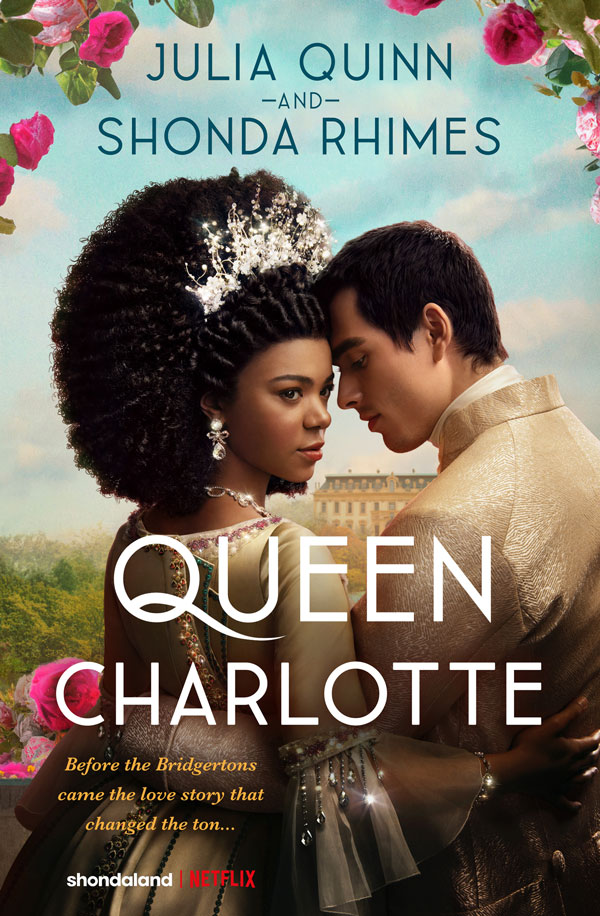
Queen Charlotte by Julia Quinn & Shonda Rhimes: A lovely read. My review is here.

The Fire Never Goes Out by Noelle Stevenson: A memoir in graphic novel format, by the author of Nimona. I enjoyed it.

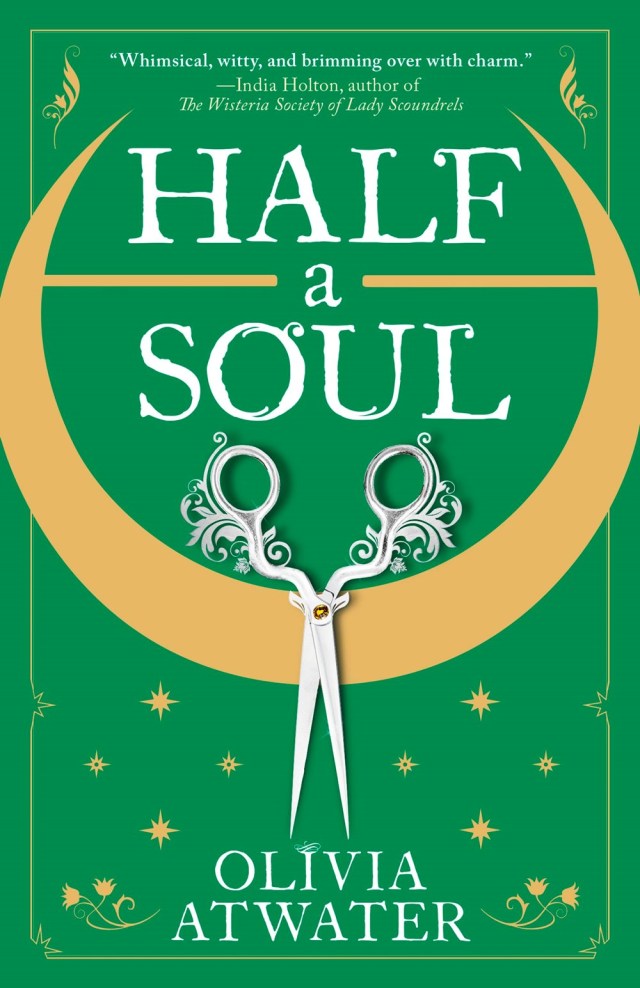
Half a Soul (Regency Faerie Tales, #1) by Olivia Atwater: Really enjoyable tale with unusual characters. My review is here.

One Summer in Savannah by Terah Shelton Harris: Review to follow.

And… one DNF:

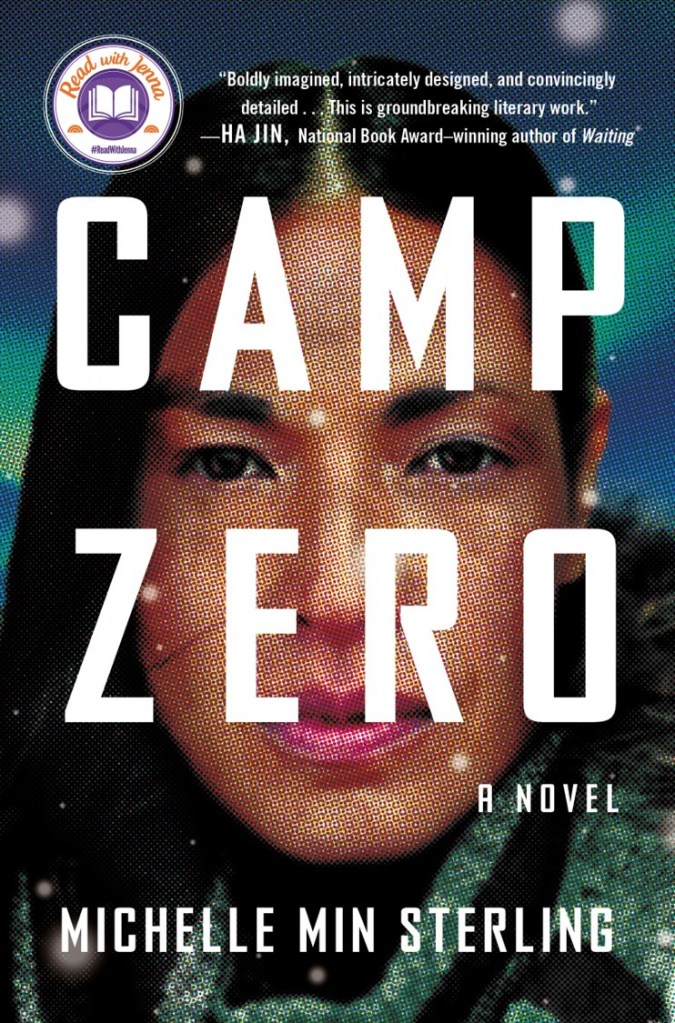
Camp Zero by Michelle Min Sterling: I quit at 20%. Grim and confusing — and when I realized I just didn’t care enough to keep going, I felt relieved to put it down.

Pop culture & TV:

Due to the craziness of this week, I did very little streaming of any sort — but prior to all that, I finally got around to watching Downton Abbey: A New Era. Meh. It was basically a family reunion in search of a plot. Nice to see all the familiar faces again, but that’s about it.

Fresh Catch:

No new physical books this week, but I did pick up a few books from my wishlist thanks to Kindle deals:

Puzzle of the week:

This one was a lot trickier than I expected… although I worked on it while I had COVID, so that’s maybe a factor…

What will I be reading during the coming week?

Currently in my hands:

The Boyfriend Project by Farrah Rochon: I really needed something upbeat this week, and this seems to be a great choice.

Now playing via audiobook:

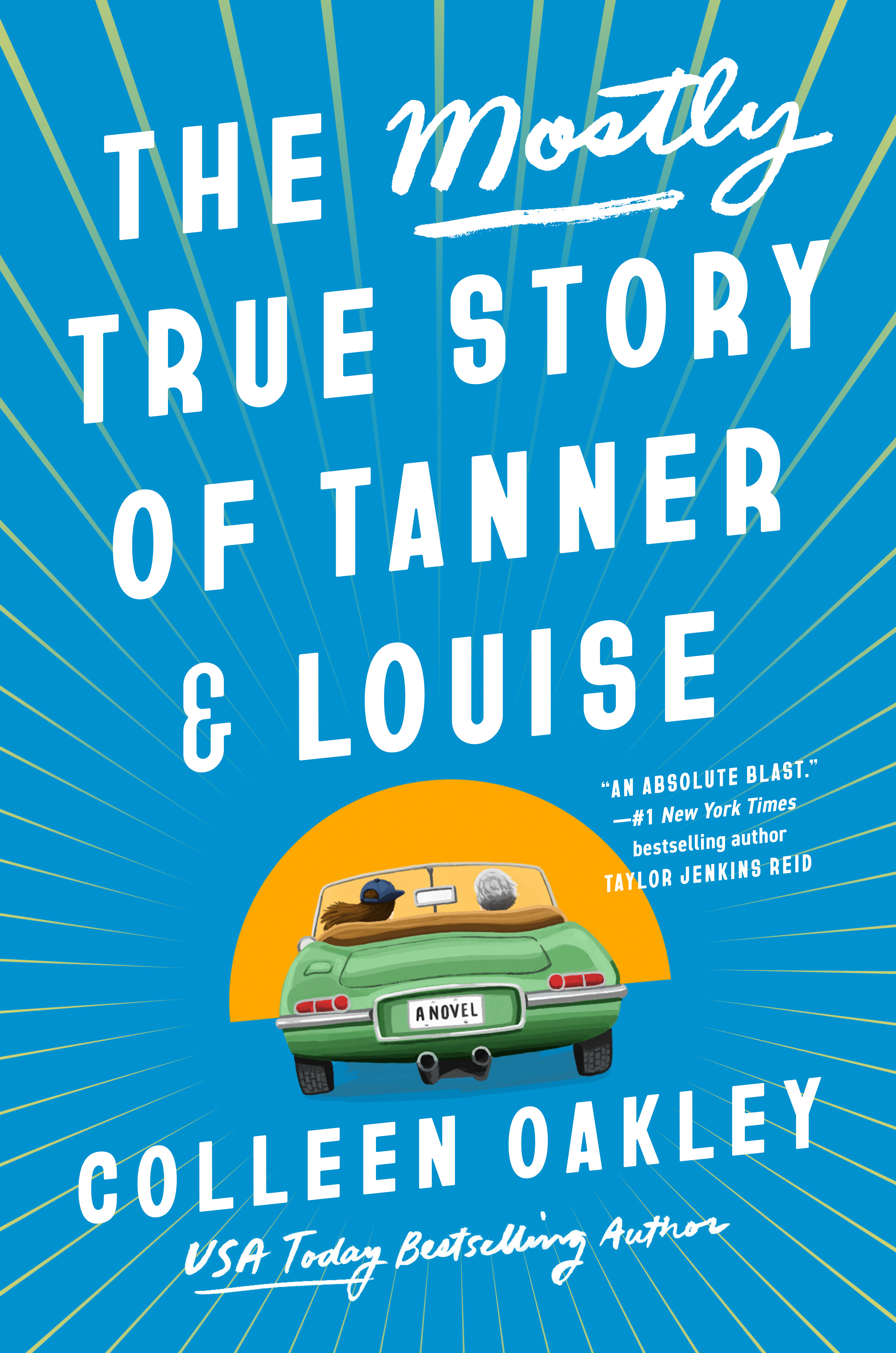
The Mostly True Story of Tanner & Louise by Colleen Oakley: I got through about 75% of this audiobook before I got sick, and haven’t gotten back to it yet. I’ve been loving it so far! Looking forward to finishing up in the next few days.

Ongoing reads:

My longer-term reading commitments:

Until our next group classic read starts, I’m down to just one ongoing book at the moment:

  • Go Tell the Bees That I Am Gone by Diana Gabaldon: Over at Outlander Book Club, we’re doing a group read of BEES, reading and discussing two chapters per week. Coming up this week: Chapters 132 and 133 (of 155).

So many books, so little time…

boy1

Book Review: Half a Soul (Regency Faerie Tales, #1) by Olivia Atwater

Title: Half a Soul
Series: Regency Faerie Tales #1
Author: Olivia Atwater
Publisher: Orbit
Publication date: March 29, 2020
Length: 304 pages
Genre: Fantasy
Source: Purchased

Rating: 3.5 out of 5.

It’s difficult to find a husband in Regency England when you’re a young lady with only half a soul.

Ever since she was cursed by a faerie, Theodora Ettings has had no sense of fear or embarrassment – a condition which makes her prone to accidental scandal. Dora hopes to be a quiet, sensible wallflower during the London Season – but when the strange, handsome and utterly uncouth Lord Sorcier discovers her condition, she is instead drawn into dangerous and peculiar faerie affairs.

If Dora’s reputation can survive both her curse and her sudden connection with the least-liked man in all of high society, then she may yet reclaim her normal place in the world. . . but the longer Dora spends with Elias Wilder, the more she begins to suspect that one may indeed fall in love, even with only half a soul.

Bridgerton meets Howl’s Moving Castle in this enchanting historical fantasy, where the only thing more meddlesome than faeries is a marriage-minded mother.

Pick up HALF A SOUL, and be stolen away into Olivia Atwater’s charming, magical version of Regency England!

Half a Soul is a fun, light-hearted romantic caper set in Regency England — and yet, there’s a darker element that’s unusual for this type of book, and it makes it very much worth checking out.

Dora is captured by a Lord of Faerie as a young child, and loses half her soul to him — only saved from losing her entire soul by the intervention of her devoted cousin Vanessa. But from that point onward, Dora experiences all emotions on a very low setting. She’s aware of feeling warmth toward her cousin, aware of things that seem wrong or might bother her, but it’s all very distant.

As a result, Dora has a hard time following society’s rules — she has no in-built filter to make her feel uncomfortable when she steps out of line (which is often).

After the Napoleonic War, England’s head magician, known as the Lord Sorcier, is both a hero and an object of scorn. High society is forced to accept him, but they neither like nor trust him. Still, he may be the only person who has a shot at restoring to Dora what was lost — but as their paths cross, their focus instead turns to the wretched conditions in London’s workhouses and an insidious, seemingly incurable plague that strikes the poorest of children.

The plot of Half a Soul is interesting and offers new twists on tales of enchantment and the dangers of being stolen away to the world of Faerie. Dora and Elias (the Lord Sorcier) have a strong connection, and I enjoyed seeing them work together to solve problems, right wrongs, and reclaim Dora’s missing soul.

The supporting characters are quite enjoyable too, and I appreciated how Dora and Elias are united in their commitment to force their friends and relatives to see the underlying ugliness and imbalances of their world and take action to help.

Half a Soul is a quick, light read, with entertaining plot twists and interesting approaches to the conflict between the human and Faerie worlds. As a bonus, the book also includes a novella, Lord Sorcier, that provides a prequel look at Elias’s backstory — it’s very good and sheds new light on on how Elias became who he is in Half a Soul.

Half a Soul is the first in a loosely-connected trilogy (Regency Faerie Tales), and I’m looking forward to reading more!

Book Review: Queen Charlotte by Julia Quinn & Shonda Rhimes

Title: Queen Charlotte
Authors: Julia Quinn & Shonda Rhimes
Publisher: Avon
Publication date: May 9, 2023
Length: 352 pages
Genre: Historical fiction
Source: Purchased
Rating:

Rating: 4.5 out of 5.

From #1 New York Times bestselling author Julia Quinn and television pioneer Shonda Rhimes comes a powerful and romantic novel of Bridgerton’s Queen Charlotte and King George III’s great love story and how it sparked a societal shift, inspired by the original series Queen Charlotte: A Bridgerton Story, created by Shondaland for Netflix.

“We are one crown. His weight is mine, and mine is his…”

In 1761, on a sunny day in September, a King and Queen met for the very first time. They were married within hours.

Born a German Princess, Charlotte of Mecklenburg-Strelitz was beautiful, headstrong, and fiercely intelligent… not precisely the attributes the British Court had been seeking in a spouse for the young King George III. But her fire and independence were exactly what she needed, because George had secrets… secrets with the potential to shake the very foundations of the monarchy.

Thrust into her new role as a royal, Charlotte must learn to navigate the intricate politics of the court… all the while guarding her heart, because she is falling in love with the King, even as he pushes her away. Above all she must learn to rule, and to understand that she has been given the power to remake society. She must fight—for herself, for her husband, and for all her new subjects who look to her for guidance and grace. For she will never be just Charlotte again. She must instead fulfill her destiny… as Queen.

Fans of the Bridgerton series will absolutely want to grab a copy of this prequel, which focuses on the early love story of Queen Charlotte and King George III.

As a preface by none other than Lady Whistledown herself makes clear, this isn’t meant to be a history lesson… so go into this romantic, often heartbreaking and just as often uplifting story with an open mind, and accept that this book is not attempting to stick to the historical facts.

First, the context: Queen Charlotte (the Netflix series) has already aired, so I would guess that most people reading the novel have already watched the series and have the basics of the story firmly in mind. Yes, the book was written by Julia Quinn based on the scripts written by Shonda Rhimes — and yet, it’s a fully developed novel with fresh perspectives and points of view, not just a rehash of what we’ve already seen on the screen.

In the novel, Queen Charlotte’s story is told through four shifting points of view: We get chapters from the perspectives of Charlotte, George, Agatha (Lady Danbury), and Brimsley, Charlotte’s faithful servant. Through their thoughts and voices, the story opens up in ways not possible on the screen, and getting scenes from these shifting perspectives offers insights that might not otherwise have been apparent.

Interestingly, the novel sticks with Shonda Rhimes’s vision of the ton as shown in the Bridgerton TV series — a thoroughly integrated society including all races. This is decidedly not the case in Julia Quinn’s original Bridgerton books, but in Queen Charlotte (the novel), we’re sticking with Shonda’s version. Here, we get the origin story — Queen Charlotte has brown skin and is of African descent, which is most shocking to Princess Augusta, mother of the King.

What to do? Look foolish and admit that she wasn’t aware of this when the bargain for the marriage was struck? Or, make it look intentional by launching “the Great Experiment” — essentially, claim that it was the Crown’s intention to integrate society all along, and marrying Charlotte to the King is an important first step in achieving this goal. Hastily, on the day of the royal wedding, upper class black members of the London world (but not the ton) are elevated to nobility. How can anyone doubt the Crown’s intentions, when there are so many new Lords and Ladies as proof?

The true heart of the story is the romance between Charlotte and George. While meeting only on their wedding day, they find connection and chemistry and seemed poised for true happiness — until George pushes Charlotte firmly away with no explanation, insisting that they live separately.

I won’t go into further plot details — the “madness” of King George III is well known as historical fact (although a specific diagnosis has never been completely established). George’s mental illness is the central tragedy of this story, driving a sharp wedge between him and Charlotte even as she struggles to understand. Their love proves to be unshakable even in the face of this unconquerable barrier. The book captures all the powerful romance of the TV version, and it’s lovely.

I loved getting to know Brimsley more through his chapters, and Agatha Danbury is just as wonderful here as expected. Some elements of the TV version are omitted, most notably the friendships and interactions between the women characters later in life; Violet Bridgerton is completely absent, and the related storyline involving Agatha is omitted as well. That’s fine, though — the book is still strong and full of emotion, and doesn’t feel like it’s missing anything.

Having finished the book within 24 hours of starting it (I dare you to put it down once you start!), I’m really pining for more time with these characters… and have a feeling I’ll be doing a rewatch of the TV version before two long.

Meanwhile, for all the Bridgerton fans, Queen Charlotte is a must-read!