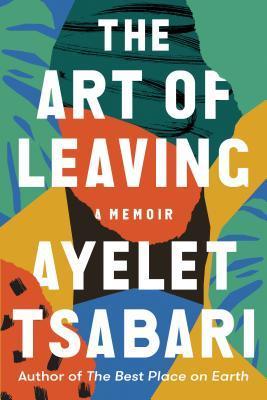
Title: The Art of Leaving: A Memoir
Author: Ayelet Tsabari
Publisher: HarperCollins
Publication date: February 1, 2019
Length: 317 pages
Genre: Memoir
Source: Library
Rating:
An unforgettable memoir about a young woman who tries to outrun loss, but eventually finds a way home.
Ayelet Tsabari was 21 years old the first time she left Tel Aviv with no plans to return. Restless after two turbulent mandatory years in the Israel Defense Forces, Tsabari longed to get away. It was not the never-ending conflict that drove her, but the grief that had shaken the foundations of her home. The loss of Tsabari’s beloved father in years past had left her alienated and exiled within her own large Yemeni family and at odds with her Mizrahi identity. By leaving, she would be free to reinvent herself and to rewrite her own story.
For nearly a decade, Tsabari travelled, through India, Europe, the US and Canada, as though her life might go stagnant without perpetual motion. She moved fast and often because—as in the Intifada—it was safer to keep going than to stand still. Soon the act of leaving—jobs, friends and relationships—came to feel most like home.
But a series of dramatic events forced Tsabari to examine her choices and her feelings of longing and displacement. By periodically returning to Israel, Tsabari began to examine her Jewish-Yemeni background and the Mizrahi identity she had once rejected, as well as unearthing a family history that had been untold for years. What she found resonated deeply with her own immigrant experience and struggles with new motherhood.
Beautifully written, frank and poignant, The Art of Leaving is a courageous coming-of-age story that reflects on identity and belonging and that explores themes of family and home—both inherited and chosen.
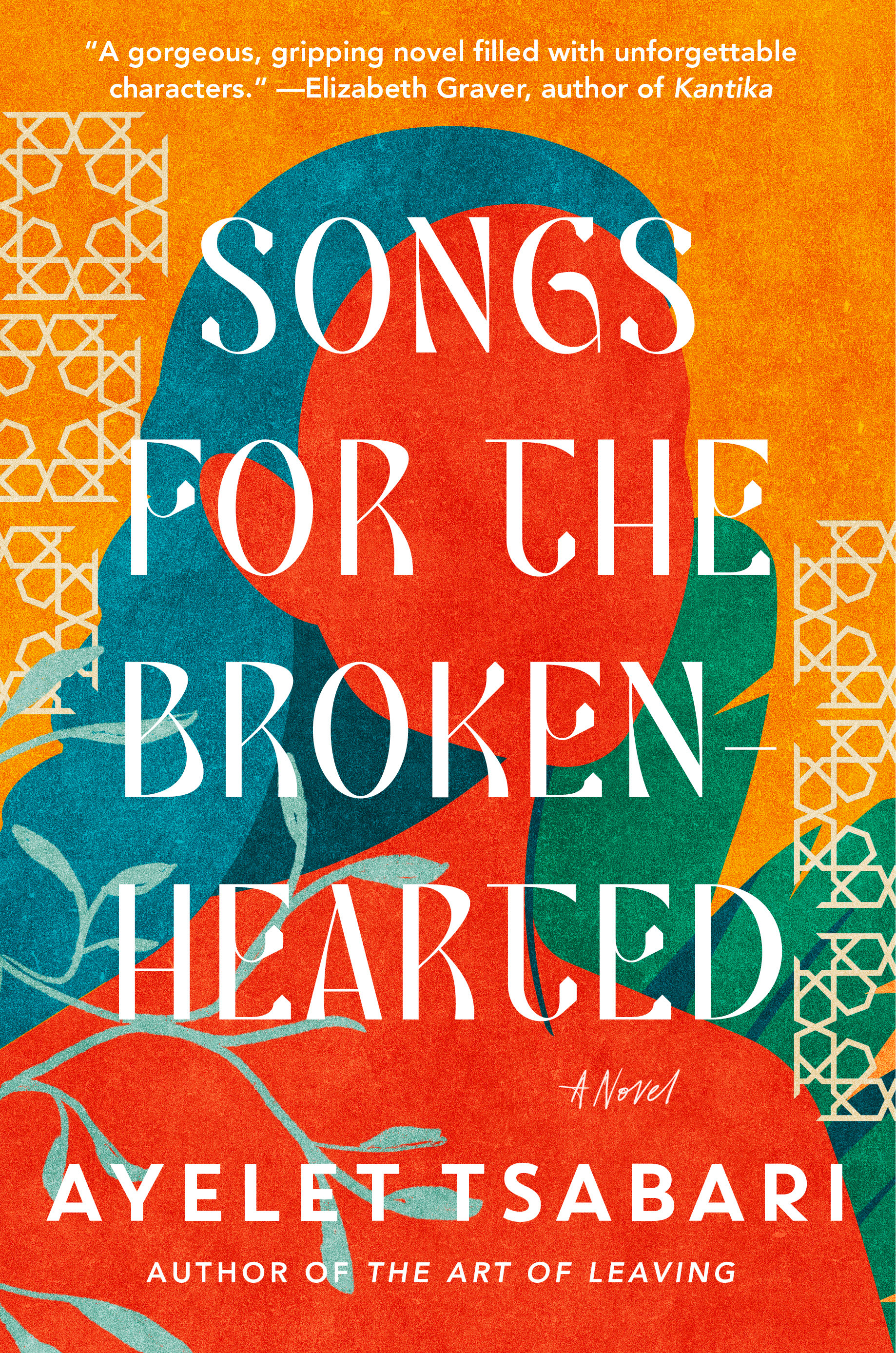
I read Ayelet Tsabari’s beautiful first novel, Songs for the Brokenhearted, just a few months ago, and loved it. I haven’t been able to get that book out of my mind, and decided to give the author’s memoir a try as well.
In The Art of Leaving, the author shares moving stories from her life, from the loss of her father when she was just ten years old, through her years of wandering and distance as a young adult, and finally, her reconnecting with her roots, her family origins, and a side of herself that finds peace in staying put.
Leaving is the only thing I know how to do. That seemed to be the one stable thing in my life, the ritual of picking up, throwing out or giving away the little I have, packing and taking off. That was what home had become for me.
After the tragedy of her father’s death, Ayelet seemed to internalize the idea of leaving before being hurt, never truly connecting in relationships, never staying in one place for very long, skimming the surface of her own life. She leaves her family and home in Israel to travel, and spends years away, living on beaches in India and Thailand with whomever she happens to befriend, seeing life through a weed and acid haze, not particularly present or invested in much of anything.
Eventually, she finds a way back to her family, learns more about their shared history than what was known previously, and starts to reinvest in connecting with her Yemenite/Mizrachi heritage — the foods, spices, music, and language of her youth and her family’s past.
Many of the chapters in The Art of Leaving were published as essays elsewhere first; perhaps for that reason, the whole doesn’t necessarily feel cohesive in tone, and the book doesn’t entirely follow a chronological flow. Memories pop up in different times and in different ways; a chapter about life with her newborn daughter may suddenly give way to a story about her parents’ courtship.
I was less interested in the descriptions of her wanderings, the drugs, the beaches, the aimlessness. For me, stories of friendships made and abandoned along the way were much more compelling, and the chapters and scenes set within her family’s homes, showing their traditions and culture, were the best part of the book.
A chapter about cooking with her mother is a stand-out, but throughout the book, I found descriptions of experiences, places, and people that evoked a tangible sense of the author’s life in those moments.
The Art of Leaving is well-written and open-hearted. The author shares her thoughts and feelings on a deep level. I’m glad to have read it, although I have to say that it did not resonate as strongly for me as Songs for the Broken-Hearted (although that may have a lot to do with the fact that I’m a fiction reader through and through, and novels always have the biggest impact on me as a reader).
Readers who enjoy memoirs as a gateway into another person’s life and experiences will find a lot to appreciate in The Art of Leaving.

 Bookshelf Fantasies