Non-fiction two-fer: Infectious diseases and life lessons

My two most recent audiobooks were both non-fiction — very unusual for me! — and both were terrific. (I should note that in terms of subject matter, tone, and genre, these books are nothing alike… but they happen to be the two short audiobooks I listened to most recently, so why not combine them into one two-fer review post?)

Here are my quick thoughts on each:


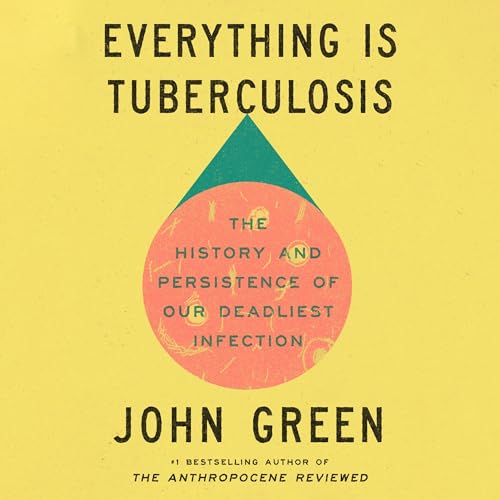
Title: Everything Is Tuberculosis
Author: John Green
Narrator: John Green
Publisher: Crash Course Books
Publication date: March 18, 2025
Print length: 208 pages
Audio length: 5 hours 35 minutes
Genre: Non-fiction / science
Source: Library
Rating:

Rating: 5 out of 5.

Tuberculosis has been entwined with hu­manity for millennia. Once romanticized as a malady of poets, today tuberculosis is seen as a disease of poverty that walks the trails of injustice and inequity we blazed for it.

In 2019, author John Green met Henry Reider, a young tuberculosis patient at Lakka Government Hospital in Sierra Leone. John be­came fast friends with Henry, a boy with spindly legs and a big, goofy smile. In the years since that first visit to Lakka, Green has become a vocal advocate for increased access to treatment and wider awareness of the healthcare inequi­ties that allow this curable, preventable infec­tious disease to also be the deadliest, killing over a million people every year.

In Everything Is Tuberculosis, John tells Henry’s story, woven through with the scientific and social histories of how tuberculosis has shaped our world—and how our choices will shape the future of tuberculosis.

Everything Is Tuberculosis is an informative, eye-opening look at tuberculosis, with a narrative style that’s personal, accessible, and highly engaging.

John Green is both the author and narrator, and his sense of urgency and deep personal commitment are evident throughout the listening experience. The author initially become drawn to the topic of tuberculosis while visiting a hospital in Sierra Leone and meeting a young patient there. As he describes it, he quickly became obsessed with learning more about the disease, to the point that for him, as his wife puts it, “everything is tuberculosis”.

The facts and figures are startling. I had no idea that tuberculosis is still the #1 killer amongst diseases in this day and age, with over one million people continuing to die from tuberculosis each year. This is especially heartbreaking in light of the fact that tuberculosis is curable — but as the author repeats throughout the book:

… the cure is where the disease is not, and the disease is where the cure is not.

Everything Is Tuberculosis focuses on the public health issues surrounding tuberculosis, especially the systems of scarcity, drug availability, stigmatization, and social constructs that that prevent people most in need from accessing life-saving medicines that can absolutely cure their illnesses, if only they could get them.

This is an important book, easy to digest yet providing endless food for thought.

A reading note: I do wish I’d had access to a print or e-book version as well (both of which have huge wait lists at the library). I’d like to be able to go back and revisit certain facts, incidents, and pieces of the history. My recommendation for fullest audio appreciation would be to pair listening with a print edition.


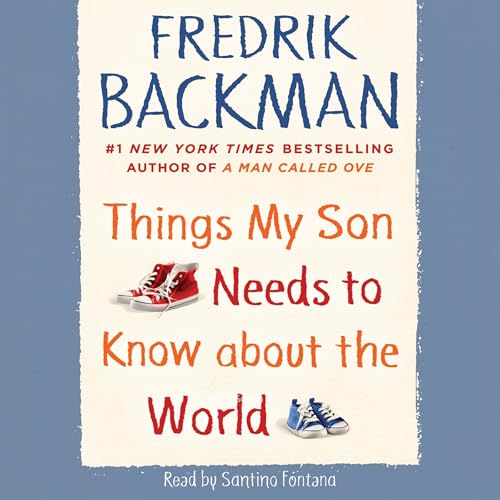
Title: Things My Son Needs to Know about the World
Author: Fredrik Backman
Narrator: Santino Fontana
Publisher: Atria
Publication date: May 7, 2019
Print length: 208 pages
Audio length: 3 hours 10 minutes
Genre: Non-fiction / humor
Source: Library
Rating:

Rating: 4.5 out of 5.

Things My Son Needs to Know About the World collects the personal dispatches from the front lines of one of the most daunting experiences any man can experience: fatherhood.

As he conveys his profound awe at experiencing all the “firsts” that fill him with wonder and catch him completely unprepared, Fredrik Backman doesn’t shy away from revealing his own false steps and fatherly flaws, tackling issues both great and small, from masculinity and mid-life crises to practical jokes and poop.

In between the sleep-deprived lows and wonderful highs, Backman takes a step back to share the true story of falling in love with a woman who is his complete opposite, and learning to live a life that revolves around the people you care about unconditionally. Alternating between humorous side notes and longer essays offering his son advice as he grows up and ventures out into the world, Backman relays the big and small lessons in life, including:

-How to find the team you belong to
-Why airports explain everything about religion and war
-The reason starting a band is crucial to cultivating and keeping friendships
-How to beat Monkey Island 3
-Why, sometimes, a dad might hold onto his son’s hand just a little too tight.

The #1 New York Times bestselling author of A Man Called Ove shares an irresistible and moving collection of heartfelt, fictional, humorous essays about fatherhood, providing his newborn son with the perspective and tools he’ll need to make his way in the world.

I’ve read many of Fredrik Backman’s novels, so I already know that I enjoy his humor, his wordplay, and his quirkiness. Naturally, once I heard about Things My Son Needs to Know about the World, I simply had to give it a try. The short version of my review? This book is a delight.

Short, sweet, and filled with love, Things My Son Needs to Know about the World contains a father’s words of wisdom — about everything from video games to Ikea to the depths of love for a spouse and a child — written by the author with his toddler son as the intended future audience. So yes, he talks quite a lot about diapers and lack of sleep and how the preschool teachers don’t always appreciate his sense of humor… but through all the funny bits (and there are plenty), there’s also true emotion and powerful doses of reality and perspective.

But, mainly, oodles of fun. Parts of this book are quite moving, and nearly all of it is laugh-out-loud funny. I think parents of any age children would find something to connect with here.

The audiobook version, narrated by Santino Fontana, is a treat to listen to, and goes by very quickly.

If you need a break from stressful days and want to laugh (and maybe even cry) a little (or a lot), definitely check out Things My Son Needs to Know about the World!

Save

Two very different reading/listening experiences… both highly recommended!Save

Save

Save

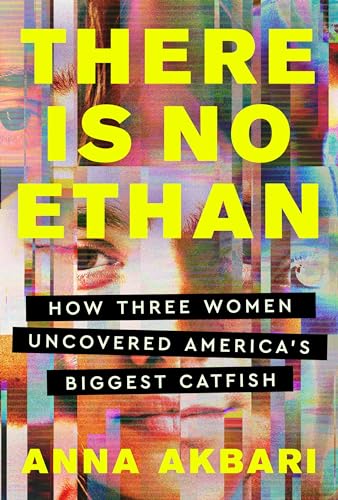
Book Review: There Is No Ethan: How Three Women Uncovered America’s Biggest Catfish by Anna Akbari

Title: There is No Ethan: How Three Women Uncovered America’s Biggest Catfish
Author: Anna Akbari
Publisher: Grand Central Publishing
Publication date: June 4, 2024
Length: 304 pages
Genre: Memoir/true crime
Source: Purchased
Rating:

Rating: 4.5 out of 5.

Part memoir, part explosive window into the mind of a catfisher, a thrilling personal account of three women coming face-to-face with an internet predator and teaming up to expose them

In 2011 three successful and highly educated women fell head over heels for the brilliant and charming Ethan Schuman. Unbeknownst to the others, each exchanged countless messages with Ethan, staying up late into the evenings to deepen their connections with this fascinating man. His detailed excuses about broken webcams and complicated international calling plans seemed believable, as did last-minute trip cancellations. After all, why would he lie? Ethan wasn’t after money—he never convinced his marks to shell out thousands of dollars for some imagined crisis. Rather, he ensnared these women in a web of intense emotional intimacy.

After the trio independently began to question inconsistencies in their new flame’s stories, they managed to find one another and uncover a greater deception than they could have ever imagined. As Anna Akbari and the women untangled their catfish’s web, they found other victims and realized that without a proper crime, there was no legal reason for “Ethan” to ever stop.

There is No Ethan catalogues Akbari’s experience as both victim and observer. By looking at the bigger picture—a world where technology mediates our relationships; where words and images are easily manipulated; and where truth, reality, and identity have become slippery terms—Akbari provides an explanation for why these stories matter.

There Is No Ethan is one of the most fascinating and bizarre true crime stories I’ve ever read… especially because, in point of fact, no actual crime (by legal definitions) ever took place. And yet, the violation of ethical standards and the emotional manipulation perpetrated by “Ethan” are truly shocking.

In this memoir, the author recounts her involvement with Ethan Schuman in the early 2010s. She met Ethan on OKCupid, and they formed an instant rapport. Technology was not quite at the stage of FaceTime and Zoom, so communication via chat threads and emails was pretty par for the course. Anna and Ethan began an intense relationship via digital platforms, sharing detailed thoughts, emotions, and vulnerabilities, both ostensibly equally excited to meet in real life — something delayed repeatedly due to Ethan’s high pressure job. When Ethan cancelled again and again each time they had plans, his excuses escalated to a cancer diagnosis and surgery — and how could Anna be so cruel as to hold that against him? But eventually, the red flags indicating manipulation and emotional abuse were too much to ignore, and Anna walked away.

Soon after, she was contacted by another woman through a mutual acquaintance, someone who has a disturbingly similar tale to tell. And before long, the two of them were able to find yet a third woman who’d been involved with Ethan for over two years. For all three, the patterns were starkly similar: Intense, non-stop messaging, elaborate personal stories, harsh criticisms should they step out of line, and excuse after excuse for never actually meeting.

There Is No Ethan lays out the chronology of these women’s experiences with Ethan in a factual, organized manner, with extensive excerpts from the messages and emails exchanged over the course of their individual relationships with Ethan. As outsiders, we readers may ask how no one became suspicious earlier, but from reading the correspondence, it’s clear that Ethan was a master manipulator, having absolutely no shame when it came to concocting excuses and alibis, even going to far as to create a fake sister to vouch for him when one of the women showed signs of stepping out of line.

And yet… Ethan was never held accountable for his actions beyond having his name and true identity outed. Why? Because as far as the author is able to demonstrate, he committed no crimes. He never extorted money from his victims; there’s no identity theft, financial scam, or sexual coercion involved. But — what he did was clearly, absolutely, cruel and wrong.

SPOILER AHEAD: You can easily find out Ethan’s true identity through a Google search, but if you don’t want to know, this is the time to stop reading this review!

As the book title makes clear, there is no Ethan. Ethan Schuman does not exist. The profile pictures and other photos he provided to his various victims were all photos he took from an old acquaintance’s social media accounts. No Ethan Schuman attended the colleges or graduate schools he claimed to have attended, nor worked for Morgan Stanley or the US government as he claimed.

In fact, Ethan Schuman isn’t even a man. As the author and the women she befriends discover, the person behind the Ethan persona is a woman named Emily Slutsky. At the time of their involvement with Emily, she was a medical student — and is now a practicing physician.

Confronted with her lies, deceit, and cruelties, Emily’s responses to the woman range from anger to justification to claims of carrying out a fiction in order to try on other lives. She remains remarkably indifferent to the harm she caused, and despite vowing to stop, continued to engage with other women under the Ethan persona for years to come.

No consequences ever seemed to have caught up with Emily. While the trio of woman contacted Emily’s family, her medical school, and later employers, nothing happened. The author is adamant that the ethical breach embodied by Emily’s manipulations should disqualify her from holding positions of trust with vulnerable patients — but if you Google Emily, you’ll see that she continues to practice as an ob/gyn.

The author, a sociologist, explores issues around identity in a digital age, which is all quite fascinating. Still, the real hook of this compelling non-fiction tale is the detailed way in which Ethan/Emily’s lies and manipulation are spelled out. Emily’s victims are all highly educated professional women, who, perhaps due to the ongoing challenge of forging real connections in the age of online dating, made themselves vulnerable to a man who seemed to prize intellectual and emotional vulnerability over anything else. It’s easy to see how they’d be sucked in, especially given Emily’s relentless stream of messaging, leaving them more sleep-deprived and wrecked emotionally with each passing day.

More than a decade has passed since the author’s involvement with Ethan, and technology has evolved enough since then that a broken webcam or unwillingness to have a live conversation would not be accepted as valid excuses in the way it was then. Still, There Is No Ethan is certainly a cautionary tale about the unimaginable ways someone with shady morals and a lot of creativity can take advantage, even of someone who thinks they’re alert to all the warning signs and have taken all necessary precautions.

There Is No Ethan is fascinating, horrifying, and utterly absorbing. It also left me rather furious — as far as I can tell, Ethan/Emily has yet to face any real consequences for her actions. Highly recommended.

To read more about this bizarre story:
New York Times book review (2024)
New York Observer article (2014)
New York Post article about Emily Slutsky (2024)

Purchase linksAmazon – Bookshop.org – Libro.fm
Disclaimer: When you make a purchase through one of these affiliate links, I may earn a small commission, at no additional cost to you.
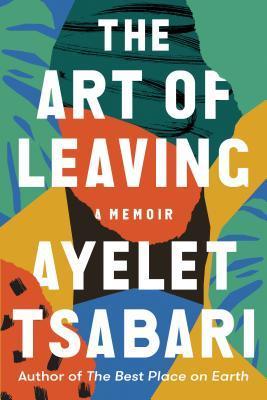
Book Review: The Art of Leaving: A Memoir by Ayelet Tsabari

Title: The Art of Leaving: A Memoir
Author: Ayelet Tsabari
Publisher: HarperCollins
Publication date: February 1, 2019
Length: 317 pages
Genre: Memoir
Source: Library
Rating:

Rating: 3.5 out of 5.

An unforgettable memoir about a young woman who tries to outrun loss, but eventually finds a way home.

Ayelet Tsabari was 21 years old the first time she left Tel Aviv with no plans to return. Restless after two turbulent mandatory years in the Israel Defense Forces, Tsabari longed to get away. It was not the never-ending conflict that drove her, but the grief that had shaken the foundations of her home. The loss of Tsabari’s beloved father in years past had left her alienated and exiled within her own large Yemeni family and at odds with her Mizrahi identity. By leaving, she would be free to reinvent herself and to rewrite her own story.

For nearly a decade, Tsabari travelled, through India, Europe, the US and Canada, as though her life might go stagnant without perpetual motion. She moved fast and often because—as in the Intifada—it was safer to keep going than to stand still. Soon the act of leaving—jobs, friends and relationships—came to feel most like home.

But a series of dramatic events forced Tsabari to examine her choices and her feelings of longing and displacement. By periodically returning to Israel, Tsabari began to examine her Jewish-Yemeni background and the Mizrahi identity she had once rejected, as well as unearthing a family history that had been untold for years. What she found resonated deeply with her own immigrant experience and struggles with new motherhood.

Beautifully written, frank and poignant, The Art of Leaving is a courageous coming-of-age story that reflects on identity and belonging and that explores themes of family and home—both inherited and chosen.

I read Ayelet Tsabari’s beautiful first novel, Songs for the Brokenhearted, just a few months ago, and loved it. I haven’t been able to get that book out of my mind, and decided to give the author’s memoir a try as well.

In The Art of Leaving, the author shares moving stories from her life, from the loss of her father when she was just ten years old, through her years of wandering and distance as a young adult, and finally, her reconnecting with her roots, her family origins, and a side of herself that finds peace in staying put.

Leaving is the only thing I know how to do. That seemed to be the one stable thing in my life, the ritual of picking up, throwing out or giving away the little I have, packing and taking off. That was what home had become for me.

After the tragedy of her father’s death, Ayelet seemed to internalize the idea of leaving before being hurt, never truly connecting in relationships, never staying in one place for very long, skimming the surface of her own life. She leaves her family and home in Israel to travel, and spends years away, living on beaches in India and Thailand with whomever she happens to befriend, seeing life through a weed and acid haze, not particularly present or invested in much of anything.

Eventually, she finds a way back to her family, learns more about their shared history than what was known previously, and starts to reinvest in connecting with her Yemenite/Mizrachi heritage — the foods, spices, music, and language of her youth and her family’s past.

Many of the chapters in The Art of Leaving were published as essays elsewhere first; perhaps for that reason, the whole doesn’t necessarily feel cohesive in tone, and the book doesn’t entirely follow a chronological flow. Memories pop up in different times and in different ways; a chapter about life with her newborn daughter may suddenly give way to a story about her parents’ courtship.

I was less interested in the descriptions of her wanderings, the drugs, the beaches, the aimlessness. For me, stories of friendships made and abandoned along the way were much more compelling, and the chapters and scenes set within her family’s homes, showing their traditions and culture, were the best part of the book.

A chapter about cooking with her mother is a stand-out, but throughout the book, I found descriptions of experiences, places, and people that evoked a tangible sense of the author’s life in those moments.

The Art of Leaving is well-written and open-hearted. The author shares her thoughts and feelings on a deep level. I’m glad to have read it, although I have to say that it did not resonate as strongly for me as Songs for the Broken-Hearted (although that may have a lot to do with the fact that I’m a fiction reader through and through, and novels always have the biggest impact on me as a reader).

Readers who enjoy memoirs as a gateway into another person’s life and experiences will find a lot to appreciate in The Art of Leaving.

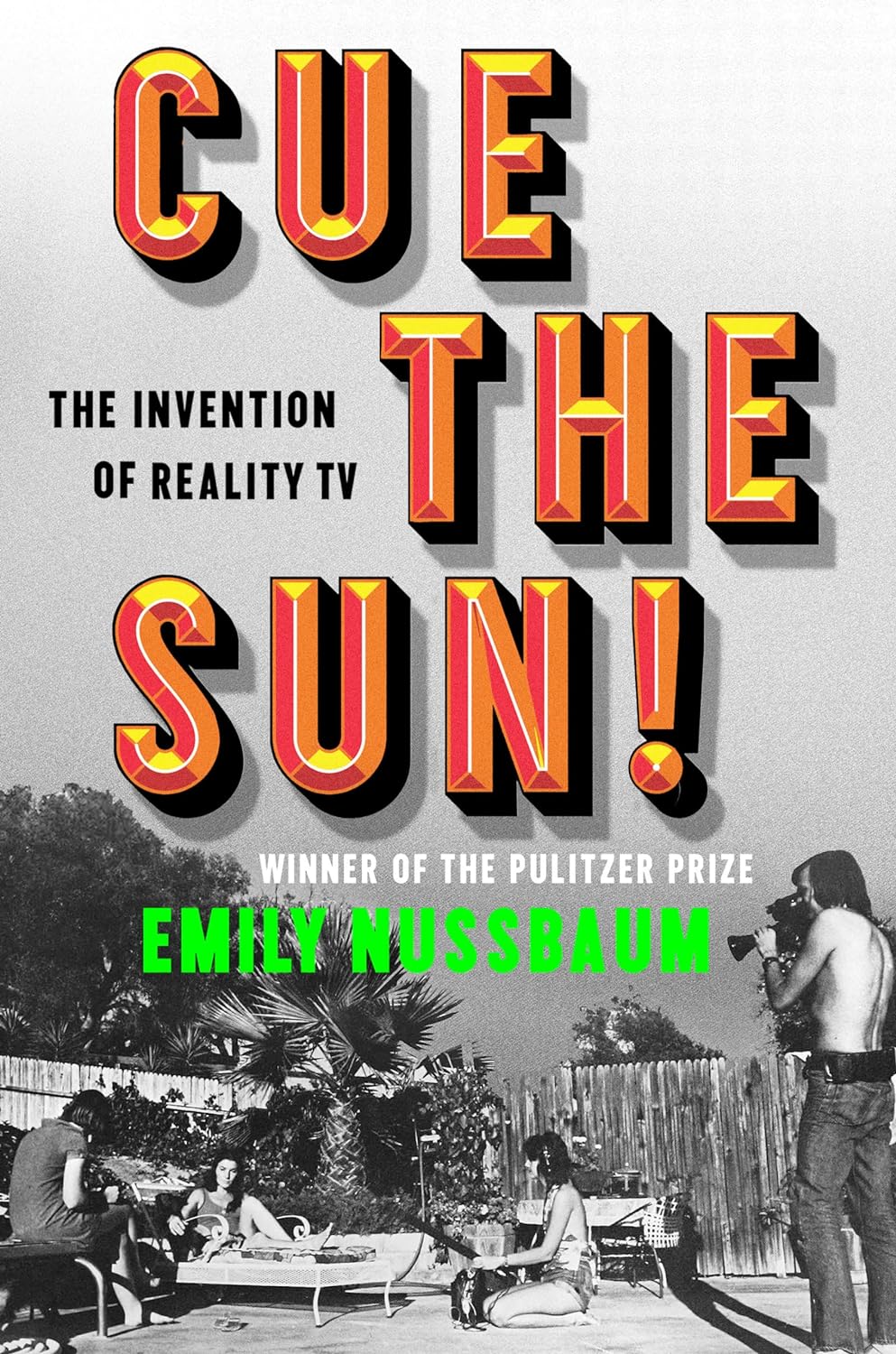
Book Review: Cue the Sun! The Invention of Reality TV by Emily Nussbaum

Title: Cue the Sun! The Invention of Reality TV
Author: Emily Nussbaum
Publisher: Random House
Publication date: June 25, 2024
Length: 464 pages
Genre: Non-fiction – pop culture/entertainment
Source: Library
Rating:

Rating: 4 out of 5.

Who invented reality TV, the world’s most dangerous pop-culture genre, and why can’t we look away from it? In this revelatory, deeply reported account of the rise of “dirty documentary,” Emily Nussbaum unearths the surprising origin story of the genre that ate the world, as told through the lively voices of the people who created it. At once gimlet-eyed and empathetic, Cue The Sun! explores the morally charged, funny, and sometimes tragic consequences of the hunt for something real inside something fake.

Nussbaum traces four paths of reality innovation—game shows, prank shows, soap operas, and clip shows—that united in the Survivor format, sparking a tumultuous Hollywood gold-rush. Along the way, we meet tricksters and innovators—from the icy Allen Funt to the shambolic Chuck Barris; Cops auteur John Langley; Bachelor mastermind Mike Fleiss; and Jon Murray, the visionary behind The Real World—along with dozens of crew members and ordinary people whose lives became fodder for the reality revolution. We learn about the tools of the trade—like Candid Camera’s brilliant “reveal” and the notorious Frankenbite, a deceptive editor’s best friend—and the moral outrage that reality shows provoked. But Cue The Sun! also celebrates what made the genre so powerful: a jolt of authentic emotion.

Through broad-ranging reporting, Nussbaum examines seven tumultuous decades, exploring the celebreality boom, reality TV as a strike-breaker, the queer roots of Bravo, and the dark truth behind The Apprentice. A shrewd observer who cares about television, she is the ideal voice for the first substantive cultural history of the genre that has, for better or worse, made America what it is today.

When I first heard about Cue the Sun! (which references a line from The Truman Show, in case you’re wondering), I figured I’d pick it up and just read the chapter about Survivor. But lo and behold, once I had this book in my hands, I couldn’t resist starting at the beginning and reading straight through to the end.

Author Emily Nussbaum masterfully traces the history of reality TV, from its early days catching ordinary people on camera — making real people points of fascination, but also, often mockery or scorn. We may think of shows like Candid Camera as some sweet piece of nostalgic fluff, but what I learned from this book is how subversive — and frequently nasty — these hidden camera pranks could be. Today, we accept that cameras are everywhere, but just imagine how shocking the idea was at the time!

Cue the Sun! covers reality TV history through all its various permutations, from clips shows (like America’s Funniest Home Videos) to game shows (The Newlywed Game), real-life crime (Cops), and talent competitions (The Gong Show).

Survivor was the true game-changer, when reality competitions blew up seemingly overnight. It’s fascinating to read about the creation of Survivor and the evolution of the first season. Now, everyone who plays Survivor knows how to play Survivor… but then, the contestants were largely making it up as they went along.

After Survivor, reality was huger than ever, with mega-hits such as the Bachelor franchise, Real Housewives and Kardashians, American Idol and countless other competitions dominating the airwaves. Cue the Sun! lays out how one phase led to another, and shows the wheeling and dealing, the seediness and invasiveness, as well as the creativity and innovation behind the scenes of it all.

The book also makes plain what anyone who watches reality TV knows — the cameras may catch people in the moment, but the producers manipulate what viewers see, both via editing after the fact and through questions, prompts, coaching and instruction as the action unfolds during filming. Even though it’s obvious that this is how these shows get made, the intensity and pervasiveness of the manipulation, as shown in Cue the Sun!, can feel very unsettling to read about. As the book points out, over and over again, we’re not watching actual reality — what we see is a curated, filtered, carefully assembled product that mimics some form of reality.

The final chapter of Cue the Sun! gets pretty dark, as it focuses on The Apprentice. It’s fascinating and disturbing to read about the creation and development of the show, and how the show is largely responsible for the public platform that led all the way to the Presidential race of 2016 and beyond.

That was the taboo truth about The Apprentice, in the end—the quality that made it more impressive, not less. Anyone could rebrand a mediocre businessman, some small-timer in need of a glow-up. But taking a failed tycoon who was a heavily in hock and too risky for almost any bank to lend to, a crude, impulsive, bigoted, multiply-bankrupt ignoramus, a sexual predator so reckless he openly harassed women on his show, then finding a way to make him look attractive enough to elect as the president of the United States? That was a coup, even if no one could brag about it.

Throughout the book, it’s interesting to see how the participants and players on reality shows have changed. At the genre’s beginning, it spotlighted real people’s lives as captured on camera. As the genre evolved into game play, constant surveillance, confessionals, and more, real people eagerly auditioned for reality TV, knowing that reality TV celebrity is now a career path. The author includes interviews from many reality contestants — some went back to “real” (ordinary, non-Hollywood lives) after their moments in the spotlight, but many pursued either further on-camera reality options, worked behind the scenes on other shows, or spent time on the fan circuit.

Cue the Sun! is a fascinating read. I don’t watch an enormous amount of reality TV (I’ve never watched The Bachelor or any of the “celebreality” shows currently on the air), but as a fan of Survivor and The Amazing Race, I found it so eye-opening to see where this TV trend began and how it’s developed over time.

Reading note: Don’t be put off by the page count! There’s about 50 pages or so of notes, bibliography, and an index at the end. I found Cue the Sun! a fast, absorbing read.

Want to know more? Check out these reviews:

My Classics Club Spin book for winter 2024 will be…

Earlier in the week, I shared a post with my list of books for the newest Classics Club Spin challenge (see it here), and a few days ago, this spin’s number was announced. (For those keeping track, it’s CC Spin #36, and for me personally, #8!)

Hosted by The Classics Club blog, the Classics Club Spin is a reading adventure where participants come up with a list of classics they’d like to read, number them 1 to 20, and then read the book that corresponds to the “spin” number that comes up.

For CCSpin #36, the lucky number is:

And that means I’ll be reading:

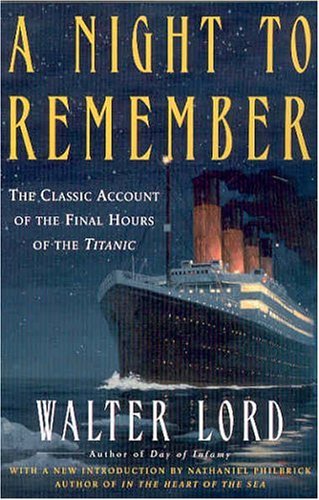
A Night to Remember by Walter Lord (published 1955)

Synopsis:

Lord’s classic bestseller, and the definitive account of the unsinkable ship’s fateful last hours

At first, no one but the lookout recognized the sound. Passengers described it as the impact of a heavy wave, a scraping noise, or the tearing of a long calico strip. In fact, it was the sound of the world’s most famous ocean liner striking an iceberg, and it served as the death knell for 1,500 souls.

In the next two hours and forty minutes, the maiden voyage of the Titanic became one of history’s worst maritime accidents. As the ship’s deck slipped closer to the icy waterline, women pleaded with their husbands to join them on lifeboats. Men changed into their evening clothes to meet death with dignity. And in steerage, hundreds fought bitterly against certain death. At 2:15 a.m. the ship’s band played “Autumn.” Five minutes later, the Titanic was gone.

Based on interviews with sixty-three survivors, Lord’s moment-by-moment account is among the finest books written about one of the twentieth century’s bleakest nights.

I am delighted with this spin result! I’ve read my share of Titanic-related fiction over the years, but somehow never got around to this non-fiction book, which is considered (as the synopsis says) the definitive account of the events of that fateful night. As a plus, A Night to Remember is one of my shorter picks this time around — 182 pages for the Kindle edition — so finishing by March 3rd should not be a problem.

What do you think of my newest spin result?

Here’s my list of 20 titles for Classics Club Spin #36:

  1. Frenchman’s Creek by Daphne DuMaurier
  2. The Ghost and Mrs. Muir by R. A. Dick
  3. An Old-Fashioned Girl by Louisa May Alcott
  4. Dracula by Bram Stoker
  5. Peony by Pearl Buck
  6. White Fang by Jack London
  7. Black Beauty by Anna Sewell
  8. Howards End by E. M. Forster
  9. The Mysterious Affair at Styles by Agatha Christie
  10. I Capture the Castle by Dodie Smith
  11. The Hobbit by J. R. R. Tolkien
  12. In Cold Blood by Truman Capote
  13. Tevye the Dairyman and Motl the Cantor’s Son by Sholom Aleichem
  14. The Painted Veil by W. Somerset Maugham
  15. Frankenstein by Mary Shelley
  16. The Grapes of Wrath by John Steinbeck
  17. The Sound of Waves by Yukio Mishima
  18. The Mayor of Casterbridge by Thomas Hardy
  19. The Left Hand of Darkness by Ursula K. Le Guin
  20. A Night to Remember by Walter Lord

My previous Classics Club Spin books:

Are you participating in this Classics Club Spin? If so, what book will you be reading?

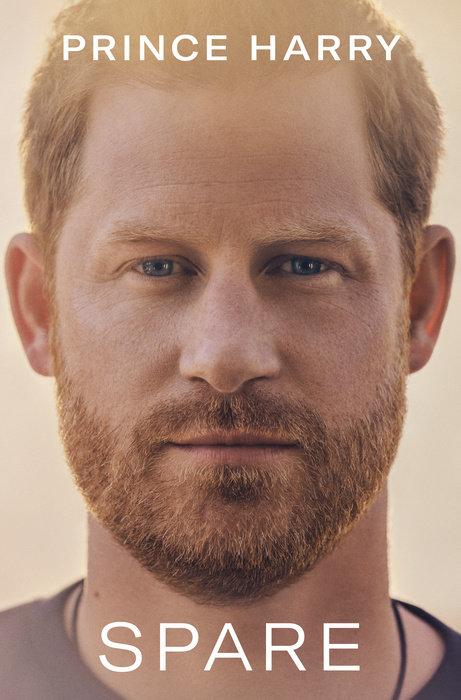
Audiobook Review: Spare by Prince Harry

Title: Spare
Author: Prince Harry
Narrator: Prince Harry
Publisher: Random House
Publication date: January 10, 2023
Print length: 410 pages
Audio length: 15 hours, 39 minutes
Genre: Memoir
Source: Audible (hardcover from library)
Rating:

Rating: 4 out of 5.

It was one of the most searing images of the twentieth century: two young boys, two princes, walking behind their mother’s coffin as the world watched in sorrow—and horror. As Princess Diana was laid to rest, billions wondered what Prince William and Prince Harry must be thinking and feeling—and how their lives would play out from that point on.

For Harry, this is that story at last.

Before losing his mother, twelve-year-old Prince Harry was known as the carefree one, the happy-go-lucky Spare to the more serious Heir. Grief changed everything. He struggled at school, struggled with anger, with loneliness—and, because he blamed the press for his mother’s death, he struggled to accept life in the spotlight.

At twenty-one, he joined the British Army. The discipline gave him structure, and two combat tours made him a hero at home. But he soon felt more lost than ever, suffering from post-traumatic stress and prone to crippling panic attacks. Above all, he couldn’t find true love.

Then he met Meghan. The world was swept away by the couple’s cinematic romance and rejoiced in their fairy-tale wedding. But from the beginning, Harry and Meghan were preyed upon by the press, subjected to waves of abuse, racism, and lies. Watching his wife suffer, their safety and mental health at risk, Harry saw no other way to prevent the tragedy of history repeating itself but to flee his mother country. Over the centuries, leaving the Royal Family was an act few had dared. The last to try, in fact, had been his mother. . . .

For the first time, Prince Harry tells his own story, chronicling his journey with raw, unflinching honesty. A landmark publication, Spare is full of insight, revelation, self-examination, and hard-won wisdom about the eternal power of love over grief.

I know there’s been a lot of general chitchat online about Prince Harry basically oversaturating the market with multiple presentations of his story. There was the Oprah interview that more or less kicked things off, the multi-part Netflix series Harry & Meghan, and now, the release of his memoir, Spare. Given how much coverage has already been dedicated to this royal couple, is a book really necessary? Is there anything new that hasn’t already been shared? Yes, and yes.

In Spare, Prince Harry narrates his life (literally, for those listening to the audiobook), essentially starting with the devastation of Princess Diana’s tragic death in 1997. For Harry, a boy of just twelve years old, her death was beyond comprehension. In fact, as we see in Spare, he spent years deeply believing that his mother was actually in hiding, just waiting for the moment when it would be safe to reunite with her boys. Throughout the section of Spare that covers his youth, he refers to his mother’s “disappearance”, never her “death”. It’s chilling, to say the least.

The book is divided roughly into thirds, covering his childhood and youth, his army service, and his relationship with Meghan. The first third, Out of the Night that Covers Me, is the most powerful, and actually brought me to tears several times. Strip away the Royal Family trappings, and what we have is the story of a boy suffering a tremendous loss and not having the support or resources to deal with it. The events, as they unfold through Harry’s memories, are overwhelming, baffling, painful, and isolating.

As the narrative moves into Harry’s teen and young adult years, he covers his growing devotion to working and living in Africa, his search for meaning and purpose, his experiences in the army (in the book’s second section, Bloody, But Unbowed), and the ongoing strains of his family relationships, especially with his father and brother.

And finally, section three of the book, Captain of My Soul, gets into his romance with Meghan, the viciousness of the media attacks on her, and the couple’s departure from official royal life. Most of this is familiar already, but it’s still interesting to hear Harry’s perspective and gain new insights on the internal struggles he experienced and the painful interactions with the family members he should have been able to count on.

I listened to the audiobook, which I think is the way to go. Prince Harry does the narration, and of course, it’s especially moving to hear him tell his own story.

For the most part, I found him sympathetic and straightforward. Yes, I suppose we could scoff at the “poor me” aspect of it all — after all, being royal is the ultimate state of privilege, isn’t it? He acknowledges all of this, and yet also points out the absolute weirdness of suddenly being cut off after a lifetime of trained dependency. His father isn’t just his father, he’s also his boss, his business manager, and the controller of all of his funds. Harry points out that he’s never carried money or placed an order online. What kind of way to live is that? (He does mention that he has an inheritance from his mother that he and Meghan didn’t want to touch, since they wanted it to be for their children… which, okay, that’s a nice goal, but then it’s hard to feel too sorry for them when Harry gets into the extremely high cost of security, then mentions buying their perfect home in Santa Barbara).

Still, there’s a sadness throughout when it comes to telling the story of being part of an emotionally withholding family — a family that’s also a business and an institution, where closest relationships come with heavy strings and expectations and requirements, but not a whole lot of space for difference or grief or nonconformity. It’s hard to imagine the enormous pressure of being under constant scrutiny and harassment — Harry’s harshest stories and commentary are leveled at the corrupt media and the “paps” who show no mercy when it comes to getting a story or a photo, even when these stories and photos put people’s lives at risk.

Overall, I found the storytelling powerful, honest, and unflinching. Harry is open about his own flaws, his emotional struggles, and his doubts and fears. He very clearly explains and illustrates, over and over again, the ongoing impact of his mother’s death and how that informs his worldview, as well as his unending need to keep his wife and children safe at all costs, even if that means breaking with his own family and all that being royal entails.

Of course, media coverage has been focused on the big “reveals” (such as misunderstandings between Kate and Meghan, the fuss over Meghan’s wedding tiara, etc), but in actuality, Spare is at its most affecting as the story of loss, grief, and family.

Well worth reading, and I highly recommend the audio version.

Shelf Control #339: A Venetian Affair by Andrea di Robilant

Shelves final

Welcome to Shelf Control — an original feature created and hosted by Bookshelf Fantasies.

Shelf Control is a weekly celebration of the unread books on our shelves. Pick a book you own but haven’t read, write a post about it (suggestions: include what it’s about, why you want to read it, and when you got it), and link up! For more info on what Shelf Control is all about, check out my introductory post, here.

Want to join in? Shelf Control posts go up every Wednesday. See the guidelines at the bottom of the post, and jump on board!

Title: A Venetian Affair
Author: Andrea di Robilant
Published: 2003
Length: 291 pages

What it’s about (synopsis via Goodreads):

In the waning days of Venice’s glory in the mid-1700s, Andrea Memmo was scion to one the city’s oldest patrician families. At the age of twenty-four he fell passionately in love with sixteen-year-old Giustiniana Wynne, the beautiful, illegitimate daughter of a Venetian mother and British father. Because of their dramatically different positions in society, they could not marry. And Giustiniana’s mother, afraid that an affair would ruin her daughter’s chances to form a more suitable union, forbade them to see each other. Her prohibition only fueled their desire and so began their torrid, secret seven-year-affair, enlisting the aid of a few intimates and servants (willing to risk their own positions) to shuttle love letters back and forth and to help facilitate their clandestine meetings. Eventually, Giustiniana found herself pregnant and she turned for help to the infamous Casanova–himself infatuated with her.

Two and half centuries later, the unbelievable story of this star-crossed couple is told in a breathtaking narrative, re-created in part from the passionate, clandestine letters Andrea and Giustiniana wrote to each other.

How and when I got it:

I picked up a copy at one of our big library sales, probably about 10 years ago.

Why I want to read it:

I barely remember, but this seems like a book that I grabbed on a whim while browsing at the huge annual library sale. The cover and title certainly would have caught my eye!

I don’t read a ton of non-fiction, but there are so many elements of this story that sounds like they’d be fascinating — historical Venice, a secret love affair, a discovered cache of passionate letters — just the synopsis makes me want to know more!

This book has pretty mixed reviews on Goodreads, but some of the reviewers seem to have expected a novel and felt disappointed that this is a non-fiction book. Other reviews are absolutely glowing, so it’s a bit difficult to get a good sense of the book’s overall reception.

I’m interested enough that I’ve held on to this book all these years, but I’ve never quite been in the mood to pick it up and read it.

What do you think? Would you read this book?

Please share your thoughts!


__________________________________

Want to participate in Shelf Control? Here’s how:

  • Write a blog post about a book that you own that you haven’t read yet.
  • Add your link in the comments or link back from your own post, so I can add you to the participant list.
  • Check out other posts, and…

Have fun!

Audiobook Review: All Creatures Great and Small by James Herriot

Title: All Creatures Great and Small
Author: James Herriot
Narrator: Nicholas Ralph
Publisher: Macmillan Audio
Publication date: Originally published 1972
Print length: 448 pages
Audio length: 15 hours 23 minutes
Genre: Memoir
Source: Library
Rating:

Rating: 5 out of 5.

The first volume in the multimillion copy bestselling series.

Delve into the magical, unforgettable world of James Herriot, the world’s most beloved veterinarian, and his menagerie of heartwarming, funny, and tragic animal patients.

For fifty years, generations of readers have flocked to Herriot’s marvelous tales, deep love of life, and extraordinary storytelling abilities. For decades, Herriot roamed the remote, beautiful Yorkshire Dales, treating every patient that came his way from smallest to largest, and observing animals and humans alike with his keen, loving eye.

In All Creatures Great and Small, we meet the young Herriot as he takes up his calling and discovers that the realities of veterinary practice in rural Yorkshire are very different from the sterile setting of veterinary school.

James Herriot’s memoirs have sold 80 million copies wordwide, and continue to delight and entertain readers of all ages.

If you’re looking to let a little bit of sunlight and warmth into your soul, you couldn’t ask for more than this lovely classic (fictionalized) memoir.

All Creatures Great and Small, originally published in 1972, is the memoir of a country veterinarian, going back to the beginning of his career as a newly qualified vet in the late 1930s. James Herriot wrote a series of eight memoirs during his lifetime, which have been published and republished many times in the years since. All Creatures Great and Small consists of the first two of his books and a smidge of the third — and these stories have also been adapted for film and television (more on that later).

All Creatures starts with young James arriving in the Yorkshire Dales to become an apprentice at an established veterinary practice. James’s specialty is farm animals, and the practice’s clientele are largely the region’s farmer, although they do care for the assorted household pets of their village as well. James’s mentor is Siegfried Farnon, an oddball man who’s clearly very gifted at his work, but who has many personality quirks and a disturbing ability to disregard or forget anything that’s inconvenient to him.

Over the course of the book, James develops confidence in his veterinary skills, and slowly earns the grudging respect of the locals, who initially view him as an inexperienced outsider. James is gifted when it comes to the animals under his care, saving countless lives through his modern approaches and determination to see procedures through, no matter how hard.

One of the lovely aspects of the book is the description of the people themselves — from the curmudgeonly farmers to the eccentric mansion dwellers to the race horse owners, and more. The author describes them all with humor and kindness, and brings to life the oddities and personality traits that makes them all so unique.

Note: I mentioned above that this is a fictionalized memoir — a fact I didn’t actually realize until a book group friend provided some background. The author’s name is actually a pen name, the town where he sets the book is not a real place, but rather a made-up town based on the author’s experiences in the area of the Yorkshire Dales, and he’s altered/embroidered many of the chief characters in the book and/or based them on real people, but with different names and some different characteristics. Not that any of this truly matters to me. The book is so enjoyable that I don’t mind the blend of fact and fiction. For more on James Alfred “Alf” Wight, the man behind the James Herriot pen name, see articles here and here.

The audiobook edition that I listened to is a new version which has the star of the current PBS Masterpiece production as the narrator. Nicholas Ralph is terrific in the TV role, and he’s wonderful as the audiobook narrator too. His voice is so familiar at this point that it truly feels like sitting back and listening to James Herriot himself telling us his stories! The actor not only brings James’s character to life, but also delivers distinctive, enjoyable versions of all the various characters, and it’s a delight.

If you haven’t checked out the TV series yet, I highly recommend it! Two seasons have aired so far, and season 3 will be released in the US in January 2023.

I absolutely loved listening to the audiobook of All Creatures Great and Small (and once again, need to give a shout-out to my book group for picking it!). It’s a gentle, heart-warming, funny look at a bygone time, and James Herriot’s love for the community and his profession shine through on every page and with every story he tells.

Highly recommended… and as for me, I look forward to reading (or listening to) the next book in the series, All Things Bright and Beautiful.


Shelf Control #314: Home Baked: My Mom, Marijuana, and the Stoning of San Francisco by Alia Volz

Shelves final

Welcome to Shelf Control — an original feature created and hosted by Bookshelf Fantasies.

Shelf Control is a weekly celebration of the unread books on our shelves. Pick a book you own but haven’t read, write a post about it (suggestions: include what it’s about, why you want to read it, and when you got it), and link up! For more info on what Shelf Control is all about, check out my introductory post, here.

Want to join in? Shelf Control posts go up every Wednesday. See the guidelines at the bottom of the post, and jump on board!

Title: Home Baked: My Mom, Marijuana, and the Stoning of San Francisco
Author: Alia Volz
Published: 2020
Length: 436 pages

What it’s about (synopsis via Goodreads):

A blazingly funny, heartfelt memoir from the daughter of the larger-than-life woman who ran Sticky Fingers Brownies, an underground bakery that distributed thousands of marijuana brownies per month and helped provide medical marijuana to AIDS patients in San Francisco—for fans of Armistead Maupin and Patricia Lockwood

During the ’70s in San Francisco, Alia’s mother ran the underground Sticky Fingers Brownies, delivering upwards of 10,000 illegal marijuana edibles per month throughout the circus-like atmosphere of a city in the throes of major change. She exchanged psychic readings with Alia’s future father, and thereafter had a partner in business and life.

Decades before cannabusiness went mainstream, when marijuana was as illicit as heroin, they ingeniously hid themselves in plain sight, parading through town—and through the scenes and upheavals of the day, from Gay Liberation to the tragedy of the Peoples Temple—in bright and elaborate outfits, the goods wrapped in hand-designed packaging and tucked into Alia’s stroller. But the stars were not aligned forever and, after leaving the city and a shoulda-seen-it-coming divorce, Alia and her mom returned to San Francisco in the mid-80s, this time using Sticky Fingers’ distribution channels to provide medical marijuana to friends and former customers now suffering the depredations of AIDS.

Exhilarating, laugh-out-loud funny, and heartbreaking, Home Baked celebrates an eccentric and remarkable extended family, taking us through love, loss, and finding home.

How and when I got it:

I picked up the Kindle edition about a year ago.

Why I want to read it:

Just last week, I mentioned that I often add non-fiction books to my shelves, yet somehow never find myself motivated to read them. And yet here I go again, featuring a non-fiction book as this week’s Shelf Control book!

This book got a lot of buzz here in San Francisco when it came out in 2020. I remember seeing not just reviews in the arts section of the paper, but also profiles, interviews, etc. And honestly, doesn’t this just sound fascinating?

San Francisco is not my hometown, but I’ve lived here since the mid-90s. Since moving here, I’ve been eager to learn more about SF’s recent and more distant history — and what better and more exciting times to read about than the 70s and 80s? The blurb mentioning Armistead Maupin (author of Tales of the City) doesn’t hurt a bit, and I’m also eager to see how this edibles business transformed into a cause supporting AIDS patients needing medical marijuana.

What do you think? Would you read this book?

Please share your thoughts!


__________________________________

Want to participate in Shelf Control? Here’s how:

  • Write a blog post about a book that you own that you haven’t read yet.
  • Add your link in the comments or link back from your own post, so I can add you to the participant list.
  • Check out other posts, and…

Have fun!

Shelf Control #313: The Radium Girls by Kate Moore

Shelves final

Welcome to Shelf Control — an original feature created and hosted by Bookshelf Fantasies.

Shelf Control is a weekly celebration of the unread books on our shelves. Pick a book you own but haven’t read, write a post about it (suggestions: include what it’s about, why you want to read it, and when you got it), and link up! For more info on what Shelf Control is all about, check out my introductory post, here.

Want to join in? Shelf Control posts go up every Wednesday. See the guidelines at the bottom of the post, and jump on board!

Title: The Radium Girls: The Dark Story of America’s Shining Women
Author: Kate Moore
Published: 2017
Length: 404 pages

What it’s about (synopsis via Goodreads):

The incredible true story of the women who fought America’s Undark danger

The Curies’ newly discovered element of radium makes gleaming headlines across the nation as the fresh face of beauty, and wonder drug of the medical community. From body lotion to tonic water, the popular new element shines bright in the otherwise dark years of the First World War.

Meanwhile, hundreds of girls toil amidst the glowing dust of the radium-dial factories. The glittering chemical covers their bodies from head to toe; they light up the night like industrious fireflies. With such a coveted job, these “shining girls” are the luckiest alive—until they begin to fall mysteriously ill.

But the factories that once offered golden opportunities are now ignoring all claims of the gruesome side effects, and the women’s cries of corruption. And as the fatal poison of the radium takes hold, the brave shining girls find themselves embroiled in one of the biggest scandals of America’s early 20th century, and in a groundbreaking battle for workers’ rights that will echo for centuries to come.

Written with a sparkling voice and breakneck pace, The Radium Girls fully illuminates the inspiring young women exposed to the “wonder” substance of radium, and their awe-inspiring strength in the face of almost impossible circumstances. Their courage and tenacity led to life-changing regulations, research into nuclear bombing, and ultimately saved hundreds of thousands of lives.

How and when I got it:

I added the Kindle edition to my e-library in 2017, a few months after the book’s release.

Why I want to read it:

I’ve heard about the “radium girls” many times over the years, in the context of history websites, mentions in TV profiles, and even through a weird but amazing speculative fiction novella (The Only Harmless Great Thing by Brooke Bolander). The sheer horror of what these women went through is astonishing.

I’ve heard so many great things about The Radium Girls, and have been meaning to read it ever since I got a copy! Sadly, as I seem to always mention, I just don’t gravitate toward reading non-fiction — which is something I need to change. I have so many non-fiction books on my shelves that sound amazing, but I just never seem to be ready to pick them up.

Have you read or heard of The Radium Girls? Does this sound like something you’d want to read?

Please share your thoughts!


__________________________________

Want to participate in Shelf Control? Here’s how:

  • Write a blog post about a book that you own that you haven’t read yet.
  • Add your link in the comments or link back from your own post, so I can add you to the participant list.
  • Check out other posts, and…

Have fun!