Thursday Quotables: The Japanese Lover

quotation-marks4

Welcome back to Thursday Quotables! This weekly feature is the place to highlight a great quote, line, or passage discovered during your reading each week.  Whether it’s something funny, startling, gut-wrenching, or just really beautifully written, Thursday Quotables is where my favorite lines of the week will be, and you’re invited to join in!

NEW! Thursday Quotables is now using a Linky tool! Be sure to add your link if you have a Thursday Quotables post to share.

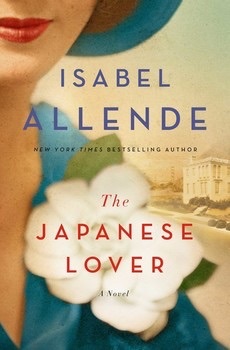
Japanese Lover

The Japanese Lover by Isabel Allende
(published 2015)

I just finished reading Isabel Allende’s newest novel, published last year, and will write up my reaction in the next few days. Meanwhile, here’s a lovely little description of the power of young love:

At the age of twenty-two, suspecting their time was limited, Ichimei and she had gorged on love to enjoy it to the full, but the more they tried to exhaust it, the wilder their desire became, and whoever says that every flame must sooner or later be extinguished is wrong, because there are passions that blaze on until destiny destroys them with a swipe of its paw, and even then hot embers remain that need only a breath of oxygen to be rekindled.

What lines made you laugh, cry, or gasp this week? Do tell!

If you’d like to participate in Thursday Quotables, it’s really simple:

  • Write a Thursday Quotables post on your blog. Try to pick something from whatever you’re reading now. And please be sure to include a link back to Bookshelf Fantasies in your post (http://www.bookshelffantasies.com), if you’d be so kind!
  • Click on the linky button (look for the cute froggie face) below to add your link.
  • After you link up, I’d love it if you’d leave a comment about my quote for this week.
  • Be sure to visit other linked blogs to view their Thursday Quotables, and have fun!

Save

Save

Shelf Control #40: Frog Music

Shelves final

Welcome to the newest weekly feature here at Bookshelf Fantasies… Shelf Control!

Shelf Control is all about the books we want to read — and already own! Consider this a variation of a Wishing & Waiting post… but looking at books already available, and in most cases, sitting right there on our shelves and e-readers.

Want to join in? See the guidelines and linky at the bottom of the post, and jump on board! Let’s take control of our shelves!

cropped-flourish-31609_1280-e1421474289435.png

My Shelf Control pick this week is:

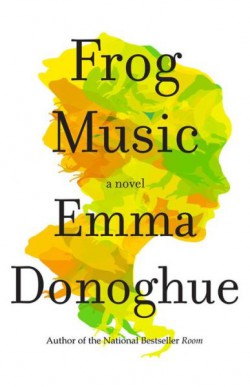
Frog MusicTitle: Frog Music
Author: Emma Donoghue
Published: 2014
Length: 416 pages

What it’s about (synopsis via Goodreads):

Summer of 1876: San Francisco is in the fierce grip of a record-breaking heat wave and a smallpox epidemic. Through the window of a railroad saloon, a young woman named Jenny Bonnet is shot dead.

The survivor, her friend Blanche Beunon, is a French burlesque dancer. Over the next three days, she will risk everything to bring Jenny’s murderer to justice–if he doesn’t track her down first. The story Blanche struggles to piece together is one of free-love bohemians, desperate paupers, and arrogant millionaires; of jealous men, icy women, and damaged children. It’s the secret life of Jenny herself, a notorious character who breaks the law every morning by getting dressed: a charmer as slippery as the frogs she hunts.

In thrilling, cinematic style, FROG MUSIC digs up a long-forgotten, never-solved crime. Full of songs that migrated across the world, Emma Donoghue’s lyrical tale of love and bloodshed among lowlifes captures the pulse of a boomtown like no other.

How I got it:

I bought it!

When I got it:

Last year (I think), when the paperback was released.

Why I want to read it:

To be honest, I’d kind of forgotten about this book until I was putting together my TTT list this week, which includes Emma Donoghue’s upcoming new release. Before I go out and get her new book, I should probably take the time to read one I already have! I think the plot of Frog Music sounds amazing, and I especially love reading historical fiction set in my adopted hometown.

__________________________________

Want to participate in Shelf Control? Here’s how:

  • Write a blog post about a book that you own that you haven’t read yet.
  • Add your link below!
  • And if you’d be so kind, I’d appreciate a link back from your own post.
  • Check out other posts, and have fun!


For more on why I’ve started Shelf Control, check out my introductory post here, or read all about my out-of-control book inventory, here.

And if you’d like to post a Shelf Control button on your own blog, here’s an image to download (with my gratitude, of course!):

Shelf Control

Take A Peek Book Review: At the Edge of Summer by Jessica Brockmole

“Take a Peek” book reviews are short and (possibly) sweet, keeping the commentary brief and providing a little peek at what the book’s about and what I thought.

At the Edge of Summer

Synopsis:

(via Goodreads)

Luc Crépet is accustomed to his mother’s bringing wounded creatures to their idyllic château in the French countryside, where healing comes naturally amid the lush wildflowers and crumbling stone walls. Yet his maman’s newest project is the most surprising: a fifteen-year-old Scottish girl grieving over her parents’ fate. A curious child with an artistic soul, Clare Ross finds solace in her connection to Luc, and she in turn inspires him in ways he never thought possible. Then, just as suddenly as Clare arrives, she is gone, whisked away by her grandfather to the farthest reaches of the globe. Devastated by her departure, Luc begins to write letters to Clare—and, even as she moves from Portugal to Africa and beyond, the memory of the summer they shared keeps her grounded.

Years later, in the wake of World War I, Clare, now an artist, returns to France to help create facial prostheses for wounded soldiers. One of the wary veterans who comes to the studio seems familiar, and as his mask takes shape beneath her fingers, she recognizes Luc. But is this soldier, made bitter by battle and betrayal, the same boy who once wrote her wistful letters from Paris? After war and so many years apart, can Clare and Luc recapture how they felt at the edge of that long-ago summer?

Bringing to life two unforgettable characters and the rich historical period they inhabit, Jessica Brockmole shows how love and forgiveness can redeem us.


My Thoughts:

The synopsis pretty much covers it all. At the Edge of Summer is a book about two people who meet one summer, a 15-year-old orphaned girl and a 19-year-old college student. They form a strong bond and help each other discover crucial aspects of themselves, then spend years apart, separated first by geography and then by war.

The story should have been much more moving than I found it. I simply didn’t connect with the characters in the first section of the book, during their early summer together, so I never really invested in their connection or their relationship. Clare’s artistic aspirations didn’t resonate with me, and I couldn’t envision her as a real person.

Luc is much more sympathetic, and the portions of the story about his wartime experiences are quite sad to read. Still, something about this book just left me cold.

I was interested to see the depiction of the real-life studio in Paris that specialized in masks for men disfigured during the war. I’ve encountered versions of this story before, most recently in a short story in the Fall of Poppies collection (to which Jessica Brockmole contributed a terrific story, by the way). The studio really existed, and its real-life founder, Anna Coleman Ladd, is included in this novel as well.

Stories of the First World War and the horrific experiences of the soldiers, on the battlefields, in the trenches, and upon their return to society, are always moving and startling to read about. Somehow, though, At the Edge of Summer failed to fully engage my emotions. I consider it a decent novel, but wouldn’t go farther than saying that it was a fine read and I don’t regret the time spent on it.

_________________________________________

The details:

Title: At The Edge of Summer
Author: Jessica Brockmole
Publisher: Ballantine
Publication date: May 17, 2016
Length: 336 pages
Genre: Historical fiction
Source: Review copy courtesy of the publisher via NetGalley

Take A Peek Book Review: Everyone Brave Is Forgiven by Chris Cleave

“Take a Peek” book reviews are short and (possibly) sweet, keeping the commentary brief and providing a little peek at what the book’s about and what I thought.

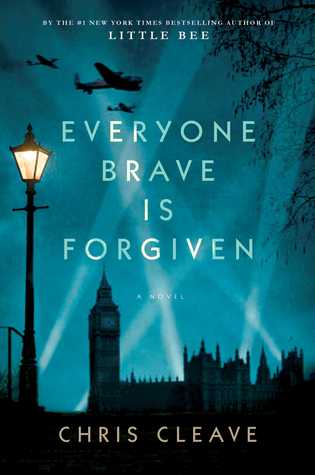
Everyone Brave is Forgiven


Synopsis:

(via Goodreads)

From the author of the #1 New York Times bestselling Little Bee, a spellbinding novel about three unforgettable individuals thrown together by war, love, and their search for belonging in the ever-changing landscape of WWII London.

It’s 1939 and Mary, a young socialite, is determined to shock her blueblood political family by volunteering for the war effort. She is assigned as a teacher to children who were evacuated from London and have been rejected by the countryside because they are infirm, mentally disabled, or—like Mary’s favorite student, Zachary—have colored skin.

Tom, an education administrator, is distraught when his best friend, Alastair, enlists. Alastair, an art restorer, has always seemed far removed from the violent life to which he has now condemned himself. But Tom finds distraction in Mary, first as her employer and then as their relationship quickly develops in the emotionally charged times. When Mary meets Alastair, the three are drawn into a tragic love triangle and—while war escalates and bombs begin falling around them—further into a new world unlike any they’ve ever known.

A sweeping epic with the kind of unforgettable characters, cultural insights, and indelible scenes that made Little Bee so incredible, Chris Cleave’s latest novel explores the disenfranchised, the bereaved, the elite, the embattled. Everyone Brave Is Forgiven is a heartbreakingly beautiful story of love, loss, and incredible courage.


My Thoughts:

I have such mixed feelings about this book. The story is grand and sweeping, encompassing the London air raids of World War II as well as the horrible conditions experienced by soldiers besieged on the island of Malta. In terms of setting and historical context, Everyone Brave Is Forgiven is powerful and hard-hitting, showing us the terror of the reality of war through the eyes of those attempting to live through it.

At the same time, the characters and the dialogue kept me at a distance throughout. The writing is so overdone, and there’s a jolly good, stiff upper lip, never say anything that isn’t a quip flavor to every line the characters speak. If I had to read one more sentence about what “one” did or didn’t do or feel, I might have pulled my hair out.

Overall, I found this a disappointing read. I will probably be in the minority on this one, as the book seems to be getting raves from all the big literary review sources. Sadly, the paths of the characters and the central love story didn’t have a ring of truth. The tragedies pile up, and there are scenes of raw destruction that are breathtakingly sad and shocking. Unfortunately, I couldn’t find the characters’ lives, actions, or relationships real enough to feel a true sense of connection to their stories.

_________________________________________

The details:

Title: Everyone Brave is Forgiven
Author: Chris Cleave
Publisher: Simon & Schuster
Publication date: May 3, 2016
Length: 432 pages
Genre: Historical fiction
Source: Review copy courtesy of the publisher via NetGalley

Book Review: The Midnight Watch by David Dyer

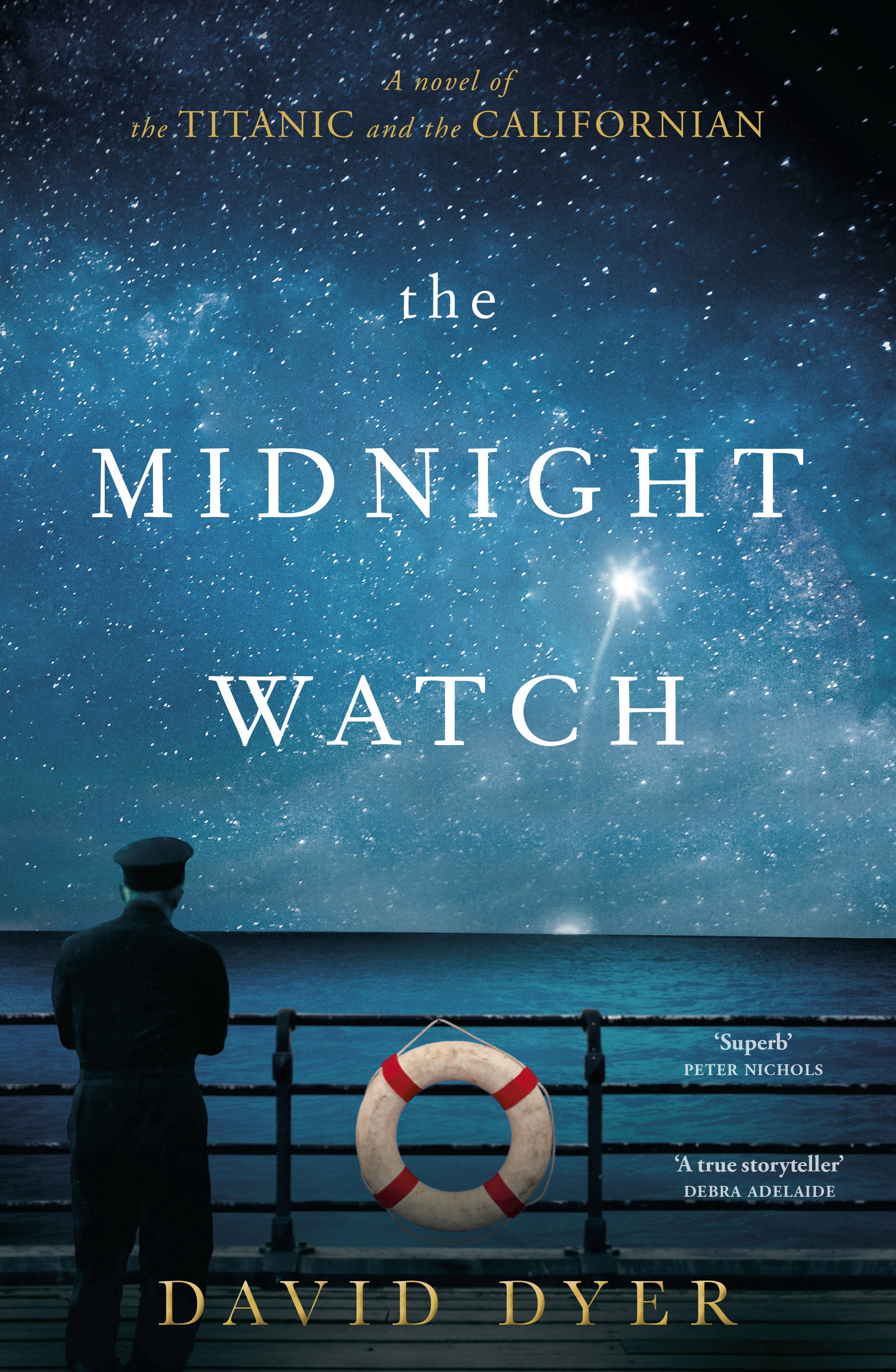
midnight watch2Synopsis:

(via Goodreads):

As the Titanic and her passengers sank slowly into the Atlantic Ocean after striking an iceberg late in the evening of April 14, 1912, a nearby ship looked on. Second Officer Herbert Stone, in charge of the midnight watch on the SS Californian sitting idly a few miles north, saw the distress rockets that the Titanic fired. He alerted the captain, Stanley Lord, who was sleeping in the chartroom below, but Lord did not come to the bridge. Eight rockets were fired during the dark hours of the midnight watch, and eight rockets were ignored. The next morning, the Titanic was at the bottom of the sea and more than 1,500 people were dead. When they learned of the extent of the tragedy, Lord and Stone did everything they could to hide their role in the disaster, but pursued by newspapermen, lawyers, and political leaders in America and England, their terrible secret was eventually revealed. The Midnight Watch is a fictional telling of what may have occurred that night on the SS Californian, and the resulting desperation of Officer Stone and Captain Lord in the aftermath of their inaction.

Told not only from the perspective of the SS Californian crew, but also through the eyes of a family of third-class passengers who perished in the disaster, the narrative is drawn together by Steadman, a tenacious Boston journalist who does not rest until the truth is found. The Midnight Watch is a powerful and dramatic debut novel–the result of many years of research in Liverpool, London, New York, and Boston, and informed by the author’s own experiences as a ship’s officer and a lawyer.

My thoughts:

The Midnight Watch is a strong debut novel built on meticulous research of the historical records. Prior to reading this book, I’d never even heard of the Californian, but a quick Google search shows just how real this nightmare story is. The Californian was nearby at the time that the Titanic was sinking, close enough to potentially have been able to save most or even all of those lost in the tragedy, and yet the ship did nothing in response to the Titanic’s distress signals.

The author does a painstaking job of recreating the events of that terrible night. In alternating chapters, we see events unfold through the eyes of the men onboard the Californian, especially Herbert Stone, and then learn of the Titanic and the possible involvement of the Californian through the perspective of John Steadman, a journalist who specializes in giving voice to those who’ve died in tragic circumstances.

It’s shocking to read that the officer of the watch saw the rockets, understood them to be distress signals, and then contacted the captain, only to do nothing once his captain chose to do nothing. The subsequent sets of lies and cover-ups and self-deceptions are equally disturbing and confusing. Why didn’t the Californian respond? How could Captain Lord live with himself afterward? Why didn’t the second officer do more if he truly believed he was witnessing a ship that needed help?

While The Midnight Watch lays out the events and presents a fictionalized accounting of what may have been going through the minds of the men involved, of course we’ll never actually know the truth or why this terrible inaction transpired while people were dying nearby.

The book is well-written and the character of John Steadman is appealingly flawed — a man who pursues the truth, even while drinking himself into oblivion and at the risk of his job. Captain Lord remains a haughty enigma. It’s impossible to truly understand his role in the Titanic’s sinking, but the portrayal of him here is certainly unflattering.

The piece of The Midnight Watch that carries the greatest emotional power comes toward the end, as the book includes the (fictional) account written by Steadman, called “Eight White Rockets”. Steadman’s piece describes events on the Californian that night, intercut with his recreation of the final hours spent on board the Titanic by a family of eleven — a mother, father, and their nine children — who all perished in the sinking. (This family, the Sage family, were real people who died in the disaster; the author has imagined what their experience might have been and why none survived.)

So many years later, the tragedy of the Titanic continues to fascinate us. The Midnight Watch describes a less well-known aspect of that terrible event, bringing to light facts and people that most with a casual interest in the Titanic today are probably unfamiliar with. The Midnight Watch blends historical details with a fictional story of journalistic research to create a compelling and moving tale. If you enjoy historical fiction and want to know more about the Titanic disaster, be sure to check this book out.

_________________________________________

The details:

Title: The Midnight Watch
Author: David Dyer
Publisher: St. Martin’s Press
Publication date: April 5, 2016
Length: 323 pages
Genre: Historical fiction
Source: Review copy courtesy of the publisher via NetGalley

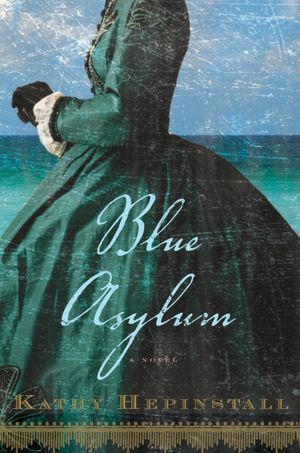
Shelf Control #30: Blue Asylum

Shelves final

Welcome to the newest weekly feature here at Bookshelf Fantasies… Shelf Control!

Shelf Control is all about the books we want to read — and already own! Consider this a variation of a Wishing & Waiting post… but looking at books already available, and in most cases, sitting right there on our shelves and e-readers.

Want to join in? See the guidelines and linky at the bottom of the post, and jump on board! Let’s take control of our shelves!

cropped-flourish-31609_1280-e1421474289435.png

My Shelf Control pick this week is:

Blue AsylumTitle: Blue Asylum
Author: Kathy Hepinstall
Published: 2012
Length: 288 pages

What it’s about (synopsis via Goodreads):

Amid the mayhem of the Civil War, Virginia plantation wife Iris Dunleavy is put on trial and convicted of madness. It is the only reasonable explanation the court can see for her willful behavior, so she is sent away to Sanibel Asylum to be restored to a good, compliant woman. Iris knows, though, that her husband is the true criminal; she is no lunatic, only guilty of disagreeing with him on notions of justice, cruelty, and property. On this remote Florida island, cut off by swamps and seas and military blockades, Iris meets a wonderful collection of residents–some seemingly sane, some wrongly convinced they are crazy, some charmingly odd, some dangerously unstable. Which of these is Ambrose Weller, the war-haunted Confederate soldier whose memories terrorize him into wild fits that can only be calmed by the color blue, but whose gentleness and dark eyes beckon to Iris. The institution calls itself modern, but Iris is skeptical of its methods, particularly the dreaded “water treatment.” She must escape, but she has found new hope and love with Ambrose. Can she take him with her? If they make it out, will the war have left anything for them to make a life from, back home? Blue Asylum is a vibrant, beautifully-imagined, absorbing story of the lines we all cross between sanity and madness. It is also the tale of a spirited woman, a wounded soldier, their impossible love, and the undeniable call of freedom.

How I got it:

I picked it up at the library’s big sale last year.

When I got it:

I think it was at the fall sale, so it’s been sitting on my shelf for about six months now.

Why I want to read it:

The cover blurb describes this as a “Southern gothic”, which really appeals to me. Throw in the Civil War era, a woman fighting against powers keeping her down, and “impossible love”, and it sounds like something I need to read! (And hey, can’t help it that the cover caught my eye… )

__________________________________

Want to participate in Shelf Control? Here’s how:

  • Write a blog post about a book that you own that you haven’t read yet.
  • Add your link below!
  • And if you’d be so kind, I’d appreciate a link back from your own post.
  • Check out other posts, and have fun!


For more on why I’ve started Shelf Control, check out my introductory post here, or read all about my out-of-control book inventory, here.

And if you’d like to post a Shelf Control button on your own blog, here’s an image to download (with my gratitude, of course!):

Shelf Control

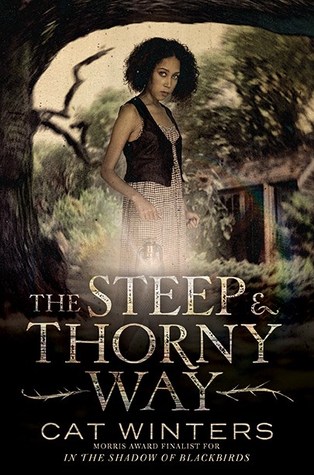
Take A Peek Book Review: The Steep & Thorny Way by Cat Winters

“Take a Peek” book reviews are short and (possibly) sweet, keeping the commentary brief and providing a little peek at what the book’s about and what I thought.

Steep & Thorny Way


Synopsis:

(via NetGalley)

A thrilling reimagining of Shakespeare’s Hamlet, The Steep and Thorny Way tells the story of a murder most foul and the mighty power of love and acceptance in a state gone terribly rotten.

1920s Oregon is not a welcoming place for Hanalee Denney, the daughter of a white woman and an African-American man. She has almost no rights by law, and the Ku Klux Klan breeds fear and hatred in even Hanalee’s oldest friendships. Plus, her father, Hank Denney, died a year ago, hit by a drunk-driving teenager. Now her father’s killer is out of jail and back in town, and he claims that Hanalee’s father wasn’t killed by the accident at all but, instead, was poisoned by the doctor who looked after him—who happens to be Hanalee’s new stepfather.

The only way for Hanalee to get the answers she needs is to ask Hank himself, a “haint” wandering the roads at night.

My Thoughts:

Does the idea of retelling the story of Hamlet, setting it in rural Oregon in 1923, sounds crazy to you? It would be understandable to assume that the plot and the setting are a total mismatch. How can a Shakespearean masterpiece possibly be squeezed into that world?

I’m happy to say that it works amazingly well. As crazy as it might sound, The Steep & Thorny Way is a total winner.

Hanalee Denney is the mixed race daughter of a white woman and a black man, at a time and in a place where mixing of the races was not only frowned upon, but actually illegal, at least as far as marriage was concerned. Hanalee, at age 18, lives with her mother and her new stepfather, the town doctor, and grieves for her beloved father, who died after being hit by a car a year and a half earlier.

When the driver of the car is released from prison and is rumored to be hiding out back in Elston, the rumor mill — and the town’s intolerance — boil to the surface. Joe, convicted of murder and subjected to a horrifying prison stint, pleads with Hanalee to hear him out. He did hit her father with his car; that much is true. But Joe saw Hank alive before the doctor entered the room to care for him… and was dead by the time the doctor came out. Meanwhile, Hank’s ghost has been seen about town, trying to get a message to Hanalee.

Can she really believe that Joe isn’t a murderer, but a fall guy? Can she honestly view her stepfather as a killer?

There’s much more to the story than meets the eye. The town is rife with KKK plotting. A racist undercurrent permeates every town gathering. Non-whites are not welcome in the town’s main restaurant. And Joe has a secret that puts his own life in great danger, with no one except Hanalee at all willing to help or save him.

Cat Winters is an amazing writer, and this era is her specialty. She fits her characters’ actions and words into the Shakespearean framework without ever letting it seem forced. The story flows from one revelation to the other, and Hanalee is anything but a stock figure.

I learned a lot about life in Oregon in the 1920s, the power of the Klan, and the shocking truth about the legal institutions that attempted to enforce racial exclusion, separatism, and even eugenics. While The Steep & Thorny Way is a work of fiction, the politics and intolerance that it portrays are, sadly, historical fact.

I have now read three YA novels and one adult novel by Cat Winters, and I look forward to reading, well, basically everything she ever writes from now on. Don’t miss out on this powerful, dramatic, face-paced book.

Interested in this author? Check out my reviews of her other works:
In The Shadow of Blackbirds
The Cure For Dreaming
The Uninvited

_________________________________________

The details:

Title: The Steep & Thorny Way
Author: Cat Winters
Publisher: Amulet Books
Publication date: March 8, 2016
Length: 335 pages
Genre: Young adult/historical fiction
Source: Purchased

Shelf Control #27: The Witch of Little Italy

Shelves final

Welcome to the newest weekly feature here at Bookshelf Fantasies… Shelf Control!

Shelf Control is all about the books we want to read — and already own! Consider this a variation of a Wishing & Waiting post… but looking at books already available, and in most cases, sitting right there on our shelves and e-readers.

Want to join in? See the guidelines and linky at the bottom of the post, and jump on board! Let’s take control of our shelves!

cropped-flourish-31609_1280-e1421474289435.png

My Shelf Control pick this week is:

Witch of Little ItalyTitle: The Witch of Little Italy
Author: Suzanne Palmieri
Published: 2013
Length: 320 pages

What it’s about (synopsis via Goodreads):

In Suzanne Palmieri’s charming debut, The Witch of Little Italy, you will be bewitched by the Amore women. When young Eleanor Amore finds herself pregnant, she returns home to her estranged family in the Bronx, called by “The Sight” they share now growing strong within her. She has only been back once before when she was ten years old during a wonder-filled summer of sun-drenched beaches, laughter and cartwheels. But everyone remembers that summer except her. Eleanor can’t remember anything from before she left the house on her last day there. With her past now coming back to her in flashes, she becomes obsessed with recapturing those memories. Aided by her childhood sweetheart, she learns the secrets still haunting her magical family, secrets buried so deep they no longer know how they began. And, in the process, unlocks a mystery over fifty years old—The Day the Amores Died—and reveals, once and for all, a truth that will either heal or shatter the Amore clan.

How I got it:

I bought it.

When I got it:

Two years ago (maybe).

Why I want to read it:

A book group friend swears by this book! She was encouraging us all to read it, and promised that I’d love it. I did pick up a copy based on her recommendation… now, to read it!

__________________________________

Want to participate in Shelf Control? Here’s how:

  • Write a blog post about a book that you own that you haven’t read yet.
  • Add your link below!
  • And if you’d be so kind, I’d appreciate a link back from your own post.
  • Check out other posts, and have fun!


For more on why I’ve started Shelf Control, check out my introductory post here, or read all about my out-of-control book inventory, here.

And if you’d like to post a Shelf Control button on your own blog, here’s an image to download (with my gratitude, of course!):

Shelf Control

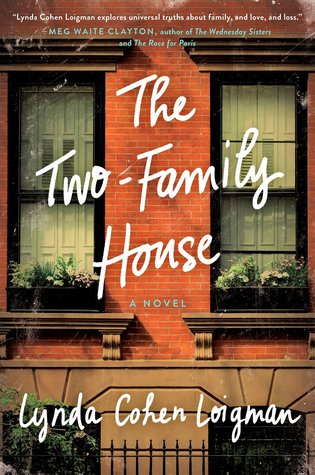
Book Review: The Two-Family House by Lynda Cohen Loigman

Two-Family HouseSynopsis:

(via Goodreads)

Brooklyn, 1947: in the midst of a blizzard, in a two-family brownstone, two babies are born minutes apart to two women. They are sisters by marriage with an impenetrable bond forged before and during that dramatic night; but as the years progress, small cracks start to appear and their once deep friendship begins to unravel. No one knows why, and no one can stop it. One misguided choice; one moment of tragedy. Heartbreak wars with happiness and almost but not quite wins.

From debut novelist Lynda Cohen Loigman comes The Two-Family House, a moving family saga filled with heart, emotion, longing, love, and mystery.

My thoughts:

The Two-Family House is the story of sisters-in-law Helen and Rose. Helen is married to Abe, a kindhearted, loving man who, along with his younger brother Mort, owns and runs Box Brothers, a box manufacturing company. Helen and Abe have four sons; Rose and Mort have three daughters. Mort is a bitter, closed-off man whose life has been a series of disappointments. He has little attention or love to spare for his children, and resents Abe’s happiness and success. The two families share a brownstone, with Abe and Helen living just up the stairs from Rose and Mort.

Rose and Helen are best friends, and the two of them and all of their children are constantly in and out of one another’s apartments, sharing holidays, birthdays, and really, just about every moment of every day, as well as their innermost hope and dreams. In 1947, both women became pregnant, the first time they’ve been expecting together. Mort is convinced that he’ll finally get the son he longs for, and treats Rose with more respect and tenderness than he’s ever shown before.

But a blizzard hits New York while Abe and Mort are away on business and, snowed in and unable to get to a hospital, both women go into labor at home. A midwife is fetched from down the street, and two healthy babies are delivered. Helen has a baby girl — her first daughter — and Rose finally succeeds in giving Mort the son he’s always wanted.

All is perfect. Right?

Well, no. From the time that Natalie and Teddy are born, the relationship between Helen and Rose seems to change. Rose withdraws, becoming increasingly unfriendly, and shows all the signs of postpartum depression. She takes little interest in her new baby and often leaves him to cry, until Helen swoops in to the rescue from upstairs. Helen takes care of both babies, and tries to reach out to Rose, but to no avail: The closeness between the two seems permanently broken.

The novel travels through the years that follow, ending more than 20 years later. Through those years, we see the children grow up and how the various relationships all change. The story is told through chapters with an alternating array of points of view, so we get chapters from the perspectives of Abe, Mort, Rose, Helen, and some of the children.

The shifting points of view yield an uneven results. Some characters are simply more interesting than others. There are stretches of time where the main occurrences are quiet rifts or disruptions, or pieces where we mainly hear how unhappy various characters are. Tragedy ensues, but time keeps marching forward. The parents age; the children grow up. Relationships change, and in some cases, fracture.

Through it all, it all comes down to the birth of the children in 1947, what really happened, and how that one night changed everything for everyone.

MINOR SPOILERS FROM HERE ON!

Listen, if you’ve read what I’ve written so far, it’s not a stretch to figure out what happened during the blizzard. Heck, we pretty much know within the first couple of chapters. So yes, I’ll just go ahead and say it: The babies were switched. Sorry, but this barely counts as a spoiler — it’s obvious right from the beginning.

So the question in the novel is — why did this happen? How did it happen? And how do the characters go forward with their lives once it has happened?

The why and how are answered, but not entirely satisfactorily. I just didn’t buy it. Would a mother who’s just delivered a newborn willingly trade under any circumstances? Well, maybe… but in the circumstances provided in The Two-Family House, I didn’t believe it. The motivation, at least on one side of the equation, just didn’t seem strong enough to me.

But accepting the premise, it’s interesting to see the dynamics play out in the days, months, and years that follow — the guilt, the resentment, and the willful dishonesty that’s required to perpetuate a lie. Once the initial deception has happened, even if there’s regret or second-thoughts, there seems to be no way to undo what’s been done (and actually, we never see either of the women contemplate or consider switching back). And despite the fact that these events were only possible because of the incredibly strong bond between Helen and Rose, it’s the switch itself that cause the rupture in their relationship, creating an insurmountable obstacle that hinders every interaction from that moment forward.

The plot of The Two-Story House is interesting, but somehow the execution lacks true drama or momentum. The fact of the switch is obvious from the start, and the resolution at the end of the book and what drives it is also something that pretty much any reader will see coming from a mile away. I enjoyed the family dynamics and the shifting relationships between all of the various combinations of characters, but wished there had been something a bit more to truly make me care about the outcome.

Overall, this is an enjoyable book, particularly when viewed as a period piece and a character study. But in terms of the plot, I never quite bought the actions or motivations of Helen and Rose, and since this is what drives the entire story, I always ended up feeling like something was missing.

Still, I do think readers who enjoy contemporary fiction with a domestic focus will appreciate this novel, and I look forward to seeing what this debut author will do next.

_________________________________________

The details:

Title: The Two-Family House
Author: Lynda Cohen Loigman
Publisher: St. Martin’s Press
Publication date: March 8, 2016
Length: 304 pages
Genre: Adult fiction
Source: Review copy courtesy of the publisher via NetGalley

Top Ten Tuesday: My top 10 settings for historical fiction

Top 10 Tuesday new

Top Ten Tuesday is a meme hosted by The Broke and the Bookish, featuring a different top 10 theme each week. This week’s topic is:

Top Ten Historical Settings You Love/ Ten Historical Settings You’d Love To See or Top Futuristic Books You Love/Ten Futuristic Societies I’d Love To Read in Books — basically this week is all about the past or the future….spin it however you choose!

I do love historical fiction, but I almost decided to skip this week’s topic. Part of my problem is that I enjoy reading about lots of different times and places, but if I read too much of any one in particular, it’s like sensory overload, and I end up having to avoid it ever after. Problems, problems… what’s a reader to do?

historicalfiction(1)

Still, I have certain favorites when it comes to historical eras and faraway lands. Here are my top 10, along with a stellar example or two for each:

1) Scotland, 1700s, especially around the time of the Jacobite Rising.
Top pick: Outlander by Diana Gabaldon (obviously)

10964

2) Colonial America
Top pick: The Witch of Blackbird Pond by Elizabeth George Speare

Witch of Blackbird Pond

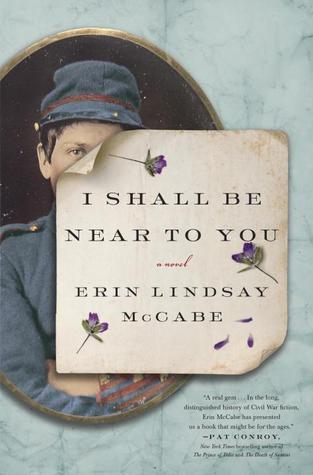
3) Civil War
Top pick: Gone With the Wind by Margaret Mitchell or I Shall Be Near To You by Erin Lindsay McCabe

GWTWIShallBeNear

4) Women’s suffrage movement (US) – early 1900s
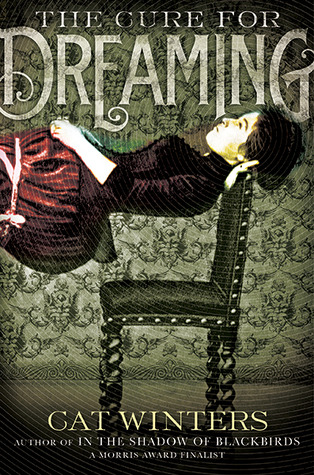
Top pick: The Cure For Dreaming by Cat Winters

Cure for Dreaming

5) World War I – battlefield dramas or hospitals or post-war mysteries — all good!
Top pick: Maisie Dobbs by Jacqueline Winspear or In Falling Snow by Mary-Rose MacColl

Maisie DobbsIn Falling Snow

6) World War II
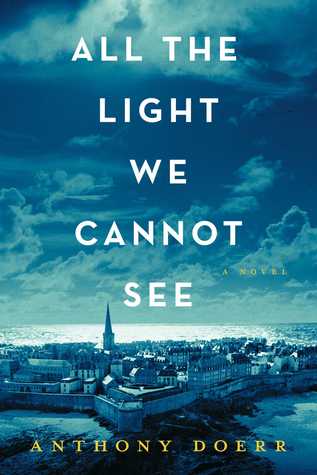
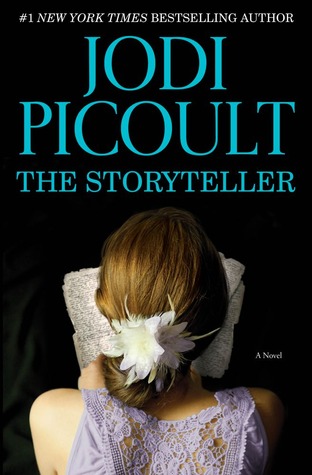
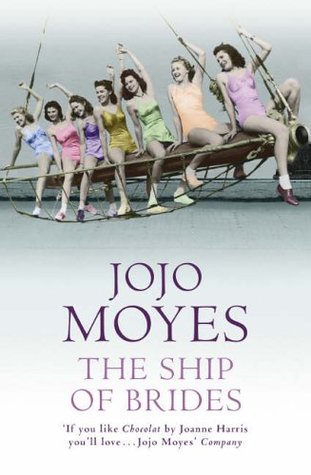
Top pick: All the Light We Cannot See by Anthony Doerr; The Storyteller by Jodi Picoult; The Ship of Brides by Jojo Moyes… (the list is endless, but these are three recent ones that I read and loved)

All the LightThe Storytellership of brides

7) Tudor England
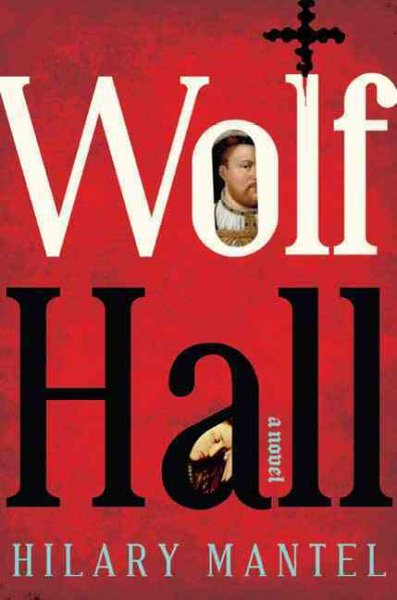
Top pick: Wolf Hall and Bring Up the Bodies by Hilary Mantel

wolf-hallbring up the bodies

8) Australian history
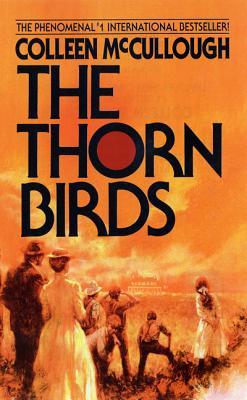
Top pick: The Thorn Birds by Colleen McCullough

Thorn Birds

9) French Revolution
Top pick: A Tale of Two Cities by Charles Dickens

Tale of Two Cities

10) 1400s Spain
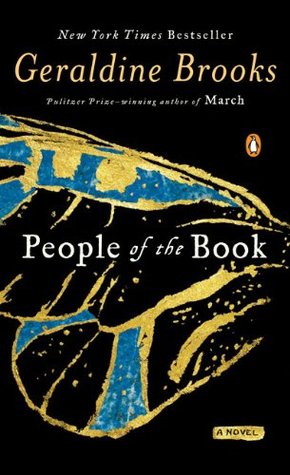
Top pick: People of the Book by Geraldine Brooks or Incantation by Alice Hoffman

People of the BookIncantation

Do you have any recommendations for historical novels set during my favorite eras?

Please share your links so I can check out your TTT posts!

If you enjoyed this post, please consider following Bookshelf Fantasies! And don’t forget to check out my regular weekly features, Shelf Control and Thursday Quotables. Happy reading!

♥♥♥♥♥♥♥♥

Do you host a book blog meme? Do you participate in a meme that you really, really love? I’m building a Book Blog Meme Directory, and need your help! If you know of a great meme to include — or if you host one yourself — please drop me a note on my Contact page and I’ll be sure to add your info!