Getting ready for the Winter 2024 Classics Club Spin!

It’s time for another Classics Club Spin!

Hosted by The Classics Club blog, the Classics Club Spin is a reading adventure where participants come up with a list of classics they’d like to read, number them 1 to 20, and then read the book that corresponds to the “spin” number that comes up. This will be my 8th time participating — although for the Classics Club, it’s spin #36!

Here are the dates and guidelines from the host blog:

On Sunday 21st January 2024 we’ll post a number from 1 through 20. The challenge is to read whatever book falls under that number on your Spin List by the 3rd March, 2024..

We’ll check in here on Sunday the 3rd March to see who made it the whole way and finished their spin book!

What’s Next?

  • Go to your blog.
  • Pick twenty books that you’ve got left to read from your Classics Club List.
  • Post that list, numbered 1-20, on your blog before 21st January 2024.
  • We’ll announce a number from 1-20. 
  • Read that book by 3rd March.

I considered not participating this time around, because I already have a pretty stuffed calendar when it comes to reading commitments between now and March. In fact, I’m still a bit on the fence… but I always enjoy these spins, so I don’t really want to sit out.

To keep myself sane, I’m swapping out the two longest books remaining (David Copperfield and The Tenant of Wildfell Hall). Yes, I do still want to read them, but I’ll add them back to my spin list later in the year when the possibility of landing on them won’t stress me out as much! For now, I’m limiting my list to books under 400 pages (and actually loading it up with even shorter books) — I just can’t see being happy with the results otherwise.

Okay, that’s it for preamble! Now for the good stuff…

Here’s my list of 20 classics for the next Classics Club Spin:

  1. Frenchman’s Creek by Daphne DuMaurier
  2. The Ghost and Mrs. Muir by R. A. Dick
  3. An Old-Fashioned Girl by Louisa May Alcott
  4. Dracula by Bram Stoker
  5. Peony by Pearl Buck
  6. White Fang by Jack London
  7. Black Beauty by Anna Sewell
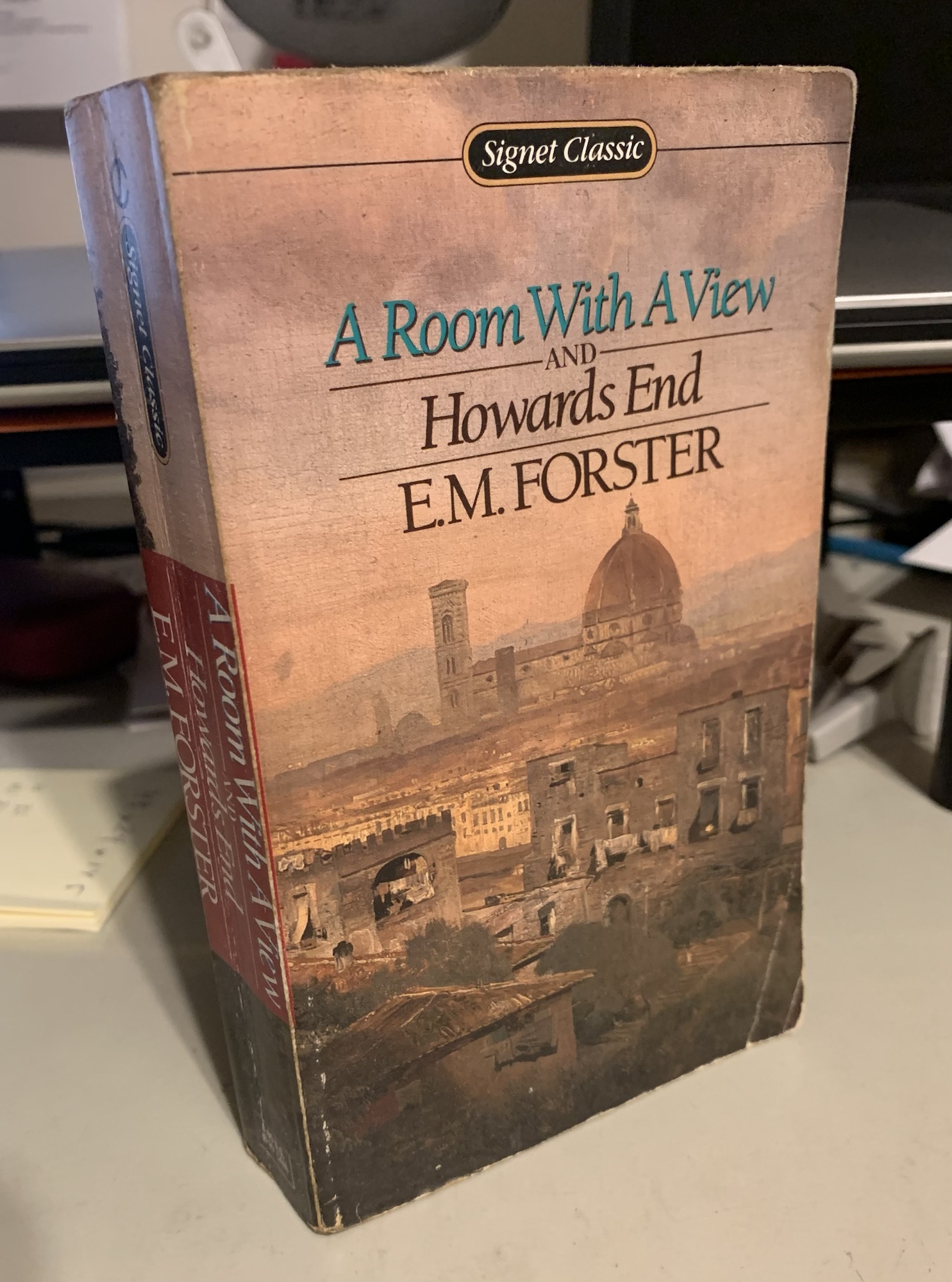
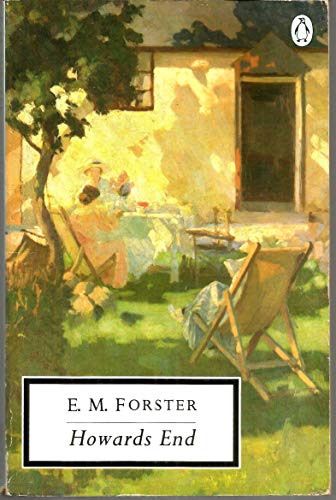
  8. Howards End by E. M. Forster
  9. The Mysterious Affair at Styles by Agatha Christie
  10. I Capture the Castle by Dodie Smith
  11. The Hobbit by J. R. R. Tolkien
  12. In Cold Blood by Truman Capote
  13. Tevye the Dairyman and Motl the Cantor’s Son by Sholom Aleichem
  14. The Painted Veil by W. Somerset Maugham
  15. Frankenstein by Mary Shelley
  16. The Grapes of Wrath by John Steinbeck
  17. The Sound of Waves by Yukio Mishima
  18. The Mayor of Casterbridge by Thomas Hardy
  19. The Left Hand of Darkness by Ursula K. Le Guin
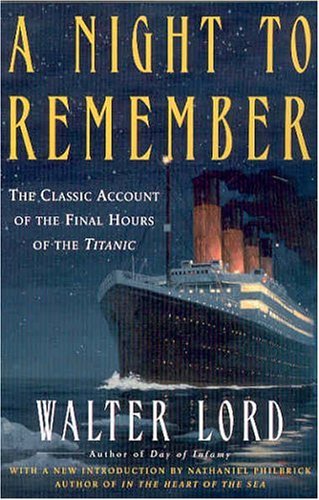
  20. A Night to Remember by Walter Lord

Wish me luck! I’ll be back on January 21st to reveal my spin result!

My previous Classics Club spins:

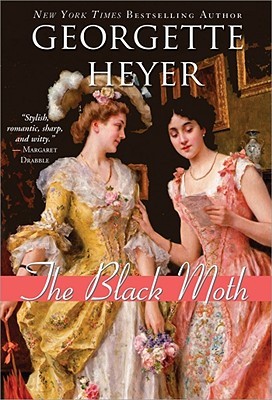
Spring 2022 (CCSpin29): The Black Moth by Georgette Heyer
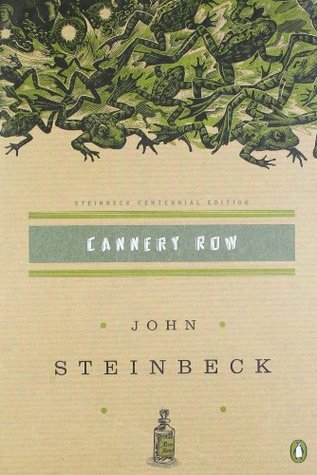
Summer 2022 (CCSpin30): Cannery Row by John Steinbeck
Fall 2022 (CCSpin31): A Connecticut Yankee in King Arthur’s Court by Mark Twain
Winter 2022/2023 (CCSpin32): O Pioneers! by Willa Cather
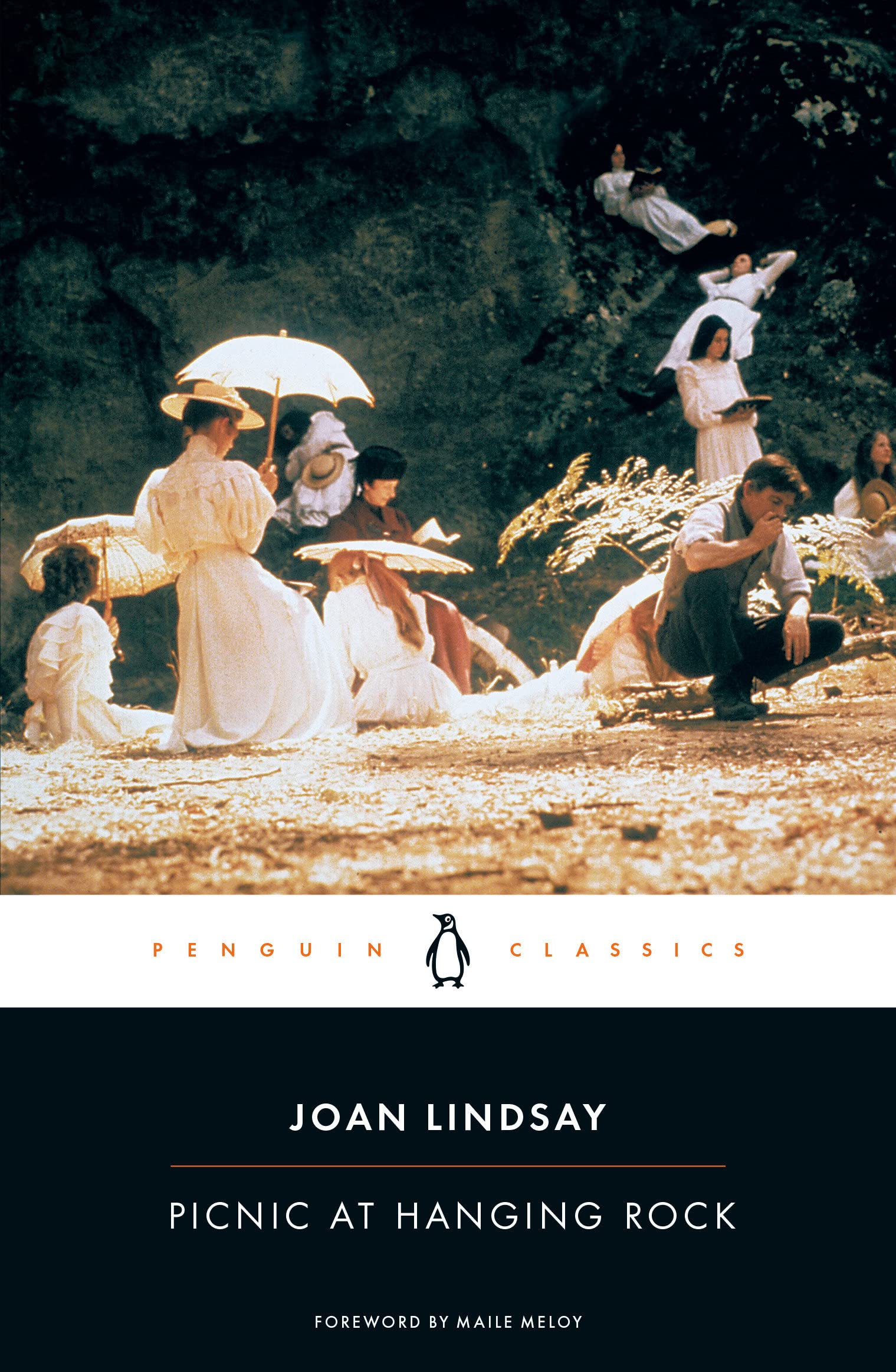
Spring 2023 (CCSpin33): Picnic at Hanging Rock by Joan Lindsay
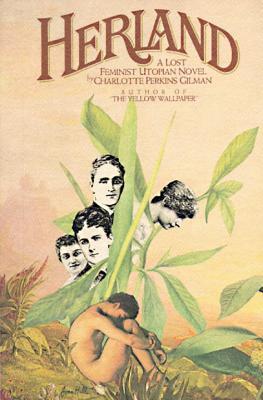
Summer 2023 (CCSpin34): Herland by Charlotte Perkins Gilman
Fall 2023 (CCSpin35): Cranford by Elizabeth Gaskell

Book Review: Cranford by Elizabeth Gaskell (Classics Club Spin #35)

Title: Cranford
Author: Elizabeth Gaskell
Publication date: 1853
Length: 145 pages
Rating:

Rating: 5 out of 5.

A sampling of synopses:

Elizabeth Gaskell’s portrait of kindness, compassion, and hope

Cranford depicts the lives and preoccupations of the inhabitants of a small village – their petty snobberies, appetite for gossip, and loyal support for each other in times of need This is a community that runs on cooperation and gossip, at the very heart of which are the daughters of the former rector: Miss Deborah Jenkyns and her sister Miss Matty, But domestic peace is constantly threatened in the form of financial disaster, imagined burglaries, tragic accidents, and the reapparance of long-lost relatives.

The women of an English country village star in this Victorian classic that inspired a BBC series, from the author of North and South.   Welcome to Cranford, where everyone knows one another and a cow wears pajamas. It’s a community built on friendship and kindness, where women hold court and most of the houses—and men—are rarely seen. Two colorful spinster sisters at the heart of Cranford, Miss Matty and Miss Deborah Jenkyns, are daughters of the former rector, and when they’re not playing cards or drinking tea, they’re feeding an endless appetite for scandal and weathering commotions to their peaceful lives, from financial troubles to thieves to an unexpected face from the past.   First published in installments in Household Words, a magazine edited by Charles Dickens, Cranford was a hit of its time and today offers modern readers a glimpse into a small English town during the mid-nineteenth century.

Cranford is a lovely snapshot of a time and place. The gentle storytelling paints a portrait of a small village dominated by the various women who rule local society. Men are largely absent or unimportant; it’s the women’s gatherings, chats, rules, and visits that create the atmosphere of this sweet read.

In the first place, Cranford is in possession of the Amazons; all the holders of houses above a certain rent are women. If a married couple come to settle in the town, somehow the gentleman disappears; he is either fairly frightened to death by being the only man in the Cranford parties, or he is accounted for by being with his regiment, his hip, or closely engaged in business all the week in the great neighbouring commercial town of Drumble, distant only twenty miles on a railroad. In short, whatever does become of the gentlemen, they are not at Cranford.

Narrated by Mary Smith, whose name we don’t actually learn until late in the book, Cranford depicts a series of events in the lives of the community. We quickly discover who sets the tone and who follows along; who is considered respectable and who is most decidedly not. Whether it’s the matter of clothing or when to burn candles, there are rules for everything, and woe to those who don’t follow the rules!

There isn’t much of a plot; rather, Cranford is a series of vignettes of the characters’ lives, covering silly events (such as a visiting magician) as well as deaths, marriages, births, and the loss of fortunes. While some characters appear to be ridiculously rule-bound, there are moments of loveliness when the various residents of Cranford come together to offer help and support, often without the recipient having any idea of how much is being done for them (so as not to damage their pride).

The writing is often quite funny:

“Mrs Forrester … sat in state, pretending not to know what cakes were sent up, though she knew, and we knew, and she knew that we knew, and we knew that she knew that we knew, she had been busy all the morning making tea-bread and sponge-cakes.”

And yet, the story includes sad moments as well — stories of lost love, estranged family members, and sudden accidents.

Overall, Cranford is a gentle read, full of humor and sharp descriptions, but it is also kind and generous, even with the more ridiculous of the characters.

I’m glad to have read this little gem. Once again, another terrific read thanks to a Classics Club Spin!

My Classics Club Spin book for fall 2023 will be…

Last week, I shared a post with my list of books for the newest Classics Club Spin challenge (see it here), and a few days ago, this spin’s number was announced. (For those keeping track, it’s CC Spin #35, and for me personally, #7!)

Hosted by The Classics Club blog, the Classics Club Spin is a reading adventure where participants come up with a list of classics they’d like to read, number them 1 to 20, and then read the book that corresponds to the “spin” number that comes up.

For CCSpin #35, the lucky number is:

And that means I’ll be reading:
Cranford by Elizabeth Gaskell (published 1853)

Synopsis:

The women of an English country village star in this Victorian classic that inspired a BBC series, from the author of North and South.
 
Welcome to Cranford, where everyone knows one another and a cow wears pajamas. It’s a community built on friendship and kindness, where women hold court and most of the houses—and men—are rarely seen. Two colorful spinster sisters at the heart of Cranford, Miss Matty and Miss Deborah Jenkyns, are daughters of the former rector, and when they’re not playing cards or drinking tea, they’re feeding an endless appetite for scandal and weathering commotions to their peaceful lives, from financial troubles to thieves to an unexpected face from the past.
 
First published in installments in Household Words, a magazine edited by Charles Dickens, Cranford was a hit of its time and today offers modern readers a glimpse into a small English town during the mid-nineteenth century.

In case you’re wondering — yes, I’m happy with this spin! I’d been holding my breath thinking that I’d end up with a really long book this time around, and I’m perfectly content not to feel that kind of pressure. At 145 pages, Cranford should be very doable… and we have until December 3rd to finish our spin books this time around.

What do you think of my newest spin result?

Here’s my list of 20 titles for Classics Club Spin #35:

  1. Frenchman’s Creek by Daphne DuMaurier
  2. Cranford by Elizabeth Gaskell
  3. An Old-Fashioned Girl by Louisa May Alcott
  4. Dracula by Bram Stoker
  5. Peony by Pearl Buck
  6. David Copperfield by Charles Dickens
  7. The Tenant of Wildfell Hall by Anne Bronte
  8. Howards End by E. M. Forster
  9. The Mysterious Affair at Styles by Agatha Christie
  10. I Capture the Castle by Dodie Smith
  11. The Silmarillion by J. R. R. Tolkien
  12. In Cold Blood by Truman Capote
  13. Tevye the Dairyman and Motl the Cantor’s Son by Sholom Aleichem
  14. The Painted Veil by W. Somerset Maugham
  15. Frankenstein by Mary Shelley
  16. The Grapes of Wrath by John Steinbeck
  17. The Sound of Waves by Yukio Mishima
  18. The Mayor of Casterbridge by Thomas Hardy
  19. The Left Hand of Darkness by Ursula K. Le Guin
  20. A Night to Remember by Walter Lord

My previous Classics Club Spin books:
Are you participating in this Classics Club Spin? If so, what book will you be reading?

Getting ready for the Fall 2023 Classics Club Spin!

It’s time for another Classics Club Spin!

Hosted by The Classics Club blog, the Classics Club Spin is a reading adventure where participants come up with a list of classics they’d like to read, number them 1 to 20, and then read the book that corresponds to the “spin” number that comes up. This will be my 7th time participating — although for the Classics Club, it’s spin #35!

Here are the dates and guidelines from the host blog:

On Sunday 15th, October, we’ll post a number from 1 through 20. The challenge is to read whatever book falls under that number on your Spin List by the 3rd December, 2023.

We’ll check in here on Sunday the 3rd December to see who made it the whole way and finished their spin book!

What’s Next?

  • Go to your blog.
  • Pick twenty books that you’ve got left to read from your Classics Club List.
  • Post that list, numbered 1-20, on your blog before Sunday, 15th October.
  • We’ll announce a number from 1-20. 
  • Read that book by 3rd December.

I’m a little nervous this time around, because my reading schedule already feels overstuffed with a couple of big books related to group reads. I’m tempted to drop the longer books from my list… and yet, with a month and a half to get it done, even something on the lengthier side might be possible. Maybe. Fingers crossed.

Okay, sticking with the list I already had going, and just adding in the replacements for books I’ve already read…

Here’s my list of 20 classics for the next Classics Club Spin:

  1. Frenchman’s Creek by Daphne DuMaurier
  2. Cranford by Elizabeth Gaskell
  3. An Old-Fashioned Girl by Louisa May Alcott
  4. Dracula by Bram Stoker
  5. Peony by Pearl Buck
  6. David Copperfield by Charles Dickens
  7. The Tenant of Wildfell Hall by Anne Bronte
  8. Howards End by E. M. Forster
  9. The Mysterious Affair at Styles by Agatha Christie
  10. I Capture the Castle by Dodie Smith
  11. The Silmarillion by J. R. R. Tolkien
  12. In Cold Blood by Truman Capote
  13. Tevye the Dairyman and Motl the Cantor’s Son by Sholom Aleichem
  14. The Painted Veil by W. Somerset Maugham
  15. Frankenstein by Mary Shelley
  16. The Grapes of Wrath by John Steinbeck
  17. The Sound of Waves by Yukio Mishima
  18. The Mayor of Casterbridge by Thomas Hardy
  19. The Left Hand of Darkness by Ursula K. Le Guin
  20. A Night to Remember by Walter Lord

Wish me luck! I’ll be away on October 15th and for the week following, but I’ll share my spin result once I’m back online.

My previous Classics Club spins:

Spring 2022 (CCSpin29): The Black Moth by Georgette Heyer
Summer 2022 (CCSpin30): Cannery Row by John Steinbeck
Fall 2022 (CCSpin31): A Connecticut Yankee in King Arthur’s Court by Mark Twain
Winter 2022/2023 (CCSpin32): O Pioneers! by Willa Cather
Spring 2023 (CCSpin33): Picnic at Hanging Rock by Joan Lindsay
Summer 2023 (CCSpin34): Herland by Charlotte Perkins Gilman

Book Review: Herland by Charlotte Perkins Gilman (Classics Club Spin #34)

Title: Herland
Author: Charlotte Perkins Gilman
Publication date: 1915
Length: 147 pages
Rating:

Rating: 4 out of 5.

Synopsis (Goodreads):

A prominent turn-of-the-century social critic and lecturer, Charlotte Perkins Gilman is perhaps best known for her short story “The Yellow Wallpaper,” a chilling study of a woman’s descent into insanity, and Women and Economics, a classic of feminist theory that analyzes the destructive effects of women’s economic reliance on men.

In Herland, a vision of a feminist utopia, Gilman employs humor to engaging effect in a story about three male explorers who stumble upon an all-female society isolated somewhere in South America. Noting the advanced state of the civilization they’ve encountered, the visitors set out to find some males, assuming that since the country is so civilized, “there must be men.” A delightful fantasy, the story enables Gilman to articulate her then-unconventional views of male-female roles and capabilities, motherhood, individuality, privacy, the sense of community, sexuality, and many other topics.

Decades ahead of her time in evolving a humanistic, feminist perspective, Gilman has been rediscovered and warmly embraced by contemporary feminists. An articulate voice for both women and men oppressed by the social order of the day, she adeptly made her points with a wittiness often missing from polemical writings.

Herland by Charlotte Perkins Gilman is an ahead-of-its-time feminist novel imaging a secret society of women living in an isolated utopia that’s existed for 2,000 years. The plot is narrated by one of a trio of male explorers who “discover” Herland and must learn to adapt to its highly evolved society.

According to Wikipedia:

Herland is a utopian novel from 1915, written by American feminist Charlotte Perkins Gilman. The book describes an isolated society composed entirely of women, who bear children without men (parthenogenesis, a form of asexual reproduction). The result is an ideal social order: free of war, conflict, and domination. It was first published in monthly installments as a serial in 1915 in The Forerunner, a magazine edited and written by Gilman between 1909 and 1916, with its sequel, With Her in Ourland beginning immediately thereafter in the January 1916 issue. The book is often considered to be the middle volume in her utopian trilogy, preceded by Moving the Mountain (1911). It was not published in book form until 1979.

As the book opens, narrator Van and his traveling partners, Terry and Jeff, become obsessed with the idea of locating a hidden land that’s rumored to be inhabited only by women. The men are all scientists of one sort or another, and each has his own attitude toward women. All find it hard to believe that such a place could actually exist, but they finally organize an expedition to discover the truth.

Before arrival, they seem to share a belief that there must be men in this land somewhere, whether residents or occasional guests. How else could this society continue to exist? As well, there’s a doubt about a society of women’s ability to manage — they can’t conceive of women as builders, providers, or growers, and deduce that they must have men’s help. On the other hand, Terry is the womanizer of the group, and while he’s doubtful about the rumors, he’s also sure that a group of women deprived of male company will be absolutely delighted to have him in their midst.

Once the men arrive in Herland, it becomes clear that their expectations are completely off-base. After initial tensions that seem likely to erupt into violence, the men are treated as guests — although without permission or opportunity to leave, they’ve more like gently-treated prisoners. They’re provided shelter, food, and clothing, and the women of Herland begin a lengthy, patient process of teaching the men their ways, culture, and habits.

The men are astonished — Herland is civilized and thriving, with beautiful cities, rich agriculture, and swarms of happy, healthy children. Motherhood is valued above all else, and the women eventually teach the men how their country came to be, and how parthenogenesis spontaneously occurred many generations back, allowing their people to continue to reproduce and flourish.

The men bring with them the expected sexism of their time, and only Terry seems to find it difficult to let the old attitudes go once faced with the reality of a women’s utopia.

Herland examines early 20th century attitudes toward femininity and masculinity, gender-based social roles, appearance and age, and the dynamics of relationships and marriage. Nothing is as the men expect, and their firmly-held beliefs about women’s abilities, about the purpose and goals of wives and mothers, and about the necessity of men to a healthy society are all proved wrong, time and time again.

The writing flows well and contains plenty of amusing outbursts and exclamations each time the men discover some new and unexpected aspect of Herland. I had to laugh over Van’s description of the clothing they’re provided with:

I see that I have not remarked that these women had pockets in surprising number and variety. They were in all their garments, and the middle one in particular was shingled with them.

See? Even in 1915, it’s clear that women’s clothing with pockets absolutely ruled.

After hearing about Herland for years, I’m glad to have finally read it. There is apparently a sequel, With Her In Ourland, which follows immediately upon the events of Herland, showing what happens when a woman from Herland accompanies the men back to the United States. Right now, I don’t feel all that inclined to read the sequel, although I may come back to it at some point down the road.

All in all, Herland is a fast, enjoyable read, with a style reminiscent of the works of H. G. Wells, The Lost World by Arthur Conan Doyle, or other adventure tales of the era. Herland provides a compelling look at the state of feminist theory and literature in the early 20th century. It’s a fascinating story about cultural and gender-based biases and expectations from that time, and has many concepts and situations that resonate even today.

Another terrific read thanks to a Classics Club Spin!

My Classics Club Spin book for summer 2023 will be…

Earlier this week, I shared a post with my list of books for the newest Classics Club Spin challenge (see it here), and today, this spin’s number was announced. (For those keeping track, it’s CC Spin #34, and for me personally, #6!)

Hosted by The Classics Club blog, the Classics Club Spin is a reading adventure where participants come up with a list of classics they’d like to read, number them 1 to 20, and then read the book that corresponds to the “spin” number that comes up.

For CCSpin #34, the lucky number is:

And that means I’ll be reading:

Herland by Charlotte Perkins Gilman (published 1915)

Synopsis:

A prominent turn-of-the-century social critic and lecturer, Charlotte Perkins Gilman is perhaps best known for her short story “The Yellow Wallpaper,” a chilling study of a woman’s descent into insanity, and Women and Economics, a classic of feminist theory that analyzes the destructive effects of women’s economic reliance on men.

In Herland, a vision of a feminist utopia, Gilman employs humor to engaging effect in a story about three male explorers who stumble upon an all-female society isolated somewhere in South America. Noting the advanced state of the civilization they’ve encountered, the visitors set out to find some males, assuming that since the country is so civilized, “there must be men.” A delightful fantasy, the story enables Gilman to articulate her then-unconventional views of male-female roles and capabilities, motherhood, individuality, privacy, the sense of community, sexuality, and many other topics.

Decades ahead of her time in evolving a humanistic, feminist perspective, Gilman has been rediscovered and warmly embraced by contemporary feminists. An articulate voice for both women and men oppressed by the social order of the day, she adeptly made her points with a wittiness often missing from polemical writings.

This wasn’t necessarily the book I was most hoping for this time around, but I’m happy with the spin results regardless! I do think I may have read an excerpt from Herland for a women’s studies class way back in my college years — but I’m not 100% sure, so this will be a good chance to find out. This is a relatively short book (under 150 pages, in the edition I checked out from the library), and I look forward to diving in!

What do you think of my newest spin book?

Here’s my list of 20 titles for Classics Club Spin #34:

  1. Frenchman’s Creek by Daphne DuMaurier
  2. Cranford by Elizabeth Gaskell
  3. An Old-Fashioned Girl by Louisa May Alcott
  4. Dracula by Bram Stoker
  5. Peony by Pearl Buck
  6. David Copperfield by Charles Dickens
  7. The Tenant of Wildfell Hall by Anne Bronte
  8. Howards End by E. M. Forster
  9. The Mysterious Affair at Styles by Agatha Christie
  10. I Capture the Castle by Dodie Smith
  11. The Silmarillion by J. R. R. Tolkien
  12. In Cold Blood by Truman Capote
  13. Herland by Charlotte Perkins Gilman
  14. The Painted Veil by W. Somerset Maugham
  15. Passing by Nella Larsen
  16. The Grapes of Wrath by John Steinbeck
  17. The Sound of Waves by Yukio Mishima
  18. The Mayor of Casterbridge by Thomas Hardy
  19. The Left Hand of Darkness by Ursula K. Le Guin
  20. A Night to Remember by Walter Lord

My previous Classics Club Spin books:
Are you participating in this Classics Club Spin? If so, what book will you be reading?

Getting ready for the Summer 2023 Classics Club Spin!

It’s time for another Classics Club Spin!

Hosted by The Classics Club blog, the Classics Club Spin is a reading adventure where participants come up with a list of classics they’d like to read, number them 1 to 20, and then read the book that corresponds to the “spin” number that comes up. This will be my 6th time participating — although for the Classics Club, it’s spin #34!

Here are the dates and guidelines from the host blog:

On Sunday 18th, June, we’ll post a number from 1 through 20. The challenge is to read whatever book falls under that number on your Spin List by the 6th August, 2023.

We’ll check in here on Sunday the 6th August to see who made it the whole way and finished their spin book!

What’s Next?

  • Go to your blog.
  • Pick twenty books that you’ve got left to read from your Classics Club List.
  • Post that list, numbered 1-20, on your blog before Sunday, 18th June.
  • We’ll announce a number from 1-20. 
  • Read that book by 6th August.

I love doing these spins! I rarely do reading challenges, but I’m happy to make an exception for the Classics Club Spin. It’s such a great way to get me to read classics that I’ve always meant to get to, and the randomness of it all makes it feel extra fun. Once again, I’m mostly sticking with the same list as before, minus the books I’ve already read, but also swapping out a couple I’m less interested in for other classics on my master list.

And now for the good stuff…

Here’s my list of 20 classics for the next Classics Club Spin:

  1. Frenchman’s Creek by Daphne DuMaurier
  2. Cranford by Elizabeth Gaskell
  3. An Old-Fashioned Girl by Louisa May Alcott
  4. Dracula by Bram Stoker
  5. Peony by Pearl Buck
  6. David Copperfield by Charles Dickens
  7. The Tenant of Wildfell Hall by Anne Bronte
  8. Howards End by E. M. Forster
  9. The Mysterious Affair at Styles by Agatha Christie
  10. I Capture the Castle by Dodie Smith
  11. The Silmarillion by J. R. R. Tolkien
  12. In Cold Blood by Truman Capote
  13. Herland by Charlotte Perkins Gilman
  14. The Painted Veil by W. Somerset Maugham
  15. Passing by Nella Larsen
  16. The Grapes of Wrath by John Steinbeck
  17. The Sound of Waves by Yukio Mishima
  18. The Mayor of Casterbridge by Thomas Hardy
  19. The Left Hand of Darkness by Ursula K. Le Guin
  20. A Night to Remember by Walter Lord

Wish me luck! I’ll post again on Sunday once the spin results are announced!

My previous Classics Club spins:

Spring 2022 (CCSpin29): The Black Moth by Georgette Heyer
Summer 2022 (CCSpin30): Cannery Row by John Steinbeck
Fall 2022 (CCSpin31): A Connecticut Yankee in King Arthur’s Court by Mark Twain
Winter 2022/2023 (CCSpin32): O Pioneers! by Willa Cather
Spring 2023 (CCSpin33): Picnic at Hanging Rock by Joan Lindsay

Picnic at Hanging Rock by Joan Lindsay: Book, movie, and TV (Classics Club Spin #33)

This was originally going to be a book review post dedicated to my newest Classics Club Spin book… but then I got carried away! Not only did I read the book, but I also watched the movie and TV mini-series versions as well. Read on for my thoughts on all three (or, for the tl;dr version, jump right to the end!)

Let’s start where all such things should start — the book:

Title: Picnic at Hanging Rock
Author: Joan Lindsay
Publication date: 1967
Length: 204 pages
Rating:

Rating: 4.5 out of 5.

Synopsis (Goodreads):

It was a cloudless summer day in the year 1900. Everyone at Appleyard College for Young Ladies agreed it was just right for a picnic at Hanging Rock. After lunch, a group of three girls climbed into the blaze of the afternoon sun, pressing on through the scrub into the shadows of the secluded volcanic outcropping. Farther, higher, until at last they disappeared. They never returned. . . .

Mysterious and subtly erotic, Picnic at Hanging Rock inspired the iconic 1975 film of the same name by Peter Weir. A beguiling landmark of Australian literature, it stands with Shirley Jackson’s We Have Always Lived in the Castle, Daphne du Maurier’s Rebecca, and Jeffrey Eugenides’ The Virgin Suicides as a masterpiece of intrigue.

Picnic at Hanging Rock is my most recent Classics Club Spin book. This is a book I’ve had my eye on for some time, so I was delighted when its number came up!

This 20th century Australian classic centers around the Appleyard College for Young Ladies, run by headmistress Mrs. Appleyard, a stiff and proper Englishwoman who enjoys the income afforded her by providing a fine finishing school education for the daughters of Australian society’s affluent families.

As the story opens, it’s Valentine’s Day, 1900, and the young women of Appleyard are setting out on a picnic, chaperoned by two teachers. It’s a hot day, and their destination lies hours away by horse-drawn carriage. After the excitement of receiving Valentine’s cards, emotions are running high. The girls are eager for adventure, yet must always remember the expectation that they behave like proper young ladies.

After a picnic at the foot of the towering Hanging Rock, as it’s almost time for the return journey, a few girls beg permission to take a short walk along the stream… and never return. Hours pass; finally, one of the party returns in terror, but with no explanation of what’s actually happened. No sign can be found of the three missing girls, and what’s more, it’s discovered that one of the teachers has also vanished. As night approaches, there’s no choice but to return to the school.

An intense manhunt follows, and while one girl is eventually found — but again, with no memories of what happened to her or the others — there’s no luck in finding the others. Rumors and intrigue spread; the incident becomes known as the College Mystery. Months pass, and the ripples of that fateful day spread and touch more and more people — and the enigmatic Mrs. Appleyard seems to slowly fall apart as well.

The writing in Picnic at Hanging Rock is lush and vivid. The depiction of Hanging Rock is stark, and the author carefully describes not just the rock formations themselves, but all the flora and fauna of the area as well. The contrast between the proper, buttoned-up, virginal girls and the wildness of their environment is vivid — while providing a simulated British boarding school environment, the school cannot help but also expose the girls to the dangerous, venomous, and treacherous landscapes all around them.

This book is quite famous for not actually answering the questions it raises. This isn’t a whodunnit with a big reveal at the end. We don’t know, and never find out, what truly happened to the missing girls. There’s another large question at the end that also doesn’t get answered. People appear in the story, and then fade from it, with the author pointing out at various points that this is where so-and-so’s role ends, and we hear no more from them.

A modern-day reader used to fast-paced thrillers and explosive plot twists might find this book slow, but I actually loved it. The mood builds slowly yet inexorably. There’s intrigue and dread, yet we also gets views of love and passion, disappointments and escapes, jealousies and fears. There’s an insidious sense of doom — from the day of the picnic, everything begins going downhill, even when the connections aren’t obvious.

There’s much debate about what happened to the girls. Were they attacked, murdered, kidnapped? Simply lost, perhaps fallen down a cliff? Were supernatural elements at play? An unpublished final chapter holds the key to the author’s original explanation, but even after reading about it, I think I’m happier with the book not providing answers to the mysteries.

I’m glad to have read Picnic at Hanging Rock. It’s a tautly-written, fairly short novel that contains great writing and creates an eerie, aching mood. Highly recommended.

Next up, the first filmed version of Picnic at Hanging Rock:

Right after finishing the book, I watched the 1975 film by director Peter Weir, which is considered a movie masterpiece. At the time of its release, Vincent Canby of the New York Times wrote:

HORROR need not always be a long-fanged gentleman in evening clothes or a dismembered corpse or a doctor who keeps a brain in his gold fish bowl. It may be a warm sunny day. the innocence of girlhood and hints of unexplored sexuality that combine to produce a euphoria so intense it becomes transporting, a state beyond life or death. Such horror is unspeakable not because it is gruesome but because it remains outside the realm of things that can be easily defined or explained in conventional ways.

Read full review, here, and an opinion piece written in 2017, here.

The movie delivers on the mood of the book, from start to finish. It’s cinematic in scope and has a dreamlike quality, often focusing in on the girls’ faces, showing their beauty and their overpowering emotions. Emotion rules everything — the girls’ romantic passion while reading Valentine cards, the devotion of a younger girl to an older, the delight of peeling off gloves and shoes as soon as civilizing forces are left behind, and for the young men encountered at the picnic, the obsessive dreams that follow a mere glimpse of a girl of startling beauty.

We also clearly see the downside of these emotional states, as various group scenes turn hysterical or threatening, when heightened emotions turn the girls (or in another instance, local townsfolk) into menacing mobs.

The film captures the book’s contrasts between the British-style manners and rules of the school and the untamable nature of the Australian bush, with gorgeous shots of the girls in white dresses disappearing between stones or coming in contact with insects and lizards. There were times in the book where I couldn’t quite connect the physical descriptions of the landscape with an image in my mind, so seeing the settings in the movie was very powerful.

The movie is just as ambiguous as the book. There’s no attempt to provide answers or tie things up neatly. The point of the movie is the feelings it evokes.

For further reading, here’s an interview piece on the themes of the movie (but proceed with caution — there are plot spoilers): http://www.filmcritic.com.au/reviews/p/picnic_hanging.html

Finally, my 2nd viewing experience — the 2018 mini-series, currently streaming on Prime Video.

This six-episode TV mini-series stars Natalie Dormer as the domineering headmistress Mrs. Appleyard. Based on the key art alone, it’s clear that this version is going for a very different vibe.

According to the Variety review:

Joan Lindsay’s much-acclaimed 1967 Australian novel “Picnic At Hanging Rock” has already resulted in one stunning adaptation — Peter Weir’s 1975 film of the same name — so a second attempt, this time a television series, may already feel unnecessary. But it doesn’t take long for writers Beatrix Christian and Alice Addison to make the case for their own 2018 “Picnic,” a darker, more mysterious, and extended version that manages to feel updated for our time while still keeping the original 1900 setting.

In “Picnic At Hanging Rock,” the central mystery is laid out immediately: Four young women — three students and their teacher — suddenly vanish on Valentine’s Day, 1900, while on a school picnic at, well, Hanging Rock. The base premise is familiar to fans of crime series, but this is no ordinary drama; it’s eerie and haunting. It’s less dreamy (a quality frequently ascribed to the film) and more of a nightmare that you’ll be eager to dive into.

(For an additional critical take on this mini-series, check out the New York Times review, here.)

Over the course of six episodes, the bones of the plot of Picnic at Hanging Rock remain intact, but the mini-series expands just about every element, creating backstories for many characters, envisioning heaps more romantic entanglements, and showing scenes of events at the Rock that are eerie and perhaps even intriguing, but that don’t ultimately add a whole lot to the story.

The key change, of course, is the character of Mrs. Appleyard. It’s evident early on that she is not what she seems. Rather than an older widowed Englishwoman focused on the profitability of turning out refined young women, here, she’s a scheming con artist posing as a wealthy, respectable woman — but we’re treated to her hidden Cockney accent early on, and through flashbacks, learn much more of her character.

The girls in her care are sympathetic, much more diverse than in the 1975 movie, and more explicitly curious about their own sexuality as well as the eroticism of the untamed world beyond the confines of the school. The cruelty and abuse are much more explicit here as well, and certain subplots and side characters are completely extraneous, either there as deliberate sensationalism or as plot padding.

The middle few episodes sag, and I had to restrain myself from fast-forwarding, but by the end, I did want to see the wrap-up and how it all plays out. The mini-series keeps some (but not all) of the ambiguity of the source material, but the heavy focus on Mrs. Appleyard makes many of the other elements fade into the background, and some of the romantic entanglements seem to serve no purpose other than distraction.

I suppose I’m glad to have watched the mini-series — to satisfy my curiosity and for the sake of completion — but I would have been perfectly fine without it too.

But don’t let me talk you out of checking it out! Here’s the trailer — see if it piques your interest:

Back to the Classics Club Spin:

Yes, I ventured far afield, not just reading my chosen book, but watching two different adaptations as well. And to wrap it all up, I’ll simply say:

THE BOOK: Haunting, eerie, ambiguous, beautiful

THE 1975 MOVIE: Dreamlike and artistic, maybe not suited to 21st century moviegoer tastes, but as an older film, it’s lovely to see. Even when the plot gets lost amidst the gorgeous cinematography, the spell of the movie makes it worthwhile.

THE 2018 MINI-SERIES: OK if you like this sort of thing. It’s all a bit of a muddle, dreamy in parts and then crossing over into a campier gothic feel. (Maybe I’m alone in this reaction — has anyone else seen it?)

The biggest takeaway: Picnic at Hanging Rock is definitely worth reading, and I’m so glad I did.

Can’t wait for the next CCSpin!

Audiobook Review: Jane of Lantern Hill by L. M. Montgomery

Title: Jane of Lantern Hill
Author: L. M. Montgomery
Narrator:  Lauren Sanders
Publisher: Sourcebooks (edition shown; many editions available)
Publication date: 1937
Print length: 261 pages
Audio length: 8 hours, 1 minutes
Genre: Classic children’s fiction (YA)
Source: Purchased
Rating:

Rating: 4 out of 5.

The story of a girl who must leave her home to discover who she is and reunite her family. A beloved classic from the author of Anne of Green Gables.

Jane Stuart always believed her father was dead–until she accidentally learned he was alive and well and living on Prince Edward Island. When Jane spends the summer at his cottage on Lantern Hill, doing all the wonderful things her grandmother deems completely unladylike, she dares to dream that there could be such a house back in Toronto…a house where she and her parents could live together without Grandmother directing their lives–a house that could be called home.

Jane of Lantern Hill has been on my to-read list for years, ever since I finished both the Anne of Green Gables series and the Emily Starr trilogy. Jane of Lantern Hill is a stand-alone, and the last novel written by L. M. Montgomery.

While many themes are familiar, Jane starts off quite differently from the Anne and Emily books. The story opens in Toronto, where 11-year-old Jane lives in the stifling old mansion owned by her strict, judgmental grandmother, along with her very pretty but somewhat weak-willed mother. Jane’s father died while she was very young, or so she’s always understood. She’s miserable and lonely in her gray world, with the orphan girl living at the boarding house next door as her only friend.

Life changes dramatically for Jane when a letter arrives from her very much alive father, insisting that Jane come spend the summer with him on Prince Edward Island. Jane definitely does not want to go, but has no choice once the family realizes that he could cause legal trouble for them. And so, Jane travels by train and ferry all the way from Toronto to PE Island, filled with dread — but at first glance at her father, she feels a strong connection, and her unhappiness is immediately replace by joy.

On the island, her warm-hearted father devotes himself to creating a home for Jane. They buy a charming little house at Lantern Hill, and Jane is overjoyed to be the “woman” of the house, given free rein to organize, clean, and cook to her heart’s delight. (More on this in a moment…) Lantern Hill is surrounded by a community that welcomes Jane with open arms, and she finds her days filled with friends, animals, beautiful landscapes, and the sounds of the sea.

When summer ends, she must return to the dismal house in Toronto, but now at least she has something to look forward to, and ticks of the months until she can return to her true home at Lantern Hill. Meanwhile, she starts to learn more about her parents’ marriage and separation, and begins to realize that neither may truly have the full picture of what happened and why.

I really enjoyed Jane of Lantern Hill, as I do all L. M. Montgomery books, but with a few hesitations. I understand how freeing it must be for Jane to be given the chance to create a cozy, warm home for herself and her father, after a lifetime under her grandmother’s harsh control — but I disliked how so much of the focus was on Jane cooking meals, cleaning (she loves to polish the silver), and general tasks related to keeping house. Yes, she also goes on adventures with the local children, learns to swim, and loves being outdoors, but there’s just a huge emphasis on the joys of domesticity, and after a while, it really rankled.

I also must note that an antisemitic slur is used in this book. It’s not presented as representative of the author’s point of view, and to be fair, I don’t think she means it as a slur — but it still jarred me to see this particular phrase used in a casual conversation.

Other than these two factors, I enjoyed the book as a whole. It’s always lovely to revisit PEI through the eyes of L. M. Montgomery. The emphasis is wholly on Jane’s experiences, but there’s still an element of intrigue around why her parents separated, and readers learn the truth as Jane does.

Jane is a delightful character, not quite as fanciful and imaginative as Anne Shirley, but with an enthusiasm and abundance of love that have been suppressed all her life, until finally given free expression at Lantern Hill. She’s a lot of fun to spend time with, and the portrayals of her various PEI friends and neighbors, as seen through Jane’s eyes, are funny and entertaining.

The audiobook narrator is very good at capturing Jane’s spirit, as well as the awfulness of her grandmother, her mother’s gentle love, and her father’s exuberance. The audiobook itself (as available through Audible and elsewhere) has 10 – 15 places where phrases repeat, which I believe is an editing issue rather than a narration problem.

My introduction to the world of L. M. Montgomery was much later in my life than it should have been — I read Anne of Green Gables for the first time within the last five years! I do love her writing and the sense of Prince Edward Island’s beauty and community as portrayed in her books. I have two more L. M. Montgomery novels on my shelves (Pat of Silver Bush and Mistress Pat), and I’m eager to check them out.

If you’re interested in L. M. Montgomery’s books, I’d definitely recommend checking out Jane of Lantern Hill. It’s a sweet story of a memorable girl — well worth reading!

For those who are L. M. Montgomery fans, which other books of her do you recommend?

My Classics Club Spin book for spring 2023 will be…

Earlier this week, I shared a post with my list of books for the newest Classics Club Spin challenge (see it here), and today, this spin’s number was announced. (For those keeping track, it’s CC Spin #33, and for me personally, #5!)

Hosted by The Classics Club blog, the Classics Club Spin is a reading adventure where participants come up with a list of classics they’d like to read, number them 1 to 20, and then read the book that corresponds to the “spin” number that comes up.

For CCSpin #33, the lucky number is:

And that means I’ll be reading:

Picnic at Hanging Rock by Joan Lindsay (published 1967)

Synopsis:

It was a cloudless summer day in the year 1900. Everyone at Appleyard College for Young Ladies agreed it was just right for a picnic at Hanging Rock. After lunch, a group of three girls climbed into the blaze of the afternoon sun, pressing on through the scrub into the shadows of the secluded volcanic outcropping. Farther, higher, until at last they disappeared. They never returned. . . .

Mysterious and subtly erotic, Picnic at Hanging Rock inspired the iconic 1975 film of the same name by Peter Weir. A beguiling landmark of Australian literature, it stands with Shirley Jackson’s We Have Always Lived in the Castle, Daphne du Maurier’s Rebecca, and Jeffrey Eugenides’ The Virgin Suicides as a masterpiece of intrigue.

I’m so happy with this spin result! I haven’t read many Australian classics, and this is one that I’ve heard so much about over the years. And on a practical note, I was afraid that we’d land on one of my longer options this time — but this book is 204 pages (according to the edition in my Kindle library), and feels really doable!

What do you think of my newest spin book?

Here’s my list of 20 titles for Classics Club Spin #33:

  1. Frenchman’s Creek by Daphne DuMaurier
  2. Cranford by Elizabeth Gaskell
  3. An Old-Fashioned Girl by Louisa May Alcott
  4. Dracula by Bram Stoker
  5. Peony by Pearl Buck
  6. The Tenant of Wildfell Hall by Anne Bronte
  7. Pygmalion by George Bernard Shaw
  8. Howards End by E. M. Forster
  9. The Mysterious Affair at Styles by Agatha Christie
  10. I Capture the Castle by Dodie Smith
  11. Foundation by Isaac Asimov
  12. In Cold Blood by Truman Capote
  13. Herland by Charlotte Perkins Gilman
  14. The Painted Veil by W. Somerset Maugham
  15. Passing by Nella Larsen
  16. The Awakening by Kate Chopin
  17. The Sound of Waves by Yukio Mishima
  18. Picnic at Hanging Rock by Joan Lindsay
  19. The Left Hand of Darkness by Ursula K. Le Guin
  20. A Night to Remember by Walter Lord

My previous Classics Club Spin books:

Are you participating in this Classics Club Spin? If so, what book will you be reading?